Plastic Injection Blow Molding Machine Delivers Consistent Bottle Quality
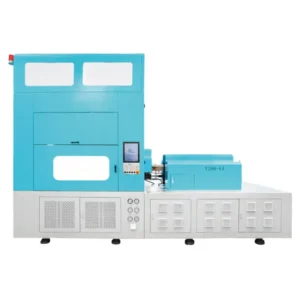
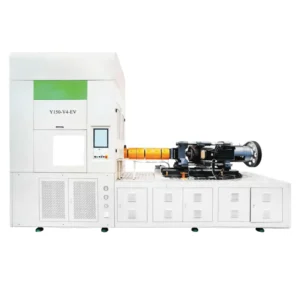
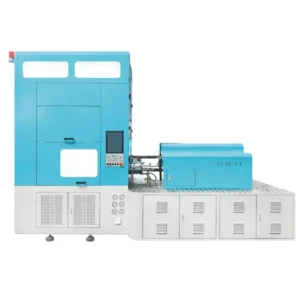
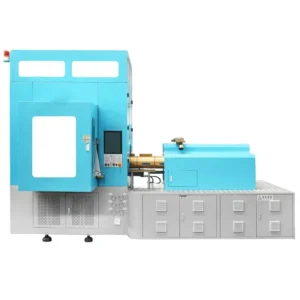
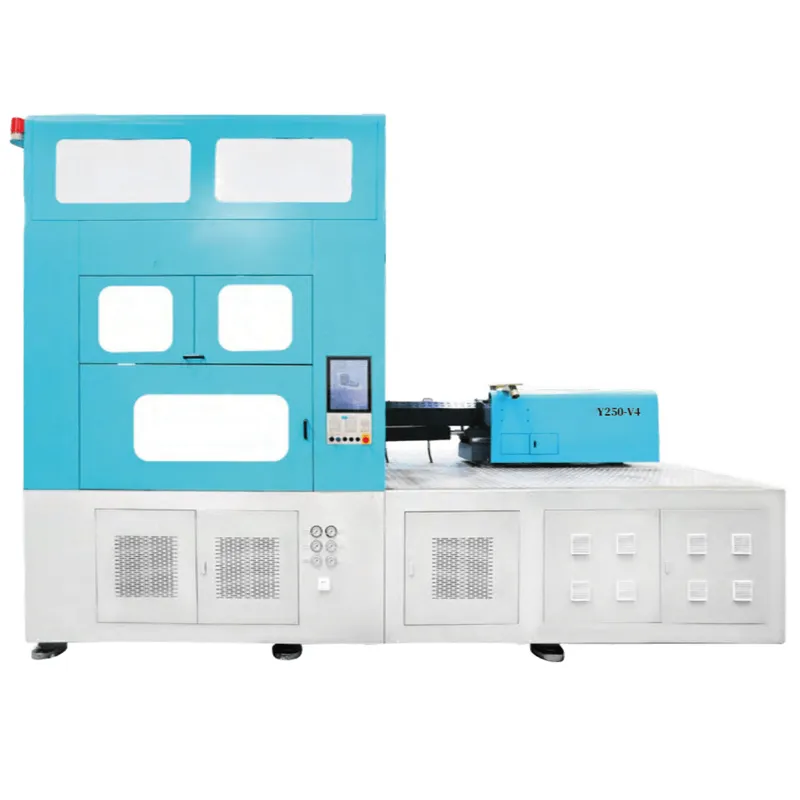
A plastic injection blow molding machine achieves consistent bottle quality by combining advanced process control with precision engineering. Integrated inspection technologies and strict quality systems guarantee uniformity. The machine uses high pressure, axial stretching, and radial blowing to create bottles with superior strength and reduced weight.
- Mexico Ever-Power Company reported a 25% reduction in defect rates after automating production lines.
- Real-time monitoring with IoT technology improved product quality and minimized downtime.
The stretching and blowing steps induce a bi-axial orientation in plastic molecules, which boosts clarity and durability.
 |
 |
Main Methods
- Plastic injection blow molding machine ensures consistent bottle quality through advanced automation and precise engineering.
- Real-time monitoring and inspection technologies help detect defects early, reducing waste and improving product quality.
- Maintaining uniform wall thickness is crucial for bottle strength and durability; advanced controls help achieve this.
- Automation minimizes human error, leading to higher efficiency and more reliable production of plastic bottles.
- Regular maintenance and calibration of machines are essential for optimal performance and consistent output.
Plastic Injection Blow Molding Machine Process
Key Steps
A plastic injection blow molding machine follows a precise sequence to produce high-quality bottles. The IBM machine operates through several main stages, each contributing to the final product’s consistency and accuracy.
- Injection: The process begins when plastic pellets enter the injection blow molding machine. Heating rings melt the plastic, and the IBM machine injects the molten material into a preform mold. This step shapes the initial structure and determines the material properties of the bottles.
- Blowing: The preform moves to the blow molding machine section. Compressed air expands the plastic inside the mold, ensuring the wall thickness remains uniform. This stage is vital for achieving the desired bottle shape and structural integrity.
- Ejection: The injection blow molding continues as the product cools and solidifies. The IBM machine then ejects the finished bottles, finalizing their shape and ensuring exceptional accuracy.
*Tip: Each step in the manufacturing process uses automation to monitor temperature, pressure, and material flow, which boosts efficiency and output.
Uniformity Mechanisms
The IBM machine uses advanced mechanisms to maintain consistency and quality throughout production. These systems ensure that every bottle meets strict standards for accuracy and performance.
- The injection blow molding machine maintains uniform wall thickness, which is essential for high-quality output and durability.
- Automated quality checks after molding verify that bottles meet specifications for thickness and dimensional accuracy.
- Industrial CT scanning and other inspection technologies measure wall thickness, supporting consistency and structural integrity.
- Real-time automation systems adjust production parameters to respond to changes in material or temperature, reducing variability in output.
- Proprietary algorithms analyze thickness profiles and automatically correct deviations, ensuring the manufacturing process produces reliable plastic products.
| Process Element | Description | Key Outcome |
|---|---|---|
| Heating | External heating rings melt plastic | Uniform molten material |
| Compression | Screw motion compresses and moves plastic | Ensures material density |
| Preform Shaping | Plastic injected into a mold | Initial product structure |
| Mold Closure | The mold encapsulates the preform | Accurate cavity formation |
| Air Injection | Compressed air expands the preform | Consistent bottle shape |
| Cooling | The product solidifies | Maintains structural integrity |
The IBM machine’s integration of precision engineering, automation, and inspection technologies sets it apart from other applications of injection blow molding. This approach delivers high-quality output and consistent performance for a wide range of plastic products.
Blow Molding Machine Components
Precision Moulds
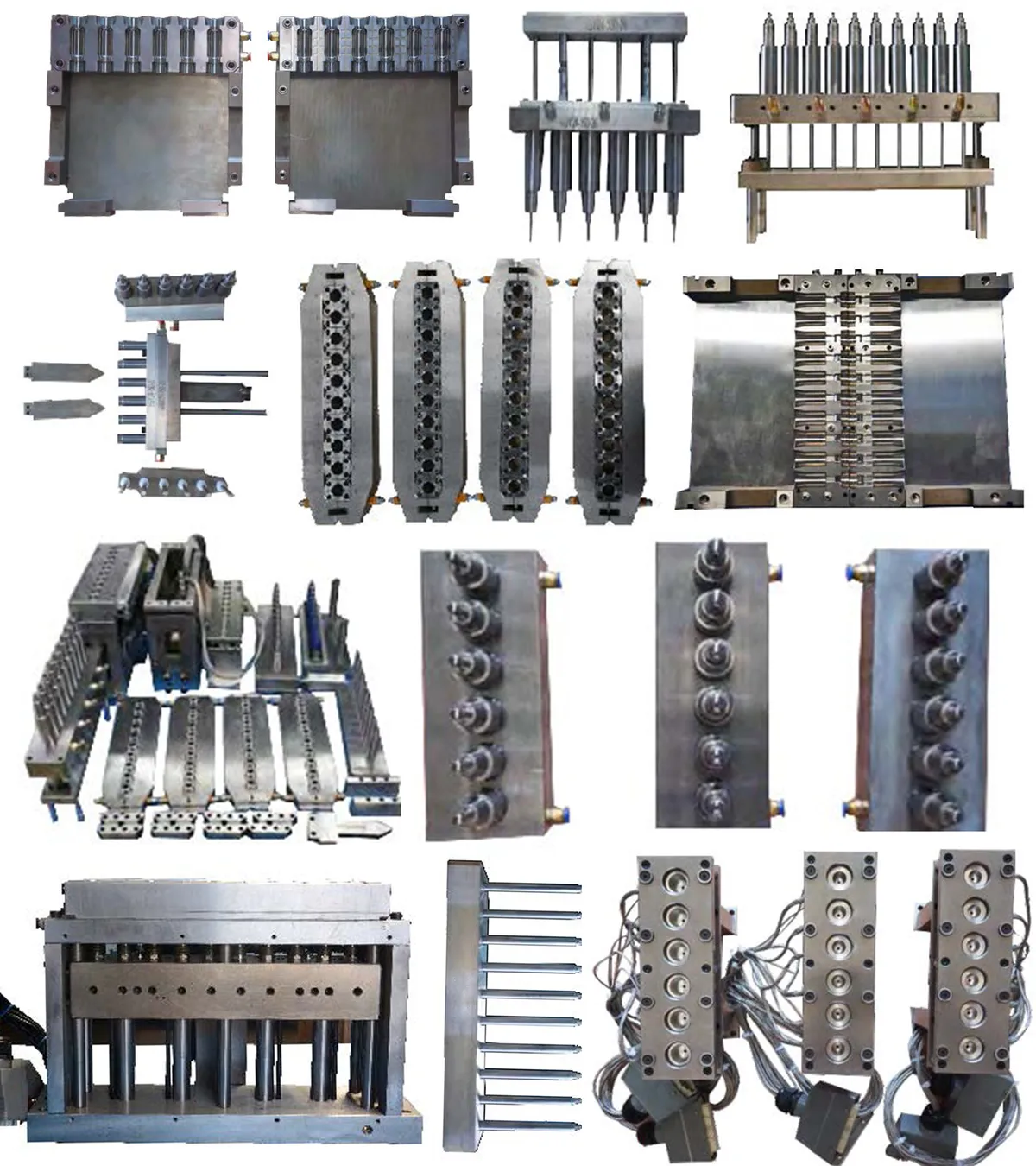
Precision moulds play a vital role in the manufacturing process of bottles. The injection blow molding machine relies on molds with high dimensional stability and rigidity. These moulds ensure repeatability and accuracy in every cycle. Advanced clamping mechanisms hold the moulds tightly, preventing movement during the injection blow molding process. The quality of the mould directly affects the final product’s dimensions and wall thickness. Manufacturers select materials for moulds that resist wear and maintain shape over time. This approach guarantees high-quality output and exceptional accuracy in plastic products.
- Precision moulds provide stability in the injection blow molding machine.
- Material rigidity and accurate dimensions improve consistency in production.
- Advanced clamping and control systems enhance repeatability.
Temperature & Pressure Control
Temperature and pressure control systems in a blow molding machine prevent defects and maintain consistency. The process begins with the gradual heating of plastic resin, which ensures proper melting before molding. Real-time monitoring of temperature helps operators achieve optimal conditions for the manufacturing process. Cooling channels inside the mould must remain clear to avoid localized contraction or warping. Uneven temperatures can cause defects in critical areas, such as the base and neck of bottles. Adjusting air pressure during the process maintains consistent wall thickness and structural integrity. Rapid and even cooling below the glass transition temperature locks in the bottle’s shape and prevents shrinkage.
- Proper temperature control prevents sagging and stretching issues in the embryo tube.
- Pressure management ensures uniform wall thickness and high-quality output.
- Timed inflation and cooling phases reduce the risk of defects in plastic bottles.
Automation Systems
Automation systems in the injection blow molding machine enhance efficiency and quality assurance. Machine vision and AI-powered image recognition identify defects in bottles during production. These systems minimize human error by automating inspections, which improves overall performance. Workers monitor automated systems instead of performing manual checks, allowing them to focus on maintaining the manufacturing process. Automation also enables real-time adjustments to process parameters, which supports consistency and output in applications of injection blow molding.
*Tip: Automation in a pet bottle blowing machine increases efficiency and reduces variability, leading to reliable production of plastic bottles.
| Component | Influence on Bottle Consistency |
|---|---|
| Parison | Determines quality, symmetry, and contour of the final product; dimensions and thickness are crucial. |
| Mold Design | Affects wall thickness and accurate dimensions, ensuring uniformity in the final product. |
| Blow Pin | Controls air introduction into the parison, essential for achieving desired shape and consistency. |
 |
 |
Injection Blow Molding Machine Quality Assurance
Inspection & Monitoring
Quality assurance in a plastic injection blow molding machine relies on rigorous inspection and monitoring at every stage. Operators use in-line inspection technologies to detect defects such as leaks, cracks, or irregularities in bottles. Leak testing identifies issues early, which minimizes waste and ensures that every bottle meets strict quality standards. Machine vision systems and AI-powered cameras scan each bottle for surface flaws and dimensional errors. These systems protect the reputation of manufacturers and prevent costly recalls.
*Note: Regular maintenance and calibration of the injection blow molding machine help maintain optimal performance. Inspecting, servicing, and calibrating equipment prevents unexpected breakdowns and reduces downtime.
Quality teams monitor critical parameters such as temperature, pressure, and cycle times. Real-time monitoring allows immediate correction of deviations, which maintains consistency and high-quality output. Accurate records of production processes support compliance with regulatory standards and improve traceability.
- In-line inspection detects leaks and surface defects.
- Real-time monitoring ensures consistent product quality.
- Data logging supports traceability and regulatory compliance.
- Regular calibration maintains accuracy and consistency in production.
Material Handling
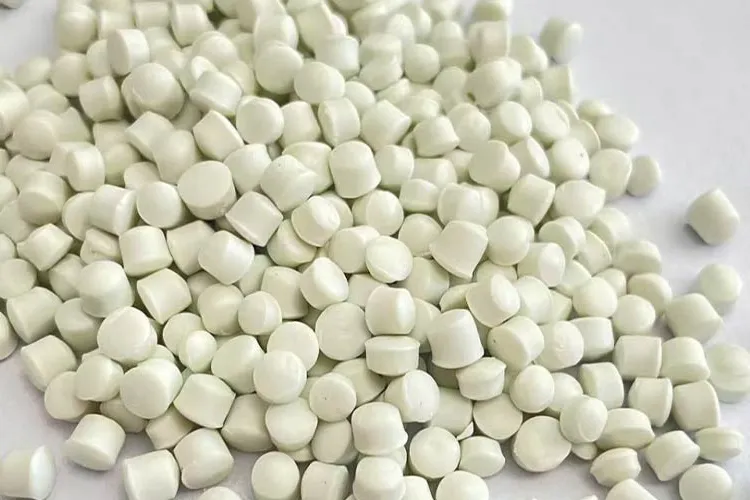
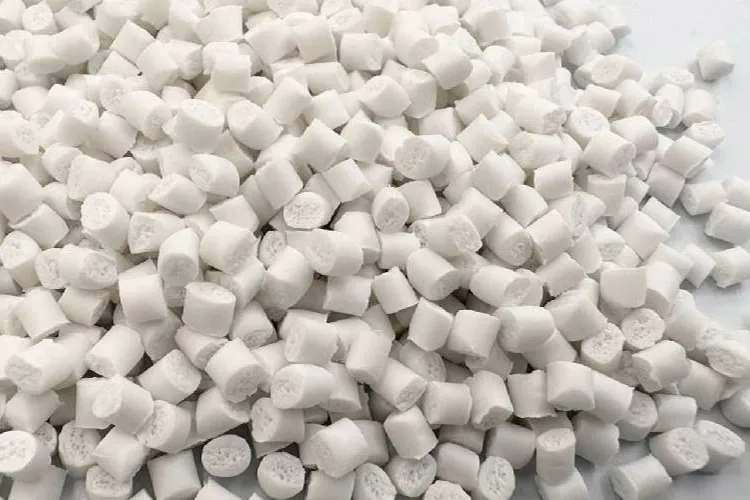
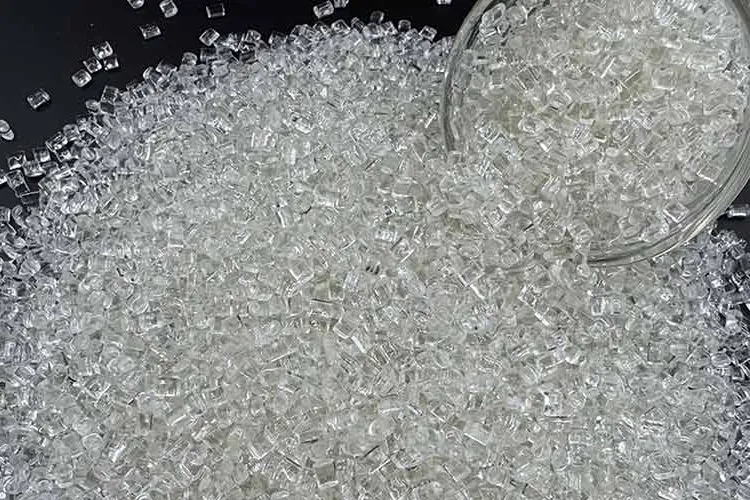
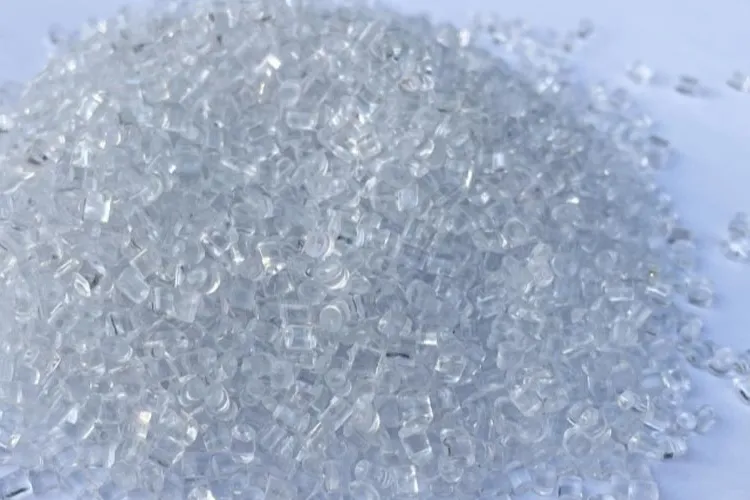
Material handling plays a crucial role in the consistency and quality of bottles produced by an injection blow molding machine. Operators select high-quality plastic resins and maintain tight control over raw material characteristics. Efficient cooling systems and proper venting contribute to durability and surface integrity. The injection phase creates molecular alignment, which enhances the strength and clarity of bottles.
| Key Factor | Description |
|---|---|
| High-Efficiency Production | One-step machines maximize productivity by minimizing cycle times, leading to consistent production rates. |
| Reduced Waste | Advanced control systems ensure precise material distribution, reducing waste and scrap rates. |
| Superior Material Orientation | The injection phase creates molecular alignment, enhancing strength and clarity of the bottles. |
Operators use in-mold finishing to reduce the need for trimming, which lowers production costs and waste. Molecular alignment during the injection phase improves the strength and barrier properties of bottles. Proper material selection and precision maintenance are critical for achieving exceptional accuracy and high-quality output.
- Zero or minimal scrap reduces production costs.
- Enhanced strength improves bottle performance.
- Efficient cooling and venting maintain surface integrity.
 |
 |
 |
 |
Defect Prevention
Defect prevention in the injection blow molding process depends on strict process control and advanced technologies. Operators monitor parameters such as material selection, injection pressure, mould temperature, stretching rod speed, and blow pressure. Adjusting these factors helps avoid common defects like short shots, sink marks, weld lines, uneven wall thickness, and haze.
| Parameter | Impact on Defect Prevention |
|---|---|
| Material Selection | Determines the quality and performance of the final product. |
| Injection Pressure | Regulates filling to avoid defects like short shots and sink marks. |
| Mould Temperature | Prevents premature solidification and ensures proper filling. |
| Stretching Rod Speed | Affects the thickness and strength of the container wall. |
| Blow Pressure | Achieves uniform wall thickness and prevents overstretching. |
Operators optimize cooling systems and maintain consistent wall thickness to prevent sink marks. Selecting appropriate gate locations and maintaining higher mould temperatures helps avoid weld lines. Proper material drying and optimal processing conditions ensure clarity and prevent haze.
Recent advancements in ISBM machines, such as AI-powered vision systems and digital twin simulations, enable manufacturers to identify and correct defects during production. These innovations improve overall product quality and production efficiency.
- The ISBM machine delivers high clarity and smooth surface finishes.
- Uniform wall thickness is maintained throughout the bottles.
- Preforms and bottles are produced on the same blow molding machine, ensuring surface integrity.
- The technology is ideal for premium packaging applications.
Tip: Regular maintenance and inspections preserve mold integrity and support reduced production time in the manufacturing process.
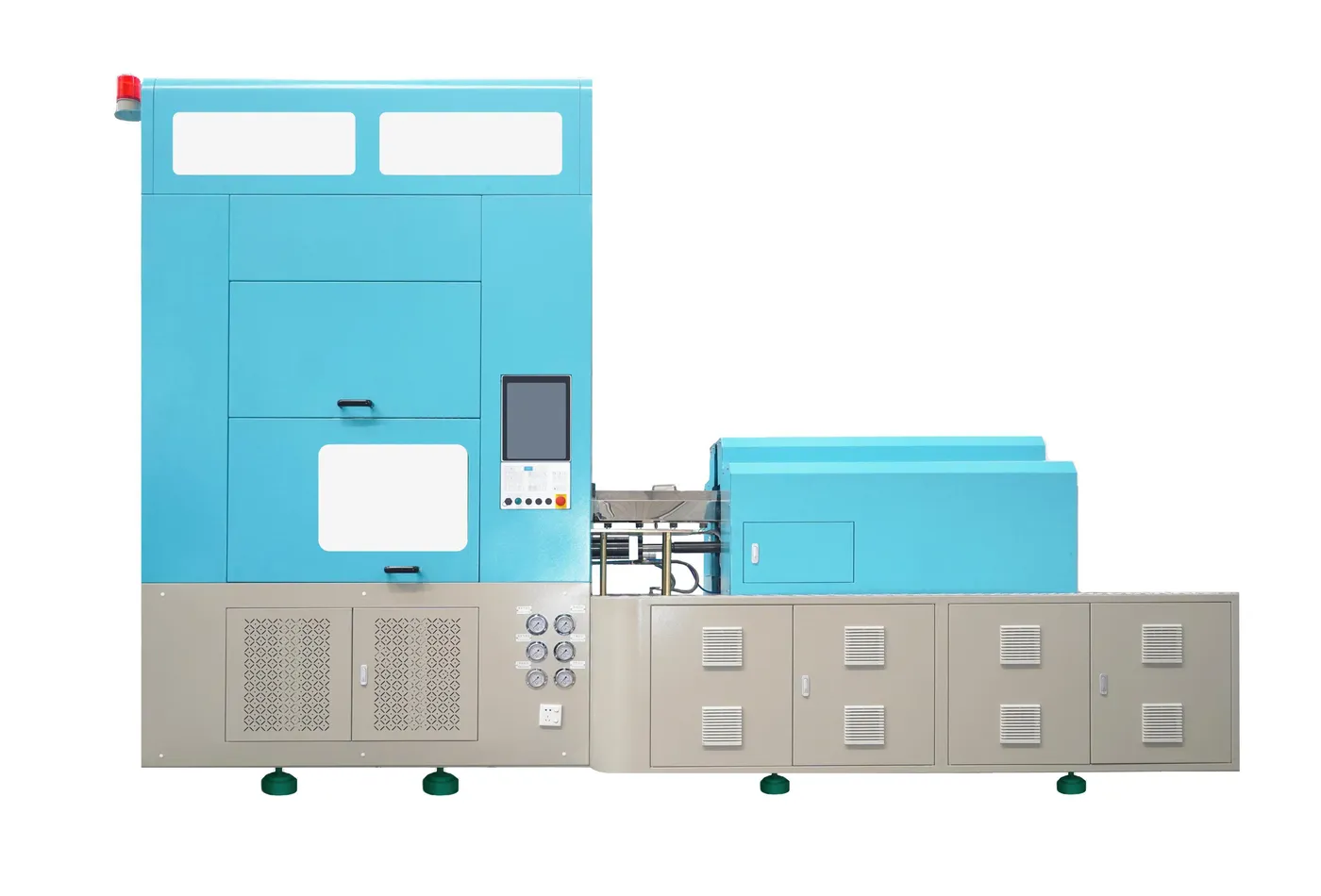
Overcoming Consistency Challenges
Wall Thickness Control
Wall thickness variation remains a major challenge in the plastic injection blow molding machine. Inconsistent wall thickness can weaken bottles and reduce their performance. Uneven heating, improper stretching, and inconsistent material distribution often cause these issues. The injection blow molding machine uses advanced wall thickness control technology to address this. This technology ensures bottles have consistent wall thickness, which improves strength and visual appeal. Operators optimize heating profiles and calibrate machine settings to maintain uniformity. Regular monitoring helps detect any deviations early, supporting high-quality production and exceptional accuracy.
| Challenge | Problem Description | Causes | Solutions |
|---|---|---|---|
| Wall Thickness Variation | Weak spots and structural integrity issues | Uneven heating, improper stretching, and inconsistent material distribution | Optimize heating, calibrate settings, and monitor regularly |
| Base Deformation | Instability and poor upright positioning | Uneven cooling, incorrect mold design, and insufficient material at the base | Adjust cooling, use proper molds, allocate material |
| Crystallization and Haze | Hazy appearance due to crystallization | Excessive heat during blowing | Control heating, implement cooling, calibrate equipment |
Environmental Factors
Environmental factors can affect the injection blow molding machine process and product consistency. Changes in ambient temperature or humidity may impact plastic flow and cooling rates. Operators monitor these conditions closely to maintain stable process parameters. The blow molding machine uses sensors to track environmental changes and adjust settings automatically. This approach helps maintain consistent output and reduces the risk of defects in plastic products. Proper ventilation and climate control in the manufacturing area further support high production efficiency and reduced production time.
*Tip: Consistent environmental control leads to a faster production cycle and better quality in mass-produced products.
Reducing Human Error
Automation in the injection blow molding machine plays a key role in reducing human error. Automated systems control temperature, pressure, and cycle time, which minimizes manual intervention. This leads to higher efficiency and more reliable output. The blow molding machine uses AI-driven quality control and IoT-enabled sensors to optimize production and detect issues in real time. Predictive maintenance algorithms help prevent downtime and support high-quality production. The pet bottle blowing machine benefits from these technologies, allowing manufacturers to mass-produce products with consistent quality and performance.
- Automation reduces manual intervention.
- It minimizes human error.
- It increases production efficiency.
The manufacturing process becomes more reliable, and plastic products meet strict quality standards.
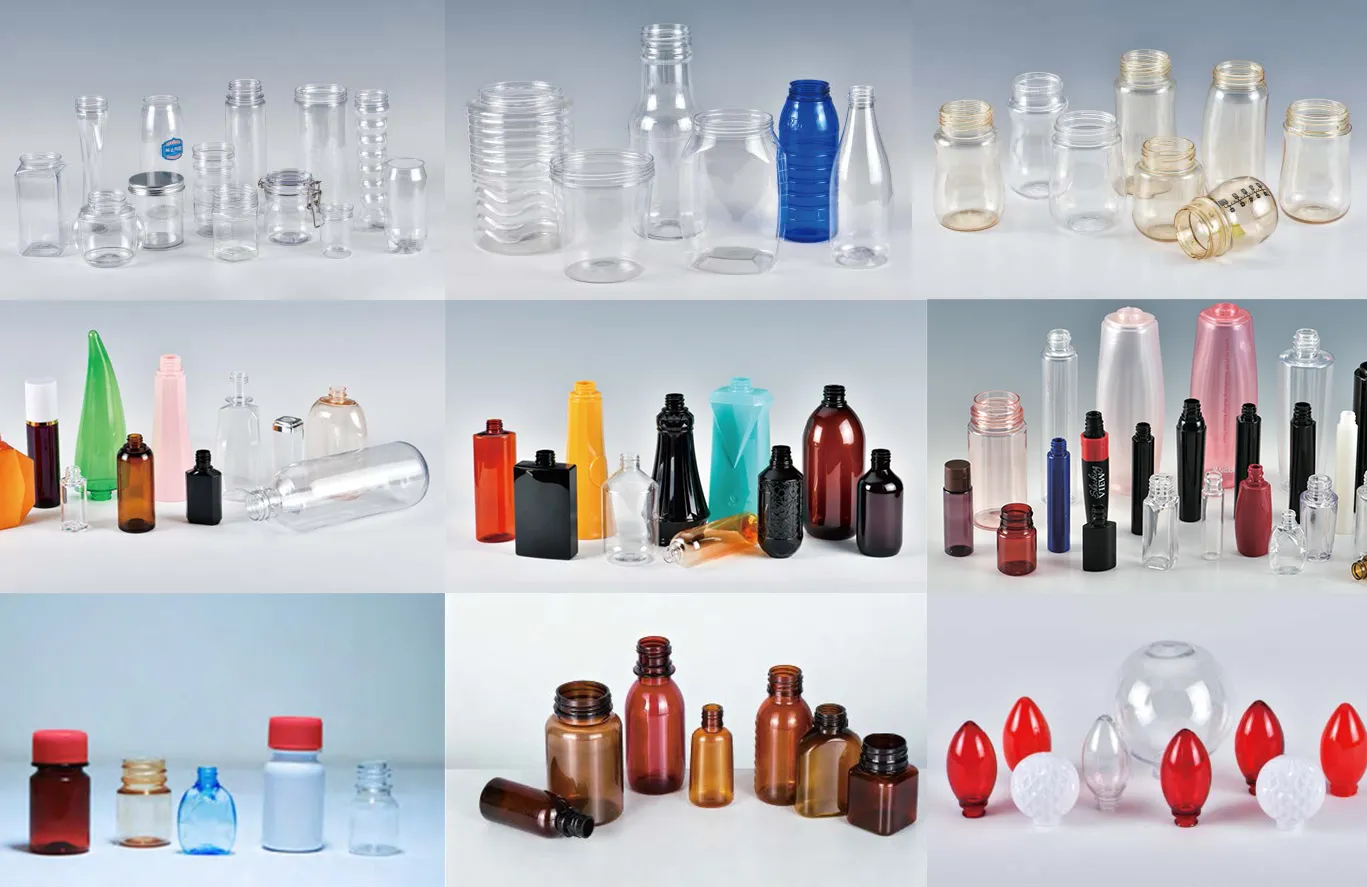
The integration of strict quality systems, advanced inspection, and automation in plastic injection blow molding machines delivers unmatched quality and accuracy in bottles. IBM machine offers long-term benefits for manufacturing, as shown below:
| Benefit | Description |
|---|---|
| Enhanced Product Quality | Uniform preform results and void-free bottles for critical industries. |
| Material Efficiency | Precise plastic management reduces waste and supports sustainability. |
| Flexibility in Design | Quick adaptation to new products and market demands. |
| Cost-Effectiveness | Lower operating costs and maintenance over time. |
| Versatility in Production | Ability to create complex plastic products for diverse applications. |
| Automated and Low Labor Needs | Higher efficiency and consistent production with less manual labor. |
| Sustainability and Eco-Friendliness | Better product-to-waste ratios and energy savings. |
Recent innovations in the molding process include:
- Dual-side clamping and modular designs for faster mold changes.
- High-speed production and multi-cavity molds for greater efficiency.
- Use of recycled plastic materials and advanced cooling techniques.
These advancements in the manufacturing process ensure that plastic bottles and other products meet the highest standards of quality, efficiency, and sustainability. The future of plastic molding promises even greater improvements in production and design.
 |
 |
FAQ
Q: What Is the Main Advantage of Using an Injection Blow Molding Machine?
A: The injection blow molding machine delivers consistent bottle quality. The machine uses automation and precision controls. Manufacturers achieve high output with fewer defects. Automated systems help maintain uniform wall thickness and accurate dimensions.
Q: How Does Automation Improve Bottle Quality?
A: Automation monitors temperature, pressure, and cycle times. The system adjusts settings in real time. This reduces human error and ensures every bottle meets strict standards.
Q: Why Is Wall Thickness Important in Bottle Manufacturing?
A: Wall thickness affects bottle strength and durability. Uniform thickness prevents weak spots. Manufacturers use advanced controls to maintain consistency.
| Factor | Impact on Bottles |
|---|---|
| Wall Thickness | Strength, durability |
| Uniformity | Prevents defects |
Q: What Types of Defects Can Inspection Systems Detect?
A: Inspection systems identify leaks, cracks, and surface flaws. Machine vision scans each bottle. Early detection helps manufacturers reduce waste.
Q: Can Injection Blow Molding Machines Use Recycled Plastics?
A: Manufacturers can use recycled plastics in modern machines. Advanced controls ensure recycled material meets quality standards. This supports sustainability and reduces waste.