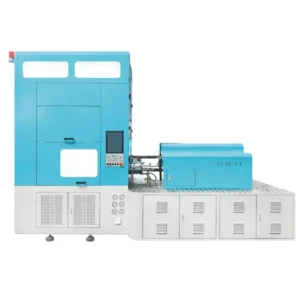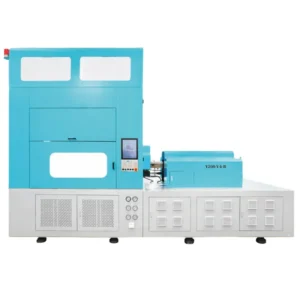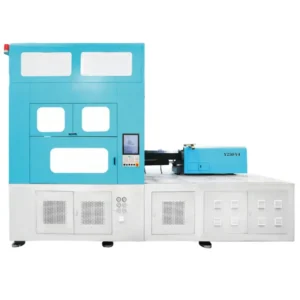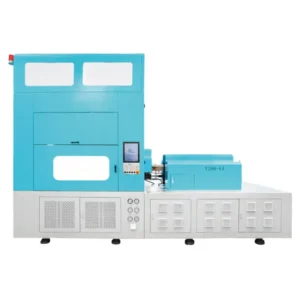
Choose the Right Injection Stretch Blow Molding Machine
Selecting the right injection stretch blow moulding machine starts with understanding features like clarity, gas barrier properties, material efficiency, automation, and safety. These features drive production efficiency and help businesses meet specific production goals. The global market for blow molding machine technology reached $1.70 billion in 2023 and is projected to grow rapidly, especially in packaging, automotive, and consumer goods. Technological advancements, including IoT and AI, now enable predictive maintenance and real-time process control, reducing cost while supporting sustainability.
Businesses should match machine features with their unique production needs and production goals for optimal results.
Key Considerations
- Injection stretch blow moulding machine offers great flexibility in making various container shapes and sizes, helping businesses meet diverse market needs.
- Automation and smart controls boost production speed, reduce labor costs, and improve product consistency, leading to higher efficiency and lower waste.
- The biaxial stretching process enhances bottle strength, clarity, and gas barrier properties, producing lightweight and durable containers ideal for beverages and pharmaceuticals.
- Advanced machines use energy-saving technologies and precise material control to reduce energy consumption and minimize material waste, supporting sustainability and cost savings.
- Strong after-sales support, including technical help, spare parts availability, and operator training, ensures machines run smoothly and maintain high production quality over time.
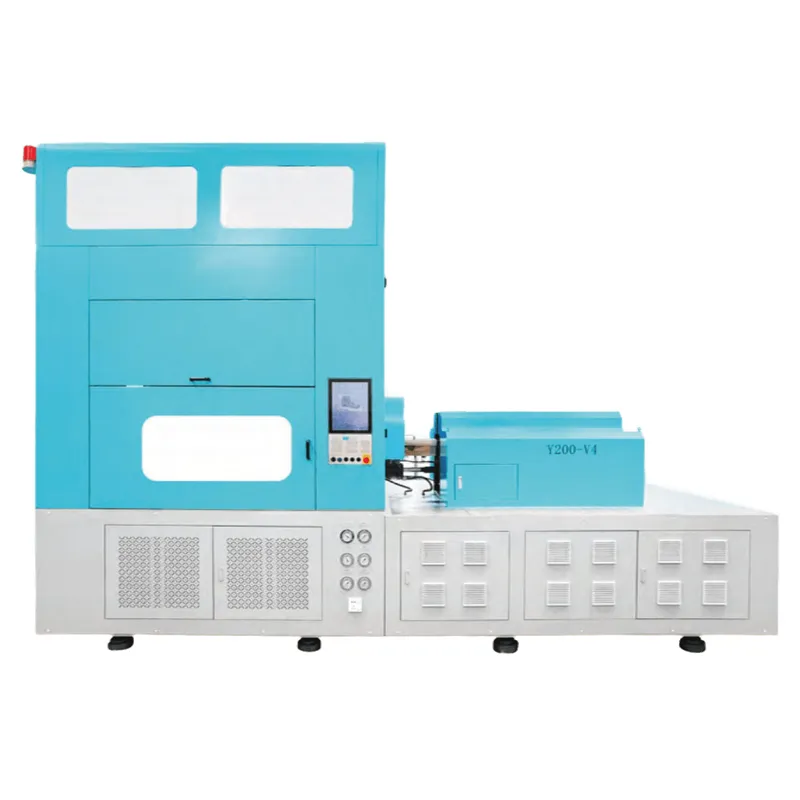
Injection Stretch Blow Molding Machine Versatility
1. Container Shapes and Sizes
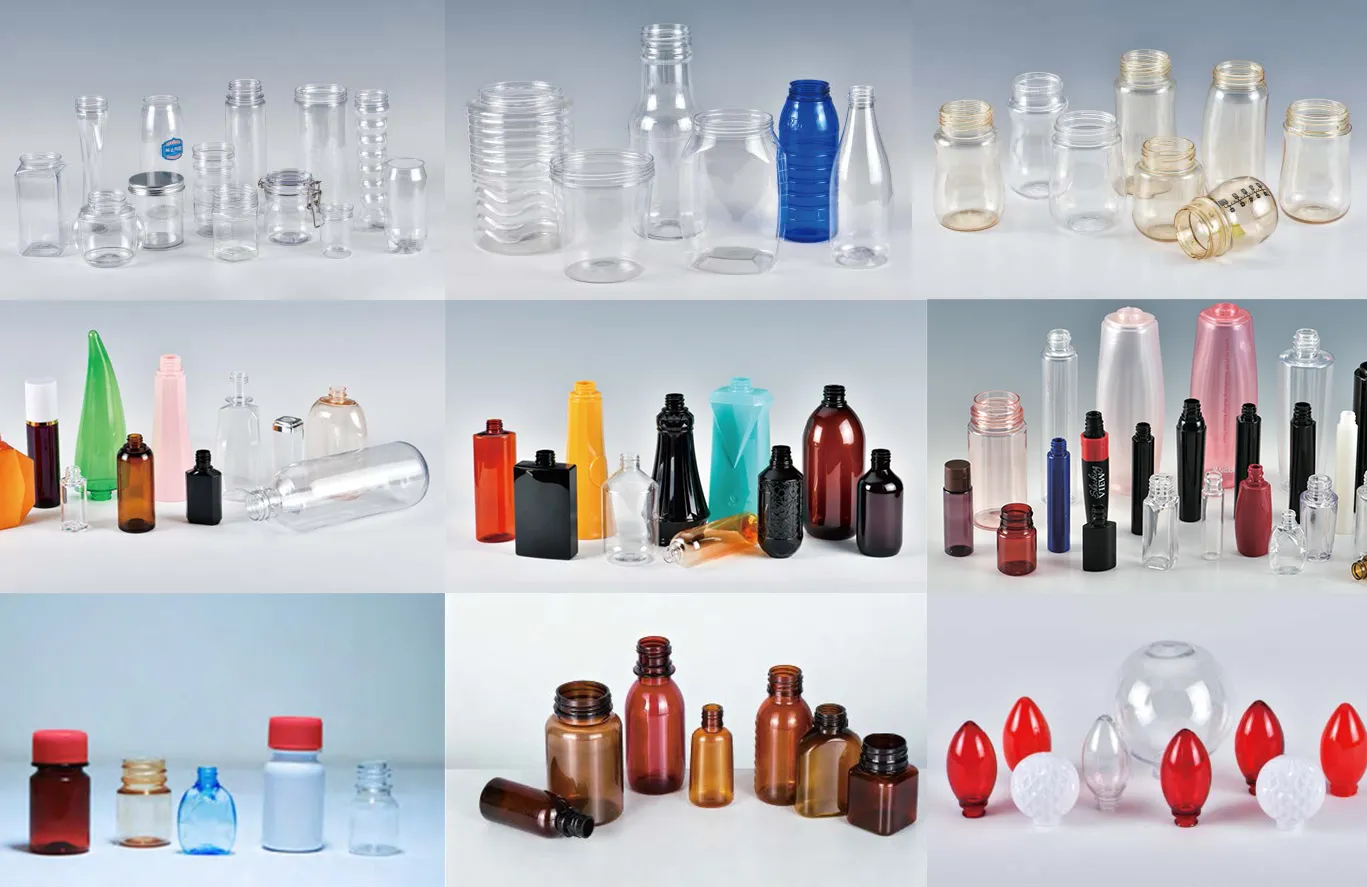
An injection stretch blow moulding machine offers remarkable flexibility in producing a wide range of container shapes and sizes. Manufacturers can create ISBM bottles as small as 5 milliliters and as large as 2 liters. The ISBM machine supports up to 40 cavities, making it suitable for high-volume production. Customization options allow businesses to design unique bottle shapes and neck finishes, including child-resistant seals. This level of customization helps companies stand out in competitive markets.
| Aspect | Details |
|---|---|
| Container Size Range | 5 milliliters up to 2 liters |
| Production Volume | Up to 40 cavities for high-volume production |
| Preform Options | Custom design preforms or stock preforms |
| Design Flexibility | Supports custom bottle shapes and various neck finishes including child-resistant seals |
| Limitations | Size limited to max 2 liters; dependent on mold design and machine cavitation capacity |
The ISBM molding ensures each container has uniform wall thickness and high clarity. This consistency is essential for industries such as beverages, cosmetics, and pharmaceuticals. However, the maximum container size depends on the mold and machine design. Precise temperature control remains critical to avoid defects and maintain quality.
*Tip: Businesses seeking to expand their product lines can leverage the versatility of injection stretch blow molding to adapt quickly to changing market demands.
2. Material Compatibility
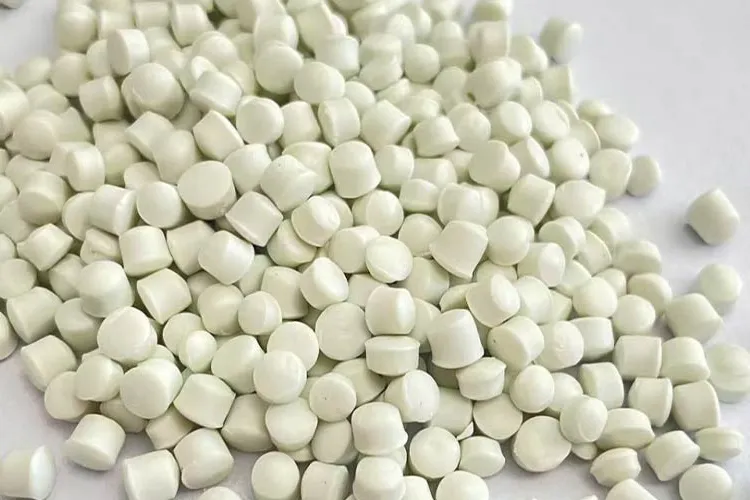
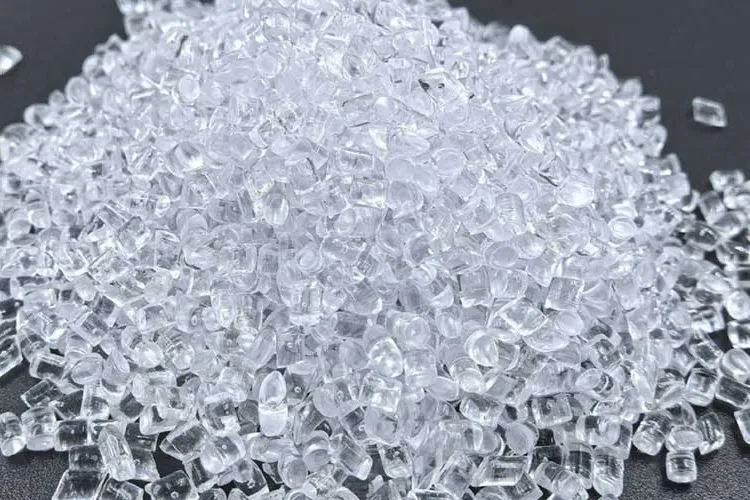
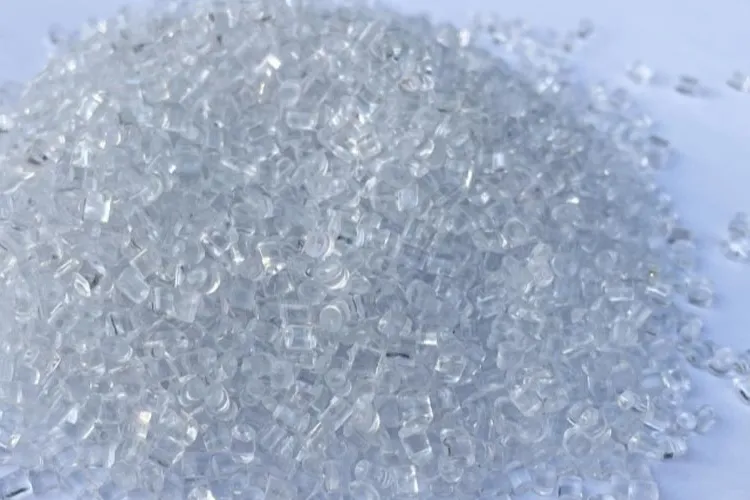
Material selection plays a crucial role in the performance of any blow molding machine. Compared with IBM machine, injection stretch blow molding machine works with PET, co-polyester, polypropylene, and even up to 100% recycled PET. These materials provide lightweight, durable, and clear bottles suitable for various applications.
| Material | Key Properties & Uses | Advantages | Limitations |
|---|---|---|---|
| PET, Co-Polyester, Polypropylene | High clarity, lightweight, strong, supports recycled content | Excellent for food, beverage, and pharma containers | Limited to max 2-liter containers, needs precise temperature control |
| Stainless Steel (304, 316) | Used for critical machine parts, ensures hygiene and durability | Long lifespan, food safety compliance | Higher initial cost, heavier weight |
| Aluminum Alloys | Used in molds and tooling, lightweight, fast heat dissipation | Improves cycle times, easy to machine | Less durable under high pressure |
| Engineering Plastics | Used in non-load-bearing parts, chemical resistance | Reduces noise, easy maintenance | Limited temperature resistance |
Recent advances in IBM machine technology have improved precision and energy efficiency. Servo motors and advanced control systems help maintain uniform material distribution, which is vital for producing high-quality bottles. Manufacturers now explore biodegradable and bio-based plastics, expanding the range of compatible materials and supporting sustainability goals. This adaptability allows businesses to meet evolving consumer preferences and regulatory requirements.
 |
 |
 |
 |
Injection Stretch Blow Moulding Machine Production Efficiency
1. High-Speed Mold Release
High-speed mold release stands as a critical factor in maximizing the output and productivity of any injection stretch blow moulding machine. The process involves rapid opening and closing of the mold, which allows for faster cycle times and increased production capacity. Injection blow molding uses servo-driven systems and advanced cooling channels to accelerate mold release, reducing the time each bottle spends in the mold.
Manufacturers benefit from shorter cycle times, which directly increase output and improve overall efficiency. For example, some blow molding machines achieve cycle times as low as 1.5 seconds per bottle. This speed supports high-volume production environments, especially in industries like beverages and pharmaceuticals. The process also maintains consistent product quality by ensuring uniform cooling and ejection, which reduces defects and scrap rates.
| Aspect | Impact on Production Efficiency |
|---|---|
| Cycle Time | Faster mold release shortens cycle time, boosting output |
| Cooling Technology | Advanced cooling ensures consistent product quality |
| Automation Integration | Servo systems enable precise, repeatable mold movements |
| Scrap Reduction | Uniform release minimizes defects and material waste |
| Capacity | Supports high-volume production with up to 40 cavities per cycle |
*Tip: High-speed mold release not only increases productivity but also improves ROI by maximizing machine utilization and reducing per-unit cost.
2. Automation in Stretch Blow Molding
Automation transforms the stretch blow molding process by integrating smart controls, IoT connectivity, and AI-based solutions. Nearly 60% of blow molding machine manufacturers now adopt these technologies to enhance production efficiency and minimize downtime. Automated systems manage temperature, pressure, and mold movements with precision, which leads to consistent output and reduced labor requirements.
- Automation and digitalization increase production efficiency and lower operational costs.
- Smart manufacturing solutions improve precision, consistency, and reduce material waste.
- Fewer manual interventions decrease labor requirements and support sustainability.
- Energy-efficient technologies help manufacturers reduce costs related to material waste and energy consumption.
- Although initial investments in automated machinery are higher, long-term benefits include improved productivity, reduced labor costs, and lower maintenance expenses.
Advancements in automation and computer-controlled technology in injection blow molding machine lead to reduced labor costs and improved precision and efficiency. However, these benefits come with higher initial machine costs. Manufacturers must evaluate their production needs and growth potential to justify investing in advanced automated equipment.
Integration with other production systems further boosts efficiency. The BFC Monoblock Machine combines bottle blowing, filling, and capping into a single unit. This integration streamlines the process, eliminates the need for multiple machines, and leverages Industry 4.0 technologies such as real-time monitoring and data exchange. Manufacturers can optimize production, reduce waste, and adapt quickly to market demands.
| Aspect | Evidence Summary |
|---|---|
| Automation Technologies | Use of PLCs and IoT-based sensors reduces manual intervention and error rates by up to 90%. |
| Cycle Time Reduction | Cycle times shortened significantly, e.g., 1.5 seconds per bottle enabling high throughput. |
| Integration with Conveyance | Automated preform conveyor system reduces labor and enhances safety. |
| Onboard Quality Checks | Internet-connected vision inspection systems detect faults early, reducing downtime and scrap. |
| Flexibility and Modularity | Modular design allows rapid changeovers between container sizes and materials, supporting agility. |
| Industry 4.0 Integration | Real-time monitoring and data exchange enable smart manufacturing, optimizing production and waste. |
| Sustainability | Technologies support near-zero waste and circular economy strategies through recycling and AI. |
Traditional blow molding offers faster, simpler, and lower-cost production for basic hollow parts. Injection stretch blow molding provides superior product quality, strength, and dimensional accuracy, but requires higher capital investment and may have slower cycle times. IBM machine bridges this gap by offering precise control over wall thickness and product dimensions, supporting high-quality output and improved performance.
*Note: Automation and integration not only increase output and productivity but also enhance ROI by reducing labor and operational costs over time.
Product Quality in Injection Stretch Blow Molding
Clarity and Gas Barrier
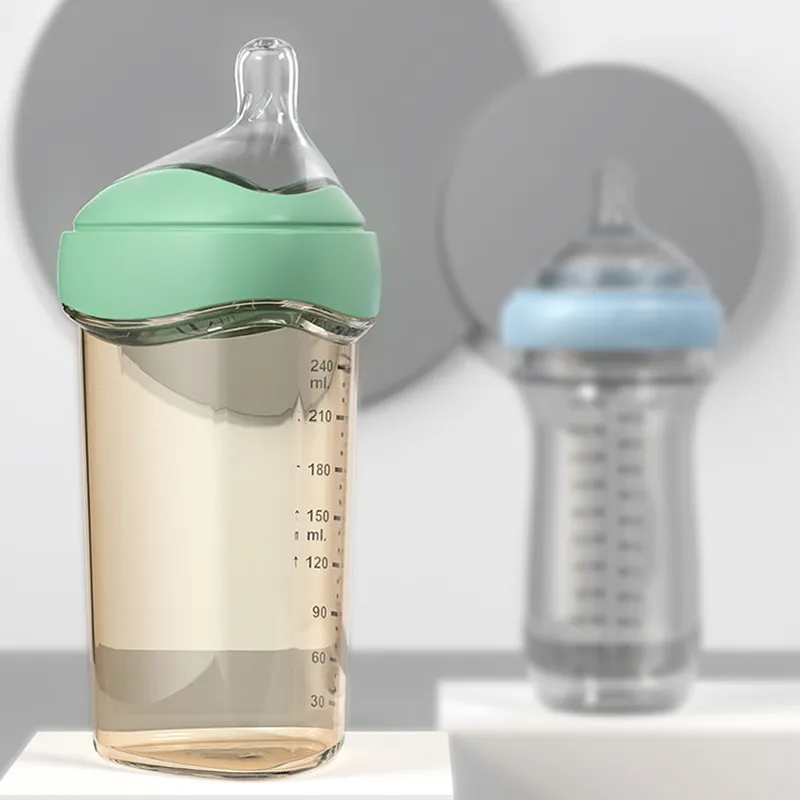
Clarity and gas barrier properties define the success of high-quality plastic bottles, especially for beverages and pharmaceuticals. The injection stretch blow moulding machine uses biaxial molecular orientation to enhance both clarity and strength. During the process, the machine stretches the preform axially and blows it radially. This action aligns the polymer molecules, which increases transparency and improves resistance to gas penetration. PET remains the most common material, but IBM machine also supports polypropylene and other orientable polymers.
| Aspect | Details |
|---|---|
| Clarity and Gas Barrier Needs | Biaxial molecular orientation via stretching improves clarity, strength, and gas barrier properties. |
| Materials | Mainly PET, also PP and other orientable polymers. |
| One-Step ISBM Machine | Integrated injection, stretch, and blow in one machine; precise preform temperature control; suited for low to medium volumes and specialty shapes. |
| Two-Step ISBM Machine (RHB) | Preforms made separately, cooled, stored, then reheated and blown; most common for high-volume PET bottle production; machines can be linear or rotary (rotary offers highest output). |
| Stretching Process | Axial stretching by a rod and radial blowing to orient molecules biaxially, enhancing barrier and clarity. |
| Blowing Pressure | Two-stage blowing: pre-blow at 5-15 bar (70-220 psi) to start expansion, final blow at 25-40 bar (360-580 psi) to fully form bottle. |
| Machine Design Impact | Rotary machines provide higher output; machine design affects process control and ability to meet clarity and barrier standards. |
Injection stretch blow molding produces containers with uniform wall thickness and exceptional clarity. The process creates bottles that not only look attractive but also protect contents from oxygen and moisture. Coextrusion techniques can add extra layers to further improve barrier properties, which is essential for food packaging and industrial applications.
*Note: Superior product quality depends on both the material and the precision of the machine.IBM machine ensures that each bottle meets strict clarity and barrier standards, making it ideal for carbonated beverages and sensitive pharmaceuticals.
Dimensional Precision
Dimensional precision ensures that every bottle fits closures, labels, and automated filling lines without error. The injection stretch blow moulding machine achieves this by first creating a highly accurate injection-molded preform. The machine then stretches and blows the preform inside a cooled mold cavity, which locks in the final shape and size. This method allows for tight control over wall thickness, neck finish, and overall dimensions.
Injection molding typically achieves tolerances of +/-0.1mm on critical dimensions and +/-0.25mm on general features. Blow molding alone usually results in looser tolerances, around +/-0.5mm. By combining both methods, the ISBM machine delivers the high precision of injection molding in critical areas, such as the neck finish, while maintaining the efficiency of blow molding for the bottle body.
| Aspect | Injection Stretch Blow Molding | Injection Molding | Blow Molding (General) |
|---|---|---|---|
| Product Type | Hollow parts (e.g., clear PET bottles) with uniform wall thickness and enhanced strength | Solid parts with complex geometries and tight tolerances | Hollow parts, lightweight, uniform wall thickness |
| Strength & Durability | Improved strength and durability due to stretching and blowing process | High precision and surface finish, but less suited for hollow parts | Good strength for hollow parts, but less precise |
| Material Usage | Material savings due to stretching, lighter parts | Broad material versatility, including complex materials | Limited to certain plastics like PET, HDPE, PVC |
| Precision & Complexity | Moderate precision, limited complexity (mainly bottles) | High precision, capable of intricate designs | Lower precision, simpler geometries |
| Production Efficiency | Efficient for high-volume hollow parts production | High repeatability, suitable for complex parts | Fast cycles, cost-effective for hollow parts |
| Application Examples | Carbonated beverage bottles | Automotive parts, electronics housings | Water bottles, detergent containers |
ISBM machine stands out for its ability to produce consistent, repeatable results. Manufacturers rely on this technology to deliver bottles that meet strict industry standards. This consistency reduces waste and ensures compatibility with automated packaging systems.
*Tip: Dimensional precision not only improves product quality but also reduces operational costs by minimizing rework and scrap.
 |
 |
Biaxial Stretch Blow Molding Benefits
1. Strength and Impact Resistance
Biaxial stretch blow molding gives plastic containers superior strength and impact resistance. The process stretches the preform both lengthwise and around its circumference. This action aligns the polymer molecules in two directions. As a result, the finished product gains higher mechanical performance, clarity, and barrier properties. Manufacturers often choose this method for beverage bottles and food containers because it ensures consistent product quality.
- Biaxial orientation increases impact strength, tensile strength, and tear resistance.
- The process improves barrier properties, which helps keep contents fresh.
- PET, PP, and PVC are common plastics used, with PET being the top choice for clear bottles.
- Thinner walls become possible without losing strength, reducing material use and weight.
- Precise heating and cooling control in theISBM machine optimize stretch ratios and material uniformity.
*Tip: Biaxial stretch blow molding allows companies to produce lightweight bottles that withstand drops and pressure changes, making them ideal for carbonated drinks and sensitive products.
2. Complex Part Production
Biaxial stretch blow molding enables the creation of complex hollow parts that other molding techniques cannot match. IBSM machine stretches the polymer preform in both axial and hoop directions before blowing. This dual stretching aligns the polymer chains, which leads to better optical clarity, barrier properties, and mechanical strength. Unlike simple blow molding, which uses only air pressure, this method provides superior dimensional control and uniformity.
Manufacturers can achieve intricate shapes and precise neck finishes, supporting greater customization for unique packaging needs. The process also reduces material waste and allows for thinner walls, which speeds up production cycles. Compared to extrusion blow molding, biaxial stretch blow molding produces higher-quality parts with less scrap. Rotational molding cannot achieve the same thin walls or fast cycles.
| Feature | Biaxial Stretch Blow Molding | Extrusion Blow Molding | Rotational Molding |
|---|---|---|---|
| Wall Thickness | Thin, uniform | Thicker, less uniform | Thick, variable |
| Dimensional Control | High | Moderate | Low |
| Cycle Time | Fast | Moderate | Slow |
| Customization | High | Moderate | Low |
| Product Quality | Superior | Good | Fair |
* Note: ISBM machine stands out for its ability to deliver complex shapes and high-quality bottles with excellent clarity and strength.
Energy and Material Efficiency
Energy Consumption
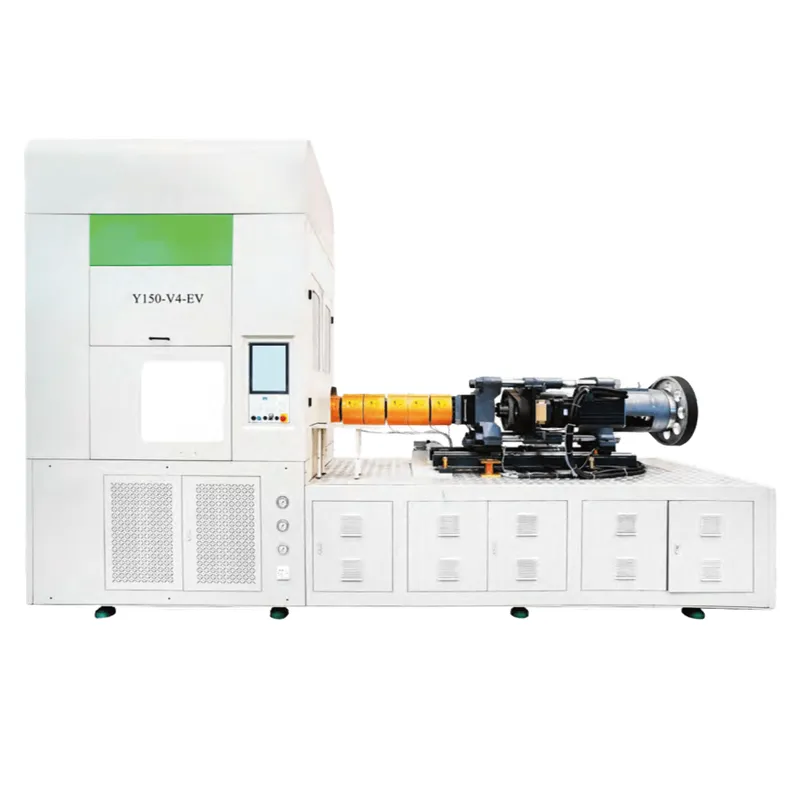
Injection stretch blow moulding machine uses advanced technology to improve energy consumption during the production process. Manufacturers design these machines with optimized heating ovens, servo-electric motors, and air recovery systems. These features help reduce the amount of energy needed for each bottle produced. For example, ISBM machine uses precise zone control in its heating oven and energy recovery systems to capture and reuse excess energy. This approach lowers operational cost and supports sustainability.
The following table compares energy consumption between semi-automatic and fully automatic machines:
| Feature | 4-Cavity Semi-Automatic Machine | 4-Cavity Fully Automatic Machine |
|---|---|---|
| Primary Energy Consumers | Heaters, Air Compressor | Heaters, Air Compressor, Servo/Hydraulic Motors, Chiller |
| Heating Oven Efficiency | Basic to Moderate; potential for higher heat loss | High; optimized zones, reflectors, insulation |
| Drive Systems | Mostly Pneumatic | Servo-electric (modern) or Hydraulic (older/some models) |
| Air Recovery System | Typically Not Available | Often Available/Standard |
| Energy Consumption per Bottle | Generally Higher (due to lower speed & longer run time) | Generally Lower (at optimal capacity) |
| Idle Power Consumption | Can be significant if oven left on between batches | Optimized idle/standby modes in modern designs |
| Suitability for Energy Audits | Simpler to assess individual components | More complex, but data logging often available via HMI |
Fully automatic machines consume less energy per bottle because they operate at higher output and use efficient heating and air recovery systems. Companies that upgrade to energy-efficient machines often see a reduction in energy use and improved ROI. For instance, a beverage company increased production speed by 20% and reduced energy consumption by 30% after switching to modern blow molding technology.
Energy-saving technologies such as variable speed drives and smart standby modes further enhance efficiency. These improvements lower carbon emissions and reduce overall cost. Manufacturers who invest in these machines benefit from higher production capacity and better environmental performance.
Material Waste Reduction
Reducing material waste in the injection stretch blow molding process increases efficiency and lowers cost. Manufacturers use several strategies to minimize scrap and optimize material use:
- Select materials that balance durability and cost-effectiveness.
- Optimize mold layout to maximize raw material utilization.
- Apply precision machining technologies like CNC to reduce errors.
- Streamline manufacturing workflows to minimize downtime.
- Integrate automation to improve process efficiency while maintaining human oversight.
- Provide continuous workforce training to improve output.
- Adopt lean manufacturing principles to eliminate non-value-added activities.
- Use rigorous quality control to detect defects early and reduce rework.
- Incorporate sustainable practices such as recycling programs and energy optimization.
ISBM machine supports these strategies by enabling precise wall thickness analysis and early defect detection. Manufacturers use recyclable plastics like PET and bio-based resins to further reduce waste. Automated deflashing and in-line regrinding systems recycle excess material back into production. Closed-loop recycling blends reground materials with virgin resin, lowering raw material demand.
Material efficiency improvements also include lightweight product designs and the use of bio-based plastics. These changes reduce transportation emissions and support circular economy goals. Companies that focus on material waste reduction achieve better ROI and maintain high output while meeting sustainability standards.
*Tip: Continuous process optimization and investment in advanced machine features help manufacturers reduce waste, lower cost, and improve production efficiency.
Blow Molding Machine Safety and Usability
Safety Features
Safety remains a top priority for any blow molding machine in modern manufacturing. Manufacturers design machines with automatic shutdown systems that prevent accidents and protect operators. Advanced sensors monitor temperature, pressure, and material distribution, ensuring that the machine operates within safe limits. Ergonomic designs help reduce operator fatigue and improve overall usability. Many machines now use closed-loop hydraulic systems, which minimize oil usage and support cleaner production environments.
Smart features such as temperature indicators alert users to unsafe liquid temperatures, especially in bottle production for sensitive applications. AI-powered quality control systems detect defects early, reducing the risk of faulty products reaching consumers. The use of non-toxic, recyclable, and plant-based materials also enhances safety by lowering environmental impact. Increased automation in blow molding machine lines improves precision and consistency, while reducing labor costs and human error.
Operators benefit from comprehensive training programs that teach safe machine operation and maintenance. These programs lead to fewer production errors, less damage to molds, and longer machine life. Companies experience less unplanned downtime and higher profits due to improved safety practices.
*Tip: Regular training and smart safety features work together to create a safer, more reliable blow molding environment.
User Interface
User interface design plays a crucial role in the usability of any blow molding machine. Intelligent control systems, such as those found in ISBM machine models, use digital assistants to simulate mold filling and automatically determine optimal process parameters. Operators can set up the machine faster, even with limited experience.
- Digital assistants speed up setup by simulating mold filling and suggesting process parameters.
- Real-time 3D animations help operators monitor and adjust settings, reducing errors.
- Automated parameter transfer allows quick and accurate changes with a single click.
- Advanced tools monitor plasticizing capacity and residence times, helping identify and eliminate errors.
- Cycle monitoring features compare cycle step times, enabling operators to optimize efficiency.
- Automation and digitalization reduce human variability, leading to more consistent cycles and higher equipment effectiveness.
Training programs further enhance user interface usability. Trained operators troubleshoot issues quickly, maintain repeatable processes, and perform better preventative maintenance. These improvements result in fewer defects, reduced scrap rates, and longer machine longevity. Standard operating procedures introduced through training ensure consistent quality and process reliability.
*Note: A well-designed user interface, combined with thorough training, empowers operators to achieve higher productivity and lower error rates in blow molding.
After-Sales Support for Blow Molding Machines
Technical Support
Reliable technical support plays a vital role in the long-term success of businesses using blow molding machines. When a company invests in an ISBM machine, ongoing support ensures continuous operation and minimizes downtime. Advanced after-sales services, such as remote monitoring and diagnostics, allow technicians to identify and resolve issues quickly. These services reduce production interruptions and help extend the lifespan of the machine. Predictive maintenance, powered by data analytics and machine learning, anticipates equipment failures before they occur. This approach prevents costly breakdowns and improves return on investment.
Manufacturers with strong customer service reputations, like Mexico Ever-Power, provide timely and effective technical support. Their commitment to customer satisfaction fosters lasting partnerships. Companies benefit from prompt issue resolution, which keeps production running smoothly. The level of technical support directly affects operational efficiency and equipment durability.
| Manufacturer | After-Sales Support Services |
|---|---|
| Mexico Ever-Power ISBM Machinery Co., Ltd. | On-site installation, commissioning, training, online remote service, on-site machine maintenance, 1-year warranty |
| Comprehensive technical support from pre-sales consultation to training and service | |
| Comprehensive after-sales service with global sales and service technicians to meet customer needs | |
| Complete after-sales service | |
| Global sales and service network ensuring customer proximity, high availability, and smooth production workflows |
*Tip: Choosing a manufacturer with a global support network helps companies maintain high production standards and reduce downtime.
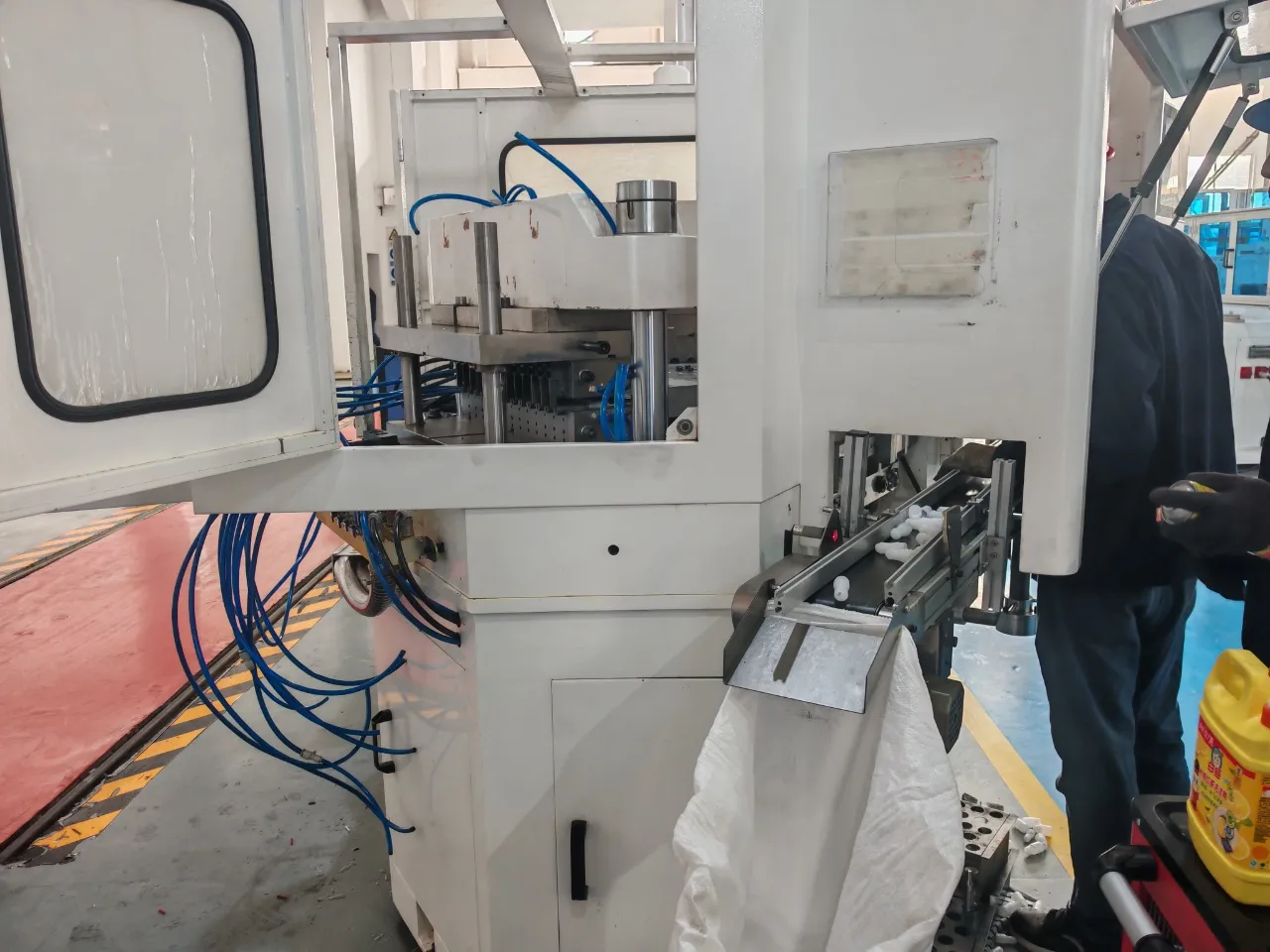
Selecting the right features of the ISBM machine can transform production efficiency and product quality. Precision control systems and advanced sensors help companies maintain consistent standards and reduce defects throughout the process. Enhanced clarity and strength in containers boost product appeal, while material efficiency lowers costs and supports sustainability. Businesses should evaluate machine size, automation, and material compatibility to match their production needs. Consulting with experts or suppliers ensures the machine fits the process and integrates smoothly with existing production lines.