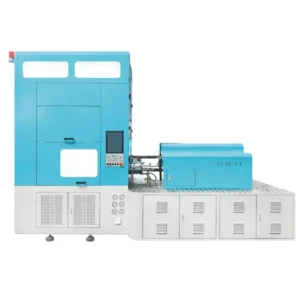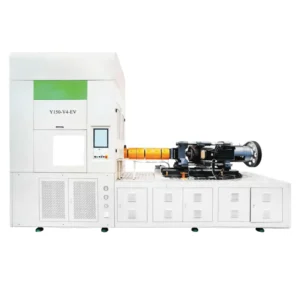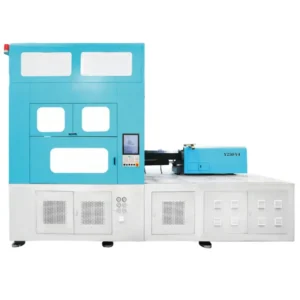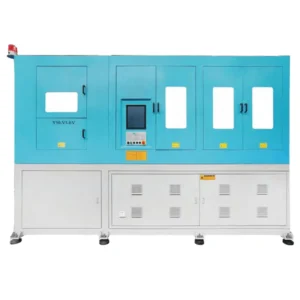
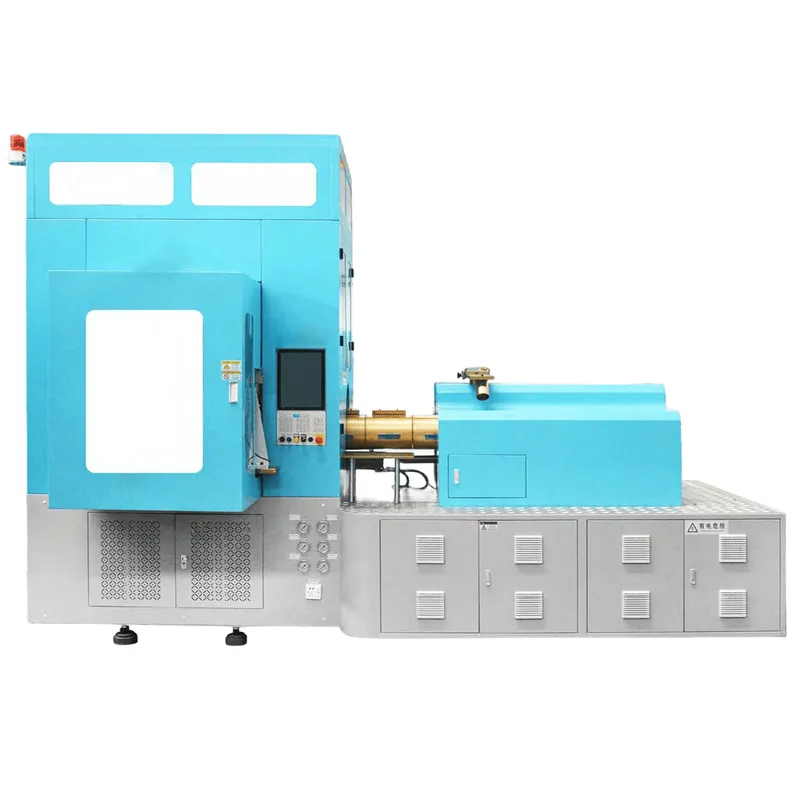
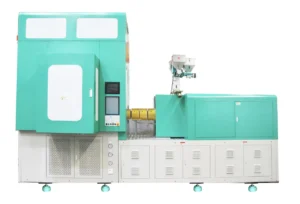
Y280-V6 One Step Injection Stretch Blow Molding Machine (6-Station)
Discover the Y280-V6 one-step injection stretch blow molding machine, a high-efficiency ISBM solution for producing up to 8-cavity PET/PETG bottles with volumes from 20ml to 2500ml. Achieve 30% energy savings and precise control with servo-driven systems, ideal for cosmetics, pharmaceuticals, and beverages. Contact Mexico Ever-Power ISBM Machinery for custom setups.
Y280-V6 One Step Injection Stretch Blow Molding Machine Overview
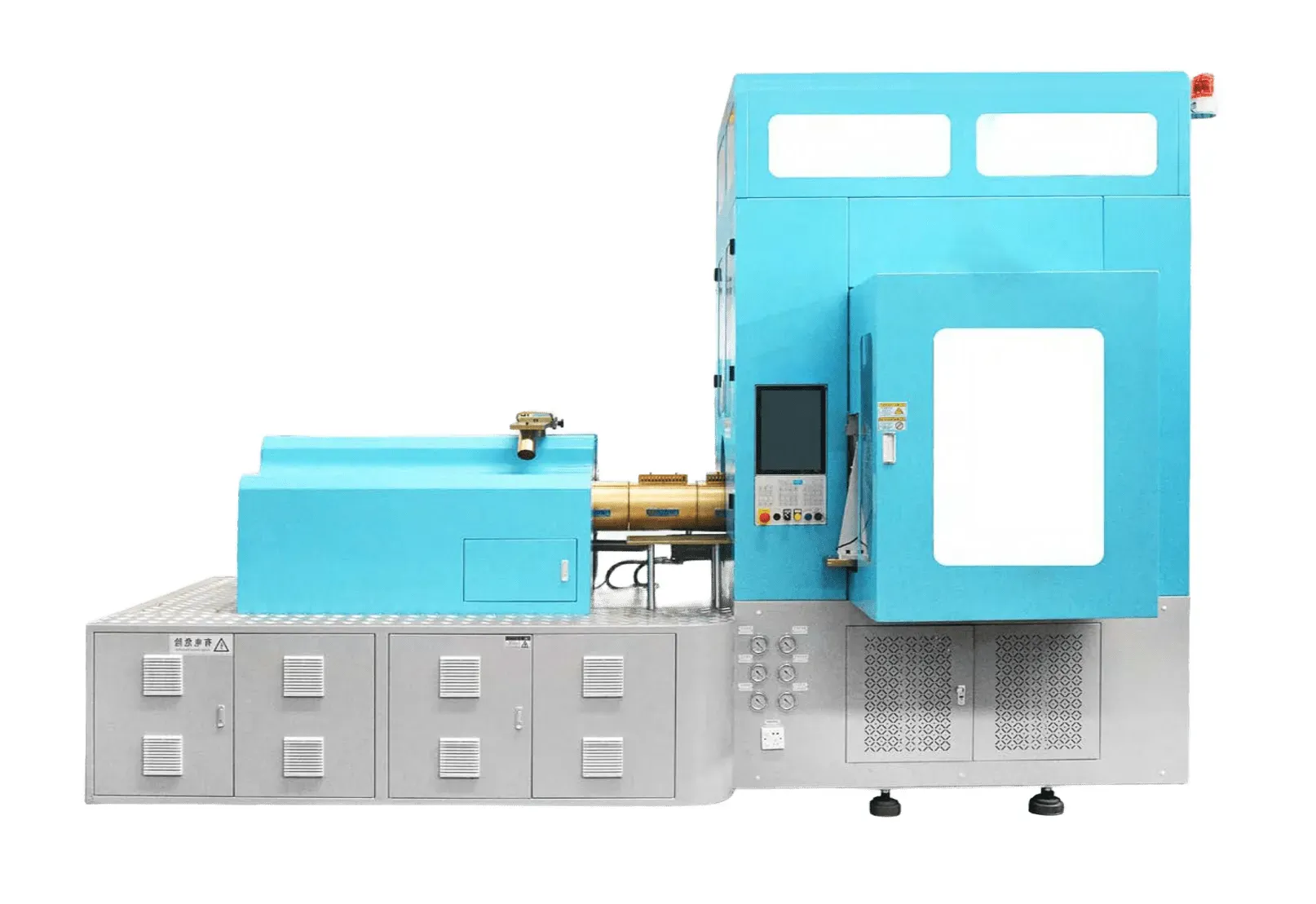
The Y280-V6 one-step injection stretch blow molding machine represents a pinnacle in single-stage injection stretch blow molding technology, designed to streamline the production of high-quality plastic containers. This ISBM machine integrates injection, stretching, and blowing processes into a seamless six-station operation, eliminating the need for intermediate handling and reducing contamination risks. Built for versatility, it handles materials like PET, PETG, PP, and PC, making it suitable for crafting bottles with exceptional clarity, strength, and barrier properties. Manufacturers benefit from its compact footprint and automated controls, which ensure consistent output in demanding environments such as food packaging and medical supplies.
In operation, the Y280-V6 leverages advanced servo systems to maintain precise temperature and pressure profiles, resulting in products with uniform wall thickness and enhanced mechanical performance. Compared to traditional two-step methods, this single-stage injection stretch blow molding machine cuts energy use by up to 30% by avoiding secondary preform heating. Its robust construction, featuring high-pressure valves and durable components, supports high-volume runs while minimizing downtime. For businesses seeking a replacement for Aoki injection stretch blow molding machines, the Y280-V6 offers comparable precision with added efficiencies, positioning it as a smart upgrade for modern production lines.
Product Model Comparison Table
| Standard Model | Y150-V4 | Y200-V4 | Y250-V4 |
 |
Compatible with the Japanese ASB-12M | Compatible with the Japanese Aoki 250 | Compatible with the Japanese ASB-70DPH |
| Y150-V4-B | Y500-V3 | - | |
| Compatible with the Japanese Aoki 100 | Compatible with the Japanese Aoki 500 | - | |
| Hydraulic clamping, hydraulic screw injection. | |||
| Servo Model | YS150-V4 | YS200-V4 | YS250-V4 |
 |
Servo clamping, servo screw injection High precision, low energy, long-term stability |
||
| Fully Electric Model | Y150-V4-EV | Y200-V4-EV | Y250-V4-EV |
 |
Fully electric drive, avoiding oil contamination products. | ||
Our Injection Stretch Blow Molding Machine Advanatges
1. The quality is better. The plastic bottles produced by the blow molding machines from Japan all have a parting line. There is a protrusion of plastic in the middle of the two molds on either side, which results in a mark. However, our molds have extremely high precision, and the mark is completely invisible.
2. Our production is fast, with a large amount of screw solutions and high speed. While Japan can produce four plastic bottles at a time, we can produce six.
3. Save energy. Our machines consume 15% to 25% less energy than those in Japan, Europe, and the United States.
4. A wide range of electric control technologies has been adopted to replace hydraulic and pneumatic components. For example, the pneumatic components used in the bottom cutting mechanism in Japan are replaced by servo motors here, and the speed of the servo motors is doubled. In the pharmaceutical industry and other fields, fully servo motors can be used without any hydraulic systems, ensuring compliance with GMP standards and operation in an oil-free and pollution-free environment.
Product Specifications
For custom configurations or additional specs tailored to your needs, feel free to contact our team at Mexico Ever-Power ISBM Machinery Co., Ltd. We're here to assist with optimizations.
| Item | Unit | Specifications | |||||||
| Name | One-step injection stretch blow molding machine (6-station) |
||||||||
| Model | Y280-V6 | ||||||||
| Manufacturer | Mexico Ever-Power | ||||||||
| Meterial | PET/PETG | ||||||||
| Screw Diameter | MM | 40 | 50 | 55 | 60 | ||||
| Theoretical Injection Volume | CM³ | 188 | 310 | 442 | 480 | ||||
| Screw Rotational Speed(RPM) | r/min | 270 | 180 | 150 | 150~220 | ||||
| Injection Clamping Force | KN | 150 | |||||||
| Blowing Clamping Force | KN | 200 | |||||||
| Motor Power | KW | 43.2 | |||||||
| Heating Power | KW | 10 | |||||||
| Blowing air pressure | Mpa | 2.0-3.5 | |||||||
| Cooling Water Pressure | Mpa | 0.4-0.6 | |||||||
| Machine Oil Cooler Water Pressure | Mpa | 0.3-0.4 | |||||||
| Machine Oil Cooler Water Temperature | ℃ | 20-25 | |||||||
| Voltage | V | 370-400 | |||||||
| (L*W*H) Size(L*W*H) | MM | 5900x2600x3200 | |||||||
| Weight | T | 14 | |||||||
| Product Dimensions | |||||||||
| Product Quantity | PCS | 1 | 2 | 4 | 5 | 6 | 7 | 9 | 10 |
| Bottle Diameter(BD) | MM | 120 | 110 | 68 | 55 | 50 | 45 | 35 | 20 |
| Bottle Height(H) | MM | 210 | 150 | 100 | |||||
| Neck Diameter(E) | MM | 85 | 70 | 50 | 38 | 32 | 25 | 17 | 12 |
| Max. Bottle Volume(ml) | ML | 2500 | 1500 | 900 | 400 | 250 | 100 | 30 | 20 |
| Max. Bottle Weight(W) | G | 130 | 65 | 43 | 32 | 26 | 22 | 18 | 16 |
Machine Parameter
| Screw Diameter: | 50mm(optional) |
| Theoretical Injection Capacity: | 310g |
| Injection clamping force: | 150KN |
| Upper mold stroke: | 250mm |
| Lower mold stroke: | 205mm |
| TEMP. Regulating core stroke: | 250mm |
| TEMP. regulating barrel stroke: | 230mm |
| Take-out stroke: | 170mm |
| Blowing clamping force: | 200KN (single side) |
| Blow core stroke: | 250mm |
| Blow mold stroke: | 75+75mm |
| Oil tank VOL: | 300L |
| Size(L×W×H): | 5.9*2.6*3.2m |
| Weight: | 14T |
Technical Standard
| Servo Control System: | Using 2 sets of servo pump systems. |
| Servo Motor Power: | Inovance/ WEICHI servo motor power: 43.2KW. |
| Computer Control System: | Using the Inovance/ MiRLE PLC. |
| Turntable Drive: | The turntable is equipped with a Japan Yaskawa servo motor or a WEICHI servo motor with a Taiwan TSUNTIEN reducer. |
| High- Pressure Valve: | Using the American Parker high-pressure valve. |
| Air Cylinder: | Using the Aitak air cylinder. |
| Temperature Control: | Using an integrated control box to control temperature, which is highly accurate, stable, and easy to operate. |
| Hydraulic Pressure Control Valve: | Using a hydraulic pressure control valve of YUKEN from Taiwan, China. |
| Screw Heated: | The twin-screw is heated by a nano-far-infrared energy-saving heating ring(10KW). |
| Blow Molding Structure: | The blow molding structure adopts a hydraulic cylinder or dual servo motor mold clamping system with a high-pressure compensation function. |
| Injection Unit: | The double-injection unit is controled by a single cylinder. The melt motor may be controlled either hydraulically or by a servo motor. |
| Oil Tube: | The oil tube is made of imported material from Italy. |
| Total Power of the Machine: | Total power of the machine:53.2KW. |
Features of the Y280-V6 Injection Stretch Blow Molding Machine
1. 6-Station Rotary Configuration
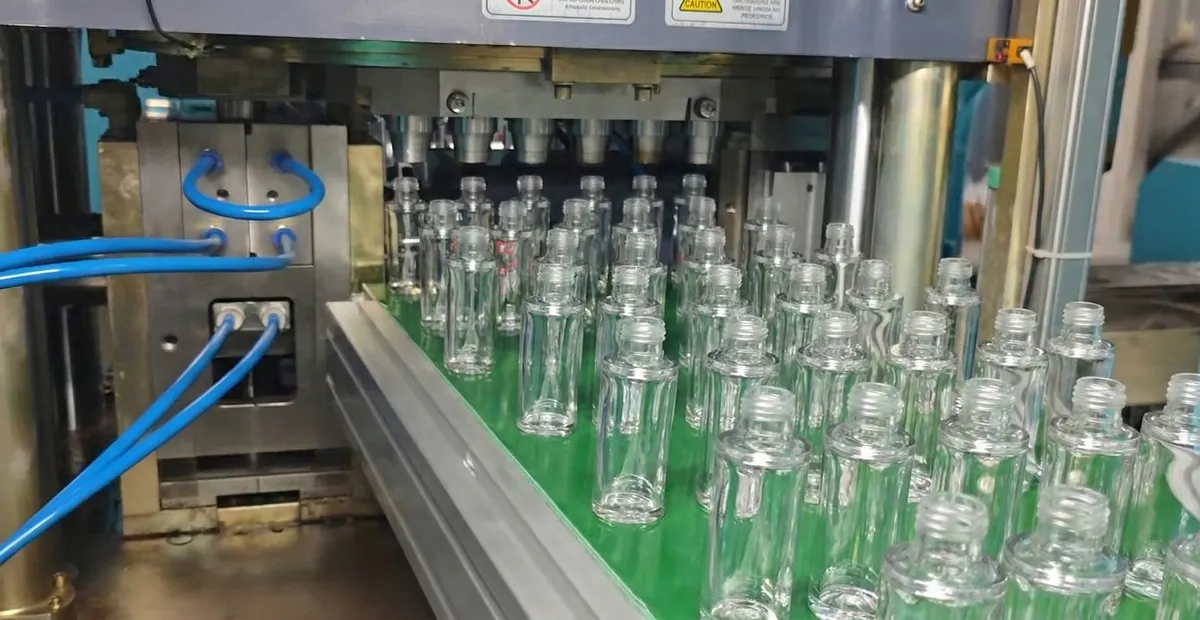
The Y280-V6 one-step injection stretch blow molding machine utilizes a six-station rotary system that coordinates injection for preform formation, targeted temperature adjustment, dual-axis stretching and blowing, plus rapid cooling and removal stages. This arrangement keeps every station active throughout the cycle, boosting throughput while cutting idle periods common in older single-stage equipment, vital for scaling operations in busy factories focused on container manufacturing.
2. Advanced Servo Motor Integration
Equipped with ten dedicated servo motor control units, the Y280-V6 guarantees fluid movement between its six stations, supporting rapid production rates without sacrificing precision. Reliable parts such as Yaskawa servo motors ensure consistent performance under load, making it dependable for continuous runs in settings where downtime impacts profitability in plastic bottle fabrication.
3. High-Pressure Valve and Reliability Components
Incorporating Parker high-pressure valves alongside robust mechanical elements, this machine maintains steady air and fluid dynamics during the stretch-blow phase. Such components enhance overall durability, allowing operators to handle demanding schedules with fewer interruptions, particularly beneficial for firms transitioning from conventional injection stretch blow systems to more efficient alternatives.
4. Zoned Temperature Management System
The integrated heating mechanism employs nano-infrared rings to deliver precise, section-specific warmth to preforms, keeping body areas pliable while protecting neck threads. This targeted approach refines material flow and final product integrity, resulting in bottles with superior uniformity that meet strict standards in industries like beverage packaging.
5. Dual Servo Clamping Mechanism
Featuring a dual servo-driven mold clamping setup, the Y280-V6 applies uniform pressure to secure preforms during expansion, minimizing irregularities in wall thickness and shape. Operators value this for producing defect-free containers at scale, which streamlines quality checks and reduces scrap in high-volume environments dedicated to custom plastic vessels.
6. Multi-Material Compatibility
Designed to process a range of thermoplastics including PET, PETG, PP, PC, and Tritan, the Y280-V6 adapts seamlessly to various production needs across sectors. This flexibility broadens its application from cosmetic jars to medical vials, enabling manufacturers to diversify outputs without investing in multiple specialized units.
7. Enhanced Cooling and Oil Systems
With oil tanks constructed from imported durable materials and efficient cooling circuits, the machine promotes extended operational life by managing heat buildup effectively. These features prevent component wear over prolonged use, supporting sustainable practices in workshops where long-term reliability is key to maintaining cost-effective molding processes.
Material Selection for Injection Stretch Blow Molding
PET
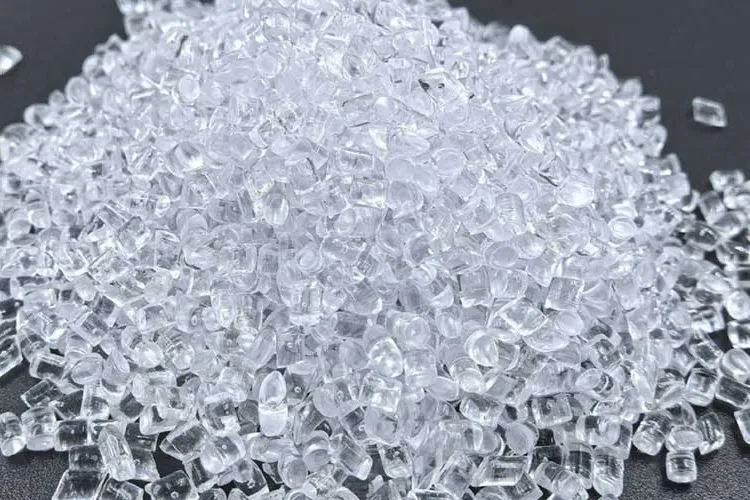
Polyethylene terephthalate stands out in injection stretch blow molding for its exceptional clarity and gas barrier qualities, making it ideal for carbonated beverage containers that require extended shelf life. Manufacturers choose PET due to its ability to undergo biaxial orientation during the stretching phase, which boosts tensile strength up to 30 percent while allowing lightweight designs that cut material costs without compromising durability in high-pressure applications.
PETG
Polyethylene terephthalate glycol-modified offers superior chemical resistance and impact toughness compared to standard PET, positioning it as a top pick for cosmetic and personal care packaging where exposure to oils or lotions is common. Its selection stems from enhanced flexibility post-molding, reducing cracking risks during handling, and it processes smoothly at lower temperatures to yield glossy finishes that appeal to premium branding needs in daily use products.
PP
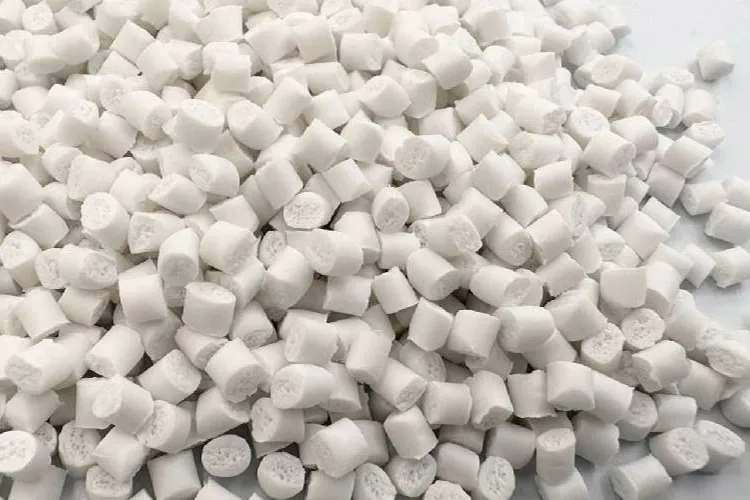
Polypropylene excels in scenarios demanding heat tolerance, such as hot-fill jars for sauces or juices, thanks to its capacity to withstand temperatures above 120 degrees Celsius without deforming. Operators favor PP for its low density that supports cost-effective production of larger volumes, combined with good moisture barriers that preserve contents freshness, though it requires precise control during stretching to avoid uneven wall distribution in complex shapes.
PC
Polycarbonate brings unmatched impact resistance and optical transparency to the table, often selected for infant feeding bottles or reusable water containers that must endure repeated drops and sterilization cycles. Its high heat deflection point allows safe use in microwaves or dishwashers, but careful drying before processing is essential to prevent hydrolysis, ensuring the final pieces maintain structural integrity over extended service periods.
PE
Polyethylene, particularly high-density variants, finds limited but targeted use in injection stretch blow molding for opaque household chemical bottles, valued for its chemical inertness and low cost. Selection often hinges on its flexibility to form squeeze-type dispensers, though it lacks the clarity of polyesters, and processors must manage slower crystallization rates to achieve uniform thickness that supports reliable performance against punctures or leaks.
PCT
Poly-cyclohexylenedimethylene terephthalate glycol serves as a robust alternative for applications needing BPA-free compositions, like medical vials or food storage, with properties mirroring PET but offering better hydrolytic stability. Chosen for its balance of rigidity and shatter resistance, PCT facilitates intricate designs through consistent melt flow, helping producers meet regulatory standards while delivering products that resist environmental stress cracking in humid conditions.
PS
Polystyrene suits low-cost, rigid packaging like disposable cups or trays in injection stretch blow molding, chosen for its brilliant surface polish and ease of coloring to enhance visual appeal. However, its brittleness limits applications to non-impact scenarios, and moulders appreciate its rapid cooling times that accelerate production cycles, though careful parameter adjustments are needed to mitigate warping in larger formats.
 |
 |
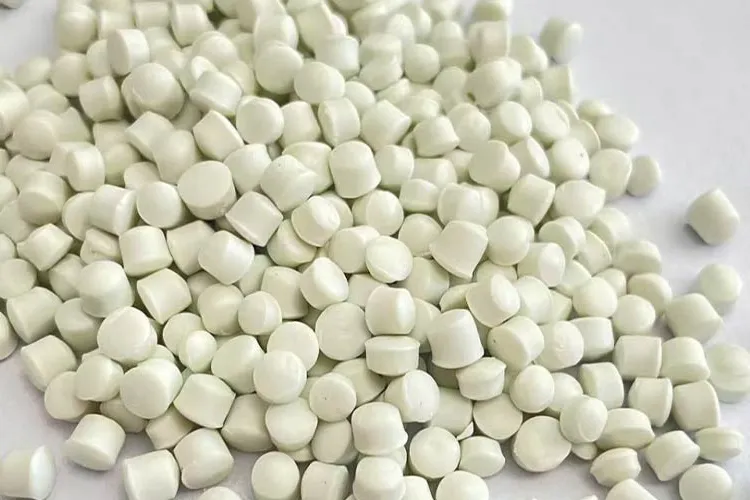 |
| PP | PC | PE |
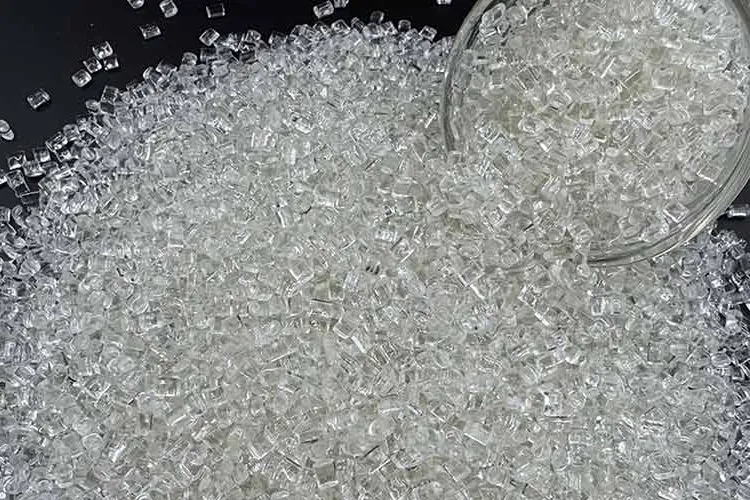 |
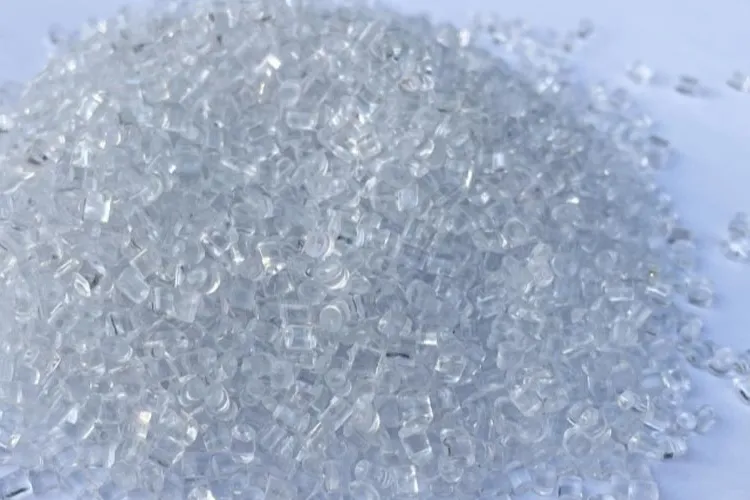 |
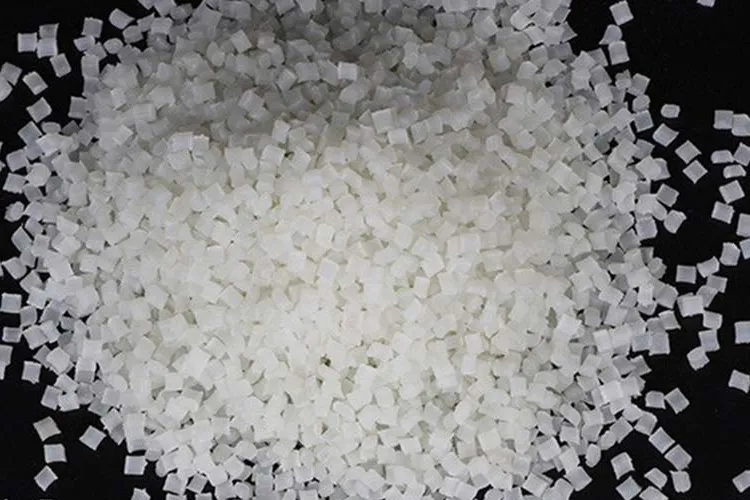 |
| PET | PETG | PCT |
Single-Stage Injection Stretch Blow Molding Process Steps
The single stage injection stretch blow molding machine is divided into four main processes: injection process, stretch process, blow process, and molding process. The entire process is continuously completed within one machine, featuring high automation, high precision, and good consistency of bottle shapes.
Step 1: Injection Process
The injection process is the initial stage of the entire process. Molten plastic (such as PET particle) is injected into the preform mold and melted into a flowing plastic melt under high temperature and pressure. During this process, it is necessary to control parameters such as injection speed, injection pressure, and mold temperature to ensure that the melted plastic has good fluidity and filling ability so that it can uniformly and completely fill the mold cavity, obtaining the required shape and size.
Step 2: Stretching Process
The injection-molded plastic is removed from the mold and undergoes initial cooling and shaping. After that, the preform is sent into the heating zone and reheated to a temperature which is suitable for stretching. After the heating is completed, the stretching rod elongates the preform longitudinally, preparing for the blow process. During this process, it is necessary to control the cooling time and heating temperature to ensure the dimensional stability and surface quality of plastic products.
Step 3: Blowing Process
After stretching, the plastic product is placed in the blowing mold, and compressed air is used to expand the plastic product. Therefore, the softened preform adheres to the inner wall of the mold and forms the predetermined bottle shape outline. It is crucial to the final shape and structure of plastic bottles. During this process, it is necessary to control parameters such as blow molding pressure and mold temperature to ensure that the shape and size of the obtained plastic products meet the requirements.
Step 4: Molding Process
After blowing, the bottle needs to be cooled and formed in the mold. Through the cooling medium in the cooling channel of the mold, the heat of the bottle body is quickly removed, allowing the plastic material to solidify and maintain its accurate shape, achieving the required surface finish and dimensional accuracy. During this process, it is necessary to control the uniformity, speed, and duration of cooling. Also, the temperature of the mold should be controlled to improve the quality of the bottle and production efficiency.
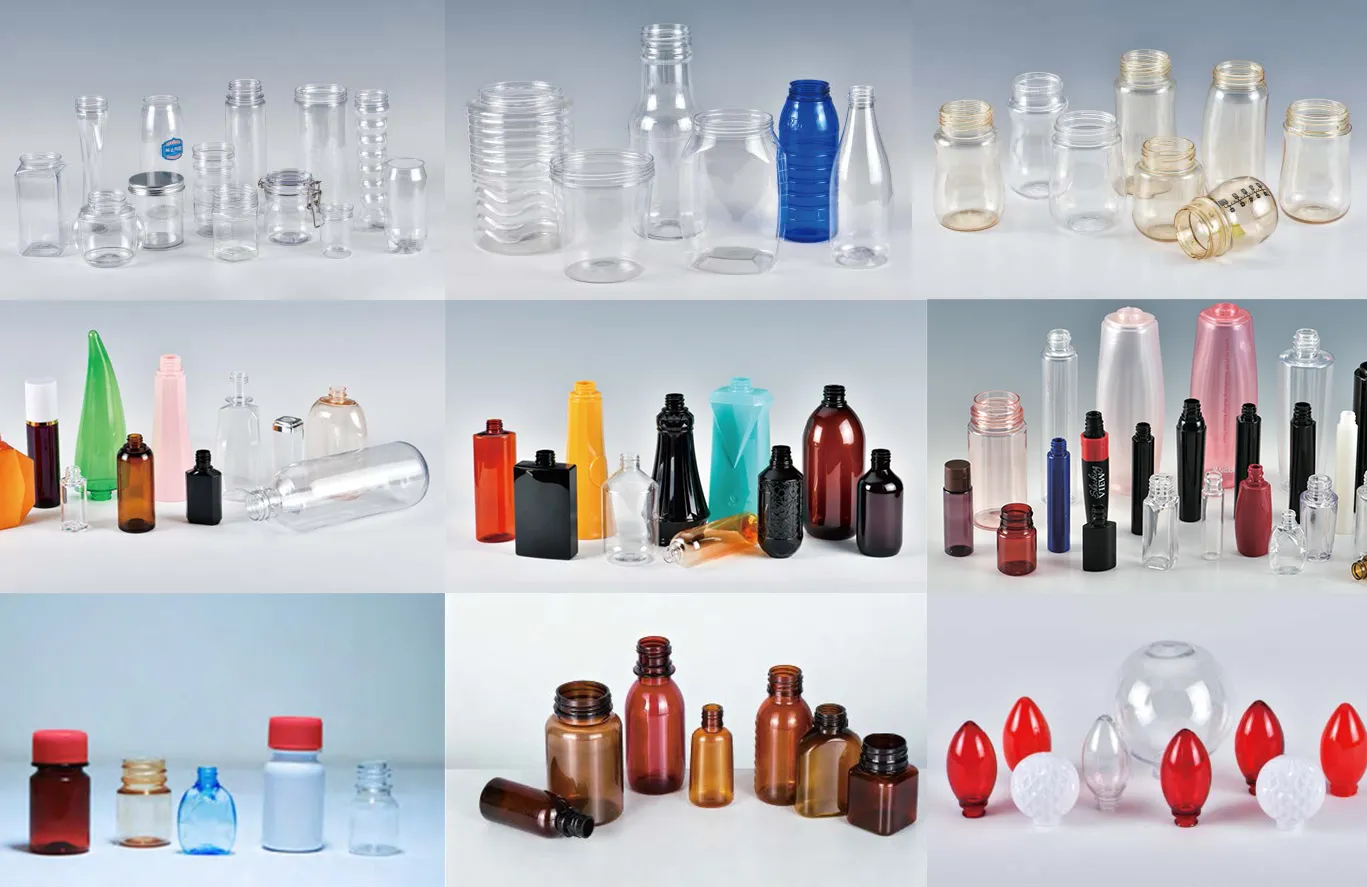
Injection Stretch Blow Molding Machine Applications
1. Food and Beverage Bottles
Injection stretch blow molding machines excel in crafting lightweight PET containers for water, juices, carbonated drinks, and oils, ensuring high clarity and barrier properties that extend shelf life while supporting hot-fill processes for sauces without deformation. These systems allow for volumes ranging from 5 milliliters to 20 liters, with uniform wall thickness that enhances durability during transport and storage in commercial settings.
2. Baby Feeder Bottles
For infant nutrition products, these machines produce polycarbonate or Tritan bottles that withstand repeated sterilization and impacts, offering transparency for easy content monitoring and BPA-free options to meet safety standards in childcare applications. The process yields smooth surfaces and precise neck designs compatible with various nipples, promoting hygiene and ease of use for parents.
3. Cosmetic Bottles
In the beauty sector, injection stretch blow molding creates elegant PETG or PP vessels for lotions, serums, and makeup removers, providing chemical resistance against formulations while achieving glossy finishes that align with premium branding requirements. Custom shapes and colors facilitate distinctive packaging, with tight seals preventing leaks in travel-sized options.
4. Sanitizer Bottles
These machines fabricate durable HDPE or PET containers for hand sanitizers and disinfectants, incorporating spray or pump mechanisms that demand accurate threading and wall strength to handle alcohol-based solutions without cracking under pressure. The hygienic, single-stage production minimizes contamination risks, ideal for healthcare and public hygiene distribution.
5. Food Seasoning Bottles
Wide-mouth jars for spices, condiments, and dressings benefit from this technology using PP materials that tolerate heat and moisture, ensuring tamper-evident seals and ergonomic designs for easy dispensing in kitchen environments. The method supports recyclable formats, aligning with sustainable packaging trends in the culinary industry.
6. Personal Care Bottles
Shampoo, body wash, and lotion dispensers are efficiently made with PET or ABS through injection stretch blow molding, offering impact resistance and visual appeal with translucent walls that showcase product colors and levels. Versatile sizing from small samples to family packs accommodates diverse consumer preferences in daily routines.
7. Reagent Bottles
Laboratory and medical fields utilize these machines for precise PC or PET containers holding chemicals and samples, featuring dropper integrations and sterile finishes that comply with regulatory demands for accuracy in diagnostic and research tasks. The controlled process guarantees consistent volumes and leak-proof closures essential for safe handling.
Maintenance Tips for Injection Stretch Blow Molding Machine
(1) Regular Cleaning
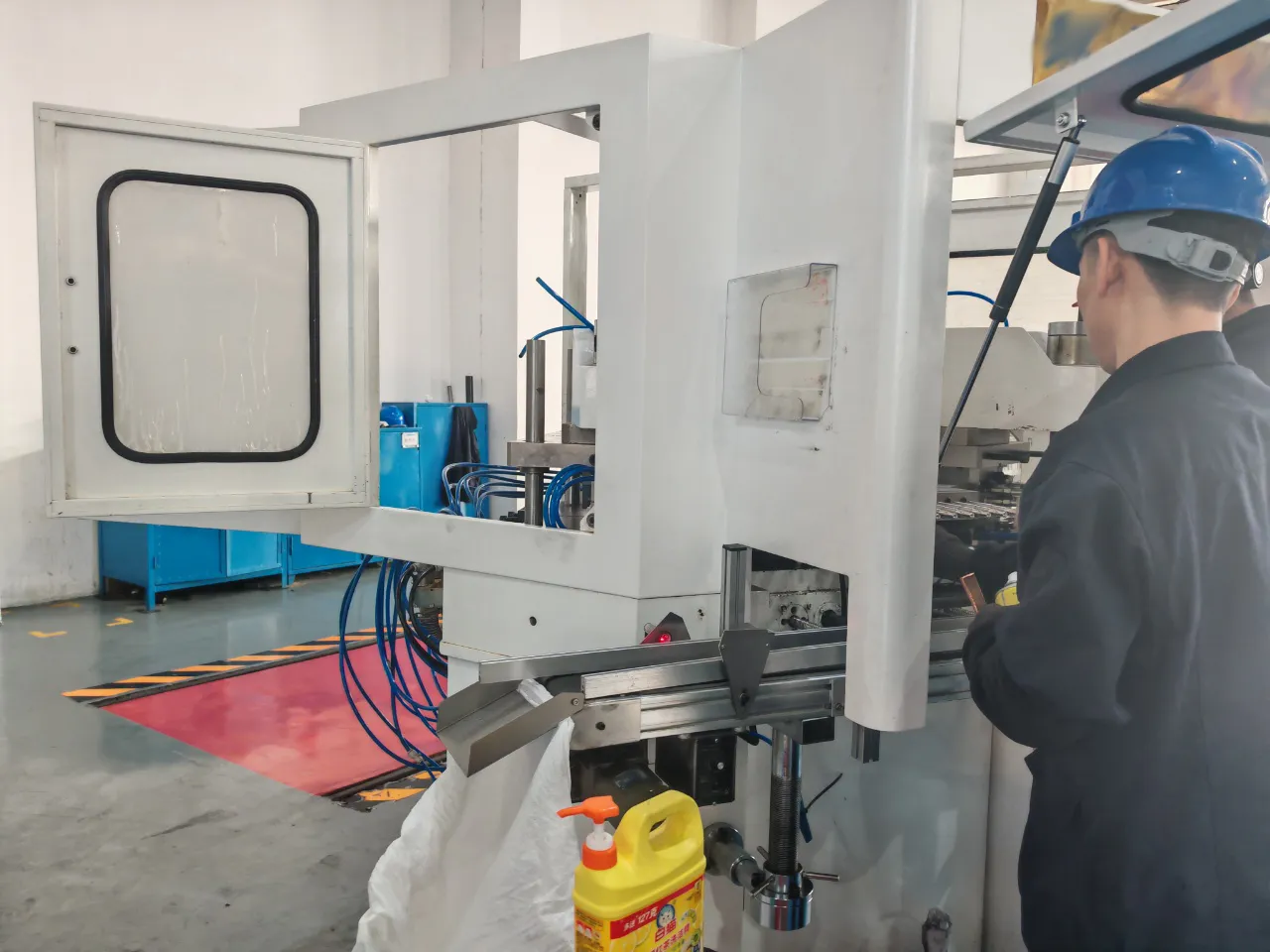
Operators should conduct daily sweeps of the injection and blowing molds using gentle solvents and compressed air to eliminate accumulated dust, debris, and oil residues that could impair mechanical function and product quality. This practice not only sustains smooth operations but also averts contamination in sensitive areas like preform cavities, extending equipment life in high-output settings.
(2) Lubrication Maintenance
Apply manufacturer-recommended oils or greases to guide rails, bearings, columns, and other moving elements at scheduled intervals, typically weekly or based on usage hours, to reduce friction and guard against premature wear. Monitoring lubricant levels and replacing degraded fluids helps maintain efficiency during extended production runs.
(3) All Electric System Checking
Examine the stability of servo motors, drives, and control units in all-electric configurations by verifying voltage consistency and response times during test cycles to confirm seamless operation. Routine assessments detect early signs of instability, such as erratic movements, ensuring reliable performance without unexpected halts.
(4) Electrical System Maintenance
Probe the internal wiring, connectors, and panels for signs of corrosion, loose fittings, or insulation damage that might lead to short circuits, performing these inspections monthly or after power surges. Replacing faulty thermocouples and heater bands promptly safeguards against overheating and electrical failures in demanding environments.
(5) Mold Maintenance
Scrutinize molds for abrasion, cracks, or alignment issues post each cycle or weekly, cleaning with appropriate agents and replacing worn sections immediately to uphold dimensional precision. This approach minimizes defects in finished containers and prolongs mold usability in repetitive manufacturing.
(6) Machine Adjustment
Fine-tune parameters like injection pressure, blow air levels, and temperature profiles alongside component alignments to guarantee accurate outputs, conducting calibrations after mold changes or quarterly. Such adjustments optimize cycle times and reduce variances, supporting consistent quality in diverse bottle productions.
Mexico Ever-Power - Professional ISBM Machine Manufacturer
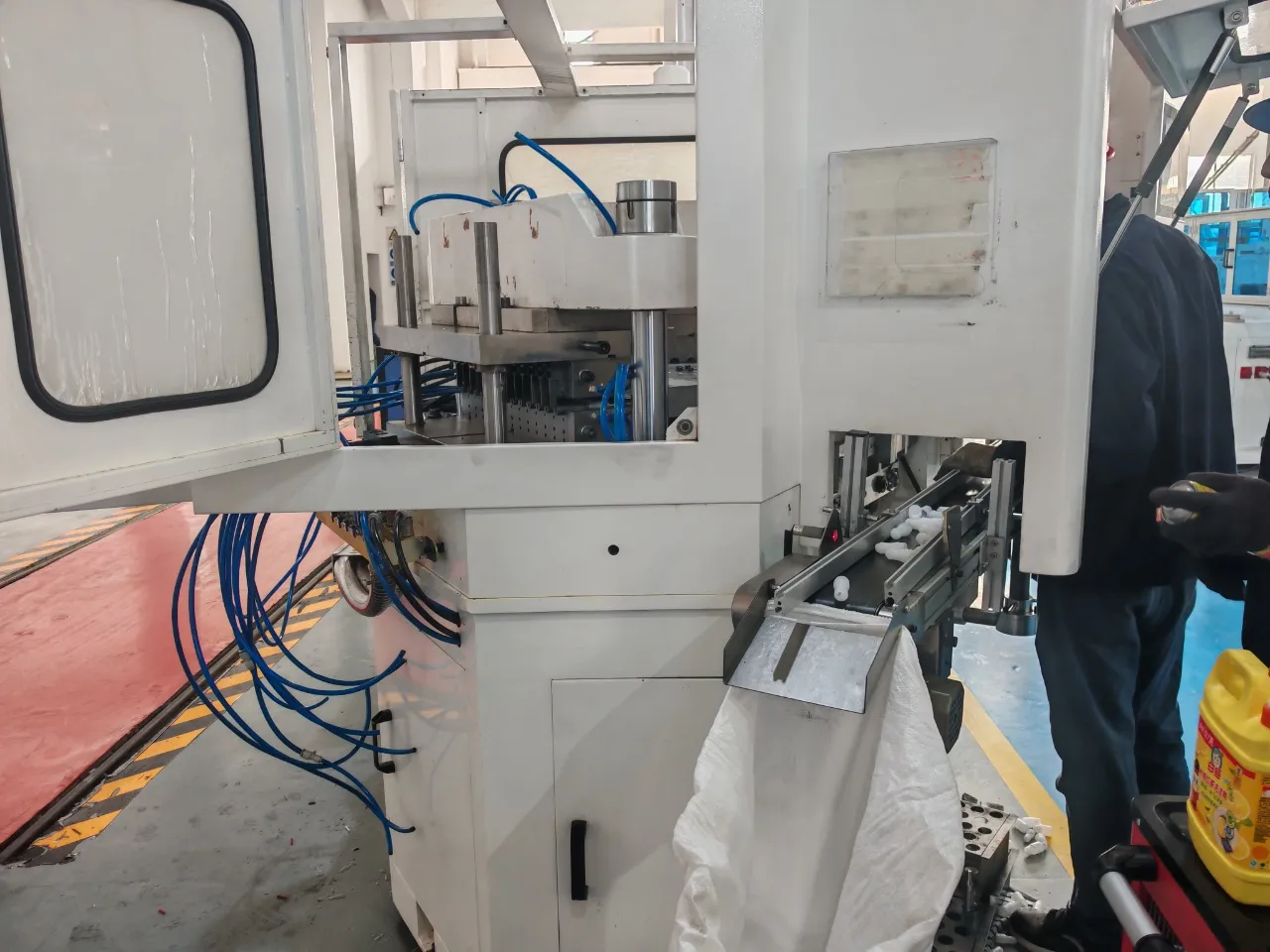
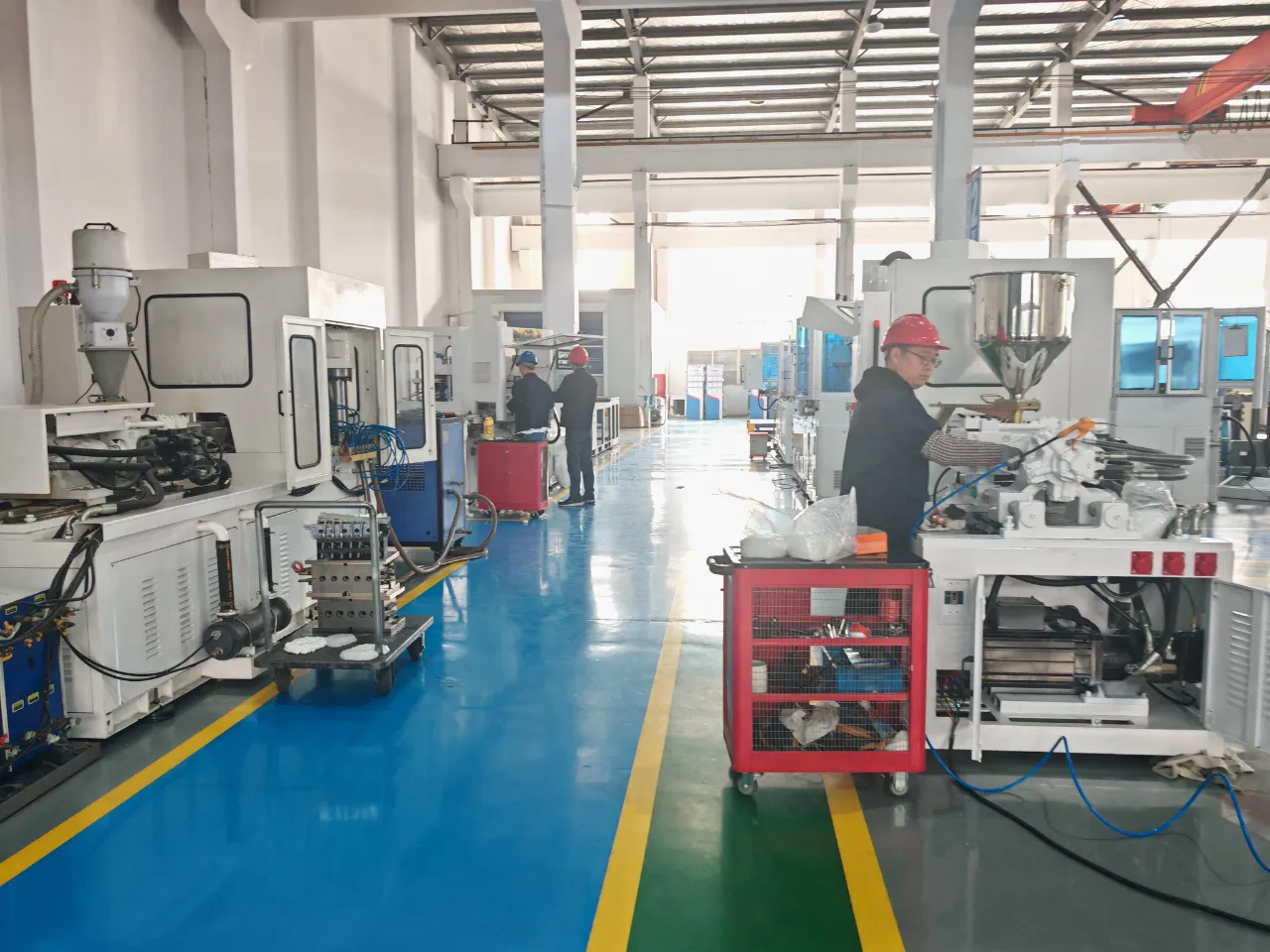
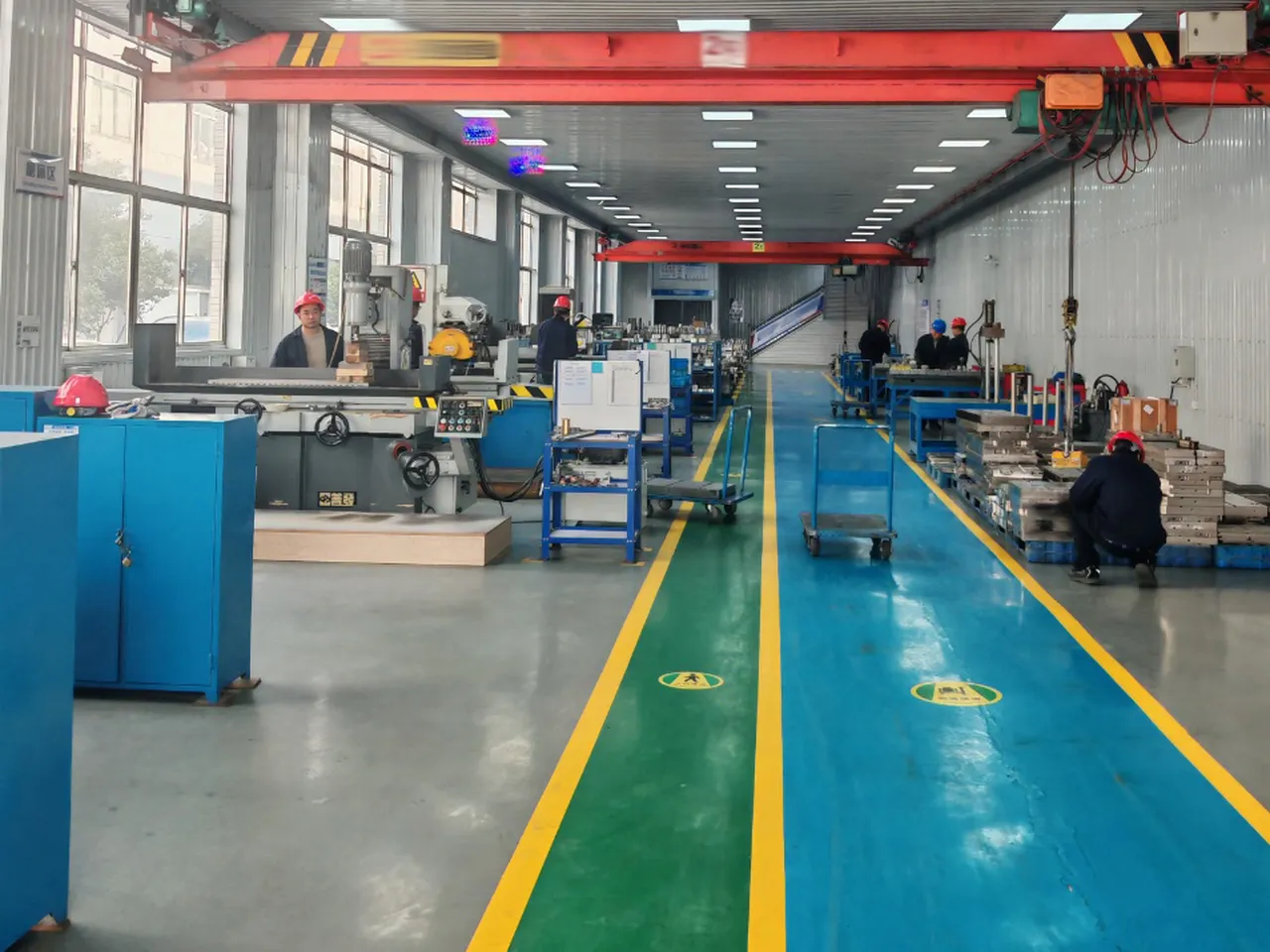
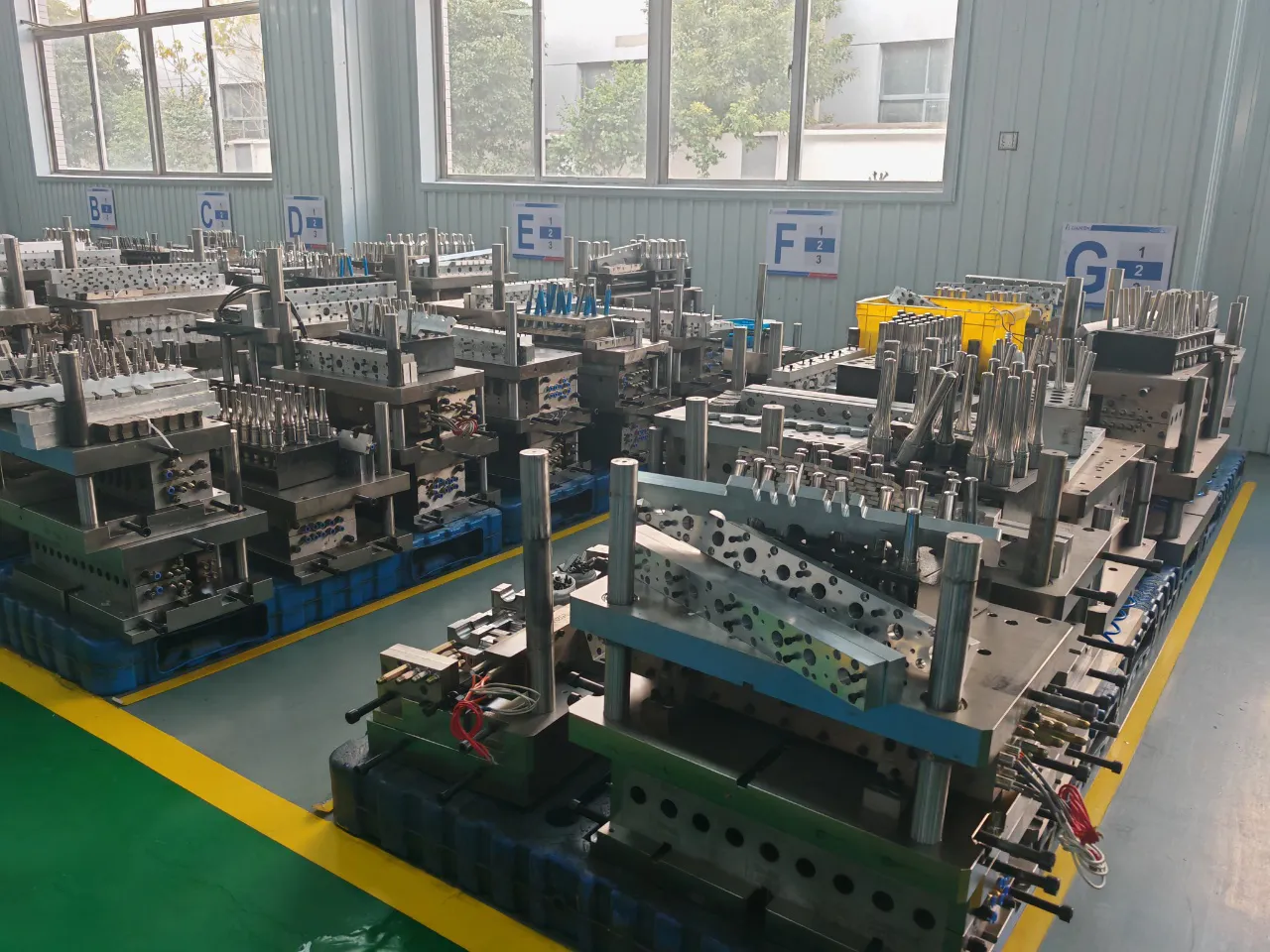
Mexico Ever-Power ISBM Machinery Co., Ltd. distinguishes itself as a leading manufacturer in the injection stretch blow molding sector, drawing on more than two decades of specialized experience since its founding in 2003. Initially established to meet growing demands for advanced packaging equipment, the company has expanded its operations to include a state-of-the-art production facility exceeding 20,000 square meters, strategically located in Mexico to facilitate efficient global distribution. This base incorporates robust supply chains that ensure component reliability, enabling the creation of machines renowned for their durability, operational stability, and energy efficiency.
Our core strengths lie in pioneering one-step injection stretch blow molding technologies, secured through numerous national patents that emphasize innovation in handling diverse materials like PET, PETG, PC, PCTG, and PP. We specialize in high-end applications for cosmetics, beverages, food packaging, pharmaceuticals, and infant products, delivering solutions that achieve low energy use—often reducing consumption by up to 40 percent—alongside minimal labor requirements and compact designs suitable for varied factory layouts. Partnerships with prestigious brands such as Estee Lauder, Wal-Mart, PROYA, Liby, and Blue Moon validate our commitment to superior quality and performance.
What sets us apart is a holistic service model that spans initial consultations and custom machine design to comprehensive after-sales assistance, including remote diagnostics and parts supply. Guided by principles of professionalism, focused development, creative advancements, and mutual success, we invest in a skilled team that provides responsive support, minimizing downtime for clients.
 |
 |
 |
 |
FAQs
Q: What is the main difference between one-step and two-step injection stretch blow molding machines?
A: The primary distinction lies in integration: a one-step injection stretch blow moulding machine, such as the Y280-V6, merges injection, stretching, and blowing into a single unit, cutting energy costs by eliminating preform reheating and transport, whereas two-step systems use separate machines for preform creation and subsequent blowing, increasing handling and potential contamination risks in production lines.
Q: How does the Y280-V6 single-stage injection stretch blow molding machine handle different materials?
A: This ISBM machine accommodates a variety of thermoplastics including PET, PETG, PP, PC, Tritan, and others through customizable zoned heating and precise servo controls, optimizing melt flow and orientation for consistent results in diverse applications like beverage or cosmetic containers.
Q: What energy savings can I expect from using an ISBM machine like the Y280-V6?
A: Operators often achieve 30-40% lower consumption with this single-stage injection stretch blow molding machine compared to multi-stage alternatives, as it retains injection heat directly for stretching and blowing, minimizing reheating needs and supporting eco-friendly operations in high-volume settings.
Q: Is the Y280-V6 a good replacement for Aoki injection stretch blow molding machines?
A: Certainly, the Y280-V6 serves as an effective upgrade from Aoki models in the one-step injection stretch blow molding category, delivering equivalent accuracy enhanced by advanced servo mechanisms and reduced power draw, ideal for cost-conscious manufacturers seeking reliable ISBM blow molding machine alternatives.
Q: How to maintain the screw diameter in a one-step injection stretch blow molding machine?
A: Conduct visual checks for erosion or buildup after each shift, remove any accumulated material with appropriate tools, and schedule replacements every two to three years depending on operational hours to preserve precise injection volumes in your ISBM machine setup.
Q: What bottle sizes can the Y280-V6 ISBM blow molding machine produce?
A: Capable of handling capacities from 20 milliliters to 2500 milliliters, this single-stage injection stretch blow molding machine supports bottle diameters reaching 118 millimeters and heights up to 210 millimeters, with flexibility for one to eight cavities to suit varied packaging demands.
Q: How often should I calibrate the servo systems in single-stage injection stretch blow molding machines?
A: Perform routine verifications monthly to assess alignment and response, followed by comprehensive recalibrations annually, ensuring the 200 kilonewton clamping force remains steady for optimal performance in your injection stretch blow molding machine operations.
Q: What safety features are included in the Y280-V6 one step injection stretch blow molding machine?
A: Equipped with immediate halt buttons, real-time pressure gauges, and fully guarded workstations, this ISBM machine adheres to global safety protocols, mitigating risks during high-speed cycles and protecting personnel in industrial environments.
Q: Can the Y280-V6 handle custom molds for unique bottle shapes?
A: Yes, its adaptable structure allows for swift mold swaps in less than an hour, making this single-stage injection stretch blow molding machine perfect for bespoke designs that require specialized contours in sectors like personal care or pharmaceuticals.
Q: How to troubleshoot common issues in ISBM machines like the Y280-V6?
A: Address inconsistent inflation by verifying air supply levels between 2.0 and 3.5 megapascals, then review the programmable logic controller logs for instant fault identification, restoring smooth function in your injection stretch blow molding machine promptly.
Q: How does temperature control work in single-stage injection stretch blow molding machines?
A: Segmented sensors provide accuracy within one degree Celsius across zones, averting shape distortions in the conditioning stage and enabling precise material behavior during the stretch phase of your one-step injection stretch blow molding machine.
Customer Reviews
Maria Gonzalez, Production Supervisor, Mexico
"We've been running the Y280-V6 one step injection stretch blow molding machine in our cosmetics plant for eight months, churning out 300ml PETG lotion bottles with spot-on transparency. The servo controls cut our energy use by roughly 32%, and Mexico Ever-Power's setup team answered all our queries fast—super helpful. Haven't seen any glitches yet."
David Thompson, Operations Manager, United States
"Swapped our aging setup for this single-stage injection stretch blow molding machine last fall, and it's boosted our 750ml soda bottle production by 25% over 10 months. The six-station design nails high-speed stability with 6-cavity molds, and shipping from Mexico Ever-Power took just 10 days. Solid choice for efficiency."
Elena Ramirez, Quality Control Lead, Canada
"This ISBM machine has transformed our pharmaceutical line; we've used the Y280-V6 for 11 months to make 100ml PET vials with wall thickness variations under 4%. Remote tweaks from their support crew fixed a minor heating issue overnight. Totally reliable for strict compliance needs."
Carlos Mendoza, Factory Owner, Brazil
"Brought in the Y280-V6 injection stretch blow molding machine four months back for 400ml PC infant feeders—downtime's almost zero thanks to those robust servos. Slashed our staff requirements by 40%, and Mexico Ever-Power tossed in spare parts for free. Their service vibe is unbeatable."
Sophia Lee, Procurement Specialist, Australia
"Opted for this one step injection stretch blow molding machine due to its PP handling prowess; it's been flawless for 14 months on 1200ml wide-mouth condiment jars in round-the-clock ops. No failures, and the detailed guides made setup a breeze. Delivery was prompt within three weeks."
Ahmed Khalil, Technical Engineer, UAE
"The Y280-V6 ISBM blow molding machine shines in our facility for 1800ml oil drums with top-notch barriers after 16 months of use. Waste is down to 5%, and their video tutorials for maintenance keep us going strong. Mexico Ever-Power's follow-up calls show they really care about uptime."
Raj Patel, Plant Engineer, India
"We've relied on the Y280-V6 one step injection stretch blow molding machine for seven months to craft 250ml ABS sanitizer dispensers—its precision clamping ensures no leaks. Cut power bills by 38%, and their tech support resolved a calibration snag via email in a day. Great value overall."
Hans Müller, Production Technician, Germany
"Upgraded to this ISBM machine five months back for 1000ml PP food jars; the zoned heating delivers uniform thickness every time. Reduced scrap by 22%, and Mexico Ever-Power's comprehensive training session made the transition smooth. Impressed with the build quality and timely parts delivery."
Additional information
| Edited by | Yjx |
|---|