What Is Injection Blow Molding Machine?
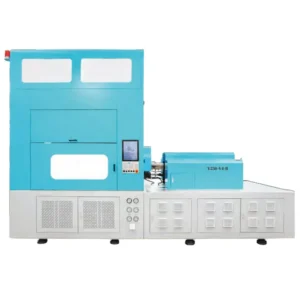
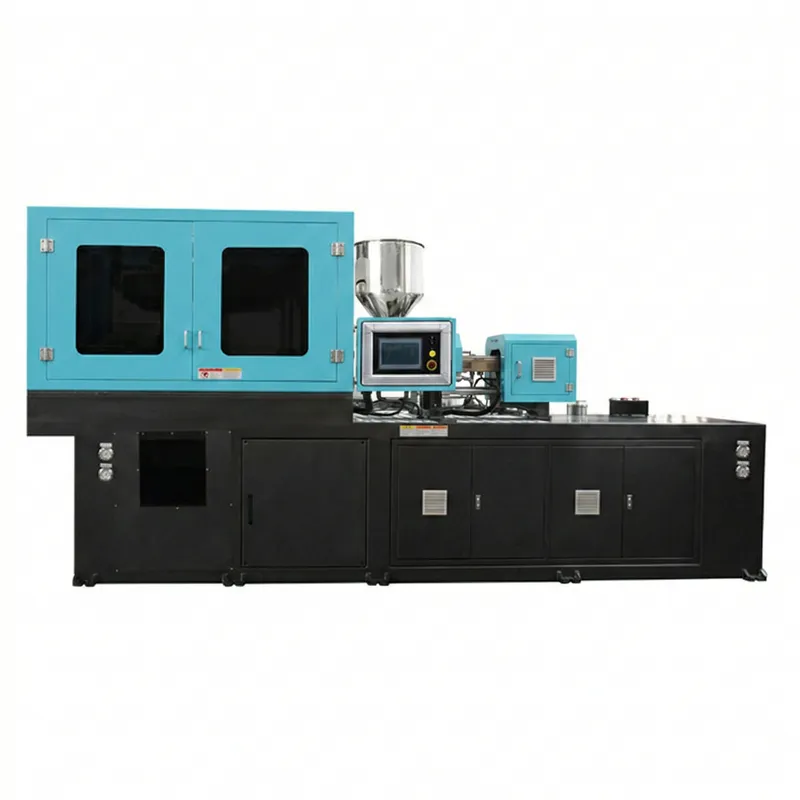
Injection blow molding machine, also called IBM machine, is a kind of plastic molding manufacturing equipment that integrates injection molding and blow molding processes in one machine, which is widely used in the production of plastic bottles. IBM machine features high precision, high automation and high efficiency. Also it can meet the production requirements of plastic bottles with complex shapes. With the continuous improvement of the manufacturing, energy conservation, and environmental protection, the technology of the injection blow molding machine is also constantly advancing. It completes multiple steps such as injection molding of preforms, cooling and blow molding, automatic ejection through a one-step molding process, achieving high-precision of plastic bottles. Compared with the traditional two-step molding process, the IBM machine has significant advantages, such as a short production cycle, good consistency of finished product, and high precision of the bottle neck. It has a compact structure and a high degree of automation, making it an indispensable piece of equipment in the modern clean packaging industry.
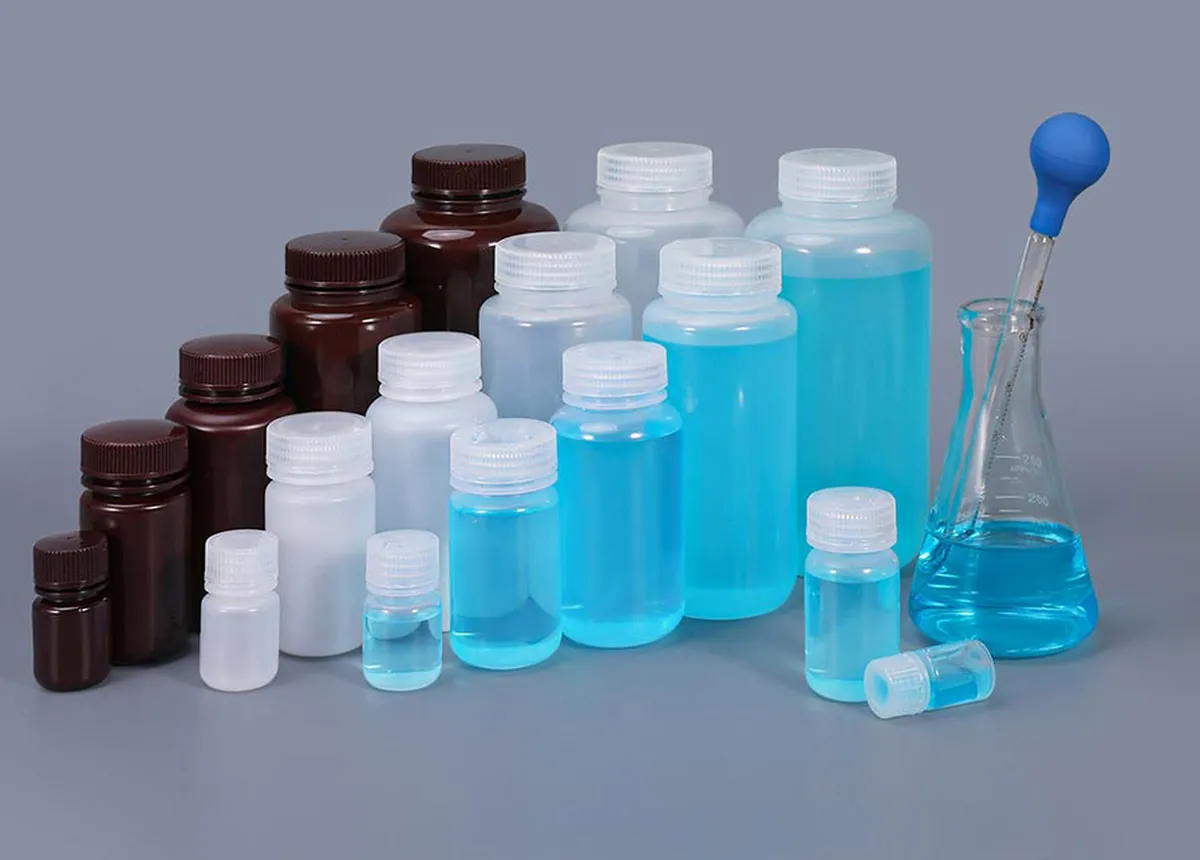
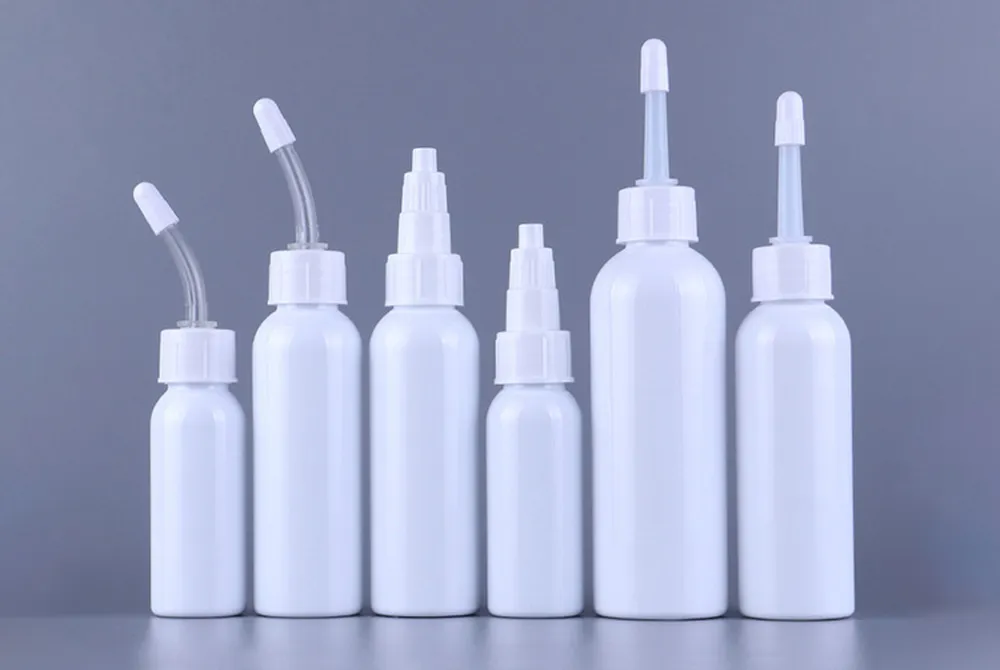
Injection blow molding machine is typically suitable for processing thermoplastic materials such as PP, PE, PET, PC, and PVC. They can be customized with multi-cavity structures according to different requirements, enabling flexible production modes from single-cavity to multi-cavity. This equipment is widely used in industries such as medicine, cosmetics, and laboratories. It is suitable for producing plastic bottles of different specifications. Common products include medicine bottles, small-capacity reagent bottles, perfume bottles, etc. With its outstanding performance and stable quality, IBM machine has become an important equipment choice for many plastic packaging manufacturing factories to increase production capacity, optimize processes and ensure quality.
Working Process of the Injection Blow Molding Machine
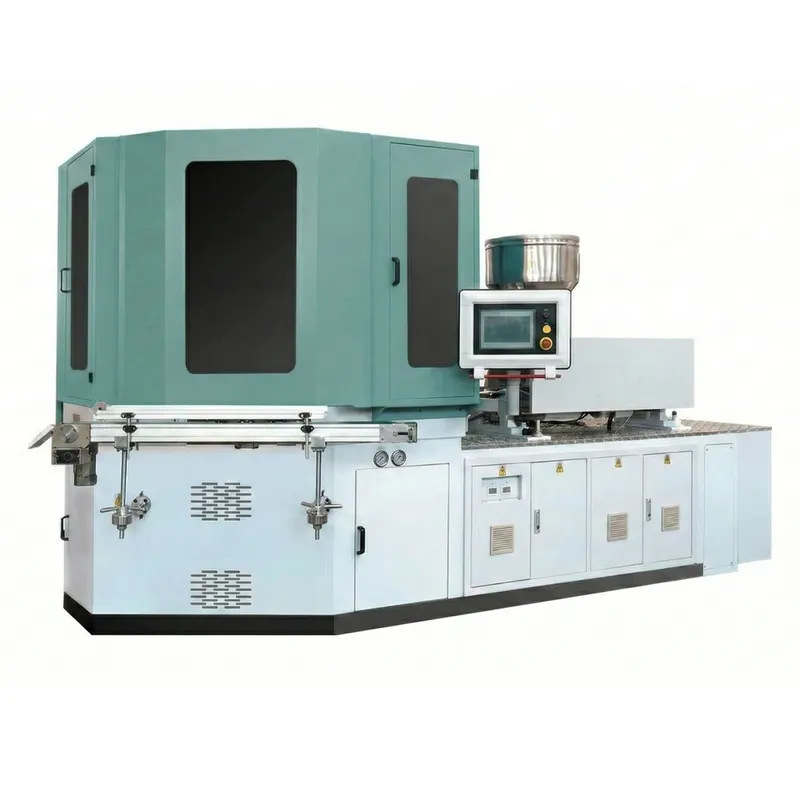
An injection blow molding machine is a widely used piece of equipment in the production of plastic products. Its working procedure is very simple and efficient, which consists of two processes: the injection process and the blow molding process.
Injection Process: Firstly, the preheated and melted plastic particles are injected into the container of the IBM machine through the screw feed port. Through the push of the screw, the plastic particles are heated, melted, and extruded under high pressure. The machine is equipped with an injection nozzle, which sprays the molten plastic material into the cavity of the mold. After that, the material is rapidly formed into a preform.
Blow Molding Process: Once the plastic material enters the mold chamber, a blowing rod is immediately added. It will enter through one side of the mold and form bubbles around the plastic material. Under the action of pressurized gas, the plastic material begins to expand, completely filling the cavity of the mold. Meanwhile, the mold will also be adjusted or rotated according to the shape of the required bottle to ensure the precise shape of the container.
IBM machine completes the injection and blow molding processes through one piece of equipment. This process is not only efficient, but also reduces the waste of material, which is very in line with the requirements of modern production.
Advantages of the Injection Blow Molding Machine
1. High-precision injection mold design
Ensure precise bottle neck dimension, improve coaxiality and sealing performance, and meet the strict requirements of pharmaceutical
2. Rotary table structure
Advanced PLC control, Precise parameter control, Improved automation and consistency
3. Intelligent PLC control system
Provide an advanced PLC control system, achieve precise control of parameters, enhance automation and product consistency
4. Energy-saving system
Ensure uniform and stable temperature, accelerate the molding cycle, enhance environmental protection performance
5. Automatic demolding device
Ensure the safe and rapid demolding of the bottle, less manual work, lower damage, reduce production costs, and improve efficiency
6. Pollution-free molding environment
Provide a strong sealing structure of the machine, prevent dust and impurities from entering the mold, and ensure contamination control in production
Application of Injection Blow Molding Machine
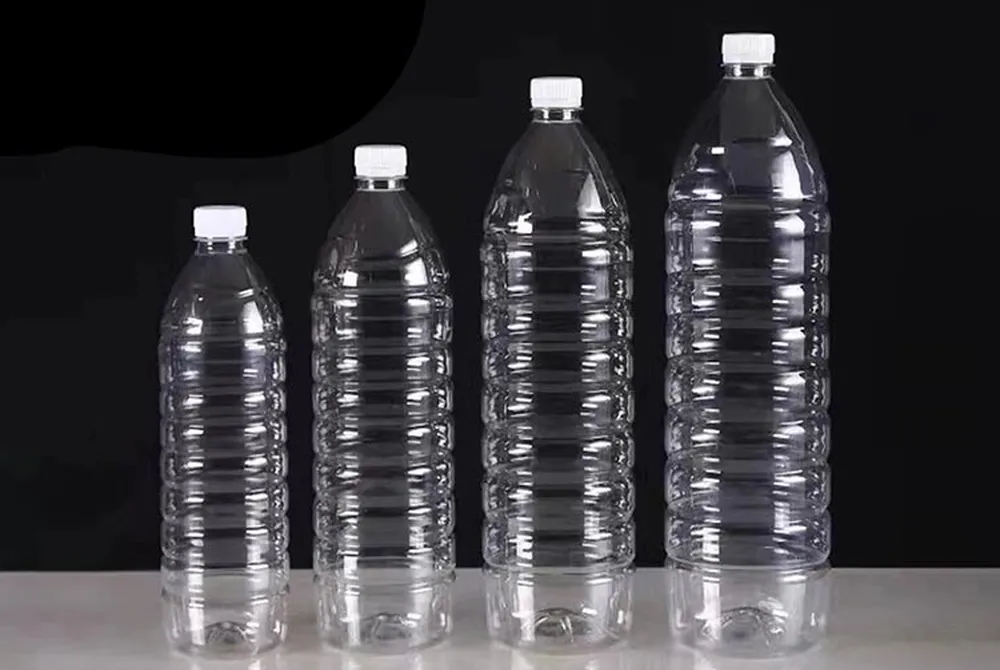
- Alcohol Disinfectant Bottle
Manufacturers rely on injection blow molding machines to produce alcohol disinfectant bottles with exceptional structural integrity and chemical resistance. These specialized containers maintain the effectiveness of alcohol solutions over extended periods, featuring precise threading for secure caps that prevent evaporation and ensure safe handling in medical environments and everyday hygiene applications. - Baby Feeder Bottle
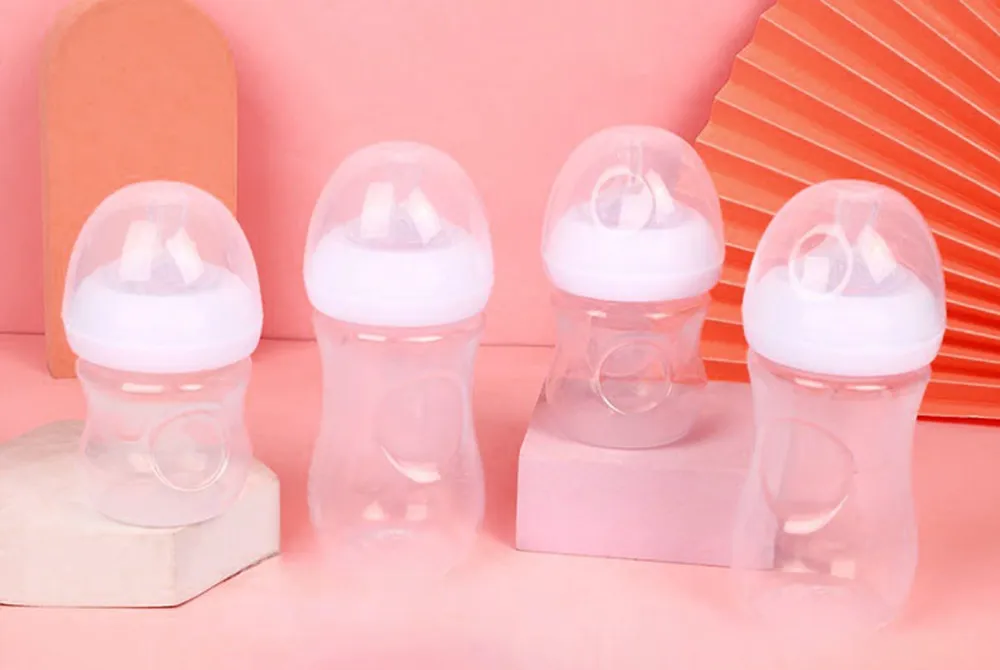
The technology supports the fabrication of baby feeder bottles that prioritize safety and clarity using medical-grade resins. With uniform wall distribution and smooth surfaces, these bottles facilitate easy cleaning and sterilization while offering durable construction that withstands frequent use, meeting rigorous international standards for infant product safety and comfort. - Chemical Bottle
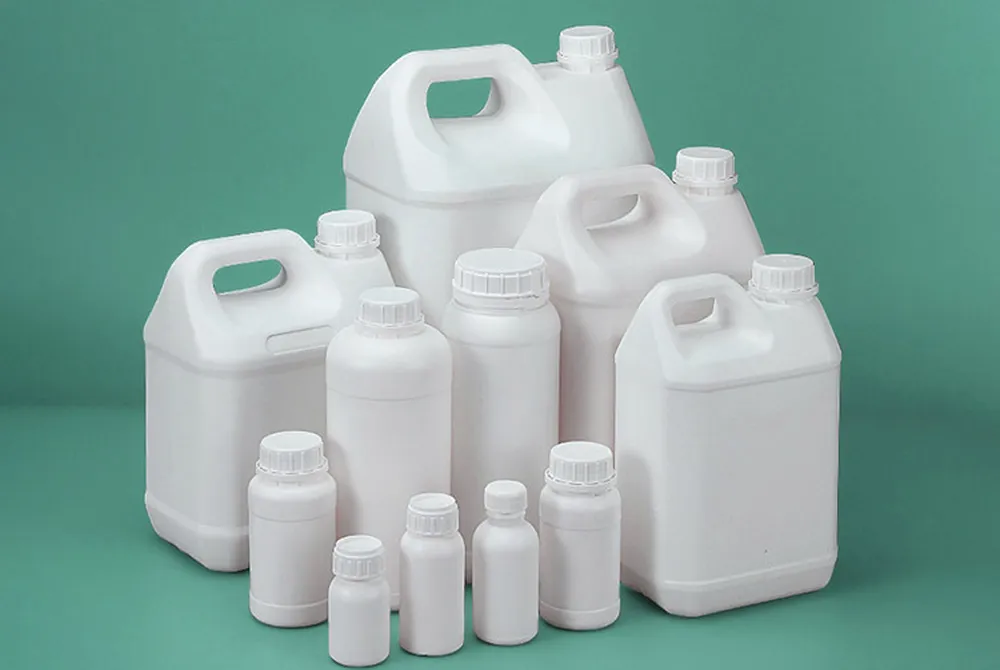
Injection blow molding equipment creates reliable chemical bottles designed to contain aggressive substances without degradation or leakage. The process delivers containers with robust shoulders and bases that enhance stability during storage and transportation, supporting industrial and laboratory needs through superior barrier properties and compatibility with various hazardous materials. - Cosmetic Bottle
Precision engineering in injection blow molding allows for the development of attractive cosmetic bottles that enhance product presentation and functionality. These vessels provide excellent clarity or opacity as required, along with consistent dimensions that support automated filling lines and deliver a premium feel suitable for skincare, haircare, and beauty formulations. - Food Seasoning Bottle
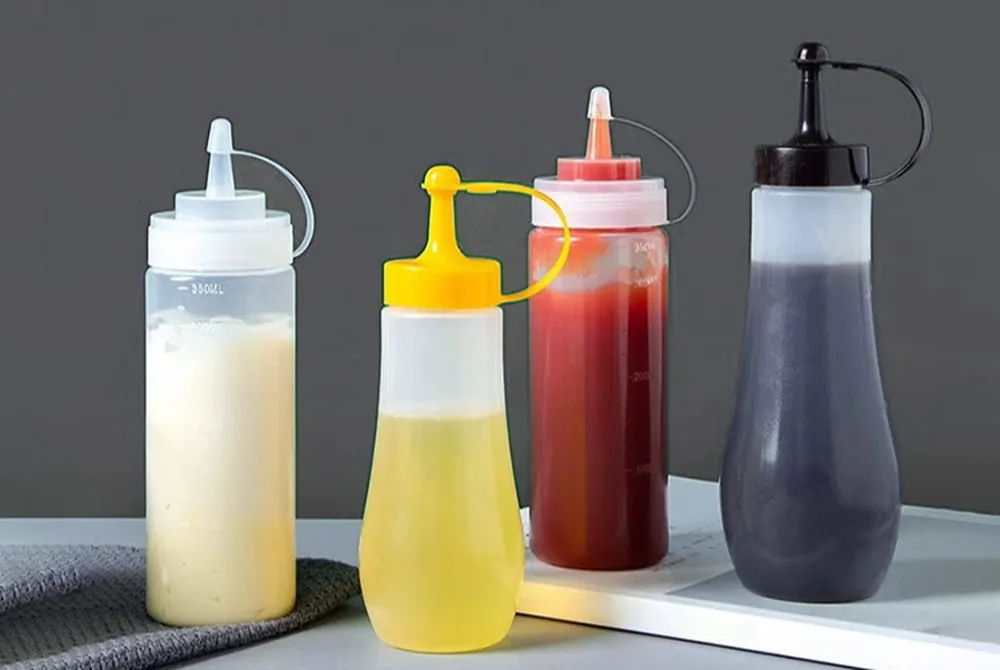
This manufacturing method produces food seasoning bottles that preserve the freshness and flavor of condiments through effective sealing and material purity. Engineered for food contact compliance, the bottles exhibit resistance to oils and acids, enabling convenient dispensing mechanisms while maintaining structural strength for household and commercial kitchen usage. - Medicine Bottle
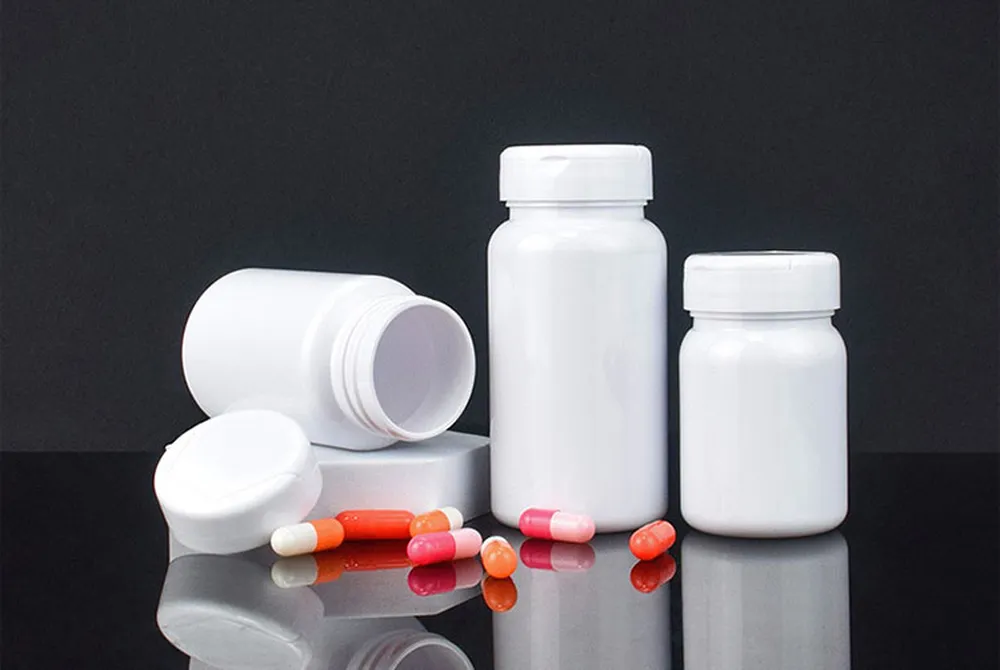
Injection blow molding machines are instrumental in crafting medicine bottles that ensure product stability and dosage accuracy for pharmaceutical applications. The resulting containers feature tamper-evident features and precise neck finishes ideal for child-resistant closures, protecting sensitive medications from moisture, light, and air exposure in compliance with health regulations. - Perfume Bottle
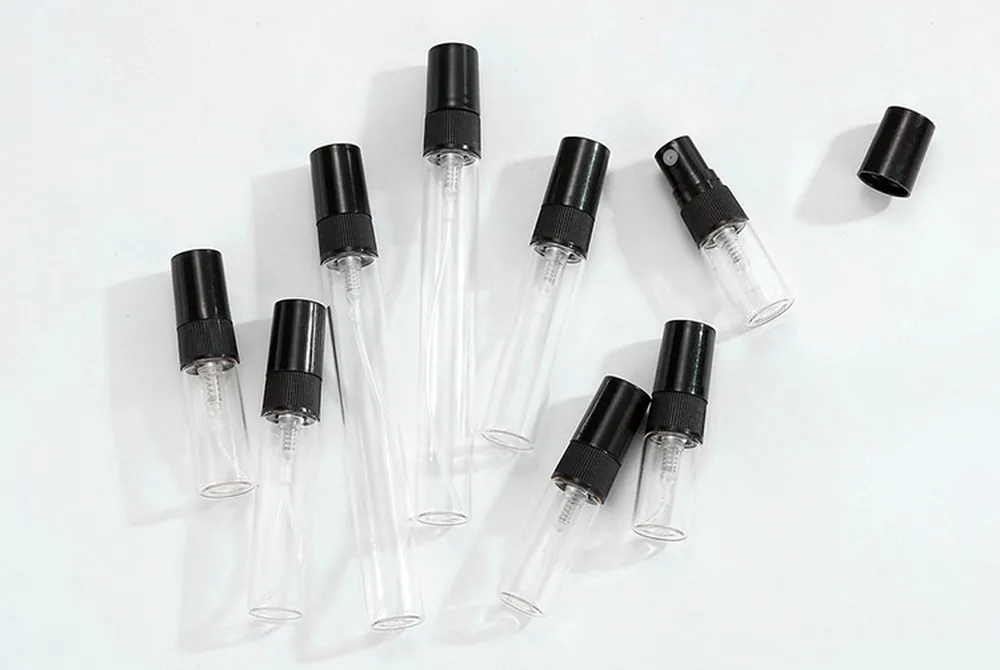
Utilizing advanced injection blow molding techniques yields elegant perfume bottles with intricate designs and high transparency levels. These sophisticated containers offer superior surface quality for decorative labeling or printing, while their seamless construction guarantees leak prevention and fragrance preservation essential for luxury personal care markets. - Sanitizer Bottle
Production of sanitizer bottles benefits from the efficiency and versatility of injection blow molding systems, resulting in lightweight yet sturdy packaging solutions. These bottles incorporate ergonomic shapes for user-friendly application and provide reliable containment for alcohol-based sanitizers, supporting public health initiatives with features that promote hygiene and portability across various settings.
 |
 |
 |
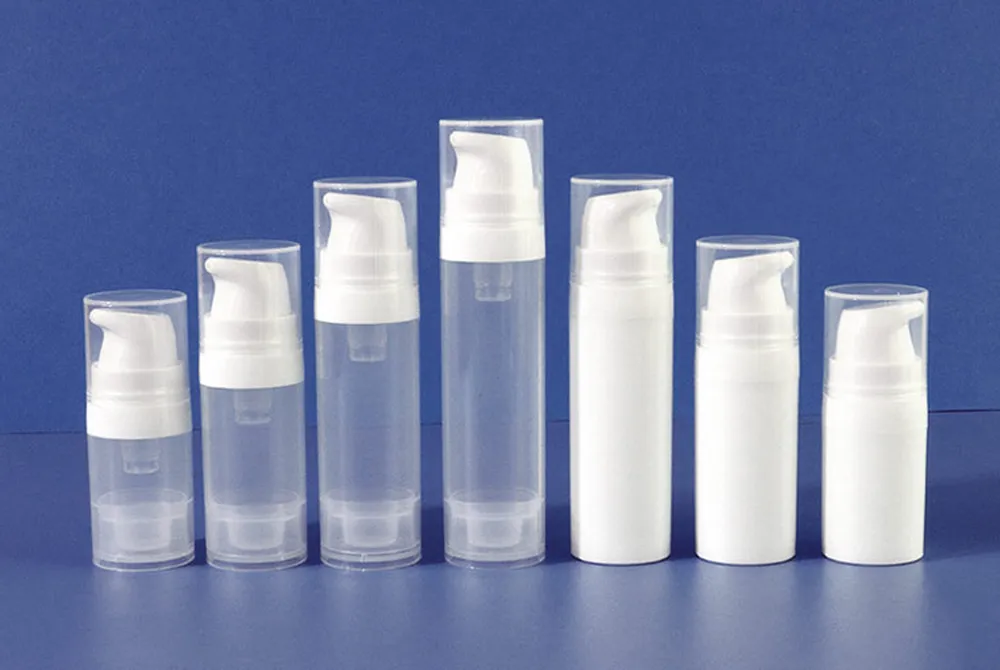 |
| Alcohol Disinfectant Bottle | Baby Feeder Bottle | Chemical Bottle | Cosmetic Bottle |
 |
 |
 |
 |
| Food Seasoning Bottle | Medicine Bottle | Perfume Bottle | Sanitizer Bottle |
ISBM Machine vs. IBM Machine
Injection Stretch Blow Molding (ISBM) machines and standard Injection Blow Molding (IBM) machines represent two established approaches in the production of plastic containers, each designed to meet different technical demands through tailored manufacturing sequences. The ISBM working process consists of three integrated stages: initial injection molding to form the preform, followed by axial stretching with a stretch rod, and final blow molding to expand the material into the finished shape. By contrast, the IBM process follows a simpler two-stage cycle limited to injection molding of the preform and immediate blow molding, omitting any stretching phase.
This fundamental difference in molding principle produces distinct outcomes. In ISBM systems, the stretching action promotes biaxial orientation of the polymer chains, which strengthens the molecular structure and results in bottles that exhibit high mechanical strength combined with exceptional optical clarity. IBM machines achieve their results through direct inflation of the preform, delivering consistent and uniform wall thickness throughout the container, along with precise control over critical dimensions such as the neck finish.
Product shape capabilities also vary considerably between the technologies. ISBM equipment supports the creation of complex geometries and larger-capacity designs that maintain structural integrity under stress. IBM technology, however, proves more effective for straightforward configurations and smaller bottle formats where simplicity and repeatability are priorities.
Material compatibility reinforces these distinctions. ISBM operations primarily utilize polyethylene terephthalate (PET) resins to leverage the benefits of stretching. IBM machines accommodate a broader range of resins, including polyethylene (PE), polypropylene (PP), polyvinyl chloride (PVC), and polystyrene (PS), allowing greater versatility in resin selection.
These technical attributes align with specific application scenarios. Manufacturers of carbonated beverages and mineral water typically select ISBM machines for their ability to produce pressure-resistant, crystal-clear bottles suitable for high-speed production lines. Pharmaceutical, cosmetic, and small-volume packaging facilities often prefer IBM machines for their uniform wall distribution and compatibility with sensitive formulations in compact container sizes. Selecting the appropriate system ultimately depends on volume requirements, performance specifications, and end-use regulations to optimize efficiency and product quality.
| Feature | ISBM Machine | IBM Machine |
|---|---|---|
| Working Process | Injection, stretching, blow molding | Injection, blow molding |
| Molding Principle | Enhance material properties through stretching | Blow molding directly without stretching |
| Product Performance | High strength and excellent clarity | Uniform wall thickness |
| Product Shape | Complex and large bottle shape | Simple and small bottle shape |
| Molding Material | Mainly PET | PE、PP、PVC、PS |
| Application Scenarios | Carbonated beverage, mineral water production lines | Pharmaceuticals, cosmetics, small packaging factories |
 |
 |
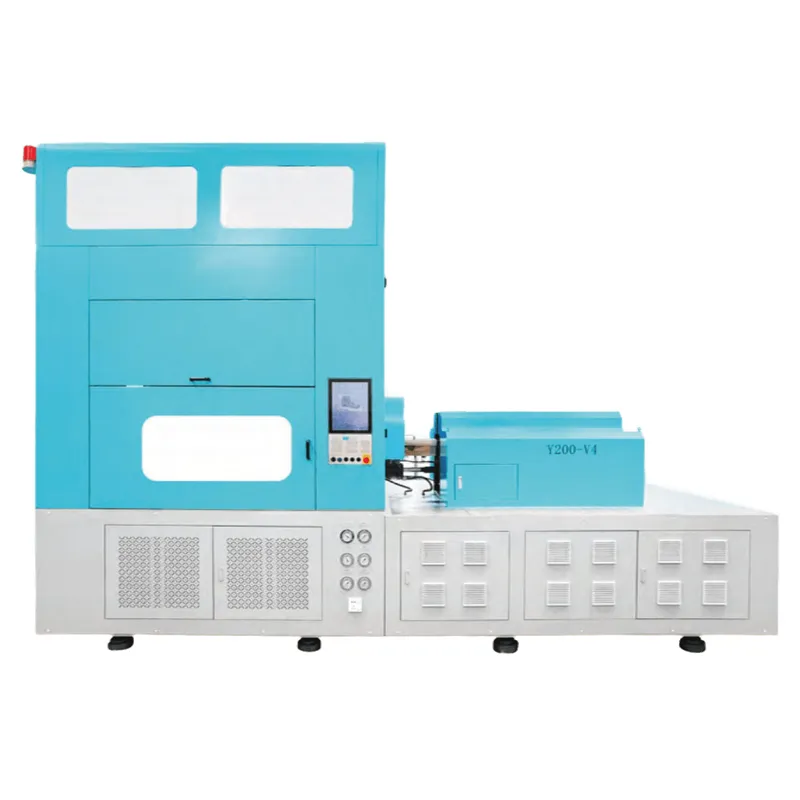
| ISBM Machine | IBM Machine |
|---|
How to Choose the Right Injection Blow Molding Machine?
- Production Volume
Selecting equipment that precisely aligns with projected daily output targets forms the foundation of efficient operations in plastic container manufacturing. Machines must deliver consistent cycle times and throughput rates that scale with demand fluctuations, preventing underutilization during low periods or capacity shortages during peak production seasons, thereby safeguarding overall profitability and workflow stability across extended manufacturing runs. - Bottle Size Range
Compatibility with the full spectrum of required container dimensions, from compact vials to larger formats, ensures seamless adaptability without frequent tooling changes. The chosen system should support precise control over neck finishes, wall thicknesses, and overall geometries, enabling manufacturers to meet diverse market specifications while maintaining structural integrity and production repeatability for specialized packaging applications. - Material Compatibility
Verification against intended resins such as PET, HDPE, PP, and related polymers prevents processing issues and material degradation during high-temperature cycles. The machine must demonstrate proven performance with varying melt indices and barrier requirements, supporting food-grade, pharmaceutical, or cosmetic formulations while delivering uniform distribution and minimal scrap rates across multiple resin types. - Automation Level
Opting for advanced servo-driven systems with integrated robotics and process monitoring significantly lowers manual intervention requirements. This elevated automation streamlines preform handling, quality inspections, and line integration, resulting in reduced labor expenses, faster changeovers, and higher consistency in high-volume environments where precision and repeatability directly influence competitive advantage. - After-Sales Support
Access to responsive technical assistance, readily available spare parts inventories, and comprehensive training programs proves vital for sustaining uninterrupted productivity. Manufacturers benefit from partners offering remote diagnostics, on-site servicing, and long-term warranty coverage, which collectively minimize costly downtime and extend equipment lifespan in demanding industrial settings.