What is Injection Stretch Blow Molding Machine?
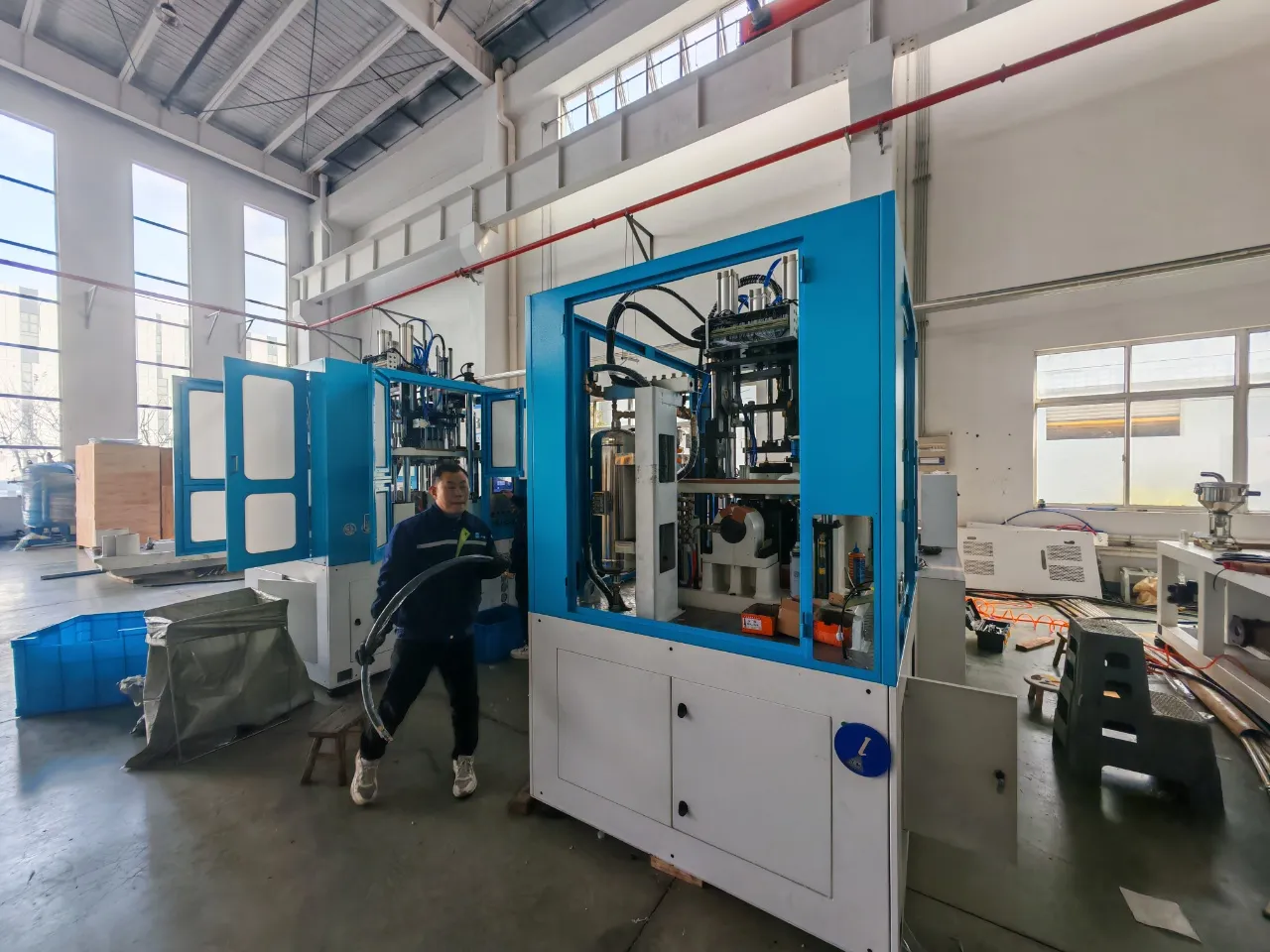
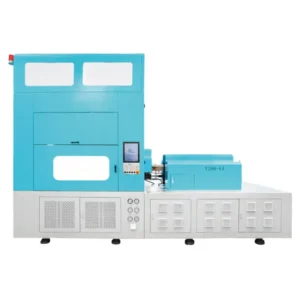
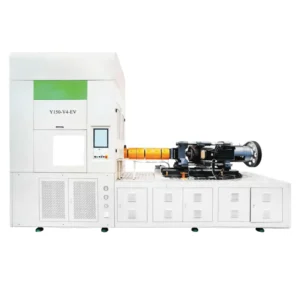
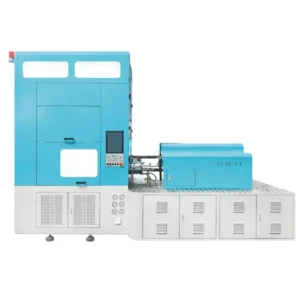
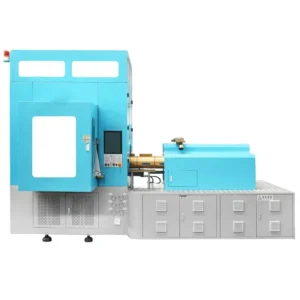
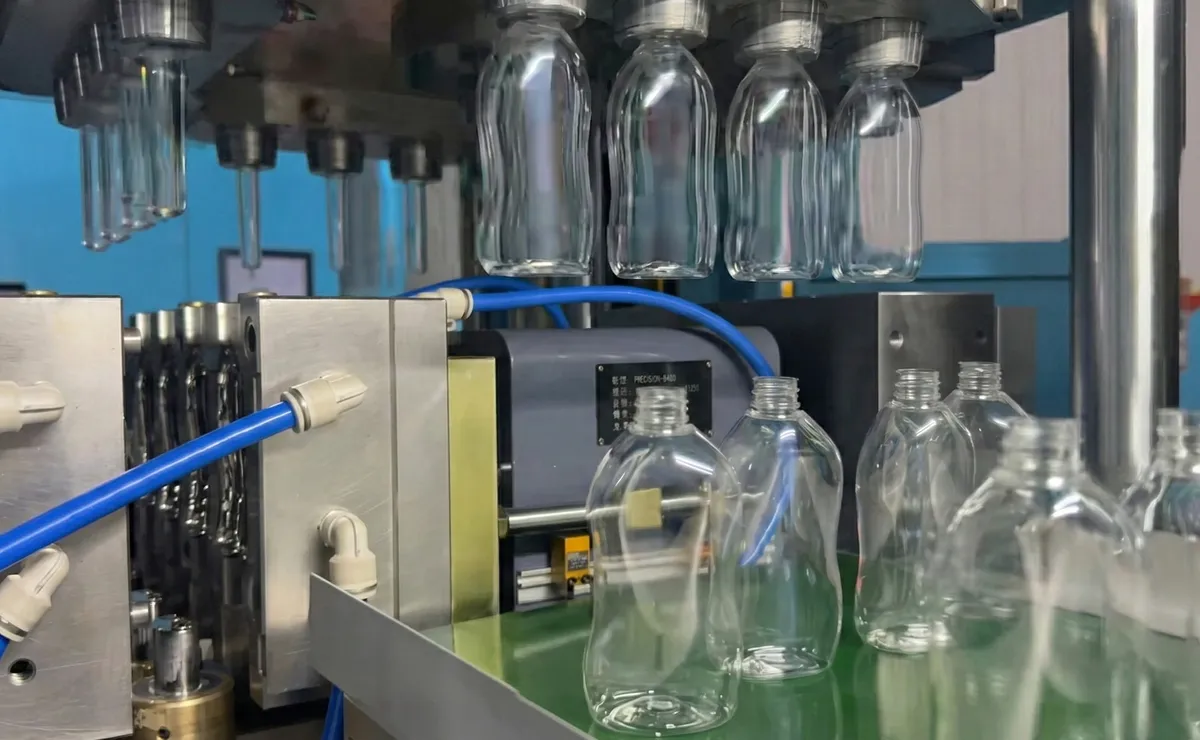
Injection stretch blow molding machine, also known as injection stretch blow moulding machine or ISBM machine, is a kind of plastic bottle production equipment. By injecting plastic raw materials into molds, heating, pressurizing, and blowing air, it processes plastic into products of the required shape and size. It is usually used to produce various plastic bottles, containers, cans and other products. Injection stretch blow molding machine integrates four processes, including the injection process, the stretching process, the blowing process, and the molding process. ISBM machine does not require a second-stage process or the assistance of other equipment. Compared with the traditional bottle manufacturing method, the ISBM machine, with its significant advantage of “one machine for the entire process”, has greatly improved production efficiency, saved labor and factory space. At the same time, the injection stretch blow molding machine reduces pollution and material waste during the molding process. Due to the centralized and highly automated production process, the ISBM machine can ensure that the bottles achieve the desired effect in terms of transparency, strength, and dimensional consistency.
Injection stretch blow molding machine is a one-step fully automatic molding equipment, featuring single-row multi-cavity and double-row multi-cavity series. It is suitable for thermoplastic plastics such as PET, PC, and PP and is widely used in the manufacturing of packaging bottles for the pharmaceutical, health care products and cosmetics industries. Also, the injection stretch blow molding machine is particularly suitable for producing ISBM bottles like small and medium-sized plastic bottles with high transparency, good strength, and complex shapes. For example, PET water bottles, baby bottles, cosmetic bottles, etc. The emergence and popularization of ISBM machine mark an important upgrade of plastic molding technology. ISBM molding not only enhances the precision and consistency of the bottle making process, but also drives the packaging industry towards a more efficient, clean and intelligent direction.
Working Process of Injection Stretch Blow Molding Machine
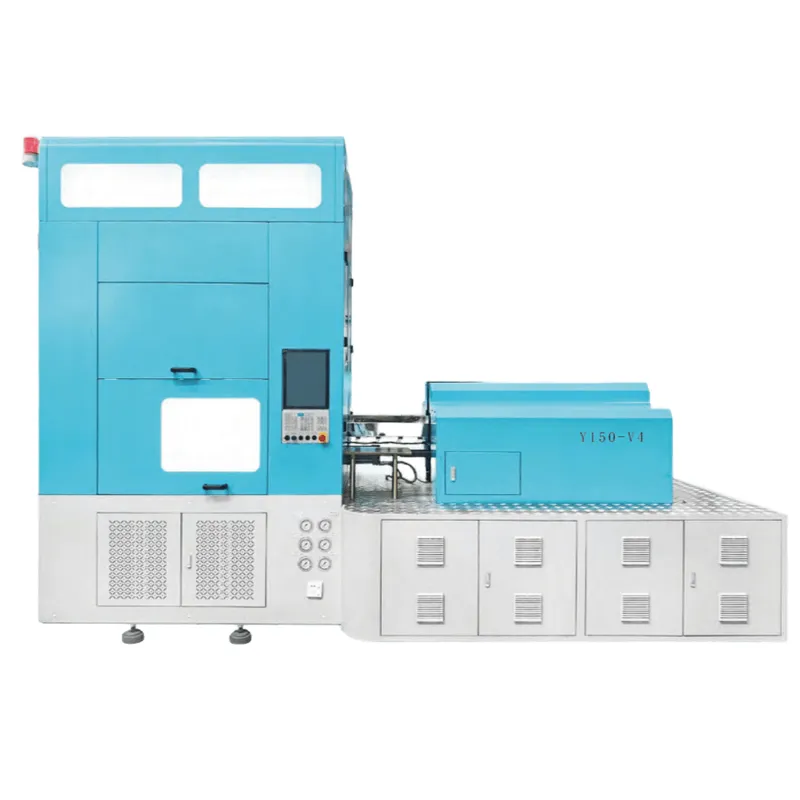
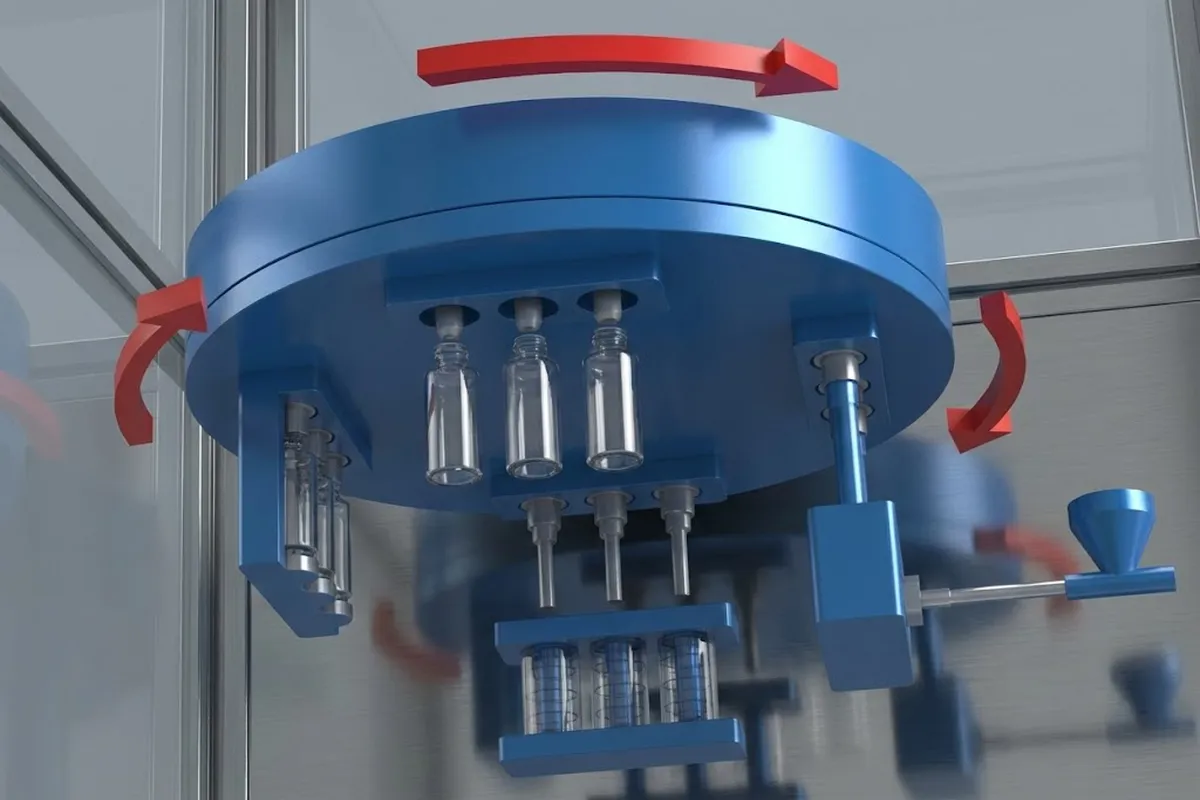
Injection Stretch Blow Molding Machine is divided into four main processes: injection process, stretch process, blow process and molding process. The entire process is continuously completed within one machine, featuring high automation, high precision and good consistency of bottle shapes.
- Injection Process
The injection process is the initial stage of the entire process. Molten plastic (such as PET particle) is injected into the preform mold and melt into a flowing plastic melt under high temperature and pressure. At this process, it is necessary to control parameters such as injection speed, injection pressure and mold temperature to ensure that the melting plastic has good fluidity and filling ability so that it can uniformly and completely fill the mold cavity, obtaining the required shape and size. - Stretching Process
The injection-molded plastic is removed from the mold and undergo initial cooling and shaping. After that, the preform is sent into the heating zone and reheated to a temperature which is suitable for stretching. After the heating is completed, the stretching rod elongates the preform longitudinally, preparing for blow process. At this process, it is necessary to control the cooling time and heating temperature to ensure the dimensional stability and surface quality of plastic products. - Blowing Process
After stretching, the plastic product is placed in the blowing mold and compressed air is used to expand the plastic product. Therefore, the softened preform adheres to the inner wall of the mold and forms the predetermined bottle shape outline. It is crucial to the final shape and structure of plastic bottles. At this process, it is necessary to control parameters such as blow molding pressure and mold temperature to ensure that the shape and size of the obtained plastic products meet the requirements. - Molding Process
After blowing, the bottle needs to be cooled and formed in the mold. Through the cooling medium in the cooling channel of mold, the heat of the bottle body is quickly removed, allowing the plastic material to solidify and maintain its accurate shape, achieving the required surface finish and dimensional accuracy. At this process, it is necessary to control the uniformity, speed and duration of cooling. Also, the temperature of the mold should be controlled to improve the quality of the bottle and production efficiency.
Advantages of the Injection Stretch Blow Molding Machine
- Shorten Production Cycle: Complete the entire production process from injection to molding in one machine, significantly enhancing production efficiency.
- Improve Production Efficiency: Quickly and precisely manufacture large quantities of plastic products, with production efficiency far exceeding that of manual production and other traditional molding processes.
- Improve Molding Precision: Precisely control the temperature, pressure and speed of the mold, achieving a high degree of consistency in product size, shape and density.
- Reduce Labor Cost: Reduce unstable factors caused by human factors and lower human resources with fully automated operation.
- Ensure Energy Conservation: Only use plastic particles and recycle them, reducing waste and environmental impact.
- Need Small Working Space: Suitable for small factory or clean workshop with limited space.
Features of the Injection Stretch Blow Molding Machine
- One-Step Processing
This equipment completes the full sequence of injection, stretching, blowing, and molding within a single continuous operation on one unit. The integrated workflow delivers outstanding automation and repeatability, producing containers with uniform wall thickness and precise dimensions while eliminating separate reheating stages or external machinery. As a result, overall output speeds increase, labor requirements drop, and both energy consumption and scrap rates fall significantly. - Automatic Control System
Advanced electronic controls manage every critical parameter, including injection pressure, mold temperature, heating profiles, and blow timing, without manual adjustments during normal runs. This full automation removes variability introduced by operators and maintains tight tolerances on product geometry and surface finish across extended production shifts. Consequently, defect rates decrease while consistent quality supports high-volume runs in regulated sectors such as pharmaceuticals and food packaging. - Servo-Driven System
Precision servo motors regulate temperature, pressure, and motion at every stage, ensuring repeatable clamp force and stretch ratios for each cycle. The closed-loop feedback delivers uniform material distribution and density throughout the container wall, raising molding accuracy and reducing cycle times. Manufacturers gain higher throughput together with lower power usage and extended component service life under continuous operation. - Vertical Working Mode
The one step injection stretch blow molding machine employs a vertical clamp and injection layout that aligns all stations in a straight-line flow from preform creation to finished bottle ejection. This orientation simplifies gravity-assisted material handling and improves access for mold changes or maintenance tasks. The design also contributes to stable thermal management and compact footprint, making the system especially practical for facilities with height or layout constraints. - Compact Machine Structure
Engineered with a minimal footprint, the entire production line fits into limited factory areas without sacrificing performance or safety clearances. All four process stations reside inside one frame, shortening material transfer distances and lowering installation costs for small-to-medium plants or clean-room environments. The streamlined layout further accelerates startup and changeover procedures while maintaining full guarding and ergonomic operator access. - One Mold with Multiple Cavities
Available in single-row and double-row configurations, each mold supports multiple cavities that operate simultaneously to generate large batches of identical containers in every cycle. Balanced hot-runner distribution guarantees even filling and cooling across all positions, preserving dimensional accuracy even at high cavitation levels. This capability directly boosts hourly output and reduces per-unit tooling and energy expenses for commercial-scale production. - Various Product Molding Types
The platform accommodates an extensive range of container designs, from simple cylindrical bottles to complex shapes with handles or neck finishes, all produced at consistent high clarity and mechanical strength. Typical applications include PET water bottles, infant feeding containers, and cosmetic jars that demand precise neck threads and wall uniformity. Process flexibility allows rapid tooling swaps to meet diverse market specifications without compromising cycle efficiency or product integrity. - Extensive Raw Materials
Compatibility spans common thermoplastics including PET, PC, PP, PETG, and PE, enabling processors to select resins that best match end-use requirements for barrier properties, clarity, or cost. Scrap generated during startup or trimming can be reintroduced directly into the hopper, maximizing material yield and supporting sustainability targets. This broad resin range makes the machine suitable for pharmaceutical vials, healthcare packaging, and premium cosmetic containers that must meet stringent regulatory and performance standards.
Injection Stretch Blow Molding Machine vs. Extrusion Blow Molding Machine
| Feature | ISBM Machine | Extrusion Blow Molding Machine |
|---|---|---|
| Working Process | Injection, stretching, blowing, molding | Extrusion, cooling, blow, molding |
| Product Performance | Excellent clarity and superior gas barrier | Poor clarity and less gas barrier |
| Product Stability | Higher stability and dimensional precision | Lower stability and dimensional precision |
| Material Utilization | Higher material efficiency, less waste | Lower material efficiency, more waste |
| Application | High-performance bottles | General Plastic Bottles |
What Types of Raw Material Can Be Used in Injection Stretch Blow Molding Machine?
- Polyethylene Terephthalate (PET)
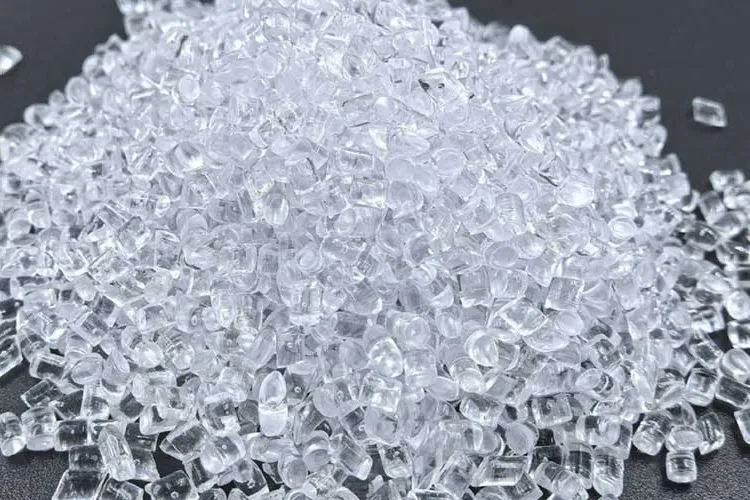
This thermoplastic polymer stands out in injection stretch blow molding due to its exceptional clarity, strength, and barrier properties against gases and moisture, making it ideal for producing beverage bottles and food containers that require durability and transparency. Manufacturers favor PET for its recyclability and ability to withstand high-pressure filling processes without deformation. - Polypropylene (PP)
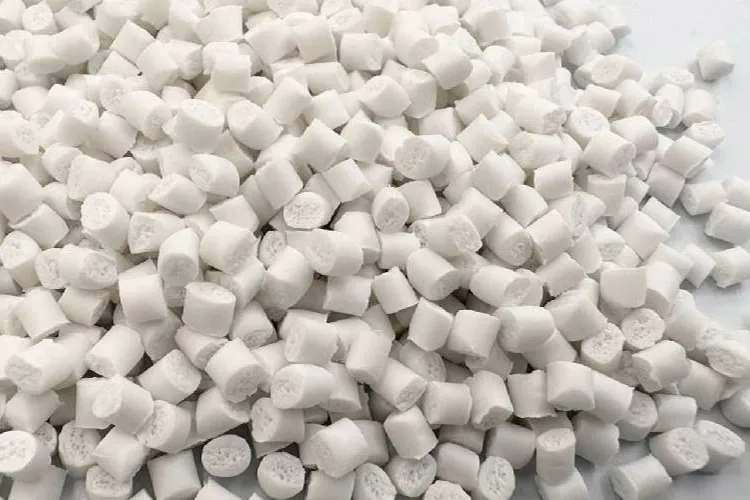
Known for its chemical resistance and flexibility, polypropylene serves effectively in injection stretch blow molding applications where products need to endure repeated use or exposure to various substances, such as in pharmaceutical packaging or household items. Its lightweight nature combined with good impact strength ensures reliable performance in diverse environments. - Polyethylene (PE)
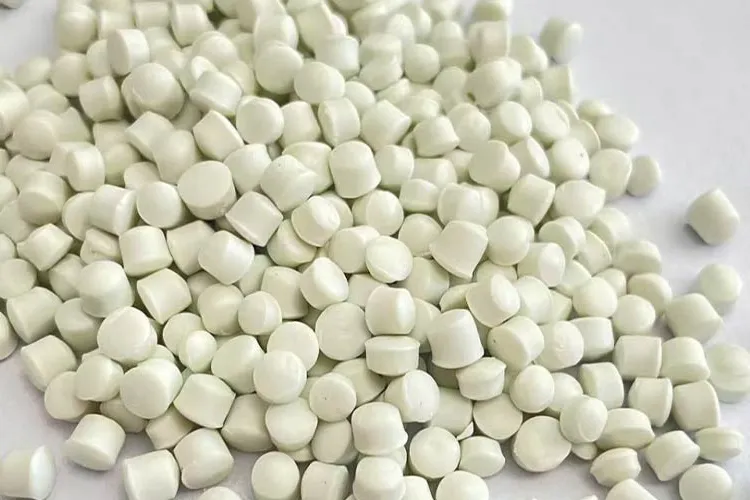
Including variants like high-density and low-density forms, polyethylene offers versatility in injection stretch blow molding by providing excellent moisture resistance and toughness, which proves essential for creating containers used in personal care products or industrial fluids. This material’s ease of processing contributes to efficient production cycles. - Polycarbonate (PC)
Valued for its high impact resistance and optical clarity, polycarbonate finds application in injection stretch blow molding for items demanding superior toughness, such as reusable water bottles or medical devices. Its thermal stability allows it to maintain integrity under varying temperatures during manufacturing and end-use. - Polycyclohexylenedimethylene Terephthalate (PCT)
This advanced copolyester material excels in injection stretch blow molding thanks to its enhanced heat resistance and dimensional stability, suitable for high-temperature applications like oven-safe containers. Professionals select PCT when projects require a balance between rigidity and processability without compromising on safety standards. - Polyethylene Terephthalate Glycol (PETG)
As a modified version of PET, PETG provides improved flexibility and impact strength in injection stretch blow molding, making it appropriate for cosmetic packaging and medical trays that benefit from its non-crystalline structure. This resin’s compatibility with sterilization processes adds to its utility in sensitive sectors. - Polystyrene (PS)
This material contributes to injection stretch blow molding with its rigidity and ease of coloring, often chosen for disposable containers or promotional items that prioritize aesthetic appeal. Its low moisture absorption ensures consistent quality in humid storage conditions.
 |
 |
 |
| PP | PE | PC |
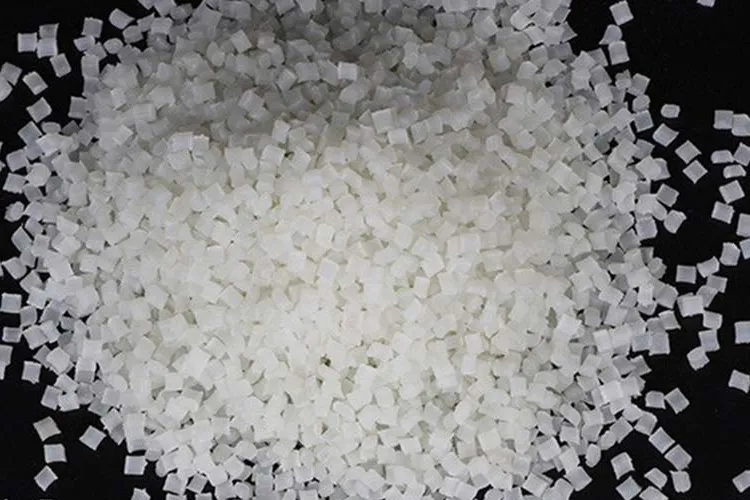 |
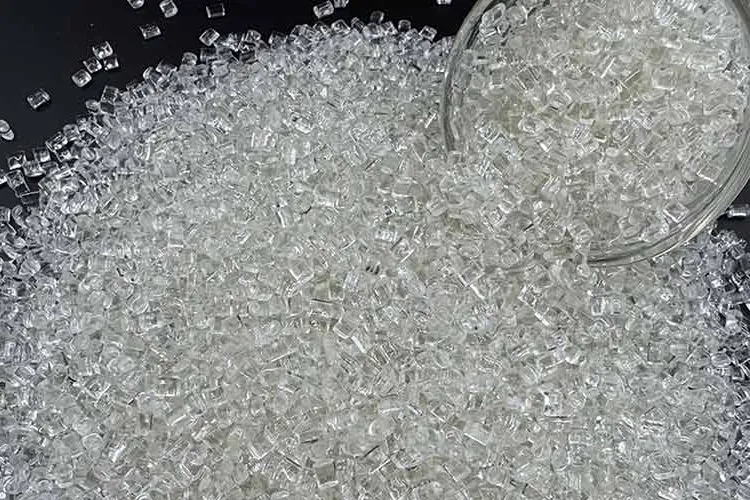 |
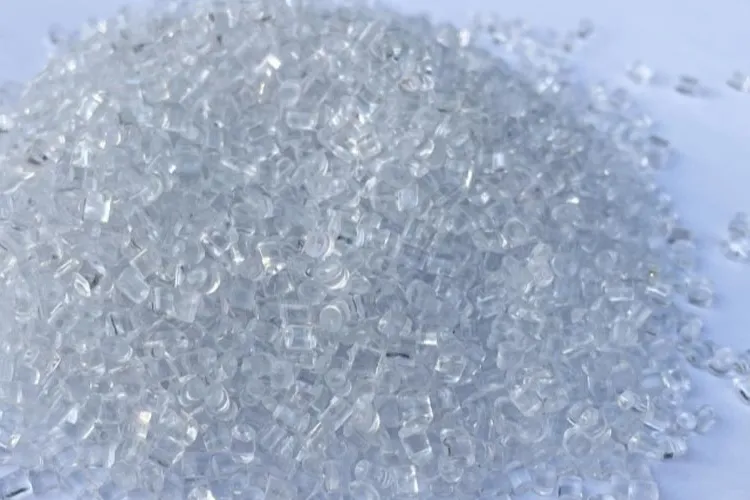 |
| PCT | PET | PETG |
How to Use Injection Stretch Blow Molding Machine for Bottle Manufacturing?
Prepare Raw material: Select appropriate plastic and check the drying status to avoid moisture. Preheat the Machine: Set appropriate mold and preheat to the required process temperature.
Set Parameters: Select appropriate injection pressure, speed, stretching rod, blowing pressure. Choose Cooling Duration: Adjust the cooling cycle reasonably to ensure the bottle forming.
Injection: Inject molten plastic to form the preform. Stretching: Heat the preform to optimal temperature and stretch with the stretch rod. Blowing: Use high-pressure air to blow the preform into the final bottle shape. Molding: Cool and solidify the plastic bottle to achieve accurate shape.
How to Maintain Injection Stretch Blow Molding Machine?
- Regular Cleaning: Clean the injection and blowing molds to keep the mechanical parts free of dust and oil.
- Lubrication Maintenance: Apply lubricating oil to components such as guide rails to prevent wear.
- All Electric System Checking: Check the stability of the electric system to ensure their normal operation.
- Electrical System Maintenance: Inspect the interior of the electrical system to prevent short circuits.
- Mold Maintenance: Inspect the wear of the molds and replace them immediately.
- Machine Adjustment: Adjust the injection stretch blow molding machine parameters and various components to ensure product accuracy.