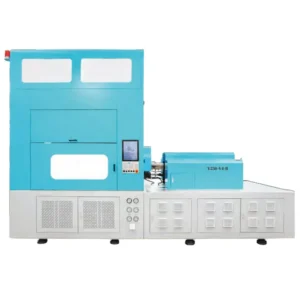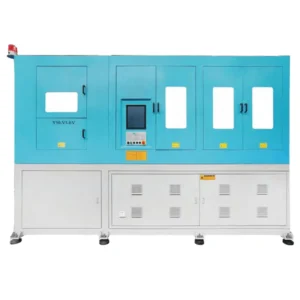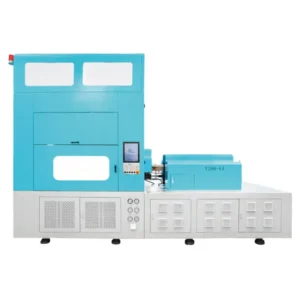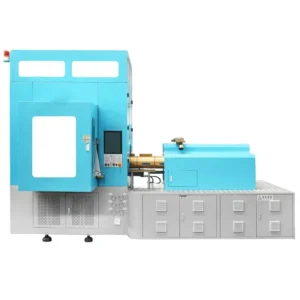
Extrusion Blow Molding in Modern Plastics Manufacturing
Extrusion blow molding plays a vital role in the plastic manufacturing industry. This process creates many hollow plastic products found in daily life, such as packaging for food and beverages, sterile medical containers, and automotive fluid reservoirs. Manufacturers value its cost-efficiency, as it reduces expenses for molds and production. The method allows for intricate shapes and ensures hygiene for food containers. Compared to other blow molding methods like ISBM machines, extrusion blow molding offers greater versatility and durability for a wide range of industry needs.
الفوائد الرئيسية
- Extrusion blow molding is a cost-effective method for producing hollow plastic products, saving manufacturers money on molds and labor.
- This process allows for rapid production cycles, enabling companies to meet high demand efficiently and reduce downtime.
- Manufacturers can create a wide variety of shapes and sizes with extrusion blow molding machine, making it versatile for different industries.
- Using this method, companies benefit from lower energy consumption and reduced maintenance costs, enhancing overall productivity.
- Extrusion blow molding supports sustainability by utilizing recyclable materials and energy-efficient machines, helping to minimize waste.
Extrusion Blow Molding in Plastic Manufacturing
نظرة عامة على العملية
Extrusion blow molding stands as a widely used manufacturing technique for creating hollow plastic products. The extrusion blow molding machine transforms raw materials into finished items through a series of precise steps. The process operates as follows:
- The operator loads plastic resin into a hopper, which feeds the extrusion blow molding machine.
- Inside the machine, a screw rotates and melts the plastic pellets using heat and friction.
- The machine pushes the molten plastic through an extrusion head, forming a hollow tube called a parison.
- The mould closes around the parison, and a blow pin injects air, forcing the plastic to take the shape of the mould.
- The mould cools, solidifying the plastic into its final form.
- The extrusion blow molding machine opens the mold, ejects the finished product, and removes any excess plastic for recycling.
This process allows manufacturers to produce consistent, high-quality hollow objects efficiently. The extrusion blow molding machine supports large-scale production and ensures uniform wall thickness in each item.
Key Plastics Used
The extrusion blow molding machine processes several types of plastic, each chosen for specific properties and applications. The most common plastics used in this manufacturing technique include:
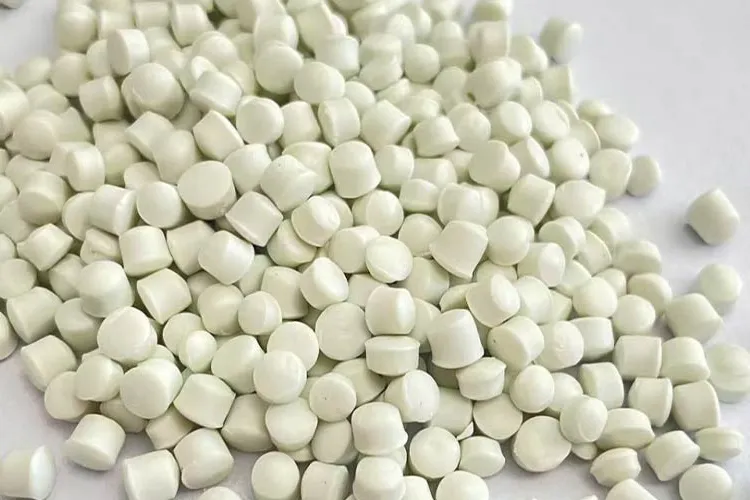
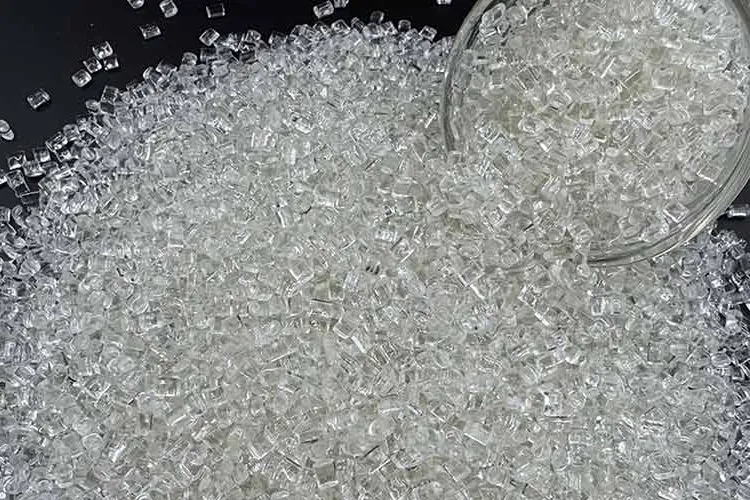
- Polyethylene (PE): This plastic holds the largest market share, especially in packaging. It offers flexibility and durability.
- Polypropylene (PP): Many industries use PP for its chemical resistance and strength.
- Polyethylene terephthalate (PET): PET is popular for packaging, especially bottles, due to its clarity and toughness.
Manufacturers select these plastics for their compatibility with the extrusion blow molding machine and their ability to meet diverse production needs. The versatility of this manufacturing technique makes it essential in modern plastic manufacturing.
 |
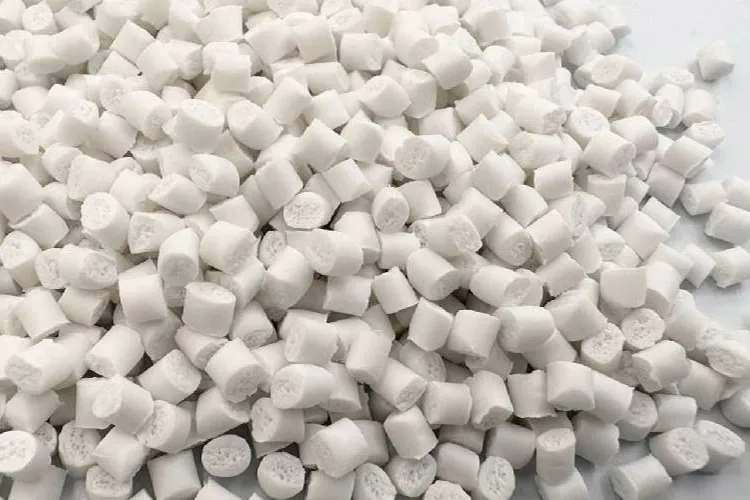 |
| مادة البولي إيثيلين | مادة البولي بروبيلين |
 |
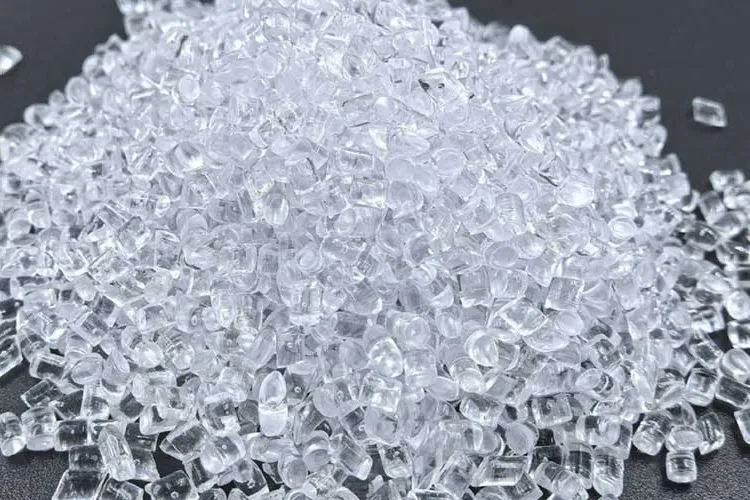 |
| مادة البولي إيثيلين تيريفثالات | مادة البولي كربونات |
Advantages of Extrusion Blow Molding
Cost-Efficiency and Low Pressure
Extrusion blow molding stands out as a cost-effective solution for plastic manufacturing. This process uses compressed air at relatively low pressures, typically between 0.5 and 1.0 MPa, to shape the parison inside the mould. Lower operating pressure means less energy consumption, which helps manufacturers save on utility bills and maintain an energy-efficient machine. Reduced pressure also leads to less wear on equipment, extending the lifespan of machinery and minimizing maintenance costs.
Manufacturers experience significant savings in overall production expenses. Extrusion blow molding requires fewer operators compared to other blow molding methods. For example, one operator can oversee two to three extrusion lines, while injection blow molding often needs two to three operators per line. This difference results in 30-50% lower labor costs, which directly boosts profitability and increased productivity. Companies can allocate resources more efficiently and invest in other areas of their operations.
*Note: Lower pressure and reduced labor requirements make extrusion blow molding a preferred choice for businesses seeking to optimize their production processes.
Fast Production and Labor Savings
Speed plays a crucial role in modern manufacturing. Extrusion blow molding enables rapid production cycles, allowing companies to meet high demand for plastic products. The process streamlines mold changes and reduces downtime, which increases productivity and keeps production lines running smoothly. Fewer operators are needed to manage multiple lines, which further reduces labor costs and simplifies workforce management.
| عامل | IBM (Injection Blow Molding) | EBM (Extrusion Blow Molding) |
|---|---|---|
| Labor Efficiency | 2-3 operators/line | 1 operator/2-3 lines |
This table highlights the labor efficiency advantage of extrusion blow molding. With fewer workers required, manufacturers can achieve higher output with lower staffing levels. This advantage supports increased productivity and helps companies respond quickly to market changes.
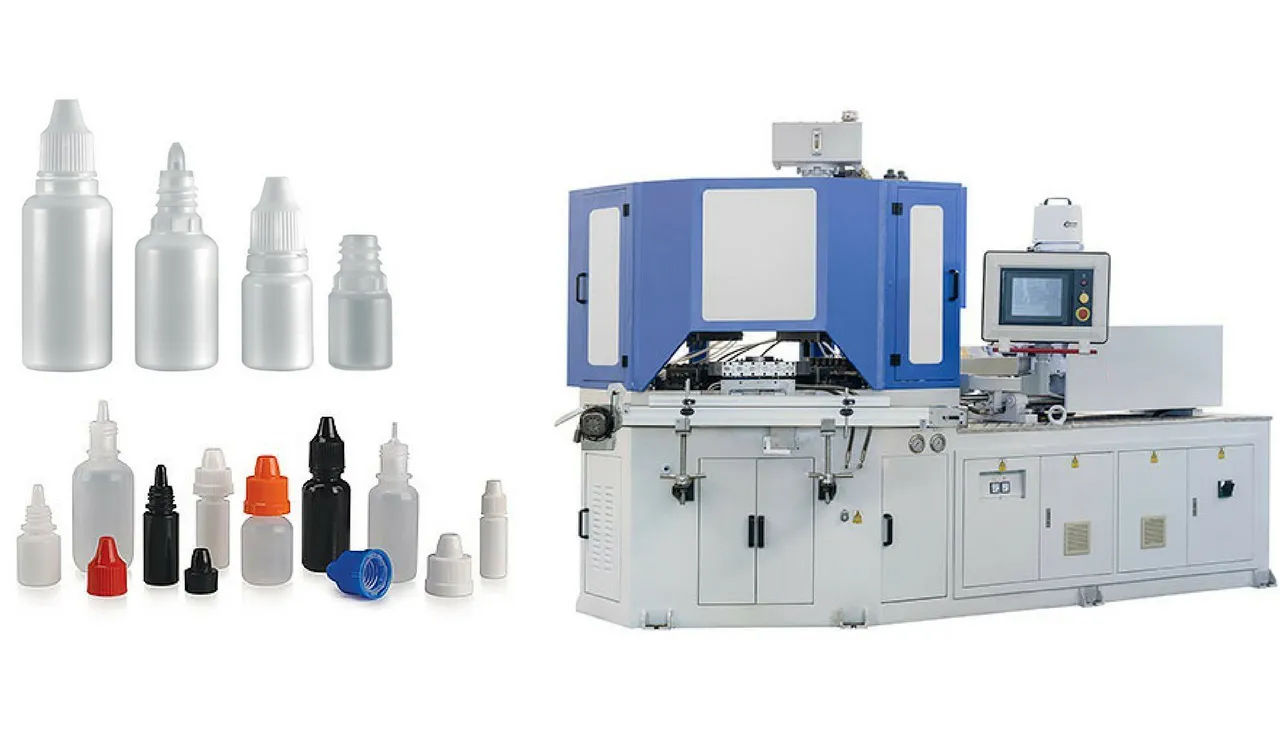
Versatility for Hollow Products
Extrusion blow molding offers unmatched flexibility and design flexibility for creating a wide range of hollow plastic products. The process adapts to various shapes and sizes, making it suitable for items such as traffic safety implements, gardening products, and rugged carrying cases. Manufacturers value the ability to produce both small and large components with consistent wall thickness, although some limitations exist in wall thickness control compared to other blow molding methods.
The advantages of extrusion blow molding include:
- Flexibility to produce complex shapes and sizes
- Design flexibility for custom products
- Durability and strength in finished items
- Suitability for high-volume production of hollow objects
Extrusion blow molding supports the manufacturing of products that require durability and strength, such as protective storage cases and road safety equipment. The process allows for increased productivity and efficient use of materials, even though some material waste may occur at the mold parting line. Companies benefit from the versatility and reliability of this method, which ensures they can meet diverse market needs.
*Tip: Manufacturers seeking design flexibility and the ability to produce a variety of hollow plastic products often choose extrusion blow molding for its proven advantages.
Blow Molding Methods Compared
Extrusion vs. ISBM Machine
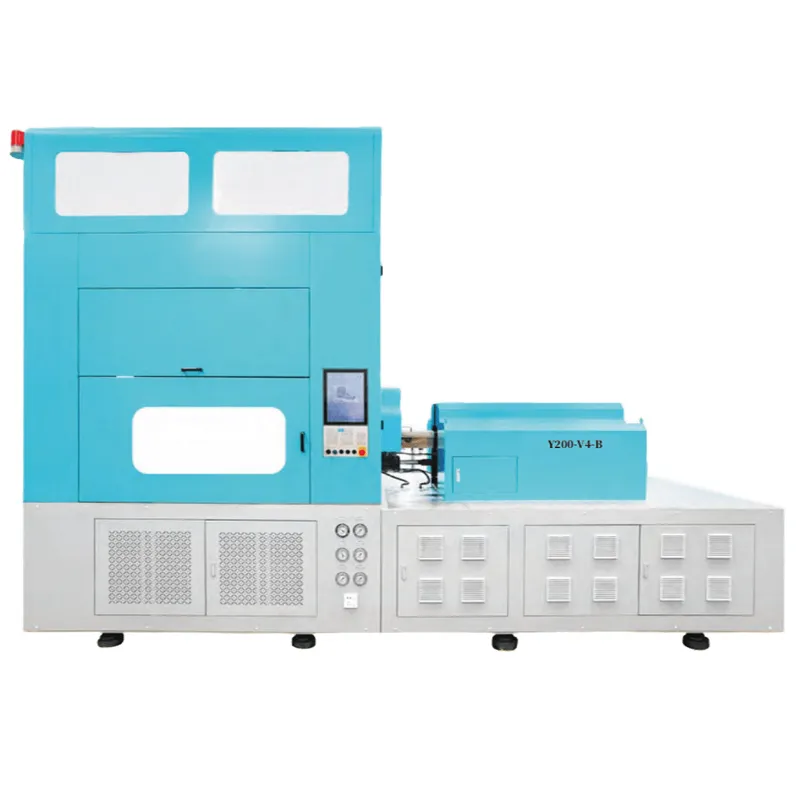
Manufacturers often compare extrusion blow molding with the آلة ISBM when selecting the best blow molding process for their needs. Each method offers unique advantages and limitations. The ISBM machine excels in producing high-clarity, smooth-finish bottles, especially for beverages and cosmetics. Extrusion blow molding, on the other hand, creates strong, flexible containers with complex shapes and handles. The following table highlights key differences in product quality and application:
| ميزة | EBM (Extrusion Blow Molding) | ISBM (Injection Stretch Blow Molding) |
|---|---|---|
| توافق المواد | Works with HDPE, LDPE, PP, and more | Best for PET, offering transparency and gloss |
| مرونة التصميم | Can create complex shapes and handles | Limited to high-precision, smooth finishes |
| Product Applications | Ideal for larger bottles and industrial packaging | Commonly used for drinks, cosmetics, and drugs |
| Performance Characteristics | Strong, flexible, and chemically resistant containers | High clarity and precision, but not for thick walls |
Extrusion blow molding supports a wider range of plastic materials and container sizes. The ISBM machine produces bottles with excellent clarity but cannot handle thick walls or large containers as efficiently.
 |
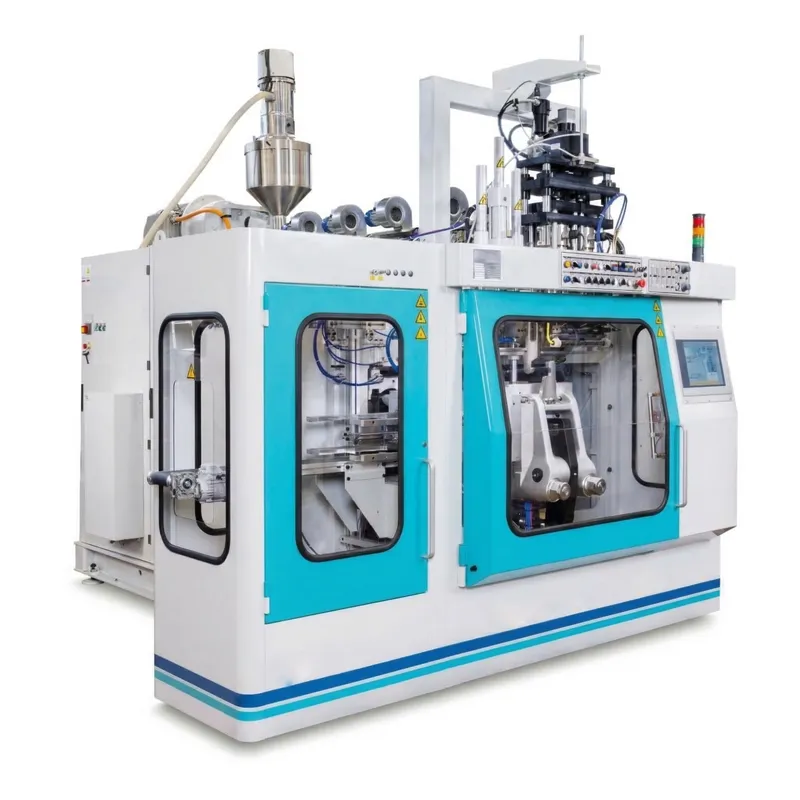 |
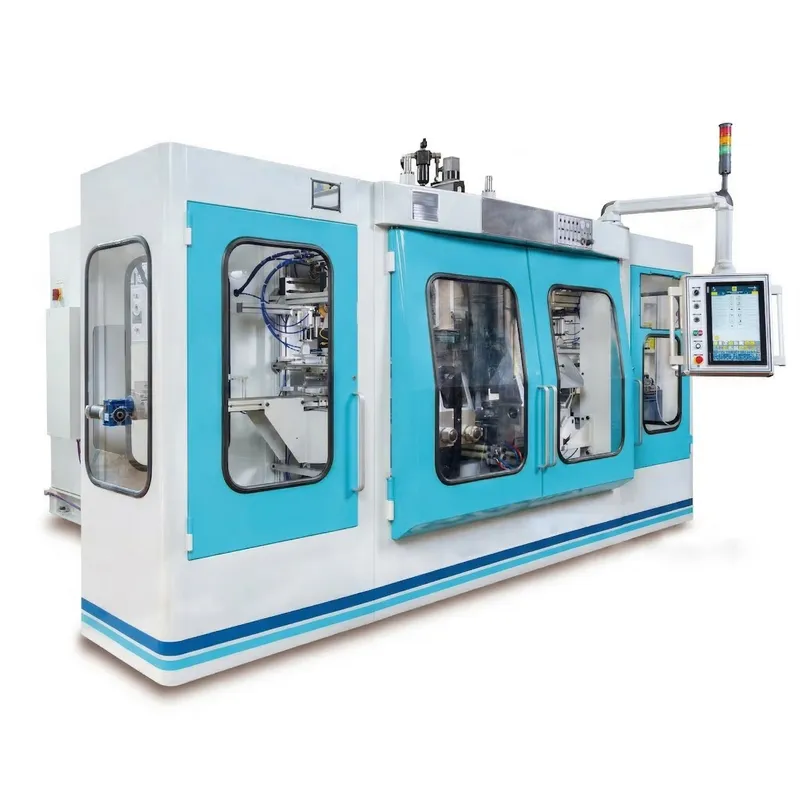
| آلة ISBM | EBM machine |
Other Blow Molding Techniques
Besides extrusion and ISBM machine methods, manufacturers use other blow molding techniques such as injection blow molding. Each process brings its own advantages and disadvantages to plastic manufacturing. The table below summarizes these points:
| نوع القالب | المزايا | العيوب |
|---|---|---|
| التشكيل بالنفخ بالبثق (EBM) | Low initial mould tooling costs. Flexibility of tooling for interchangeable neck finishes. Can manufacture a wide range of container sizes. Capable of creating complex shapes. Wide selection of machinery available. |
Flash trimming required. Higher unit cost for small containers. Requires skilled operators for quality control. |
| قولبة النفخ بالحقن (IBM) | Scrap-free process. High accuracy in neck finishes. Precise weight control and uniform material distribution. Low unit cost for small containers. |
High tooling costs. Limited mold flexibility. Not economical for larger containers. Shape limitations due to blow-up ratio. |
Extrusion blow molding stands out for its low tooling costs and ability to produce a variety of hollow plastic products. Injection blow molding offers high accuracy and minimal waste, but works best for small containers. Manufacturers choose the process that matches their production goals, material needs, and budget. The advantages of each blow molding method help shape the modern plastic industry.
Impact on the Plastic Manufacturing Industry
التطبيقات الصناعية
Extrusion blow molding shapes the plastic manufacturing industry by supporting a wide range of applications. The process dominates the blow molded plastics sector, accounting for 62.5% of the market share. Packaging leads as the largest application segment, holding 65.5% of the market. The table below highlights common applications across major sectors:
| Sector | أمثلة تطبيقية |
|---|---|
| السيارات | Manufacturing fuel tanks, ducts, and other automotive parts, offering weight reduction and improved fuel efficiency for vehicles. |
| Packaging | Extensive use of blow molded containers, bottles, and jars across food and beverages, pharmaceuticals, personal care, and household product categories. |
| السلع الاستهلاكية | Lightweight air ducts and interior trim pieces that contribute to reduced vehicle weight. |
These applications show how extrusion blow molding supports large-scale manufacturing and a high volume of production for high-quality products.
 |
 |
Benefits for Manufacturers and End-Users
Manufacturers gain several advantages from extrusion blow molding. The process allows for custom blow molding, which provides unique solutions for different industry needs. Companies can scale production efficiently and create complex shapes and sizes. This flexibility helps brands stand out in the market. In the automotive sector, extrusion blow molding creates seamless, leak-free fuel tanks, reducing vehicle weight by up to 30%. In the pharmaceutical industry, the process produces sterile containers that meet strict standards. End-users benefit from high-quality products with durability and strength. Blow molded cases outperform metal in impact tests and can last a lifetime if cared for properly. The process also produces lightweight, safe plastic products at scale.
Challenges and Limitations
The plastic manufacturing industry faces challenges with extrusion blow molding. High energy consumption and raw material waste can impact production costs. Skilled personnel are necessary to operate and maintain machinery. Initial investment in new equipment can be significant, but long-term savings on energy and maintenance often offset these costs. Sustainability remains a key focus. Modern extrusion systems use recyclable plastics and bio-based resins, minimize waste, and blend reground materials with virgin resin. Energy-efficient machines help reduce emissions. Quality control measures, such as optimizing temperature and pressure and conducting leak tests, ensure consistent quality and high-quality products for end-users.
Extrusion blow molding remains essential in the plastic industry because it delivers cost savings, high efficiency, and design versatility. The table below highlights its main strengths:
| وجه | وصف |
|---|---|
| يكلف | Minimal tooling and lower per-unit costs |
| Efficiency | Fast cycles and high output without sacrificing quality |
| Versatility | Ability to create intricate designs for many products |
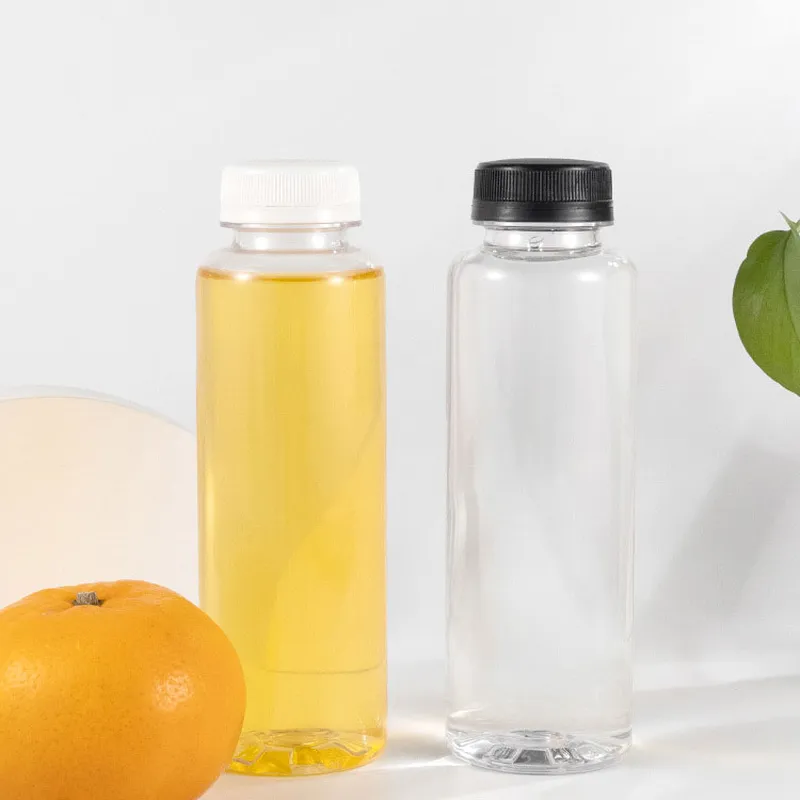
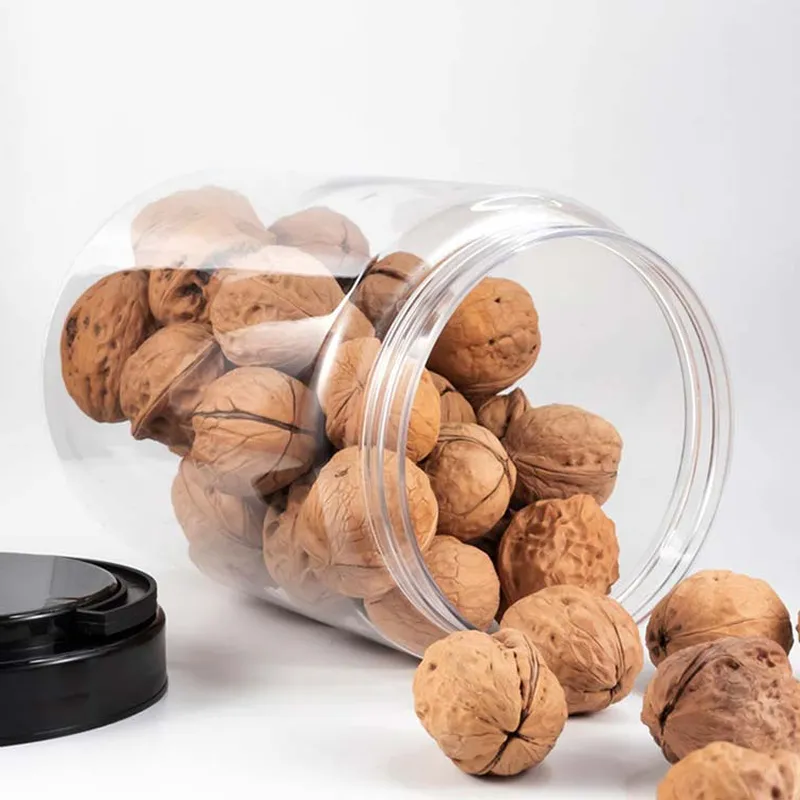
Manufacturers value this process for its ability to meet diverse market needs, while consumers benefit from reliable, safe, and innovative products.
 |
 |
التعليمات
Q: What Products Use Extrusion Blow Molding?
A: Manufacturers use extrusion blow molding to create bottles, automotive parts, toys, and industrial containers. This process supports the production of both small and large hollow plastic items found in daily life.
Q: Which Plastics Work Best with This Process?
- High-density polyethylene (HDPE)
- Low-density polyethylene (LDPE)
- البولي بروبيلين (PP)
- Polyvinyl chloride (PVC)
These plastics offer durability, flexibility, and chemical resistance.
Q: How Does Extrusion Blow Molding Save Costs?
A: Extrusion blow molding reduces costs through low-pressure operation and minimal labor needs. Companies benefit from lower energy bills and fewer operators per production line.
Q: What Are the Main Advantages Over Other Blow Molding Methods?
| ميزة | التشكيل بالنفخ بالبثق | Other Methods |
|---|---|---|
| يكلف | Lower | Higher |
| المرونة | Greater | Limited |
| Labor Required | Less | More |
Q: Is Extrusion Blow Molding Environmentally Friendly?
A: Modern extrusion blow molding uses recyclable plastics and energy-efficient machines. Many manufacturers blend recycled materials into new products, reducing waste and supporting sustainability goals.