Apa itu Mesin Cetak Tiup Peregangan Injeksi?
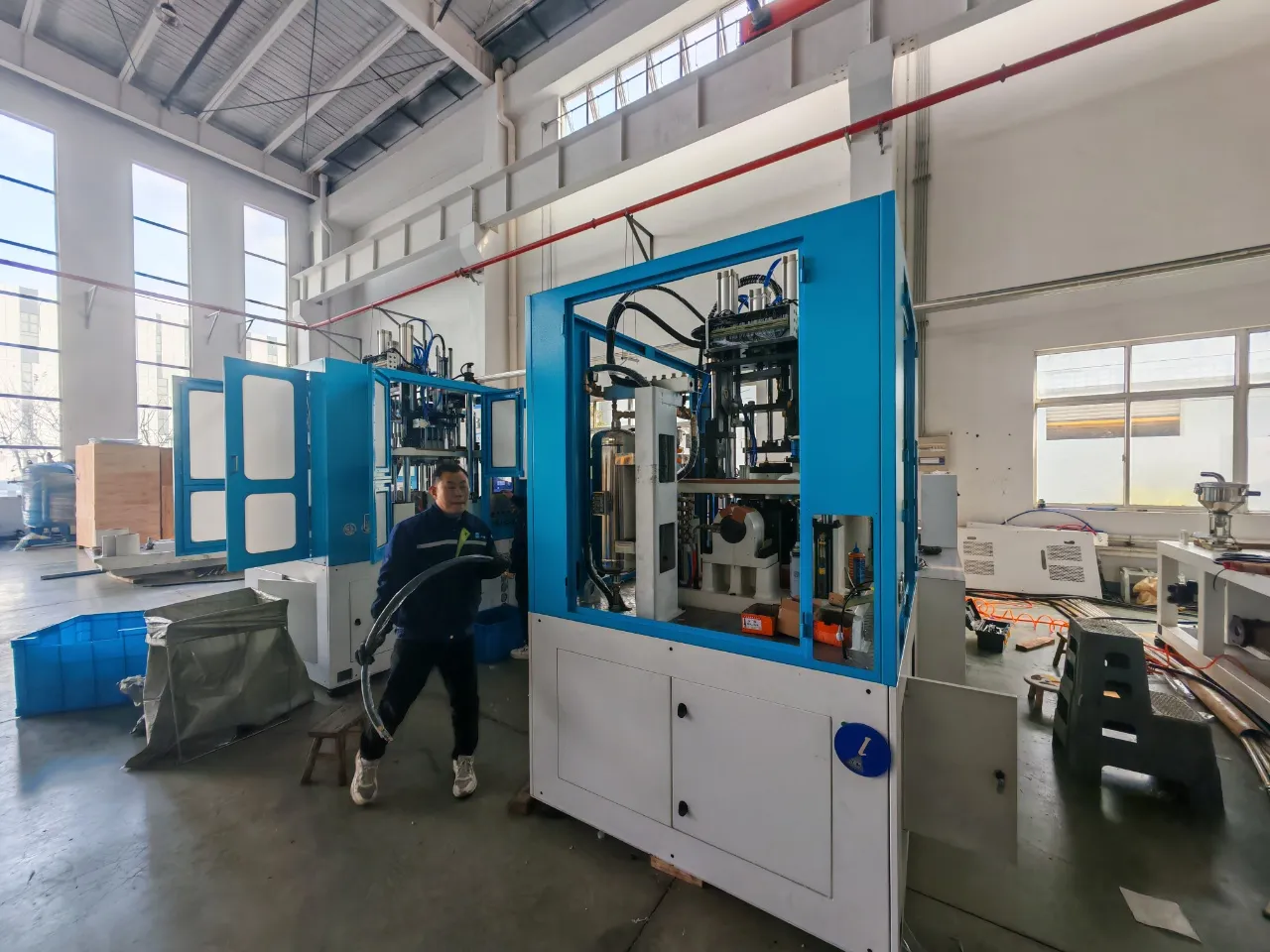
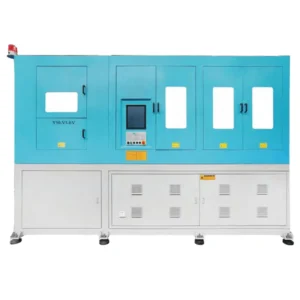
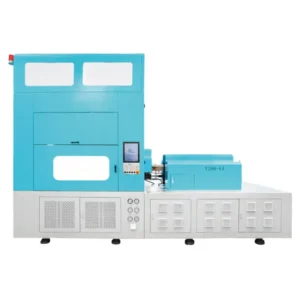
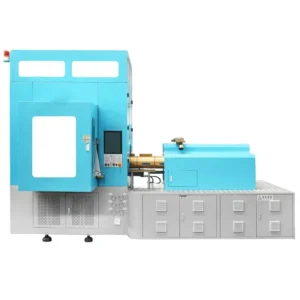
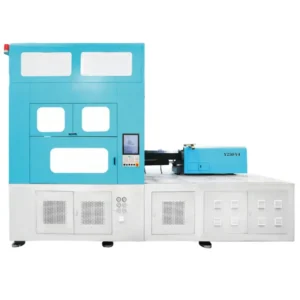
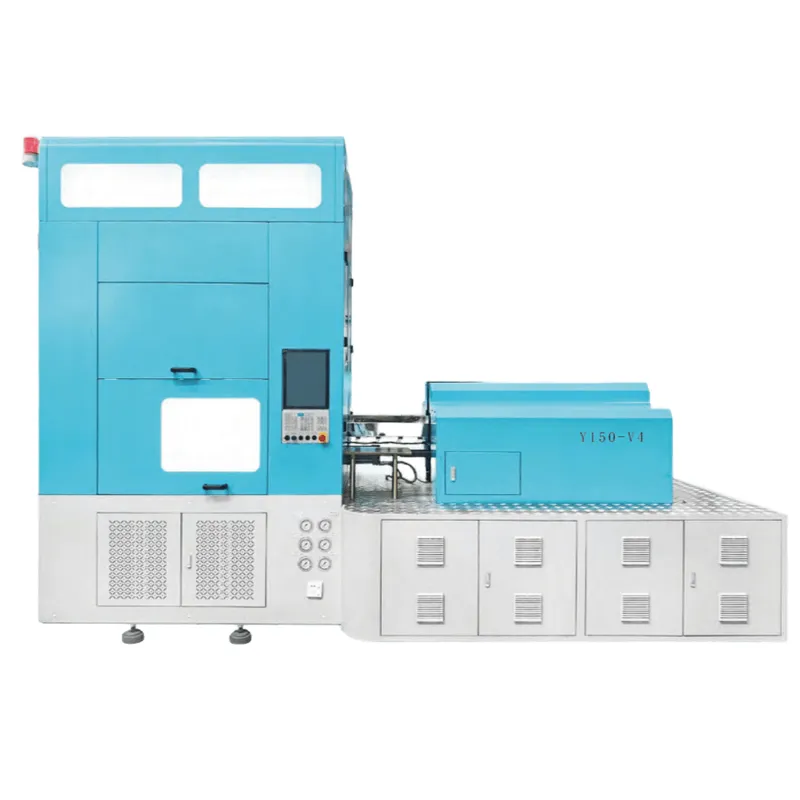
Mesin cetak tiup peregangan injeksi, juga dikenal sebagai mesin cetak tiup peregangan injeksi atau mesin ISBM, adalah jenis peralatan produksi botol plastik. Dengan menyuntikkan bahan baku plastik ke dalam cetakan, memanaskan, memberi tekanan, dan meniup udara, mesin ini memproses plastik menjadi produk dengan bentuk dan ukuran yang dibutuhkan. Biasanya digunakan untuk memproduksi berbagai botol plastik, wadah, kaleng, dan produk lainnya. Mesin cetak tiup peregangan injeksi mengintegrasikan empat proses, termasuk proses injeksi, proses peregangan, proses peniupan, dan proses pencetakan. Mesin ISBM tidak memerlukan proses tahap kedua atau bantuan peralatan lain. Dibandingkan dengan metode pembuatan botol tradisional, mesin ISBM, dengan keunggulan signifikan "satu mesin untuk seluruh proses", telah sangat meningkatkan efisiensi produksi, menghemat tenaga kerja dan ruang pabrik. Pada saat yang sama, mesin cetak tiup peregangan injeksi mengurangi polusi dan limbah material selama proses pencetakan. Karena proses produksi yang terpusat dan sangat otomatis, mesin ISBM dapat memastikan bahwa botol mencapai efek yang diinginkan dalam hal transparansi, kekuatan, dan konsistensi dimensi.
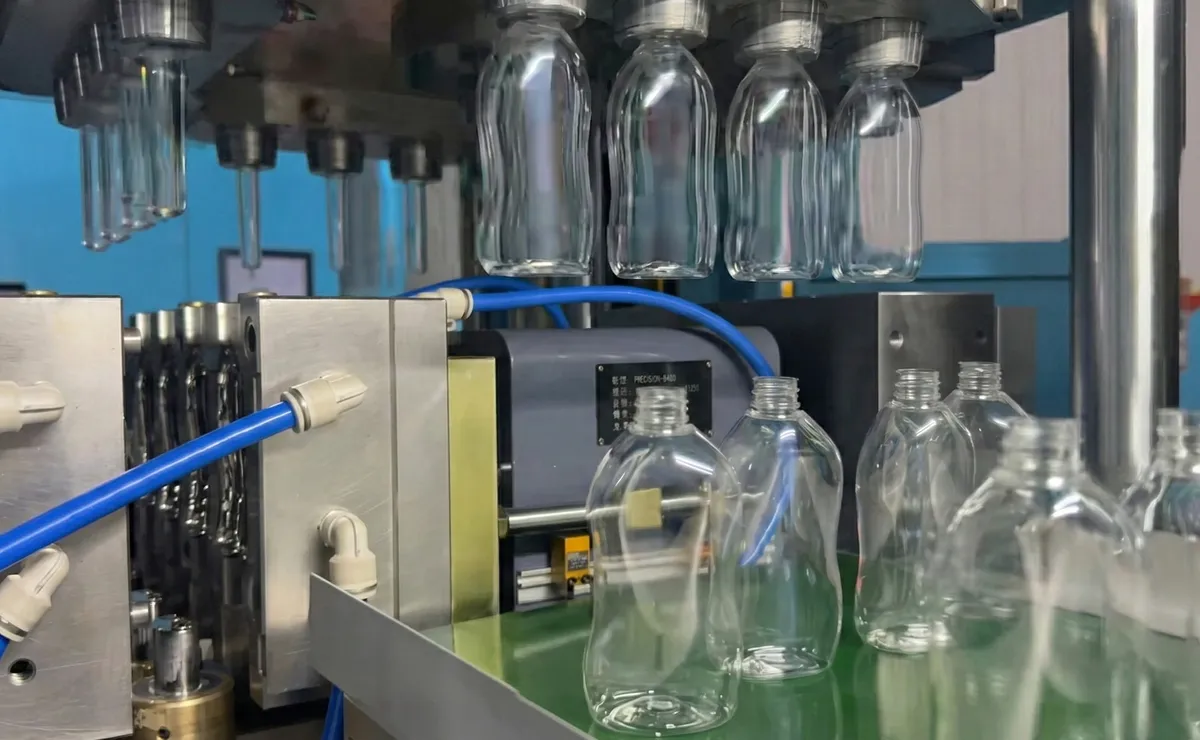
Mesin cetak tiup peregangan injeksi (ISBM) adalah peralatan pencetakan otomatis satu langkah, yang memiliki seri multi-rongga satu baris dan multi-rongga dua baris. Mesin ini cocok untuk plastik termoplastik seperti PET, PC, dan PP dan banyak digunakan dalam pembuatan botol kemasan untuk industri farmasi, produk perawatan kesehatan, dan kosmetik. Selain itu, mesin cetak tiup peregangan injeksi sangat cocok untuk memproduksi botol ISBM seperti botol plastik berukuran kecil dan menengah dengan transparansi tinggi, kekuatan yang baik, dan bentuk yang kompleks. Misalnya, botol air PET, botol bayi, botol kosmetik, dll. Munculnya dan popularisasi mesin ISBM menandai peningkatan penting dalam teknologi pencetakan plastik. Pencetakan ISBM tidak hanya meningkatkan presisi dan konsistensi proses pembuatan botol, tetapi juga mendorong industri pengemasan ke arah yang lebih efisien, bersih, dan cerdas.
Proses Kerja Mesin Cetak Tiup Peregangan Injeksi
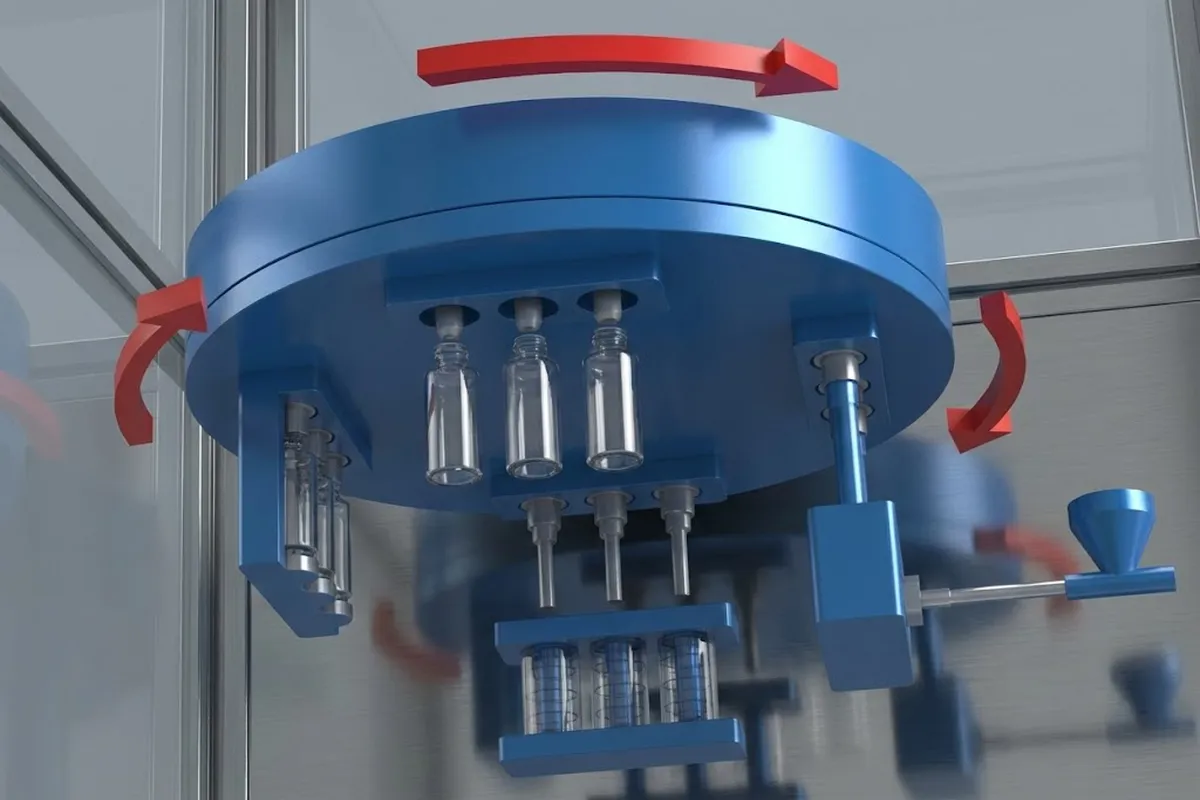
Mesin Cetak Tiup Peregangan Injeksi dibagi menjadi empat proses utama: proses injeksi, proses peregangan, proses peniupan, dan proses pencetakan. Seluruh proses diselesaikan secara terus menerus dalam satu mesin, dengan fitur otomatisasi tinggi, presisi tinggi, dan konsistensi bentuk botol yang baik.
- Proses Injeksi
Proses injeksi merupakan tahap awal dari keseluruhan proses. Plastik cair (seperti partikel PET) diinjeksikan ke dalam cetakan preform dan meleleh menjadi cairan plastik yang mengalir di bawah suhu dan tekanan tinggi. Pada proses ini, perlu untuk mengontrol parameter seperti kecepatan injeksi, tekanan injeksi, dan suhu cetakan untuk memastikan bahwa plastik cair memiliki fluiditas dan kemampuan pengisian yang baik sehingga dapat mengisi rongga cetakan secara seragam dan menyeluruh, menghasilkan bentuk dan ukuran yang diinginkan. - Proses Peregangan
Plastik hasil cetakan injeksi dikeluarkan dari cetakan dan menjalani pendinginan dan pembentukan awal. Setelah itu, preform dikirim ke zona pemanasan dan dipanaskan kembali hingga suhu yang sesuai untuk peregangan. Setelah pemanasan selesai, batang peregangan meregangkan preform secara memanjang, mempersiapkan proses peniupan. Pada proses ini, perlu mengontrol waktu pendinginan dan suhu pemanasan untuk memastikan stabilitas dimensi dan kualitas permukaan produk plastik. - Proses Peniupan
Setelah diregangkan, produk plastik ditempatkan di dalam cetakan tiup dan udara bertekanan digunakan untuk mengembangkan produk plastik tersebut. Dengan demikian, preform yang telah melunak menempel pada dinding bagian dalam cetakan dan membentuk garis luar bentuk botol yang telah ditentukan. Hal ini sangat penting untuk bentuk dan struktur akhir botol plastik. Pada proses ini, perlu untuk mengontrol parameter seperti tekanan pencetakan tiup dan suhu cetakan untuk memastikan bahwa bentuk dan ukuran produk plastik yang diperoleh memenuhi persyaratan. - Proses Pencetakan
Setelah proses peniupan, botol perlu didinginkan dan dibentuk di dalam cetakan. Melalui media pendingin di saluran pendingin cetakan, panas badan botol dengan cepat dihilangkan, memungkinkan bahan plastik untuk mengeras dan mempertahankan bentuknya yang akurat, sehingga menghasilkan permukaan akhir dan akurasi dimensi yang dibutuhkan. Pada proses ini, perlu untuk mengontrol keseragaman, kecepatan, dan durasi pendinginan. Selain itu, suhu cetakan juga harus dikontrol untuk meningkatkan kualitas botol dan efisiensi produksi.
Keunggulan Mesin Cetak Tiup Peregangan Injeksi
- Mempersingkat Siklus Produksi: Menyelesaikan seluruh proses produksi dari injeksi hingga pencetakan dalam satu mesin, sehingga meningkatkan efisiensi produksi secara signifikan.
- Meningkatkan Efisiensi Produksi: Memproduksi produk plastik dalam jumlah besar dengan cepat dan tepat, dengan efisiensi produksi yang jauh melebihi produksi manual dan proses pencetakan tradisional lainnya.
- Meningkatkan Presisi Pencetakan: Mengontrol suhu, tekanan, dan kecepatan cetakan secara tepat, sehingga mencapai tingkat konsistensi yang tinggi dalam ukuran, bentuk, dan kepadatan produk.
- Mengurangi Biaya Tenaga Kerja: Mengurangi faktor-faktor ketidakstabilan yang disebabkan oleh faktor manusia dan menurunkan sumber daya manusia dengan pengoperasian yang sepenuhnya otomatis.
- Pastikan Penghematan Energi: Hanya gunakan partikel plastik dan daur ulang, sehingga mengurangi limbah dan dampak lingkungan.
- Membutuhkan Ruang Kerja Kecil: Cocok untuk pabrik kecil atau bengkel bersih dengan ruang terbatas.
Fitur-fitur Mesin Cetak Tiup Peregangan Injeksi
- Pemrosesan Satu Langkah
Peralatan ini menyelesaikan seluruh rangkaian injeksi, peregangan, peniupan, dan pencetakan dalam satu operasi berkelanjutan pada satu unit. Alur kerja terintegrasi memberikan otomatisasi dan pengulangan yang luar biasa, menghasilkan wadah dengan ketebalan dinding yang seragam dan dimensi yang tepat sambil menghilangkan tahap pemanasan ulang terpisah atau mesin eksternal. Akibatnya, kecepatan produksi secara keseluruhan meningkat, kebutuhan tenaga kerja menurun, dan konsumsi energi serta tingkat limbah turun secara signifikan. - Sistem Kontrol Otomatis
Kontrol elektronik canggih mengelola setiap parameter penting, termasuk tekanan injeksi, suhu cetakan, profil pemanasan, dan waktu peniupan, tanpa penyesuaian manual selama proses produksi normal. Otomatisasi penuh ini menghilangkan variabilitas yang disebabkan oleh operator dan mempertahankan toleransi yang ketat pada geometri produk dan hasil akhir permukaan di seluruh shift produksi yang panjang. Akibatnya, tingkat cacat menurun sementara kualitas yang konsisten mendukung produksi volume tinggi di sektor yang diatur seperti farmasi dan pengemasan makanan. - Sistem yang Digerakkan Servo
Motor servo presisi mengatur suhu, tekanan, dan gerakan di setiap tahap, memastikan gaya penjepit dan rasio peregangan yang berulang untuk setiap siklus. Umpan balik loop tertutup menghasilkan distribusi dan kepadatan material yang seragam di seluruh dinding wadah, meningkatkan akurasi pencetakan dan mengurangi waktu siklus. Produsen mendapatkan hasil produksi yang lebih tinggi bersamaan dengan penggunaan daya yang lebih rendah dan masa pakai komponen yang lebih lama dalam pengoperasian terus menerus. - Mode Kerja Vertikal
Satu langkah mesin cetak tiup peregangan injeksi Sistem ini menggunakan tata letak penjepit dan injeksi vertikal yang menyelaraskan semua stasiun dalam aliran garis lurus dari pembuatan preform hingga pengeluaran botol jadi. Orientasi ini menyederhanakan penanganan material dengan bantuan gravitasi dan meningkatkan akses untuk penggantian cetakan atau tugas perawatan. Desain ini juga berkontribusi pada manajemen termal yang stabil dan jejak yang ringkas, sehingga sistem ini sangat praktis untuk fasilitas dengan keterbatasan ketinggian atau tata letak. - Struktur Mesin yang Ringkas
Dirancang dengan jejak minimal, seluruh lini produksi dapat ditempatkan di area pabrik yang terbatas tanpa mengorbankan kinerja atau jarak aman. Keempat stasiun proses berada di dalam satu rangka, memperpendek jarak transfer material dan menurunkan biaya pemasangan untuk pabrik kecil hingga menengah atau lingkungan ruang bersih. Tata letak yang ramping semakin mempercepat prosedur memulai dan pergantian sambil mempertahankan pengamanan penuh dan akses operator yang ergonomis. - Satu Cetakan dengan Banyak Rongga
Tersedia dalam konfigurasi satu baris dan dua baris, setiap cetakan mendukung beberapa rongga yang beroperasi secara bersamaan untuk menghasilkan sejumlah besar wadah identik dalam setiap siklus. Distribusi hot-runner yang seimbang menjamin pengisian dan pendinginan yang merata di semua posisi, menjaga akurasi dimensi bahkan pada tingkat rongga yang tinggi. Kemampuan ini secara langsung meningkatkan output per jam dan mengurangi biaya perkakas dan energi per unit untuk produksi skala komersial. - Berbagai Jenis Pencetakan Produk
Platform ini mengakomodasi berbagai macam desain wadah, mulai dari botol silinder sederhana hingga bentuk kompleks dengan pegangan atau leher botol, semuanya diproduksi dengan kejernihan tinggi dan kekuatan mekanik yang konsisten. Aplikasi tipikal meliputi botol air PET, wadah makanan bayi, dan wadah kosmetik yang membutuhkan ulir leher yang presisi dan keseragaman dinding. Fleksibilitas proses memungkinkan penggantian peralatan yang cepat untuk memenuhi beragam spesifikasi pasar tanpa mengorbankan efisiensi siklus atau integritas produk. - Bahan Baku yang Melimpah
Kompatibilitas mencakup termoplastik umum termasuk PET, PC, PP, PETG, dan PE, memungkinkan pengolah untuk memilih resin yang paling sesuai dengan persyaratan penggunaan akhir untuk sifat penghalang, kejernihan, atau biaya. Sisa material yang dihasilkan selama proses awal atau pemangkasan dapat dimasukkan kembali langsung ke dalam hopper, memaksimalkan hasil material dan mendukung target keberlanjutan. Rentang resin yang luas ini membuat mesin ini cocok untuk vial farmasi, kemasan perawatan kesehatan, dan wadah kosmetik premium yang harus memenuhi standar peraturan dan kinerja yang ketat.
Mesin Cetak Tiup Peregangan Injeksi vs. Mesin Cetak Tiup Ekstrusi
| Fitur | Mesin ISBM | Mesin Cetak Tiup Ekstrusi |
|---|---|---|
| Proses Kerja | Injeksi, peregangan, peniupan, pencetakan | Ekstrusi, pendinginan, peniupan, pencetakan |
| Kinerja Produk | Kejernihan yang sangat baik dan penghalang gas yang unggul | Kejernihan yang buruk dan penghalang gas yang lebih rendah |
| Stabilitas Produk | Stabilitas dan presisi dimensi yang lebih tinggi | Stabilitas dan presisi dimensi yang lebih rendah |
| Pemanfaatan Material | Efisiensi material yang lebih tinggi, limbah yang lebih sedikit. | Efisiensi material lebih rendah, lebih banyak limbah. |
| Aplikasi | Botol berkinerja tinggi | Botol Plastik Umum |
Jenis Bahan Baku Apa Saja yang Dapat Digunakan pada Mesin Cetak Tiup Peregangan Injeksi?
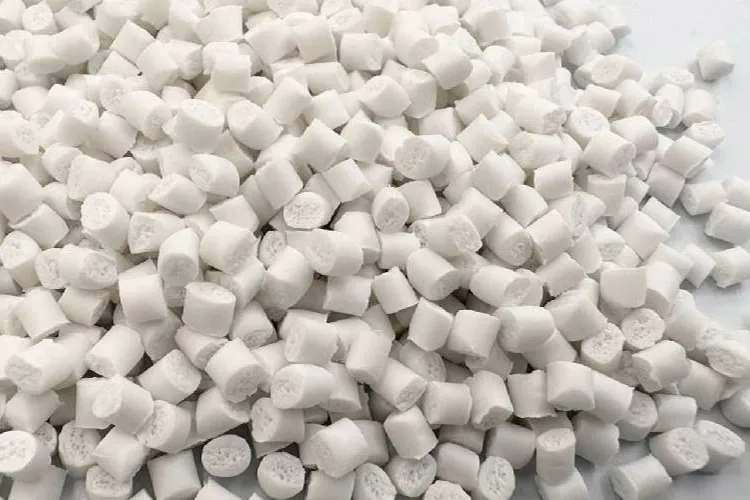
- Polietilen Tereftalat (PET)
Polimer termoplastik ini unggul dalam pencetakan tiup peregangan injeksi karena kejernihan, kekuatan, dan sifat penghalangnya yang luar biasa terhadap gas dan kelembapan, menjadikannya ideal untuk memproduksi botol minuman dan wadah makanan yang membutuhkan daya tahan dan transparansi. Produsen lebih menyukai PET karena dapat didaur ulang dan mampu menahan proses pengisian bertekanan tinggi tanpa deformasi. - Polipropilena (PP)
Dikenal karena ketahanan kimianya dan fleksibilitasnya, polipropilen efektif digunakan dalam aplikasi pencetakan tiup peregangan injeksi di mana produk perlu tahan terhadap penggunaan berulang atau paparan berbagai zat, seperti pada kemasan farmasi atau barang-barang rumah tangga. Sifatnya yang ringan dikombinasikan dengan kekuatan benturan yang baik memastikan kinerja yang andal di berbagai lingkungan. - Polietilen (PE)
Termasuk varian seperti bentuk densitas tinggi dan densitas rendah, polietilen menawarkan fleksibilitas dalam pencetakan tiup peregangan injeksi dengan memberikan ketahanan terhadap kelembapan dan ketangguhan yang sangat baik, yang terbukti penting untuk membuat wadah yang digunakan dalam produk perawatan pribadi atau cairan industri. Kemudahan pemrosesan material ini berkontribusi pada siklus produksi yang efisien. - Polikarbonat (PC)
Dikenal karena ketahanan benturannya yang tinggi dan kejernihan optiknya, polikarbonat banyak digunakan dalam pencetakan tiup peregangan injeksi untuk barang-barang yang membutuhkan ketangguhan superior, seperti botol air yang dapat digunakan kembali atau perangkat medis. Stabilitas termalnya memungkinkan polikarbonat untuk mempertahankan integritasnya di bawah suhu yang bervariasi selama pembuatan dan penggunaan akhir. - Polisikloheksilenedimetilen Tereftalat (PCT)
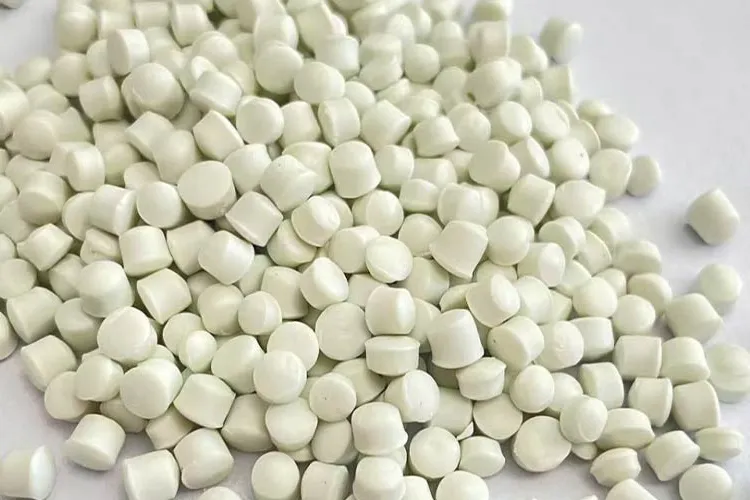
Material kopoliester canggih ini unggul dalam pencetakan tiup peregangan injeksi berkat ketahanan panas dan stabilitas dimensinya yang ditingkatkan, cocok untuk aplikasi suhu tinggi seperti wadah tahan oven. Para profesional memilih PCT ketika proyek membutuhkan keseimbangan antara kekakuan dan kemudahan pemrosesan tanpa mengorbankan standar keselamatan. - Polietilen Tereftalat Glikol (PETG)
Sebagai versi modifikasi dari PET, PETG memberikan fleksibilitas dan kekuatan benturan yang lebih baik dalam pencetakan tiup peregangan injeksi, sehingga cocok untuk kemasan kosmetik dan baki medis yang mendapat manfaat dari struktur non-kristalinnya. Kompatibilitas resin ini dengan proses sterilisasi menambah kegunaannya di sektor-sektor sensitif. - Polistirena (PS)
Material ini berkontribusi pada proses pencetakan tiup peregangan injeksi dengan kekakuannya dan kemudahan pewarnaan, sering dipilih untuk wadah sekali pakai atau barang promosi yang mengutamakan daya tarik estetika. Penyerapan kelembapannya yang rendah memastikan kualitas yang konsisten dalam kondisi penyimpanan yang lembap.
 |
 |
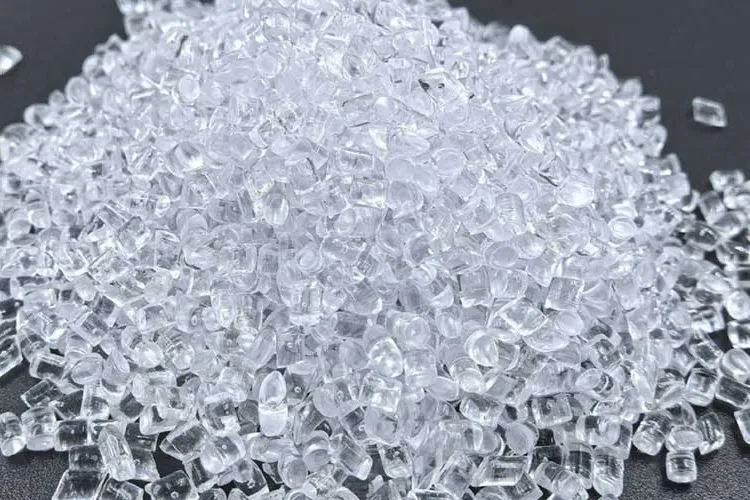 |
| PP | PE | Komputer |
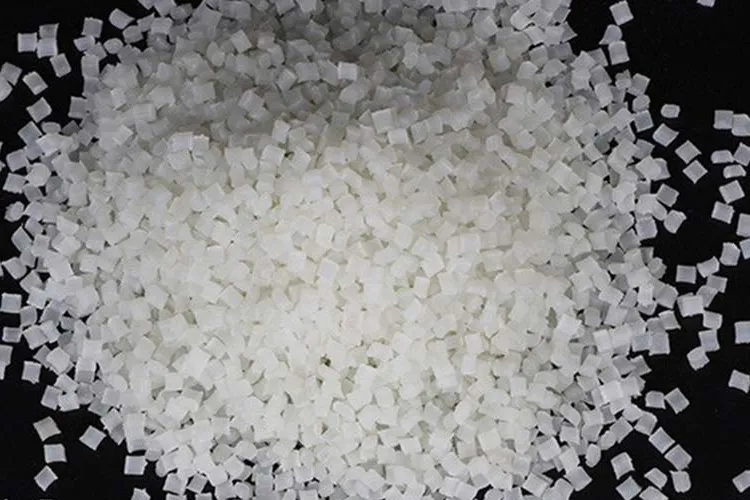 |
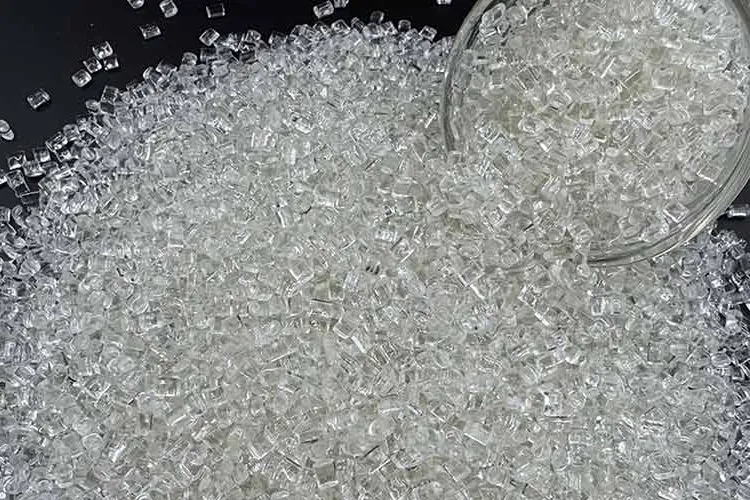 |
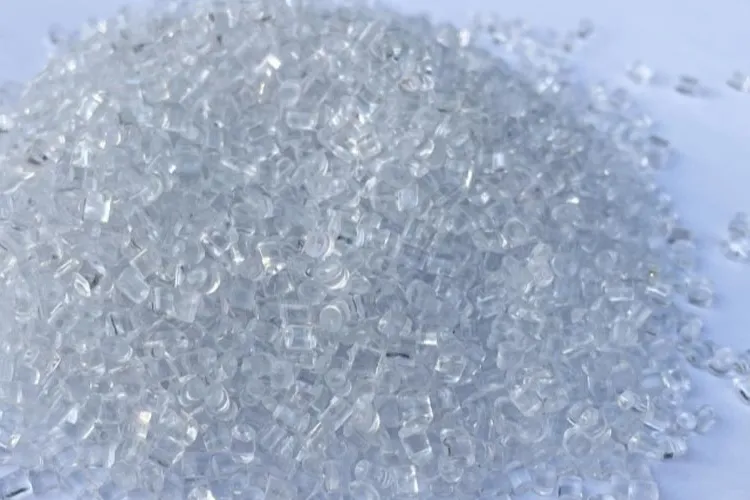 |
| PCT | PELIHARAAN | PETG |
Bagaimana Cara Menggunakan Mesin Cetak Tiup Peregangan Injeksi untuk Pembuatan Botol?
Persiapan Bahan Baku: Pilih plastik yang sesuai dan periksa kondisi pengeringannya untuk menghindari kelembapan. Panaskan Mesin: Atur cetakan yang sesuai dan panaskan hingga suhu proses yang dibutuhkan.
Atur Parameter: Pilih tekanan injeksi, kecepatan, batang peregang, dan tekanan tiup yang sesuai. Pilih Durasi Pendinginan: Sesuaikan siklus pendinginan secara wajar untuk memastikan pembentukan botol.
Injeksi: Suntikkan plastik cair untuk membentuk preform. Peregangan: Panaskan preform hingga suhu optimal dan regangkan dengan batang peregang. Peniupan: Gunakan udara bertekanan tinggi untuk meniup preform menjadi bentuk botol akhir. Pencetakan: Dinginkan dan padatkan botol plastik untuk mendapatkan bentuk yang akurat.
Bagaimana Cara Merawat Mesin Cetak Tiup Peregangan Injeksi?
- Pembersihan Rutin: Bersihkan cetakan injeksi dan cetakan tiup untuk menjaga agar bagian-bagian mekanisnya bebas dari debu dan minyak.
- Perawatan Pelumasan: Oleskan oli pelumas pada komponen seperti rel pemandu untuk mencegah keausan.
- Pemeriksaan Sistem Kelistrikan Menyeluruh: Periksa kestabilan sistem kelistrikan untuk memastikan pengoperasiannya normal.
- Pemeliharaan Sistem Kelistrikan: Periksa bagian dalam sistem kelistrikan untuk mencegah korsleting.
- Perawatan Cetakan: Periksa keausan cetakan dan ganti segera.
- Penyesuaian Mesin: Sesuaikan parameter mesin cetak tiup peregangan injeksi dan berbagai komponen untuk memastikan akurasi produk.