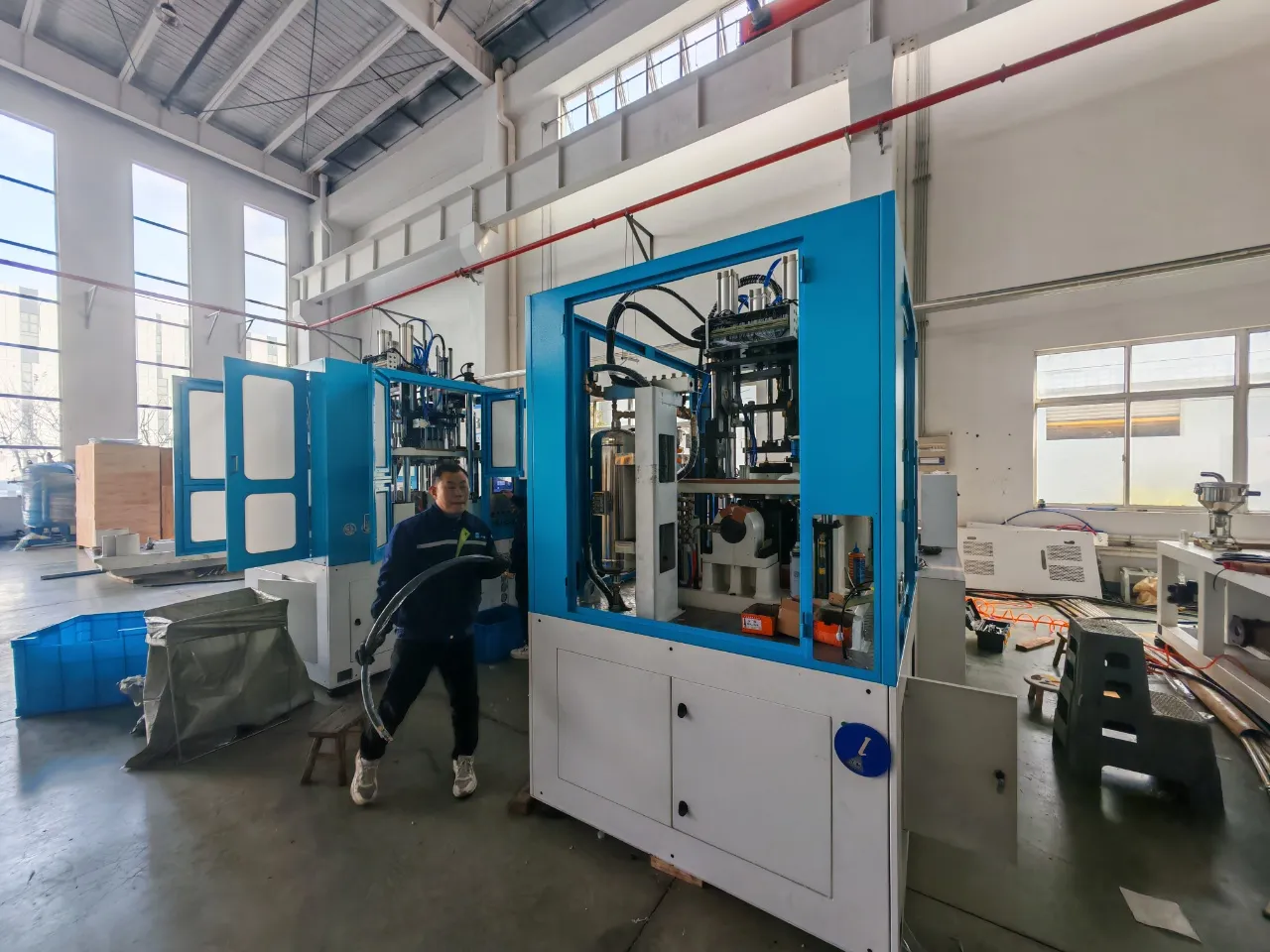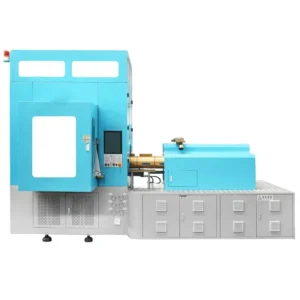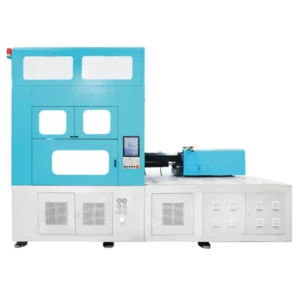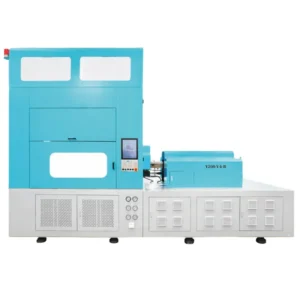
Czym jest maszyna do formowania wtryskowego z rozciąganiem i rozdmuchiwaniem?
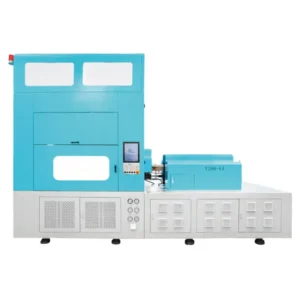
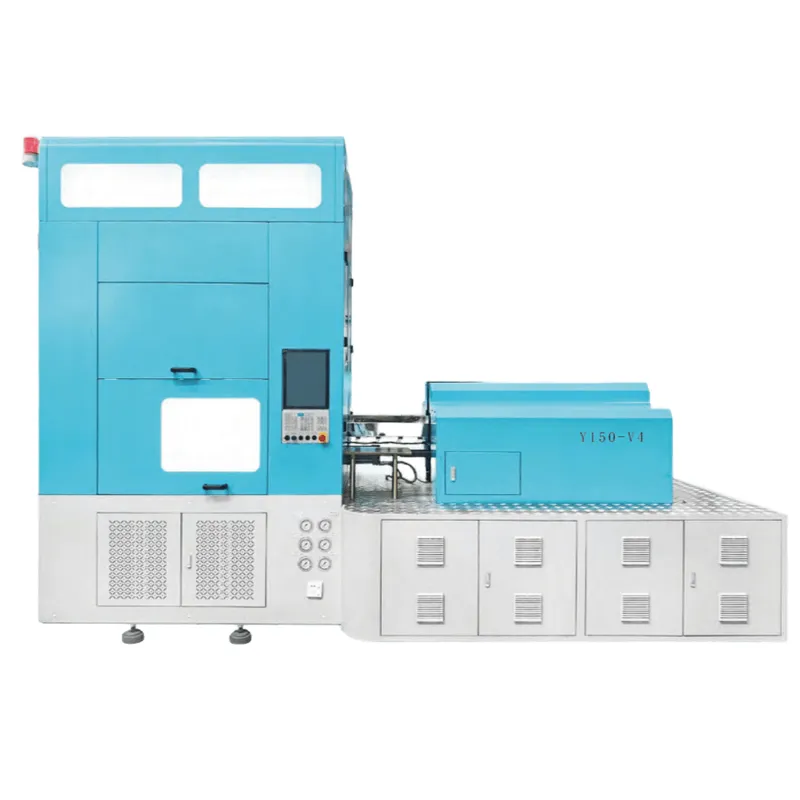
Maszyna do formowania wtryskowego z rozciąganiem i rozdmuchiwaniem, znana również jako maszyna do formowania wtryskowego z rozciąganiem i rozdmuchiwaniem lub maszyna ISBM, to rodzaj urządzenia do produkcji butelek z tworzyw sztucznych. Poprzez wtryskiwanie tworzyw sztucznych do form, podgrzewanie, sprężanie i wdmuchiwanie powietrza, przetwarza tworzywo sztuczne w produkty o wymaganym kształcie i rozmiarze. Jest zazwyczaj wykorzystywana do produkcji różnorodnych plastikowych butelek, pojemników, puszek i innych produktów. Maszyna do formowania wtryskowego z rozciąganiem i rozdmuchiwaniem integruje cztery procesy: wtryskiwanie, rozciąganie, rozdmuchiwanie i formowanie. Maszyna ISBM nie wymaga drugiego etapu ani wspomagania przez inne urządzenia. W porównaniu z tradycyjną metodą produkcji butelek, maszyna ISBM, dzięki swojej istotnej przewadze „jednej maszyny do całego procesu”, znacznie poprawiła wydajność produkcji, oszczędzając siłę roboczą i przestrzeń produkcyjną. Jednocześnie maszyna do formowania wtryskowego z rozciąganiem i rozdmuchiwaniem redukuje zanieczyszczenie i straty materiałów podczas procesu formowania. Dzięki scentralizowanemu i wysoce zautomatyzowanemu procesowi produkcji, maszyna ISBM gwarantuje uzyskanie pożądanych efektów w zakresie przejrzystości, wytrzymałości i spójności wymiarowej butelek.
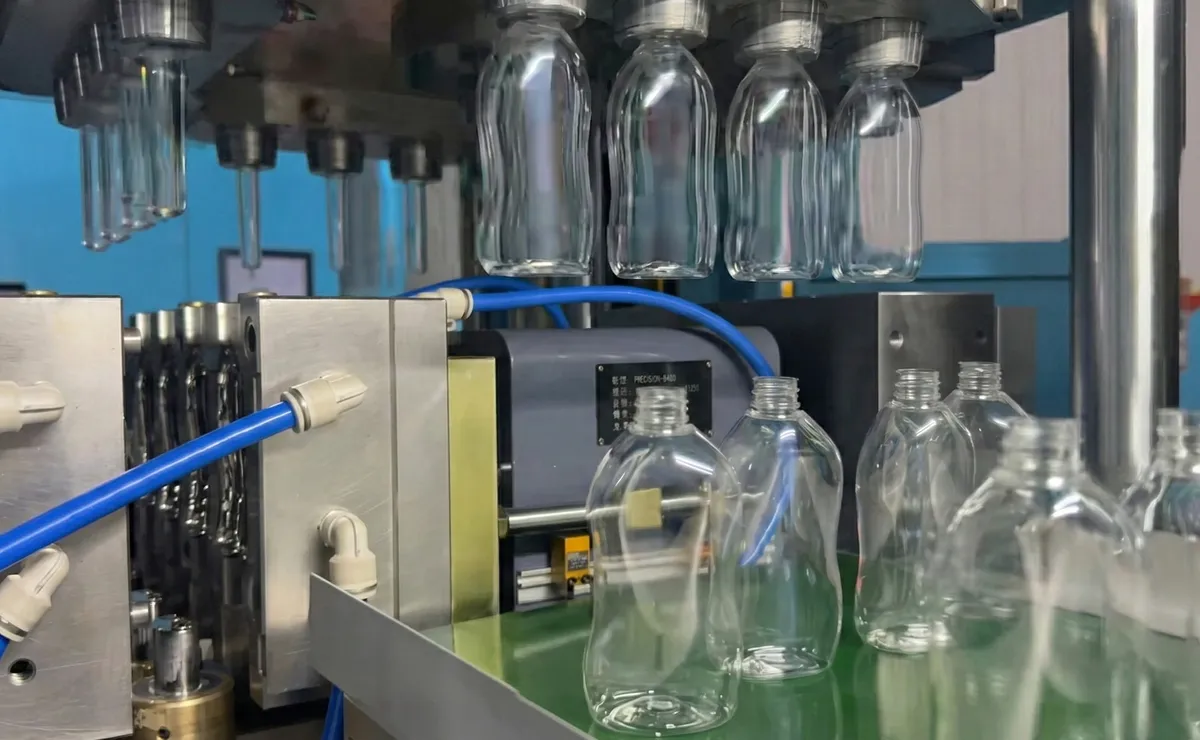
Maszyna do formowania wtryskowego z rozciąganiem i rozdmuchiwaniem to w pełni zautomatyzowane urządzenie do formowania wtryskowego, wyposażone w jednorzędowe i dwurzędowe systemy wielogniazdowe. Nadaje się do tworzyw termoplastycznych, takich jak PET, PC i PP, i jest szeroko stosowana w produkcji butelek opakowaniowych dla przemysłu farmaceutycznego, produktów ochrony zdrowia i kosmetycznego. Maszyna do formowania wtryskowego z rozciąganiem i rozdmuchiwaniem jest również szczególnie przydatna do produkcji butelek ISBM, takich jak małe i średnie butelki plastikowe o wysokiej przezroczystości, dobrej wytrzymałości i złożonych kształtach. Na przykład butelek PET na wodę, butelek dla niemowląt, butelek kosmetycznych itp. Pojawienie się i popularyzacja maszyn ISBM oznacza istotny postęp w technologii formowania tworzyw sztucznych. Formowanie ISBM nie tylko zwiększa precyzję i powtarzalność procesu produkcji butelek, ale także kieruje przemysł opakowaniowy w kierunku bardziej wydajnej, czystej i inteligentnej produkcji.
Proces pracy maszyny do formowania wtryskowego z rozciąganiem i rozdmuchiwaniem
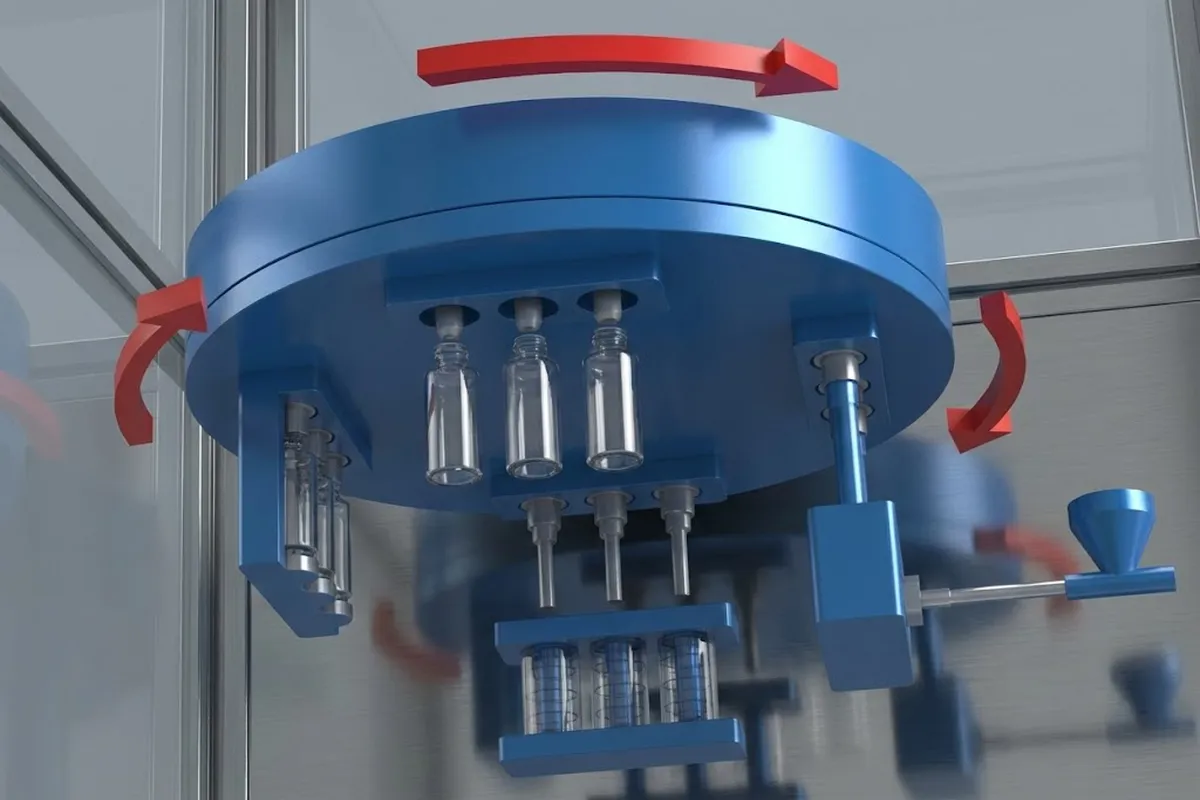
Maszyna do formowania wtryskowego z rozciąganiem i rozdmuchiwaniem dzieli się na cztery główne procesy: wtrysk, rozciąganie, rozdmuchiwanie i formowanie. Cały proces jest realizowany w sposób ciągły w ramach jednej maszyny, charakteryzującej się wysokim stopniem automatyzacji, wysoką precyzją i powtarzalnością kształtu butelek.
- Proces wtrysku
Proces wtrysku to początkowy etap całego procesu. Stopione tworzywo sztuczne (takie jak cząsteczki PET) jest wtryskiwane do formy preformy i topi się w płynny płyn pod wpływem wysokiej temperatury i ciśnienia. W tym procesie konieczna jest kontrola parametrów, takich jak prędkość wtrysku, ciśnienie wtrysku i temperatura formy, aby zapewnić dobrą płynność i zdolność do wypełniania, co pozwoli na równomierne i całkowite wypełnienie wnęki formy, uzyskując wymagany kształt i rozmiar. - Proces rozciągania
Formowane wtryskowo tworzywo sztuczne jest wyjmowane z formy i poddawane wstępnemu schłodzeniu i formowaniu. Następnie preforma trafia do strefy grzewczej i jest ponownie podgrzewana do temperatury odpowiedniej do rozciągania. Po zakończeniu nagrzewania pręt rozciągający wydłuża preformę wzdłużnie, przygotowując ją do procesu rozdmuchu. W tym procesie konieczna jest kontrola czasu chłodzenia i temperatury nagrzewania, aby zapewnić stabilność wymiarową i jakość powierzchni wyrobów z tworzyw sztucznych. - Proces dmuchania
Po rozciągnięciu, wyrób z tworzywa sztucznego umieszczany jest w formie rozdmuchowej, a następnie rozprężany za pomocą sprężonego powietrza. W rezultacie zmiękczony preform przylega do wewnętrznej ścianki formy, formując z góry określony kształt butelki. Ma to kluczowe znaczenie dla ostatecznego kształtu i struktury butelek z tworzywa sztucznego. W tym procesie konieczna jest kontrola parametrów, takich jak ciśnienie formowania rozdmuchowego i temperatura formy, aby zapewnić, że kształt i rozmiar otrzymanych wyrobów z tworzywa sztucznego spełniają wymagania. - Proces formowania
Po rozdmuchaniu, butelkę należy schłodzić i uformować w formie. Poprzez medium chłodzące w kanale chłodzącym formy, ciepło z korpusu butelki jest szybko odprowadzane, co pozwala tworzywu sztucznemu stwardnieć i zachować jego dokładny kształt, uzyskując wymagane wykończenie powierzchni i dokładność wymiarową. W tym procesie konieczna jest kontrola równomierności, szybkości i czasu chłodzenia. Należy również kontrolować temperaturę formy, aby poprawić jakość butelki i wydajność produkcji.
Zalety maszyny do formowania wtryskowego z rozciąganiem i rozdmuchiwaniem
- Skrócenie cyklu produkcyjnego: Cały proces produkcji, od wtrysku do formowania, odbywa się na jednej maszynie, co znacznie zwiększa wydajność produkcji.
- Poprawa wydajności produkcji: Szybka i precyzyjna produkcja dużych ilości wyrobów z tworzyw sztucznych, przy wydajności znacznie przewyższającej produkcję ręczną i inne tradycyjne procesy formowania.
- Poprawa precyzji formowania: precyzyjna kontrola temperatury, ciśnienia i prędkości formy pozwala uzyskać wysoki stopień powtarzalności rozmiaru, kształtu i gęstości produktu.
- Obniż koszty pracy: Zredukuj niestabilne czynniki spowodowane czynnikami ludzkimi i zmniejsz zasoby ludzkie dzięki w pełni zautomatyzowanej obsłudze.
- Zadbaj o oszczędność energii: Używaj wyłącznie plastiku i poddawaj go recyklingowi, zmniejszając w ten sposób ilość odpadów i negatywny wpływ na środowisko.
- Potrzebujesz małej przestrzeni roboczej: Nadaje się do małych fabryk lub czystych warsztatów o ograniczonej przestrzeni.
Cechy maszyny do formowania wtryskowego z rozciąganiem i rozdmuchiwaniem
- Przetwarzanie jednoetapowe
To urządzenie wykonuje pełną sekwencję wtrysku, rozciągania, rozdmuchiwania i formowania w ramach jednej, ciągłej operacji na jednym urządzeniu. Zintegrowany przepływ pracy zapewnia wyjątkową automatyzację i powtarzalność, umożliwiając produkcję pojemników o jednolitej grubości ścianek i precyzyjnych wymiarach, jednocześnie eliminując oddzielne etapy podgrzewania lub maszyny zewnętrzne. W rezultacie wzrasta ogólna prędkość produkcji, spada zapotrzebowanie na siłę roboczą, a zużycie energii i liczba braków znacząco spadają. - Automatyczny system sterowania
Zaawansowane sterowanie elektroniczne zarządza wszystkimi krytycznymi parametrami, takimi jak ciśnienie wtrysku, temperatura formy, profile grzania i czas rozdmuchu, bez konieczności ręcznej regulacji podczas normalnych cykli produkcyjnych. Ta pełna automatyzacja eliminuje zmienność wprowadzaną przez operatorów i utrzymuje ścisłe tolerancje geometrii produktu i wykończenia powierzchni podczas długich zmian produkcyjnych. W rezultacie zmniejsza się liczba defektów, a stała jakość wspiera produkcję wielkoseryjną w sektorach regulowanych, takich jak farmaceutyka i pakowanie żywności. - System napędzany serwomechanizmem
Precyzyjne serwosilniki regulują temperaturę, ciśnienie i ruch na każdym etapie, zapewniając powtarzalną siłę zacisku i współczynniki rozciągania w każdym cyklu. Zamknięta pętla sprzężenia zwrotnego zapewnia równomierne rozprowadzenie i gęstość materiału w całej ściance pojemnika, zwiększając dokładność formowania i skracając czas cyklu. Producenci zyskują wyższą wydajność, niższe zużycie energii i dłuższą żywotność komponentów w warunkach pracy ciągłej. - Pionowy tryb pracy
Jeden krok maszyna do formowania wtryskowego z rozciąganiem i rozdmuchiwaniem System wykorzystuje pionowy układ zacisku i wtrysku, który zapewnia płynny przepływ wszystkich stacji, od produkcji preform do wyrzucenia gotowej butelki. Taka orientacja upraszcza grawitacyjne przenoszenie materiału i poprawia dostęp w przypadku wymiany formy lub prac konserwacyjnych. Konstrukcja systemu przyczynia się również do stabilnego odprowadzania ciepła i kompaktowej konstrukcji, co czyni go szczególnie praktycznym w obiektach z ograniczeniami wysokości lub układu. - Kompaktowa konstrukcja maszyny
Zaprojektowana z myślą o minimalnej powierzchni, cała linia produkcyjna mieści się w ograniczonej przestrzeni fabrycznej bez utraty wydajności ani prześwitów bezpieczeństwa. Wszystkie cztery stanowiska procesowe znajdują się w jednej ramie, co skraca dystans przesyłu materiałów i obniża koszty instalacji w małych i średnich zakładach lub pomieszczeniach czystych. Usprawniona konstrukcja dodatkowo przyspiesza procedury rozruchu i przezbrajania, zachowując jednocześnie pełną ochronę i ergonomiczny dostęp operatora. - Jedna forma z wieloma gniazdami
Dostępne w konfiguracjach jedno- i dwurzędowych, każda forma obsługuje wiele gniazd, które pracują jednocześnie, generując duże partie identycznych pojemników w każdym cyklu. Zrównoważony rozkład gorących kanałów gwarantuje równomierne napełnianie i chłodzenie we wszystkich pozycjach, zachowując dokładność wymiarową nawet przy wysokim poziomie kawitacji. Ta funkcja bezpośrednio zwiększa wydajność godzinową i zmniejsza jednostkowe koszty oprzyrządowania oraz energii w produkcji na skalę komercyjną. - Różne rodzaje formowania produktów
Platforma obsługuje szeroką gamę projektów pojemników, od prostych butelek cylindrycznych po skomplikowane kształty z uchwytami lub wykończeniami szyjek, wszystkie produkowane z zachowaniem stałej, wysokiej przejrzystości i wytrzymałości mechanicznej. Typowe zastosowania obejmują butelki PET na wodę, pojemniki na karmę dla niemowląt oraz słoiczki na kosmetyki, które wymagają precyzyjnych gwintów szyjek i jednorodności ścianek. Elastyczność procesu umożliwia szybką wymianę narzędzi, aby spełnić zróżnicowane wymagania rynku bez uszczerbku dla wydajności cyklu lub integralności produktu. - Obszerne zasoby surowców
Kompatybilność obejmuje popularne tworzywa termoplastyczne, takie jak PET, PC, PP, PETG i PE, co pozwala przetwórcom na wybór żywic, które najlepiej odpowiadają wymaganiom końcowym w zakresie właściwości barierowych, przejrzystości lub kosztów. Odpady powstałe podczas rozruchu lub przycinania można ponownie wprowadzić bezpośrednio do leja zasypowego, maksymalizując wydajność materiału i wspierając cele zrównoważonego rozwoju. Ta szeroka gama żywic sprawia, że maszyna nadaje się do fiolek farmaceutycznych, opakowań produktów medycznych oraz wysokiej jakości opakowań kosmetycznych, które muszą spełniać rygorystyczne normy i standardy wydajności.
Maszyna do formowania wtryskowego z rozciąganiem i rozdmuchiwaniem a maszyna do formowania ekstruzyjnego z rozdmuchiwaniem
| Funkcja | Maszyna ISBM | Maszyna do formowania z rozdmuchem |
|---|---|---|
| Proces roboczy | Wtryskiwanie, rozciąganie, rozdmuchiwanie, formowanie | Wytłaczanie, chłodzenie, rozdmuchiwanie, formowanie |
| Wydajność produktu | Doskonała przejrzystość i doskonała bariera gazowa | Słaba przejrzystość i słaba bariera gazowa |
| Stabilność produktu | Większa stabilność i precyzja wymiarowa | Niższa stabilność i precyzja wymiarowa |
| Wykorzystanie materiałów | Wyższa efektywność materiałowa, mniej odpadów | Niższa efektywność materiałowa, więcej odpadów |
| Aplikacja | Butelki o wysokiej wydajności | Ogólne plastikowe butelki |
Jakie rodzaje surowców można stosować w maszynach do formowania wtryskowego z rozciąganiem i rozdmuchiwaniem?
- Politereftalan etylenu (PET)
Ten termoplastyczny polimer wyróżnia się w procesie formowania wtryskowego z rozciąganiem i rozdmuchem ze względu na wyjątkową przejrzystość, wytrzymałość oraz właściwości barierowe chroniące przed gazami i wilgocią, co czyni go idealnym do produkcji butelek na napoje i pojemników na żywność, które wymagają trwałości i przejrzystości. Producenci cenią PET ze względu na jego zdolność do recyklingu oraz odporność na procesy napełniania pod wysokim ciśnieniem bez deformacji. - Polipropylen (PP)
Znany ze swojej odporności chemicznej i elastyczności, polipropylen doskonale sprawdza się w formowaniu wtryskowym z rozciąganiem i rozdmuchiwaniem, gdzie produkty muszą być wielokrotnie użytkowane lub narażone na działanie różnych substancji, na przykład w opakowaniach farmaceutycznych czy artykułach gospodarstwa domowego. Jego lekkość w połączeniu z dobrą udarnością zapewnia niezawodną pracę w różnych warunkach. - Polietylen (PE)
Polietylen, dostępny w wariantach o wysokiej i niskiej gęstości, oferuje wszechstronność w formowaniu wtryskowym z rozciąganiem i rozdmuchem, zapewniając doskonałą odporność na wilgoć i wytrzymałość, co jest niezbędne do produkcji pojemników na produkty do higieny osobistej lub płyny przemysłowe. Łatwość przetwarzania tego materiału przyczynia się do wydajności cykli produkcyjnych. - Poliwęglan (PC)
Ceniony za wysoką odporność na uderzenia i przejrzystość optyczną, poliwęglan znajduje zastosowanie w formowaniu wtryskowym z rozciąganiem i rozdmuchem do wyrobów wymagających najwyższej wytrzymałości, takich jak butelki wielokrotnego użytku na wodę czy wyroby medyczne. Jego stabilność termiczna pozwala mu zachować integralność w zmiennych temperaturach podczas produkcji i użytkowania. - Policykloheksylenodimetylentereftalan (PCT)
Ten zaawansowany materiał kopoliestrowy doskonale sprawdza się w formowaniu wtryskowym z rozciąganiem i rozdmuchem dzięki zwiększonej odporności termicznej i stabilności wymiarowej, co czyni go odpowiednim do zastosowań wysokotemperaturowych, takich jak pojemniki żaroodporne. Specjaliści wybierają PCT, gdy projekty wymagają równowagi między sztywnością a przetwarzalnością bez kompromisów w zakresie standardów bezpieczeństwa. - Politereftalan etylenu (PETG)
Jako zmodyfikowana wersja PET, PETG zapewnia lepszą elastyczność i udarność w procesie formowania wtryskowego z rozciąganiem i rozdmuchiwaniem, dzięki czemu nadaje się do opakowań kosmetycznych i tacek medycznych, które wykorzystują swoją niekrystaliczną strukturę. Zgodność tej żywicy z procesami sterylizacji zwiększa jej użyteczność w sektorach wrażliwych. - Polistyren (PS)
Materiał ten, dzięki swojej sztywności i łatwości barwienia, doskonale sprawdza się w formowaniu wtryskowym z rozdmuchem, dlatego jest często wybierany do produkcji opakowań jednorazowych lub artykułów promocyjnych, w których priorytetem jest estetyka. Niska absorpcja wilgoci zapewnia stałą jakość w wilgotnych warunkach przechowywania.
 |
 |
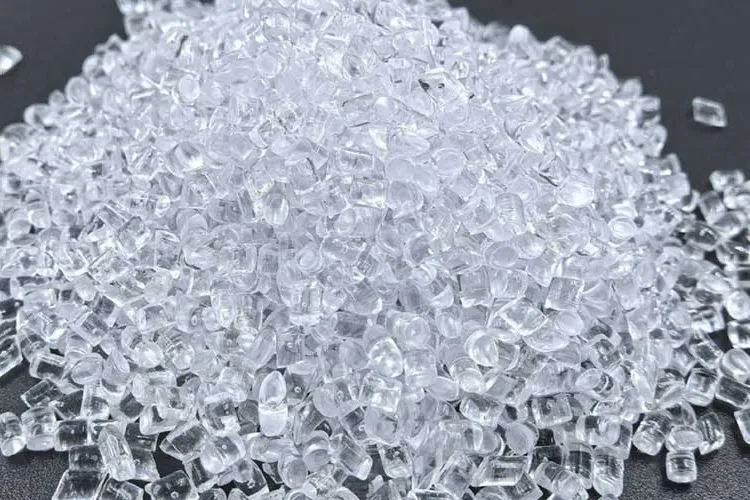 |
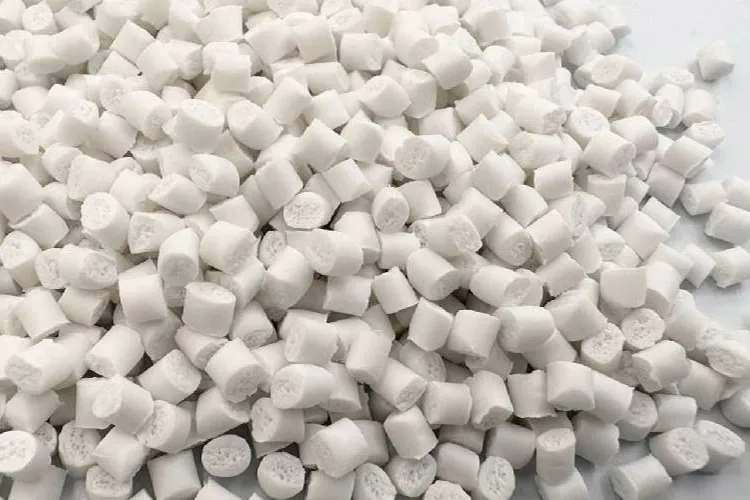
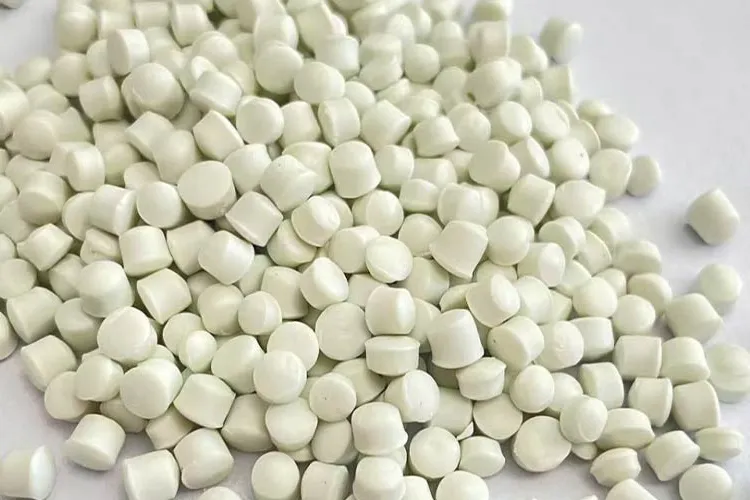
| PP | WF | Komputer |
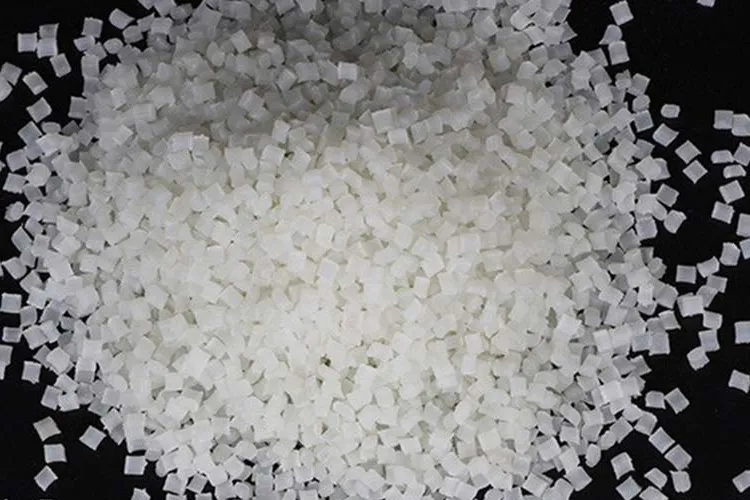 |
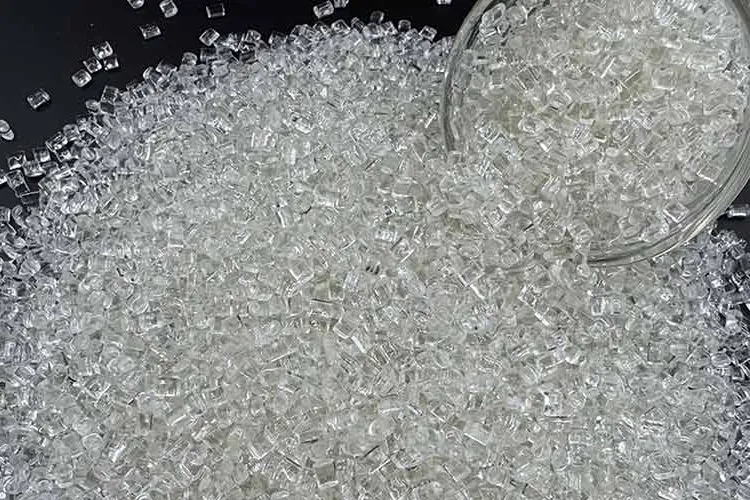 |
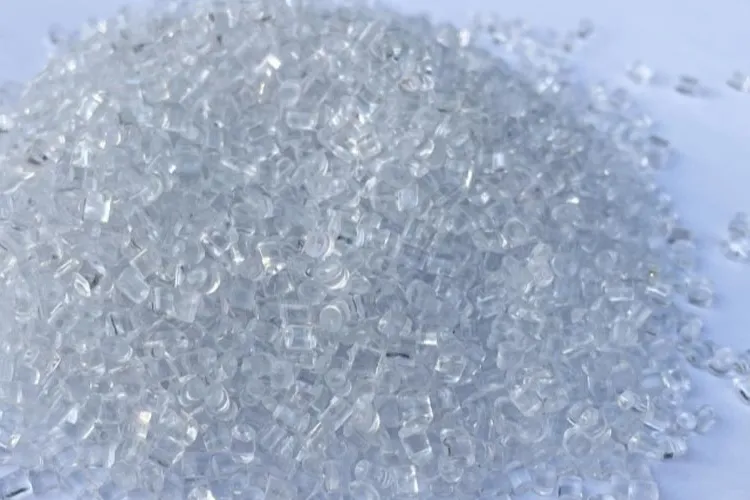 |
| PCT | ZWIERZAK DOMOWY | PETG |
Jak wykorzystać wtryskarkę z rozciąganiem i rozdmuchiwaniem do produkcji butelek?
Przygotuj surowiec: Wybierz odpowiedni plastik i sprawdź stan suszenia, aby uniknąć wilgoci. Rozgrzej maszynę: Ustaw odpowiednią formę i rozgrzej ją do wymaganej temperatury procesu.
Ustaw parametry: Wybierz odpowiednie ciśnienie wtrysku, prędkość, pręt rozciągający i ciśnienie rozdmuchu. Wybierz czas chłodzenia: Dostosuj cykl chłodzenia w rozsądny sposób, aby zapewnić formowanie butelki.
Wtrysk: Wstrzyknij stopiony plastik, aby uformować preformę. Rozciąganie: Podgrzej preformę do optymalnej temperatury i rozciągnij ją za pomocą pręta rozciągającego. Wydmuchiwanie: Użyj sprężonego powietrza, aby wydmuchać preformę do ostatecznego kształtu butelki. Formowanie: Schłodź i zestal plastikową butelkę, aby uzyskać precyzyjny kształt.
Jak konserwować maszynę do formowania wtryskowego z rozciąganiem i rozdmuchiwaniem?
- Regularne czyszczenie: Czyść formy wtryskowe i rozdmuchowe, aby chronić części mechaniczne przed kurzem i olejem.
- Smarowanie Konserwacja: Nakładaj olej smarujący na elementy, takie jak prowadnice, aby zapobiegać ich zużyciu.
- Kontrola całego układu elektrycznego: Sprawdź stabilność układu elektrycznego, aby mieć pewność, że działa prawidłowo.
- Konserwacja układu elektrycznego: Należy sprawdzić wnętrze układu elektrycznego, aby zapobiec zwarciom.
- Konserwacja form: Należy sprawdzić stopień zużycia form i niezwłocznie je wymienić.
- Regulacja maszyny: Dostosuj parametry maszyny do formowania wtryskowego z rozciąganiem i rozdmuchiwaniem oraz różne jej komponenty, aby zapewnić dokładność produktu.