Choose the Right Mold for PET Bottle Molding
Choosing the right mold for PET bottle molding starts with understanding bottle mold design, material options for PET bottle molds, and manufacturing needs. Mold selection impacts quality, production, and customization. Manufacturers use high-quality materials for best PET bottle molds and plastic bottle molds. Efficient production relies on high-quality molds and innovative solutions for crafting efficient PET bottle molds. Sustainable materials and mold customization and modification play key roles. The following benefits arise from matching mold choice to production and quality needs:
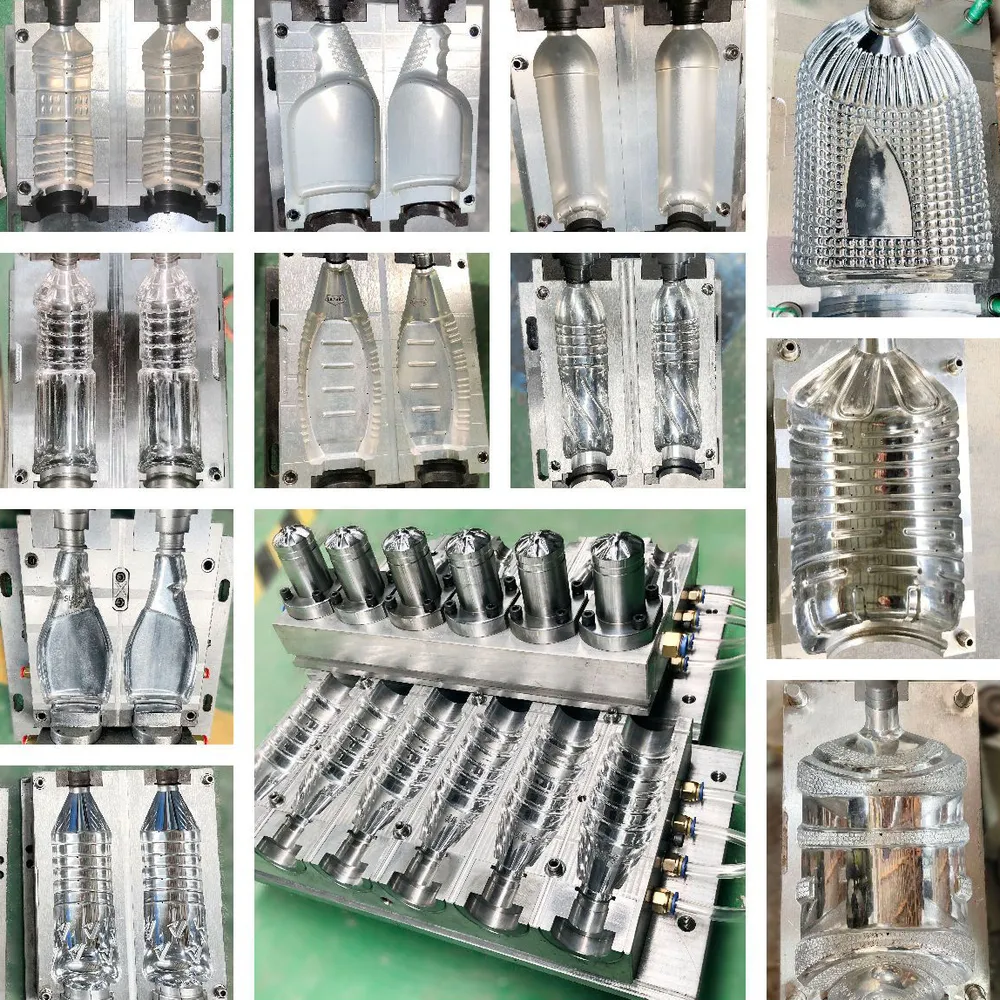
- High-quality steel or aluminum molds increase efficiency by up to 25%.
- Advanced mold designs improve product consistency by over 30%.
- Efficient bottle mold design reduces cycle times and cuts costs.
- Inaccurate molds raise production costs by up to 15%.
주요 특징
- Choosing the right mold improves production efficiency and reduces costs. High-quality molds can increase efficiency by up to 25%.
- Consider bottle shape, size, and neck finish when selecting molds. These factors ensure compatibility and prevent leaks.
- Evaluate production volume and automation needs. Molds must match output goals for optimal performance and quality.
- Select durable materials like steel for molds. They provide longevity and maintain consistent bottle quality over time.
- Strong supplier support is crucial. Reliable partners help maintain mold performance and ensure smooth production.
PET Bottle Molding Requirements
Bottle Shape & Size
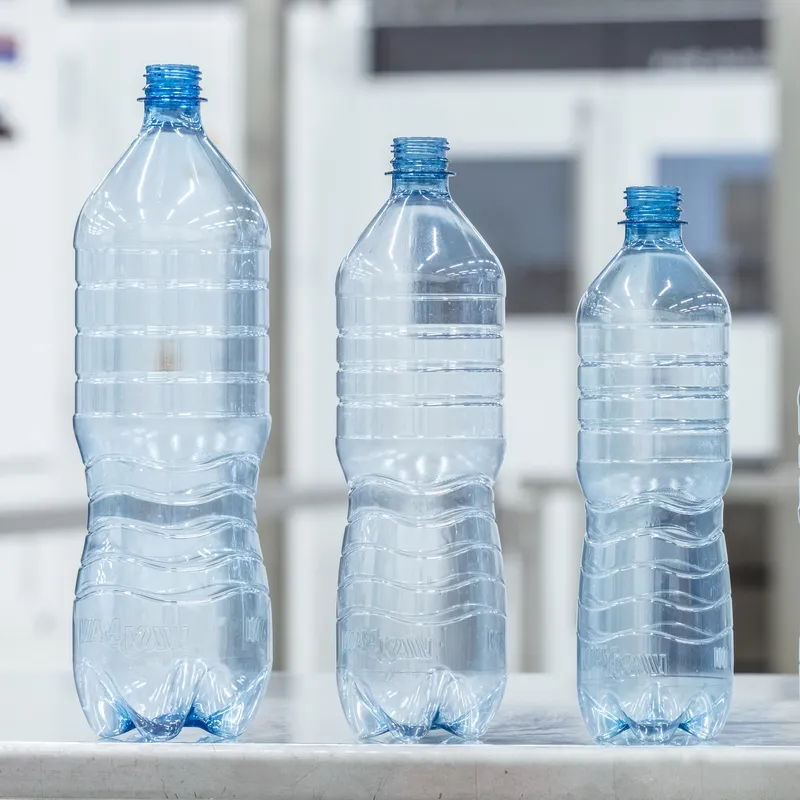
Bottle geometry and size play a major role in selecting PET bottle molds. Manufacturers must consider the relationship between preform parameters and the final bottle. The following table shows how key parameters influence bottle mold design and production:
| 매개변수 | 설명 |
|---|---|
| Gram Weight | Affects the thickness and strength of the bottle. For example, a 9g preform produces a 250ml bottle, while a 20g preform produces a 1L bottle. |
| 목 직경 | Determines the type of closure and is crucial for compatibility. Common sizes include 28mm for water bottles and 38mm for juices. |
| Length of Preform | Dictates the maximum height of the bottle; longer preforms allow for taller bottles with larger volumes. |
The choice of plastic bottle molds depends on the desired bottle shape, whether it is round, square, or custom. The design must match the intended use and market demand. The manufacturing process, such as single-stage or two-stage pet bottle molding, also affects the selection of molds and preforms.
 |
 |
넥 마감
The neck finish specification is essential for PET bottle molds. It ensures that caps fit properly and prevents leaks. Proper neck finish dimensions support the sealing process and maintain product integrity. When choosing plastic bottle molds, manufacturers must pay attention to these points:
- The neck finish must match the closure to avoid leaks and spills.
- A mismatch can cause product loss, especially in sensitive products like cosmetics and oils.
- The right neck finish supports safety and performance.
Special Features
Special features in bottle mold design, such as handles or embossed logos, require unique considerations for PET bottle molds. These features allow for customization in shape and functionality. They make bottles more appealing and distinctive in the market. Plastic bottle molds must support these design elements without sacrificing strength or quality. The choice of pet resin and the manufacturing process must also align with these features to ensure consistent results.
*Tip: Custom features often require advanced plastic bottle molds and careful design planning to achieve the desired look and performance.
Production Volume & Process
Expected Output
Manufacturers must evaluate the expected output before selecting a mold for PET bottle molding. The number of bottles produced per hour determines the type of mold and manufacturing process required. High-volume production lines often operate between 1,000 and 10,000 bottles per hour. This range suits large-scale beverage companies and other industries with consistent demand. Small-batch development and pilot production require different molds, as these operations focus on flexibility and frequent changes rather than speed.
| Production Output Range (bottles per hour) | Application Type |
|---|---|
| 1,000 – 10,000 | 대량 생산 |
| 해당 없음 | Small-batch development |
| 해당 없음 | Pilot production and frequent changes |
Choosing the right mold ensures efficient production and reduces waste. Manufacturers must match the mold to their output goals for optimal results.
자동화 수준
Automation plays a key role in modern manufacturing. Automated lines require molds with precise alignment and quick change capabilities. These features minimize downtime and support efficient production. Advanced cooling systems in the mold maintain speed and quality by ensuring rapid and uniform cooling.
Key automation features include:
- Automatic preform loading
- Automatic temperature adjustment
- Automatic cycle timing
- Integrated quality inspection
Mold design must support these features to meet the demands of automated manufacturing. Automation enables the production of complex shapes and consistent quality, especially for beverage containers.
사이클 타임
Cycle time measures how long it takes to complete one manufacturing cycle. Shorter cycle times increase production rates and lower costs. Mold design affects cycle time through cooling channels, ejection systems, and material flow. Efficient production depends on molds that cool quickly and release bottles without defects. Manufacturers must balance speed with quality to avoid problems such as warping or incomplete forming. The right mold design supports fast, reliable manufacturing and helps companies meet market demand.
*Tip: Reducing cycle time with advanced mold features can boost output and improve profitability.
Mold Material & Construction
Steel Molds vs. Alternatives
Manufacturers select mold materials based on the demands of PET bottle molding. The choice affects bottle mold design, production efficiency, and quality. Steel molds remain the standard for PET bottle molds because they offer durability and precision. However, alternatives like aluminum, beryllium copper, and stainless steel also serve specific needs in plastic bottle molds.
The following table compares common materials used for PET bottle molds:
| 재료 | 장점 | 단점 |
|---|---|---|
| Steel | Long mold life, high precision and surface finish | High cost, machining complexity |
| Aluminum | Faster cooling, cost-effective for low volume | Lower durability, less heat resistance |
| Beryllium Copper | Improved cooling efficiency, better durability than aluminum | Higher cost, machining difficulty |
| 스테인리스 스틸 | Corrosion resistance, excellent wear resistance | Higher cost, not as good heat conductivity |
 |
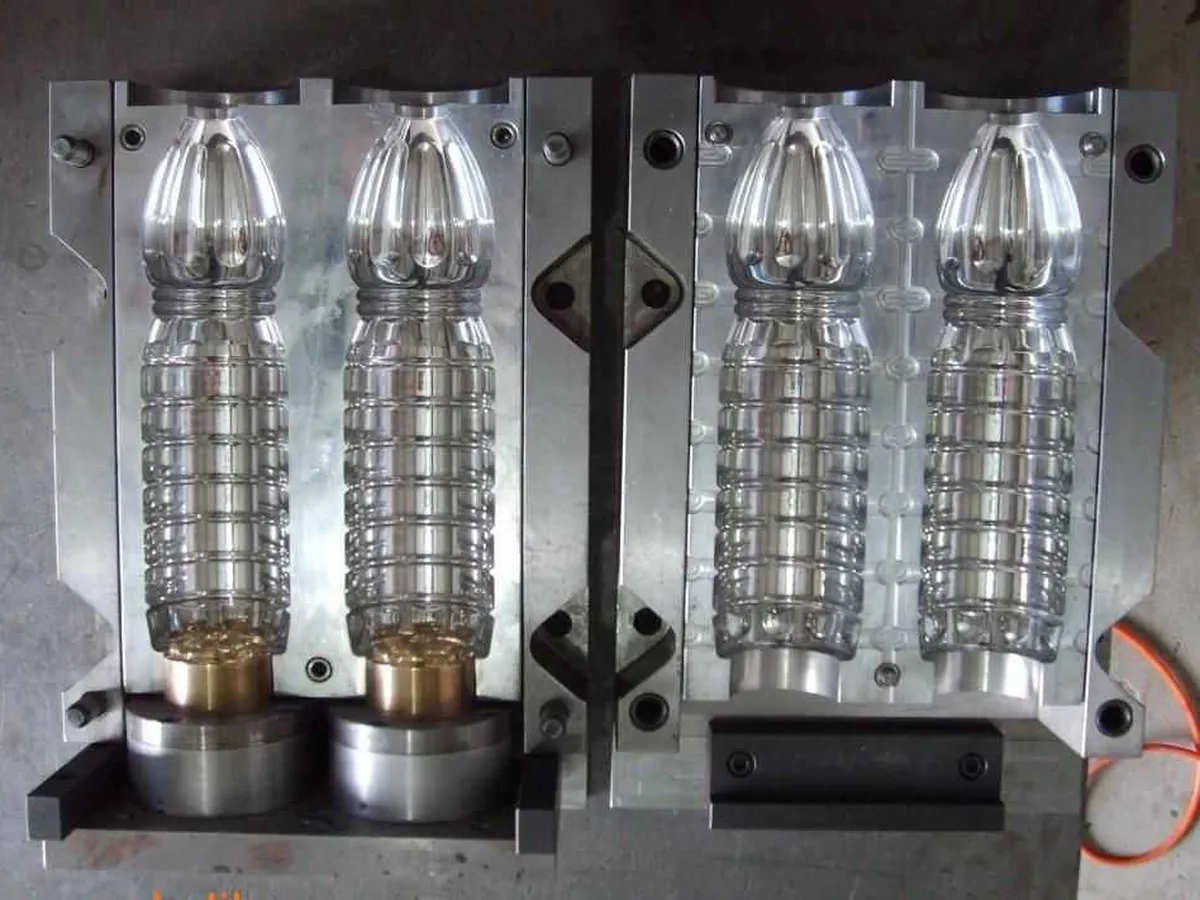 |
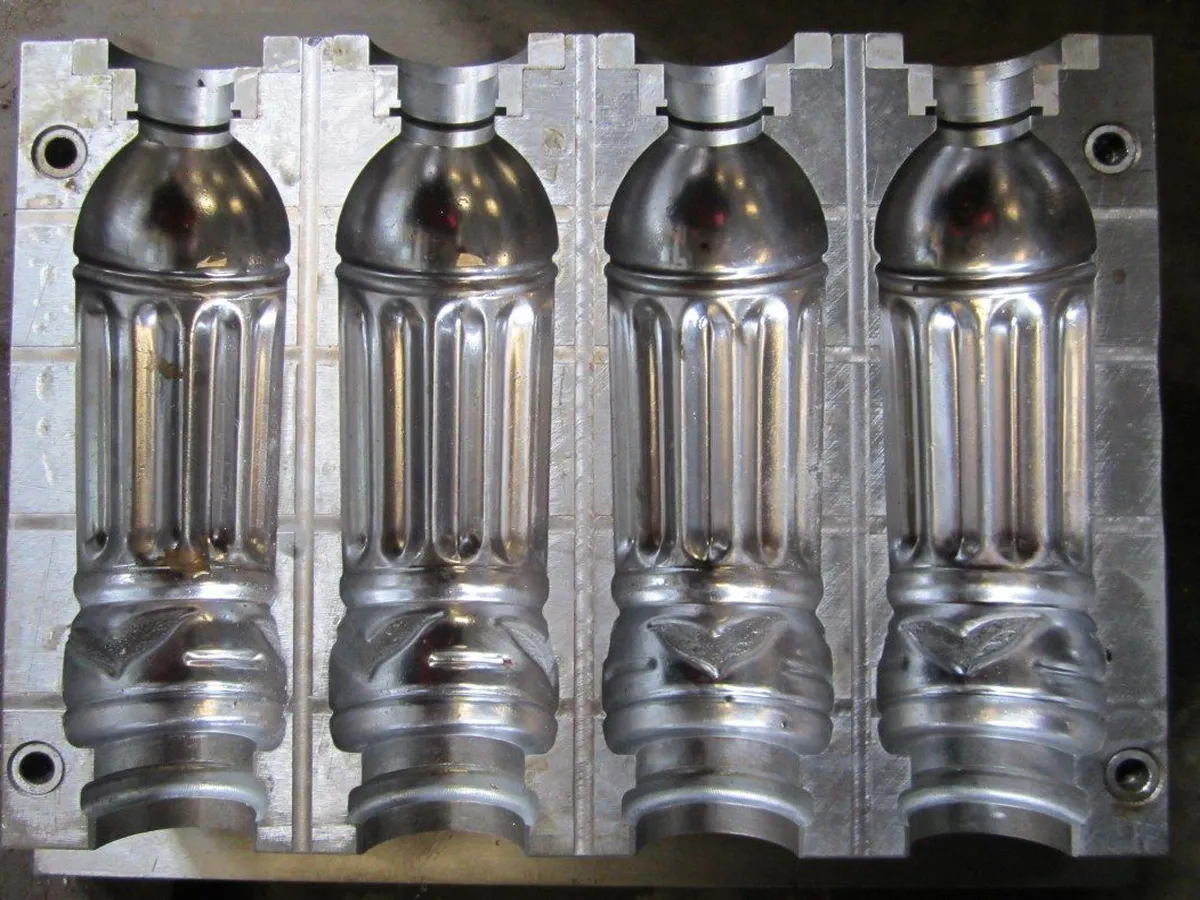
Steel molds, especially H13 tool steel and S136 steel, provide excellent hardness, heat resistance, and wear resistance. These properties make them ideal for high-volume production and food-grade applications. Aluminum molds work well for small batches and rapid prototyping. Beryllium copper offers better cooling and durability than aluminum but costs more. Stainless steel resists corrosion and wear, supporting sustainable materials and long-term use.
*Note: The cost-performance balance often leads manufacturers to choose steel molds for best pet bottle molds and quality pet bottle molds. Alternatives support mold customization and modification for unique bottle designs.
Durability & Performance
Durability and performance depend on the material options for PET bottle molds. High-quality materials withstand the high temperatures and pressures of manufacturing. Steel molds resist cracks and wear, ensuring consistent production and uniform bottle dimensions. Superior materials also improve thermal conductivity, which speeds up cooling and boosts efficient production.
The table below highlights the primary material requirements for PET bottle molds:
| 재질 유형 | 속성 | 응용 프로그램 |
|---|---|---|
| H13 Tool Steel | Excellent hardness, heat resistance, wear resistance, great resistance to thermal fatigue | Widely used in mold cavities and cores for PET molding |
| S136 Steel | Superior corrosion resistance, high wear resistance | Common for high-volume production of PET bottles, especially in food-grade applications |
Manufacturers rely on high-quality molds to maintain quality and reduce downtime. The right material ensures that plastic bottle molds deliver reliable performance over time. Mold selection impacts the lifespan of molds and the quality of bottles produced. High-quality materials support efficient manufacturing and customization.
*Tip: Choosing the best PET bottle molds with superior materials leads to longer service life and consistent bottle quality.
Maintenance Needs
Maintenance is essential for keeping pet bottle molds in top condition. Regular inspection and cleaning prevent defects in plastic bottle molds and ensure high-quality bottle production. Manufacturers disassemble molds to check for wear, clean surfaces, and replace damaged parts. Maintenance needs vary based on the materials used and the type of production.
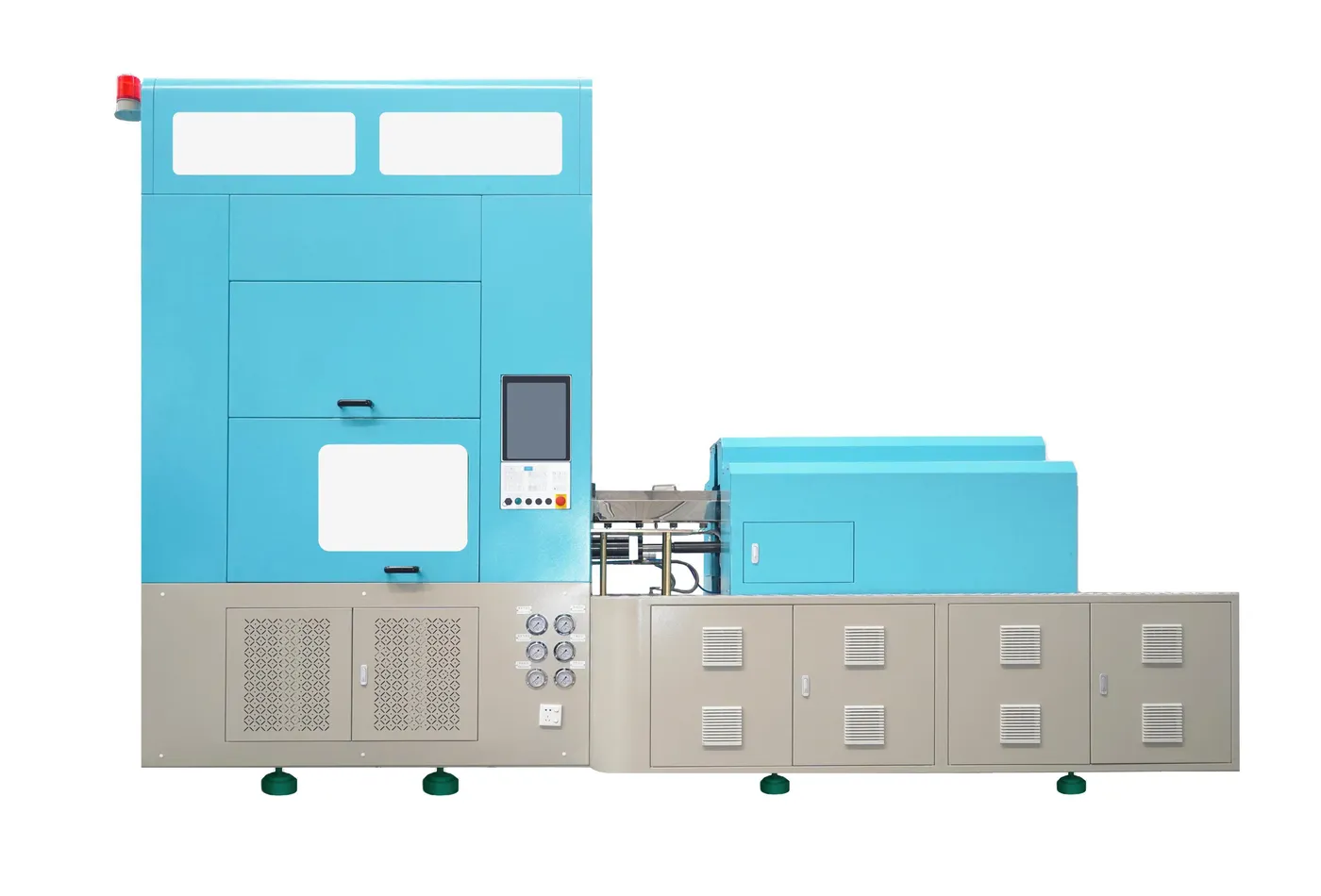
- Regular maintenance keeps molds clean and functional.
- Inspection and cleaning help maintain quality and prevent defects.
- Repairs and replacements extend mold life and support efficient manufacturing.
Plastic bottle molds using recycled pet (rPET) require more frequent maintenance. Contaminants in rPET, such as AA blockers and oxygen scavengers, cause outgassing and dust buildup. Faster production speeds increase dust creation, making maintenance solutions critical for quality pet bottle molds.
*Alert: Efficient maintenance ensures that molds continue to produce bottles with consistent quality and supports sustainable materials in manufacturing.
Manufacturers must prioritize maintenance to achieve the best results in pet bottle molding. Mold customization and modification also help address unique production challenges and maintain high standards.
Mold Compatibility for PET
Selecting the right mold for PET bottle molding requires careful attention to compatibility with both the ISBM 기계 and the PET resin. Manufacturers must ensure that the mold, machine, and materials work together to achieve high-quality production, efficient manufacturing, and consistent bottle design. Compatibility issues can lead to costly delays, reduced quality, and increased maintenance needs.
ISBM Machine Compatibility
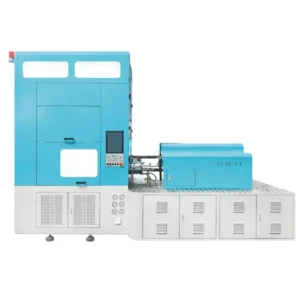
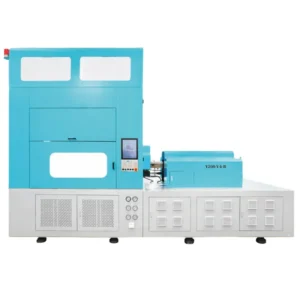
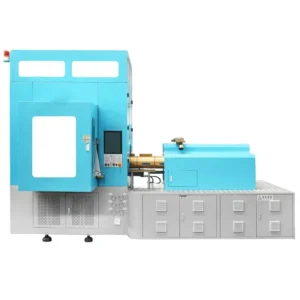
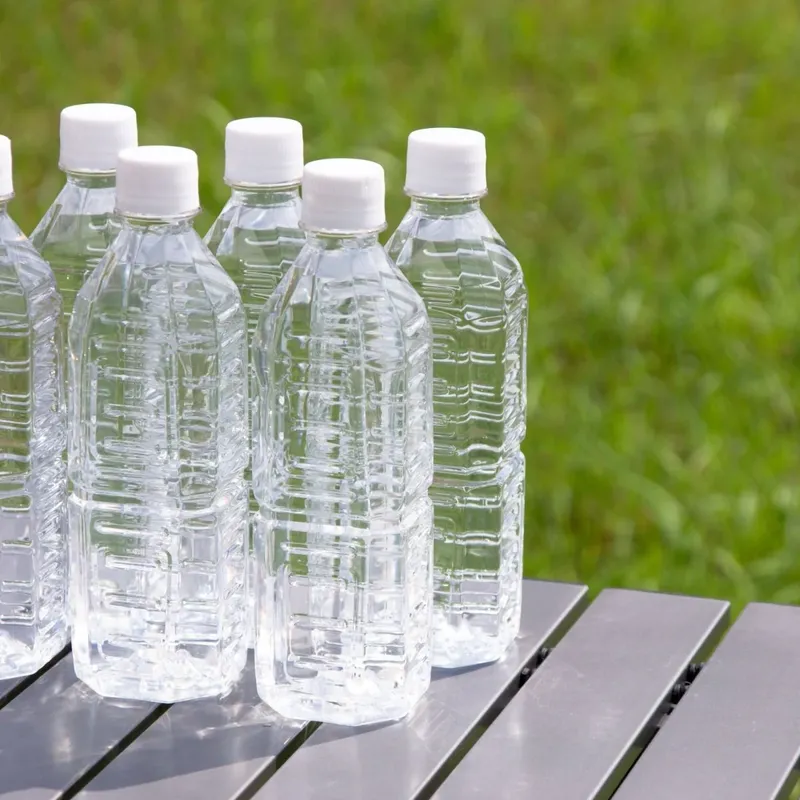
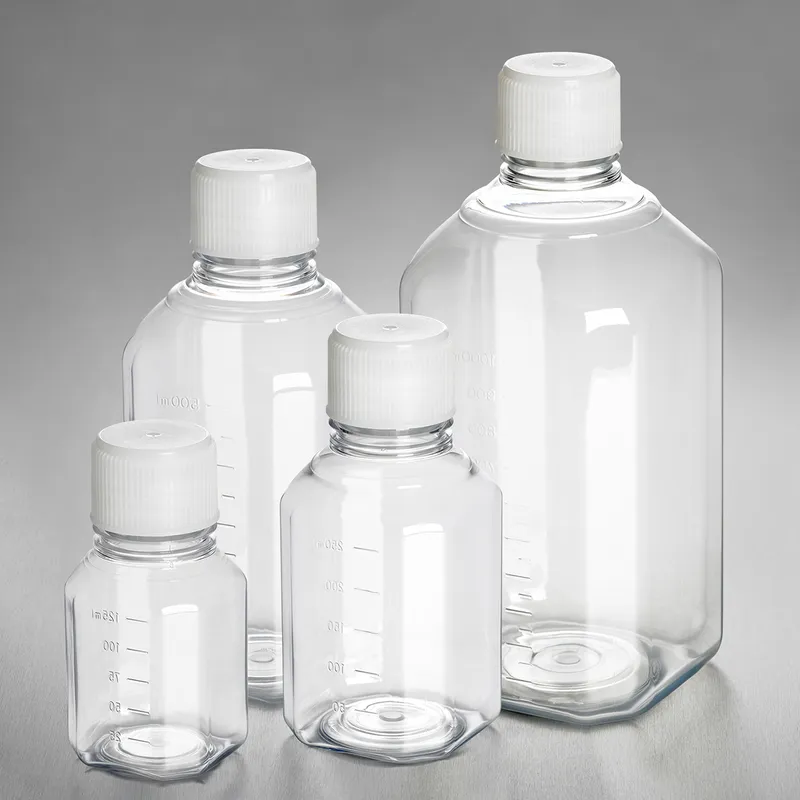
ISBM machine compatibility stands as a critical factor in the success of PET bottle molding. The ISBM machine must match the mold in terms of size, configuration, and operational parameters. Manufacturers often use ISBM machines specifically optimized for PET, as these machines handle the unique thermal and mechanical properties of PET resin. When selecting plastic bottle molds, manufacturers should consider the following factors:
- The ISBM machine must support the specific mold design, including cavity number and bottle geometry.
- Machines optimized for PET may require significant hardware modifications to process other materials like PP or PC.
- Establishing a complete material program before selecting the ISBM machine helps prevent costly post-delivery modifications.
- Compatibility of materials is crucial, as different resins demand distinct machine configurations.
A mismatch between the mold and the ISBM machine can result in poor bottle quality, increased cycle times, and higher production costs. Manufacturers should always verify that the mold aligns with the ISBM machine’s capabilities to ensure smooth manufacturing and reliable output.
*Note: Most high-volume production lines use ISBM machines tailored for PET, which support efficient manufacturing and high-quality plastic bottle molds.
 |
 |
PET Resin Compatibility
PET resin compatibility with the mold and ISBM machine directly affects the quality and consistency of the final product. The mold must withstand the processing temperatures and pressures required for PET bottle molding. Manufacturers must also consider the specific grade of PET resin, as different grades influence bottle strength, clarity, and barrier properties.
Key considerations for PET resin compatibility include:
- The mold must resist the high temperatures needed to process PET, ensuring long-term durability and consistent bottle quality.
- Surface finish and dimensional accuracy of the mold impact the clarity and appearance of the bottle.
- The ISBM machine must maintain precise temperature control to prevent defects such as crystallization or haze in the bottle.
- Using recycled PET (rPET) may require additional mold maintenance due to increased outgassing and dust.
Manufacturers often choose the best pet bottle molds made from high-grade steel or other suitable materials to handle the demands of PET resin. Proper mold customization and modification allow for unique bottle designs and support the use of sustainable materials. The right combination of mold, ISBM machine, and PET resin ensures efficient production, high-quality plastic bottle molds, and reliable manufacturing outcomes.
*Tip: Always match the mold material options for pet bottle molds to the specific PET resin and ISBM machine to achieve optimal performance and bottle quality.
Quality PET Bottle Molds
표면 마감
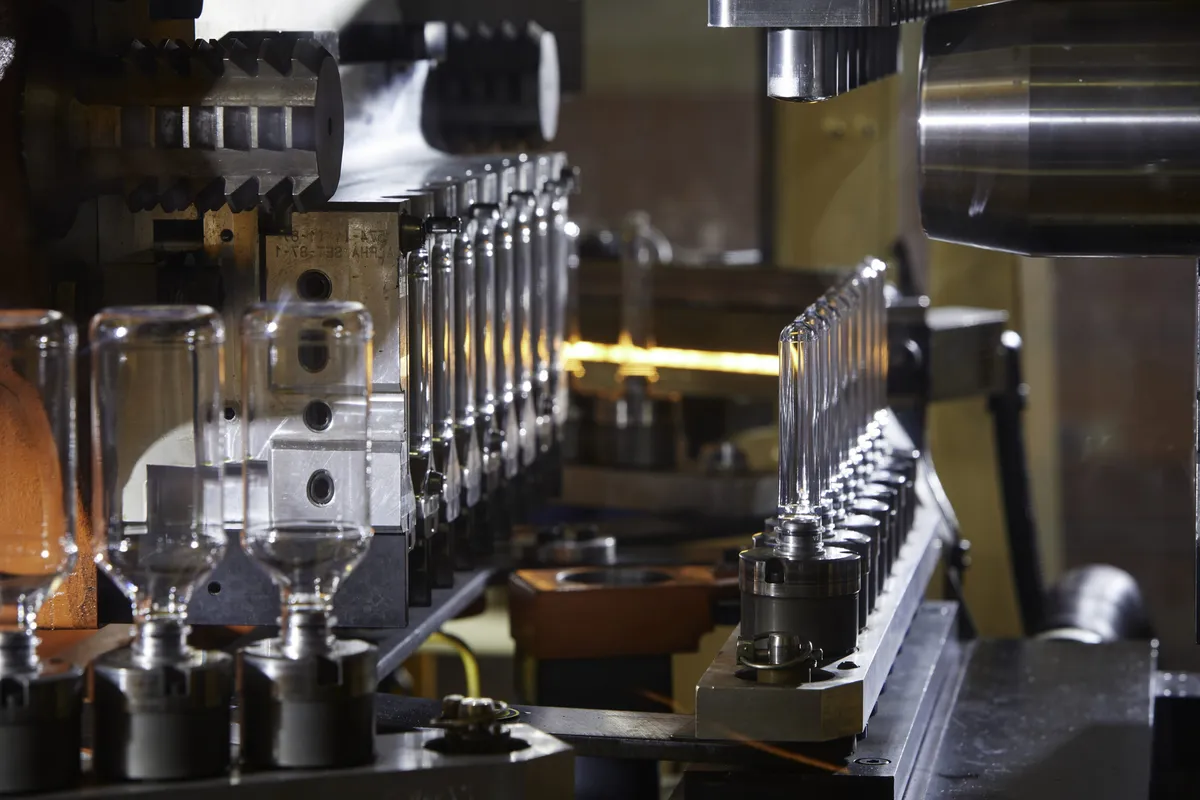
The surface finish of pet bottle molds plays a vital role in the appearance and performance of every bottle. A smooth finish on plastic bottle molds allows even material flow during the blowing process. This results in bottles with consistent wall thickness and attractive shapes. High-quality molds with a mirror-like finish help prevent defects such as streaks and bubbles. They also make it easier to release bottles from the mold, which extends the life of the mold and supports efficient manufacturing. For premium products, manufacturers often require a flawless finish, while functional bottles may use a slightly rougher texture. Surface finish also reduces friction, which improves clarity and overall quality.
*Tip: Investing in the best pet bottle molds with superior surface finish can enhance both the look and durability of bottles.
치수 정확도
Dimensional accuracy ensures that every bottle meets strict industry standards. Manufacturers rely on plastic bottle molds with precise tolerances to produce bottles that fit caps and filling lines perfectly. The following table shows typical tolerances for pet bottle molds:
| 재질 유형 | Tolerance Range (inches) | Tolerance Range (mm) | 치수 안정성 | 응용 프로그램 |
|---|---|---|---|---|
| 애완 동물 | ± 0.005 – 0.015 | ± 0.127 – 0.381 | Low shrinkage, good dimensional stability | Bottles, containers, industrial parts |
Precision engineering in mold design helps maintain these tolerances. Accurate molds prevent leaks, ensure compatibility with caps, and support high-speed production. Manufacturers achieve the best pet bottle molds by focusing on uniform cooling and proper ventilation, which also help avoid air traps and material flow issues.
냉각 시스템
The cooling system in PET bottle molds directly affects cycle time and bottle quality. Uniform cooling ensures that each bottle has a consistent gloss and shape. Mold design must prioritize balanced cooling and effective venting to maintain stable production. The table below highlights how cooling impacts production:
| 측면 | Impact on Cycle Time and Quality |
|---|---|
| Cooling Uniformity | Affects gloss, shrink behavior, cycle time, and repeatability |
| 금형 설계 | Ensures consistent appearance and stable manufacturing |
Manufacturers use optimized cooling systems in plastic bottle molds to reduce cycle times by up to 30%. Faster cooling leads to energy savings and lower operational costs. Poorly designed cooling or venting can cause defects and slow down production. High-quality molds with advanced cooling channels support efficient manufacturing and help maintain the quality of every bottle.
*Note: Regular maintenance of the cooling system keeps plastic bottle molds running smoothly and ensures reliable production.
Supplier Support & Service
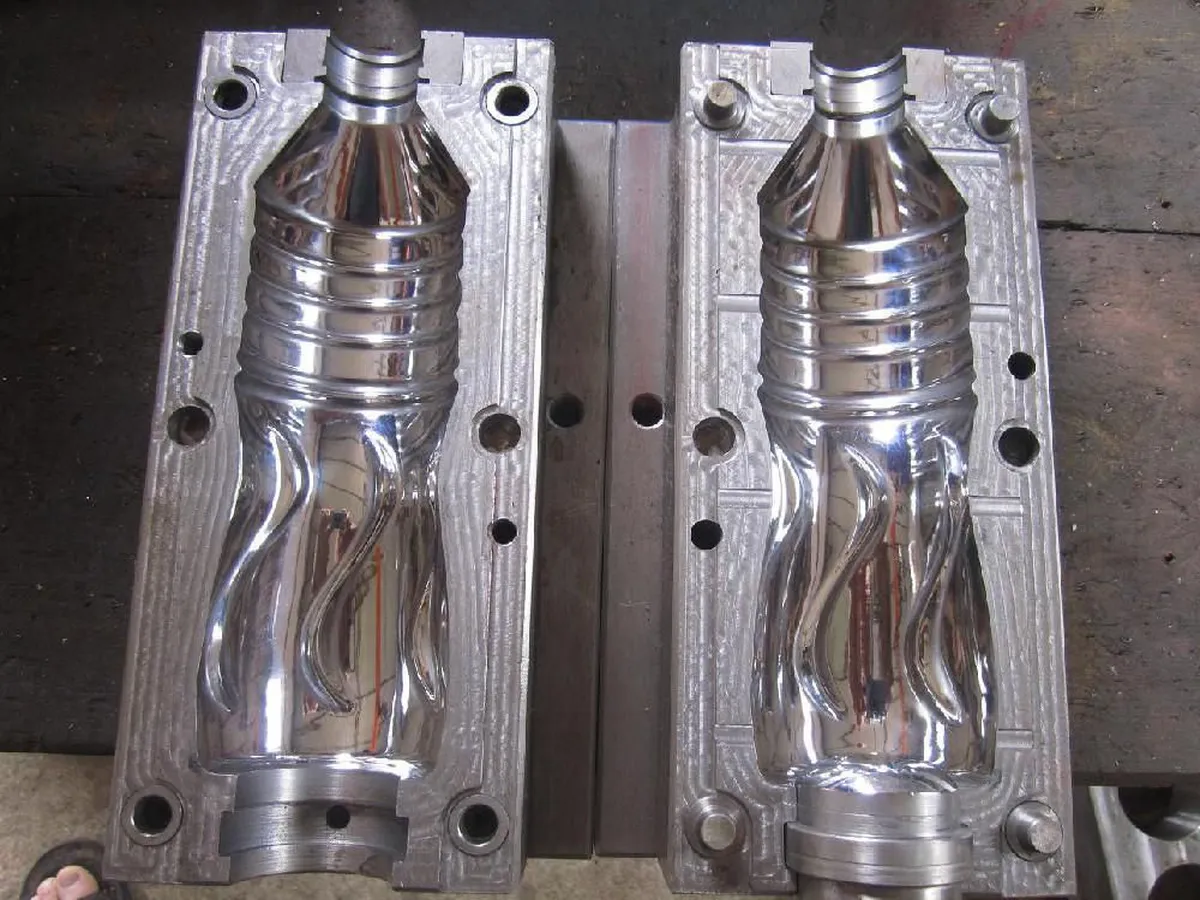
Supplier support and service play a critical role in the long-term success of PET bottle manufacturing. Manufacturers depend on reliable partners to maintain mold performance and ensure consistent production. A strong supplier relationship helps companies achieve high quality and minimize downtime. PET bottle manufacturers value after-sales support because it protects their investment and keeps operations running smoothly.
Manufacturers appreciate access to expert technical assistance. Timely delivery of spare parts and preventive maintenance services help keep blow molding equipment in optimal condition. These services reduce the risk of unexpected breakdowns and extend the lifespan of machinery. Reliable support ensures that production continues without interruption, which leads to better quality and lower long-term costs.
The following table highlights key supplier support features:
| Support Feature | Benefit to Manufacturer |
|---|---|
| Technical Assistance | Solves mold issues quickly |
| Spare Parts Delivery | Minimizes production delays |
| 예방 정비 | Extends mold and equipment lifespan |
Supplier support influences the performance of PET bottle molds in several ways:
- Supplier support ensures consistent quality, which is vital for maintaining production timelines.
- Reliable supply from suppliers contributes to operational efficiency, impacting long-term performance.
- Effective communication with suppliers fosters collaboration and adaptability to evolving needs.
Manufacturers who receive strong support from suppliers can adapt to changing market demands. They maintain high production standards and achieve superior quality in every bottle. Supplier service also helps companies implement new mold designs and improve production efficiency. When suppliers provide ongoing support, manufacturers gain confidence in their ability to deliver quality products.
*Tip: Companies should choose suppliers who offer comprehensive support and service. This approach helps protect mold investments and ensures reliable production for years to come.
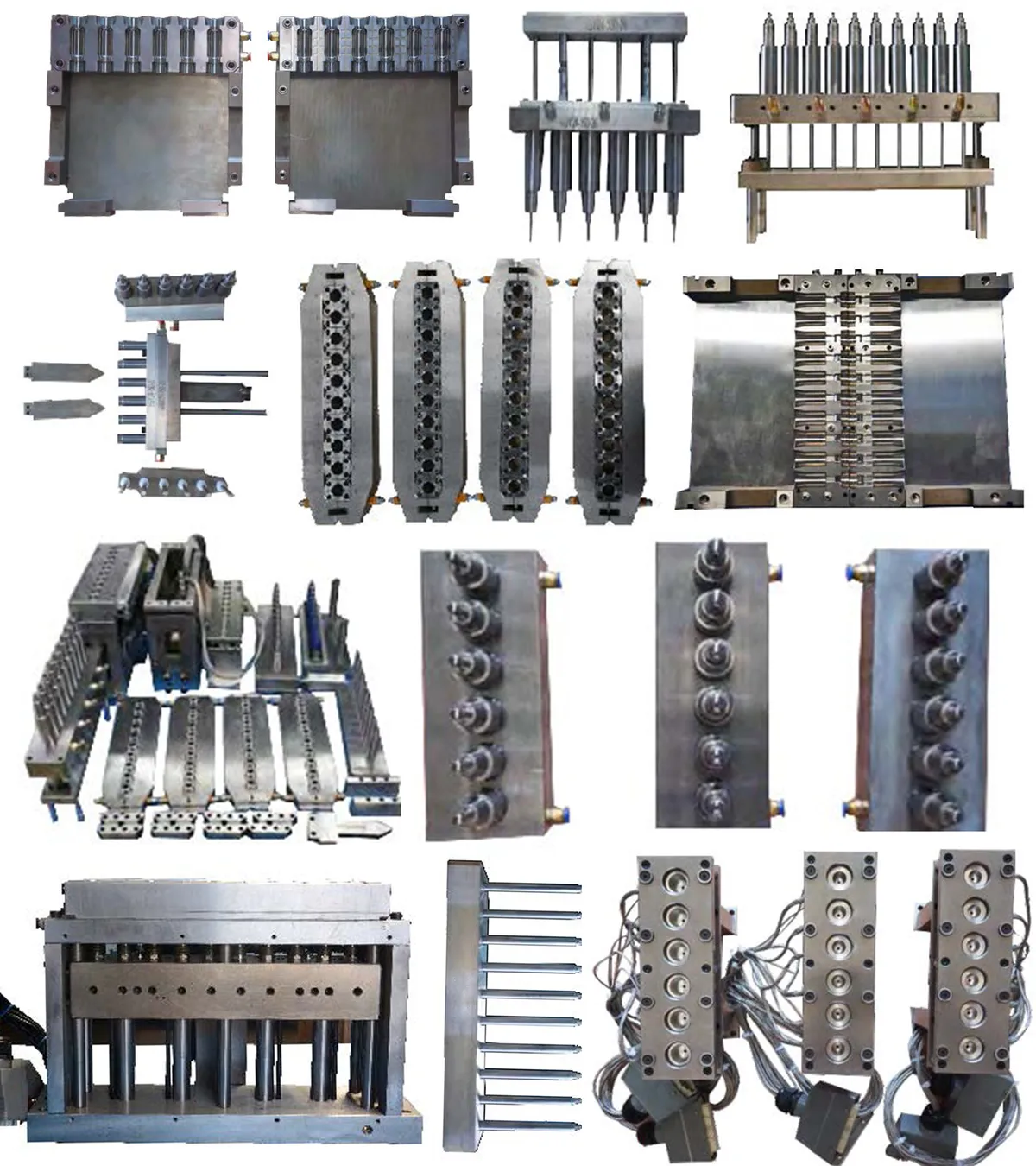
Selecting the right mold for PET bottle molds requires careful alignment with bottle design, production needs, and material compatibility. Key considerations include:
- The properties of PET influence machine choice and production efficiency.
- High-quality materials and reliable supplier support ensure durability and consistent plastic bottle quality.
- Expert consultation helps address customization and energy consumption needs.
| 요인 | Importance |
|---|---|
| 제품 품질 | Durable molds improve efficiency and reduce waste. |
| Supplier Support | Experienced suppliers provide long-term value. |
Choosing the right mold remains essential for quality and success in bottle manufacturing.
 |
 |
자주 묻는 질문
Q: What Factors Affect the Lifespan of a PET Bottle Mold?
A: Material quality, maintenance frequency, and production volume all impact mold lifespan. Regular cleaning and proper storage help extend service life. High-quality steel molds usually last longer than aluminum alternatives.
Q: How Does Mold Design Influence Bottle Quality?
A: Mold design determines wall thickness, clarity, and overall shape. Precise engineering ensures bottles meet industry standards. Poorly designed molds can cause defects, leaks, or inconsistent shapes.
Q: Can One Mold Produce Different Bottle Sizes?
A: Most molds create bottles of a specific size and shape. Manufacturers need separate molds for each unique design. Some advanced systems allow minor adjustments, but major changes require new molds.
Q: Why Is Supplier Support Important for PET Bottle Molding?
A: Strong supplier support ensures timely maintenance, spare parts, and technical guidance. Reliable suppliers help manufacturers maintain consistent production and high-quality results with pet bottle molds.