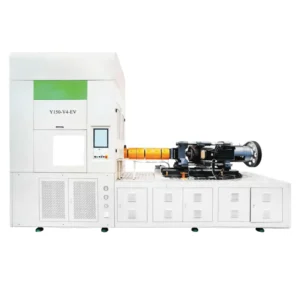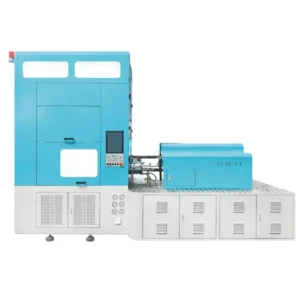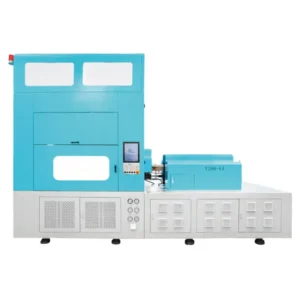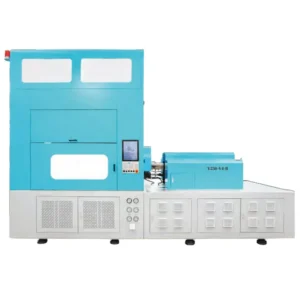
Semi Automatic Vs. Fully Automatic Injection Molding Machine
Selecting the right molding machine depends on the specific needs of a business. Semi automatic injection molding machine suits small or medium operations that need flexibility and lower investment. Fully automatic machines work best for large-scale production where high speed and minimal labor drive efficiency. The table below shows key differences:
| Feature | Fully Automatic Machine | Semi-Automatic Machine |
|---|---|---|
| Automation Level | Fully automated | Partially automated |
| Labor Requirement | Minimal | Higher |
| Production Speed | High | Moderate |
| Investment Cost | Higher initial cost | Lower initial cost |
| Operational Cost | Lower | Higher |
| Maintenance | More complex | Easier maintenance |
| Space Requirement | Larger footprint | Requires less space |
Careful evaluation of production volume, available labor, and budget will help identify the best solution.
 |
 |
Key Differences
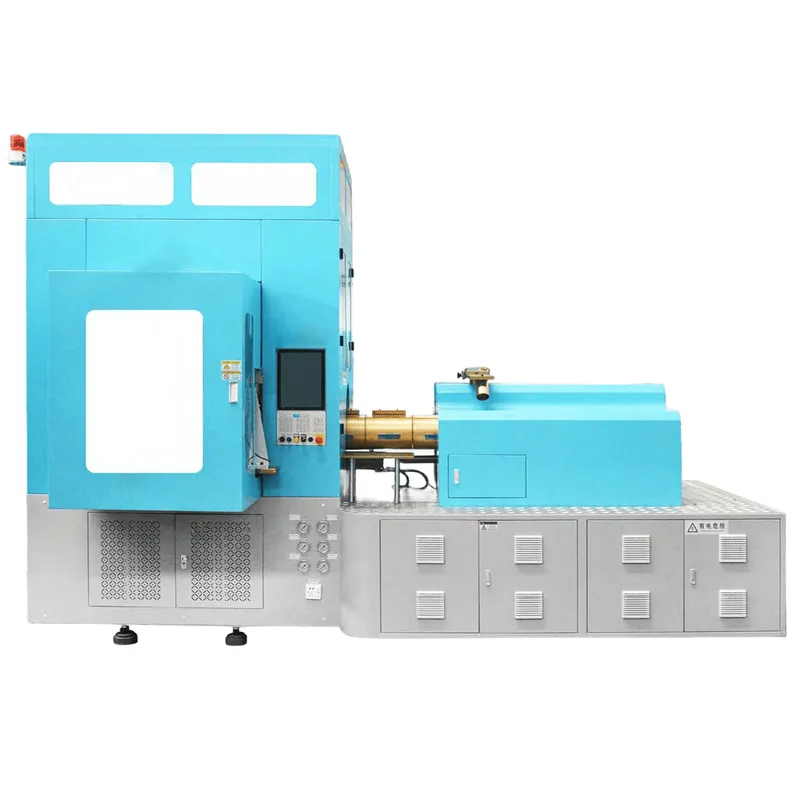
- A semi-automaticinjection molding machine is ideal for small to medium businesses. The machine offers flexibility and lower initial costs, making it accessible for companies with limited budgets.
- A fully automatic injection molding machine excels in high-volume production. The machine requires minimal labor and provides consistent quality, making it suitable for large-scale operations.
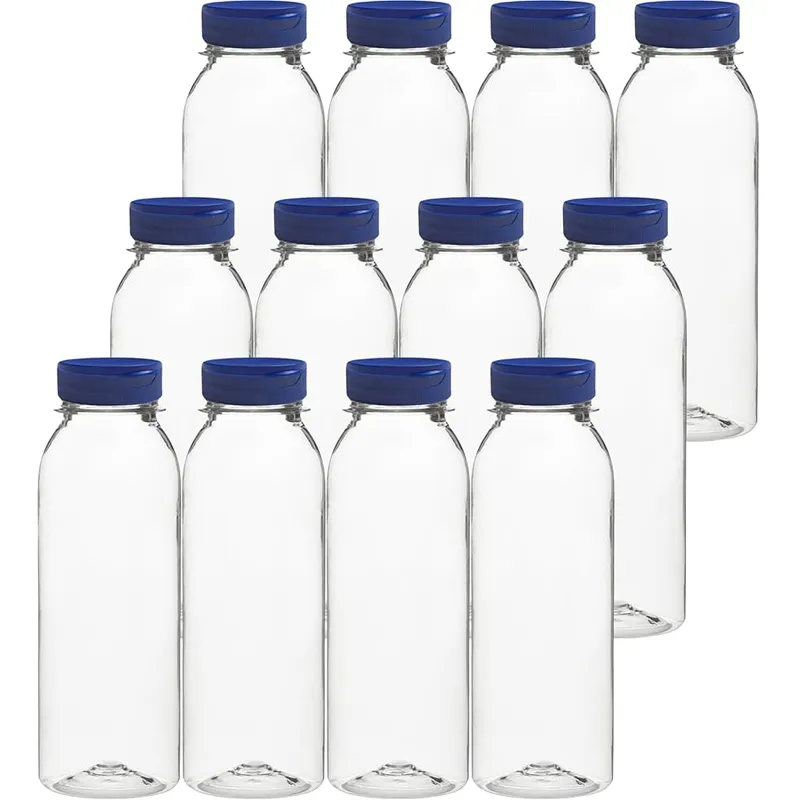
- Consider production speed when choosing a machine. A fully automatic injection molding machine produces more bottles per hour, while a semi-automatic injection molding machine allows for quick adjustments for smaller runs.
- Evaluate space requirements before selecting a machine. A semi-automatic injection molding machine needs less space, making it easier to integrate into smaller facilities.
- Assess labor needs and costs. Fully automatic machines reduce labor costs significantly, while semi-automatic injection molding machines require more operators and training.
Injection Molding Machine Types
Semi Automatic Injection Molding Machine
A semi automatic injection molding machine combines manual and automated processes. Operators load materials and initiate cycles, while the machine handles mold setup and monitoring. Quick-change mold systems allow fast transitions between products. Automated setup processes reduce errors and save time. Real-time data tracking helps monitor key metrics and maintain consistency. Semi-automatic chocolate molding machines use similar principles, offering flexibility for small batches and specialty products. These machines suit businesses that value easy maintenance and lower investment.
Fully Automatic Injection Molding Machine
Fully automatic injection molding machine operates with minimal human intervention. High-speed injection systems fill molds rapidly, ensuring uniformity and quality. Precision control systems adjust parameters for optimal results. Recent advancements include Internet of Things integration, advanced robotics, and artificial intelligence. These technologies enable real-time monitoring, remote control, and improved decision-making. Fully automatic chocolate molding machines deliver consistent output and high efficiency, making them ideal for large-scale production.
IBM Machine
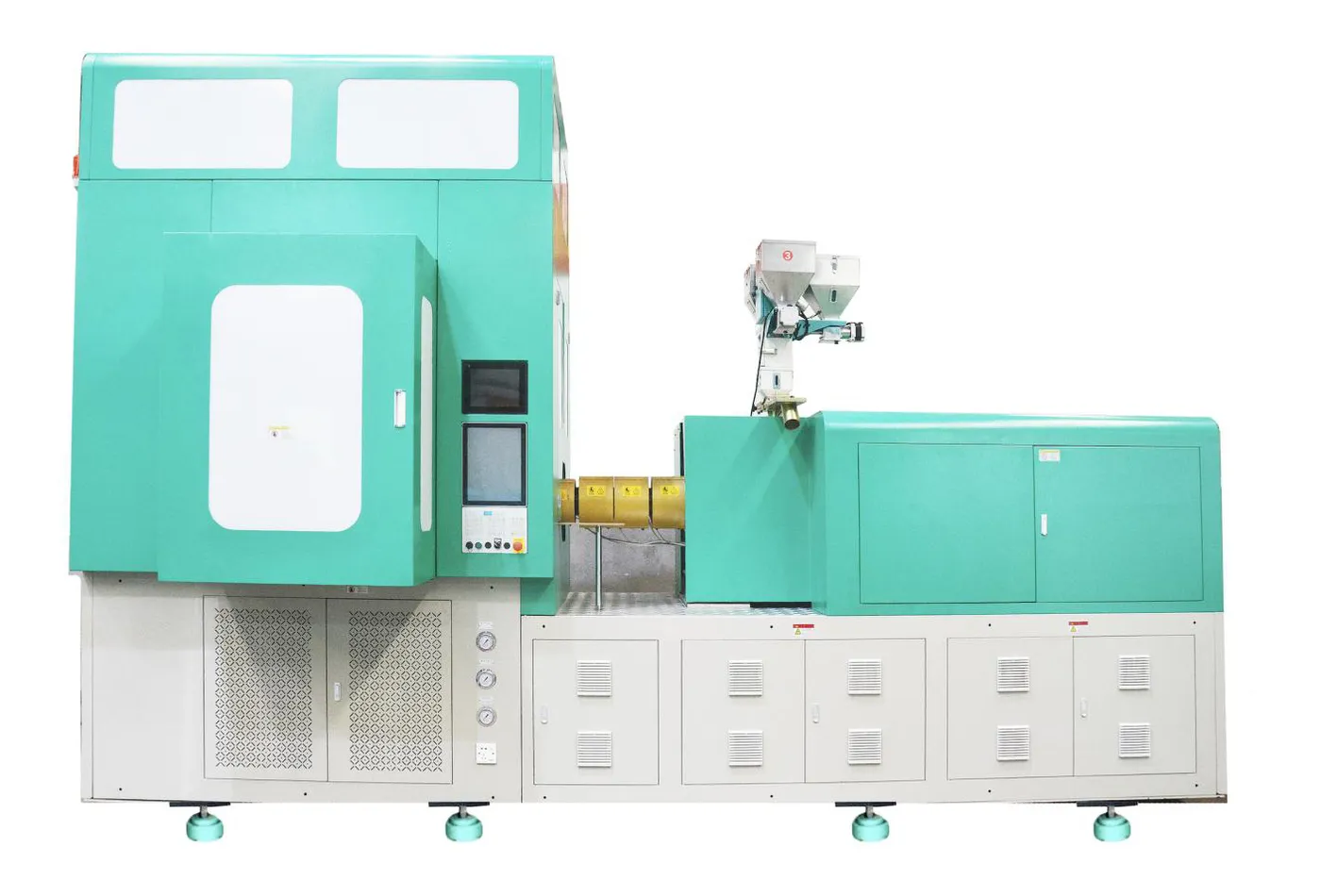
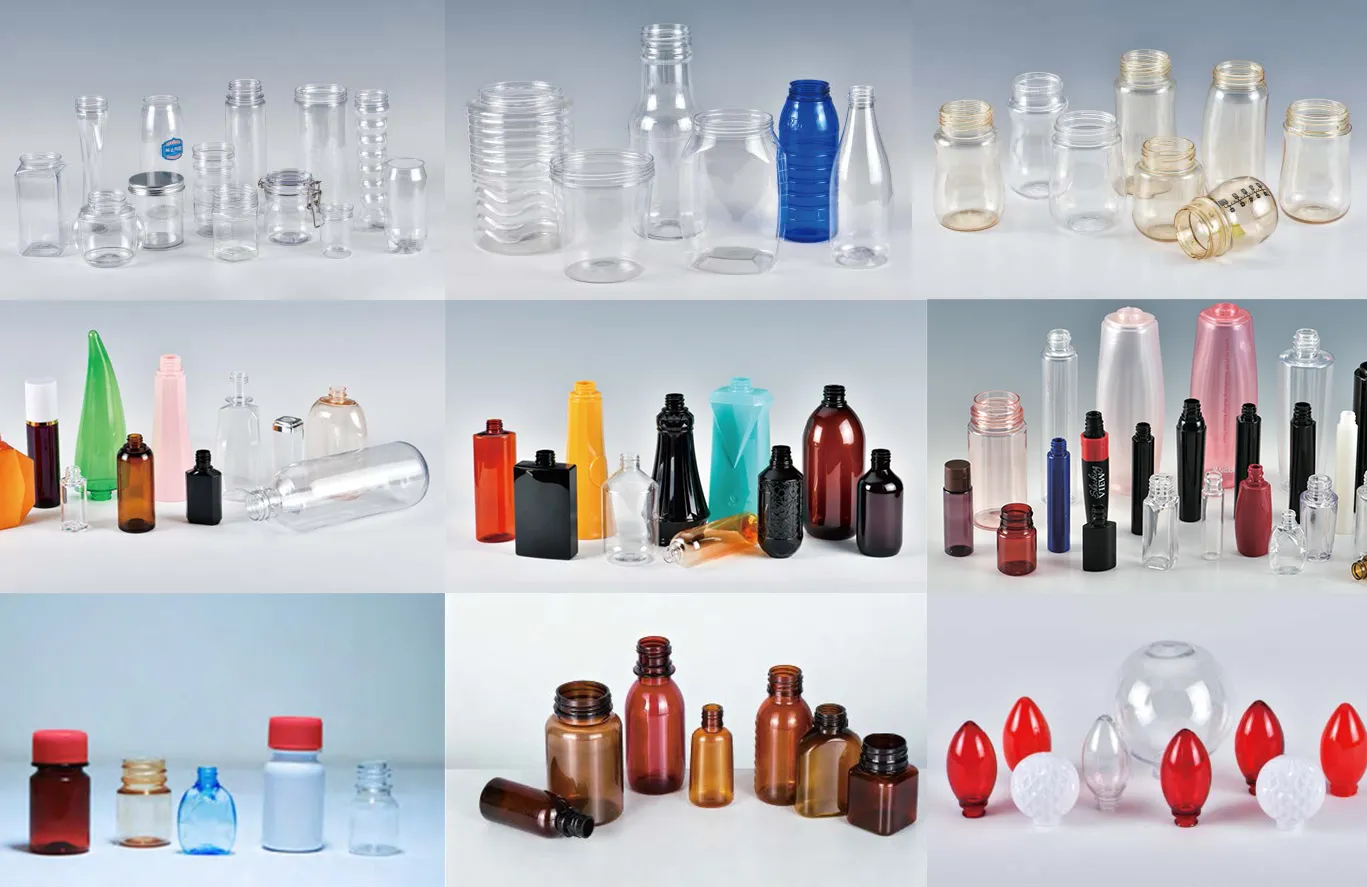
IBM machine stands for Injection Blow Molding Machine. This technology uses energy-efficient components and optimized processing techniques. Recycling capabilities help reduce material waste. IBM machines produce hollow plastic items, such as bottles and containers. Bottle injection molding machines, including the ISBM (Injection Stretch Blow Molding) machine, share similar applications. The ISBM machine stretches and blows plastic to create strong, lightweight bottles. Both IBM and ISBM machines offer high output and support sustainable manufacturing practices.
*Note: Bottle blow molding machines differ from traditional molding machines in operation and application. They specialize in producing ISBM bottles at high speeds, with fully automatic models reaching up to 30,000 bottles per hour.
Comparison
Labor Needs
Labor requirements differ significantly between machine types. In medium-sized factories, a semi automatic injection molding machine usually needs one or two operators per machine. These operators handle manual tasks such as preform loading, cycle activation, and bottle removal. The skill level required ranges from basic to moderate, and training takes only a few days to a week. Operators often experience higher fatigue due to repetitive manual work.
A fully automatic injection molding machine requires fewer operators. One person can oversee several machines, focusing on system monitoring and troubleshooting. Operators need technical skills and must understand human-machine interfaces. Training takes longer, sometimes several weeks. Fatigue is lower because most tasks are automated. Labor cost per bottle is much lower for fully automatic machines.
| Aspect | 4-Cavity Semi-Automatic Machine | 4-Cavity Fully Automatic Machine |
|---|---|---|
| Operators per Machine (Direct) | 1 – 2 | 0.5 – 1 |
| Primary Tasks | Manual handling, cycle activation, bottle removal | Monitoring, adjustment, troubleshooting |
| Required Skill Level | Basic to moderate | Moderate to high |
| Training Time | Days to 1 week | Weeks; ongoing possible |
| Fatigue Factor | High | Low |
| Labor Cost per Bottle | Higher | Significantly lower |
*Tip: Businesses aiming to reduce labor costs and operator fatigue should consider fully automatic machines for high efficiency.
Production Speed
Production speed plays a crucial role in determining the right machine for a business. Fully automatic injection molding machine delivers high efficiency and can produce a large number of bottles per hour. Continuous automation ensures rapid cycles and minimal downtime. The machine suits large-scale operations that require high output.
Semi-automatic injection molding machine operates at moderate speeds. The machine allows flexibility for smaller production runs and quick changeovers. Operators can adjust settings for different products, but manual intervention slows the process. These machines work well for small and medium businesses that do not need maximum output.
- Fully automatic injection molding machine produces more bottles per hour.
- Semi-automatic injection molding machine offer flexibility for small batches.
- Fully automatic injection molding machine is designed for high-volume production.
- Semi-automatic injection molding machine handles smaller runs without extensive changeovers.
Product Quality
Quality and consistency matter in molding operations. Fully automatic injection molding machine uses computer control to maintain stable performance. Infrared lamps provide uniform heating, and pneumatic cylinders deliver strong clamping force. These features result in consistent quality, smooth barrel mouths, and low leakage risk. Large factories benefit from reliable output and fewer defects.
Semi-automatic injection molding machine relies on manual operation. Heating and clamping may vary, which can affect product quality. Operators must pay close attention to avoid errors. Quality may fluctuate, especially during long shifts or with inexperienced staff. However, semi-automatic injection molding machine allows for quick adjustments, which helps when producing specialty items.
| Feature | Fully Automatic Injection Molding Machine | Semi-Automatic Injection Molding Machine |
|---|---|---|
| Performance | Stable, computer-controlled | Manual, variable |
| Heating | Uniform, infrared | Manual, inconsistent |
| Clamping Force | Strong, pneumatic | Variable, manual |
| Product Quality | High, smooth, low leakage | Varies, risk of defects |
| Production Capacity | High | Lower, flexible |
*Note: Consistency in quality is easier to achieve with fully automatic injection molding machine, especially for large-scale production.
 |
 |
Initial and Operating Costs
Cost considerations influence machine selection. Semi-automatic injection molding machines require lower initial investment, making them suitable for small and medium-sized businesses. The machine improves production efficiency without a large financial commitment. Operating costs are higher due to increased labor and manual intervention.
Fully automatic injection molding machine demands a higher initial investment. Large factories often choose these machines for their high output and reduced labor costs. Operating costs are lower because automation reduces the need for manual labor and minimizes errors.
| Type of Machine | Initial Investment Range |
|---|---|
| Semi-Automatic Chocolate Molding | $5,000 – $20,000 |
| Fully Automatic Chocolate Molding | $20,000 – $100,000 |
- Semi-automatic injection molding machines suit small and medium businesses and boost production efficiency.
- Fully automatic injection molding machine fits high-output plants, offering high efficiency and lower labor costs.
Flexibility
Flexibility is important for manufacturers producing different product types. Semi-automatic injection molding machine balances manual labor and automation. Operators can quickly adjust settings and change molds with minimal downtime. This flexibility benefits businesses that need to switch between products, such as food manufacturers handling various packaging designs.
Fully automatic injection molding machine excel at high-volume production but require more rigid setups. Changing molds or adjusting parameters takes longer and may interrupt production. These machines work best for factories focusing on a single product type or large batches.
*Tip: Semi-automatic injection molding machine offers greater flexibility for businesses with diverse product lines.
Space Requirements
Space requirements vary between machine types. Semi-automatic injection molding machine has a smaller footprint and need less auxiliary equipment. The machine fits easily into small or medium production facilities.
Fully automatic injection molding machine requires more space. The main machine and auxiliary equipment occupy a larger area. Large factories must allocate significant floor space for installation and operation.
| Machine Type | Main Machine Footprint | Auxiliary Equipment Area | Total Estimated Area |
|---|---|---|---|
| Semi-Automatic | ~4-6 m² | ~10-15 m² | ~25-40 m² |
| Fully Automatic | ~25-40 m² | ~40-60 m² | ~80-120 m² |
*Note: Businesses with limited space should consider semi-automatic injection molding machine for easier integration.
Pros and Cons
Semi Automatic Injection Molding Machine
A semi automatic injection molding machine offers several advantages for small and medium businesses. Operators find these machines easy to use, with simple interfaces that reduce training time. The design allows quick mold changes, making it possible to switch between different chocolate shapes or products. This flexibility helps businesses respond to seasonal demand or market trends. The lower initial investment makes the semi-automatic option accessible for companies with limited budgets.
The following table summarizes key benefits reported by small business owners in the food processing industry:
| Feature | Description | Advantages |
|---|---|---|
| Production Speed | Up to 1200 kg of chocolate per day | High efficiency, lower operational costs |
| Ease of Use | User-friendly interface, easy setup | Short training time for new operators |
| Versatility | Produces various chocolate types and shapes | Attracts diverse market segments |
| Energy Efficiency | Optimized energy use | Lower energy costs, supports sustainability |
| Maintenance | Low maintenance, easy access to parts | Minimizes downtime and maintenance costs |
The semi-automatic injection molding machine also supports flexible production modes. Operators can adapt quickly to high-demand periods or small batch runs. Mold designs remain cost-effective and easy to replace, which further enhances production flexibility. However, the machine requires more labor and have lower output rates compared to fully automatic models. Businesses may face higher labor costs and less consistent product quality.
 |
 |
*Tip: Semi automatic injection molding machine provide a strong balance between flexibility, investment, and output, especially for companies that need to adapt to changing production needs.
Fully Automatic Injection Molding Machine
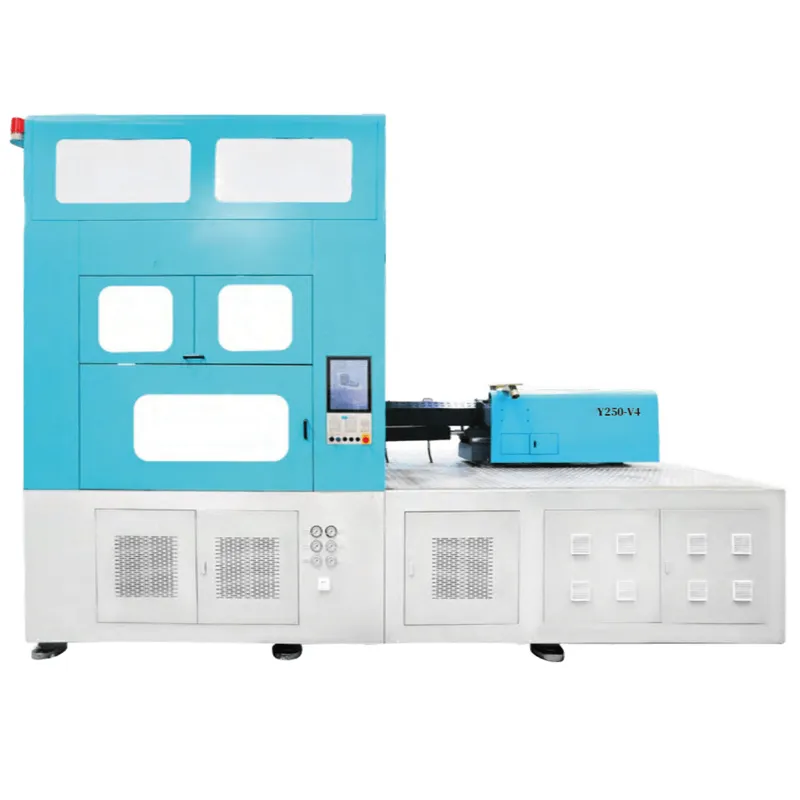
A fully automatic injection molding machine delivers high output and consistent quality with minimal operator input. The machine suits large-scale production environments where speed and efficiency matter most. The advanced automation reduces labor requirements, which leads to significant long-term cost savings. For example, a fully automatic injection molding machine often needs less than one operator per shift, while a semi-automatic model may need up to two. Labor cost per bottle remains much lower for fully automatic systems.
| Aspect | Fully Automatic | Semi-Automatic |
|---|---|---|
| Labor Requirement | <1 Operator | 1-2 Operators |
| Cost per Bottle (Labor) | Lower | Higher |
| Additional Labor Cost | Negligible | ~$0.05 per bottle |
Despite these advantages, fully automatic machines require a higher initial investment and more space. They also offer less flexibility for frequent product changes. Businesses that focus on a single product or large batches benefit most from this technology.
*Note: Companies should weigh the pros and cons of each machine type. The semi-automatic option excels in flexibility and lower investment, while the fully automatic machine stands out for output and long-term cost efficiency.
Choosing for Your Business
Small and Medium Business
Small and medium businesses often face unique challenges when selecting a molding machine. They must balance production needs, available labor, and budget constraints. A semi-automatic machine provides a cost-effective solution for companies with limited resources. Operators can manage these machines with basic training, which helps reduce initial investment and ongoing expenses.
The following table summarizes expert recommendations for machine selection based on business size and output needs:
| Business Size | Recommended Machine Type | Output Range (BPH) |
|---|---|---|
| Small-Scale (Startups) | Manual or Semi-Automatic plastic bottle blow molding machines | 500 – 1,500 bottles/hour |
| Medium-Scale (Growing Brands) | Fully Automatic Single-Cavity Machines | 2,000 – 6,000 bottles/hour |
| Large-Scale (Mass Production) | Fully Automatic Multi-Cavity Systems | 8,000 – 20,000+ bottles/hour |
A semi-automatic injection molding machine offers flexible production, allowing quick changes between product types. This flexibility is valuable for businesses that produce seasonal or specialty items. Labor requirements remain manageable, and the business can scale up as demand grows. For small-scale operations, a bottle blow molding machine with manual or semi-automatic features meets most needs. These machines keep investment low and support gradual growth.
| Machine Type | Key Characteristics | Suitable For SMEs |
|---|---|---|
| Semi-Automatic | Cost-effective, flexible, requires manual intervention | Limited resources and production requirements |
| Fully Automatic | Reduces labor costs, increases production efficiency | High-volume production needs |
*Tip: Small and medium businesses should consider starting with a semi-automatic injection molding machine to minimize risk and control costs. As production increases, upgrading to a fully automatic system becomes easier.
Large Scale Production
Large-scale production environments demand high output, efficiency, and consistency. Fully automatic injection molding machine delivers these benefits by automating most processes. The machine requires a higher initial investment but provide lower long-term labor costs and greater throughput. Companies that produce thousands of bottles per hour benefit from multi-cavity systems, which maximize productivity.
Budget planning plays a crucial role in machine selection for large operations. Several factors influence the total investment:
| Factor | Impact on Cost | Explanation |
|---|---|---|
| Part Complexity | Increases mold cost, potentially cycle time | More features (undercuts, threads) = complex mold, difficult ejection/cooling |
| Mold Size | Higher material cost and longer machining times | Larger molds require more raw material and longer processing times |
| Material Choice | Affects material cost/part, mold material choice | Engineering resins cost more; abrasive/corrosive resins need better steel |
| Cavitation | Higher mold cost, lower per-part cost/machine time | More parts per machine cycle increases throughput |
| Surface Finish | Increases mold cost (polishing), may need better steel | Higher finishes require significant labor and specific steels |
| Tolerances | Increases mold cost, potentially QC cost | Tighter tolerances require precision machining and more rigorous inspection |
| Location | Affects mold cost, labor rates, logistics | Significant regional differences in labor, overhead, steel, shipping costs |
- Part complexity affects design time and cost.
- Mold size influences material and machining costs.
- Material choice determines durability and cost.
- Cavitation impacts production speed and cost per part.
- Tolerances require precision and increase costs.
- Surface finish affects labor and material requirements.
A fully automatic bottle blow molding machine, or ISBM machine, suits businesses that need high-volume, custom bottle production. These machines support rapid cycles and consistent quality. ISBM machine, in particular, excels at producing PET bottles for food and beverage packaging, which aligns with trends toward sustainable materials.
 |
 |
*Note: Large-scale businesses should invest in automation to achieve high output and efficiency. Planning for mold complexity, material selection, and production requirements ensures a successful investment.
Bottle Blow Molding Machine Considerations
Choosing a bottle injection molding machine or ISBM machine depends on the business’s product focus and market needs. These machines excel in high-volume production and offer flexibility in bottle design. Companies that require lightweight packaging solutions benefit from the efficiency and customization options provided by these technologies.
| Advantage | Description |
|---|---|
| High-volume production | Blow molding machines are ideal for producing large quantities of plastic bottles efficiently. |
| Flexibility in design | These machines allow for customization in bottle design, catering to various market needs. |
| Lightweight packaging solutions | They produce lightweight bottles, which are beneficial for reducing shipping costs and material use. |
- Increased investment in ISBM for high-volume custom bottles.
- Focus on PET for food and beverage packaging, indicating a shift towards more sustainable materials.
Regulatory standards also play a role in machine selection, especially for food-grade manufacturing:
- FDA compliance ensures materials are safe for food contact in the United States.
- Good Manufacturing Practices (GMP) require strict safety and hygiene controls.
- The European Food Safety Authority (EFSA) mandates thorough testing for food-contact materials in the EU.
*Tip: Businesses should evaluate regulatory requirements and market trends before choosing a bottle blow molding machine or ISBM machine. These machines offer the best results for companies focused on large-scale, custom, and sustainable packaging.
Transitioning from a semi-automatic machine to a fully automatic system involves more than just equipment upgrades. Companies should assess their workforce’s technical skills and consider training in automation, robotics, and smart sensors. Modular machines and Industry 4.0 technologies help streamline this transition, making it easier to adapt to changing production needs.
Choosing between semi-automatic and fully automatic injection molding machines shapes business outcomes. Fully automatic systems reduce labor costs and maximize output, while semi-automatic models offer flexibility and lower investment. The table below highlights labor savings:
| System Type | Workers Per Shift | Annual Labor Cost* |
|---|---|---|
| Manual Production | 8-10 | $25,000 – $30,000 |
| Semi-Automatic | 2-3 | $8,000 – $12,000 |
| Fully Automatic | 1 | $4,500 – $6,000 |
Industry experts recommend the following before investing:
- Evaluate production needs and machine features.
- Assess budget and supplier support.
- Research supplier reputation and warranty terms.
Careful planning ensures the right machine supports growth and efficiency.
FAQ
Q: What Is the Main Difference Between Semi Automatic and Fully Automatic Injection Molding Machines?
A: Semi automatic machines need more manual work. Fully automatic machines use advanced automation for most tasks. Businesses choose based on production needs, labor availability, and budget.
Q: Can A Small Business Upgrade from Semi Automatic to Fully Automatic Machines?
A: Yes. Many small businesses start with semi automatic machines. They upgrade to fully automatic models as production grows. This approach helps manage costs and supports business expansion.
Q: How Does Machine Choice Affect Product Quality?
A: Fully automatic machines provide consistent quality with computer controls. Semi automatic machines may show more variation because operators handle some steps. Quality depends on operator skill and machine settings.
Q: Are Fully Automatic Machines Difficult to Maintain?
A: Fully automatic machines have complex systems. Maintenance requires trained technicians. Many suppliers offer support and training. Regular maintenance keeps machines running smoothly and prevents downtime.
Q: What Products Can IBM and ISBM Machines Make?
A: IBM and ISBM machines produce hollow plastic items like bottles and containers. ISBM machine creates strong, lightweight bottles for food and beverage packaging. The machine supports high-volume, sustainable manufacturing.