Differences Between Blow Molding and Injection Molding Processes
Manufacturers often compare blow molding vs. injection molding when selecting a process for plastic part production. Process selection shapes product quality, cost, and manufacturing efficiency. Recent market data shows strong growth in blow molding worldwide:
- The blow molding machine market reached USD 6.04 billion in 2024, with projections up to USD 8.20 billion by 2032.
- Global blow molding machine revenue is expected to grow at a CAGR of 4%, reaching nearly USD 6.49 billion by 2032.
- The plastic blow molding machine market could hit USD 4,047.7 million by 2030.
Blow molding tends to offer lower tooling costs and suits low-to-medium volumes, but parts may show less precision. ISBM molding delivers higher accuracy and efficiency in high-volume runs, making it ideal for complex designs. The ISBM machine improves blow molding capabilities, providing more options for manufacturers seeking the right fit.
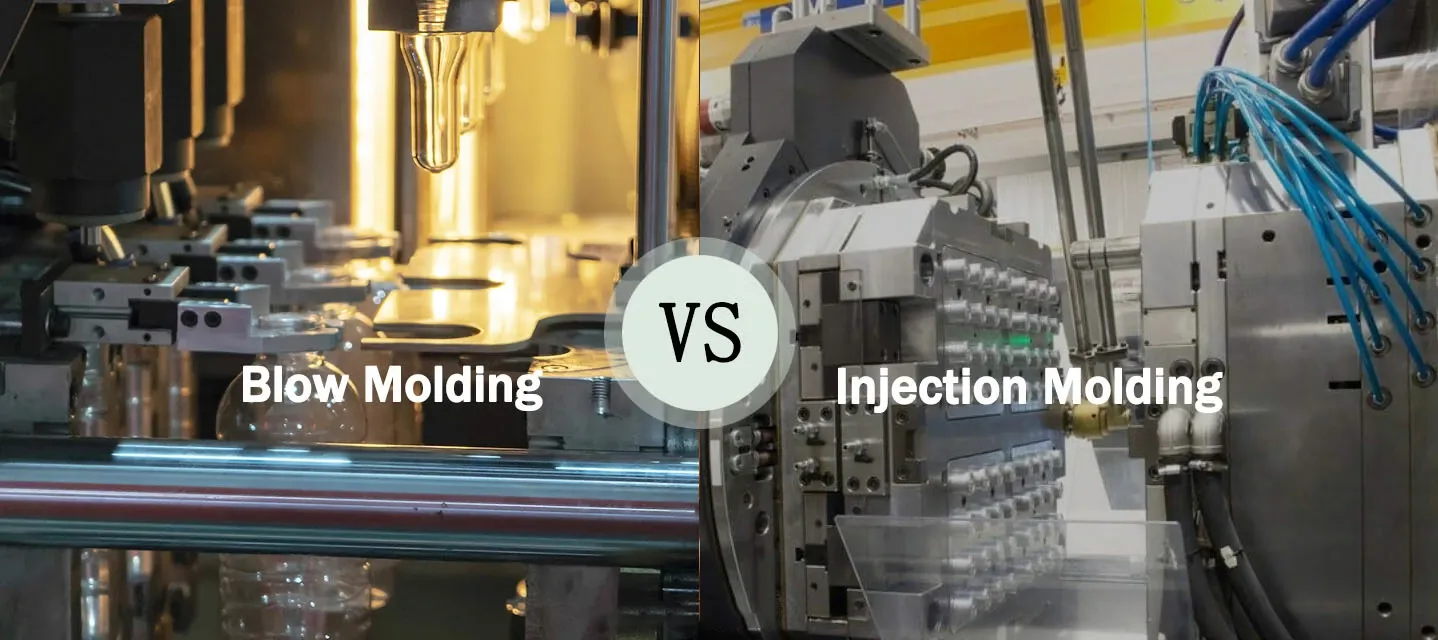
Main Differences
- Blow molding is ideal for producing hollow plastic items like ISBM bottles and containers, especially in medium to high volumes.
- Injection molding excels in creating complex, solid parts with high precision, making it suitable for industries like automotive and medical.
- Consider tooling costs and production volume when choosing between blow molding and injection molding; blow molding is often more economical for lower volumes.
- ISBM machine enhances blow molding capabilities, offering better product quality and design flexibility for hollow products.
- Evaluate product requirements, material compatibility, and production timelines to select the best molding process for your needs.
Blow Molding vs. Injection Molding
Hauptunterschiede
Manufacturers often compare blow molding vs. injection molding to determine the best process for their products. The two methods differ in several important ways, especially in product geometry, wall thickness, precision, cost, and design flexibility. The following table highlights these distinctions:
| Besonderheit | Blasformen | Spritzgießen |
|---|---|---|
| Product Geometry | Suitable for uncomplicated, hollow designs | Allows for intricate geometries and detailed features |
| Wandstärke | Thinner but uniform | Variable wall thickness for strength and performance |
| Designflexibilität | Lesser degree of flexibility | Greater customization options for intricate detail |
Blow molding vs. injection molding also shows clear differences in tooling and production costs. The table below summarizes typical cost ranges for each process:
| Formteilart | Cost Range (Single Cavity) | Cost Range (Multi-Cavity) |
|---|---|---|
| Blasformen | $3,000 | Up to $25,000 |
| Spritzgießen | $3,000 – $6,000 | Above $90,000 |
 |
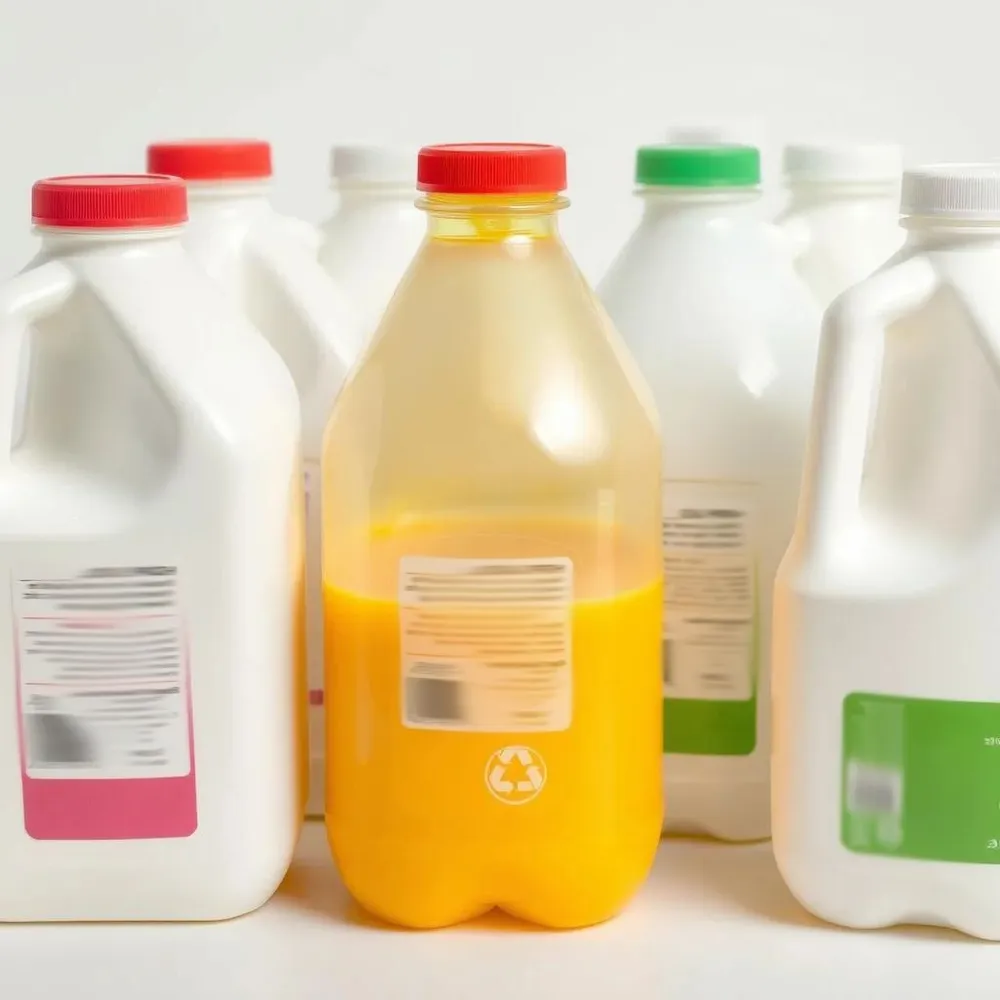 |
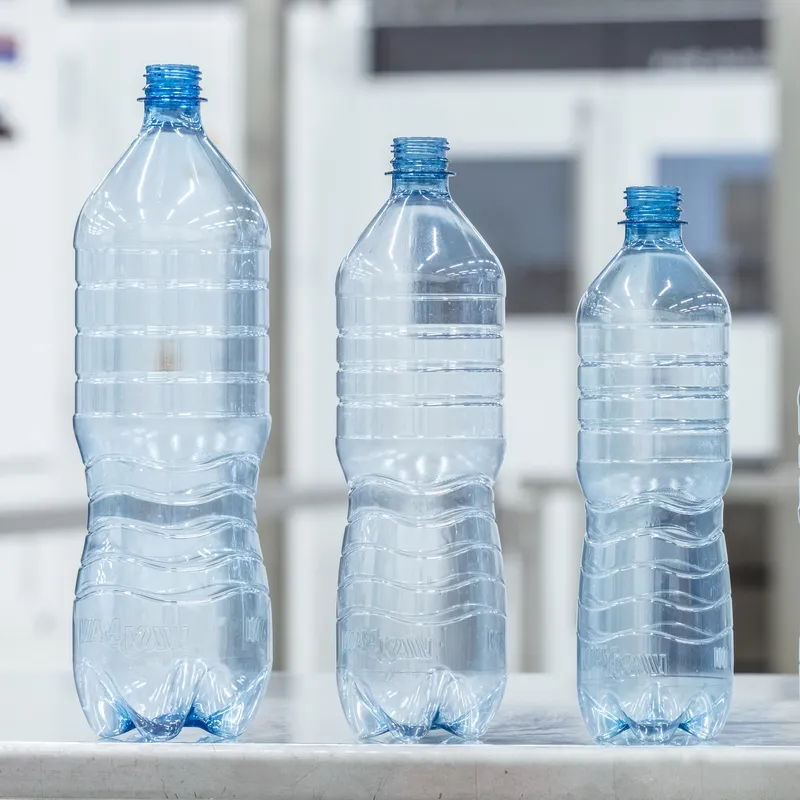
Blow molding vs. injection molding impacts product design and manufacturing budgets. Blow molding works best for hollow parts like bottles and containers. Injection molding supports complex, solid parts with detailed features. Tooling for blow molding usually costs less, making it attractive for lower-volume production. Injection molding requires higher initial investment, but it delivers high precision and efficiency for large-scale runs.
*Tip: Manufacturers should consider the end-use of the product and expected production volume when choosing between blow molding vs. injection molding.
Key Similarities
Despite their differences, blow molding vs. injection molding share several important similarities. Both processes play a vital role in modern manufacturing and offer benefits for mass production. Key similarities include:
- Both use plastics that are lightweight and recyclable, making them ideal for packaging applications.
- Each process can produce high volumes of uniform products, which is essential for mass production in various industries.
blow molding vs. injection molding both support efficient workflows and help manufacturers meet strict quality standards. Companies in automotive, consumer goods, and packaging industries rely on these processes to deliver consistent results.
Blasformverfahren
How Does Blow Molding Work?
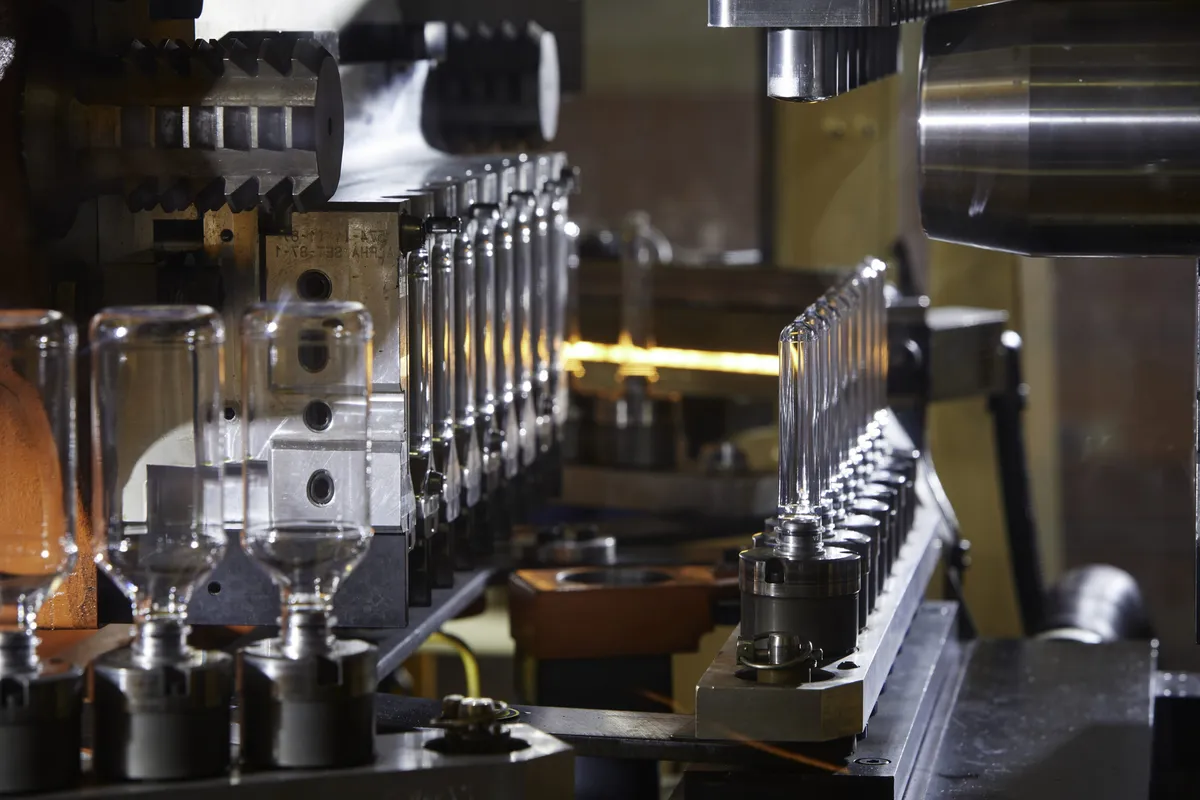
Blow molding creates hollow plastic parts using a series of controlled steps. The process begins when the extruder pushes melted plastic through an annular die, forming a cylinder called a parison. The mold halves close around the parison, pinching it at the top and bottom. Air passes through a blow pin into the sealed parison, forcing the plastic against the cold mold surfaces. The mold shapes the part, which ejects after cooling. A trimmer removes excess material.
Wall thickness variation occurs during blow molding. Manufacturers control wall thickness by adjusting the die gap as the parison extrudes. Different products require specific wall thicknesses, so operators use wall thickness controllers or regulate equipment parameters to achieve the desired results.
*Note: Blow molding offers flexibility for producing bottles, containers, and other hollow plastic parts with uniform walls.
Types of Blow Molding
Blow molding includes several main types, each suited for different applications. The table below summarizes the process and typical uses:
| Type of Blow Molding | Process Description | Anwendungen |
|---|---|---|
| Extrusion Blow Molding (EBM) | Plastic extrudes into a hollow tube, then inflates in a mold. | Bottles, containers, automotive parts |
| Injection Blow Molding (IBM) | Plastic injects into a mold to create a preform, then blows into shape. | Small, detailed containers, medical packaging |
| Stretch Blow Molding (SBM) | Parison stretches before blowing, increasing strength and clarity. | High-quality PET bottles for beverages |
ISBM Machine Overview
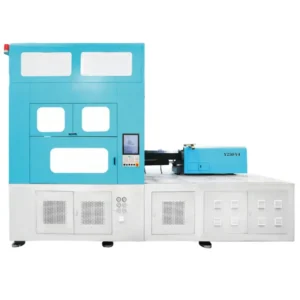
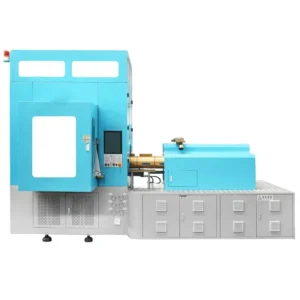
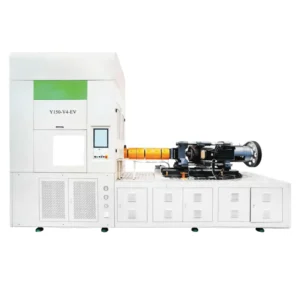
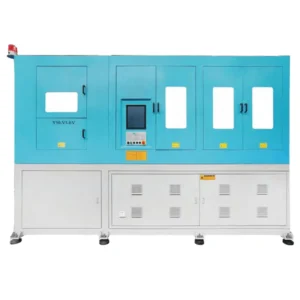
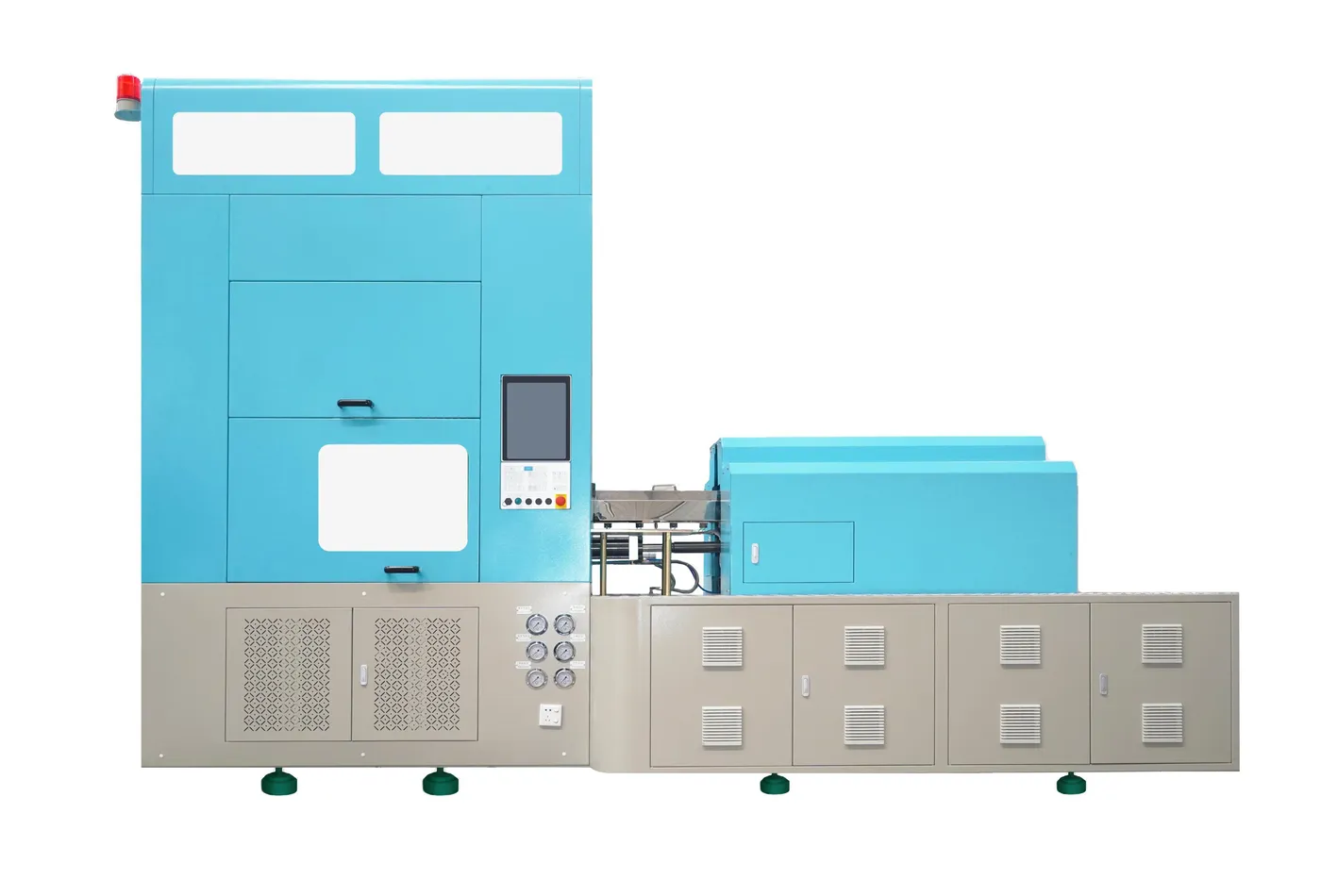
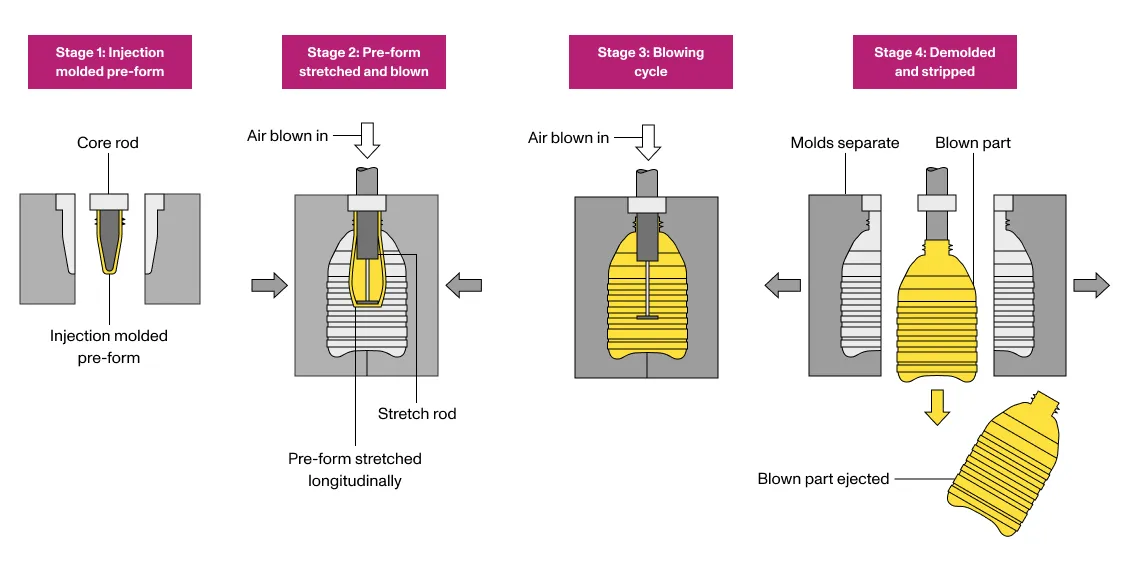
ISBM machine, or Injection Stretch Blow Molding machine, represents a modern solution for manufacturers. The machine heats plastic preforms above their glass transition temperature and inflate them into bottles. ISBM machine delivers superior product quality, producing bottles with high clarity, smooth finishes, and uniform wall thickness. The machine allows for intricate shapes and custom designs, meeting diverse market needs. The ISBM machine also supports sustainability by reducing material waste and using eco-friendly materials. Integrated processing increases production efficiency and reduces downtime, making mass production cost-effective.
| Advantage | Beschreibung |
|---|---|
| Superior product quality | High clarity, smooth finishes, uniform wall thickness |
| Flexible design capabilities | Intricate shapes, custom designs |
| Nachhaltigkeit | Less material waste, supports eco-friendly materials |
| High production efficiency | Faster throughput, reduced downtime |
Blow molding serves many industries. The table below lists common products and sectors:
| Industry | Gängige Produkte |
|---|---|
| Konsumgüter | Bottles, shampoo containers, household cleaning bottles |
| Automobil | Fuel tanks, ducts, air reservoirs |
| Industrial and Medical | Industrial containers, storage tanks, medical packaging |
| Construction and Gardening | Water tanks, garden furniture, toolboxes |
| Sports Goods | Sports bottles, cones, protective gear |
| Toys | Plastic balls, action figures, hollow building blocks |
Spritzgießverfahren
Wie funktioniert Spritzgießen?
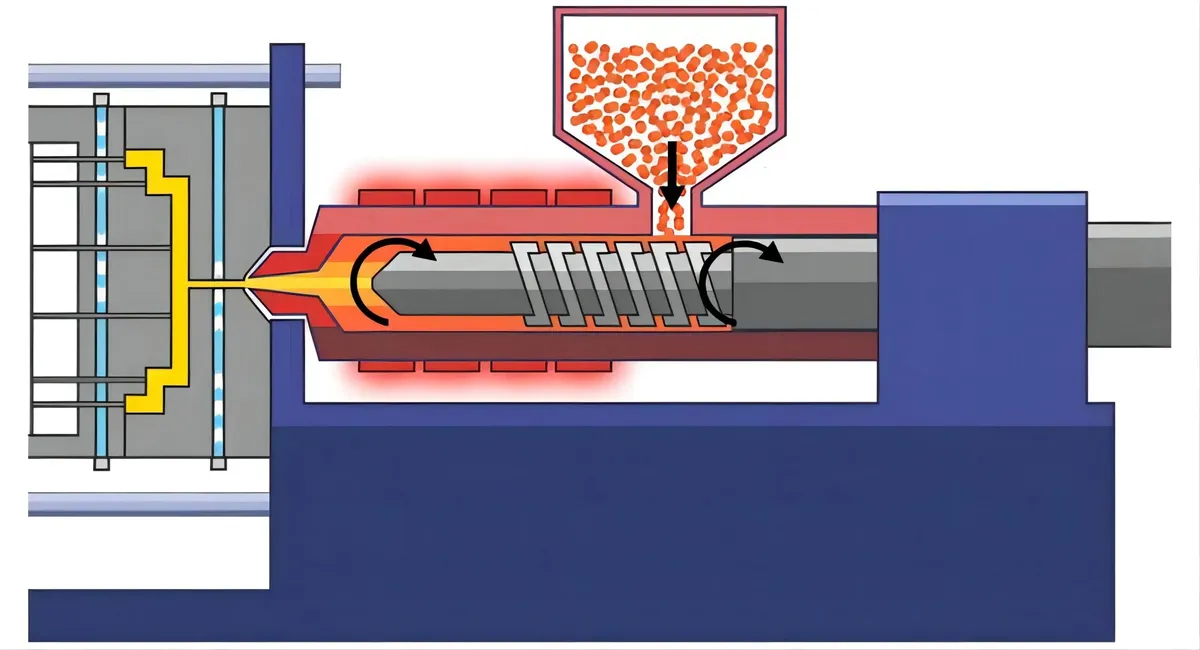
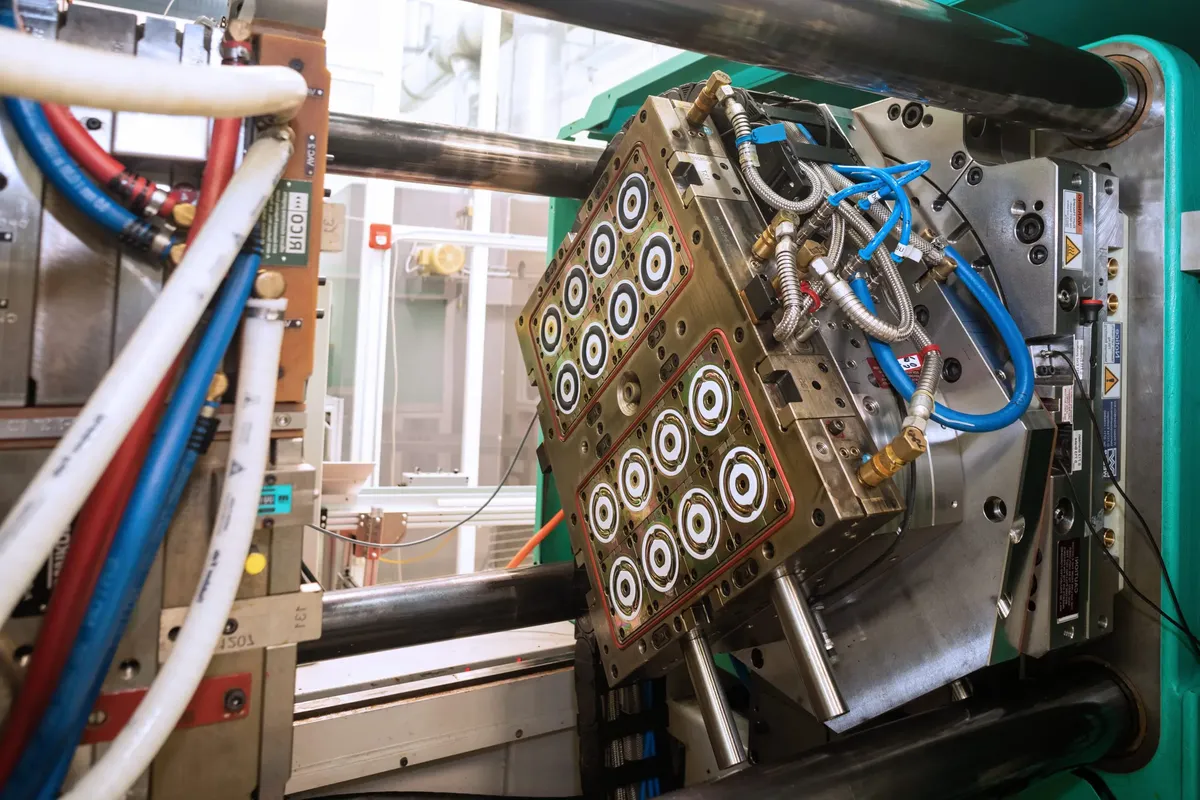
Injection molding produces complex solid parts with high precision. The process uses plastic pellets that melt inside a heated barrel. The machine injects the molten plastic into a closed mold under high pressure. This method creates detailed shapes and consistent quality.
The main stages of injection molding include:
- Mold Clamping: The machine closes the mold, forming a hollow space for the plastic part.
- Injection and Pressure Packing: Molten plastic enters the mold cavity. High pressure fills every detail and compensates for shrinkage.
- Cooling and Solidification: The plastic cools and hardens. Mold temperature affects the final product’s strength and appearance.
- Mold Opening and Part Ejection: The mold opens. Ejector pins push the finished part out.
*Tip: Manufacturers use injection molding for parts that require tight tolerances and complex features. This process ensures repeatable results for large production runs.
Types of Injection Molding
Manufacturers select different types of injection molding based on material and product needs. Each type offers unique advantages and disadvantages.
The table below summarizes the main types:
| Type of Injection Molding | Vorteile | Nachteile |
|---|---|---|
| Metal Injection Molding | Creates complex metal parts. High volume production. Precise features and minimal waste. | Equipment is expensive. Limited to smaller volumes and sizes. Used mainly for high-end applications. |
Plastic injection molding remains the most common method. It allows for mass production of parts with varied shapes and sizes. Metal injection molding suits specialized industries needing strong, detailed components.
Typical products and industries using injection molding include:
| Industry | Produkte |
|---|---|
| Consumer Electronics | Smartphone casings, remote controls, keyboard keys, mouse shells, webcam frames |
| Medical Devices and Components | Surgical instruments, diagnostic kits, prosthetic parts, x-ray components |
| Automotive Parts | Dashboard components, cup holders, bumpers, light housings, air vents |
| Everyday Household Items | Kitchen appliances, containers, bottle caps, laundry baskets, toothbrushes, plastic cutlery |
| Packaging and Food-Safe Products | Beverage containers, food storage solutions, yogurt cups, coffee lids, condiment bottles |
| Agricultural Products | Tool handles, machinery components, irrigation fittings, seed trays, animal tags |
| Defense Industry Parts | Helmet components, communication device casings, protective gear parts |
| Musical Instruments | Keys for wind instruments, drum parts, music stands, instrument cases |
| Furniture | Chair bases, decorative elements, ergonomic components, outdoor furniture parts |
Injection molding supports a wide range of industries. Manufacturers rely on this process to produce durable plastic parts for electronics, medical devices, automotive components, and everyday items.
 |
 |
Prozessvergleich
Product Geometry
Injection molding creates solid plastic parts with intricate shapes and fine details. Precision machined molds allow manufacturers to add features like ribs, internal cores, and textures. Blow molding works best for hollow, thin-walled products such as bottles and containers. This process cannot achieve the same level of complexity or accuracy. Manufacturers choose blow molding for simple hollow bodies and injection molding for complex, solid designs.
Materialauswahl
Material choice affects product performance and cost. The table below shows common plastics used in each process:
| Material | Type of Molding | Wichtigste Eigenschaften |
|---|---|---|
| HDPE | Blasformen | Chemical resistance, temperature resistance, high strength |
| LDPE | Blasformen | Soft, flexible, ideal for packaging |
| PP | Both | Stiff, less dense, high temperature resistance |
| ABS | Both | Good for housings, lacks chemical resistance |
| Acryl | Spritzgießen | Glass-like look, UV resistance, stain resistant |
| Acetal | Spritzgießen | Tough, strong, resists friction and heat |
Manufacturers select plastics based on the required durability, flexibility, and appearance.
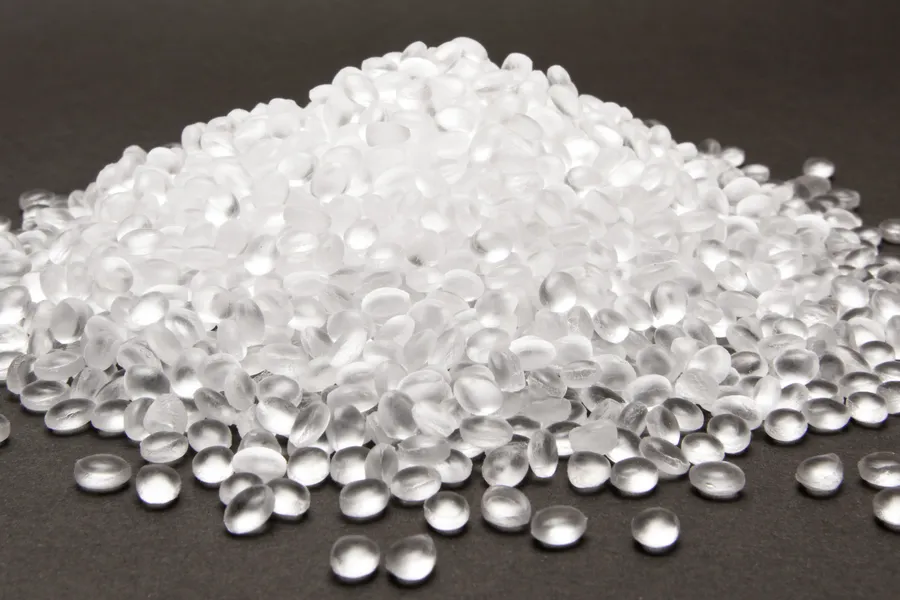 |
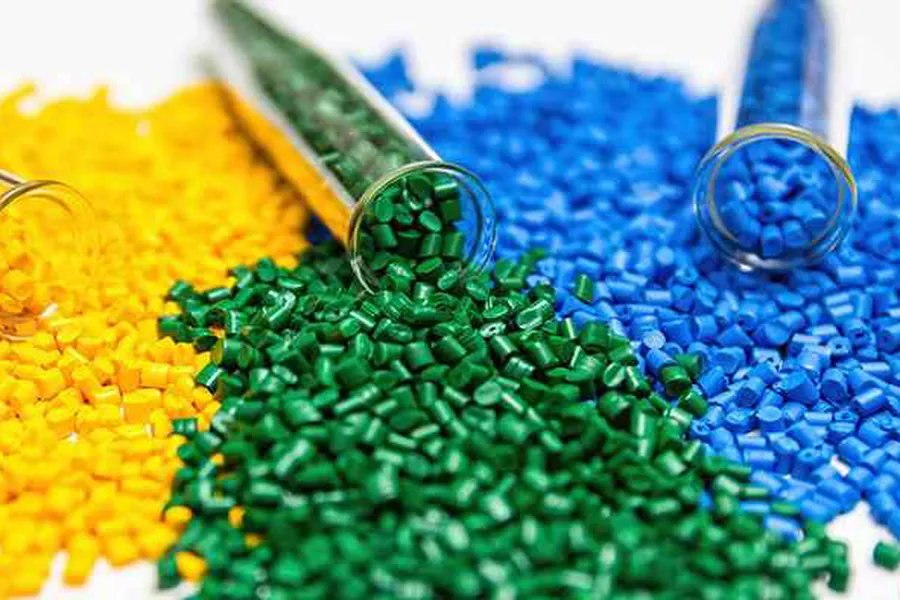 |
| LDPE Material | ABS Material |
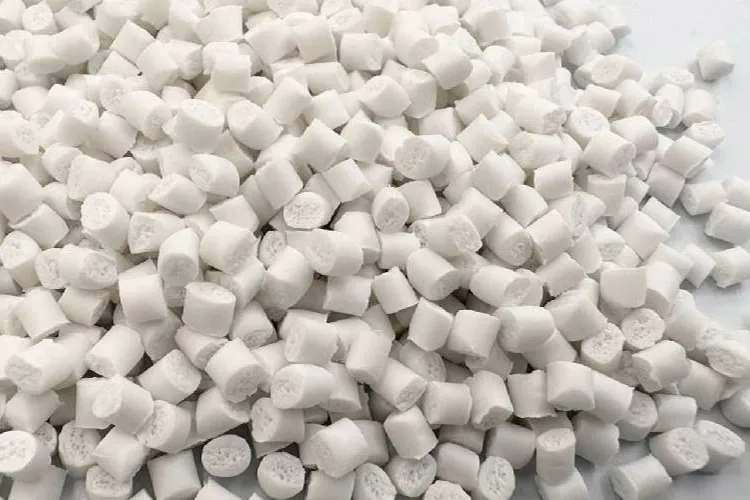 |
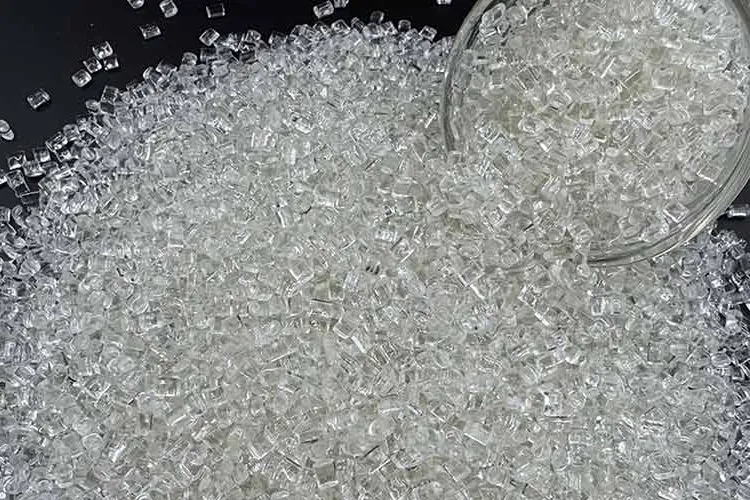 |
| PP-Material | PET-Material |
Produktionsgeschwindigkeit
Blow molding offers short cycle times, often measured in seconds. This speed makes it ideal for mass production of hollow items. Injection molding may take longer, especially for complex shapes, but it excels in producing detailed parts efficiently once the mold is set up.
| Formteilart | Zykluszeit | Produktionsvolumen |
|---|---|---|
| Blasformen | Short (Seconds) | High (Ideal for bottles, containers) |
| Spritzgießen | Longer (Seconds-Minutes) | Varies (Best for complex parts) |
Cost Factors
Several factors influence the cost of plastic part production. The table below outlines key considerations:
| Cost Factor | Beschreibung |
|---|---|
| Material Choice | Some plastics cost more than others |
| Complexity of the Design | Intricate shapes increase tooling and production costs |
| Mold Design and Tooling | Advanced molds require more time and expertise |
| Manufacturer Location | Labor rates and overhead vary by region |
| Produktionsvolumen | Higher volumes lower per-unit costs |
| Zykluszeit | Faster cycles reduce labor and machine expenses |
| Labor and Expertise | Skilled workers minimize errors and waste |
| Secondary Operations | Trimming or assembly adds to overall costs |
| Quality Assurance and Testing | Ensures reliability but increases expenses |
Manufacturers balance these factors to optimize budgets and maintain product quality.
Precision and Quality
Injection molding delivers high precision, maintaining tolerances as tight as +/- .001 inches. This process produces complex shapes with consistent performance, making it suitable for automotive, medical, and defense applications. Blow molding often results in variations in wall thickness, making it difficult to achieve uniform parts. The table below compares both processes:
| Aspekt | Blasformen | Spritzgießen |
|---|---|---|
| Präzision | Less precise | Highly precise |
| Tolerances | More variation | Tight tolerances |
| Overall Product Quality | Lower due to wall thickness variation | Higher due to consistent performance |
*Note: Injection molding is ideal for intricate plastic parts that require high quality and tight tolerances. Blow molding suits high-volume production of hollow items but may sacrifice some precision.
Process Selection Guide
Choosing Blow Molding
Manufacturers select blow molding when they need to produce hollow plastic items with regular shapes. This method works best for medium to high production volumes, especially when the design does not require intricate details. Lower tooling costs make blow molding attractive for limited budgets or prototype runs. The process also supports fast production rates, which increases efficiency. Companies often use blow molding for packaging, consumer goods, and industrial components. Lightweight products and sustainability goals further enhance its appeal.
Blow molding is ideal for:
- Hollow products such as bottles and containers
- Medium to high annual volumes (over 3,000 units)
- Projects with limited budgets
- Applications where lightweight and recyclable materials matter
*Tip: ISBM machine should be considered for products that require higher strength and clarity, such as food and beverage packaging or large containers.
Choosing Injection Molding
Injection molding suits manufacturers who need complex, solid parts with detailed features. This method allows for high precision and tight tolerances, which is essential for medical devices and automotive components. The process supports rapid production rates and consistent quality, making it efficient for large-scale manufacturing. Injection molding also enables the integration of multi-material and multi-color components in a single step.
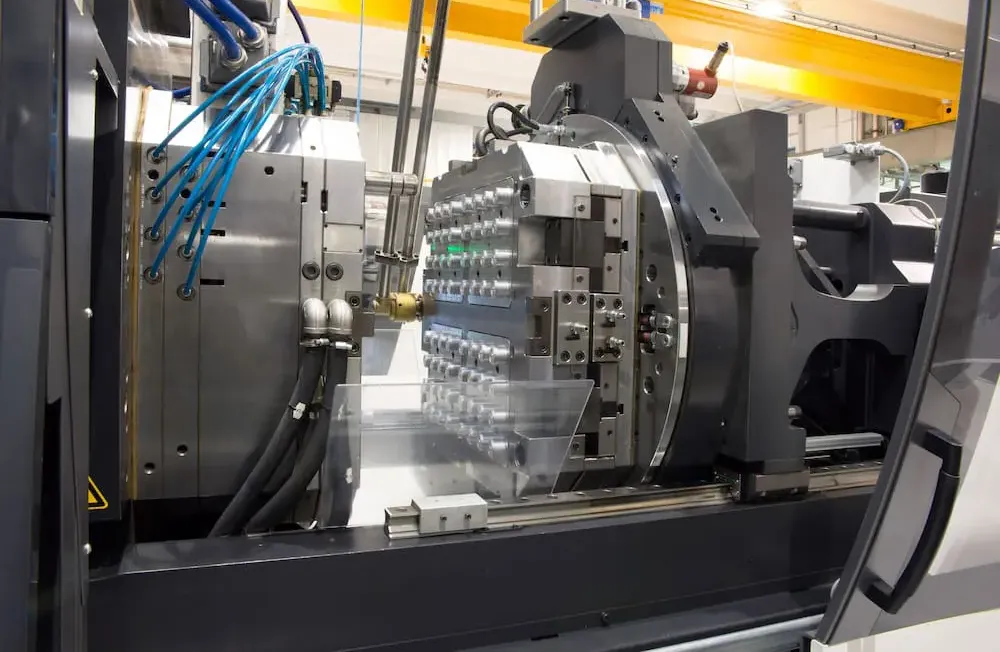
Injection molding is optimal for:
- Intricate designs and unique geometries
- High-volume production with consistent quality
- Projects requiring tight tolerances and high precision
- Applications in medical, electronics, and automotive industries
*Note: Injection molding reduces assembly steps and secondary operations, which saves time and cost.
Decision Factors
Manufacturers evaluate several criteria before selecting a molding method. The following table summarizes the most important factors:
| Kriterien | Beschreibung |
|---|---|
| Application Requirements | Product shape, size, and complexity guide the choice between blow molding and injection molding. |
| Materialverträglichkeit | Some plastics perform better with one process than the other. |
| Time Constraints | Injection molding offers faster production cycles, but mold preparation may take longer. |
| Produktionsvolumen | High volumes favor injection molding; lower volumes suit blow molding due to lower tooling costs. |
| Kostenüberlegungen | Budget impacts the choice; blow molding is more economical for short runs, while injection molding benefits long-term production. |
Manufacturers should match the process to their product’s geometry, material needs, budget, and production timeline. ISBM machine provides advanced solutions for projects demanding superior clarity and strength in hollow products.
Manufacturers see clear differences between blow molding and injection molding. Blow molding shapes hollow parts by heating a parison and using air, while injection molding creates solid parts by injecting melted plastic into a mold under pressure. Both processes require precise molds and support high-volume production.
Aligning process selection with product needs and business goals improves communication, optimizes resources, and increases product quality.
Recommended next steps include:
- Consulting with material and design experts.
- Evaluating project requirements such as material selection, production volume, and part complexity.
- Considering advanced technologies like ISBM machine for improved efficiency and product quality.
| Faktor | Beschreibung |
|---|---|
| Materialauswahl | Assess chemical resistance, temperature, flexibility, and cost. |
| Produktionsvolumen | Estimate volume to guide process choice and scalability. |
| Teilekomplexität | Match complexity with the most suitable molding process. |
Häufig gestellte Fragen
Q: What Products Suit Blow Molding Best?
A: Manufacturers use blow molding for hollow items. Common products include bottles, containers, automotive fuel tanks, and sports equipment. This process works well for high-volume production of lightweight, uniform parts.
Q: How Does Injection Molding Improve Precision?
A: Injection molding uses high-pressure molds. This method creates solid parts with tight tolerances and detailed features. Industries such as automotive and medical rely on injection molding for consistent quality and accuracy.
Q: Can Both Processes Use Recycled Plastics?
A: Yes, both blow molding and injection molding accept recycled plastics. Manufacturers often choose recycled materials to reduce costs and support sustainability goals. Material selection depends on product requirements and desired properties.
Q: What Are ISBM Machines Used For?
A: ISBM machines produce bottles and containers with high clarity and strength. Manufacturers prefer ISBM for food, beverage, and cosmetic packaging. These machines offer advanced design flexibility and efficient production.
Q: Which Process Has Lower Tooling Costs?
A: Blow molding usually has lower tooling costs. Manufacturers select this process for short runs or prototypes. Injection molding requires higher initial investment but offers cost savings for large-scale production.