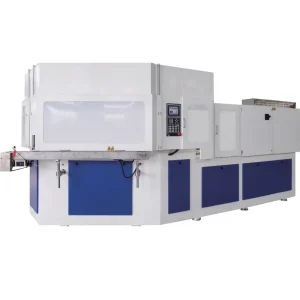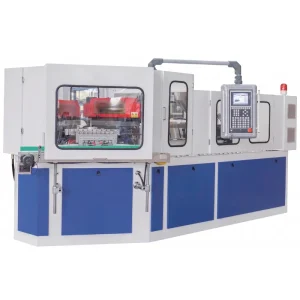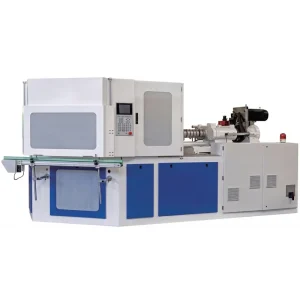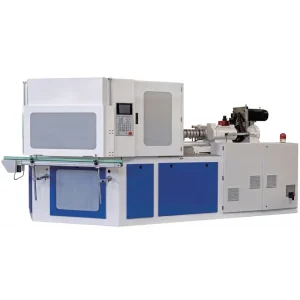
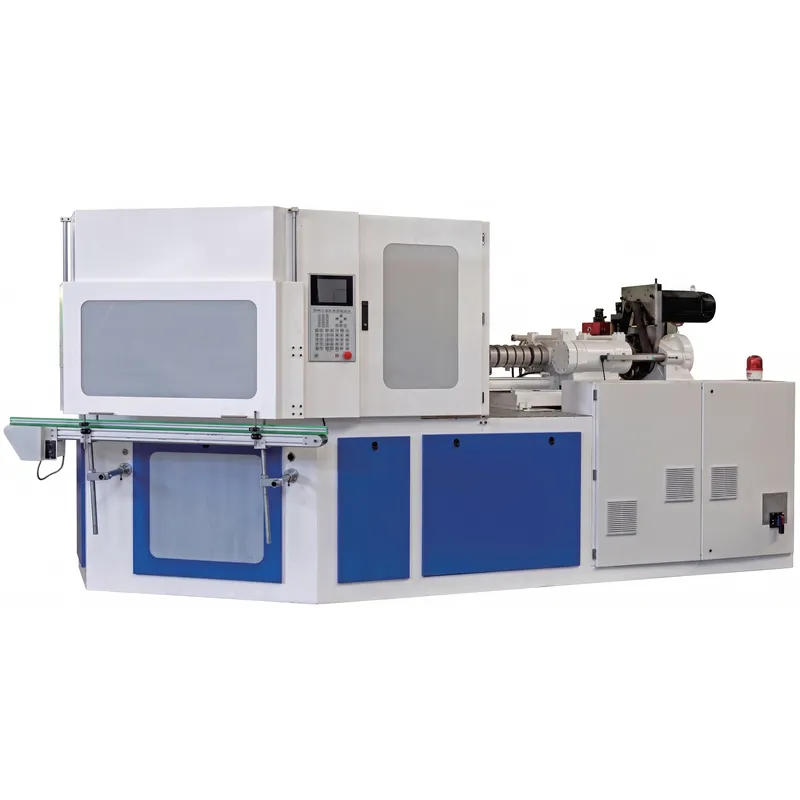
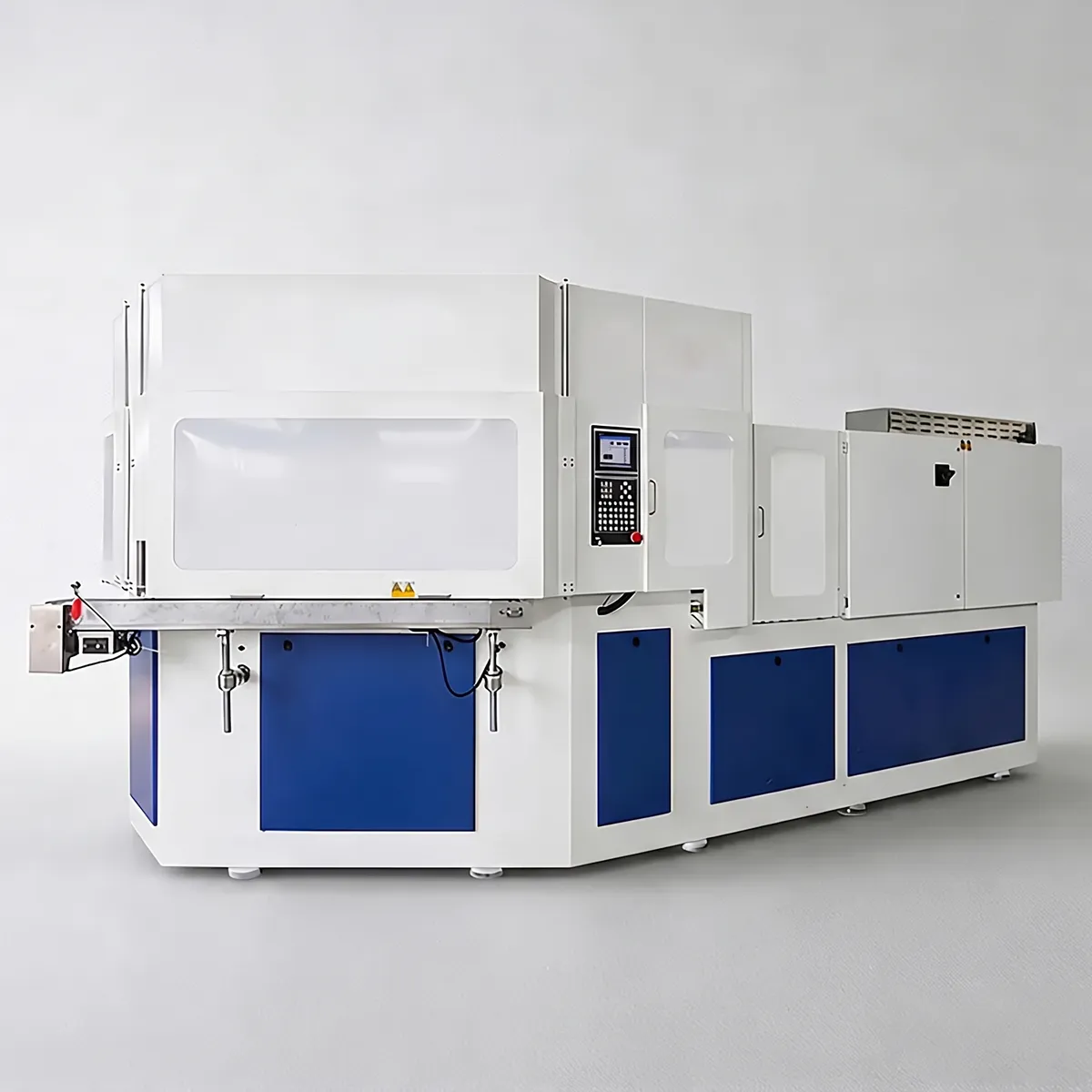
유니로이 UIB120 모델용 ZQ80 사출 블로우 성형기 교체 부품
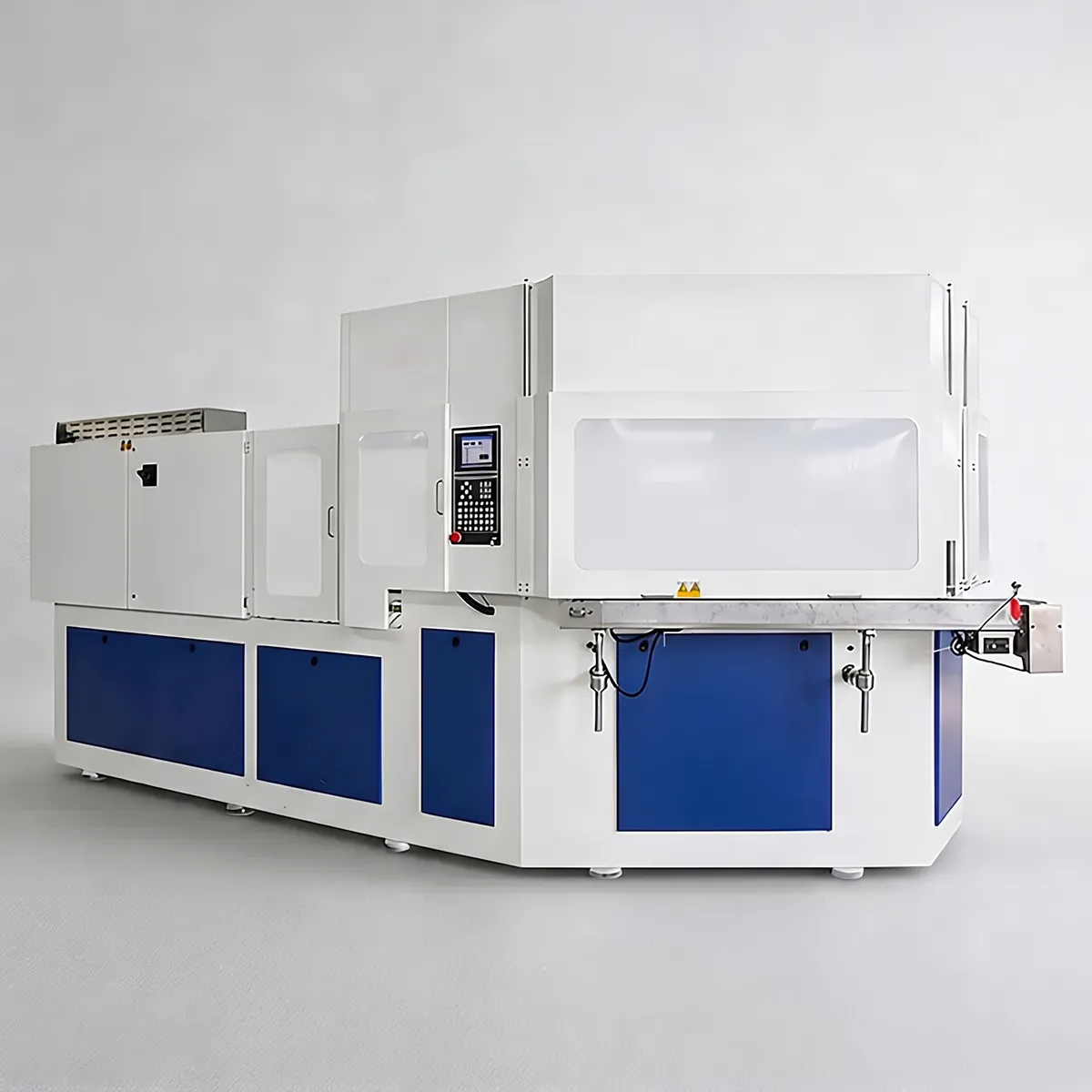
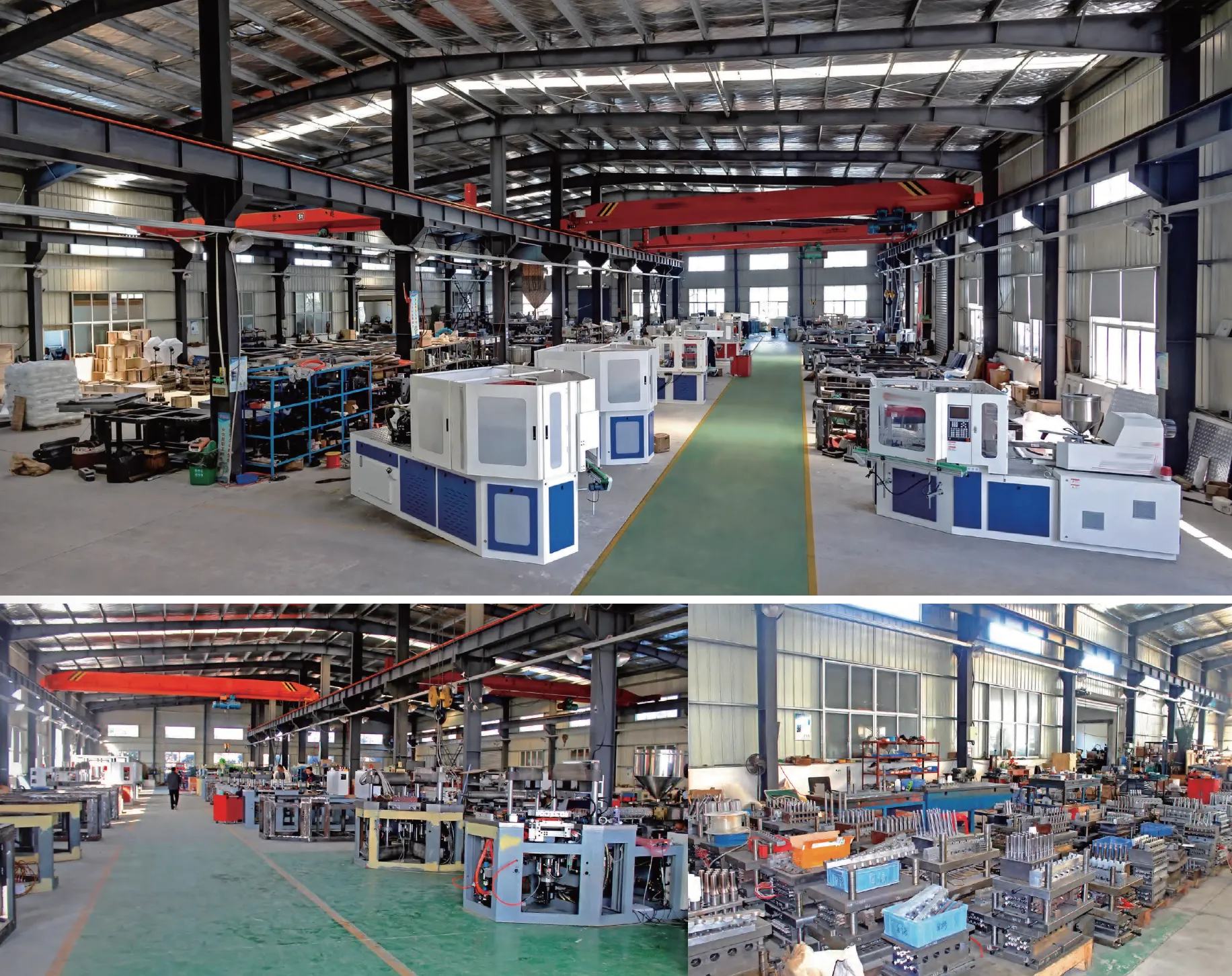
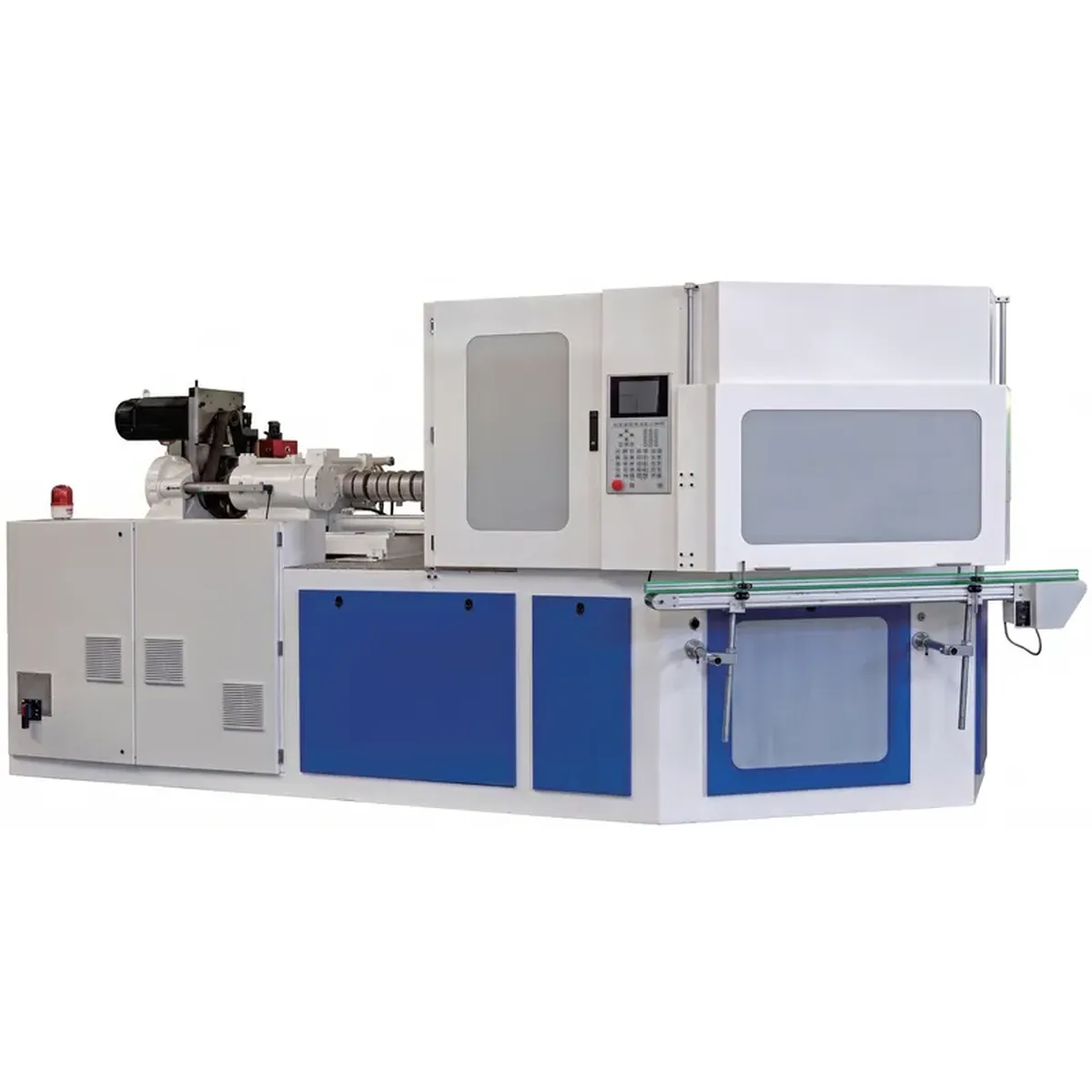
에버파워(Ever-Power)는 제약, 화장품, 생활용품 분야에 사용되는 소형 및 중형 플라스틱 병의 대량 생산에 특화된 고효율 및 에너지 절약형 ZQ80 사출 블로우 성형기를 유니로이(Uniloy) UIB120 모델의 직접적인 대체 장비로 제공합니다. 정밀한 온도 및 압력 제어 시스템을 갖춘 이 블로우 성형기는 모든 생산 공정에서 균일한 벽 두께, 매끄러운 표면, 안정적인 치수 정확도를 보장합니다. ZQ80은 유압 오일을 전혀 사용하지 않는 완전 서보 제어 방식의 전기식 사출 블로우 성형기입니다. 모든 기계 동작은 반복적이고 정밀한 위치 제어를 위해 절대 엔코더가 장착된 서보 모터로 구동됩니다.
Ever-Power provides a high-efficiency and energy-saving ZQ80 injection blow molding machine as a direct replacement for the Uniloy UIB120 Model, purpose-built for mass production of small and medium-sized plastic bottles across pharmaceutical, cosmetic, and daily-chemical applications. Equipped with precise temperature and pressure control systems, this blow injection moulding machine ensures uniform wall thickness, a smooth surface, and stable dimensional accuracy across every production run. The ZQ80 is a fully servo-controlled all electric injection blow molding machine that operates with zero hydraulic oil involved; every machine movement is driven by servo motors fitted with absolute encoders for repeatable, high-precision positioning. Compared with traditional hydraulic IBM machines, the ZQ80 delivers a 20% shorter cycle time, achieving 8.2 seconds per cycle on 30 ml bottles, which translates to 105,000 bottles per day under standard conditions and a peak daily output of 115,000 bottles. Energy consumption is simultaneously reduced by approximately 30%, running at around 12 kWh per hour during 30 ml bottle production. Low-noise operation and the elimination of hydraulic oil make the ZQ80 one of the most competitively positioned plastic injection blow molding machines in its class.
A special clamping structure with 40 to 80 tons of adjustable clamping force allows the ZQ80 to accommodate a wide range of mold configurations and bottle specifications. The bottom-up structural design keeps the mold area entirely free of lubricating oil, satisfying GMP hygienic standards for pharmaceutical packaging, baby-care products, and premium cosmetic bottles. The injection unit is driven by an electric cylinder, delivering superior injection stability and dramatically lowering lifetime maintenance costs compared with hydraulic counterparts. This customized injection blow molding machine for sale is fully tailorable to customer-specific cavity counts, screw diameters, and bottle geometries. For fully unmanned operations, the conveyor output can be integrated with vision-inspection systems capable of checking for foreign particles in the bottle body, insufficient material at the mouth, and uneven bottle bases, as well as side-leak testers, labeling machines, and automatic palletizing or packaging equipment. The ZQ80 IBM machine is shipped and commissioned worldwide, with active installations in Korea, India, Turkey, Russia, South Africa, Brazil, the USA, and Mexico.
금형 캐비테이션 (참고용)
| 대략적인 부피 | 10ml | 30ml | 60ml | 100ml | 250ml | 500ml | 1000ml |
| 최대 공동화 | 20 | 18 | 14 | 12 | 8 | 5-6 | 3-4 |
기술 사양
| 목 | 단위 | ZQ80 |
| 주입 시스템 | ||
| 나사 직경 | mm | 55 |
| 나사 L/D | % | 22:1 |
| 주입량! | g | 466 |
| 난방력 | KW | 11 |
| 배럴 존의 수 | 4+N | |
| 주사 스트로크 | mm | 180 |
| 클램핑 시스템 | ||
| 사출 클램핑력 | 케이엔 | 800 |
| 주사를 위한 시작 스트로크 | mm | 140 |
| 블로우의 클램핑력 | 케이엔 | 120 |
| 불기 위한 시작 스트로크 | mm | 140 |
| 회전 테이블의 들어올리는 높이 | mm | 70 |
| 곰팡이 | ||
| 플래튼 최대 크기(가로x세로) | mm | 800x400 |
| 금형 두께 | mm | 280 |
| 병의 지름 | mm | 120 |
| 병 높이 | mm | 220 |
| 적절한 병 높이 | mm | 1-2000 |
| 스트리핑 스트로크 | mm | 230 |
| 유압 시스템 | ||
| 유압 압력 | 지도 | 14 |
| 모터 출력 | KW | 18.5+18.5 |
| 건조 사이클 | 에스 | 4 |
| 총 전력 | KW | 55 |
| 작동 전력 | % | 52-70 |
| 기타 | ||
| 압축 공기의 최소 공기압 | MPa | 0.8-1.2 |
| 압축 공기 용량 | M³/min | 0.8 |
| 물의 흐름 | M³/h | 4 |
| 냉각수 압력 | MPa | 0.3-0.4 |
| 크기 (가로 x 세로 x 높이) | 중 | 4.5x1.6x2 |
| 순중량 | 톤 | 10 |
브랜드 및 모델 교체 가능
| 에버파워 | 클램핑력 | 조마르 | 수마 | 유니로이 | 블로마 |
| ZQ40 | 40톤 | IBM40 | 40iB | UIB70 | IBM45 |
| ZQ60 | 60톤 | IBM65 | 65iB | UIB90 | IBM50 |
| ZQ80 | 80T | IBM85S | 85iB | UIB120 | IBM85 |
| ZQ110 | 110T | IBM135 | 135iB | UIB150 | IBM135 |
| ZQ135 | 135톤 | IBM175 | 175iB | UIB180 |
IBM 머신 스크류 직경
| 에버파워 | 나사 직경 | 조마르 | 수마 | 블로마 |
| ZQ40 | 40/45 | 35/40 | 40 | 45 |
| ZQ60 | 45/50 | 45 | 40/50 | 50 |
| ZQ80 | 55 | 55 | 50/60 | 50 |
| ZQ110 | 65 | 65 | 65/76 | 70 |
| ZQ135 | 70 | 70 | 65/76 |
IBM 기계 주입 중량
| 에버파워 | 주입 중량 | 조마르 | 수마 | 블로마 |
| ZQ40 | 190/260 | 180 | 169 | 180 |
| ZQ60 | 260/383 | 205 | 169/264 | 240 |
| ZQ80 | 466 | 300 | 333/480 | 310/280 |
| ZQ110 | 540 | 450/550 | 580/770 | 560 |
| ZQ135 | 650 | 450/550 | 580/770 |
IBM 기계 사출 클램핑력
| 에버파워 | 사출 클램핑력 | 조마르 | 수마 | 블로마 |
| ZQ40 | 400kN | 340노트 | 386노트 | 350노트 |
| ZQ60 | 600KN | 460노트 | 580노트 | 500kN |
| ZQ80 | 800KN | 680노트 | 720노트 | 700KN |
| ZQ110 | 1100kN | 1210KN | 1200kN | 1250KN |
| ZQ135 | 1350노트 | 1560노트 | 1600kN |
IBM 기계 금형 크기
| 에버파워 | 금형 크기 | 조마르 | 수마 | 블로마 |
| ZQ40 | 480 × 340 | 394 × 508 | 470 × 350 | 450 × 390 |
| ZQ60 | 600 × 390 | 432 × 660 | 620 × 400 | 620 × 430 |
| ZQ80 | 800 × 400 | 464 × 749 | 700 × 400 | 620 × 430 |
| ZQ110 | 1100 × 460 | 559 × 1118 | 1000 × 500 | 900 × 480 |
| ZQ135 | 1300 × 500 | 635 × 1372 | 1200 × 600 |
IBM 머신 크기
| 에버파워 | 금형 크기(M) | 조마르 | 수마 | 블로마 |
| ZQ40 | 3.8 × 1.3 × 1.7 | 2.72 × 1.9 × 2.75 | 3.8 × 1.5 × 2.3 | 4.05 × 1.52 × 2.55 |
| ZQ60 | 3.8 × 1.4 × 1.8 | 2.92 × 1.98 × 3.41 | 4 × 1.7 × 2.3 | 620 × 430 × 2.55 |
| ZQ80 | 4.5 × 1.6 × 2 | 3.33 × 1.94 × 3.41 | 4.5 × 2 × 2.6 | 620 × 430 × 2.55 |
| ZQ110 | 5 × 1.8 × 2.2 | 3.79 × 2.4 × 3.41 | 5 × 2.4 × 2.7 | 900 × 480 × 2.55 |
| ZQ135 | 5.5 × 2 × 2.4 | 4.22 × 2.67 × 3.58 | 6 × 2.6 × 2.7 |
참고: 브랜드는 고객의 제품 선택을 돕기 위한 목적으로만 언급되었으며, 해당 브랜드의 제품을 판매하려는 의도는 없습니다.
Key Features of the ZQ80 IBM Machine
1. 높은 생산 능력
The ZQ80 injection blow molding machine achieves 105,000 bottles per day on 30 ml containers, with a peak output of 115,000 bottles per day, running continuously with minimal manual intervention. The 8.2-second cycle time and up to 18 cavities for 30 ml bottles give production floors a decisive throughput advantage, enabling rapid fulfillment of large-volume pharmaceutical, cosmetic, and beverage orders without compromising quality.
2. 맞춤형 몰딩 옵션
As a fully customized injection blow molding machine, the ZQ80 accommodates bottles from 1 ml to 1,000 ml in HDPE, LDPE, PP, PS, ABS, and more. The adjustable clamping force from 40 to 80 tons, combined with platen sizes up to 800 x 400 mm, allows engineers to switch between bottle geometries, cavity counts, and neck finishes with speed. Whether you produce wide-mouth jars, narrow-neck pharmaceutical vials, or squeeze bottles, the ZQ80 adapts to each specification.
3. 에너지 효율
이 완전 전기식 사출 블로우 성형기 reduces energy consumption by roughly 30% compared with conventional hydraulic models, consuming approximately 12 kWh per hour during 30 ml bottle production. The elimination of a hydraulic power unit removes standby power losses entirely. Operating power utilisation ranges from 52 to 70%, giving plant managers predictable energy budgets and measurable reductions in carbon footprint across high-volume production shifts.
4. 간편한 작동 및 유지보수
The ZQ80 IBM injection blow molding machine features an intuitive human-machine interface with servo drives and absolute encoders that simplify parameter entry and real-time monitoring. The electric-cylinder injection unit eliminates hydraulic oil changes, seal replacements, and related downtime. Routine maintenance is confined to cleaning, lubrication check points, and periodic calibration of servo actuators, all documented in comprehensive multilingual manuals provided during on-site commissioning by our senior engineers.
5. 품질 관리 및 일관성
Servo motors with absolute encoders maintain position accuracy to within fractions of a millimetre on every cycle. The ZQ80's precise temperature-zone control across 4+N barrel zones and the optimised hot-runner system keep gram-weight deviation and wall-thickness variation at industry minimums. Bottle weight variation is controlled to within approximately 1%, far tighter than extrusion blow moulding alternatives. For the most demanding pharma and high-clarity cosmetic specifications, this level of repeatability is non-negotiable.
6. Compatible with Uniloy UIB120 IBM Machine
The ZQ80 is engineered as a drop-in replacement for the Uniloy UIB120 Model IBM machine with equivalent 80-ton clamping force, 800 x 400 mm platen size, and 466 g injection weight. Facilities already operating UIB120 lines can transition to the ZQ80 using existing mold tooling in most configurations, minimising capital expenditure while immediately benefiting from all-electric drive efficiency, lower noise, and the elimination of hydraulic oil.
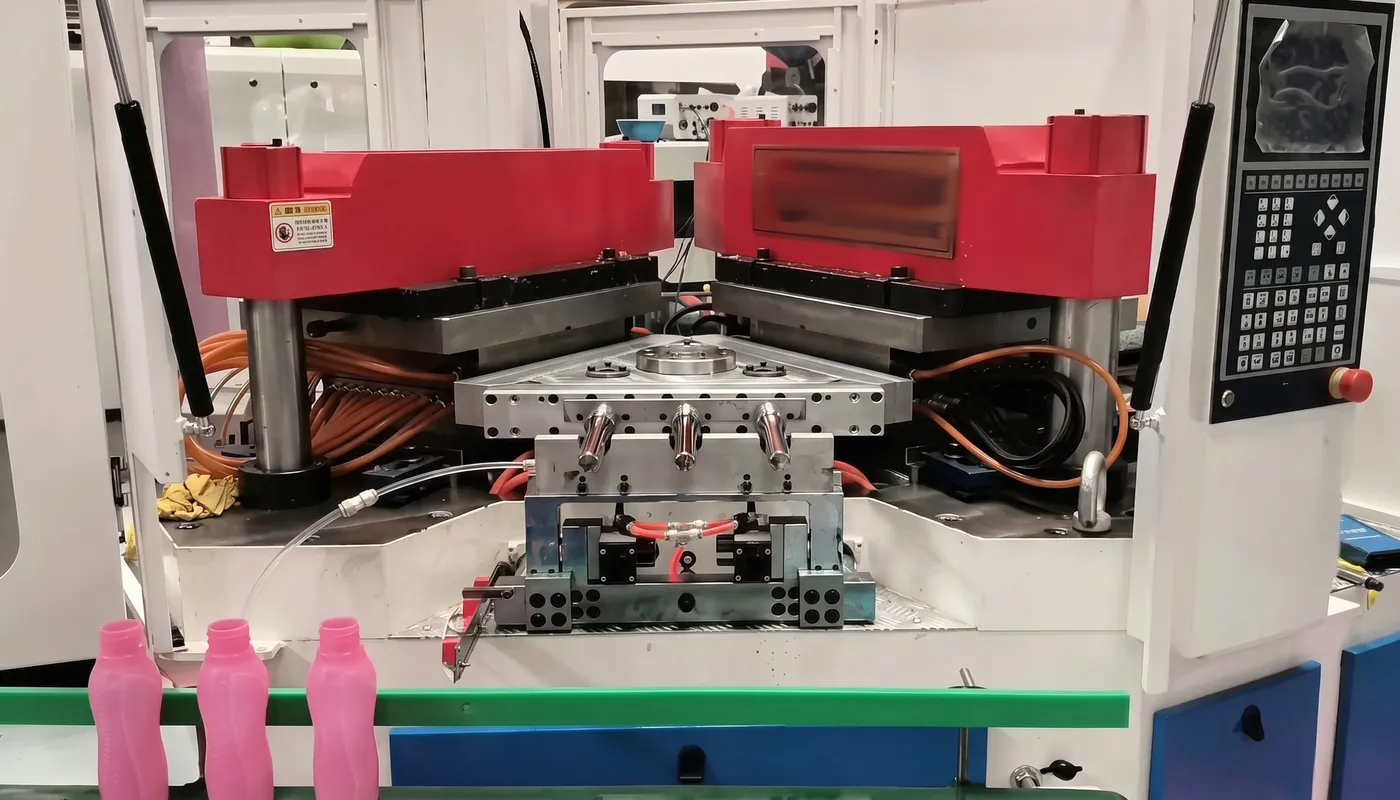
사출 블로우 성형기 공정
Preform Injection
Plastic resin is fed from the hopper into the temperature-controlled barrel, where the 55 mm screw with 22:1 L/D ratio plasticises the melt to the precise viscosity required for injection. The molten material is injected at up to 800 kN clamping force into the injection mold, where the preform is shaped with exact neck-thread geometry and parison dimensions. The mandrel core rod remains inside the preform throughout, maintaining concentricity. Once the neck is fully formed and cooled to dimensional stability, the mold opens and the mandrel transfers the preform to the blow station. The complete injection action occurs simultaneously with blowing and ejection at the other stations, ensuring continuous, zero-idle-time operation.
블로우 성형
The mandrel carrying the still-warm preform rotates 120 degrees to the blow station, where the blow mold closes at 120 kN clamping force. High-pressure air, supplied at 0.8 to 1.2 MPa, is injected through the mandrel core rod, inflating the preform outward until it conforms precisely to the cavity walls of the blow mold. Cooling water circulates through the mold at 0.3 to 0.4 MPa, rapidly solidifying the bottle shape. Wall thickness uniformity is maintained because the preform temperature profile and parison geometry are already set from the injection stage. Once cooling is complete, the blow mold opens and the mandrel rotates the formed bottle to the stripping station.
Stripping and Ejection
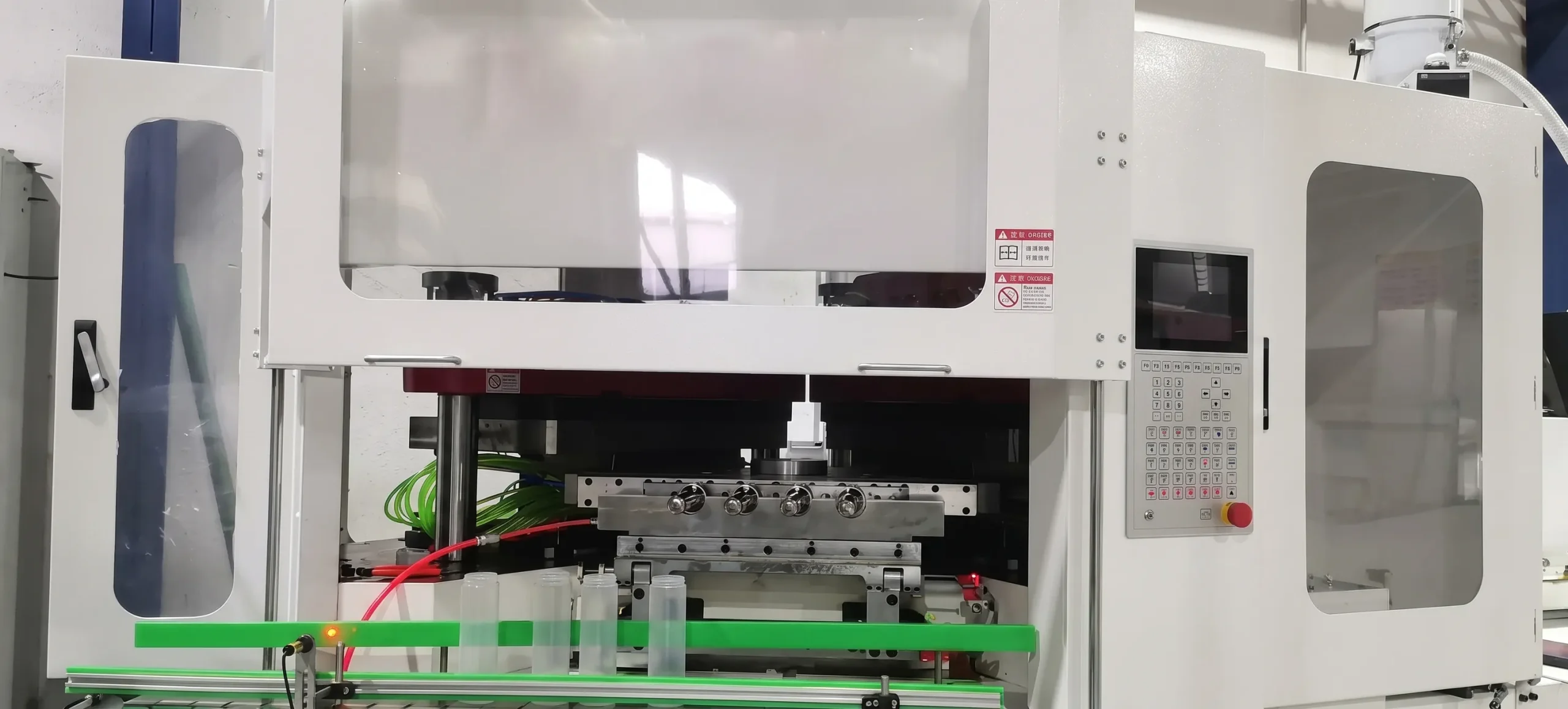
At the stripping station, the finished bottles are automatically ejected from the core rods with a 230 mm stripping stroke and released onto the integrated output conveyor. Because injection, blowing, and ejection all occur simultaneously at their respective stations on the rotating turret, the machine operates with a continuous three-action cycle that eliminates idle time and produces zero flash or waste from the bottle neck or base. This one-step injection blow moulding machine process produces no scrap compared with extrusion blow moulding, which typically generates 20 to 40% flash waste. The conveyor output can be connected directly to vision-inspection systems, leak testers, labeling machines, and automatic packaging lines for fully unmanned production.
응용 시나리오
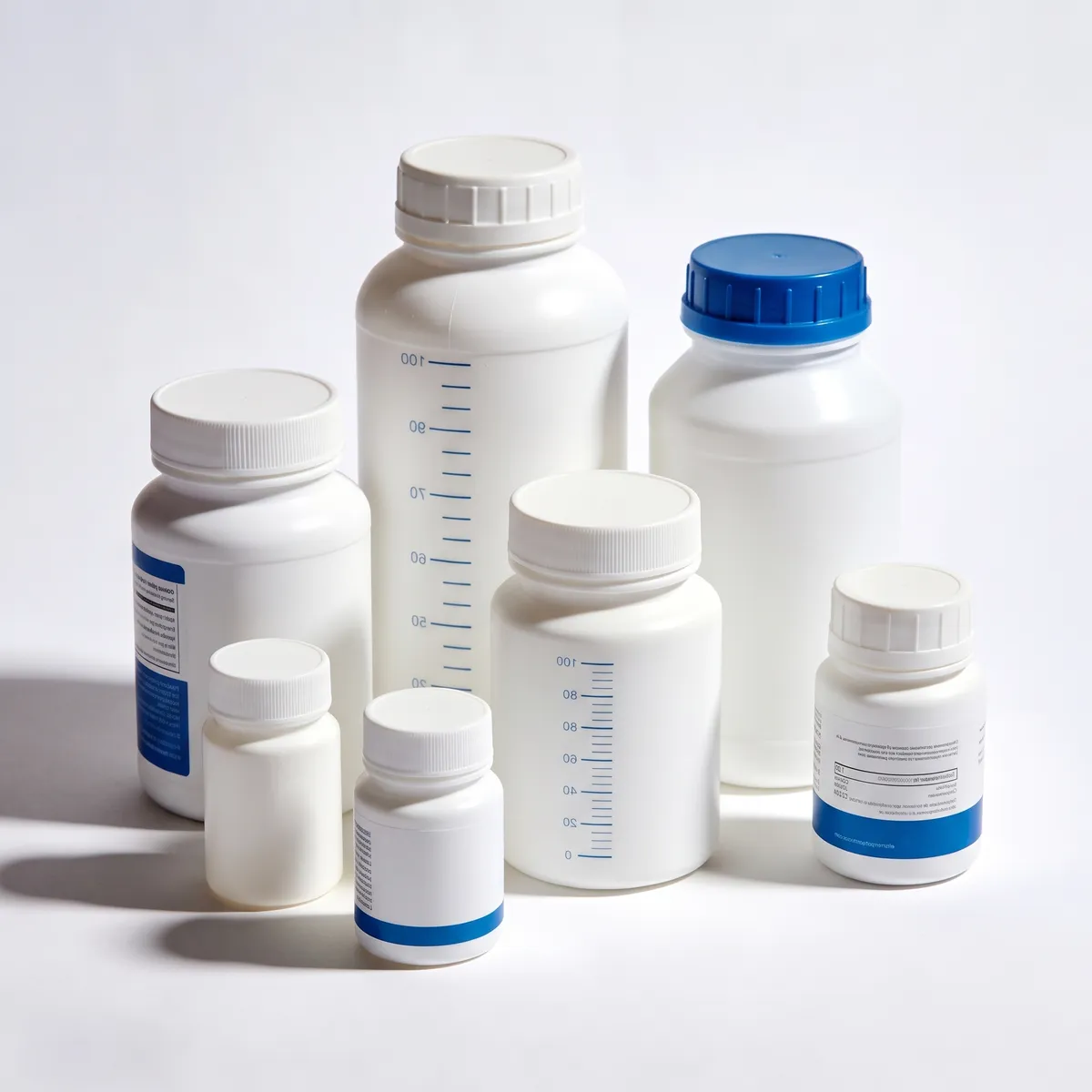
화학 약품 병
The ZQ80 handles HDPE and PP with excellent chemical resistance for cleaning agents, disinfectants, agricultural chemicals, and laboratory reagents. The precise neck-thread control ensures leak-proof closures even with aggressive chemical contents. High-cavitation molds for 250 ml and 500 ml containers maximise throughput for bulk industrial packaging runs.
화장품 용기
For shampoo, lotion, serum, and fragrance packaging, the ZQ80 delivers surface clarity and dimensional consistency that brand owners demand. High-transparency PP and PS grades produce bottles with excellent optical properties. Wall thickness uniformity below 1% variation ensures premium presentation across millions of identical units, supporting high-end cosmetic packaging lines worldwide.
약병
The bottom-up design of the ZQ80 eliminates all lubricating oil from the mold area, making it fully compliant with GMP hygienic standards for pharmaceutical packaging. Tablet bottles, syrup bottles, and oral liquid containers produced on this machine meet strict dimensional tolerances required for child-resistant closures. The machine is a preferred injection blow molding machine among pharmaceutical packaging OEMs globally.
음료수 병
PS lactic acid bacteria bottles, PP flavoured-drink containers, and specialty beverage packaging are all within the ZQ80's capability range. The machine handles volumes from 10 ml up to 1,000 ml, supporting single-serve and family-size formats. The zero-scrap process ensures no contamination risk from trimming flash, an important food-safety consideration for beverage packaging manufacturers operating under FSSC 22000 or BRC standards.
손 세정제 병
HDPE and LDPE hand wash and sanitiser bottles in 200 ml to 500 ml sizes are high-volume applications ideally suited to the ZQ80's multi-cavity capacity. The smooth, parting-line-free surface finish produced by injection blow moulding is particularly valued for translucent or opaque hand care packaging where label adhesion and print quality are critical commercial requirements.
Wide-Mouth Jars
Cream jars, protein supplement containers, and food-grade storage jars with wide-mouth openings are produced with precise thread accuracy and consistent rim flatness for reliable lid sealing. The ZQ80's 800 x 400 mm platen size accommodates wider jar molds while maintaining the same dimensional control. Wide-mouth jar applications from the beauty, nutraceutical, and food industries regularly specify injection blow moulding for its superior neck accuracy compared with extrusion alternatives.
점안액병
The ZQ80 is one of the most requested injection blow molding machines for ophthalmic packaging, producing LDPE and HDPE eye drop bottles from 5 ml to 30 ml with precisely formed dropper orifices and tamper-evident necks. The controlled parison temperature and blow pressure yield consistent wall thinness at the tip without pin holes or weak spots. GMP-compliant oil-free operation is mandatory for cleanroom-adjacent pharma packaging environments.
주방세제 병
HDPE dish soap, dishwashing liquid, and kitchen cleaner bottles in 250 ml to 1,000 ml formats benefit from the ZQ80's high cavitation numbers and fast cycle times. Flexible squeeze characteristics for LDPE variants and the rigidity of HDPE versions are both achievable through resin selection and processing parameter adjustment. High daily output rates make the ZQ80 cost-effective for household chemical brands producing tens of millions of units annually.
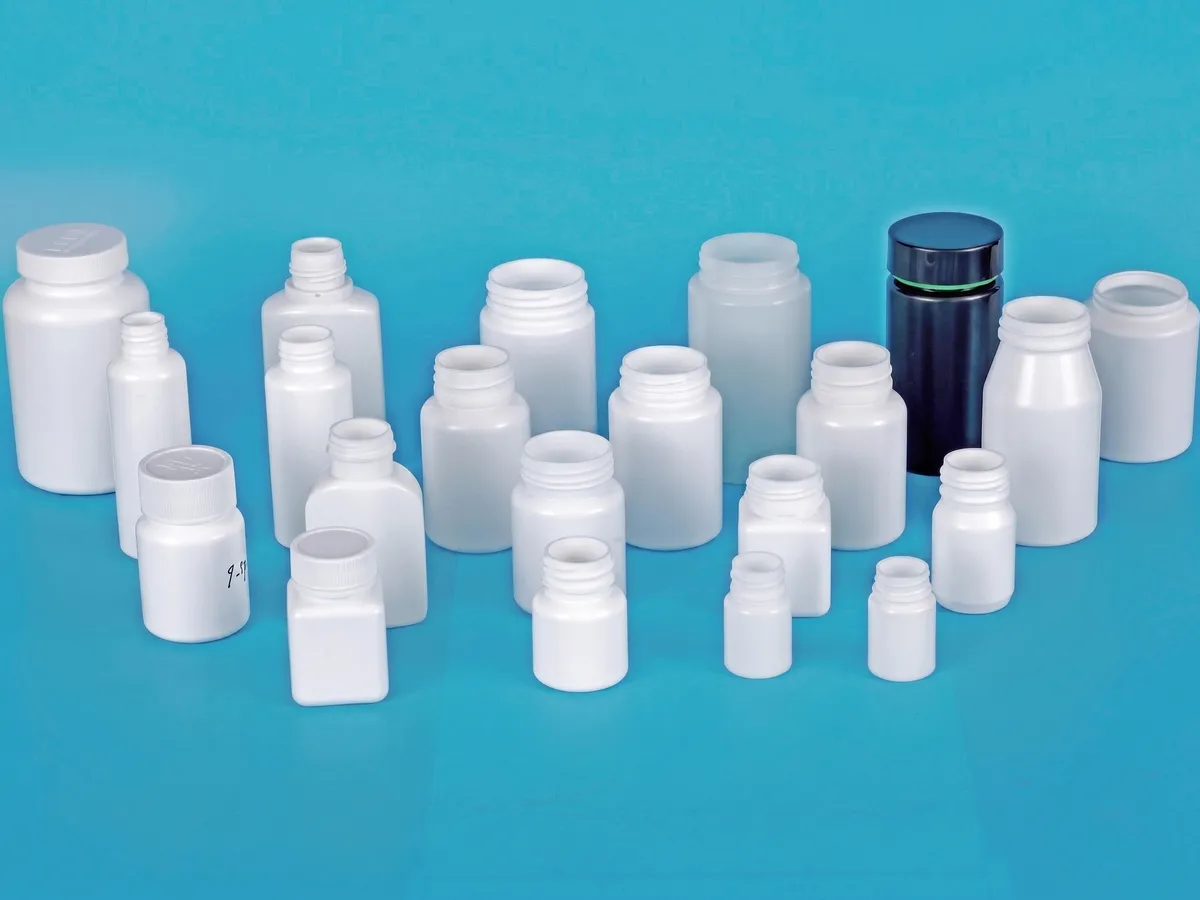 |
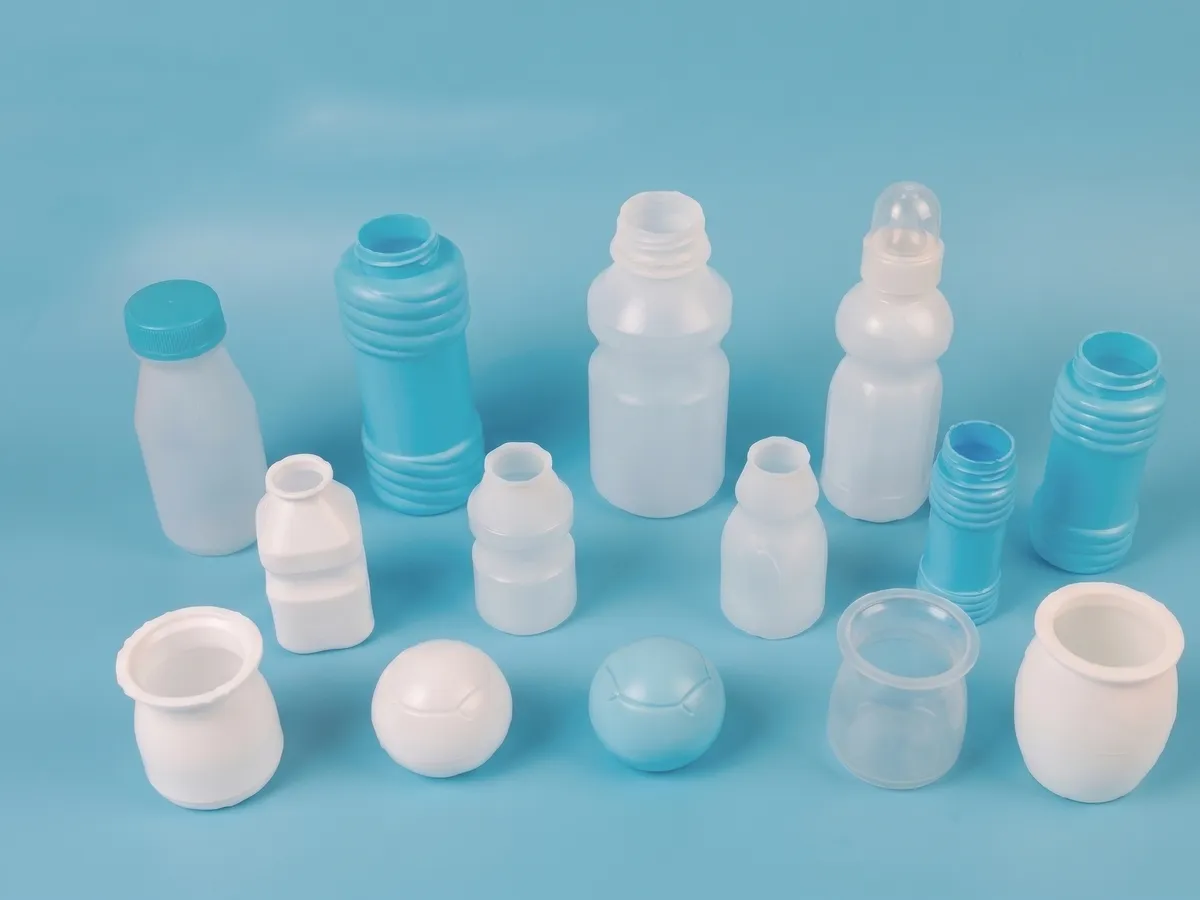 |
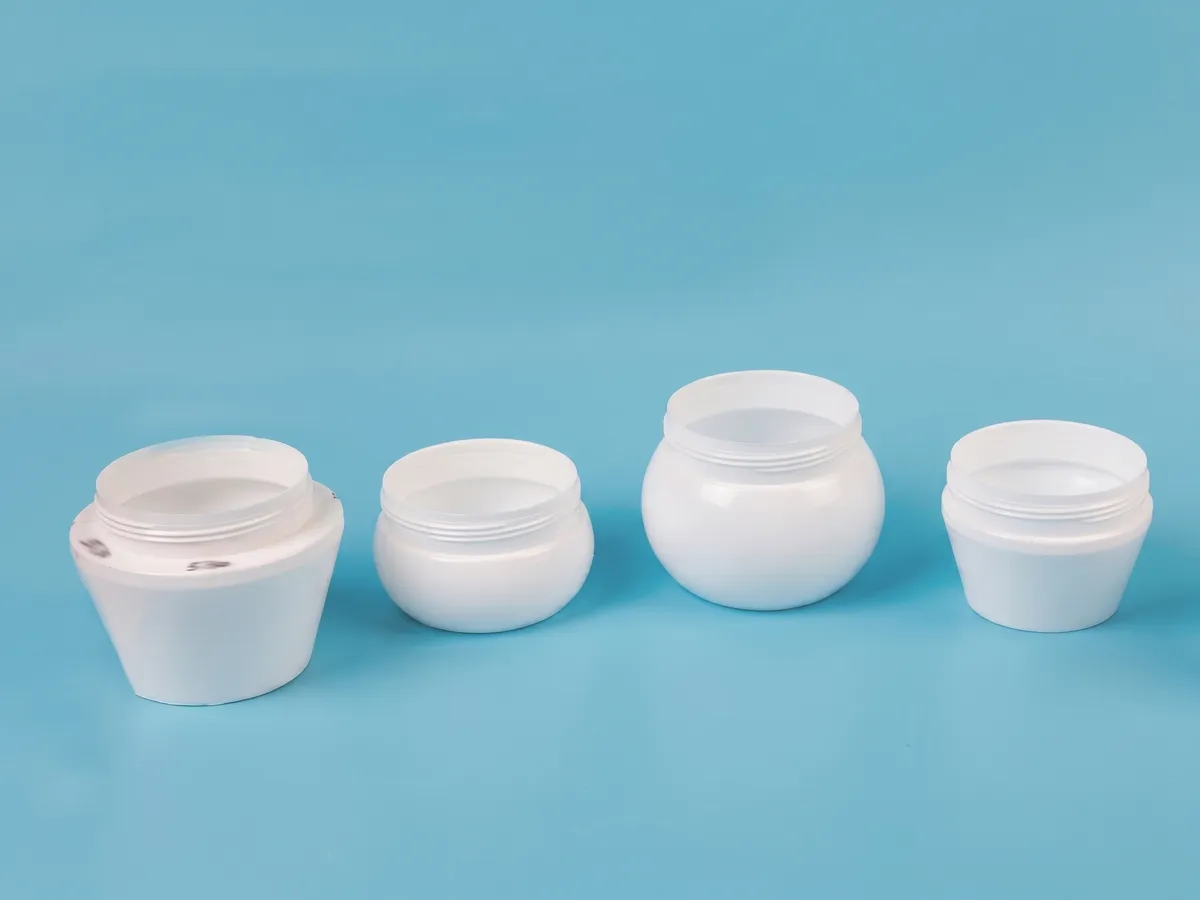 |
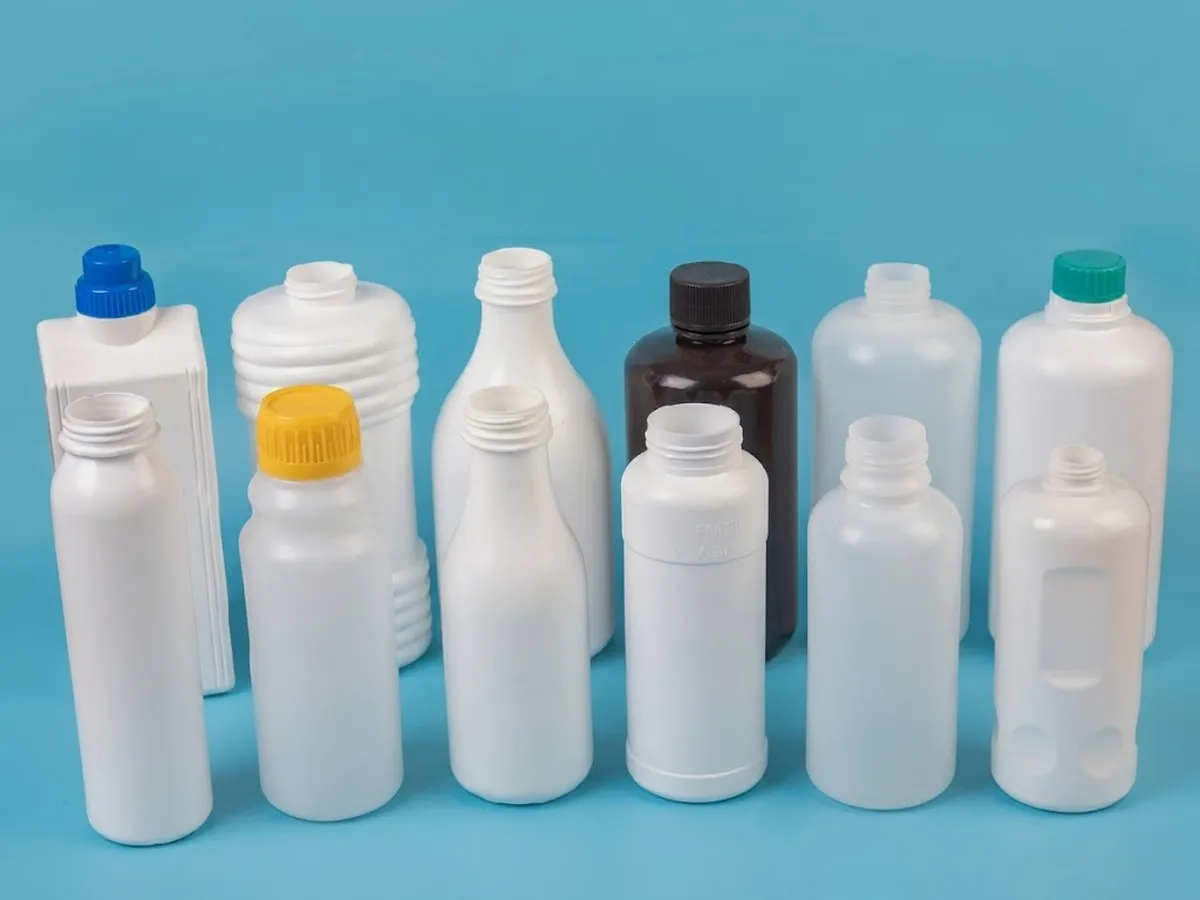 |
ZQ80 Injection Blow Molding Machine Components
1. 원액 준비/주입 장치
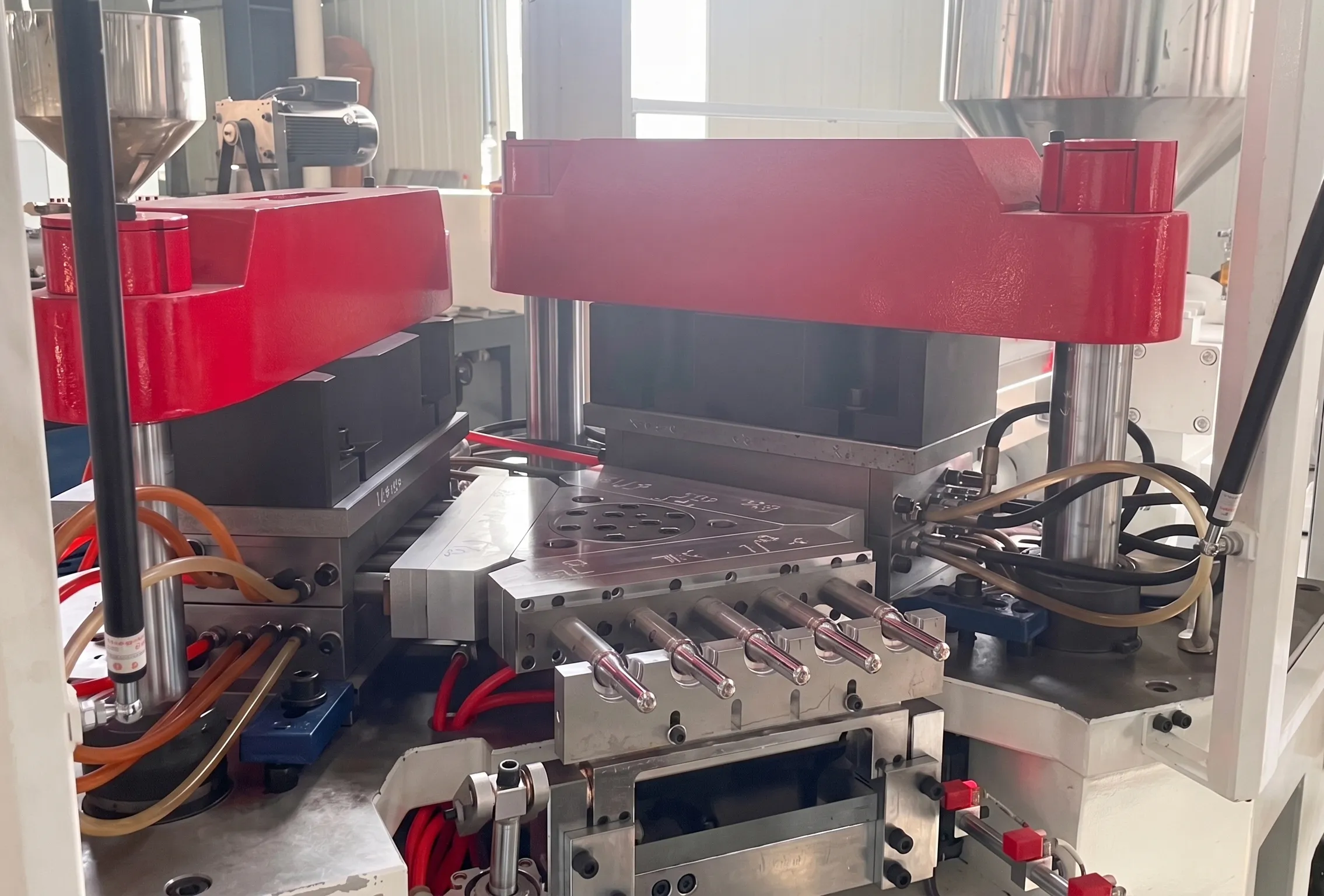
The 55 mm screw with 22:1 L/D ratio and four-plus-N barrel heating zones melts and homogenises plastic resin before metering it into the hot runner for injection. An electric-cylinder drive replaces the conventional hydraulic actuator, improving injection speed repeatability and reducing energy consumption by eliminating standby hydraulic losses. This is the primary plasticising and injection unit of the IBM machine.
2. 핫 러너 시스템
The optimised hot runner distributes molten plastic from the injection unit to each mold cavity at uniform temperature and pressure. The ZQ mold hot runner design minimises gram-weight deviation between cavities and ensures that all preforms across the full multi-cavity mold receive identical material volume per shot, which is essential for consistent bottle weight and wall thickness in every injection blow molding machine cycle.
3. 코어 로드(맨드릴)
The core rod serves as the inner form around which both the preform and the final bottle are shaped. It transfers the preform from the injection station to the blow station, then to the stripping station, maintaining parison concentricity throughout. The special mandrel structure in ZQ Series machines keeps fast molding cycles and achieves an efficient core cooling effect that reduces cycle time while maintaining dimensional accuracy in the finished bottle.
4. 병 프리폼
The preform is the intermediate hollow form produced at the injection station, with the neck thread already fully formed to final dimensions. Because the neck is shaped under high injection pressure in a precision steel mold, it is 100% accurate and sealed. Unlike stretch blow moulding processes that use pre-manufactured preforms, the one-step IBM process forms the preform in-machine, eliminating a separate preform production and storage step.
5. Injection Mold and Injection Station
The injection mold closes at 800 kN clamping force on a 800 x 400 mm platen, defining the external preform geometry and the complete neck finish. Manufactured from imported S136 steel alloy or 4Cr13 stainless steel, ZQ Series injection molds deliver long service life and resist corrosion from plastic additives. The activity-designed cavity and neck insert system allows cavity and neck components to be changed independently, reducing tooling cost when switching bottle specifications.
6. Blow Station and Blow Mold
The blow station closes the blow mold at 120 kN clamping force around the preform on the mandrel. Compressed air at 0.8 to 1.2 MPa is delivered through the mandrel to inflate the preform to full bottle shape. The blow mold's internal channels circulate cooling water at controlled temperature, solidifying the bottle within the cycle time. Proper blow-mold design ensures uniform wall distribution and a convex, structurally sound bottle base with no weak points.
7. Stripping Station
At the stripping station, the completed, cooled bottles are automatically released from the mandrel with a 230 mm stripping stroke and conveyed to the output line. No manual intervention is required. Because all three stations operate simultaneously, the machine produces finished bottles at every turret rotation, achieving its rated 8.2-second cycle time. The stripping station can be connected directly to downstream automation including visual inspection, leak testing, labeling, and packing equipment.
ZQ80 vs Uniloy UIB120: Our Advantages
1. All-Electric vs. Hydraulic Drive
The Uniloy UIB120 relies on a hydraulic power unit for clamping and injection movements, consuming energy continuously even at idle and requiring periodic oil changes, seal maintenance, and hydraulic fluid disposal. The ZQ80 eliminates the hydraulic system entirely, with all movements driven by servo motors with absolute encoders. This alone reduces energy consumption by approximately 30%, cuts maintenance downtime, and removes the risk of hydraulic oil contamination in the mold area, an important advantage for pharmaceutical and food-grade packaging manufacturers.
2. Faster Cycle Times
Servo-driven movements accelerate and decelerate faster than hydraulic actuators because they are not limited by hydraulic oil flow rates or valve response times. The ZQ80 achieves a 4-second dry cycle and an 8.2-second production cycle for 30 ml bottles, which is approximately 20% faster than traditional hydraulic machines of equivalent tonnage. Over a 24-hour production shift, this translates to tens of thousands of additional bottles per day, directly improving plant productivity and reducing the cost per unit across all bottle sizes from 10 ml to 1,000 ml.
3. GMP-Compliant Hygiene Design
The ZQ80's bottom-up structural layout ensures that no lubricating oil or hydraulic fluid can contact the mold area or the bottles being produced. This design principle makes the machine inherently suitable for pharmaceutical GMP environments and food-contact packaging without the need for oil barriers or containment systems. The UIB120, as a hydraulic machine, requires additional engineering controls to achieve equivalent hygienic standards, adding cost and complexity to the production environment.
4. Higher Precision and Repeatability
Absolute encoders on all servo axes provide closed-loop position feedback to sub-millimetre accuracy on every stroke. This level of repeatability ensures that injection weight, blow pressure timing, and stripping stroke remain consistent across millions of cycles without manual recalibration. The UIB120's hydraulic control is inherently subject to oil viscosity variation with temperature, causing drift in injection volume and clamping force over the course of a production shift. The ZQ80 eliminates this drift, maintaining tighter weight tolerances and reducing quality inspection rejects.
5. Significantly Lower Noise Levels
Hydraulic IBM machines generate noise from the hydraulic pump, pressure relief valves, and oil flow through actuators, typically exceeding 75 dB during operation. The ZQ80's all-servo drive operates significantly quieter, improving the working environment for operators and reducing the need for acoustic enclosures or hearing protection equipment. Lower noise levels also simplify compliance with occupational health and safety regulations in markets including the EU, UK, and Australia where workplace noise limits are strictly enforced.
6. Lower Total Cost of Ownership
Beyond the 30% reduction in electricity consumption, the ZQ80 eliminates recurring costs associated with hydraulic systems: hydraulic oil procurement and disposal, hydraulic seal and hose replacement, pump overhauls, and the skilled labour required to maintain hydraulic circuits. The electric-cylinder injection unit and servo clamping mechanisms have longer service intervals and simpler failure diagnostics. Over a five-year operating period, the total cost of ownership of the ZQ80 is substantially lower than a comparable hydraulic injection blow molding machine, making the initial investment easily justifiable.
7. Mold Compatibility and Transition Ease
The ZQ80 is dimensionally matched to the UIB120 in clamping force class (80T), platen configuration (800 x 400 mm), and injection weight (466 g), enabling facilities already operating Uniloy UIB120 lines to evaluate mold compatibility before committing to a full tooling investment. Many standard UIB120 mold sets can be adapted or directly reused on the ZQ80 with minor adjustments, significantly reducing the transition cost and accelerating the timeline from order placement to commercial production.
호환 가능한 원료
HDPE
High-density polyethylene is the most widely used resin on the ZQ80, covering pharmaceutical bottles, cleaning product containers, and dairy packaging. HDPE delivers excellent chemical resistance, good rigidity, and food-contact compliance. The ZQ80's 55 mm screw with 22:1 L/D is optimised for HDPE processing across the full viscosity range from injection to blow.
LDPE
Low-density polyethylene is the material of choice for squeeze bottles, eye drop vials, and flexible packaging applications. The ZQ80 processes LDPE at precise injection volumes, ensuring consistent wall thinness at critical squeeze zones. LDPE's flexibility and biocompatibility make it suitable for ophthalmic, nasal, and topical pharmaceutical dispensing applications.
폴리프로필렌(PP)
PP is widely used for cosmetic bottles, beverage containers, and health care packaging requiring autoclave sterilisation resistance. The ZQ80 handles both homopolymer and copolymer PP grades, including high-transparency random copolymer PP for applications where crystal clarity is a primary packaging specification, such as high-end skincare and nutraceutical bottles.
PVC
Polyvinyl chloride is processed on the ZQ80 for speciality packaging applications where PVC's clarity, rigidity, and barrier properties are required. The machine's precise temperature-zone control prevents PVC degradation by maintaining barrel temperatures within tight tolerances. PVC bottles are used for certain cosmetic, personal care, and non-food chemical packaging applications where material regulatory compliance has been verified by the customer.
PS (Polystyrene)
Standard and high-transparency polystyrene grades are processed on the ZQ80 for lactic acid bacteria drink bottles and specialty cosmetic containers requiring glass-like optical clarity. PS produces brilliant surface finish and is readily decorated with sleeve labels or direct printing. The ZQ80 accommodates both general-purpose PS and high-impact PS blends within its temperature processing window.
ABS
Acrylonitrile butadiene styrene is processed for technical packaging, cosmetic airless dispenser components, and specialty bottles requiring high impact strength combined with a smooth, high-gloss surface. ABS processing on the ZQ80 requires precise barrel temperature management to prevent discolouration, which the multi-zone heating system with independent zone control handles reliably across production shifts.
PU and Specialty Resins
Beyond the standard resins, the ZQ80 can be configured to process EVA, PCTG, environmental corn-based bioplastics, and other speciality materials. These are used for sustainable packaging, medical device packaging, and premium cosmetic applications where material innovation differentiates the brand. Process parameters and screw geometry are customised for each specialty resin upon order confirmation.
Common Injection Blow Molding Problems and Solutions
Preform Defects
Causes: Short shots, flash, or sink marks typically arise from incorrect injection parameters, improper mold design, or inconsistent raw material quality. Temperature variation across barrel zones or hot runner imbalance can also produce preform defects that propagate into the final bottle.
Solutions: Verify injection temperature, pressure, and speed settings against the resin supplier's recommended processing window. Inspect mold cavities and hot runner nozzles for blockages or wear. Source consistent-grade resin with verified melt flow index and maintain material drying parameters as specified for each resin type.
벽 두께 변화
Causes: Uneven preform temperature distribution or imbalanced material distribution during the injection stage leads to inconsistent wall thickness in the blown bottle. This is most visible in tall bottles or where the parison stretches significantly during blowing.
Solutions: Optimise the barrel zone temperature profile to achieve a uniform melt temperature across the shot. Check and balance hot runner heater temperatures cavity by cavity. Adjust injection speed profile and hold pressure to achieve even material distribution in the preform before blowing begins.
Surface Imperfections
Causes: Scratches, blemishes, or surface bubbles result from mold contamination, resin moisture, or incorrect blow mold venting. Contamination on the mandrel or cavity walls transfers directly to the bottle surface.
Solutions: Clean injection and blow mold cavities and mandrels at scheduled intervals. Ensure resin is dried to the correct moisture level before processing. Check blow mold venting channels for blockages. Adjust blow pressure and cooling time to eliminate surface blistering associated with trapped gas.
Neck Finish Issues
Causes: Uneven or rough neck edges arise from wear on the neck insert, incorrect injection clamping force, or mandrel positioning errors. Even minor misalignment of the mandrel relative to the injection cavity results in uneven wall thickness at the neck.
Solutions: Inspect neck insert mating surfaces for wear and replace at defined intervals. Verify mandrel concentricity with the injection mold cavity and adjust per the alignment procedure in the maintenance manual. Confirm that injection clamping force is maintained at 800 kN throughout the cycle using the servo drive torque monitoring feature.
Material Blowout
Causes: Holes or ruptures in the blown bottle result from excessive blow pressure applied to a preform with thin spots or inadequate cooling time before blowing begins. Weak zones in the preform caused by uneven injection filling are most susceptible.
Solutions: Reduce blow pressure to the minimum level required for full cavity contact. Extend preform conditioning time if the resin is blowing out at the preform's thinnest zone. Inspect preforms visually before the blow station using the optional vision system to identify under-filled preforms before they cause blowout and mold damage.
Cycle Time Variability
Causes: Inconsistent cycle times indicate variation in heating or cooling performance, material feed interruptions, or servo system alarms that trigger brief holds. Cooling water temperature fluctuation is a common cause of cycle drift that goes unnoticed without monitoring.
Solutions: Install a mold temperature controller with closed-loop cooling water temperature regulation. Monitor servo drive cycle-time logs via the HMI to identify which station is introducing variability. Verify material hopper levels and loader function to ensure consistent resin supply. Confirm compressed air supply pressure is maintained at 0.8 to 1.2 MPa throughout the shift.
Reducing Plastic Waste with the Injection Blow Molding Process
정밀도 및 유량 제어
The ZQ80 injection blow molding machine uses servo-controlled injection to deliver precise resin volume to each cavity on every cycle, eliminating the overfill compensation that hydraulic machines typically require. This precise flow control reduces material waste by 20 to 40% compared with traditional methods that rely on overpressure and excess material to ensure complete cavity fill. Operators can fine-tune injection speed, pressure, and hold time independently across the shot, directing material exactly where it is needed in the preform.
| 특징 | Contribution to Minimising Waste |
|---|---|
| Precise Servo Injection Control | Ensures consistent material volume per cavity, eliminating overfill and regrind generation |
| Optimised Preform Design | Prevents uneven stretching and eliminates excess material in the blown bottle |
| Real-Time HMI Monitoring | Allows immediate parameter adjustment to address defects before waste accumulates |
| 송풍압 조절 | Prevents blowouts and incomplete forming that generate rejected bottles |
| Mold Optimisation | Efficient cooling channels reduce cycle time and defect rate simultaneously |
Optimised Mold Design for Minimal Scrap
ZQ Series molds use balanced hot runner systems that keep plastic molten and reusable within the runner, eliminating the cold runner sprues and gates that generate solid plastic waste after every shot in cold-runner systems. Gate and runner geometry is computer-optimised to minimise unnecessary material volume in the distribution system, directing the maximum proportion of each shot into the preform cavity. Mold makers review mold-flow simulation data to identify and eliminate any areas where material pools unnecessarily or cools before reaching its intended cavity location.
Closed-Loop Recycling Integration
Although the ZQ80's IBM process is inherently zero-flash at the bottle, any startup purge material or defective bottles from machine warm-up can be collected, granulated, and reintroduced into the production process as a controlled percentage of regrind blend. The closed-loop system processes scrap into uniform particles that are fed back to the hopper without leaving the production floor, reducing raw material costs and supporting sustainability commitments. Real-time monitoring of material properties ensures that recycled content does not compromise dimensional consistency or surface quality in the finished bottles.
| Sustainability Evidence | 영향 |
|---|---|
| Zero flash in IBM vs. 20-40% scrap in EBM | Reduces dependency on virgin resin per unit produced |
| 30% lower energy consumption vs. hydraulic machines | Reduces carbon footprint of each production shift |
| Closed-loop regrind reuse | Lowers raw material cost and waste disposal volumes |
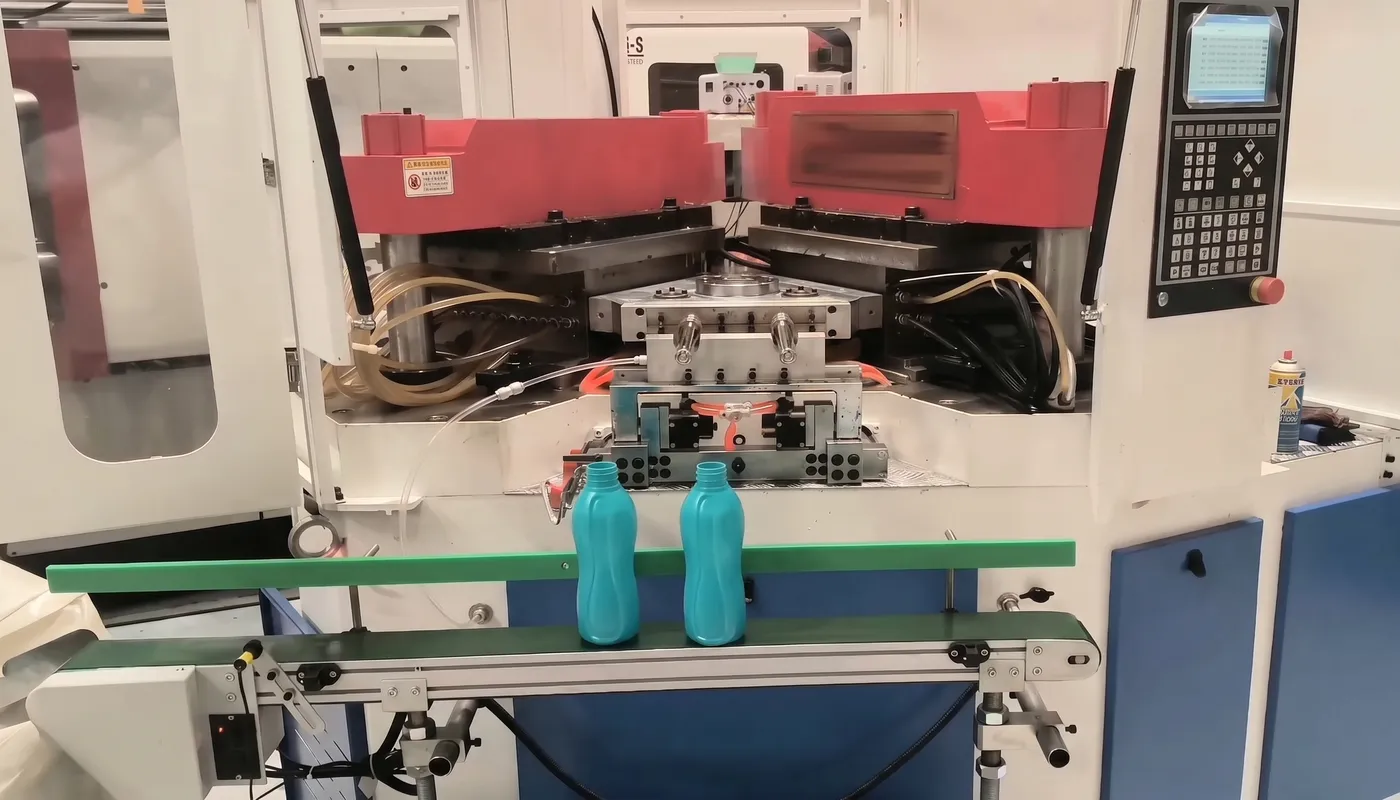
ZQ 시리즈 자동 금형 특징
1. Activity-Designed Cavity and Neck
The injection mold features independently replaceable cavity and neck inserts with a specially designed oil-channel system that maintains stable parison temperature. This modular design allows operators to change cavity geometry or neck thread specification without replacing the entire mold base, significantly reducing tooling cost when launching new bottle sizes or adapting to new closure standards. Stable temperature ensures that tube billet size remains consistent throughout the production run.
2. 고급 강철 합금 구조
ZQ Series molds are manufactured from imported S136 steel alloy or 4Cr13 stainless steel. S136 is a premium mirror-polishable tool steel with excellent corrosion resistance and hardness after heat treatment, ideal for high-clarity pharmaceutical and cosmetic bottle surfaces. 4Cr13 stainless provides superior resistance to corrosive resins and cleaning agents. Both steels significantly extend service life compared with standard tool steels, reducing the annualised tooling cost per million bottles produced.
3. Optimised Hot Runner and Mandrel Cooling
The hot runner system and preform geometry are engineered together to minimise gram-weight deviation and wall-thickness variation from cavity to cavity. The mandrel incorporates a special internal structure that maximises core cooling efficiency, removing heat from the preform interior rapidly enough to maintain the fast molding cycles the ZQ80 is rated for. This integrated thermal design means production speed and quality are not in conflict: the machine runs fast because the thermal management is optimised, not despite it.
4. Accurate Mouth and Thread Geometry
The bottle mouth and thread are formed entirely in the injection mold under full clamping force, producing neck finishes that are 100% accurate in size and achieve a complete seal with the bottle closure. Unlike extrusion blow moulding where the neck is pinched off and trimmed, the IBM process produces a flash-free, burr-free neck on every bottle. This is critical for pharmaceutical child-resistant closures, dropper fitments, and pump dispensers where neck tolerance directly affects closure function.
5. Zero Flash and Zero Waste
No burrs, no parting-line flash, and no waste are produced at the mouth or base of the bottle in the IBM process. This is a fundamental advantage over extrusion blow moulding, which generates 20 to 40% scrap from pinch-off tails that must be granulated and recycled. The ZQ80 eliminates the granulator, the regrind handling system, and the quality risk associated with regrind contamination, giving manufacturers a cleaner, more efficient, and more sustainable production process.
6. Consistent Product Dimensions
Every bottle produced on the ZQ80 exhibits consistent size, weight, parting-line position, and wall thickness because the process is inherently balanced: the same mold, the same servo-controlled injection volume, and the same blow pressure produce the same bottle every cycle. This level of consistency is essential for downstream automated filling, capping, and labeling lines, where dimensional variation from the bottle causes line stoppages and packaging defects that are far more costly than the bottles themselves.
에버파워(Ever-Power)의 사출 블로우 성형기를 선택해야 하는 이유는 무엇일까요?
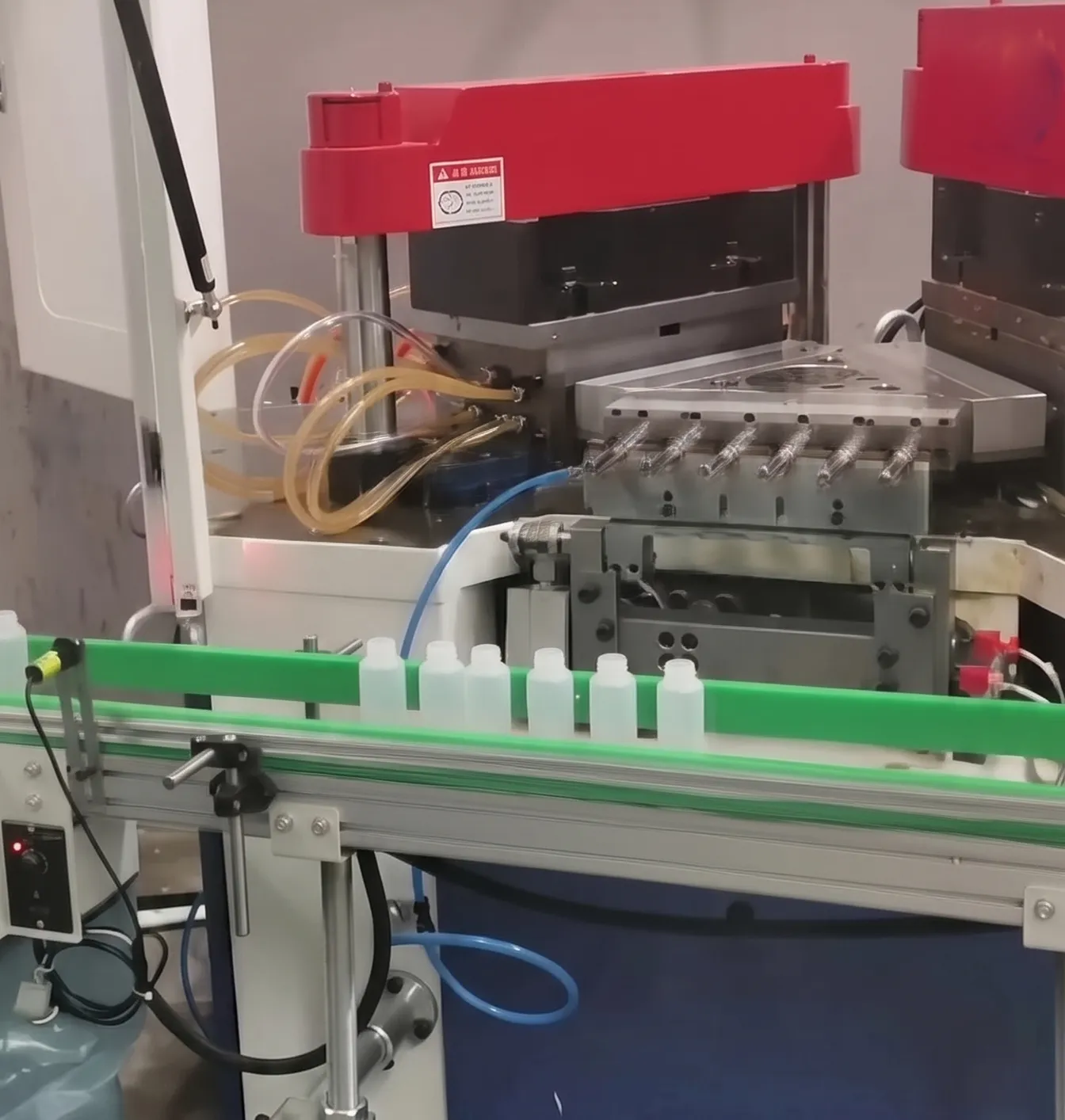
Mexico Ever-Power ISBM Machinery Co., Ltd. is a specialist manufacturer focused entirely on research, development, production, sales, and trade of automatic one-step injection blow moulding machines and the tooling molds that accompany them. The company's product range covers injection blow molding machines, extrusion blow molding machines, injection stretch blow molding machines, and the full range of auxiliary equipment required to commission a complete bottle production line. The company benefits from an advantageous geographical location with convenient access to international freight routes, enabling competitive delivery lead times to customers in Korea, India, Turkey, Russia, South Africa, Brazil, the United States, Mexico, and beyond. With active installations across all major IBM machine consuming markets, Ever-Power has built a service network capable of supporting customers in multiple time zones.
Ever-Power maintains an excellent in-house R&D team composed of engineers and technical personnel with deep practical experience in both IBM machinery and IBM mold design. This dual expertise enables the company to deliver integrated turnkey projects where the machine, tooling, and auxiliary equipment are engineered as a system rather than purchased separately from multiple suppliers, reducing commissioning risk and accelerating time to commercial production for customers.
The company's product applications span pharmaceutical packaging, food packaging, health care packaging, cosmetic packaging, and household chemical packaging. The ZQ Series machines process HDPE, LDPE, PP, PS, high-transparency PS, ABS, EVA, PCTG, and environmental corn-based bioplastics, covering the full range of resins used in injection blow moulding from 1 ml to 1,000 ml containers. This breadth of application coverage means that a single ZQ80 machine can serve multiple product lines within a packaging facility as bottle specifications evolve over time.
Customer support extends across the full project lifecycle. Pre-sales technical consultations include bottle geometry feasibility assessment, mold compatibility review for existing tooling, production output modelling, and energy consumption benchmarking. During commissioning, senior engineers travel to the customer's facility for installation, machine calibration, mold trial, and operator training. After commissioning, the 24/7 service hotline, preventive maintenance programme, and dedicated spare parts inventory system ensure that production continuity is protected throughout the operational life of the equipment.
자주 묻는 질문
Q: What is the injection blow molding machine price for the ZQ80 and what factors affect the final cost?
A: The injection blow molding machine price for the ZQ80 varies based on mold configuration, cavity count, required automation level, and destination market. Machines configured for higher cavitation counts (18 cavities for 30 ml) and integrated visual inspection systems carry higher prices than base configurations. Buyers from markets requiring CE marking or specific electrical standards may also have configuration adjustments. Contact our sales team with your bottle specification, daily production target, and preferred resin to receive a detailed quote including mold cost estimation.
Q: Can the ZQ80 use existing Uniloy UIB120 Model molds without modification?
A: In many cases, existing UIB120 mold components are compatible with the ZQ80 after an engineering assessment. The ZQ80 and UIB120 share a similar 80-ton clamping force class and platen size range. We provide a mold compatibility review service before order confirmation, where your existing mold drawings or dimensional data are evaluated by our engineering team. Minor modifications to mounting features or temperature circuit connections are sometimes required but are typically low cost. Please provide your mold drawings or measurement data to our sales team to initiate a compatibility assessment.
Q: What is the minimum and maximum bottle size the ZQ80 injection blow molding machine can produce?
A: The ZQ80 is designed to produce bottles from 1 ml up to approximately 1,000 ml in a single-stage injection blow moulding process. Maximum bottle diameter is 120 mm and maximum bottle height is 220 mm, with the suitable bottle height range extending to 2,000 mm for certain configurations. For volumes above 250 ml, the mold cavitation count decreases to 5 to 6 cavities for 500 ml and 3 to 4 cavities for 1,000 ml bottles. Applications requiring bottles larger than 1,000 ml should be discussed with our technical team as special tooling configurations may extend this range.
Q: How does the all-electric injection blow molding machine compare with a hydraulic IBM machine in total running cost over five years?
A: The ZQ80's full electric drive typically delivers 30% lower electricity consumption per hour than an equivalent hydraulic machine, which at industrial electricity rates translates to significant annual savings depending on shift patterns and local tariffs. In addition, the elimination of hydraulic oil procurement, disposal, seal replacement, pump maintenance, and related labour removes a recurring cost category entirely. Most manufacturers find that over a five-year operating period, the total cost advantage of the all-electric IBM machine more than compensates for any initial price difference compared with hydraulic alternatives. We can provide a customised five-year cost-of-ownership comparison using your local electricity rates and shift hours upon request.
Q: What automation options are available for the ZQ80 one step injection blow molding machine?
A: The ZQ80 output conveyor can be integrated with a range of downstream automation equipment. Standard options include visual inspection systems that check for foreign particles in the bottle body, insufficient material fill at the bottle mouth, and uneven bottle base geometry; side-leak testers; labeling machines; and automatic packaging or palletizing equipment. With a complete downstream automation package, the line can operate unattended across full production shifts. Optional upstream automation includes auto-loaders for material feeding and mold temperature controllers. Automation scope is specified at the order stage based on production line requirements.
Q: What is the difference between injection blow molding and injection stretch blow molding?
A: Injection blow moulding (IBM) forms the preform by injection moulding and then blows it to final bottle shape without axial stretching. The IBM process is used for HDPE, LDPE, PP, PS, and ABS bottles, typically in the 1 ml to 1,000 ml range, and is the preferred process for pharmaceutical and cosmetic containers where neck accuracy and no flash are paramount. Injection stretch blow moulding (ISBM) adds a mechanical stretch rod that elongates the preform axially before blowing, improving molecular orientation and enabling the production of PET bottles with enhanced barrier properties and strength-to-weight ratios. ISBM is the standard process for PET beverage bottles. The ZQ Series IBM machines are best suited to PP, HDPE, LDPE, PS, and similar resins, not PET.
Q: Is the ZQ80 suitable for pharmaceutical GMP environments and does it comply with hygiene standards?
A: Yes. The ZQ80's bottom-up structural design ensures that no lubricating oil or hydraulic fluid is present above the mold area, eliminating the primary contamination risk associated with hydraulic injection blow moulding machines in pharmaceutical environments. This design is aligned with GMP hygiene requirements for pharmaceutical primary packaging. The machine has been installed in pharmaceutical packaging facilities producing tablet bottles, oral liquid bottles, eye drop vials, and nasal spray containers. Customers should verify their specific regulatory authority requirements, as GMP validation and equipment qualification (IQ/OQ) are the responsibility of the facility operator.
Q: How long does commissioning take and what on-site support is provided?
A: On-site installation and commissioning of the ZQ80 typically requires three to five working days depending on factory readiness, automation scope, and mold configuration. Ever-Power provides experienced senior engineers for installation, equipment commissioning, production run-off, and comprehensive operator training covering machine operation, mold processing parameters, and routine maintenance procedures. After commissioning, our after-sales service hotline operates 24 hours a day, seven days a week. Preventive maintenance reminders and an adequate spare parts inventory system are also provided to minimise unplanned downtime during commercial production.
Q: What compressed air specifications are required for the ZQ80 injection blow molding machine?
A: ZQ80은 표준 병 생산 시 최소 0.8MPa, 최대 1.2MPa의 압력과 분당 0.8m³의 유량을 가진 압축 공기가 필요합니다. 블로우 에어 경로의 오염을 방지하고 사이클 간 일관된 블로우 압력을 유지하기 위해서는 깨끗하고 건조하며 오일이 없는 압축 공기가 필수적입니다. 제약 및 식품 접촉 포장 용도에는 에어 드라이어와 필터 시스템이 장착된 전용 스크류 공기 압축기를 권장합니다. 캐비티 수가 많은 금형이나 고속 사이클 작업의 경우, 주문 전 사양 단계에서 당사 기술팀과 필요한 압축 공기량을 협의하시기 바랍니다.
질문: ZQ80으로 LED 전구 커버 및 기타 투명 기술 부품을 생산할 수 있습니까?
A: ZQ80은 높은 광학적 투명도와 정밀한 형상이 요구되는 투명 PS 또는 PP LED 전구 커버 및 이와 유사한 기술적인 중공 부품을 생산할 수 있습니다. IBM 공정의 제어된 프리폼 온도 프로파일과 균일한 벽 두께 구현 능력 덕분에 압출 블로우 성형에 비해 광학적 균일성이 뛰어난 부품을 생산할 수 있습니다. LED 전구 커버용 금형 설계에는 필요한 표면 투명도를 얻기 위해 세심한 통풍 및 냉각 회로 설계가 필수적입니다. 당사의 금형 설계팀은 LED 커버 용도에 최적화된 금형 설계를 지원해 드립니다. 일반적으로 고투명 PP 또는 PS 소재를 사용하며, 재질 선택은 금형 설계 단계에서 확정됩니다.
고객 리뷰
Park Ji-hoon, Pharmaceutical Packaging, Korea
"약 8개월 전에 Uniloy UIB120을 ZQ80으로 교체했는데, 전기 요금 절감액만으로도 투자금의 상당 부분을 회수했습니다. 화장품 고객사를 위해 30ml PP 용기를 생산하는데, 이 기계는 교대 근무당 꾸준히 약 107,000개의 병을 생산합니다. 서보 시스템 덕분에 기존 유압 라인보다 소음도 훨씬 줄었습니다."
라제시 메논, 제약 포장, 인도
"저희는 60ml와 100ml 용량의 HDPE 제약용 정제 병을 생산합니다. ZQ80은 Ever-Power 팀에서 예정된 기간 내에 설치 및 가동을 완료해 주었습니다. GMP 규정 준수가 저희에게 가장 중요한 고려 사항이었는데, 오일이 없는 하향식 설계가 바로 그 문제를 해결해 주었습니다. 9개월 동안 3교대로 가동했지만 오염 문제는 전혀 발생하지 않았습니다. 매우 만족합니다."
Ahmet Yildiz, 화장품 포장, 터키
"저희는 오랫동안 사용해 온 유럽의 유명한 IBM 장비에서 ZQ80으로 바꾸는 것에 대해 처음에는 망설였습니다. 하지만 ZQ80 기술자가 저희 공장에 방문하여 기존 유니로이 금형 세트를 점검하고 호환성을 확인한 후에야 계약을 체결할 수 있었습니다. 금형은 약간의 수정만으로 적합하게 제작되었고, 납품 후 2주 만에 생산을 시작할 수 있었습니다. 8캐비티 30ml 금형은 사이클당 8.3초의 속도로 작동합니다."
세르게이 볼코프, 러시아 안과용품 포장 공장
"저희는 ZQ80 장비를 사용하여 LDPE 점안액병(10ml, 18캐비티 금형)을 생산하고 있습니다. 중량 균일성이 매우 우수합니다. 컨베이어 끝단에 통합된 육안 검사 시스템이 입구 부분의 충전량 부족을 자동으로 감지합니다. 라인 효율은 95% 이상입니다. 기술 지원팀의 사후 대응 시간도 시차에도 불구하고 보통 몇 시간 이내에 신속하게 처리됩니다."
Themba Dlamini, 플라스틱 포장, 남아프리카
"남아프리카 시장은 가격과 품질 모두에 있어 까다롭습니다. ZQ80 사출 블로우 성형기는 가정용 화학제품 고객사를 위한 300ml 및 1L HDPE 병 생산량을 충족시켜 주었습니다. 에너지 절감 효과도 확실합니다. 도입 전후를 측정한 결과, 병 1,000개당 약 28%의 에너지 소비 감소를 확인했습니다. 또한, 기계 설치 공간이 작아 작업장 면적에도 적합합니다."
카를로스 에스피노자, 플라스틱 포장, 브라질
"저희는 유압 유지 보수 비용이 많이 드는 경쟁사 사출 블로우 성형기를 교체하기 위해 ZQ80을 구매했습니다. 14개월 동안 큰 문제 없이 가동하고 있습니다. 에버파워 팀은 설치 및 생산 개시 과정에서 많은 지원을 제공해 주었습니다. 저희는 14개의 캐비티를 사용하여 60ml 화장품 PP 용기를 생산하고 있으며, 품질이 매우 균일합니다."
마이클 패터슨, 컨트랙트 패키징, 미국
"저희는 사출 블로우 성형 라인 3개를 운영하고 있는데, ZQ80은 그중 유일한 완전 전기식 장비입니다. 장비 옆을 지나가기만 해도 주변 소음 차이가 확연히 느껴집니다. 저희는 퍼스널 케어 시장용 60ml HDPE 용기를 12캐비티로 생산하고 있습니다. 이 기계는 11개월 동안 가동되었는데, 큰 고장 없이 순조롭게 운영되고 있습니다. 부품 공급업체의 대응도 매우 만족스럽습니다."
소피아 라모스, 화장품 포장, 멕시코
"멕시코에 있는 에버파워 영업팀은 견적 단계에서 매우 신속하게 대응해 주었고, 계약 체결 전에 금형 호환성 평가를 자세히 제공해 주었습니다. ZQ80은 예정대로 도착했고, 설치팀은 전문적이었으며 4일 만에 시운전을 완료했습니다. 저희는 250ml PP 로션 병을 8캐비티로 생산하는데, 모든 마개에서 넥 정밀도가 매우 뛰어납니다. 화장품 용기 제조업체에 강력히 추천합니다."
일마즈 기계 무역, 장비 유통업체, 터키
"저희는 여러 위탁 포장 고객사를 위해 사출 블로우 성형기를 공급하고 있는데, ZQ80은 현재 80톤급에서 최고의 가성비를 자랑합니다. 유럽 IBM 브랜드 제품과 비교했을 때, ZQ80은 유사한 기술 사양을 갖추면서도 가격이 훨씬 저렴합니다. 주문 확인 후 저희 창고로의 배송은 68일 만에 완료되었으며, 관련 서류 및 CE 마크 인증도 문제없이 제공되었습니다."
추가 정보
| 편집자: | Yjx |
|---|