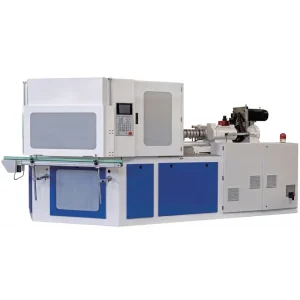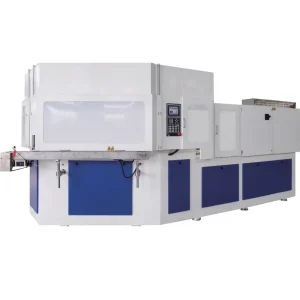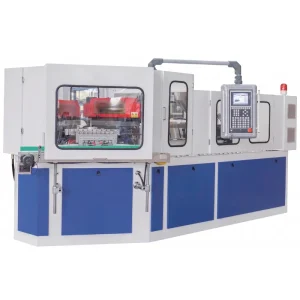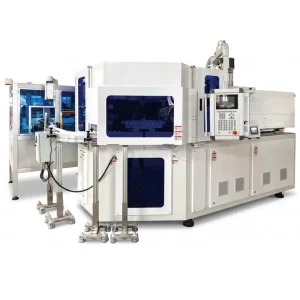
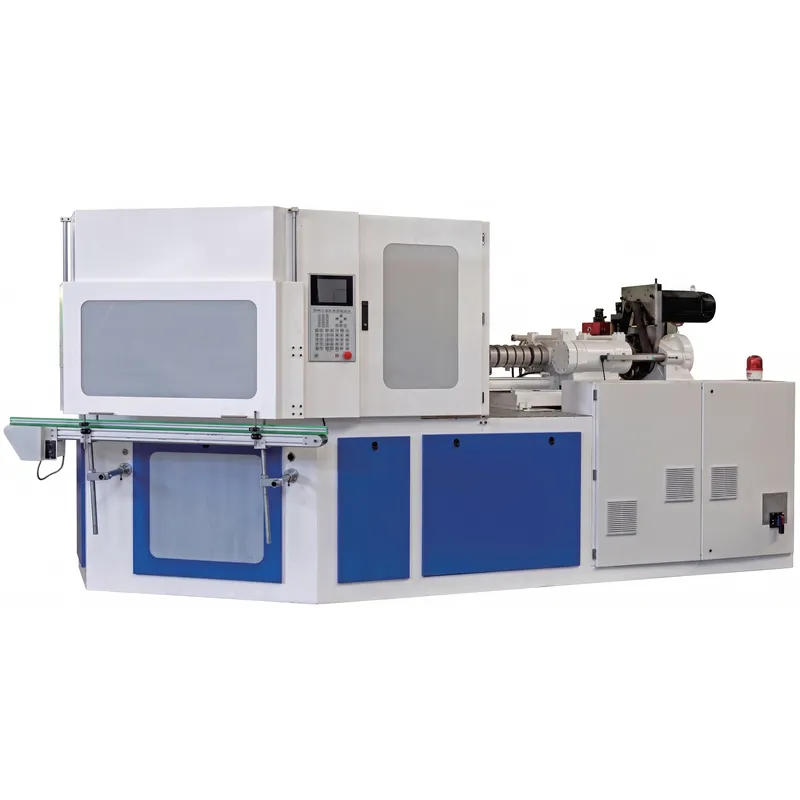
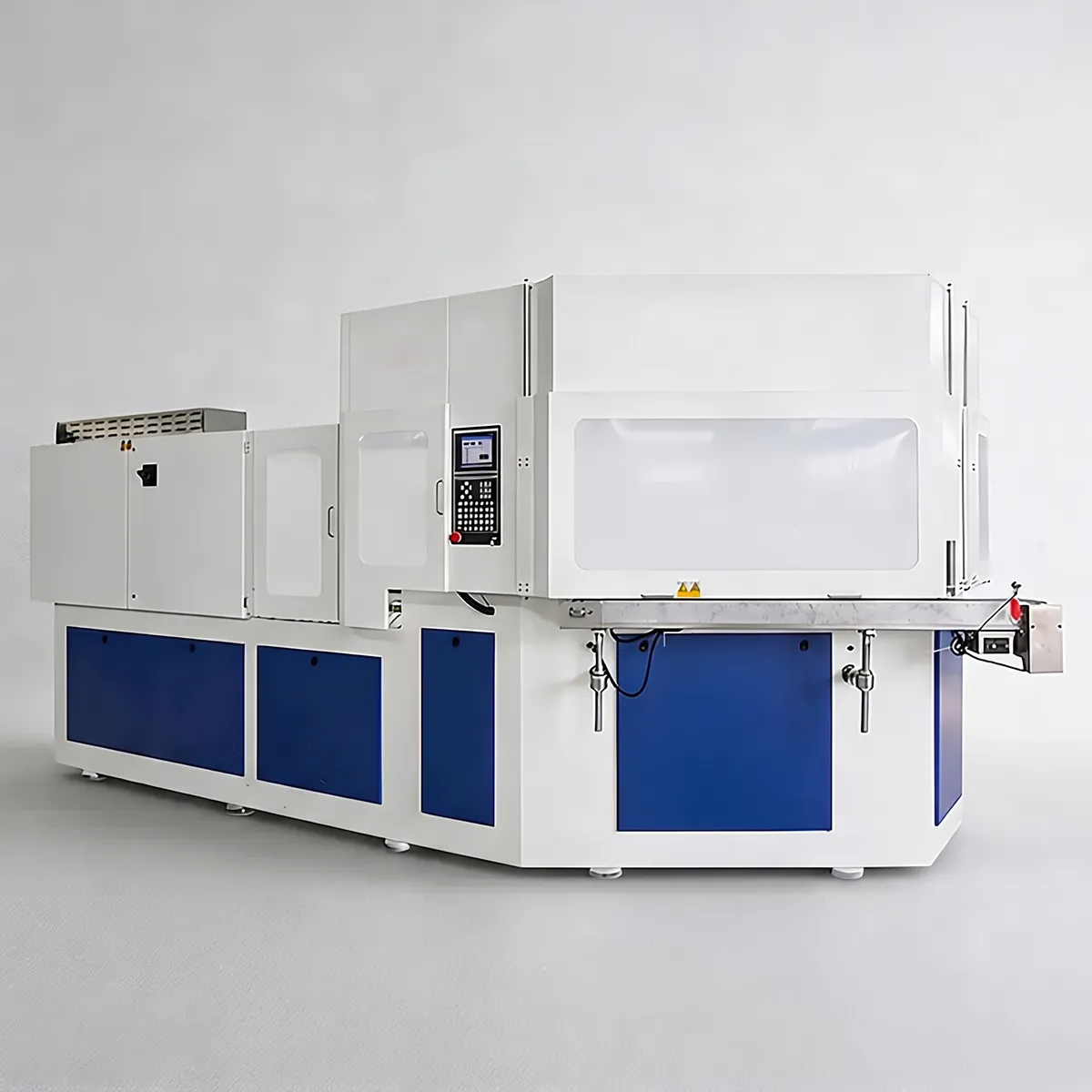
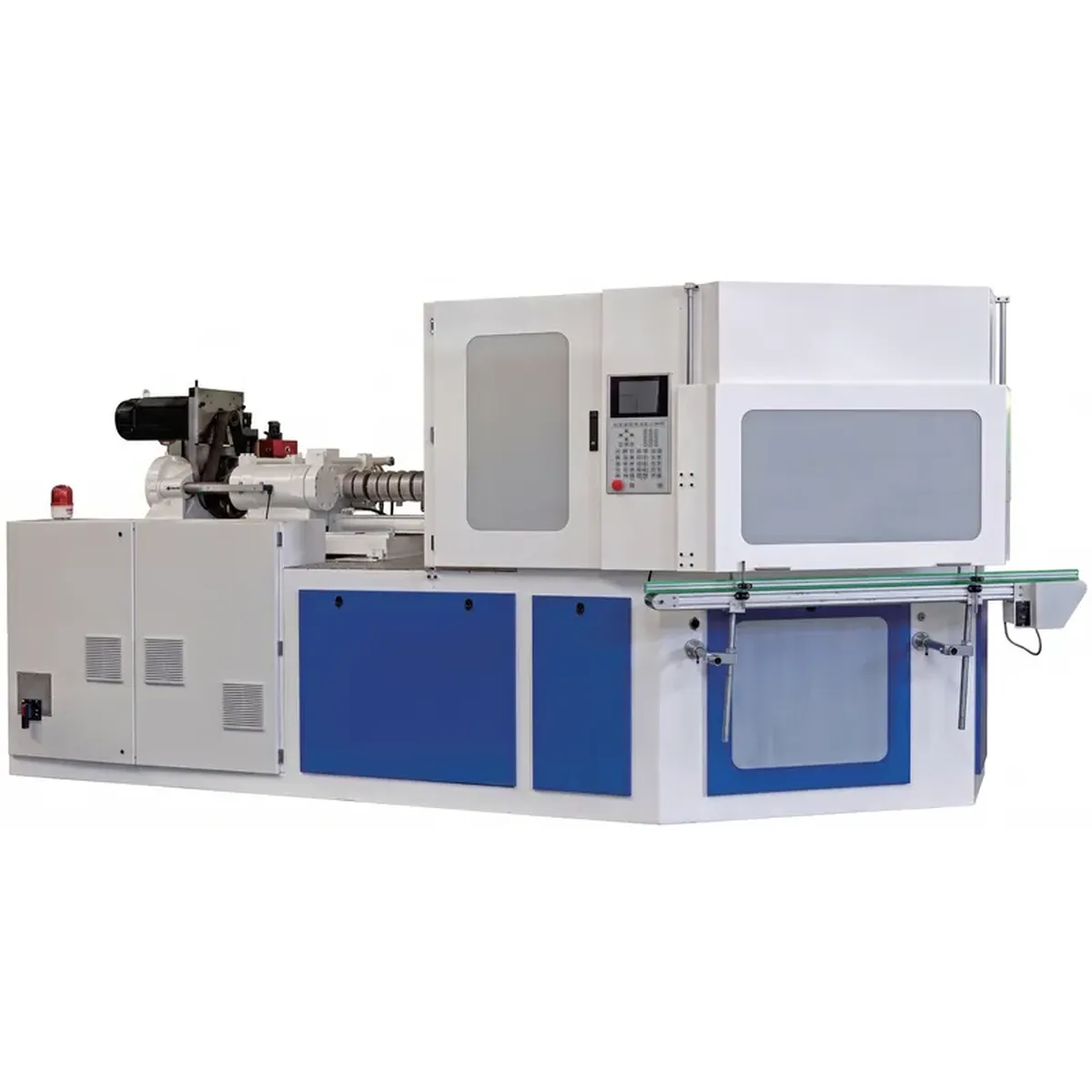
ZQ80 Injection Blow Molding Machine (European)
The ZQ80 injection blow molding machine represents the pinnacle of full European-style IBM machine engineering, built to satisfy the most demanding round-the-clock production environments. Engineered with a 55mm screw diameter, 466g injection weight, and an 800 KN injection clamping force, this one step injection blow molding machine delivers 20-30% greater damping force than comparable equipment in the same industry segment, minimising material waste caused by vibration and ensuring consistently uniform wall thickness across every production run.
The ZQ80 injection blow molding machine represents the pinnacle of full European-style IBM machine engineering, built to satisfy the most demanding round-the-clock production environments. Engineered with a 55mm screw diameter, 466g injection weight, and an 800 KN injection clamping force, this one step injection blow molding machine delivers 20-30% greater damping force than comparable equipment in the same industry segment, minimising material waste caused by vibration and ensuring consistently uniform wall thickness across every production run. The machine accommodates bottle volumes from 1 ml up to 2,000 ml in HDPE, LDPE, PP, PET, PS, ABS, EVA, PCTG, and other engineering-grade resins, making it an ideal plastic injection blow molding machine for manufacturers who cannot afford defects or downtime.
Across pharmaceutical packaging lines, cosmetic bottle plants, food and beverage facilities, and daily chemical factories, the ZQ80 IBM injection blow molding machine delivers a cycle time as short as 4 seconds, supporting up to 20 cavities for 10 ml containers and up to 3-4 cavities for 1,000 ml bottles. Its unique pressurised clamping structure keeps the booster cylinder out of the mould-opening and mould-closing sequence, reducing energy consumption by 10-20% versus conventional injection blow molding machines. Paired with a standard servo rotation system and an advanced PLC touch screen control panel, the ZQ80 ISBM machine provides operators with one-click start-up, real-time production monitoring, and a compact 4.5 x 1.6 x 2 m footprint that saves valuable factory floor space without sacrificing output capacity. If you are searching for a reliable injection blow molding machine manufacturer with proven global delivery capability, the ZQ80 is the answer.
Mold Cavitation (For Reference)
| Approx Volume | 10ml | 30ml | 60ml | 100ml | 250ml | 500ml | 1000ml |
| Max.cavitation | 20 | 18 | 14 | 12 | 8 | 5-6 | 3-4 |
Technical Specifications
| Item | Unit | ZQ80 |
| Injection System | ||
| Screw Diameter | mm | 55 |
| Screw L/D | % | 22:1 |
| Injection weight! | g | 466 |
| Heating power | KW | 11 |
| Number of barrel zone | 4+N | |
| Injection stroke | mm | 180 |
| Clamping System | ||
| Clamping force of injection | KN | 800 |
| Opening stroke for injection | mm | 140 |
| C lamping force of blowing | KN | 120 |
| Opening stroke for blowing | mm | 140 |
| Lifing height of rotary ta ble | mm | 70 |
| Mould | ||
| Max.Platen size(LxW) | mm | 800x400 |
| Mold thickness | mm | 280 |
| Dia.of bottle | mm | 120 |
| Botle height | mm | 220 |
| Suitable bottle height | mm | 1-2000 |
| Stripping stroke | mm | 230 |
| Hydraulic system | ||
| Hydraulic Pressure | Map | 14 |
| Motor power | KW | 18.5+18.5 |
| Dry cycle | S | 4 |
| Total Power | KW | 55 |
| Operating power | % | 52-70 |
| Others | ||
| Min.Air pressure ofcompressed air | MPa | 0.8-1.2 |
| compressed air capacity | M³/min | 0.8 |
| Water flowage | M³/h | 4 |
| Cooling water pressure | MPa | 0.3-0.4 |
| Dimension(Lx W x H ) | M | 4.5x1.6x2 |
| Net weight | Ton | 10 |
Replaceable Brand and Model
| Ever-Power | Clamping Force | Jomar | SUMA | Uniloy | Bloma |
| ZQ40 | 40T | IBM40 | 40iB | UIB70 | IBM45 |
| ZQ60 | 60T | IBM65 | 65iB | UIB90 | IBM50 |
| ZQ80 | 80T | IBM85S | 85iB | UIB120 | IBM85 |
| ZQ110 | 110T | IBM135 | 135iB | UIB150 | IBM135 |
| ZQ135 | 135T | IBM175 | 175iB | UIB180 |
IBM Machine Screw Diameter
| Ever-Power | Screw Diameter | Jomar | SUMA | Bloma |
| ZQ40 | 40/45 | 35/40 | 40 | 45 |
| ZQ60 | 45/50 | 45 | 40/50 | 50 |
| ZQ80 | 55 | 55 | 50/60 | 50 |
| ZQ110 | 65 | 65 | 65/76 | 70 |
| ZQ135 | 70 | 70 | 65/76 |
IBM Machine Injection Weight
| Ever-Power | Injection Weight | Jomar | SUMA | Bloma |
| ZQ40 | 190/260 | 180 | 169 | 180 |
| ZQ60 | 260/383 | 205 | 169/264 | 240 |
| ZQ80 | 466 | 300 | 333/480 | 310/280 |
| ZQ110 | 540 | 450/550 | 580/770 | 560 |
| ZQ135 | 650 | 450/550 | 580/770 |
IBM Machine Injection Clamping Force
| Ever-Power | Injection Clamping Force | Jomar | SUMA | Bloma |
| ZQ40 | 400KN | 340KN | 386KN | 350KN |
| ZQ60 | 600KN | 460KN | 580KN | 500KN |
| ZQ80 | 800KN | 680KN | 720KN | 700KN |
| ZQ110 | 1100KN | 1210KN | 1200KN | 1250KN |
| ZQ135 | 1350KN | 1560KN | 1600KN |
IBM Machine Mold Size
| Ever-Power | Mold Size | Jomar | SUMA | Bloma |
| ZQ40 | 480 × 340 | 394 × 508 | 470 × 350 | 450 × 390 |
| ZQ60 | 600 × 390 | 432 × 660 | 620 × 400 | 620 × 430 |
| ZQ80 | 800 × 400 | 464 × 749 | 700 × 400 | 620 × 430 |
| ZQ110 | 1100 × 460 | 559 × 1118 | 1000 × 500 | 900 × 480 |
| ZQ135 | 1300 × 500 | 635 × 1372 | 1200 × 600 |
IBM Machine Size
| Ever-Power | Mold Size (M) | Jomar | SUMA | Bloma |
| ZQ40 | 3.8 × 1.3 × 1.7 | 2.72 × 1.9 × 2.75 | 3.8 × 1.5 × 2.3 | 4.05 × 1.52 × 2.55 |
| ZQ60 | 3.8 × 1.4 × 1.8 | 2.92 × 1.98 × 3.41 | 4 × 1.7 × 2.3 | 620 × 430 × 2.55 |
| ZQ80 | 4.5 × 1.6 × 2 | 3.33 × 1.94 × 3.41 | 4.5 × 2 × 2.6 | 620 × 430 × 2.55 |
| ZQ110 | 5 × 1.8 × 2.2 | 3.79 × 2.4 × 3.41 | 5 × 2.4 × 2.7 | 900 × 480 × 2.55 |
| ZQ135 | 5.5 × 2 × 2.4 | 4.22 × 2.67 × 3.58 | 6 × 2.6 × 2.7 |
Note: Brands are mentioned only to help customers choose products, not to sell those brands' products.
ZQ80 Injection Blow Molding Machine Features
1. Full European-Style Structural Engineering
The ZQ80 injection blow molding machine adopts a 100% full European-style frame architecture, providing a clamping force that is 20%-30% greater than comparable injection blow molding machines in the same industry. This superior damping force absorbs vibration during high-speed cycling, protecting mould precision, reducing flash and rejects, extending mould service life, and keeping scrap rates near zero even during multi-shift continuous operation on HDPE, PP, and PET lines.
2. Standard High-Precision Servo Rotation System
A factory-standard high-precision angle divider servo rotation mechanism synchronises mould opening and closing with rotary table lifting in a single seamless motion. This eliminates timing errors between the injection, blowing, and stripping stations, resulting in a cleaner, faster 4-second dry cycle. The simple mechanical structure means reduced wear parts, faster operator training, and less downtime for maintenance on this IBM injection blow molding machine.
3. Unique Pressurised Clamping Structure for Energy Saving
The patented pressurised clamping design keeps the booster cylinder entirely outside the mould-opening and mould-closing action. A standard hydraulic dual-system is included. This intelligent energy management reduces total power consumption by 10%-20% compared to conventional injection blow molding machine suppliers in the same tonnage class, directly lowering your monthly electricity bill and supporting your ESG or green manufacturing commitments without any sacrifice in output throughput.
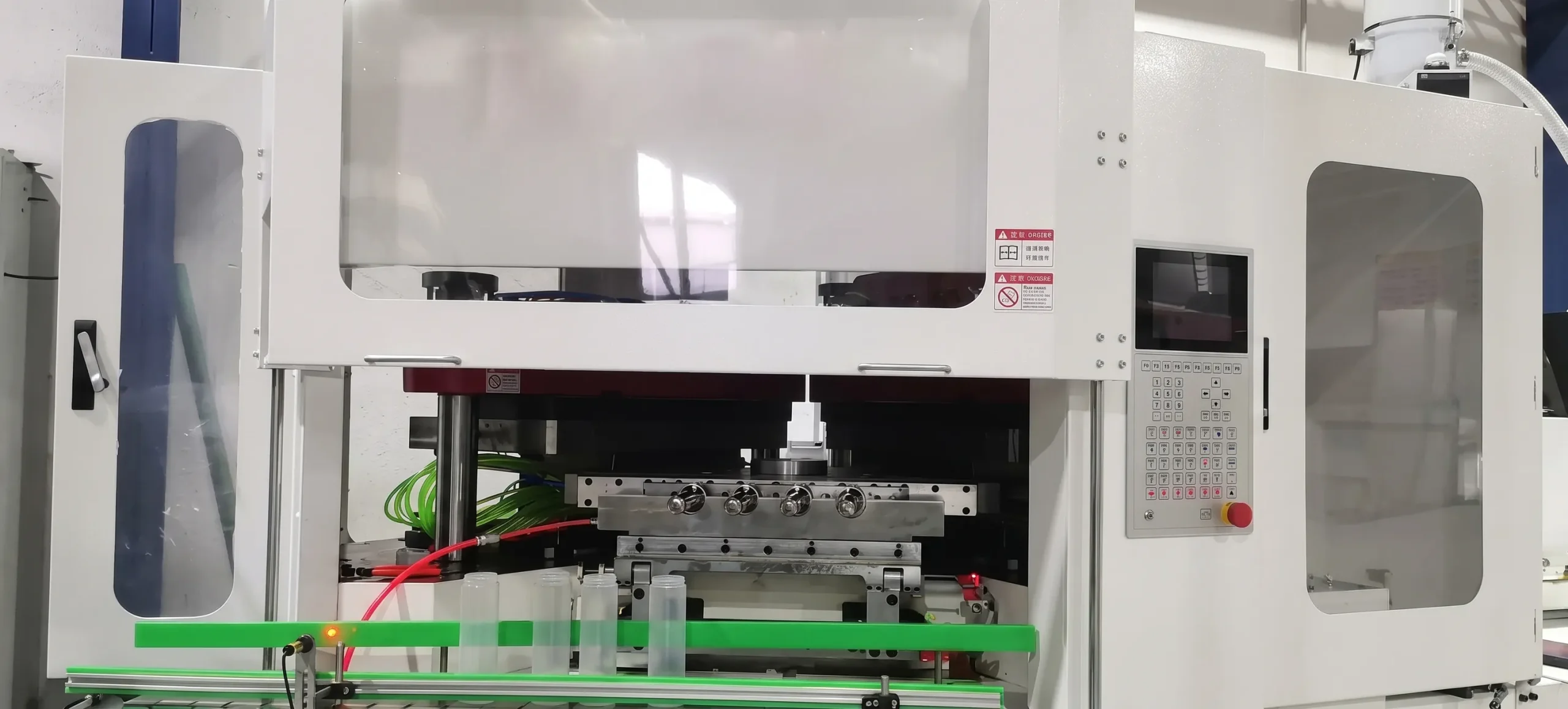
4. Advanced PLC Touch Screen Control and Monitoring
The ZQ80 single stage injection stretch blow molding machine is equipped with an advanced PLC touch screen control system that allows one-click startup, real-time production monitoring, and instant parameter adjustment without halting the line. Operators can track injection pressure, rotation speed, cycle count, and temperature across all barrel zones from a single intuitive interface, minimising human error, ensuring repeatable output quality, and dramatically shortening the learning curve for new production staff.
5. Ultra-Precise Molding Accuracy and Uniform Wall Thickness
Optimised hot runner system design and proprietary mandrel engineering on this plastic injection blow molding machine achieve gram-weight deviation and wall thickness deviation minimisation to plus or minus 0.01 mm class tolerances. Bottle weight variation is held within approximately 1% per cavity, versus 3% or more typical of extrusion blowing processes. This level of precision is essential for pharmaceutical vials, vaccine bottles, and food-grade containers where consistent dosing or fill accuracy is a regulatory requirement.
6. Full OEM/ODM Customisation for Global Markets
As a leading customized injection blow molding machine for sale provider, Ever-Power supports complete OEM and ODM configuration of the ZQ80 to match your specific bottle geometry, cavity count, resin type, and production process. Whether you need a PET injection blow molding machine for beverage lines, an LED bulb cover injection blow molding machine for lighting manufacturers, or a scrap edge injection blow molding machine configuration for daily chemical production, the engineering team tailors every critical parameter before factory acceptance testing and global shipment.
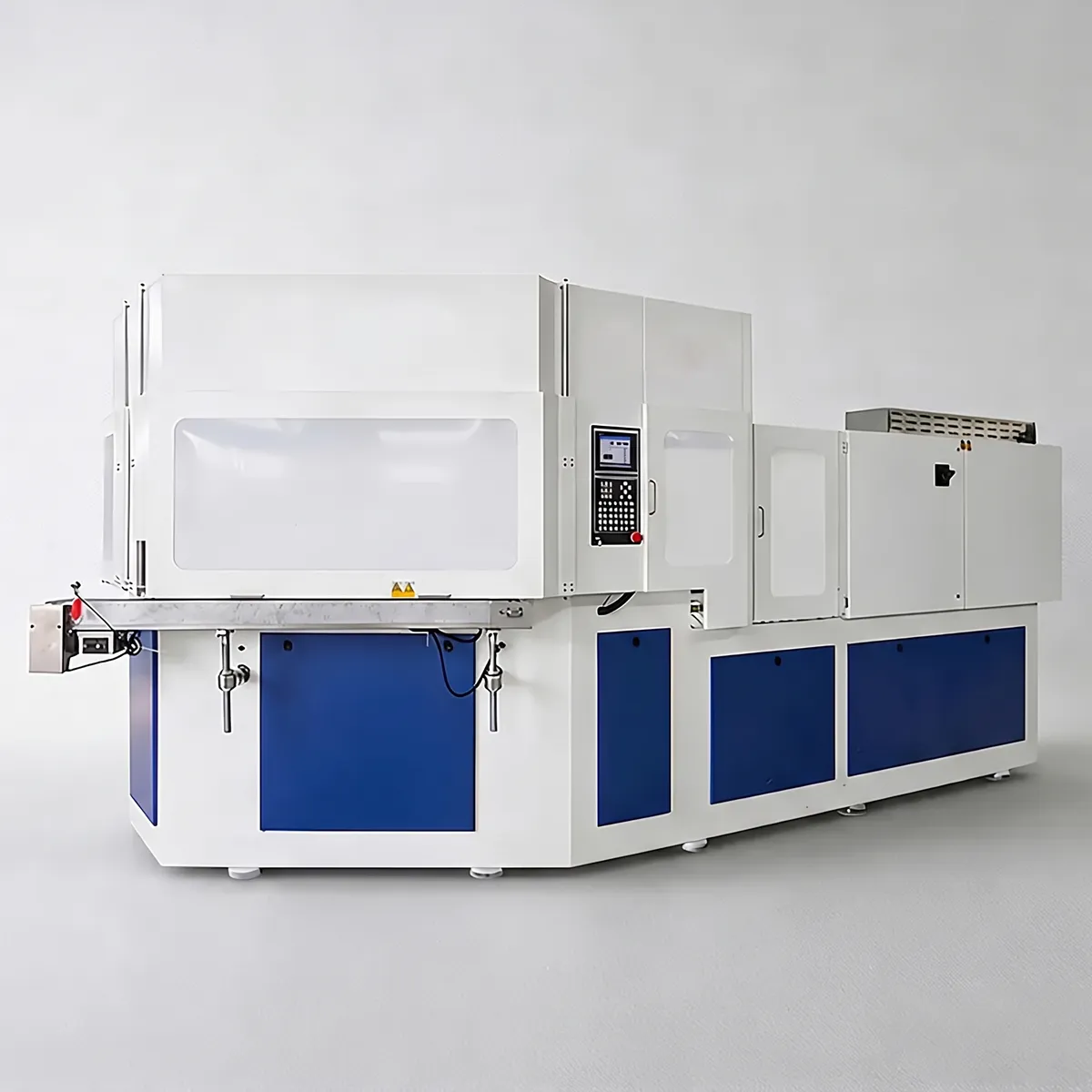
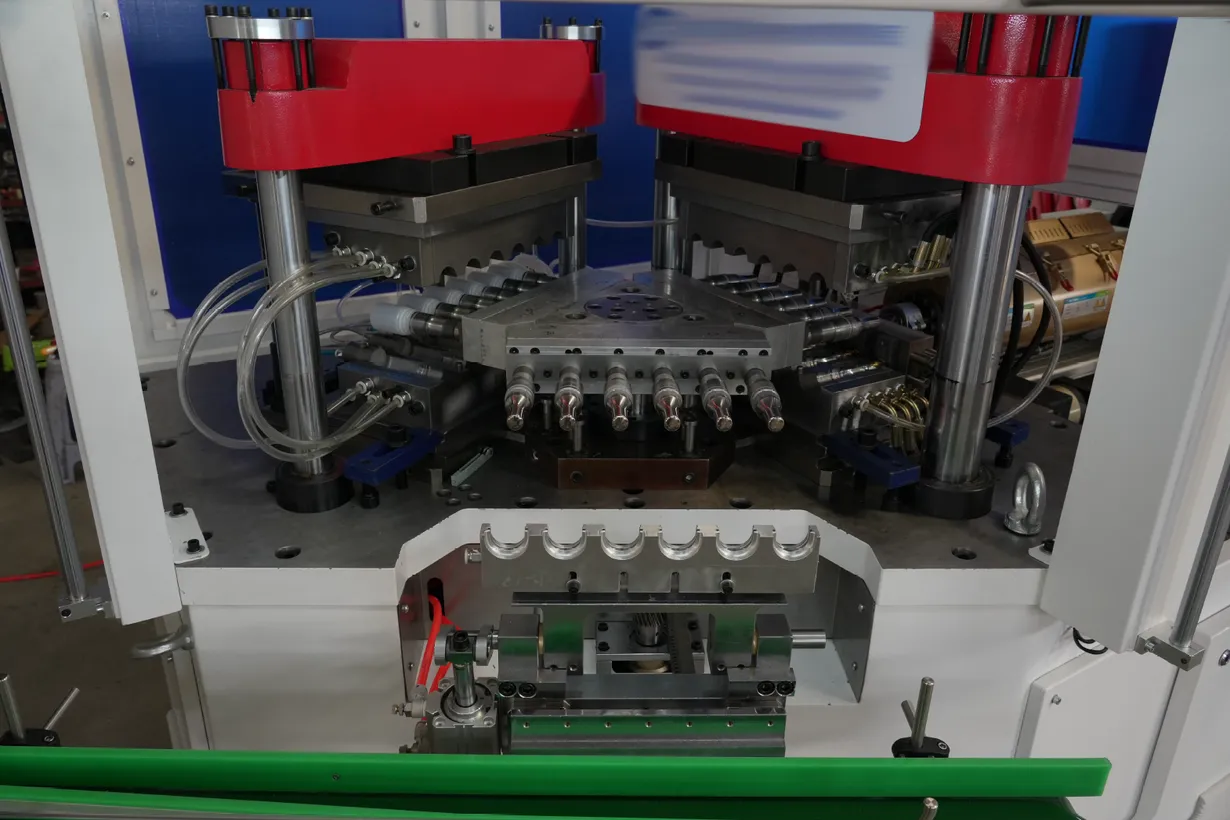
Injection Blow Molding Machine Components
| 1 | Stock Preparation/injection Device | 2 | Hot Runner |
| 3 | Core Rod | 4 | Bottle Preform |
| 5 | Injection Mold | 6 | Injection Station |
| 7 | Blow Station | 8 | Blow Mold |
| 9 | Stripping Station |
Working Principle
Station 1: Preform Injection
At the injection station, molten plastic resin is injected under controlled pressure directly into the preform cavity. The bottle neck thread geometry is formed with high precision at this stage, since the neck dimension is determined entirely by the injection mould and cannot be corrected downstream. Once the correct fill weight and neck dimensions are achieved, the mould opens and the mandrel carrying the still-warm preform rotates to the blow station. This is the core principle of the one step injection blow molding machine: the preform never leaves the mandrel, eliminating contamination and the reheating energy cost of two-stage ISBM processes.
Station 2: Blow Molding
At the blow station, high-pressure air is introduced through the mandrel core rod, inflating the warm preform outward until it conforms precisely to the interior walls of the blow mould cavity. The cavity shape determines the final bottle body geometry, including shoulder curvature, waist, and base convexity. Once the bottle has been fully inflated against the mould surface, the cooling circuit removes residual heat rapidly. The mould then opens and the mandrel rotates the finished bottle to the stripping station. The entire blow and cool phase for this injection blow molding machine completes within the 4-second dry cycle window.
Station 3: Stripping and Ejection
At the stripping station, finished bottles are automatically ejected from the cold core rods by the stripping mechanism and transferred directly onto the downstream conveyor for inspection, labelling, filling, or packing. Because all three actions, injection, blowing, and ejection, operate simultaneously at their respective stations during every machine cycle, the ZQ80 IBM machine achieves maximum throughput with no idle time between phases. This synchronised three-station operation is what makes the blow injection molding machine architecture inherently more efficient than sequential single-station processes, with zero in-process waste generated throughout the entire production cycle.
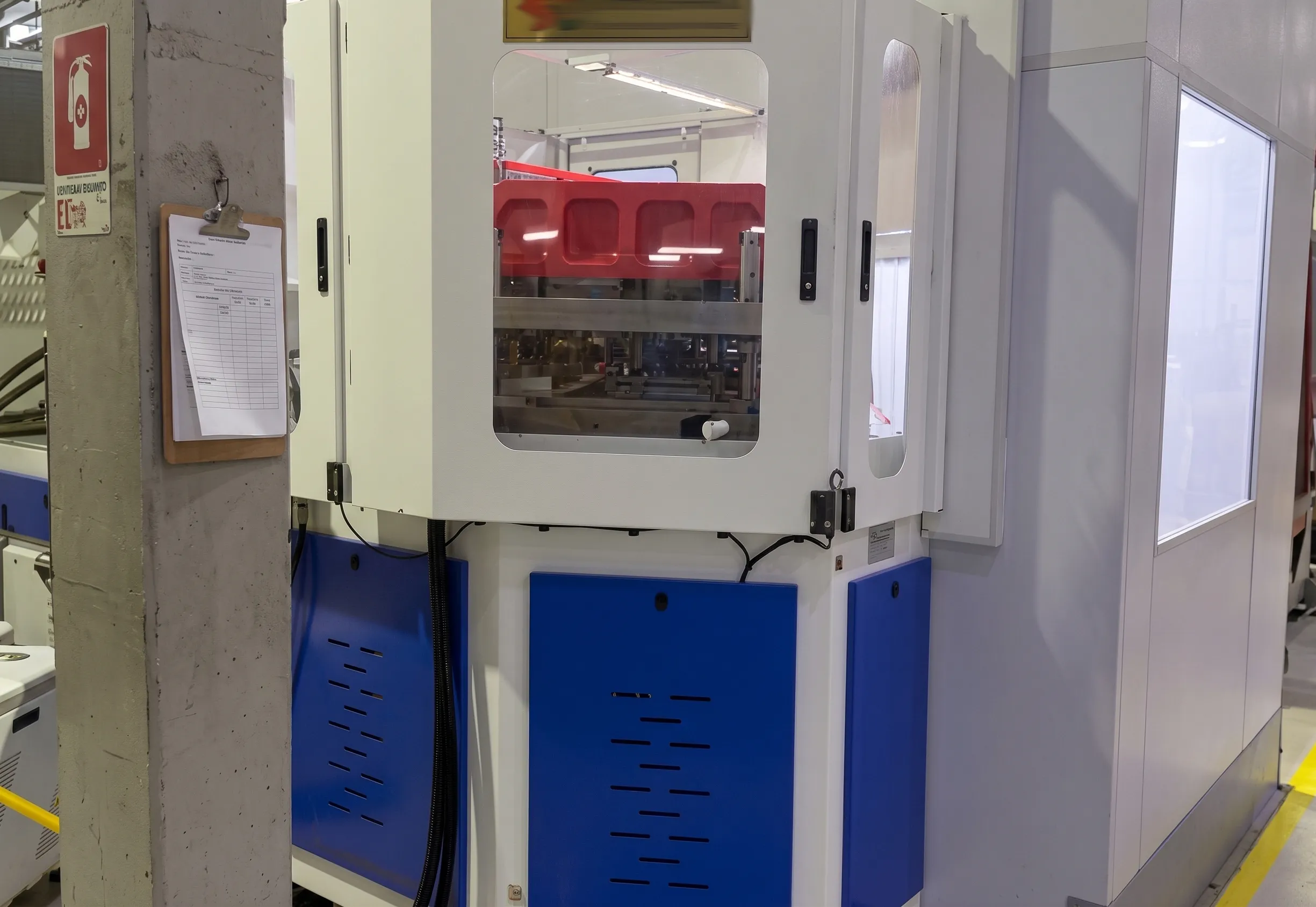
Injection Blow Molding Machine Applications
1. Beverage Bottles
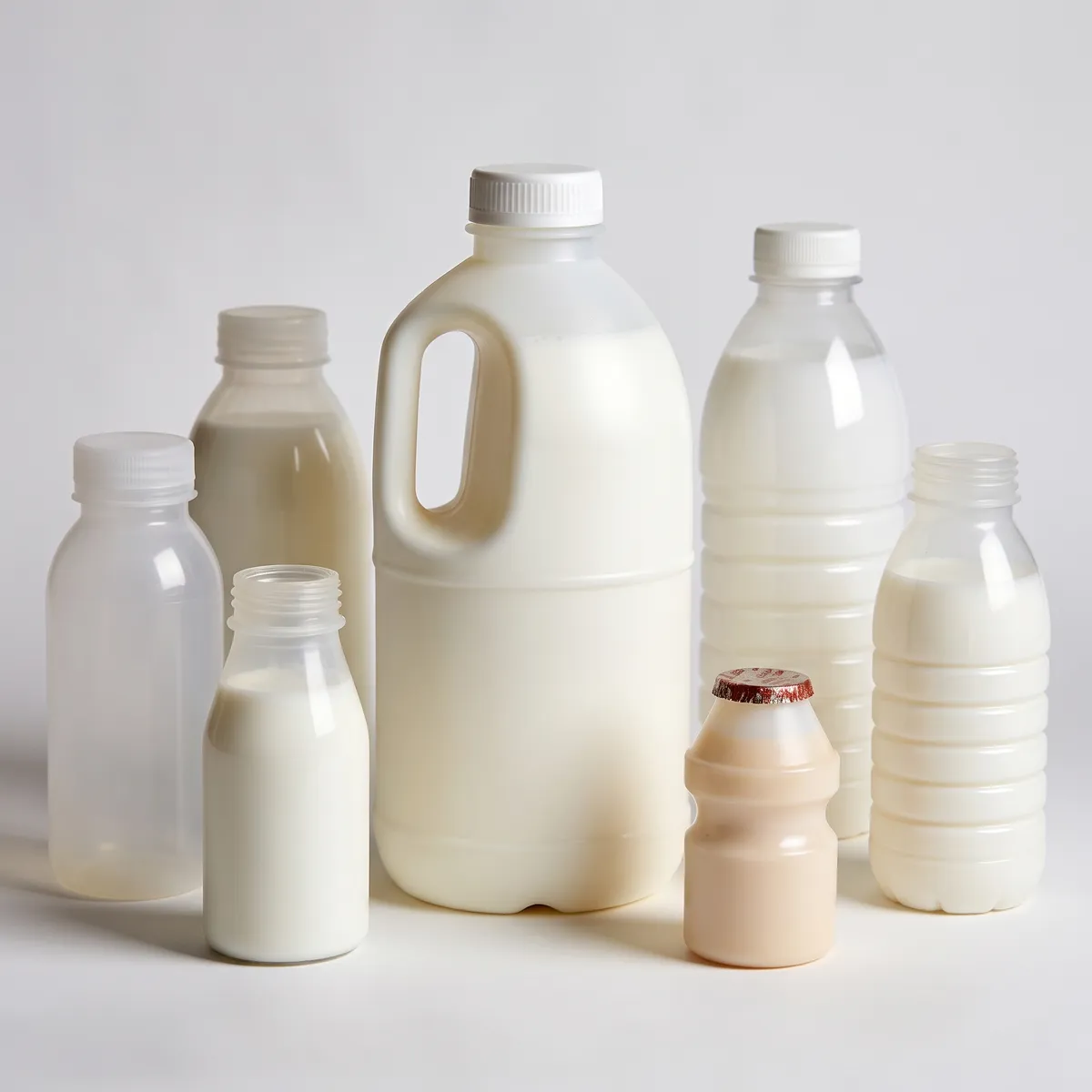
Water, juice, sports drinks, and functional beverages rely on PET or PCTG containers that combine optical clarity with strong structural integrity. The ZQ80 IBM machine produces food-grade beverage bottles with uniform wall distribution and a clean, flash-free neck finish for carbonated and still beverages, meeting FDA and EU food contact material regulations across high-volume production runs.
2. Cosmetic Bottles
Shampoo, lotion, serum, and foundation packaging demand near-optical-quality surface finish and dimensional consistency across millions of units per year. As a best injection blow molding machine option for the cosmetics sector, the ZQ80 handles high-clarity PS, ABS, and PCTG resins, producing containers with sharp shoulder angles, thin walls, and customisable shapes that differentiate brands on the retail shelf.
3. Pharmaceutical Bottles
Tablets, capsules, syrups, and diagnostic reagents require GMP-compliant containers with precise neck tolerances for child-resistant and tamper-evident closures. The ZQ80 plastic injection blow molding machine produces pharmaceutical-grade HDPE and PP vials in compliance with GMP, ISO 15747, and USP Class VI standards, with no flash on mouth or base and uniform wall thickness critical for moisture barrier performance in long-term drug storage applications.
4. Chemical Bottles
Industrial cleaning agents, lubricants, agricultural chemicals, and household cleaning solutions all require HDPE or PP bottles with zero seam leakage, strong base convexity, and consistent wall thickness. The ZQ80 injection blow molding machine produces chemical bottles with precision neck threads that achieve 100% seal compatibility with matching cap closures, meeting stringent UN packaging certifications for hazardous liquid transport.
5. Feeding Bottles
Baby feeding bottles and infant formula containers are produced in PP or environmentally safe corn-derived PLA resins on this injection blowing molding machine. The zero-waste production process and absence of a parting line seam on the container body eliminate sharp edges or weld points that could harbour bacteria, making the ZQ80 an ideal choice for BPA-free, food-safe infant container production certified to EN 14350 and similar international infant product safety standards.
6. Eyedropper Bottles
Ophthalmic drops, nasal sprays, and precision-dose liquid medications rely on LDPE eyedropper bottles where controlled squeeze-and-release characteristics are a function of wall thickness uniformity. The ZQ80 injection stretch blow molding machine achieves consistent thin-wall LDPE construction across every cavity simultaneously, ensuring identical dispensing resistance between bottles and compliance with ISO 11040 and pharmacopoeia requirements for ophthalmic packaging.
7. Body Wash Bottles
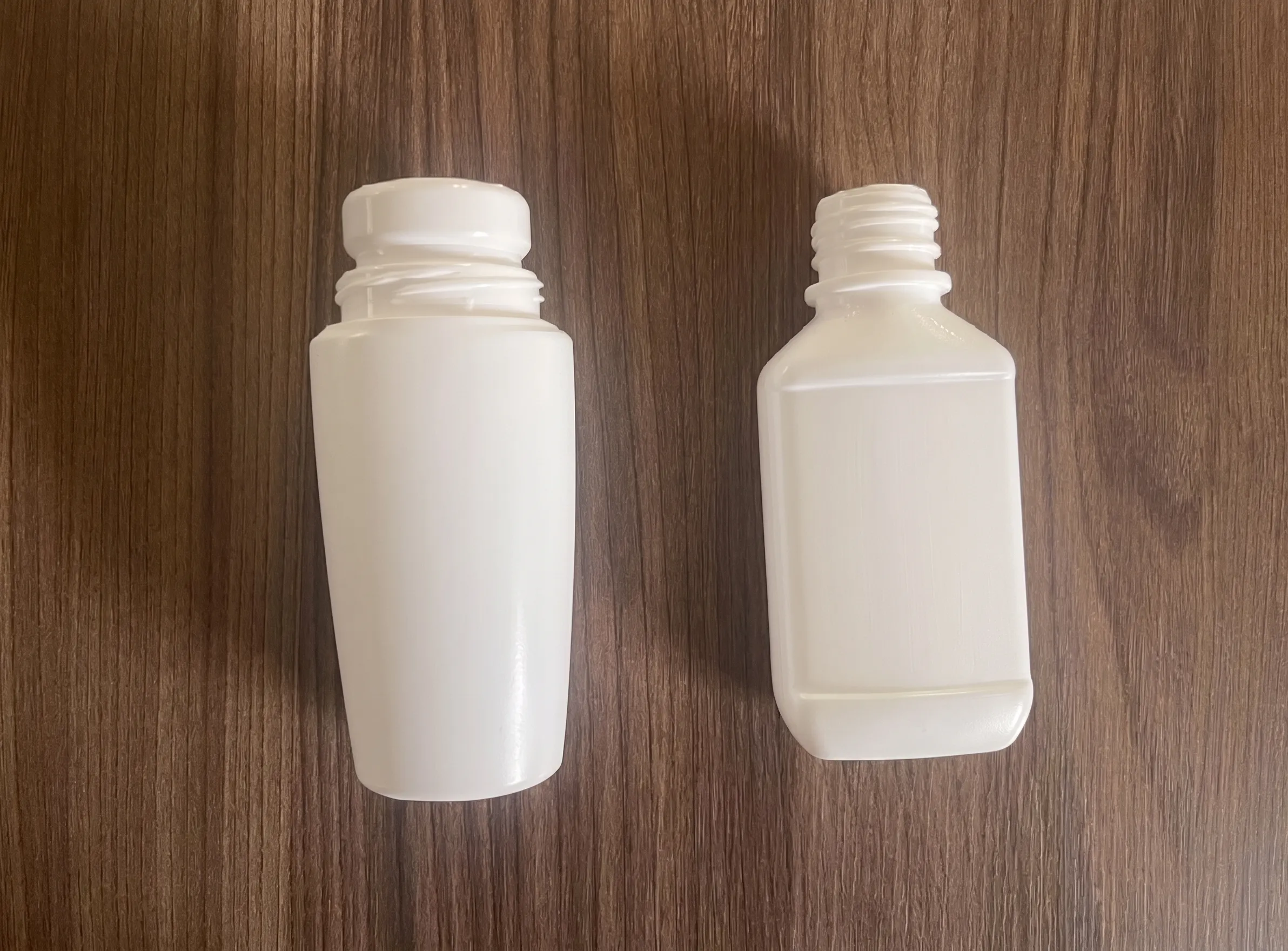
High-viscosity body wash, liquid soap, and shower gel packaging requires robust HDPE or PP containers with flip-top or pump-neck compatibility. The ZQ80 injection blow moulding machine produces 200 ml to 1,000 ml body wash bottles with flat, precision-moulded necks that accept standard 28 mm, 33 mm, and 38 mm pump assemblies, eliminating secondary trimming steps and delivering shelf-ready, label-quality surface finish directly off the production line.
8. Wide-Mouth Jars
Wide-mouth PP or HDPE jars for dietary supplements, protein powders, hardware accessories, and industrial small parts represent a growing segment for the IBM machine format. The ZQ80 accommodates mould configurations for wide-mouth containers up to 120 mm in diameter, producing jars with perfectly flat sealing surfaces for induction-sealed lids, airtight snap caps, or continuous-thread closures used in nutraceutical and industrial packaging supply chains worldwide.
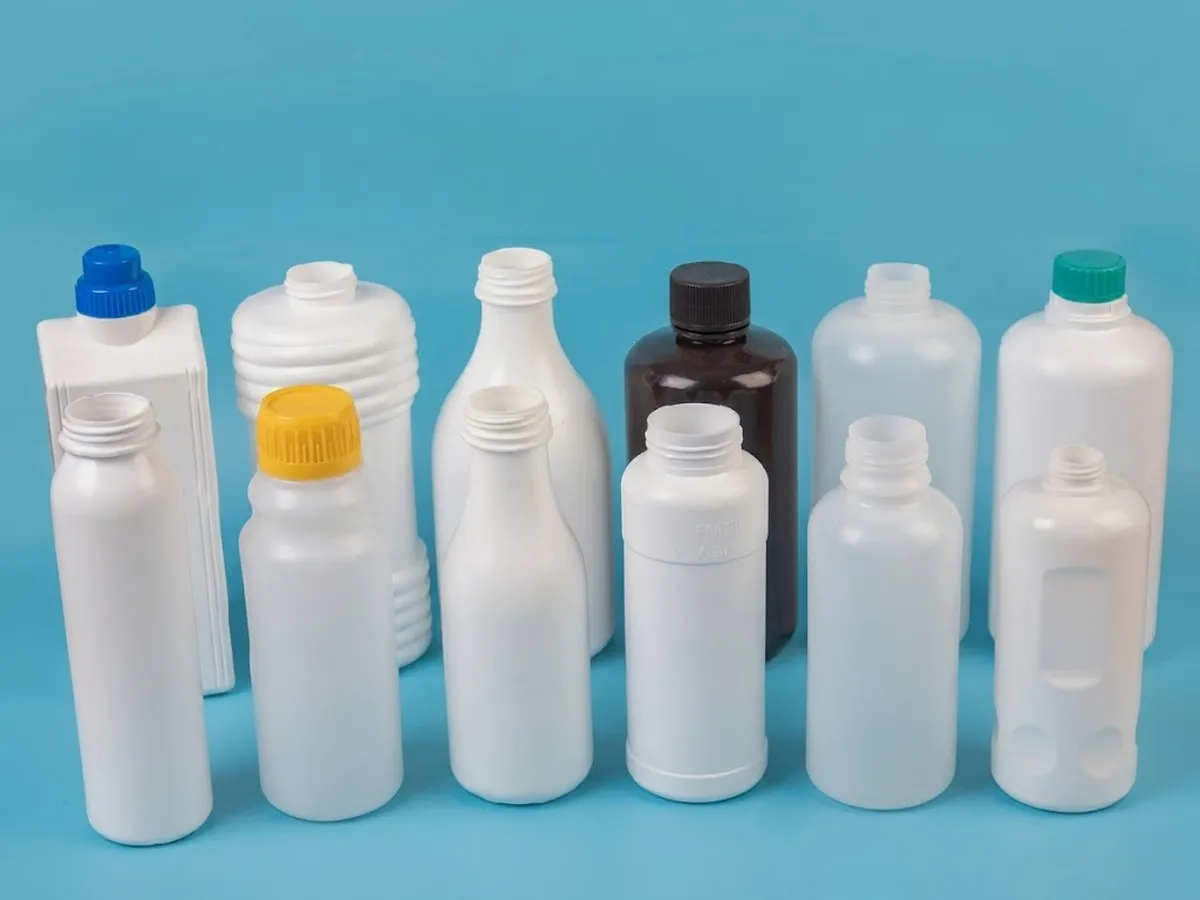 |
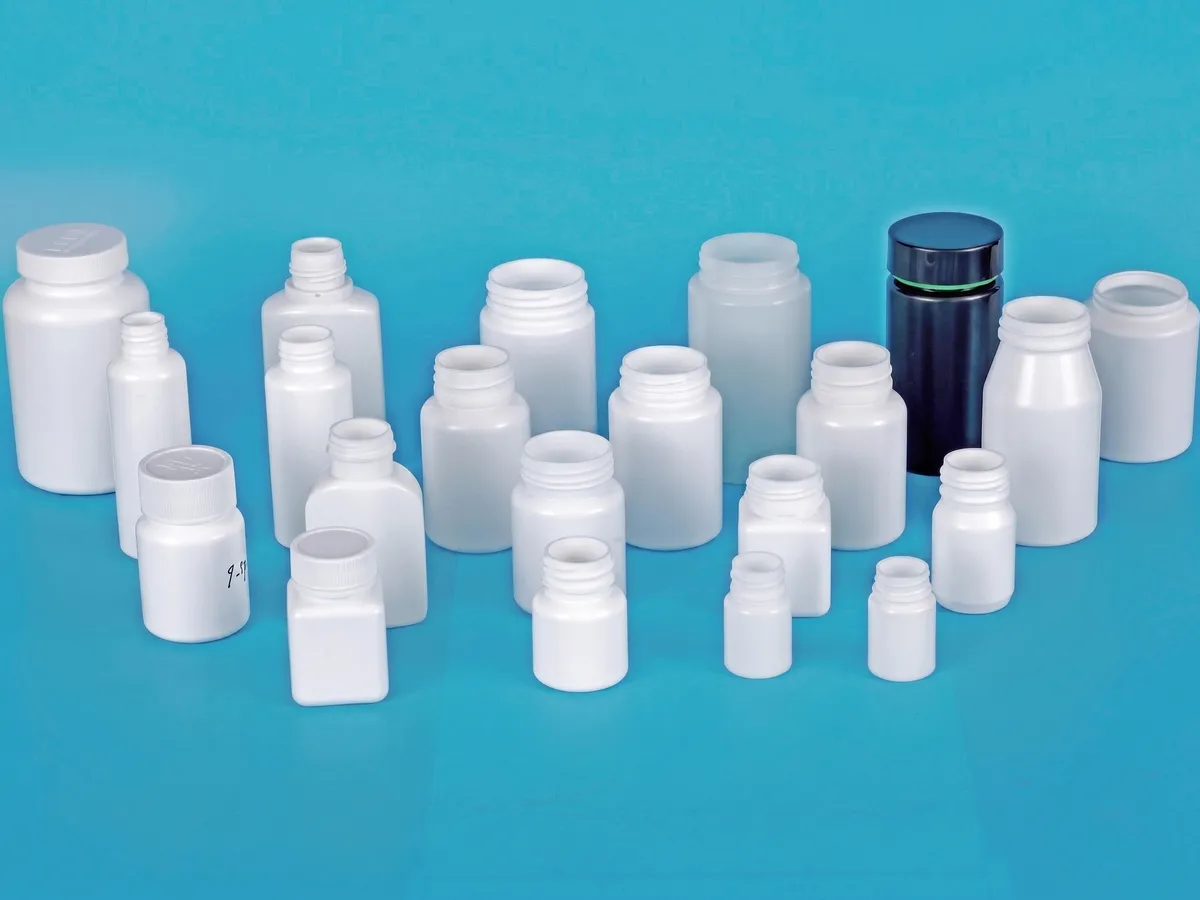 |
| Food Bottles | Pharmaceutical Bottles |
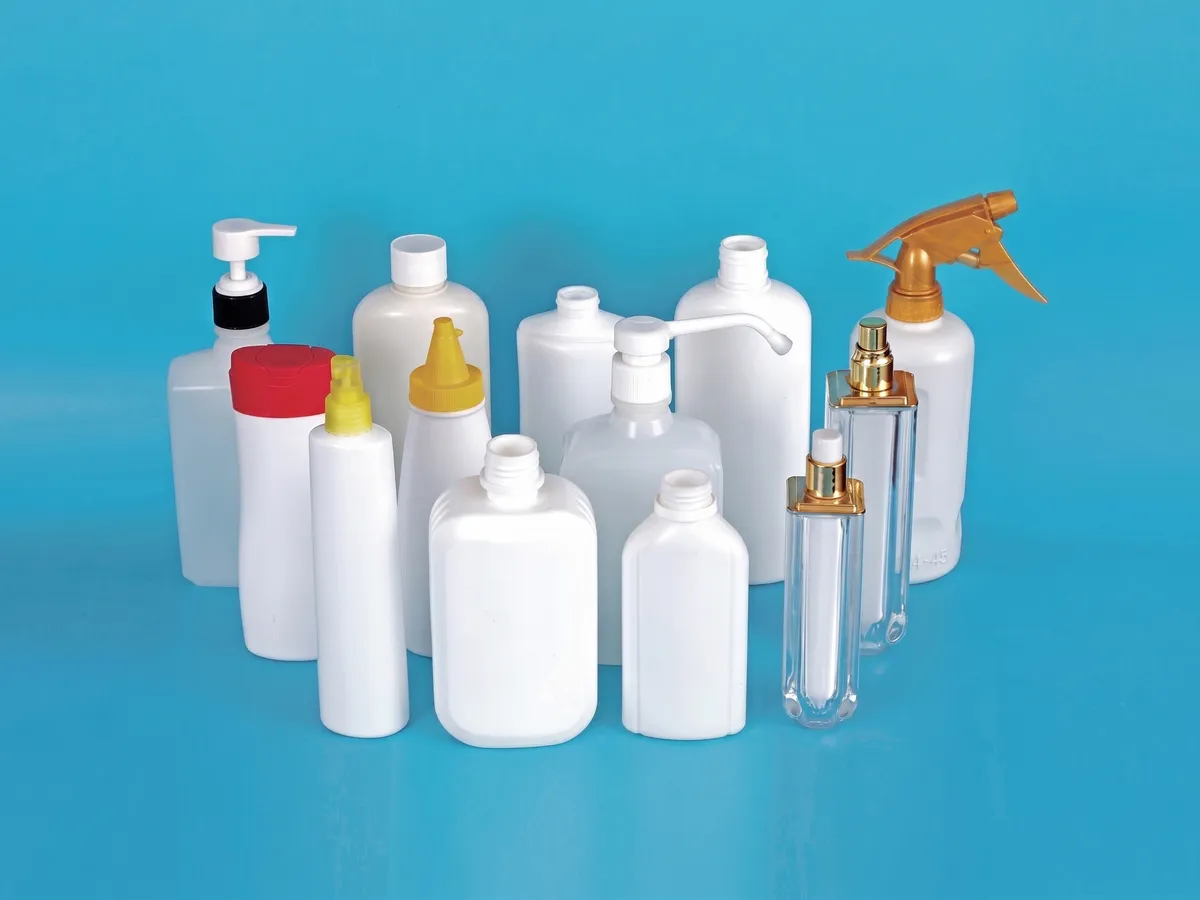 |
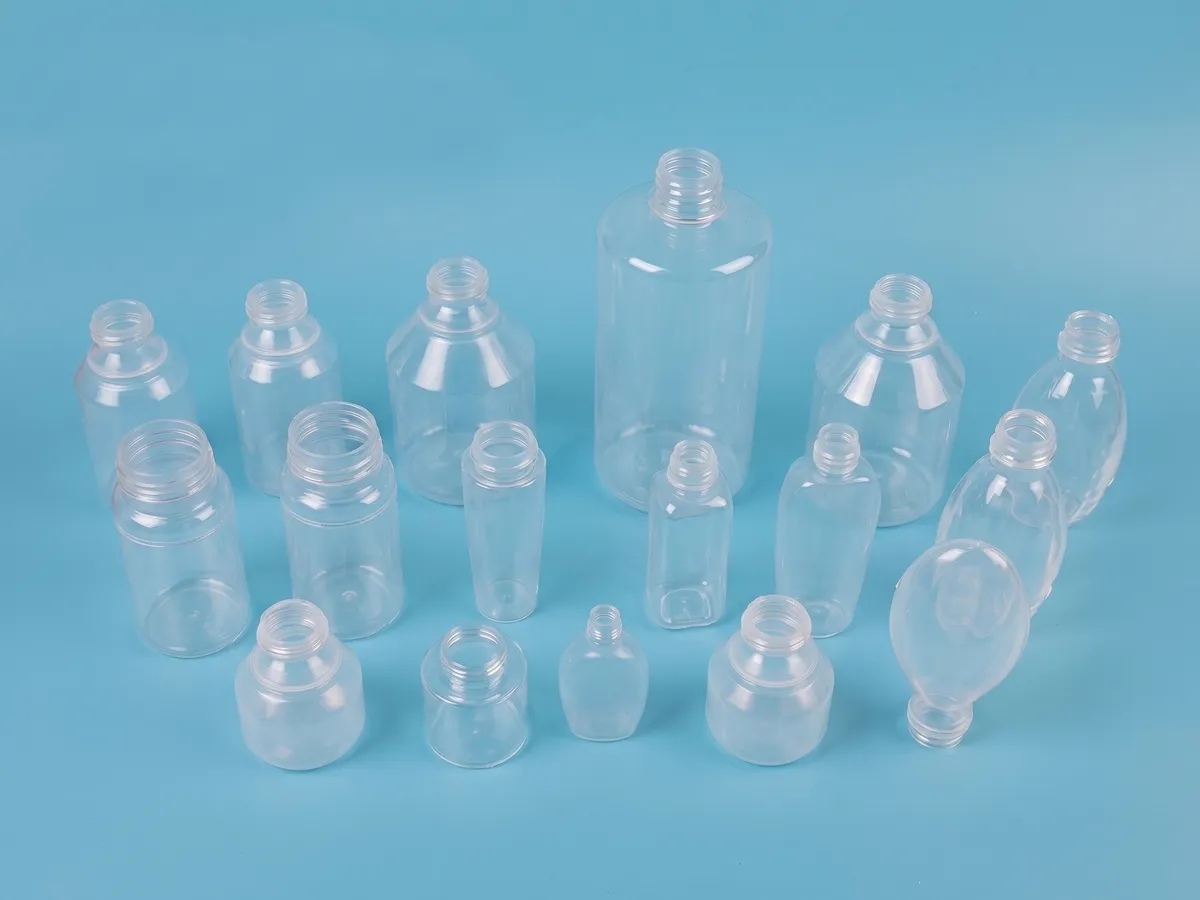 |
| Daily Chemical Bottles | PP Bottles |
Injection Blowing vs. Extrusion Blowing
| Injection Blowing | Extrusion Blowing |
| Weight Variation ~1% Injection blow molding machine technology maintains bottle weight variation at approximately 1%, resulting in highly consistent fill volumes, dosing accuracy, and predictable downstream packaging line performance. This tight control is critical for pharmaceutical, nutraceutical, and measured-dose consumer products. |
Weight Variation ~3% Extrusion blowing processes typically allow bottle weight variation of approximately 3%, introducing inconsistency in material usage, fill level precision, and container structural performance. This wider tolerance requires heavier average wall design to compensate, increasing resin cost per unit. |
| Uniform Wall Thickness The injection blow molding machine process produces containers with genuinely uniform wall thickness because the preform geometry is precisely formed before blowing. This means every point of the finished bottle body has the same material distribution, optimising mechanical strength, barrier properties, and optical clarity in PET and high-clarity PS resins. |
Wall Thickness Varies 10-20% In extrusion blowing, the extruded parison stretches non-uniformly during inflation, causing wall thickness variation of 10-20% between the thickest and thinnest points of the container body. This structural inconsistency is a known limitation that affects drop performance, stacking strength, and shelf-life labelling accuracy. |
| No Blank Opening / No Parting Line Seam Injection blow moulding machine technology produces bottles without any pinch-off or parting line seam at the base, because the parison is injection-moulded rather than extruded and cut. This eliminates the weakest structural point found on extrusion blown containers and delivers a fully convex, strong bottle base critical for pressure resistance in carbonated beverage or aerosol applications. |
Cut-off Mouth Reduces Base Strength Extrusion blown containers require trimming of the base flash or tail left by the parison cut-off, creating a visible parting line seam and structurally weaker base zone. This seam reduces base burst pressure, creates a stress concentration point under drop impact, and requires additional downstream flash removal equipment that increases capital and labour costs. |
| Zero Production Waste The scrap edge injection blow molding machine approach produces absolutely zero in-process waste material, since every gram of resin fed into the machine exits as a finished container. There are no runners, no sprues, no flash, and no trim scraps to grind and reprocess. This translates directly to lower raw material cost per bottle and a cleaner, leaner production floor with no regrind handling equipment required. |
20-40% Scrap Generated Extrusion blow molding typically generates 20-40% scrap by weight in the form of pinch-off flash, parison tails, and base trim that must be ground and reprocessed. Even when regrind is reintroduced into the production stream, it degrades resin properties, introduces colour inconsistency, and adds energy and equipment costs to the overall operation. |
| NO. | Injection Blowing | Extrusion Blowing |
| 1 |
The weight of the bottle changes by about 1% |
The weight of the bottle changes by about 3% |
| 2 |
Uniform wall thickness |
The wall thickness varies by 10-20% |
| 3 |
No blank opening |
It has a cut-off mouth and reduces the strength of the bottle bottom |
| 4 |
The bottom of the bottle is very convex |
Bad convexity at the bottom of the bottle |
| 5 |
The production process does not produce waste |
20-40% scraps |
| 6 |
Products with very thin wall thickness cannot be formed |
The wall thickness can be adjusted using the controller |
| 7 |
Production is not sensitive to changes in the environment |
More adjustments are needed to maintain normality |
| 8 |
Large number of cavities, high yield, flat mouth |
less cavities, low output, uneven bottle neck |
| 9 |
Mold life is long, suitable for long-term production price |
Mold life is short, suitable for short-term production price is low |
| 10 |
Compact system, small footprint |
More auxiliaries, more land |
| 11 |
More difficult to shape oval products |
Easier to form |
Product Advantages
1. Ultra-Precise Molding Accuracy
The ZQ80 injection blow molding machine achieves class-leading dimensional accuracy, holding critical bottle dimensions to plus or minus 0.01 mm class tolerances. This precision ensures consistent wall thickness for flawless plastic containers across every cavity and every production shift, meeting strict industrial quality standards in pharmaceutical, cosmetic, and food packaging where regulatory compliance and dosing accuracy are non-negotiable.
2. Energy Saving vs Conventional Equipment
The unique pressurised clamping structure and standard servo hydraulic dual-system of the ZQ80 combine to deliver up to 30% energy saving compared to conventional injection blow molding machines. Operating power stays in the 52-70% range even at full production capacity, cutting your monthly electricity cost while maintaining high production throughput, making this full electric injection blow molding machine architecture ideal for energy cost-sensitive markets.
3. Advanced PLC Control and One-Click Operation
The advanced PLC touch screen control system with one-click operation and real-time production monitoring minimises human error and ensures stable output across shifts. Operators with minimal training can manage injection temperature profiles, cycle timing, clamping pressure, and rotation speed from a single screen, with alarm diagnostics that identify faults before they cause downtime. Parameter recipes can be stored and recalled instantly when changing between product runs.
4. Full OEM/ODM Customisation Available
Full OEM/ODM customisation for moulds and machines is available, tailored to your specific product size, cavity number, and production process requirements. Whether you need a replacement of Aoki injection blow molding machine or a bespoke configuration for a specialised resin and bottle geometry, Ever-Power engineers will specify, design, build, test, and commission the equipment at your facility under a comprehensive turnkey service agreement.
5. GMP-Compliant Pharmaceutical and Food Solutions
We offer customised molding solutions for global customers in the pharmaceutical, food, daily chemical, and industrial fields. Compliant with GMP standards, these solutions are suitable for medical vials, vaccine bottles, and pill containers. For food-grade material molding, they are ideal for water bottles, juice cups, and food cans. We create customisable shapes for shampoo bottles, lotion jars, and cosmetic containers, and high-strength plastic molding is available for industrial small parts and packaging accessories worldwide.
6. Proven Global Delivery and After-Sales Support
As established injection blow molding machine suppliers serving Korea, India, Turkey, Russia, South Africa, Brazil, the USA, and Mexico, Ever-Power provides full installation commissioning, on-site operator training, preventive maintenance scheduling, and a 24/7 service hotline. Adequate spare parts inventory is maintained at all times, reducing machine downtime and protecting your production schedule. Price for injection blow molding machine configurations are available on request with competitive lead times.
Compatible Raw Materials
HDPE (High-Density Polyethylene)
HDPE is the most widely used resin for pharmaceutical tablets, chemical packaging, and household cleaning product bottles on this injection blow molding machine. It offers excellent chemical resistance, high moisture barrier properties, FDA food contact compliance, and compatibility with child-resistant closures. HDPE processes cleanly on the ZQ80 at barrel temperatures of 180-230 degrees Celsius with zero degradation risk during extended production runs.
LDPE (Low-Density Polyethylene)
LDPE is the preferred resin for squeeze-bottle applications such as eyedropper bottles, nasal spray containers, and flexible dispensing tubes. Its lower flexural modulus allows the controlled squeeze-and-recovery dispensing action required for ophthalmic and nasal pharmaceutical dosing products. The ZQ80 IBM machine processes LDPE with accurate wall thickness control, ensuring consistent squeeze resistance across all cavities in the mould.
PP (Polypropylene)
Polypropylene is the standard resin for baby feeding bottles, microwave-safe food containers, dietary supplement jars, and autoclavable pharmaceutical vials on this injection blow molding machine. PP provides excellent heat resistance to 120 degrees Celsius, chemical resistance to a wide range of solvents, and is compatible with steam sterilisation. Its high-clarity variant offers near-PET optical quality at lower cost for premium bottle designs.
PET (Polyethylene Terephthalate)
As a leading PET injection blow molding machine manufacturer, Ever-Power configures the ZQ80 for wide-mouth PET jars, single-serve beverage bottles, and wide-opening food containers. PET delivers exceptional optical clarity, outstanding carbonation barrier for beverage applications, and full recyclability under widely adopted global resin identification systems. PET requires careful pre-drying to below 50 ppm moisture before processing on this IBM machine to avoid hydrolytic degradation.
PS / High-Clarity PS (Polystyrene)
High-transparency polystyrene processes on the ZQ80 injection blow molding machine to produce optically brilliant containers for cosmetics, premium food packaging, and display jars where the product colour or texture is the consumer selling point. General purpose PS is also used for dairy product packaging, yoghurt cups, and lactic acid bacteria beverage bottles. PS offers excellent printability and adhesion for direct decoration and labelling processes.
PCTG / EVA / ABS and Bio-Resins
PCTG delivers glass-like clarity with better impact resistance than PET for premium cosmetic and nutraceutical packaging on this plastic injection blow molding machine. EVA processes for flexible, soft-touch container applications. ABS is used for durable personal care containers with superior surface finish for metallic or matte decoration. Environmental corn-derived PLA and other bio-based resins process on the ZQ80 for customers seeking sustainable, compostable packaging solutions in the personal care and food segments.
Common Troubleshooting of IBM Machine
1. Inconsistent Bottle Weight Between Cavities
If bottle weight varies more than 1% between cavities on this injection blow molding machine, first check hot runner zone temperatures for individual gate heater malfunction or thermocouple drift. Inspect gate orifice dimensions for wear, carbon buildup, or partial blockage. Verify that screw back pressure and injection speed parameters are correctly set for the resin viscosity. Clean and re-balance the manifold flow channels if necessary. Consistent hot runner temperature control is the single most important factor for cavity-to-cavity weight balancing on a multi-cavity IBM machine.
2. Surface Defects on Bottle Body (Streaks, Pits, or Orange Peel)
Surface defects on bottles produced by the ZQ80 injection blow molding machine typically originate from moisture in the resin feedstock, contamination in the regrind stream, or insufficient melt temperature. Verify that resin is dried to the manufacturer-specified moisture level before processing, especially for hygroscopic materials such as PET, ABS, and PCTG. Check barrel temperature profiles across all four zones. Inspect the blow mould cavity surface for scratches or contamination that transfers to the bottle during inflation, and polish as required to restore surface quality.
3. Flash at Parting Line of Injection Mould
Flash at the injection mould parting line indicates insufficient clamping force relative to injection pressure, or a worn mould parting surface. First verify that the injection clamping force is set to the correct value for the material and shot weight on this IBM injection blow molding machine. Inspect parting surfaces for wear marks or foreign material preventing full mould closure. Check tiebar parallelism and platen flatness. If clamping force is correctly applied, reduce injection speed and peak pressure. The ZQ80 full European-style structure providing 800 KN clamping force is engineered to prevent flash under normal operating conditions.
4. Bottle Fails to Separate from Mandrel at Stripping Station
If finished bottles fail to strip cleanly from the core rod mandrel at Station 3 of this injection blow molding machine, the likely cause is insufficient cooling time, undersize draft angle on the mandrel, or mandrel surface scoring. Increase the cooling cycle duration incrementally until clean release is achieved. Inspect mandrel surface finish and polish any scoring marks that increase adhesion. Check mandrel temperature using an infrared thermometer; if mandrel temperature is too high during stripping, increase cooling water flow rate to the core rod circuit. Correct mandrel surface condition and temperature are critical to reliable high-speed ejection.
5. Uneven Wall Thickness in Blown Bottle Body
Non-uniform wall thickness in the blown bottle from this plastic injection blow molding machine is typically caused by uneven preform temperature distribution, off-centre mandrel positioning, or incorrect blowing air pressure and timing. Check that all barrel zones are reaching target temperature before production starts. Inspect the mandrel centring relative to the blow cavity. Verify that blowing air pressure is maintained steadily at 0.8-1.2 MPa throughout the inflation phase. If one side of the bottle is consistently thinner, the mandrel may have been deflected by uneven preform shrinkage and requires shimming or replacement.
6. Hydraulic System Pressure Instability
Pressure fluctuations in the hydraulic system of the ZQ80 injection blow molding machine can cause erratic clamping force, inconsistent injection speed, and cycle timing variations. Check hydraulic oil level and top up to the specified mark. Inspect the oil filter condition and replace if blocked. Check all hydraulic hose connections for weeping or loose fittings. Inspect the hydraulic pump for wear-induced internal bypass. Verify that the hydraulic oil temperature is within the 35-55 degree Celsius operating range; install or service the oil cooling circuit if overheating is occurring during high-ambient-temperature production environments.
How to Order a Customised Injection Blow Molding Machine
1. Define Your Bottle Specification and Production Volume
Begin by providing bottle height, diameter, wall thickness, and volume range (1 ml to 2,000 ml), along with your target annual production volume in millions of units. This information allows our engineers to recommend the optimal cavity count, machine tonnage, and cycle time for your investment return calculation. The ZQ80 injection blow molding machine handles from 2 cavities for 1,000 ml containers up to 20 cavities for 10 ml containers, covering the broadest range of B2B bottle production requirements.
2. Select Your Resin Type and Grade
Specify the resin or resins you intend to process: HDPE, LDPE, PP, PET, high-clarity PS, ABS, PCTG, EVA, or bio-based PLA. If your product requires food contact compliance, GMP pharmaceutical compliance, or FDA approval documentation, advise our team so the screw design, barrel alloy selection, and hot runner metallurgy can be specified accordingly. Multi-resin capable configurations for this injection blow molding machine are available for production lines that switch between materials between product runs.
3. Provide Bottle Shape Files or Reference Samples
Submit your bottle design as a 3D CAD file (STEP, IGES, or Solidworks format), 2D engineering drawing, or physical sample. Our mould design team will review the geometry for IBM machine compatibility, identify any features requiring modification for injection blow moulding machine processing, and provide a mould design proposal with cavity layout, parting line position, mandrel dimensions, and expected gram weight. Preliminary DFM (Design for Manufacturability) reviews are provided at no charge for serious procurement enquiries.
4. Confirm Power Supply, Utilities, and Local Standards
Advise us of your local electrical supply (voltage, phase, frequency), available compressed air capacity, and cooling water specifications. The ZQ80 injection blow molding machine requires 0.8-1.2 MPa compressed air at 0.8 m3/min, 4 m3/h cooling water at 0.3-0.4 MPa, and a 55 KW total power supply. Our export documentation team will prepare CE marking certificates, electrical panel labelling, and safety documentation in your country-specific language for smooth customs clearance and local regulatory approval of the IBM machine on site.
5. Factory Acceptance Testing and Installation Commissioning
Before shipment, every ZQ80 injection blow molding machine undergoes Factory Acceptance Testing (FAT) at our facility, running customer-specified resin and producing sample bottles for dimensional inspection, wall thickness measurement, and weight verification against agreed specifications. Customers are welcome to attend the FAT in person. After delivery, our experienced senior engineers travel to your site for installation, commissioning, and production startup, remaining on-site until stable production status is confirmed and your operators are fully trained on machine operation and preventive maintenance procedures.
Why Choose Ever-Power's Injection Blow Molding Machines?
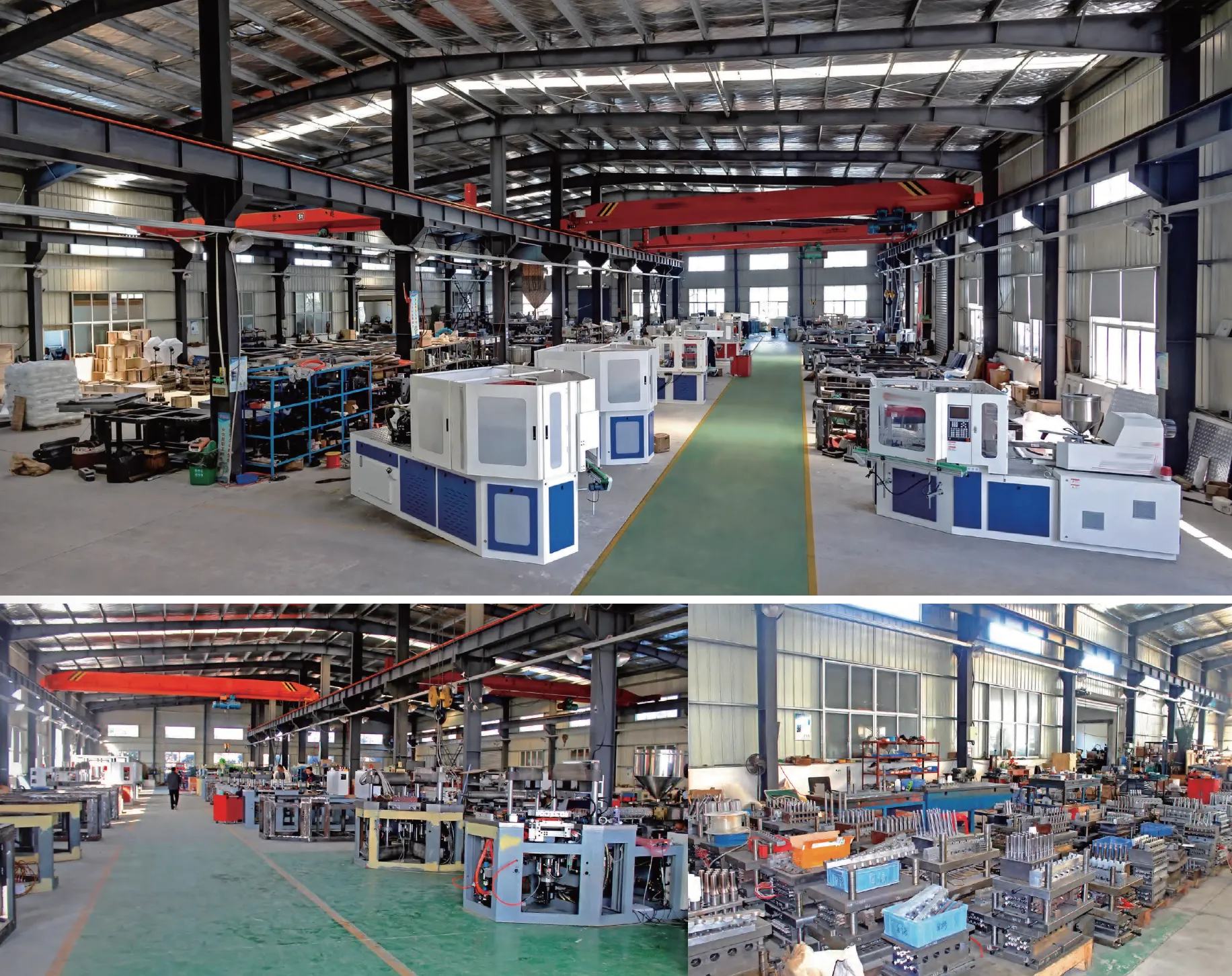
Mexico Ever-Power ISBM Machinery Co., Ltd. is primarily engaged in the research and development, production, sales, and global trade of automatic one-step injection-blowing blow molding machines and supporting injection-blowing moulds. The company enjoys an advantageous geographical location and excellent transportation connections for rapid international logistics. Our product portfolio covers injection blow molding machines, extrusion blow molding machines, injection stretch blow molding machines, and a full range of auxiliary equipment, enabling us to deliver complete one-stop turnkey production line solutions to customers in every global region.
Mexico Ever-Power ISBM Machinery Co., Ltd. has built an exceptional R&D team by bringing together senior engineering and technical personnel with deep expertise in injection-blowing machinery and injection-blowing mould design. With rich theoretical foundations and extensive practical manufacturing experience, our team provides customers with genuinely comprehensive pre-sale consultancy, in-sale project management, and after-sale technical support services that distinguish us from lower-cost alternatives in the injection blow molding machine manufacturer landscape.
The company product applications span pharmaceutical packaging, food packaging, healthcare product packaging, cosmetic packaging, and general plastic packaging markets. The ZQ80 and our full IBM machine range produce 1 ml to 1,000 ml plastic containers from HDPE, LDPE, PP, PS including lactic acid bacteria dairy formats, high-transparency PS, ABS, environmentally responsible corn-derived materials, EVA, and PCTG. Ever-Power adheres to the enterprise development philosophy of self-reliance, integrity, pragmatism, innovation, and responsibility, building a one-stop turnkey injection blow molding machine project service that produces high-end injection-blowing products meeting the highest standards of user quality and reliability demanded by global B2B buyers.
Frequently Asked Questions
Q1: What is the difference between an injection blow molding machine and an injection stretch blow molding machine?
A: An injection blow molding machine (IBM machine) produces containers by injecting a preform and immediately blowing it within the same machine cycle without mechanical stretching, relying on internal air pressure alone to expand the preform against the blow mould. An injection stretch blow molding machine (ISBM machine) adds a mechanical stretch rod that simultaneously stretches the preform axially while air pressure inflates it radially, resulting in biaxial molecular orientation that improves barrier properties, clarity, and mechanical strength, particularly for PET beverage bottles. The ZQ80 operates as a one step injection blow molding machine suitable for HDPE, PP, PET, PS, and similar resins without requiring the stretch rod mechanism.
Q2: What bottle sizes and volumes can the ZQ80 injection blow molding machine produce?
A: The ZQ80 IBM machine produces bottles from 1 ml to 2,000 ml in suitable height range up to 220 mm and diameter up to 120 mm. Mold cavitation scales from 20 cavities for 10 ml containers down to 3-4 cavities for 1,000 ml containers. For production volumes requiring coverage of a wide size range, multiple mould sets can be purchased and interchanged on the same machine platform, making the ZQ80 a cost-effective choice for contract manufacturers handling multiple SKUs across pharmaceutical, cosmetic, food, and chemical packaging sectors.
Q3: What is the injection blow molding machine price range for the ZQ80?
A: Injection blow molding machine prices vary based on cavity count, mould configuration, resin type, and destination country logistics. The ZQ80 European model is competitively positioned against comparable AOKI, Jomar, and Uniloy IBM machine alternatives at a significantly lower capital investment while delivering equivalent or superior clamping force and energy efficiency. Please contact our sales team with your full bottle specification and production volume requirements for a formal quotation including mould cost, machine cost, accessories, shipping, and optional auxiliary equipment packages.
Q4: Can the ZQ80 process PET resin for beverage or cosmetic bottle production?
A: Yes. The ZQ80 PET injection blow molding machine configuration processes PET, PCTG, and other polyester resins for small-to-medium format bottles, particularly wide-mouth jars, cosmetic vials, and compact beverage containers where the one-step IBM process is preferred over two-stage ISBM for its lower energy cost and more compact line footprint. PET requires pre-drying to below 50 ppm moisture before processing. Our engineers will advise on barrel temperature profile, screw design, and auxiliary dryer specification for PET processing on the ZQ80.
Q5: How does the ZQ80 compare to used PET injection blow molding machines available in the market?
A: A used PET injection blow molding machine may appear lower cost at purchase but typically carries unknown maintenance history, worn screws and barrels, degraded hydraulic seals, and potentially obsolete PLC hardware with no spare parts support. The ZQ80 is a new machine with full warranty coverage, CE documentation, new hydraulic components, and a current-generation PLC system with firmware support. Over a 5-10 year production horizon, the total cost of ownership of a new ZQ80 injection blow molding machine is typically lower than a used alternative once repair costs, productivity losses, and part sourcing delays are factored in.
Q6: Is the ZQ80 a suitable all electric injection blow molding machine?
A: The ZQ80 uses a servo-hydraulic dual drive system combining servo motor energy efficiency with the high-force capability of hydraulic actuation for clamping and injection. It is not a purely all electric injection blow molding machine in the sense of fully electric servo-driven axes, but its servo-hydraulic architecture delivers energy savings of 10-20% versus conventional fixed-speed hydraulic IBM machines. For customers with specific all-electric requirements, please contact our engineering team to discuss available motor and drive specifications.
Q7: How long does delivery take and what does the installation service include?
A: Standard lead time for the ZQ80 injection blow molding machine including mould fabrication is typically 45-75 days from order confirmation and deposit receipt, depending on mould complexity and current production schedule. The machine is shipped by sea freight in an export-standard wooden crate with full anti-corrosion and vibration protection. Installation service includes senior engineer travel to your facility, mechanical installation supervision, electrical and utility connection, process startup, trial production with your specified resin, parameter optimisation, and formal handover with operator training. Training covers daily operation, cleaning, preventive maintenance, and basic fault diagnosis.
Q8: Can the ZQ80 produce LED bulb cover components?
A: Yes. The ZQ80 LED bulb cover injection blow molding machine configuration produces thin-walled, high-clarity PS, PCTG, or polycarbonate-blend bulb globes and diffuser covers for LED lighting manufacturers. The IBM process delivers excellent optical clarity, uniform wall thickness critical for consistent light diffusion performance, and zero parting line seam that would otherwise create visible shadow lines in the illuminated product. Mould designs for standard A60, G95, and globe-style LED cover geometries are available from our mould inventory for reduced tooling lead times.
Q9: What auxiliary equipment is recommended alongside the ZQ80?
A: For a complete production line, we recommend pairing the ZQ80 injection blow molding machine with a screw air compressor (for consistent 0.8-1.2 MPa blowing air supply), an air dryer, a mould temperature controller (for precise mould surface temperature management), a chiller for supplemental cooling water supply, an automatic material loader for continuous resin feeding, a bottle visual inspection machine for automated quality control, a conveyor belt for bottle transfer, and a packing machine for downstream cartonisation. Ever-Power can supply all auxiliary equipment as a complete one-stop injection blow molding machine turnkey line.
Q10: Is the ZQ80 a suitable single stage injection stretch blow molding machine for small pharmaceutical vials?
A: The ZQ80 is an excellent single stage injection blow molding machine for small pharmaceutical vials in the 1 ml to 100 ml volume range, particularly for HDPE and PP resins commonly used in ophthalmic drops, nasal sprays, oral liquids, and dry powder containers. The precise neck thread formation at the injection station ensures airtight compatibility with child-resistant and tamper-evident closures. GMP compliance documentation, batch traceability support, and FDA-compatible material certifications are available upon request for pharmaceutical customer qualification submissions.
Customer Reviews
Park Ji-hoon, Production Manager, South Korea
"We replaced an older Aoki unit with the ZQ80 about eight months ago and the difference in output is really significant. We are running 100ml PP pharmaceutical bottles at 12 cavities and the gram weight variation between cavities stays well under 1%. Installation engineers arrived on time, spoke good English, and we were in production within three days of the machine arriving at our plant. Very satisfied with the after-sales response time too."
Rajesh Mehta, Plant Director, India
"We have been running the ZQ80 for 500ml HDPE personal care bottles for eleven months now. The energy saving compared to our old machine is noticeable on the monthly electricity bill, roughly 18-20% lower for the same output. The servo rotation is quiet and smooth. Our maintenance team says this is the easiest IBM machine they have maintained. Would recommend to anyone looking at injection blow molding machine suppliers in India."
Fatma Yilmaz, Operations Manager, Turkey
"Honestly I was a bit worried about buying a machine from China because of the after-sales support issue. But Ever-Power was responsive from day one. The ZQ80 we ordered for 30ml and 60ml cosmetic bottles arrived well packed, with full documentation in English, and the startup was smooth. We have been using it every day since and never had a serious breakdown. The price for injection blow molding machine was also very competitive versus European brands."
Dmitri Volkov, Technical Director, Russia
"The logistics and customs clearance on our ZQ80 were handled professionally. Machine arrived in perfect condition, no damage at all. We are using it for 250ml chemical bottles in HDPE and the cavity count of 8 gives us excellent throughput. The PLC interface is intuitive and our operators learned it quickly. Three months in and production quality is consistent with zero rejects from wall thickness issues."
Sipho Dlamini, Procurement Manager, South Africa
"We needed a replacement for an older used PET injection blow molding machine that was unreliable. The ZQ80 European model was a clear step up in build quality. Our technical team did note that the commissioning manual could be more detailed in some areas, but the Ever-Power engineer who came to site resolved every question. We produce 10ml and 30ml PET cosmetic sample vials and the surface finish is excellent. Delivery from order to arrival was about 65 days."
Carlos Mendes, Factory Manager, Brazil
"We had been looking at injection blow molding machine prices from several manufacturers. Ever-Power gave us the best combination of specification and value. Our ZQ80 runs 500ml and 1000ml PP detergent bottles for private label clients. The zero waste production is the feature we appreciate most because our old extrusion machine was generating around 30% scrap. That alone paid back a significant portion of the machine cost in the first year."
Michael Thompson, Quality Director, USA
"We are a contract manufacturer for several national pharmacy chains and GMP compliance is not optional for us. The ZQ80 met every requirement we specified for our 60ml and 100ml pharmaceutical HDPE bottles. The neck thread dimensions are exact, the wall thickness is consistent, and we passed our first GMP audit with no findings related to the container production equipment. The machine has been running 16 hours a day for seven months without any unplanned downtime."
Ricardo Gutierrez, Production Manager, Mexico
"We bought the ZQ80 to produce 250ml HDPE bottles for household cleaning products. The machine arrived well packaged and the installation process was fast. The Ever-Power sales team spoke Spanish, which was a great help. We have been operating for nine months and production is stable with very few rejects. I would definitely recommend it to other manufacturers in Mexico looking for a European-quality IBM injection blow molding machine at an affordable price."
Hana Kim, CEO, South Korea
"I was looking for a best injection blow molding machine that could handle both PP feeding bottles and high-clarity PS cosmetic vials without a full line changeover. The ZQ80 with our two mould sets does exactly that. Changeover between products takes less than two hours including parameter reset on the PLC. Surface clarity on the PS cosmetic vials is outstanding, our brand clients have commented on the quality upgrade versus what we were producing before. Highly recommend Ever-Power as injection blow molding machine manufacturers."
Additional information
| Edited by | Yjx |
|---|