
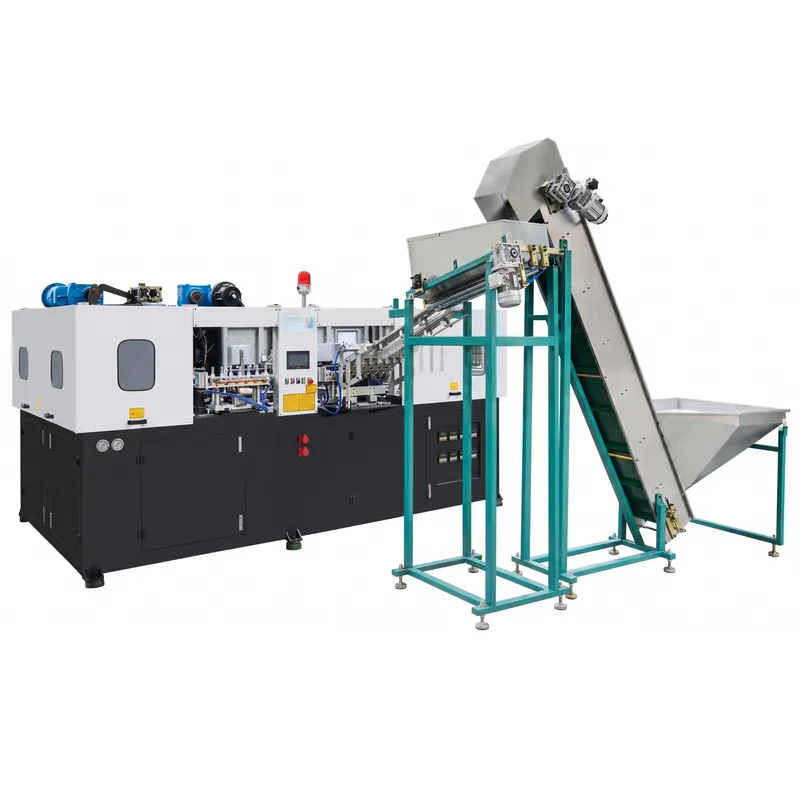
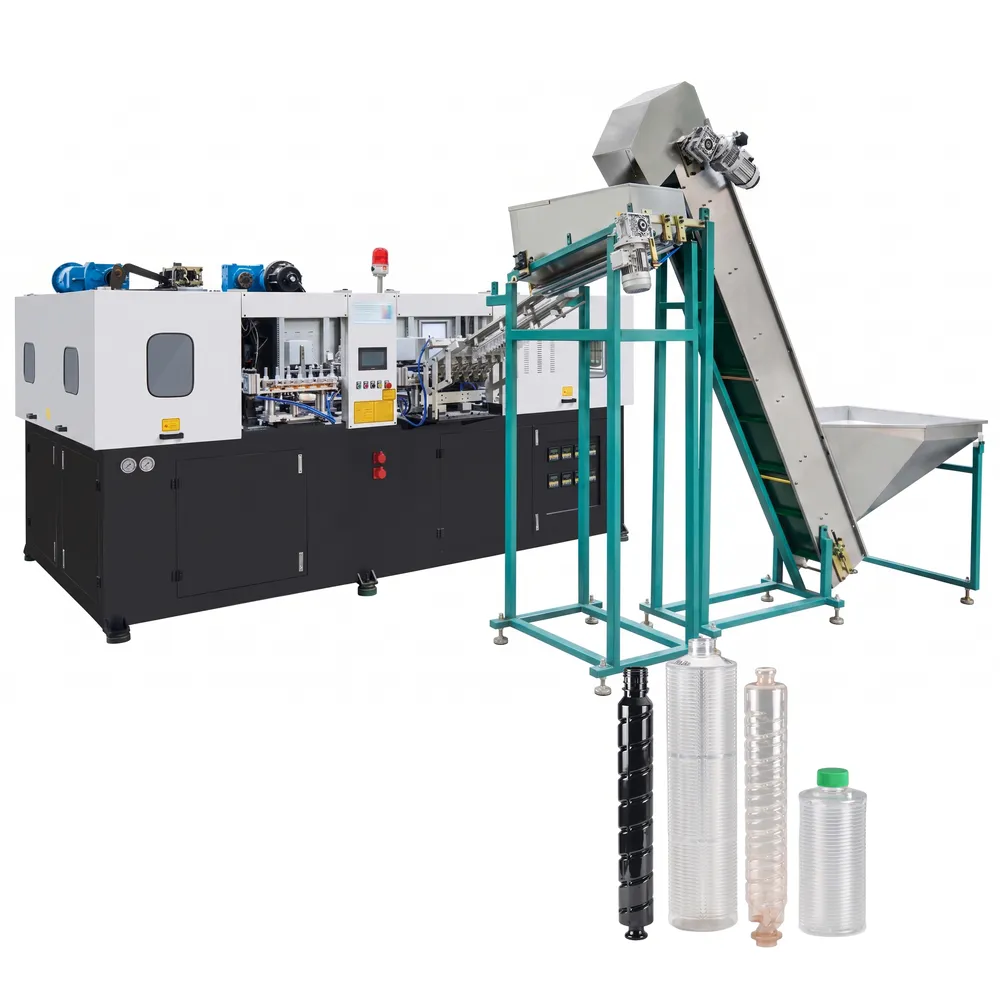
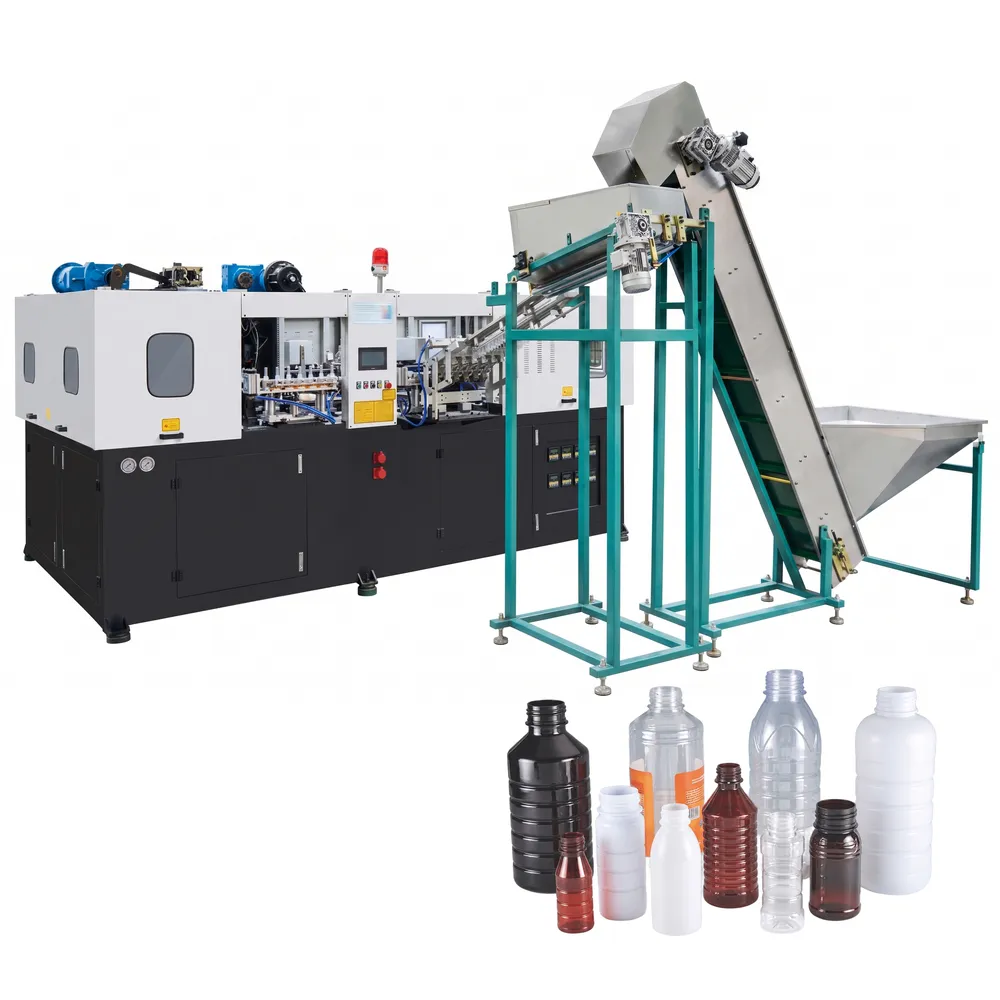
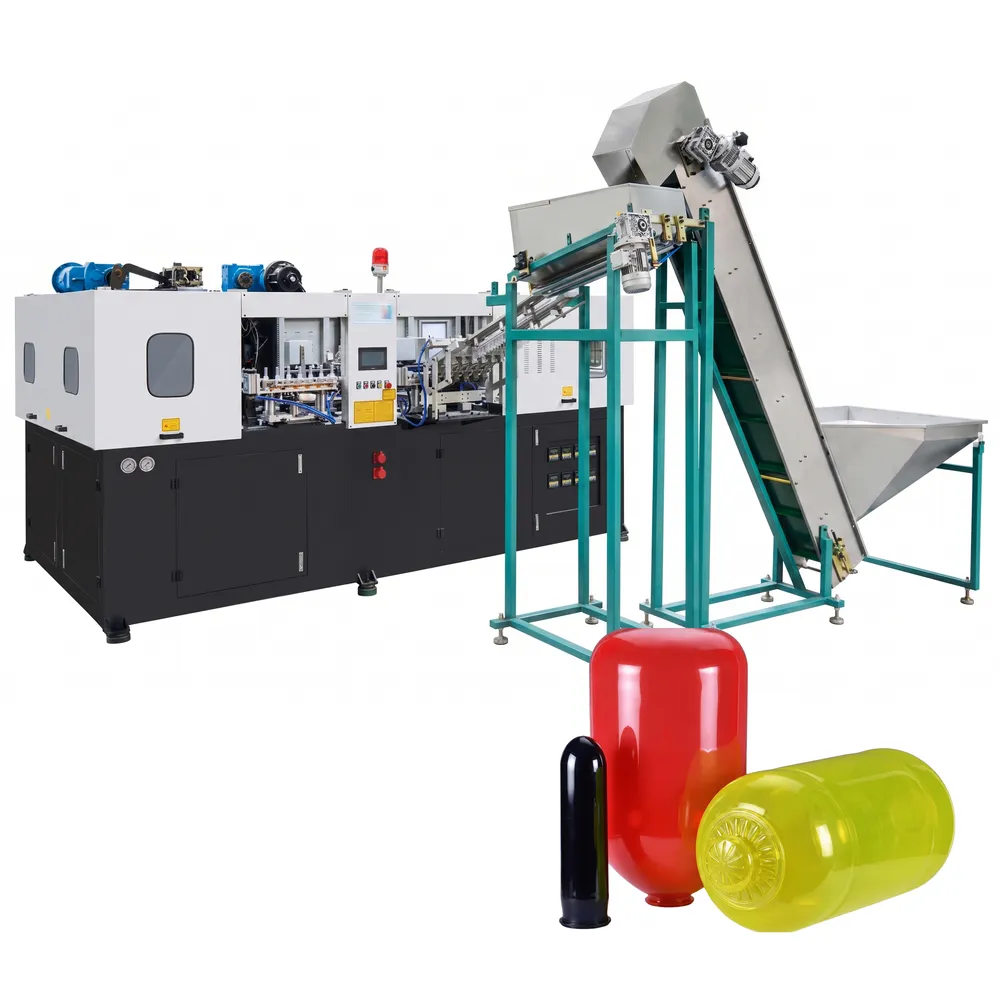
EPA.ES-4C76 Fully Automatic Blow Molding Machine for Pesticide and Chemical Bottles
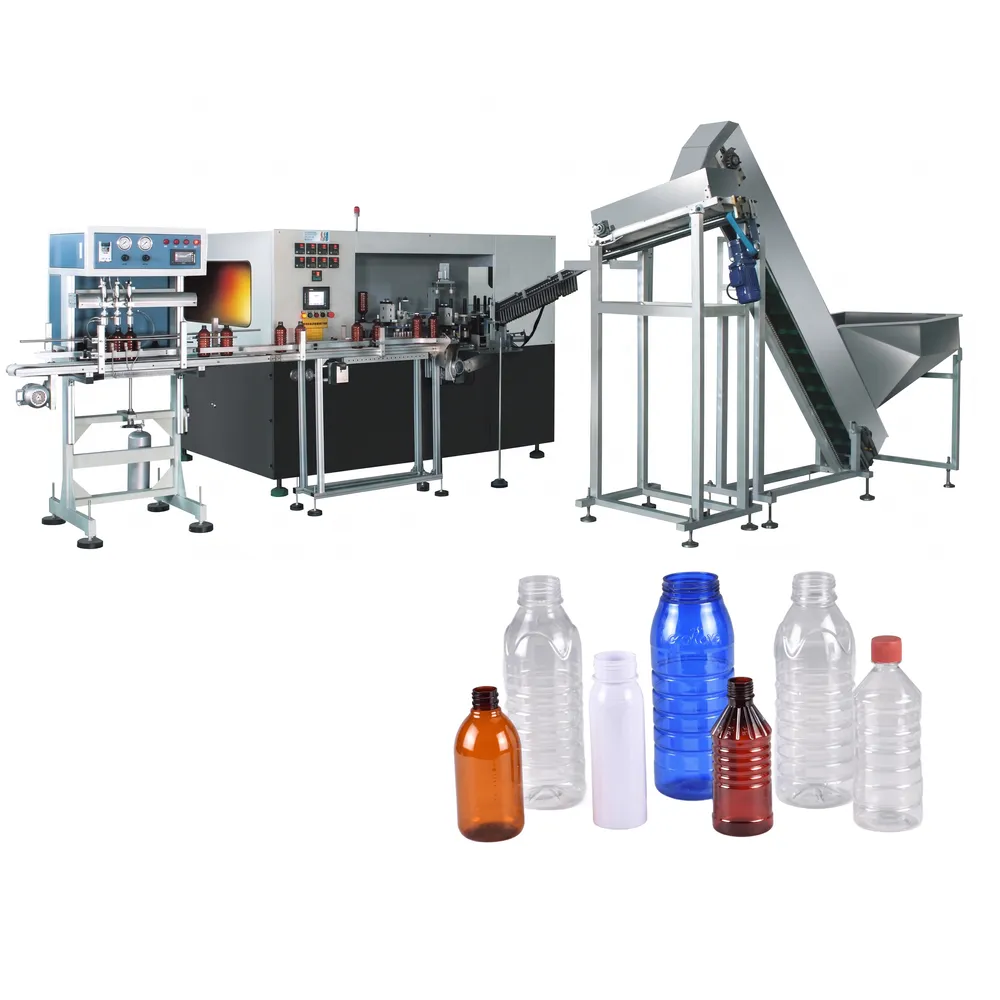
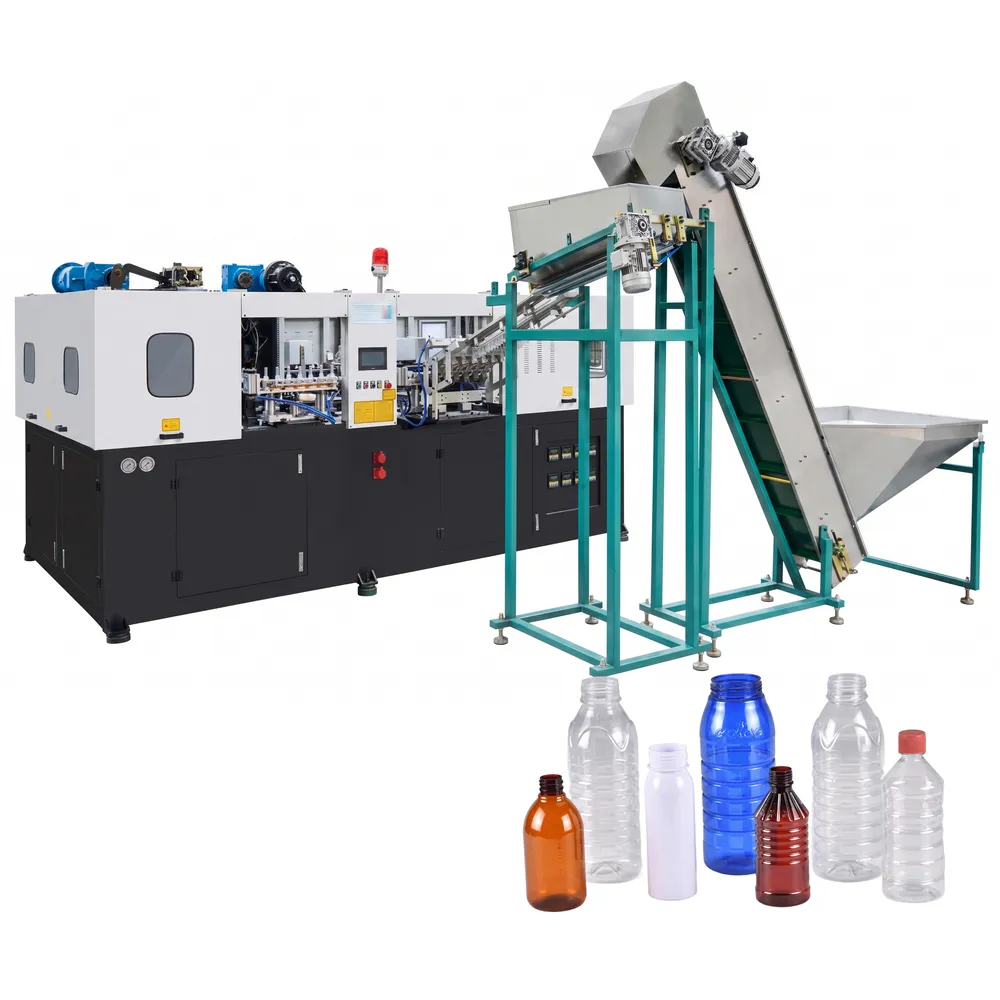
The EPA.ES-4C76 Fully Automatic Blow Molding Machine for Pesticide and Chemical Bottles is engineered for high-efficiency, large-scale production of rigid packaging containers used in agrochemical and industrial chemical markets. Designed with a multi-pitch, multi-cavity configuration, this advanced plastic blow molding machine achieves a theoretical output of 4,800 bottles per hour, with the series scaling up to 9,200 bph on the 8-cavity model. The machine accommodates containers from 500 ml up to 22,000 ml with a maximum body diameter of 300 mm, covering the full spectrum of pesticide bottle, fertilizer container, and chemical reagent packaging needs.
The EPA.ES-4C76 Fully Automatic Blow Molding Machine for Pesticide and Chemical Bottles is engineered for high-efficiency, large-scale production of rigid packaging containers used in agrochemical and industrial chemical markets. Designed with a multi-pitch, multi-cavity configuration, this advanced plastic blow molding machine achieves a theoretical output of 4,800 bottles per hour, with the series scaling up to 9,200 bph on the 8-cavity model. The machine accommodates containers from 500 ml up to 22,000 ml with a maximum body diameter of 300 mm, covering the full spectrum of pesticide bottle, fertilizer container, and chemical reagent packaging needs. Equipped with a high-precision heating and air pressure control system, it delivers blowing pressure up to 35 kg/cm2 and maintains cooling water temperature at a stable 8 to 12 degrees Celsius, ensuring uniform wall thickness and repeatable molding quality throughout extended production runs.
As a pesticide bottle blow molding machine and chemical bottle blow molding machine, the EPA.ES-4C76 is specifically designed for demanding environments where chemical resistance, sealing integrity, and structural consistency are critical. Application scenarios include HDPE and PET pesticide containers, industrial lubricant drums, agrochemical concentrate bottles, cleaning agent packaging, fertilizer solution containers, and specialty chemical packaging. Whether producing small 500 ml precision agrochemical bottles or large 20-liter handle drums, this fully automatic blow molding machine provides a scalable, energy-efficient, and operator-friendly solution for manufacturers across Mexico, Latin America, and global export markets seeking a reliable blow molding machine supplier.
Technical Parameter
| Pesticide, Chemical Bottle Blow Molding Machine | |||
|---|---|---|---|
| Model | Unit | EPA.ES-4C76 | |
| Molding | Clamping stroke | mm | 100 |
| Mold-open distance | mm | 300 | |
| Mold-close distance | mm | 200 | |
| Stretching stroke | mm | 350 | |
| Mold-open distance | mm | 50 | |
| Mold-close distance | mm | 76 | |
| Preform Holder | 96 | ||
| Cavities | 4 | ||
| Container | Max.Container Volume | ml | 700 |
| Neck Diameter Range | mm | 48 | |
| Max.Container Diameter | mm | 68 | |
| Max.Container Height | mm | 240 | |
| Theoretical Output | bph | 4800 | |
| Electrical System | Max.Heating Power | kw | 40 |
| Heating Power | kw | 18 | |
| Air System | Operating Pressure | kg/cm² | 7 |
| Low Pressure Air Consumption | ltr/min | 800 | |
| Blowing Pressure | kg/cm² | 35 | |
| High Pressure Air Consumption | ltr/min | 3900 | |
| Cooling Water | Operating Pressure | kg/cm² | 5-6 |
| Temperature | °C | 8-12 | |
| Flow rate | ltr/min | 30 | |
| Machine | Size (L*W*H) | mm | 3290*1850*2260 |
| Weight | kg | 3500 | |
Key Features of the EPA.ES-4C76 PET Blow Molding Machine
1. High-Efficiency Multi-Cavity Production
The EPA.ES series offers mold configurations from 2 to 8 cavities, enabling a theoretical output of up to 9,200 bottles per hour on the 8-cavity model and 7,200 bph on the 6-cavity variant. The EPA.ES-4C76 itself delivers 4,800 bph with 4 active cavities. The multi-pitch mold design accommodates containers from 500 ml to 22,000 ml with a body diameter reaching 300 mm, making this high-speed blow molding machine ideal for large-scale pesticide and chemical bottle production lines where throughput directly impacts profitability.
2. Energy Efficiency, Stability, and Precision Control
Equipped with a high-efficiency infrared heating system, the EPA.ES-4C76 operates with a common heating power of only 18 kW while maintaining blowing pressure at a stable 35 kg/cm2. Both low-pressure and high-pressure air consumption are precisely adjustable, reducing utility costs significantly. The cooling water system holds temperature at 8 to 12 degrees Celsius with a flow rate of 30 ltr/min, ensuring consistent preform conditioning during continuous runs. This industrial blow molding machine achieves output consistency that translates into lower reject rates and reduced material waste over every production shift.
3. Wide Adaptability and High Reliability
The series spans multiple product families including EPA.ES, EPA.AS, and EPA.JS sub-types, covering models such as EPA.ES-2C100, EPA.ES-4C130, and EPA.JS-2C200. The maximum mold-open distance reaches 772 mm on the EPA.JS-2C366, with a balanced clamping structure that allows rapid tooling changes between different configurations. All critical wear components are sourced from internationally recognized brands, ensuring a low failure rate and minimizing unplanned downtime. This fully automatic blow molding machine is built to support uninterrupted 24-hour production in demanding chemical and agrochemical packaging environments.
4. Excellent Output Quality and Broad Application Range
Processing PET, PETG, HDPE, and PP resins, the EPA.ES-4C76 produces bottles with precise neck dimensions, high optical transparency, and uniform wall thickness that comply with food safety and chemical packaging safety standards. It excels in chemically resistant pesticide bottle manufacturing and corrosive chemical reagent containers, while simultaneously delivering high consistency for mineral water and beverage bottle production. This PET bottle blow molding machine covers a remarkable range of applications without requiring significant line reconfiguration between product families.
5. Fully Automatic Operation Reduces Labor Dependency
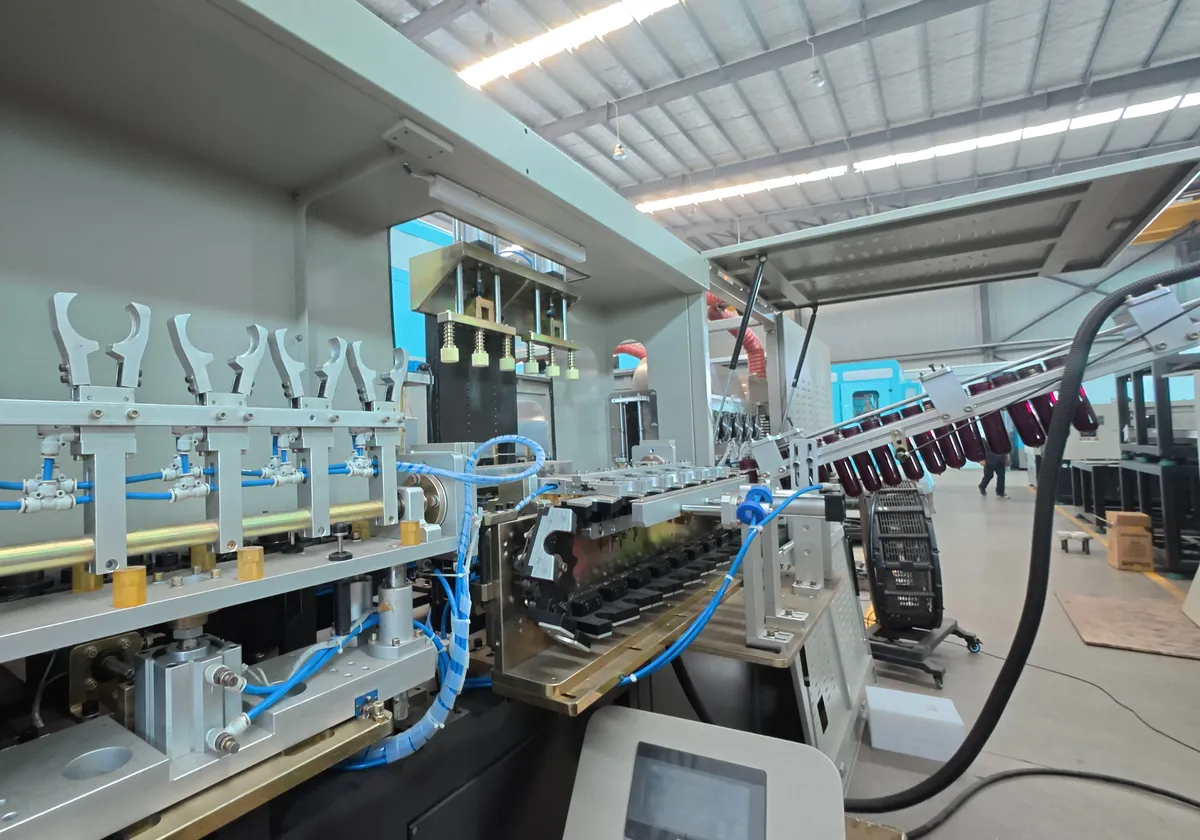
As a true fully automatic blow molding machine, the EPA.ES-4C76 integrates automated preform feeding, infrared heating, mold clamping, blowing, and product ejection into a single continuous cycle requiring minimal operator intervention. This automation significantly reduces per-unit labor costs, eliminates variability introduced by manual handling, and allows a single operator to manage multiple machines simultaneously. The intuitive PLC-based control interface provides real-time monitoring of all critical parameters, giving production managers full visibility and control over every aspect of the blow molding machine process from a centralized panel.
6. Custom Configuration and Scalable Production
Mexico Ever-Power provides custom blow molding machine configurations tailored to specific container geometry, neck finish, and production volume requirements. Whether you need a 2-cavity starter line for a specialized chemical reagent bottle or an 8-cavity high-volume solution for agrochemical concentrate packaging, the EPA.ES platform scales to match. Engineering consultation, mold co-design, and turnkey line integration services are available, making Ever-Power a true one-stop blow molding machine manufacturer and partner rather than a simple equipment vendor for global buyers and distributors.
Fully Automatic Blow Molding Machine Process
Step 1: Raw Material Preparation
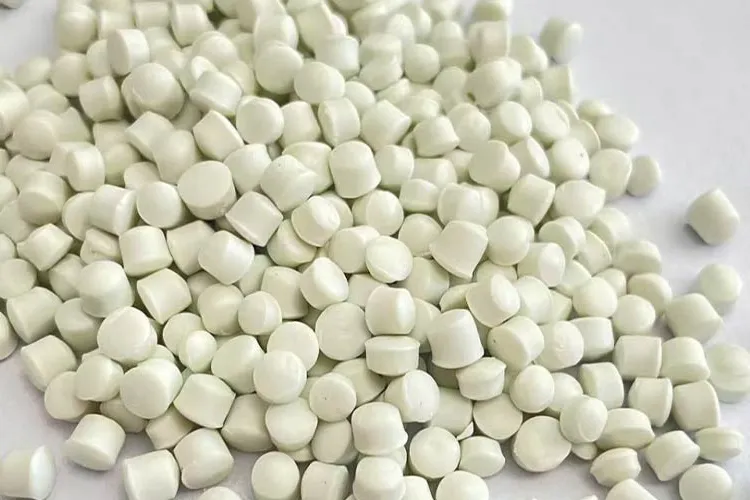
PET, HDPE, PP, or PETG pellets are screened, blended, and fed into the system. Strict incoming quality control ensures resin moisture content, intrinsic viscosity, and contamination levels meet the precise standards required for chemical and agrochemical packaging production.
Step 2: Injection Molding of Preforms
Selected and dried resin is plasticized and injected into the preform injection mold at precise temperatures and pressures. The injection station forms a tube-shaped preform with a fully finished neck thread, establishing the critical dimensional accuracy that defines the final bottle sealing performance. The EPA.ES-4C76 holds 96 preforms simultaneously for continuous cycle efficiency.
Step 3: Infrared Preform Heating
Molded preforms travel through a precisely controlled infrared oven where NIR lamps heat the body of the preform to the ideal stretch-blow temperature while shielding the neck from deformation. Zone-by-zone adjustment accommodates variations in wall thickness and resin type. This step directly controls the plasticity and biaxial orientation of the final container wall, which governs chemical resistance in aggressive contents.
Step 4: Stretch-Blow Molding
The conditioned preform is transferred to the blow mold station where a mechanical stretch rod first extends the preform axially, then high-pressure air at up to 35 kg/cm2 is injected to expand it radially against the mold cavity. This biaxial orientation dramatically improves the finished bottle barrier properties, impact strength, and clarity, all of which are critical for pesticide and chemical packaging requiring leak-proof and chemically resistant performance.
Step 5: Cooling and Stabilization
Immediately after forming, chilled water circulating through the mold at 8 to 12 degrees Celsius rapidly cools the bottle to lock in its shape before the mold opens. This controlled cooling cycle ensures wall thickness uniformity across all 4 cavities simultaneously and prevents distortion or internal stress that could cause failures in the field when containers are filled with concentrated chemicals or agrochemicals.
Step 6: Automatic Ejection and Collection
Finished bottles are automatically stripped from the mold and conveyed to the collection system without operator handling. This zero-touch ejection cycle eliminates contamination risk, particularly important when producing pharmaceutical-grade pesticide or food-contact chemical packaging. The fully automated sequence immediately resets for the next cycle, maintaining the rated 4,800 bph output continuously throughout the production shift.
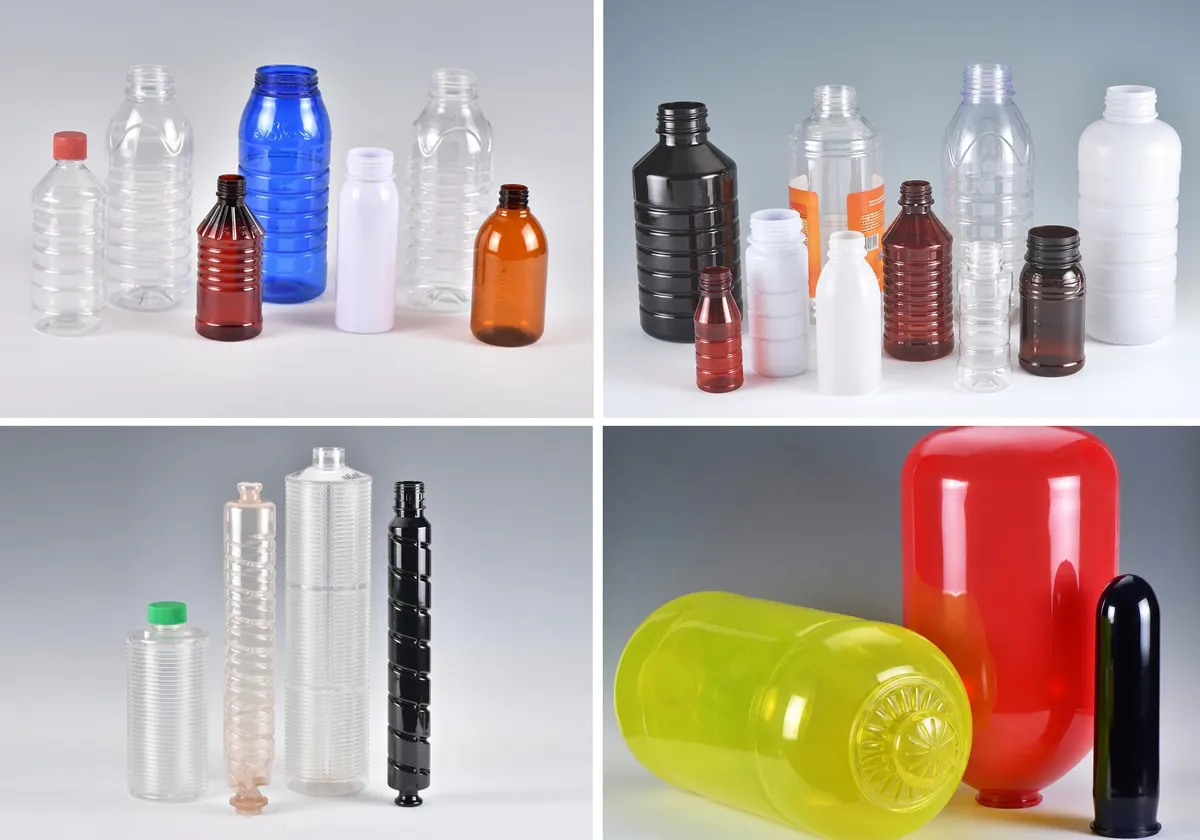
Applications of the EPA.ES-4C76 Plastic Blow Molding Machine
1. Pesticide and Agrochemical Containers
The machine is optimized for producing HDPE and PET agrochemical concentrate bottles, herbicide containers, fungicide packaging, and insecticide bottles from 500 ml to several liters. The biaxial orientation from the injection stretch blow molding process provides excellent chemical resistance to concentrated solvents, acids, and base compounds commonly found in modern pesticide formulations. These containers meet stringent international agrochemical packaging safety requirements.
2. Industrial Chemical Reagent Bottles
Industrial solvents, reagents, acids, and specialty chemicals require containers with outstanding leak-proof seals and chemical barrier performance. This chemical bottle blow molding machine produces precision-neck bottles and wide-mouth reagent containers in HDPE and PET, delivering consistent wall thickness that prevents long-term permeation or structural failure when filled with aggressive industrial chemicals in laboratory, manufacturing, and distribution environments.
3. Mineral Water and Beverage Bottles
The same platform that excels at chemical packaging also delivers outstanding performance for mineral water and beverage bottle production. PET bottles produced on the EPA.ES-4C76 exhibit high clarity, lightweight walls, and excellent carbonation retention. This versatility allows manufacturers to run one machine line for multiple product families, improving equipment ROI and reducing capital expenditure for businesses that produce both beverage and agrochemical packaging on shared infrastructure.
4. Edible Oil and Handle Bottles
With the appropriate mold tooling, the EPA.ES series produces edible oil bottles from 1.5 liters to 22 liters, including integrated-handle designs for large capacity drums. The centralized heating and distance-blowing design for large oil bottles effectively reduces production costs by optimizing energy consumption for high-volume, large-format container manufacturing critical to the cooking oil and condiment packaging industry.
5. Household and Industrial Cleaning Products
Laundry detergent, floor cleaner, disinfectant, and multipurpose cleaning product bottles are produced efficiently on this plastic bottle blow molding machine. HDPE and PET containers in this category benefit from the machine high-speed 4-cavity output of 4,800 bph, enabling competitive unit economics for consumer goods manufacturers supplying retail chains across Latin America and global markets. The machine handles both transparent and colored resin formulations equally well.
6. Lubricant Oils and Automotive Fluids
Automotive lubricant, brake fluid, coolant, and gear oil packaging requires containers with outstanding resistance to petroleum-based compounds and high-temperature environments. The EPA.JS series handles large-capacity lubricant drums up to 20 liters, while the EPA.ES-4C76 produces precise smaller-format automotive fluid containers. Multi-layer HDPE construction options ensure compliance with automotive fluid packaging standards in demanding export markets.
EPA.ES-4C76 Chemical Bottle Blow Molding Machine Parts
Injection Unit
The injection unit is the foundation of this two-stage blow molding machine. It houses a precision screw-and-barrel plasticizing assembly that melts and homogenizes PET or HDPE resin before injecting it into the preform mold under precisely controlled pressure and temperature. The screw design is optimized for PET moisture sensitivity and shear-heat behavior, ensuring consistent melt quality that directly translates into bottle clarity and neck finish accuracy without degradation artifacts.
Molding Station (Conditioning Oven)
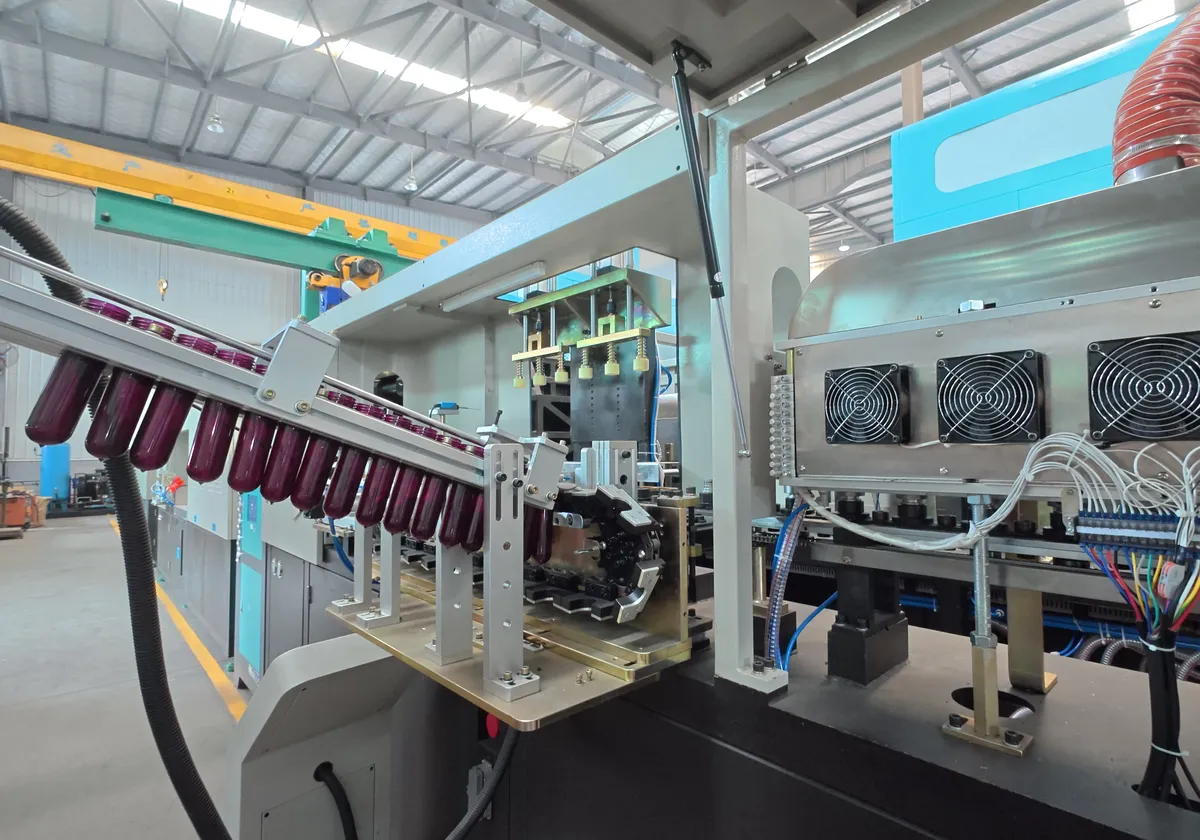
The molding station consists of a multi-zone infrared oven equipped with independent temperature controllers for each heating lamp position. Preforms on 96 holders pass through this station where their body temperature is precisely elevated to the stretch window while the neck remains shielded. Zone-by-zone adjustment allows the operator to fine-tune the temperature gradient along the preform body, critical for producing uniform wall thickness in complex chemical bottle geometries with thick base sections.
Clamping Unit (Mold Locking System)
The clamping unit secures the blow mold halves together during the high-pressure blowing phase where internal air pressure reaches 35 kg/cm2. The EPA.ES-4C76 uses a servo-driven or hydraulic clamping mechanism with balanced force distribution across all 4 cavity positions to prevent mold flash and dimensional variation between cavities. The 100 mm clamping stroke and 300 mm mold-open distance allow rapid die changes between pesticide bottle formats, minimizing changeover downtime on busy packaging lines.
Blowing Unit (Stretch-Blow System)
The blowing unit comprises a mechanical stretch rod assembly and a high-pressure pneumatic circuit delivering up to 35 kg/cm2 blowing pressure. Low-pressure air at 7 kg/cm2 is used for pre-blowing to begin radial expansion before the full blowing pressure locks the bottle against the mold cavity walls. The stretch rod extends to 350 mm, enabling the precise axial draw ratio required to achieve biaxial molecular orientation that gives PET pesticide bottles their superior chemical barrier and impact resistance properties.
Control System (PLC and HMI Panel)
The centralized PLC control system manages all blow molding machine parts parameters including heating zone temperatures, preform transfer timing, blowing pressure sequences, clamping force, and cooling water flow. A color touchscreen HMI allows operators to access, adjust, and save process recipes for different bottle types. Real-time alarms, production counters, and fault diagnostics are displayed continuously, enabling rapid troubleshooting and maintaining overall equipment effectiveness at consistently high levels across multi-shift operations.
Cooling Water Circuit
The integrated cooling water system maintains mold and preform cooling at a stable 8 to 12 degrees Celsius through a network of precision-machined water channels within the blow mold tooling. Operating at 5 to 6 kg/cm2 with a flow rate of 30 ltr/min for the EPA.ES-4C76, this circuit must be connected to a chiller unit for optimal performance. Consistent mold temperature is the single largest factor controlling cycle time and bottle dimensional stability, particularly important for chemical bottles where wall thickness tolerance directly affects regulatory compliance.
Preform Loading and Transfer System
An automated preform loading conveyor and orientation system feeds preforms neck-up into the machine at rates synchronized with the blow molding cycle speed. Preforms are sorted, oriented, and placed onto the mandrel carrier using a combination of centrifugal sorting and robotic placement depending on the configuration. The 96-position preform holder ensures a constant buffer of conditioned preforms ready for transfer to the blow station, eliminating starvation gaps that would reduce the 4,800 bph rated throughput of this automatic blow molding machine.
Air Compression and Filtration System
The machine requires a dual-pressure compressed air supply: a low-pressure circuit at 7 kg/cm2 consuming 800 ltr/min for ancillary functions and pre-blow, and a high-pressure circuit at 35 kg/cm2 consuming 3,900 ltr/min for the blowing phase. The air supply system includes multi-stage filtration, oil-water separation, and pressure regulation equipment. For chemical and pharmaceutical-grade pesticide bottle production, sterile-grade air filtration is recommended to prevent contamination of the container interior surface during the blowing process.
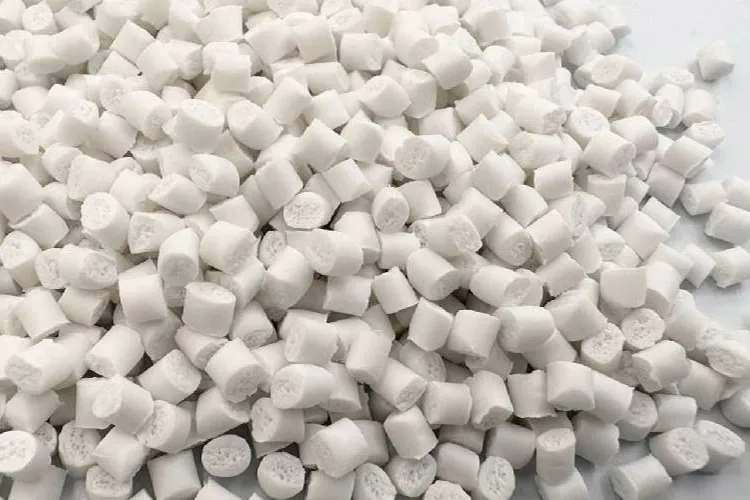
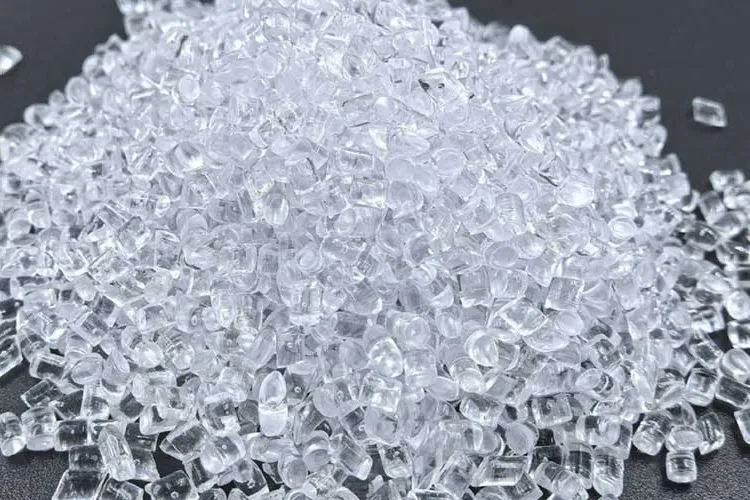
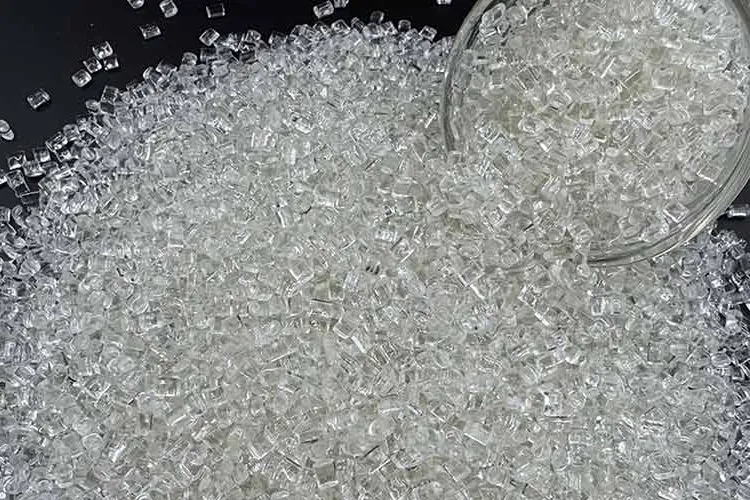
Raw Materials of the Pesticide Bottle Blow Molding Machine
PET (Polyethylene Terephthalate)
The most widely processed resin on this machine, PET delivers outstanding clarity, strength, and barrier properties against moisture and gas transmission. Ideal for pesticide concentrate bottles, beverage containers, and chemical reagent packaging where product visibility, weight reduction, and recyclability are commercial priorities. PET processed through biaxial orientation on the EPA.ES-4C76 achieves tensile strength several times higher than unoriented sheet.
LDPE (Low-Density Polyethylene)
LDPE produces flexible, squeezable containers with excellent moisture and chemical resistance. Commonly used for personal care squeeze bottles, agricultural additive containers, and specialty chemical packaging where flexible walls allow the user to dispense viscous contents without inversion. LDPE bottles have translucent appearance and good low-temperature flexibility, making them suitable for cold-climate agrochemical packaging applications across highland regions.
PP (Polypropylene)
PP is favored in pharmaceutical and healthcare chemical packaging for its excellent thermal resistance and chemical inertness. PP bottles can withstand autoclaving temperatures and are suitable for hot-fill applications such as disinfectant solutions and agricultural chemical concentrates filled at elevated temperatures. Its resistance to hinge fatigue makes PP ideal for integrated-cap designs on pesticide containers where repeated opening and closing under field conditions is expected by agricultural end-users.
HDPE (High-Density Polyethylene)
HDPE is a primary material for opaque chemical and agrochemical bottles requiring excellent chemical resistance to concentrated acids, bases, and hydrocarbon solvents. This rigid and tough polymer produces bottles with reliable sealing performance and low moisture vapor transmission, making it the industry standard for herbicide, pesticide, and industrial cleaning product containers. HDPE bottles produced on this machine comply with international chemical packaging safety regulations.
PETG (PET Glycol-Modified)
PETG offers the clarity and processability of standard PET with improved toughness and reduced brittleness at lower temperatures. It is commonly selected for cosmetic packaging, laboratory reagent bottles, and specialty chemical containers where high gloss, transparency, and impact resistance are simultaneously required. PETG does not require the same drying precision that standard PET demands, providing some process flexibility when switching between product runs on the same blow molding machine line.
PC (Polycarbonate)
PC is a high-performance engineering thermoplastic processed on this plastic blow molding machine for reusable water bottles, safety equipment containers, and durable chemical storage applications requiring exceptional impact resistance and optical clarity. Its high strength-to-weight ratio and resistance to high temperatures make PC suitable for industrial chemical containers that experience rough handling in agricultural field environments or repeated autoclave sterilization cycles in laboratory settings.
PLA (Polylactic Acid)
PLA is a biodegradable bioplastic derived from renewable resources such as corn starch and sugarcane. It is increasingly used in eco-conscious food and beverage packaging markets where sustainability certification is a purchase driver. PLA bottles produced on this machine have similar clarity and rigidity to PET but decompose under industrial composting conditions, providing an environmentally responsible packaging solution for organic agricultural products and eco-labeled consumer goods targeting sustainability-focused retail buyers.
PEN (Polyethylene Naphthalate)
PEN provides superior barrier performance against gas and moisture compared to standard PET, making it an excellent choice for carbonated beverage packaging and chemical products sensitive to oxygen ingress or moisture absorption. PEN is selected for specialty pesticide formulations where the active ingredient degrades rapidly on contact with atmospheric oxygen, and where standard PET barrier properties are insufficient for the required shelf life without multi-layer coatings.
 |
 |
 |
 |
Common Fault Troubleshooting
1. Uneven Wall Thickness Across Bottle Body
This common defect arises from non-uniform preform heating, incorrect heating zone distribution, or misaligned stretch rod positioning. Corrective actions include re-profiling the oven zone temperatures from top to bottom of the preform body, verifying the stretch rod is centered in the preform neck during transfer, and checking that preform rotation speed through the oven is consistent. Also inspect preform quality: wall thickness variation in the incoming preforms will always translate into blown bottle wall non-uniformity regardless of machine settings.
2. Bottle Does Not Fill the Mold (Short Shot)
Short shots result from insufficient blowing pressure, inadequate preform temperature, blocked air channels in the mold, or a stretch rod not reaching full extension. Begin by verifying high-pressure air supply is delivering a consistent 35 kg/cm2 at the machine inlet. Check that all mold venting channels are clean and unobstructed. Increase preform body temperature in 2-degree increments until the bottle fills correctly, and verify the stretch rod stroke is achieving the programmed 350 mm extension without mechanical interference.
3. Whitening or Stress Marks on Bottle Surface
Surface whitening indicates that the resin has been stretched beyond its orientation limit while still too cold, causing stress-whitening crystallization visible as opaque patches. This is most common at the base and shoulder transition zones. The solution is to increase preform temperature in the relevant oven zones or reduce the stretch rod speed for the initial axial extension phase. For PET, ensure incoming resin moisture content is below 30 ppm before processing, as moisture degradation of molecular weight significantly lowers the stretch window temperature range.
4. Bottle Neck Deformation or Leaking Seal
Neck deformation is caused by excessive heat reaching the neck area from adjacent oven zones, improper neck shielding, or incorrect preform holder gripper alignment. Inspect and replace any worn or damaged neck shields in the oven section. Verify the preform gripper is holding the neck finish without slippage and that the neck shield temperature is being maintained correctly. Poor seal performance after capping may also indicate dimensional drift in the injection mold: measure neck finish dimensions on a batch sample and compare against the design specification tolerances.
5. Mold Parting Line Flash or Visible Seam Mark
Flash along the parting line indicates insufficient clamping force, worn mold sealing surfaces, or mold misalignment between the two halves. First verify that the clamping unit is delivering full force and check for hydraulic pressure drops during the blowing phase. Inspect the mold parting surfaces for wear, scoring, or debris that prevents complete closure. Precision re-lapping of the parting surfaces may be required on high-usage molds. This issue is particularly critical for pesticide bottle production where flash along the body could introduce stress concentration points that fail under chemical exposure.
6. Production Speed Below Rated Output
Throughput shortfalls have multiple root causes: preform loading system jams starving the oven, extended cooling cycles due to insufficient chilled water supply, air compressor pressure drops under full production demand, or PLC cycle time parameters set conservatively from a previous product run. Perform a systematic cycle time analysis by logging individual station timing from the HMI. Verify the chilled water chiller is maintaining the required 8 to 12 degree Celsius output at the rated flow. Check that the high-pressure compressor can sustain 35 kg/cm2 at 3,900 ltr/min continuously without pressure recovery delays that extend the cycle time per bottle.
Injection Blow Molding vs Extrusion Blow Molding
Both the injection blow molding process and the extrusion blow molding process produce hollow plastic containers, but they begin from fundamentally different starting shapes and serve different packaging needs. Understanding which process is right for your bottle type determines machine selection, mold investment, production economics, and the quality characteristics of the finished container.
Injection blow molding starts from an injection-molded preform: molten plastic is injected around a core rod inside a precision mold to form a tube with a fully finished neck thread. The preform then moves to a blow station where it is inflated inside the bottle cavity. Because the neck is formed by injection, the neck finish is extremely accurate, and no trimming flash is generated. Extrusion blow molding starts from an extruded parison: a hollow tube of molten plastic is extruded downward, the mold closes around it and pinches both ends, then air inflates the parison inside the mold. After cooling, the bottle is ejected and excess flash must be trimmed away. This approach produces more material waste and lower neck precision but handles large, complex shapes more economically.
Choose Injection Blow Molding (IBM) When You Need:
- Small to medium precision bottles with accurate threaded necks
- Pharmaceutical, cosmetic, laboratory, or high-value chemical packaging
- Zero flash waste and cleaner production without secondary trimming operations
- Stable dimensions, repeatable wall thickness, and reliable sealing performance
- PET pesticide bottles requiring biaxial orientation and chemical barrier properties
- GMP-compliant, no-hand-contact production environments
Choose Extrusion Blow Molding (EBM) When You Need:
- Large bottles, jerry cans, drums, tanks, or irregular hollow containers
- Lower initial tooling cost for less precision-critical bulk packaging
- Large container volume flexibility and wider product geometry options
- Applications where trimming flash removal is acceptable in your process flow
- HDPE industrial containers and automotive fluid packaging above 5 liters
- Simple parison-based shapes without complex handle or surface detailing
IBM vs EBM Process Differences
| Feature / Factor | Injection Blow Molding (IBM) | Extrusion Blow Molding (EBM) |
|---|---|---|
| Starting Form | Injection molded preform with finished neck | Extruded parison (hollow tube) |
| Neck Precision | Extremely high; neck pre-molded by injection | Standard; depends on mold closing and calibration |
| Scrap / Waste | Zero flash; very low process waste | Generates flash requiring trimming and recycling |
| Best Container Size | Small to medium precision bottles | Medium to large hollow containers |
| Initial Mold Cost | Higher upfront for precision core rod tooling | Lower initial cost for many large containers |
| Best Applications | Pesticide bottles, pharma, cosmetics, lab containers | Drums, jerry cans, complex handle bottles |
| Quality Priority | Dimensional consistency and sealing reliability | Size flexibility and container volume economics |
The EPA.ES-4C76 operates as a two-stage blow molding machine following the injection blow molding principle, making it the correct choice for pesticide concentrate bottles, precision chemical reagent packaging, and any application where neck finish accuracy, seal integrity, and container chemical resistance are the primary quality requirements. For large-volume industrial drums above 5 liters where tooling cost and shape flexibility are the priorities, an extrusion blow molding machine would be more appropriate.
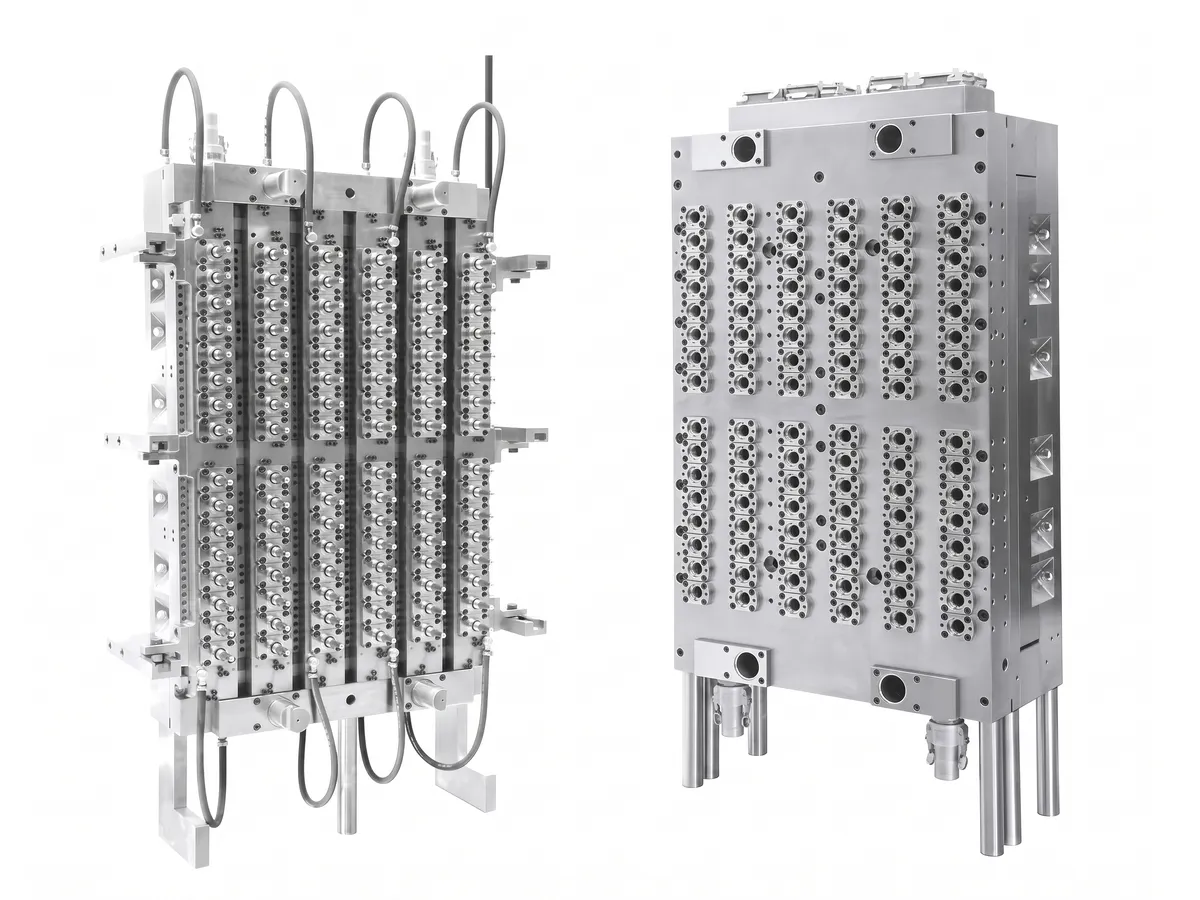
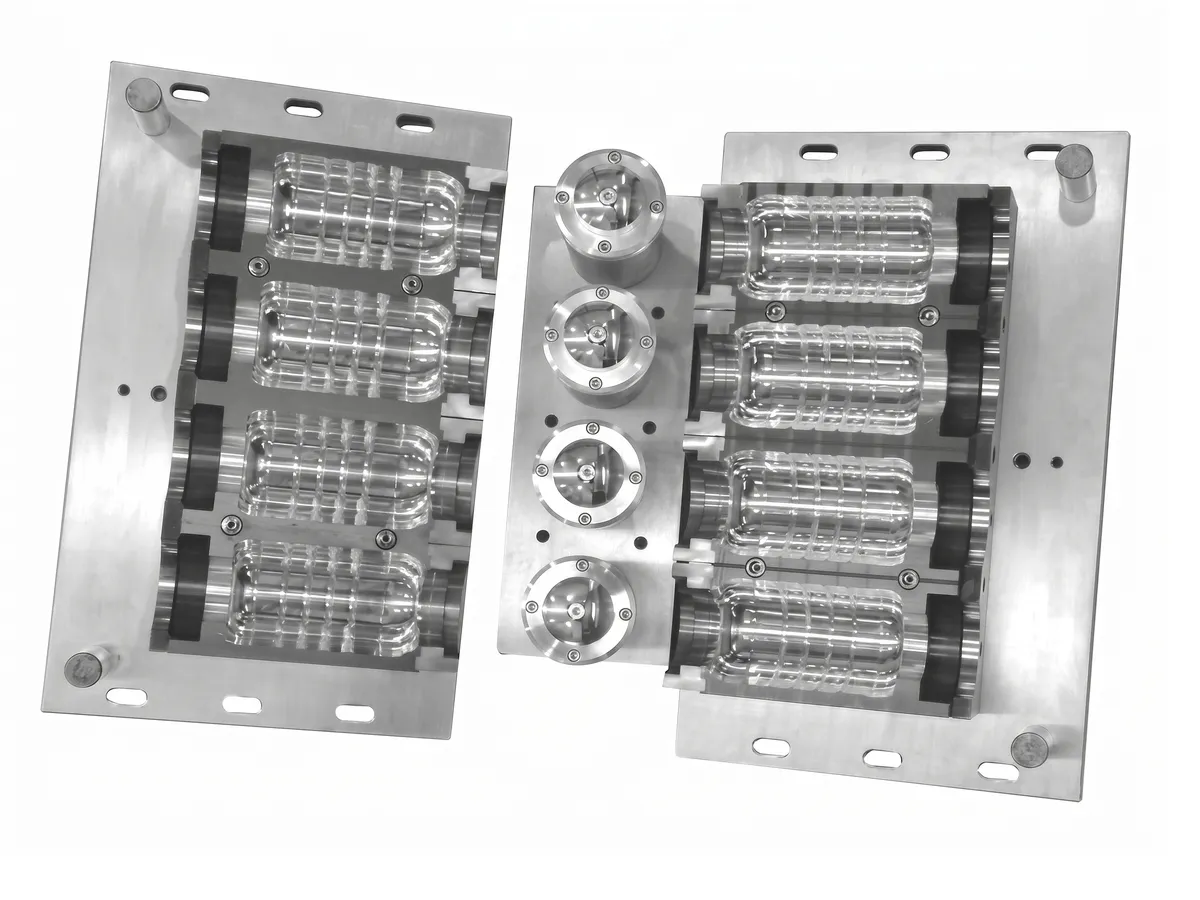
Pesticide and Chemical Bottle Blow Molding Machine Mould
Preform Injection Mold
- The die lip design is composed of two precision-machined parts that guarantee coaxiality between the preform neck and body during injection, eliminating off-center wall thickness that would cause downstream blow molding defects in chemical bottle production.
- The cooling water channel geometry is designed to maximize heat extraction from the preform body surface uniformly, improving cooling efficiency and enabling faster cycle times without dimensional compromise.
- All preform cavity surfaces and core components are manufactured from imported DIN 2316 die steel that has been heat treated to 50 to 54 HRC, providing excellent rust resistance, dimensional stability, and service life of over 1 million cycles in continuous PET processing.
- The cavity plate, core plate, and structural components are produced from 420 stainless steel, ensuring superior corrosion resistance in humid production environments and preventing contamination of the preform surface during extended production runs.
- The modular design allows easy access to individual cavity inserts for maintenance, polishing, or replacement without removing the entire mold from the machine, reducing maintenance downtime for high-volume pesticide bottle production schedules.
- Standard interchangeable die lip fittings allow one injection mold to produce multiple preform neck finishes by swapping only the tip component, providing cost-effective flexibility for producers running several different pesticide bottle closure standards.
- The advanced single-mold design can produce more than one type of preform body geometry from a single tool by changing core inserts, making the tooling investment adaptable to future product line extensions without complete mold replacement.
Blowing Mold
- The blowing mold raw material is high-quality aluminum alloy or P20 tool steel selected based on the production volume and resin type. Aluminum provides excellent thermal conductivity for fast cooling cycles on high-speed production lines, while steel tooling offers extended service life for abrasive resin compounds used in specialty chemical packaging.
- Each bottle cavity geometry is designed using advanced 3D CAD software and validated through simulation before cutting, ensuring the parting line, venting pattern, and wall draft angles are optimized for clean release of complex pesticide bottle shapes including ribbed bodies and offset neck positions.
- A library of proven bottle design templates is available from Ever-Power mold engineering team, allowing customers to choose from established agrochemical container shapes with known performance histories or develop custom geometries through our co-design service.
- The water cooling channel network inside the blowing mold is engineered for uniform temperature distribution across the entire bottle cavity surface. Uniform cooling is the single most important factor for eliminating thermal warpage and wall thickness variations in tall, narrow chemical bottle formats prone to post-mold distortion.
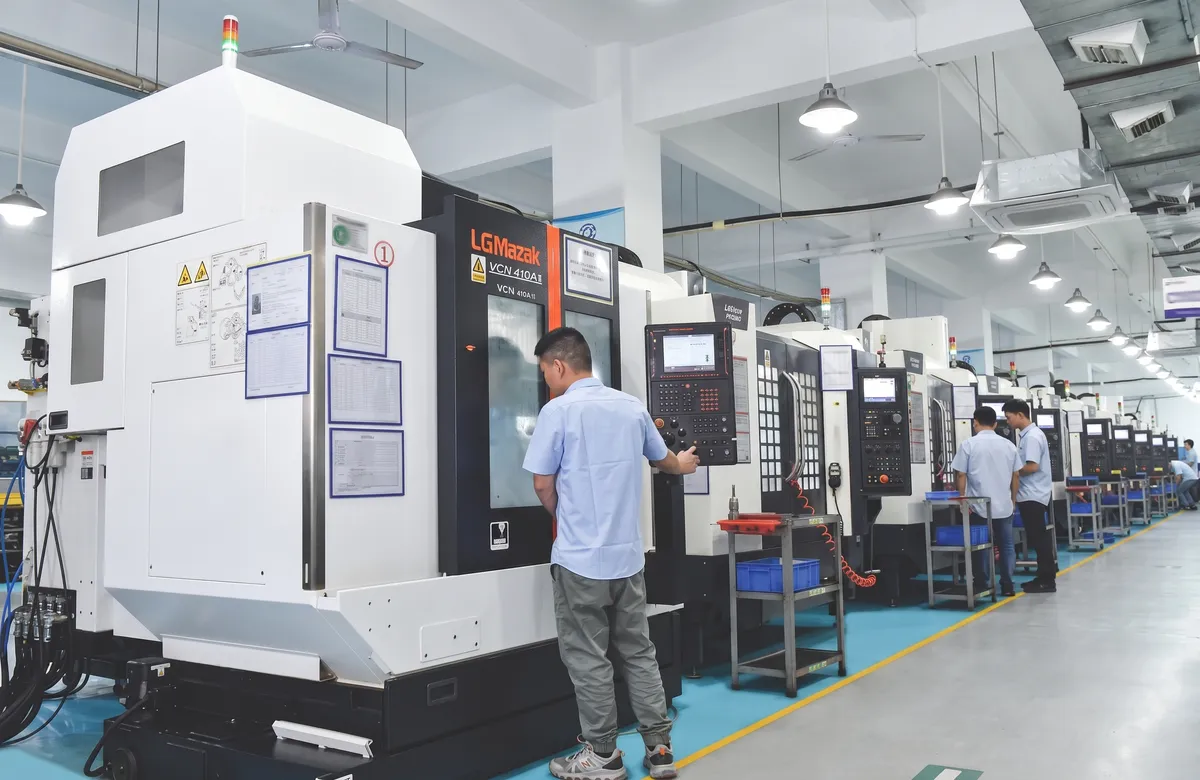
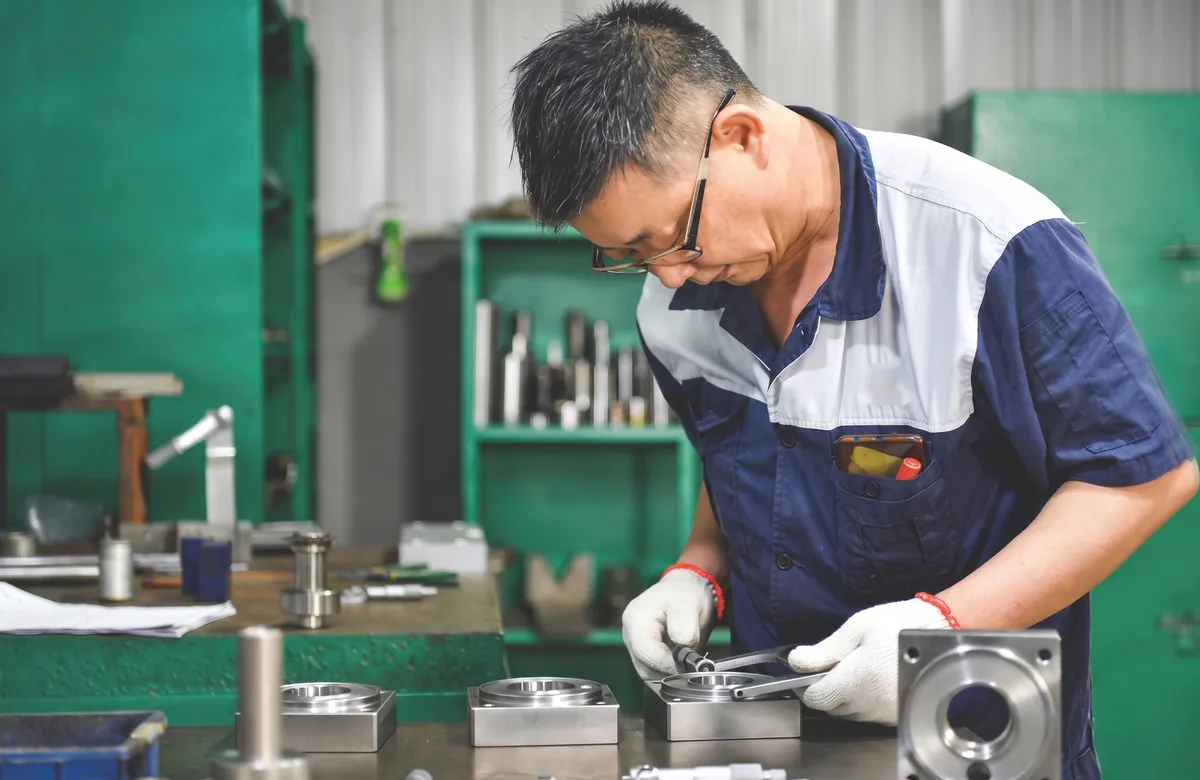
- All metal components within the blow mold assembly are finish-machined on CNC machining centers to tolerances within 0.01 mm, ensuring cavity-to-cavity dimensional consistency across all 4 active cavities of the EPA.ES-4C76. This precision is essential for pesticide bottle cap compatibility where all bottles must interface identically with automated capping equipment on downstream packaging lines.
 |
 |
How to Choose the Right Blow Molding Machine for Your Needs
1. Define Your Container Geometry and Volume Range
The first step is to establish the exact bottle specifications you need to produce: volume range in milliliters, neck diameter, body diameter, container height, and handle requirements if applicable. For pesticide bottles in the 500 ml to 700 ml range with a 48 mm neck, the EPA.ES-4C76 is a direct fit. For containers above 5 liters or requiring integrated handles, a larger model from the EPA.JS series would be more appropriate. Mismatching machine specifications to bottle geometry results in poor wall thickness control and below-rated throughput that cannot be recovered through parameter adjustment alone.
2. Establish Your Required Production Volume
Required daily or monthly output directly determines which cavity count is appropriate. A 2-cavity machine at 2,400 bph running 20 hours per day produces approximately 48,000 bottles daily. The EPA.ES-4C76 at 4,800 bph produces 96,000 bottles daily under the same conditions, while the 8-cavity EPA.ES-8C76 at 9,200 bph yields approximately 184,000 bottles daily. choose the model whose output range brackets your current volume with at least 20% headroom for demand peaks and planned production growth without requiring an additional machine investment within three years.
3. Evaluate Resin Compatibility with Your Packaging Requirements
The chemical nature of your product determines the resin you must use, which then influences machine configuration. PET is the standard choice for pesticide concentrate bottles requiring clarity and light weight. HDPE is mandatory for certain highly alkaline or acidic formulations that would stress-crack PET. PP is required for hot-fill applications and autoclaved pharmaceutical products. Verify that the machine model you choose is configured to process your specific resin, including appropriate screw design, drying system specifications, and temperature control range for the resin processing window.
4. Assess Available Utilities and Floor Space
Before purchasing, verify that your facility can supply the required compressed air, electrical power, chilled water, and floor area for the machine and its auxiliary equipment. The EPA.ES-4C76 requires 40 kW max power, a 35 kg/cm2 high-pressure air supply at 3,900 ltr/min, cooling water at 5 to 6 kg/cm2, and a floor footprint of 3,290 by 1,850 mm plus service clearance. Many buyers underestimate the compressed air requirements: a dedicated high-pressure compressor capable of continuous 35 kg/cm2 delivery at the rated volume is essential and represents a significant ancillary capital cost to include in the project budget.
5. Verify Tooling Support and Mold Sourcing
The machine is only as good as the mold tooling it runs. Verify whether your supplier can provide preform injection molds and blowing molds designed specifically for your container, or whether you will source molds independently. Ever-Power provides complete turnkey tooling solutions with 3D design validation, including preform injection molds in imported 2316 die steel and blowing molds with optimized cooling channel geometry. Sourcing machine and tooling from the same supplier simplifies technical responsibility and eliminates interface problems between preform dimensions and blow mold cavity geometry.
6. Evaluate After-Sales Support and Spare Parts Availability
For a production-critical machine running 20 or more hours per day, after-sales service response time and spare parts availability are as important as the initial price. Verify that your blow molding machine supplier maintains regional inventory of critical wear parts such as heating lamps, seals, valves, and conveyor components, and that remote diagnostics support is available for rapid troubleshooting without waiting for an on-site engineer visit. Ask for the machine mean time between failures data and the supplier guaranteed response time for emergency technical support calls from your country.
7. Compare Total Cost of Ownership, Not Only Purchase Price
The lowest-price automatic blow molding machine is rarely the most cost-effective over a 10-year operational horizon. Calculate total cost of ownership including energy consumption per 1,000 bottles produced, reject rate and material waste percentage, maintenance labor hours per year, spare parts cost, and production downtime frequency. A machine with 15% lower energy consumption running at 99% uptime versus 94% uptime will typically recover its higher purchase price within 18 to 24 months for a factory running two or three production shifts daily, particularly in markets with rising electricity costs.
Why Choose Ever-Power's PET Blow Molding Machine?
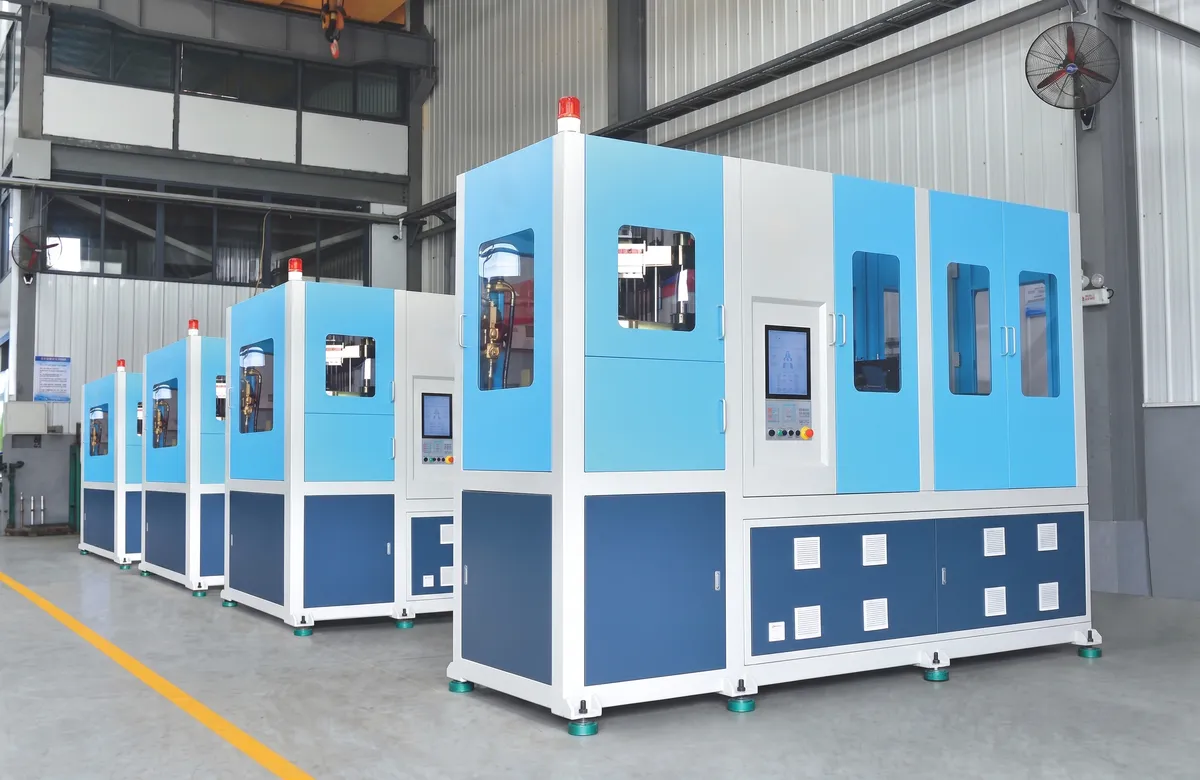
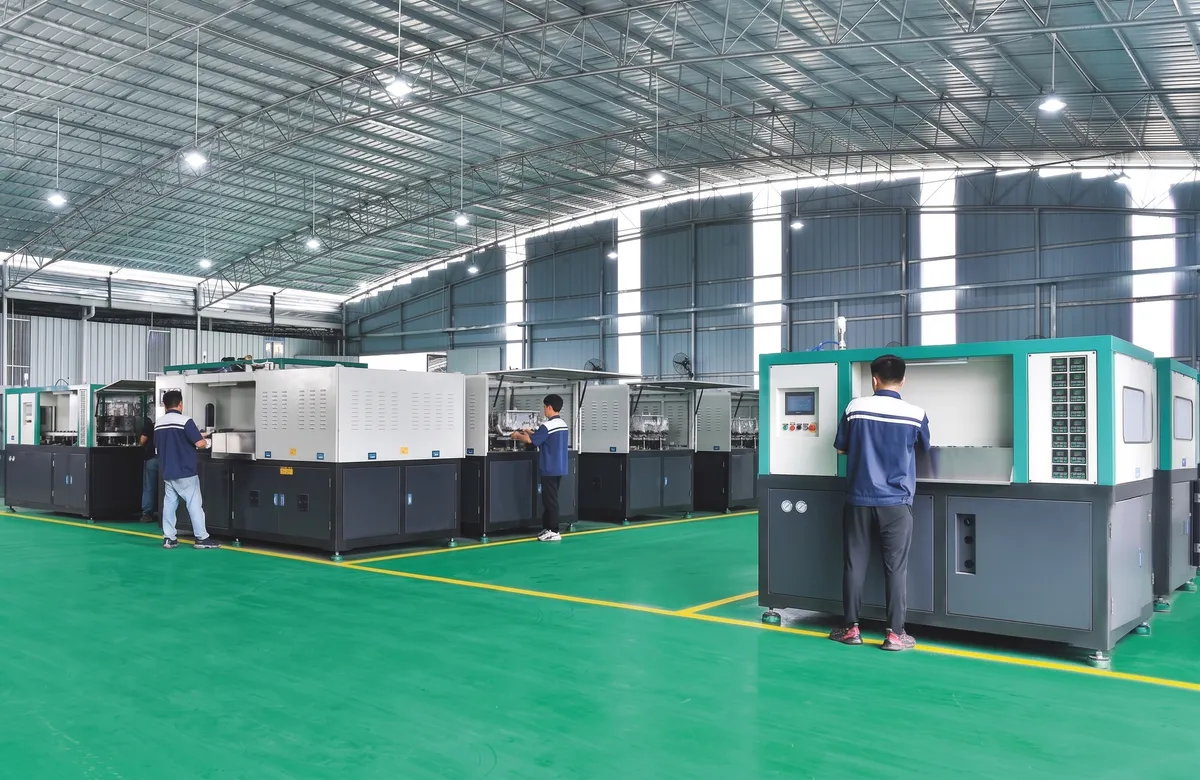
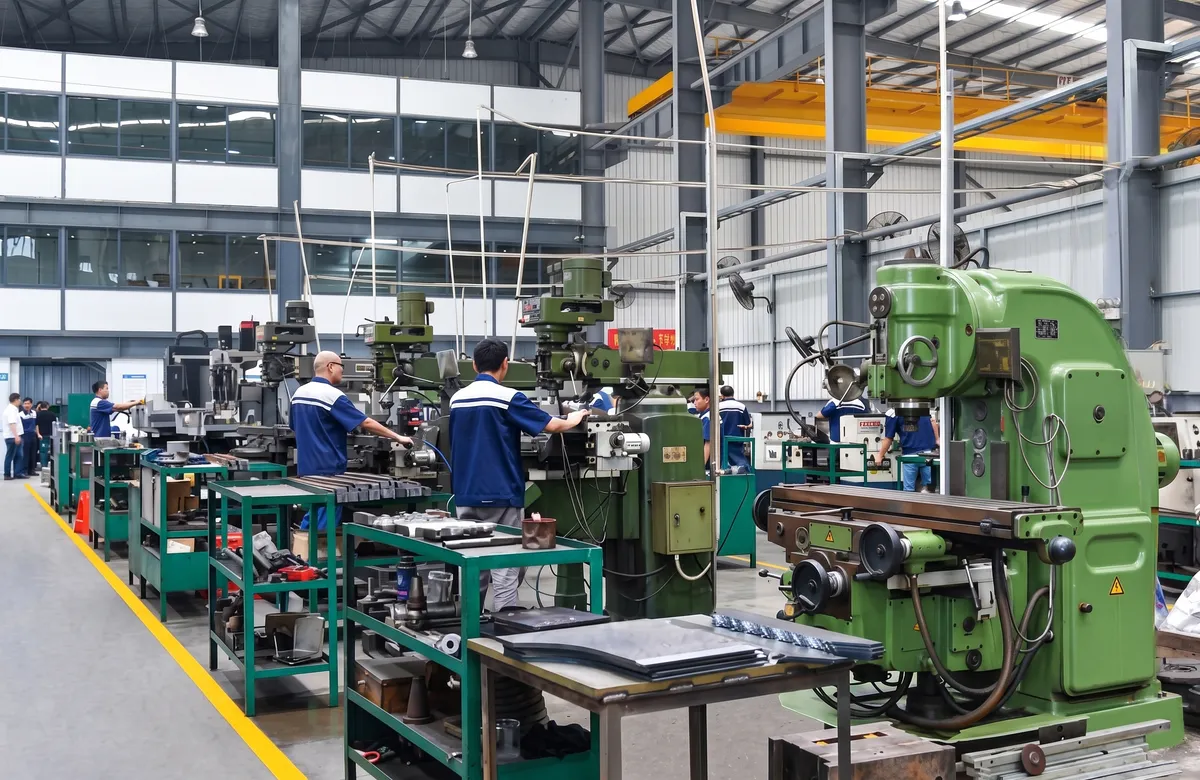
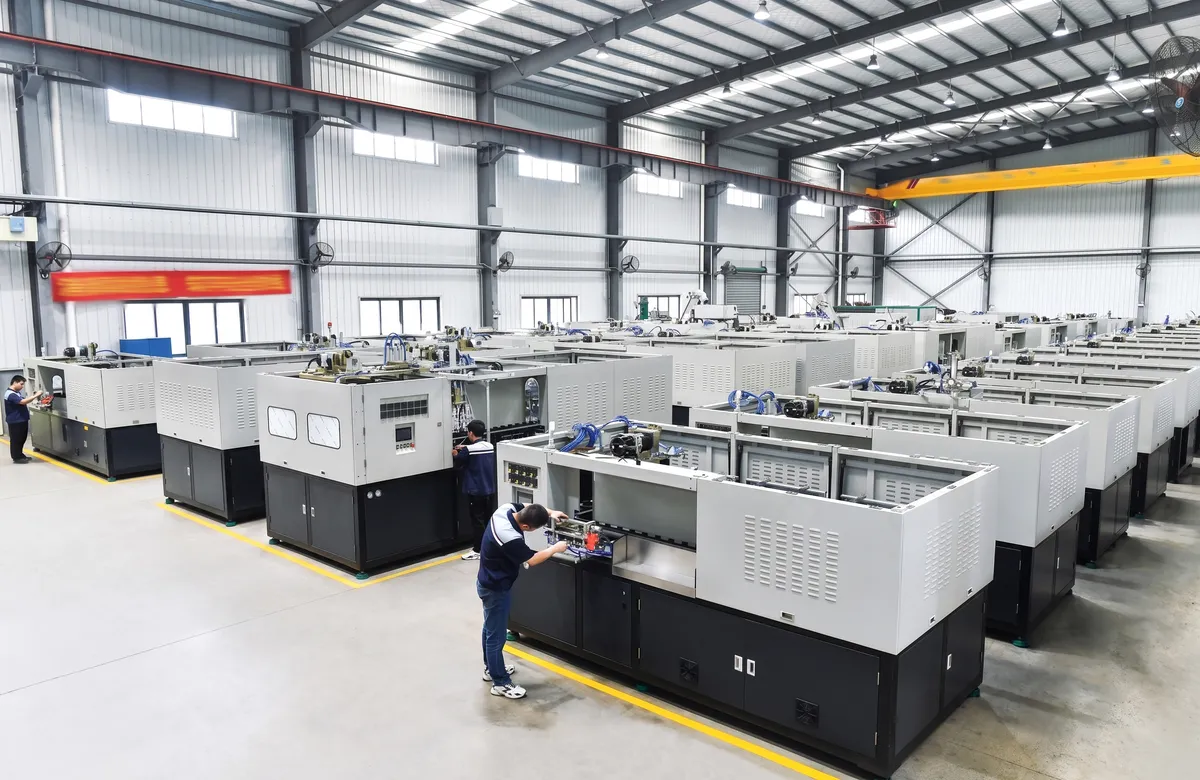
Mexico Ever-Power ISBM Machinery Co., Ltd. is a specialized manufacturer and global supplier focused on the research, development, production, and international sales of automatic injection blow molding machines, injection stretch blow molding machines, and fully automatic two-stage blow molding machines for industrial packaging. Our product portfolio covers the complete spectrum of types of blow molding machines including injection blow molding machines, extrusion blow molding machines, injection stretch blow molding machines, and auxiliary systems for complete turnkey packaging line solutions. Over more than 20 years of dedicated R&D and manufacturing, Ever-Power has developed a complete supply chain for blow molding machine production and earned a reputation for stable, energy-efficient, and innovative machines serving over 200 cities across Mexico and export markets in Malaysia, Indonesia, Peru, Chile, Russia, Vietnam, South Africa, Qatar, and beyond.
Ever-Power brings together a team of experienced engineers with deep practical expertise in both injection-blowing machinery and injection-blowing molds, enabling us to offer customers a true one-stop service from container design consultation through preform tooling, machine supply, installation, operator training, and long-term technical support. We adhere to the enterprise development philosophy of self-reliance, integrity, pragmatism, innovation, and responsibility in all our customer relationships.
Our plastic blow molding machine applications cover pharmaceutical packaging, food and beverage packaging, healthcare products, cosmetics, agrochemical containers, industrial chemical packaging, edible oil bottles, and more. The machines are validated by major brand customers including Walmart, Walch, Haitian, Estee Lauder, PROYA, and Liby, among others. When you choose Ever-Power as your blow molding machine supplier, you receive the engineering depth of a 20-year manufacturer combined with the commercial responsiveness and market proximity of an international trade specialist dedicated to serving your business needs.
Contact Mexico Ever-Power to discuss your pesticide bottle or chemical container production requirements. Our application engineering team will recommend the optimal model, cavity count, tooling configuration, and auxiliary equipment package for your specific project. Get a formal quotation within one business day.
 |
 |
 |
 |
 |
 |
Frequently Asked Questions
Q1: What bottle sizes can the EPA.ES-4C76 fully automatic blow molding machine produce?
A: The EPA.ES-4C76 model is optimized for containers up to 700 ml with a maximum neck diameter of 48 mm and a maximum body diameter of 68 mm, at a rated output of 4,800 bottles per hour. However, the broader EPA.ES series can produce containers from 500 ml all the way to 22,000 ml across different models. If your pesticide bottle or chemical container specification falls outside the 4C76 individual capacity, the EPA.ES-4C114 (1,300 ml), EPA.ES-4C130 (1,500 ml), or the large-format EPA.JS-2C366 (22,000 ml) models would be the appropriate alternatives depending on your volume and geometry requirements.
Q2: What materials does this PET blow molding machine process, and does it require specific resin grades?
A: The EPA.ES-4C76 is primarily designed for PET and PETG resins, with configurations available for HDPE and PP depending on the application. For PET, you should use an injection-grade PET with an intrinsic viscosity between 0.72 and 0.84 dl/g depending on your bottle wall thickness and chemical resistance requirements. The resin must be dried to a moisture content below 30 ppm before processing to prevent molecular weight degradation that causes clarity loss and brittleness in the finished bottle. Ever-Power engineering team can advise on the optimal resin grade specification for your specific pesticide or chemical bottle formulation compatibility requirements.
Q3: What is the difference between the EPA.ES-4C76 and the HGA.ES-4C76 model designations?
A: The EPA prefix designates the Mexico Ever-Power export brand designation for machines sold through international sales channels, while EPA is the Mexico Ever-Power original model designation as shown in the manufacturer's technical catalog. The underlying machine specifications, components, and performance data are identical: 4 cavities, 96-position preform holder, 4,800 bph theoretical output, 35 kg/cm2 blowing pressure, 3,290 by 1,850 by 2,260 mm footprint, and 3,500 kg weight. Both designations refer to the same physical machine sourced from the same Mexico Ever-Power manufacturing facility.
Q4: How long does it take from machine installation to full production on pesticide bottles?
A: Typically, an experienced installation team can mechanically install and electrically connect the EPA.ES-4C76 within two to three days on a prepared site with all required utilities in place. Process commissioning with mold installation, parameter setting, and trial production normally requires an additional one to two days. Operator training to achieve confident independent operation takes a further three to five working days depending on your team prior experience with blow molding machines. Factor a total of eight to twelve working days from machine arrival to stable production at rated output when planning your project timeline. Remote video support from Ever-Power technical team is available throughout commissioning at no additional cost.
Q5: Can this chemical bottle blow molding machine run both PET and HDPE resins on the same production line?
A: Material changeovers between PET and HDPE require significant parameter adjustments including screw temperature profiles, oven settings, blowing pressure sequences, and preform tooling changes. It is technically possible but not economically efficient for regular switching. Most buyers who produce both PET pesticide bottles and HDPE chemical containers operate separate dedicated machines for each resin to maximize uptime and minimize changeover losses. If your product range requires multi-resin flexibility, discuss your specific container mix and changeover frequency with our application engineers who can recommend the optimal machine and tooling configuration for your production schedule.
Q6: What compressed air infrastructure is required for the EPA.ES-4C76 blow molding machine?
A: The machine requires a dual-pressure compressed air supply. The low-pressure circuit at 7 kg/cm2 consumes 800 ltr/min and can typically be served by a standard factory air network. The high-pressure blowing circuit at 35 kg/cm2 consuming 3,900 ltr/min requires a dedicated high-pressure air compressor, storage receiver, and distribution piping sized for the continuous demand at full machine speed. This high-pressure infrastructure represents a significant ancillary investment and is one of the most commonly underestimated utility requirements in blow molding machine installation projects. Ever-Power can provide utility requirement specifications for your facility engineering team.
Q7: What is the warranty coverage and what spare parts should be kept on hand?
A: The machine is covered by a standard manufacturer warranty against defects in materials and workmanship. For consumable and high-wear items it is recommended to stock locally: infrared heating lamps, preform holder inserts, air valve seals and O-rings, blow nozzle seals, and conveyor drive belts. These are the components with the shortest service intervals during normal production. Ever-Power provides a recommended initial spare parts kit with each machine delivery, and maintains inventory of all critical parts for the EPA.ES series with documented lead times to your country for restocking orders.
Q8: Is the EPA.ES-4C76 a two-stage or one-step blow molding machine?
A: The EPA.ES-4C76 is a two-stage blow molding machine, also called a two-step process machine. In the two-stage process, preforms are injection molded separately, cooled to room temperature, and then reheated and blown into bottles on the blow molding machine as a completely separate step. This differs from a one-step injection stretch blow molding machine where injection molding, conditioning, and blowing all occur within a single integrated machine. The two-stage process is preferred for high-volume commodity bottle production including pesticide and chemical containers because it offers significantly higher output rates and more flexibility in preform inventory management.
Q9: Can I source preforms locally, or do I need to manufacture them in-house?
A: In the two-stage process, preforms can be purchased from external preform suppliers rather than manufactured on site, which reduces initial capital investment by eliminating the need for a preform injection molding machine. This approach is viable when local preform suppliers can provide the correct weight, neck finish dimensions, IV grade, and consistent quality at competitive prices. For pesticide bottle applications where HDPE or specialty resin preforms may not be locally available in the required specifications, on-site preform injection may be necessary. Our engineering team can advise on the preform sourcing strategy most appropriate for your market location and bottle specification requirements.
Q10: How does this machine compare to European or Japanese blow molding machine brands?
A: The EPA.ES-4C76 is positioned as a high-performance, cost-competitive option relative to European brands such as Sidel, Krones, and Sipa, and Japanese brands such as Nissei ASB. For standard pesticide and chemical bottle applications, the output quality, cycle consistency, and service life of the EPA.ES series are well-established in export markets across Latin America, Southeast Asia, the Middle East, and Africa. The primary competitive advantage is the significantly lower capital cost, typically 40 to 60% below comparable European-brand machines, combined with shorter lead times, more flexible customization options, and accessible after-sales support for export markets.
Q11: What auxiliary equipment is needed alongside this blow molding machine?
A: A complete bottle production line alongside the EPA.ES-4C76 typically includes: a PET or HDPE resin dryer and dehumidifier, a high-pressure air compressor and receiver sized for 35 kg/cm2 at 3,900 ltr/min, an industrial water chiller delivering 8 to 12 degree Celsius cooling water, a preform sorting and loading conveyor, a finished bottle conveyor and accumulation table, and optionally an air rinser and leak tester for quality assurance on chemical packaging lines. Ever-Power can supply or recommend all auxiliary equipment as part of a complete turnkey line package, ensuring all components are correctly matched to the blow molding machine utility requirements and output rates for seamless production from day one.
Customer Reviews
Carlos Mendoza, Agrochemical Packaging, Mexico
"We installed our EPA.ES-4C76 back in March and have been running it nearly around the clock producing 500 ml herbicide bottles. Output is sitting right at 4,700 to 4,800 per hour which matches what they quoted us exactly. The neck finish consistency is exceptional and our capping line acceptance rate has jumped from about 97% to over 99.5% compared to our old machine. The heating zone control is intuitive and our operators picked it up quickly. Very happy with the purchase."
Ricardo Alves, Pesticide Bottle Packaging, Brazil
"Honestly I was a bit skeptical before ordering because the price was lower than European competitors but the quality has completely won us over. We are making 1-liter fungicide bottles in PET and the wall thickness uniformity measured across 100 bottles gave a standard deviation of less than 0.04mm. The cooling system is very well designed and we can run full 12-hour shifts without any thermal drift affecting the bottle dimensions. The technical documentation and spare parts supply commitment were also factors in our decision. Strongly recommended as a blow molding machine supplier."
Diego Herrera, Industrial Chemical Packaging, Colombia
"The delivery arrived within the promised timeframe and the customs documentation was complete and accurate which really matters when you are importing capital equipment. Installation took two days and the engineer they sent was thorough and professional. We are producing chemical cleaning product bottles and the machine has been performing perfectly for seven months now with zero major breakdowns. The one time we had a heating lamp fail they shipped a replacement part within three days. Service attitude is excellent."
Ahmed Al-Rashidi, Agrochemical Containers, Saudi Arabia
"We run three blow molding machines in our facility and the EPA.ES-4C76 is by far the easiest to operate. My production team of two operators can manage all three machines simultaneously because the PLC interface is clear and alarms are specific enough that you always know exactly what to check. Energy consumption is noticeably lower than our older machines from another brand. For pesticide bottle production at medium volumes the 4-cavity configuration is the sweet spot between investment and throughput. We plan to order the 6-cavity version next year to expand capacity."
Wei Ping Loh, Chemical Bottle Production, Malaysia
"I want to focus specifically on the mold quality because that is what I was most worried about before buying. We ordered both the preform injection mold and the blowing mold as a package from Ever-Power. The preform mold cavities were measured on arrival and all dimensions were within tolerance. After eight months of continuous production we still have not needed to rework or polish any cavity surfaces. The blowing mold cooling channels are well designed and our cycle times are consistent. Overall the tooling quality justifies the investment and I would choose Ever-Power again as a blow molding machine manufacturer."
Maria Elena Quispe, Agricultural Products, Peru
"We are a distributor for agrochemical products in the Andean region and started producing our own packaging with the EPA.ES-4C76 about a year ago. The transition from buying bottles to making them in-house has reduced our packaging cost per unit by roughly 35% and we now control the inventory completely. The machine handles the HDPE resin we use for pesticide concentrate bottles very well and the 700 ml container we produce is dimensionally consistent enough to run through our automated filling and capping line without any manual adjustment. Very satisfied with both the machine and the support from the Ever-Power team."
Sipho Dlamini, Chemical Container Industry, South Africa
"Shipping to South Africa was smooth and the machine arrived undamaged in its original packaging. Setup was completed within two working days with video call support from Ever-Power technicians which I found very practical. We make industrial solvent containers in the 500 to 700 ml range and the blowing pressure at 35 kg/cm2 gives us the wall density we need for chemical resistance compliance. The machine is now 11 months old and has had one planned maintenance stop. Response from the team when I had questions during startup was always fast. Good experience overall and pricing was competitive compared to other blow molding machine suppliers we evaluated."
Ngo Thi Lan, Agrochemical Packaging, Vietnam
"What persuaded us to go with Ever-Power over a local supplier was the engineering support before the order. They reviewed our bottle designs, flagged a potential issue with one preform wall thickness ratio, and suggested an adjustment that improved the blow ratio. That kind of technical engagement before the sale gives you confidence in what you are buying. The EPA.ES-4C76 has been in production for six months making 48 mm neck pesticide spray bottles and the rejection rate on our automated vision inspection line is under 0.5%. In our business that level of consistency translates directly into profitability. Very pleased."
Mustafa Ozturk, Cleaning Products Packaging, Turkey
"Our experience has been mostly positive. The machine itself is solid and the output quality for our 600 ml detergent and surface cleaner bottles is consistently good. I will be honest that the initial commissioning took longer than expected because our local air compressor was slightly undersized for the 3,900 ltr/min high-pressure requirement and we had to rent additional capacity while we upgraded our system. Once the utilities were properly matched the machine performed as specified. My advice to anyone buying this type of industrial blow molding machine is to calculate your compressed air requirements carefully before installation and not underestimate how much high-pressure air the blowing phase actually consumes."
Additional information
| Edited by | Yjx |
|---|
Related products
-
EPA.ES-4C76 Fully Automatic Blow Molding Machine for Daily Chemicals & Cosmetic Bottles
-
EPA.ES-2C130 Fully Automatic Blow Molding Machine for Daily Chemicals & Cosmetic Bottles
-
EPA.ES-2C114.3 Fully Automatic Blow Molding Machine for Daily Chemicals & Cosmetic Bottles
-
EPA.ES-2C130 Fully Automatic Blow Molding Machine for Food Wide-Mouth Jars and Cans