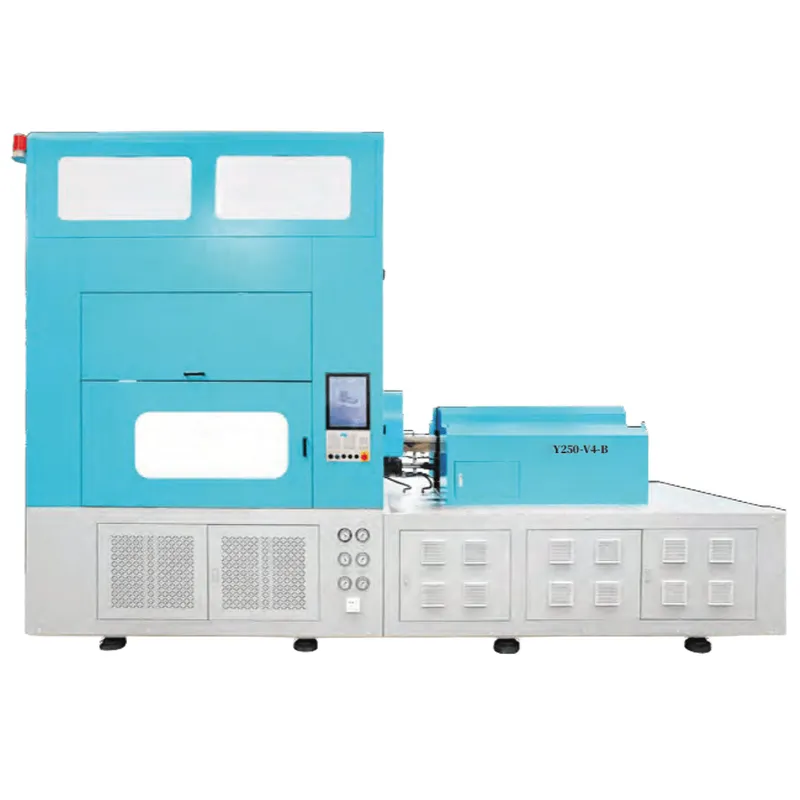
Y250-V4-B Injection Stretch Blow Molding Machine Replacement for Japanese ASB-70DPW
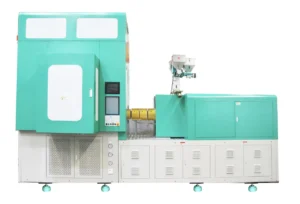
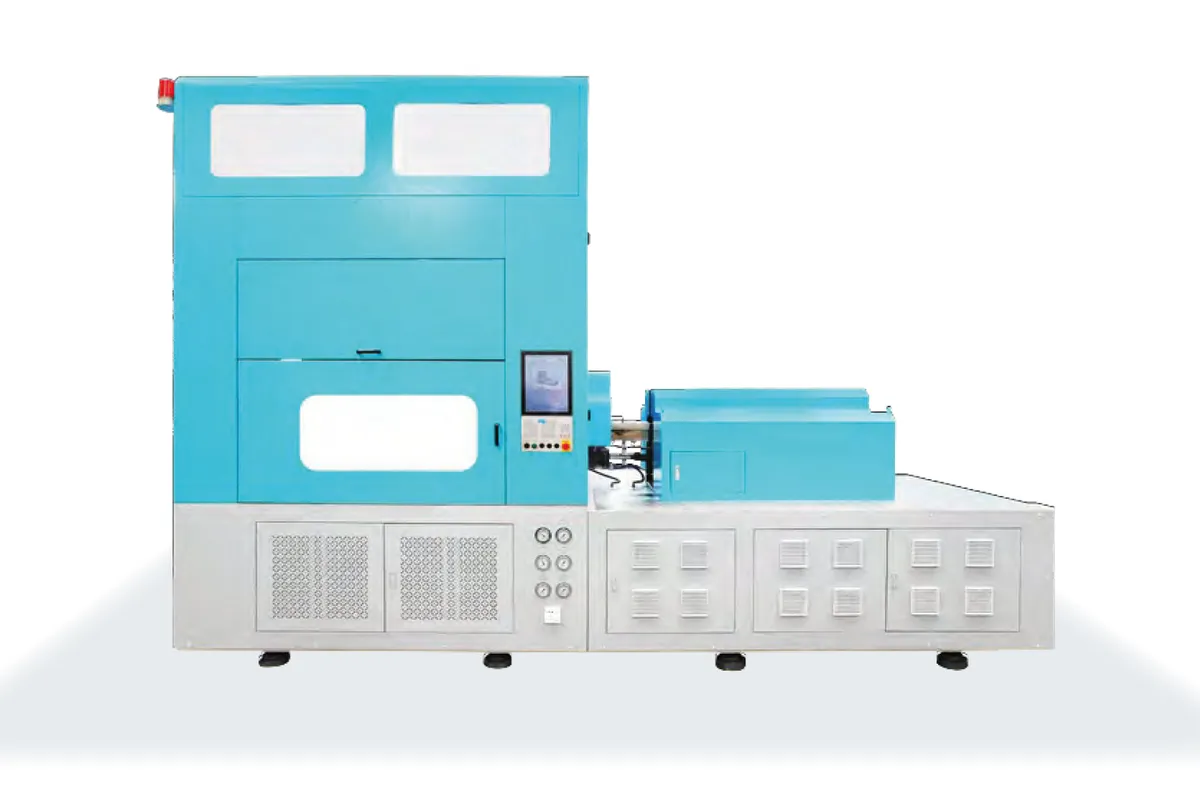
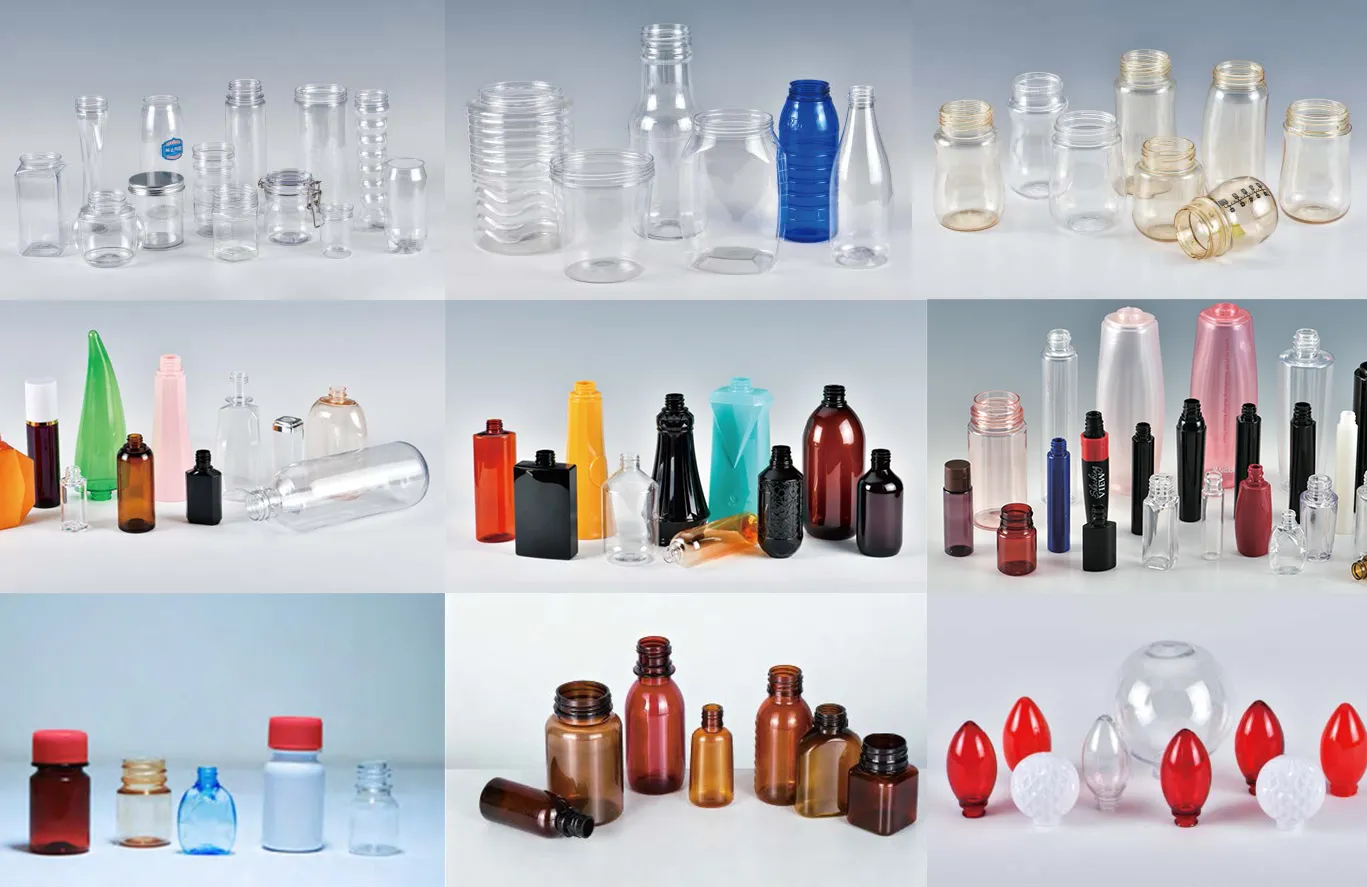
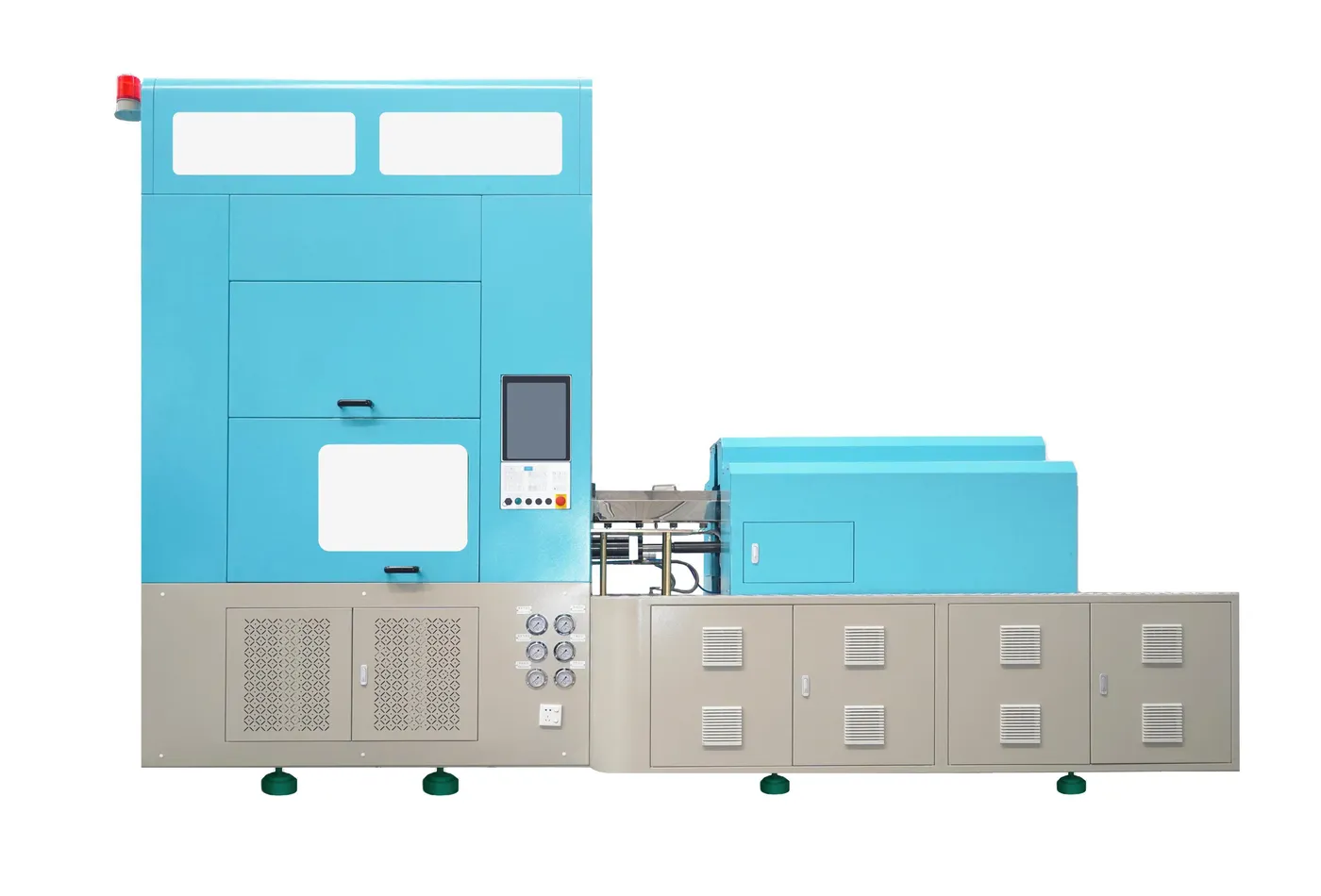
The Y250-V4-B injection stretch blow molding machine is a high-performance, single-stage ISBM machine developed by Mexico Ever-Power to serve as a direct, cost-effective replacement for the Japanese ASB-70DPW. Engineered for product diversity, this one-step injection stretch blow moulding machine can continuously produce medicine bottles, cosmetic bottles, baby bottles, water glass bottles, specialty shaped bottles, and wide-mouth containers within a single integrated production cycle.
The Y250-V4-B injection stretch blow molding machine is a high-performance, single-stage ISBM machine developed by Mexico Ever-Power to serve as a direct, cost-effective replacement for the Japanese ASB-70DPW. Engineered for product diversity, this one-step injection stretch blow moulding machine can continuously produce medicine bottles, cosmetic bottles, baby bottles, water glass bottles, specialty shaped bottles, and wide-mouth containers within a single integrated production cycle. The entire process of injection, temperature regulation, stretching, and blow molding is completed inside one machine without intermediate steps, which eliminates reheating losses, reduces contamination risk, and keeps dimensional consistency extremely high across all cavities. Designed and built to meet GMP pharmaceutical packaging production standards, the Y250-V4-B is free of human contact throughout the production process, making it the equipment of choice for sterile and regulated environments.
As a leading injection stretch blow molding machine manufacturer, Mexico Ever-Power ISBM Machinery has adopted a standardized design architecture for this PET injection stretch blow molding machine, with mechanical accessories sourced exclusively from internationally recognized brands. The servo control system uses Inovance or WEICHI motors, the turntable drive is paired with a genuine Japan Yaskawa servo motor and Taiwan TSUNTIEN reducer, the high-pressure valve is from American Parker, and the hydraulic control valve is from YUKEN Taiwan. Oil tubing is imported from Italy. This component philosophy dramatically improves the reliability and stability of the machine over its full service life, dramatically lowering the total cost of ownership compared with lower-grade alternatives. Whether you are upgrading from legacy Japanese equipment or establishing a new production line for pharmaceutical, cosmetic, beverage, or food packaging, the Y250-V4-B customized injection stretch blow molding machine is a compelling, field-proven solution.
Product Model Comparison Table
1. Replacement for Japanese ASB Model
| Y/ YS Machine Model | Configuration / Remarks | Compatible Japanese Model |
| Y150-V4-2 | Standard configuration | ASB-12M |
| YS150-V4-EV | Full Servo | ASB-12M |
| Y250-V4 | Standard configuration | ASB-70DPH |
| Y250-V4-B | B Series | ASB-70DPW |
| Y650-V4 | Large-capacity model | ASB-650 |
2. Replacement for Japanese AOKI Model
| Y/YS Machine Model | Configuration / Remarks | Compatible Japanese Model |
| Y150-V4-B | B Series | SBIII-100L-20 |
| Y150-V3-B | 3-Station Model | SBIII-100L-20 |
| Y200-V4-B | B Series | SBIII-250LL-50S |
| Y200-V3 | 3-Station Model | SBIII-250LL-50S |
| YS350-V4-EV | Full Servo | AL-350LL-40 |
| Standard Model | Servo Model | Fully Electric Model |
 |
 |
 |
Our Advanatges
1. The quality is better. The plastic bottles produced by the blow molding machines from Japan all have a parting line. There is a protrusion of plastic in the middle of the two molds on either side, which results in a mark. However, our molds have extremely high precision, and the mark is completely invisible.
2. Our production is fast, with a large amount of screw solutions and high speed. While Japan can produce four plastic bottles at a time, we can produce six.
3. Save energy. Our machines consume 15% to 25% less energy than those in Japan, Europe, and the United States.
4. A wide range of electric control technologies has been adopted to replace hydraulic and pneumatic components. For example, the pneumatic components used in the bottom cutting mechanism in Japan are replaced by servo motors here, and the speed of the servo motors is doubled. In the pharmaceutical industry and other fields, fully servo motors can be used without any hydraulic systems, ensuring compliance with GMP standards and operation in an oil-free and pollution-free environment.
Product Specifications
| Item | Unit | Specifications | |||||||
| Name | One-step Injection Stretch Blow Molding Machine(4-station) |
||||||||
| Model | Y250-V4-B (Compatible with Japanese ASB-70DPW model) | ||||||||
| Manufacturer | Mexico Ever-Power | ||||||||
| Material | PET/PETG | ||||||||
| Screw Diameter | MM | 50 | 55 | 60 | / | ||||
| Theoretical Injection Volume | CM³ | 315 | 442 | 480 | / | ||||
| Screw Rotational Speed(RPM) | r/min | 270 | 180 | 150~220 | / | ||||
| Injection Clamping Force | KN | 300 | |||||||
| Blowing Clamping Force | KN | 250 | |||||||
| Motor Power | KW | 67.7 | |||||||
| Heating Power | KW | 15 | |||||||
| Blowing air pressure | Mpa | 2.0-3.5 | |||||||
| Cooling Water Pressure | Mpa | 0.4-0.6 | |||||||
| Machine Oil Cooler Water Pressure | Mpa | 0.3-0.4 | |||||||
| Machine Oil Cooler Water Temperature | ℃ | 20-25 | |||||||
| Voltage | V | 370-400 | |||||||
| (L*W*H) Size(L*W*H) | MM | 5200x2500x3800 | |||||||
| Weight | T | 16 | |||||||
| Product Dimensions | |||||||||
| Product Quantity | PCS | 8 | 10 | 12 | 14 | 16 | 20 | 24 | 28 |
| Bottle Diameter(BD) | MM | 85 | 85 | 79 | 66 | 54 | 45 | 37 | 25 |
| Bottle Height(H) | MM | 260 | |||||||
| Neck Diameter(E) | MM | 58 | 56 | 48 | 38 | 32 | 26 | 24 | 15 |
| Max. Bottle Volume(ml) | ML | 1000 | 900 | 800 | 600 | 400 | 250 | 100 | 50 |
| Max. Bottle Weight(W) | G | 55 | 44 | 36 | 32 | 28 | 25 | 20 | 15 |
Machine Parameter
| Compatible Model: | Compatible with the Japanese ASB-70DPW model |
| Screw Diameter: | 60mm(optional) |
| Theoretical Injection Capacity: | 680g |
| Injection clamping force: | 300KN |
| Upper mold stroke: | 600mm |
| TEMP. Regulating core stroke: | 250mm |
| TEMP. regulating barrel stroke: | 250mm |
| Take-out stroke: | 200mm |
| Blowing clamping force: | 250KN (single side) |
| Blow core stroke: | 300mm |
| Blow mold stroke: | 75+75mm |
| Oil tank VOL: | 300L |
| Size(L×W×H): | 5.2*2.5*3.8m |
| Weight: | 16T |
Technical Standard
| Servo Control System: | Using 3 sets of servo pump systems. |
| Servo Motor Power: | Inovance/ WEICHI servo motor power: 67.7KW. |
| Computer Control System: | Using the Inovance/ MiRLE PLC. |
| Turntable Drive: | The turntable is equipped with a Japan Yaskawa servo motor or a WEICHI servo motor with a Taiwan TSUNTIEN reducer. |
| High- Pressure Valve: | Using the American Parker high-pressure valve. |
| Air Cylinder: | Using the Aitak air cylinder. |
| Temperature Control: | Using an integrated control box to control temperature, which is highly accurate, stable, and easy to operate; alternatively, you can choose the system's built-in temperature control system. |
| Hydraulic Pressure Control Valve: | Using a hydraulic pressure control valve of YUKEN from Taiwan, China. |
| Screw Heated: | The screw is heated by a nano-far-infrared energy-saving heating ring(15KW). |
| Blow Molding Structure: | The blow molding structure adopts a hydraulic cylinder or dual servo motor mold clamping system with a high-pressure compensation function. |
| Injection Unit: | The injection unit is controled by a single cylinder. The melt motor may be controlled either hydraulically or by a servo motor. |
| Oil Tube: | The oil tube is made of imported material from Italy. |
| Total Power of the Machine: | Total power of the machine: 82.7KW. |
Key Features of Y250-V4-B Injection Stretch Blow Molding Machine
1. Shorten Production Cycle
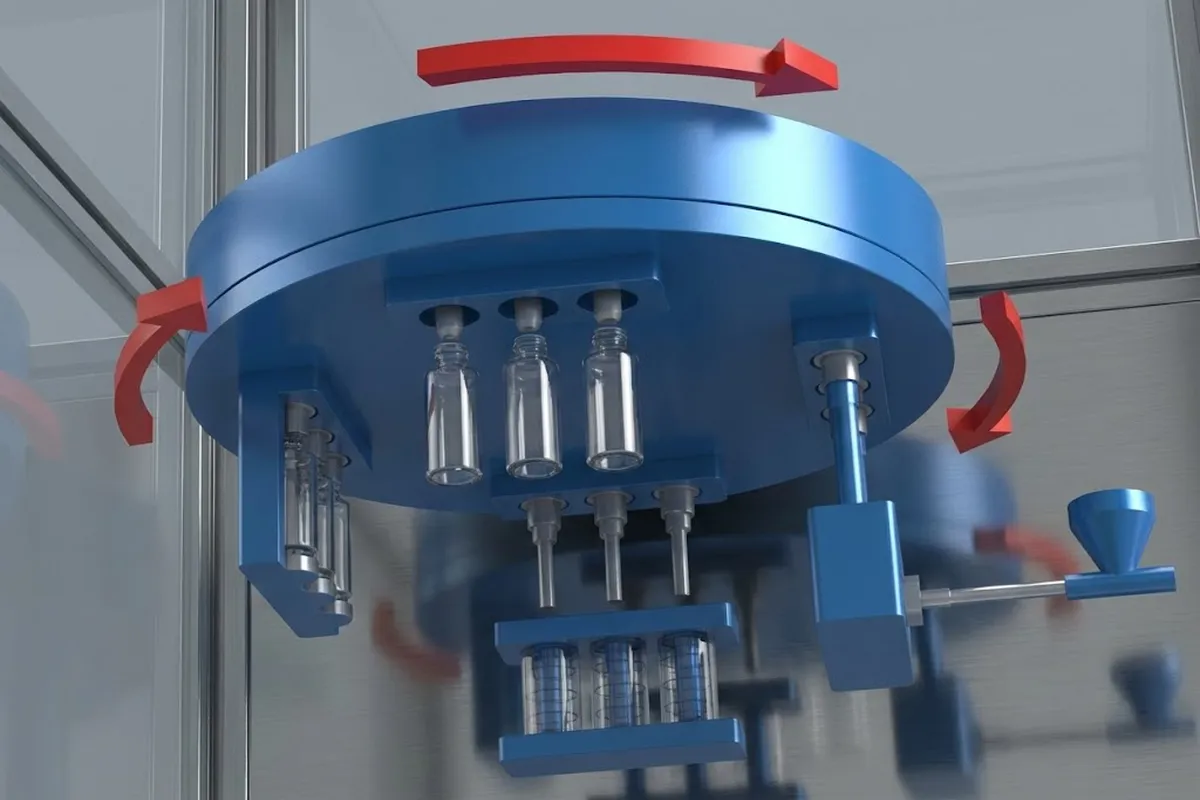
This one step ISBM machine completes the full cycle of preform injection, temperature regulation, axial stretching, and blow molding inside one integrated 4-station platform. No intermediate transfer, no reheating delay, and no inter-process handling are required. The result is a dramatically shorter cycle time per bottle and a higher output rate per shift compared to two-step or multi-machine approaches. Pharmaceutical and cosmetic producers with high daily volume targets will see significant throughput gains versus legacy Japanese lines.
2. Improve Production Efficiency
Where Japanese ASB-70DPW machines typically produce four bottles per cavity cycle, the Y250-V4-B single-stage injection stretch blow molding machine supports up to 28 product cavities simultaneously, enabling output that far surpasses manual or conventional multi-stage processes. Full-process automation with PLC-controlled sequencing eliminates operator-to-operator variation, maintains consistent cycle times around the clock, and is well suited for large-scale industrial runs that demand repeatable quality without manual intervention between shifts.
3. Improve Molding Precision
The Y250-V4-B injection blow molding machine features an integrated temperature control box with extremely high accuracy across all heating zones. Injection speed, injection pressure, and mold temperature are precisely regulated through the Inovance or MiRLE PLC to ensure uniform melt flow and complete cavity fill. The result is an exceptionally high degree of consistency in product dimensions, wall thickness, and density batch after batch. Ever-Power's mold precision is so superior that the parting line mark on finished bottles is completely invisible, a clear advantage over Japanese counterpart machines.
4. Reduce Labor Cost
Fully automated operation from injection through bottle ejection means the production process is entirely free of human contact, a critical requirement under GMP pharmaceutical packaging standards. With servo-driven systems replacing traditional pneumatic and hydraulic components, unpredictable human-caused variables are eliminated. Operators are needed only for monitoring and parameter adjustment, not for direct product handling. This dramatically reduces the headcount required per production line and lowers labor cost per thousand bottles, especially in markets where skilled machine operators command premium wages.
5. Ensure Energy Conservation
The Y250-V4-B consumes 15% to 25% less energy than comparable Japanese, European, and American machines. This is achieved through three dedicated servo pump systems that supply hydraulic power on demand rather than continuously, a nano far-infrared energy-saving heating ring rated at 15 KW for the screw, and the elimination of secondary reheating that two-stage extrusion blow molding processes require. Only PET or PETG pellets are used as raw material, which can be recycled. Reduced power draw per bottle produced translates directly into lower operating cost and a smaller carbon footprint over the machine lifetime.
6. Compatible with Japanese ASB-70DPW
The Y250-V4-B is engineered as a direct replacement for ASB ISBM machine tooling. Facilities already operating ASB-70DPW molds can migrate to this machine without a new mold investment, significantly reducing the capital barrier to upgrading. The machine footprint at 5200 x 2500 x 3800 mm and 16 tonnes is appropriate for standard factory floor layouts and clean room installations. For operations with limited floor space, this compact and self-contained platform replaces multi-machine two-step layouts while delivering superior output quality and a faster return on investment.
Working Principle
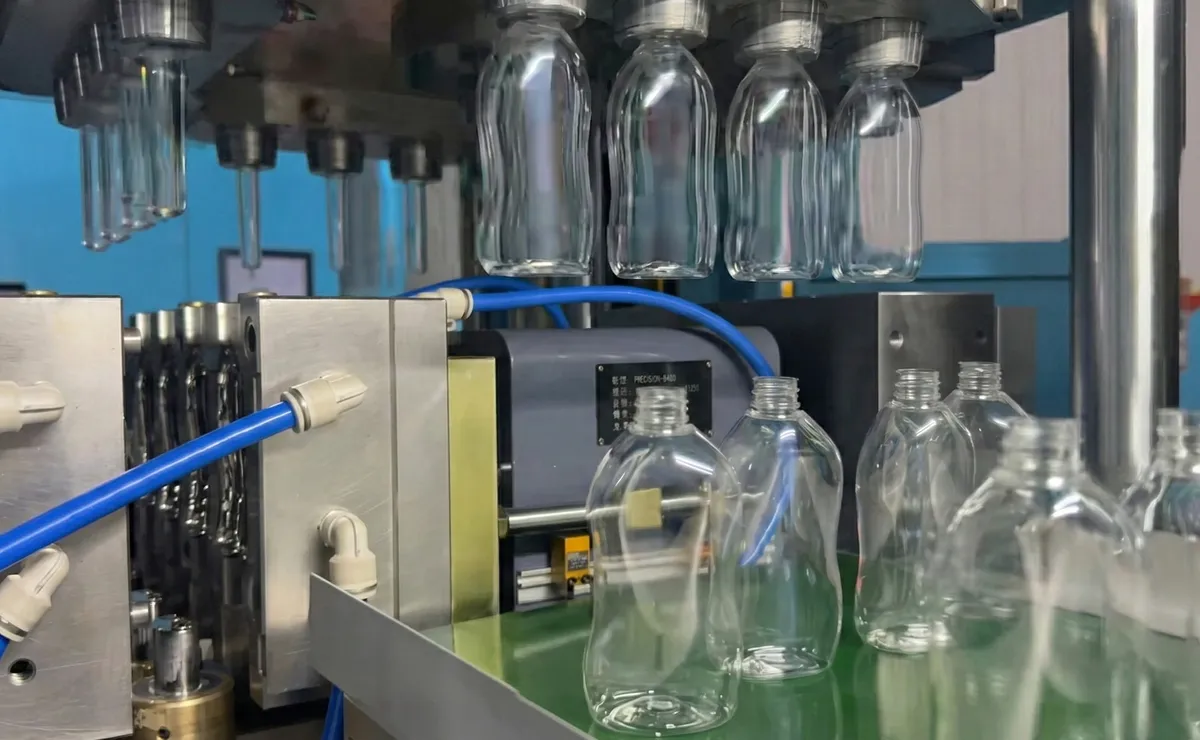
1. Injection Process
The injection process is the initial stage of the entire cycle. Molten PET resin is injected into the preform mold cavity and formed into a flowing plastic melt under precisely controlled high temperature and pressure. The Inovance PLC regulates injection speed, injection pressure, and mold temperature in real time to ensure the melt has optimal fluidity and fills the cavity uniformly and completely, producing preforms of the required shape and dimensional accuracy. Consistent preform quality at this stage is the foundation of all downstream bottle properties.
2. Stretching Process
After initial cooling and shaping within the injection station, the preform transfers to the temperature regulation station where it is held at an optimal stretching temperature. The stretch rod then elongates the preform longitudinally, orienting polymer chains in the axial direction. This biaxial orientation significantly improves the compression resistance, barrier properties, and optical transparency of the final bottle. Cooling time and heating temperature are carefully controlled to maintain dimensional stability and premium surface quality prior to the blow stage.
3. Blowing Process
The stretched preform is transferred into the blow mold station, where compressed air at 2.0 to 3.5 MPa is used to radially expand the softened preform against the inner wall of the mold. This step defines the final bottle shape, wall profile, and structural integrity. The blowing clamping force of 250 KN per side, delivered by the hydraulic or dual servo motor clamping system, ensures tight mold closure and eliminates flash. Blow molding pressure and mold temperature are precisely controlled to ensure the final shape and size meet specification consistently across all cavities.
4. Molding and Ejection Process
After blowing, the bottle is cooled and formed inside the mold. Cooling medium circulates through the mold channels to rapidly remove heat from the bottle wall, allowing the PET material to solidify and lock in its precise shape, achieving the required surface finish and dimensional accuracy. Uniformity, speed, and duration of cooling are carefully managed by the control system. The cooled bottle is then ejected through the 200 mm take-out stroke system and conveyed out of the machine, completing the full cycle automatically without any human contact.
Applications of Y250-V4-B ISBM Machine
Pharmaceutical Bottles
The no-human-contact production process and GMP-compliant automation make the Y250-V4-B the preferred injection stretch blow moulding machine for oral liquid bottles, tablet containers, syrup bottles, and specialized pharmaceutical packaging from 50 ml to 1000 ml. PET clarity enables accurate fill-level inspection without opening containers.
Cosmetic Bottles
High-end cosmetic brands demand flawless surface finish, invisible parting lines, and complex geometry. This ISBM machine manufacturer produces perfume bottles, lotion pumps, serum vials, and specialty shaped cosmetic containers with optical-grade transparency and dimensional accuracy that meet luxury packaging standards across markets in Europe, the Americas, and Asia.
Chemical Bottles
PETG and PET materials processed on this machine offer excellent chemical resistance for household and industrial cleaning agents, disinfectants, and agricultural chemical packaging. The high blowing clamping force of 250 KN ensures tight mold closure, eliminating pinhole leaks and flash that create safety hazards in chemical packaging applications where seal integrity is non-negotiable.
Beverage Bottles
For water, juice, sports drink, and carbonated beverage producers, the Y250-V4-B delivers crystal-clear PET bottles with outstanding barrier performance that extends shelf life. The biaxial stretching step improves gas barrier properties and drop impact resistance, both critical for carbonated applications. With 8 to 28 cavities per cycle, the machine supports high-volume beverage filling lines efficiently.
Food Bottles
Condiment bottles, cooking oil containers, sauce jars, spice shakers, and wide-mouth food storage containers can all be produced on this machine. Food-grade PET transparency allows consumers to see product contents and assess quality at point of sale. The no-human-contact process eliminates microbial contamination risk that manual handling introduces to open food packaging systems.
Baby Feeder Bottles
Strict safety standards for baby products require zero contamination, BPA-free materials, and perfectly smooth internal surfaces. This one-step injection stretch blow molding machine produces PETG baby bottles with consistent neck dimensions, flawless transparency, and food-grade surfaces that meet international infant product standards. The fully enclosed, no-human-contact process removes the risk of airborne and contact contamination during production.
Infusion Bottles
Large-volume parenteral (LVP) containers and IV infusion bottles demand the highest levels of sterility and dimensional precision. The Y250-V4-B injection blow molding machine supports pharmaceutical-grade infusion bottle production in PET with consistent wall thickness and neck geometry for reliable sealing with stoppers and aluminum crimp caps, fully in compliance with GMP clean room requirements where no hydraulic contamination is permissible.
Sanitizer Bottles
Hand sanitizer, alcohol-based disinfectant, and surface cleaner packaging requires a material that resists solvents while maintaining aesthetic clarity and shape retention. PET bottles produced on this machine deliver excellent alcohol resistance, tight dimensional tolerances for pump fitment, and attractive transparency that communicates product quality on retail shelves. High-cavity production supports the large volumes that sanitizer brands require for retail and institutional distribution channels.
Key Equipment
Clamping Unit
The clamping unit provides an injection clamping force of 300 KN and a blowing clamping force of 250 KN per side. It uses a hydraulic cylinder or dual servo motor mold clamping system with high-pressure compensation function to ensure the mold halves are held together with precision force during both injection and blowing, preventing flash and ensuring cavity integrity throughout every production cycle.
Injection Unit
The injection unit is controlled by a single cylinder system, with the melt motor configurable as either hydraulic or servo-driven depending on the production environment. The screw diameter options of 50, 55, or 60 mm allow theoretical injection volumes from 315 to 480 CM3. The screw is heated by a nano far-infrared energy-saving heating ring rated at 15 KW, providing precise and energy-efficient barrel temperature control for consistent PET melt quality.
Precision Mold System
The mold tooling is manufactured to extremely high precision tolerances, with the parting line contact so accurate that no visible flash or parting mark appears on finished bottles. The machine accepts molds compatible with the Japanese ASB-70DPW format, protecting existing tooling investments during line upgrades. Upper mold stroke is 600 mm and blow mold stroke is 75 plus 75 mm, accommodating a wide range of bottle heights and shapes up to 1000 ml.
Blow Pin System
The blow pin, or blow core, engages the preform neck and introduces compressed air at 2.0 to 3.5 MPa to expand the softened preform against the mold cavity walls. The blow core stroke of 300 mm is sized for the full range of bottle heights the machine supports. The American Parker high-pressure valve regulates air delivery with fast and precise response, ensuring repeatable blow pressure for consistent bottle wall thickness from cavity to cavity and cycle to cycle.
Cooling System
The machine incorporates a dual-circuit cooling system: a process water circuit at 0.4 to 0.6 MPa for the mold cavities, and a separate machine oil cooler circuit at 0.3 to 0.4 MPa with water temperature maintained at 20 to 25 degrees Celsius. Rapid and uniform mold cooling is essential for dimensional accuracy and cycle time optimization. The cooling channels are precision-engineered for the mold geometry to maximize heat transfer rate and eliminate temperature hot spots that cause warpage or sink marks.
Servo Control and PLC
Three sets of servo pump systems drive the machine hydraulics. The servo motor package by Inovance or WEICHI provides 67.7 KW of rated power. The turntable is driven by a Japan Yaskawa servo motor or WEICHI servo motor paired with a Taiwan TSUNTIEN precision reducer, ensuring stable indexing accuracy. The Inovance or MiRLE PLC computer control system manages all process parameters, provides real-time monitoring, and supports parameter storage for repeatable setup across mold changes.
Hydraulic System
The hydraulic pressure control valve from YUKEN Taiwan delivers precise and reliable flow and pressure regulation throughout the machine cycle. Oil tubing is sourced from imported Italian material for superior durability and leakage resistance. The 300-liter oil tank provides adequate hydraulic fluid reserve for stable system pressure under continuous high-cycle operation. The servo pump design provides hydraulic power only on demand, reducing idle energy consumption compared to fixed-displacement pump systems.
Ejection System
After the cooling and solidification stage, the Airtak air cylinder-driven take-out system with a 200 mm stroke removes finished bottles from the mold station and transfers them out of the machine in a fully automated sequence. No manual intervention is required at any point in the bottle removal process, maintaining the GMP requirement for no human contact with the finished product. The ejection motion is servo-synchronized with the overall machine cycle for smooth, collision-free operation at all production speeds.
Extrusion Blow Molding vs. Injection Stretch Blow Molding
Blow molding is an essential process in plastic manufacturing, widely used for producing bottles, containers, and industrial components. Among the different blow molding techniques, Extrusion Blow Molding (EBM) and Injection Stretch Blow Molding (ISBM) stand out for their efficiency and broad application base. Choosing the right method depends on product requirements, material selection, target cost, and production scalability. Understanding the fundamental differences helps packaging buyers, contract manufacturers, and brand owners make a confident decision.
What is Extrusion Blow Molding (EBM)
Extrusion Blow Molding is a process where thermoplastic material is melted and extruded through a die to form a hollow tube called a parison. The parison is clamped inside a mold, and compressed air inflates it to the desired shape. After cooling, the mold opens and the finished part is ejected. Because the parison is formed by extrusion rather than injection, EBM is well suited for producing complex shapes, asymmetric bottles, and very large containers that would be difficult or impossible to injection-mold.
Key Features of EBM
- Ideal for producing hollow plastic objects such as bottles, industrial containers, automotive fuel tanks, and fluid reservoirs.
- Compatible with a wide range of materials, including HDPE, LDPE, PP, and PVC, making it flexible for many market segments.
- Capable of producing large and complex shapes with relatively uniform wall thickness through parison programming.
- High continuous production speed with lower tooling cost per part at medium to high volumes.
Advantages of EBM
- Cost-Effective: Lower initial investment in molds and equipment compared to ISBM, particularly for single-cavity or low-volume production.
- Versatility: Suitable for both small household containers and very large industrial drums, offering manufacturing flexibility within one platform.
- Shorter Cycle Time: Continuous extrusion enables a quick and steady production cycle without the injection phase delay of ISBM systems.
Industries Using EBM
- Packaging: Shampoo and conditioner bottles, laundry detergent containers, dairy jugs, and motor oil bottles.
- Automotive: Fuel tanks, washer fluid reservoirs, coolant overflow bottles, and ducting components.
- Medical: Bulk pharmaceutical bottles, IV bag overwraps, and medical instrument trays where optical clarity is secondary.
What is an Injection Stretch Blow Molding (ISBM)
Injection Stretch Blow Molding is a process that begins with injection molding to create a precisely shaped preform. In one-step or single-stage ISBM machines such as the Y250-V4-B, the preform is formed, temperature-regulated, axially stretched, and radially blown entirely within the same machine in a single continuous cycle. In two-step systems, the preform is injection-molded separately, stored, and later reheated for blowing. The one-step injection stretch blow molding machine approach used by Mexico Ever-Power offers significant advantages in product quality, energy efficiency, and contamination control over two-step alternatives.
Key Features of ISBM
- Primarily uses PET and PETG, the preferred materials for food, beverage, pharmaceutical, and cosmetic packaging due to their safety, clarity, and recyclability.
- Produces lightweight, structurally strong, and highly transparent bottles with excellent gas and moisture barrier properties.
- Ensures extremely consistent wall thickness and neck dimensional accuracy, critical for automated filling and capping lines.
- The biaxial stretching step aligns polymer chains, producing bottles with superior impact resistance and lower permeability than unstretched alternatives.
Advantages of ISBM
- Enhanced Strength: Biaxial orientation aligns polymer chains in both axial and radial directions, improving burst strength, drop impact resistance, and top-load performance.
- High Clarity and Aesthetic Appeal: The preferred technology for premium food, beverage, and cosmetic packaging where consumer-facing clarity and brand aesthetics drive purchasing decisions.
- Better Material Distribution: Precise injection of the preform ensures uniform material distribution, minimizing thin spots and defects that EBM parison pinch-off can introduce.
Industries Using ISBM
- Beverage: Water, carbonated soft drink, isotonic sports drink, juice, and tea bottles where clarity, strength, and gas barrier are all required simultaneously.
- Pharmaceutical: Oral liquid, tablet, syrup, and infusion bottles that require GMP compliance, no-contact production, and verifiable dimensional consistency.
- Cosmetics: Perfume, lotion, foundation, and serum containers where optical clarity and invisible parting lines define the premium brand experience.
EBM vs. ISBM: Side-by-Side Comparison
| Feature | Extrusion Blow Molding (EBM) | Injection Stretch Blow Molding (ISBM) |
|---|---|---|
| Materials Used | HDPE, LDPE, PP, PVC | PET, PETG |
| Product Type | Large, hollow, and complex shapes | Clear, lightweight, and durable bottles |
| Production Cost | Lower initial investment | Higher investment, efficient at high volumes |
| Wall Thickness | Uniform but less precise | More precise and consistent thickness |
| Clarity and Strength | Moderate clarity, good strength | High clarity, excellent strength |
| Applications | Industrial, automotive, and packaging | Food, beverage, pharmaceutical, and cosmetics |
For packaging producers who require high optical clarity, GMP compliance, biaxial strength, and precise neck tolerances for automated capping lines, the one-step ISBM machine is clearly the superior investment. If your product category involves PET beverage, pharmaceutical, or cosmetic bottles, the Y250-V4-B injection stretch blow moulding machine delivers better bottle quality per unit of energy consumed than any EBM alternative at comparable volumes.
Compatible Materials for Injection Stretch Blow Molding
The material compatibility of an ISBM machine determines which resins can be processed efficiently in the blow molding cycle. Each plastic requires specific process settings for temperature, pressure, and orientation to achieve the best results.
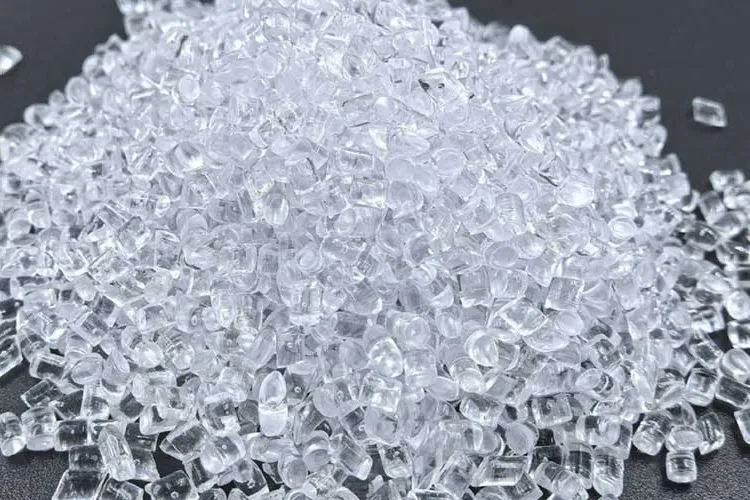
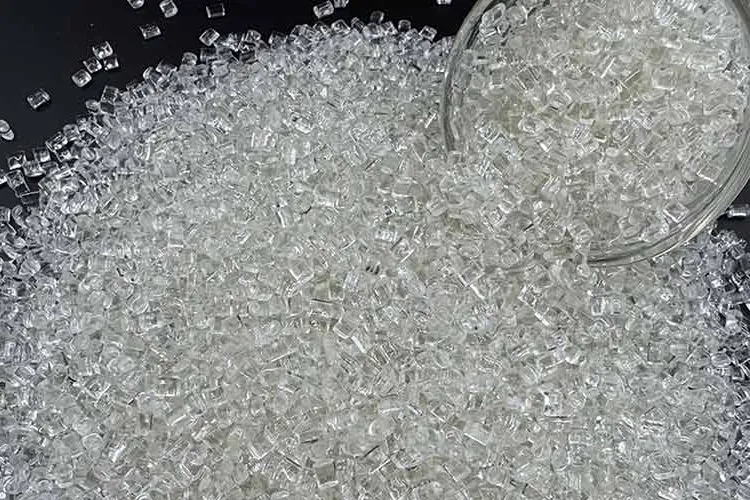
PET (Primary Material)
Polyethylene Terephthalate is the primary material processed on this ISBM machine and is the most widely used material for food, beverage, and pharmaceutical bottles worldwide. PET benefits enormously from the biaxial orientation introduced during the stretching step, which improves tensile strength, gas barrier performance, and optical transparency. It is fully recyclable, FDA-approved for food contact, and available globally at stable commodity pricing. The Y250-V4-B is engineered to process PET at its ideal stretch ratio for maximum barrier and strength output.
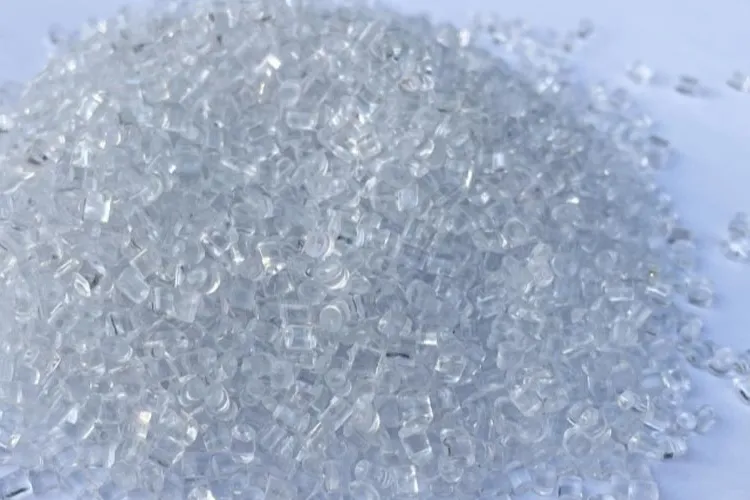
PETG (Primary Material)
Polyethylene Terephthalate Glycol is a copolymer of PET with enhanced toughness and chemical resistance that does not require drying before processing. PETG is preferred for baby products, cosmetic packaging, and medical device containers where BPA-free certification and shatter resistance are required. It processes at slightly lower temperatures than standard PET and offers superior impact resistance without the brittleness some standard PET formulations exhibit at low temperatures.
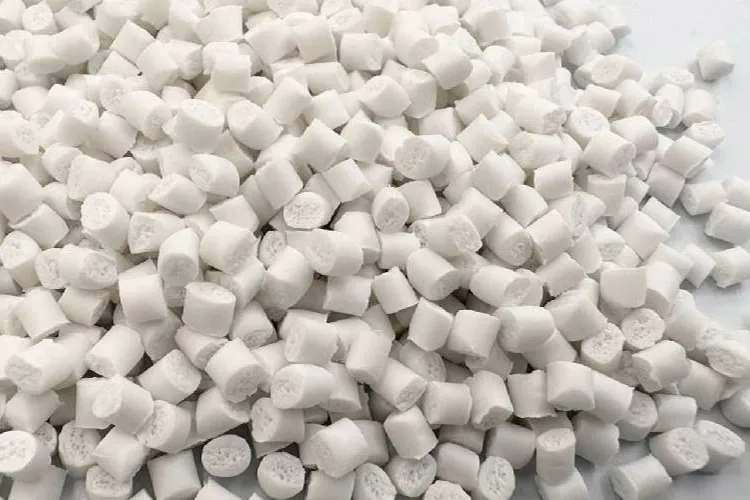
HDPE
High-Density Polyethylene is widely used in EBM for household chemical, personal care, and food containers. While HDPE is not the primary material for ISBM due to its lower clarity and limited stretchability, it serves as a robust moisture barrier material for applications where optical transparency is not a requirement. HDPE provides excellent chemical resistance to acids and bases and is approved for food contact at a wide range of temperatures.
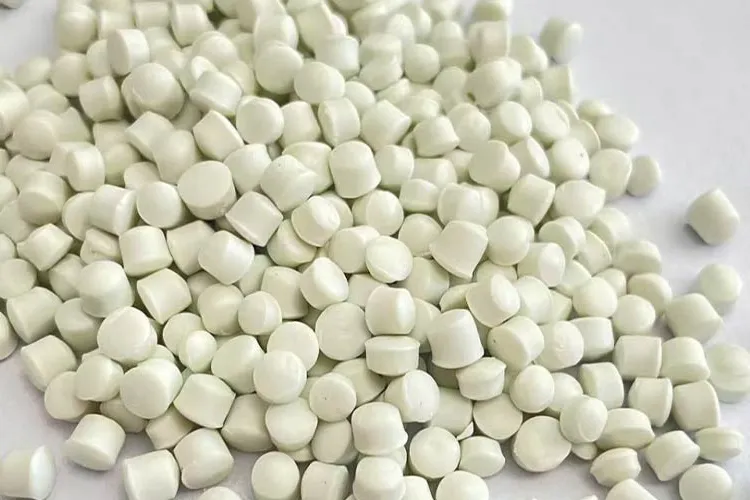
PP (Polypropylene)
Polypropylene offers heat resistance up to 120 degrees Celsius in certain grades, making it ideal for hot-fill beverage and pharmaceutical applications. PP is FDA-approved for food and drug contact, is resistant to fatigue from flexing (useful for living hinge closures), and is widely recycled. The ISBM machine must maintain precise barrel temperature control when processing PP to achieve optimal clarity and stretch behavior in the preform stage.
LDPE
Low-Density Polyethylene is a flexible, low-modulus material used primarily for squeeze bottles, dropper containers, and flexible packaging inserts. It offers good clarity compared to HDPE and excellent resistance to moisture and many chemicals at low concentrations. LDPE requires careful temperature control in the injection unit to avoid degradation while maintaining adequate melt strength for preform formation. It is appropriate for dropper and ophthalmic product packaging.
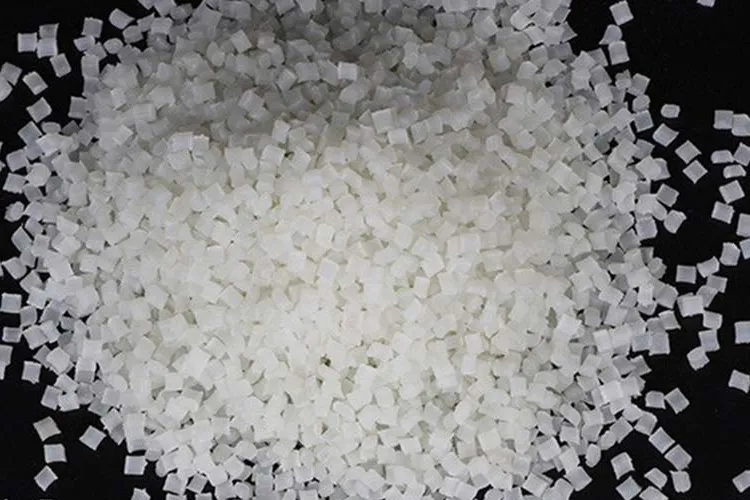
ABS
Acrylonitrile Butadiene Styrene is an engineering thermoplastic valued for its high impact resistance, dimensional stability, and excellent surface finish. ABS is used for durable consumer goods packaging, toolboxes, and specialized industrial containers that must withstand rough handling. The injection blow molding machine must be set to higher barrel temperatures and slower screw speeds to process ABS without degradation, and mold temperatures must be maintained at elevated levels to prevent sink marks and surface blemishes.
 |
 |
 |
 |
 |
 |
How to Order the Right Customized ISBM Machine
1. Define Your Bottle Specifications
Before contacting an injection stretch blow molding machine manufacturer, compile a complete bottle specification document that includes: target bottle volume range (ml), bottle diameter, bottle height, neck finish type and diameter, target gram weight per bottle, and required wall thickness. If you have existing bottle samples or technical drawings, share them with the Ever-Power engineering team for mold feasibility review. This data directly drives screw diameter selection, mold cavity count, and machine configuration, so the more detailed your specification, the more accurate the quotation.
2. Confirm Material and Regulatory Requirements
Specify which resin you will use: PET or PETG, and whether you require FDA, EU 10/2011, or other food contact certification. For pharmaceutical applications, confirm whether GMP compliance documentation, oil-free operation, or clean room classification is required. For cosmetic applications, confirm material transparency requirements and any custom colorant compatibility constraints. Material choice influences barrel temperature settings, drying equipment requirements, and the type of mold steel selected for chemical compatibility and polish grade.
3. Determine Target Output and Cavity Count
Share your required daily or monthly production volume in thousands of bottles. The Ever-Power engineering team will calculate the optimal cavity count (8 to 28 cavities for the Y250-V4-B) and cycle time needed to meet your target with a comfortable utilization rate, typically 80% to 85% of theoretical maximum. Higher cavity counts reduce the per-bottle cycle time and investment cost but require higher mold precision and increase upfront tooling cost. We help you balance these factors based on your total volume projection and budget.
4. Select Drive Configuration: Standard or Full Servo
The Y250-V4-B is available in a standard servo pump configuration or a fully electric configuration for customers requiring hydraulic-free operation in pharmaceutical grade clean rooms. The full electric injection stretch blow molding machine option replaces hydraulic cylinders with servo motors throughout, eliminating any risk of hydraulic oil contamination. Servo-driven configurations also offer faster and more repeatable cycle timing, reduced energy consumption, and quieter operation, which is particularly valuable in facilities with strict environmental and noise standards.
5. Confirm Mold Compatibility or New Mold Design
If you are replacing an existing Japanese ASB-70DPW line, confirm that your existing ASB molds are in good condition and provide their technical drawings for fitment verification. Ever-Power engineering will validate compatibility and advise on any adapter plates or minor modifications needed. If you require new molds, Ever-Power offers complete in-house ISBM mold design and manufacturing with sampling and approval before shipment. New mold lead time is typically 45 to 60 days and sample bottles are provided for your quality approval before full production begins.
6. Plan Installation, Training, and After-Sales Support
Discuss installation, commissioning, and operator training requirements with the Ever-Power team at the time of order. Our experienced technical engineers are available for on-site installation supervision and initial production start-up assistance in most countries. Confirm your voltage and power supply specification (the Y250-V4-B operates at 370 to 400 V) and site foundation requirements before delivery. Spare parts packages covering all wear items for the first year of operation are available and strongly recommended for customers in regions where importation lead times may exceed two weeks.
Why Choose Mexico Ever-Power's ISBM Machine?
Mexico Ever-Power ISBM Machinery Co., Ltd. is a specialist manufacturer primarily engaged in the research and development, production, sales, and international trade of automatic one-step injection blow molding machines and injection stretch blow molding machines. Our product portfolio includes injection blow molding machines (IBM machines), extrusion blow molding machines, one-step ISBM machines, single-stage injection stretch blow molding machines, and auxiliary equipment for complete bottle production line solutions.
The company brings together a high-caliber R&D team of engineering and technical personnel specializing in injection-blow machinery and injection-blow mold development, each with rich theoretical and field experience accumulated over more than two decades of dedicated work in this highly specialized industry. This expertise enables us to provide customers with detailed, responsive, and technically rigorous pre-sale, in-sale, and after-sale services that cover every stage of a packaging production project, from initial concept and specification through to installation, commissioning, training, and long-term technical support.
Our machines serve pharmaceutical packaging, food packaging, health care packaging, cosmetic packaging, and a wide range of specialty plastic packaging applications. We can produce bottles from 1 ml to 1000 ml across an extensive material range that includes HDPE, LDPE, PET, PETG, PP, PS, PPSU, PC, Tritan, ABS, PLA, bio-based corn materials, EVA, and PCTG, giving our customers the flexibility to serve multiple market segments from a single machine platform.
Mexico Ever-Power adheres to the enterprise development philosophy of self-reliance, integrity, pragmatism, innovation, and responsibility. We build a one-stop turnkey project capability for high-end injection-blow products that delivers satisfactory user quality and first-class service. Our commitment is to be the most cost-effective and most comprehensively supported injection stretch blow molding machine manufacturer available to global packaging producers.
 |
 |
 |
 |
FAQs
Q: What is the difference between a one-step and two-step injection stretch blow molding machine?
A: In a one-step or single-stage injection stretch blow molding machine such as the Y250-V4-B, injection of the preform, temperature regulation, axial stretching, and blow molding are all completed sequentially in the same machine without removing the preform between stages. In a two-step system, preforms are injection-molded separately, cooled to room temperature, stored, and then reheated in a separate reheat stretch blow molding machine for the blowing stage. The one-step process retains the initial heat of the preform from injection, eliminating the need for a second heating cycle, which reduces energy consumption by approximately 40%, lowers contamination risk during handling, and results in better material orientation because the stretch is applied while the preform temperature gradient is more uniform from the injection stage.
Q: Can the Y250-V4-B use my existing ASB-70DPW molds?
A: Yes. The Y250-V4-B is specifically engineered as a replacement for ASB ISBM machine lines and is designed to accept molds compatible with the Japanese ASB-70DPW format. If your existing molds are in good mechanical condition and the cavity dimensions fall within the Y250-V4-B machine envelope (bottle height up to 260 mm, bottle diameters as listed in the product dimension table), they can typically be mounted and run on the Y250-V4-B after an engineering compatibility review. Please provide your existing mold technical drawings or datasheets to the Ever-Power engineering team before finalizing your order so that fitment can be confirmed and any necessary adapter specifications can be identified.
Q: What materials can this ISBM machine process?
A: The Y250-V4-B is primarily optimized for PET (Polyethylene Terephthalate) and PETG (Polyethylene Terephthalate Glycol). These are the materials where the machine delivers its best combination of clarity, barrier performance, and orientation-enhanced strength. PET is used for the vast majority of beverage, pharmaceutical, and food packaging applications. PETG is preferred for baby products, cosmetic packaging, and medical device packaging where BPA-free certification and enhanced toughness at lower wall weights are required. Please consult the Ever-Power engineering team if you are considering processing other resins, as some materials may require additional barrel configuration or process parameter adjustments.
Q: How much energy does the Y250-V4-B save compared to Japanese and European machines?
A: The Y250-V4-B is engineered to consume 15% to 25% less energy than comparable Japanese, European, and American injection stretch blow molding machines. This energy saving is achieved through three mechanisms: first, the servo pump hydraulic system that supplies power only on demand rather than continuously from a fixed-displacement pump; second, the nano far-infrared energy-saving heating ring on the screw that provides efficient barrel heating at 15 KW; and third, the one-step process itself, which eliminates the full preform reheating cycle that two-step ISBM processes require. Customer field measurements have confirmed savings in the 18% to 22% range against measured consumption from legacy hydraulic Japanese machine lines running the same bottle specifications.
Q: Is the Y250-V4-B suitable for GMP pharmaceutical packaging production?
A: Yes. The Y250-V4-B is designed to meet GMP pharmaceutical packaging production standards. The entire production process from injection of molten PET through to ejection of the finished bottle is free of human contact, which is a core GMP requirement for sterile primary packaging. For clean room pharmaceutical applications, the machine can be configured with a fully electric servo system that operates without a hydraulic system, eliminating any risk of hydraulic oil contamination in the production environment. The Inovance PLC provides full process parameter recording for batch traceability, and the integrated temperature control system delivers stable, auditable process conditions across all heating zones.
Q: How many bottles per cycle can the Y250-V4-B produce?
A: The Y250-V4-B supports 8 to 28 product cavities per cycle depending on the bottle size and the mold configuration selected. Larger bottles require fewer cavities per cycle due to the machine platen and clamping force limits, while smaller bottles (50 ml to 250 ml) can be produced at the maximum 28 cavities per cycle. The specific maximum cavity count for your target bottle is determined by the bottle diameter, neck diameter, and required wall weight. Ever-Power engineers will calculate the maximum cavity configuration achievable within the machine envelope and recommend the optimal balance of cavity count and cycle time to achieve your production volume target.
Q: What screw diameter options are available and how do I choose the right one?
A: The Y250-V4-B is available with screw diameters of 50 mm, 55 mm, and 60 mm, providing theoretical injection volumes of 315, 442, and 480 CM3 respectively. The right screw diameter is selected based on the total shot weight required per cycle, which equals the gram weight per bottle multiplied by the number of cavities. Larger diameter screws deliver higher shot volumes and accommodate high-cavity, high-weight bottle configurations. For most pharmaceutical and cosmetic bottle applications in the 50 ml to 400 ml range with 8 to 16 cavities, the 50 or 55 mm screw is typically appropriate. For larger volumes or higher cavity counts producing 600 ml to 1000 ml bottles, the 60 mm screw with its 480 CM3 injection capacity provides the headroom needed.
Q: What is the lead time for the Y250-V4-B machine and what does delivery include?
A: Standard machine production lead time for the Y250-V4-B is typically 45 to 60 days after confirmation of order and receipt of deposit. If new molds are also required, mold manufacturing adds 45 to 60 days and typically runs in parallel with machine production, so total project lead time with new tooling is normally 60 to 90 days. Delivery includes the fully assembled and factory-tested machine packed in a fumigated wooden export crate, a commissioning spare parts kit, the machine operation manual in English, and the PLC parameter backup. Installation and commissioning support by Ever-Power technical engineers is available as an optional service at the customer site.
Q: What after-sales support does Mexico Ever-Power provide for international customers?
A: Mexico Ever-Power provides comprehensive after-sales technical support for all Y250-V4-B machines globally. This includes remote troubleshooting via video call and messaging, PLC parameter diagnosis support, spare parts supply with worldwide shipping, and on-site service engineer dispatch for major issues. A dedicated after-sales technical team handles inquiries in English and Spanish. For customers in regions with limited access to local machinery technicians, an extended spare parts package covering the first 12 months of wear items is available at the time of machine purchase to minimize any downtime risk due to parts supply delays. Our service team typically responds to urgent technical inquiries within four hours.
Q: What voltage and utility supply does the machine require?
A: The Y250-V4-B operates on a 3-phase power supply at 370 to 400 V, 50 Hz or 60 Hz as specified at the time of order, with a total installed power of 82.7 KW. Cooling water supply requires a minimum of 0.4 to 0.6 MPa for the mold cooling circuit, with water temperature control to achieve the 20 to 25 degree Celsius oil cooler water temperature specification. A clean compressed air supply at a minimum of 0.6 MPa is required for the Airtak pneumatic components. Blowing air requires a high-pressure compressor capable of supplying 2.0 to 3.5 MPa continuously throughout the blowing station stroke. Please provide your site utility specifications to the Ever-Power engineering team during the quotation stage so that any necessary adaptation can be confirmed in advance.
Customer Reviews
Park Sung-jin, Pharmaceutical Packaging, South Korea
"We purchased the Y250-V4-B with a 16-cavity mold configuration for our oral liquid PET bottles back in early last year and I can honestly say it has been one of the best capital investments our plant has made. The neck tolerance consistency is genuinely impressive. We run automated capping on a high-speed line and the reject rate at the capper dropped from around 2.1% with our old Japanese machine to under 0.4% on the Ever-Power. Installation engineers spent four full days with us on site making sure our team understood every parameter. The energy saving is also real, we checked against our old power bills and the reduction is around 20%."
Reza Moradi, Cosmetic Packaging, Iran
"Khoda hafez to expensive Japanese lines honestly. We compared the Y250-V4-B against an ASB machine and the price difference let us buy two Ever-Power machines for the same budget. Both machines have been running for eight months and we have had zero major breakdowns. The Parker valves and Yaskawa turntable servo they use are quality components you can trust. Our cosmetic lotion bottles come out crystal clear with no parting line visible at all, which is something our customers in Europe kept complaining about with our previous supplier. Very happy with the whole package."
Fabio Nascimento, Food Packaging Industry, Brazil
"I was a bit nervous about buying a Chinese ISBM machine given some experiences I had with other suppliers years ago, but the Ever-Power team was professional from the first inquiry all the way through delivery. The machine arrived in Brazil fully packed in wooden crates with all components clearly labeled. We had a few questions during installation and the technical WhatsApp support was quick, usually a response within two hours even with the time zone. The machine produces our 500ml sauce bottles at 20 cavities per cycle and the output easily matches what I was told in the sales process. No complaints."
Emre Yildirim, Packaging Solutions, Turkey
"Shipping was faster than expected. We placed the order in March and the machine was on the vessel by late April. We had it running in our factory in Istanbul by mid-June which is about a week ahead of the schedule they gave us. The YUKEN hydraulic valve and the integrated temperature control box make parameter setting very straightforward and our operators learned to run it confidently within three days of commissioning. We use it for 250ml and 100ml cosmetic bottles. Bottle clarity is excellent and wall thickness consistency is noticeably better than our old two-step system."
Dr. Adeola Okafor, Pharmaceutical Company, Nigeria
"We specifically needed GMP-compliant packaging equipment for our oral antibiotic syrup line and the Y250-V4-B was the right choice. The no-human-contact production cycle was the main reason we chose it and the fact that we could get it with servo motors instead of hydraulics for our clean room was the deciding factor. We have been producing 60ml and 100ml amber PET syrup bottles for about eleven months now with this machine. Dimension consistency on the neck finish is critical for our closure system and we have had zero issues with neck diameter variance. After-sales team responded to our queries professionally."
Stefan Bauer, Chemical Packaging, Germany
"Honestly what surprised me most was how good the mold quality was. I expected to have to polish or adjust the mold after delivery but the parting line was invisible on the first test shots. We produce hand sanitizer bottles in 500ml and 250ml and they look premium, which matters for our retail channel in Germany and France. The machine is also very compact for what it does. We fit it into a 6x5 meter bay with room left over. The energy usage is lower than our budget assumed, so we are saving money on electricity each month compared to our projection."
Nguyen Thi Lan, Beverage Packaging, Vietnam
"We are a beverage startup in Vietnam and the Y250-V4-B was our very first ISBM machine purchase. The Ever-Power sales team walked us through the entire selection process patiently and did not push us to buy more machine than we needed. We went with a 12-cavity mold for our 330ml mineral water bottle and the output rate has been completely consistent with what was promised. The Inovance PLC interface is easy to navigate and error messages are clear. We have been able to train two shift operators to run it independently. Thoroughly recommend for smaller beverage producers looking to start their own bottle production."
Carlos Mendoza, Baby Products, Mexico
"We ordered spare parts six months after installation and the logistics team arranged delivery to Mexico within 12 working days which was much better than I expected for mechanical parts. The original machine arrived with a spare parts kit covering common wear items which we appreciated. Machine has been trouble-free in daily operation. The YUKEN hydraulic valve has shown zero issues after 14 months of three-shift operation. We produce baby feeding bottles with PETG material and the BPA-free certification documentation Ever-Power provided was accepted by our quality auditors without any requests for supplementary data."
Rajesh Patel, Packaging Manufacturer, India
"We compared four injection stretch blow molding machine manufacturers before deciding on Ever-Power and the deciding factors were the imported component list and the willingness to provide video evidence of factory testing before shipment. They sent us a full production run video of our specific mold before the machine left the factory. When we received the machine and started production in Mumbai, the parameters from the factory test matched very closely what we achieved on our floor. The 15 to 25 percent energy saving claim is real, we measured it against our previous hydraulic machine over a full month and the saving was 22 percent."
Additional information
| Edited by | Yjx |
|---|
Related products
-
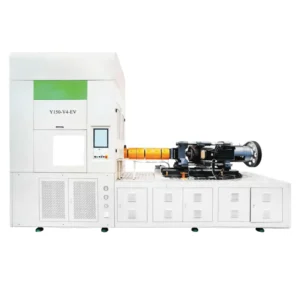
YS150-V4-EV Injection Stretch Blow Molding Machine Replacement for Japanese ASB-12M
-
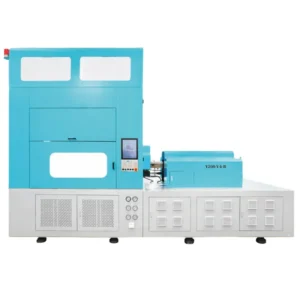
Y200-V4-B One Step Injection Stretch Blow Molding Machine (4-Station)
-
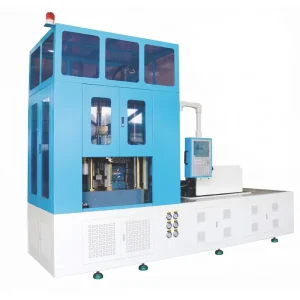
Y150-V3-B Injection Stretch Blow Molding Machine Replacement for Japanese AOKI SBIII-100L-20
-
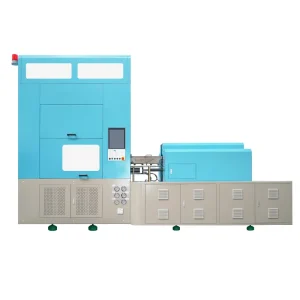
YS350-V4-EV Injection Stretch Blow Molding Machine Replacement for Japanese AOKI AL-350LL-40