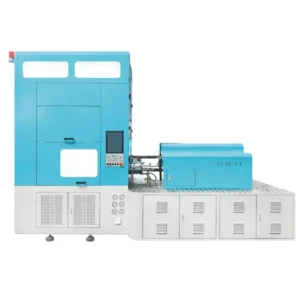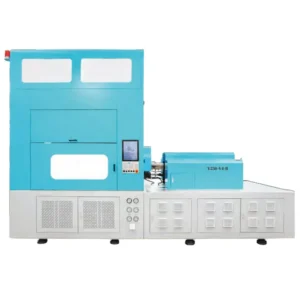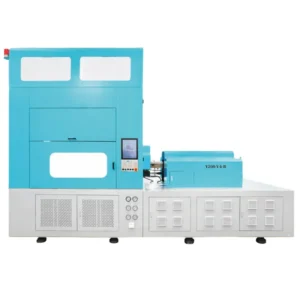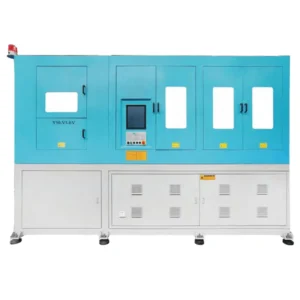
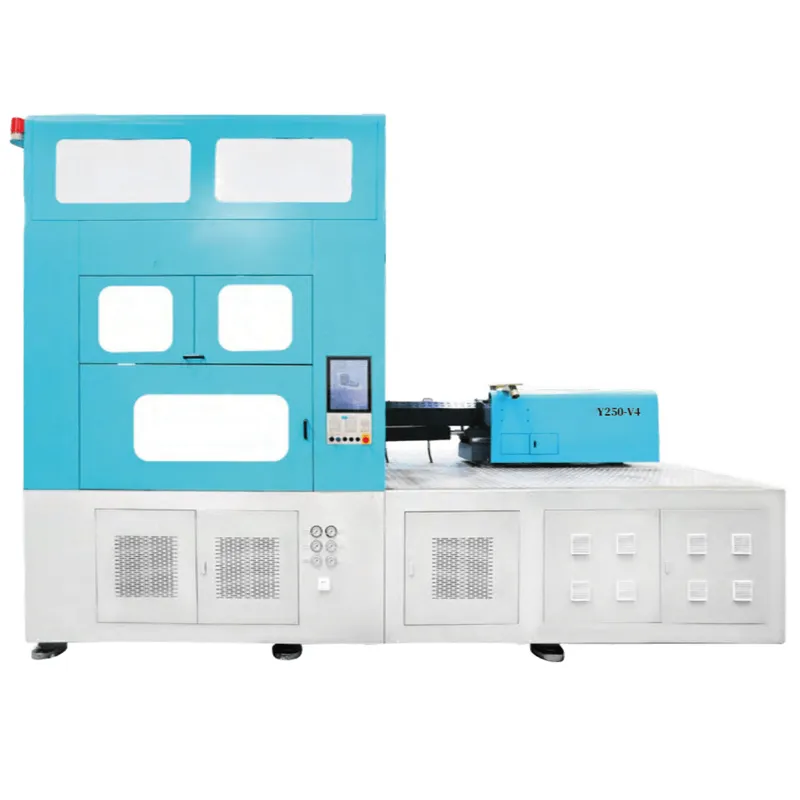
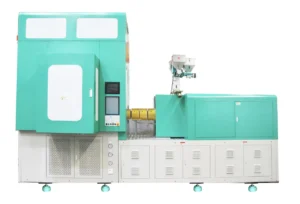
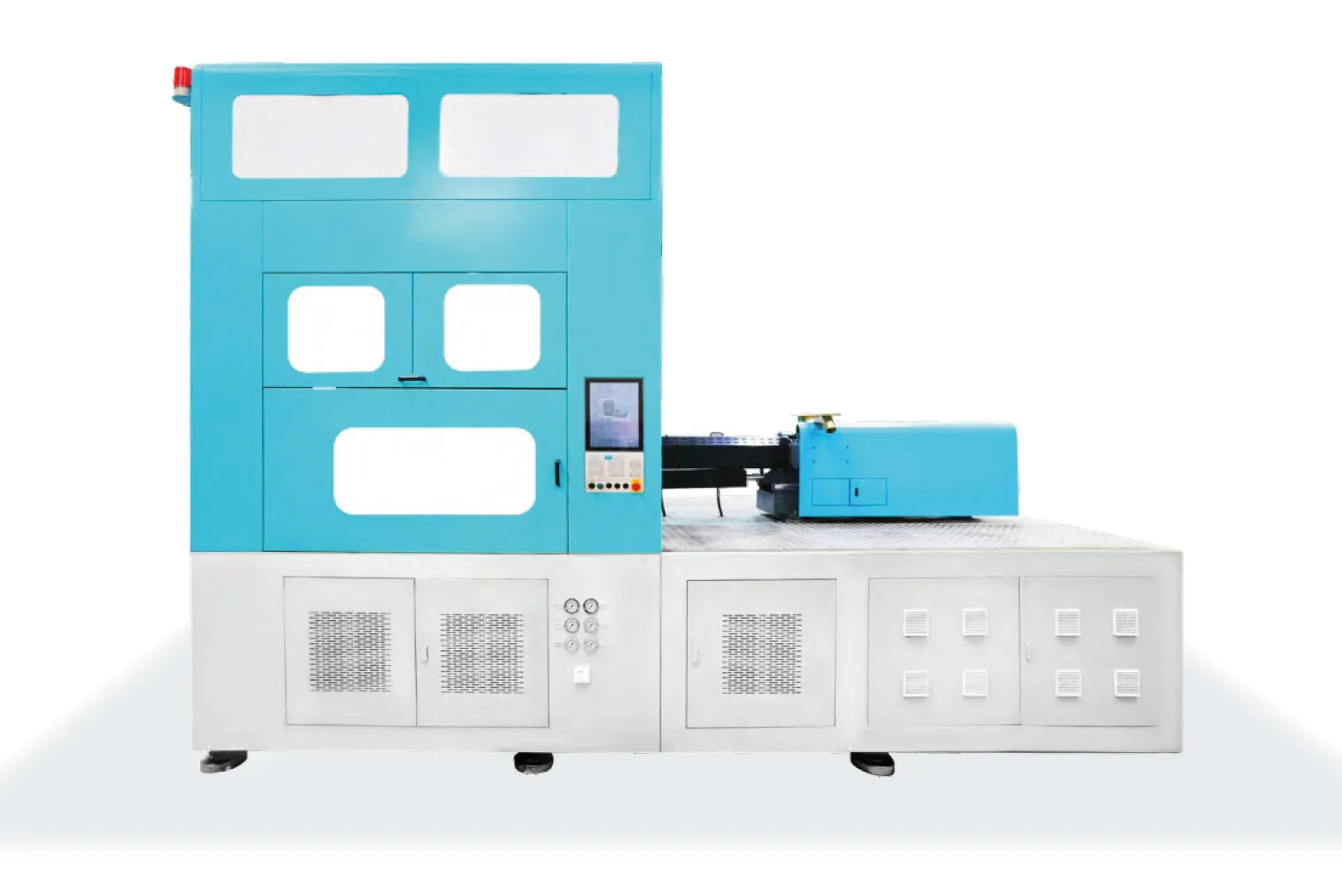
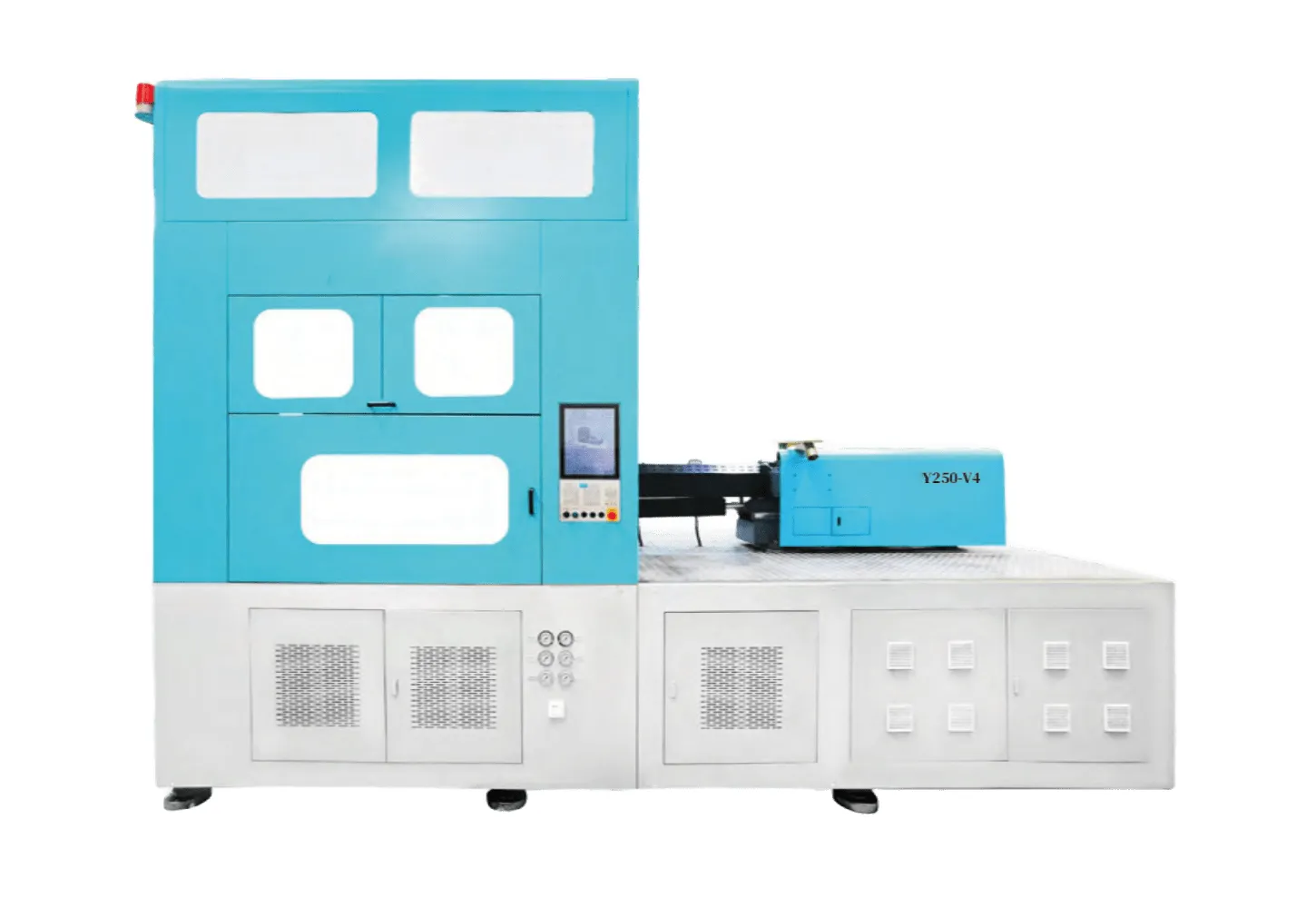
Y250-V4 Injection Stretch Blow Molding Machine Replacement for Japanese ASB-70DPH
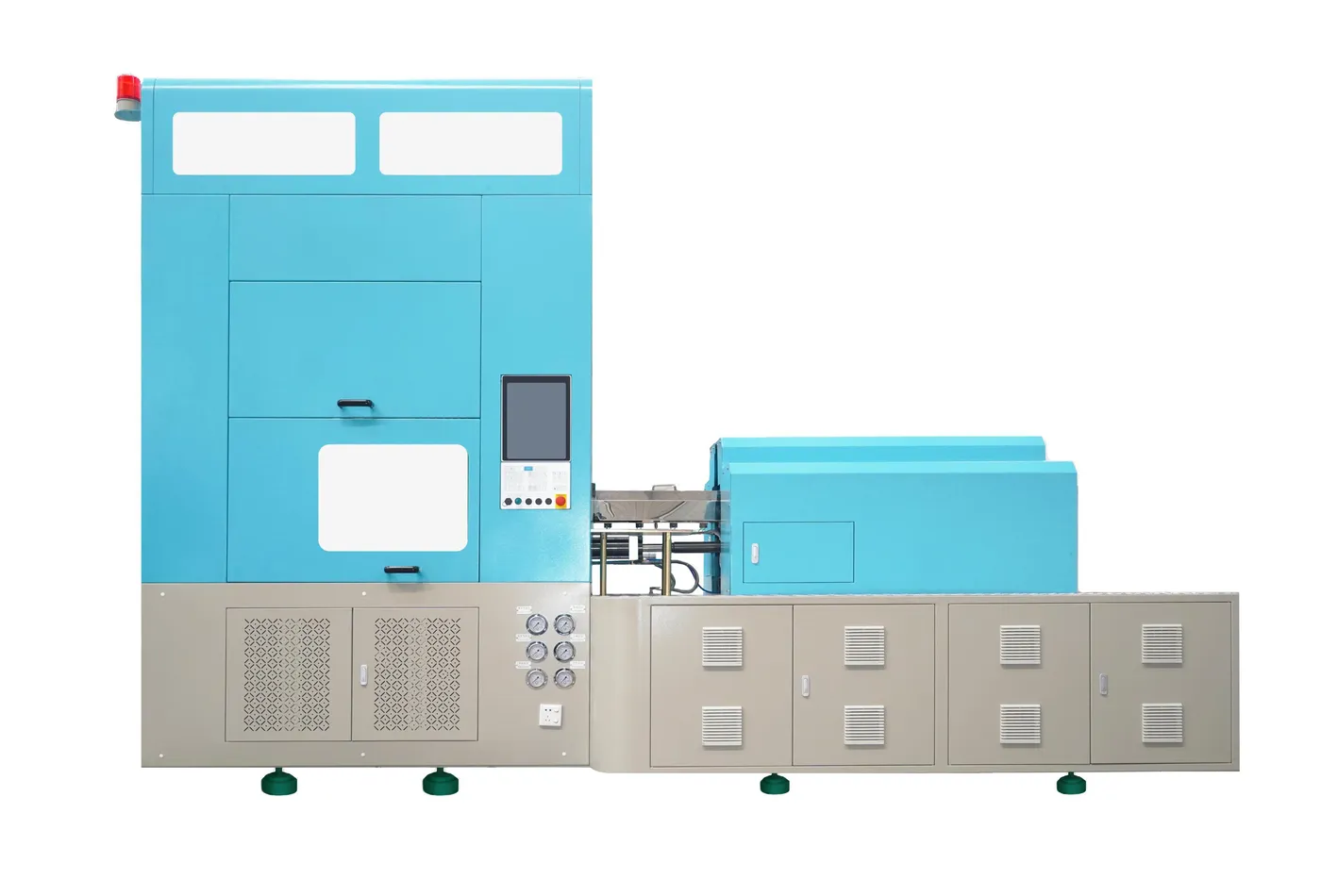
The Y250-V4 Injection Stretch Blow Molding Machine is a high-performance, 4-station one-step injection stretch blow molding machine engineered as a direct replacement for the Japanese ASB-70DPH model. Designed and manufactured by Mexico Ever-Power under the Mexico Ever-Power brand, this single-stage injection stretch blow molding machine is built for blow molding operations that demand exceptional quality, production diversity, and GMP compliance. It is capable of producing pharmaceutical bottles, cosmetics bottles, baby bottles, water glass bottles, infusion bottles.
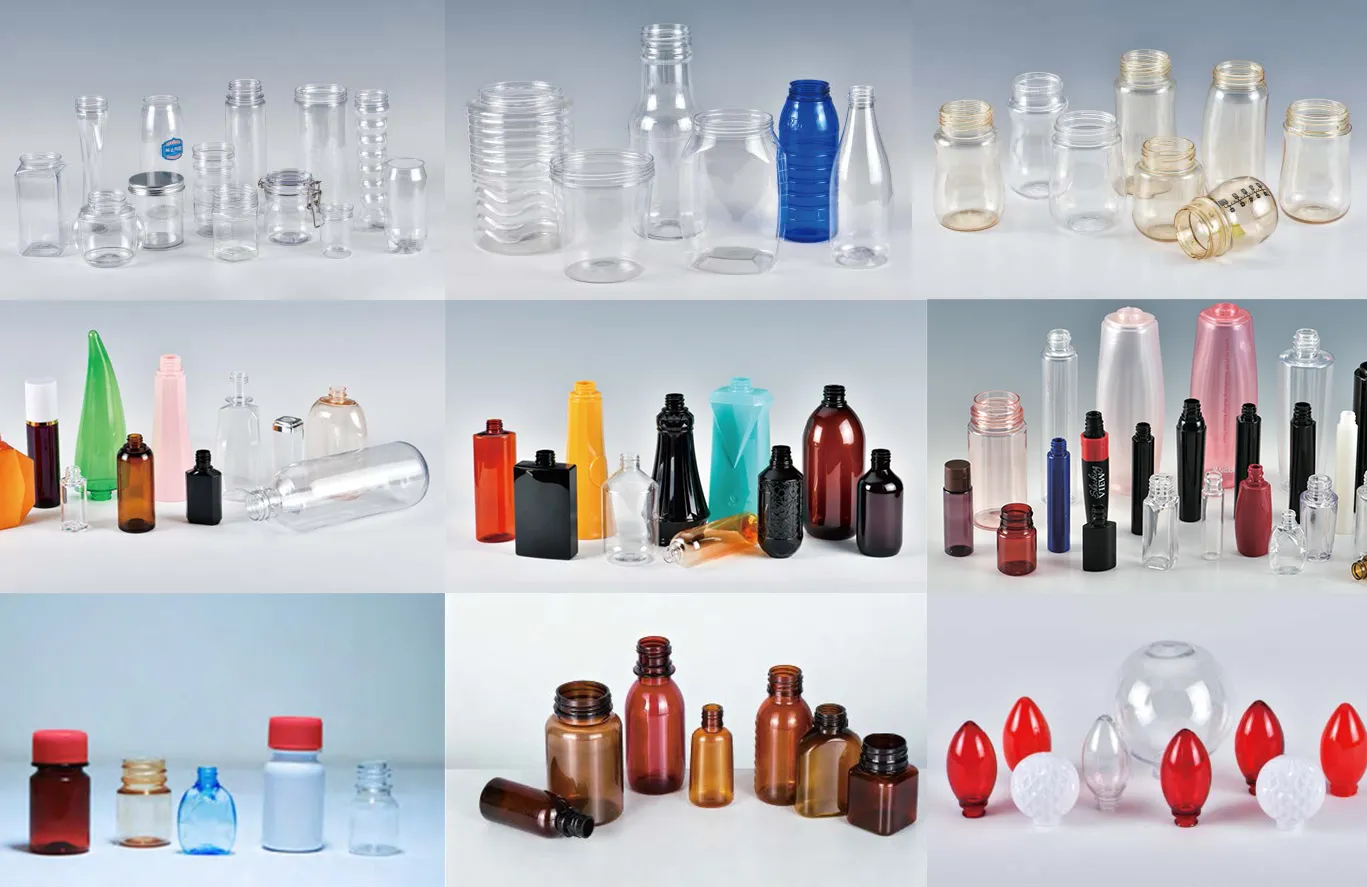
The Y250-V4 Injection Stretch Blow Molding Machine is a high-performance, 4-station one-step injection stretch blow molding machine engineered as a direct replacement for the Japanese ASB-70DPH model. Designed and manufactured by Mexico Ever-Power under the Mexico Ever-Power brand, this single-stage injection stretch blow molding machine is built for blow molding operations that demand exceptional quality, production diversity, and GMP compliance. It is capable of producing pharmaceutical bottles, cosmetics bottles, baby bottles, water glass bottles, infusion bottles, and complex special-shaped containers ranging from 30 ml to 2500 ml, making it one of the most versatile PET injection stretch blow molding machines on the market today.
As a premier ISBM machine manufacturer, Mexico Ever-Power adopts a standardized design philosophy where all mechanical accessories are sourced from internationally recognised imported brands, maximising reliability and minimising unplanned downtime. The entire injection, temperature-conditioning, stretching, and blowing process is completed within a single piece of equipment with no intermediate transfer steps, which sharply reduces the risk of contamination and fully satisfies pharmaceutical-grade GMP packaging production standards. Whether your application involves high-clarity cosmetic containers, child-resistant pharmaceutical packaging, or robust food-grade bottles, the Y250-V4 ISBM machine delivers consistent dimensional accuracy, superior surface finish, and repeatable cycle performance cycle after cycle.
Product Model Comparison Table
1. Replacement for Japanese ASB Model
| Y/ YS Machine Model | Configuration / Remarks | Compatible Japanese Model |
| Y150-V4-2 | Standard configuration | ASB-12M |
| YS150-V4-EV | Full Servo | ASB-12M |
| Y250-V4 | Standard configuration | ASB-70DPH |
| Y250-V4-B | B Series | ASB-70DPW |
| Y650-V4 | Large-capacity model | ASB-650 |
2. Replacement for Japanese AOKI Model
| Y/YS Machine Model | Configuration / Remarks | Compatible Japanese Model |
| Y150-V4-B | B Series | SBIII-100L-20 |
| Y150-V3-B | 3-Station Model | SBIII-100L-20 |
| Y200-V4-B | B Series | SBIII-250LL-50S |
| Y200-V3 | 3-Station Model | SBIII-250LL-50S |
| YS350-V4-EV | Full Servo | AL-350LL-40 |
| Standard Model | Servo Model | Fully Electric Model |
 |
 |
 |
Our Injection Stretch Blow Molding Machine Advanatges
1. The quality is better. The plastic bottles produced by the blow molding machines from Japan all have a parting line. There is a protrusion of plastic in the middle of the two molds on either side, which results in a mark. However, our molds have extremely high precision, and the mark is completely invisible.
2. Our production is fast, with a large amount of screw solutions and high speed. While Japan can produce four plastic bottles at a time, we can produce six.
3. Save energy. Our machines consume 15% to 25% less energy than those in Japan, Europe, and the United States.
4. A wide range of electric control technologies has been adopted to replace hydraulic and pneumatic components. For example, the pneumatic components used in the bottom cutting mechanism in Japan are replaced by servo motors here, and the speed of the servo motors is doubled. In the pharmaceutical industry and other fields, fully servo motors can be used without any hydraulic systems, ensuring compliance with GMP standards and operation in an oil-free and pollution-free environment.
Product Specifications
| Item | Unit | Specifications | ||||||||||
| Name | One-step Injection Stretch Blow Molding Machine(4-station) |
|||||||||||
| Model | Y250-V4(Compatible with Japanese ASB-70DPH model) | |||||||||||
| Manufacturer | Mexico Ever-Power | |||||||||||
| Material | PET/PETG | |||||||||||
| Screw Diameter | MM | 50 | 55 | 60 | / | |||||||
| Theoretical Injection Volume | CM³ | 340 | 420 | 480 | / | |||||||
| Screw Rotational Speed(RPM) | r/min | 180 | 150 | 150~220 | / | |||||||
| Injection Clamping Force | KN | 300 | ||||||||||
| Blowing Clamping Force | KN | 200 | ||||||||||
| Motor Power | KW | 67.7 | ||||||||||
| Heating Power | KW | 15 | ||||||||||
| Blowing air pressure | Mpa | 2.0-3.5 | ||||||||||
| Cooling Water Pressure | Mpa | 0.4-0.6 | ||||||||||
| Machine Oil Cooler Water Pressure | Mpa | 0.3-0.4 | ||||||||||
| Machine Oil Cooler Water Temperature | ℃ | 20-25 | ||||||||||
| Voltage | V | 370-400 | ||||||||||
| (L*W*H) Size(L*W*H) | MM | 6300x2400x3700 | ||||||||||
| Weight | T | 16 | ||||||||||
| Product Dimensions | ||||||||||||
| Product Quantity | PCS | 2 | 3 | 4 | 5 | 6 | 8 | 9 | 10 | 14 | ||
| Bottle Diameter(BD) | MM | 200 | 160 | 120 | 80 | 60 | 45 | 40 | 40 | 30 | ||
| Bottle Height(H) | MM | 220 | 180 | 100 | ||||||||
| Neck Diameter(E) | MM | 130 | 130 | 100 | 65 | 55 | 40 | 32 | 28 | 16 | ||
| Max. Bottle Volume(ml) | ML | 2500 | 1500 | 900 | 750 | 350 | 200 | 100 | 50 | 30 | ||
| Max. Bottle Weight(W)(g) | G | 200 | 180 | 150 | 120 | 80 | 60 | 50 | 35 | 25 | ||
Machine Parameter
| Compatible Model: |
Compatible with the Japanese ASB-70DPH model |
| Screw Diameter: | 55mm(optional) |
| Theoretical Injection Capacity: | 420g |
| Injection clamping force: | 300KN |
| Upper mold stroke: | 640mm |
| Lower mold stroke: | 350mm |
| TEMP. Regulating core stroke: | 300mm |
| TEMP. regulating barrel stroke: | 300mm |
| Take-out stroke: | 190mm |
| Blowing clamping force: | 200KN (single side) |
| Blow core stroke: | 300mm |
| Blow mold stroke: | 75+75mm |
| Oil tank VOL: | 600L |
| Size(L×W×H): | 6.3*2.4*3.7m; |
| Weight: | 16T |
Technical Standard
| Servo Control System: | Using 3 sets of servo pump systems. |
| Servo Motor Power: | Inovance/ WEICHI servo motor power: 67.7KW. |
| Computer Control System: | Using the Inovance/ MiRLE PLC. |
| Turntable Drive: | The turntable is equipped with a Japan Yaskawa servo motor or a WEICHI servo motor with a Taiwan TSUNTIEN reducer. |
| Blow Molding Structure: | The blow molding structure adopts a hydraulic cylinder or a dual servo motor mold clamping system with a high-pressure compensation function. |
| High- Pressure Valve: | Using the American Parker high-pressure valve. |
| Air Cylinder: | Using the Aitak air cylinder. |
| Temperature Control: | Using integrated control box to control temperature, which is highly accurate, stable, and easy to operate; alternatively, you can choose the system's built-in temperature control system. |
| Hydraulic Pressure Control Valve: | Using a hydraulic pressure control valve of YUKEN from Taiwan, China. |
| Screw: | The screw is heated by a nano-far-infrared energy-saving heating ring(10KW). |
| Injection Unit: | The injection unit is controled by a single cylinder. The melt motor may be controlled either hydraulically or by a servo motor. |
| Oil Tube: | The oil tube is made of imported material from Italy. |
| Total Power of the Machine: | Total power of the machine: 82.7KW. |
Key Features of the Y250-V4 ISBM Machine
1. Integrated One-Step Process
The Y250-V4 single-stage injection stretch blow molding machine seamlessly combines injection molding, temperature conditioning, biaxial stretching, and blow molding within one compact, 4-station platform. This integration eliminates intermediate reheating, dramatically reduces cycle time, cuts labour requirements, and produces bottles entirely free of human contact throughout the forming process, directly satisfying GMP pharmaceutical packaging production standards.
2. Superior Precision and Product Quality
Extremely tight mold tolerances ensure the parting line is virtually invisible, a tangible improvement over standard Japanese ASB-70DPH machines where mold seam marks are commonly visible. Full process automation controlled by an Inovance / MiRLE PLC minimises human error, while multi-zone temperature control produces consistent wall thickness, superior clarity, and excellent surface finish across every single bottle in every production run of this customized injection stretch blow molding machine.
3. Significant Energy Savings
The Y250-V4 consumes 15% to 25% less energy than equivalent Japanese, European, and American machines. Three sets of Inovance / WEICHI servo pump systems replace conventional constant-pressure hydraulic systems, delivering power only when required. The nano-far-infrared energy-saving heating ring on the screw further reduces barrel heating energy. These combined efficiencies lower operational electricity bills and contribute to a more sustainable, lower-carbon production footprint for your facility.
4. Higher Output Capacity
While a standard Japanese ASB machine produces four bottles per cycle, the Y250-V4 injection stretch blow moulding machine can produce six bottles per cycle thanks to its high screw solution volume and elevated rotational speed. This capacity advantage directly translates into a lower cost-per-bottle over the service life of the machine, making it the more commercially competitive choice for high-volume PET bottle manufacturers seeking to maximise throughput without proportionally increasing their machine footprint.
5. Advanced Component Selection
Every critical component is sourced from a trusted international brand: American Parker high-pressure valves, Airtak air cylinders, Japan Yaskawa or WEICHI turntable servo motors with Taiwan TSUNTIEN reducers, YUKEN hydraulic control valves from Taiwan, and Italian-imported oil tubes. This deliberate standardisation on proven, globally available parts dramatically reduces the lead time and cost of spare parts procurement, ensuring your PET injection stretch blow molding machine remains operational and profitable long-term.
6. Direct ASB-70DPH Mold Compatibility
The Y250-V4 is engineered as a replacement for ASB ISBM machine molds, meaning factories already running ASB-70DPH tooling can migrate to the Ever-Power platform without scrapping their existing mold investment. This compatibility significantly lowers the total cost of the upgrade and shortens the transition timeline. Combined with the broader bottle size capability from 30 ml to 2500 ml across 2 to 14 cavities, the machine offers exceptional production flexibility as your product portfolio evolves.
Injection Stretch Blow Molding Process Steps
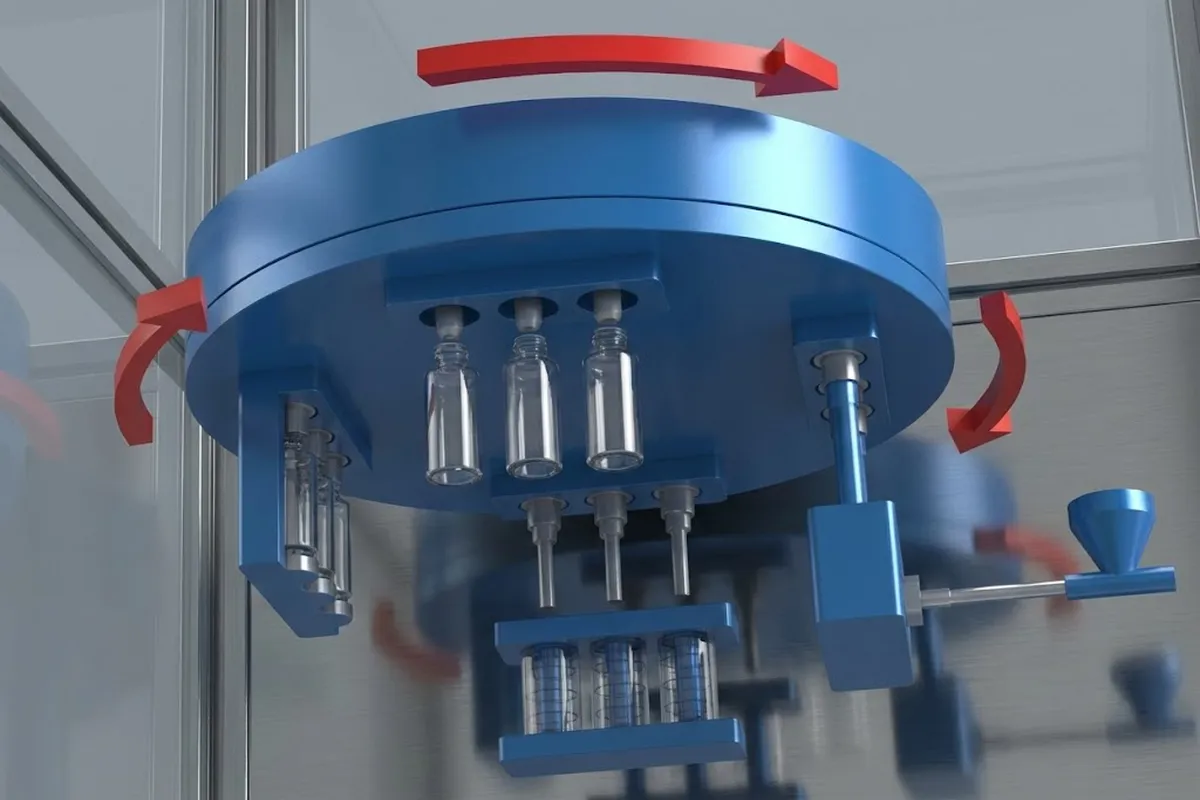
The one-step ISBM machine divides bottle production into four continuous, automated processes: injection, stretching, blowing, and molding. All four stages occur within a single machine without any intermediate transfer or reheating steps, ensuring high automation, superior dimensional consistency, and excellent bottle-to-bottle uniformity throughout extended production runs.
Injection Process
Molten PET or PETG resin is injected under precisely controlled pressure and speed into the preform mold cavity. Temperature, injection speed, and fill pressure parameters are tightly managed by the PLC to guarantee that the melt flows uniformly into every corner of the cavity, producing a geometrically accurate, bubble-free preform that serves as the foundation for a defect-free final bottle.
Stretching Process
The preform is transferred to the temperature-conditioning station, where it is brought to the ideal orientation temperature. The servo-driven stretch rod then elongates the preform longitudinally, aligning polymer molecular chains in the axial direction. This biaxial orientation step significantly enhances the mechanical strength, gas barrier performance, and optical clarity of the final container, producing results measurably superior to non-oriented alternatives.
Blowing Process
With the stretched preform seated inside the blow mold, high-pressure air (2.0 - 3.5 MPa via American Parker valve) is introduced, rapidly expanding the softened material outward until it conforms precisely to the mold wall. Blow pressure timing, duration, and mold temperature are all PLC-controlled to guarantee that the container assumes its intended shape with uniform wall thickness distribution and no stress concentrations or thin spots.
Molding / Cooling Process
Cooling medium circulates through dedicated channels within the mold, rapidly extracting heat from the newly formed bottle wall and locking in the precise dimensional geometry. Controlled, uniform cooling prevents warpage, residual stress, and surface defects. Once solidification is confirmed, the mold opens and the finished bottle is automatically ejected via the take-out mechanism, ready for downstream filling, labelling, or inspection operations.
Application Scenarios
Pharmaceutical Bottles
The Y250-V4 meets strict GMP pharmaceutical packaging standards, producing sterile, contaminant-free bottles for oral liquids, tablets, syrups, and eye drops. The absence of human contact throughout the entire forming cycle, combined with precise dimensional control of neck finishes, ensures every container meets regulatory-grade cleanliness and dimensional tolerances required by global pharmaceutical authorities.
Cosmetic Bottles
High-end cosmetics demand exceptional surface clarity, complex bottle geometry, and invisible parting lines. The Y250-V4 delivers all three, making it ideal for perfume bottles, serum containers, lotion pumps, and foundation bottles. Its mold precision eliminates the visible seam marks that characterise lower-grade machines, allowing brand owners to achieve premium shelf presentation without compromise.
Chemical Bottles
PET and PETG offer excellent chemical resistance for a wide range of cleaning agents, agrochemicals, and industrial fluids. The Y250-V4 produces chemically resistant containers with robust wall thickness and reliable neck seal geometry, ensuring safe long-term storage and transport of concentrated chemical products without deformation, leakage, or label adhesion failures during storage and distribution.
Beverage Bottles
Carbonated and still beverage packaging demands excellent CO2 barrier properties, high clarity, and consistent internal volume accuracy. The biaxial molecular orientation achieved during the stretching step directly improves the gas barrier performance of PET, extending carbonated beverage shelf life. The machine produces bottles from 30 ml to 2500 ml, covering single-serve, family, and bulk beverage packaging formats within a single machine platform.
Food Bottles
Food-safe PET produced on the Y250-V4 is ideal for cooking oil, condiments, sauces, honey, and powdered food packaging. The fully automated, GMP-compatible process eliminates contamination risk. The machine supports wide-mouth bottle configurations and special-shaped designs for food brands that require distinctive container profiles, custom neck finishes, or unique ergonomic shapes that differentiate products on retail shelving.
Water Bottles
The Y250-V4 is well-suited for producing standard drinking water bottles in high volumes. With up to 6 cavities per cycle and 15% to 25% lower energy consumption compared to Japanese and European equivalents, the total cost of producing each water bottle is materially reduced. The machine handles sizes from compact 50 ml travel bottles through to 2500 ml large-format bottles, giving producers full range coverage in a single equipment platform.
Infusion Bottles
Large-volume parenteral packaging for IV solutions requires absolute dimensional precision, particulate-free internal surfaces, and consistent closure geometry. The Y250-V4 achieves all three, producing infusion bottles that meet hospital and regulatory standards. The fully enclosed, automated production environment ensures the interior surface of every bottle remains uncontaminated from formation through to filling, meeting the strictest sterility requirements of modern hospital pharmacy operations.
Shampoo Bottles
Personal care and hair care packaging requires attractive aesthetics, ergonomic grip geometry, and reliable pump-neck sealing surfaces. The Y250-V4 produces shampoo and conditioner bottles with excellent surface gloss and complex shape fidelity. Its invisible parting line capability means premium personal care brands can maintain a smooth, label-ready surface across the full bottle body without post-process buffing or cosmetic correction operations.
Key Equipment of Injection Stretch Blow Molding Machine
1. Clamping Unit
The injection clamping unit delivers 300 KN of closing force, ensuring the preform mold is held completely sealed throughout the injection cycle regardless of internal melt pressure. The blow mold clamping system provides 200 KN single-side force with high-pressure compensation, preventing flash and guaranteeing precise parting-line closure even across extended high-cycle production runs in demanding industrial environments.
2. Injection Unit
Controlled by a single cylinder with a melt motor selectable as hydraulic or servo drive, the injection unit accommodates screw diameters of 50 mm, 55 mm, and 60 mm with theoretical injection volumes of 340, 420, and 480 cm3 respectively. The nano-far-infrared energy-saving heating ring (10 KW) heats the barrel uniformly, reducing energy waste and extending screw and barrel service life significantly compared to conventional band heaters.
3. Mold System
The Y250-V4 is directly compatible with Japanese ASB-70DPH molds, protecting existing tooling investment for facilities upgrading from ASB equipment. Ever-Power also offers fully customised mold fabrication for new bottle designs. Mold cavities support 2 to 14 products per cycle depending on bottle size, with an upper mold stroke of 640 mm and a lower mold stroke of 350 mm allowing accommodation of a broad range of preform lengths and body diameters.
4. Blow Pin and High-Pressure Air System
The blow core stroke is 300 mm with a blow mold stroke of 75 + 75 mm. The American Parker high-pressure valve regulates air delivery at 2.0 - 3.5 MPa with rapid response time, ensuring the blow air expands the oriented preform quickly and uniformly against the mold cavity wall. Consistent blow pressure is critical to achieving uniform wall thickness distribution, particularly in bottles with non-cylindrical shapes or asymmetric base geometry.
5. Cooling System
An integrated closed-loop cooling system maintains cooling water pressure at 0.4 - 0.6 MPa and machine oil cooler water at 0.3 - 0.4 MPa with an operating temperature of 20 - 25 deg C. Rapid, uniform heat extraction from the mold cavity surface after blowing is essential for locking in dimensional accuracy, eliminating residual warpage, and enabling the shortest possible cycle time without compromising bottle quality or structural integrity.
6. Ejection System
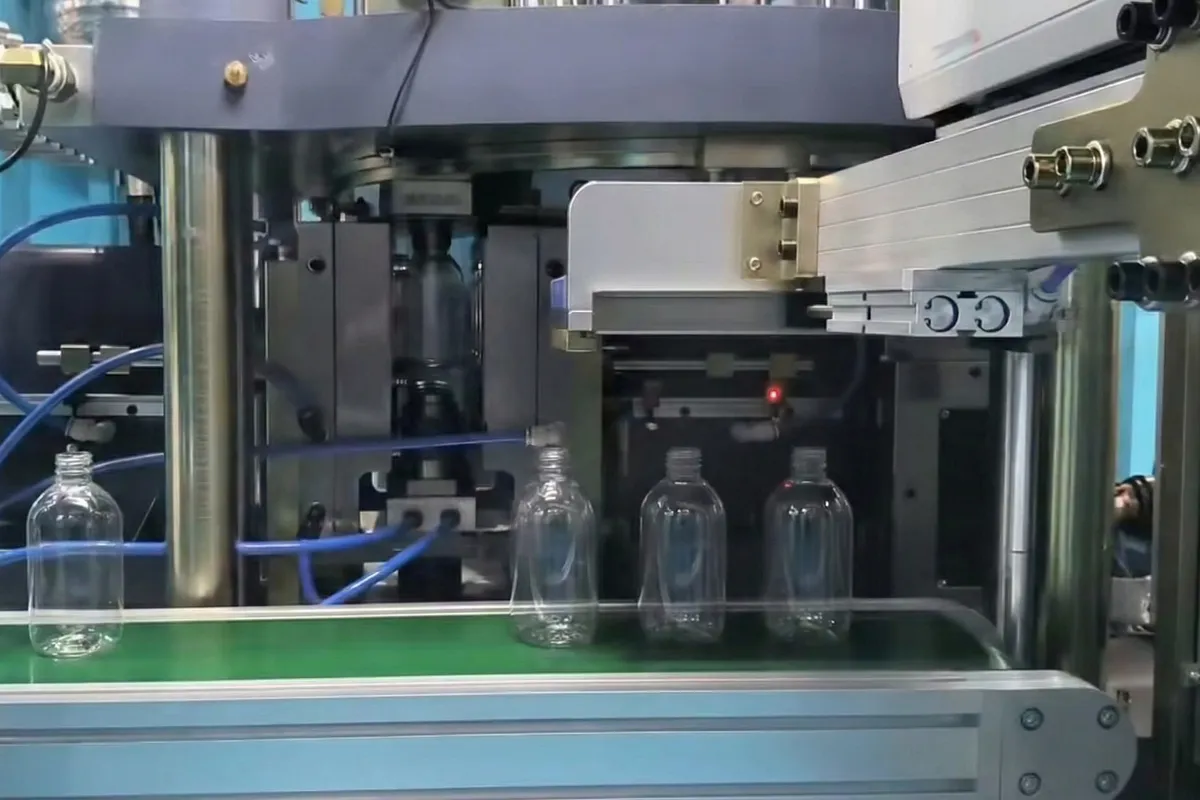
An automated take-out mechanism with a 190 mm stroke removes finished bottles from the open mold at the end of each cycle without manual intervention, maintaining the fully automated, contact-free production environment. Gentle, positive ejection prevents bottle deformation or scratching during removal. The ejected bottles can feed directly onto a downstream conveyor linked to filling, capping, labelling, or inspection equipment with no additional manual handling required.
Compatible Materials
The injection stretch blow molding machine must heat, orient, and stretch each plastic resin to the correct temperature window to achieve the target strength, clarity, and barrier performance. Different resins require specific process settings on the screw, barrel, and temperature-conditioning station. The Y250-V4 is optimised for the following materials:
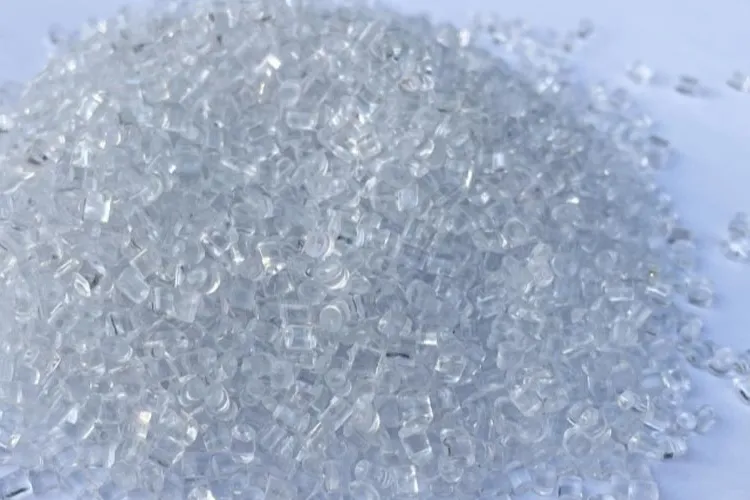
PET (Polyethylene Terephthalate)
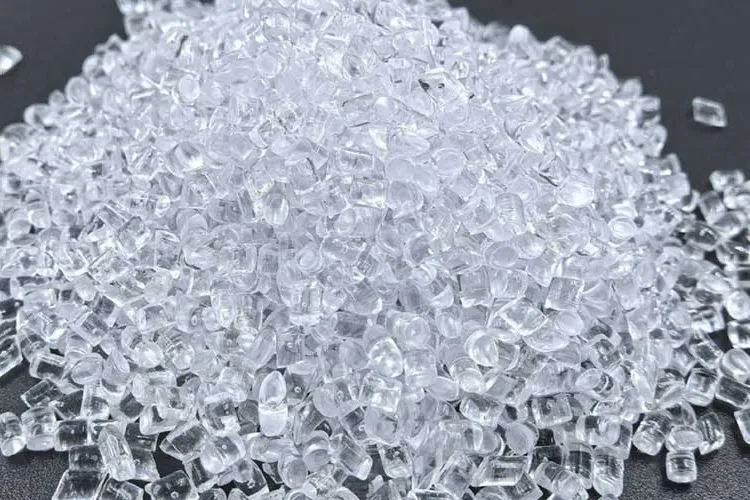
The primary and most widely used material on this machine. PET benefits enormously from biaxial orientation during the ISBM process, which improves toughness, CO2 barrier performance, and optical clarity. It is fully recyclable, lightweight, and accepted globally for food-contact and pharmaceutical applications. Ideal screw diameter is 55 mm with a theoretical injection volume of 420 cm3.
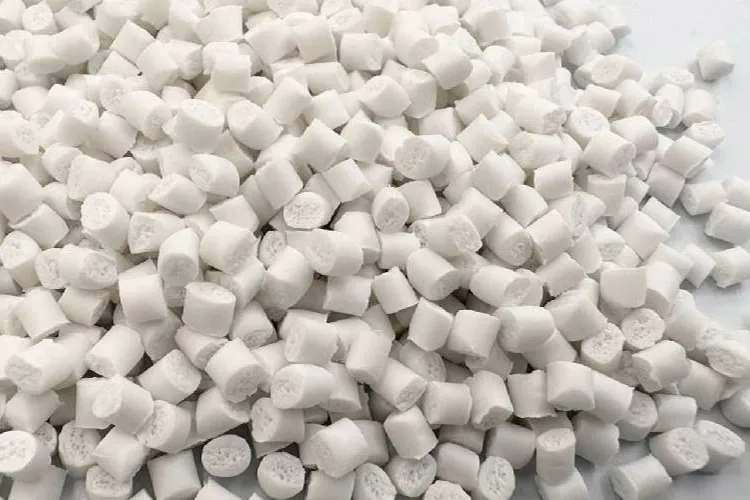
PETG (Glycol-Modified PET)
PETG offers superior impact resistance and clarity compared to standard PET and does not require biaxial orientation to achieve excellent transparency. It is commonly selected for cosmetic and specialty pharmaceutical packaging where a premium aesthetic is essential. PETG processes at lower orientation temperatures than PET, making it suitable for complex bottle shapes with tight geometric tolerances.
HDPE (High-Density Polyethylene)
HDPE provides excellent moisture barrier properties and chemical resistance, making it suitable for detergent, personal care, and agricultural chemical bottles. It lacks the clarity and CO2 barrier performance of PET but offers outstanding environmental stress crack resistance. The machine must adjust barrel and mold temperatures to accommodate HDPE processing requirements, which differ significantly from PET orientation conditions.
PP (Polypropylene)
PP is widely used for pharmaceutical, food, and personal care containers where autoclave sterilisation compatibility is required. It offers good chemical resistance and a moderate clarity level. The Y250-V4 manages PP injection and stretch temperatures through the PLC-controlled multi-zone heating system, enabling consistent preform quality and reliable stretch behaviour across the full production run without excessive cycle time variation.
LDPE (Low-Density Polyethylene)
LDPE is valued for flexible squeeze bottles used in pharmaceutical drops, condiment dispensing, and personal care applications. Its softness and low modulus allow squeezable container designs. Process settings on the Y250-V4 must be calibrated for LDPE melting behaviour and the reduced orientation stress response compared to rigid PET, ensuring the preform fills the mold cavity without cold spots or stress whitening defects.
ABS (Acrylonitrile Butadiene Styrene)
ABS provides excellent surface quality and rigidity, making it a strong candidate for premium cosmetic and personal care containers that require durability and a high-gloss finish. The Y250-V4 handles ABS by adjusting barrel temperatures and injection pressures appropriately. ABS containers produced via ISBM offer superior dimensional stability and scratch resistance compared to those produced by conventional blow molding processes.
 |
 |
 |
 |
 |
 |
Extrusion Blow Molding vs. Injection Stretch Blow Molding
Blow molding is an essential process in plastic manufacturing, widely used for producing bottles, containers, and industrial components. Choosing the right method depends on your product requirements, material, cost targets, and production scale. Here is a direct comparison to guide your decision:
Extrusion Blow Molding (EBM)
EBM melts plastic and extrudes it into a hollow parison, which is then clamped and inflated with compressed air. It excels at producing large, hollow objects such as automotive fuel tanks, HDPE detergent containers, and dairy bottles. Material options include HDPE, LDPE, PP, and PVC, providing broad flexibility for industrial and packaging applications. Lower mold costs and shorter cycle times make it economical for large, simple shapes. However, wall thickness control and optical clarity are less precise than ISBM, making it unsuitable for pharmaceutical, cosmetic, or premium beverage packaging.
Injection Stretch Blow Molding (ISBM)
The ISBM machine creates a precision preform by injection molding, then biaxially stretches and blows it into the final shape. This biaxial molecular orientation dramatically improves strength, gas barrier performance, and optical clarity, properties essential for carbonated beverage, pharmaceutical, and premium cosmetic packaging. PET is the primary material, valued for its transparency, lightweighting potential, and recyclability. While the initial machine and tooling investment is higher than EBM, the superior product quality, minimal waste, and energy savings over a multi-year operational period deliver a favourable total cost of ownership for demanding, high-volume applications.
| Feature | Extrusion Blow Molding (EBM) | Injection Stretch Blow Molding (ISBM) |
|---|---|---|
| Material Used | HDPE, LDPE, PP, PVC | PET / PETG primarily |
| Product Type | Large, hollow, complex shapes | Clear, lightweight, durable precision bottles |
| Production Cost | Lower initial investment | Higher investment, efficient at high volumes |
| Wall Thickness | Uniform but less precise | Precisely controlled, highly consistent |
| Clarity and Strength | Moderate clarity, adequate strength | High clarity, excellent biaxially oriented strength |
| Applications | Industrial, automotive, commodity packaging | Food, beverage, pharmaceutical, cosmetics |
Operating Safety Notes
1. Trained Personnel Only
Only personnel who have completed the manufacturer-approved training programme may operate this injection stretch blow molding machine. Untrained operators risk personal injury, mold damage, and product quality failures. Ever-Power provides comprehensive commissioning training as part of every machine delivery, covering all operating modes, parameter setting procedures, and emergency response protocols.
2. Earthing and Electrical Safety
Before starting the machine, verify that the machine chassis is properly earthed to a certified grounding point. A secure earth connection is mandatory at 370 - 400 V operating voltage to prevent electric shock hazards to operating personnel. Any electrical work on the machine must be performed by a licensed electrician with the main power isolated, locked out, and tagged out in accordance with local electrical safety regulations.
3. Pre-Heat Cooling Water Check
Before activating the barrel heating system, verify that cooling water is connected and flowing at the correct pressure (0.4 - 0.6 MPa) to all designated cooling points including the machine oil cooler circuit. Operating the machine without adequate cooling water flow can cause severe thermal damage to the hydraulic oil, screw barrel assembly, and mold cooling circuits, resulting in costly unplanned downtime and potential safety incidents.
4. System Pressure Settings
All hydraulic system pressure parameters are factory-set and validated prior to shipment. Do not adjust these settings without express written authorisation from Ever-Power engineering support. Incorrect pressure settings, whether too high or too low, can damage the hydraulic system components, cause unsafe machine movements, or produce out-of-specification bottles. Always contact technical support before making any system pressure modifications outside normal operating adjustments.
5. Mold Zone Exclusion During Operation
During mold shifting and mold closing operations, it is strictly forbidden for any operator to enter the safety door area. The clamping unit operates at 300 KN injection force and 200 KN blow clamping force; entry into the mold zone while these forces are active presents a life-threatening pinch and crush hazard. All safety interlocks and light curtains must be functional and tested before beginning any production shift or mold changeover activity.
6. Emergency Stop Procedure
In any emergency situation, immediately press the red emergency stop button to halt all machine movements and de-energise actuators. Emergency stop buttons are positioned at multiple accessible locations around the machine perimeter. After an emergency stop, do not restart the machine until the root cause of the emergency has been fully investigated, corrected, and documented. Familiarise all shift personnel with the location and operation of every emergency stop button before commencing production.
Common Troubleshooting of the ISBM Machine
1. Bottle Bottom Not Fully Formed
Causes: Insufficient blow pressure, or preform temperature is slightly below optimal blowing temperature at the base zone. Solutions: Verify that the high-pressure filter on the mold side is unblocked. Confirm that the blow 1 and blow 2 valves are correctly positioned and their airflow control components are set to the correct values with unobstructed internals. Check that all mold venting holes remain clear and unblocked to allow trapped air to escape during the blow cycle.
2. Neck Bending or Deformation
Causes: Mechanical clamping geometry issues, or excessive neck wall thickness causing deformation when the mold top plate recess clamps the preform. Solutions: Optimise the clamping mechanism geometry to eliminate lateral forces on the neck zone. Ensure that the convex ring engages the mold top plate recess correctly, and fix the preform neck dimension while the material is still at elevated temperature to prevent post-clamp deformation and dimensional drift during cooling.
3. Bottle Mouth Expansion and Air Escape
Causes: Ambient temperature around the neck zone is excessively high, or the oven cooling airflow is insufficient to protect the thread area during heating. Solutions: Reposition the cooling air deflectors so that they deliver stronger, more focused cooling airflow directly to the threaded neck area of the preform. Review and optimise the cooling plate structural design to provide adequate thermal protection to the neck finish throughout the entire heating and conditioning cycle.
4. Blue Bottom Line Appearance
Causes: Blow pressure is excessively high, causing the stretch rod to over-push the material toward the base, or stretch rod pressure is insufficient to properly pre-stretch the base area before high-pressure blowing commences. Solutions: Review and reduce the blow time and blow speed settings to lower the peak pressure applied to the base zone. Inspect the stretch rod for any mechanical binding or obstruction that may be reducing rod extension force or limiting its travel speed during the stretch cycle.
5. Bottom Damage or Thinning
Causes: Temperature at the base of the preform is too low, causing brittle stretch behaviour in the gate area, or the stretch rod is set too high, failing to adequately pre-extend the base material before air blowing begins. Solutions: Increase the heating temperature parameter for the base zone of the preform in the PLC temperature profile. Adjust the stretch rod home position downward to ensure it contacts the preform base at the correct moment relative to the start of the blow cycle.
6. Thread Damage on Bottle Mouth
Causes: The threaded neck area is being subjected to unintended stretching force, compounded by excessive ambient heat raising the thread zone above its softening temperature. Solutions: Verify that the preform conveying arm positions each preform precisely and repeatably within the mold, eliminating any angular misalignment that loads the thread during clamping. Reduce the heating temperature setting for the thread zone in the PLC profile and optimise the structural design of the cooling shield around the neck area to maintain it below the softening point throughout the entire process cycle.
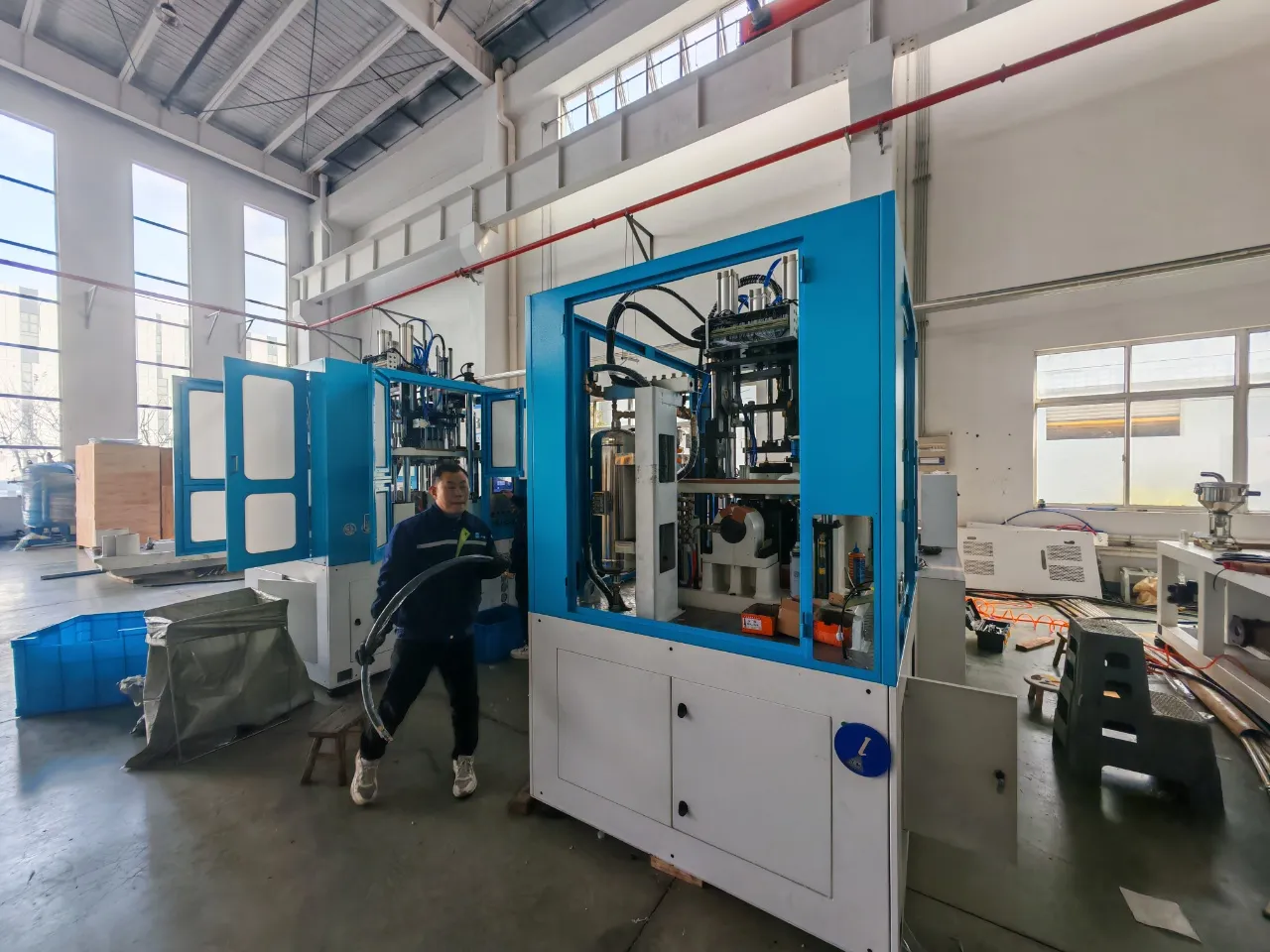
Mexico Ever-Power - ISBM Mold Injection Machines Supplier
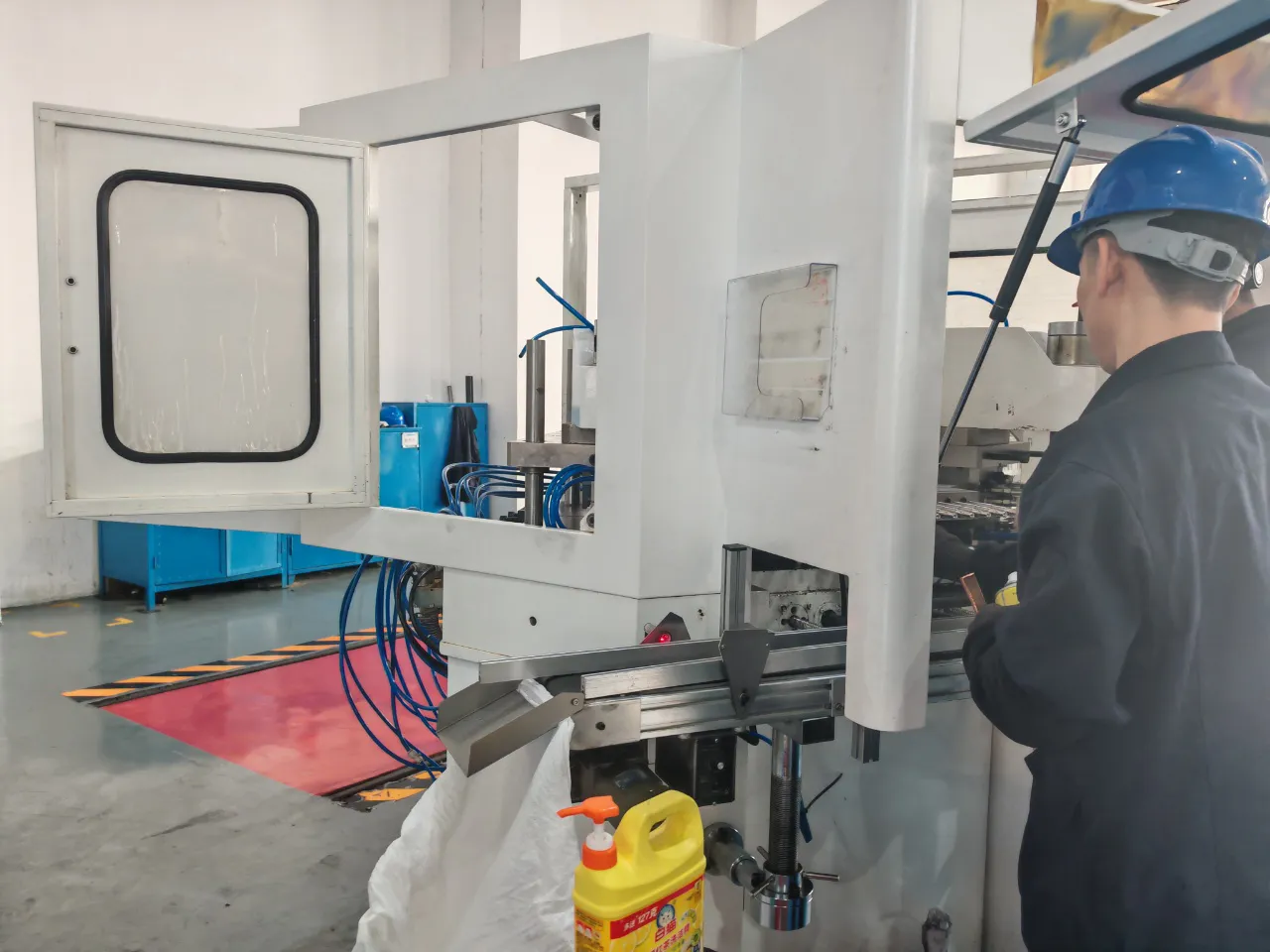
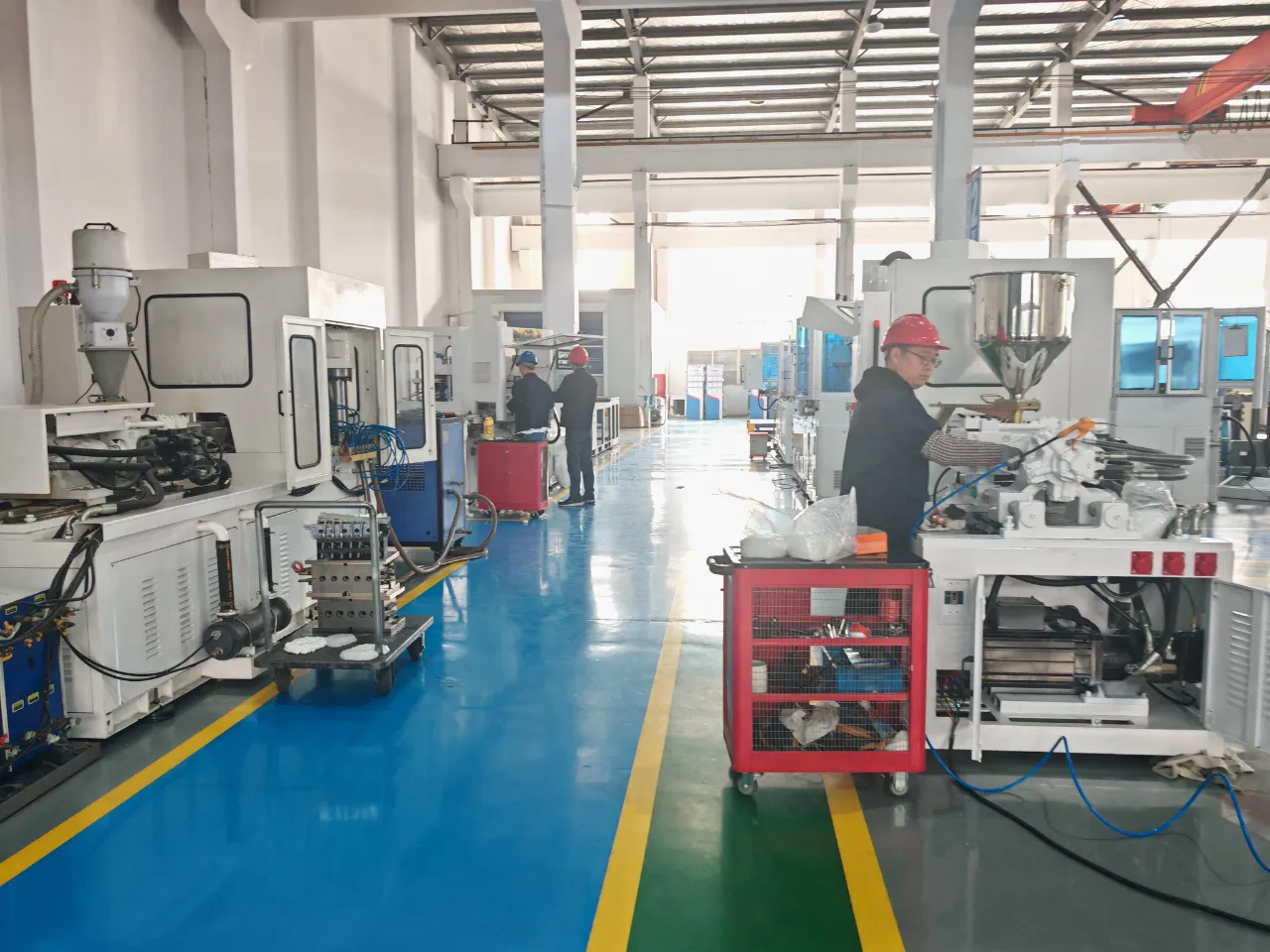
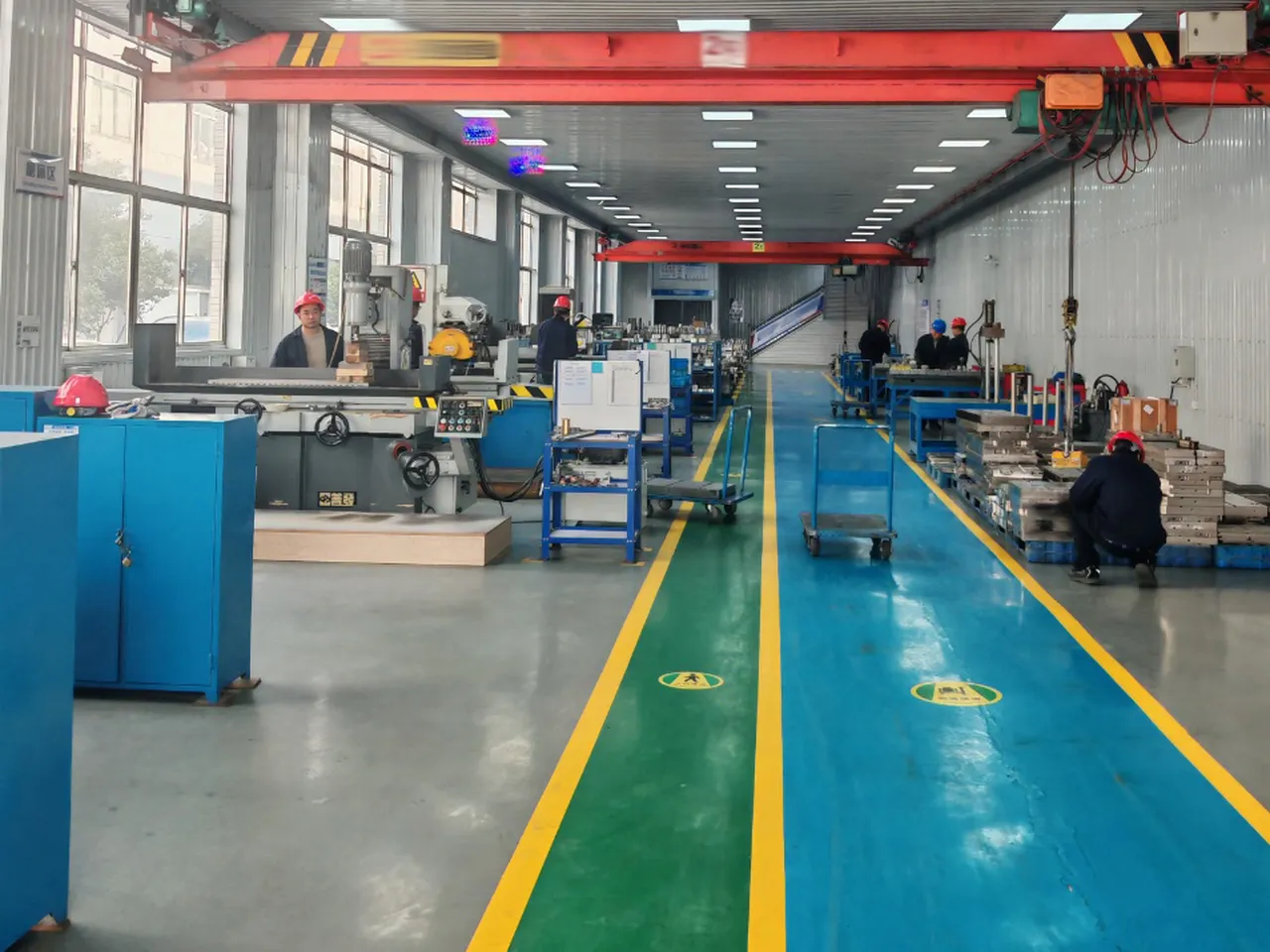
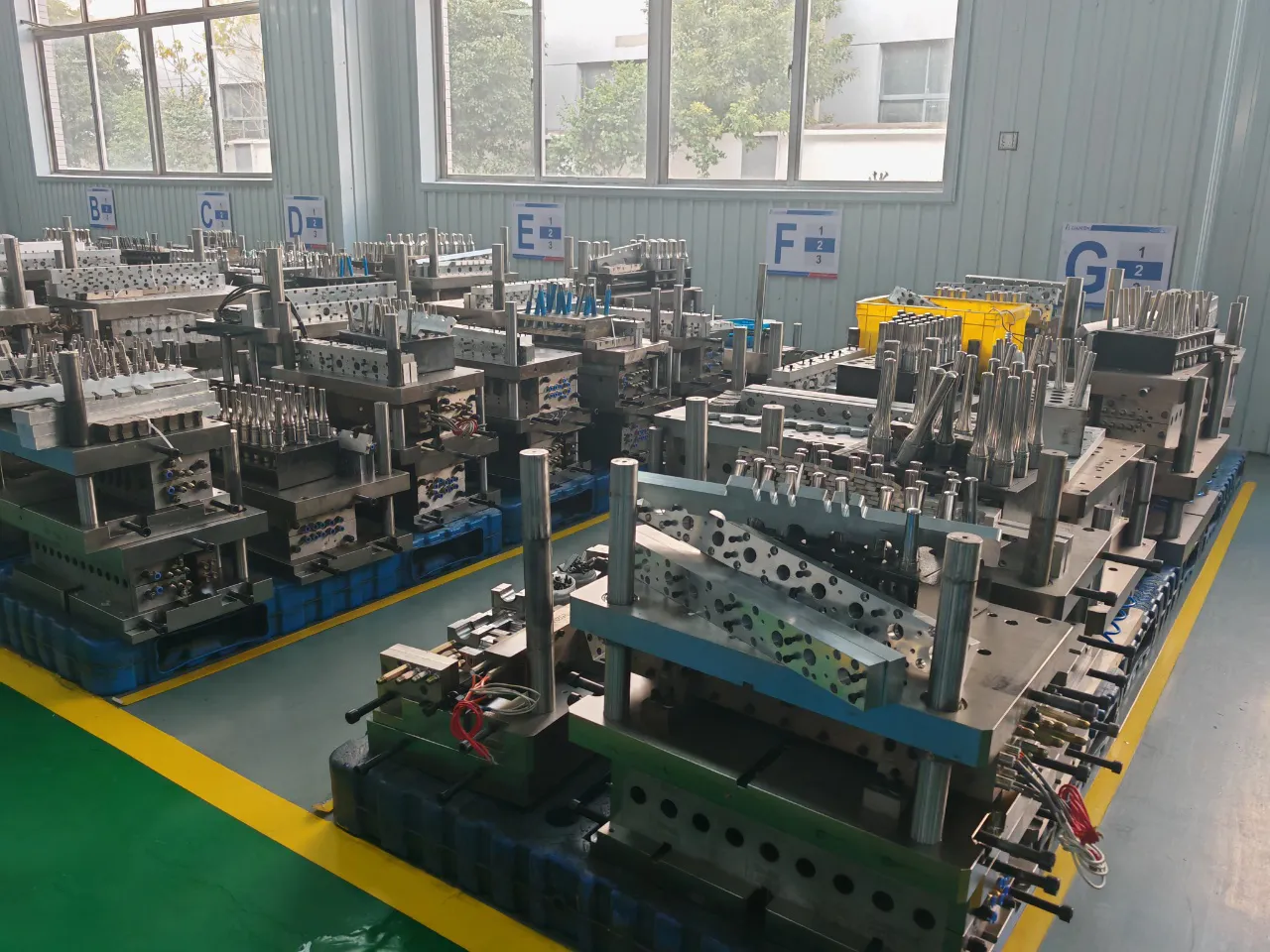
Mexico Ever-Power ISBM Machinery Co., Ltd. stands as your trusted partner with over 20 years of dedicated expertise in one step injection stretch blow molding machine manufacturing since our founding in 2003. What began as a focused workshop in Guangzhou has grown into a modern 20,000 m² production base where every machine is designed, engineered, and assembled under one roof. This complete in-house supply chain allows us to maintain strict quality control from raw components to final testing, resulting in equipment that delivers outstanding stability, lower energy consumption, and dependable long-term performance even in demanding 24/7 production environments.
We hold multiple national patents and specialize in advanced ISBM systems for PET, PETG, PC, and other materials used in cosmetics, personal care, food and beverage, pharmaceuticals, and baby products. Leading brands such as Estee Lauder, Wal-Mart, Blue Moon, Liby, PROYA, Walch, and Shanliang Eye Drops rely on our machines because they consistently produce high-clarity containers with precise neck finishes and uniform wall thickness while keeping operating costs under control.
Beyond building reliable equipment, we provide true one-stop solutions. Our experienced team works closely with customers from initial consultation and custom machine configuration through professional installation, operator training, mold development, and responsive after-sales support. Whether you need a single high-performance unit like the Y250-V4 or a complete production line, our goal remains the same: help your business achieve higher output, reduced waste, and stronger profitability with equipment built for real-world reliability and backed by genuine partnership. When you choose Mexico Ever-Power, you gain more than machinery — you gain a long-term manufacturing ally committed to your success.
 |
 |
 |
 |
FAQs
Q: What is the difference between a one-step and two-step injection stretch blow molding machine?
A: A one-step ISBM machine like the Y250-V4 completes injection, temperature conditioning, stretching, and blowing within a single machine without any intermediate reheating step. A two-step system first injection-moulds the preform in a separate machine, stores it, and then reheats and blows it in a separate reheat stretch blow machine. One-step systems consume less energy (no secondary reheating), maintain better preform temperature control, eliminate inter-machine handling contamination risk, and are preferred for GMP pharmaceutical and premium cosmetic applications. Two-step systems offer higher output flexibility and are common for very high-volume commodity PET water bottle production.
Q: Can the Y250-V4 use our existing Japanese ASB-70DPH molds directly?
A: Yes. The Y250-V4 is specifically engineered as a direct replacement of ASB ISBM machine tooling, meaning it is dimensionally compatible with ASB-70DPH molds. This allows facilities currently running ASB-70DPH equipment to migrate to the Y250-V4 without scrapping their existing mold investment, which can be one of the most significant capital costs in a bottle production plant. Ever-Power engineering recommends verifying specific mold interface dimensions prior to finalising the order to confirm compatibility with any customised or non-standard ASB tooling variants.
Q: What bottle sizes can the Y250-V4 produce?
A: The Y250-V4 produces bottles from 30 ml to 2500 ml across 2 to 14 cavities per cycle. Bottle diameter ranges from 30 mm (14-cavity configuration) to 200 mm (2-cavity configuration), with maximum bottle heights of 220 mm (2-3 cavities) or 180 mm (4-10 cavities). This wide dimensional range makes the machine capable of producing small pharmaceutical vials, standard cosmetic bottles, condiment containers, and large-format beverage bottles all on the same platform, requiring only a mold change between product formats.
Q: How much energy does the Y250-V4 save compared to Japanese ISBM machines?
A: The Y250-V4 consumes 15% to 25% less energy than equivalent Japanese, European, and American injection stretch blow molding machines of comparable output capacity. The energy reduction is achieved through three servo pump systems that deliver hydraulic power only when active motion is required, eliminating the constant-pressure losses of conventional fixed-displacement pumps. The nano-far-infrared barrel heating ring further reduces screw heating energy. For a facility running 6,000 annual production hours, the electricity saving can represent a material annual cost reduction that contributes to the total cost of ownership advantage of the Y250-V4.
Q: Is the Y250-V4 suitable for GMP pharmaceutical packaging production?
A: Yes. The fully automated, contact-free production process of the Y250-V4 means bottles are formed, cooled, and ejected without any direct human contact throughout the entire forming cycle. This satisfies the core contamination-control requirement of GMP pharmaceutical packaging standards. For the most stringent cleanroom or sterile manufacturing applications, the fully electric servo variant eliminates hydraulic oil entirely, producing an oil-free, pollution-free production environment that meets the highest GMP classifications required by global pharmaceutical regulatory authorities.
Q: What materials can the Y250-V4 injection stretch blow molding machine process?
A: The Y250-V4 is designed and optimised for PET and PETG as its primary materials. PET is the dominant material for food, beverage, pharmaceutical, and personal care packaging, while PETG offers enhanced impact resistance and clarity for specialty cosmetic and premium packaging applications. With appropriate process adjustments, the machine can also handle PP, HDPE, LDPE, and ABS. Ever-Power technical engineers can advise on specific process settings and any mechanical adjustments required when running materials other than the primary PET specification.
Q: How does the Y250-V4 compare to the Japanese ASB-70DPH in production output?
A: While the Japanese ASB-70DPH typically produces four bottles per cycle on standard configurations, the Y250-V4 can produce up to six bottles per cycle depending on bottle size, representing a 50% increase in per-cycle output at comparable bottle sizes. This advantage comes from the machine's higher screw solution volume, higher injection speed capability, and optimised 4-station turntable design. Combined with 15% to 25% lower energy consumption per cycle, the Y250-V4 delivers a materially lower cost-per-bottle than its Japanese counterpart for most standard PET packaging applications.
Q: What spare parts should I stock for the Y250-V4?
A: Because all critical components on the Y250-V4 are international brand parts, Parker valves, Yaskawa motors, Airtak cylinders, YUKEN hydraulic valves, and Inovance servo drives, spare parts can typically be sourced from local industrial suppliers in most manufacturing countries, reducing emergency lead times. Ever-Power recommends maintaining a routine consumables kit including screw wear components, solenoid valve coils, heater ring elements, and cylinder seals as minimum fast-moving inventory. Ever-Power can also supply a recommended initial spare parts kit at the time of machine purchase based on your specific application and operating hours.
Q: Can Ever-Power supply customised molds for new bottle designs?
A: Yes. Ever-Power offers a full mold design and fabrication service as part of its one-stop injection stretch blow molding machine manufacturers offering. The engineering team works with customers from initial bottle concept through to mold qualification and production trial, using precision machining and quality steel grades validated for long-cycle ISBM mold service life. Custom molds are available for any bottle shape within the Y250-V4 dimensional envelope, including unique neck finishes, integrated handle designs, asymmetric profiles, and multi-layered surface textures for brand differentiation.
Q: What installation and commissioning support does Ever-Power provide?
A: Ever-Power provides comprehensive commissioning support including pre-shipment factory acceptance testing, detailed installation documentation in English, remote commissioning support via video call, and on-site engineer dispatch for complex installations or when local regulatory requirements demand physical engineer attendance. Commissioning training covers all operating modes, parameter setting, recipe creation, emergency procedures, routine maintenance, and basic fault diagnosis. Ever-Power also provides a post-commissioning follow-up call within 30 days of production start to address any operational questions that arise from initial production experience.
Q: Is a full-servo electric version of this machine available?
A: Yes. The Y250-V4 is the standard servo-pump hydraulic variant. Ever-Power also offers full-servo electric configurations across the product range, which replace hydraulic actuation with direct servo motor drives for all clamping, injection, and transfer movements. The fully electric variant eliminates hydraulic oil entirely, making it suitable for cleanroom pharmaceutical environments, reducing maintenance complexity, and providing the highest energy efficiency. Contact Ever-Power to discuss the full-servo electric specification and to receive a comparison quotation for your specific production requirements.
Customer Reviews
Kim Jae-won, Pharmaceutical Packaging, South Korea
"We installed the Y250-V4 at our pharmaceutical packaging facility in Incheon about eight months ago, replacing an aging ASB-70DPH. We were mostly worried about the mold compatibility but the existing tooling transferred without any modification at all. Cycle time improved noticeably, and our QC rejection rate on neck dimensions has dropped from around 1.2% to under 0.4%. The Ever-Power commissioning engineer spent three days on-site with our team and was absolutely thorough. The energy saving versus the old machine is real, our electricity bill for that production line dropped measurably from the first full month. Very satisfied with the investment."
Elif Yilmaz, Cosmetics Packaging, Turkey
"I manage procurement for a mid-size cosmetics manufacturer in Istanbul and we ordered two Y250-V4 units last year for our new lotion and serum bottle lines. Honestly we were skeptical because we had always sourced Japanese machines, but the price difference was significant and the specifications looked equivalent. After running for six months I can say the surface finish quality is at least as good, and the parting line is genuinely invisible which is critical for our premium-tier labels. Response from the Ever-Power sales team was fast, lead time was as quoted, and the machines arrived well-packaged with no transit damage."
Rajesh Mehta, PET Water Bottles, India
"We produce PET water bottles for the retail market here in Mumbai and we evaluated three different injection stretch blow molding machine manufacturers before choosing Ever-Power. The Y250-V4 gave us the best combination of output per cycle, energy consumption, and total cost. We are running 6-cavity tooling for 500 ml bottles and hitting our production targets consistently. One thing that impressed us is the Parker high-pressure valve, very reliable with no pressure inconsistency issues we had on a competitor machine. After-sales spare parts availability is also good, all international brands so we can source locally in an emergency."
Carlos Meirelles, Cosmetic Industry, Brazil
"We run an ISBM bottle plant in Sao Paulo and purchased a Y250-V4 fourteen months ago for our cosmetic and personal care line. The machine has been solid, maybe one or two minor sensor issues in the first month but Ever-Power technical support resolved both remotely in less than 24 hours each time. Production output has been better than the spec sheet suggested, we are producing a bit more than projected per shift. I did the energy comparison myself and we are saving roughly 20% electricity per unit of output compared to our older European machine. For any Brazilian manufacturer looking at ISBM I would recommend getting a quote from Ever-Power before deciding."
Ahmed Hassan, Food and Beverage Industry, Egypt
"We supply PET packaging bottles to the food and beverage sector in Egypt and have been using the Y250-V4 for about ten months now. Delivery from China to Alexandria took five weeks which was reasonable given shipping schedules. Installation took two days with the Ever-Power technician present on video call the entire time, which worked well. What I particularly like is the Inovance PLC, the recipe storage function means our operators can switch between products quickly and reliably without needing an engineer present. Bottle clarity is excellent for our cooking oil line. We will definitely order again when we expand capacity next year."
Miguel Torres, Pharmaceutical Industry, Mexico
"As the technical director at a packaging equipment distributor in Guadalajara we have sold and commissioned several Ever-Power machines to Mexican manufacturers. The Y250-V4 has been our most reliable seller in the mid-capacity segment. The ASB-70DPH mold compatibility is a huge commercial advantage because many Mexican pharma companies already have ASB tooling. I have personally seen the energy reduction data on site and the 20% savings figure is realistic based on what our customers report. Ever-Power responses to technical queries are prompt and the documentation they provide is thorough enough for our local technicians to handle routine maintenance without Ever-Power involvement."
Chukwuemeka Obi, Pharmaceutical Packaging, Nigeria
"We operate a pharmaceutical contract packaging facility in Lagos and the GMP compliance capability of the Y250-V4 was our main buying decision. No-touch bottle production from start to finish is a real requirement for our regulatory approvals, and this machine delivers exactly that. We have been producing 100 ml oral liquid bottles on a 9-cavity mold for seven months with very consistent neck dimensions. Our QC team checks 200 bottles per shift and the dimensional pass rate has been above 99.5% since the first production month. Logistics from China to Nigeria was smooth, Ever-Power coordinated the freight documentation very professionally."
Priya Krishnamurthy, Shampoo Packaging, India
"We manufacture plastic packaging for the shampoo and personal care industry in Bangalore and bought the Y250-V4 sixteen months ago. I was initially uncertain about Chinese-made equipment but the international components, Parker valves, Yaskawa motor, Airtak cylinders, made me more confident. In practice the machine has been extremely reliable, less than two days total unplanned downtime in sixteen months. Our production supervisor says it is easier to set up new product runs on this machine than on our older Japanese unit because the PLC interface is cleaner. Spare parts are available within India for most components which is a big operational advantage."
Nguyen Van Thanh, Beverage Packaging, Vietnam
"We are a PET bottle manufacturer supplying the beverage and food sectors in Vietnam and have been running the Y250-V4 for about a year. Compared to our older two-step system the energy saving is immediately visible on our electricity meter reading. The biggest improvement for us is the consistency of bottle clarity, our beverage clients have commented on the improved appearance of their filled bottles. Ever-Power delivery was on schedule, the machine was well-packed and arrived without damage. After one year we have had zero major breakdowns and only routine consumable replacements. We are now looking at ordering a second unit for our new production facility in Hanoi."
Additional information
| Edited by | Yjx |
|---|