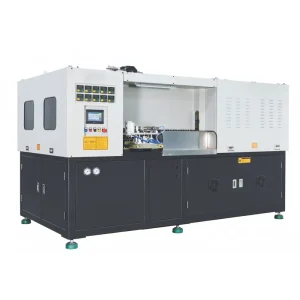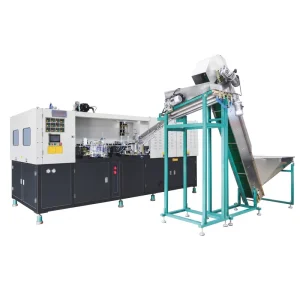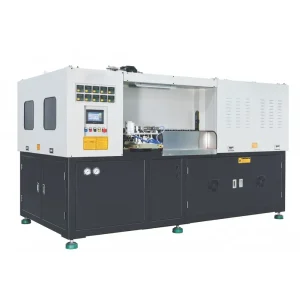
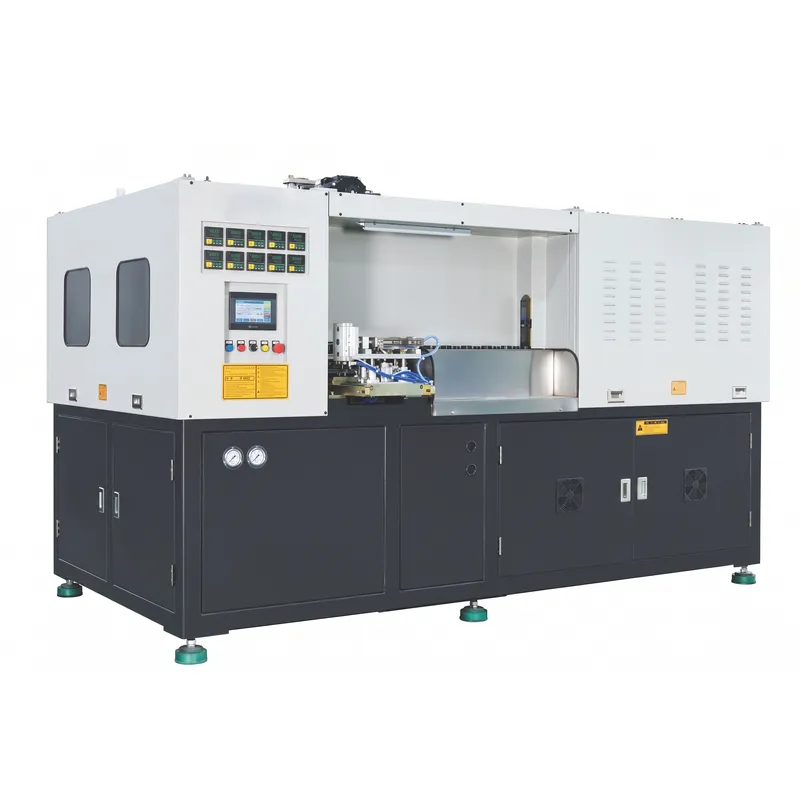
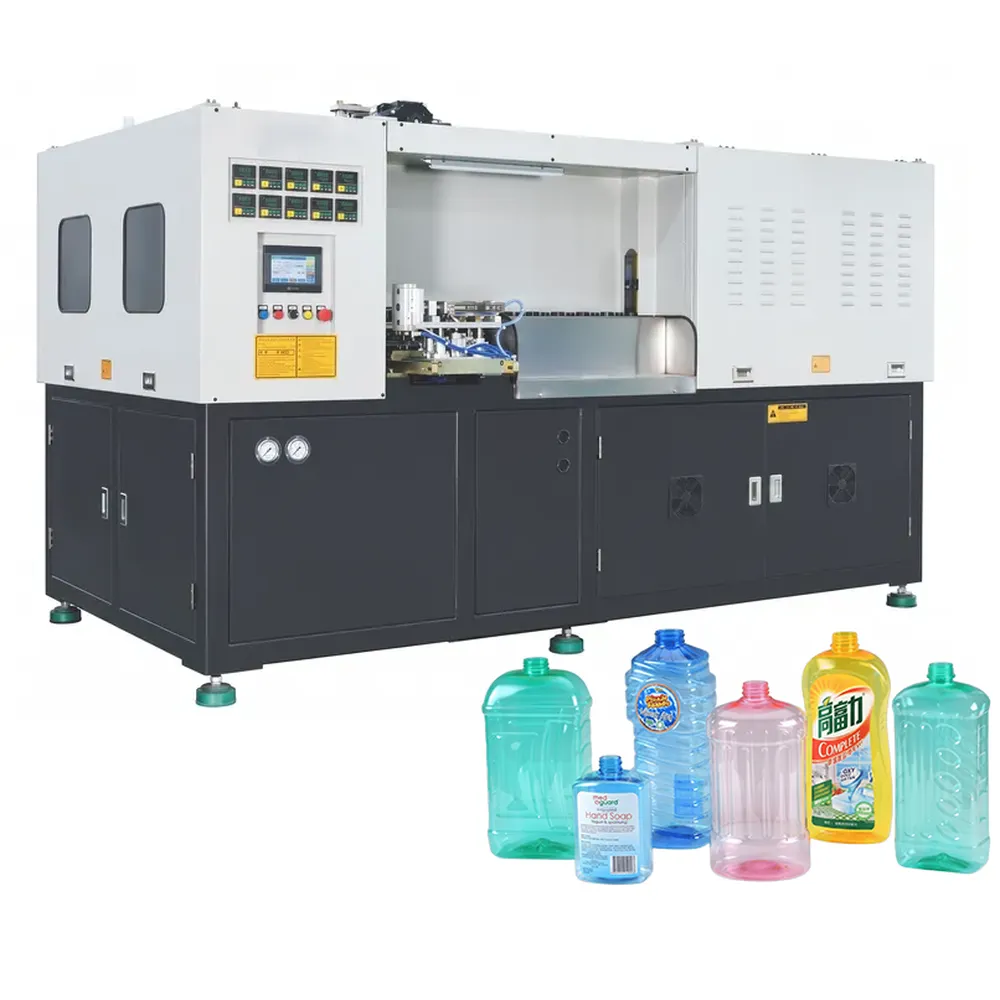
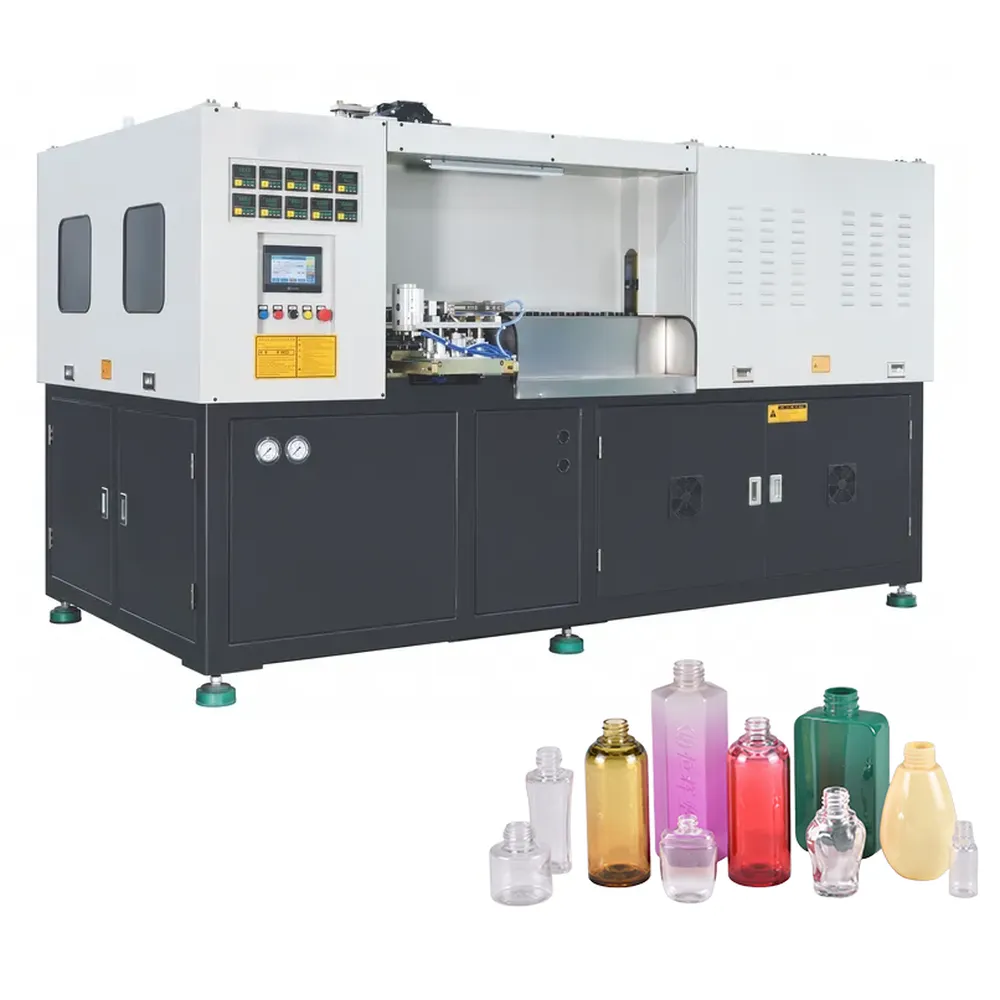
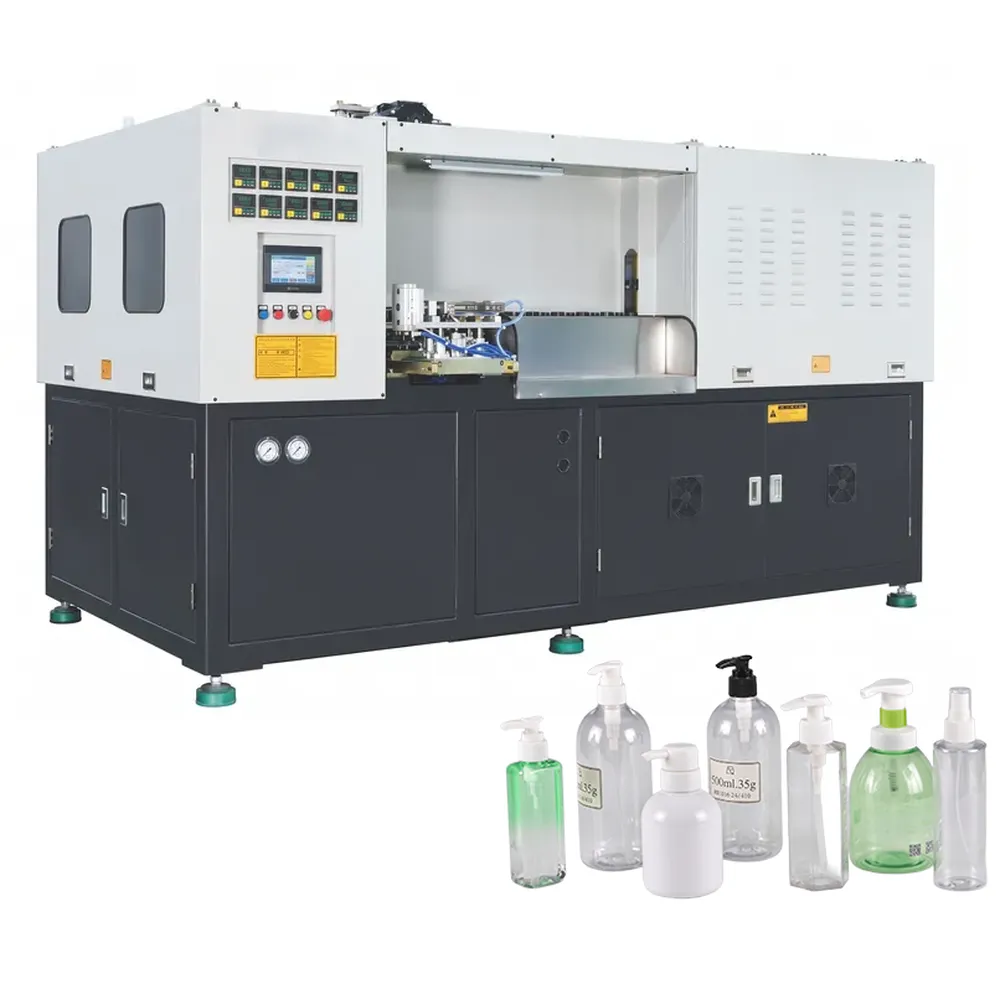
EPA.AS-2C114.3 전자동 블로우 성형기 (일상용품 및 화장품 용기 제조용)
EPA.AS-2C114.3 전자동 블로우 성형기는 화장품 및 생활용품 포장 분야에서 정밀도, 신뢰성, 높은 생산량을 요구하는 제조업체를 위해 설계되었습니다. 세계적으로 인정받는 서보 모터, 감속기, 전기 부품 및 첨단 제어 시스템을 채택한 이 2단계 블로우 성형기는 연속 생산 주기 동안 안정적이고 내구성이 뛰어나며 에너지 효율적인 성능을 제공합니다. 2개의 캐비티와 시간당 2,000병의 이론 생산량을 갖춘 이 기계는 다양한 모양과 복잡한 형상의 PET/PETG 화장품 용기 블로우 성형에 특화되어 있습니다.
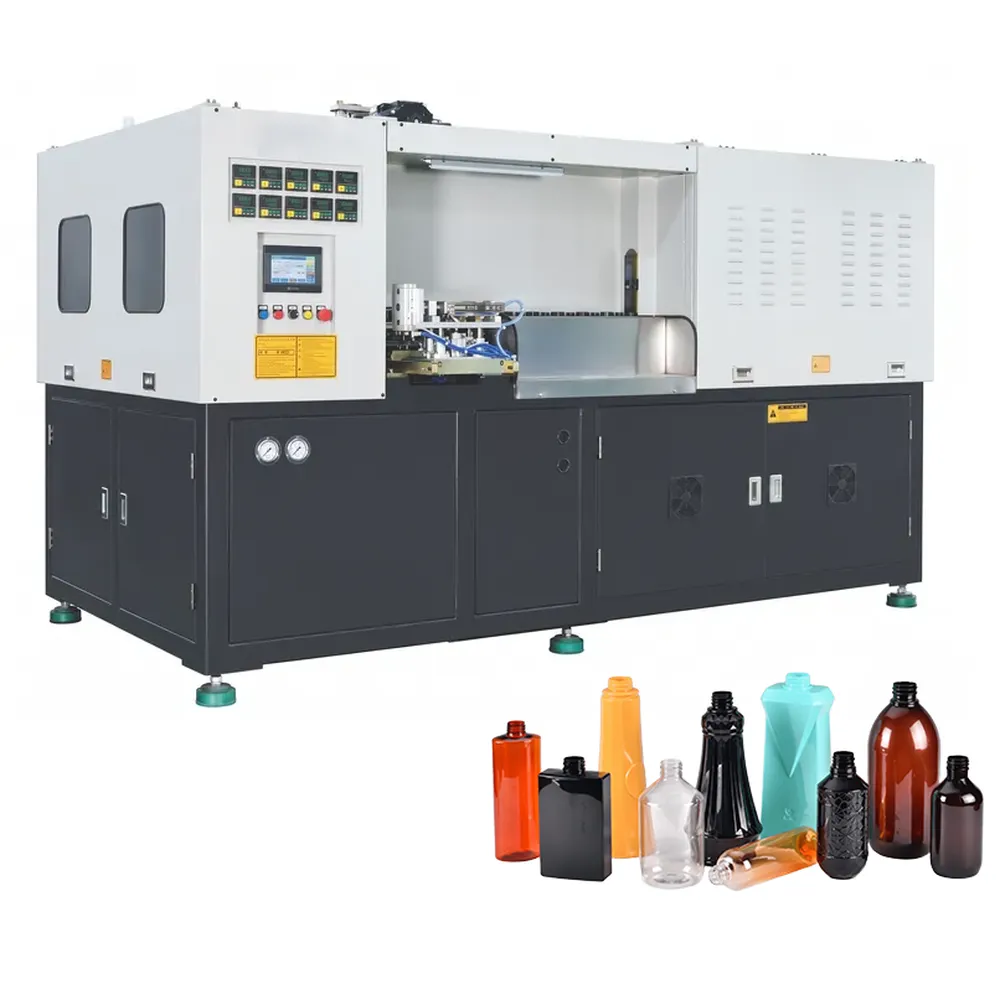
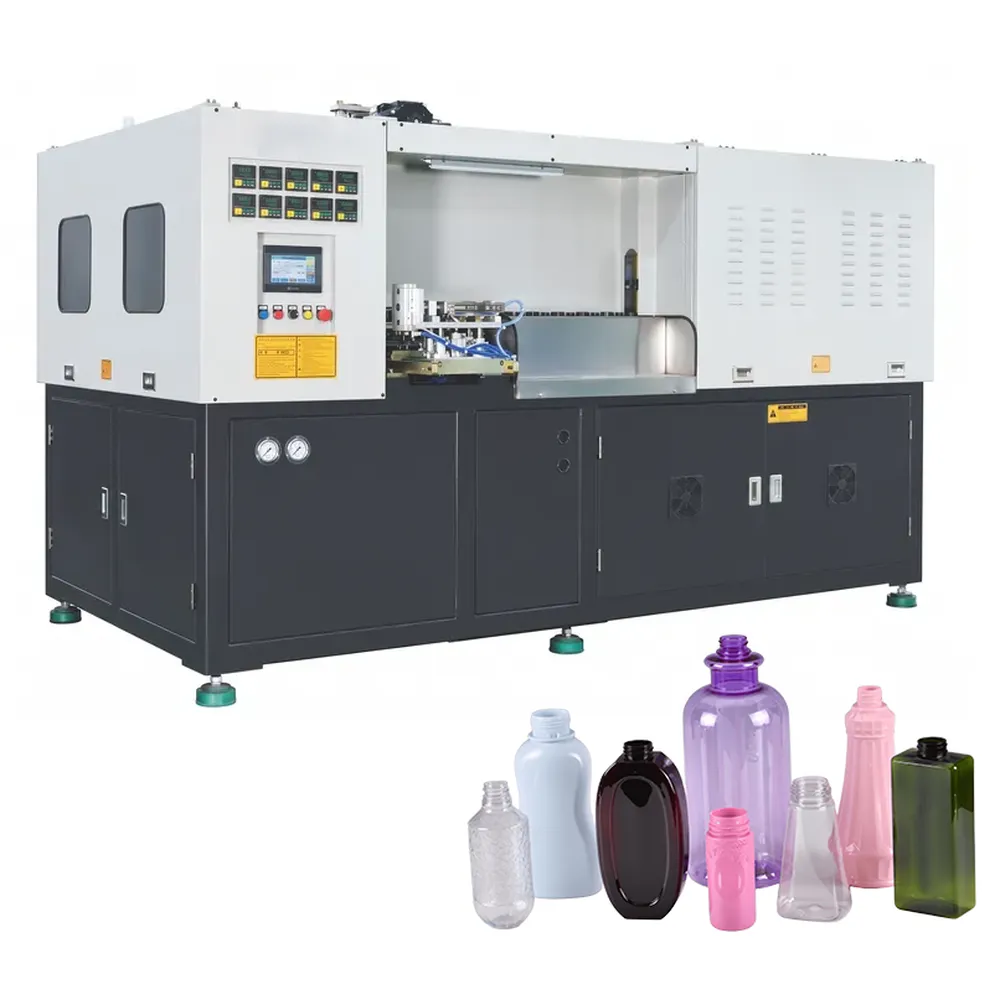
The EPA.AS-2C114.3 fully automatic blow molding machine is engineered for manufacturers demanding precision, reliability, and high output in cosmetic and daily chemical packaging. Adopting internationally renowned servo motors, reducers, electrical components, and advanced control systems, this two-step blow molding machine delivers stable, durable, and energy-saving performance across continuous production cycles. With 2 cavities and a theoretical output of 2,000 bottles per hour, it is purpose-built for blowing PET/PETG cosmetic bottles in various appearances and complex geometries, including special-shaped bottles that require high dimensional accuracy. The compact footprint of 2,660 x 1,660 x 2,150 mm makes it well suited for optimized factory floor layouts without compromising throughput.
As a cosmetic blow molding machine, the EPA.AS-2C114.3 excels in applications where bottle aesthetics and dimensional consistency are non-negotiable, including shampoo bottles, body wash containers, serum dispensers, lotion pumps, and skincare packaging for brands operating at industrial scale. The plastic blow molding machine supports neck diameter ranges up to 88 mm and maximum container volumes of 1,000 ml, giving packaging engineers the flexibility to run diverse SKUs on a single platform. Powered by a PLC-based control system, every production parameter, from stretching stroke to blowing pressure, is tightly regulated, ensuring batch-to-batch repeatability that meets the quality demands of OEM cosmetic and daily chemical supply chains worldwide.
기술적 매개변수
| 모델 | 단위 | EPA.AS-2C114.3 | |
|---|---|---|---|
| 조형 | 클램핑 스트로크 | mm | 122 |
| 금형 개방 거리 | mm | 302 | |
| 금형 근접 거리 | mm | 180 | |
| 스트레칭 스트로크 | mm | 400 | |
| 금형 개방 거리 | mm | 50 | |
| 금형 근접 거리 | mm | 114.3 | |
| 프리폼 홀더 | 48 | ||
| 충치 | 2 | ||
| 컨테이너 | 최대 컨테이너 용량 | ml | 1000 |
| 목 직경 범위 | mm | 88 | |
| 최대 컨테이너 직경 | mm | 94 | |
| 최대 컨테이너 높이 | mm | 260 | |
| 이론적 출력 | bph | 2000 | |
| 전기 시스템 | 최대 난방 출력 | kw | 45 |
| 난방 출력 | kw | 20 | |
| 공기 시스템 | 작동 압력 | kg/cm² | 7 |
| 저압 공기 소모량 | 리터/분 | 600 | |
| 송풍 압력 | kg/cm² | 35 | |
| 고압 공기 소모량 | 리터/분 | 1600 | |
| 냉각수 | 작동 압력 | kg/cm² | 6 |
| 온도 | ℃ | 8-12 | |
| 유량 | 리터/분 | 30 | |
| 기계 | 크기 (길이*너비*높이) | mm | 2660*1660*2150 |
| 무게 | kg | 2600 | |
Features of EPA.AS-2C114.3 Fully Automatic Blow Molding Machine
1. 고효율 출력
With a theoretical output of 2,000 bottles per hour across its 2-cavity configuration, the EPA.AS-2C114.3 완전 자동 블로우 성형기 is engineered for sustained, large-scale cosmetic packaging production. The 48-position preform holder minimizes idle time between cycles, keeping throughput high across extended production runs without operator fatigue becoming a limiting factor. This performance level makes it the right choice for factories targeting consistent daily volume commitments to major FMCG and beauty brands.
2. Superior Build Durability
Structural components are fabricated from high-grade steel and precision-machined via CNC equipment, ensuring dimensional integrity over years of continuous operation. The machine frame is designed to absorb cyclic clamping forces without fatigue, making it suitable for 24/7 production environments. Corrosion-resistant materials are used throughout contact zones, which is critical when processing specialty PET/PETG resins that may carry acidic or hygroscopic characteristics. Long service intervals and robust component sourcing reduce downtime and total cost of ownership across a typical 10-year operational lifespan.
3. Precise PLC Control
The integrated PLC-based control system gives operators granular command over every machine parameter, including heating lamp output, stretching stroke, blowing pressure, and cooling dwell time. This level of precision is essential when producing special-shaped cosmetic bottles where wall thickness uniformity across asymmetric geometries determines product quality. Recipe storage allows technicians to switch between bottle SKUs with minimal changeover time, making the machine highly adaptable on lines that run diverse cosmetic packaging formats within the same shift.
4. Versatile Bottle Applications
Supporting containers from small pump-top serum vials up to 1,000 ml household cleaning bottles, and neck diameters up to 88 mm, this daily chemical blow molding machine handles an exceptionally wide application range without requiring a platform change. It is equally at home producing transparent PET shampoo bottles, opaque PETG lotion containers, and complex multi-facet special-shaped packaging that would challenge less capable machinery. This versatility lets contract packaging operations serve multiple brand clients on a single machine investment.
5. Energy-Efficient Servo Drive
Adopting internationally recognized servo motor technology, the EPA.AS-2C114.3 operates at a normal heating power of just 20 kW against a maximum rated 45 kW, meaning the machine draws power proportional to actual production demand rather than running at constant peak load. Servo-driven actuators recover energy during deceleration phases, and the optimized heating zone layout minimizes infrared lamp idle consumption. For factories operating multiple PET blow molding machines around the clock, the cumulative energy savings compared to conventional hydraulic-drive alternatives translate to a measurable reduction in per-unit packaging cost.
6. 완전 자동화 작동
The end-to-end automated workflow of this two-stage blow molding machine spans preform loading, heating, stretching, blowing, and bottle discharge with minimal manual intervention required. Automated bottle output conveying reduces touch contamination risks, which is important for personal care packaging where hygiene standards are enforced by brand owners. The reduced reliance on skilled labor per machine also lowers the operational complexity for production managers, enabling smaller teams to oversee larger equipment banks without sacrificing output quality or consistency.
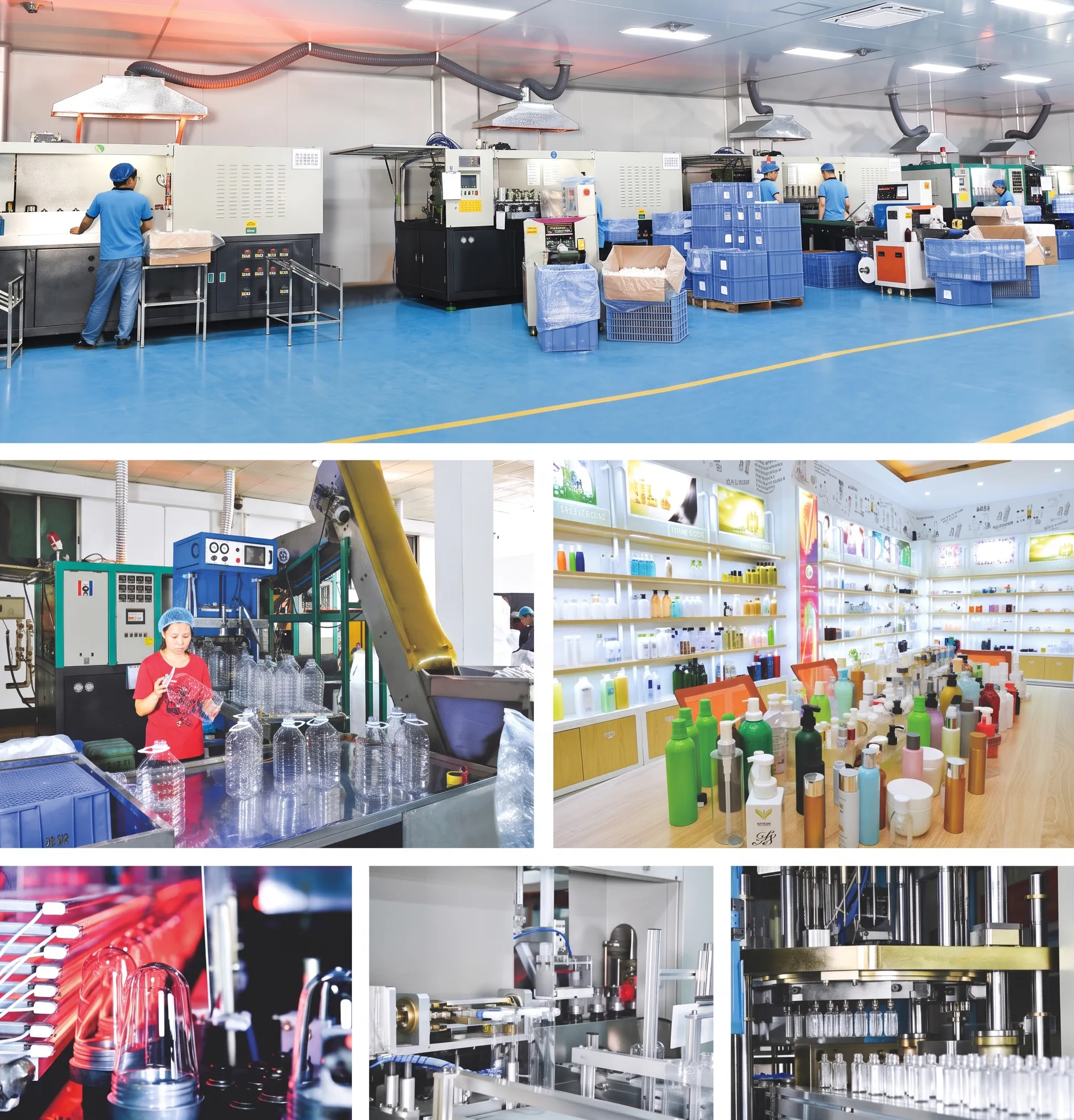
How the Two-Step Blow Molding Machine Works
1. 원료 준비
The process begins with rigorous raw material handling. PET, PETG, and compatible polymers are screened, blended, and dried to precise moisture content levels before entering the production process. For PET in particular, pre-crystallization and drying to below 50 ppm moisture is mandatory to prevent hydrolytic degradation during subsequent heating stages. Strict material quality control at this stage directly determines the optical clarity and mechanical strength of the finished cosmetic bottle. Batch testing and color masterbatch integration are also managed here, allowing consistent color reproduction across high-volume production runs.
2. 프리폼 사출 성형
In the two-step process, the prepared resin is first fed into an injection molding machine where it is heated, melted, and plasticized before being injected into a precision preform mold. Machine temperature, injection pressure, and fill speed are tightly controlled at this stage because the preform geometry, neck thread accuracy, and wall distribution directly determine the quality of the final blown bottle. Preforms produced in this step can be cooled, inspected, and stored or transported before being fed into the EPA.AS-2C114.3, giving manufacturers scheduling flexibility that single-stage machines cannot offer.
3. 사전 예열
Preforms loaded onto the 48-position holder pass through a precisely zoned infrared heating tunnel where temperature is raised uniformly across the body wall while the neck finish area remains cool to preserve thread geometry. The heating profile is calibrated per bottle specification through the PLC, ensuring that thicker wall zones receive sufficient heat penetration to achieve the plasticity needed for clean stretching without thin-spot failure. Proper preheating is the single most critical variable in achieving consistent wall thickness distribution in complex cosmetic bottle shapes.
4. 스트레치 블로우 성형
The conditioned preform is transferred into the two-cavity blow station where a stretch rod extends axially to 400 mm stroke while high-pressure air at 35 kg/cm2 simultaneously expands the preform radially against the mold cavity walls. This bi-axial orientation process aligns polymer chains in two directions simultaneously, producing bottles with significantly improved barrier properties, drop resistance, and optical clarity compared to non-oriented alternatives. The clamping force and blowing sequence are electronically controlled to ensure repeatable results every cycle, which is essential for cosmetic bottle lines where visual appearance and dimensional tolerance are enforced quality gates by brand owners.
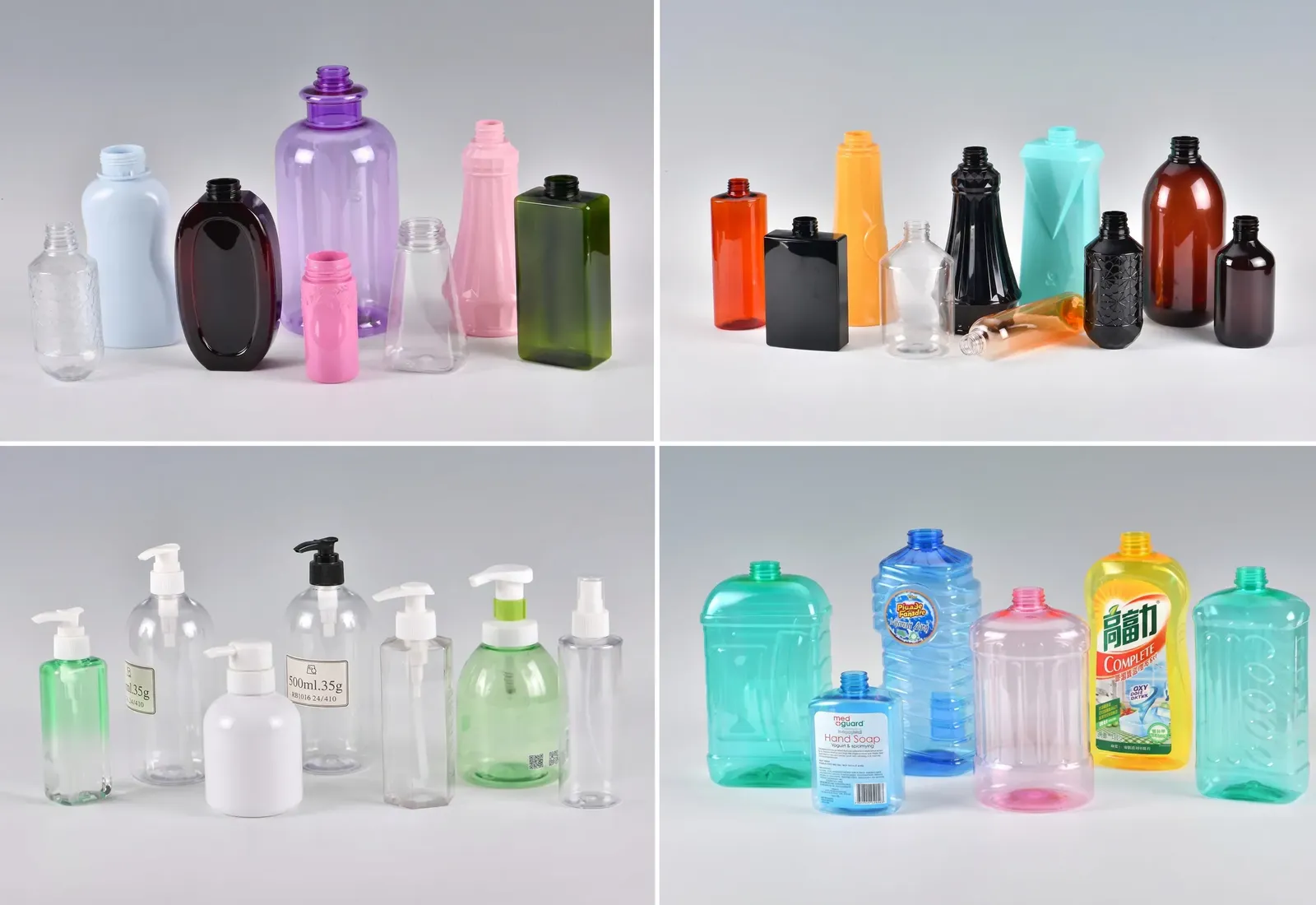
응용 분야
The EPA.AS-2C114.3 plastic blow molding machine serves a wide range of packaging industries where precision and aesthetics matter equally.
1. Pharmaceutical Bottles
The machine produces PET pharmaceutical bottles with high dimensional accuracy on thread finish and body roundness, meeting the tight tolerances required by capping and filling line machinery. Its clean, enclosed production environment and automated discharge minimize contamination risk, making it applicable to OTC liquid medicine, vitamin supplement, and oral care packaging that requires consistent clarity and tamper-evident neck compatibility.
2. 화장품 용기
As a dedicated cosmetic blow molding machine, the EPA.AS-2C114.3 is particularly skilled at producing special-shaped bottles with complex curved profiles, narrow waists, embossed patterns, and asymmetric geometries that define premium beauty packaging. PETG processing capability adds the crystal clarity and scratch resistance favored by luxury skincare, fragrance, and color cosmetics brands across markets in Europe, North America, and Asia.
3. 화학물질 용기
For household and industrial chemical packaging, this daily chemical blow molding machine produces bottles with robust wall strength and chemical resistance suitable for cleaning agents, disinfectants, and detergent concentrates. The wide neck diameter capability of up to 88 mm accommodates trigger-spray fitments, push-pull caps, and foam pump closures that are standard across the home care product category in markets worldwide.
4. Juice Bottles
The machine produces crystal-clear PET juice bottles with the bi-axial orientation that provides the gas barrier performance needed to maintain flavor integrity and extend shelf life without secondary packaging layers. Bottle volumes from small single-serve sizes up to the 1,000 ml family-size format can be accommodated, giving juice producers the flexibility to produce multiple SKUs on a single platform with rapid mold changeover capability.
5. Food Bottles
Food-grade PET bottles for sauces, condiments, cooking oil, and nutritional supplements are produced with the clarity and structural integrity that food safety regulations and retailer shelf standards demand. The machine precise wall thickness control reduces material usage per bottle while maintaining the drop resistance and pressure performance needed to survive retail distribution chains, contributing directly to packaging cost reduction for food brand owners.
6. Shampoo Bottles
Shampoo packaging demands a combination of squeeze flexibility, surface decoration compatibility, and neck finish accuracy for pump fitment sealing. The EPA.AS-2C114.3 handles PETG shampoo bottle production with the surface smoothness that label adhesion and hot-stamping decoration processes require, while delivering the consistent ovality tolerance that inline filling and capping equipment on high-speed FMCG lines expects from an incoming bottle supplier.
7. Dish Soap Bottles
Dish soap bottles present specific design challenges including ergonomic grip zones, flip-top neck compatibility, and the ability to contain concentrated alkaline formulas without stress-cracking over product life. The machine produces dish soap bottles with consistent wall distribution in grip area undercuts, and the high blowing pressure of 35 kg/cm2 ensures complete mold cavity fill even in complex label panel and grip feature geometries common in premium dishwashing liquid brands.
8. 바디워시 용기
Body wash packaging merges cosmetic aesthetics with functional daily use requirements: clarity to showcase product color, strength to survive wet bathroom environments, and neck accuracy for lotion pump or disc-top closures. The EPA.AS-2C114.3 production of body wash bottles in PETG delivers the glass-like transparency that positions products at the premium end of shower care retail, while the machine throughput of 2,000 bph ensures that personal care contract manufacturers can meet retailer volume commitments profitably.
Key Equipment Components
Preform Loading Unit
The 48-position preform holder provides a continuous supply buffer between the heating zone and blow station, ensuring that the machine never starves for preforms during sustained production. Preform orientation and spacing are managed automatically, reducing the operator touchpoints that are a typical contamination and consistency risk on lower-automation equipment. This unit is designed for rapid tooling changeover when switching between different preform neck sizes or body lengths.
Infrared Heating Station
Multiple independently controlled infrared lamp zones heat the preform body to the precise temperature profile required for each bottle specification. The neck finish area is shielded from heat exposure to preserve the thread geometry that determines closure sealing performance. Zone-by-zone power control managed through the PLC allows technicians to compensate for seasonal ambient temperature variation and material batch differences, maintaining consistent preform conditioning across full production days.
클램핑 장치
The servo-driven clamping unit opens to 302 mm and closes to 180 mm with a 122 mm clamping stroke, providing the force and repeatability needed to hold blow molds under 35 kg/cm2 high-pressure blowing without flash or parting line defects. Precision guide rails maintain mold parallelism throughout millions of open-close cycles, which is a key durability factor on machines operating in high-volume cosmetic bottle production environments where mold investment costs are significant.
스트레치 로드 메커니즘
The axial stretch rod travels 400 mm to pre-stretch the heated preform before high-pressure air completes radial expansion. This bi-axial stretching sequence is what creates the superior barrier properties, wall thickness uniformity, and drop resistance that distinguish blown PET bottles from alternative packaging formats. The stretch rod speed and travel are adjustable through the control system, allowing fine-tuning for bottles with elongated body profiles or specialized wall distribution requirements.
High-Pressure Blow System
Operating at a blowing pressure of 35 kg/cm2 with a high-pressure air consumption of 1,600 liters per minute, the blow system delivers the force needed to fully replicate complex mold cavity geometries including embossed lettering, faceted surfaces, and tight-radius undercuts that define premium cosmetic bottle aesthetics. A low-pressure pre-blow stage at 7 kg/cm2 conditions the parison before full pressure is applied, preventing localized thin-wall failure on difficult special-shaped designs.
Mold Cooling Circuit
Chilled water circulating at 8 to 12 degrees Celsius through internal mold channels removes heat from the freshly blown bottle rapidly, setting the polymer crystallinity and dimensional stability before the mold opens. A flow rate of 30 liters per minute at 6 kg/cm2 operating pressure keeps the mold surface temperature stable across extended production runs. Consistent mold temperature is one of the most important variables in maintaining bottle-to-bottle dimensional repeatability on high-speed production lines.
PLC Control System
The central PLC integrates control of all machine functions through a touch-screen human-machine interface, providing operators with real-time parameter monitoring, alarm management, and production data logging. Recipe storage enables fast product changeover with confidence that stored parameters will reproduce previously qualified bottle quality without re-development time. The system supports remote diagnostic connectivity, allowing Ever-Power technical engineers to assist with troubleshooting and parameter optimization without requiring on-site travel in many cases.
Servo Motor Drive Train
Internationally branded servo motors and matched reducers provide the precise, repeatable motion control that underlies consistent bottle quality on the EPA.AS-2C114.3. Servo drives respond to position and torque feedback in milliseconds, delivering the smooth, controlled motion profiles that minimize mechanical shock and extend mold and machine component service life. Energy recovery during deceleration phases contributes to the machine efficient power consumption profile compared to traditional hydraulic actuation systems.
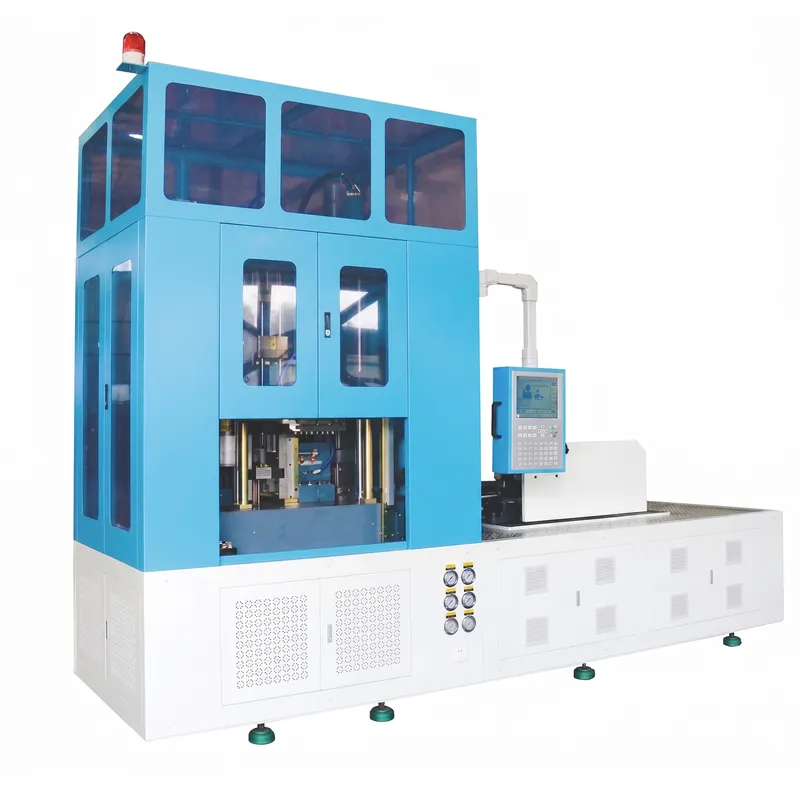
Two-Stage vs. Single-Stage Blow Molding Machine
2단 블로우 성형기
Core Principle
The two-stage, or two-step blow molding machine, separates the injection molding of the preform from the blow molding of the finished bottle into two independent machines and processes. Step one, preform injection, and step two, stretch blow molding, can be performed in different locations, at different times, or by different companies entirely. This architectural separation is what defines the two-stage process and creates its unique set of advantages for high-volume operations.
생산 유연성
Preforms produced in the injection phase can be bulk-stored in standard boxes and shipped to geographically distributed blow molding facilities, enabling a centralized injection operation to supply multiple regional packaging plants. This separation also means that each machine can be optimized independently for its specific process step, with the injection press sized for preform output and the blow molding machine tuned for container geometry and throughput. This flexibility makes the two-stage approach the standard choice for large-scale preform suppliers and contract packaging organizations serving multiple brand clients.
High-Volume Production Advantage
Because preform injection and bottle blowing are decoupled, each process can run at its own optimal cycle time without forcing the other to wait. High-cavity injection molds can produce preforms at rates that serve multiple downstream blow molding machines simultaneously, creating an efficient manufacturing cascade. For cosmetic, beverage, and daily chemical packaging operations running above 5 million bottles per month, the two-stage approach consistently delivers lower per-unit cost than single-stage alternatives at equivalent quality levels.
Material and Geometry Range
The EPA.AS-2C114.3 as a two-stage machine is capable of processing PET and PETG preforms produced by any compatible injection press, giving buyers the freedom to source preforms competitively or produce them in-house. The blow station can accommodate a wide range of bottle shapes, from simple cylindrical bodies to complex multi-facet cosmetic designs, provided that appropriate blow molds are fitted, making a single machine investment serviceable across a diverse product portfolio over its operational life.
Single-Stage Blow Molding Machine
Core Principle
Single-stage machines complete the entire process from raw resin pellets to finished bottles within one integrated machine, without an intermediate preform storage or transportation step. Raw material enters at the injection station, where a preform is formed and immediately transferred, still hot from injection, to the blow station. No separate preform molding machine, storage system, or reheating infrastructure is required. The entire process completes in a single continuous cycle.
Lower Volume and High Precision Applications
Single-stage machines are better suited for low-to-medium production volumes where the capital and floor space investment of a separate injection press and preform handling system cannot be justified. They excel at producing bottles requiring exceptionally tight neck finish tolerances, such as pharmaceutical grade containers, because the preform transfers to the blow station while still thermally conditioned from injection, eliminating the reheating variability inherent in two-stage systems.
Reduced Contamination Risk
Because preforms are never exposed to the ambient environment between injection and blowing in a single-stage machine, contamination risk from handling, storage dust, and transportation is eliminated. This is a significant advantage in pharmaceutical and medical-grade packaging applications where hygiene validation requirements are stringent. The one-machine format also simplifies quality traceability documentation, as there is no preform supply chain to audit and validate separately.
Key Limitation: Throughput Ceiling
The fundamental throughput limitation of single-stage machines is that injection cycle time sets the production rate ceiling for the entire machine. Because injection molding is inherently slower than blow molding for most bottle sizes, the blow station operates below its capacity potential whenever it is paired with an injection unit. For large-volume cosmetic and daily chemical packaging operations where throughput above 1,500 bph is required, the two-stage platform represented by the EPA.AS-2C114.3 consistently proves more economical at scale.
Which Platform Is Right for Your Operation?
If your operation requires output above 1,500 bottles per hour, runs standard PET or PETG packaging, sources preforms from an established supply chain, or needs the flexibility to produce the same bottle design across multiple regional facilities, the two-stage approach of the EPA.AS-2C114.3 is the technically and economically superior choice. Single-stage machines remain the better option for pharmaceutical containers below 100 ml, complex multi-layer bottles, or low-volume specialty production where tooling flexibility outweighs throughput requirements. Contact the Ever-Power technical team for a production audit to identify which platform best matches your current and projected needs.
 |
 |
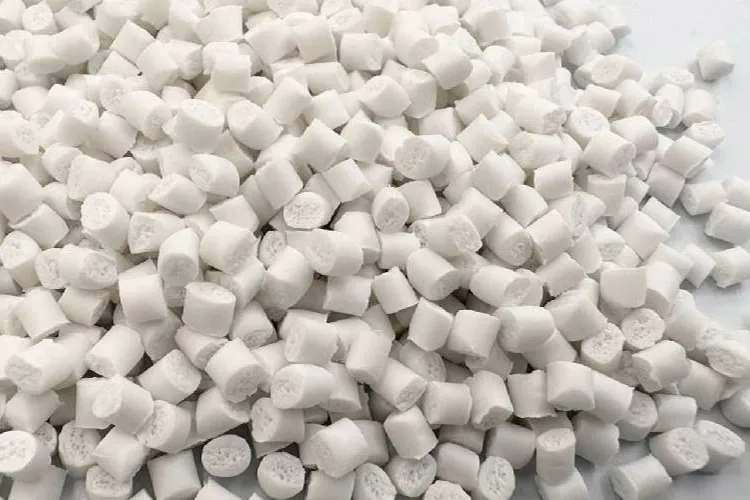
호환 가능한 원료
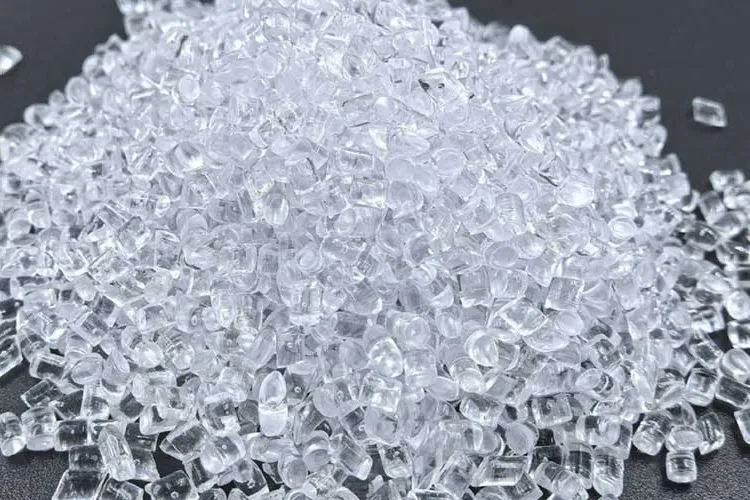
PET(폴리에틸렌 테레프탈레이트)
The primary and most widely used raw material for the EPA.AS-2C114.3, PET delivers exceptional optical clarity, high tensile strength, and verified food safety approvals that make it the material of choice for cosmetic, beverage, and food packaging worldwide. Its excellent stretchability during bi-axial orientation produces bottles with outstanding wall uniformity and barrier properties. PET must be dried to below 50 ppm moisture before processing to prevent hydrolytic degradation and haze formation in the finished bottle.
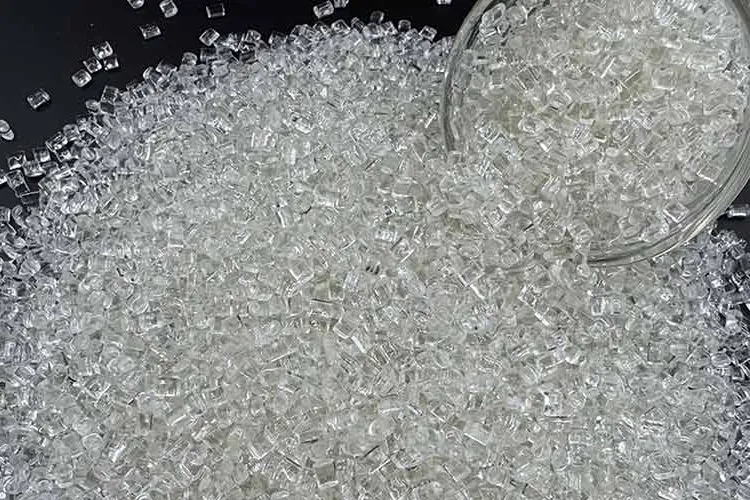
PETG (PET-Glycol Modified)
PETG offers the clarity of PET with improved impact resistance and lower processing temperatures, making it particularly popular for premium cosmetic packaging where glass-like appearance is required without the fragility of glass. It is easier to thermoform around complex geometries than standard PET, which makes it well suited to the special-shaped cosmetic bottle designs that are a signature capability of the EPA.AS-2C114.3 platform.
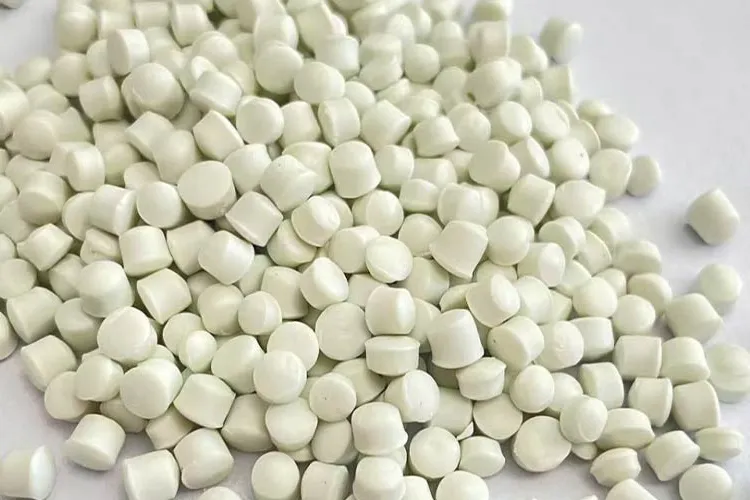
PP(폴리프로필렌)
Polypropylene is the material of choice for hot-fill applications where bottle contents are filled at temperatures above 70 degrees Celsius, including some food, sauce, and pharmaceutical liquid products. PP has excellent chemical resistance to both acidic and alkaline formulas, making it broadly compatible with household cleaning products, agricultural chemicals, and certain pharmaceutical applications. It has good high-temperature resistance and is widely used in food packaging, medicine bottles, and chemical containers across the daily chemical sector.
PC(폴리카보네이트)
Polycarbonate delivers exceptional optical clarity combined with very high impact resistance and dimensional stability at elevated temperatures, making it the preferred material for reusable bottles, sports water bottles, and specialty packaging applications requiring both transparency and toughness. PC is used when manufacturing high-temperature resistant or impact-resistant bottles. Its high material cost relative to PET positions it primarily in premium or functional packaging segments rather than high-volume commodity applications.
PE(폴리에틸렌)
Polyethylene, in both HDPE and LDPE grades, offers good flexibility and outstanding chemical resistance across a wide pH range, making it well suited for certain soft bottles or special packaging applications in household chemicals, detergents, and agricultural products. HDPE in particular provides excellent environmental stress-crack resistance, which is important for containers that will be stored for extended periods after filling with surfactant-rich formulas commonly found in the daily chemical product category.
 |
 |
 |
 |
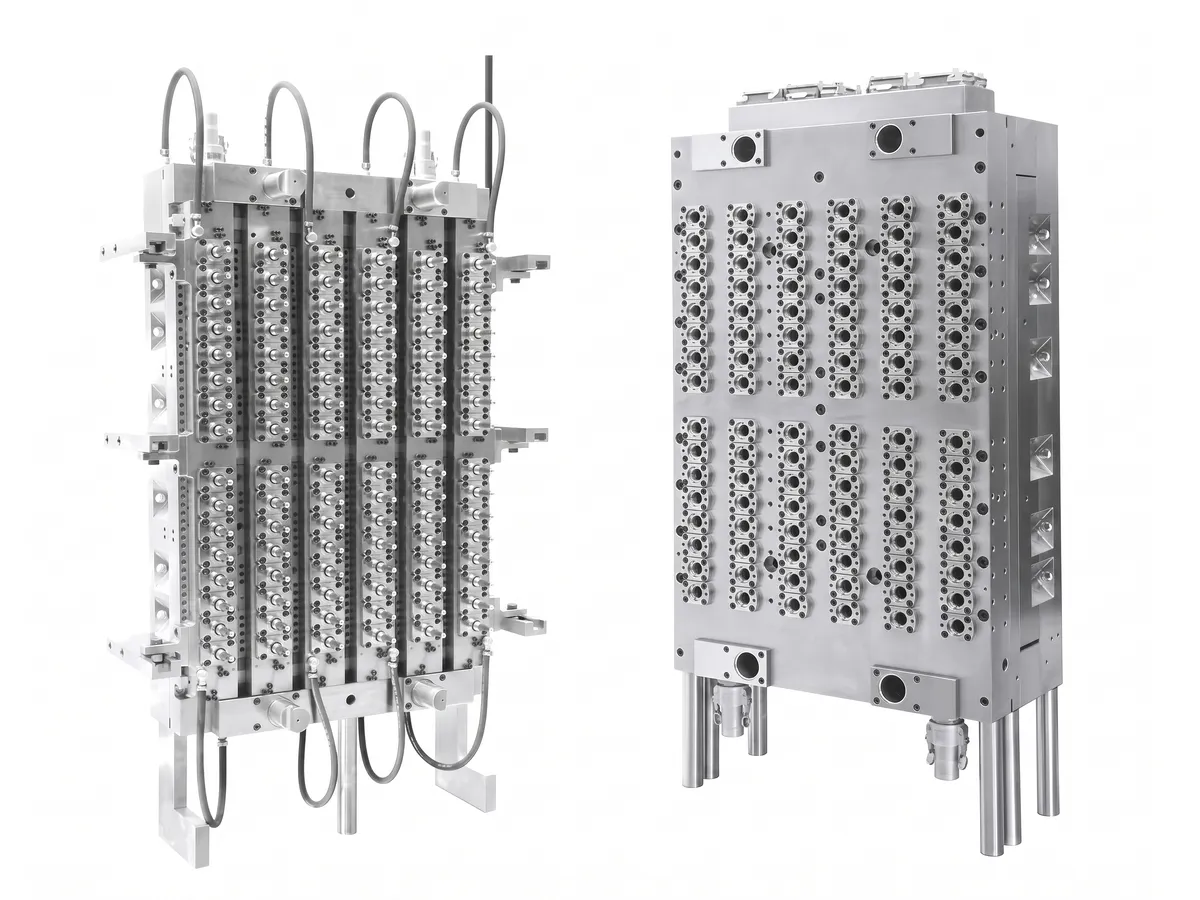
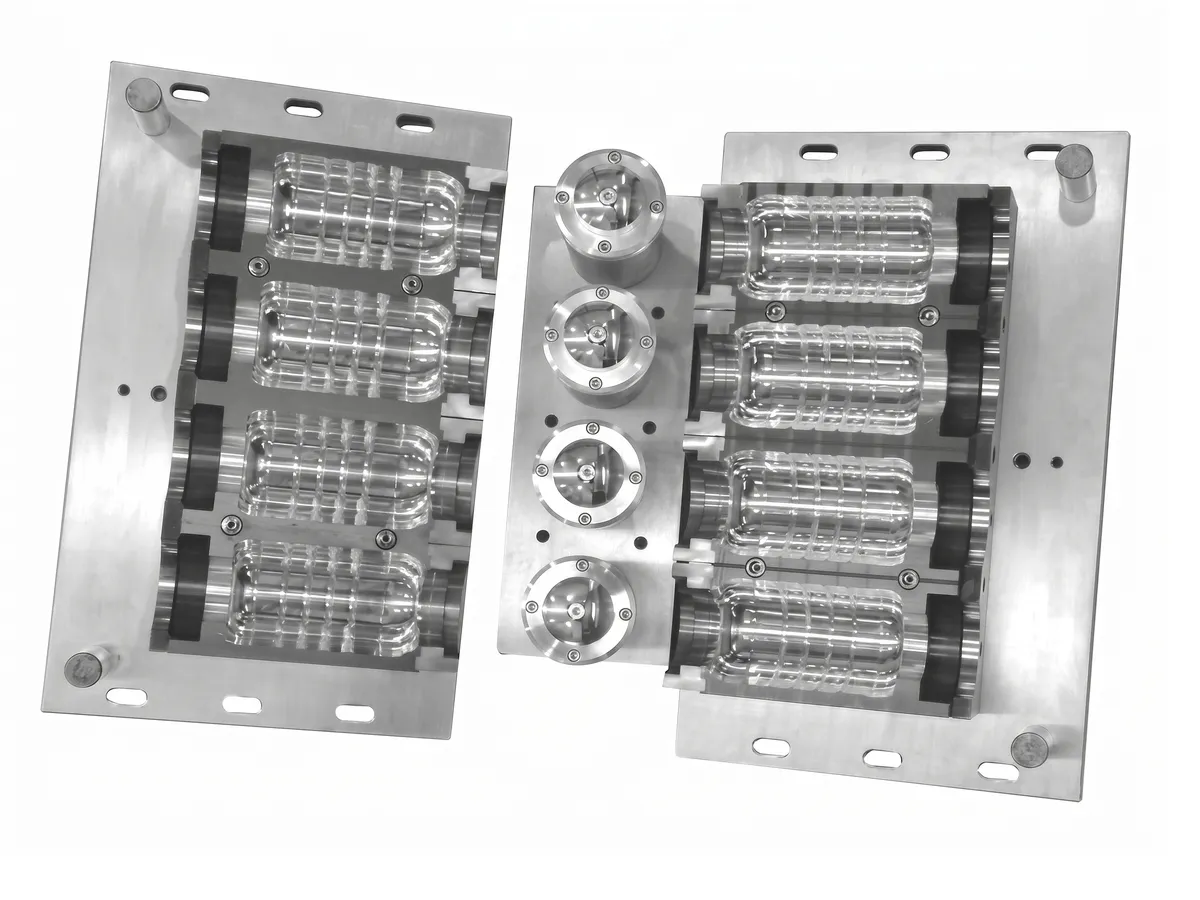
Two-Step Blow Molding Mold Features
프리폼 사출 금형
- The two-part die lip design ensures that the preform and blow mold maintain perfect coaxial alignment during formation, which is critical for producing bottles with consistent neck thread accuracy and body symmetry across both cavities.
- Optimized internal cooling water channel geometry removes heat from the preform efficiently after injection, shortening cycle time and ensuring dimensional stability of the preform before it exits the mold, which directly affects downstream blow quality.
- Core formation components are manufactured from imported die steel grade 2316, which provides superior corrosion resistance and has undergone thermal hardening treatment, ensuring dimensional stability across millions of injection cycles without deformation or wear-related dimensional drift.
- Core plates, cavity plates, and load-bearing structural components are manufactured from 420-grade stainless steel, chosen for its resistance to corrosion from cooling water and cleaning chemicals over a long service life in production environments.
- The mold is engineered for straightforward maintenance access, with modular component design that allows technicians to inspect, clean, and replace wear parts without specialized tooling or disassembling major structural assemblies, minimizing planned maintenance downtime.
- Standard interchangeable die fittings and an advanced single-mold design capable of producing multiple preform types allow packaging manufacturers to maximize mold asset utilization across different product lines without investing in dedicated tooling for each application.
블로우 성형
- Blow mold bodies are machined from high-quality steel selected for fatigue resistance under the cyclic clamping and pressurization loads of continuous production, ensuring that mold dimensional accuracy is maintained throughout the rated service life without progressive deformation that would lead to bottle quality drift.
- Bottle cavity geometry is designed using advanced 3D CAD software with computational fluid dynamics analysis of blow air distribution and cooling channel effectiveness, ensuring that even complex special-shaped cosmetic bottle designs achieve complete cavity fill and consistent wall thickness distribution in production.
- The Ever-Power design team can provide versatile bottle cavity designs across a wide range of cosmetic, daily chemical, and pharmaceutical container geometries, allowing buyers to select from an established design library or commission custom bottle tooling for proprietary packaging shapes requiring market exclusivity.
- Internal water cooling channel geometry is designed to provide uniform mold surface temperature across the entire bottle cavity, eliminating hot spots that cause localized crystallinity variation and ensuring that bottles exit the mold with consistent dimensional accuracy and surface gloss from the first cycle of each production shift.
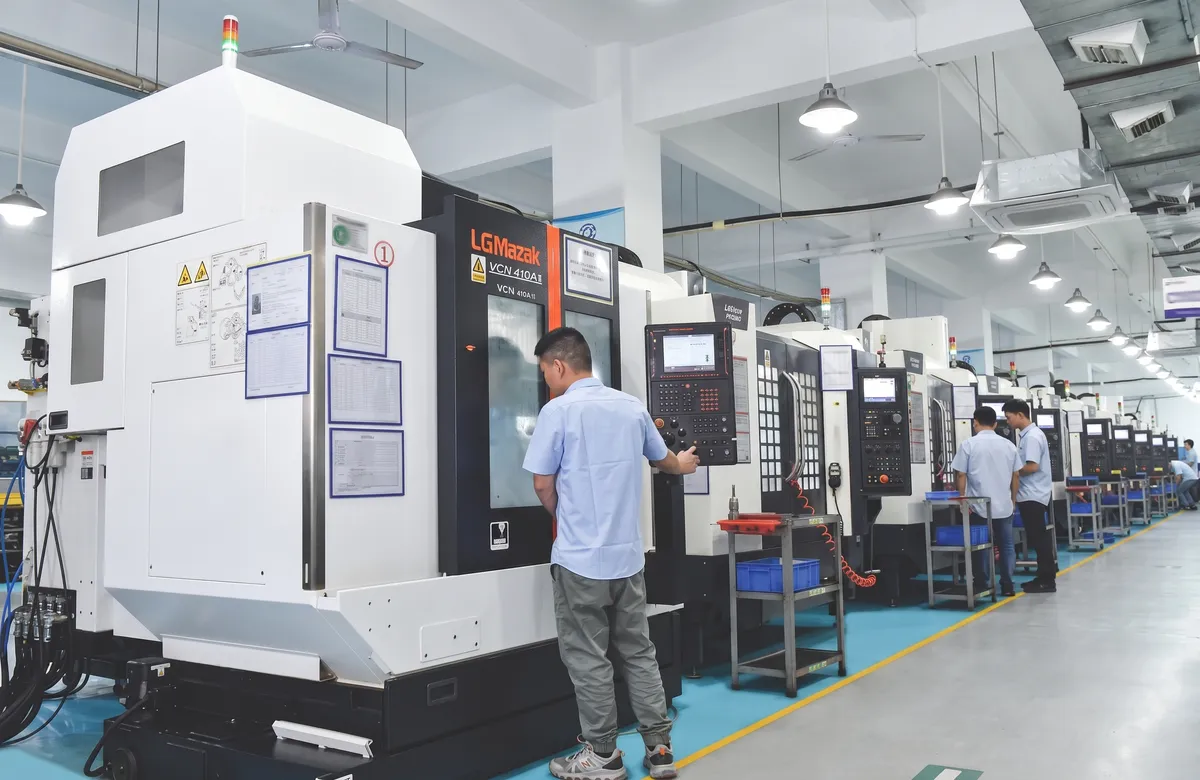
- All metal components and critical structural parts are finish-machined on CNC machining centers, ensuring dimensional tolerances that support clean parting line closure, accurate bottle body geometry, and repeatable mold opening and closing without flash formation across the rated production volume of the tooling.
 |
 |
Maintenance Tips for Cosmetic Bottle Blow Molding Machine
1. Daily Heating Zone Inspection
Before each production shift, inspect all infrared heating lamp elements for signs of darkening, uneven glow, or physical damage. A single failed lamp creates a cold zone in the preform heating profile that will produce bottles with wall thickness defects that may not be visible until downstream quality inspection. Replace suspect lamps proactively during scheduled maintenance windows rather than waiting for complete failure, which would require an unplanned production stoppage.
2. Cooling Water System Maintenance
Maintain cooling water temperature between 8 and 12 degrees Celsius and check water flow rate at the mold inlet and outlet connections at the start of each shift. Scale buildup in cooling channels reduces heat transfer efficiency over time, leading to progressive mold temperature creep that causes bottle dimension and gloss variation. Flush the cooling circuit with a descaling solution according to the manufacturer recommended schedule, typically every three to six months depending on local water hardness levels.
3. Mold Parting Line Cleaning
Clean mold parting line surfaces and cavity vents at the end of every production shift using soft cloths and a non-abrasive cleaning agent appropriate for the mold steel grade. Polymer residue and dust accumulation on parting line surfaces causes progressive flash formation that degrades bottle cosmetic appearance. On cosmetic bottle production lines where surface finish is a critical quality attribute, mold cavity polishing should be performed according to the mold manufacturer schedule to maintain the surface roughness specification required for high-gloss or transparent bottle production.
4. Servo System and Drive Checks
Inspect servo motor and reducer mounting fasteners for torque retention every 500 operating hours, as vibration from normal machine cycling can cause progressive loosening that eventually leads to positional inaccuracy in clamping and stretch rod motion. Check servo drive cooling fan operation and control cabinet filter cleanliness monthly, as blocked cooling air flow causes drive electronics overtemperature faults that can trigger unplanned shutdowns during production. Log all servo alarm codes and monitor for recurring fault patterns that indicate developing mechanical or electrical issues requiring proactive service.
5. Air System Maintenance
The high-pressure air system operating at 35 kg/cm2 must be supplied with clean, dry compressed air to prevent moisture contamination of the blow mold cavity and preform interior during the blowing cycle. Inspect and drain compressed air dryer and filter bowls daily. Check high-pressure air line fittings and blow valve seals for leakage monthly, as leakage at this pressure represents both a safety risk and a significant compressed air energy waste. Record air consumption trends; a gradual increase in air consumption at constant output may indicate developing valve seal or check valve wear requiring service before a production-disrupting failure occurs.
6. Lubrication and Mechanical Inspection
Apply specified lubricants to all guide rail, linear bearing, and pivot point lubrication fittings according to the maintenance schedule in the machine manual. Insufficient lubrication accelerates wear on precision motion components and increases cycle noise and vibration levels. Inspect stretch rod guide bushings for wear and clearance at every 1,000-hour service interval. A worn stretch rod guide allows lateral movement during extension that causes inconsistent preform center contact, producing bottles with asymmetric wall thickness distribution that will fail quality inspection at the filling line. Replace worn bushings before dimensional capability is compromised.
에버파워 블로우 성형기를 선택해야 하는 이유는 무엇일까요?
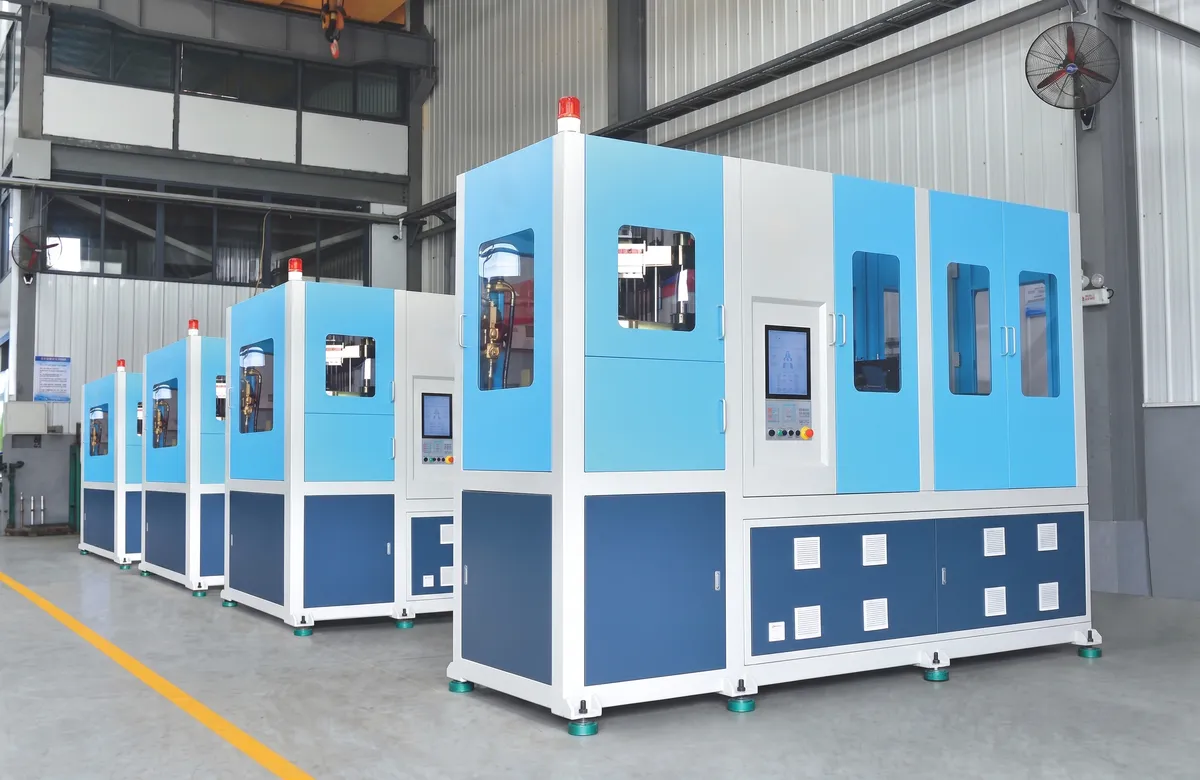
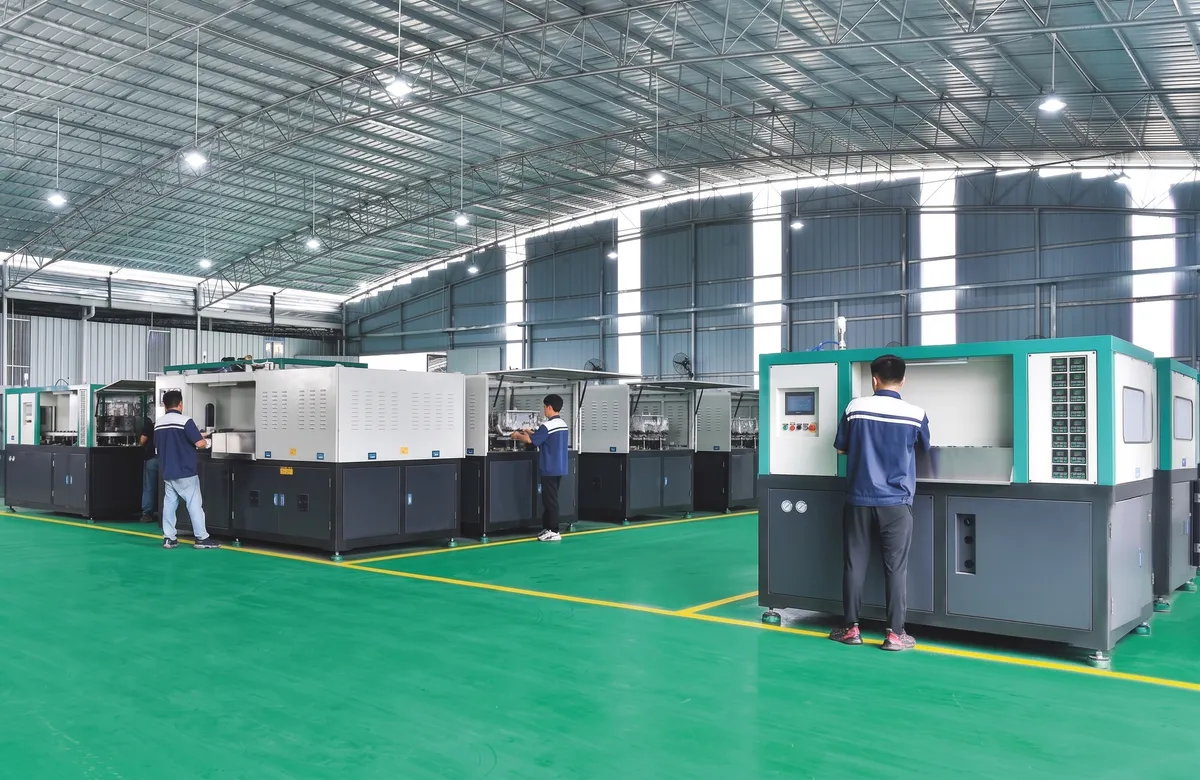
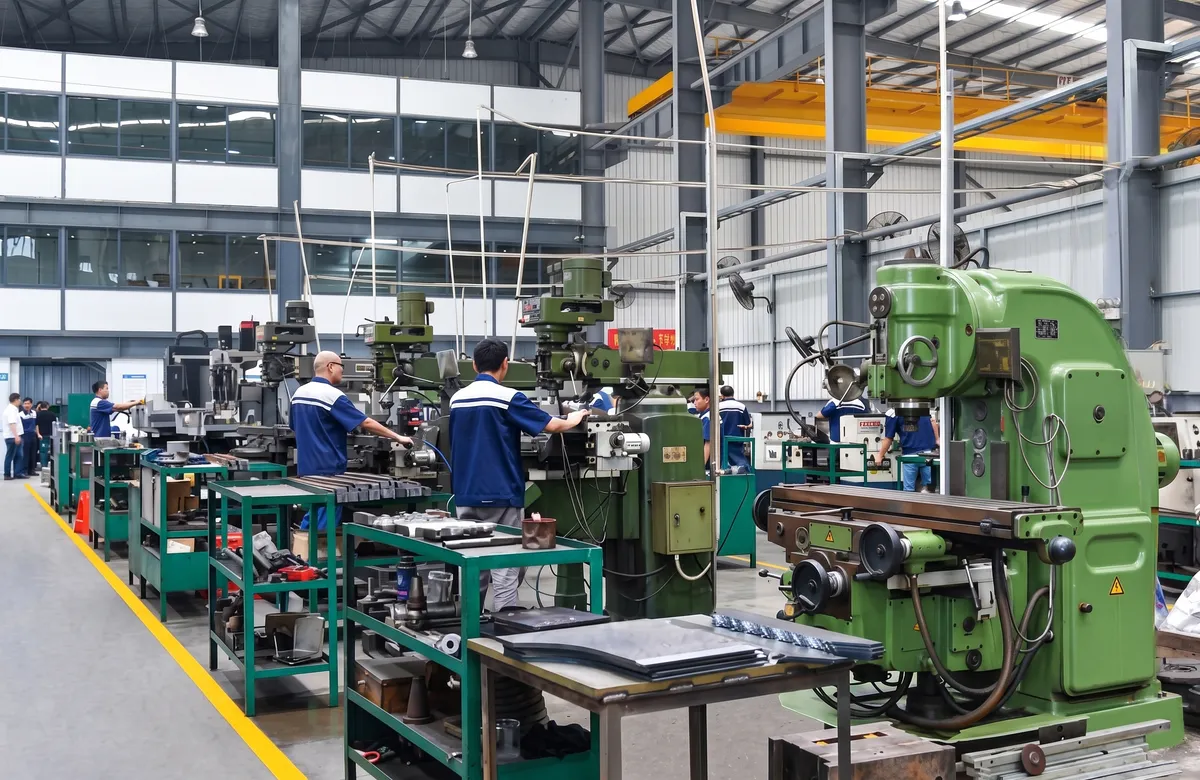
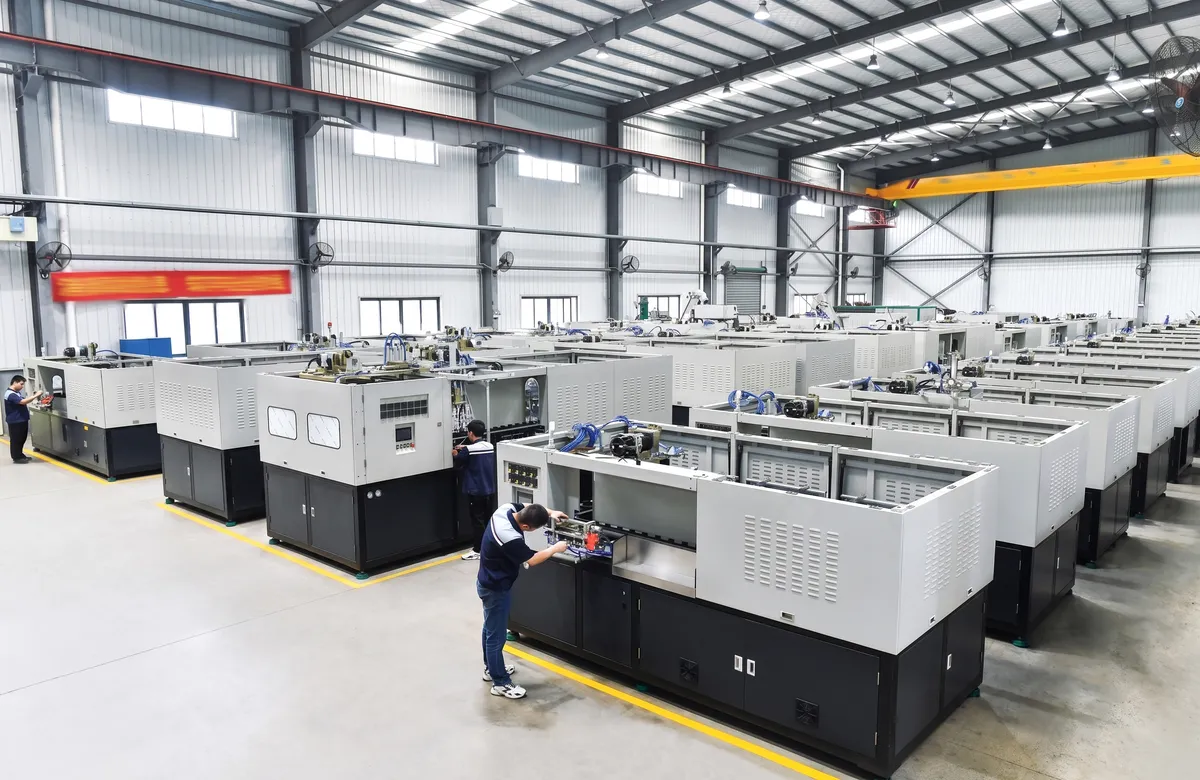
멕시코 Ever-Power ISBM Machinery Co., Ltd는 2단계 스트레치 블로우 성형기, 사출 블로우 성형기 및 이를 지원하는 모든 보조 장비를 포함한 자동 블로우 성형기 기술에만 집중하는 전문 제조업체입니다. 일반적인 산업 기계 공급업체와는 달리, 당사의 엔지니어링 및 기술 팀은 플라스틱 블로우 성형의 과학과 실무에 전적으로 집중하여 구성되어 있습니다. 이는 당사가 설계하는 모든 기계에 수십 년간 축적된 공정 전문 지식이 반영되어 있으며, 일반적인 기계 제조 능력과는 무관함을 의미합니다.
당사의 제품 포트폴리오는 사출 블로우 성형기, 압출 블로우 성형기, 사출 스트레치 블로우 성형기 및 관련 보조 장비를 포함하며, 제약 포장, 식품 포장, 건강 관리 포장, 화장품 포장 및 기타 플라스틱 포장 분야에 사용되는 모든 플라스틱 병 생산 기술을 아우릅니다. 당사는 HDPE, LDPE, PET, PETG, PP, PS, PPSU, PC, Tritan, ABS, PLA, EVA, PCTG 및 친환경 옥수수 소재로 완제품 병을 생산할 수 있어 고객에게 1ml부터 1,000ml까지 매우 광범위한 소재 및 적용 분야에 걸쳐 진정한 원스톱 솔루션을 제공합니다.
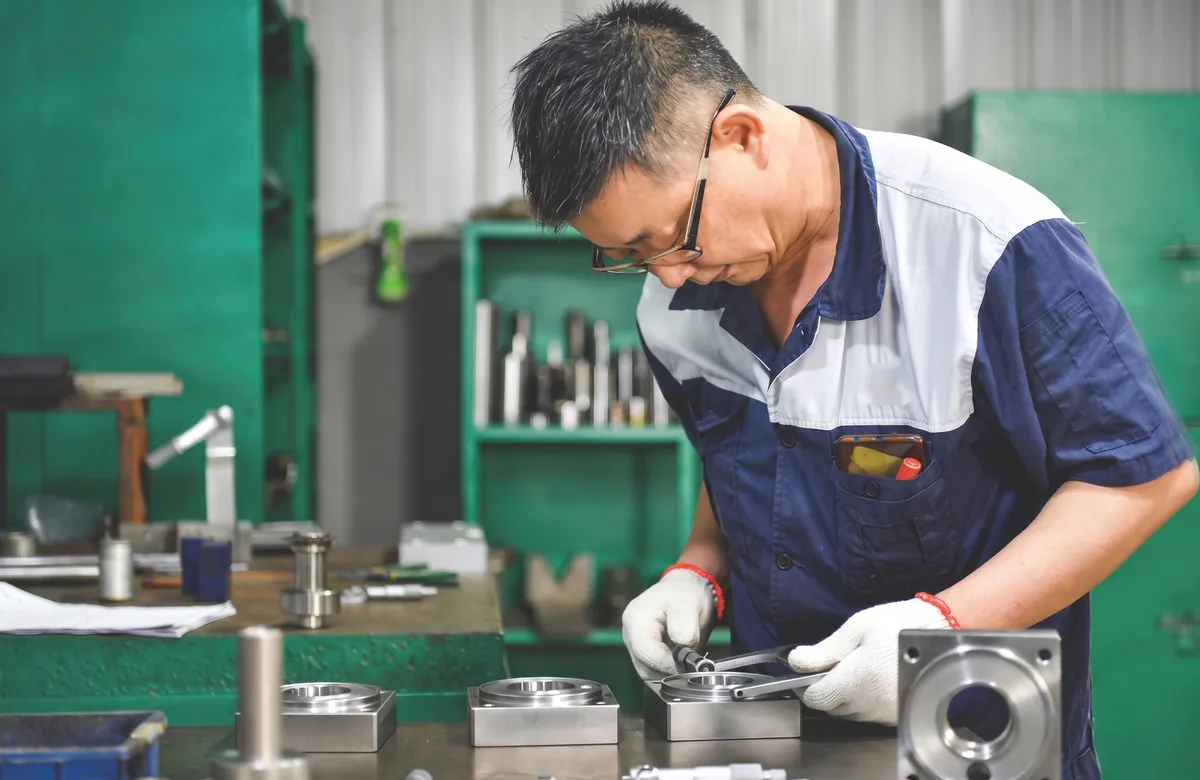
에버파워는 사출 블로우 성형기 및 사출 블로우 성형 금형 설계 분야에서 깊이 있는 전문 지식을 갖춘 숙련된 엔지니어 및 기술 인력을 하나의 조직에 통합했습니다. 이러한 통합된 역량과 사내에 보유한 기계 및 금형 전문 지식을 통해 고객은 완벽한 생산 솔루션, 기계, 금형 툴링, 공정 매개변수 및 응용 지원을 단일 책임 공급업체로부터 제공받을 수 있습니다. 또한, 고객이 각기 다른 공급업체의 제품을 통합해야 하는 번거로움 없이, 에버파워 엔지니어들이 특정 병 용도에 맞춰 기계와 금형 설계를 함께 최적화할 수 있습니다.
당사의 서비스 모델은 고객 생애주기 전반을 중심으로 구축되었습니다. 판매 전 기술 상담을 통해 고객의 병 디자인 및 생산량 요구 사항에 맞는 기계 및 금형 사양을 선정하고, 설치 및 시운전 지원을 통해 단순히 기계를 가동하고 떠나는 것이 아니라 실질적인 공정 지식을 고객 운영팀에 전달하며, 판매 후 신속한 기술 지원을 통해 기계의 전체 서비스 수명 기간 동안 생산 라인이 효율적으로 운영될 수 있도록 지원합니다.
Ever-Power adheres to the enterprise development tenet of self-reliance, integrity, pragmatism, innovation, and responsibility. We build one-stop turnkey project capability to produce high-end injection-blowing products that satisfy our customers on quality, on delivery, and on the total cost of ownership over the life of the equipment. When you invest in an Ever-Power fully automatic blow molding machine, you are investing in a supplier relationship designed to support your packaging production operation for the decade ahead, not just the delivery date.
 |
 |
 |
 |
 |
 |
자주 묻는 질문
Q: What is the difference between a two-step blow molding machine and a one-step injection blow molding machine?
A: A two-step, or two-stage, machine separates preform injection molding from the blowing process into two independent machines. The EPA.AS-2C114.3 is a two-step blow molding machine that receives pre-made preforms and reheats and blows them into finished bottles. A one-step injection blow molding machine completes the entire process from raw resin to finished bottle in a single integrated machine. Two-step machines are better suited to high-volume production and offer greater scheduling flexibility, while one-step machines suit lower-volume specialty and pharmaceutical applications where preform-to-bottle traceability is critical.
Q: What materials can the EPA.AS-2C114.3 fully automatic blow molding machine process?
A: The machine is designed primarily for PET and PETG preforms, which cover the vast majority of cosmetic and daily chemical bottle applications. With appropriate preform tooling and process parameter adjustment, it can also process PP, PC, and PE preforms. PET is the most common choice for its combination of optical clarity, barrier performance, and recyclability. PETG is favored for premium cosmetic packaging requiring glass-like aesthetics. Contact the Ever-Power technical team for specific guidance on processing parameters for non-standard materials.
Q: What is the actual production output of the EPA.AS-2C114.3 cosmetic blow molding machine?
A: The theoretical output is 2,000 bottles per hour with the 2-cavity configuration. Actual production output in practice typically ranges between 80% and 95% of theoretical rated capacity depending on bottle complexity, preform conditioning quality, and operator experience. For production planning purposes, we recommend using 1,700 to 1,800 bph as your baseline capacity figure for standard PET cosmetic bottles while your team develops familiarity with the machine. Complex special-shaped bottles may run at slightly lower effective rates due to extended blowing and cooling dwell times.
Q: Can the EPA.AS-2C114.3 produce special-shaped cosmetic bottles with complex geometries?
A: Yes, this is one of the key design strengths of the EPA.AS-2C114.3 platform. The machine is specifically noted for its capability in blowing special-shaped bottles with high difficulty and high dimensional requirements. The 400 mm stretching stroke, 35 kg/cm2 blowing pressure, and precise PLC parameter control provide the process capability needed to achieve complete cavity fill and consistent wall thickness distribution in bottles with asymmetric profiles, embossed surfaces, narrow waists, and complex multi-facet body geometries. We recommend providing your target bottle design for pre-assessment before committing to mold tooling investment.
Q: What preform specifications are compatible with the EPA.AS-2C114.3 blow molding machine?
A: The machine accommodates preforms with neck diameters up to 88 mm and is designed for 2-cavity operation with a 48-position preform holder. Compatible preform length and body diameter ranges are determined by the specific blow mold design and stretch rod stroke, which can be configured at time of mold manufacture to match your target bottle dimensions. The machine is not proprietary to a specific preform brand or source, allowing buyers to source preforms competitively from any compatible injection molding supplier, providing an important supply chain flexibility advantage.
Q: How long does mold changeover take on the EPA.AS-2C114.3 two-stage blow molding machine?
A: With a trained operator and pre-prepared mold tooling, a complete blow mold changeover on the EPA.AS-2C114.3 typically takes between 60 and 120 minutes, including mold removal, installation, cooling water reconnection, and process parameter loading from the PLC recipe library. If the changeover also involves switching preform specifications, additional time is required for adjusting the preform holder setup and heating profile. Regular changeover practice and a well-organized mold storage system are the most effective ways to minimize changeover time and maximize machine productive utilization on multi-SKU production lines.
Q: What utilities and infrastructure does the EPA.AS-2C114.3 PET blow molding machine require?
A: The machine requires a three-phase electrical supply supporting up to 45 kW peak heating power, with normal running load of approximately 20 kW. A clean, dry compressed air supply at 7 kg/cm2 providing at least 600 ltr/min low-pressure flow and high-pressure air at 35 kg/cm2 at 1,600 ltr/min is required. Cooling water at 6 kg/cm2 operating pressure, 8 to 12 degrees Celsius temperature, and 30 ltr/min flow rate must be available at the machine connection points. The machine footprint is 2,660 x 1,660 mm with a height of 2,150 mm, and at 2,600 kg it requires a concrete floor with adequate load rating.
Q: Is the EPA.AS-2C114.3 daily chemical blow molding machine suitable for food contact packaging?
A: When operated with food-grade PET preforms from a certified supplier and in compliance with food safety hygiene operating practices, the EPA.AS-2C114.3 can produce bottles suitable for food contact applications including juice, condiments, cooking oil, and nutritional supplements. Food-grade certification of the finished bottle depends on the food safety compliance of the raw material (PET resin), not solely the machine. We recommend working with your preform supplier and local regulatory authority to ensure that your complete production chain meets applicable food contact material regulations in your target market.
Q: How do I request a quotation or sample trial arrangement for the EPA.AS-2C114.3 blow molding machine?
A: Contact the Ever-Power sales engineering team via the inquiry form on this page or through direct email with your technical requirements including target bottle volume, material, neck diameter, estimated annual production volume, and target delivery location. For buyers who wish to verify machine capability before ordering, Ever-Power can arrange sample blowing trials at the factory using customer-supplied preforms and a standard or custom blow mold matching your target bottle design. We strongly recommend a sample trial for any complex special-shaped cosmetic bottle application before committing to the full machine and tooling investment.
고객 리뷰
Park Ji-yeon, Cosmetic Packaging, South Korea
"We have been running the EPA.AS-2C114.3 for about eight months at our cosmetic packaging facility and I have to say the machine has performed beyond what I expected. We run PETG shampoo and body wash bottles on it. The bottle wall consistency is genuinely impressive. Our rejection rate on dimensional checks is well under 1% which is better than the old machine we replaced. The servo system is noticeably quieter too. Good machine for this kind of work."
Carlos Mendoza, Production Director, Mexico
"Ordered two machines in February and they arrived in Mexico in good condition. The installation team from Ever-Power was professional and the training was thorough. We produce PET bottles for household cleaning products and the 2,000 bph output is meeting our production targets. Energy consumption is lower than our previous hydraulic machine which is a real operating cost benefit. Very satisfied with the purchase overall and we are already planning a third unit."
Amira Hassan, Operations Manager, Egypt
"We needed a machine that could handle special-shaped cosmetic bottles with complex curved profiles and we were a bit skeptical about whether a Chinese manufacturer could deliver that capability. We did a sample trial before ordering and the bottle quality convinced us. Running the EPA.AS-2C114.3 for six months now on a premium skincare brand contract and the visual quality is consistent enough to satisfy the brand owner quality audits. Delivery from order to factory floor was 14 weeks which was acceptable."
Nguyen Thi Lan, Factory Manager, Vietnam
"After sales support has been good. We had a parameter question about three months after commissioning and the technical team responded by video call within 24 hours and walked us through the adjustment. That kind of support matters a lot when you are running a production line and cannot afford extended downtime to wait for someone to fly out. The PLC interface is logical and our operators picked it up quickly. We run it on two shifts producing daily chemical packaging."
Rajesh Kumar, Procurement Head, India
"We compared three suppliers before selecting Ever-Power. Price was competitive but what actually convinced us was the detailed technical documentation they provided before we even placed an order. The technical parameters matched our bottle design requirements and the mold team helped us design the blow mold to match our existing preform tooling. Machine has been running for four months on 1,000 ml PET bottles for a food condiment client and we have zero complaints about quality."
Fatima Al-Rashid, Plant Supervisor, Saudi Arabia
"We are a mid-sized contract packaging company and we run the EPA.AS-2C114.3 for cosmetic bottle customers. What I like is the recipe storage system in the PLC. We switch between different bottle designs for different customers and the stored parameters mean changeover takes maybe 90 minutes including mold swap instead of the half-day we used to spend re-establishing process parameters from scratch on our old machine. That changeover efficiency improvement alone has increased our billable capacity significantly over a year."
Marcelo Santos, Technical Director, Brazil
"Shipping to Brazil took longer than we hoped but the machine arrived undamaged and the documentation for customs clearance was complete and professional. We had the machine running within a week of arrival with support from the Ever-Power team on video call. We produce PET packaging for personal care products and the bottle quality is good. Neck finish accuracy is very consistent which is important for our capping line. Would recommend to other Brazilian packaging companies looking at this capacity range."
엠레 일마즈 박사, 품질 관리자, 터키
"저희가 구매한 기계는 일반의약품 액상 의약품용 제약 등급 PET 용기를 생산하고 있습니다. 구매 전 철저한 실사를 진행했으며, 헝강 공장 방문을 통해 생산 표준에 대한 확신을 얻을 수 있었습니다. EPA AS-2C114.3 규격의 설비를 거의 1년 동안 가동해 왔는데, 병목 마감 직경의 Cpk 값은 내부 규격인 1.33을 훨씬 상회하는 수준을 유지하고 있습니다. 예비 부품 수급도 원활했으며, 필요한 부품 하나는 일주일 안에 배송되었습니다."
Chukwuemeka Obi, 나이지리아 상무이사
"저희는 나이지리아에서 매일 화학제품 포장재를 생산하는데, 품질 좋으면서도 가격이 합리적인 블로우 성형 장비를 구하는 것이 항상 어려웠습니다. EPA.AS-2C114.3은 저희에게 딱 맞는 제품이었습니다. 납품, 설치 지원, 그리고 기계 조작자 교육까지 모두 전문적으로 처리해 주셨습니다. 이 기계는 5개월 동안 500ml 가정용 세척제 용기를 생산하며 큰 문제 없이 가동되고 있습니다. 생산량은 교체한 기존 장비 대비 약 351톤 증가했습니다. 이번 투자에 매우 만족합니다."
추가 정보
| 편집자: | Yjx |
|---|