
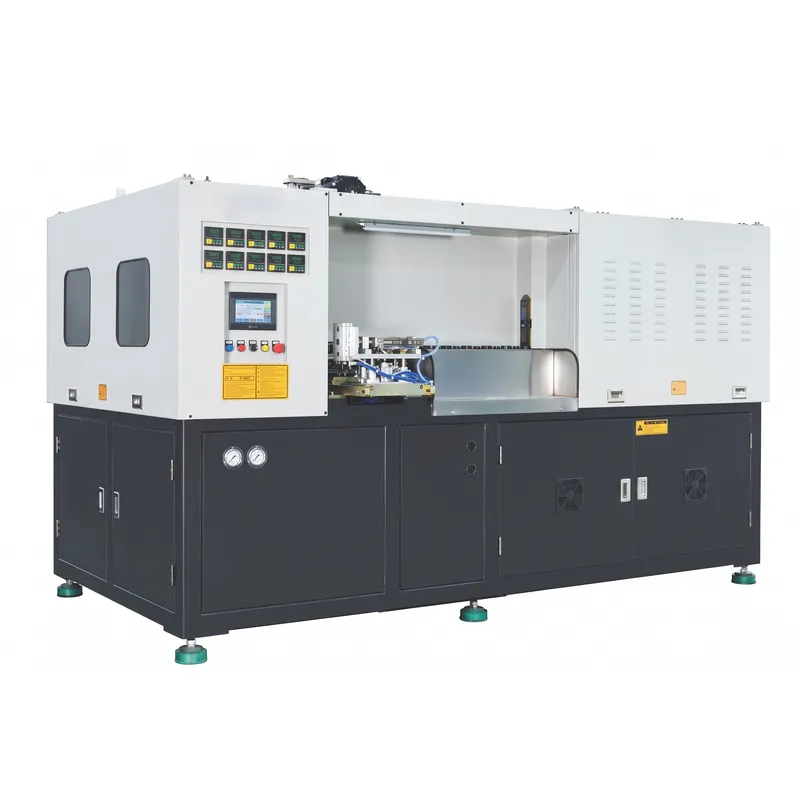
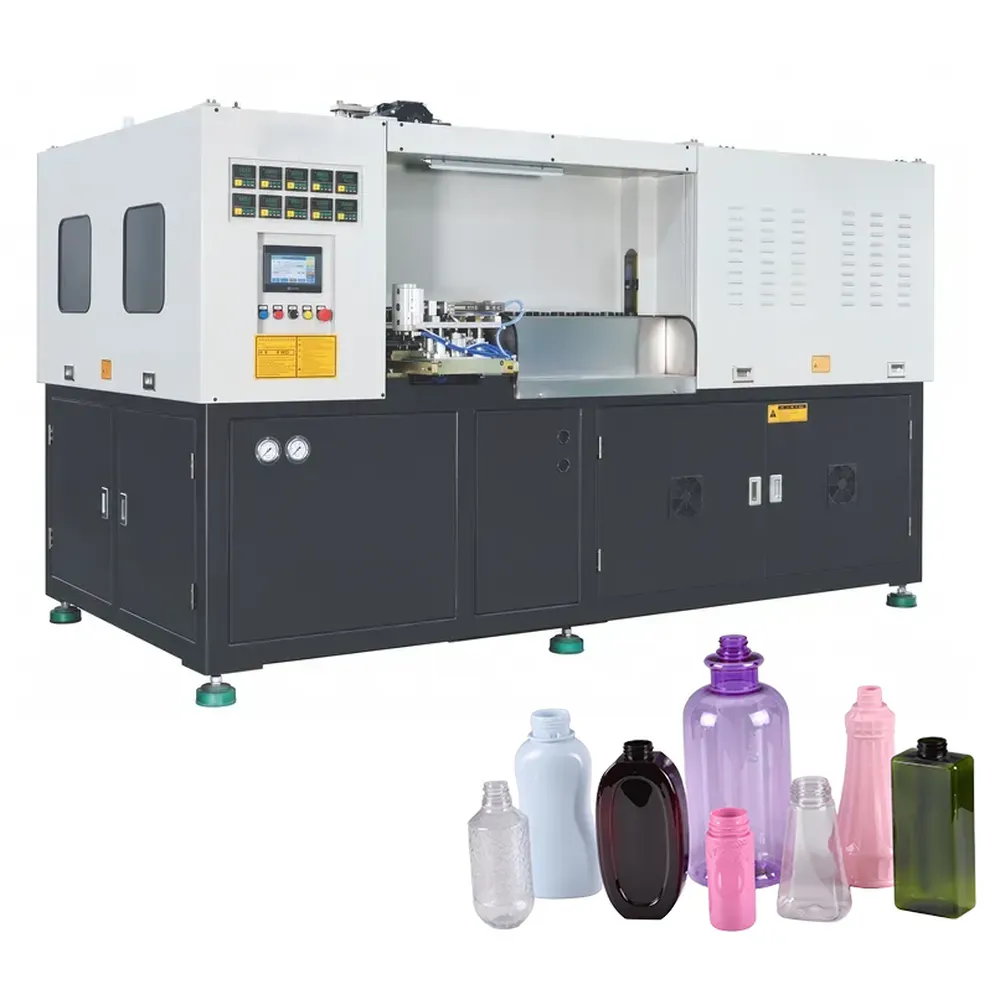
EPA.ES-3C76 Fully Automatic Blow Molding Machine for Daily Chemicals & Cosmetic Bottles
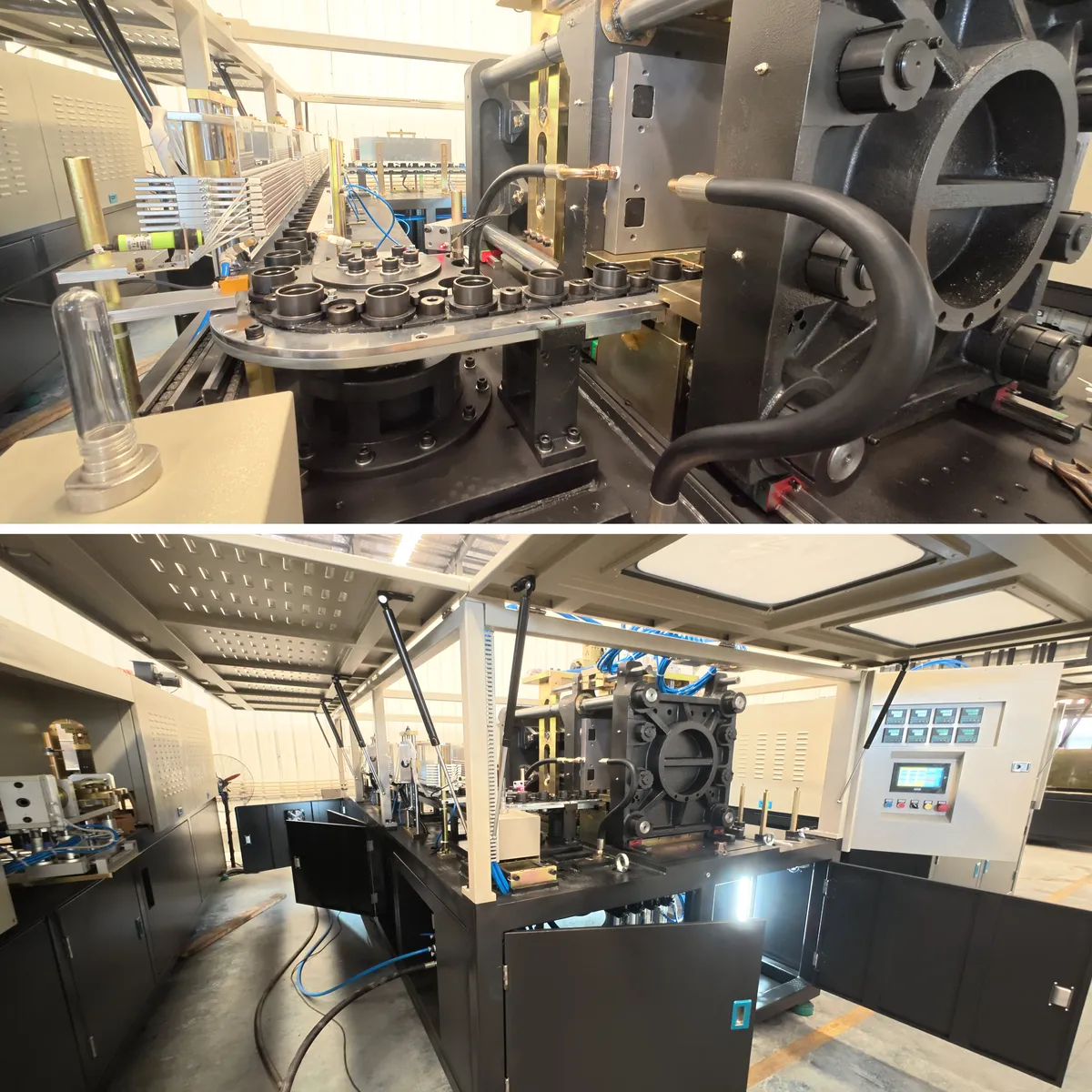
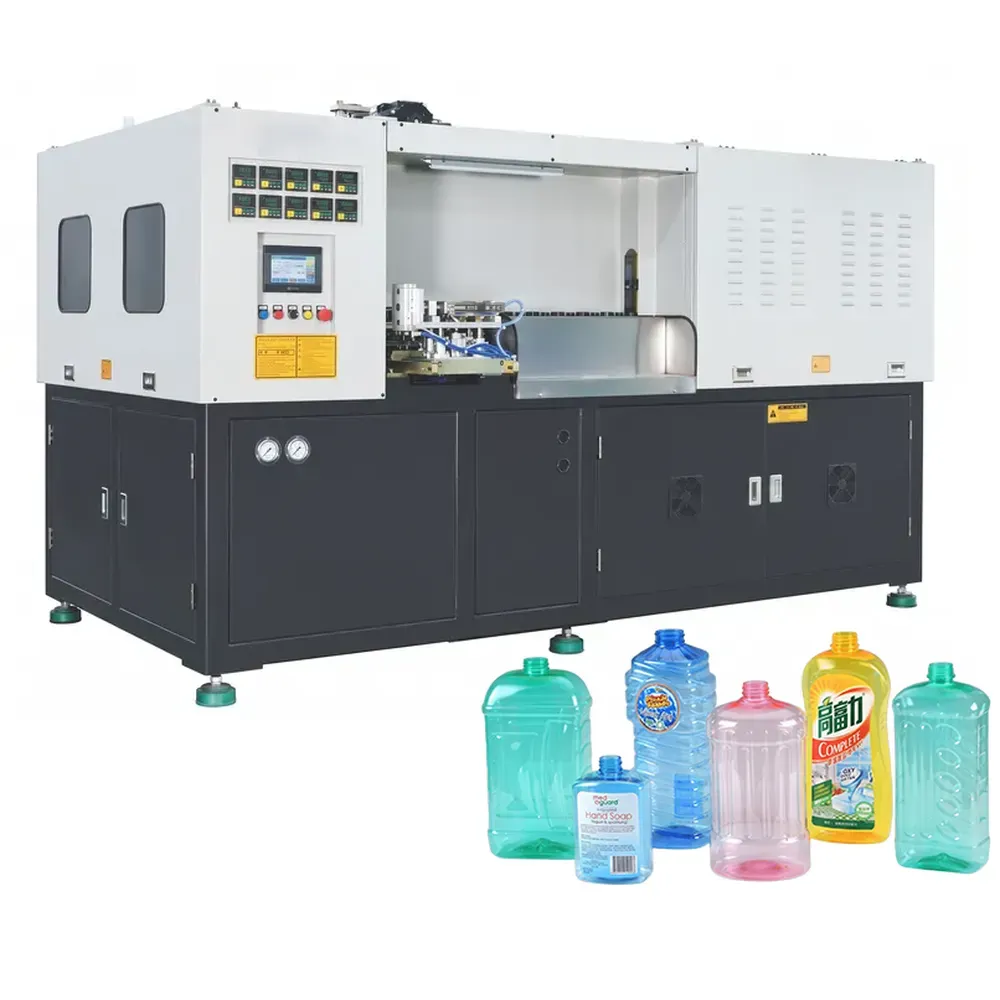
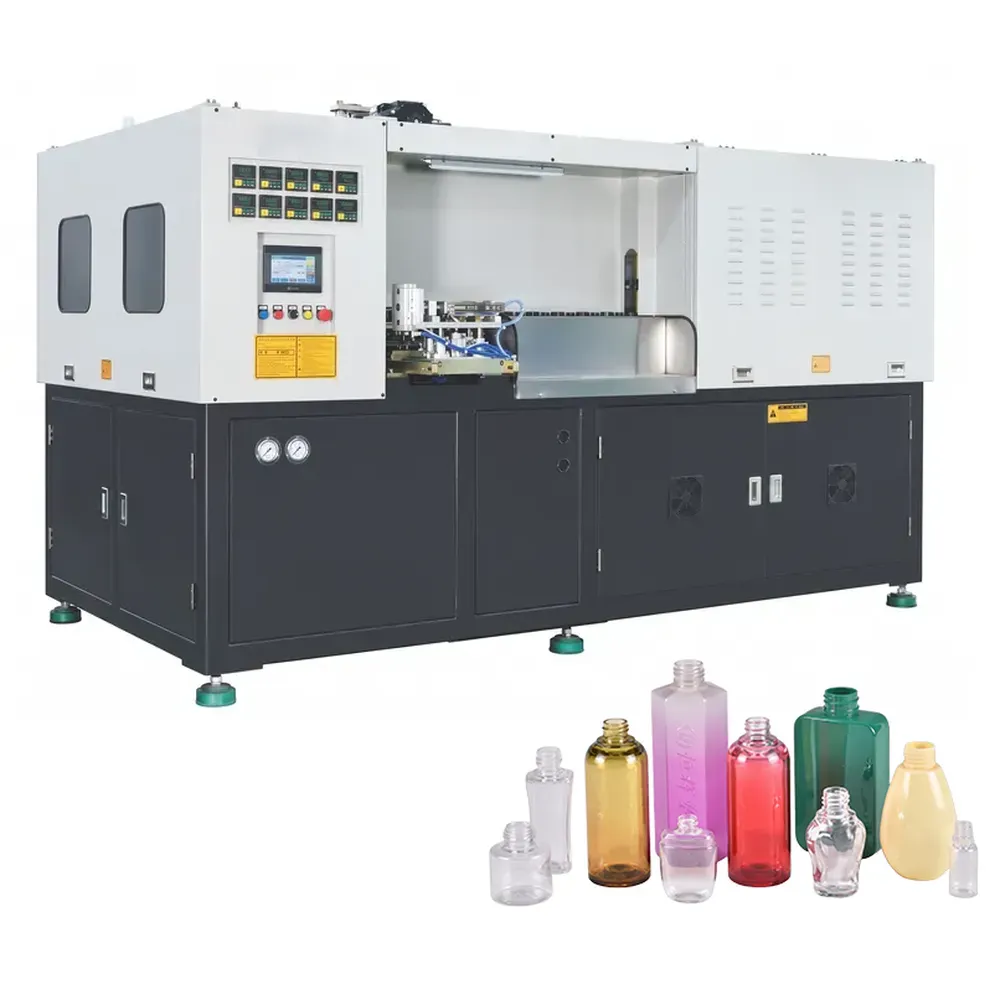
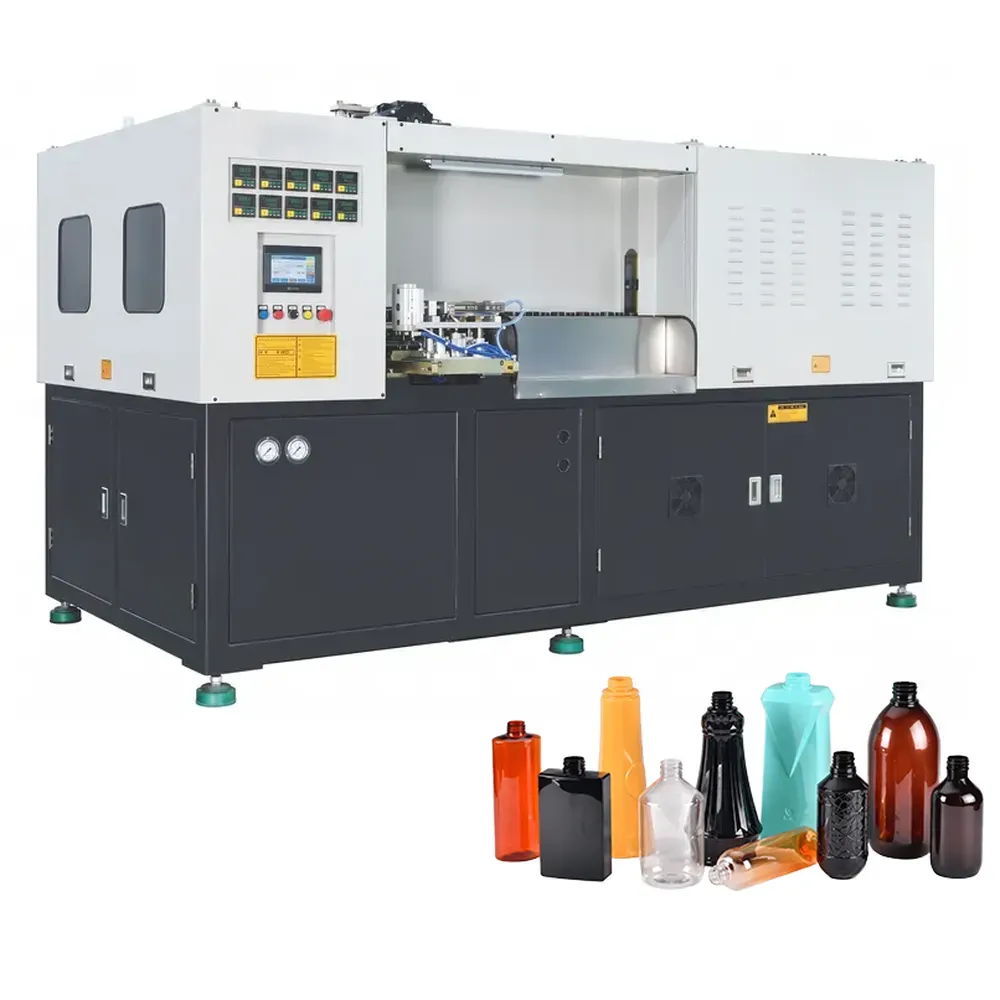
The EPA.ES-3C76 Fully Automatic Blow Molding Machine for Daily Chemicals & Cosmetic Bottles adopts internationally renowned servo motors, reducers, and electrical control systems to ensure stable, reliable, and energy-efficient operation. Designed specifically for PET/PETG materials, this plastic blow molding machine can produce a wide variety of cosmetic bottle shapes and neck finishes, with particular expertise in manufacturing complex and irregularly shaped bottles. With high molding precision and broad applicability, it efficiently handles container sizes from 30ml to 700ml, making it an ideal blow molding solution for daily chemical and cosmetic packaging production.
The EPA.ES-3C76 Fully Automatic Blow Molding Machine for Daily Chemicals & Cosmetic Bottles adopts internationally renowned servo motors, reducers, and electrical control systems to ensure stable, reliable, and energy-efficient operation. Designed specifically for PET/PETG materials, this plastic blow molding machine can produce a wide variety of cosmetic bottle shapes and neck finishes, with particular expertise in manufacturing complex and irregularly shaped bottles. With high molding precision and broad applicability, it efficiently handles container sizes from 30ml to 700ml, making it an ideal blow molding solution for daily chemical and cosmetic packaging production.
As one of the leading automatic blow molding machine manufacturers in the industry, Ever-Power has engineered the EPA.ES-3C76 to address the demanding requirements of modern cosmetic and personal care packaging lines. Whether you are producing lotion bottles, shampoo containers, toner bottles, or complex specialty shapes for premium skincare brands, this fully automatic blow molding machine delivers the consistent quality and high throughput your production line demands. Its compact footprint of 2,850 x 1,850 x 2,180mm makes it equally at home in newly established packaging facilities and established manufacturing plants looking to expand capacity while optimizing floor space.
Technical Parameter
| Model | Unit | EPA.ES-3C76 | |
|---|---|---|---|
| Molding | Clamping stroke | mm | 100 |
| Mold-open distance | mm | 300 | |
| Mold-close distance | mm | 200 | |
| Stretching stroke | mm | 240 | |
| Mold-open distance | mm | 60 | |
| Mold-close distance | mm | 76 | |
| Preform Holder | 72 | ||
| Cavities | 3 | ||
| Container | Max.Container Volume | ml | 700 |
| Neck Diameter Range | mm | 18-38 | |
| Max.Container Diameter | mm | 68 | |
| Max.Container Height | mm | 240 | |
| Theoretical Output | bph | 3000 | |
| Electrical System | Max.Heating Power | kw | 40 |
| Heating Power | kw | 18 | |
| Air System | Operating Pressure | kg/cm² | 7 |
| Low Pressure Air Consumption | ltr/min | 1500 | |
| Blowing Pressure | kg/cm² | 35 | |
| High-pressure air consumption | ltr/min | 2400 | |
| Cooling water | Operating Pressure | kg/cm² | 5-6 |
| Temperature | ℃ | 8-12 | |
| Flow rate | ltr/min | 30 | |
| Machine | Size (L*W*H) | mm | 2850*1850*2180 |
| Weight | kg | 3500 | |
Key Features of EPA.ES-3C76 Fully Automatic Blow Molding Machine
1. High-Quality and Reliable Core Components
Key components of the EPA.ES-3C76 automatic blow molding machine are sourced from internationally renowned brands, including servo motors, reducers, electrical and control elements, ensuring stable and durable operation from the source. The system responds with exceptional sensitivity and offers high control accuracy, effectively reducing the failure rate and extending equipment service life. Manufacturers can operate the machine with minimal unplanned downtime, maximizing overall production efficiency and return on investment across long continuous production runs.
2. Strong Adaptability and Diverse Bottle Styles
This cosmetic bottle blow molding machine handles container volumes from 30ml to 700ml with neck diameters from 18mm to 38mm. Bottle body diameter, height, and neck size are flexibly adjustable to meet diverse packaging demands. As an advanced PET blow molding machine, it excels in processing PET/PETG materials and is widely suitable for various cosmetic packaging including lotion bottles, toner bottles, and serum dispensers, covering both standard cylindrical bottles and complex irregular shapes that are characteristic of premium beauty brands in today's competitive market.
3. High Efficiency and Energy Savings
The electrical system features a max heating power of 40kW and an operational heating power of 18kW, combined with servo drive technology that significantly reduces energy consumption compared to conventional hydraulic systems. The air system achieves a maximum blowing pressure of 35 kg/cm² with a high-pressure air consumption of 2,400 ltr/min, reaching a theoretical output of up to 3,000 bottles per hour. This high-speed blow molding machine greatly increases output while controlling energy waste, demonstrating the efficiency and energy-saving characteristics of a modern industrial blow molding machine platform.
4. High Stability and Easy Maintenance
The EPA.ES-3C76 features a scientific structural design with the cooling water system maintaining temperatures between 8°C and 12°C at a flow rate of 30 ltr/min, ensuring consistent bottle molding quality across long production runs. Air pressure and electrical parameters are optimally configured, resulting in a low failure rate under continuous industrial operating conditions. Daily maintenance is straightforward, reducing the time and labor required for upkeep and translating directly to reduced total downtime and lower long-term operating costs for blow molding machine operators.
5. Compact Structure and Small Footprint
The EPA.ES-3C76 is engineered with a compact footprint of 2,850 x 1,850 x 2,180mm and a machine weight of 3,500kg, making facility layout and machine installation straightforward even in space-constrained production environments. This compact automatic blow molding machine design is especially valuable for cosmetic and daily chemical manufacturers who need to maximize per-square-meter productivity. The machine provides a stable working platform without requiring excessive civil engineering modifications to factory floors or structural reinforcement.
6. Fully Automatic: Maximized Efficiency with Minimal Labor
As a fully automatic blow molding machine, the EPA.ES-3C76 dramatically reduces manual labor requirements throughout the entire bottle production cycle. Automated preform feeding, heating, stretching, blowing, and bottle ejection processes are seamlessly integrated, enhancing overall operational efficiency and minimizing the risk of human error. This level of automation allows manufacturers to achieve consistent output quality across extended production shifts, while freeing operators to focus on quality control and line management rather than hands-on intervention at every stage of the blow molding machine process.
Working Principle of EPA.ES-3C76 PET Blow Molding Machine
1. Raw Material Preparation
PET, PETG, and other compatible resins undergo rigorous screening, blending, feeding, and melting processes before entering the blow molding machine production cycle. Strict quality control at this stage ensures consistent material grade, viscosity, and purity, which directly impacts the final bottle clarity, strength, and dimensional accuracy throughout the entire container range.
2. Injection Molding
During the injection molding stage, carefully selected and blended raw materials are heated, melted, and plasticized under controlled thermal conditions, then injected into precision molds at defined pressure and speed. Strict management of injection temperature, pressure, and cycle time is essential to produce consistent, defect-free preforms that will perform reliably in the subsequent blow molding stage of the process.
3. Preheating
After injection molding, the formed preforms pass through the heating oven of the automatic blow molding machine, where their temperature is raised uniformly, with particular attention to consistent heat distribution across the preform wall thickness. This critical step enhances the plasticity and flexibility of the preforms, preparing them for proper molecular orientation during stretch-blowing and ensuring superior mechanical strength and optical clarity in the finished cosmetic container.
4. Blow Molding
During the blow molding stage, the preheated preforms are placed into the blow mold cavities. The stretching rod elongates the preform axially while high-pressure air at up to 35 kg/cm² simultaneously expands the material radially into the mold's final bottle shape. Precise coordination of stretching speed, blow pressure timing, and cooling water temperature (8 to 12°C) defines the EPA.ES-3C76's performance as a precision-grade fully automatic blow molding machine for demanding cosmetic packaging applications.
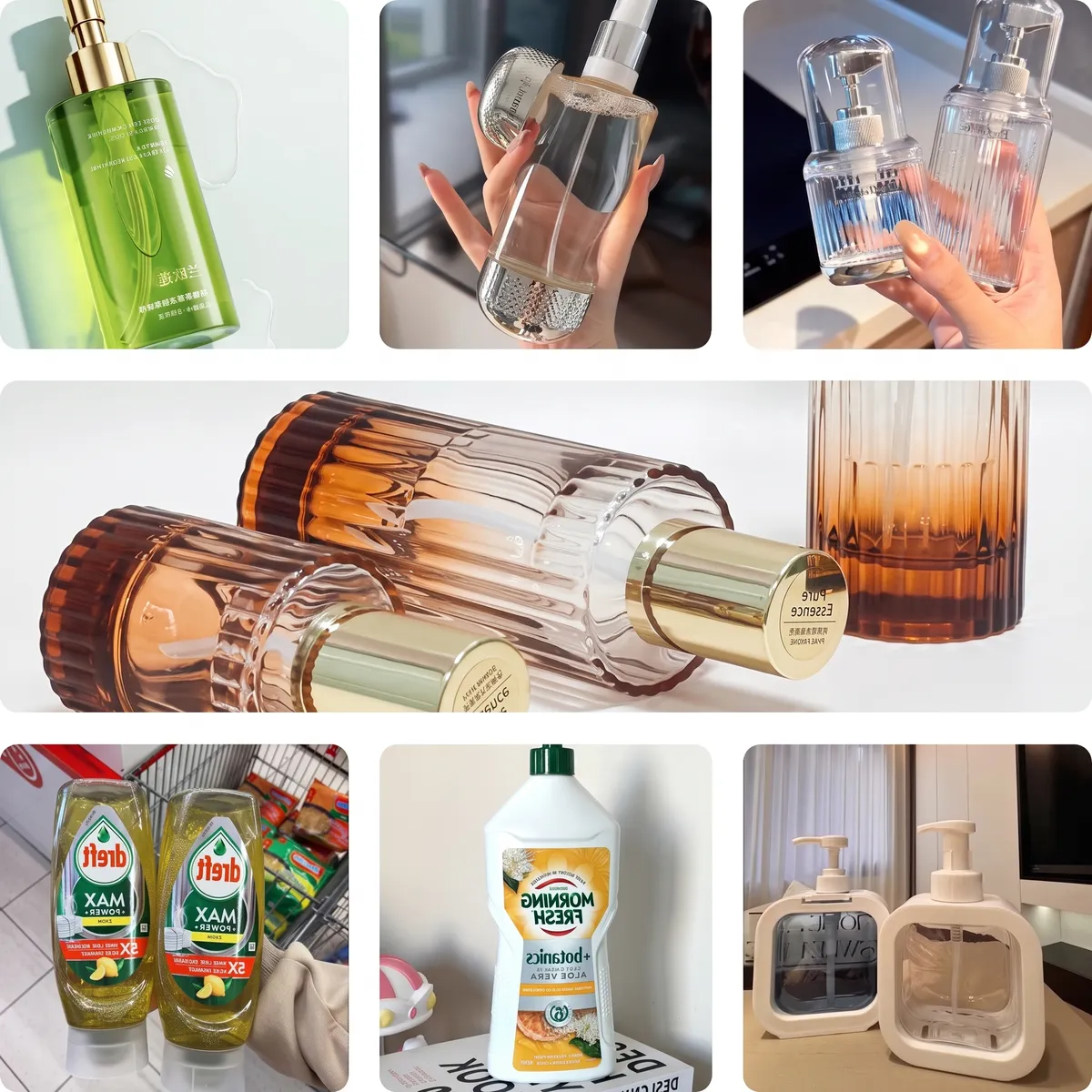
Applications of the EPA.ES-3C76 Cosmetic Bottle Blow Molding Machine
Our advanced automatic blow molding machines specialize in producing high-quality PET and PETG containers for the cosmetic and daily chemical industries, ensuring precision engineering, excellent transparency, and superior leak-proof performance.
Shampoo and Conditioner Bottles
The EPA.ES-3C76 PET bottle blow molding machine is widely used to produce shampoo, conditioner, and hair care bottles of various sizes. Its adjustable neck diameter range (18 to 38mm) and container height up to 240mm accommodate the diverse form factors required by personal care brands, from compact travel sizes through to large salon-format dispensers used in professional settings.
Shower Gel and Body Wash Containers
This daily chemical blow molding machine handles shower gel and body wash containers with smooth walls and excellent surface clarity critical for premium packaging aesthetics. The machine's consistent wall thickness control ensures reliable pump performance and an outstanding unboxing experience for end consumers purchasing daily chemical and personal care products at retail.
Skincare Jars and Toner Bottles
Precision blow molding of PET/PETG skincare jars, toner bottles, and essence containers is a core strength of the EPA.ES-3C76. The machine achieves exceptional dimensional consistency and optical clarity required by high-end skincare brands. Its ability to handle complex neck finishes and decorative bottle profiles makes it the preferred bottle blow molding machine for premium cosmetic manufacturers targeting the prestige beauty segment.
Serum Dispensers and Lotion Pumps
Serum bottles and lotion dispenser bodies require tight dimensional tolerances at the neck and shoulder to ensure proper fitment with pump mechanisms. This automatic PET blow molding machine delivers the neck diameter accuracy (18 to 38mm range) and wall uniformity needed for reliable pump sealing, making it an ideal custom blow molding machine solution for high-value cosmetic serum packaging produced at industrial scale.
Perfume Bottles and Fragrance Packaging
The EPA.ES-3C76 is particularly adept at producing complex and irregularly shaped bottles required for fragrance packaging. Its precise stretching stroke of 240mm and flexible mold configuration support the unique curves, faceted profiles, and custom silhouettes that distinguish premium perfume bottles in the competitive luxury cosmetics market, where packaging design is itself a core brand asset.
Liquid Hand Soap and Sanitizer Bottles
Daily chemical liquid soap and hand sanitizer manufacturers rely on this fully automatic blow molding machine for consistent production of bottles with excellent chemical resistance. The EPA.ES-3C76's PET/PETG compatibility ensures bottles maintain structural integrity when filled with alcohol-based or surfactant-based formulations, meeting both retail and institutional packaging requirements across global markets.
EPA.ES-3C76 Plastic Blow Molding Machine Parts
Feeding System
The feeding system is the starting point of the blow molding machine process, comprising the hopper, preform conveyor, orientator, and gravity rails. Raw PET or PETG preforms are loaded into the hopper and automatically sorted and conveyed into the machine's heating zone in a precisely controlled orientation, maintaining consistent cycle times and preventing production interruptions at rated output.
Preform Tilter
The preform tilter automatically supplies PET preforms to the hopper in the correct upright orientation, preventing misfeeds and jams that could disrupt production continuity. With 72 preform holder positions, the tilter ensures a continuous and organized supply of preforms to the heating section, supporting the EPA.ES-3C76's rated output of 3,000 BPH across sustained production runs without operator intervention.
Heating Section (Oven)
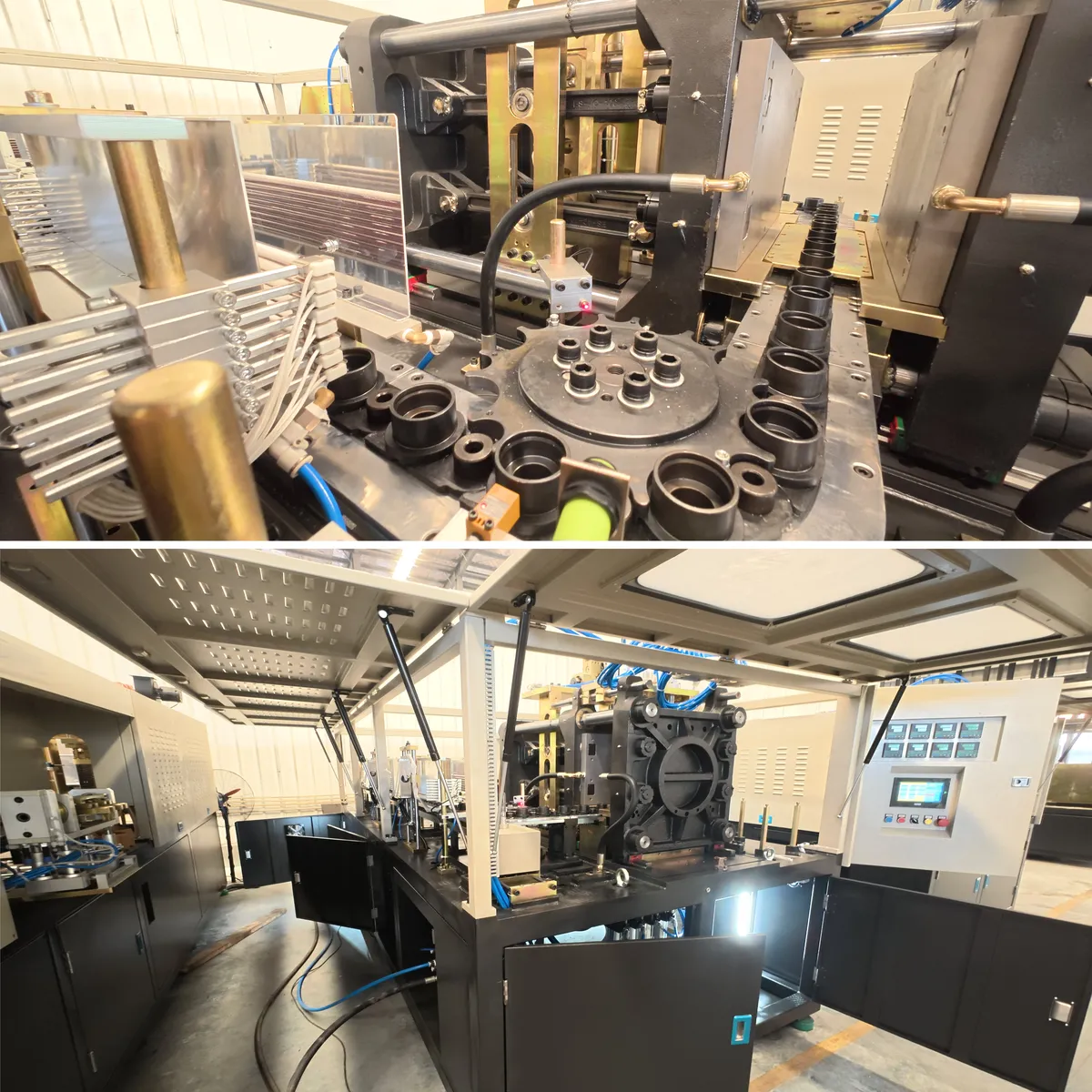
The heating section uses precisely controlled infrared lamps to uniformly raise preform temperature prior to stretch-blowing. The EPA.ES-3C76 features a max heating power of 40kW and a working heating power of 18kW, enabling precise thermal management to achieve optimal wall thickness distribution and molecular orientation in the finished cosmetic bottle for each production run.
Compressor Station
The compressor station delivers controlled air pressure to give the bottle its final rigid form inside the mold. The EPA.ES-3C76 operates with a low-pressure system at 7 kg/cm² and a high-pressure blowing system at 35 kg/cm² with a consumption of 2,400 ltr/min. This dual-pressure architecture ensures efficient preform pre-blowing and precise final bottle shaping, which is essential for complex cosmetic bottle profiles with demanding dimensional specifications.
Water Cooling System
The water cooling system dissipates heat generated during the blow molding machine process, maintaining mold temperatures between 8°C and 12°C with a flow rate of 30 ltr/min at 5 to 6 kg/cm² operating pressure. Precise temperature management enables the EPA.ES-3C76 to maintain consistent bottle wall integrity and prevent warping or dimensional variation between cavities, guaranteeing production-run quality consistency for cosmetic packaging clients.
Blow Mold Clamping Unit
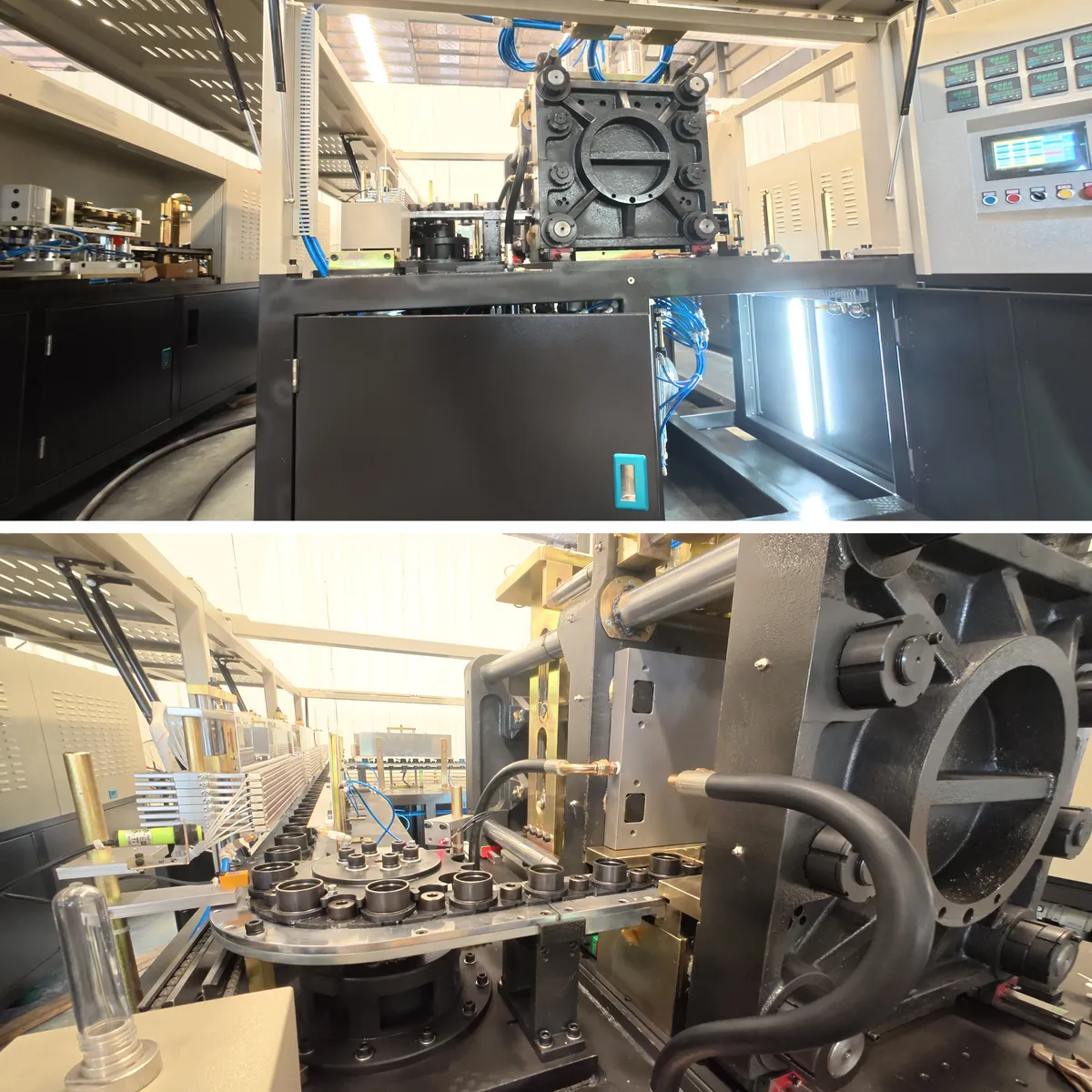
The 3-cavity mold clamping unit features a clamping stroke of 100mm, a mold-open distance of 300mm, and a stretching stroke of 240mm, designed for rapid and precise mold actuation at high production speeds. The rigid construction of the clamping unit minimizes mold flex, ensuring dimensional consistency across all three cavities throughout continuous production cycles on this PET bottle blow molding machine.
Servo Drive and Electrical Control System
The servo drive and electrical control system is the intelligence center of the EPA.ES-3C76 fully automatic blow molding machine. Sourced from internationally renowned component brands, the PLC-based control system manages all machine functions with precision: preform transfer, heating zone temperature profiles, blow timing, pressure sequencing, and bottle ejection. Operators interact with an intuitive HMI touchscreen that simplifies parameter adjustment and recipe management across different bottle SKUs.
Bottle Exit Conveyor
Once bottles are ejected from the mold, the bottle exit conveyor gently transports finished containers to either a downstream filling line or an unscrambling and inspection system. The conveyor speed is synchronized with the machine's production cycle to prevent bottle jamming or tip-overs, ensuring smooth and uninterrupted flow from the blow molding machine to subsequent cosmetic packaging operations.
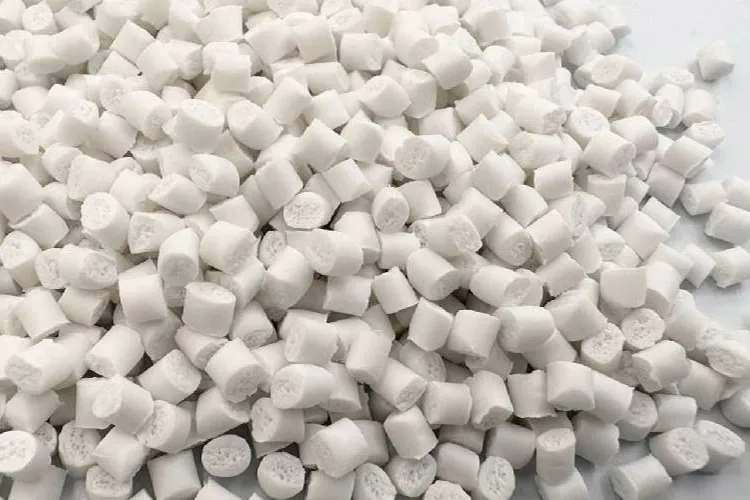
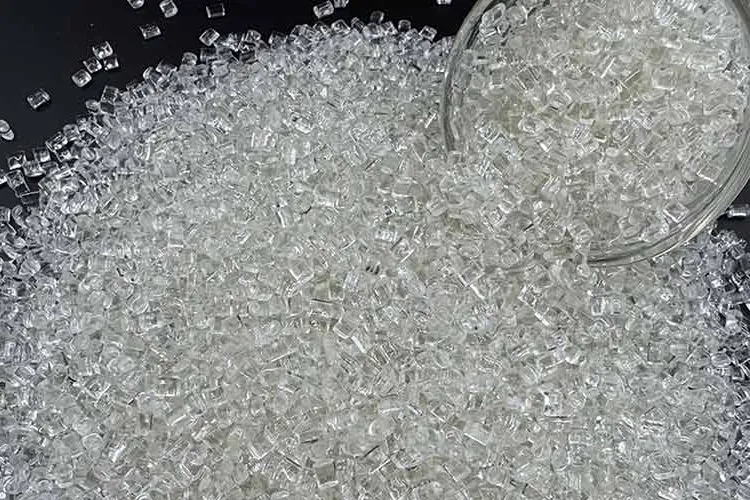
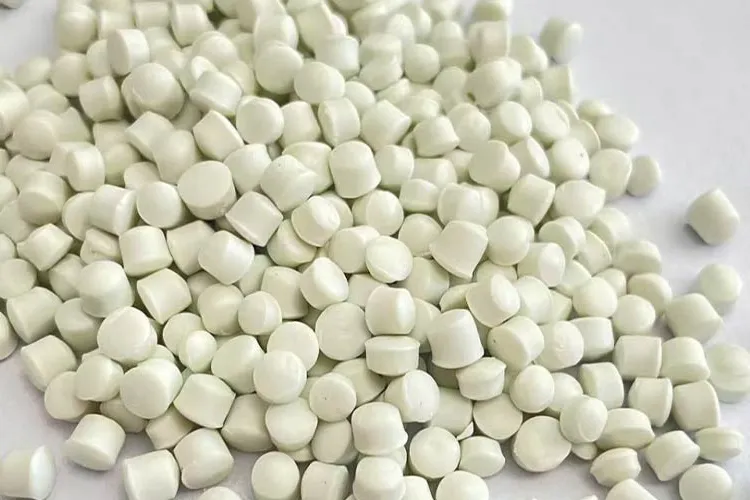
Raw Materials of EPA.ES-3C76 Daily Chemical Blow Molding Machine
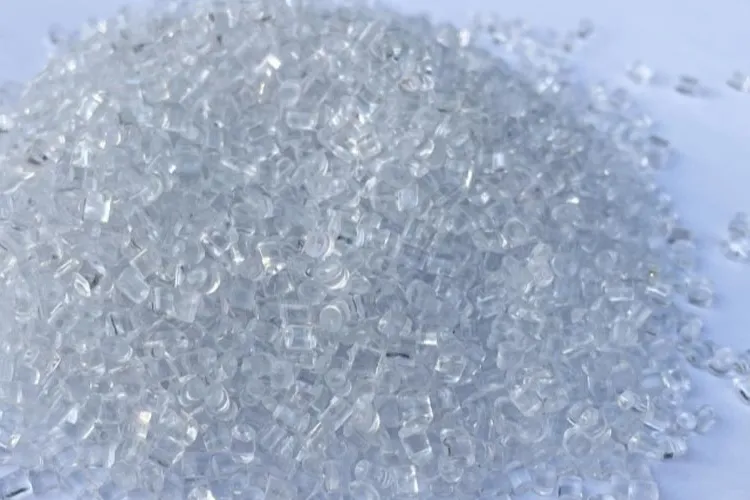
Polyethylene Terephthalate (PET)
PET is the primary material processed by the EPA.ES-3C76. This thermoplastic polymer is renowned for its outstanding clarity, strength, and chemical resistance, making it the preferred choice for cosmetic and personal care bottles that need to display their contents attractively while maintaining product integrity. PET bottles are also lightweight, contributing to cost-effective shipping and reduced carbon footprint.
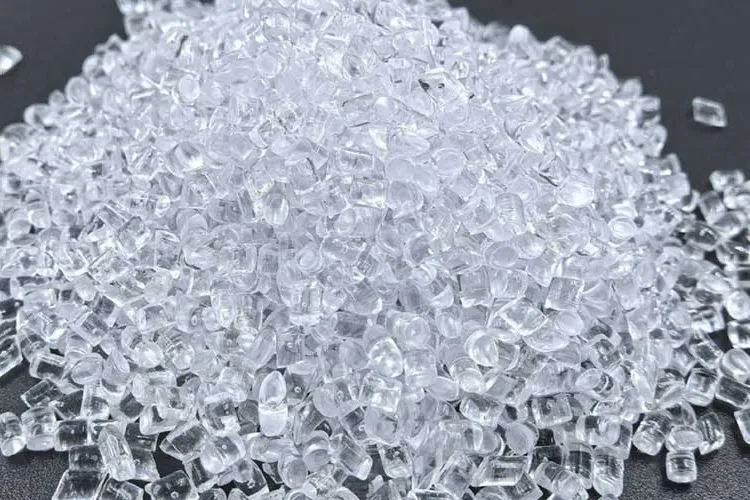
PETG (Glycol-Modified PET)
PETG offers the clarity of standard PET with improved impact resistance and easier processability at lower temperatures. It is particularly popular in the cosmetics industry for specialty packaging where complex shapes, vibrant color effects, or enhanced surface aesthetics are required. The EPA.ES-3C76 is purpose-optimized for both PET and PETG processing with no compromise on output quality.
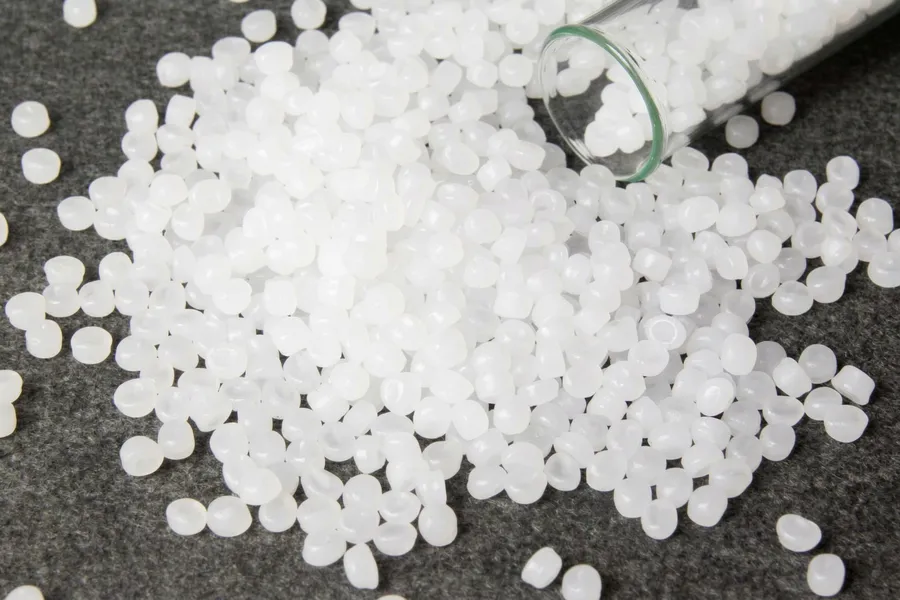
High-Density Polyethylene (HDPE)
HDPE is a popular material in blow molding applications, prized for its excellent chemical resistance, durability, and suitability for opaque bottles used in laundry detergents, household cleaners, and industrial packaging. Its resistance to temperature changes makes it suitable for a broad range of daily chemical products requiring reliable barrier protection throughout storage and retail distribution.
Polyethylene (PE)
Both LDPE and HDPE variants of polyethylene find applications in flexible and rigid container production. LDPE is used for squeezable bottles where flexibility is needed, while HDPE provides rigidity for larger containers. PE's excellent moisture barrier properties and broad chemical compatibility make it a staple material for daily chemical blow molding machine operations serving the household products sector.
Polypropylene (PP)
Polypropylene is valued in cosmetic packaging for its excellent heat resistance, living hinge properties, and compatibility with a wide range of formulations. PP bottles and containers offer a premium feel with good clarity when clarified grades are used. It is widely used for cosmetic jars, travel-size packaging, and specialty containers requiring autoclave sterilization compatibility in healthcare and premium beauty applications.
Polycarbonate (PC)
Polycarbonate is selected for applications requiring exceptional impact resistance and high clarity, such as reusable cosmetic dispensers, luxury packaging with a glass-like appearance, and specialty bottles for premium skincare or pharmaceutical products. PC offers excellent dimensional stability and can be processed into complex geometric shapes that would be challenging for other standard thermoplastic materials.
Polystyrene (PS)
Polystyrene, particularly in its High-Impact (HIPS) form, is used for cosmetic jars, caps, and bottles where rigidity and printability are priorities. PS is cost-effective and easy to process on blow molding equipment, making it a practical material choice for mid-range cosmetic packaging that requires good surface aesthetics and structural integrity at competitive production cost points.
PVC (Polyvinyl Chloride)
While less common today due to evolving sustainability standards, PVC remains in use for specific cleaning product containers and specialty packaging requiring particular chemical resistance properties. PVC offers excellent barrier performance and clarity for certain formulations. Many manufacturers are transitioning to PET or PETG alternatives to align with environmental commitments and regulatory trends in export markets.
 |
 |
 |
 |
 |
 |
EPA.ES-3C76 Plastic Bottle Blow Molding Machine Maintenance
1. Daily Cleaning of the Heating Section
At the end of each production shift, clean the infrared lamp reflectors and heating oven interior to remove dust, resin residue, and debris accumulation. Contamination in the heating zone can cause uneven preform temperature distribution, leading to inconsistent bottle wall thickness and increased reject rates on the blow molding machine line, directly impacting production yield.
2. Cooling Water System Inspection
Inspect the cooling water system weekly for correct flow rate (30 ltr/min), temperature stability (8 to 12°C), and operating pressure (5 to 6 kg/cm²). Check water quality and treat with appropriate biocides and scale inhibitors to prevent mineral buildup in cooling channels. A blocked or underperforming cooling circuit will directly impact bottle dimensional accuracy and mold cycle times on the EPA.ES-3C76.
3. Lubrication of Moving Parts
Follow the blow molding machine manufacturer's lubrication schedule for all moving components including the clamping unit guide rails, stretching rod mechanism, and preform transfer system. Use only the specified lubricant grades to avoid contaminating the production environment or degrading seal materials. Inadequate lubrication is a primary cause of premature wear and unplanned machine stoppages in continuous production environments.
4. Air System Filter Maintenance
The blow molding machine's air system operates at both 7 kg/cm² (low pressure) and 35 kg/cm² (high blowing pressure). Inspect and replace air filters, dryers, and separators on a scheduled basis to ensure clean, dry air reaches the blow mold. Moisture or contaminants in the high-pressure air supply can cause defects in bottle finish, haze, or internal surface contamination unacceptable for cosmetic packaging quality standards.
5. Mold Inspection and Cleaning
Inspect blow molds regularly for signs of wear, corrosion, or resin buildup in venting channels and parting line surfaces. Clean mold cavities with approved non-abrasive cleaning agents to maintain surface finish quality and ensure proper venting of air during bottle forming. Worn molds produce bottles with surface defects and dimensional drift that compromise the cosmetic packaging quality standards of the finished product.
6. Electrical and Control System Checkup
Schedule quarterly inspections of the servo motor drives, electrical cabinet connections, PLC modules, and HMI touchscreen for loose connections, overheating signs, or error logs. Back up machine parameter recipes regularly to avoid loss of production settings. A well-maintained electrical and control system is foundational to the long-term reliability and precision performance of any automatic blow molding machine installation.
Common Troubleshooting for the EPA.ES-3C76 Blow Molding Machine
Uneven Wall Thickness in Bottles
Cause: Uneven preform temperature distribution in the heating zone, incorrect stretching rod alignment, or inconsistent blow timing. Solution: Check infrared lamp output and reflector cleanliness, recalibrate heating zone temperature profiles per cavity position, and verify stretching rod center alignment. Adjust pre-blow pressure timing to ensure proper preform formation before the final high-pressure blow at 35 kg/cm².
Bottle Clouding or Haze
Cause: Moisture in PET/PETG preforms due to inadequate drying, or air supply contamination with water vapor. Solution: Verify that incoming preforms have been dried to the resin supplier's recommended moisture content (typically below 50 ppm for PET). Inspect and service the compressed air drying and filtration system. Check that cooling water temperature is within the 8 to 12°C operational range to prevent condensation inside the mold cavity.
Bottle Not Fully Forming to Mold Shape
Cause: Insufficient blowing pressure, inadequate preform heating, or blocked mold venting channels. Solution: Confirm high blowing pressure is at the specified 35 kg/cm² and that the compressor is delivering the required 2,400 ltr/min. Increase heating lamp output if the preform is under-temperature. Clean mold vent channels to ensure trapped air can escape freely during bottle expansion in the blow molding machine cycle.
Preform Feeding Jams or Misalignment
Cause: Mixed preform sizes in the hopper, orientator guide wear, or foreign objects in the feeding system. Solution: Ensure only the specified preform geometry is loaded into the hopper. Inspect and adjust the orientator guide clearances. Perform a thorough cleaning of the feeding system including the hopper, gravity rails, and preform conveyor to remove any debris that could cause misalignment or jamming in the 72-holder preform system.
Neck Deformation or Flash at Bottle Neck
Cause: Preform neck zone overheating, incorrect mold closing timing, or excessive blow pressure reaching the neck area before the stretching rod engages. Solution: Apply neck shielding in the heating zone to protect the preform neck from IR lamp exposure. Verify mold closing is correctly timed relative to the blow cycle. Adjust pre-blow pressure level to prevent early neck expansion before axial stretch is initiated by the 240mm stroke stretching rod.
Machine Output Below Rated Capacity
Cause: Extended cooling time, heating section bottlenecking, servo system performance degradation, or frequent preform feeding interruptions. Solution: Optimize the cooling water circuit to maintain the 8 to 12°C setpoint consistently. Review and fine-tune the heating profile to reach target preform temperature faster. Check servo drive diagnostics for error codes. Ensure the preform feeding system is clean and running smoothly to maintain the rated 3,000 BPH output of the EPA.ES-3C76.
Excessive Machine Vibration or Noise
Cause: Loose mechanical fasteners, worn bearings or guide rails, imbalanced preform transfer components, or air system pressure fluctuations. Solution: Conduct a comprehensive mechanical inspection, tightening all fasteners and inspecting bearings and rail surfaces for wear. Verify that the machine base is correctly leveled and secured. Check air pressure stability and confirm all pneumatic components are operating within their specified pressure ranges throughout the blow molding machine process cycle.
Injection Stretch Blow Molding vs Extrusion Blow Molding
Blow molding is an essential process in plastic manufacturing, widely used for producing bottles, containers, and industrial components. Among the different types of blow molding machine technology, Extrusion Blow Molding (EBM) and Injection Stretch Blow Molding (ISBM) stand out for their efficiency and application scope. Choosing the right method depends on product requirements, material usage, production volume, and cost considerations.
What is Extrusion Blow Molding?
Extrusion Blow Molding (EBM) is a process where plastic is melted and extruded into a hollow tube called a parison. This parison is then clamped into a mold, where compressed air inflates it to the desired container shape. Once cooled, the mold opens and the finished product is ejected, with any flash trimmed away.
Key Features of EBM:
- Ideal for hollow plastic objects such as bottles, industrial containers, and fuel tanks.
- Suitable for a wide range of materials including HDPE, LDPE, PP, and PVC.
- Capable of producing large and complex shapes with uniform wall thickness.
- High production speed with minimal tooling costs compared to ISBM.
Advantages of EBM:
- Lower initial mold cost compared to ISBM tooling requirements.
- Flexibility for producing bottles with integrated handles or irregular shapes.
- Well-suited for high-volume industrial and consumer packaging applications.
- Capable of processing a broader range of commodity thermoplastics.
What is Injection Stretch Blow Molding?
Injection Stretch Blow Molding (ISBM) is a two-stage or one-stage process where a preform is first injection-molded, then reheated and stretch-blown into the final container shape. The biaxial orientation achieved through stretching significantly enhances mechanical properties and optical clarity of the finished bottle.
Key Features of ISBM:
- Produces bottles with exceptional clarity and high strength-to-weight ratio.
- Ideal for PET and PETG materials used in cosmetic and pharmaceutical packaging.
- Excellent neck finish precision critical for pump and closure fitment.
- Minimal material waste with no secondary trimming of flash required.
Advantages of ISBM:
- Superior bottle clarity and gloss essential for premium cosmetic packaging.
- Tight dimensional tolerances on neck finishes for reliable closure performance.
- Higher barrier properties suitable for sensitive cosmetic formulations.
- Less material waste per bottle compared to the EBM process.
EBM vs ISBM: Side-by-Side Comparison
| Feature | Extrusion Blow Molding (EBM) | Injection Stretch Blow Molding (ISBM) |
|---|---|---|
| Process | Extrude parison, inflate in mold | Inject preform, stretch and blow |
| Primary Materials | HDPE, LDPE, PP, PVC | PET, PETG, PP |
| Bottle Clarity | Moderate clarity, high strength | High clarity, excellent strength |
| Wall Thickness | Uniform but less precise | More precise and consistent |
| Tooling Cost | Lower initial tooling investment | Higher tooling, better ROI at volume |
| Flash and Waste | Flash trimming required | No flash, minimal material waste |
| Neck Precision | Adequate for standard closures | High precision for pumps and valves |
| Best Applications | Industrial, automotive, packaging | cosmetics |
For cosmetic and daily chemical bottle production, the EPA.ES-3C76 fully automatic blow molding machine is purpose-built around the two-stage injection stretch blow molding process, delivering the optical clarity, dimensional precision, and material efficiency that premium cosmetic packaging demands. Ever-Power's team of blow molding machine suppliers and engineers can help you evaluate the right technology configuration for your specific production requirements.
Cosmetic Bottle Blow Molding Machine Mould Features
Preform Injection Mold
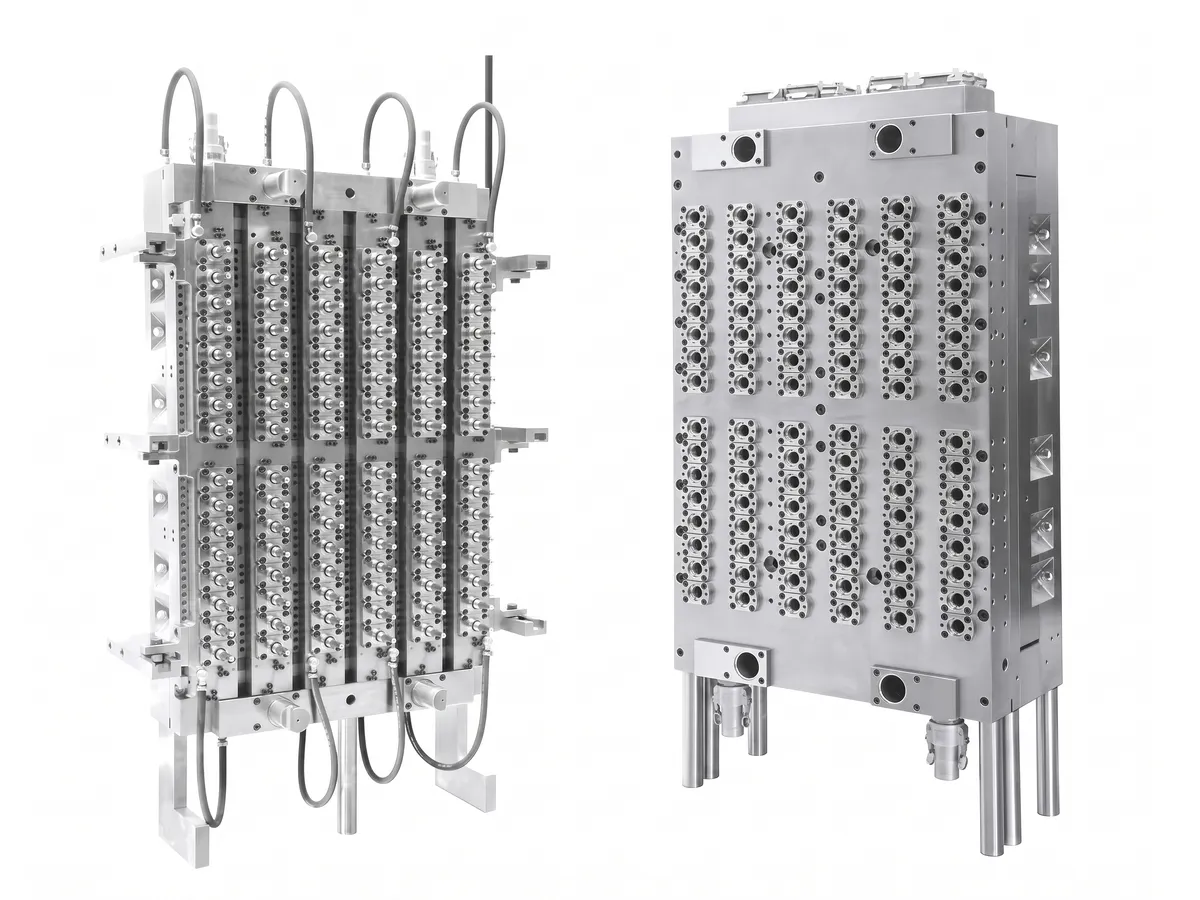
- The die lip design consists of two precision-machined parts, guaranteeing axial alignment between the preform body and neck finish, which is critical for dimensional accuracy in cosmetic bottle production and reliable closure fitment performance.
- An optimized cooling water channel layout ensures rapid and uniform heat extraction from the preform, reducing cycle time and guaranteeing a fast, consistent production rhythm on the blow molding machine line throughout extended production campaigns.
- Forming components are manufactured from imported die steel 2316, which offers excellent rust resistance and has undergone full hot treatment to deliver long service life under continuous production conditions in demanding cosmetic packaging environments.
- Core plates, cavity plates, and structural components are constructed from 420 stainless steel, providing outstanding corrosion resistance for long-term reliability and minimizing maintenance requirements in the production environment.
- Standard interchangeable die fittings simplify maintenance and reduce spare parts inventory requirements, minimizing downtime when component replacement is needed on the blow molding machine line.
- Advanced mold design allows a single mold to produce more than one type of preform, offering manufacturers greater flexibility and capital efficiency across different bottle SKUs within their cosmetic product portfolio.
Blowing Mold
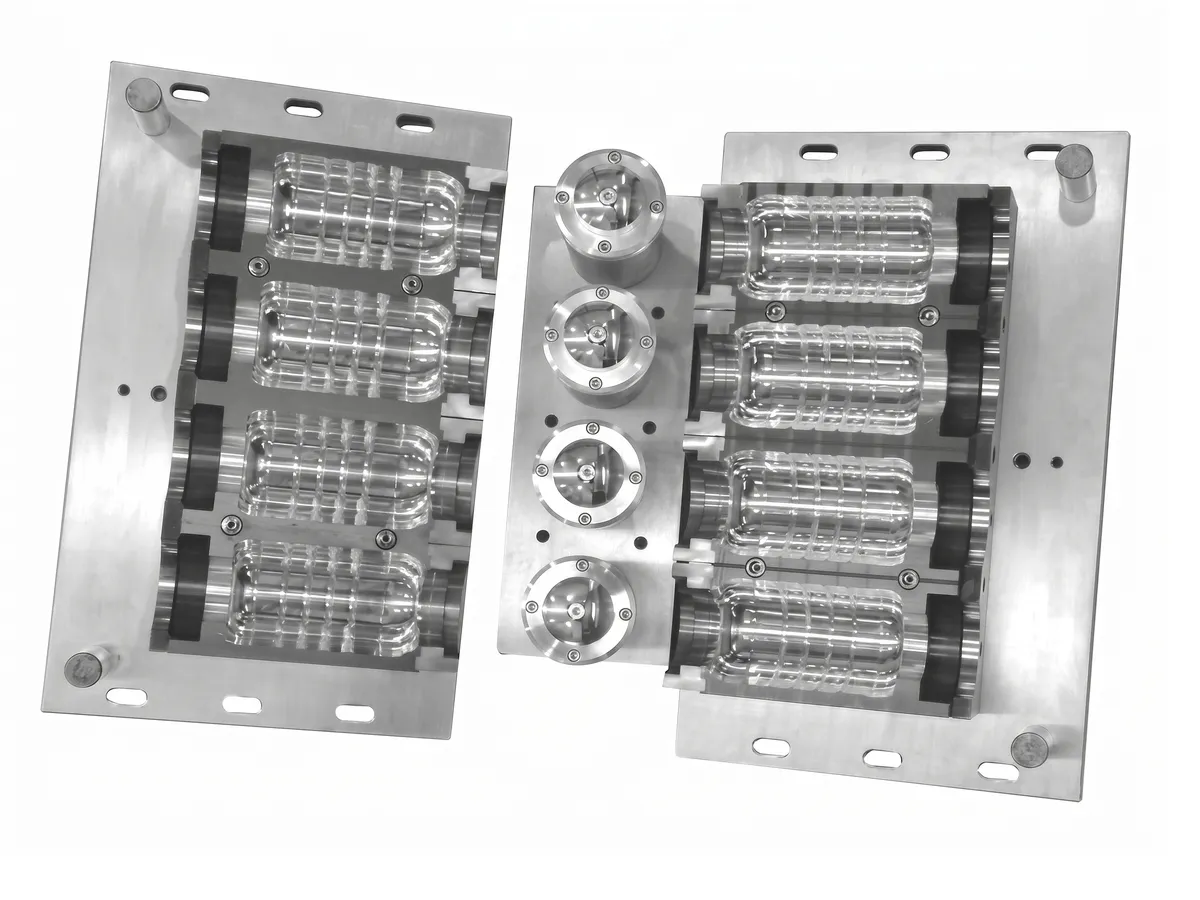
- Blow mold raw materials are sourced exclusively from high-quality steel suppliers, ensuring the dimensional stability and surface finish durability required for long production runs on the EPA.ES-3C76 plastic blow molding machine operating at high throughput.
- Every cosmetic bottle shape is designed using advanced 3D CAD/CAM software, enabling precise cavity geometry that faithfully reproduces complex contours, branding surfaces, and decorative features required by cosmetic clients with unique packaging identities.
- Ever-Power offers versatile custom bottle design services, allowing clients to specify unique profiles, embossed logos, textured surfaces, or proprietary silhouettes to differentiate their cosmetic packaging in a highly competitive beauty market.
- The cooling water channel within the blow mold is designed with optimal flow geometry to ensure rapid and uniform mold temperature stabilization, contributing to consistent bottle quality and minimizing cycle time variation between all three cavities on each production cycle.
- All metal components of the blow mold are machined on CNC equipment, ensuring tight dimensional tolerances that translate into consistently accurate bottle dimensions, parting line precision, and superior surface finish quality in the finished cosmetic container.
 |
 |
Why Choose Ever-Power's PET Blow Molding Machine?
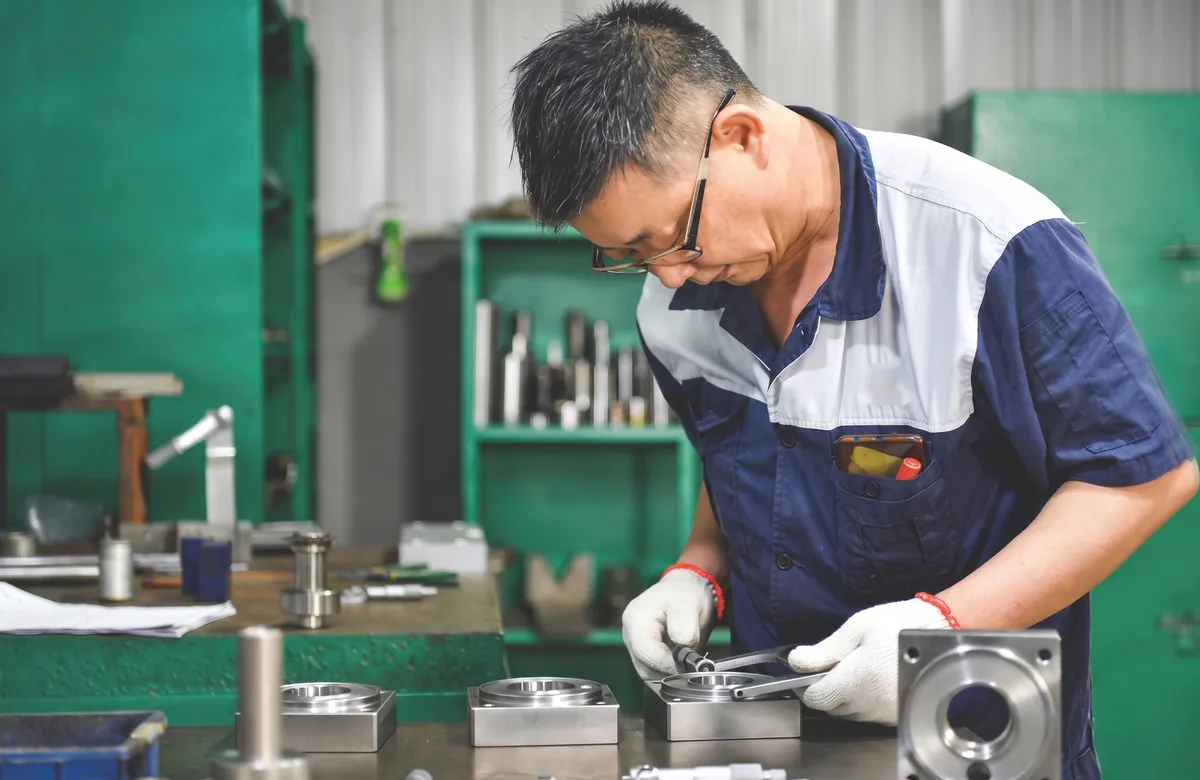
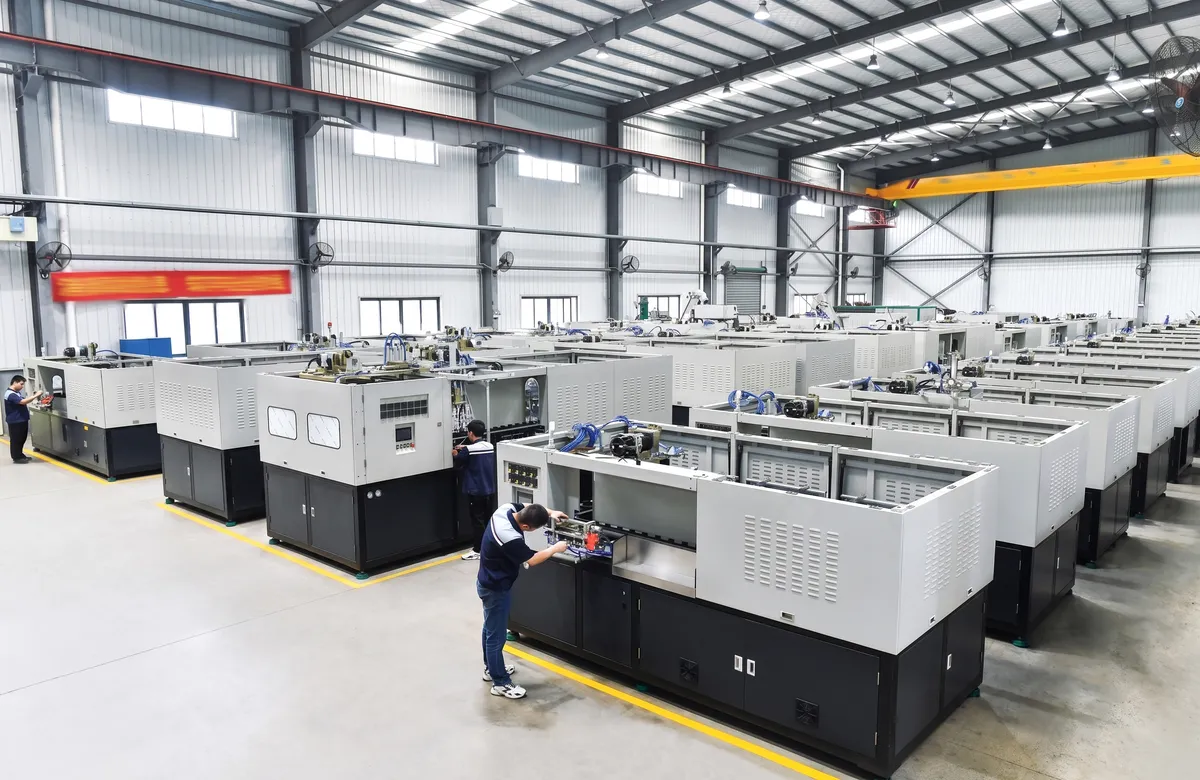
Mexico Ever-Power ISBM Machinery Co., Ltd is primarily engaged in the research and development, production, sales, and trade of automatic one-step Injection Blow Molding Machines and Injection Stretch Blow Molding Machines. Our product portfolio spans injection blow molding machines, extrusion blow molding machines, injection stretch blow molding machines, and comprehensive auxiliary machine solutions for the global plastic packaging industry. With over two decades of dedicated research, manufacturing, and sales in the blow molding machine industry, Ever-Power has accumulated deep technical expertise and operational wisdom that underpins the reliability and performance of every machine we produce for cosmetic and daily chemical packaging manufacturers worldwide.
Ever-Power brings together a specialized engineering team with deep expertise in both injection-blowing machinery and injection-blowing molds. Our engineers combine rich theoretical knowledge with hands-on manufacturing experience, enabling continuous improvement of blow molding machine performance and process innovation across our full product range. Ever-Power machines have been successfully deployed in cosmetic, pharmaceutical, food, and chemical packaging operations across Asia, the Americas, Europe, and Africa. Our international presence as trusted blow molding machine suppliers means we understand the regulatory, operational, and logistical requirements of customers in over 20 countries worldwide.
We provide detailed and attentive pre-sale consultation, in-sale production and quality monitoring, and post-sale technical support. Our service commitment covers machine installation supervision, operator training, remote diagnostics, and spare parts supply, ensuring your automatic blow molding machine delivers maximum uptime throughout its service life in your facility. Ever-Power has established a fully integrated blow molding machine production supply chain, from core component sourcing through to final machine assembly, testing, and export. This vertical integration gives us quality control at every stage and ensures consistent production standards across our entire plastic blow molding machine range, from single-cavity machines to high-output multi-cavity systems.
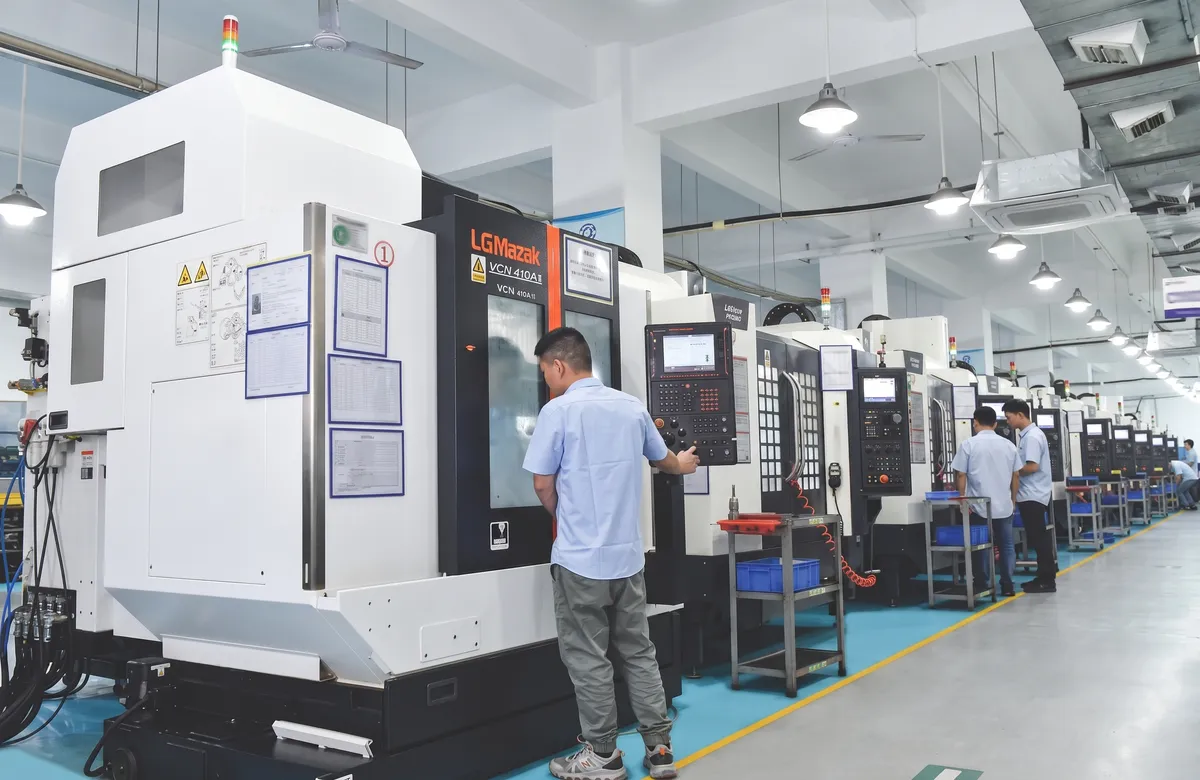
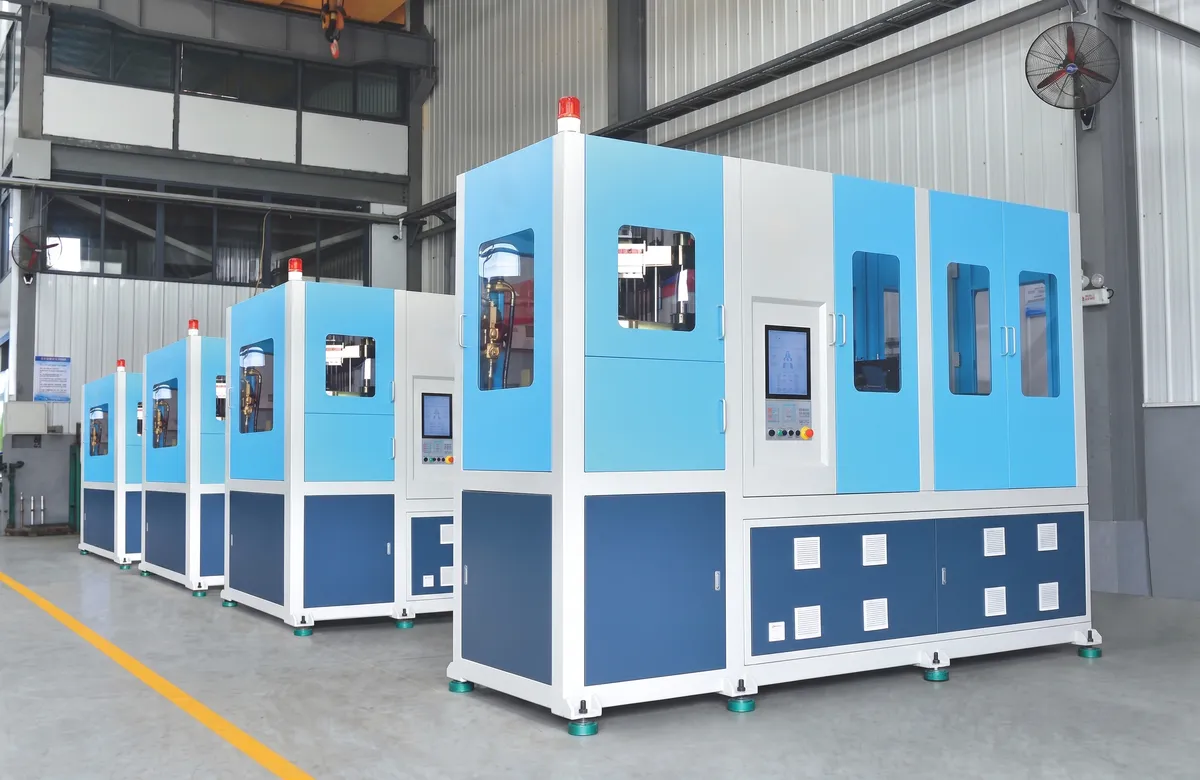
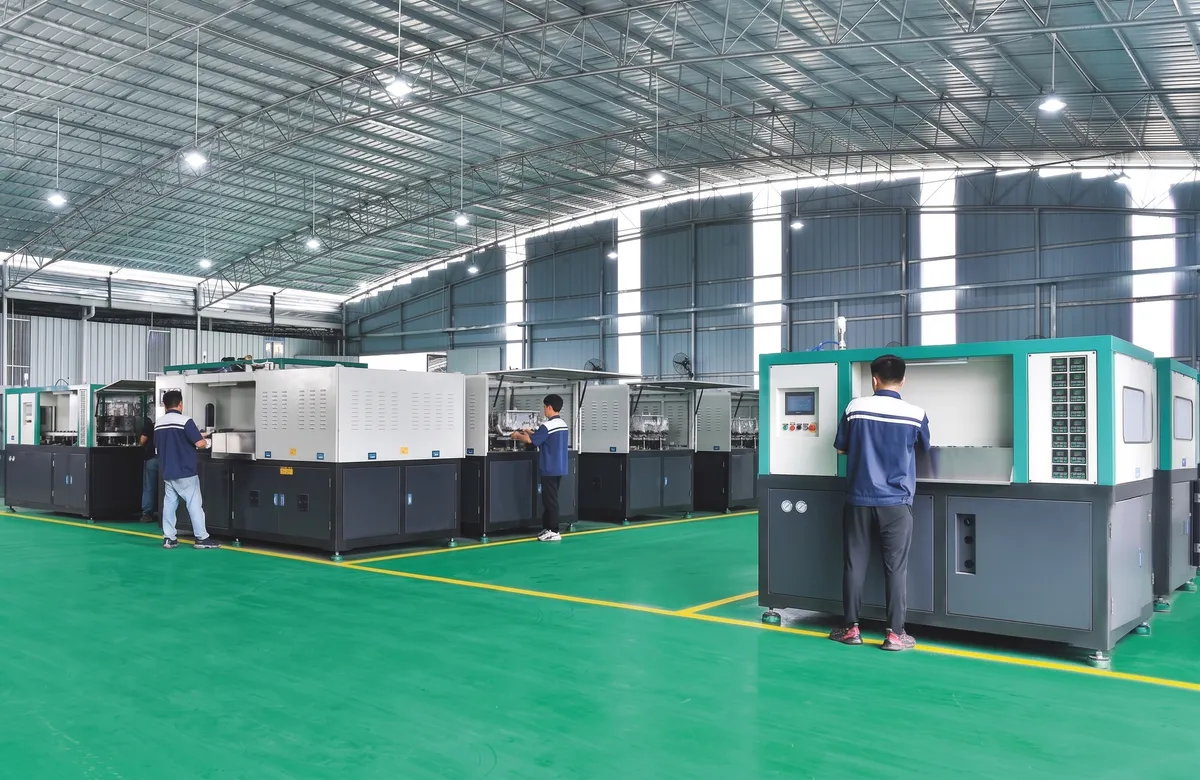
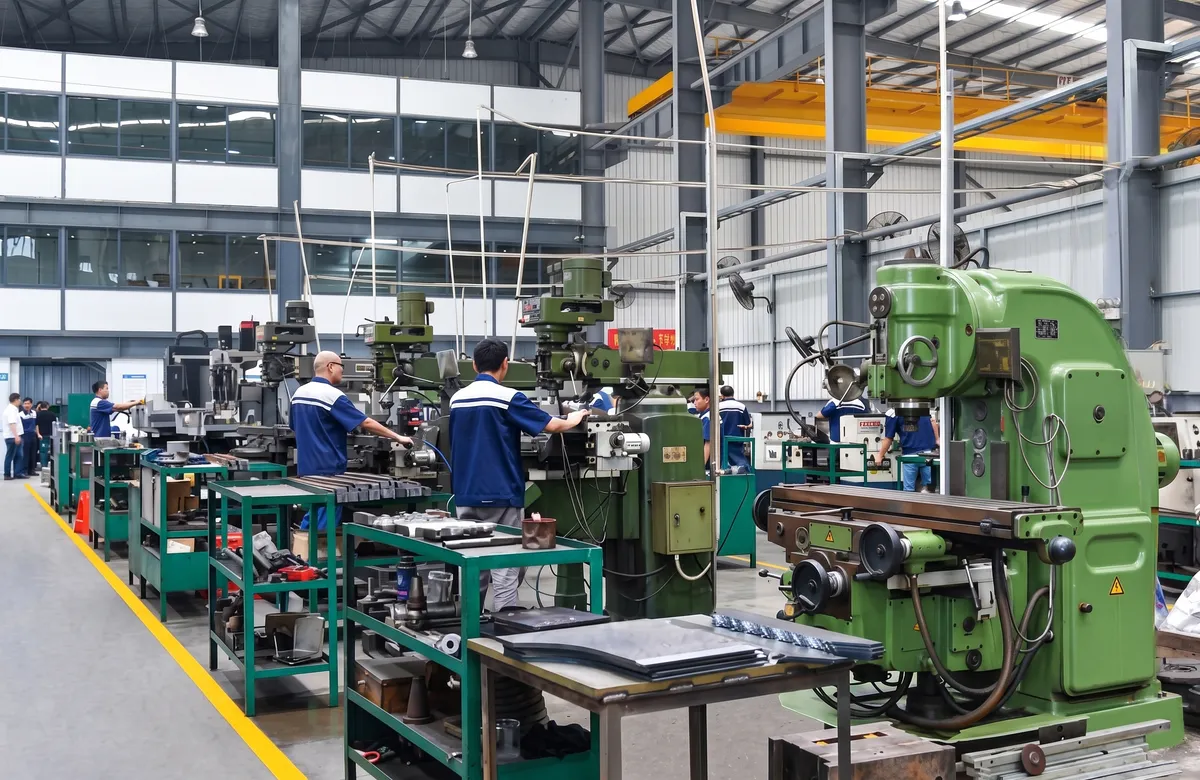
Our manufacturing base covers more than 20,000 square meters of modern production facilities, housing CNC machining centers, assembly lines, and QC testing areas. This scale of infrastructure supports the production capacity required to serve our growing international customer base reliably and on schedule. Our engineering and sales team is ready to help you select the right blow molding machine configuration for your production needs, volume targets, and bottle specifications. Contact us for a customized quotation.
 |
 |
 |
 |
 |
 |
Frequently Asked Questions
Q1: What is the maximum container volume the EPA.ES-3C76 automatic blow molding machine can produce?
A: The EPA.ES-3C76 fully automatic blow molding machine is rated for a maximum container volume of 700ml. It handles neck diameters ranging from 18mm to 38mm and containers up to 68mm in diameter and 240mm in height, making it suitable for a wide range of cosmetic and daily chemical bottle formats including toner bottles, lotion dispensers, serum bottles, shampoo containers, and specialty shaped packaging across multiple beauty and personal care categories.
Q2: What materials is the EPA.ES-3C76 cosmetic bottle blow molding machine compatible with?
A: The machine is specifically designed and optimized for PET (Polyethylene Terephthalate) and PETG (Glycol-Modified PET) materials, which dominate cosmetic and personal care packaging. These materials offer the optical clarity, chemical resistance, and dimensional stability required for premium cosmetic bottles. PP (Polypropylene) is also processable with appropriate mold configuration. Please consult our technical team regarding specific material compatibility requirements for your application.
Q3: What is the theoretical output of this fully automatic blow molding machine per hour?
A: The EPA.ES-3C76 has a theoretical output of 3,000 bottles per hour (BPH) based on its 3-cavity configuration. Actual production output depends on bottle size, wall thickness, material, heating zone settings, and cooling cycle time. For smaller bottle sizes and simpler shapes, output can approach or reach the rated figure. For complex or larger containers, actual output may vary. Our technical team can advise on expected real-world throughput for your specific bottle specifications.
Q4: How does the EPA.ES-3C76 compare to a 2-cavity blow molding machine for cosmetic production?
A: A 3-cavity blow molding machine like the EPA.ES-3C76 offers approximately 50% higher throughput per cycle compared to a 2-cavity machine with equivalent cycle time. This translates to meaningfully higher daily output capacity with only a modest increase in machine footprint and energy consumption. For cosmetic manufacturers with medium-to-high volume production requirements, the 3-cavity configuration provides an attractive balance of capital investment, floor space efficiency, and production scalability.
Q5: Can the EPA.ES-3C76 produce irregularly shaped or asymmetrical cosmetic bottles?
A: Yes. The EPA.ES-3C76 is specifically noted for its expertise in manufacturing complex and irregularly shaped bottles. This includes oval cross-sections, faceted panels, asymmetric silhouettes, deep embossed patterns, and unusual shoulder or waist contours. The precision mold design capabilities of Ever-Power's tooling team support the production of high-difficulty cosmetic bottle shapes that many standard plastic blow molding machine configurations cannot achieve reliably at production scale.
Q6: What power supply specifications does the EPA.ES-3C76 require?
A: The EPA.ES-3C76 requires a standard three-phase power supply. The max heating power is 40kW with an operational heating power of 18kW, reflecting the efficiency of the servo-driven heating system. Before installation, ensure that your facility's electrical supply capacity, cable sizing, and protection devices are rated appropriately for the machine's full load current requirements. Ever-Power provides detailed electrical installation specifications as part of the machine documentation package.
Q7: What compressed air pressure and volume does the blow molding machine require?
A: The EPA.ES-3C76 operates with a dual air pressure system. Low-pressure operating air is at 7 kg/cm² with a consumption of 1,500 ltr/min, while the high-pressure blowing circuit operates at 35 kg/cm² with a consumption of 2,400 ltr/min. A suitable high-pressure compressor station must be provided by the customer as part of facility infrastructure. Ever-Power can recommend compatible air compressor and booster specifications based on your existing compressed air setup.
Q8: What after-sales support do Ever-Power blow molding machine suppliers provide?
A: Ever-Power provides comprehensive pre-sale, in-sale, and after-sale service covering machine selection consultation, factory acceptance testing, installation supervision, operator training, remote diagnostic support via video call, and spare parts supply. Our engineering team is experienced in supporting international customers across different time zones. Warranty terms, spare parts availability, and on-site service options can be discussed during the purchase process to ensure your production continuity needs are fully covered.
Q9: What is the difference between a two-stage blow molding machine and a one-step blow molding machine?
A: A two-stage blow molding machine like the EPA.ES-3C76 first produces injection-molded preforms in one operation, then reheats and stretch-blows them into bottles in a separate process. This allows preforms to be stored or sourced externally, providing production flexibility. A one-step injection stretch blow molding machine performs injection, conditioning, and blowing in a single integrated process, ideal for high-hygiene applications such as pharmaceutical or medical packaging. Ever-Power manufactures both types to serve different market segments.
Q10: Can Ever-Power provide custom blow molding machine configurations?
A: Yes. As experienced custom blow molding machine suppliers, Ever-Power has the engineering capability to adapt machine configurations, mold designs, and production line layouts to meet specific customer requirements. This includes custom mold cavity geometry for proprietary bottle designs, alternative preform specifications, integration with downstream filling and labeling equipment, and modifications for processing specialty materials. Contact our sales team with your specifications and production volume requirements for a tailored quotation.
Customer Reviews
Wang Jianfeng, Cosmetic Packaging, China
"We have been running the EPA.ES-3C76 for about eight months now at our cosmetic packaging facility in Shanghai, producing 200ml lotion bottles with 3 cavities. The output has been consistently around 2,900 BPH which is close to the rated spec, and that is really what we needed to replace our old two-cavity machine. The servo drive energy consumption is noticeably lower than what we were used to. Ever-Power's after-sales team was very responsive during initial commissioning, especially when we needed to fine-tune the heating profiles for our specific preform wall thickness. We would order again."
Priya Mehta, Personal Care Products, India
"Honestly, the thing I was most worried about was getting spare parts from Mexico quickly. But Ever-Power has been very good about this. We had one heating lamp fail after about six months of continuous operation, and replacement parts arrived within ten days. The machine itself has been solid. We are producing 150ml PETG serum bottles and the clarity is excellent. Our quality control rejection rate dropped significantly compared to the used machine we were running before. Very satisfied with this blow molding machine purchase overall."
Rafael Almeida, Daily Chemical Manufacturer, Brazil
"We operate three facilities in Sao Paulo and this is the second blow molding machine we have bought from Ever-Power. The EPA.ES-3C76 was specified for a new shampoo bottle line and it has performed really well. Changeover between our 250ml and 400ml bottle moulds takes our team about 40 minutes now, which is acceptable for our production scheduling. The compact size was important because we had limited floor space in this particular plant. Communication with Ever-Power before purchase was always professional and they gave us accurate delivery timelines."
Dwi Santoso, Contract Packaging, Indonesia
"The machine arrived well packed and the installation guide was in clear English which helped our technical team a lot. We are a medium-sized contract packaging company in Jakarta and we use the EPA.ES-3C76 for three different cosmetic clients, running PETG toner bottles and PET skincare pump bottles. The neck diameter consistency has been extremely good. Our pump fitment rejection rate is below 0.5% which our clients are very happy with. The electrical control system is intuitive and our operators were comfortable running it within a week of installation."
Ali Hassan, Personal Care Bottling, Egypt
"I will be direct: the price was what first attracted us, but the quality is what made us loyal customers. We run the EPA.ES-3C76 twelve hours a day, five days a week making 350ml PET shower gel bottles. After eleven months of operation the machine has had no major breakdowns. Minor adjustments we needed were handled remotely by Ever-Power engineers via video call, which saved us a lot of time. The 3-cavity configuration matches our production volume perfectly. Strongly recommended for mid-scale cosmetic producers looking at PET bottle blow molding machines."
Emre Kaya, Cosmetic Bottles, Turkey
"We export cosmetic bottles to Europe so the quality requirements are strict. The EPA.ES-3C76 has met our expectations consistently. We use it for 100ml and 200ml PET perfume body mist bottles with an unusual oval cross-section and the mold produced by Ever-Power has captured the shape very accurately. The bottle surface finish is smooth and the wall thickness distribution is even. Shipping from Mexico took about 35 days to our port in Istanbul which was as expected. The commercial team was very helpful with the export documentation."
Sofia Herrera, Daily Chemical Packaging, Mexico
"We were comparing several blow molding machine suppliers before we chose Ever-Power. The deciding factors were the complete technical documentation provided and the willingness to do a video factory inspection before we committed. The EPA.ES-3C76 has been in operation at our Guadalajara plant for seven months now. It handles our 500ml hand sanitizer PET bottles very well. Energy consumption is lower than what our previous machine used for equivalent output. Our maintenance team found the machine straightforward to service. Good value for the investment."
Chibuike Okonkwo, Cosmetic Bottling, Nigeria
"What I want to highlight is the service after delivery. Our EPA.ES-3C76 developed an issue with the preform orientator after about four months of operation. I contacted Ever-Power and within 24 hours they had diagnosed the problem remotely and arranged for parts to be shipped. The machine was back running within a week. That kind of support from blow molding machine manufacturers is not always available at this price point. We produce hair conditioner and shampoo bottles in Lagos and this machine has improved our daily output capacity significantly."
Nguyen Thi Lan, Cosmetic Packaging, Vietnam
"We installed the EPA.ES-3C76 in our Hanoi factory eight months ago specifically for producing irregular-shaped PETG skincare bottles for a premium local brand. The complex bottle shape was a challenge we were worried about, but Ever-Power's mold team designed the cavity very carefully and the first production run came out at over 98% acceptable rate. The bottle surface finish is excellent and matches the brand's quality standards. The 3-cavity configuration gives us the output balance we need without overinvesting in a larger machine."
Additional information
| Edited by | Yjx |
|---|
Related products
-
EPA.ES-2C260 Fully Automatic Blow Molding Machine for Daily Chemicals & Cosmetic Bottles
-
EPA.AS-2C114.3 Fully Automatic Blow Molding Machine for Water and Beverage Bottles
-
EPA.ES-4C76 Fully Automatic Blow Molding Machine for Daily Chemicals & Cosmetic Bottles
-
EPA.FS-1CG130 Fully Automatic Blow Molding Machine for Baby Bottles and PP Bottles