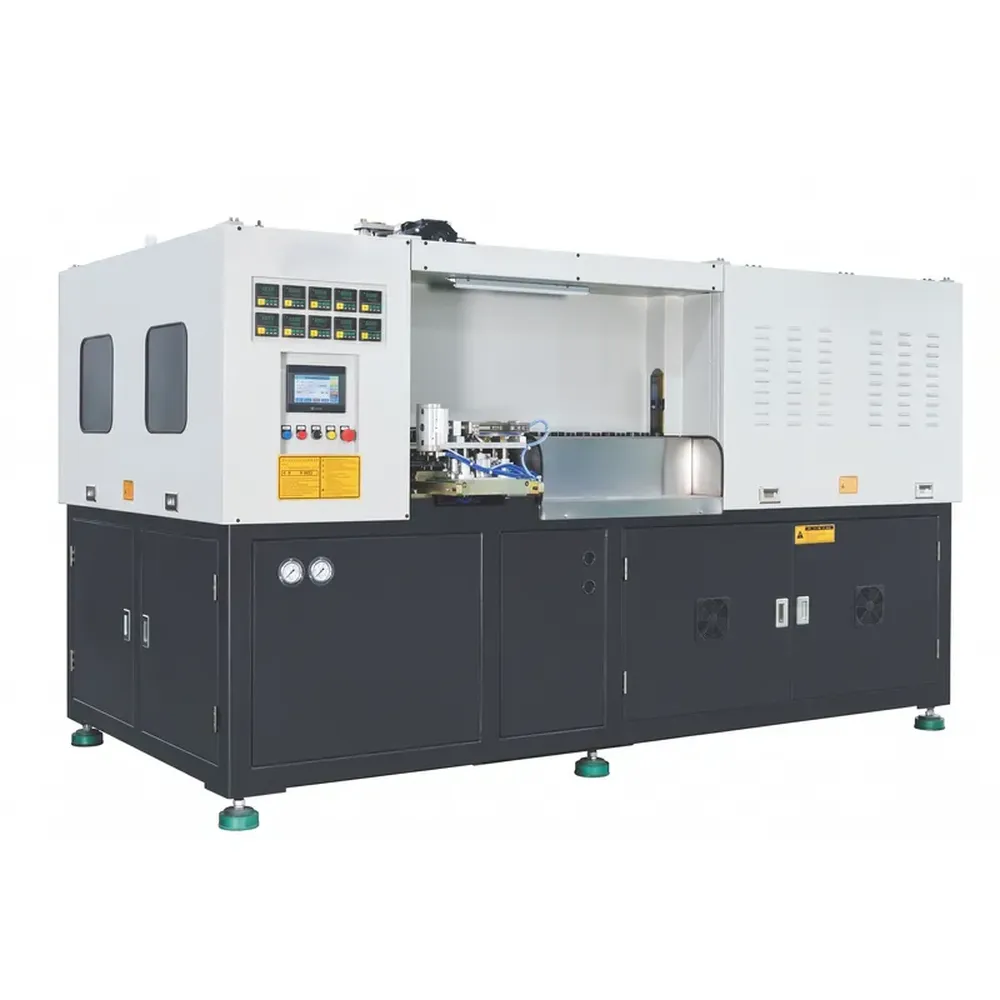
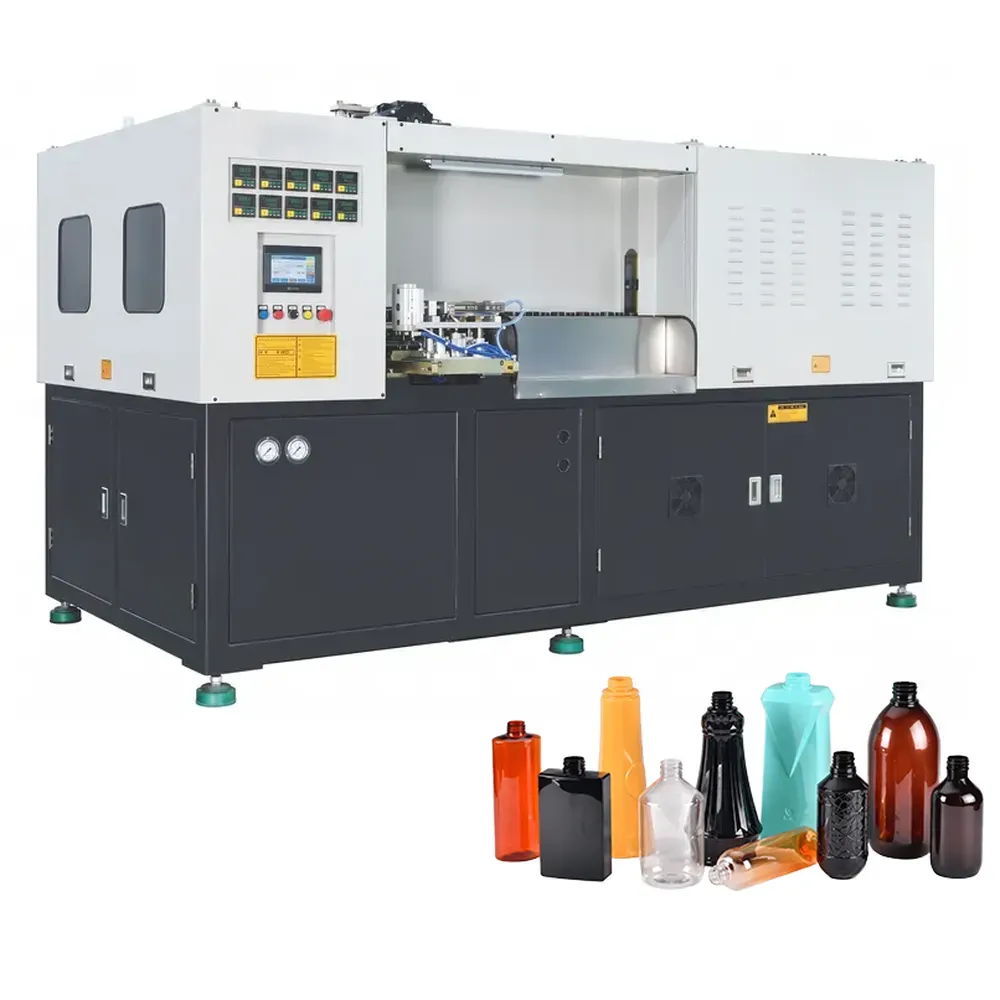
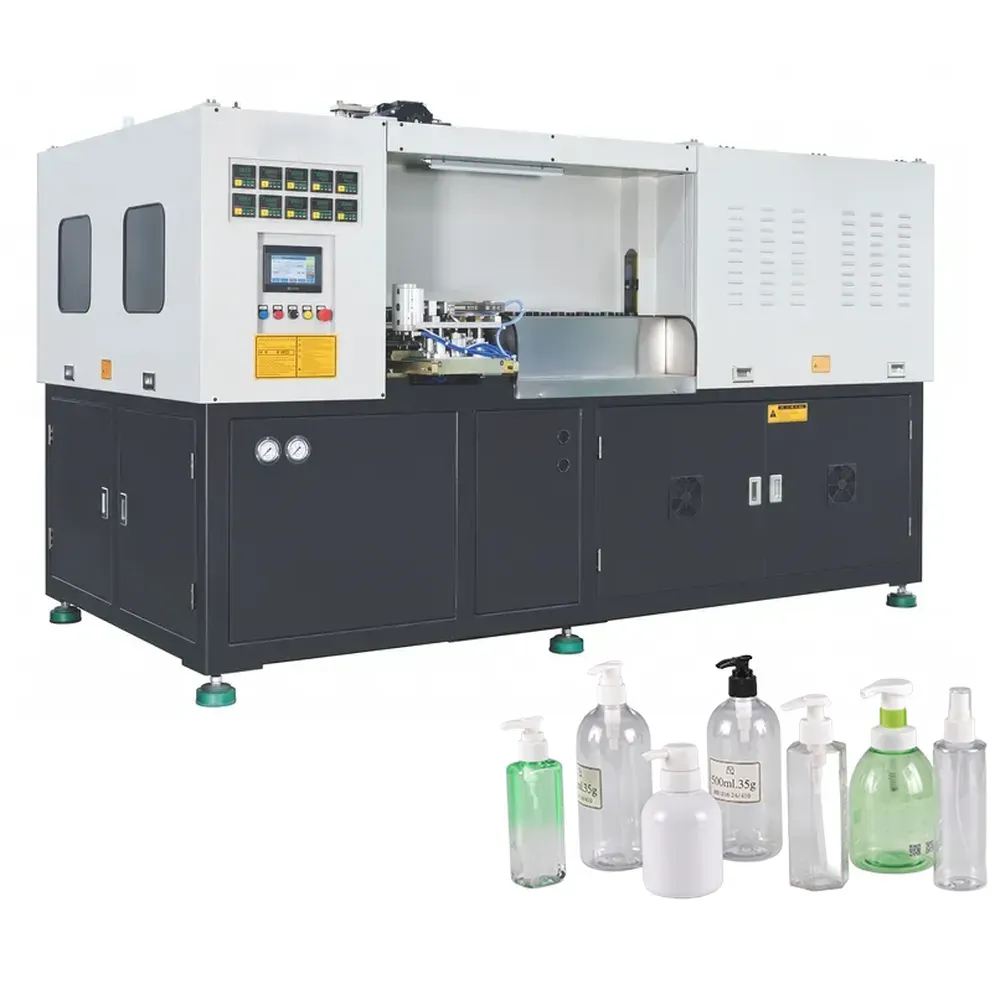
EPA.ES-2C260 Fully Automatic Blow Molding Machine for Daily Chemicals & Cosmetic Bottles
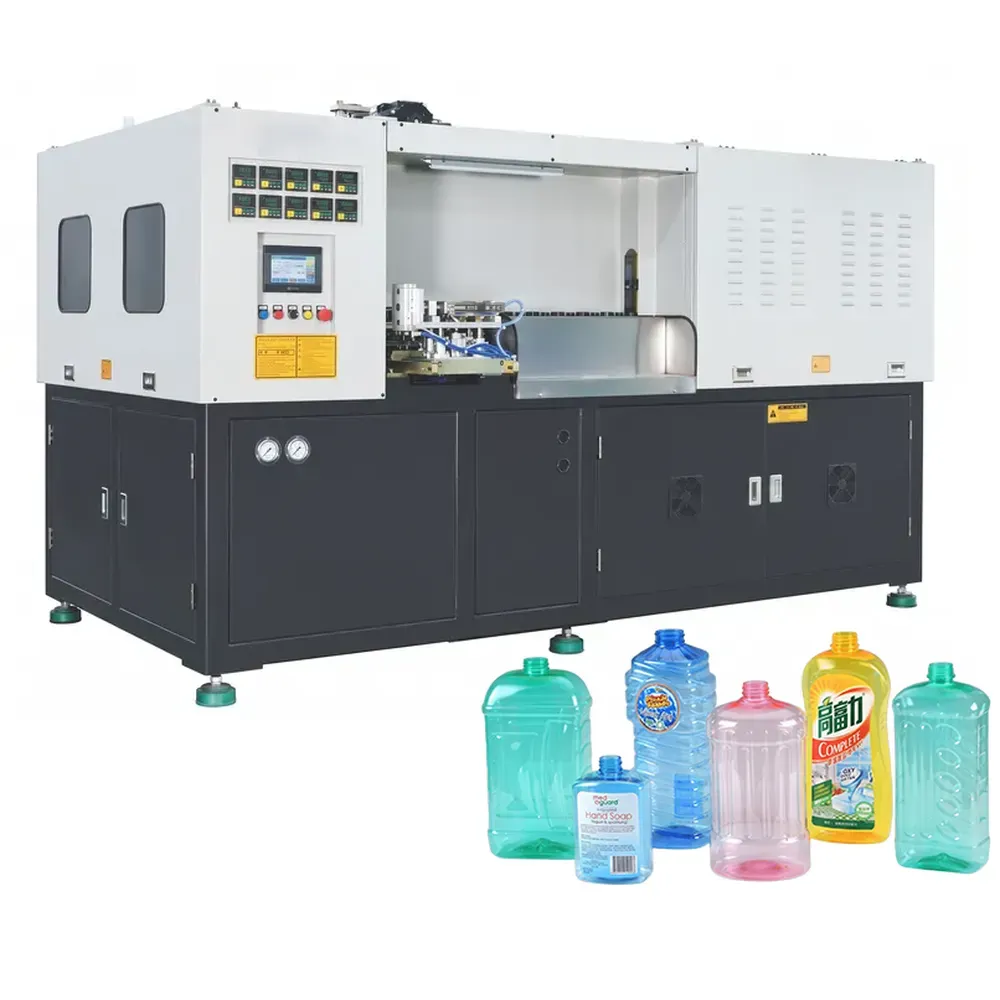
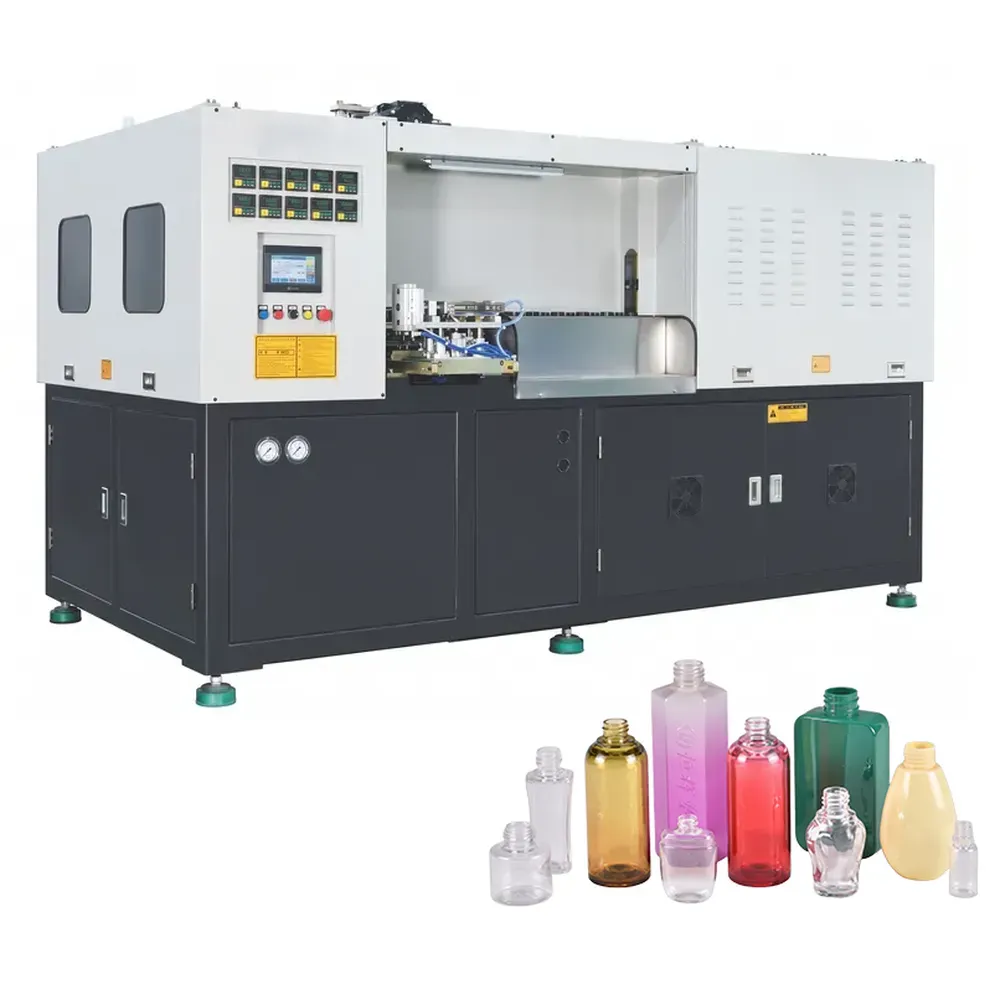
The EPA.ES-2C260 fully automatic blow molding machine is engineered for precision and reliability in cosmetic and daily chemical bottle production. It integrates internationally renowned servo motors, high-efficiency reducers, and advanced electrical control systems to deliver stable, energy-saving, and consistent operation across demanding production environments. Specifically designed for PET/PETG blow molding machine applications, it handles a broad spectrum of cosmetic bottle geometries and neck finishes, with a particular strength in producing complex and irregularly shaped containers that challenge conventional equipment.
The EPA.ES-2C260 fully automatic blow molding machine is engineered for precision and reliability in cosmetic and daily chemical bottle production. It integrates internationally renowned servo motors, high-efficiency reducers, and advanced electrical control systems to deliver stable, energy-saving, and consistent operation across demanding production environments. Specifically designed for PET/PETG blow molding machine applications, it handles a broad spectrum of cosmetic bottle geometries and neck finishes, with a particular strength in producing complex and irregularly shaped containers that challenge conventional equipment. Whether you are running high-volume shampoo bottle lines or specialized serum dispenser production, the EPA.ES-2C260 plastic blow molding machine ensures repeatable dimensional accuracy and excellent surface finish across every cycle. It supports container volumes from 30ml to 5,000ml, with a theoretical output of up to 900 bottles per hour, making it a highly competitive automatic blow molding machine choice for mid-to-large cosmetic packaging manufacturers.
As a leading product from Mexico Ever-Power ISBM Machinery Co., Ltd, the EPA.ES-2C260 is built on our long-standing expertise as trusted blow molding machine manufacturers and blow molding machine suppliers. Its compact footprint (5,570 x 2,090 x 2,500 mm) makes installation straightforward in existing facilities, while its user-friendly interface reduces operator training time significantly. The machine is widely deployed in cosmetic, personal care, home cleaning, and toiletry packaging production lines, where packaging aesthetics and structural integrity are both critical to brand competitiveness. By combining the output consistency of an industrial blow molding machine with the operational simplicity expected in a fast-paced factory environment, the EPA.ES-2C260 helps manufacturers reduce per-unit costs, improve throughput, and elevate finished product quality to meet modern retail standards.
Technical Parameter
| Model | Unit | EPA.ES-2C260 | |
|---|---|---|---|
| Molding | Clamping stroke | mm | 275 |
| Mold-open distance | mm | 635 | |
| Mold-close distance | mm | 360 | |
| Stretching stroke | mm | 550 | |
| Mold-open distance | mm | 50 | |
| Mold-close distance | mm | 260 | |
| Preform Holder | 42 | ||
| Cavities | 2 | ||
| Container | Max.Container Volume | ml | 15000 |
| Neck Diameter Range | mm | 168 | |
| Max.Container Diameter | mm | 240 | |
| Max.Container Height | mm | 450 | |
| Theoretical Output | bph | 900 | |
| Electrical System | Max.Heating Power | kw | 68 |
| Heating Power | kw | 35 | |
| Air System | Operating Pressure | kg/cm² | 7 |
| Low Pressure Air Consumption | ltr/min | 1200 | |
| Blowing Pressure | kg/cm² | 35 | |
| High-pressure air consumption | ltr/min | 16000 | |
| Cooling water | Operating Pressure | kg/cm² | 5-6 |
| Temperature | ℃ | 8-10 | |
| Flow rate | ltr/min | 50 | |
| Machine | Size (L*W*H) | mm | 5570*2090*2500 |
| Weight | kg | 7500 | |
Features of the EPA.ES-2C260 Fully Automatic Blow Molding Machine
1. High-Quality and Reliable Core Components
Key components of the EPA.ES-2C260 are sourced exclusively from internationally renowned brands, including world-class servo motors, precision reducers, and advanced electrical control elements. This ensures stable, durable, long-term operation from the very foundation of the machine. The system offers sensitive response times and high control accuracy, which effectively lowers the rate of mechanical failures. As a result, manufacturers benefit from significantly reduced maintenance costs, extended equipment service life, and greater production continuity, reinforcing its reputation as one of the most dependable automatic PET blow molding machines available today.
2. Strong Adaptability and Diverse Bottle Styles
The EPA.ES-2C260 accommodates an impressive range of container volumes from 30ml to 15,000ml, making it one of the most versatile machines in the series. Bottle body diameter, container height, and neck dimensions are all flexibly adjustable. As a precision-engineered PET bottle blow molding machine, it excels in processing PET and PETG materials and is widely suitable for cosmetic packaging including lotion bottles, toner bottles, serum dispensers, shampoo containers, and complex irregularly shaped custom containers. This flexibility makes it the ideal choice for manufacturers seeking a custom blow molding machine capable of covering multiple SKUs on a single platform.
3. High Efficiency and Energy Savings
The EPA.ES-2C260 operates with a heating power consumption of 35 kW under normal conditions (max rated at 68 kW), representing significant energy savings compared to conventional bottle blow molding machine configurations. Servo drive technology reduces energy consumption further by matching power output to real-time demand. The blowing system achieves a maximum working pressure of 35 kg/cm2, supporting robust and consistent blow molding efficiency. With a theoretical output of 900 bottles per hour, the machine delivers exceptional throughput while maintaining tight control over energy waste, a hallmark of a modern high-efficiency fully automatic blow molding machine.
4. High Stability and Easy Maintenance
The EPA.ES-2C260 features a scientifically engineered structural design that ensures long-term dimensional consistency in finished containers. The water cooling system maintains temperatures between 8 and 10 degrees Celsius, supporting reliable solidification of bottle walls with every cycle. Air pressure, electrical controls, and mechanical systems are all precisely optimized and factory-tuned to minimize deviation during operation. Daily maintenance routines are streamlined and straightforward, requiring minimal technical expertise, which significantly reduces operator downtime and lowers the total cost of ownership over the machine's service life.
5. Compact Structure and Space-Efficient Footprint
Despite its impressive output capability and technical specifications, the EPA.ES-2C260 occupies a relatively compact floor area at 5,570 x 2,090 x 2,500 mm, weighing 7,500 kg. This practical footprint facilitates easier layout planning and installation within existing workshop spaces, even in constrained factory environments. Compared to heavier-duty large-format machines in the same capacity class, the EPA.ES-2C260's balanced dimensions allow manufacturers to achieve mid-to-large scale production volumes without the need for major facility modifications or costly building expansions, making it a practical and economical investment.
6. Fully Automatic Operation: Maximum Productivity
The EPA.ES-2C260 is a true fully automatic blow molding machine that minimizes manual intervention throughout the entire production cycle. From preform loading and heating to stretching, blowing, and finished bottle output, all key steps are automated and managed through an intelligent PLC control system. This dramatically reduces reliance on skilled manual labor, lowers the risk of operator-induced defects, and sustains high-volume output rates over extended production shifts. Operators can monitor and adjust key process parameters from a centralized touchscreen interface, improving responsiveness and overall line efficiency.
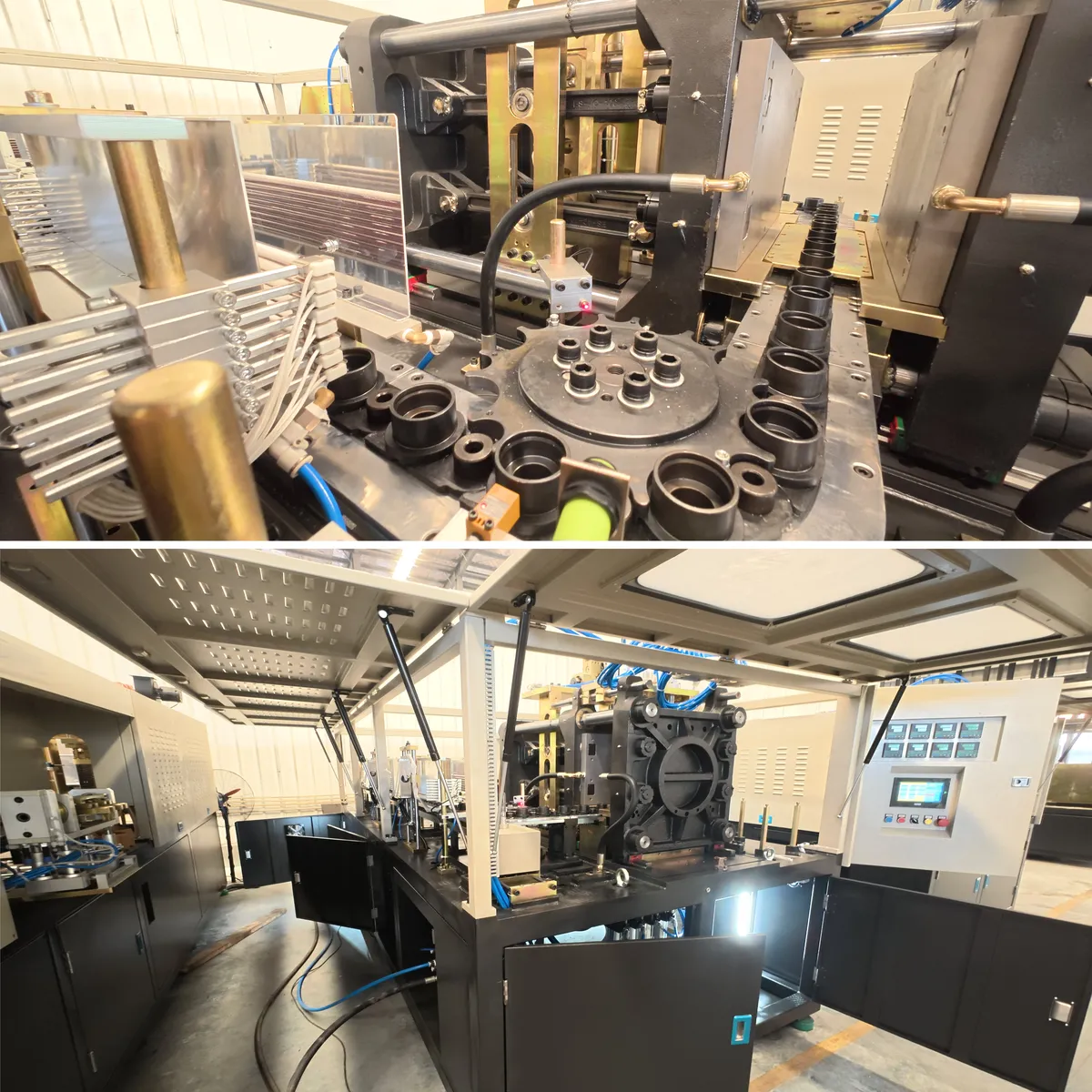
Working Principle of EPA.ES-2C260 Plastic Blow Molding Machine
Step 1: Raw Material Preparation
The blow molding machine process begins with careful preparation of raw materials, primarily PET and PETG polymers. These materials undergo thorough screening, dehumidification, blending, and controlled feeding into the production system. Strict quality testing and moisture content verification are performed before processing to ensure the melt quality meets production standards. Properly conditioned raw materials are essential for achieving consistent preform quality and optimal bottle clarity throughout the run.
Step 2: Preform Production via Injection Molding
In the injection blow molding stage, thoroughly prepared raw materials are fed into the injection system where they are heated, melted, and plasticized under precisely controlled temperatures and pressures. The molten polymer is injected into preform molds at controlled speed and pressure to form test-tube shaped preforms with accurate neck dimensions. This injection phase requires precise control of barrel temperature profiles, injection speed curves, and holding pressure to produce dimensionally consistent preforms every cycle.
Step 3: Preform Preheating
After the preform is formed, it enters the preheating oven where infrared heating lamps raise its temperature uniformly and precisely. Special attention is given to ensuring even heat distribution throughout the preform wall thickness, particularly in the body zone where the most significant stretching will occur. Proper preheating is critical for the subsequent stretch-blow process, as it directly determines the wall thickness distribution, optical clarity, and structural integrity of the finished container.
Step 4: Stretch Blow Molding
The preheated preform is transferred to the blow mold where the injection stretch blow molding process takes place. A stretch rod first extends axially to pre-stretch the preform longitudinally, then high-pressure air at up to 35 kg/cm2 is introduced to expand the preform radially against the mold cavity walls. The simultaneous biaxial orientation of the PET polymer chains during this process significantly enhances the mechanical strength, barrier properties, and optical clarity of the final bottle, producing cosmetic containers with excellent surface finish and dimensional precision.
Applications of the EPA.ES-2C260 Cosmetic Bottle Blow Molding Machine
Our cosmetic bottle and daily chemical blow molding machine serves a wide range of packaging industries.
Skincare and Facial Care Packaging
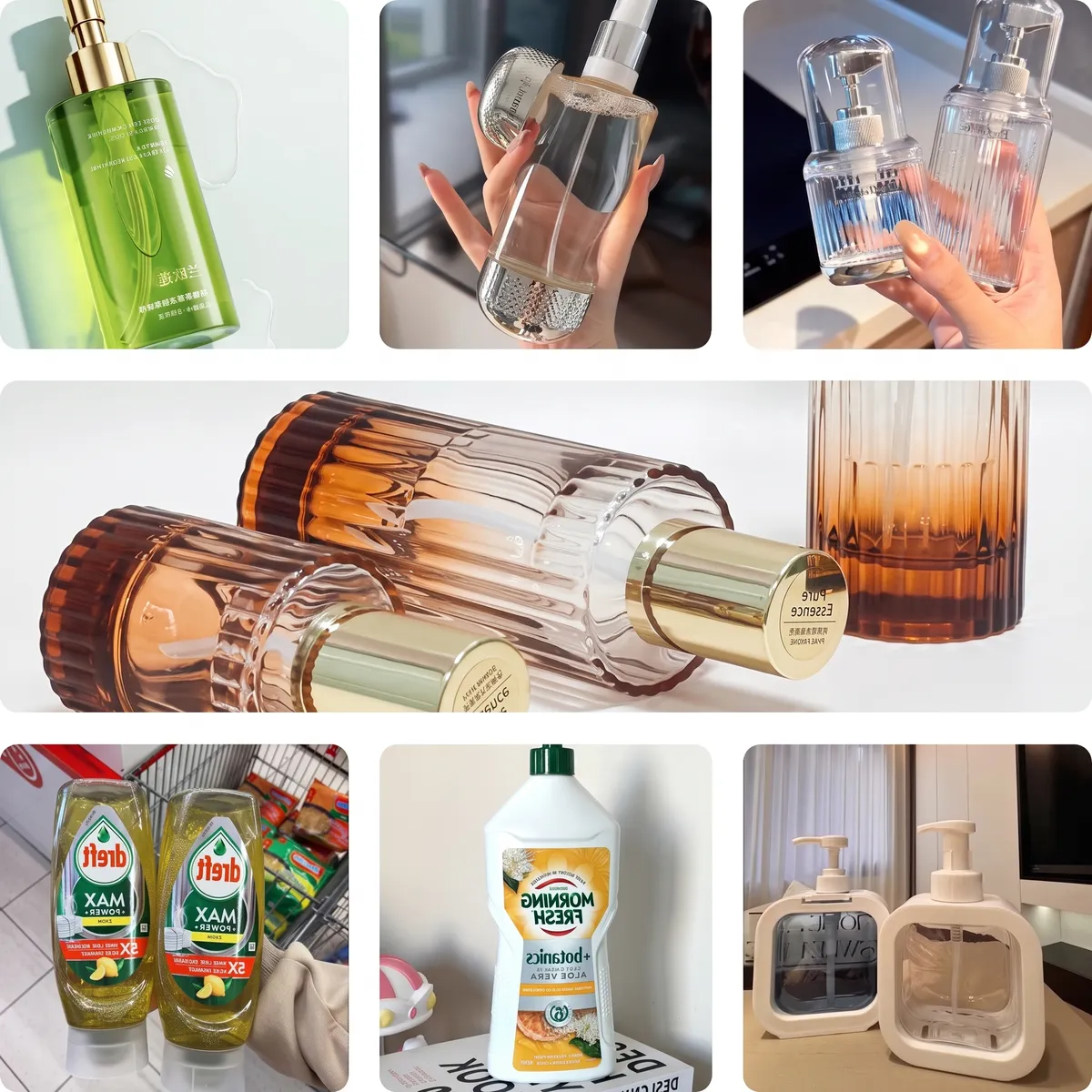
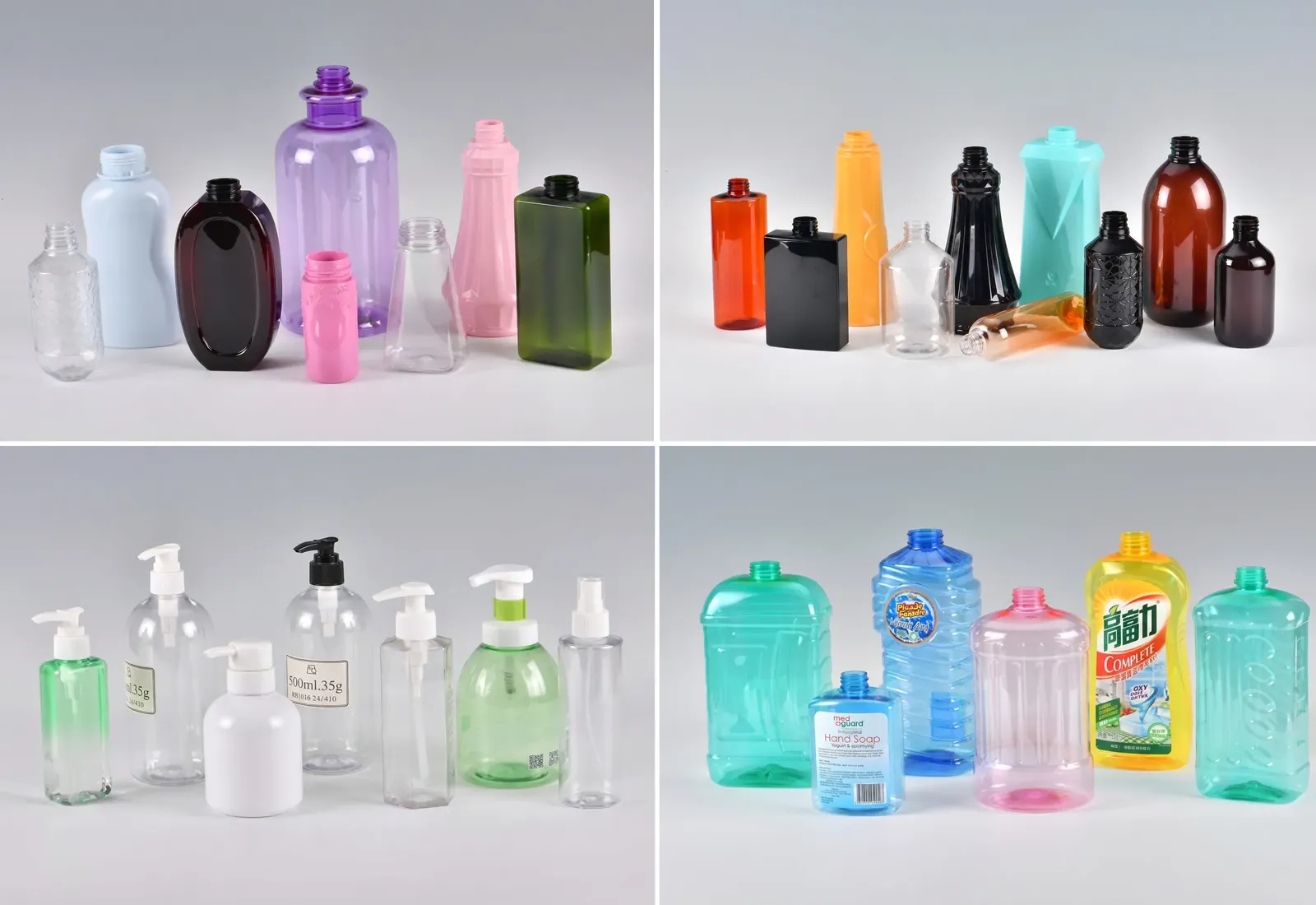
The EPA.ES-2C260 cosmetic bottle blow molding machine excels at producing premium skincare containers including facial toner bottles, essence vials, moisturizer jars, eye cream containers, and multi-layer serum dispensers. The machine's ability to produce complex shapes with high dimensional accuracy makes it ideal for premium beauty brands requiring precisely controlled neck finishes and wall thickness uniformity to achieve an upscale visual and tactile experience for end consumers.
Shampoo and Hair Care Bottles
As a robust daily chemical bottle blow molding machine, the EPA.ES-2C260 efficiently produces shampoo bottles, conditioner containers, and hair treatment packaging across a wide size range from 100ml travel sizes to 1,000ml professional salon formats. Its neck diameter capability of up to 168mm supports wide-mouth designs preferred for thick-formula products. Servo-driven precision ensures wall thickness consistency and accurate neck thread formation critical for leak-proof pump and flip-top closure compatibility.
Shower Gel and Body Wash Containers
Body care packaging often demands ergonomic grip designs and visually appealing irregular shapes that set brands apart on crowded retail shelves. The EPA.ES-2C260 handles these requirements with exceptional capability, producing curved, tapered, and asymmetrical shower gel containers with consistent wall distribution. Its ability to process PETG alongside standard PET enables manufacturers to produce containers with glass-like clarity and color depth, significantly elevating the perceived premium quality of body care product lines.
Perfume and Fragrance Bottles
Perfume bottle production demands the highest standards of optical clarity, dimensional precision, and surface smoothness. The EPA.ES-2C260 plastic bottle blow molding machine meets these exacting requirements by leveraging biaxial orientation during the stretch-blow process, which produces exceptional material transparency and a polished surface finish. Its fine control over preform heating uniformity and blowing pressure ensures that even small-volume fragrance bottles (30ml to 100ml) are produced with near-zero reject rates and consistent premium quality.
Home Cleaning and Detergent Containers
The EPA.ES-2C260 is equally well-suited for producing household cleaning product containers such as laundry detergent bottles, fabric softener jugs, and all-purpose cleaner spray bottles. Its broad volume range from 30ml to 15,000ml accommodates everything from small retail-sized trigger spray containers to large family-size detergent jugs. High-pressure blow capability at 35 kg/cm2 ensures robust wall strength and excellent chemical compatibility in PET bottles designed for alkaline or acidic formulation exposure.
Baby and Personal Hygiene Products
Baby care product packaging requires not only precision dimensional control but also rigorous safety standards for material quality and closure integrity. The EPA.ES-2C260 produces baby lotion bottles, baby shampoo containers, and diaper cream packaging using food-grade PET and PETG materials that meet international safety standards. Its servo-driven control system ensures repeatable neck thread accuracy for child-resistant and tamper-evident closure systems, an essential requirement for manufacturers operating in regulated baby care market segments.
Oral Care and Dental Product Bottles
Mouthwash bottles, liquid toothpaste dispensers, and dental rinse containers represent a specialized segment where the EPA.ES-2C260's precision shines. The machine's controlled neck diameter formation up to 168mm supports wide-mouth designs needed for measured-dose dispensing systems. Consistent wall thickness achieved through optimized biaxial stretching prevents flex cracking and maintains long-term structural integrity even with repeated consumer use and exposure to alcohol-based oral care formulations.
Custom Promotional and Specialty Packaging
Brands increasingly require limited-edition, seasonal, or co-branded packaging that stands out at point of sale. The EPA.ES-2C260's adaptability as a custom blow molding machine makes it perfectly suited for short-to-medium production runs of uniquely shaped promotional bottles, gift set containers, and specialty dispensers. Quick mold changeover capability combined with reliable dimensional repeatability enables cosmetic brand owners to execute creative packaging concepts without sacrificing production economics or quality consistency across the promotional run.
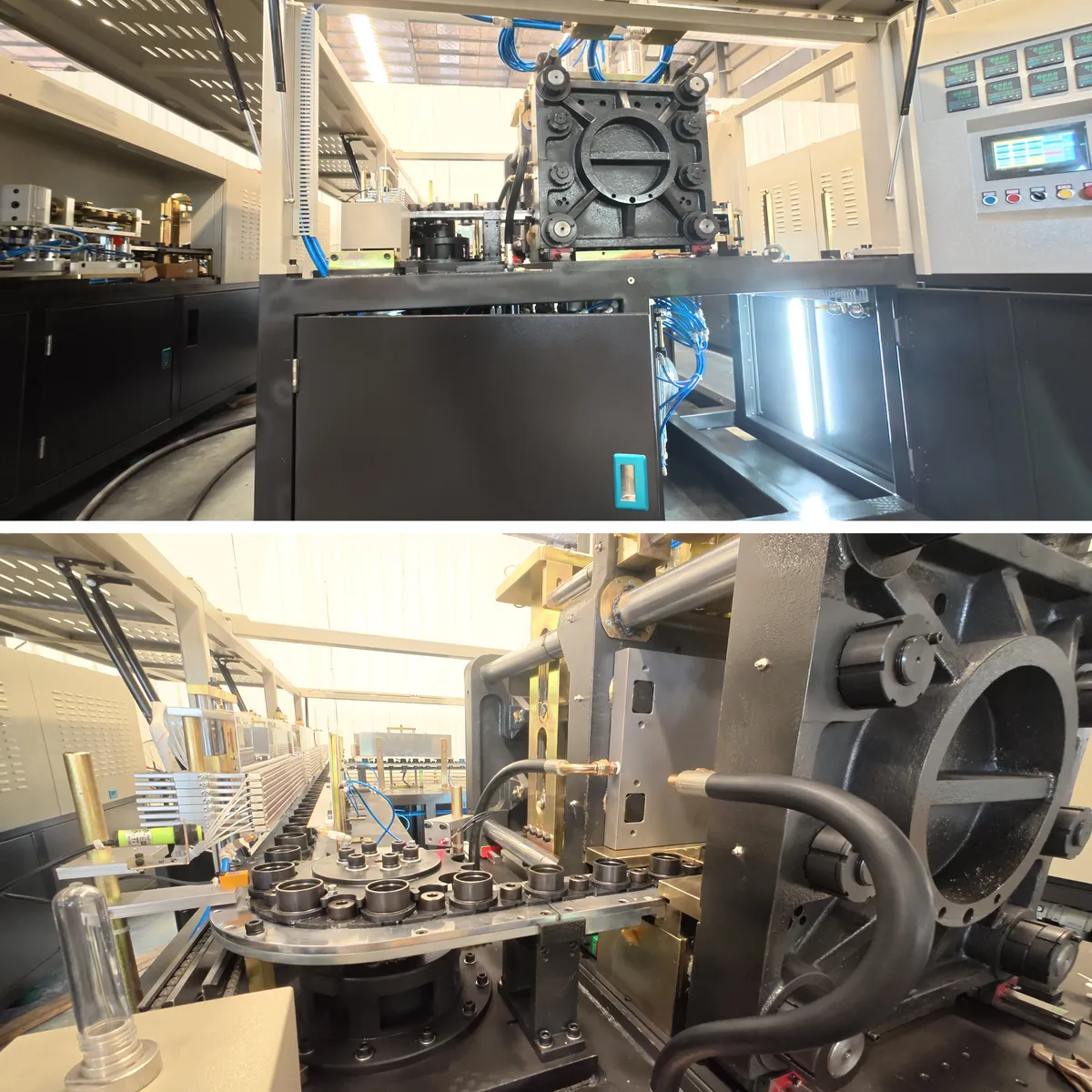
EPA.ES-2C260 Daily Chemical Blow Molding Machine Parts
Preform Feeding System
The feeding system is the entry point of the entire blow molding machine process. It comprises a hopper, preform conveyor belt, orientator, and gravity rails that collectively transport and organize preforms from bulk storage into the machine's heating section. The system is engineered for high-speed, jam-free continuous operation, capable of maintaining consistent preform flow to match the machine's output rate of 900 bottles per hour without operator intervention.
Preform Tilter and Orientator
The preform tilter and orientator are critical blow molding machine parts that ensure every preform is correctly positioned, neck-up, before entering the oven. For PET production specifically, this component automatically corrects preform orientation and feeds them uniformly to the conveyor chain. Its reliable mechanical design prevents double-loading or misorientation that could cause machine jams, which is especially important during continuous high-speed production cycles on this automatic PET blow molding machine.
Infrared Preform Heating Oven
The heating oven houses multiple banks of infrared heating lamps arranged to deliver precise, uniform thermal energy to the preform body while protecting the neck finish from heat deformation. With a rated heating power of 35 kW and a maximum capacity of 68 kW, the oven provides fine zone-by-zone temperature control through an advanced PLC system. Accurate, repeatable heating profiles are the foundation of consistent wall thickness distribution and optical clarity in every bottle produced.
Stretch-Blow Mold Clamping Unit
The clamping unit is the mechanical heart of the EPA.ES-2C260. With a clamping stroke of 275mm and a mold-open distance of 635mm, it supports 2 cavities per cycle and accommodates containers up to 240mm in diameter and 450mm in height. Servo-driven clamping mechanisms deliver fast, precise mold closure and opening sequences that minimize cycle dead time while protecting mold surfaces from impact damage, extending the operational lifespan of premium bottle mold tooling.
High-Pressure Compressor Station
The compressor station supplies the high-pressure air at up to 35 kg/cm2 required for the blow molding stage, and also manages the 7 kg/cm2 low-pressure air used for preform transfer, mold clamping, and other pneumatic actuator functions. With a high-pressure air consumption of 16,000 liters per minute at full output, the station must be properly sized and maintained to prevent pressure fluctuations that could cause wall thickness inconsistencies or incomplete bottle formation during production.
PLC Control and HMI Interface
The EPA.ES-2C260 is operated through a modern PLC-based control system paired with an intuitive touchscreen HMI. Operators can set, monitor, and fine-tune all critical process parameters including oven temperature zones, stretching rod speed and position, blow pressure profiles, and cycle timing from a single centralized panel. The system stores multiple product recipes, allowing rapid changeovers between different bottle formats and enabling even less-experienced operators to achieve consistent high-quality output on this fully automatic blow molding machine.
Bottle Exit Conveyor
Once bottles are formed and ejected from the blow mold, the exit conveyor system transports them smoothly away from the machine for subsequent inspection, labeling, filling, or packaging operations. The conveyor is designed to handle the full range of container sizes and shapes produced by the EPA.ES-2C260 without tipping or collision damage. Its adjustable speed can be synchronized with downstream equipment including fillers, cappers, and shrink-wrap systems to maintain seamless integrated packaging line operation.
Water Cooling System
Efficient cooling is essential for cycle time optimization and dimensional consistency in bottle production. The EPA.ES-2C260's cooling water system operates at 5 to 6 kg/cm2, maintaining mold temperatures between 8 and 10 degrees Celsius at a flow rate of 50 liters per minute. This tightly controlled cooling environment ensures rapid and uniform solidification of bottle walls immediately after blow molding, preventing warpage, shrinkage variation, and surface defects while supporting consistent high-speed production output.
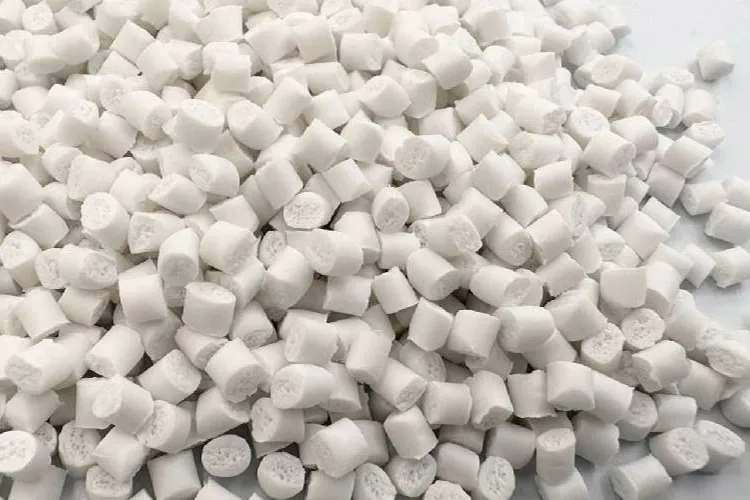
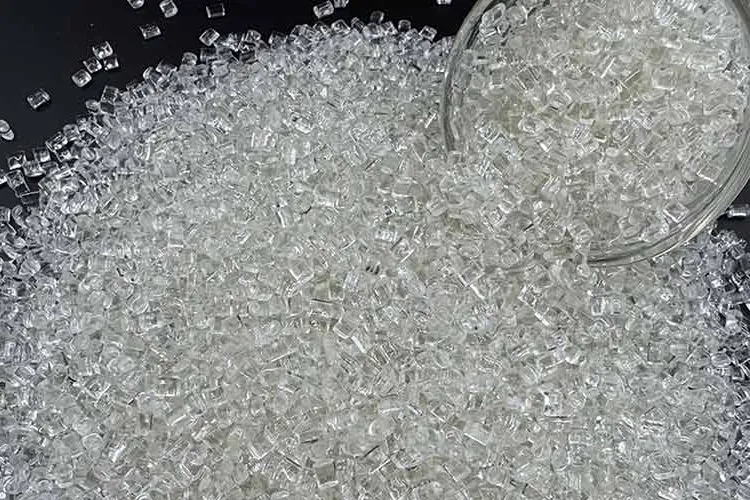
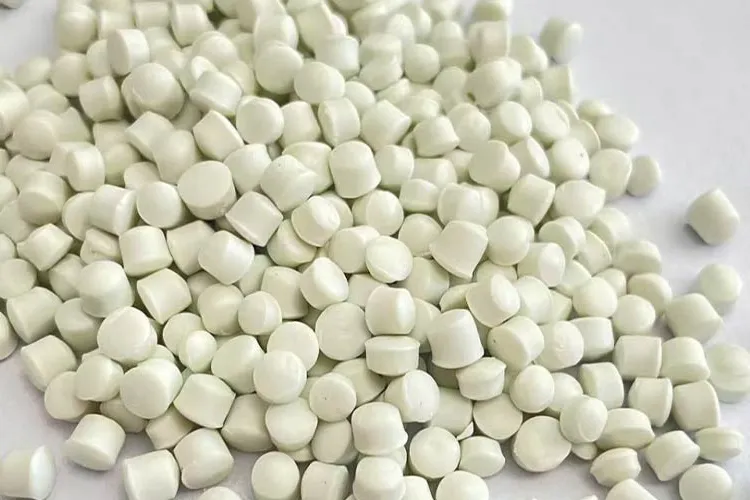
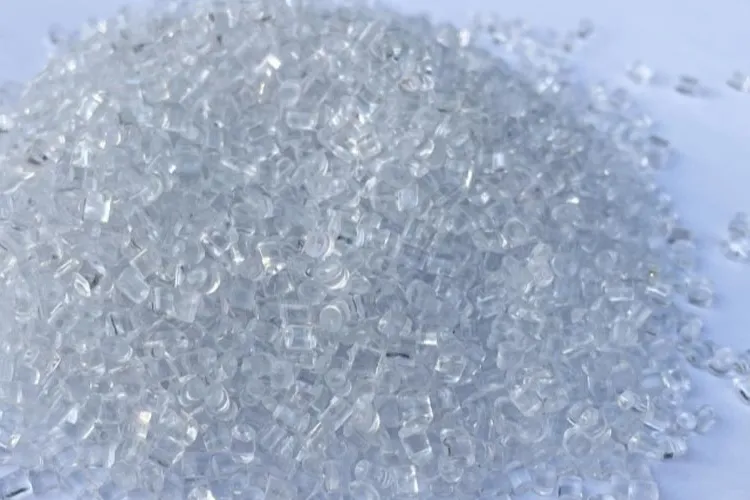
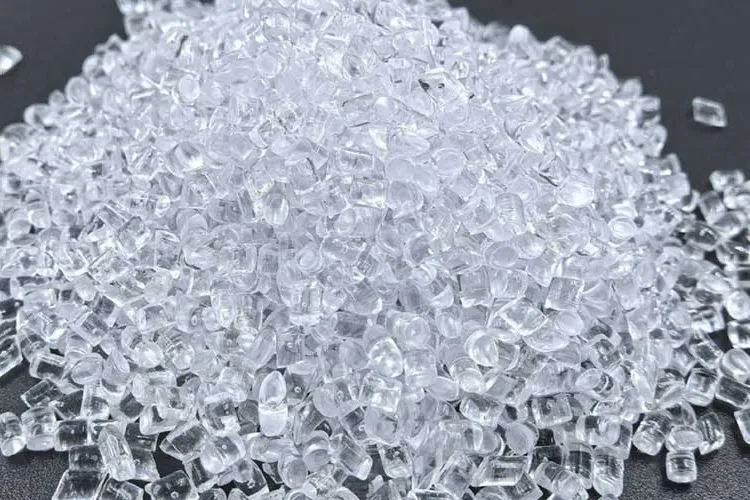
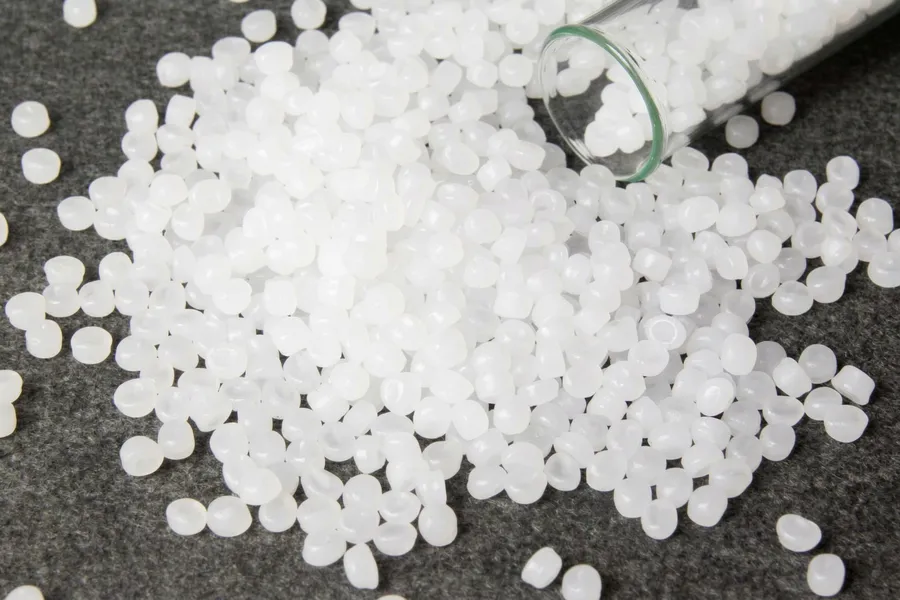
Compatible Raw Materials
What this PET blow molding machine can process:
Polyethylene Terephthalate (PET)
PET is the primary material for this automatic PET blow molding machine. As a thermoplastic polymer, PET offers exceptional strength, chemical resistance, and optical clarity that make it ideal for cosmetic, personal care, and beverage bottle production. PET bottles are lightweight, highly recyclable, and compatible with a broad range of chemical formulations. The EPA.ES-2C260 is optimized to process PET at its ideal stretch-blow conditions, yielding superior material orientation and outstanding mechanical performance in the final container.
PETG (Glycol-Modified PET)
PETG is a copolymer modification of standard PET offering greater toughness, improved impact resistance, and enhanced flexibility while retaining excellent optical clarity and glass-like transparency. It is particularly popular in premium cosmetic packaging where scratch resistance and superior surface gloss are priorities. The EPA.ES-2C260 is fully compatible with PETG processing, making it an excellent choice for beauty brands requiring high-end translucent or tinted packaging with distinctive aesthetic appeal.
High-Density Polyethylene (HDPE)
HDPE is a widely used material in the daily chemical blow molding machine sector. As a versatile and chemically resistant polymer, HDPE is commonly used for opaque containers for laundry detergents, household cleaners, motor oil, and agricultural chemical products. HDPE bottles withstand a broad range of temperatures and resist the chemical attack of both acidic and alkaline formulations. Its combination of rigidity and impact resistance makes it highly suitable for containers that must endure rough handling in logistics and retail environments.
Polypropylene (PP)
PP is a lightweight, semi-rigid thermoplastic with excellent chemical resistance and heat tolerance, commonly processed by plastic blow molding machine manufacturers for food-grade and personal care containers. Its higher melting point compared to PE makes PP suitable for hot-fill packaging applications and containers that will be sterilized. PP packaging is widely used for yogurt drinks, sauces, ketchup, and cosmetic packaging where moderate clarity and chemical resistance are required simultaneously.
Low-Density Polyethylene (LDPE)
LDPE offers excellent flexibility and impact strength at low temperatures, making it suitable for squeezable containers such as travel-size shampoo bottles, baby lotion dispensers, and food condiment squeeze packs. Its flexibility allows consumers to easily dispense viscous products by squeezing the container. While less transparent than PET, LDPE provides a soft tactile experience and excellent compatibility with a wide range of cosmetic and personal care formulations, particularly emulsion-based lotions and creams.
Polycarbonate (PC)
PC is an engineering-grade thermoplastic valued for its exceptional impact strength, glass-like optical clarity, and broad temperature resistance. It is commonly used for baby feeding bottles, reusable water bottles, and specialty pharmaceutical containers where durability and high clarity are simultaneously required. While PC is more demanding to process than commodity resins, the EPA.ES-2C260's servo-driven precision temperature and pressure control provides the processing accuracy needed to produce consistent, defect-free PC containers.
Polystyrene (PS) and Specialty Bio-Based Resins
PS is used for clear rigid containers including cosmetic jars and medicine packaging where cost-effective optical clarity is needed without the processing demands of PET. Specialty materials including PLA (polylactic acid) from corn starch, PCTG, and other sustainable bio-based resins are growing in use for eco-conscious packaging brands. The EPA.ES-2C260's precise temperature control and servo-driven operation provide the process window flexibility needed to adapt to these emerging sustainable materials as the packaging industry continues its environmental transition.
 |
 |
 |
 |
 |
 |
How to Improve Blow Molding Production Efficiency
1. Precision Parison and Preform Control
Wall thickness consistency directly governs cooling cycle length. When preforms or parisons have uneven thickness profiles, operators are forced to extend cooling unnecessarily to ensure the thickest zones solidify fully. Implementing modern multi-zone preform heating programming allows precise control of resin distribution before the blow stage. Minimizing excess material in non-critical zones reduces both bottle weight and the thermal energy required for cooling, which directly accelerates total cycle throughput on any high speed blow molding machine.
2. Optimizing Mold Cooling Channels
Cooling accounts for over 60% of the total cycle time in standard blow molding operations. Scaling, mineral buildup, or poorly positioned cooling channels within the mold act as thermal insulators that trap heat and drag down output. Routine chemical flushing of cooling circuits and regular verification of coolant flow rates maintain optimal heat transfer performance. For high-output lines, upgrading to multi-zone high-flow chillers or using thermally conductive beryllium-copper inserts in high-wear neck and pinch zones accelerates thermal dissipation significantly.
3. Reducing Dry Cycle and Clamping Times
Mechanical movement sequences including mold opening, clamping, stretch rod retraction, and bottle ejection represent dead time where no productive forming is occurring. Modern automatic blow molding machine designs favor servo-driven clamping mechanisms that allow precise deceleration ramp tuning, preventing mechanical impact while trimming fractions of a second from each cycle. These marginal gains compound significantly across extended production shifts, yielding thousands of additional bottles per week without increasing raw material or energy inputs.
4. Advanced Resin Preparation
Inconsistent melt quality forces production slowdowns to avoid unmelted pellet inclusions and surface blemishes that cause finished bottle rejections. Maintaining calibrated, clean heater bands across all barrel zones and performing regular screw condition checks prevents thermal degradation and ensures steady throughput. For manufacturers using post-consumer recycled (PCR) PET blends, continuous melt filter screen changers are essential to prevent sudden pressure spikes and maintain consistent parison drop speed critical for dimensional accuracy in each blow cycle.
5. Proactive Preventive Maintenance
Even the most advanced blow molding machine loses profitability quickly during unscheduled downtime. Blow pins, pneumatic seals, heater lamps, and stretch rod wear components all require structured inspection schedules based on actual production hours rather than calendar time. Establishing a predictive wear-part replacement protocol prevents the subtle air leaks, pressure drops, and heating inconsistencies that gradually erode cycle efficiency over extended production runs. Ever-Power provides comprehensive spare parts inventory guidance to support customers in implementing effective preventive maintenance programs.
6. Operator Training and Process Standardization
The EPA.ES-2C260's advanced PLC control with recipe storage enables standardization of optimized process parameters for every bottle format in production. Comprehensive operator training programs ensure that all production staff understand how to correctly interpret HMI alarms, perform rapid changeover procedures, and maintain consistent product quality without requiring constant supervision from senior engineers. Documented standard operating procedures (SOPs) aligned with machine capabilities dramatically reduce process variation between shifts and between individual operators, directly improving overall equipment effectiveness (OEE) metrics.
Daily Chemical Blow Molding Machine Mould Features
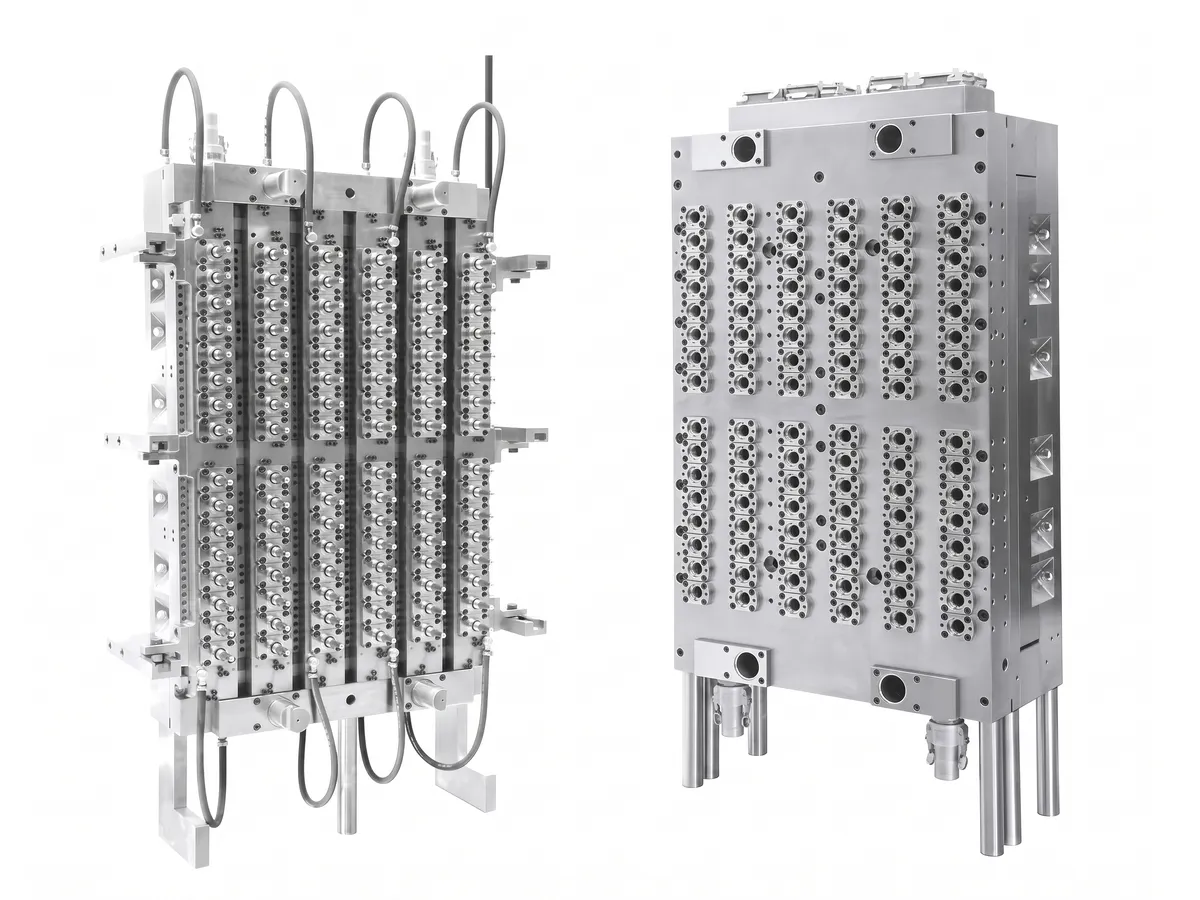
Preform Injection Mold
- The die lip is composed of two precision-fitted parts that guarantee coaxial alignment between the preform and core pin during formation, ensuring consistent neck finish geometry across every production cycle.
- Carefully engineered cooling water channels throughout the mold body improve the cooling efficiency of freshly formed preforms, enabling faster cycle times without compromising dimensional stability or crystallinity.
- All forming components are manufactured from imported die steel 2316, which is inherently rust-resistant and has been thermally treated to ensure long service life under continuous high-temperature production conditions.
- Core plates, cavity plates, and all structural components are constructed from 420 stainless steel, providing superior corrosion resistance when exposed to cooling water, release agents, and condensation in production environments.
- The modular mold design simplifies routine maintenance, inspection, and polishing procedures, reducing scheduled downtime and making mold servicing accessible without highly specialized toolroom equipment.
- Standard interchangeable die fittings enable mold sharing and rapid neck-finish format changes across multiple preform specifications, improving production scheduling flexibility.
- Advanced single-mold design allows the production of more than one preform type per tool through interchangeable core and cavity configurations, optimizing tooling investment per bottle format.
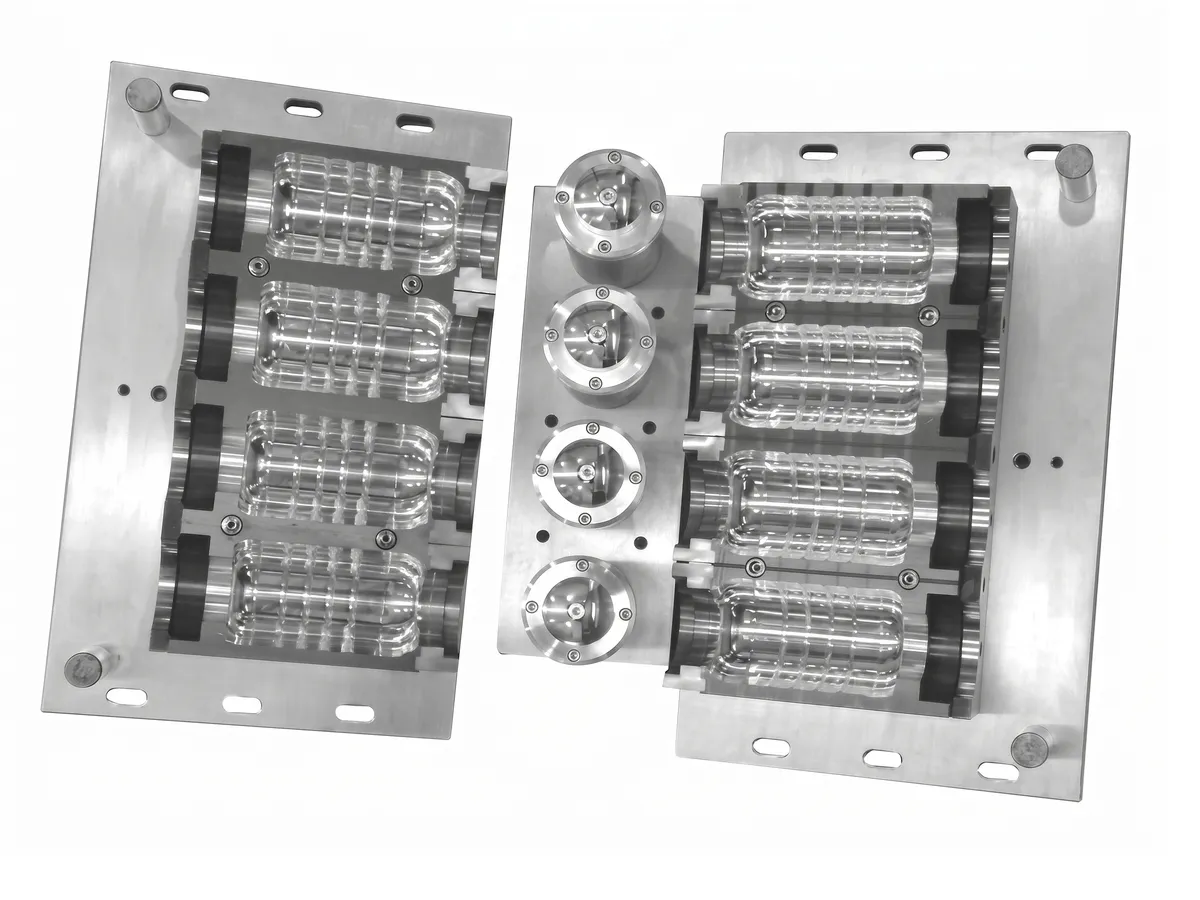
Blowing Mold
- Blowing mold cavities are machined from high-quality premium steel selected for excellent hardness, thermal conductivity, and dimensional stability under the high blow pressures of up to 35 kg/cm2 used during cosmetic bottle formation.
- All bottle exterior contours and internal cavity profiles are designed using advanced 3D modeling software, ensuring accurate translation of brand design intent into production-ready tooling with precise surface finish requirements.
- A comprehensive library of versatile bottle design templates is available for customer selection, covering standard cylindrical profiles, tapered forms, oval cross-sections, and complex irregular shapes for specialty cosmetic packaging.
- Water cooling channels within the blow mold are engineered for balanced, uniform heat extraction across the entire cavity surface, preventing localized hot zones that can cause wall crystallinity variation and surface defects.
- All metal mold components including cavity blocks, bottom plugs, and neck inserts are CNC-machined to tight dimensional tolerances, ensuring consistent cavity-to-cavity repeatability and minimizing dimensional variation in finished bottles.
 |
 |
Extrusion Blow Molding vs Injection Blow Molding
Choosing the right type of blow molding machine for your application
| Feature | Extrusion Blow Molding (EBM) | Injection Blow Molding (IBM) |
|---|---|---|
| Initial Shape | Parison (continuously extruded molten tube) | Preform (injection-molded onto a core pin) |
| Neck Finish Precision | Formed and trimmed in mold; lower precision; secondary threading often needed | Injection-molded with high accuracy; no trimming; superior precision for closures |
| Wall Thickness | Less uniform; programmable variation; depends on stretch | Highly uniform and consistent throughout |
| Material Waste | Requires trimming of flash at top and bottom | Near scrap-free; no trimming required |
| Tooling Cost | Lower initial mold cost (simpler molds) | Higher tooling cost (injection preform mold required) |
| Container Size Range | Ideal for medium to very large containers (up to 20L+) | Best for small containers (typically up to 500ml) |
| Design Flexibility | Excellent for asymmetrical, irregular, and complex shapes including handles | Generally limited to symmetrical shapes and smaller blow-up ratios |
Extrusion Blow Molding (EBM) Applications
The extrusion blow molding machine is best suited for versatility and producing larger, structurally robust containers. It is the preferred technology for industrial drums, fuel tanks, jerry cans, and water barrels where large volume and handle integration are required. EBM machines are also widely used for household cleaning product bottles, detergent containers, and liquid soap dispensers where uniform opaque wall construction is acceptable. Complex shapes with handles or highly irregular profiles that cannot be achieved with injection methods are natural candidates for EBM technology.
Injection Blow Molding (IBM) Applications
The injection blow molding machine and its advanced variant, the injection stretch blow molding machine (ISBM), are the gold standard for high-volume precision bottle production. IBM technology excels in pharmaceutical vials, medicine bottles, and pill containers where neck thread accuracy is critical for tamper-evident and child-resistant closures. In cosmetics, IBM produces perfume bottles, lotion containers, and deodorant packaging requiring precise threads and superior optical clarity. For food and beverage applications, single-serve juice bottles, dropper bottles, and small condiment containers are classic IBM applications.
What Factors Affect Blow Molding Machine Performance?
1. Machine Design and Technology
The overall engineering design of a blow molding machine fundamentally determines its efficiency ceiling, precision capability, and output quality. Machines equipped with advanced PLC control systems, servo-driven hydraulic or all-electric actuators, energy-saving variable frequency drives, automatic thickness control, and intelligent production monitoring consistently outperform older hydraulic-only designs. The quality and specification of blow molding machine parts including bearings, seals, and heating elements also directly contribute to operational longevity and consistency.
2. Raw Material Quality and Consistency
The quality, moisture content, intrinsic viscosity, and batch-to-batch consistency of plastic raw materials play a decisive role in blow molding performance. For PET and PETG processing, moisture content must be carefully controlled below 50 ppm before entry into the processing system. Material lot variations in molecular weight distribution or colorant dispersion can introduce wall thickness inconsistencies and optical defects. Using properly specified, certified raw materials from reputable resin suppliers is a prerequisite for stable high-quality production.
3. Heating System Accuracy
Accurate, repeatable preform heating is arguably the most critical variable in the injection stretch blow molding machine process. Zone-by-zone temperature control across the oven length and heater power regulation determine whether the preform arrives at the blow station with the correct and uniform thermal profile for optimal biaxial orientation. Temperature deviations as small as 5 degrees Celsius can significantly affect wall thickness distribution, optical clarity, and mechanical strength in the finished bottle, making heating system calibration a priority maintenance task.
4. Mold Quality and Design
The blow mold is a critical determinant of final product quality and dimensional accuracy. Poor mold design or worn tooling can introduce flash at parting lines, warpage from uneven cooling, shrinkage variation from inconsistent cooling channel geometry, and inconsistent product quality across multiple cavities. Regular mold inspection, surface polishing, and cooling channel flushing are essential to maintain production quality standards. Investing in precision-machined CNC tooling from the outset delivers the lowest long-term cost of quality in container production.
5. Process Parameter Settings
Correct machine process parameter configuration is fundamental to maximizing performance in any fully automatic blow molding machine. Key parameters include melt and oven heating temperatures, stretch rod extension speed and timing, blow pressure ramp-up curves, blow time duration, and mold cooling dwell time. Incorrect temperatures cause material degradation or poor plasticity; insufficient blow pressure results in incomplete bottle formation; excessive cooling time unnecessarily restricts throughput. Systematic process development and recipe documentation for each bottle format are essential operational disciplines.
6. Operator Experience and Training
Even the most technologically advanced industrial blow molding machine requires knowledgeable, well-trained operators to realize its full performance potential. Experienced production staff can identify early warning signs of equipment wear, process drift, or material quality issues before they escalate into costly defect events or unplanned downtime. Ever-Power provides comprehensive installation commissioning, operator training, and ongoing technical support services to ensure our customers achieve maximum return on their equipment investment from day one of production.
Why Choose Ever-Power's Plastic Blow Molding Machine?
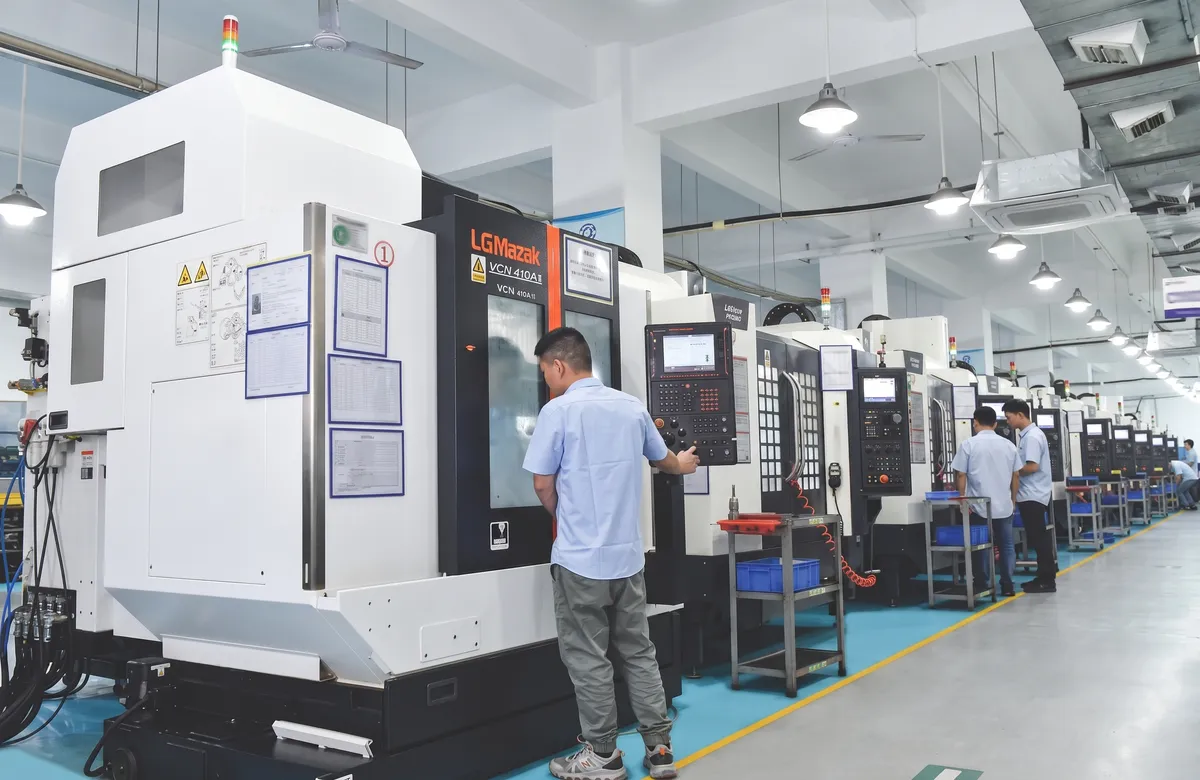
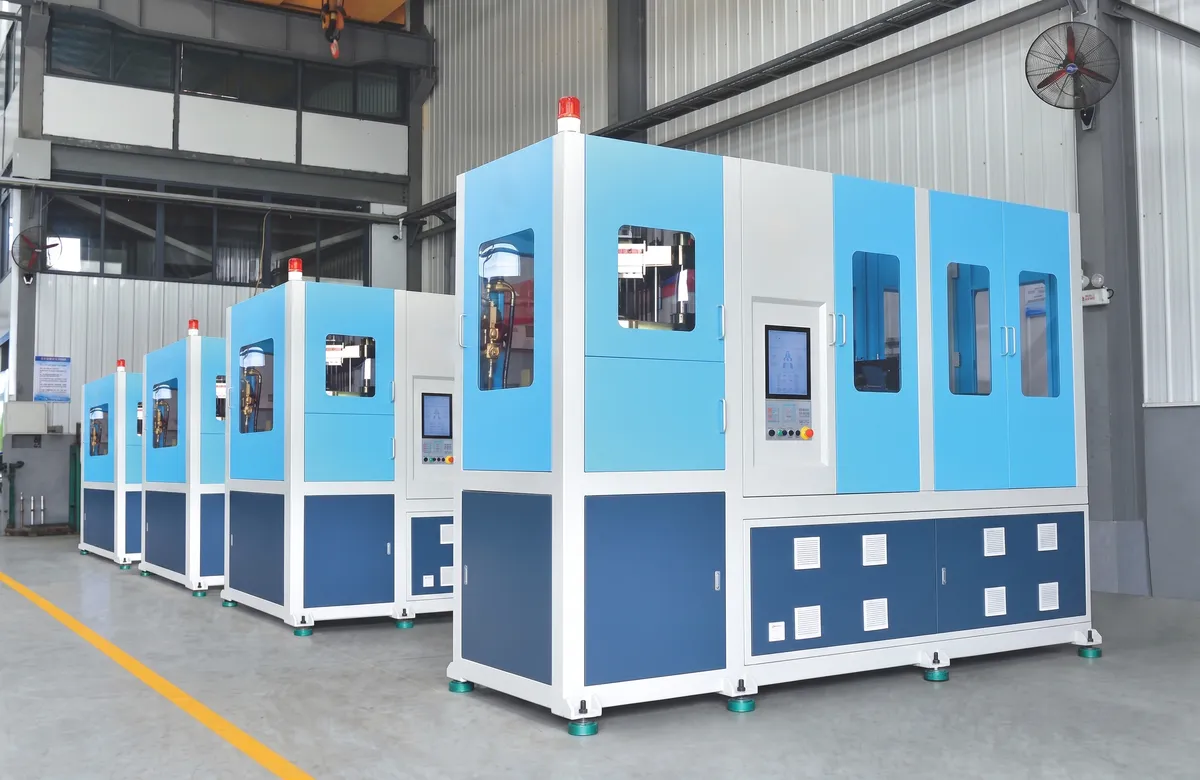
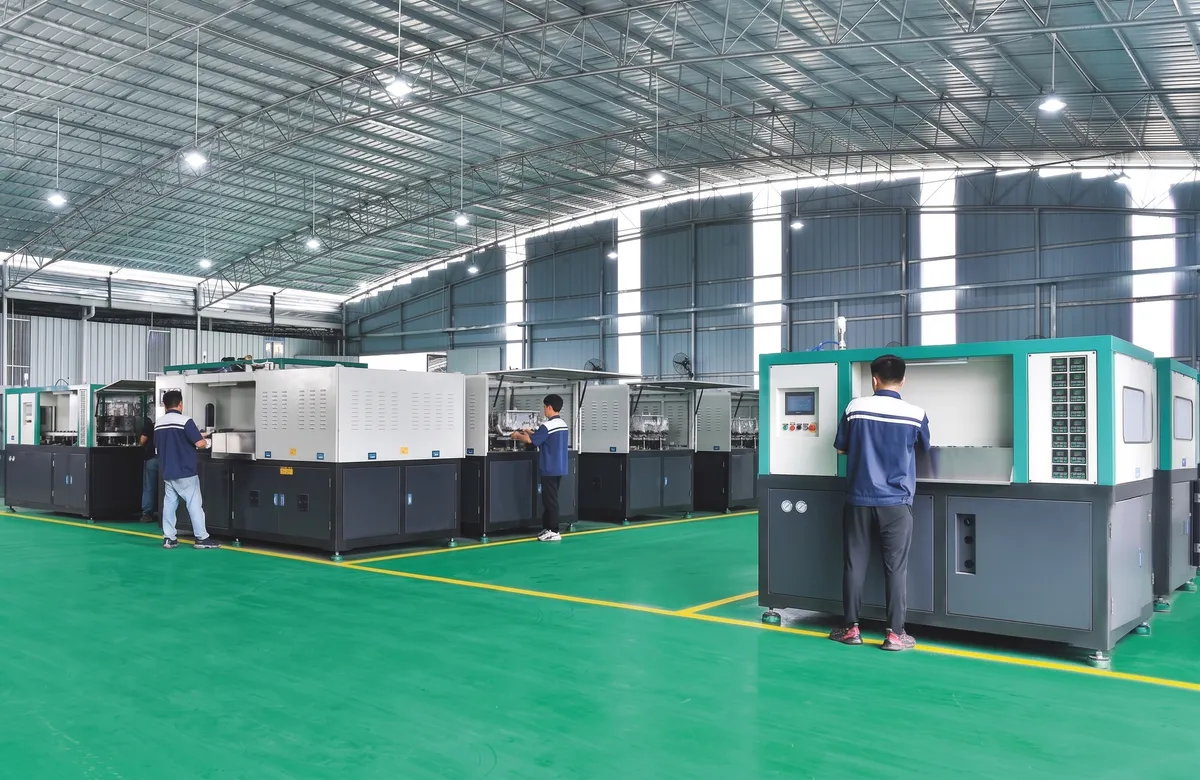
Mexico Ever-Power ISBM Machinery Co., Ltd is a specialized manufacturer primarily engaged in the research, development, production, sales, and global trade of automatic one-step injection blow molding machines and injection stretch blow molding machines. Our comprehensive product lineup includes injection blow molding machines, extrusion blow molding machines, injection stretch blow molding machines, and a full range of auxiliary equipment to support complete turnkey packaging production lines.
Backed by an experienced R&D team that brings together engineering and technical specialists with deep expertise in injection-blowing machinery and injection-blowing mold design, Ever-Power offers detailed and attentive service covering pre-sale technical consultation, in-sale project management, and comprehensive after-sale technical support. Our team's combination of strong theoretical foundations and extensive practical manufacturing experience enables us to provide customers with optimized machine specifications and process solutions tailored to their specific packaging requirements.
Our product applications span pharmaceutical packaging, food and beverage packaging, healthcare product packaging, cosmetic packaging, and general plastic packaging. We produce equipment capable of processing 1ml to 1,000ml containers in materials including HDPE, LDPE, PET, PETG, PP, PS, PPSU, PC, Tritan, ABS, PLA, EVA, PCTG, and sustainable bio-based resins, providing unmatched material versatility for diverse market requirements.
Our Core Competitive Advantages
- Over 20 years of specialized expertise as leading blow molding machine manufacturers
- Comprehensive product lineup from single-cavity semi-automatic to high-output fully automatic multi-cavity machines
- Internationally sourced servo motors, precision reducers, and control systems for superior reliability
- In-house R&D capability for custom machine specifications and specialized application development
- Complete supply chain from blow molding machine parts fabrication through final assembly and testing
- Global sales network with established export experience to markets across Asia, Americas, Europe, Middle East, and Africa
- Adherence to the enterprise tenet of self-reliance, integrity, pragmatism, innovation, and responsibility in every machine delivered
- One-stop turnkey project capability covering machine supply, mold tooling, auxiliary equipment, and production commissioning
 |
 |
 |
 |
 |
 |
Frequently Asked Questions
Q: What bottle volumes can the EPA.ES-2C260 fully automatic blow molding machine produce?
A: The EPA.ES-2C260 accommodates a wide range of container volumes from 30ml up to 15,000ml in a single machine platform. With 2 cavities per cycle and a preform holder capacity of 42, it handles everything from small 30ml cosmetic sample bottles and perfume vials up to large 5-liter or greater cleaning product containers. The maximum container dimensions are 240mm in diameter and 450mm in height with a neck diameter range of up to 168mm, providing excellent flexibility for diverse cosmetic and daily chemical packaging product lines.
Q: What plastic materials are compatible with this PET blow molding machine?
A: The EPA.ES-2C260 is specifically optimized for PET and PETG materials, which are the dominant materials in cosmetic and daily chemical bottle production. Beyond these primary materials, the machine can also process HDPE, LDPE, PP, and select engineering resins depending on application requirements and process parameter adjustment. For specialty cosmetic packaging applications, PETG is particularly popular due to its superior optical clarity, scratch resistance, and excellent surface gloss that gives finished containers a premium glass-like appearance. Please consult our technical team for specific material processing compatibility guidance.
Q: What is the theoretical output rate of this automatic blow molding machine?
A: The EPA.ES-2C260 has a theoretical output of 900 bottles per hour based on standard 2-cavity operation with typical container sizes and cycle parameters. Actual achieved output in production will vary depending on container volume, wall thickness design, blow molding cycle time settings, and cooling parameters. For smaller, simpler bottle formats with shorter blow times, output rates closer to the theoretical maximum are typically achievable. For larger or more complex bottles requiring extended cooling, actual output may be lower. Our application engineers can provide output estimates specific to your container specifications.
Q: How much energy does this fully automatic blow molding machine consume?
A: The EPA.ES-2C260 features a rated maximum heating power of 68 kW with a typical operating heating consumption of 35 kW during normal steady-state production. The integration of servo motor technology throughout the machine's drive systems significantly reduces energy consumption compared to conventional hydraulic-only designs by matching power output to actual demand rather than running continuously at full capacity. The exact energy consumption per bottle or per production shift will depend on heating zone configuration, cycle time, and ambient factory conditions, but the servo system typically delivers 20 to 30 percent energy savings over comparable conventional machines.
Q: What is the difference between the EPA.ES-2C260 and extrusion blow molding machines?
A: The EPA.ES-2C260 operates on the injection stretch blow molding (ISBM) process, which uses precision-injection-molded preforms as the starting point, delivering significantly higher neck finish accuracy, more uniform wall thickness, and superior optical clarity compared to extrusion blow molding machines that form bottles from a continuously extruded parison. ISBM technology is preferred for high-precision cosmetic and pharmaceutical packaging where consistent neck thread dimensions for pump and closure compatibility are critical. Extrusion blow molding machines are better suited for large-volume industrial containers, fuel tanks, and applications where handle integration or very large sizes are required.
Q: What floor space and utility requirements does this machine need?
A: The EPA.ES-2C260 has overall machine dimensions of 5,570mm (L) x 2,090mm (W) x 2,500mm (H) and a machine weight of 7,500 kg. Factory floors need to be verified for load-bearing capacity before installation. The machine requires a cooling water supply operating at 5 to 6 kg/cm2 with a flow rate of 50 liters per minute maintained at 8 to 10 degrees Celsius, which typically requires a dedicated water chiller unit. High-pressure air supply at 35 kg/cm2 is also required, necessitating an appropriately sized high-pressure compressor station. Exact electrical connection requirements should be confirmed with our technical team based on local power supply specifications.
Q: Can this machine produce irregularly shaped and custom cosmetic bottles?
A: Yes, producing complex and irregularly shaped cosmetic bottles is one of the defining strengths of the EPA.ES-2C260 as a specialized cosmetic bottle blow molding machine. Its servo-driven stretch and blow system, combined with the precision control of preform heating zone temperatures, enables excellent material distribution across non-symmetrical bottle forms including oval cross-sections, waisted profiles, faceted bottles, and asymmetrical designs. Custom mold tooling designed with our 3D software modeling capability translates brand design concepts into production-ready tooling. Our engineering team is experienced in advising on bottle geometry optimization for moldability and production efficiency.
Q: What after-sales support does Ever-Power provide for this plastic blow molding machine?
A: Mexico Ever-Power ISBM Machinery Co., Ltd provides comprehensive pre-sale technical consultation, on-site installation and commissioning support, operator training, and full after-sales technical service for all EPA series machines. Our support team is available for remote troubleshooting and process parameter guidance, with on-site service dispatched for more complex technical issues. We maintain a spare parts inventory covering all critical wear components including heater lamps, blow pins, seals, and servo components to minimize lead times on essential parts orders. Our goal is to ensure maximum machine uptime and production performance for every customer throughout the full operational life of the equipment.
Q: How quickly can this blow molding machine change between different bottle molds?
A: Mold changeover time on the EPA.ES-2C260 depends on the degree of format change involved. For changes between bottle formats that use the same preform specification, mold changeover involving only the blow mold set can typically be completed by an experienced operator in 60 to 90 minutes. When changing between formats that require a different preform specification, additional changeover of preform-related components is needed and overall changeover time will be longer. The machine's recipe storage allows rapid recall of saved process parameters for each mold format, significantly reducing the time needed to dial in production quality after a changeover. Our engineering team can provide detailed changeover procedure training during commissioning.
Q: Does the machine comply with international safety and quality standards?
A: Yes, Ever-Power machines including the EPA.ES-2C260 are manufactured in compliance with relevant international quality and safety standards. Our production facilities hold quality management certifications and our machines have received verification of compliance testing for key electrical and mechanical safety parameters. All electrical components are sourced from internationally recognized suppliers to ensure compliance with CE marking requirements where applicable. We can provide full documentation packages including test reports and certificates to support customers in their import clearance and quality management system requirements. Please contact our sales team for specific documentation requirements relevant to your target market.
Customer Reviews
Wang Lei, Cosmetics Packaging, China
"We installed the EPA.ES-2C260 at our cosmetics plant in Guangzhou eight months ago specifically for PETG lotion and serum bottles in the 100ml to 500ml range. Before this machine we were struggling with wall thickness variation causing a rejection rate close to 4%. Since commissioning, our rejection rate has dropped to under 0.8% and production throughput is consistently hitting 850 to 870 bottles per hour in actual operation. The servo drive system really makes a difference in heating consistency compared to our older conventional machine. The after-sales engineer from Ever-Power was on site for four days during installation and trained all three of our shift teams personally. Cannot fault the support."
Priya Sharma, Daily Chemical Packaging, India
"We have been running two of these machines at our daily chemical plant in Pune for about six months now. We use them primarily for 500ml and 1,000ml PET shampoo and shower gel bottles. The output consistency is very good and the machines have been running smoothly with almost no unplanned stops. The cooling water system keeps everything stable even in our hot factory environment during summer. What we really appreciated was that the documentation provided was thorough and our local maintenance team could handle routine upkeep without needing to call Ever-Power every time. Good machine for the price point, solid investment."
Carlos Mendes, Personal Care Packaging, Brazil
"Our company in Sao Paulo does contract blow molding for several personal care brands and we needed a machine that could switch between very different bottle shapes quickly. The EPA.ES-2C260 handles mold changeovers much faster than our previous equipment and the recipe storage means our operators can bring up the right settings in minutes rather than spending half a shift dialing everything in manually. We do irregular shaped perfume bottles and cylindrical shampoo containers on the same machine in the same week. Bottles look great, clients are very satisfied. Shipping from Mexico was smooth, no damage on arrival, and customs documentation was complete. Very professional."
Budi Santoso, Hair Care Packaging, Indonesia
"We ordered the EPA.ES-2C260 for our factory in Jakarta nine months ago. Main application is 200ml to 750ml PET bottles for hair care and skin care products. The machine arrived well-packaged and installation took about a week with the Ever-Power technician present. There was a small calibration issue on the stretch rod timing in the first two weeks which was resolved remotely by the technical team very promptly. Since then it has been running reliably on two-shift production. Energy consumption is noticeably lower than our older hydraulic machine which helps our overhead costs. The neck finish accuracy on our pump-top bottles is excellent, we have had very few closure compatibility complaints from our brand customers."
Fatima Malik, Cosmetic Packaging, Pakistan
"We run a mid-size cosmetic bottle plant in Karachi and we purchased this machine fourteen months ago for our PETG premium cosmetic line. I was skeptical at first about buying from a Chinese manufacturer but the machine has genuinely outperformed our expectations. The PETG bottle clarity is outstanding, our client brands have commented on the glass-like appearance positively. We run about 16 hours a day on a two-shift basis and the machine has needed only routine maintenance in that time. Spare parts ordering has been straightforward and delivery is reasonable. The sales team at Ever-Power answered all our technical questions before purchase and was patient with our many specification queries. Would recommend without hesitation."
Emeka Okonkwo, Pharmaceutical Packaging, Nigeria
"Our pharmaceutical packaging facility in Lagos ordered the EPA.ES-2C260 primarily for producing 30ml to 120ml PET oral supplement bottles. The precision on the neck threads is critical for us because we use tamper-evident closures and the fitment accuracy has been very consistent. We have been running the machine for about ten months and production quality has been stable throughout. The PLC interface is intuitive enough that our operators picked it up reasonably quickly even though they had only used older machines before. The machine weight of 7,500 kg meant we needed to reinforce our floor in one section but that was expected and Ever-Power advised us on the requirements in advance. Overall very satisfied."
Ricardo Flores, Personal Care Packaging, Mexico
"I manage procurement for a group of personal care packaging factories across three facilities in Mexico and we deployed two EPA.ES-2C260 units at our Guadalajara plant last year. The machines replaced two older units that were causing us constant maintenance headaches. The difference in downtime frequency has been remarkable. We have tracked our overall equipment effectiveness and it went from around 71% on the old machines to consistently above 88% on the Ever-Power units. The energy savings are real too, our monthly electricity bill for that line went down noticeably. For a comparable output spec this machine is very competitively priced. The local Ever-Power technical contact has been responsive whenever we have needed guidance."
Ahmed Hassan, Cosmetic and Cleaning Bottle, Egypt
"We are a specialized bottle manufacturer in Cairo supplying cosmetic and cleaning product brands across North Africa. We purchased this machine based on its specifications for producing bottles up to 15,000ml volume which matched our large-format cleaning container orders. The maximum container height of 450mm and diameter of 240mm covers our full product range comfortably. Machine arrived in good condition and commissioning went smoothly. We produce both small 100ml cosmetic bottles and large 5 liter cleaning containers on the same machine by changing molds, which gives us very flexible production scheduling. After-sales response time has been good, usually reply within the same business day."
Nguyen Thi Lan, Personal Care Packaging, Vietnam
"Our company in Ho Chi Minh City produces packaging for both domestic personal care brands and for export to Southeast Asian markets. We have been running the EPA.ES-2C260 for approximately seven months on PET bottles in the 150ml to 1,000ml range for shampoo, body lotion, and hand soap products. The bottle clarity and surface finish quality is very good and our brand clients have not raised quality complaints since we switched to this machine. The footprint of the machine fits well into our existing production layout without requiring major reconfiguration. Delivery lead time from order to installation was about eleven weeks which was as quoted. Overall a reliable machine at a fair price for our market."
Additional information
| Edited by | Yjx |
|---|
Related products
-
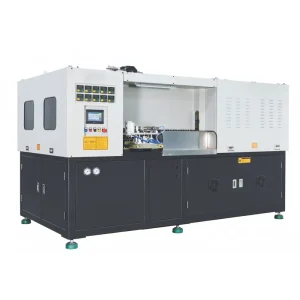
EPA.ES-2C100 Fully Automatic Blow Molding Machine for Daily Chemicals & Cosmetic Bottles
-
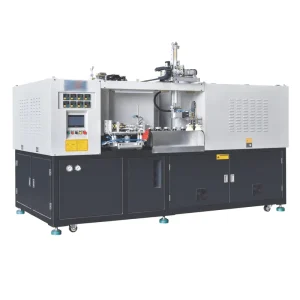
EPA.ES-1C130 Fully Automatic Blow Molding Machine for Food Wide-Mouth Jars and Cans
-
EPA.ES-2C130 Fully Automatic Blow Molding Machine for Daily Chemicals & Cosmetic Bottles
-
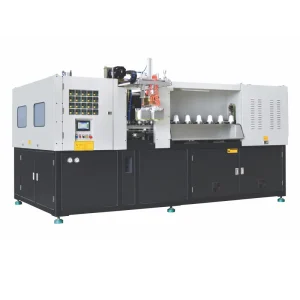
EPA.ES-2C200 Fully Automatic Blow Molding Machine for Crafts and Special-Shaped Bottles