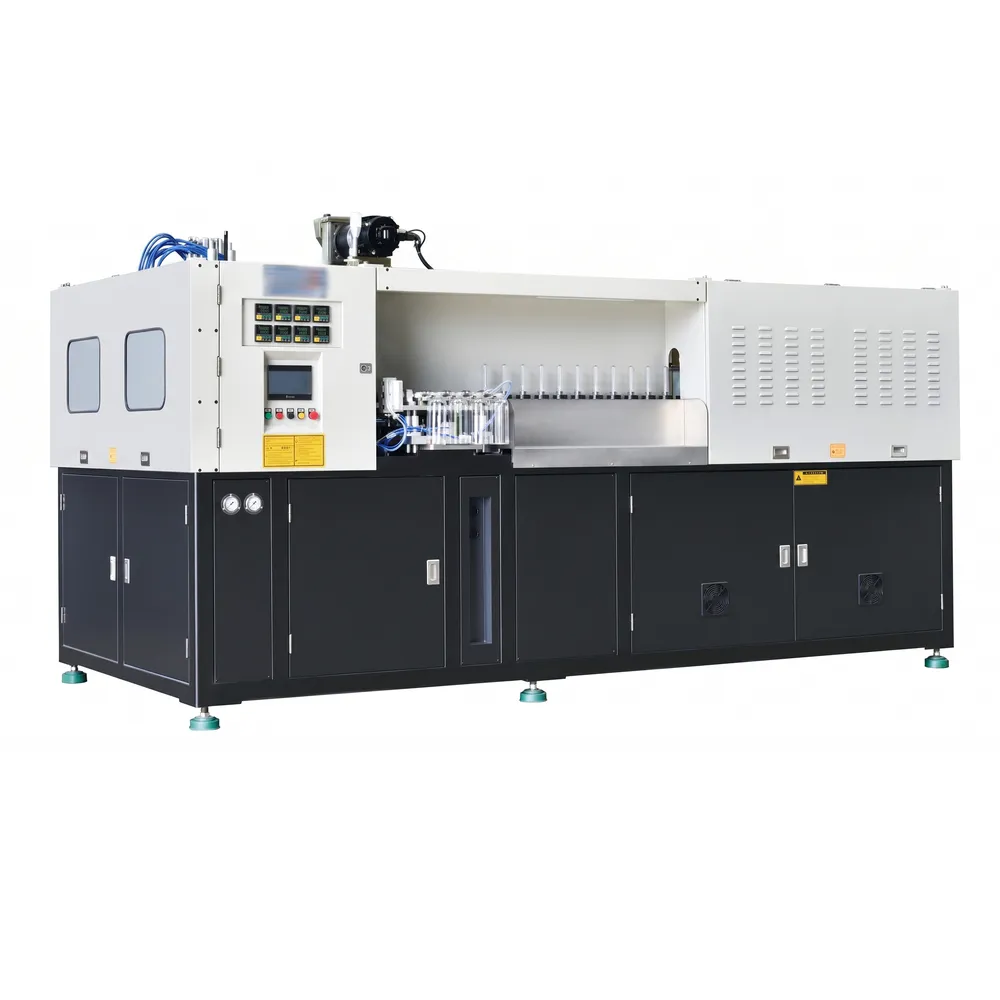
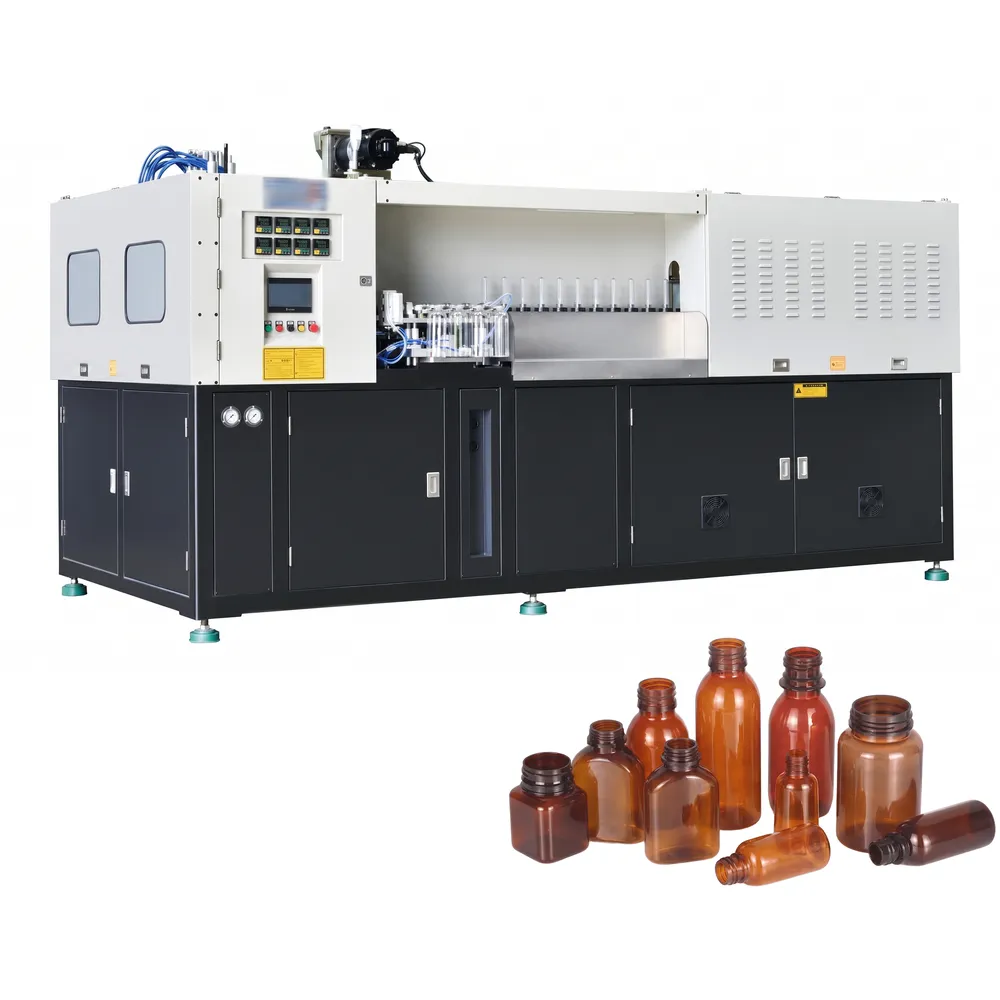
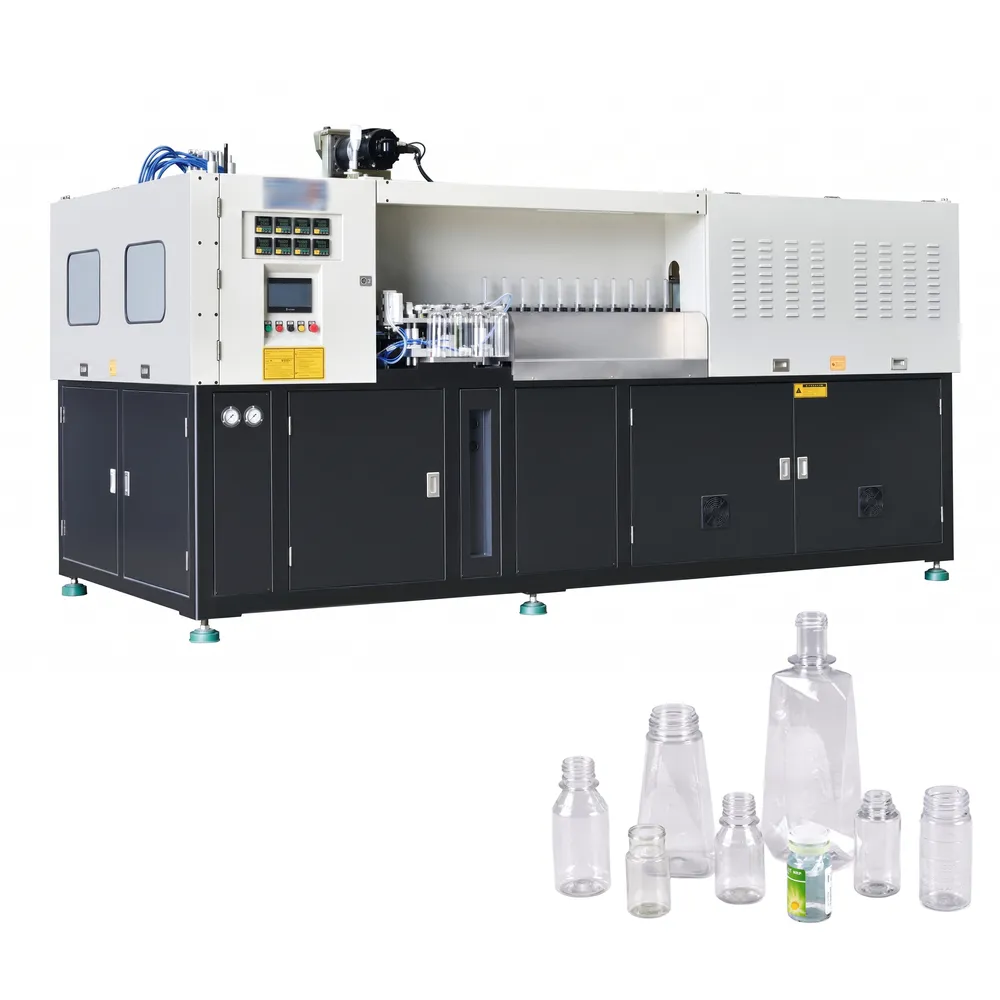
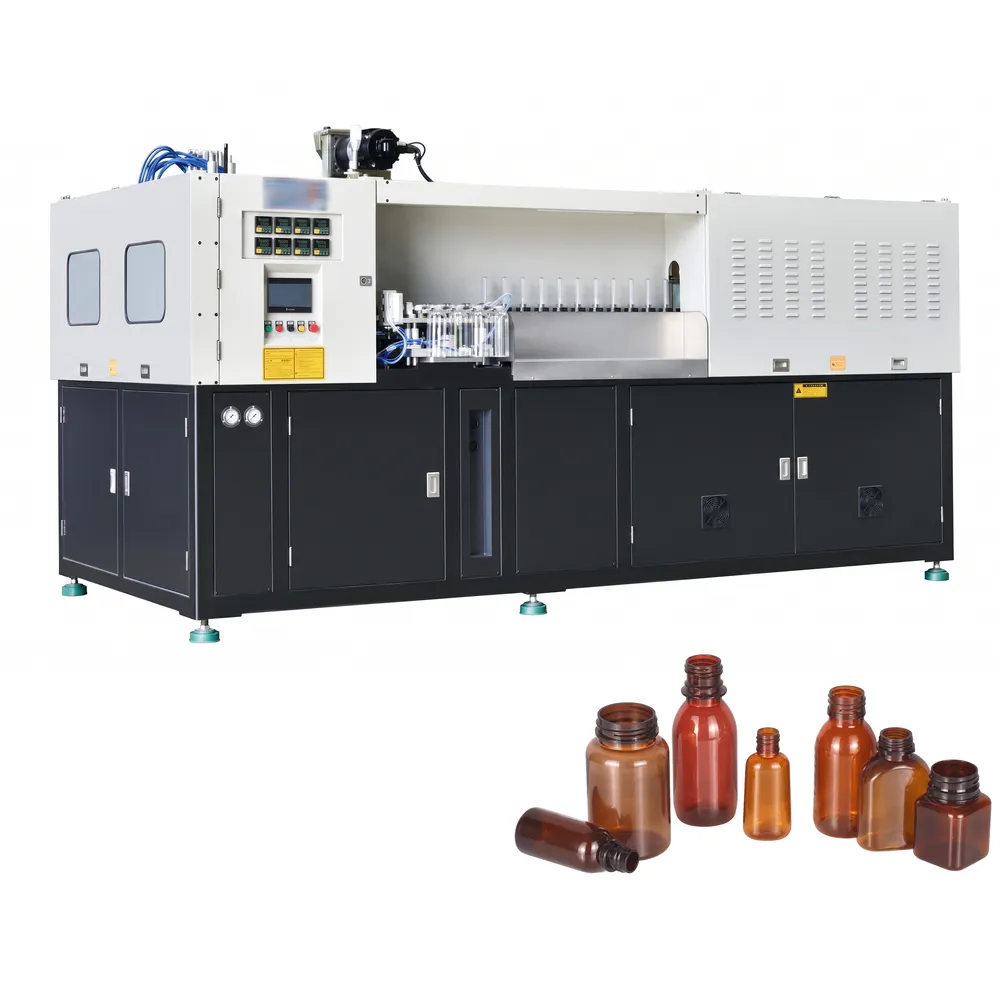
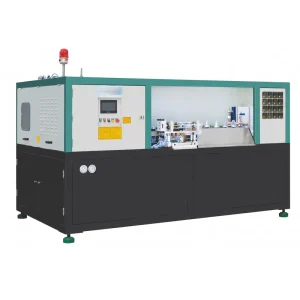
EPA.AS-4C76.2 Fully Automatic Blow Molding Machine for Medicine Bottles
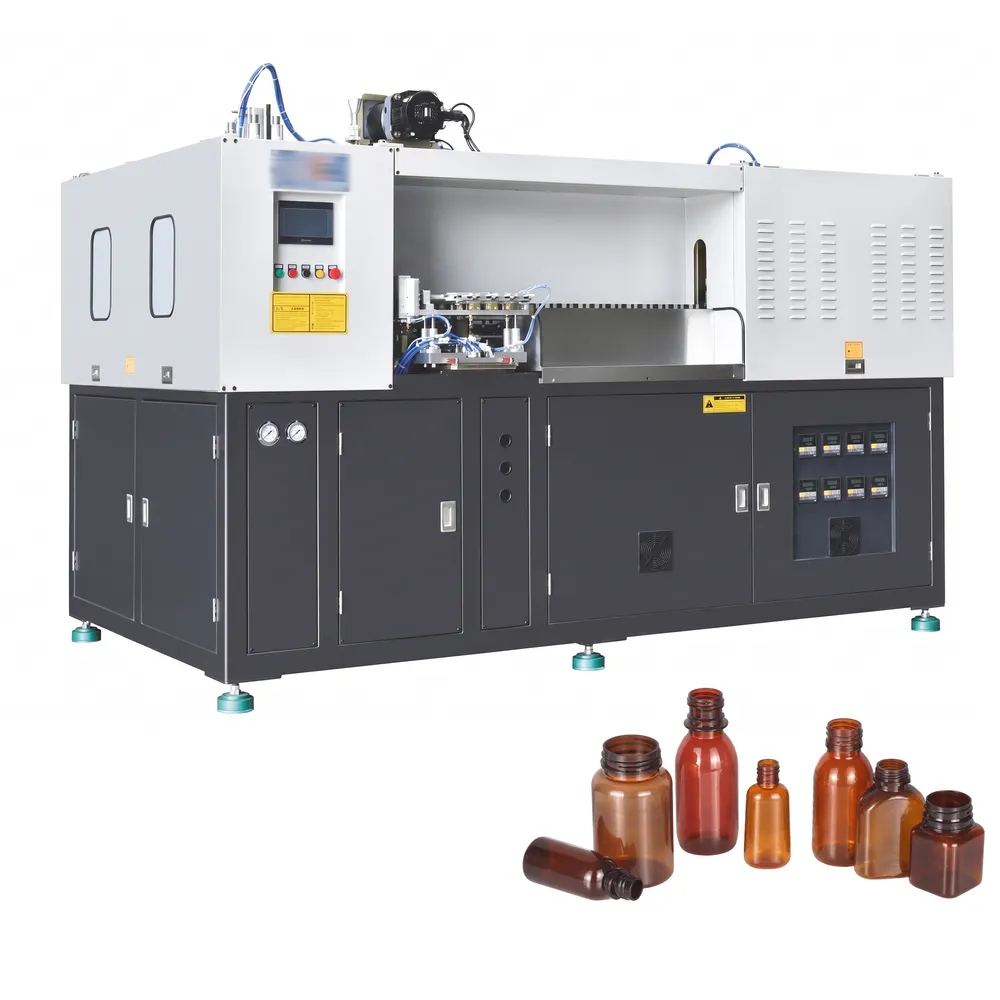
The EPA.AS-4C76.2 Fully Automatic Blow Molding Machine is an advanced medicine bottle blow molding machine engineered specifically for the pharmaceutical packaging industry. As a high-performance automatic blow molding machine, it efficiently produces medical-grade PET bottles ranging from 50 ml to 1,500 ml, satisfying the strict packaging requirements of oral liquids, syrups, tablets, eye drops, and nutraceutical products. The series spans multiple configurations including EPA.AS-2C114.3, EPA.ES-4C100, and six-cavity types, achieving a maximum theoretical output of up to 7,200 bottles per hour on the EPA.ES-6C76.
The EPA.AS-4C76.2 Fully Automatic Blow Molding Machine is an advanced medicine bottle blow molding machine engineered specifically for the pharmaceutical packaging industry. As a high-performance automatic blow molding machine, it efficiently produces medical-grade PET bottles ranging from 50 ml to 1,500 ml, satisfying the strict packaging requirements of oral liquids, syrups, tablets, eye drops, and nutraceutical products. The series spans multiple configurations including EPA.AS-2C114.3, EPA.ES-4C100, and six-cavity types, achieving a maximum theoretical output of up to 7,200 bottles per hour on the EPA.ES-6C76. With blowing pressure precisely stabilised at 26 to 35 kg/cm and cooling water maintained at 8 to 12 degrees C, this PET blow molding machine delivers uniform wall thickness and dimensional accuracy that fully complies with pharmaceutical hygiene and GMP safety standards.
Designed for cleanroom pharmaceutical environments, the EPA.AS-4C76.2 bottle blow molding machine combines a compact footprint of 3,370 x 1,850 x 2,100 mm with an intuitive HMI control interface, making it equally suitable for high-volume production lines and flexible small-batch manufacturing. As one of the leading blow molding machine manufacturers in the sector, Ever-Power integrates internationally sourced servo motors, precision reducers, and smart electrical control systems into this fully automatic blow molding machine, ensuring consistent, repeatable output with minimal operator intervention. Whether you are scaling up pharmaceutical bottle production or entering new container formats, the EPA.AS-4C76.2 stands as an ideal choice among plastic blow molding machine solutions for medicine and healthcare packaging.
Technical Parameter
| Medicine Bottle Blow Molding Machine | |||
|---|---|---|---|
| Model | Unit | EPA.AS-4C76.2 | |
| Molding | Clamping stroke | mm | 100 |
| Mold-open distance | mm | 280 | |
| Mold-close distance | mm | 180 | |
| Stretching stroke | mm | 350 | |
| Bottom mold stroke | mm | 50 | |
| Pitch | mm | 76.2 | |
| Preform Holder | 96 | ||
| Cavities | 4 | ||
| Container | Max.Container Volume | ml | 500 |
| Neck Diameter Range | mm | 48 | |
| Max.Container Diameter | mm | 65 | |
| Max.Container Height | mm | 250 | |
| Theoretical Output | bph | 4000 | |
| Electrical System | Max.Heating Power | kw | 33 |
| Heating Power | kw | 17 | |
| Air System | Operating Pressure | kg/cm² | 7 |
| Low Pressure Air Consumption | ltr/min | 600 | |
| Blowing Pressure | kg/cm² | 35 | |
| High-pressure air consumption | ltr/min | 4000 | |
| Cooling water | Operating Pressure | kg/cm² | 5-6 |
| Temperature | ℃ | 8-10 | |
| Flow rate | ltr/min | 40 | |
| Machine | Size (L*W*H) | mm | 3370*1850*2100 |
| Weight | kg | 4000 | |
Features of EPA.AS-4C76.2 Fully Automatic Blow Molding Machine
1. Flexible Models for Diverse Production Needs
The series spans multiple configurations from two-cavity to six-cavity setups, including EPA.AS-2C114.3, EPA.ES-3C76, and EPA.ES-6C76, covering container volumes from 50 ml to 1,500 ml. The EPA.ES-6C76 achieves a theoretical output of 7,200 bottles per hour, while the EPA.ES-2C100 is optimised for 500 ml bottles. This high flexibility allows pharmaceutical producers using this plastic bottle blow molding machine to adjust cavity count and pitch configuration according to batch sizes and product mix, eliminating the need for multiple dedicated machines on the production floor.
2. Energy Efficiency and Precise Temperature Control
Heating power is intelligently managed across an 8 to 26 kW range, while blowing pressure is stabilised at 26 to 35 kg/cm. High-pressure and low-pressure air consumption can be fine-tuned per bottle specification, delivering measurable energy savings across long production runs. The cooling circuit maintains water temperature at 8 to 12 degrees C with a regulated flow of 30 to 40 L/min. This precise thermal management ensures homogeneous preform cooling, dramatically reduces wall-thickness deviation, and improves lot-to-lot consistency, which is a decisive advantage for this high speed blow molding machine in regulated pharmaceutical environments.
3. Stable Operation and Easy Maintenance
The EPA.AS-4C76.2 integrates internationally sourced servo motors, reducers, and electrical control components to achieve extremely low failure rates and straightforward daily servicing. With a maximum mold-close distance of 180 mm and generous mold-open stroke of 280 mm, rapid mold changeover is achievable with minimal downtime. The machine weighs 4,000 kg and fits a 3,370 x 1,850 x 2,100 mm footprint, making it compatible with pharmaceutical cleanroom layouts. Modular component design means that most routine maintenance tasks can be completed by on-site technicians without specialist tooling, reducing total cost of ownership over the machine lifecycle.
4. GMP-Compliant, Pharmaceutical-Grade Output
Processing medical-grade PET and PP materials, the machine produces bottles with tightly controlled neck dimensions, uniform wall thickness, and superior transparency. Every container leaving the line meets the stringent hygiene, dimensional, and material-safety requirements demanded by pharmaceutical regulatory authorities. This pharmaceutical bottle blow molding machine is particularly suited to oral liquid bottles, tablet containers, and injection vials where dimensional precision directly influences patient safety, dosing accuracy, and packaging line compatibility at downstream filling and labelling stations.
5. Fully Automatic Operation Reduces Labour Dependency
As a fully automatic blow molding machine, the EPA.AS-4C76.2 automates the complete production cycle from preform loading through heating, stretching, blowing, and bottle ejection, with no manual intervention required between cycles. The intelligent PLC control system monitors all critical parameters in real time and triggers alarms or stops automatically if values drift outside set tolerances. This high degree of automation not only reduces direct labour costs by up to 60% compared to semi-automatic alternatives but also eliminates human-handling contamination risks, which is a core GMP requirement in pharmaceutical manufacturing facilities.
6. Scalable Series Architecture for Long-Term Investment
The EPA series is part of a cohesive family of automatic PET blow molding machines designed around a shared mechanical architecture, meaning operators trained on one model can quickly adapt to others. As production demands grow, pharmaceutical companies can add higher-cavity or larger-format models from the same series while reusing moulds, spare parts, and process knowledge. Ever-Power, as a recognised global blow molding machine supplier, maintains a comprehensive spare parts inventory and provides technical support across the full series lifetime, protecting the capital investment of every production facility.
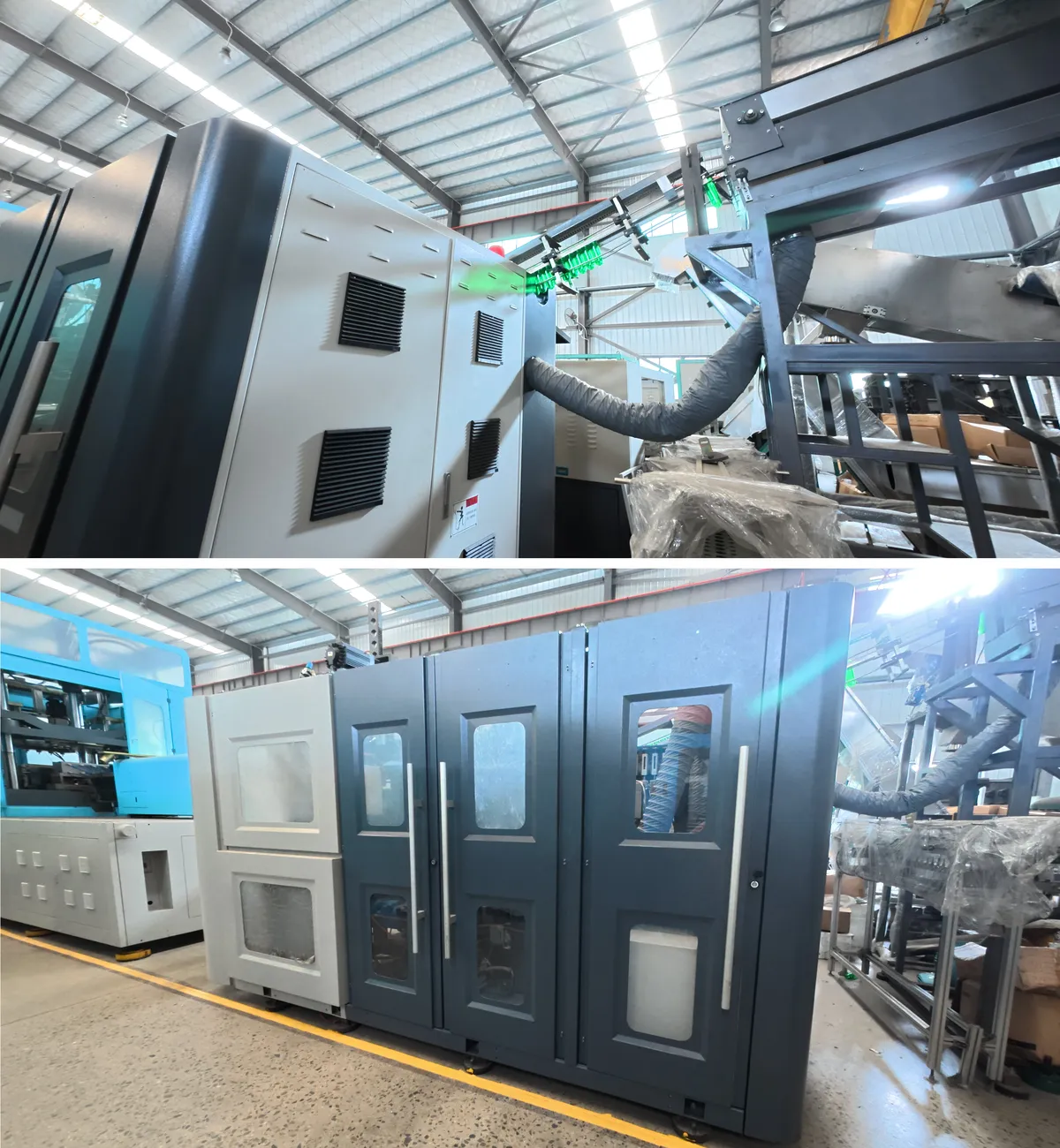
How Does the Two-Stage Blow Molding Machine Work
1. Raw Material Preparation
The pharmaceutical-grade PET, PP, or PE resin is first subjected to rigorous quality screening, moisture analysis, and drying. Material is then blended and fed into the system via automatic loaders. Maintaining strict raw material control at this stage is essential, as moisture content above 0.02% can cause hydrolytic degradation of PET during processing, directly affecting bottle clarity, strength, and GMP compliance for this plastic blow molding machine line.
2. Injection Molding of Preforms
In the first stage of this injection stretch blow molding machine process, dried resin is fed into the injection unit. The material is heated, melted, and plasticised under precisely controlled barrel temperatures, then injected into a multi-cavity preform mould under high pressure. Temperature, injection speed, hold pressure, and cooling time are all monitored by the PLC to ensure dimensional uniformity of every preform, which is the foundation for subsequent high-quality bottle production.
3. Preform Conditioning and Preheating
Preforms are transferred to the heating oven, where infrared lamps progressively raise their temperature to the precise stretch-blow window, typically 90 to 115 degrees C for PET. The 96-position preform holder on the EPA.AS-4C76.2 ensures every preform receives uniform, all-round heating. Proper conditioning at this stage enhances the plasticity of the material, ensures symmetric molecular orientation during stretching, and is the critical factor separating premium PET bottle blow molding machine output from inferior alternatives.
4. Stretch Blow Molding
The heated preform is transferred into the blow mould, where a stretch rod extends axially to a stroke of 350 mm while high-pressure air at 35 kg/cm inflates the material radially against the mould cavity walls. This biaxial orientation simultaneously increases bottle strength, barrier properties, and optical clarity, which are all critical for pharmaceutical containers. The cooling water circuit at 8 to 10 degrees C rapidly sets the bottle shape, locking in dimensional accuracy before mould opening and ejection.
Applications of EPA.AS-4C76.2 Medicine Bottle Blow Molding Machine
1. Oral Liquid and Syrup Bottles
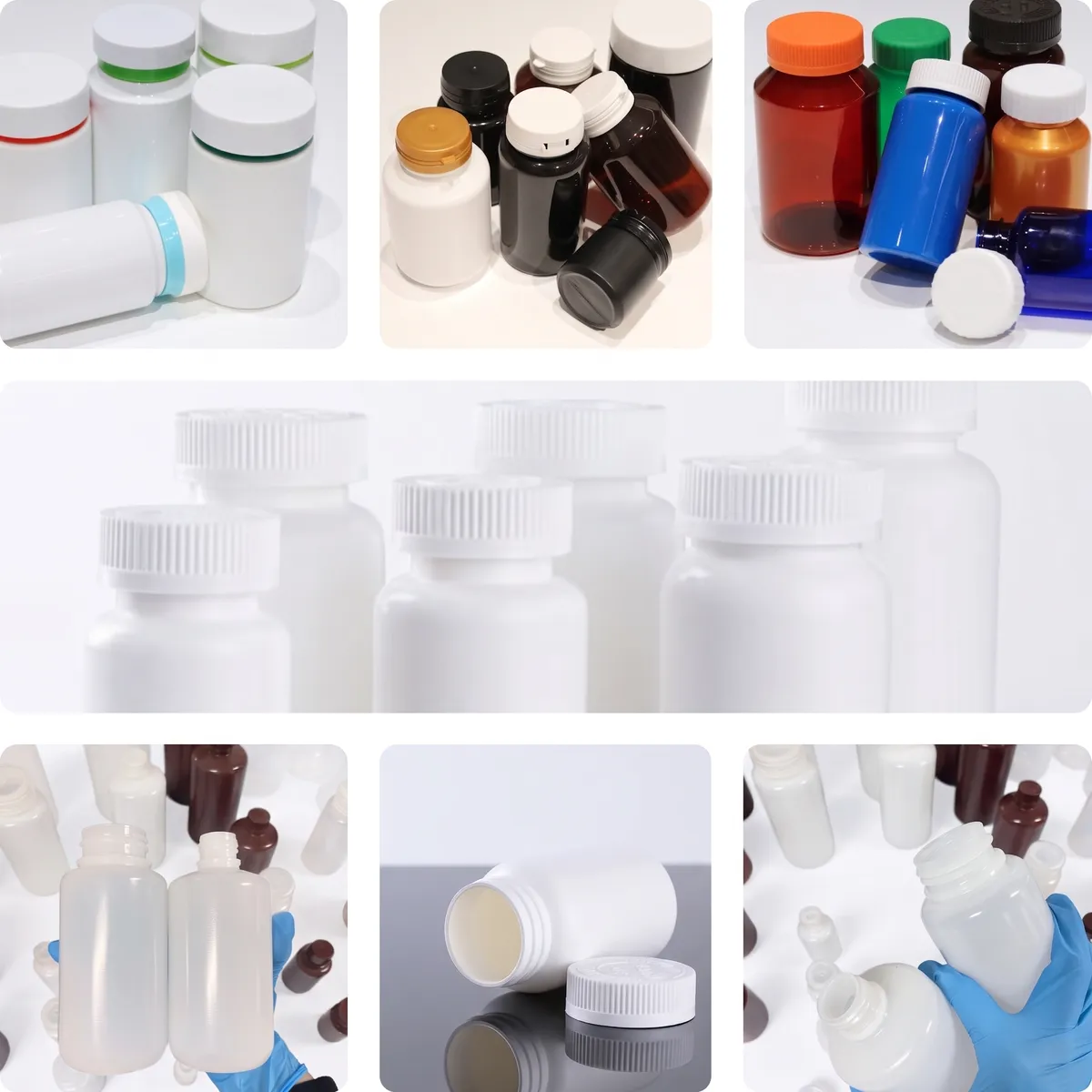
The EPA.AS-4C76.2 plastic blow molding machine excels at producing narrow-neck and wide-neck oral liquid bottles from 50 ml to 500 ml in medical-grade PET. These containers require excellent chemical resistance to prevent drug interaction, high clarity for content inspection, and reliable tamper-evident closure compatibility, all of which this pharmaceutical bottle blow molding machine delivers with consistent batch-to-batch dimensional repeatability.
2. Tablet and Capsule Containers
Rigid PET and PP bottles produced on this machine are widely used for solid dosage forms including tablets, capsules, and effervescent tablets. The controlled wall thickness and superior moisture-barrier properties of biaxially oriented PET bottles protect solid medicines from humidity-induced degradation, extending shelf life and ensuring drug efficacy through the full product distribution chain, from manufacturer to patient.
3. Eye Drop and Ophthalmic Solution Bottles
Producing small-volume, narrow-neck eye drop bottles demands the highest precision in neck diameter and wall uniformity. The 7 mm small-tooth-mouth automatic capability within the EPA series, combined with the precision mould engineering supplied by Ever-Power, makes this machine a reference choice for ophthalmic packaging manufacturers who require sub-millimetre dimensional consistency across millions of units per production campaign.
4. Nutraceutical and Health Supplement Bottles
Vitamins, mineral supplements, protein powders, and probiotic capsules are increasingly packaged in high-clarity PET bottles that project premium brand aesthetics while protecting sensitive active ingredients. This custom blow molding machine solution supports a wide range of container shapes and neck finishes, giving nutraceutical brands the design flexibility needed to differentiate on retail shelves while maintaining manufacturing efficiency and regulatory compliance.
5. Veterinary and Agricultural Pharmaceutical Packaging
The machine is equally applicable to pesticide bottle and chemical bottle series production requirements. For veterinary medicines, injection solutions, and agricultural chemicals, PET bottles produced on this industrial blow molding machine provide excellent chemical inertness, UV-blocking capability when combined with amber PET, and robust mechanical strength to withstand rigorous logistics environments in emerging agricultural markets across Asia and Latin America.
6. Disinfectant and Antiseptic Solution Packaging
Hospital-grade disinfectants and antiseptic liquids require packaging that is fully resistant to aggressive chemical formulations and compliant with medical device and pharmaceutical container standards. The EPA.AS-4C76.2 produces such containers from PET and PP with the structural integrity and chemical compatibility required for infection-control products used in clinical, laboratory, and home-care healthcare settings globally.
7. Cosmetic and Personal Care Healthcare Packaging
Beyond strictly pharmaceutical applications, the same machine configuration addresses dermatological and therapeutic cosmetic packaging. Medicated shampoos, topical lotions, and dermatology-grade creams are marketed in PET bottles that combine the aesthetic qualities of crystal clarity and premium feel with the functional requirements of product stability and hygiene. The versatility of this automatic blow molding machine makes it a financially efficient investment across these adjacent market segments.
8. Hospital Supply and Single-Use Medical Containers
Single-use PET containers for urine collection, specimen storage, and reagent dispensing in hospital and laboratory settings represent a growing volume market for high-accuracy bottle blow molding machines. The EPA.AS-4C76.2 delivers the dimensional precision and material purity required for these applications, where contamination from the container itself could compromise diagnostic results or patient safety in clinical procedures.
EPA.AS-4C76.2 Pharmaceutical Bottle Blow Molding Machine Parts
Injection Unit
The injection unit consists of a precision screw-barrel assembly with multiple independently controlled heating zones. It melts and homogenises pharmaceutical-grade PET at controlled temperatures, then injects the melt into the preform mould under servo-controlled pressure. The screw geometry is optimised for PET shear sensitivity, minimising acetaldehyde generation, which is a critical quality requirement for food-contact and pharmaceutical-contact packaging applications on this blow molding machine.
Preform Heating Station
The 96-position preform holder rotates preforms through a precisely zoned infrared oven with independently adjustable lamp banks. Each zone can be tuned to deliver the correct energy profile to the gate, body, and shoulder sections of the preform, accommodating different wall-thickness distributions. This fine-grained temperature control is what enables the machine to produce pharmaceutical bottles with highly uniform wall thickness, which is fundamental for both drug stability and downstream capping torque performance.
Clamping Unit
The four-cavity clamping unit operates with a 100 mm clamping stroke and generates the mould-locking force required to resist the 35 kg/cm internal blowing pressure. Constructed from high-strength structural steel and precisely machined guide columns, the clamping unit maintains mould alignment within micron-level tolerances across tens of millions of production cycles. Reliable clamping is essential for parting-line quality and for preventing flash formation on the container, which would be unacceptable in pharmaceutical packaging standards.
Stretch-Blow Unit
The stretch-blow station executes biaxial orientation of the preform through a 350 mm axial stretch-rod stroke combined with high-pressure air injection at up to 35 kg/cm. This simultaneous axial and radial stretching aligns polymer chains in both directions, producing bottles with significantly higher mechanical strength, improved gas and moisture barrier, and the optical clarity essential for pharmaceutical containers. The servo-driven stretch rod allows precise control of stretch speed and timing, a key blow molding machine process parameter.
Cooling and Blow Mould Assembly
Blow moulds are machined from aircraft-grade aluminium alloy with an integrated conformal cooling channel network. The cooling system circulates chilled water at 8 to 10 degrees C through channels positioned close to the mould cavity surface, enabling rapid and uniform heat extraction. Fast cooling reduces cycle time and locks in dimensional accuracy before mould opening. Moulds are designed for quick-change installation, supporting multiple bottle formats without extended changeover downtime on this industrial blow molding machine.
PLC Control System
A programmable logic controller from an internationally recognised brand governs every aspect of the production cycle, from preform loading and heating zone temperatures to stretch-blow timing, air pressure ramping, and bottle ejection. The colour touchscreen HMI provides operators with an intuitive visual interface, real-time parameter trending, fault diagnostics, and recipe storage for multiple bottle formats. Digital audit trails and alarm logging support GMP documentation requirements, reinforcing the pharmaceutical compliance credentials of this fully automatic blow molding machine.
Air Compression and Distribution System
The machine operates on two discrete air circuits: a low-pressure circuit at 7 kg/cm consuming 600 L/min for pneumatic actuation functions, and a high-pressure blowing circuit at 35 kg/cm consuming 4,000 L/min for bottle formation. Precision pressure regulators and solenoid valves ensure that each blowing cycle receives exactly the specified pressure profile. Stable air supply quality directly determines bottle wall distribution and dimensional repeatability, making the air system a critical component of blow molding machine parts engineering.
Bottle Ejection and Transfer System
After mould opening, finished bottles are transferred by a servo-driven ejection arm to the discharge conveyor without any manual contact, maintaining cleanroom contamination-control standards. The transfer system is designed for gentle, controlled handling to prevent scratching, deformation, or contamination of freshly moulded containers. Integration with downstream conveyors, leak-testing stations, and filling lines is achievable through standard I/O connections on the control system, making the EPA.AS-4C76.2 a true turnkey pharmaceutical PET blow molding machine solution.
Compatible Materials for Plastic Blow Molding Machine
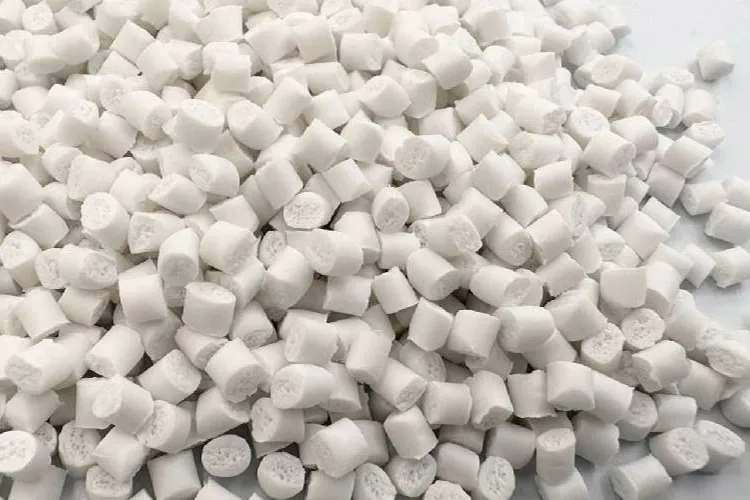
High-Density Polyethylene (HDPE)
HDPE is a versatile, chemically resistant opaque polymer widely used for pharmaceutical tablet containers, vitamin bottles, and hospital cleaning-agent packaging. HDPE bottles are recognised for their resistance to a broad spectrum of chemicals, solvents, and temperature extremes. They are impact-resistant, lightweight for cost-effective logistics, and compliant with major pharmaceutical packaging pharmacopoeias globally, making HDPE an important secondary material for this plastic blow molding machine.
Low-Density Polyethylene (LDPE)
LDPE offers flexibility and translucency that makes it ideal for squeezable pharmaceutical and cosmetic containers including nasal spray bottles, topical cream dispensers, and eye drop applicators. Its excellent moisture resistance and good chemical compatibility with many active pharmaceutical ingredients, combined with the ability to be produced in precise squeeze-and-dose configurations, make LDPE a valuable material option for speciality pharmaceutical packaging on this medicine bottle blow molding machine.
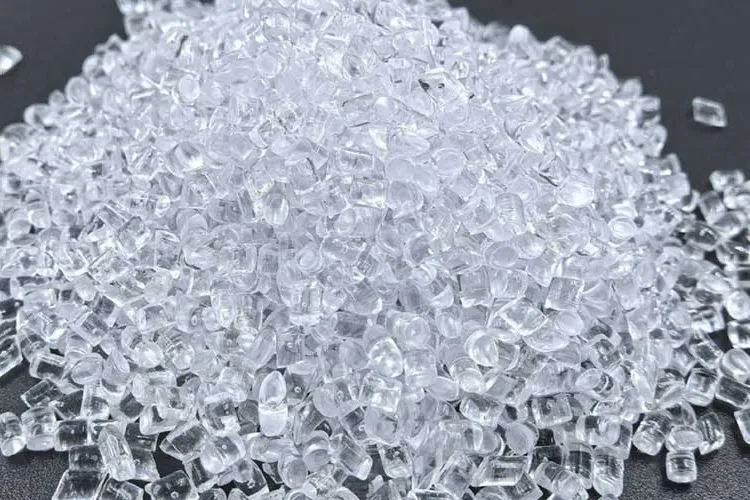
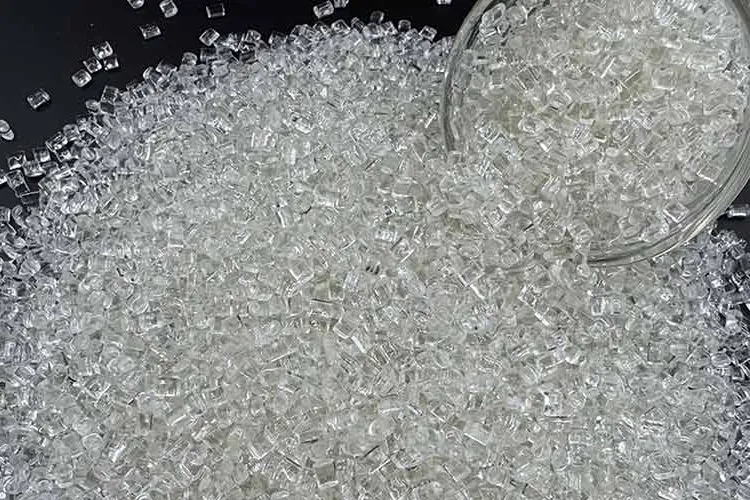
Polyethylene Terephthalate (PET)
PET is the primary material for this PET blow molding machine. Its combination of high tensile strength, outstanding optical clarity, excellent gas and moisture barrier, and full FDA and EU food/pharma contact compliance makes it the material of choice for oral liquid bottles, vitamin containers, and diagnostic specimen vials. PET is also fully recyclable, supporting sustainability commitments for pharmaceutical packaging operations.
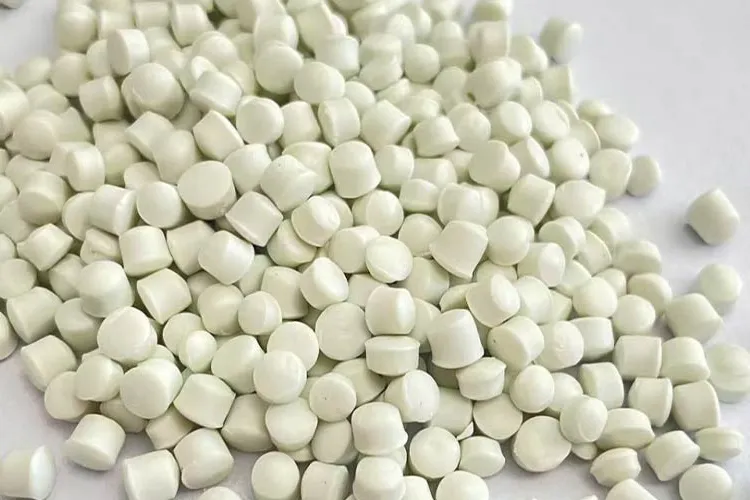
Polypropylene (PP)
PP combines rigidity, chemical resistance, and excellent thermal stability. It is widely used for pharmaceutical and healthcare bottles, particularly in applications requiring autoclave sterilisation or hot-fill compatibility, since PP can withstand temperatures that would deform PET or HDPE. PP bottles are produced on compatible configurations within the EPA series and are popular for laboratory reagent containers, diagnostic kits, and hospital supply packaging across global healthcare markets.
Polycarbonate (PC)
PC is an exceptionally strong and transparent engineering thermoplastic used for reusable pharmaceutical and laboratory containers, water dispensing bottles, and safety-critical medical equipment housings. Its outstanding impact resistance, dimensional stability under thermal cycling, and glass-like optical clarity make PC the preferred material for containers that must withstand repeated handling and sterilisation. Ever-Power machinery engineers can advise on appropriate screw designs for PC processing at the correct melt temperatures.
Polyethylene (PE) Family
The broad PE family, including HDPE, LDPE, MDPE, and UHMWPE, offers pharmaceutical packaging engineers a spectrum of stiffness, clarity, and chemical resistance properties. PE materials are highly inert to many drug formulations, cost-competitive, and readily processable on this automatic blow molding machine. PE is particularly well-suited for large-volume pharmaceutical storage containers, drum liners, and secondary packaging components in hospital pharmacy operations.
PETG (Polyethylene Terephthalate Glycol)
PETG combines the clarity of PET with significantly improved impact resistance and a lower processing temperature, making it an attractive option for pharmaceutical packaging applications where drop resistance is critical, such as over-the-counter vitamin bottles and pharmacy dispensing containers. PETG is amorphous, producing bottles with excellent transparency and a premium aesthetic. It is compatible with common pharmaceutical sterilisation methods and is fully compliant with major international food and drug contact standards.
 |
 |
 |
 |
Medicine Bottle Blow Molding Machine Mould Features
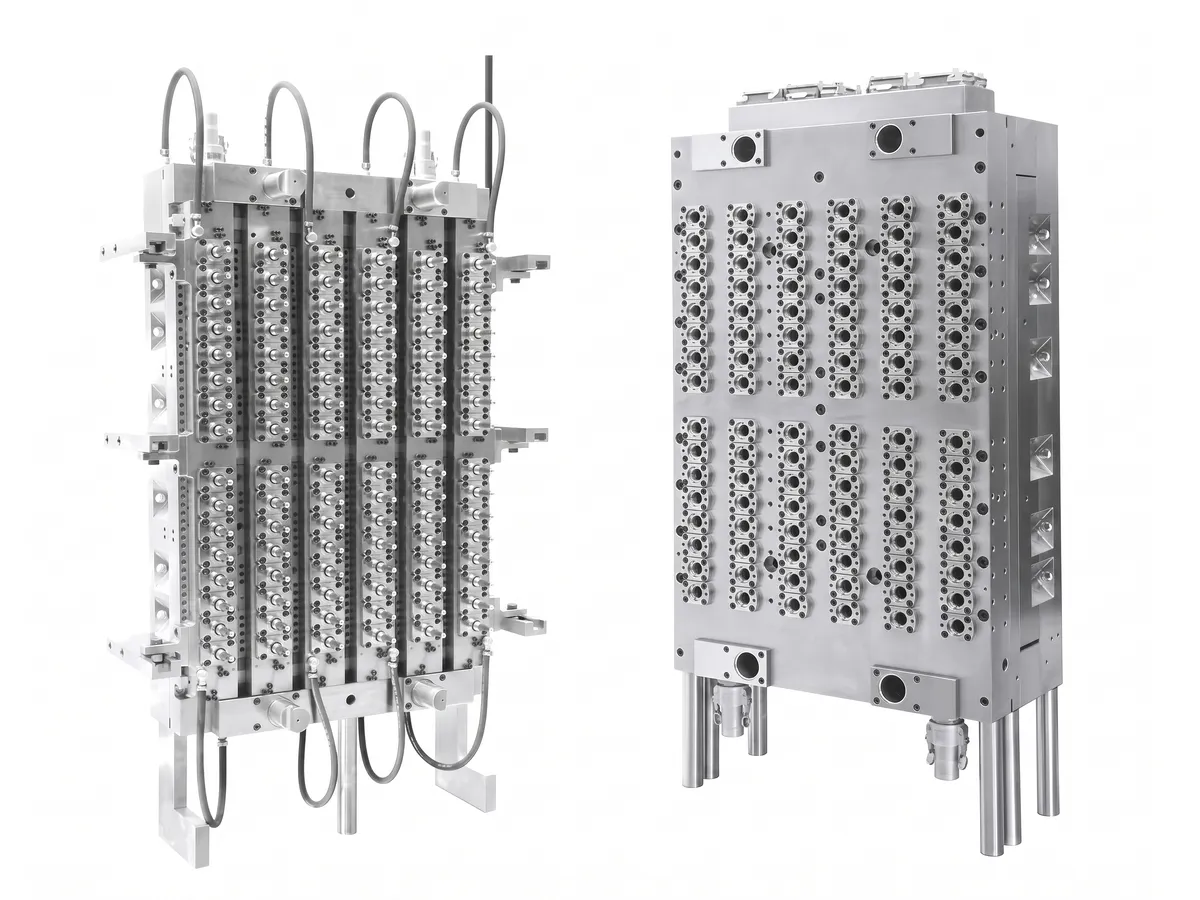
Preform Injection Mould
- The die-lip design consists of two precision-matched components that guarantee axial alignment of the preform with the blow mould during transfer, preventing eccentric wall thickness in the final bottle.
- Optimised cooling water channel routing improves heat extraction efficiency from the preform core and gate area, accelerating cycle time while maintaining dimensional stability before ejection.
- All cavity-forming components are machined from imported P20 and 2316 corrosion-resistant tool steel that has been hardened and surface-treated to resist PET degradation products and abrasion from glass-filled materials.
- Core plates and cavity plates are manufactured from 420 stainless steel, selected for its superior corrosion resistance in the condensing moisture environment inside the mould during chilled-water cooling cycles.
- Modular design enables rapid servicing of individual cavity components without complete mould disassembly, reducing planned maintenance downtime for high-volume pharmaceutical blow molding machine operations.
- Standard interchangeable die-lip fittings allow a single mould body to produce preforms for multiple neck-finish standards, including 28 mm PCO, 38 mm, and custom pharmaceutical closures, protecting tooling investment.
- Advanced gate and runner geometry reduces acetaldehyde generation during melt processing, which is a critical quality parameter for pharmaceutical and beverage-grade PET containers.
Blow Mould
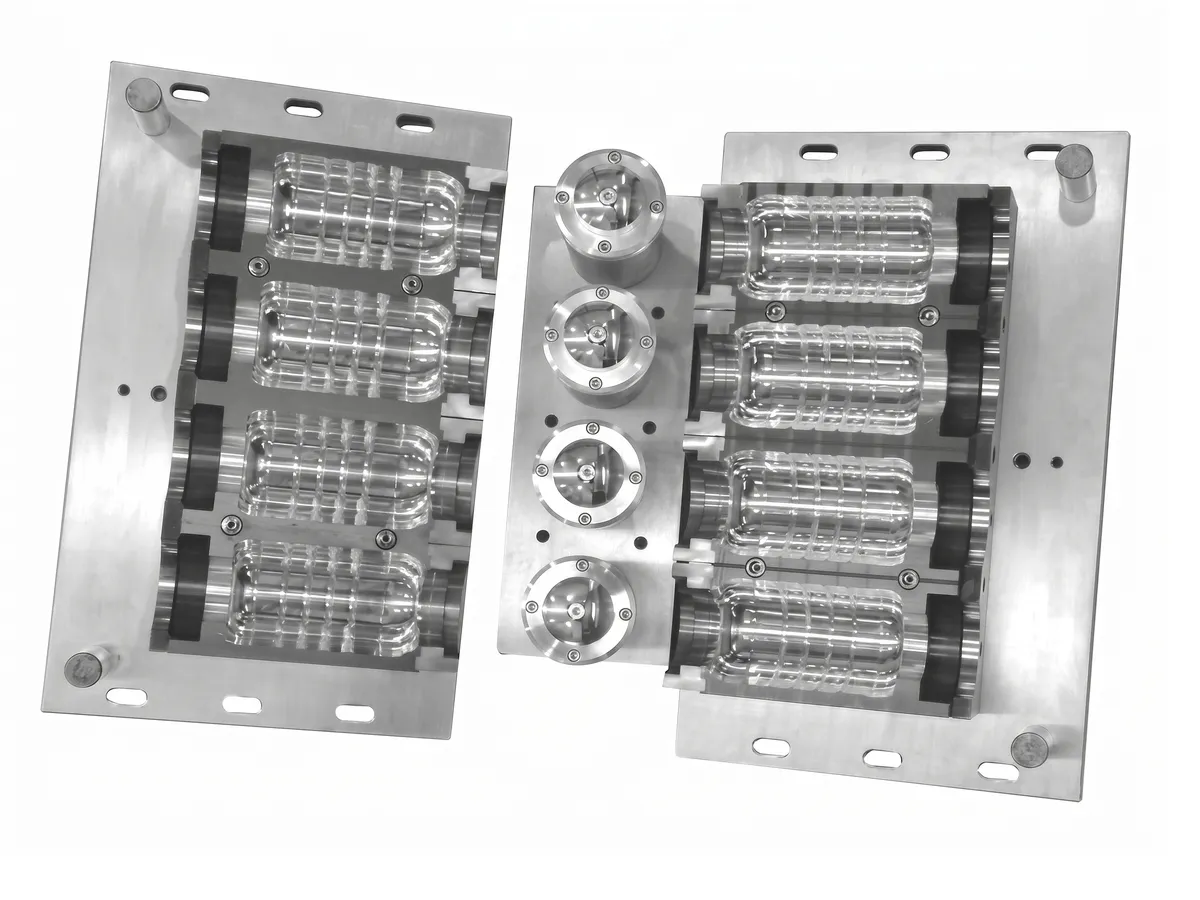
- Blow mould bodies are machined from aerospace-grade aluminium alloy, selected for its excellent thermal conductivity that accelerates cooling and enables shorter cycle times compared to steel alternatives.
- Every container geometry is engineered using advanced 3D CAD and CAE software, with bottle wall-thickness distribution simulated digitally before any physical tooling is cut, eliminating trial-and-error sampling cost.
- A comprehensive library of verified container designs is maintained for standard pharmaceutical bottle formats, enabling faster deployment for customers adopting industry-standard container geometries for this medicine bottle blow molding machine.
- Conformal cooling channel networks are designed to position coolant as close as possible to the cavity surface, ensuring uniform temperature distribution across the entire bottle form during the cooling phase.
- All structural metal components, including base plates, guide pins, and locking wedges, are machined on CNC machining centres to ISO tolerances, guaranteeing consistent mould operation over millions of production cycles.
- Surface treatment of cavity faces includes hard chrome plating or PVD coating options to extend wear life and facilitate easy release of bottles without surface drag, maintaining finish quality on pharmaceutical packaging containers.
Injection Stretch Blow Molding vs. Extrusion Blow Molding
Blow molding is an essential process in plastic manufacturing, widely applied for producing bottles, containers, and industrial components. Among the different techniques available, Extrusion Blow Molding (EBM) and Injection Stretch Blow Molding (ISBM) stand out for their distinct process characteristics and end-use advantages. Selecting the most appropriate method depends on product requirements, material selection, capital budget, and production volume targets.
Understanding Extrusion Blow Molding (EBM)
In extrusion blow molding, plastic resin is melted and extruded continuously into a hollow tubular parison. The parison is captured between two mould halves and inflated with compressed air to conform to the mould cavity shape. After cooling, the mould opens and the finished part is ejected. EBM is the preferred process for large, geometrically complex hollow parts including industrial containers, automotive fuel tanks, and detergent bottles.
- Materials: Compatible with HDPE, LDPE, PP, and PVC, providing versatility across packaging categories.
- Geometry: Capable of producing large, asymmetric, or multi-compartment hollow shapes that ISBM cannot achieve.
- Cost: Lower tooling investment and simpler machine architecture compared to ISBM systems.
- Limitations: Moderate optical clarity, less precise wall thickness control, and higher flash waste rates than ISBM.
- Applications: Shampoo bottles, dairy containers, automotive fluid reservoirs, and pharmaceutical storage containers where clarity is secondary.
Understanding Injection Stretch Blow Molding (ISBM)
The injection stretch blow molding machine process begins with precision injection moulding of a preform, which is subsequently conditioned, biaxially stretched, and blown into the final bottle shape. The dual-axis molecular orientation achieved during stretching transforms the material properties of PET significantly, resulting in bottles with superior strength, barrier performance, and optical clarity compared to any extrusion-based process.
- Primary Material: Optimised for PET, though also applicable to PP in one-step configurations for specific pharmaceutical applications.
- Dimensional Precision: Injection-moulded preforms deliver neck-finish accuracy that EBM parisons cannot match, critical for pharmaceutical capping systems.
- Optical Performance: Produces crystal-clear containers preferred for beverages, cosmetics, and medicine bottles where product visibility builds consumer confidence.
- Barrier Properties: Biaxial orientation reduces CO2 and O2 permeability, extending shelf life for oxygen-sensitive pharmaceuticals and beverages.
- Investment: Higher capital cost than EBM but justified by lower scrap rates, zero flash waste, and premium product quality that commands higher market prices.
EBM vs. ISBM: Side-by-Side Comparison
| Feature | Extrusion Blow Molding (EBM) | Injection Stretch Blow Molding (ISBM) |
|---|---|---|
| Material Used | HDPE, LDPE, PP, PVC | PET (primary), PP |
| Product Type | Large, hollow, complex shapes | Clear, lightweight, precise bottles |
| Production Cost | Lower initial investment | Higher investment, superior ROI at volume |
| Wall Thickness | Uniform but less precise | Highly precise and consistent |
| Clarity and Strength | Moderate clarity, high strength | Excellent clarity, outstanding strength |
| Scrap and Flash | Flash trimming required | Zero flash, minimal scrap |
| Best Applications | Industrial, automotive, daily chemical packaging | Pharmaceutical, food, cosmetic, beverage |
For pharmaceutical bottle manufacturing, ISBM consistently outperforms EBM in every quality dimension that matters to regulators, brand owners, and patients. Ever-Power supplies both injection stretch blow molding machines and extrusion blow molding machines, providing expert guidance to help buyers select the optimal technology for their specific product portfolio and production economics.
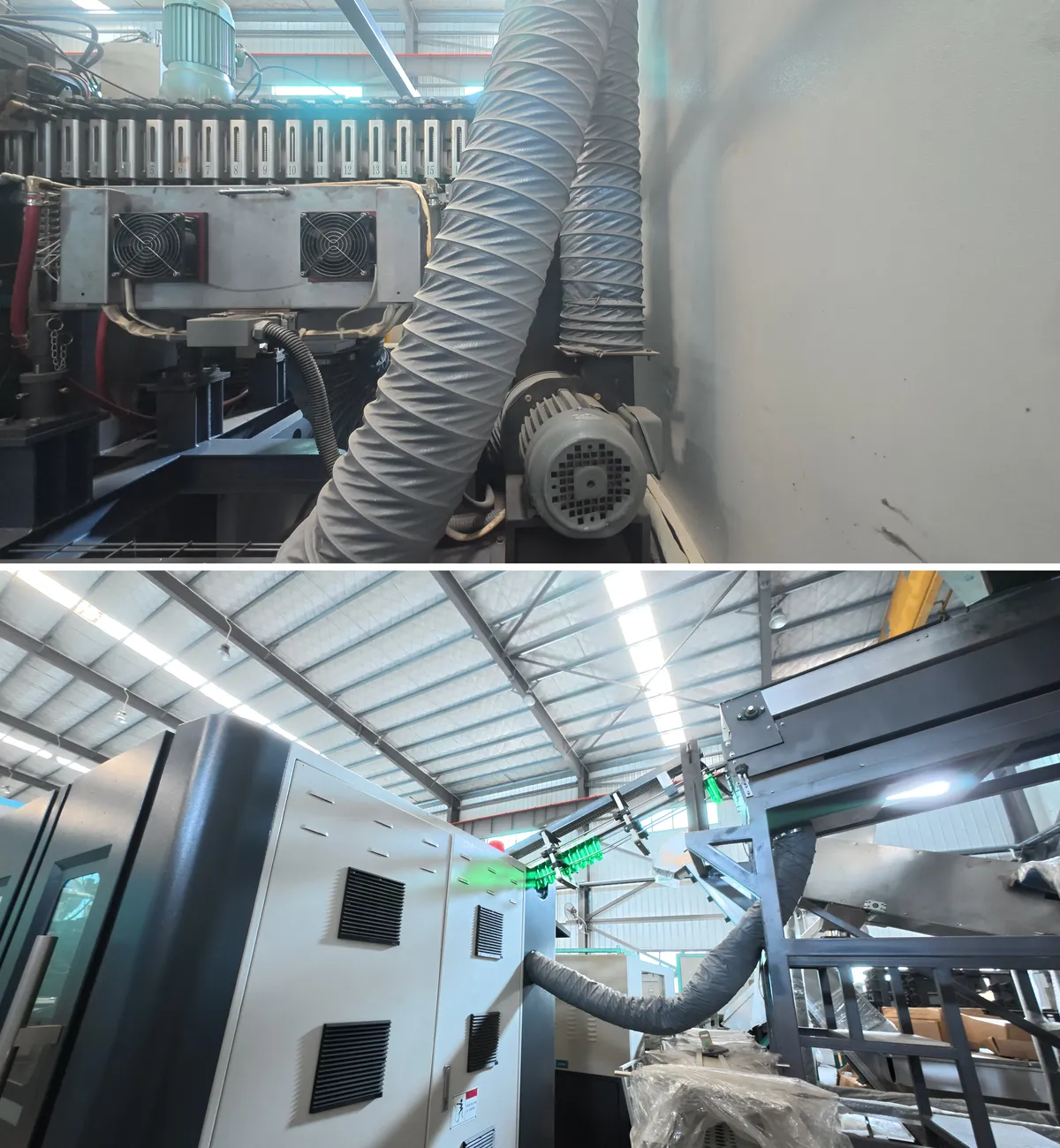
EPA.AS-4C76.2 PET Blow Molding Machine Maintenance
1. Daily Inspection of Heating Elements
Before each production shift, operators should verify that all infrared lamp banks are functioning and that no lamp zones are reporting failure codes on the HMI. A failed heating zone will produce under-conditioned preforms that cannot stretch correctly, resulting in opaque or unevenly walled bottles. Keeping a log of lamp hours and replacing lamps proactively at the manufacturer-recommended interval prevents unplanned downtime during pharmaceutical production runs on this blow molding machine.
2. Regular Cooling System Maintenance
The cooling water circuit must be inspected weekly for correct flow rate of 40 L/min and temperature stability at 8 to 10 degrees C. Scale buildup inside cooling channels is the primary cause of degraded cooling performance and bottle dimensional drift on pharmaceutical plastic bottle blow molding machines. Water quality should be tested monthly and treated with appropriate anti-scale and corrosion-inhibitor additives. Mould cooling channels should be professionally descaled at least once per year or as dictated by water hardness conditions at the production site.
3. Lubrication of Moving Components
All guide columns, lead screws, chains, and pivot bearings should be lubricated according to the schedule specified in the machine maintenance manual, typically every 500 operating hours for major components. Using the correct grade of food-safe or pharmaceutical-grade grease is mandatory in GMP environments to avoid any risk of contaminating bottles with mineral-oil-based lubricants. Inadequate lubrication of guide columns is a leading cause of premature wear in blow molding machine parts, significantly increasing long-term repair costs.
4. Air Filter and Compressor Maintenance
The high-pressure air system supplying 35 kg/cm to the blowing circuit must be served by oil-free or ultra-dry compressed air in pharmaceutical applications. Air dryers and coalescing filters should be inspected and serviced every 250 hours of operation. Contamination of bottle interiors with compressor oil or moisture can render entire production batches non-compliant with pharmaceutical packaging standards. Proper air quality maintenance protects both product integrity and the longevity of blow mould sealing components on the automatic blow molding machine.
5. Mould Inspection and Cleaning
Blow moulds and preform injection moulds should be removed, disassembled, cleaned, and inspected at intervals not exceeding every three months or every five million cycles, whichever occurs first. Mould cavity surfaces must be checked for micro-scratches, parting-line wear, and vent blockage that can cause bottle surface defects or incomplete filling. Proper mould care is the single most impactful maintenance activity for maintaining consistent bottle quality on a pharmaceutical bottle blow molding machine throughout its productive life.
6. PLC and Sensor Calibration
Temperature sensors, pressure transducers, and position encoders should be calibrated against certified reference standards at least annually or whenever batch quality metrics show unexplained drift. A miscalibrated temperature sensor can cause systematic preform conditioning errors that reduce bottle quality across thousands of units before the root cause is identified. Maintaining calibration records is also a GMP documentation requirement for pharmaceutical manufacturing sites operating fully automatic blow molding machines in regulated production environments.
Why Choose Ever-Power's Plastic Blow Molding Machine?
Mexico Ever-Power ISBM Machinery Co., Ltd. is principally engaged in the research, development, production, sales, and international trade of fully automatic Injection Blow Molding Machines, Injection Stretch Blow Molding Machines, and related auxiliary equipment. The Ever-Power product portfolio encompasses injection blow molding machines, extrusion blow molding machines, injection stretch blow molding machines, and a comprehensive range of auxiliary machinery including air compressors, chillers, conveyors, and preform handling systems, making us one of the most complete blow molding machine suppliers in the market today.
Ever-Power benefits from an exceptional geographical location with convenient access to international logistics infrastructure, enabling efficient delivery to pharmaceutical manufacturers across North America, Latin America, Southeast Asia, South Asia, the Middle East, and Europe. Our R&D team brings together decades of combined engineering experience in injection-blowing machinery design and injection-blowing mould engineering. This depth of expertise allows us to provide customers with comprehensive pre-sale technical consultation, thorough in-sale project management, and responsive after-sale technical support throughout the machine lifetime.
Over two decades of dedicated research and manufacturing excellence in plastic blow molding machine technology for pharmaceutical and packaging applications. Machines operating in pharmaceutical, food, cosmetic, and nutraceutical facilities across 30+ countries, serving brands including Walmart, Walch, Blue Moon, PROYA, and Estee Lauder. Processing PET, PETG, PP, HDPE, LDPE, PC, Tritan, PLA, PPSU, ABS, and bio-based materials from 1 ml to 1,000 ml container volumes for regulated packaging markets.
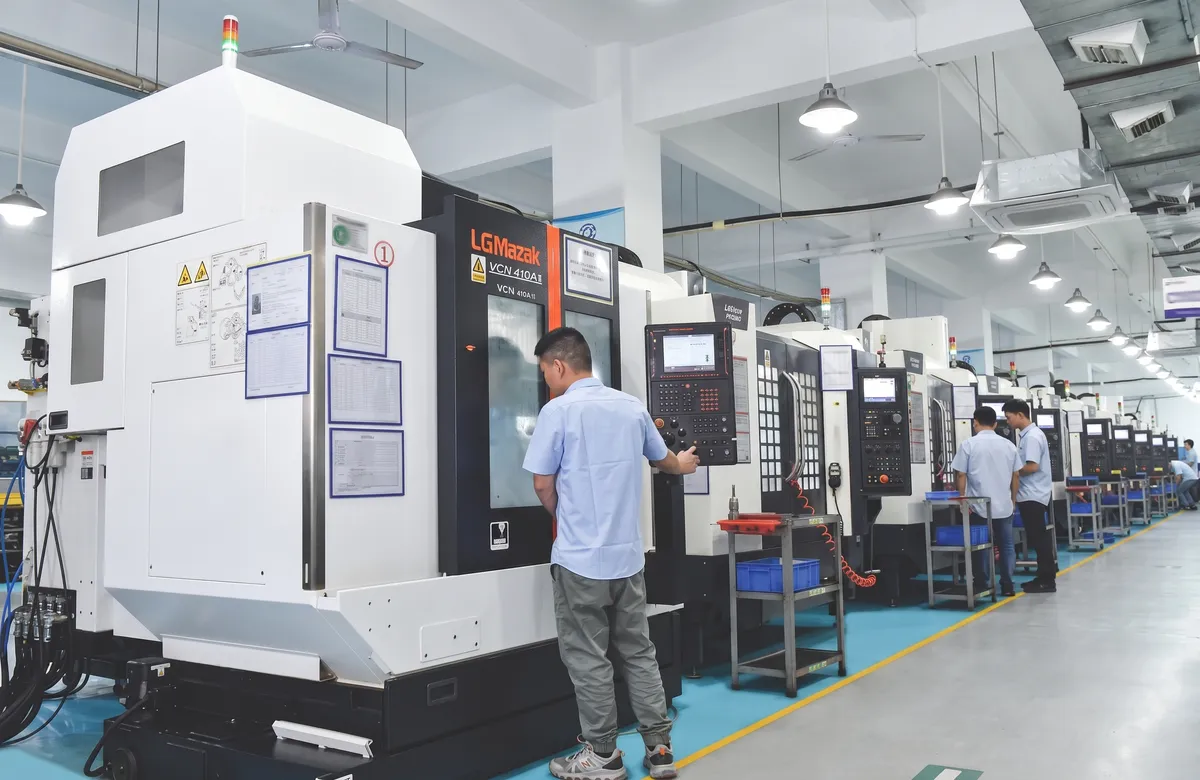
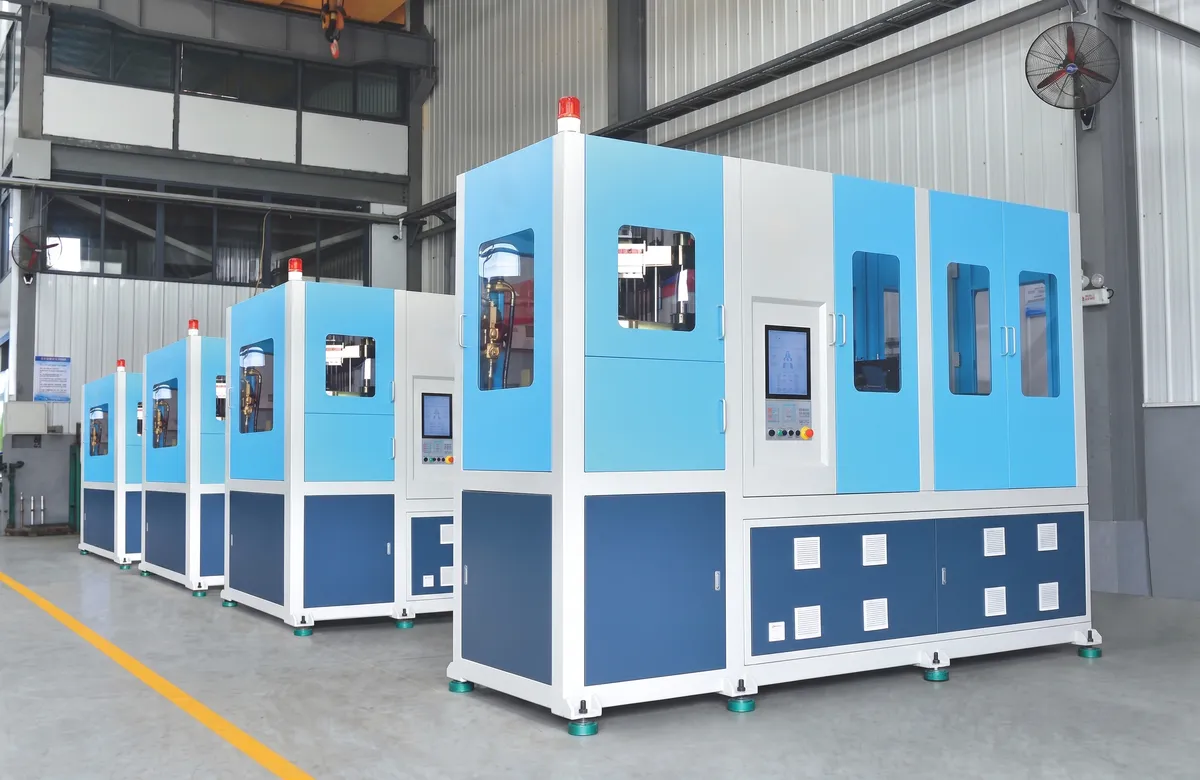
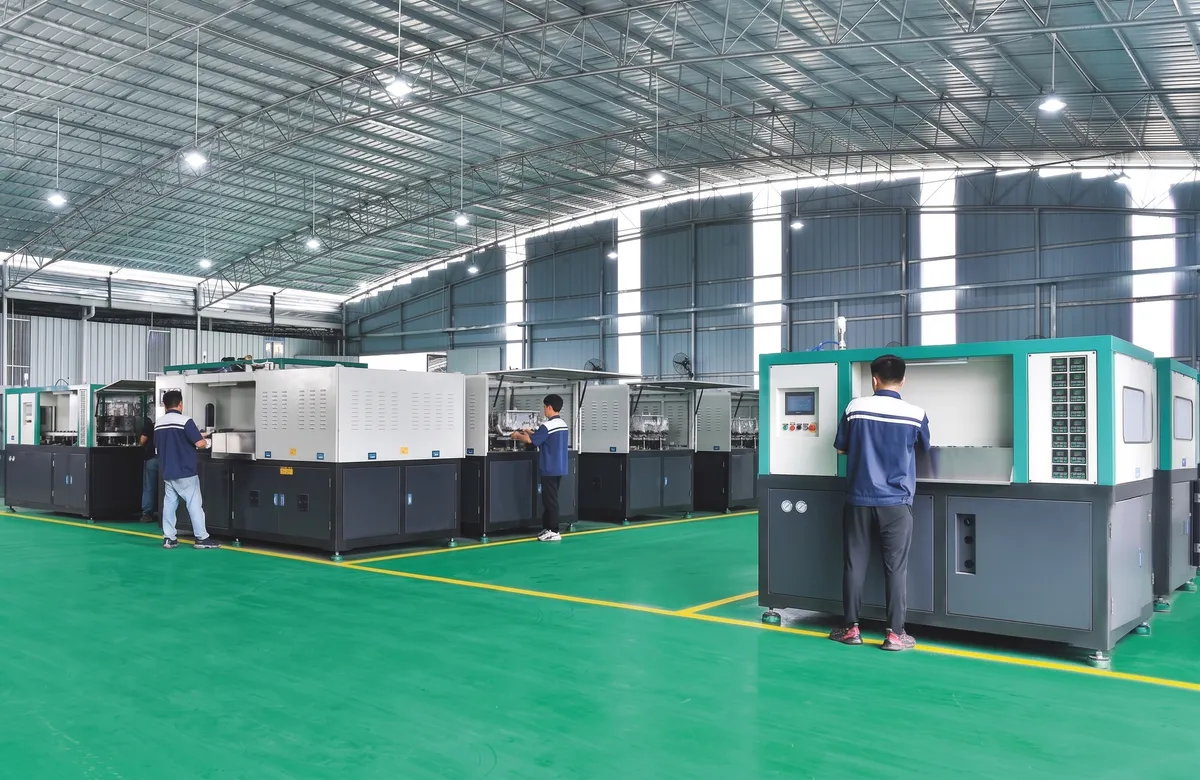
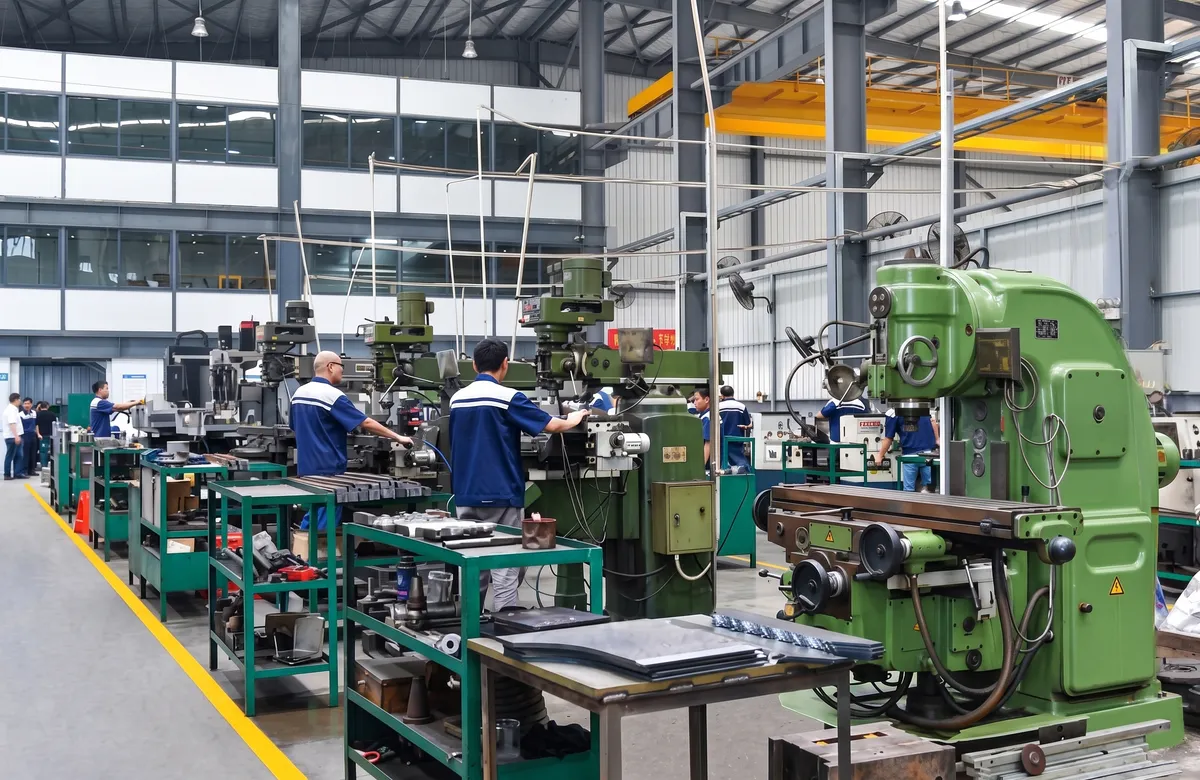
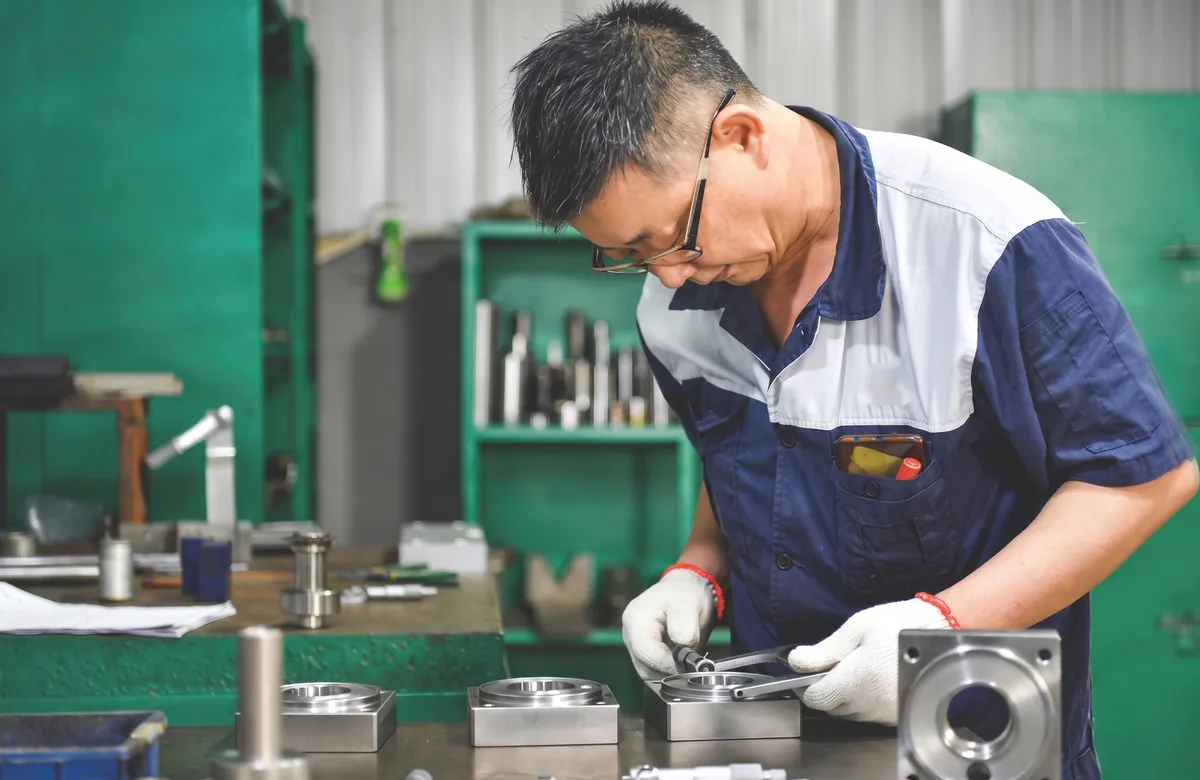
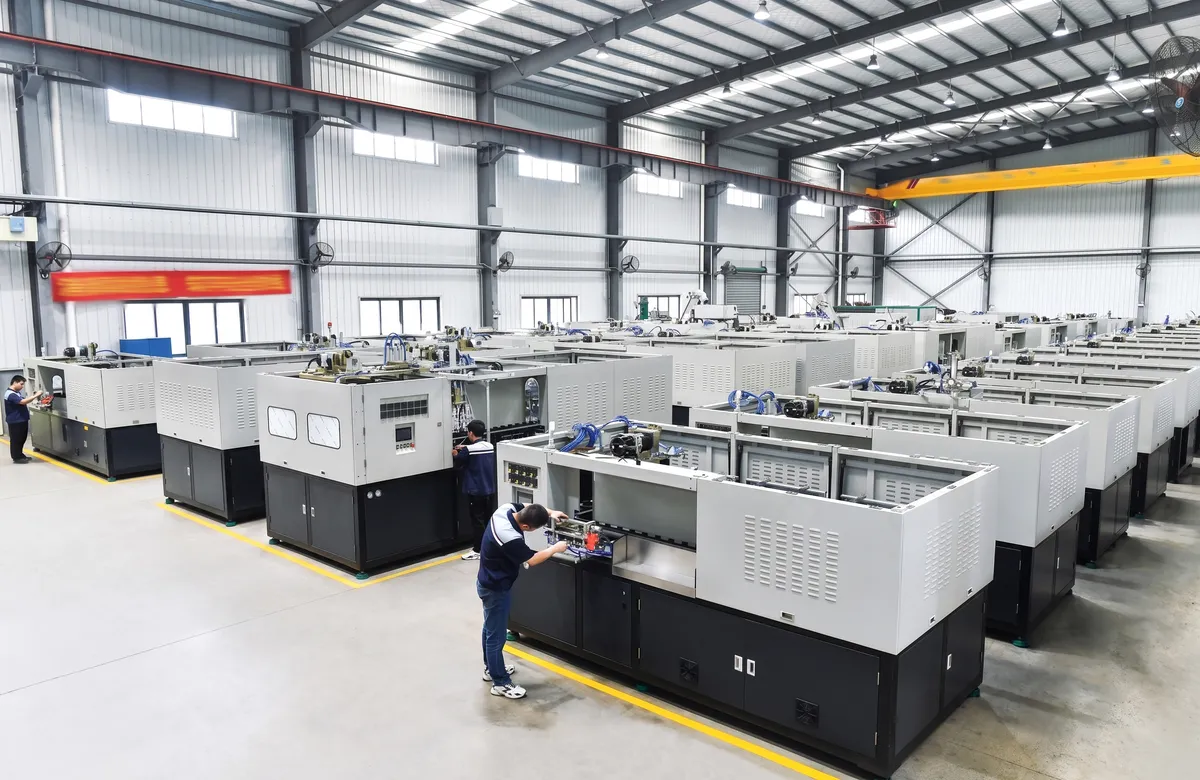
Ever-Power builds a complete supply chain for blow molding machine production, delivering end-to-end turnkey projects from machine and mould design through installation, validation support, and lifetime maintenance. Creating the best cost-effective automatic PET blow molding machine solutions in the market is Ever-Power core business goal, delivering European-level output quality at significantly lower capital investment for pharmaceutical manufacturers worldwide. State-of-the-art manufacturing facility in Yingfu Industrial Zone, Qingyuan City, equipped with CNC machining centres, CMM inspection equipment, and dedicated R&D laboratories for blow molding machine parts innovation.
Ever-Power adheres to the enterprise development values of self-reliance, integrity, pragmatism, innovation, and responsibility. Our production philosophy of professionalism, concentration, innovation, and shared success drives every machine we design and every mould we manufacture. The result is a product line of fully automatic blow molding machines that pharmaceutical manufacturers trust to deliver consistent, compliant, high-quality packaging output day after day, shift after shift, year after year. Contact the Ever-Power technical team today to discuss your pharmaceutical bottle production requirements and receive a customised proposal for an EPA.AS-4C76.2 medicine bottle blow molding machine configured precisely for your application. We look forward to being your long-term blow molding machine partner.
 |
 |
 |
 |
 |
 |
Frequently Asked Questions
Q: What bottle sizes can the EPA.AS-4C76.2 medicine bottle blow molding machine produce?
A: The EPA.AS-4C76.2 is configured as a 4-cavity machine with a maximum container volume of 500 ml and a maximum container height of 250 mm. The wider EPA series covers bottle capacities from 50 ml up to 1,500 ml across different model configurations. For pharmaceutical applications, this covers the full spectrum of oral liquid bottles, tablet containers, eye drop vials, syrup bottles, and nutraceutical packaging. If your target volume falls outside the standard range, Ever-Power engineers can recommend the most appropriate model from the series for your specific pharmaceutical bottle blow molding machine requirement.
Q: What materials can this automatic PET blow molding machine process?
A: The primary material for the EPA.AS-4C76.2 injection stretch blow molding machine is PET (Polyethylene Terephthalate). The machine can also process PETG for applications requiring enhanced impact resistance, and compatible configurations within the series support PP for hot-fill or autoclave-sterilisable containers. Material compatibility is determined by the screw and barrel design, so please specify your target materials when requesting a quotation to ensure the supplied configuration is optimised for your resin selection. All processed materials are available in pharmaceutical and food-contact grades meeting FDA, EU, and relevant regional standards.
Q: What is the actual output of the EPA.AS-4C76.2 blow molding machine in normal production?
A: The theoretical output of the EPA.AS-4C76.2 is 4,000 bottles per hour, based on 4 cavities running at the machine design cycle time. In real-world pharmaceutical production conditions, actual output typically runs between 3,700 and 3,950 bph depending on bottle design complexity, preform conditioning time required, and the specific PET grade being processed. Customer feedback confirms sustained rates above 3,800 bph for standard pharmaceutical bottle formats. Actual output should be confirmed during the factory acceptance test run with your specific preforms and bottle moulds before shipment of the fully automatic blow molding machine.
Q: How long does it take to change bottle moulds on this machine?
A: A trained operator can complete a full blow mould changeover on the EPA.AS-4C76.2 in approximately 45 to 90 minutes, depending on whether a preform mould change is also required. The machine design incorporates quick-release mould clamping and standardised water connector fittings to minimise changeover time. When switching between bottle formats using the same preform neck finish but different body shapes, changeover time is on the shorter end of this range. Full preform and blow mould changeovers including recipe recall from the HMI typically take 60 to 90 minutes. Having a pre-tempered spare mould set ready for production reduces changeover time further on high-frequency format switching plastic bottle blow molding machine operations.
Q: Does this medicine bottle blow molding machine comply with GMP requirements?
A: The EPA.AS-4C76.2 is designed and manufactured with pharmaceutical GMP compliance in mind. Key GMP-relevant features include fully automatic no-touch bottle handling from preform to ejection, a contactless bottle transfer system, stainless steel and food-grade surfaces in the bottle contact zone, and PLC audit-trail and alarm logging functionality. The machine can be supplied with IQ/OQ template documentation to support the formal validation process required by FDA, EU GMP, WHO GMP, and similar regulatory frameworks. Ever-Power can also provide material traceability certificates for all food and drug contact components. We recommend discussing your specific regulatory environment with our technical team when specifying your pharmaceutical bottle blow molding machine project.
Q: What compressed air specification is required to operate this blow molding machine?
A: The EPA.AS-4C76.2 requires two separate compressed air supplies. The low-pressure circuit requires 7 kg/cm at 600 L/min for pneumatic actuation of machine components. The high-pressure blowing circuit requires 35 kg/cm at 4,000 L/min for bottle formation. For pharmaceutical applications, both circuits must be supplied with oil-free, dry compressed air meeting ISO 8573-1 Class 1 or Class 2 standards to prevent contamination of bottle interiors. An appropriately sized oil-free compressor and air dryer are essential auxiliary equipment for this automatic blow molding machine installation. Ever-Power can recommend suitable compressor specifications and suppliers based on your site conditions.
Q: What is the difference between a two-stage blow molding machine and a one-step machine for pharmaceutical bottles?
A: A two-stage blow molding machine (also called a reheat stretch blow machine) separates preform injection and blow moulding into two distinct operations. Preforms are produced in large batches, stored, and then blown separately on the blow moulding machine. This approach offers high flexibility and is economical for large-volume pharmaceutical bottle production where bottle format variety is limited. A one-step injection stretch blow moulding machine combines preform injection and blowing in a single integrated machine in one continuous cycle. One-step machines are favoured for premium pharmaceutical applications requiring zero contamination risk, very short preform storage duration, or specific heat-sensitive material processing. The EPA.AS-4C76.2 operates as a two-stage system; Ever-Power also offers one-step machines for specific requirements.
Q: What warranty and after-sales service does Ever-Power provide for this blow molding machine?
A: Ever-Power provides a standard 12-month warranty on the EPA.AS-4C76.2 covering manufacturing defects in machine components and electrical systems, excluding consumable items such as heating lamps and seals. Extended warranty and annual maintenance contracts are available for pharmaceutical customers requiring guaranteed response time commitments. After-sales support is provided via email, video call, and remote PLC access for software-related issues. On-site service visits can be arranged for mechanical issues that cannot be resolved remotely. Ever-Power maintains a comprehensive spare-parts inventory for the EPA series and can ship critical components to most global destinations within five to seven working days, minimising production downtime for blow molding machine customers worldwide.
Q: Can Ever-Power design custom moulds for unique pharmaceutical bottle shapes?
A: Yes. Ever-Power has an in-house mould design team with advanced 3D CAD and CAE simulation capabilities. Custom blow mould projects begin with a bottle design review where your 3D bottle drawing or physical sample is evaluated for blow moulding feasibility. Ever-Power engineers then prepare a preform design optimised for your bottle geometry using material distribution simulation, followed by mould manufacturing using CNC-machined high-quality tooling steel or aluminium. A trial run FAT at the factory verifies bottle quality before shipment. Custom preform injection moulds for the standard machine preform holder configuration are also available. Typical mould project lead times are 45 to 60 days depending on complexity. Custom moulds for this custom blow molding machine configuration are quoted separately from the machine itself.
Q: How does this machine compare to fully electric (all electric) blow molding machines?
A: Full electric blow molding machines and all electric blow molding machines replace all hydraulic actuation with servo-electric drives, eliminating hydraulic oil from the machine entirely. This provides advantages in pharmaceutical cleanroom environments where oil contamination risk must be absolutely excluded, and also reduces energy consumption by 20 to 40% compared to hydraulic-assisted designs. The EPA series uses servo motors for primary motion control while incorporating pneumatic actuation for the blowing circuit, making it a servo-assisted rather than fully electric design. Ever-Power offers fully electric configurations for applications where cleanroom classification or ESG energy targets mandate zero-hydraulic operation. Our technical team can advise on the most appropriate technology selection for your specific pharmaceutical PET blow molding machine requirements and facility constraints.
Customer Reviews
Zhang Wei, Oral Liquid Bottle Packaging, China
"We installed the EPA.AS-4C76.2 at our oral liquid bottle plant in Jiangsu about eight months ago. Output stability has been excellent, holding consistently above 3,900 bph on our 250 ml PET bottles. The neck finish dimensional variation is well within our GMP tolerance of plus or minus 0.15 mm, which our quality manager was especially pleased about. Ever-Power sent two engineers for the commissioning who stayed three full days until everything was running properly. The machine footprint is compact enough that we managed to fit it into an existing production bay without building extension. Very satisfied with the whole experience and the after-sales support has been responsive."
Anjali Sharma, Pharmaceutical Packaging, India
"Honestly I was a bit nervous buying from a Mexico manufacturer for a regulated pharmaceutical line but the technical documentation package Ever-Power provided was very thorough. We got the IQ/OQ templates, material certifications, CE declaration, and a full spare parts list before we even signed the contract. The machine itself arrived on schedule and the installation team was professional. We are now producing 100 ml and 200 ml tablet bottles at around 3,850 bph with a reject rate under 0.4 percent. That beats our previous European machine on output for about half the capital cost. Would recommend to anyone considering a pharmaceutical bottle blow molding machine investment."
Carlos Mendes, Syrup Bottle Packaging, Brazil
"We sourced three EPA.ES-4C76 machines for our Sao Paulo facility after evaluating four different blow molding machine suppliers. Ever-Power came in with the strongest technical support package and a competitive price. The machines were delivered inside the agreed window and all three passed our FAT at the factory. Since going live we are running double shifts producing 500 ml syrup bottles in amber PET. The cooling circuit temperature control is reliable and the HMI is intuitive enough that our operators learned it quickly. We had one minor sensor issue after about six weeks and the technical team resolved it by video call within a few hours. Excellent service."
Kim Jae-won, Eye Drop Bottle Packaging, South Korea
"We have been in the PET bottle business for twelve years and this is our third automatic blow molding machine from the EPA series. Each generation has been noticeably more energy-efficient than the last. On our current EPA.AS-4C76.2 running 100 ml eye drop bottles, actual heating power is around 14 kW at steady state, which is about 18 percent lower than our previous model producing the same format. Over the course of a year that saving is meaningful for our operating budget. The 96-position preform loader keeps the oven uniformly fed and we virtually never see temperature variation rejects. Good reliable machine."
Budi Santoso, Medicine Packaging, Indonesia
"Shipping from Mexico to Indonesia always makes me a bit worried about delays but Ever-Power kept us updated at every step. The machine arrived ten days ahead of schedule which gave us extra time for site preparation. Installation and commissioning took four days total. We are producing 300 ml herbal medicine bottles in PET for our domestic market and export to Malaysia and Thailand. Output is 3,950 bph and the bottles pass all our drop-impact and clarity tests. The compact size of 3,370 by 1,850 mm fits our cleanroom layout without any modification needed. Pricing is also very fair for the quality level."
Ahmed Raza, Nutraceutical Packaging, Pakistan
"Our plant in Lahore produces vitamin and mineral supplement bottles for both domestic retail and export. We bought an EPA.AS-4C76.2 fourteen months ago and it has been running without any major issues. The machine handles our 200 ml and 500 ml HDPE containers well and the control system makes it easy to switch between recipes when we change formats. The spare parts that came with the machine have covered everything we needed so far. Customer service response time is good, usually under twelve hours for technical questions even accounting for the time zone difference. Solid choice for a growing pharmaceutical packaging business."
Fatima Al-Rashidi, PET Bottle Packaging, Saudi Arabia
"I was the purchasing manager responsible for this project and I want to highlight that the pre-sale technical support from Ever-Power was outstanding. They prepared a detailed comparison showing us exactly why the EPA.AS-4C76.2 four-cavity configuration was the better choice over a two-cavity for our projected volume over five years. That kind of transparent analysis built a lot of trust. Machine performance has matched the specification sheet closely. We are producing 150 ml cough syrup PET bottles at 3,870 bph and our filling line downstream is very happy with the dimensional consistency. Would definitely consider Ever-Power again for our next bottle blow molding machine purchase."
Maria Elena Vega, Pharmaceutical Packaging, Mexico
"We run a mid-size cosmetic and pharmaceutical contract packaging company in Mexico City. Ever-Power was recommended to us by a contact in the beverage industry and we are glad we listened. The EPA.AS-4C76.2 has been producing our dermatology cream bottles, 100 ml oval PET, for about ten months now. The custom mould that Ever-Power designed for our oval bottle came out perfectly on the second iteration after minor cavity adjustments during the FAT. Production output is stable at 3,800 bph and our defect rate is well below one percent. The machine pays for itself faster than we projected because we eliminated outsourcing of bottle supply. Highly recommend as blow molding machine manufacturer."
James Thornton, Pharma Packaging, United Kingdom
"As an NHS-approved contract packager in the UK, we have strict supplier qualification requirements. Ever-Power provided full factory audit access, ISO certification documentation, and a comprehensive equipment dossier that satisfied our quality department. The machine itself is well-built and the build quality is noticeably better than some cheaper alternatives we trialled. Running 50 ml tablet bottles in clear PET, the output clarity is excellent and the weight variation across the batch is consistently within specification. Post-delivery technical support has been professional and the online portal for logging service requests works well. Good value for a regulated manufacturing environment."
Additional information
| Edited by | Yjx |
|---|
Related products
-
EPA.ES-2C130 Fully Automatic Blow Molding Machine for Pesticide and Chemical Bottles
-
EPA.AS-4C76.2 Fully Automatic Blow Molding Machine for Daily Chemicals & Cosmetic Bottles
-
EPA.ES-2C130 Fully Automatic Blow Molding Machine for Food Wide-Mouth Jars and Cans
-
EPA.FS-1CG130 Fully Automatic Blow Molding Machine for Baby Bottles and PP Bottles