
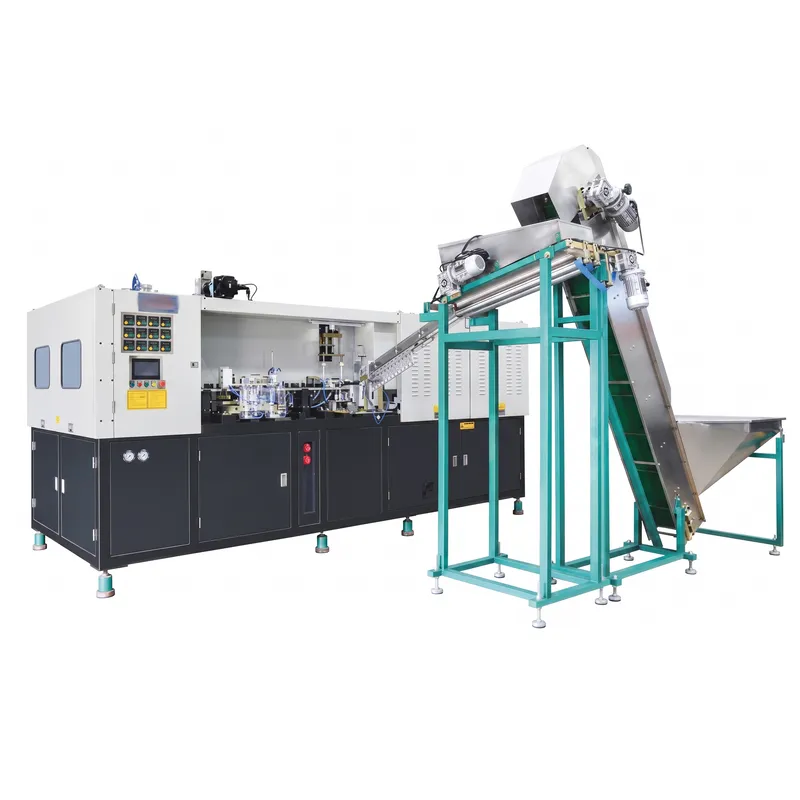
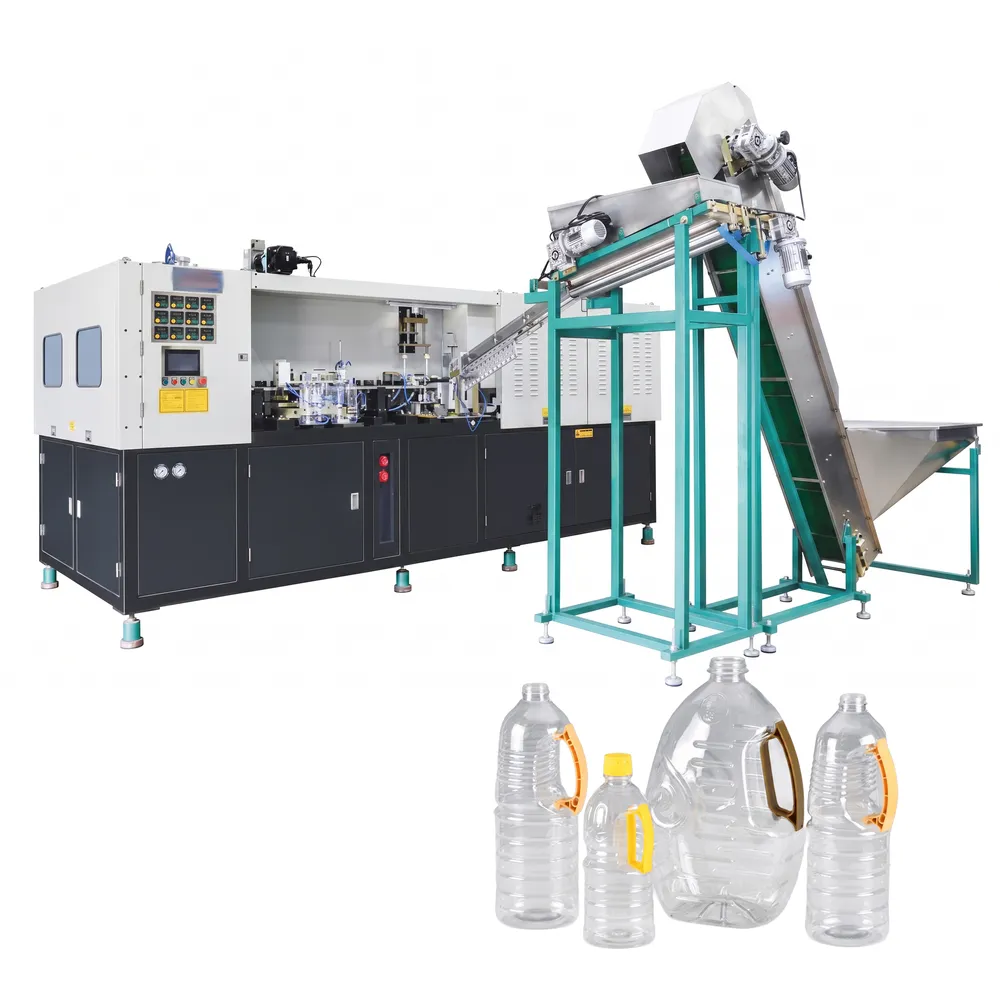
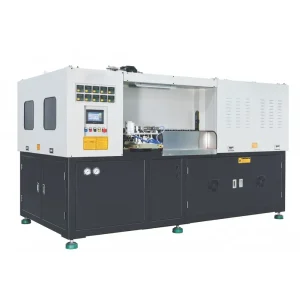
EPA.ES-2C130 Fully Automatic Blow Molding Machine for Edible Oil and Handle Bottles
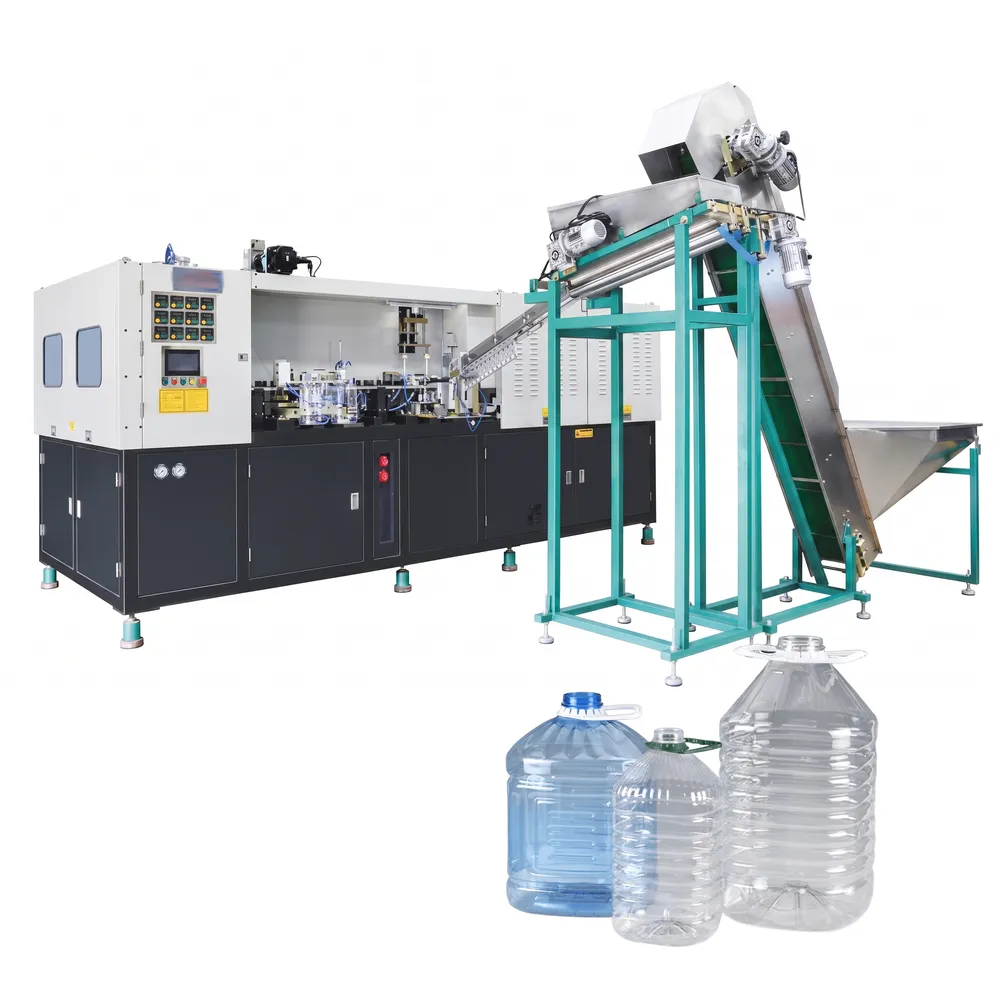
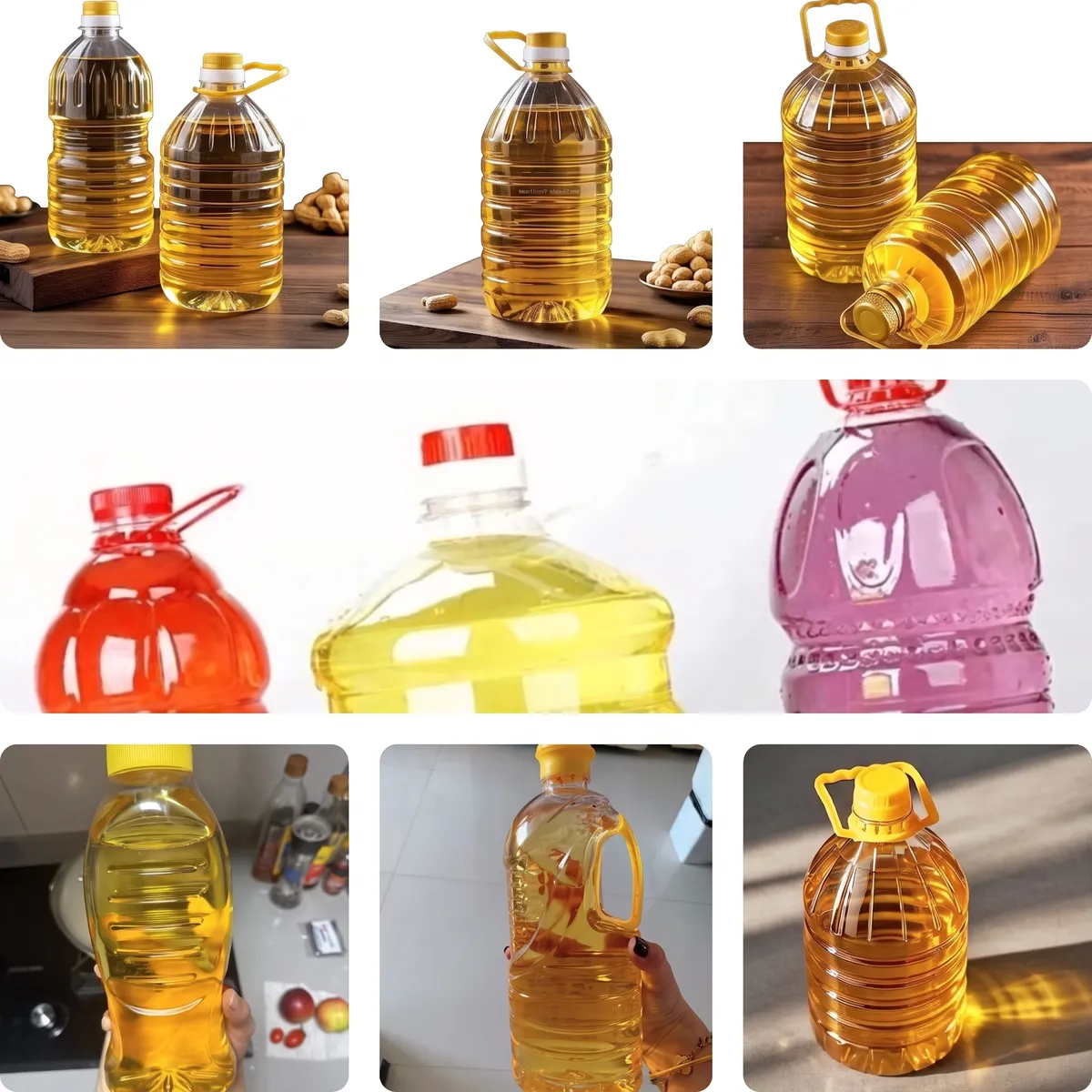
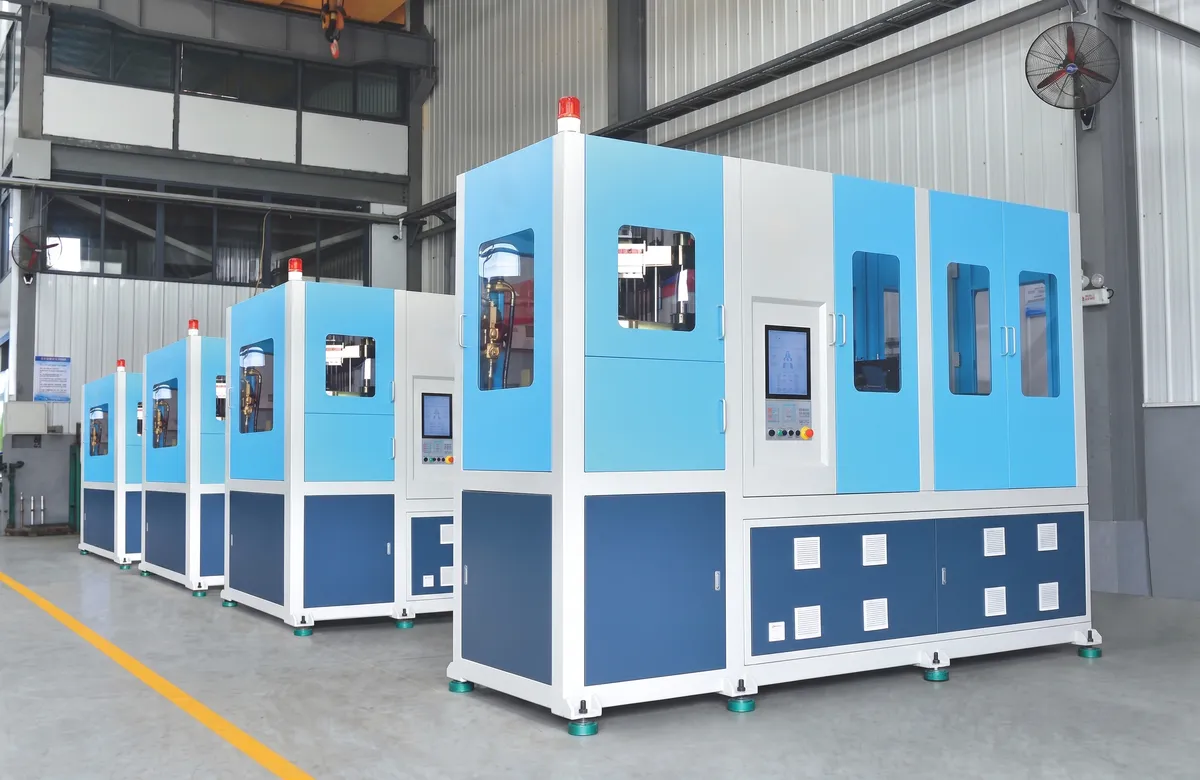
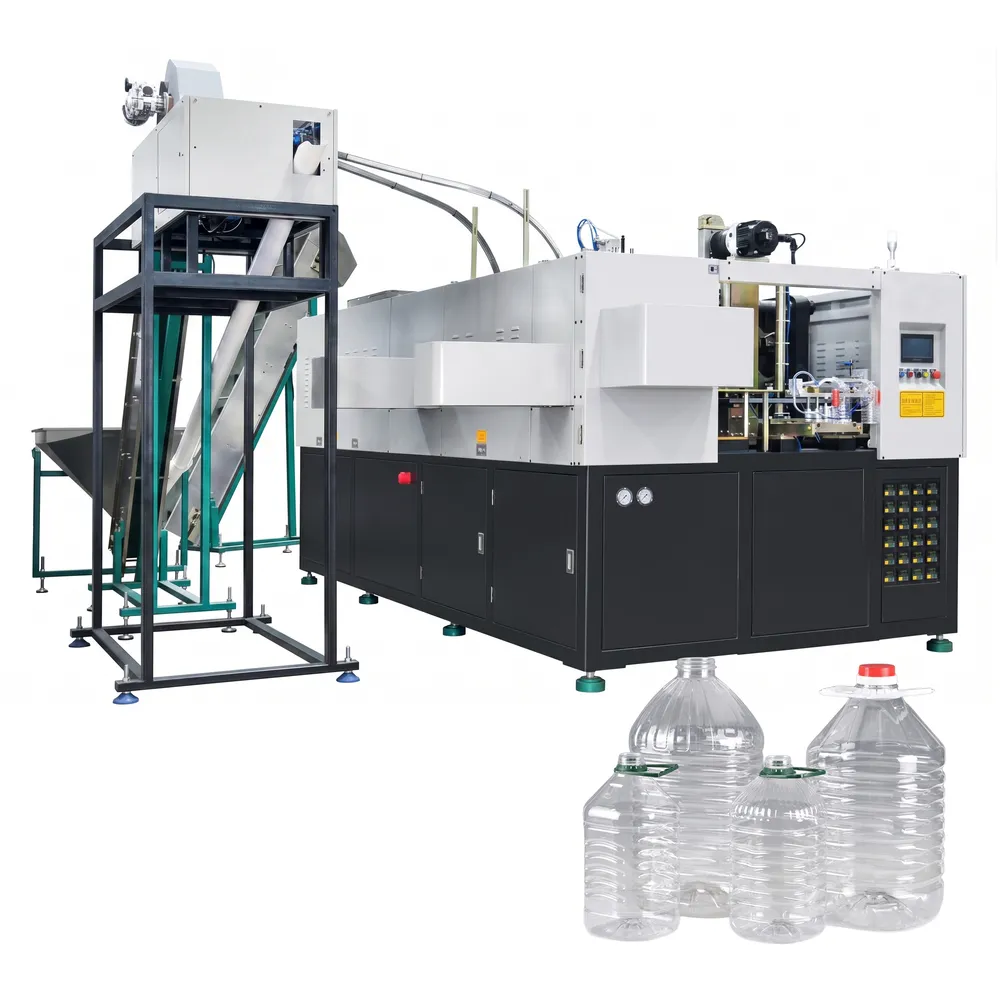
The EPA.ES-2C130 Fully Automatic Blow Molding Machine for Edible Oil and Handle Bottles is a purpose-built plastic blow molding machine custom-developed for the edible oil and condiment packaging sector. Engineered with precision and industrial durability in mind, this automatic blow molding machine efficiently produces front-handle, rear-handle, and large-capacity oil bottles ranging from 5L to 20L. Featuring a centralized heating and distributed blowing design, the machine significantly reduces production costs while improving throughput efficiency.
The EPA.ES-2C130 Fully Automatic Blow Molding Machine for Edible Oil and Handle Bottles is a purpose-built plastic blow molding machine custom-developed for the edible oil and condiment packaging sector. Engineered with precision and industrial durability in mind, this automatic blow molding machine efficiently produces front-handle, rear-handle, and large-capacity oil bottles ranging from 5L to 20L. Featuring a centralized heating and distributed blowing design, the machine significantly reduces production costs while improving throughput efficiency. It accommodates containers with capacities reaching up to 22,000 ml and body diameters of up to 300 mm, making it one of the most capable machines in its category for heavy-duty packaging production lines. This edible oil bottle blow molding machine is an ideal choice for manufacturers who demand consistent quality at industrial scale.
With a theoretical output of up to 1,800 bph for the EPA.ES-2C130 model, and blowing pressure stabilized at 26 to 35 kg/cm², this fully automatic blow molding machine delivers superior molding stability across extended production runs. The cooling water system is precisely controlled within 8 to 12°C to ensure uniform wall thickness, minimize defect rates, and maintain consistent neck dimensions across every cycle. Application scenarios span a wide range: from large-format cooking oil packaging lines in food processing plants to soy sauce, vinegar, and condiment bottle manufacturing, as well as motor oil and chemical fluid containers for industrial use. This bottle blow molding machine bridges the gap between artisanal quality and high-volume industrial output, giving packaging manufacturers a decisive competitive edge.
Technical Parameter
| Edible Oil, Handle Bottle Blow Molding Machine | |||
|---|---|---|---|
| Model | Unit | EPA.ES-2C130 | |
| Molding | Clamping stroke | mm | 160 |
| Mold-open distance | mm | 360 | |
| Mold-close distance | mm | 200 | |
| Stretching stroke | mm | 350 | |
| Mold-open distance | mm | 50 | |
| Mold-close distance | mm | 130 | |
| Preform Holder | 60 | ||
| Cavities | 2 | ||
| Container | Max.Container Volume | ml | 1500 |
| Neck Diameter Range | mm | 98 | |
| Max.Container Diameter | mm | 110 | |
| Max.Container Height | mm | 250 | |
| Theoretical Output | bph | 1800 | |
| Electrical System | Max.Heating Power | kw | 42.5 |
| Heating Power | kw | 8-13 | |
| Air System | Operating Pressure | kg/cm² | 7 |
| Low Pressure Air Consumption | ltr/min | 600 | |
| Blowing Pressure | kg/cm² | 26-35 | |
| High Pressure Air Consumption | ltr/min | 1000-1500 | |
| Cooling water | Operating Pressure | kg/cm² | 5-6 |
| Temperature | °C | 8-10 | |
| Flow rate | ltr/min | 30 | |
| Machine | Size (L*W*H) | mm | 3600*1800*1980 |
| Weight | kg | 3000 | |
Features of the EPA.ES-2C130 Edible Oil Bottle Blow Molding Machine
1. Professional Customization for Large-Capacity Handle Bottle Production
Specifically developed for the edible oil and condiment industry, this handle bottle blow molding machine produces front-handle, rear-handle, and large-capacity containers from 5L to 20L, with a maximum capacity of 22,000 ml (model EPA.J-2C366(20L)) and a maximum body diameter of 300 mm. The centralized heating and distributed blowing design optimizes energy consumption and production efficiency, making it especially suited for large-scale manufacturing of big-volume oil bottles across food processing and condiment packaging facilities worldwide.
2. High Efficiency, Energy Savings, and Precise System Control
Models such as the EPA.ES-2C150 and EPA.ES-2C200 offer a heating power range of 12 to 35 kW. Blowing pressure reaches up to 35 kg/cm², and both high and low-pressure air consumption can be accurately adjusted according to production needs, delivering excellent energy efficiency. The cooling water system maintains a stable temperature of 8 to 12°C with a flow rate of 30 to 120 L/min, ensuring uniform preform molding, reducing deformation, and minimizing defect rates. This precision defines the control capabilities of a modern industrial blow molding machine.
3. Rational Structure for Stable and Reliable Operation
Multiple models in the series, including EPA.FS-2C200(5L) and EPA.JS-2CB152, feature a maximum mold-opening distance of 772 mm and well-balanced clamping force, enabling fast mold changeovers and multi-type bottle production. International-brand key components ensure low failure rates and simplified daily maintenance, supporting continuous large-scale operation. Theoretical output ranges from 700 to 1,800 bph, meeting diverse production rhythm requirements for both compact and high-volume packaging facilities.
4. High Output Quality and Broad Application Range
This PET bottle blow molding machine steadily processes PET materials to produce bottles with uniform wall thickness, high transparency, and precisely controlled neck dimensions that comply with food packaging safety standards. It is particularly suited for packaging liquid condiments such as edible oil, soy sauce, and vinegar, and is fully compatible with various handle structures and large containers. This plastic bottle blow molding machine helps customers enhance product appearance consistency and strengthen market competitiveness.
5. Fully Automatic Operation Reduces Labor and Boosts Efficiency
As a fully automatic blow molding machine, the EPA.ES-2C130 substantially reduces the need for manual labor throughout the entire bottle blowing and molding cycle. Automated preform loading, heating, stretching, blowing, and unloading sequences all operate with minimal operator intervention. This automation enhances operational efficiency, reduces human error, improves product consistency, and lowers long-term labor costs, making this automatic PET blow molding machine a compelling investment for scaling production operations in competitive packaging markets.
6. Modular Series Architecture for Scalable Investment
The EPA series spans multiple configurations from the 2-cavity EPA.ES-2C130 to the high-capacity EPA.J-2C366(20L), offering manufacturers scalable investment pathways. Whether starting a new production line or upgrading an existing facility, the modular architecture of this two-stage blow molding machine series allows progressive capacity expansion. Standardized tooling interfaces and interchangeable components reduce spare parts inventory complexity and shorten downtime during maintenance, maximizing overall equipment effectiveness across the full product lifecycle.
Working Principle of Plastic Blow Molding Machine
1. Raw Material Preparation
Raw materials for this injection stretch blow molding machine series, primarily PET, PP, and PE, undergo thorough screening, blending, feeding, melting, and treatment before entering the production cycle. Strict quality control at this stage is essential to guarantee material grade consistency and downstream molding stability. Material handling systems are optimized to prevent moisture ingress and contamination that could affect final bottle clarity or structural integrity during high-speed production.
2. Injection Molding of Preforms
Carefully chosen and blended raw materials are fed into the injection molding unit. After being heated, melted, and plasticized under controlled conditions, the molten plastic is injected into precision molds to form preforms. Process parameters including melt temperature, injection pressure, and injection speed are tightly controlled to ensure dimensional accuracy of each preform, which directly determines the quality of the finished bottle produced by this automatic blow molding machine.
3. Preform Preheating
Following injection molding, formed preforms proceed to the centralized heating zone where their temperature is uniformly raised across all surfaces, with particular attention to wall thickness areas. This preheating step enhances the plasticity and flexibility of the preform body, preparing it for the subsequent blowing stage. Consistent heat distribution is critical for achieving uniform wall thickness in the final bottle and preventing stress concentration that could cause premature container failure in use.
4. Blow Molding and Shaping
At the blow molding station, preheated preforms are transferred to the blowing mold where high-pressure air at 26 to 35 kg/cm² stretches and inflates each preform to its final bottle shape. Precise control over blowing pressure, stretch rod timing, and mold clamping ensures bottles conform exactly to target dimensions. The distributed blowing design of this fully automatic blow molding machine allows simultaneous processing of multiple cavities, maximizing output while maintaining consistent quality across every production cycle.
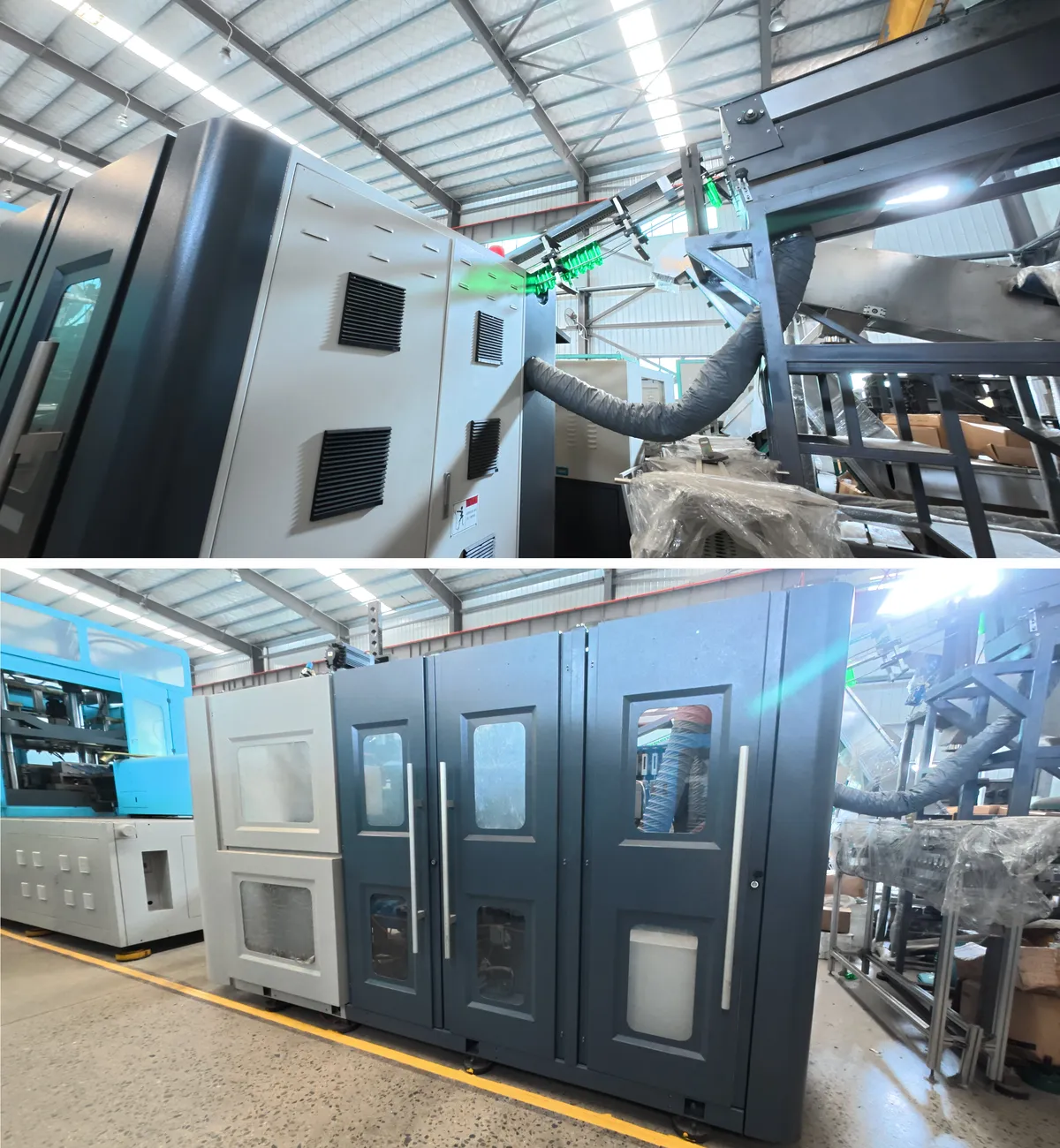
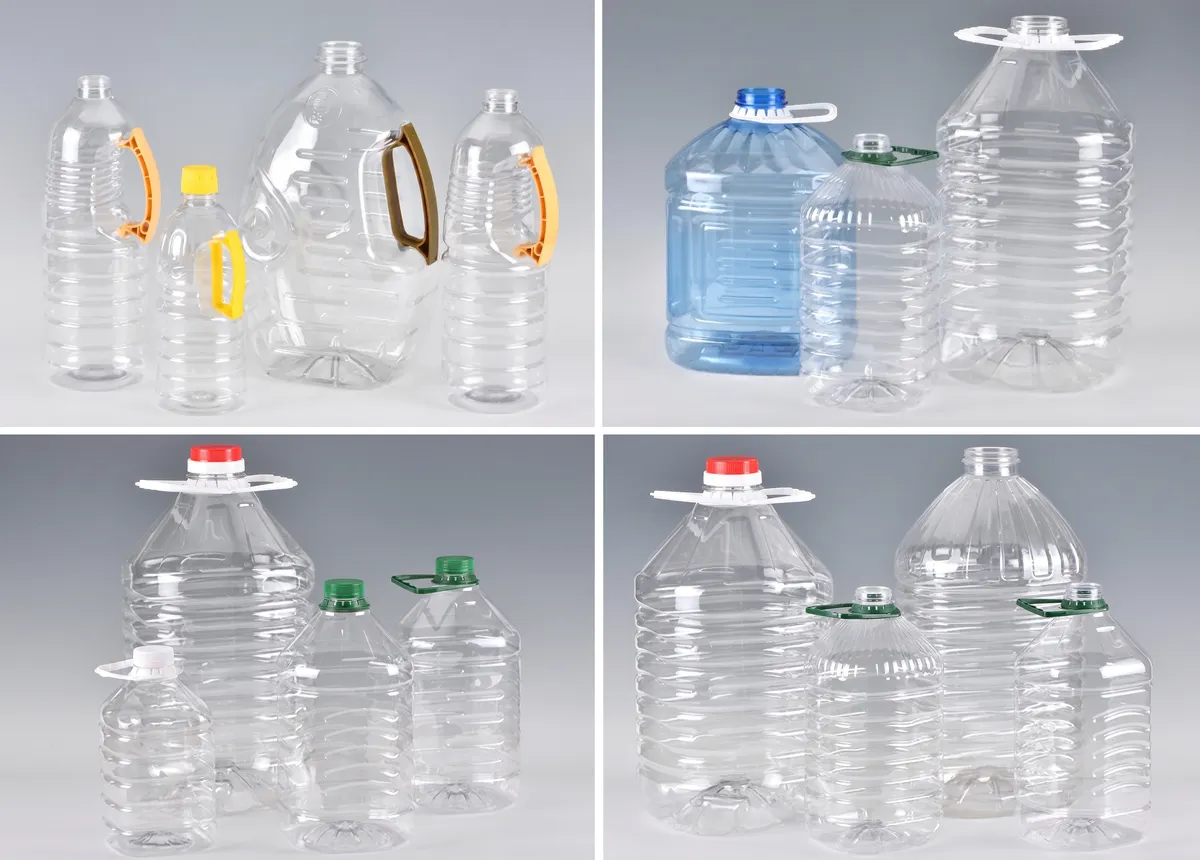
Application Scenarios
Our specialized blow molding machines are engineered for producing high-quality PET and PE containers across multiple industries and packaging formats.
1. Edible Oil Packaging
Ideal for producing transparent PET and PE oil bottles in 1L, 2L, 5L, 10L, and 20L formats for supermarket and food service channels. This edible oil bottle blow molding machine delivers excellent bottle clarity, leak-proof sealing, and consistent neck dimensions that satisfy food-grade safety standards and automated filling line requirements across high-volume production facilities.
2. Soy Sauce and Vinegar Containers
Well-suited for manufacturing soy sauce, vinegar, and liquid condiment bottles requiring chemical resistance and long shelf-life barrier properties. The precision blow molding process ensures uniform sidewall thickness, preventing bottle deformation under liquid pressure during storage and transport on retail distribution networks.
3. Motor Oil and Lubricant Containers
This handle bottle blow molding machine excels at producing HDPE motor oil bottles with integrated front or rear handles, ranging from 4L to 20L. Precise wall thickness control ensures structural strength and resistance to petroleum-based fluid permeation, critical in automotive and industrial lubricant packaging for global distribution.
4. Household Detergent and Cleaning Products
Large-capacity handle containers for laundry detergent, fabric softener, and surface cleaners are efficiently produced on this plastic blow molding machine. The robust clamping system and high-pressure blowing capability ensure that even large 10L to 20L containers maintain proper shape integrity, ergonomic handle strength, and reliable cap-sealing performance during distribution.
5. Agrochemical and Pesticide Bottles
Agrochemical packaging demands containers with superior chemical resistance, tamper-evident closures, and precise labeling surfaces. This automatic blow molding machine produces PE and HDPE agrochemical bottles meeting these stringent requirements, with stable sidewall geometry accommodating both pressure-fill and gravity-fill bottling line configurations used in agricultural chemical manufacturing.
6. Water and Beverage Bulk Containers
The EPA series supports production of large water and beverage containers including 5L and 10L water jugs with food-safe PET material. Clear bottle walls, excellent surface gloss, and consistent bottle weight make the output suitable for premium retail and bulk distribution, helping beverage companies maintain brand packaging quality at high-volume production speeds.
7. Industrial Fluid and Chemical Storage
For industrial users packaging hydraulic fluids, antifreeze, and chemical reagents, this industrial blow molding machine delivers containers with thicker wall profiles and reinforced base structures capable of withstanding warehouse stacking and bulk handling stresses. Customized mold configurations support unique container geometries required by specialty chemical manufacturers globally.
EPA.ES-2C130 Fully Automatic Blow Molding Machine Parts
Injection Unit
The injection unit is the foundational component of this injection blow molding machine, responsible for melting, homogenizing, and precisely metering raw plastic materials into the preform molds. Equipped with a precision-ground screw and barrel assembly, the unit maintains consistent melt temperature and injection pressure throughout extended production runs, ensuring that preforms are free from voids, streaks, and dimensional inconsistencies that would compromise final bottle quality on edible oil packaging lines.
Molding Station
The molding station integrates the preform mold and bottle blow mold into a coordinated production zone. High-precision mold alignment guides ensure repeatable cavity positioning with minimal variation between cycles. The station accommodates the EPA.ES-2C130's 2-cavity configuration, and the modular mold base allows for future mold changes to produce different bottle designs without requiring full machine reconfiguration, reducing downtime during product changeovers and protecting your mold investment.
Clamping Unit
The clamping unit delivers the mold clamping force required to hold blow molds closed against high-pressure blowing air during the forming cycle. With a clamping stroke of 160 mm and mold-open distance of 360 mm, the unit provides sufficient travel for large-format handle bottle molds. The balanced clamping mechanism distributes force evenly across the mold parting line, preventing flash formation at the weld line and ensuring clean bottle edges without secondary trimming operations.
Blowing Unit
The blowing unit is the core functional component of this PET blow molding machine, generating and managing the high-pressure air required to stretch and form preforms into finished bottles. Operating at blowing pressures of 26 to 35 kg/cm², the unit features precision pressure regulators and fast-acting blow valves that respond within milliseconds. Low-pressure air at 7 kg/cm² is simultaneously managed for auxiliary functions, with total high-pressure air consumption of 1,000 to 1,500 ltr/min for the EPA.ES-2C130 model.
Control System
The PLC-based control system provides operators with centralized management of all machine parameters through an intuitive touchscreen interface. Process variables including heating zone temperatures, blowing pressure profiles, stretch rod timing, cooling water flow rates, and production cycle counts are monitored and recorded in real time. Alarm functions detect anomalies and initiate safe shutdown sequences automatically, protecting both the machine and operators while maintaining product quality consistency.
Heating System
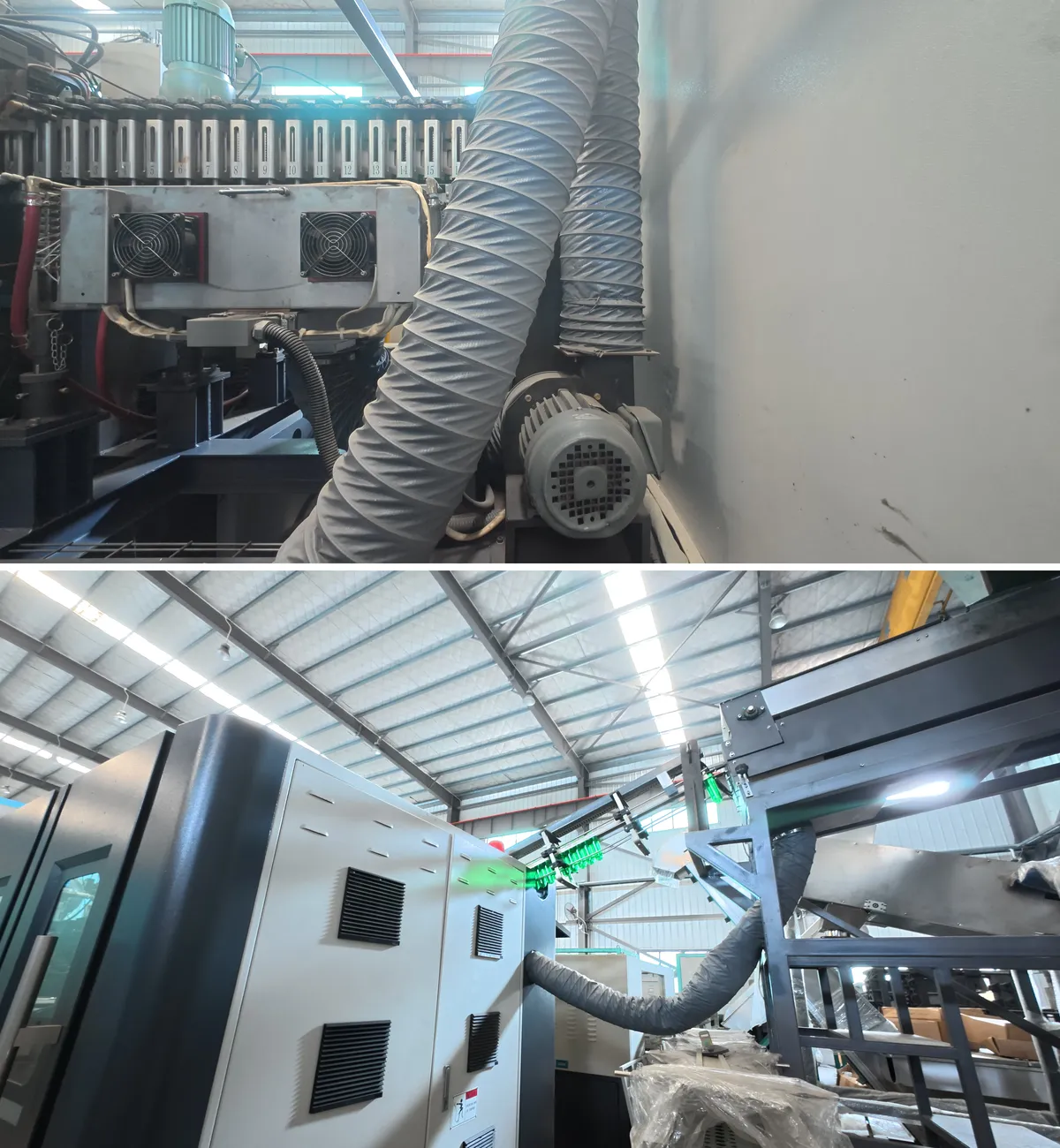
The centralized infrared heating system uniformly conditions preforms to optimal blowing temperature before they enter the blow molding station. With a maximum installed heating power of 42.5 kW and typical working power of 8 to 13 kW, the system is engineered for energy efficiency. Independent heating zone control allows operators to fine-tune the temperature profile across the preform body length, accommodating different preform weights and wall thickness distributions for various bottle designs in the edible oil series.
Cooling Water System
Precise cooling is fundamental to achieving consistent bottle geometry and cycle time stability. The cooling water system operates at pressures of 5 to 6 kg/cm² with temperature maintained at 8 to 10°C and a flow rate of 30 ltr/min. Chilled water channels within the blow mold rapidly extract heat from the formed bottle, solidifying its shape before mold opening. Insufficient or inconsistent cooling is a primary source of bottle deformation, which this engineered system is specifically designed to prevent throughout continuous production shifts.
Preform Transport and Sorting Mechanism
The automated preform transport system handles bulk preforms from the hopper through orientation, sorting, and loading into the heating mandrel system without manual assistance. This component is critical to the fully automatic blow molding machine designation, ensuring uninterrupted preform supply to the heating zone at the rated production speed of 1,800 bph. Built from stainless steel and food-contact-safe materials where applicable, the transport system meets hygiene requirements for edible oil and food packaging production environments.
Injection Blow Molding vs Extrusion Blow Molding
What is Injection Blow Molding (IBM)?
In injection blow molding, molten plastic is first injected around a core rod to form a precise preform with an accurate neck finish. The preform is then transferred to the blow station where it is inflated inside the bottle mold. The finished bottle is removed without any trimming flash, resulting in cleaner production with less material waste. Buyers using British terminology refer to the same process as injection blow moulding.
- Precision small to medium bottles with accurate threaded necks
- Pharmaceutical, medical, cosmetic, and high-value packaging
- Minimal flash waste and clean production without secondary trimming
- Stable dimensions, repeatable wall thickness, and reliable sealing
- Best for: pill bottles, eye droppers, nasal sprays, cosmetic jars
What is Extrusion Blow Molding (EBM)?
In extrusion blow molding, molten plastic is extruded downward as a hollow tube called a parison. The mold closes around the parison, pinching off excess material at the base. Air is blown in to form the bottle shape, after which the solidified bottle is removed and flash is trimmed in a secondary step. This process is referred to as extrusion blow moulding in British English and remains the preferred method for large hollow containers.
- Large hollow containers such as jerry cans, drums, and tanks
- Lower initial tooling cost for less precision-critical packaging
- Greater container-volume flexibility and wider product geometry options
- Applications where trimming flash is acceptable in the process
- Best for: large milk jugs, detergent drums, industrial containers
IBM vs EBM: Side-by-Side Quick Comparison
| Feature | Injection Blow Molding | Extrusion Blow Molding |
|---|---|---|
| Starting Form | Injection molded preform | Extruded parison |
| Neck Precision | Extremely high; neck pre-molded | Standard; depends on mold closing |
| Scrap / Waste | Zero flash, very low waste | Generates flash requiring trimming |
| Best Container Size | Small to medium precision bottles | Medium to large hollow containers |
| Initial Mold Cost | Higher upfront for precision tooling | Lower initial mold costs |
| Best Applications | Pharma, cosmetics, lab containers | Large jugs, drums, jerry cans |
The EPA.ES-2C130 uses a two-step injection stretch blow molding process combining neck precision with the volume capacity needed for large edible oil and handle bottle packaging production.
Raw Materials of the Handle Bottle Blow Molding Machine
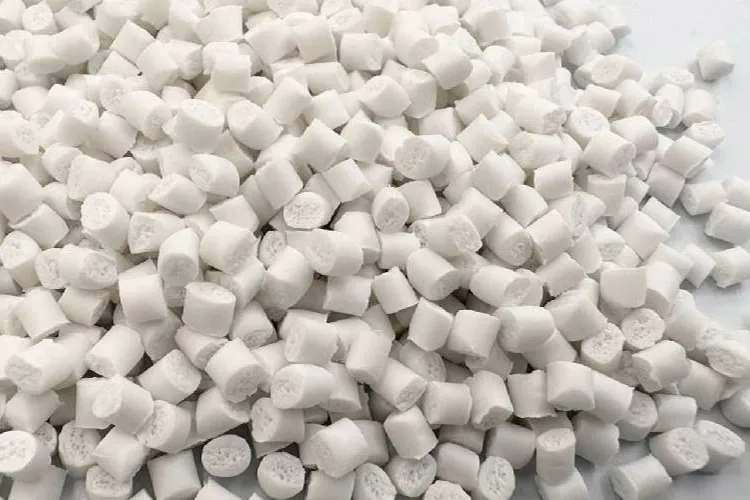
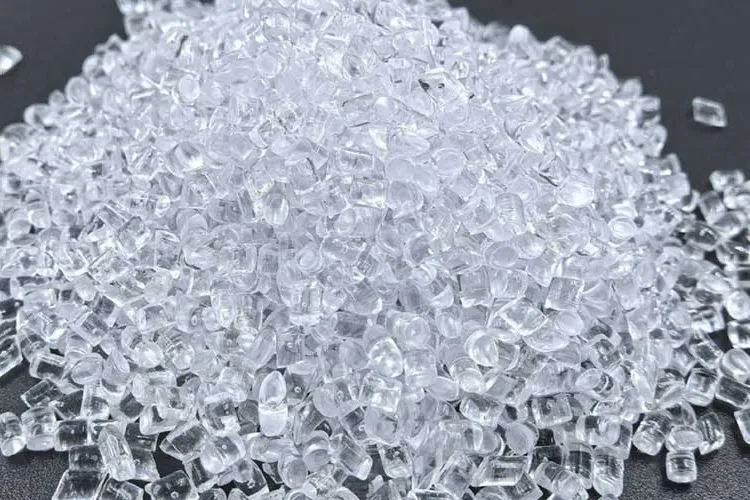
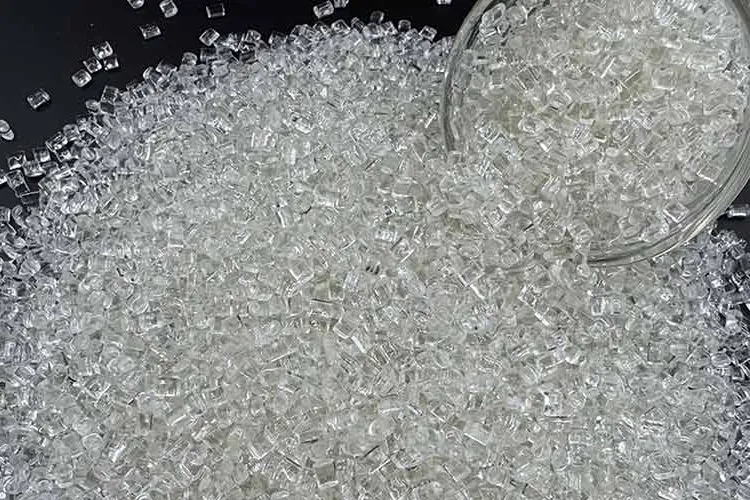
Polyethylene Terephthalate (PET)
PET is the most widely used material in this class of bottle blow molding machine. Its exceptional clarity, lightweight nature, and excellent gas barrier properties make it the dominant choice for edible oil, vinegar, and condiment bottles. PET bottles are also cost-effective for shipping and transportation, and the material is fully recyclable, supporting circular economy packaging strategies increasingly demanded by retailers and regulators across global markets.
High-Density Polyethylene (HDPE)
HDPE is a preferred material for large handle bottles, motor oil containers, and detergent packaging processed on this plastic blow molding machine. Its combination of stiffness, impact resistance, and chemical inertness makes it suitable for a broad range of liquid products. HDPE bottles withstand temperature fluctuations during storage and resist stress cracking from surfactants and petroleum-based fluids, making them indispensable in industrial fluid packaging applications.
Low-Density Polyethylene (LDPE)
LDPE is processed in this blow molding machine to produce flexible, squeezable containers used for personal care liquids, sauces, and condiment dispensers. The material inherent flexibility and moisture resistance make it ideal for packaging that requires repeated squeezing or dispensing. LDPE bottles have excellent chemical compatibility with mild acids and bases found in many food condiments and cleaning products in commercial food service operations.
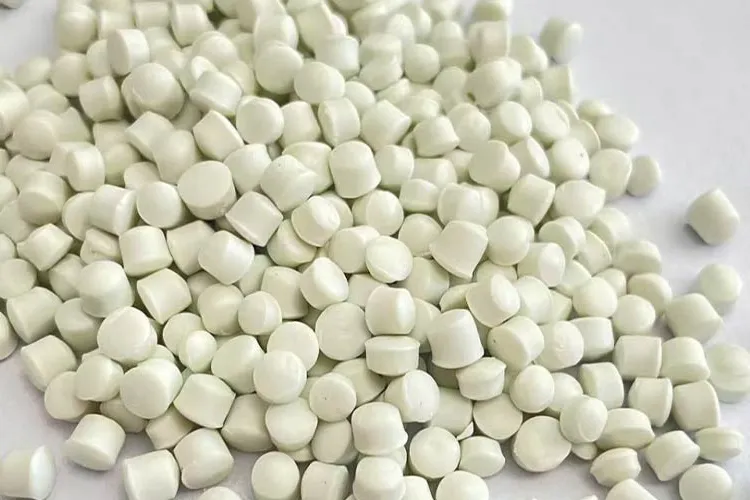
Polypropylene (PP)
PP is a tough, rigid material processed on this automatic blow molding machine for pharmaceutical and food packaging requiring high heat resistance. PP bottles withstand temperatures up to 100°C without deformation, making them compatible with hot-fill processes used in soy sauce and cooking oil packaging lines. The material exhibits excellent fatigue resistance under repeated cap torque cycles, important for multi-use condiment containers in institutional food service settings.
Polycarbonate (PC)
PC is a strong, transparent thermoplastic used in this industrial blow molding machine to produce reusable large-capacity water bottles and specialty containers. PC offers outstanding impact resistance and dimensional stability under load make it ideal for 5L and 10L refillable water jugs used in office water dispensers. The material optical clarity rivals glass, giving packaged products premium visual appeal in competitive retail environments for premium beverage brands.
Polyvinyl Chloride (PVC)
PVC is a flexible, lightweight material compatible with this custom blow molding machine, used for producing specialty bottles for cleaning products, medical supplies, and some cosmetic applications. PVC offers excellent chemical resistance allows it to hold aggressive cleaning agents without degradation. The material can be shaped into complex bottle geometries, and its inherent flame retardancy is advantageous in specific industrial chemical packaging contexts requiring fire-resistant containers.
PETG (Polyethylene Terephthalate Glycol)
PETG combines the clarity and processability of PET with enhanced toughness and chemical resistance, making it suitable for premium cosmetic and specialty food packaging produced on this PET bottle blow molding machine. PETG bottles exhibit exceptional gloss and transparency that enhances visual merchandising appeal on retail shelves. The material also offers wider processing temperature windows compared to standard PET, giving operators greater flexibility in fine-tuning blow molding process parameters for specialized bottle geometries.
 |
 |
 |
 |
Common Troubleshooting of PET Bottle Blow Molding Machine
Uneven Wall Thickness in Finished Bottles
Uneven wall thickness is typically caused by non-uniform preform heating, incorrect stretch rod timing, or misaligned mold clamping. Technicians should verify that all heating lamp zones are functioning and that the preform temperature profile matches the target specification for the current bottle design. Stretch rod centering should be checked against the preform neck axis, and mold clamping parallelism should be re-verified using feeler gauges to rule out mold deflection as a contributing factor.
Bottles Not Fully Forming or Showing Thin Spots
Incomplete bottle formation typically indicates insufficient blowing pressure, prematurely opened blow valves, or a preform temperature that is too low in specific zones. Operators should verify that the blowing pressure is within the recommended 26 to 35 kg/cm² range and that high-pressure air supply from the compressor is stable. The heating profile should be incrementally increased in affected preform zones, with output samples inspected after each adjustment to confirm improvement before resuming full production speed.
Preform Sticking or Jamming in the Transport System
Preform jamming in the orientation or transport mechanism of this fully automatic blow molding machine can be caused by off-spec preform dimensions, excessive surface static, or worn guide rails. Preform batches should be checked against the design dimensions for the EPA.ES-2C130's neck diameter range up to 98 mm. Guide rail surfaces should be inspected for wear and lubricated per the maintenance schedule. Static eliminator bars should be checked for proper operation, particularly in low-humidity production environments.
Bottle Deformation After Ejection
Post-ejection bottle deformation most commonly results from insufficient cooling time within the blow mold, cooling water temperature that is too high, or inadequate cooling water flow rate. The cooling water temperature for the EPA.ES-2C130 should be maintained between 8 and 10°C at the specified flow rate of 30 ltr/min. If the chiller unit cannot maintain target temperature under ambient heat load, the production cycle time may need to be extended to increase in-mold cooling dwell time until the chiller capacity issue is resolved.
Neck Dimension Inconsistency
Inconsistent neck dimensions are a critical quality issue for edible oil bottles where caps must seal reliably to prevent leakage during distribution. This problem in a blow molding machine context is usually traced to preform neck quality from the injection process or preform handling damage prior to blowing. Incoming preform quality should be checked with go/no-go gauges. Injection mold wear at the neck cavity inserts should also be assessed as a potential root cause for systemic neck variation across production batches.
Machine Output Below Rated Capacity
When the EPA.ES-2C130 operates below its rated 1,800 bph output, the investigation should focus on cycle time components: heating dwell, transfer time, blowing time, cooling time, and ejection time. Common causes include preform heating lamps at reduced power due to aging, sluggish pneumatic cylinder response due to worn seals or contaminated air supply, and excessive cooling time caused by cooling water above target temperature. A systematic stage-by-stage timing analysis using the PLC cycle log will identify the specific bottleneck.
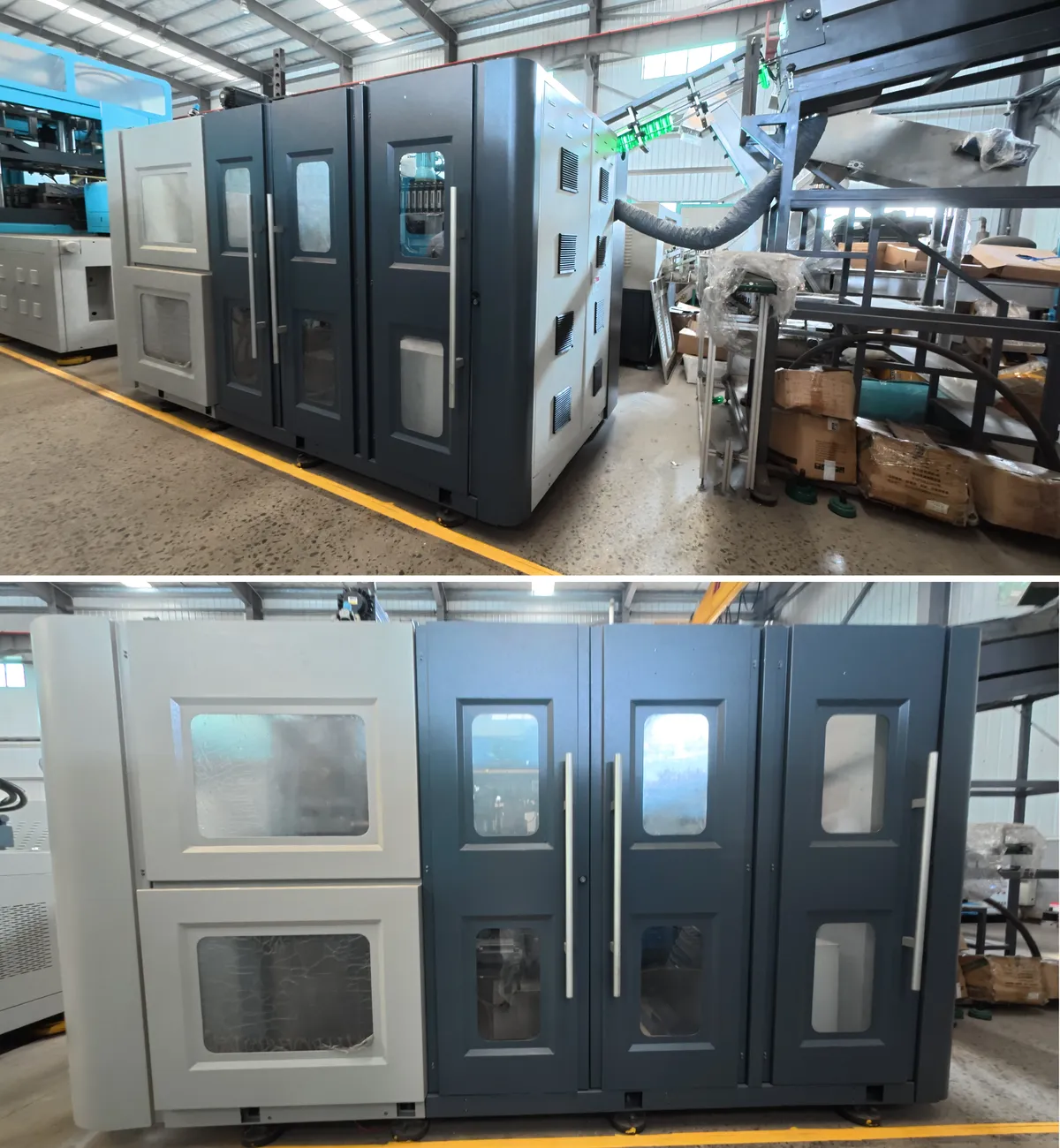
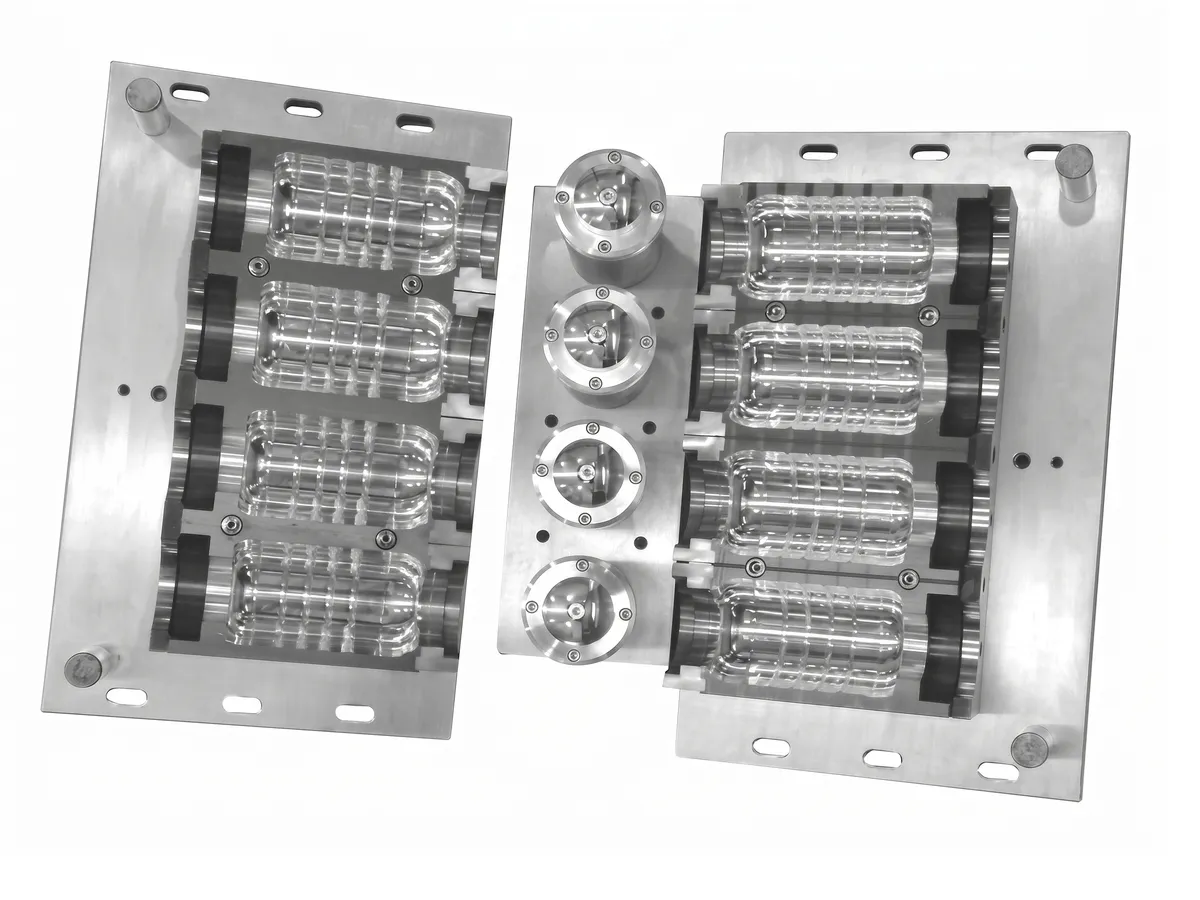
Edible Oil and Handle Bottle Blow Molding Machine Mould Features
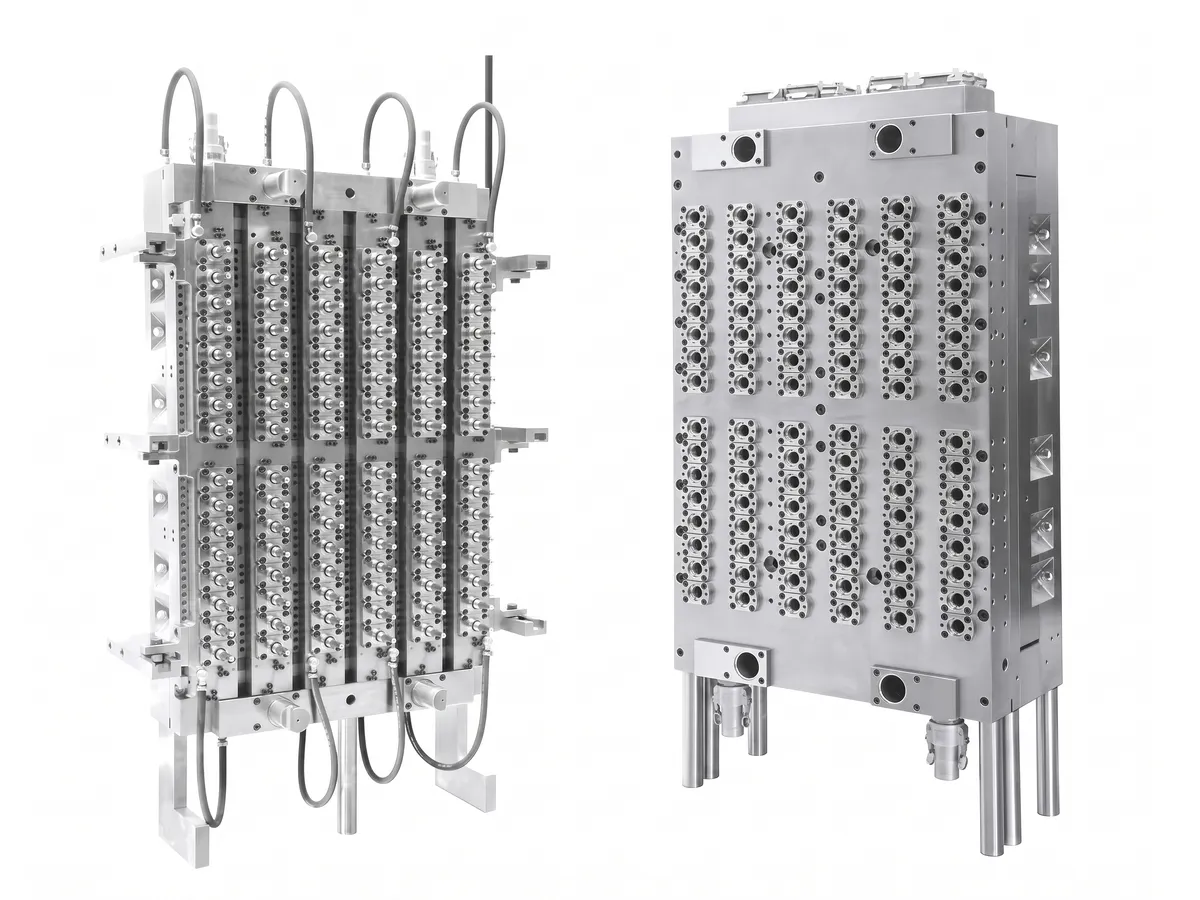
Preform Injection Mold
- Two-Part Die Lip Design: The die lip is composed of two precision-machined parts that guarantee co-axial alignment between the preform and the mold axis during formation, ensuring consistent neck thread geometry across all cavities and production cycles for reliable cap sealing on edible oil bottles.
- Optimized Cooling Water Channels: The rational cooling channel layout within the preform mold improves cooling efficiency by maximizing contact between chilled water and the mold steel surrounding each cavity, shortening cycle time and guaranteeing a stable, fast production rhythm suited to high-volume edible oil packaging lines.
- Imported Die Steel 2316: The cavity forming components are manufactured from imported die steel grade 2316, which is rust-resistant and has been heat-treated to hardness levels that ensure long service life even under continuous high-cycle production conditions in humid or coastal production environments.
- 420 Stainless Steel Structural Parts: Core plates, cavity plates, and other structural components are produced from 420 stainless steel to ensure excellent corrosion resistance in environments where cooling water condensation and cleaning chemicals may contact mold surfaces during regular maintenance procedures.
- Easy Maintenance Access: The mold architecture prioritizes straightforward maintenance access, allowing technicians to inspect, clean, and replace wearing components without specialized tooling, reducing scheduled maintenance downtime to a minimum and keeping this blow molding machine producing at rated capacity.
- Versatile Multi-Preform Design: The advanced mold architecture uses standard interchangeable die fittings and allows a single mold base to produce more than one type of preform by exchanging cavity inserts, maximizing mold investment return for manufacturers producing multiple bottle formats across their product portfolio.
Blowing Mold
- High-Quality Steel Construction: Blowing mold bodies are manufactured from high-quality tool steel chosen for its toughness and machinability, ensuring the mold withstands repeated mechanical stresses of high-speed clamping and the thermal cycling associated with continuous blow molding machine production without dimensional distortion or surface wear.
- Advanced 3D Software Design: Every blowing mold cavity is designed using advanced 3D CAD and simulation software, enabling precise prediction of bottle wall thickness distribution, parting line position, and cooling channel effectiveness before any physical machining begins, minimizing costly design iteration on new bottle projects.
- Versatile Bottle Design Portfolio: Ever-Power offers a diverse library of proven bottle mold designs for edible oil, handle bottles, and condiment containers, enabling customers to choose from validated designs rather than starting from a clean sheet, reducing lead time and tooling validation risk for new product launches in competitive markets.
- Rational Water Cooling Layout: The internal cooling water channel geometry within each blowing mold cavity is engineered to provide uniform heat extraction across the entire bottle surface, preventing localized hot spots that would cause bottle deformation, whitening, or uneven shrinkage after ejection from this edible oil bottle blow molding machine.
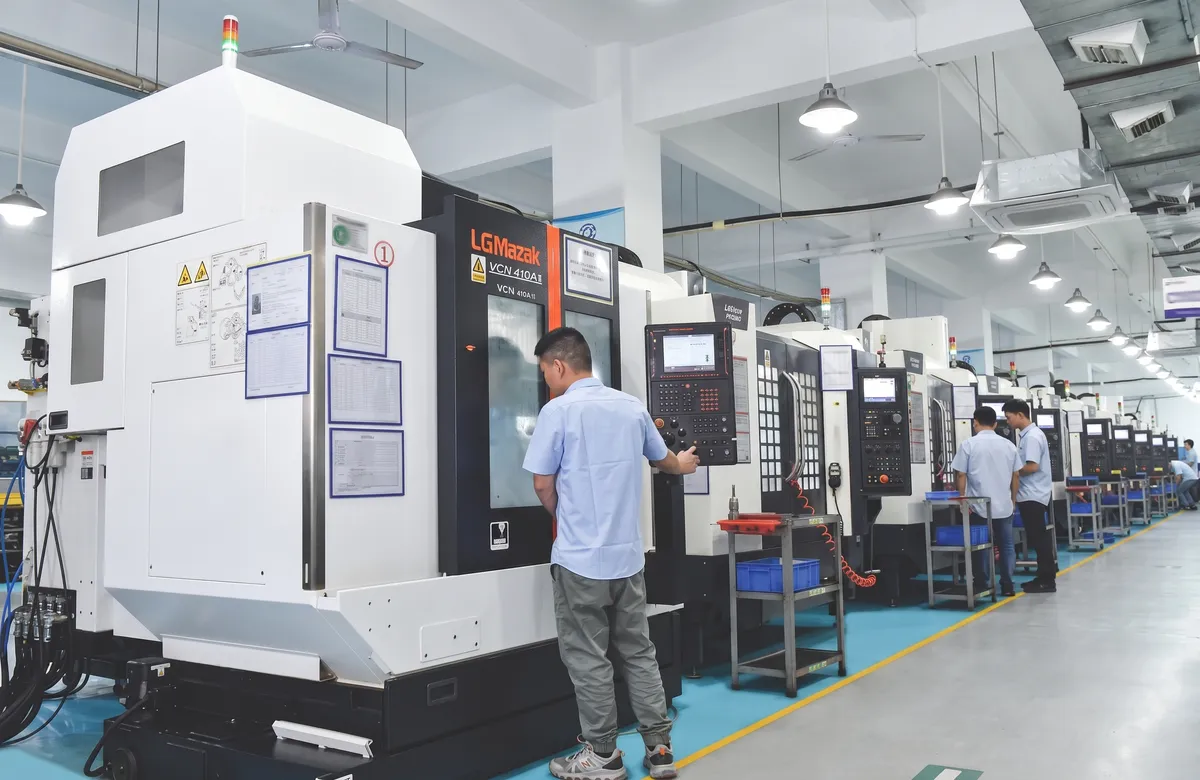
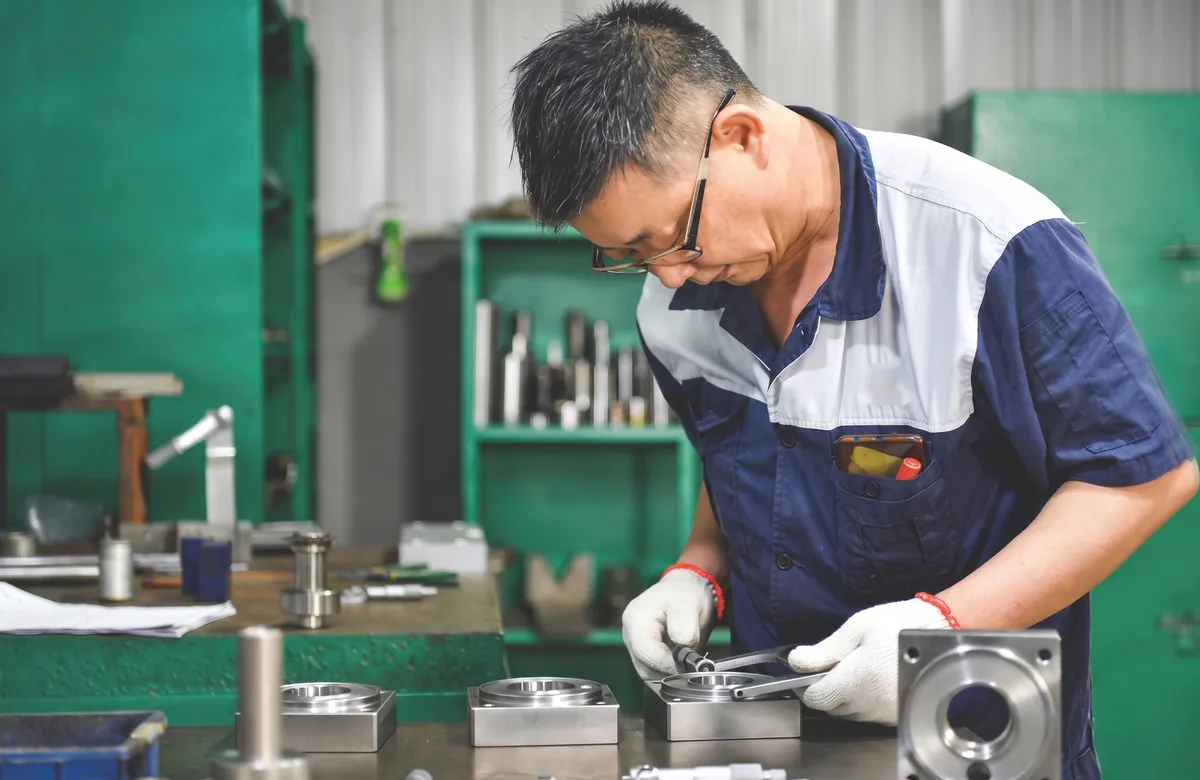
- Full CNC Machining Precision: All metal components in the blowing mold are processed on CNC machining centers to dimensional tolerances that ensure perfect parting line closure, accurate cavity geometry, and proper alignment with the machine blowing station, delivering finished bottles that meet customer dimensional specifications from the very first production cycle without lengthy run-in periods.
How to Choose the Right Plastic Blow Molding Machine for Your Application
1. Define Your Container Specifications
Before evaluating any blow molding machine manufacturers, clearly specify your target bottle volume, neck diameter, body diameter, handle type if required, and container height. For edible oil bottles, typical requirements include volumes of 1L to 20L, neck diameters of 38 mm to 98 mm, and handle integration for containers above 5L. The EPA.ES-2C130 with its 2-cavity configuration and 1,500 ml maximum volume per cavity is appropriate for smaller format oil and condiment bottles within the series lineup.
2. Assess Your Required Production Volume
Calculate your required daily and annual output in bottles per hour, then add a capacity buffer of at least 20% to account for planned maintenance downtime, mold changeovers, and production scheduling flexibility. The EPA series ranging from 700 to 1,800 bph covers most small to medium production scenarios. For large-scale operations, models such as the EPA.JS-2C200 at 1,000 bph or EPA.J-2C366(20L) at 700 bph for very large containers may be more appropriate for your specific product mix.
3. Evaluate Material Compatibility Requirements
Match the machine material processing capability to your required packaging material. This plastic blow molding machine series is compatible with PET, HDPE, PP, and other thermoplastics commonly used in edible oil and condiment packaging. If your product line requires multiple materials across different SKUs, verify that the machine heating system and screw geometry can accommodate the broadest material range you plan to process without major reconfiguration.
4. Consider Your Facility Footprint and Utilities
The EPA.ES-2C130 footprint of 3,600 x 1,800 x 1,980 mm and weight of 3,000 kg must be accommodated within your production floor plan, including access clearances for maintenance and mold changeover. Utilities required include compressed air at 7 kg/cm² for low-pressure functions and up to 35 kg/cm² for blowing, cooling water at 5 to 6 kg/cm², and electrical power for a maximum of 42.5 kW installed load. Confirm your facility utility infrastructure can support these requirements before placing an order.
5. Review Automation and Integration Needs
Determine whether your production line requires integration with upstream preform injection molding, downstream labeling, filling, capping, and packing equipment. This fully automatic blow molding machine supports interfacing with standard conveyor and synchronization systems, but specific integration requirements should be discussed with the Ever-Power engineering team during the quotation process. Automation levels significantly impact total labor cost per bottle, a key factor in total cost of ownership analysis.
6. Evaluate After-Sales Support and Spare Parts Availability
When comparing blow molding machine suppliers, give significant weight to the supplier ability to provide rapid spare parts delivery, remote technical support, and on-site commissioning and training. Ever-Power maintains comprehensive spare parts inventories for the EPA series and provides English-language technical documentation. Assess the supplier track record in your region and response time commitments for emergency technical support before committing to a purchase.
7. Conduct a Total Cost of Ownership Analysis
Purchase price is only one component of the investment decision for a high speed blow molding machine. Factor in energy consumption per 1,000 bottles, labor cost savings from automation, expected mold life and replacement cost, planned maintenance costs per year, and the revenue impact of any unplanned downtime. The EPA.ES-2C130's energy-efficient heating system with 8 to 13 kW working power against 42.5 kW installed capacity provides a favorable energy cost profile compared to older resistance-heating machine designs, improving the 5-year total cost of ownership calculation significantly.
Why Choose Ever-Power's PET Blow Molding Machine?
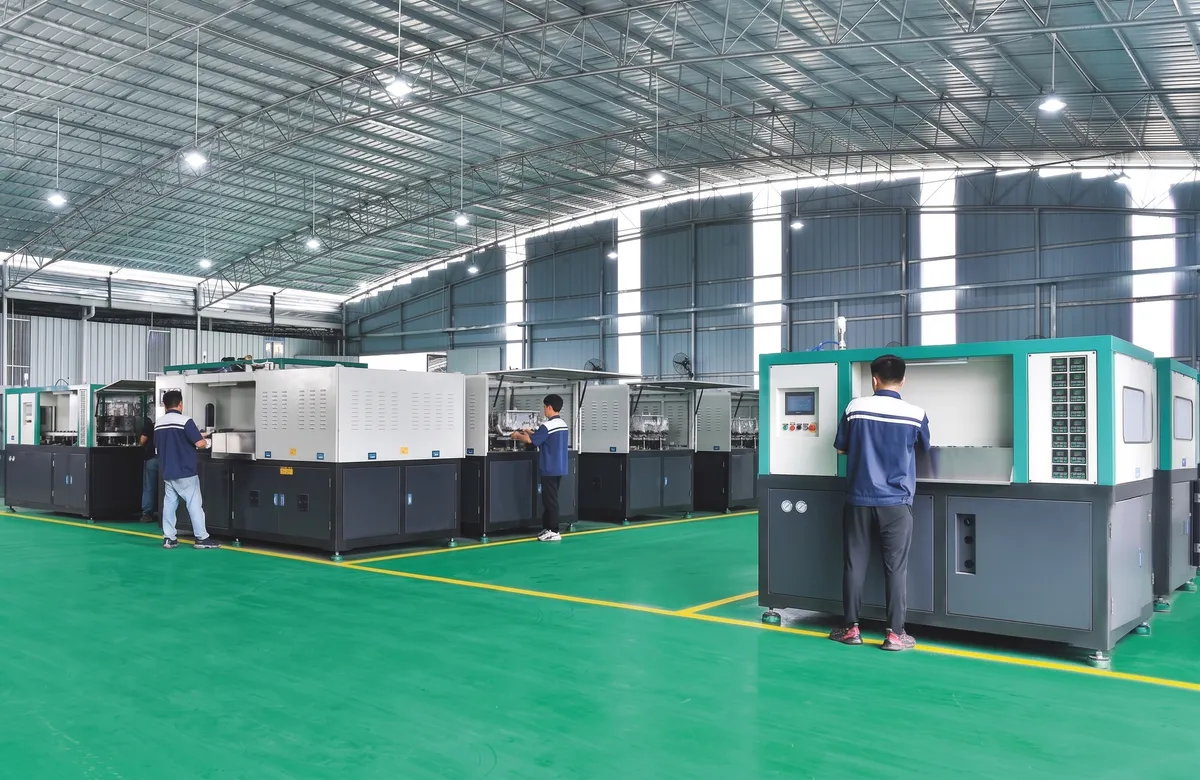
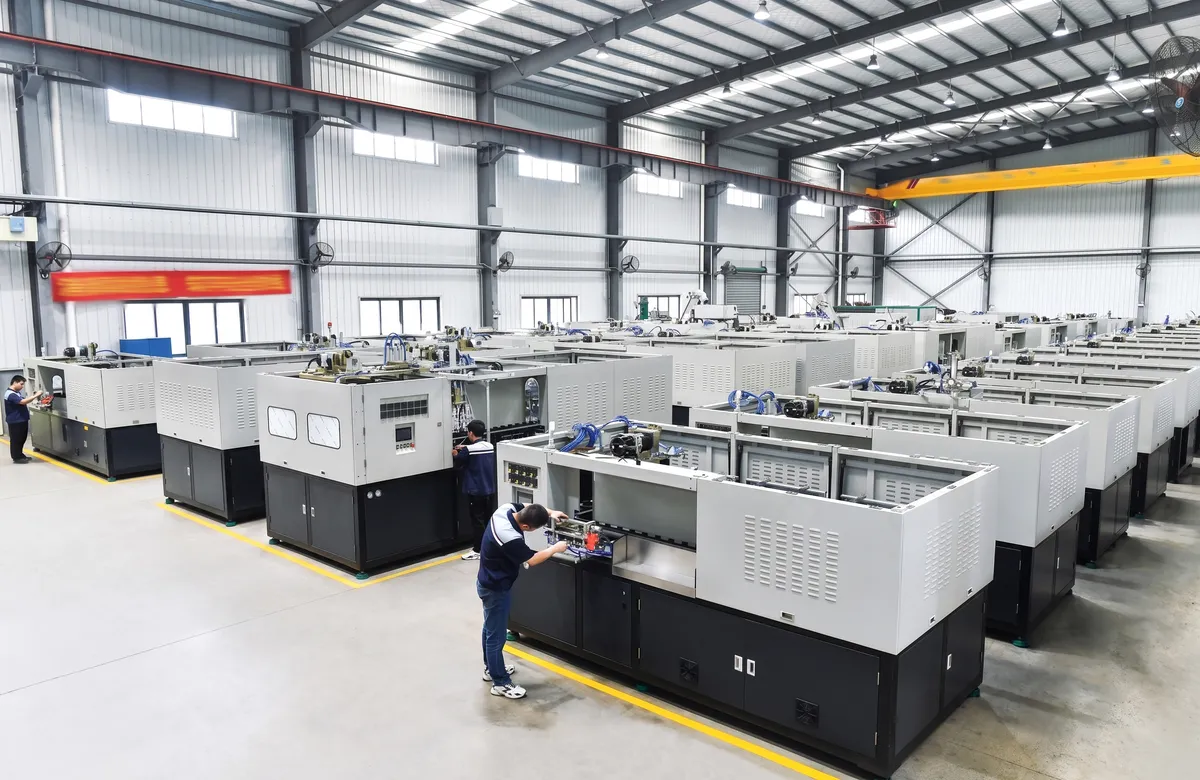
Mexico Ever-Power ISBM Machinery Co., Ltd is primarily engaged in the research and development, production, sales, and trade of automatic one-step Injection Blow Molding Machines and Injection Stretch Blow Molding Machines. Our product range covers injection blow molding machines, extrusion blow molding machines, injection stretch blow molding machines, and auxiliary machinery. Benefiting from an advantageous geographical location and convenient transportation infrastructure, Ever-Power serves clients across Latin America, North America, and global markets with reliable, high-quality blow molding solutions.
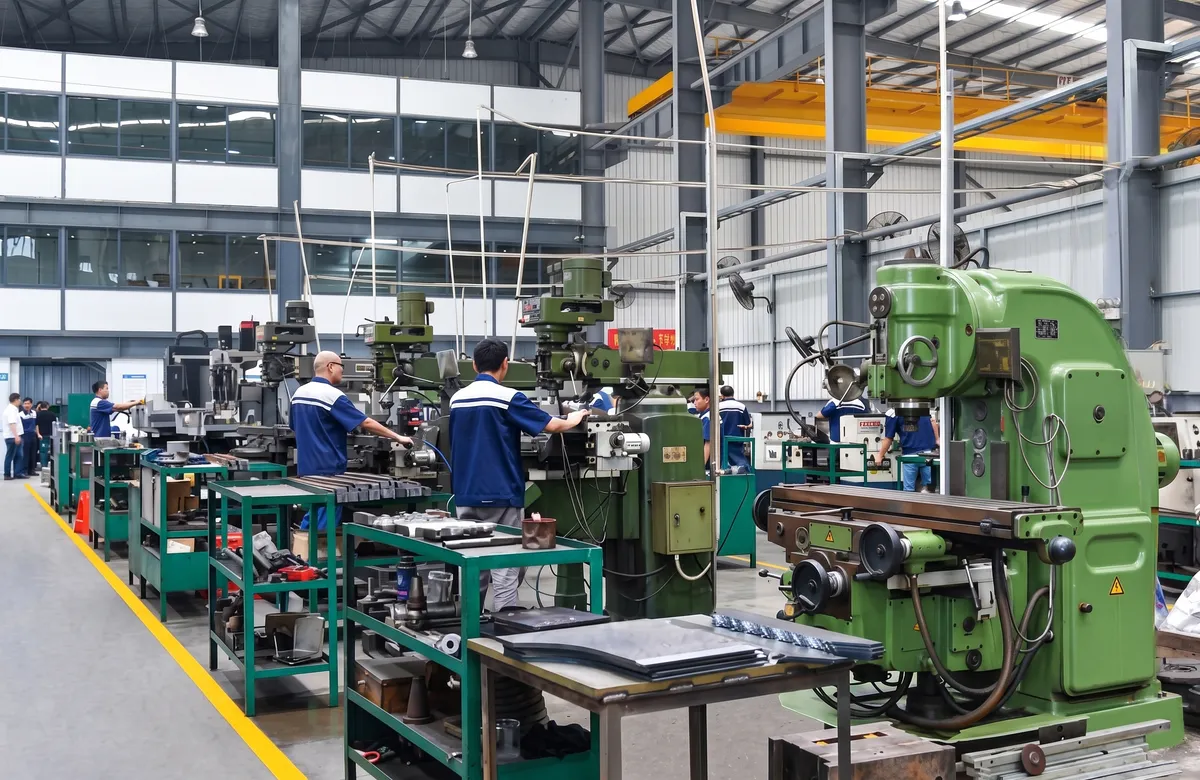
Ever-Power has assembled an outstanding R&D team of engineers and technical personnel with deep expertise in both injection-blowing machinery and injection-blowing mold design. With rich theoretical knowledge and extensive practical experience accumulated over more than two decades, our team delivers detailed and attentive pre-sale consultancy, in-process project support, and comprehensive after-sale service to every customer, following our enterprise tenet of "self-reliance, integrity, pragmatism, innovation, and responsibility."
Our product applications span pharmaceutical packaging, food packaging, healthcare product packaging, cosmetic packaging, and industrial plastic packaging. We process a comprehensive range of materials including HDPE, LDPE, PET, PETG, PP, PS, PPSU, PC, Tritan, ABS, PLA, EVA, PCTG, and eco-friendly corn-based bioplastics, producing containers from 1 ml to 22,000 ml in the large-format EPA series. Our complete supply chain for blow molding machine production gives life to machines with solid, stable, and energy-saving elements to provide one-stop service for our customers.
- 20+ Years of Specialized Expertise
Over two decades of focused engineering and manufacturing experience in blow molding machine design make Ever-Power one of the most technically capable suppliers available to global buyers seeking proven technology and reliable production performance for edible oil and condiment packaging lines. - Full Turnkey Project Capability
Ever-Power builds complete turnkey production line solutions encompassing machine supply, mold design and manufacture, auxiliary equipment, installation, operator training, and long-term after-sales support, providing a genuine one-stop service that reduces complexity and risk for packaging manufacturers at any scale. - Global Supply and Logistics Network
With established export experience to more than 30 countries across Asia, the Americas, Europe, Africa, and the Middle East, Ever-Power manages international shipping, customs documentation, and installation coordination to deliver your fully automatic blow molding machine on time and in perfect condition, regardless of destination complexity. - National Patents and Industry Certifications
Ever-Power holds multiple national utility model patents for innovations in blow molding machine design and process control, and our machines carry CE certification, providing buyers in regulated markets with the documentation needed for import compliance and facility equipment certification audits required by food packaging authorities.
 |
 |
 |
 |
 |
 |
Frequently Asked Questions
Q: What is the difference between a two-step blow molding machine and a one-step machine?
A: A two-stage blow molding machine like the EPA.ES-2C130 separates the injection molding of preforms from the blow molding process into two independent production steps. Preforms are produced on a separate injection molding machine, stored, and then reheated and blown into bottles on the blow molding machine. This approach allows preform production to run independently from bottle production, enabling manufacturers to optimize each process separately and source preforms from third-party suppliers if preferred. A one-step machine integrates injection, preform conditioning, and blowing into a single continuous process, better suited for small specialty bottles where no-hand-contact production is a regulatory requirement.
Q: What size edible oil bottles can the EPA.ES-2C130 produce?
A: The EPA.ES-2C130 model specifically accommodates containers with a maximum volume of 1,500 ml, a maximum neck diameter of 98 mm, a maximum body diameter of 110 mm, and a maximum height of 250 mm. For larger edible oil bottles ranging from 5L to 20L, other models within the EPA series are recommended: the EPA.ES-2C200 handles up to 5,000 ml, while the EPA.J-2C366(20L) handles up to 22,000 ml. Please contact our sales team to match your specific bottle dimensions to the optimal model within the EPA edible oil bottle blow molding machine series.
Q: What preform specifications are compatible with this blow molding machine?
A: The EPA.ES-2C130 is designed to process preforms with neck diameters up to 98 mm. Compatible preform specifications must be validated against the machine stretching stroke of 350 mm and the preform holder capacity of 60 pieces. Preform wall thickness, length, and material grade should be confirmed against the target bottle design before tooling is ordered. the Ever-Power engineering team can review your preform specifications as part of the quotation process and recommend optimized preform designs if your current preform supplier specifications require adjustment for this automatic PET blow molding machine.
Q: How much compressed air does the EPA.ES-2C130 require, and can a standard industrial compressor supply it?
A: The EPA.ES-2C130 requires low-pressure air at 7 kg/cm² with a consumption of 600 ltr/min, and high-pressure blowing air at 26 to 35 kg/cm² with a consumption of 1,000 to 1,500 ltr/min. Standard industrial air compressors typically supply air at 7 to 8 kg/cm², which is sufficient for the low-pressure circuit. The high-pressure blowing circuit requires a dedicated high-pressure booster compressor or a purpose-built high-pressure compressor capable of delivering the specified pressure and flow rate. Ever-Power can supply or recommend compatible auxiliary compressor systems as part of a complete turnkey blow molding machine solution.
Q: Can the EPA.ES-2C130 produce bottles with integrated handles?
A: Yes. The EPA edible oil and handle bottle blow molding machine series is specifically designed to produce bottles with front-handle and rear-handle configurations commonly used for edible oil, motor oil, and cleaning product containers. Handle integration is achieved through the blow mold design rather than secondary assembly operations. For handle bottles above 1,500 ml (beyond the EPA.ES-2C130 capacity), larger models such as the EPA.FS-2C200(5L) or EPA.J-2C366(20L) are recommended and can produce handle containers up to 22,000 ml with a maximum body diameter of 300 mm.
Q: What certifications does this blow molding machine carry, and is it suitable for food-contact packaging?
A: Ever-Power Machinery holds national utility model patents and CE certification (Verification of Compliance, ECM). For food-contact packaging suitability, the key consideration is the material used in preforms and the mold components that contact the bottle interior, which must be food-safe grade steel and properly treated. Ever-Power can provide technical documentation to support your factory food safety compliance audit requirements. We recommend consulting your local food packaging regulatory authority for country-specific certification requirements applicable to edible oil bottle production using this plastic blow molding machine.
Q: How long does it take to change molds on the EPA.ES-2C130, and how many different bottle types can one machine run?
A: With proper tooling preparation and an experienced operator, mold changeovers on the EPA.ES-2C130 can typically be completed in 2 to 4 hours, depending on the degree of difference between the current and new bottle designs. The machine can run any number of different bottle types across its lifetime, provided the bottle dimensions fall within the machine technical specifications. Each different bottle requires a dedicated blow mold and may require a different preform specification, so operators typically maintain an inventory of mold sets corresponding to their product portfolio. The standardized tooling interface simplifies mold storage and changeover management.
Q: What is the typical energy consumption per 1,000 bottles for this edible oil blow molding machine?
A: The EPA.ES-2C130 has a maximum installed heating power of 42.5 kW but operates at a working heating power of 8 to 13 kW under normal production conditions, reflecting the efficiency of the centralized infrared heating design. At a production rate of 1,800 bph with an approximate working power of 10 kW, energy consumption from the heating system alone is approximately 5.6 kWh per 1,000 bottles. Additional energy consumption from the air compressor, cooling water pump, and drive systems adds to the total, but the overall energy efficiency of this automatic blow molding machine compares favorably with older resistance-heated designs, particularly for high-volume production runs.
Q: Does Ever-Power offer custom blow molding machine configurations for non-standard bottle designs?
A: Yes. As a custom blow molding machine manufacturer, Ever-Power offers engineering customization for non-standard bottle geometries, special handle configurations, unusual neck finish specifications, or unique production line integration requirements. Custom mold design using advanced 3D CAD software is available, with mold design review and simulation completed before physical tooling manufacture to minimize risk. Customers with proprietary bottle designs can supply their CAD files or physical sample bottles for our engineering team to develop a compatible mold solution. Please contact our sales team with your bottle design requirements to receive a detailed quotation.
Customer Reviews
Carlos Mendes, Edible Oil Packaging, Brazil
"We have been running the EPA.ES-2C130 for about eight months now at our edible oil bottling facility in Sao Paulo, and I have to say it has been quite solid. We switched from an older semi-auto setup and the difference in output is night and day. We are now hitting around 1,750 to 1,800 bottles per hour consistently on our 5L PET cooking oil line, which has almost tripled what we could do before. The neck dimensions on the 98 mm finish are very consistent and our filling line rejects have dropped significantly. Installation support from the Ever-Power team was thorough. Very happy with this machine."
Wang Xiulan, Condiment Packaging, China
"Procurement took us a while because we were comparing several blow molding machine suppliers, but in the end the price and technical specifications of the Ever-Power unit were the best fit for our operation. We produce soy sauce and vinegar bottles in 1L and 2L PET for domestic retail distribution. The machine arrived on schedule and our local technicians were able to follow the installation guide with minimal issues. We needed to adjust the cooling water temperature setting slightly, but after that the output quality has been excellent. Would recommend to other condiment manufacturers."
Priya Nair, Industrial Lubricants Packaging, India
"We bought this machine for producing 5L and 10L handle bottles for motor oil packaging. The machine is well built and the output quality is good overall. My only feedback is that the spare parts lead time for a minor pneumatic component took about three weeks, which caused some inconvenience. The Ever-Power after-sales team was responsive and helped us source a local temporary solution in the meantime. The blowing pressure control is very stable and our bottle rejection rate on wall thickness defects is under 0.5%, which is better than what our previous machine was delivering. Overall a good investment for our operation."
Budi Santoso, Food Packaging Manufacturing, Indonesia
"This is our second Ever-Power blow molding machine. We purchased the EPA.ES-2C130 to expand our existing cooking oil bottling capacity and it integrated seamlessly with our existing filling line infrastructure. The energy consumption is impressively low for a machine at this output level, our electricity bill per 1,000 bottles has gone down by about 18% compared to our older machine. The PLC interface is quite intuitive and our operators got comfortable with it within two days of training. Shipping to Jakarta arrived three weeks ahead of the original estimated delivery date. Five stars."
Mehmet Yilmaz, Olive Oil Packaging, Turkey
"We evaluated four different automatic blow molding machine options before deciding on the Ever-Power EPA.ES-2C130. The deciding factor was the combination of price, the centralized heating system design which our production engineer felt was more reliable for our 24-hour operation, and the fact that Ever-Power could provide custom molds for our specific 2L olive oil bottle design within 45 days. We have been running for about six months and the molds have been performing very well with excellent bottle appearance consistency. Highly satisfied."
Emeka Okonkwo, Vegetable Oil Bottling, Nigeria
"I want to specifically mention the logistics and shipping handling by Ever-Power. We are based in Lagos and getting heavy machinery delivered reliably here can be a real challenge. The team handled all the export documentation and coordinated the freight forwarding to arrive at our facility on time and in perfect condition. The machine crate was very well packed with no shipping damage at all. We are producing 1L and 2L vegetable oil PET bottles and the quality has been excellent. Our quality control team was very satisfied with the bottle clarity and wall thickness uniformity. Will definitely consider Ever-Power for our next expansion."
Ahmed Al-Rashidi, Chemical Packaging, Saudi Arabia
"We purchased this plastic blow molding machine for producing large 10L handle bottles for industrial cleaning chemicals. The machine has been running for eleven months with no major breakdowns, which is quite remarkable for a 24/7 production environment. We did have some initial questions about optimizing the blowing pressure for the HDPE material we use, and the technical support team was very helpful in walking us through the adjustments remotely via video call. The only area where I would like to see improvement is in the documentation. But overall the machine is solid and the output quality meets our specifications."
Fatima Kimura, Sunflower Oil Packaging, Mexico
"The pre-sales consultation process with Ever-Power was excellent. Their sales engineer helped us choose the right model from the EPA series based on our specific bottle dimensions and annual volume requirements, and recommended the EPA.ES-2C130 over a larger model which saved us significant capital cost while still meeting our production targets. The machine produces our 1.5L sunflower oil bottles at consistently good quality with minimal operator intervention thanks to the full automation. Our operators really appreciate how stable the machine runs during long shifts. Great overall experience."
Dmitry Volkov, Condiment Manufacturing, Russia
"We are a mid-sized condiment manufacturer in Russia and we have been using the EPA.ES-2C130 for producing 500 ml to 1,500 ml PET bottles for soy sauce and cooking sauces for about fourteen months. The machine has been extremely reliable in our operating environment. We did need to add extra insulation to the preform hopper area in winter but otherwise the machine performed without issues. Output quality is excellent, wall thickness variation across a batch is consistently below 5% which meets our quality standards. Shipping was well managed despite the logistics complexity of our location."
Additional information
| Edited by | Yjx |
|---|
Related products
-
EPA.ES-2C130 Fully Automatic Blow Molding Machine for Daily Chemicals & Cosmetic Bottles
-
EPA.AS-2C114.3 Fully Automatic Blow Molding Machine for Medicine Bottles
-
EPA.ES-2C150 Fully Automatic Blow Molding Machine for Edible Oil and Handle Bottles
-
EPA.ES-2C200 Fully Automatic Blow Molding Machine for Daily Chemicals & Cosmetic Bottles