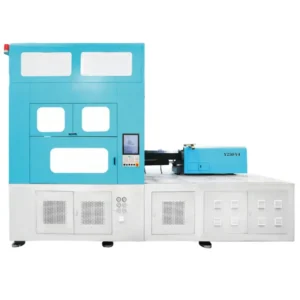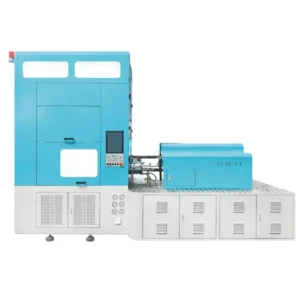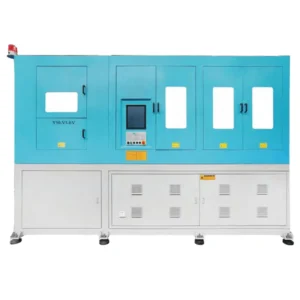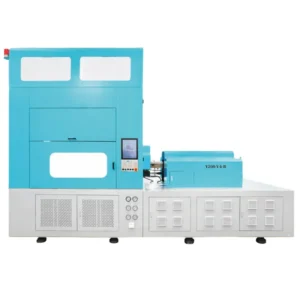
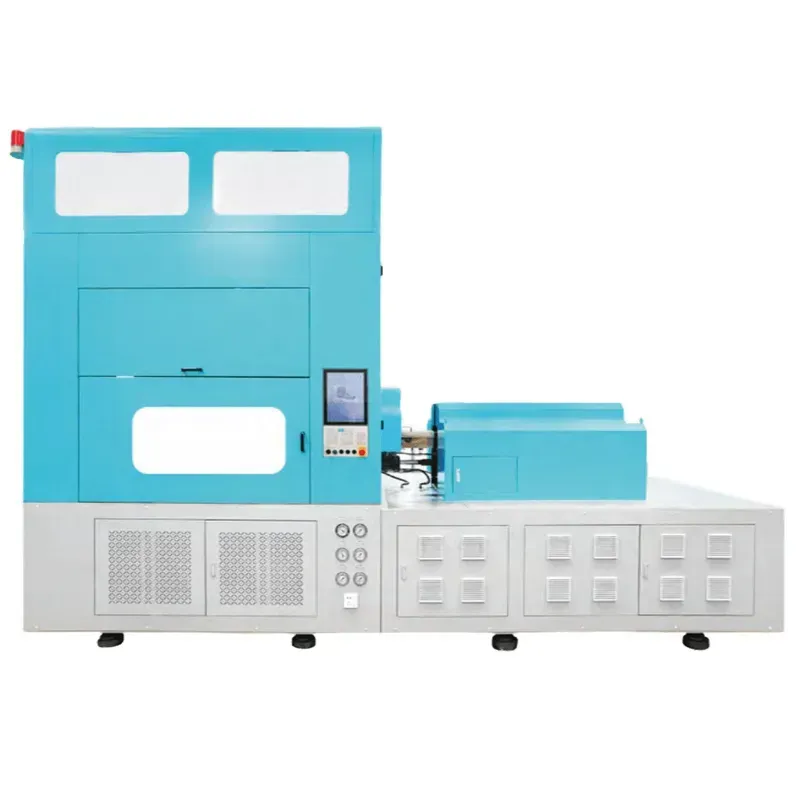
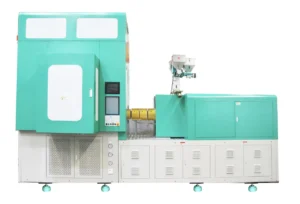
Y200-V3 Injection Stretch Blow Molding Machine Replacement for Japanese AOKI SBIII-250LL-50S
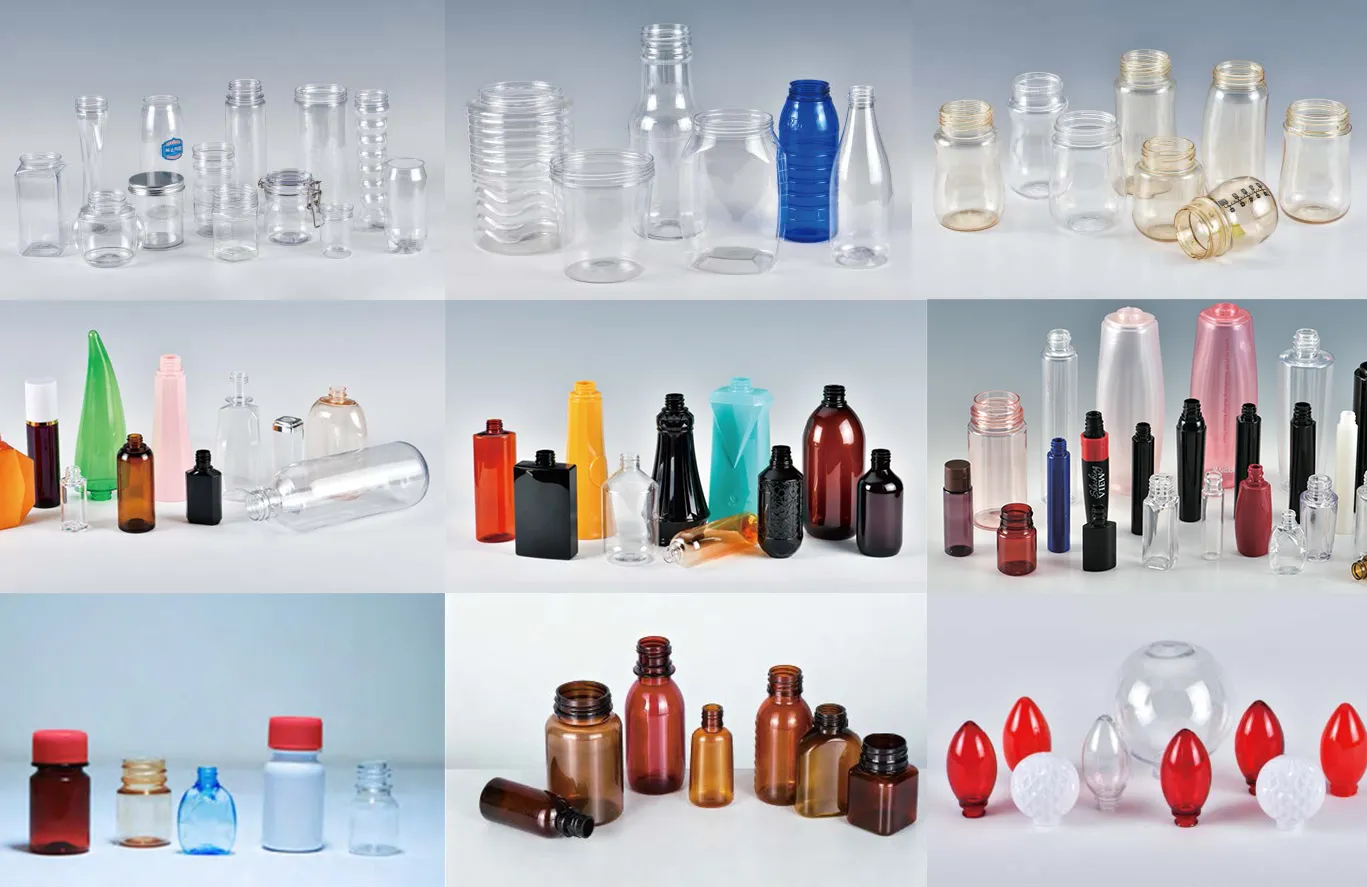
The Y200-V3 Injection Stretch Blow Molding Machine is engineered as a direct, high-performance replacement for the Japanese AOKI SBIII-250LL-50S model. As a true one-step injection stretch blow molding machine, it integrates injection, conditioning, and blow molding into a single continuous 4-station cycle, eliminating intermediate handling and significantly reducing contamination risk. The machine processes PET and PETG materials to produce pharmaceutical bottles, cosmetic bottles, baby feeding bottles, water bottles, specialty shaped containers, and more.
The Y200-V3 Injection Stretch Blow Molding Machine is engineered as a direct, high-performance replacement for the Japanese AOKI SBIII-250LL-50S model. As a true one-step injection stretch blow molding machine, it integrates injection, conditioning, and blow molding into a single continuous 4-station cycle, eliminating intermediate handling and significantly reducing contamination risk. The machine processes PET and PETG materials to produce pharmaceutical bottles, cosmetic bottles, baby feeding bottles, water bottles, specialty shaped containers, and more. Its standardized mechanical architecture and use of internationally sourced components make it a reliable, GMP-compliant solution for manufacturers who demand both output consistency and regulatory compliance.
Mexico Ever-Power ISBM Machinery designed this single-stage injection stretch blow molding machine specifically for production environments that require zero human contact during the forming process. Whether your application is high-end cosmetic packaging, sterile pharmaceutical containers, or beverage bottles requiring optical clarity, the Y200-V3 delivers the dimensional precision and surface quality that modern B2B buyers require. With a screw diameter of up to 60 mm, theoretical injection capacity reaching 480 cm3, and an injection clamping force of 300 KN, this ISBM machine handles demanding production volumes while consuming 15 to 25 percent less energy than comparable Japanese and European machines.
Product Model Comparison Table
1. Replacement for Japanese ASB Model
| Y/ YS Machine Model | Configuration / Remarks | Compatible Japanese Model |
| Y150-V4-2 | Standard configuration | ASB-12M |
| YS150-V4-EV | Full Servo | ASB-12M |
| Y250-V4 | Standard configuration | ASB-70DPH |
| Y250-V4-B | B Series | ASB-70DPW |
| Y650-V4 | Large-capacity model | ASB-650 |
2. Replacement for Japanese AOKI Model
| Y/YS Machine Model | Configuration / Remarks | Compatible Japanese Model |
| Y150-V4-B | B Series | SBIII-100L-20 |
| Y150-V3-B | 3-Station Model | SBIII-100L-20 |
| Y200-V4-B | B Series | SBIII-250LL-50S |
| Y200-V3 | 3-Station Model | SBIII-250LL-50S |
| YS350-V4-EV | Full Servo | AL-350LL-40 |
| Standard Model | Servo Model | Fully Electric Model |
 |
 |
 |
Our Advanatges
1. The quality is better. The plastic bottles produced by the blow molding machines from Japan all have a parting line. There is a protrusion of plastic in the middle of the two molds on either side, which results in a mark. However, our molds have extremely high precision, and the mark is completely invisible.
2. Our production is fast, with a large amount of screw solutions and high speed. While Japan can produce four plastic bottles at a time, we can produce six.
3. Save energy. Our machines consume 15% to 25% less energy than those in Japan, Europe, and the United States.
4. A wide range of electric control technologies has been adopted to replace hydraulic and pneumatic components. For example, the pneumatic components used in the bottom cutting mechanism in Japan are replaced by servo motors here, and the speed of the servo motors is doubled. In the pharmaceutical industry and other fields, fully servo motors can be used without any hydraulic systems, ensuring compliance with GMP standards and operation in an oil-free and pollution-free environment.
Product Specifications
| Item | Unit | Specifications | |||||||||||
| Name | One-step Injection Stretch Blow Molding Machine(4-station) |
||||||||||||
| Model | Y200-V3 (Compatible with Japanese AOKI SBIII-250LL-50S model) | ||||||||||||
| Manufacturer | Mexico Ever-Power | ||||||||||||
| Material | PET/PETG | ||||||||||||
| Screw Diameter | MM | 40 | 50 | 55 | 60 | ||||||||
| Theoretical Injection Volume | CM³ | 240 | 340 | 380 | 480 | ||||||||
| Screw Rotational Speed(RPM) | r/min | 270 | 180 | 150 | 150~220 | ||||||||
| Injection Clamping Force | KN | 300 | |||||||||||
| Blowing Clamping Force | KN | 250 | |||||||||||
| Motor Power | KW | 49.2 | |||||||||||
| Heating Power | KW | 15 | |||||||||||
| Blowing Air Pressure | Mpa | 2.0-3.5 | |||||||||||
| Cooling Water Pressure | Mpa | 0.4-0.6 | |||||||||||
| Machine Oil Cooler Water Pressure | Mpa | 0.3-0.4 | |||||||||||
| Machine Oil Cooler Water Temperature | ℃ | 20-25 | |||||||||||
| Voltage | V | 370-400 | |||||||||||
| (L*W*H) Size(L*W*H) | MM | 4800x2000x3800 | |||||||||||
| Weight | T | 13 | |||||||||||
| Product Dimensions | |||||||||||||
| Product Quantity | PCS | 1 | 2 | 3 | 4 | 5 | 6 | 7 | 8 | 10 | 12 | ||
| Bottle Diameter(BD) | MM | 118 | 110 | 105 | 100 | 68 | 65 | 48 | 45 | 38 | 26 | ||
| Bottle Height(H) | MM | 280 | 150 | 100 | |||||||||
| Neck Diameter(E) | MM | 90 | 90 | 90 | 65 | 38 | 32 | 26 | 25 | 23 | 15 | ||
| Max. Bottle Volume(ml) | ML | 2500 | 1500 | 900 | 750 | 350 | 200 | 100 | 50 | 30 | 20 | ||
| Max. Bottle Weight(W) | G | 150 | 65 | 45 | 35 | 30 | 28 | 25 | 20 | 15 | 10 | ||
Machine Parameter
| Compatible Model: | Compatible with the Japanese Aoki SBIII-250LL-50S model |
| Screw Diameter: | 50mm(optional) |
| Theoretical Injection Capacity: | 442g |
| Injection clamping force: | 300KN |
| Upper mold stroke: | 600mm |
| Lower mold stroke: | 350mm |
| TEMP. Regulating core stroke: | 300mm |
| TEMP. Regulating barrel stroke: | 350mm |
| Take-out stroke: | 175mm |
| Blowing clamping force: | 250KN (single side) |
| Blow core stroke: | 300mm |
| Blow mold stroke: | 75+75mm |
| Oil tank VOL: | 300L |
| Weight: | 13T |
Technical Standard
| Servo Control System: | Using 3 sets of servo pump systems. |
| Servo Motor Power: | Inovance/ WEICHI servo motor power: 49.2KW. |
| Computer Control System: | Using the Inovance/ MiRLE PLC. |
| Turntable Drive: | The turntable is equipped with a Japan Yaskawa servo motor or a WEICHI servo motor with a Taiwan TSUNTIEN reducer. |
| High- Pressure Valve: | Using the American Parker high-pressure valve. |
| Air Cylinder: | Using the Aitak air cylinder. |
| Temperature Control: | Using an integrated control box to control temperature, which is highly accurate, stable, and easy to operate; alternatively, you can choose the system's built-in temperature control system. |
| Hydraulic Pressure Control Valve: | Using a hydraulic pressure control valve of YUKEN from Taiwan, China. |
| Screw Heated: | Heating power of the screw and the material pipes is 15KW. |
| Blow Molding Structure: | The blow molding structure adopts a hydraulic cylinder or a dual servo motor mold clamping system with a high-pressure compensation function. |
| Injection Unit: | The injection unit is controled by a single cylinder. The melt motor may be controlled either hydraulically or by a servo motor. |
| Total Power of the Machine: | Total power of the machine: 64.2KW. |
Features of the Y200-V3 ISBM Machine
1. Improve Production Efficiency
This one step injection stretch blow molding machine is capable of producing up to 6 bottles per cycle, compared to 4 for comparable Japanese equipment, thanks to a larger screw solution volume and higher rotational speed range. Full-process automation handles every stage without manual intervention, allowing a small team to manage high-volume production lines. Production efficiency consistently exceeds that of traditional two-stage molding setups and manual processes, making it well suited for large batch orders and time-sensitive contracts.
2. Shorten Production Cycle
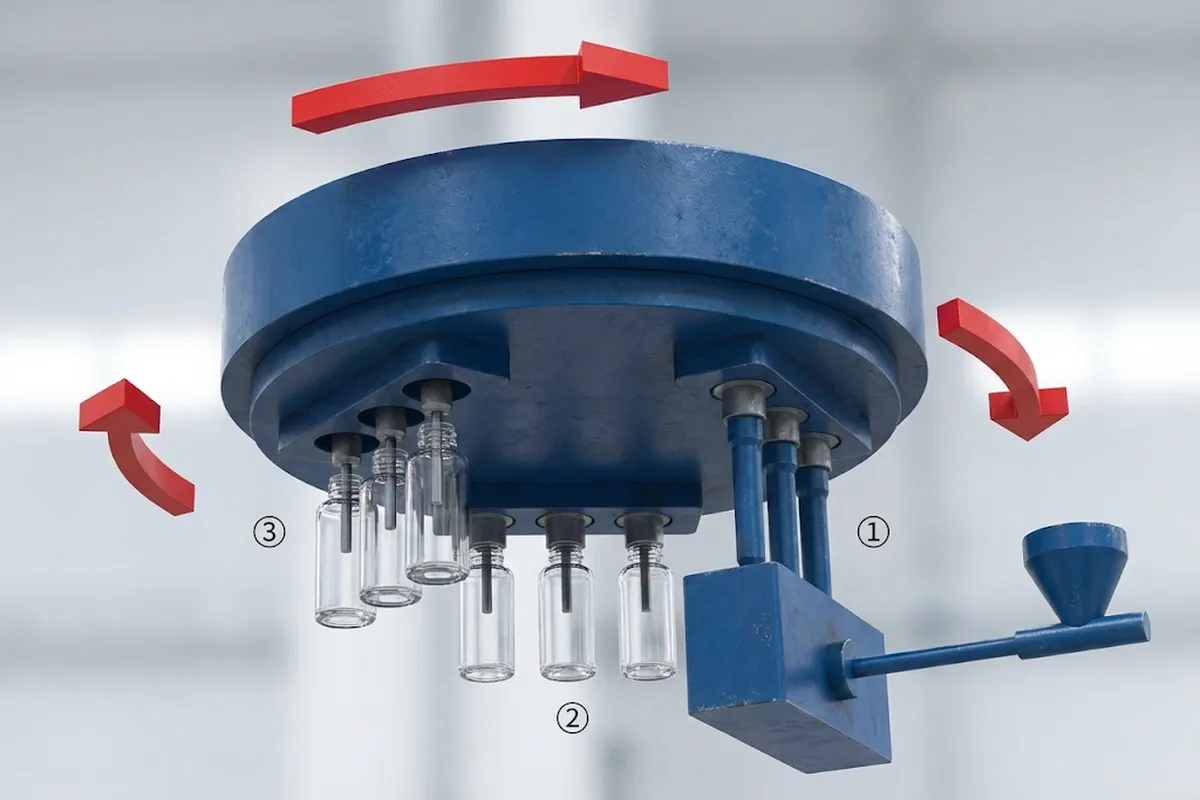
The Y200-V3 completes the entire production process from injection to finished bottle inside a single machine. By running injection, temperature conditioning, stretch blow molding, and ejection as a continuous 4-station rotary cycle, the machine eliminates the transfer and reheating steps that slow down 2-step ISBM processes. This integrated approach substantially reduces cycle time per unit and supports higher output rates without adding floor space or labor headcount.
3. Improve Molding Precision
The machine precisely manages temperature, pressure, and speed throughout the mold cycle using an Inovance or MiRLE PLC control system with servo pump technology. This tight control delivers extremely consistent product dimensions, uniform wall thickness, and stable density across all cavities. The high-precision mold tooling used by Ever-Power virtually eliminates visible parting line marks, a visible advantage over standard Japanese AOKI SBIII-250LL-50S output, making it suitable for cosmetic packaging and pharmaceutical containers where surface finish directly affects brand perception.
4. Reduce Labor Cost
Full automation across all four production stations removes the variability associated with manual handling and reduces dependence on skilled operators for routine production tasks. The bottom-cutting mechanism uses a servo motor rather than the pneumatic components found on the AOKI reference model, doubling the movement speed and further reducing cycle-time dependency on operator timing. For pharmaceutical applications, a fully servo-driven configuration eliminates all hydraulic systems, enabling an oil-free production environment that meets strict GMP requirements without extra staffing for contamination control.
5. Ensure Energy Conservation
The Y200-V3 injection stretch blow molding machine consumes 15 to 25 percent less energy than equivalent Japanese, European, and American machines. The 3-set servo pump system only draws power proportional to the actual load at each stage, avoiding the constant full-power draw of older hydraulic systems. Nano far-infrared energy-saving heating rings on the screw and material pipes achieve targeted, efficient thermal input. Because this is a single-stage PET injection stretch blow molding machine, it does not require the energy-intensive reheating step that two-stage ISBM processes need.
6. Compatible with Japanese AOKI SBIII-250LL-50S
The Y200-V3 is engineered as a verified replacement for AOKI injection stretch blow molding machines, specifically the SBIII-250LL-50S model. Existing mold tooling designed for the AOKI reference model is directly compatible with the Y200-V3, protecting your existing tooling investment and reducing switchover cost. The machine footprint (4800 x 2000 x 3800 mm) is designed to fit within the space envelope of the original equipment, making facility retrofits straightforward. This positions the Y200-V3 as a practical upgrade path for manufacturers currently operating AOKI equipment who need better energy efficiency and lower parting line visibility.
Injection Stretch Blow Molding Process Steps
1. Injection Molding
The process begins by heating PET or PETG resin to a molten state using the screw and barrel assembly, which features nano far-infrared energy-saving heating rings rated at 15 KW. The molten resin is injected into the injection mold cavity under a clamping force of 300 KN to form a precisely shaped preform. The preform is partially cooled to stabilize its geometry while retaining enough thermal energy to remain pliable for the subsequent stretch stage. During injection, the bottle neck finish is formed to its final, permanent dimensions. This design guarantees sealing reliability and dimensional accuracy at the neck, which is especially critical in pharmaceutical and cosmetic filling lines where neck tolerance directly affects closure integrity.
2. Preform Conditioning and Transfer
The Yaskawa or WEICHI servo-driven rotary turntable smoothly transfers the freshly molded preform from the injection station to the temperature conditioning zone. The turntable drive uses a Taiwan TSUNTIEN reducer for precise angular indexing. As the preform travels through the conditioning zone, temperature regulating cores and barrels (stroke: 300 mm and 350 mm respectively) stabilize its internal and external temperature profile. This controlled thermal conditioning step is a defining feature of the single-stage injection stretch blow molding process: because the preform has never fully cooled, conditioning requires only fine adjustments rather than full reheating, saving significant energy and shortening cycle time compared to two-step ISBM or reheat-blow processes.
3. Stretch Blow Molding
This is the defining stage of the injection stretch blow molding process. A stretch rod extends the preform axially while compressed air at 2.0 to 3.5 MPa simultaneously inflates it radially against the blow mold cavity walls. The blow mold is held closed by a 250 KN single-side clamping force, with a blow core stroke of 300 mm and a blow mold stroke of 75 + 75 mm. This biaxial orientation aligns PET polymer chains in two perpendicular directions, significantly increasing the container wall resistance to to gas permeation, impact, and pressure. The result is a lightweight, optically clear, structurally robust bottle with consistent wall thickness, accurate volume geometry, and the superior barrier properties demanded by beverage, pharmaceutical, and premium cosmetic packaging markets.
4. Cooling and Ejection
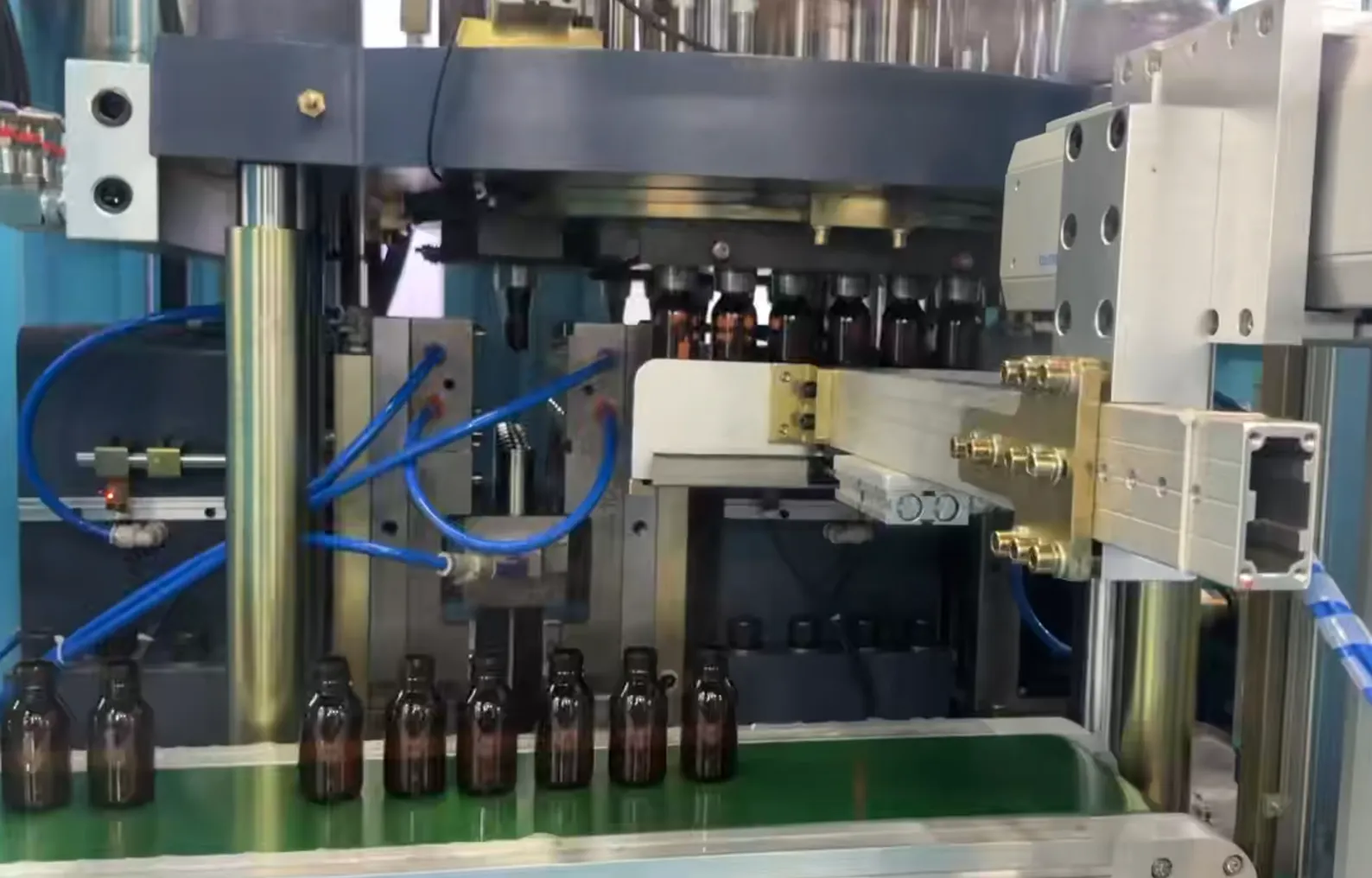
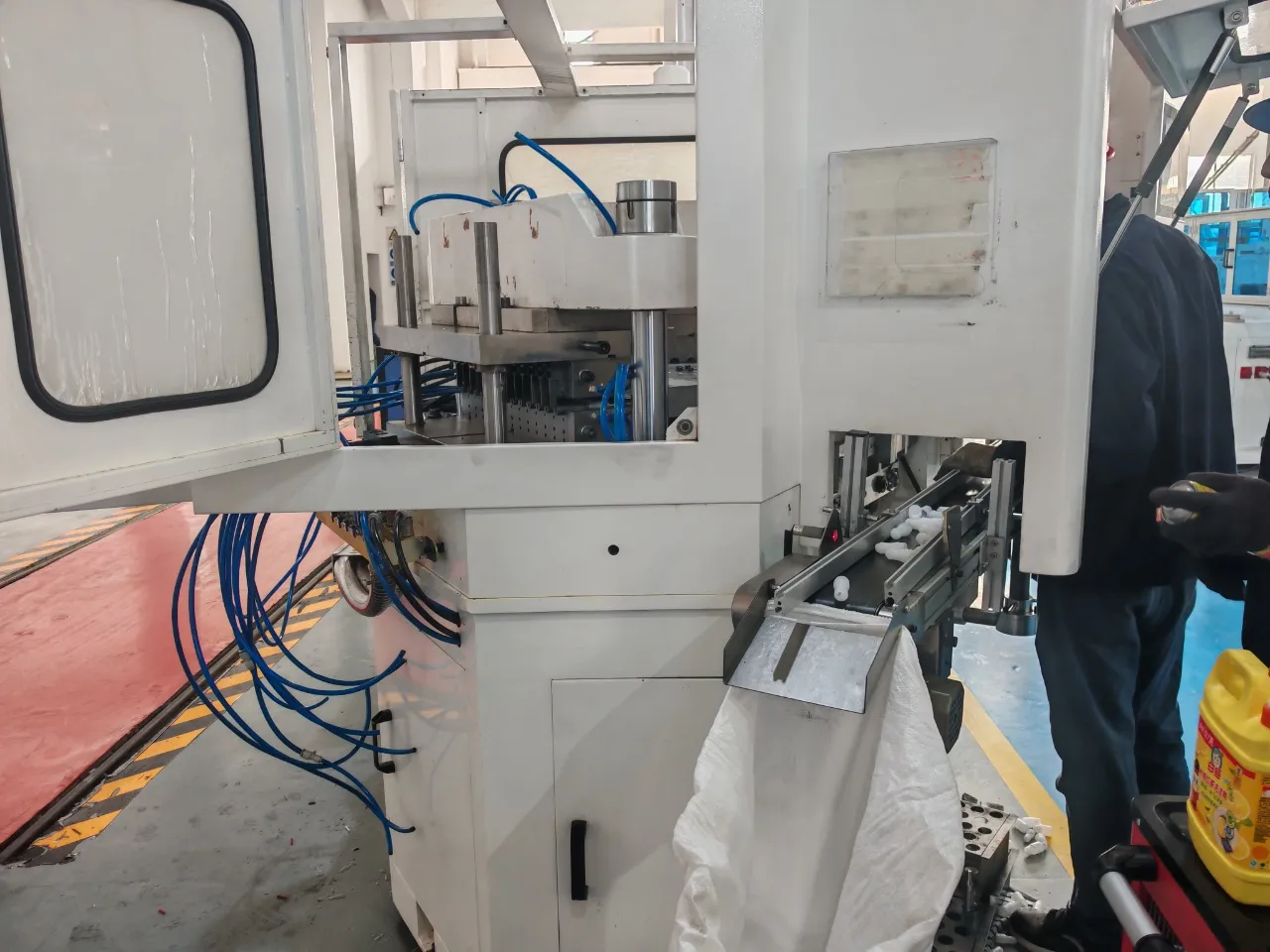
Once the bottle has been fully formed to its final shape inside the blow mold, cooling water circulated through the mold at 0.4 to 0.6 MPa pressure rapidly extracts heat and solidifies the container. After the cooling dwell time completes, the blow mold opens and the take-out mechanism (stroke: 175 mm) automatically ejects the finished bottle onto the exit conveyor. No manual handling is required at any point in this stage. The cooled bottles are immediately ready for downstream inspection, labeling, or filling operations. This fully automated extraction step is especially important for GMP-qualified pharmaceutical packaging lines, where zero human contact during production is both a regulatory requirement and a quality assurance fundamental.
Y200-V3 ISBM Machine Applications
Pharmaceutical Bottle
Pharmaceutical bottle production is one of the most demanding applications for any ISBM machine manufacturer. The Y200-V3 meets GMP packaging standards because human contact is completely eliminated throughout the forming cycle. It produces oral liquid bottles, tablet containers, syrup bottles, and multi-dose packaging in PET with the dimensional consistency and particulate-free surfaces that drug regulatory bodies require. The machine supports volumes from 20 ml to 2500 ml across up to 12 cavities per cycle.
Cosmetic Bottle
Cosmetic packaging demands both precision and visual appeal. The Y200-V3 injection stretch blow moulding machine produces lotion, serum, toner, and perfume bottles with virtually invisible parting lines, a direct result of Ever-Power high-precision mold tooling that outperforms the AOKI reference model in surface quality. The optical clarity achieved through biaxial PET stretching showcases product color and viscosity, which is a significant factor in consumer purchasing decisions for luxury cosmetic brands.
Chemical Bottle
Chemical packaging requires containers with reliable sealing, resistance to a broad range of solvents and reagents, and consistent wall thickness for accurate dosing. The PET and PETG bottles produced by this PET injection stretch blow molding machine offer excellent chemical resistance alongside the dimensional stability needed for child-resistant and tamper-evident closures. The machine handles specialty container shapes and wide-mouth configurations suitable for cleaning agents, laboratory reagents, and agricultural chemicals.
Beverage Bottle
Water, juice, and specialty beverage packaging benefit enormously from the barrier performance and clarity of PET bottles produced by this one step ISBM machine. The biaxial stretching process aligns polymer chains to minimize CO2 and oxygen permeation, extending shelf life for carbonated and oxygen-sensitive drinks. With cavity configurations supporting bottles from 200 ml to 2500 ml, and output rates exceeding comparable Japanese machines, the Y200-V3 is a productive choice for mid-to-large beverage filling operations.
Feeding Bottle
Baby feeding bottles impose the highest standards of material safety and surface cleanliness of any consumer packaging category. Because the Y200-V3 processes PET and PETG in a closed, automated environment with zero human contact during forming, it produces feeding bottles that are free of operator-introduced contamination. The GMP-compliant process, combined with consistent neck dimensions that ensure proper sealing with feeding nipples, makes this customized injection stretch blow molding machine well suited for infant product manufacturers worldwide.
💈 Shampoo Bottle
Personal care and household products such as shampoo, conditioner, and body wash are packaged at very high volumes, requiring a machine that can maintain quality over extended production runs with minimal downtime. The Y200-V3 injection blow molding machine architecture, with its 3-set servo pump system and imported component supply chain, delivers the uptime reliability that high-volume personal care manufacturers need. Special container shapes and asymmetric body profiles that are signature design elements of premium personal care brands are achievable within this machine platform.
Squeeze Bottle
Squeeze bottles for condiments, adhesives, topical creams, and similar products require controlled wall flexibility combined with accurate volume capacity. The Y200-V3 injection stretch blow moulding machine achieves the wall thickness consistency necessary for predictable squeeze response across high-volume production batches. The machine supports a variety of neck finishes and body geometries, enabling the production of both standard and ergonomic squeeze bottle designs within a single mold platform.
Ophthalmic Solution Bottle
Ophthalmic and eye solution solution containers are among the smallest, most precision-dependent products manufactured on an IBM machine. The Y200-V3 supports cavities producing bottles as small as 20 ml with neck diameters down to 15 mm, meeting the tight dimensional tolerances required for ophthalmic dispensing tips. The oil-free, human-contact-free production environment ensures sterile-compliant container surfaces, while the PET material provides the chemical inertness needed for sensitive pharmaceutical formulations.
Compatible Materials
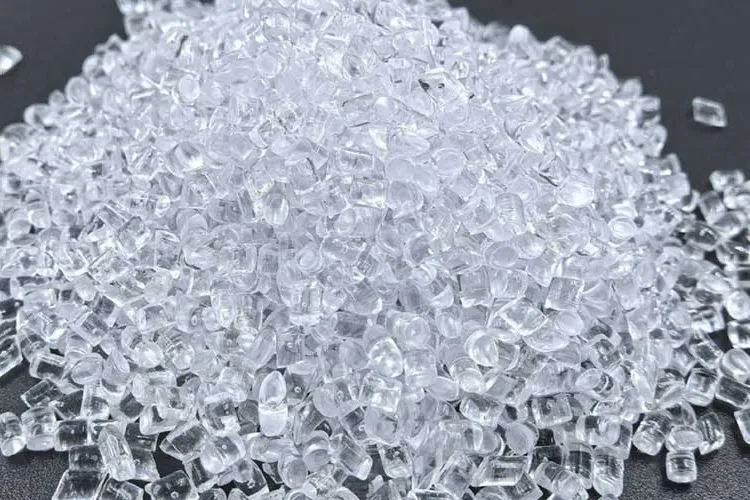
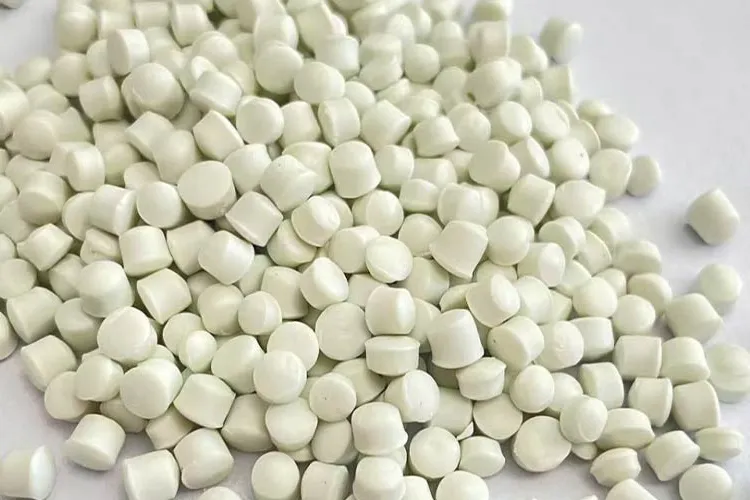
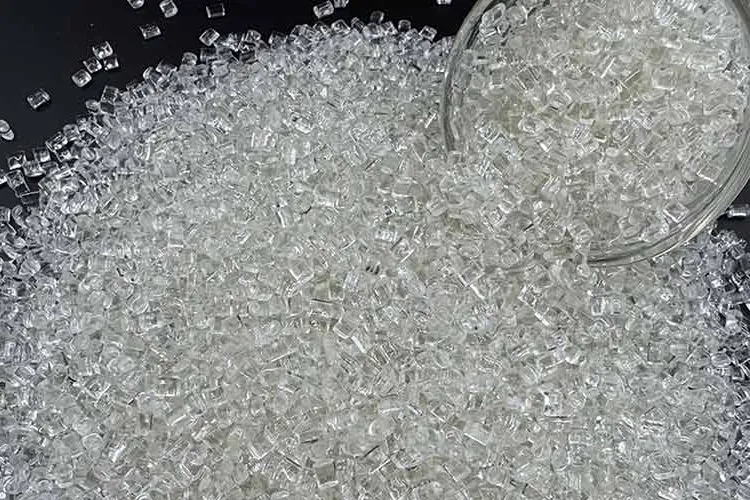
PET (Polyethylene Terephthalate)
PET is the primary material processed by this PET injection stretch blow molding machine. It is strong, lightweight, and delivers exceptional optical clarity that makes it the global standard for beverage bottles, pharmaceutical containers, and premium cosmetic packaging. PET biaxially oriented through the ISBM process achieves superior gas barrier properties and impact resistance compared to unreoriented PET or competing materials.
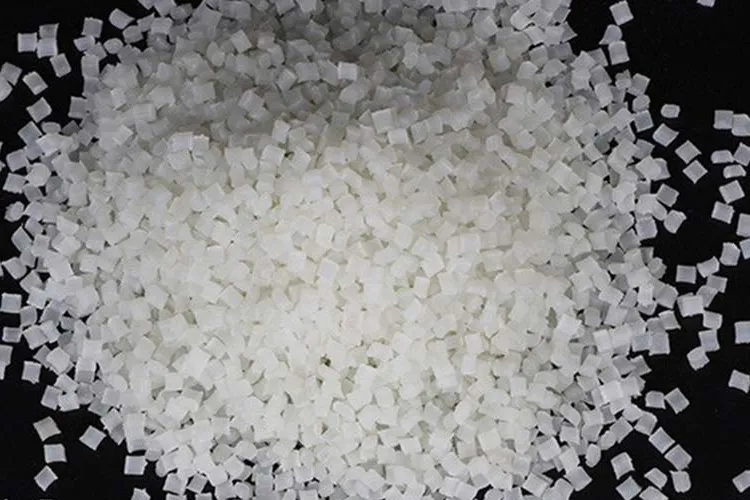
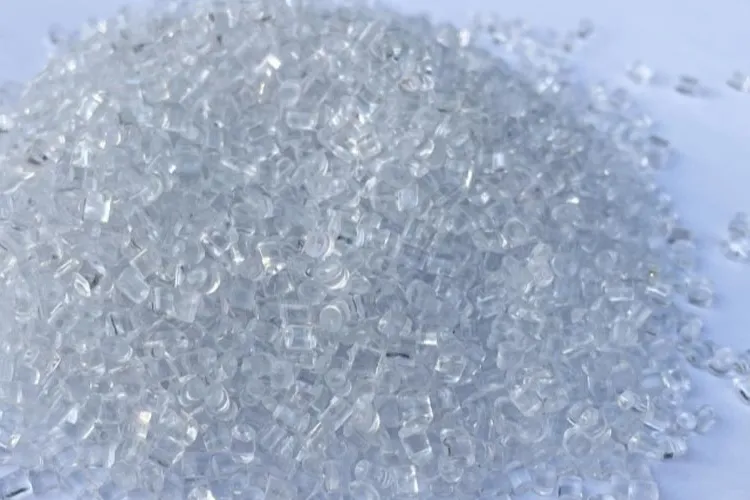
PETG (Polyethylene Terephthalate Glycol)
PETG is a modified copolymer offering excellent clarity, toughness, and chemical resistance, particularly suited for medical device packaging, food-contact containers, and cosmetic bottles where PET is too brittle in thinner wall sections. It processes at lower temperatures than standard PET and offers improved impact resistance at reduced wall thickness, making it valuable for lightweight packaging designs without compromising structural integrity or optical quality.
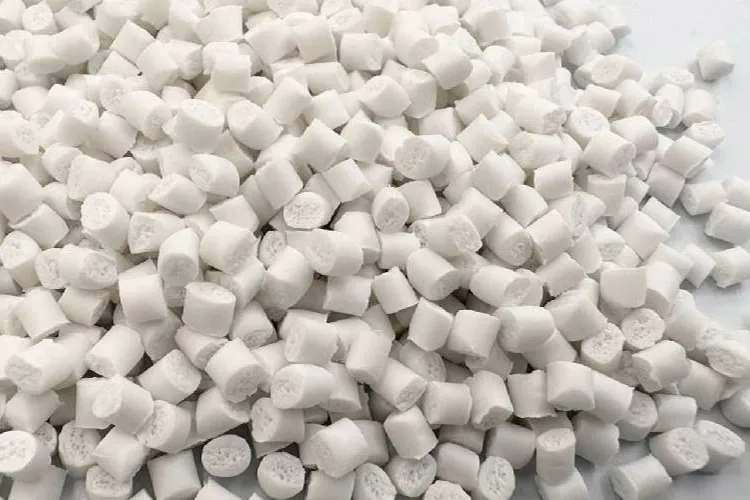
ABS (Acrylonitrile Butadiene Styrene)
ABS offers a good combination of rigidity, toughness, and processability. It is used in applications requiring higher impact resistance than standard PET, including industrial tool containers, automotive fluid bottles, and specialty packaging where the container must withstand repeated falls or mechanical stress during transit and end-use. The Y200-V3 accommodates ABS processing within its temperature management capabilities to serve these demanding applications.
PP (Polypropylene)
PP is a versatile resin suitable for both hot-fill and cold-fill container applications. Its high melting point makes it a strong choice for products that require elevated temperature resistance during filling or sterilization. PP is commonly used for food containers, medical packaging, and laboratory bottles. Its natural chemical resistance to acids, bases, and many solvents expands its application range across pharmaceutical, chemical, and consumer goods packaging.
HDPE (High-Density Polyethylene)
HDPE delivers excellent strength, stiffness, and resistance to moisture, chemicals, and UV radiation. These properties make it a widely used material for containers intended for outdoor use, agricultural chemicals, and industrial cleaning products. HDPE is also the standard material for pharmaceutical-grade bottles used for solid dose tablets and capsules, offering a combination of cost effectiveness and chemical inertness that supports long shelf life for sensitive formulations.
PVC (Polyvinyl Chloride)
PVC is a flexible, lightweight resin used in containers that require a higher degree of wall flexibility for dispensing function, such as squeeze bottles, shampoo containers, and certain pharmaceutical packaging formats. Its inherent clarity makes it a suitable material for packaging where consumers or healthcare providers must visually assess the remaining product volume. PVC processes well within the thermal control parameters of the Y200-V3 platform.
PS (Polystyrene)
PS is a clear, hard, and relatively stiff resin frequently used in packaging applications where optical clarity and rigid structure are priorities, such as clear food packaging, electronic component trays, and sample containers. While it is more brittle than PET or PP, its processing ease and low cost make it attractive for single-use packaging in high-volume production scenarios. The Y200-V3 machine platform accommodates PS processing for manufacturers targeting these markets.
PC (Polycarbonate)
PC is one of the toughest engineering-grade thermoplastics and is extensively used in applications demanding high-impact resistance and dimensional stability. Sports bottles, reusable water bottles, baby feeding bottles, and safety eyewear lenses are all common PC applications. PC is fully transparent and sterilizable, making it well suited for medical and laboratory containers that must withstand autoclave cycles. Its high processing temperature requires robust thermal management, which the Y200-V3 injection control system is equipped to deliver.
 |
 |
 |
 |
 |
 |
Extrusion Blow Molding vs. Injection Stretch Blow Molding
Choosing between Extrusion Blow Molding (EBM) and Injection Stretch Blow Molding (ISBM) is a fundamental decision that shapes your production economics, product quality, and market positioning. Both technologies produce hollow plastic containers, but they serve different applications and operate on fundamentally different principles.
Understanding Extrusion Blow Molding (EBM)
Extrusion Blow Molding is a process where plastic resin is melted and extruded through a die head as a continuous hollow tube known as a parison. The parison is enclosed within a split mold and inflated by compressed air to take the shape of the mold cavity. After sufficient cooling, the mold opens and the part is ejected. Flash from the mold parting line is trimmed as a secondary operation.
Key Features of EBM
- Well suited for producing hollow plastic objects including bottles, industrial containers, automotive fluid reservoirs, and large-format fuel tanks.
- Compatible with a broad range of thermoplastic materials including HDPE, LDPE, PP, and PVC.
- Capable of producing large and geometrically complex shapes with relatively uniform wall thickness.
- High continuous production speed with comparatively lower tooling investment than ISBM molds.
Advantages of EBM
- Lower Initial Investment: Molds and equipment cost significantly less than ISBM tooling, lowering the capital barrier for new production lines.
- Versatility in Container Size: EBM handles both very small and very large containers that would be impractical to produce via ISBM.
- Shorter Machine Setup Time: Continuous parison extrusion and fast mold changeover support rapid transitions between product SKUs.
Industries Using EBM
- Packaging: shampoo bottles, detergent containers, and dairy bottles.
- Automotive: fuel tanks and fluid reservoirs.
- Medical: large-format pharmaceutical bottles and containers.
Understanding Injection Stretch Blow Molding (ISBM)
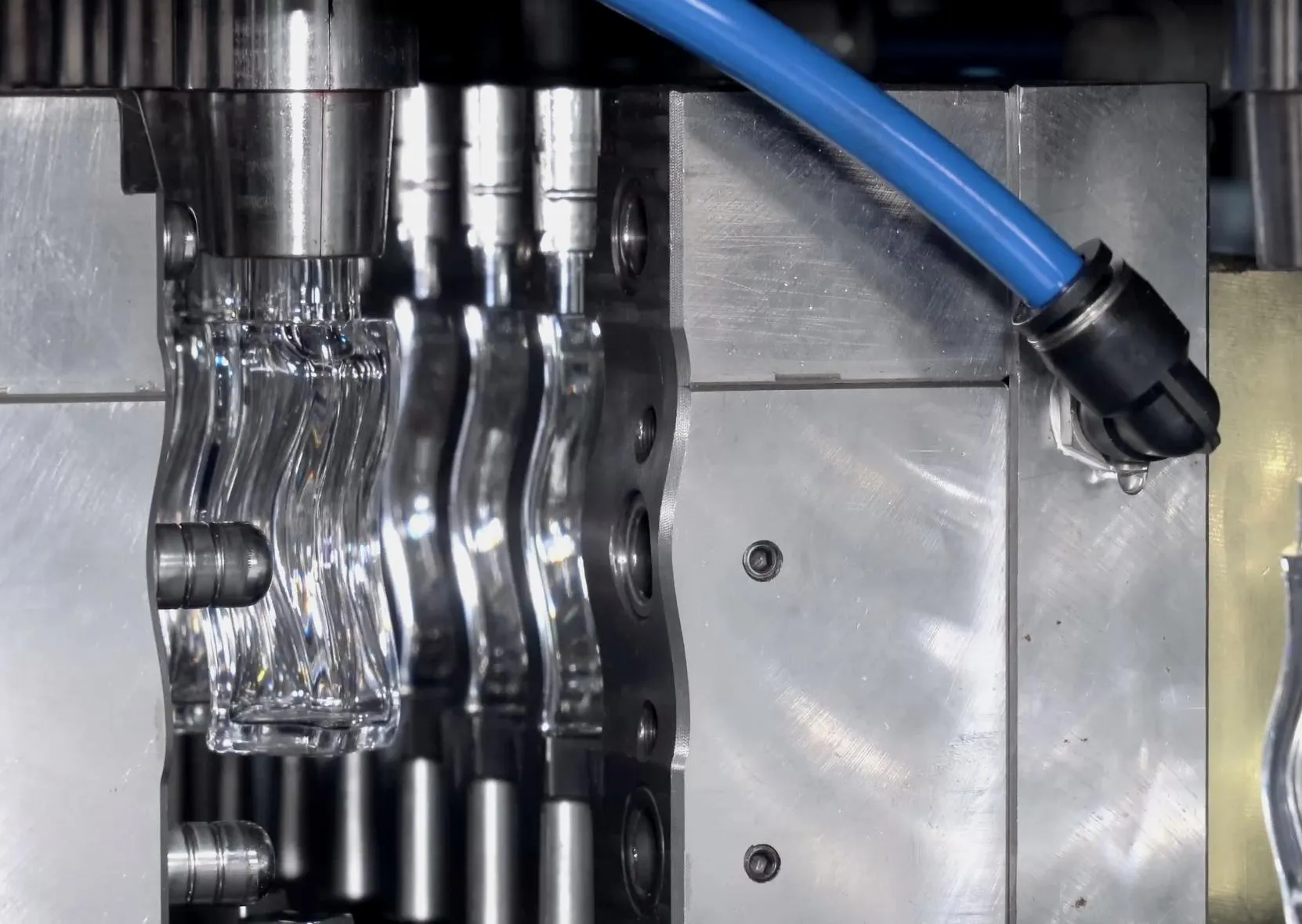
Injection Stretch Blow Molding is a process where plastic is first injection molded into a precisely dimensioned preform inside the same machine. The preform is then mechanically stretched axially by a stretch rod while compressed air inflates it radially into the final container shape. In a single-stage injection stretch blow molding machine like the Y200-V3, all of these operations occur in one integrated machine cycle without reheating. This produces exceptionally clear, lightweight, and strong containers that are preferred for pharmaceutical, cosmetic, and premium food and beverage packaging.
Key Features of ISBM
- Primarily used for PET and PETG bottles and containers requiring high optical clarity and mechanical strength.
- Produces lightweight, durable, and highly transparent products ideally suited for branding through container design.
- Guarantees precise neck finish dimensions and consistent wall thickness across every cycle.
- Requires a higher initial capital investment but provides superior product quality, lower material waste, and better unit economics at scale.
Advantages of ISBM
- Superior Mechanical Strength: Biaxial orientation during the stretching stage aligns polymer chains in two directions, producing containers with significantly higher hoop strength and axial rigidity than EBM-produced equivalents.
- Excellent Optical Clarity: PET processed through ISBM achieves a glass-like transparency preferred for food, beverage, and cosmetic packaging where visual appeal drives consumer purchase decisions.
- Precise Dimensional Control: Injection molding of the preform neck ensures exact neck finish geometry every cycle, critical for reliable sealing with pumps, sprayers, and tamper-evident closures.
- GMP Compatibility: Single-stage machines such as the Y200-V3 can be configured for oil-free operation using full servo drives, meeting pharmaceutical cleanroom and GMP production standards.
Industries Using ISBM
- Beverage: water bottles, carbonated drink bottles, and juice containers.
- Pharmaceutical: medicine bottles, oral liquid containers, and healthcare packaging.
- Cosmetics: perfume, lotion, and serum containers.
EBM vs. ISBM: Which One Is Right for You?
| Feature | Extrusion Blow Molding (EBM) | Injection Stretch Blow Molding (ISBM) |
|---|---|---|
| Material Used | HDPE, LDPE, PP, PVC | PET, PETG |
| Product Type | Large, hollow, and complex shapes | Clear, lightweight, and durable bottles |
| Production Cost | Lower initial investment | Higher investment but efficient for high volumes |
| Wall Thickness | Uniform but less precise | More precise and consistent thickness |
| Clarity and Strength | Moderate clarity, good strength | High clarity, excellent strength |
| Parting Line | Visible, requires trimming | Virtually invisible with precision tooling |
| GMP Compatibility | Limited | Full GMP compatibility available |
| Typical Applications | Industrial, automotive, and packaging | Food, beverage, pharmaceutical, and cosmetics |
How to Select the Right Injection Stretch Blow Molding Machine
1. Define Your Product Requirements Clearly
Before evaluating any ISBM machine manufacturer, document your precise requirements: bottle volume range (the Y200-V3 covers 20 ml to 2500 ml), target material (PET or PETG for this model), required neck finish and dimensional tolerances, industry quality standard (standard, food-grade, or GMP pharmaceutical), and your target production volume in pieces per hour or per day. Purchasing a general-purpose machine without matching your specific bottle design and industry standard is the most common and costly procurement mistake in this category. Pharmaceutical applications specifically require GMP compliance and possible cleanroom integration, which must be specified at the machine selection stage.
2. Determine Machine Capacity and Cavity Count
Injection stretch blow molding machines are specified by the number of cavities, clamping force, injection shot weight, and bottle size range they support. The Y200-V3 supports 1 to 12 cavities depending on bottle diameter, with clamping forces of 300 KN injection and 250 KN blowing. For high-volume production, multi-cavity configurations (6 to 12 cavities) deliver the lowest cost per bottle. For more frequent mold changes or smaller production runs, 2 to 4 cavity setups provide more operational flexibility and lower changeover cost. Matching cavity count to your annual volume forecast directly determines the return on your machine investment.
3. Choose the Right Drive System
The drive system choice is one of the highest-impact decisions in ISBM machine procurement. Traditional hydraulic systems have the lowest initial cost but consume constant full power and require regular oil maintenance, resulting in higher operating costs over the machine life. Servo-hydraulic hybrid systems like the Y200-V3 standard configuration save 30 to 50 percent in energy consumption by drawing hydraulic power on demand, making them the most cost-effective choice for most industrial applications. Full-electric or full-servo configurations eliminate all hydraulic oil, achieving 50 to 70 percent energy savings and enabling GMP oil-free production environments essential for pharmaceutical manufacturing. The correct choice depends on your energy tariff, production hours per year, and regulatory requirements.
4. Evaluate Mold Compatibility and Tooling Investment
If you are currently operating Japanese AOKI SBIII-250LL-50S equipment, the Y200-V3 is designed specifically as a replacement of ASB ISBM machine tooling systems, meaning your existing molds are directly compatible. This compatibility is a significant financial advantage: precision ISBM mold sets represent a substantial portion of total machine ownership cost, and protecting that investment while upgrading to a more energy-efficient and capable machine platform is an important procurement consideration. For new entrants purchasing a customized injection stretch blow molding machine for the first time, working with Ever-Power engineering to co-design mold tooling from the outset ensures full optimization between machine parameters and product specifications.
5. Assess After-Sales Support and Spare Parts Availability
For B2B buyers evaluating injection stretch blow molding machine manufacturers, the quality of after-sales technical support is as important as the machine specification itself. An ISBM machine running 16 or 24 hours per day at full production represents a major asset whose unplanned downtime directly costs revenue. Verify that your prospective ISBM machine manufacturer supplier provides responsive remote diagnostics, readily available spare parts for all critical components, and commissioning engineers who will travel to your facility for installation, operator training, and initial production qualification. Mexico Ever-Power provides pre-sale consultancy, on-site commissioning, and comprehensive after-sales support globally.
6. Consider Total Cost of Ownership, Not Only Purchase Price
Machine purchase price is only one component of total cost of ownership for an injection blow molding machine. Energy consumption over a 10-year operating life, spare parts cost and lead times, maintenance labor requirements, mold changeover downtime, and product rejection rates all accumulate into the true economic picture. The Y200-V3 servo pump system reduces energy costs by 15 to 25 percent versus fixed hydraulic machines, which at typical industrial electricity tariffs represents a recoverable operating cost advantage that can offset the initial price premium within two to three years of operation, depending on your production volume and energy rate.
Common Troubleshooting for the Y200-V3 ISBM Machine
1. Inconsistent Wall Thickness Across Cavities
Uneven wall thickness typically results from non-uniform preform temperature entering the blow station, unbalanced cooling water flow across the mold, worn or misaligned stretch rods, or uneven compressed air pressure delivery across cavities. Check that the temperature conditioning zone is maintaining the setpoint accurately for all positions. Inspect cooling water flow rates and inlet temperature for each mold zone individually. Calibrate stretch rod stroke and verify that all blow pins are seating cleanly. Replace worn Parker high-pressure valve seals if air pressure delivery across cavities tests uneven.
2. Visible Parting Lines or Flash on Finished Bottles
Visible parting lines indicate insufficient injection clamping force, mold wear, or contamination on the mold parting surfaces. First inspect the mold parting faces for foreign material deposits, burrs, or wear marks and clean or dress as required. Verify that the 300 KN injection clamping force is being reached consistently by monitoring PLC pressure readings. If flash persists after cleaning, check the mold for localized worn sections at the parting line and consult Ever-Power service for mold rework guidance. Never operate the machine with known mold damage as this accelerates parting surface wear.
3. Preform Sticking in the Injection Mold
Preform sticking is commonly caused by insufficient mold release on the cavity surface, excessive injection pressure leaving residual stress in the preform, insufficient cooling time before the mold opens, or resin degradation at excessive barrel temperatures. Check that the injection barrel temperature profile matches the validated setpoints for your specific PET grade. Extend the cooling dwell time by 0.5 second increments while monitoring cycle time impact. Inspect mold cavity surfaces for contamination or surface roughness changes and polish if required. Verify that the take-out stroke of 175 mm is completing its full travel before the mold closes again.
4. Haze or Cloudiness in Finished PET Bottles
Optical haze in PET containers produced on an injection stretch blow molding machine is typically caused by crystallization due to incorrect temperature management, moisture in the PET resin, or stretching outside the optimal temperature window. Ensure PET resin has been properly pre-dried to below 50 ppm moisture content before processing. Review the temperature conditioning zone setpoints to maintain the preform within the amorphous stretch window for your specific PET grade. If haze appears in specific cavity positions only, that points to localized conditioning zone variation rather than a systemic material issue. Inspect and recalibrate the relevant conditioning temperature control zone.
5. Machine Alarm: Servo Pressure Not Reaching Setpoint
A servo pump pressure alarm indicates that the hydraulic circuit is not building pressure to the commanded level within the allowed response time. First check the hydraulic oil level in the 300-liter oil tank and top up if low. Inspect hydraulic filter elements for blockage, as a clogged filter restricts flow and limits the pressure the servo pump can deliver. Check that the YUKEN hydraulic pressure control valve is not stuck or leaking internally. If the servo motor and pump mechanical coupling is intact and the above checks do not resolve the alarm, contact Ever-Power service and provide the PLC alarm log for remote diagnostic support.
6. Short Shot or Incomplete Preform Fill
Short shots occur when insufficient material volume or pressure reaches the injection mold cavity before the gate freezes off. Check that the screw back pressure and injection speed settings have not been inadvertently changed from validated parameters. Inspect the non-return valve at the screw tip for wear or sticking, as a worn non-return valve allows melt to flow backward during injection rather than into the mold. Verify that the barrel temperature setpoints are correct for your PET grade and that actual temperatures are tracking setpoints within tolerance. If injection capacity is marginal for your preform weight, consider switching to the next larger screw diameter available for this machine (up to 60 mm).
Why Choose Mexico Ever-Power's ISBM Machine?
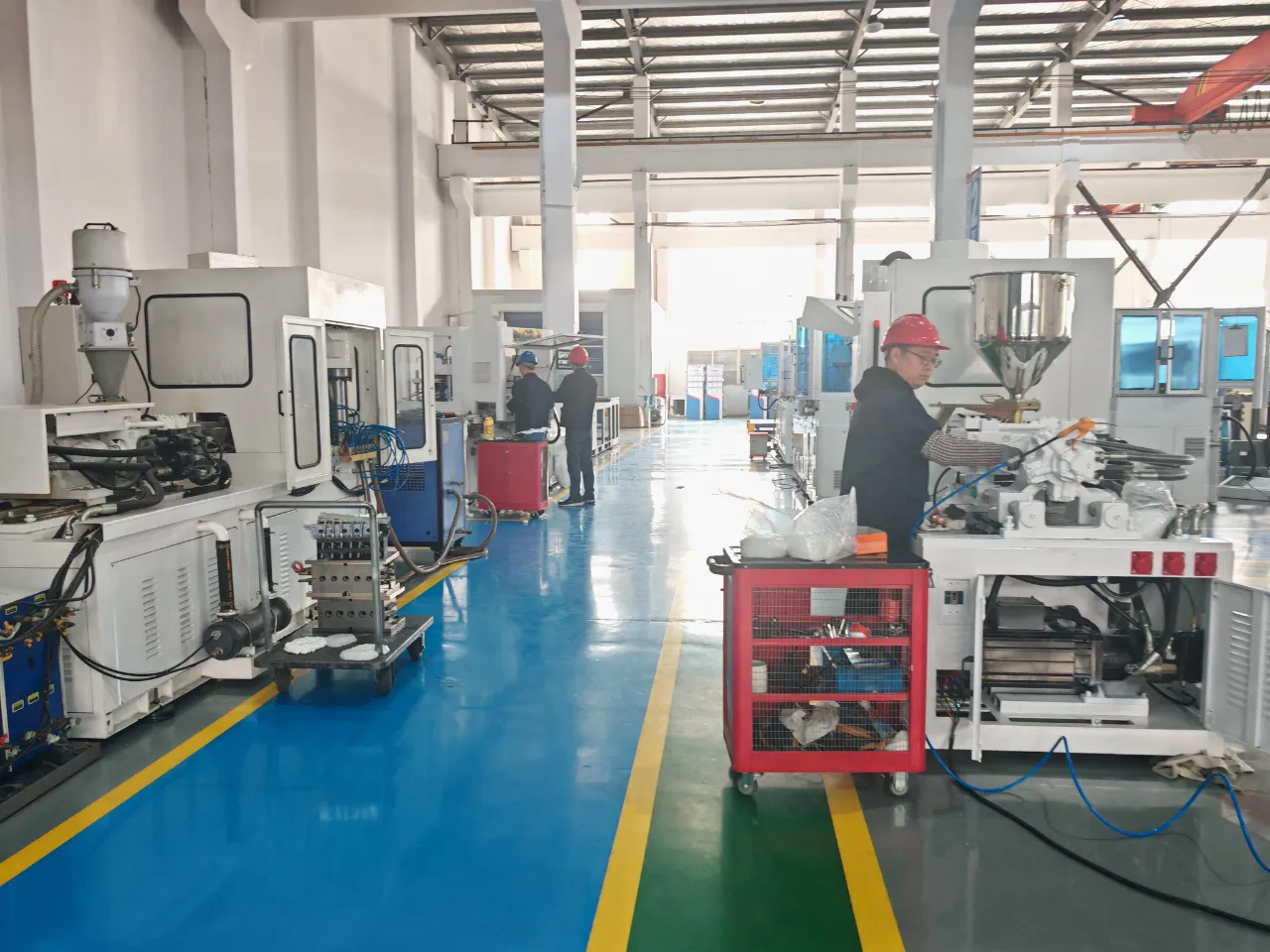
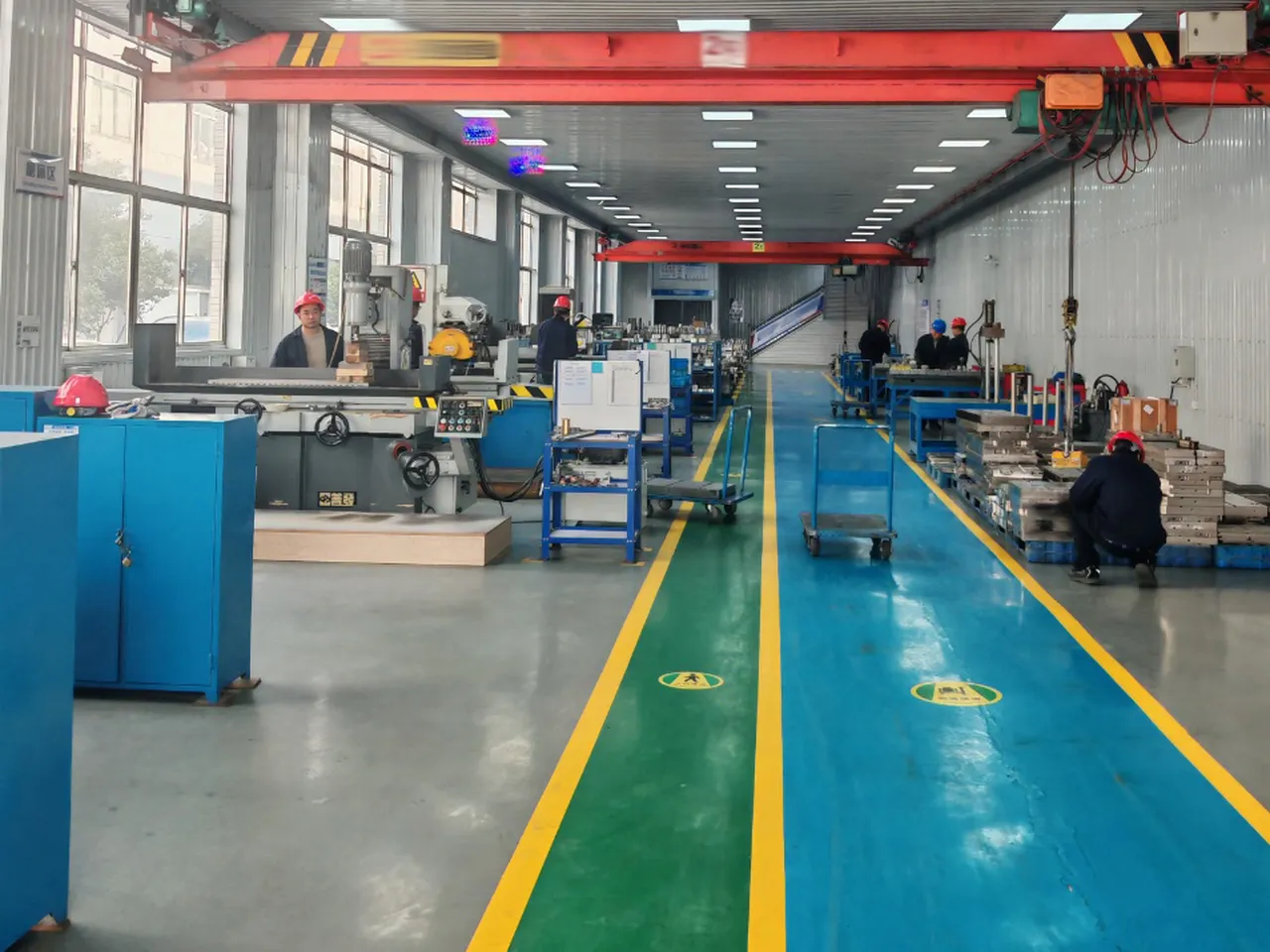
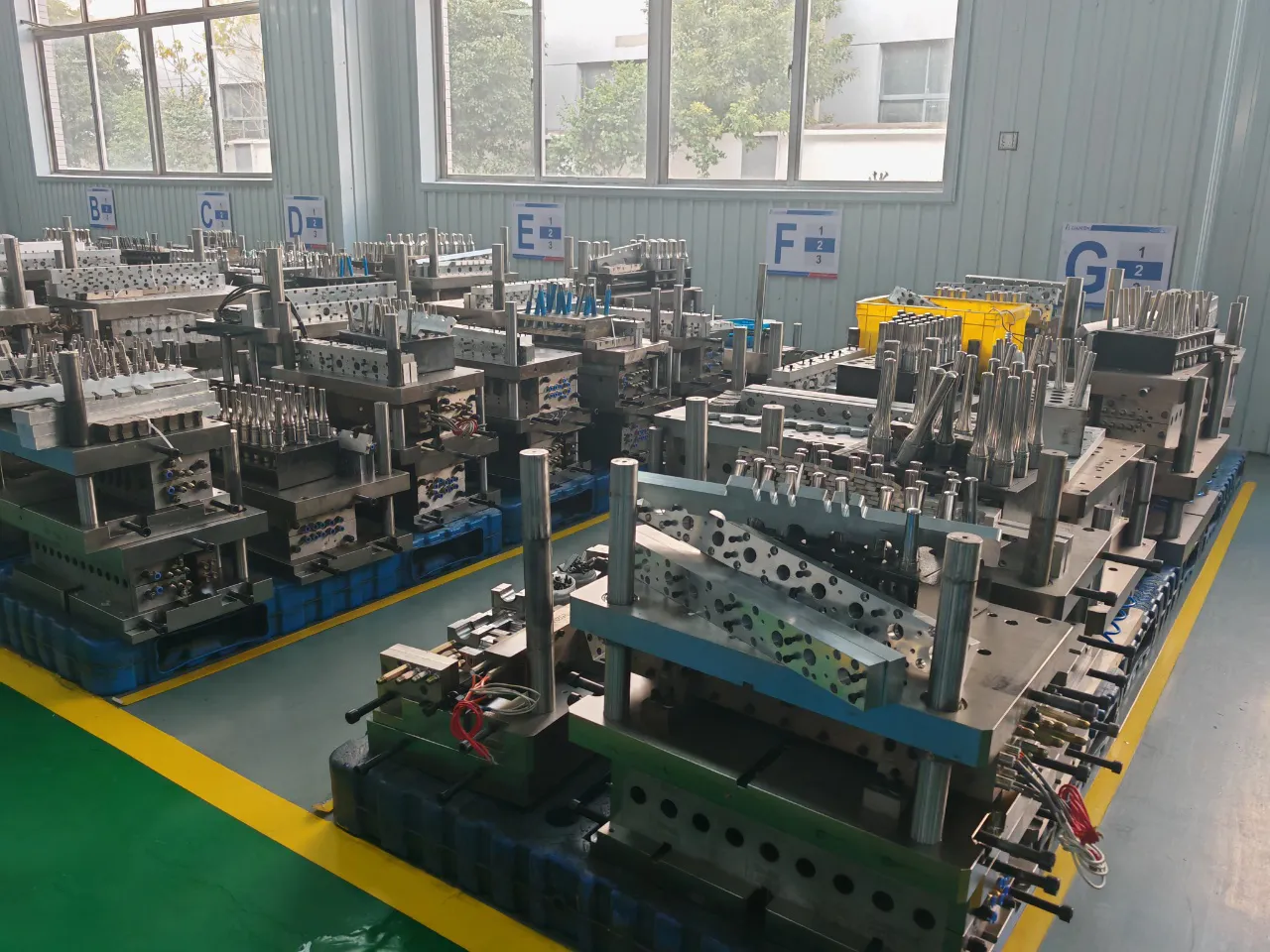
Mexico Ever-Power ISBM Machinery Co., Ltd. is a specialized manufacturer focused on the research, development, production, and global trade of automatic one-step injection blow molding machines and injection stretch blow molding machines. Our product range encompasses injection blow molding machines, extrusion blow molding machines, injection stretch blow molding machines, and full supporting auxiliary equipment. Backed by an excellent R&D team that brings together senior engineers and technical personnel with decades of experience in injection-blowing machinery and mold design, Ever-Power delivers practical expertise at every stage of your project.
Our machine applications span pharmaceutical packaging, food packaging, healthcare packaging, cosmetic packaging, and specialty plastic packaging across global markets. We produce machines capable of processing 1 ml to 1000 ml plastic containers in HDPE, LDPE, PET, PETG, PP, PS, PPSU, PC, Tritan, ABS, PLA, environmental corn material, EVA, and PCTG, giving our customers unmatched material flexibility. As an ISBM machine manufacturer with a complete manufacturing supply chain for blow molding equipment, we provide solid, stable, and energy-saving machines with a full one-stop turnkey project capability.
Ever-Power adheres to the enterprise development philosophy of self-reliance, integrity, pragmatism, innovation, and responsibility. We have cultivated a professional service team of industry-leading engineers who provide detailed pre-sale consultancy, on-site commissioning, and responsive after-sales support. Our clients include manufacturers producing containers for globally recognized brands in cosmetics, pharmaceuticals, food and beverage, and industrial chemicals across Asia, Europe, North America, South America, Africa, and the Middle East.
Whether you are looking for a replacement of ASB ISBM machine platforms, a first ISBM machine purchase, or a customized injection stretch blow molding machine for a specialty application, the Ever-Power engineering and sales team will work with you from specification through commissioning to ensure your production line performs exactly as required. Contact us today to discuss your requirements and receive a detailed proposal for the Y200-V3 or any other machine in our range.
 |
 |
 |
 |
FAQs
Q: What is the difference between a single-stage and two-stage injection stretch blow molding machine?
A: A single-stage injection stretch blow molding machine like the Y200-V3 completes injection, conditioning, stretching, and blow molding in one continuous machine cycle without any intermediate cooling or reheating of the preform. A two-stage process injection molds preforms separately, stores them, and then reheats them in a separate reheat blow molding machine before forming the final container. The single-stage approach uses 15 to 25 percent less energy because it avoids the full reheating cycle, eliminates preform handling and storage, and produces bottles with superior optical quality. It is the preferred choice for specialty bottle shapes, pharmaceutical applications, and any scenario where preform contamination during storage is a concern.
Q: Is the Y200-V3 directly compatible with existing AOKI SBIII-250LL-50S molds?
A: Yes. The Y200-V3 is specifically engineered as a replacement for AOKI injection stretch blow molding machines in the SBIII-250LL-50S class. Molds designed for the AOKI SBIII-250LL-50S are directly compatible with the Y200-V3 mold mounting and clamping system, protecting your existing tooling investment. Before placing your order, Ever-Power engineering recommends sharing your existing mold drawings for a formal compatibility check to verify platen dimensions and mounting configurations. This is a standard part of the pre-sale process at no additional charge.
Q: What is the maximum bottle size the Y200-V3 can produce?
A: With a single cavity, the Y200-V3 can produce bottles up to 2500 ml maximum volume, with a maximum bottle diameter of 118 mm and a maximum bottle height of 280 mm. With 12 cavities, the machine produces containers as small as 20 ml with a 15 mm neck diameter. The product dimensions table in this page covers the full supported size range across all cavity configurations. For specialty container geometries or sizes outside the standard range, contact Ever-Power engineering to discuss customized injection stretch blow molding machine configurations.
Q: Can the Y200-V3 be configured for GMP pharmaceutical production?
A: Yes. The Y200-V3 is designed to meet GMP pharmaceutical packaging production standards. In its standard configuration with 3 servo pump systems, the machine already eliminates human contact throughout the production cycle. For applications requiring full GMP compliance including oil-free operation, the machine can be configured with a full servo motor mold clamping system that replaces the hydraulic blow mold clamping with servo electric actuators, eliminating all hydraulic oil from the process environment. This is the configuration recommended for cleanroom or pharmaceutical facility installations.
Q: How much energy does the Y200-V3 save compared to Japanese ISBM equipment?
A: The Y200-V3 consumes 15 to 25 percent less energy than comparable Japanese, European, and American injection stretch blow molding machines. This saving comes from three sources: the 3-set servo pump system only draws power proportional to the actual load during each stage of the cycle rather than running at constant full displacement; the nano far-infrared energy-saving heating rings on the screw and barrel deliver heat more efficiently than conventional band heaters; and the single-stage process eliminates the reheating energy demand entirely. The actual saving in kilowatt-hours at your facility will depend on your cycle time, cavity count, bottle weight, and local electricity tariff.
Q: What materials can the Y200-V3 injection stretch blow molding machine process?
A: The Y200-V3 standard specification is rated for PET and PETG, which covers the vast majority of one step ISBM machine applications in pharmaceutical, cosmetic, food, and beverage packaging. The machine platform can also accommodate ABS, PP, HDPE, PVC, PS, and PC depending on the specific product application and screw configuration selected. Material capability beyond PET and PETG should be discussed with Ever-Power engineering during the specification phase to ensure the correct barrel, screw, and temperature control configuration for your target resin is supplied with the machine.
Q: What is the lead time and delivery process for the Y200-V3?
A: Standard lead time for the Y200-V3 is approximately 8 to 12 weeks from order placement and deposit receipt, depending on configuration and current production schedule. The machine is manufactured and fully tested at the Ever-Power production facility in Mexico before shipment. Factory acceptance testing (FAT) can be arranged so that your team can witness machine performance before it ships. Transportation is coordinated by Ever-Power to your port of entry, with the customer typically handling local customs clearance, inland transport, and site installation preparation. Ever-Power engineers are available for on-site commissioning support.
Q: Does the Y200-V3 produce cleaner parting lines than the AOKI SBIII-250LL-50S?
A: Yes. One of the documented performance advantages of the Y200-V3 over the AOKI SBIII-250LL-50S is the superior parting line quality achieved by Ever-Power high-precision mold tooling. Bottles produced on Japanese AOKI SBIII equipment typically exhibit a visible plastic protrusion along the mold parting line. The molds used with the Y200-V3 are manufactured to much tighter parting surface tolerances, making the parting line virtually invisible on the finished bottle. This is a meaningful advantage for cosmetic and pharmaceutical packaging customers where surface appearance is part of the product quality specification.
Q: How does the Y200-V3 compare to other ISBM machine manufacturers in terms of output rate?
A: The Y200-V3 outperforms the Japanese AOKI SBIII-250LL-50S in output rate through a combination of higher screw solution volume, faster servo-driven cycle transitions, and a larger available screw size range (up to 60 mm diameter versus 50 mm on the reference model). While Japan-produced equipment typically produces 4 bottles per cycle in comparable configurations, the Y200-V3 achieves 6 bottles per cycle under equivalent conditions. This higher output rate means the Y200-V3 delivers lower cost per bottle produced, which directly improves the economics of production contracts and reduces the time required to recover machine investment costs.
Q: Can I order a customized injection stretch blow molding machine based on my specific bottle requirements?
A: Yes. Mexico Ever-Power offers fully customized injection stretch blow molding machine configurations for customers with non-standard bottle geometries, unusual neck finishes, specialty materials, or unique production environment requirements such as cleanroom integration, high-altitude operation, or non-standard voltage supply. Customization scope includes screw diameter and geometry, barrel length, mold platform dimensions, servo or full-electric drive system selection, PLC control system language and interface, and auxiliary equipment integration. Contact the Ever-Power sales engineering team with your detailed bottle drawings and production requirements to receive a customized machine proposal.
Customer Reviews
Park Ji-soo | Pharmaceutical Packaging | South Korea
"We switched over from an AOKI SBIII machine about eight months ago and I was honestly a bit skeptical at first. The Y200-V3 has been running our 50ml pharmaceutical PET bottles without any major issues. The parting line on the finished bottle is genuinely cleaner than what the AOKI was producing, which surprised me. Our quality team was happy. Commissioning took a couple of days and the Ever-Power technicians were thorough and answered all our questions about the GMP setup. Would purchase again."
Priya Nair | Cosmetics Packaging | India
"We are producing cosmetic lotion bottles, 200ml and 350ml, with 6 cavities per cycle. The machine has been running for about six months now at our facility outside Mumbai and I can say the output consistency has been very good. We were getting dimensional rejects of around 1.8 percent on our old machine. With the Y200-V3 we are under 0.5 percent. Energy consumption is also lower which the finance team has noticed. The bottles look premium, no visible parting line, which matters a lot in the cosmetics space. Overall a strong product from Ever-Power."
Thomas Becker | Beverage Packaging | Germany
"Good machine. We bought the Y200-V3 for water bottle production, 500ml, 8 cavities. Delivery to Germany took about 10 weeks which was as promised. Installation was smooth and the machine started producing acceptable bottles within the first day of commissioning. The servo pump system noticeably reduces power draw compared to our older fully hydraulic line. My one comment is that the documentation provided with the machine could be a bit more detailed in some areas, but the remote support team has been responsive when we have questions."
Carlos Reyes | Food Packaging | Mexico
"We have two Y200-V3 machines now running at our plant in Monterrey. First one we installed fourteen months ago, second one came in six months after. Both are running well. We produce PET containers for a food packaging client, mostly 750ml and 900ml bottles. The output rate is higher than the Japanese machine we were replacing, which helped us meet a contract deadline. Ever-Power pre-sale team was helpful in verifying the mold compatibility before we placed the order. That saved us the cost of new tooling which was a significant factor in our decision."
Ahmed Hassan | Pharmaceutical | Egypt
"I was looking for an ISBM machine supplier that could provide good after-sales support in our region because that has been a problem with other brands in the past. Ever-Power has a technical support team that responds within a few hours, which for a production facility running 16 hours a day is really important. We had a servo fault signal in month three and it was resolved remotely via PLC data review within the same day. Machine itself is solid, producing 100ml ophthalmic solution bottles with very good neck dimension consistency. Happy customer."
Fernanda Carvalho | Baby Products | Brazil
"We chose this machine specifically because it is a direct replacement for the AOKI SBIII-250LL-50S model and we already had molds for that platform. The changeover was straightforward. Been running for nearly a year producing baby feeding bottles in PETG. Quality is good and our safety certifications were not affected by the machine swap because the production process remained the same. Shipping from Ever-Power to our facility in São Paulo was handled professionally. One suggestion: more detailed operator interface tutorial materials would be helpful for new staff."
Nattaporn Srisuk | Contract Packaging | Thailand
"We are a contract packaging company in Bangkok and we produce shampoo and conditioner bottles for several brands. The Y200-V3 handles our 200ml and 350ml cosmetic bottle SKUs well. We were worried about the warranty support being slow because of geography but that has not been an issue. Spare parts for the common wear components have been available fast. The machine runs quietly compared to our older hydraulic equipment which is also a benefit in our facility. Production team got comfortable with it within two weeks of installation."
Chukwuemeka Obi | Industrial Machinery | Nigeria
"We import and operate industrial packaging machinery in Nigeria and have been working with Ever-Power for a few years. The Y200-V3 is the best value ISBM machine we have sourced from them. Our client uses it for PET chemical packaging bottles, 500ml to 1000ml range. Build quality feels solid, the key components are imported brands which gives us confidence on parts availability. The price point compared to Japanese competitors made the investment straightforward for our client to justify to management. Good product."
Imran Qureshi | Pharmaceutical Manufacturing | Pakistan
"Running this machine for eleven months at our plant in Lahore producing PET pharmaceutical bottles. GMP compliance was a requirement and the machine meets it with the servo configuration we ordered. Our QA team verified the process before we began commercial production and it passed without issues. The energy saving over our old machine is real, our electricity bill for this production line came down noticeably. Communication with the Ever-Power sales and technical team before and during purchase was professional and they were honest about lead times which we appreciated. Recommend."
Additional information
| Edited by | Yjx |
|---|