
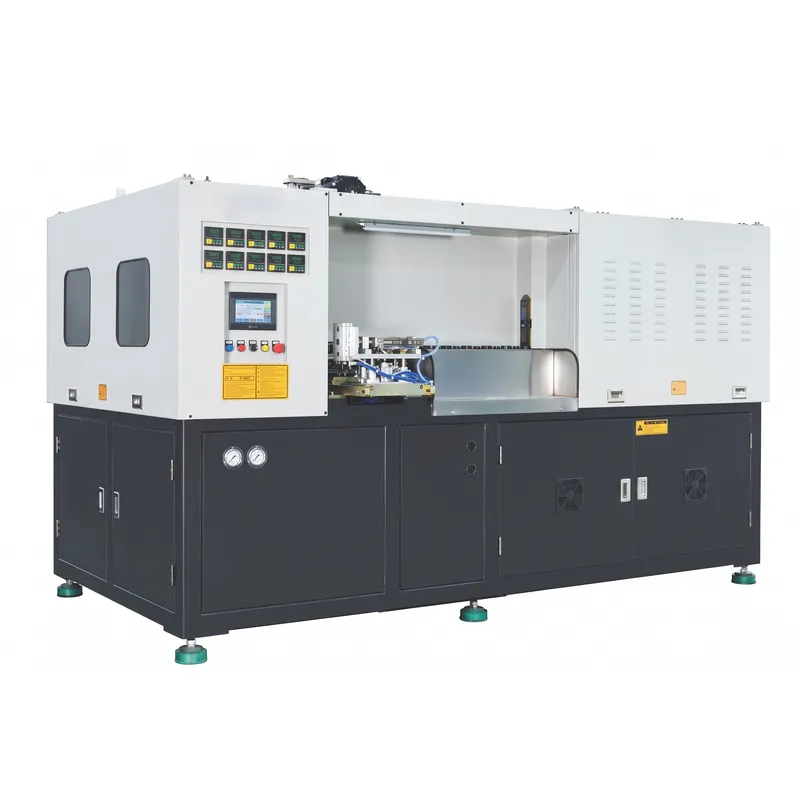
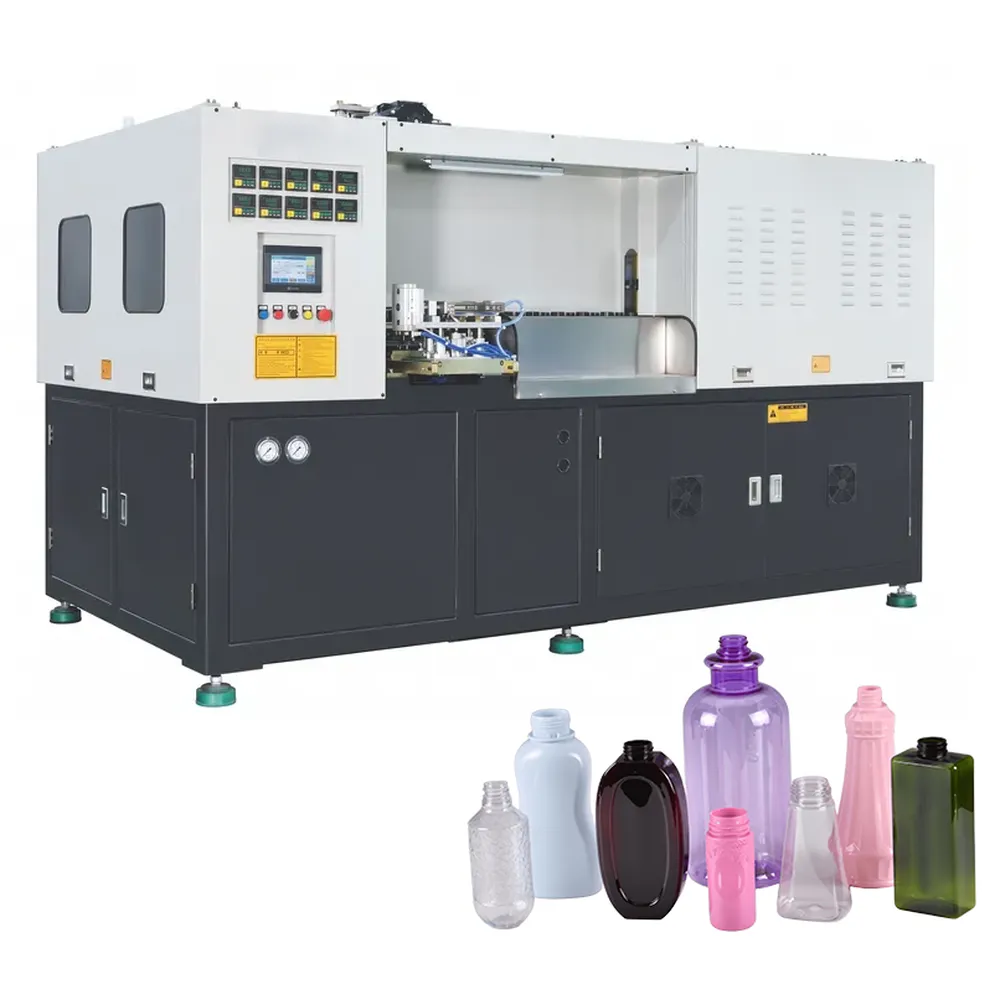
EPA.ES-2C100 Fully Automatic Blow Molding Machine for Daily Chemicals & Cosmetic Bottles
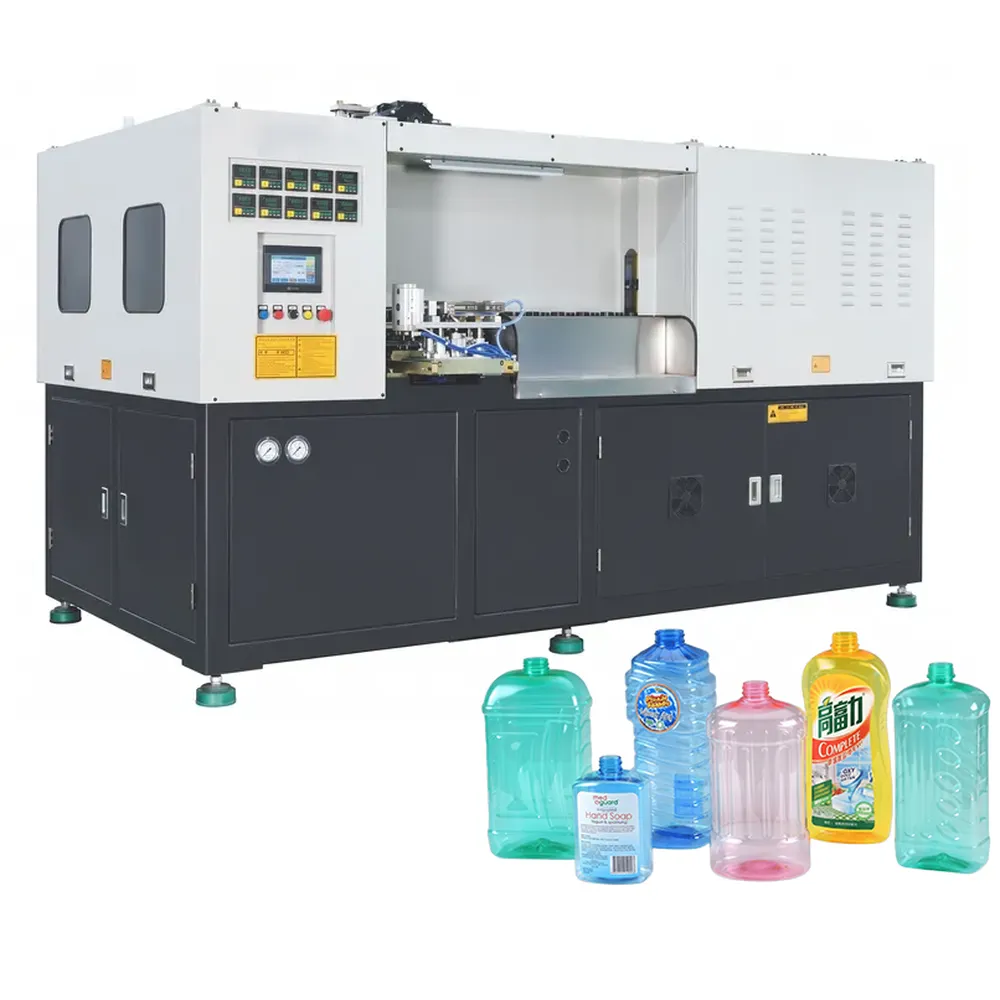
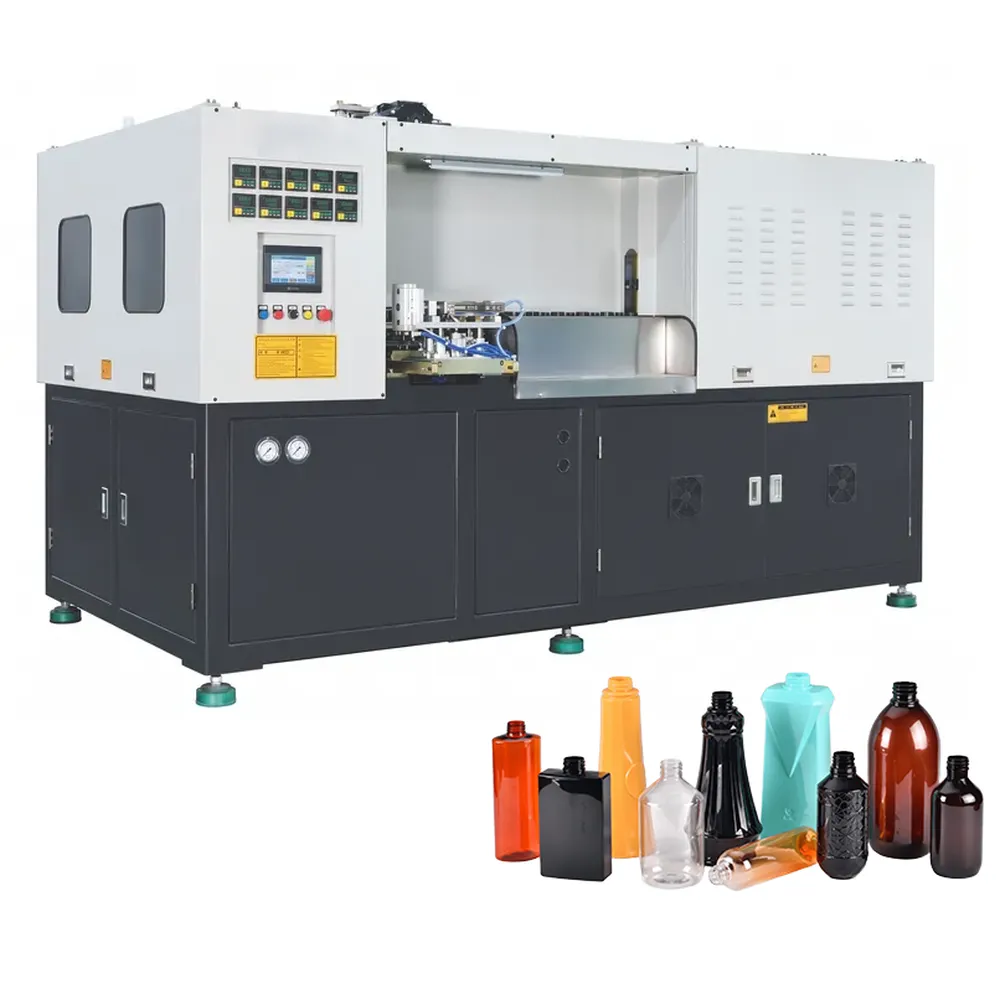
The EPA.ES-2C100 is a fully automatic blow molding machine purpose-built for the daily chemicals and cosmetics packaging sector. Integrating internationally renowned servo motors, precision reducers, premium electrical components and an advanced PLC control system, this two-step blow molding machine delivers stable, reliable and energy-efficient operation across demanding production environments.
The EPA.ES-2C100 is a fully automatic blow molding machine purpose-built for the daily chemicals and cosmetics packaging sector. Integrating internationally renowned servo motors, precision reducers, premium electrical components and an advanced PLC control system, this two-step blow molding machine delivers stable, reliable and energy-efficient operation across demanding production environments. Its compact 2-cavity design processes PET and PETG preforms at a theoretical output of 2,400 bottles per hour, making it an ideal cosmetic bottle blow molding machine for mid-to-large cosmetic brands seeking uncompromised quality without excessive footprint.
Beyond standard round bottles, the EPA.ES-2C100 excels at forming complex special-shaped containers, including flat, oval, asymmetric and multi-faceted profiles, with neck diameters up to 68 mm and body diameters up to 80 mm. Its servo-driven stretch-blow mechanism maintains precise wall thickness distribution, ensuring optical clarity and dimensional repeatability on every cycle. Whether producing shampoo bottles, conditioner containers, toner flacons, body lotion pumps or dishwashing liquid bottles, this plastic blow molding machine adapts seamlessly to evolving cosmetic and daily chemical packaging demands, supporting quick mold changeovers and minimal operator intervention on the production floor.
Technical Parameter
| Model | Unit | EPA.ES-2C100 | |
|---|---|---|---|
| Molding | Clamping stroke | mm | 110 |
| Mold-open distance | mm | 280 | |
| Mold-close distance | mm | 170 | |
| Stretching stroke | mm | 350 | |
| Mold-open distance | mm | 50 | |
| Mold-close distance | mm | 100 | |
| Preform Holder | 60 | ||
| Cavities | 2 | ||
| Container | Max.Container Volume | ml | 500 |
| Neck Diameter Range | mm | 68 | |
| Max.Container Diameter | mm | 80 | |
| Max.Container Height | mm | 200 | |
| Theoretical Output | bph | 2400 | |
| Electrical System | Max.Heating Power | kw | 34 |
| Heating Power | kw | 8-12 | |
| Air System | Operating Pressure | kg/cm² | 7 |
| Low Pressure Air Consumption | ltr/min | 600 | |
| Blowing Pressure | kg/cm² | 26-35 | |
| High-pressure air consumption | ltr/min | 1000-1400 | |
| Cooling water | Operating Pressure | kg/cm² | 5-6 |
| Temperature | ℃ | 8-10 | |
| Flow rate | ltr/min | 30 | |
| Machine | Size (L*W*H) | mm | 2900*1525*1930 |
| Weight | kg | 2000 | |
Key Features of the EPA.ES-2C100 Blow Molding Machine
1. High Efficiency Output
Rated at a theoretical output of 2,400 bottles per hour, the EPA.ES-2C100 fully automatic blow molding machine is engineered for continuous large-scale production without sacrificing dimensional accuracy. Its servo-driven preform transfer and optimized heating zone length ensure that each cycle completes at maximum speed, significantly reducing per-unit production time and giving cosmetic manufacturers a competitive cost advantage on high-volume bottle runs.
2. Superior Durability and Build Quality
Structural components are precision-machined from high-grade steel and critical wetted parts are fabricated from Stainless Steel 304/316L, providing excellent corrosion resistance in high-humidity production environments. The frame is engineered to withstand continuous multi-shift operation, minimising mechanical fatigue and extending machine service life well beyond conventional blow molding machine alternatives. Robust construction directly translates into lower downtime, fewer replacement parts and reduced total cost of ownership over the machine lifecycle.
3. Precise PLC Control System
An internationally branded programmable logic controller governs every stage of the blow molding machine working principle, from preform heating zone temperature profiling and stretch-rod positioning to blowing pressure timing and mold open/close sequencing. Real-time parameter monitoring on the colour touchscreen interface enables operators to fine-tune process settings on the fly, sharply reducing bottle defect rates and ensuring consistent wall thickness distribution. This level of automated process control is essential for cosmetic packaging where visual quality and dimensional accuracy are non-negotiable requirements.
4. Versatile Application Range
The EPA.ES-2C100 is a genuinely versatile cosmetic blow molding machine capable of producing containers across a wide spectrum of applications. With support for PET, PETG and compatible preform materials, it handles toner bottles, lotion pumps, serum flacons, shampoo bottle blow molding machine applications, conditioner containers, body-wash dispensers and special-shaped cosmetic jars with equal competency. Neck diameters up to 68 mm accommodate standard pump and disc-cap finishes, while the 80 mm maximum body diameter supports broad shoulder profiles popular in premium personal care packaging.
5. Energy-Efficient Operation
Although the installed max heating power is 34 kW, real-world working heating power typically runs between 8 and 12 kW thanks to the zone-segmented infrared heating array and servo motor drive technology that only draws power proportional to the actual load. Compared with older hydraulic blow molding machine designs, the EPA.ES-2C100 reduces energy consumption by a significant margin per 1,000 bottles produced, contributing to lower carbon footprint targets and improved factory operating cost budgets, which is increasingly important for cosmetic brands with published sustainability commitments.
6. Fully Automated Production
From preform loading and infrared heating through stretch-blowing, mold clamping and bottle discharge, the entire process cycle of this high speed blow molding machine runs without manual intervention. The integrated preform sorting unit, automatic conveyor interface and optional leak detection station eliminate the quality variability inherent in semi-automatic production. Reduced reliance on manual labour not only lowers ongoing staffing costs but also makes the machine well suited for clean-room adjacent cosmetic facilities where operator contact with containers must be minimised to maintain hygiene standards.
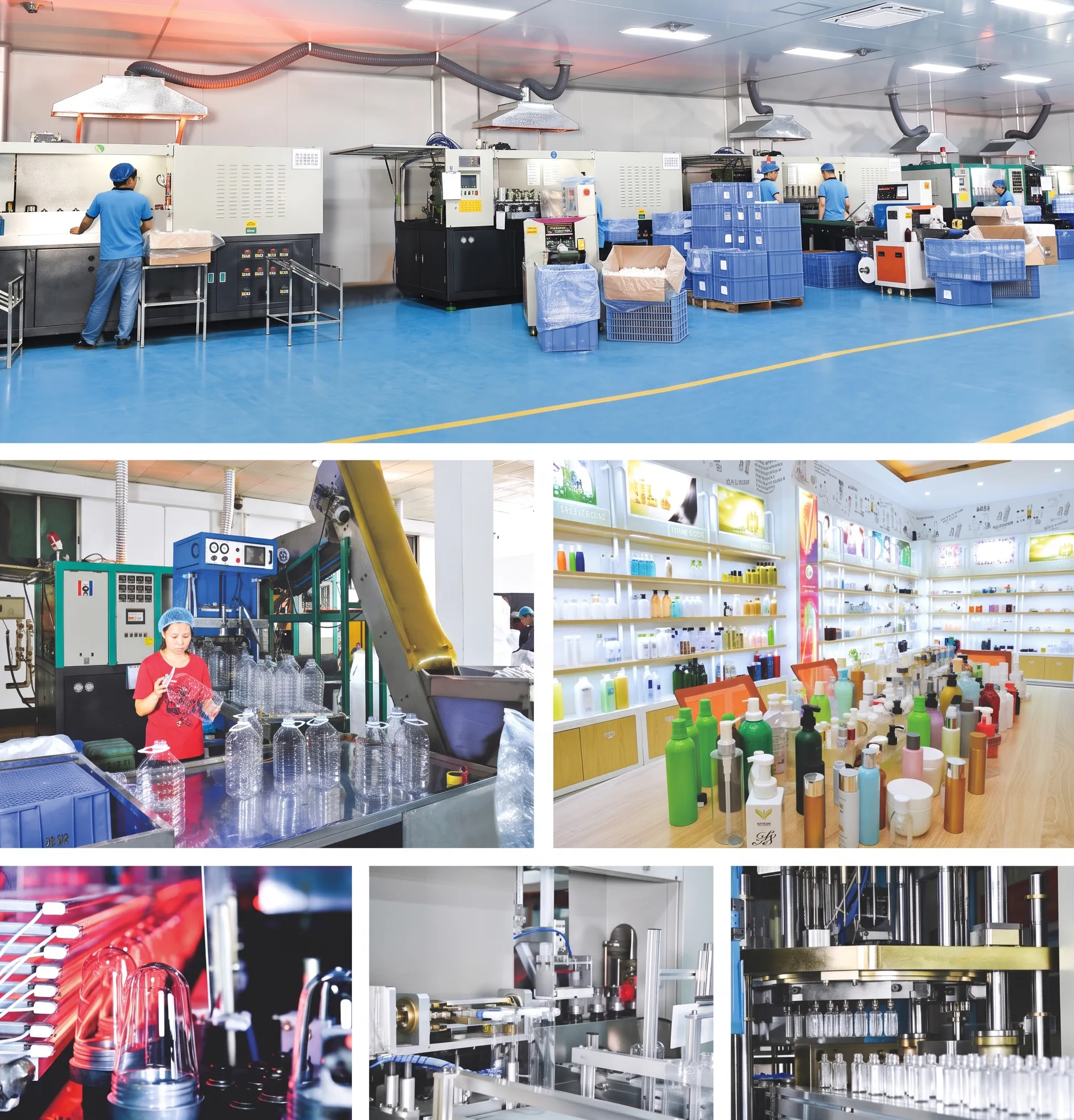
Working Principle of Fully Automatic Blow Molding Machine
Step 1: Raw Material Preparation
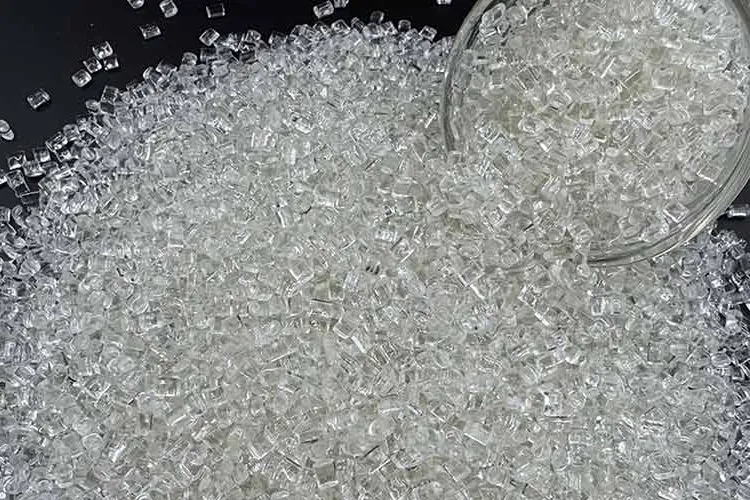
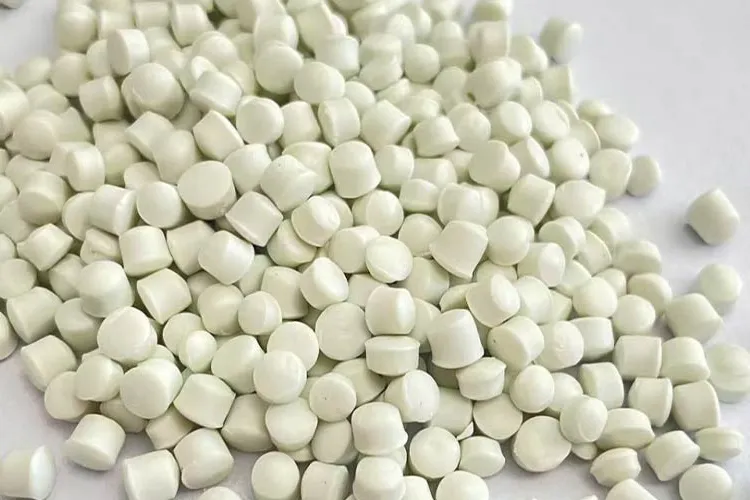
The two-stage blow molding machine process begins with PET or PETG granules being dried to a moisture content below 0.02% in a desiccant dryer to prevent hydrolytic degradation during heating. Pre-dried material is conveyed to an injection moulding press where it is metered, melted and plasticised under controlled temperature and pressure conditions. Colour masterbatch or UV-stabiliser additives can be blended upstream if required by the cosmetic brand's packaging specification.
Step 2: Injection Molding
Molten resin is injected at high pressure into precision preform moulds, forming an intermediate test-tube-shaped part known as the preform. The preform incorporates the finished bottle neck geometry, including threads and sealing surfaces, which are held to tight tolerances at this stage so that no secondary neck finishing operation is required later. Cycle time, injection speed and hold pressure are all precisely controlled by the machine controller to ensure uniform preform weight and consistent wall distribution across every shot.
Step 3: Preform Preheating
Preforms travel through the EPA.ES-2C100's multi-zone near-infrared heating oven on a rotating spindle chain, ensuring uniform circumferential and axial temperature distribution. Each heating zone is independently controlled, allowing the operator to tailor the thermal gradient along the preform body so that thicker wall sections receive additional energy. Reaching the correct temperature window is critical to subsequent stretch-blow quality: too cold and the material resists biaxial orientation; too hot and wall thickness control is lost, leading to sagging or uneven distribution in the finished PET blow molding machine container.
Step 4: Stretch-Blow Molding
Each conditioned preform is transferred into the blow mould cavity, where a mechanical stretch rod extends axially to the base of the preform simultaneously with the introduction of low-pressure pre-blowing air. High-pressure blowing air at 26 to 35 kg/cm² then rapidly inflates the preform outward against the polished mould surface, locking the biaxially oriented polymer chains in place as the material cools against the water-cooled mould wall. This biaxial orientation is the mechanism that gives PET bottles their characteristic combination of optical clarity, barrier performance and drop-impact resistance superior to non-oriented containers.
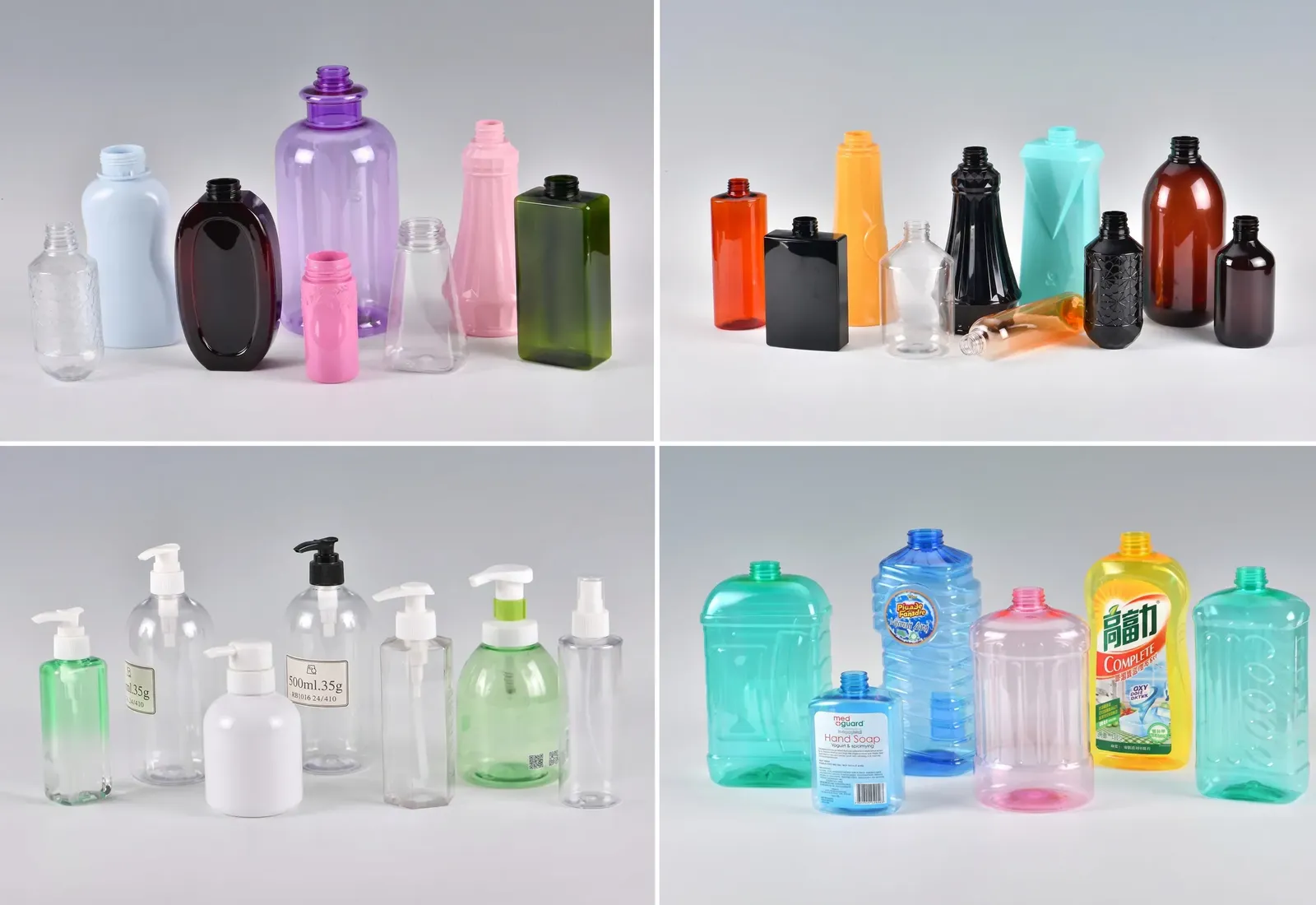
Application Areas
1. Cosmetic Bottle
The EPA.ES-2C100 cosmetic bottle blow molding machine is the preferred choice for toner bottles, serum ampoules, foundation flacons, facial mist sprays and premium skincare jars. Its precision blowing pressure control achieves crisp shoulder angles, sharp embossing details and optically clear side walls that meet the aesthetic standards demanded by high-end cosmetic brand packaging specifications.
2. Chemical Bottle
PETG material compatibility makes the EPA.ES-2C100 suitable for producing chemical storage and dispensing containers for household and industrial cleaning agents. The high blowing pressure capability of up to 35 kg/cm² ensures dense, thick-walled bottle construction that resists deformation and chemical permeation, essential for storing surfactants, solvents and other reactive daily chemical formulations safely.
3. Pharmaceutical Bottle
Controlled-environment pharmaceutical packaging requires zero flash, accurate neck threads and reproducible sealing surfaces. The EPA.ES-2C100 plastic blow molding machine delivers precisely these characteristics on every cycle, making it appropriate for oral liquid bottles, cough syrup containers, nasal spray flacons and dermatological lotion pumps where dimensional compliance with pharmacopoeia standards cannot be compromised.
4. Beverage Bottle
With its biaxial orientation capability, the EPA.ES-2C100 produces PET beverage bottles with outstanding barrier properties against CO2 loss and oxygen ingress, crucial for carbonated drinks and sensitive juice products. The machine's high-output capacity makes it competitive for small-to-medium beverage producers looking to bring bottle blowing in-house and reduce dependence on third-party container suppliers.
5. Food Bottles
Food-grade PET and PETG resins processed through the EPA.ES-2C100 are entirely compliant with international food contact material regulations, making this custom blow molding machine ideal for condiment bottles, oil and vinegar containers, flavouring sauce flacons and dried-food canisters. The machine's exceptional wall thickness uniformity reduces panelling and preserves the rigid appearance of food packaging on supermarket shelves.
6. Shampoo Bottle
As a dedicated shampoo bottle blow molding machine, the EPA.ES-2C100 handles the large-diameter, tall-profile containers typically specified for shampoo, conditioner and body-wash products. The machine accommodates containers up to 200 mm in height with smooth side walls that accept hot-stamp and label decoration downstream. High-clarity PETG option makes transparent shampoo packaging possible without post-production polishing steps.
7. Dish Soap Bottle
Dish soap bottles require a squeeze-resistant wall profile that still allows easy product dispensing. The EPA.ES-2C100 achieves this balance through programmable stretch-rod speed control that manages radial wall thickness distribution, producing containers robust enough to withstand retail handling while remaining flexible enough for comfortable consumer use during dishwashing. The machine supports a wide range of flip-top and pump-cap neck finishes without tooling modifications.
8. Hand Wash Bottle
Hand wash and antibacterial soap dispensers must carry product branding prominently while providing a reliable pump-fitment seal. The EPA.ES-2C100's precise neck geometry control, with neck diameters up to 68 mm, ensures that pump dispensers seat correctly and seal completely, eliminating leakage in transit and on countertop surfaces. The machine readily produces the tapered hourglass profiles popular in the premium personal hygiene category.
Different Types of Blow Molding
Blow molding involves inflating a hollow plastic tube or preform inside a mould cavity to form the desired product shape. Three main blow molding types dominate industrial plastic bottle production, each with distinct process advantages depending on the product size, material and application requirements.
Extrusion Blow Molding (EBM)
Extrusion blow molding is one of the most widely used blow molding types. Heated plastic is extruded through a die into a hollow parison, which the mould then closes around before air inflates it to the final container shape.
Advantages: Ideal for large, hollow parts such as fuel tanks, detergent containers and industrial drums. Can produce complex multi-layer products and handles a wide range of container volumes.
Disadvantages: Less precise than IBM or ISBM for fine dimensional details, and generates flash waste requiring secondary trimming.
Applications: Plastic bottles for liquid detergents, motor oil, industrial chemicals, large fuel tanks and industrial storage containers.
Injection Blow Molding (IBM)
In injection blow molding, plastic is first injected into a mould to form a precise preform. The preform moves to the blow station, where compressed air inflates it to the finished bottle shape inside the blow mould cavity.
Advantages: Superior precision and consistency compared with other blow molding types. Excellent wall thickness control, zero flash generation and accurate neck geometry make it ideal for high-value packaging applications.
Disadvantages: Typically higher upfront tooling cost than EBM and most suitable for smaller precision bottles rather than large containers.
Applications: High-quality pharmaceutical bottles, cosmetic containers, food-grade packaging where precision and clarity are non-negotiable.
Injection Stretch Blow Molding (ISBM)
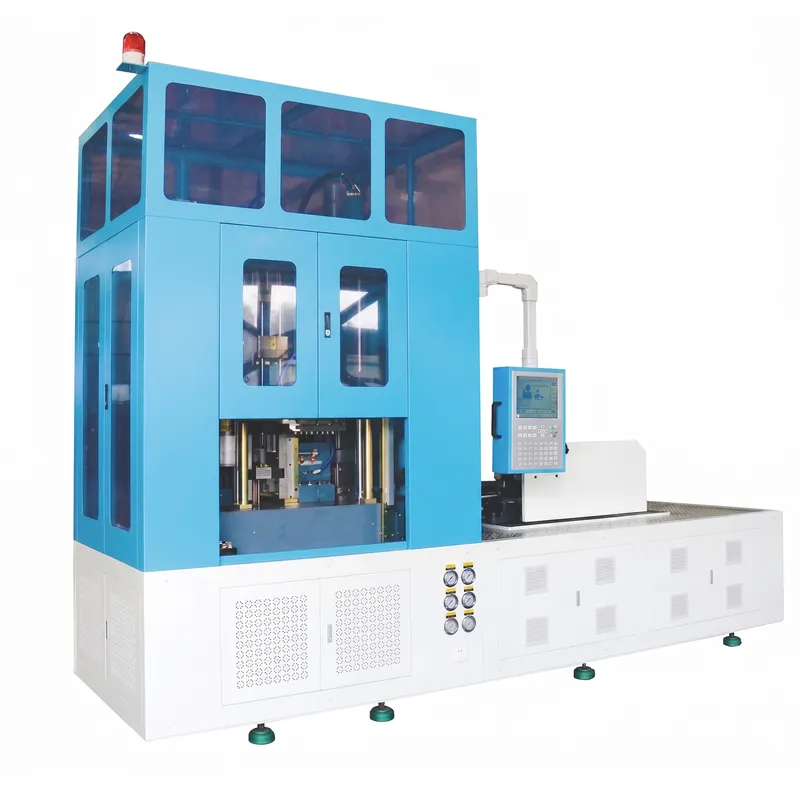
ISBM stretches the preform both axially and radially before blowing, inducing biaxial molecular orientation. The EPA.ES-2C100 operates on this principle, which is why it delivers superior clarity, barrier performance, and wall strength in the finished PET jar blow molding machine output.
Advantages: Produces lightweight yet strong bottles with enhanced optical clarity and gas barrier properties. The preferred blow molding type for premium packaging where material saving and product performance are both priorities.
Disadvantages: Requires specialised equipment and has higher production costs than basic EBM, making it less economical for very large containers.
Applications: PET bottles for water, carbonated soft drinks, juice, and cosmetic and personal care containers including shampoo, conditioner and body-wash packaging.
Applications of the Different Blow Molding Types
EBM Applications
Fuel tanks, large chemical containers, detergent bottles, automotive fluid reservoirs and industrial storage containers where volume and shape flexibility are the primary design criteria.
IBM Applications
Small high-quality bottles for pharmaceuticals, cosmetics and personal care products. IBM is specified in industries where detailed parts with high precision and zero flash are required in every production cycle.
ISBM Applications
PET bottles for water, carbonated drinks and juices. Lightweight cosmetic containers for shampoo, conditioner and household cleaning products where material efficiency and product strength must be balanced simultaneously.
 |
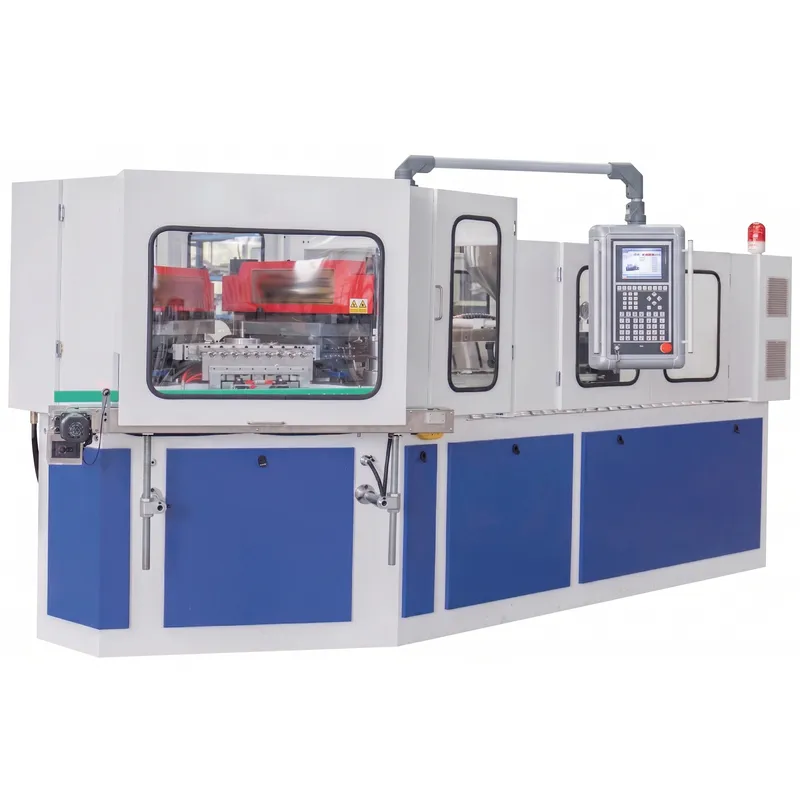 |
| ISBM machine | IBM machine |
Raw Materials Compatible with Two-Stage Blow Molding Machine
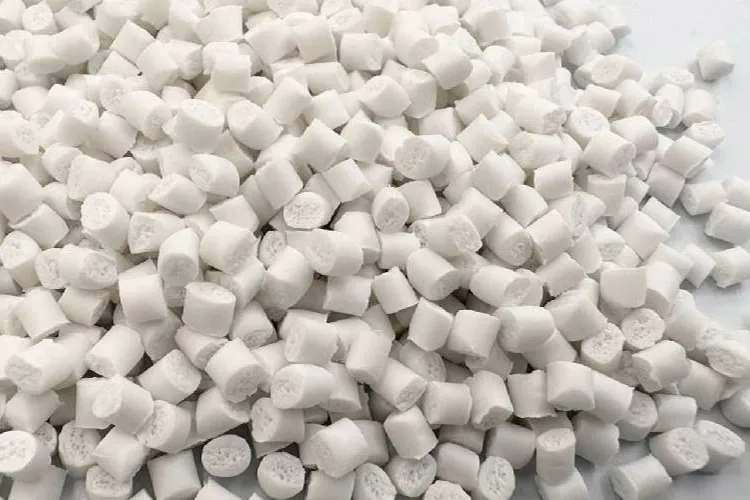
1. PET (Polyethylene Terephthalate)
PET is by far the most commonly processed preform material in a PET blow molding machine. Its outstanding combination of optical clarity, mechanical strength and verified food-contact safety makes it the material of choice for mineral water bottles, carbonated beverage bottles, cooking oil containers and premium cosmetic packaging. PET undergoes biaxial orientation during stretch-blowing, dramatically improving barrier properties and impact resistance compared with the raw amorphous resin.
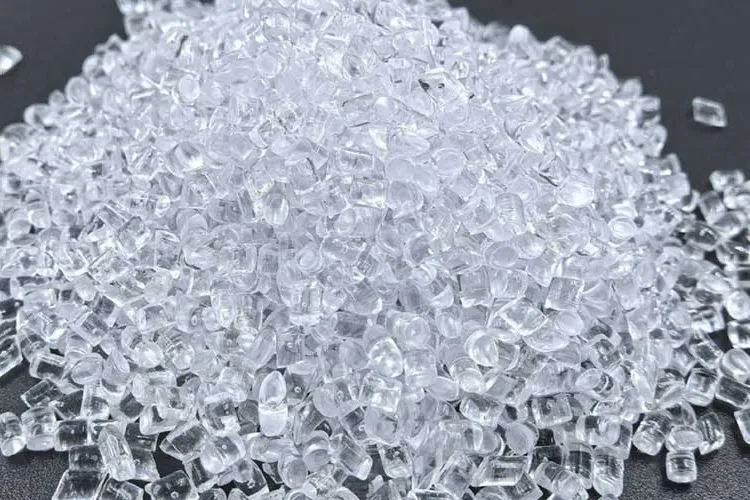
2. PETG (PET Glycol-Modified)
PETG modifies standard PET with a glycol co-monomer that eliminates crystallisation during cooling, producing a permanently amorphous resin with exceptional transparency and toughness at room temperature. It is the preferred material for premium cosmetic flacons, special-shaped bottles requiring deep drawing and clarity-critical containers where PET orientation temperatures would cause haze. PETG has good chemical resistance to alcohols and most personal care formulations.
3. PP (Polypropylene)
PP offers excellent resistance to high temperatures, making it the preferred resin for hot-filling applications where contents are filled above 80 degrees Celsius before sealing. It is widely used in food packaging for condiments, sauces, baby food and dairy products, as well as in pharmaceutical bottles designed for steam sterilisation. PP preforms require a higher processing temperature window and careful orientation speed management to achieve acceptable clarity in the finished container.
4. PC (Polycarbonate)
Polycarbonate provides among the highest transparency and impact strength of any standard packaging resin, combined with dimensional stability across a wide temperature range. It is used for premium cosmetic packaging, reusable beverage bottles and laboratory sample containers where glass-like clarity and resistance to shattering are both critical requirements. PC is more viscous at processing temperature than PET and requires adjusted preform heating and blowing pressure settings.
5. PE (Polyethylene)
Both HDPE and LDPE grades are compatible with IBM preform processing. HDPE provides good rigidity and chemical resistance suitable for household cleaning product containers and pharmaceutical solid-dose bottles. LDPE imparts flexibility and a softer squeeze response, making it appropriate for dispensing tubes and certain cosmetic packaging formats. PE has excellent resistance to a broad range of chemicals and solvents, extending its usefulness across multiple daily chemical application areas.
6. Tritan / PCTG / Specialty Resins
Next-generation specialty copolyesters such as Tritan and PCTG are processable on the EPA.ES-2C100 with appropriate mould and heating profile adjustment. These materials combine PET-level clarity with enhanced chemical resistance to essential oils, perfume alcohols and aggressive personal care formulations, making them increasingly specified by premium fragrance and skincare brands. Their BPA-free status addresses regulatory compliance requirements in multiple markets including the EU, USA and Australia.
 |
 |
 |
 |
Cosmetic Bottle Blow Molding Machine Mould Features
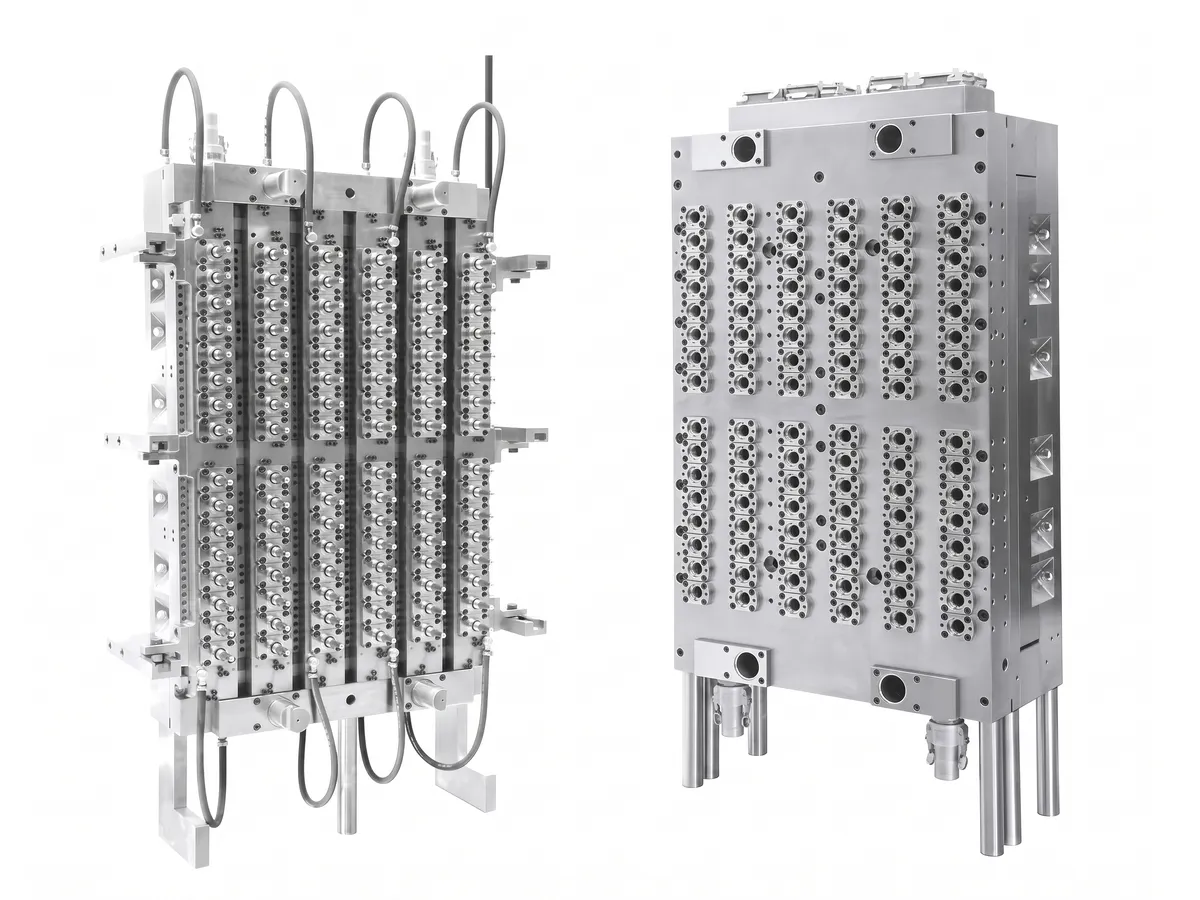
Preform Injection Mould
- Two-Part Die Lip Design: The gate insert is composed of two separable sections, guaranteeing precise co-axiality between the preform body and neck finish throughout the injection moulding cycle. This structural arrangement is the foundation for the neck-accuracy advantage of injection blow moulding compared with extrusion alternatives.
- Optimised Cooling Water Channels: Precision-machined conformal cooling circuits in the cavity plates extract heat rapidly and uniformly from the preform, shortening cycle time without introducing thermal gradients that cause warpage or residual stress in the preform wall.
- Imported Die Steel 2316 Cavity Components: All forming surfaces in contact with molten resin are machined from imported 2316 stainless tool steel, which is inherently rust-resistant and undergoes full heat treatment for hardness. This material selection ensures long mould life even under continuous high-temperature, high-pressure injection conditions and resists corrosion from PET degradation by-products.
- 420 Stainless Steel Structural Plates: Core plates, cavity retainer plates and other structural components are fabricated from 420 stainless steel, providing excellent corrosion resistance and dimensional stability across the temperature cycling experienced during production operation. This dual-material mould architecture balances forming-surface quality against structural rigidity.
- Easy Maintenance Access: The mould design provides straightforward access to all wearing components, gate inserts and cooling connections. Standard interchangeable die fittings mean that replacement parts are available without special lead times, reducing blow molding machine maintenance downtime to the minimum.
- Multi-Preform Single Mould Capability: The advanced mould design supports the production of more than one preform neck specification from a single mould base by replacing the gate insert assembly. This flexibility significantly reduces the tooling investment required when a cosmetic manufacturer runs multiple bottle SKUs on the same machine platform.
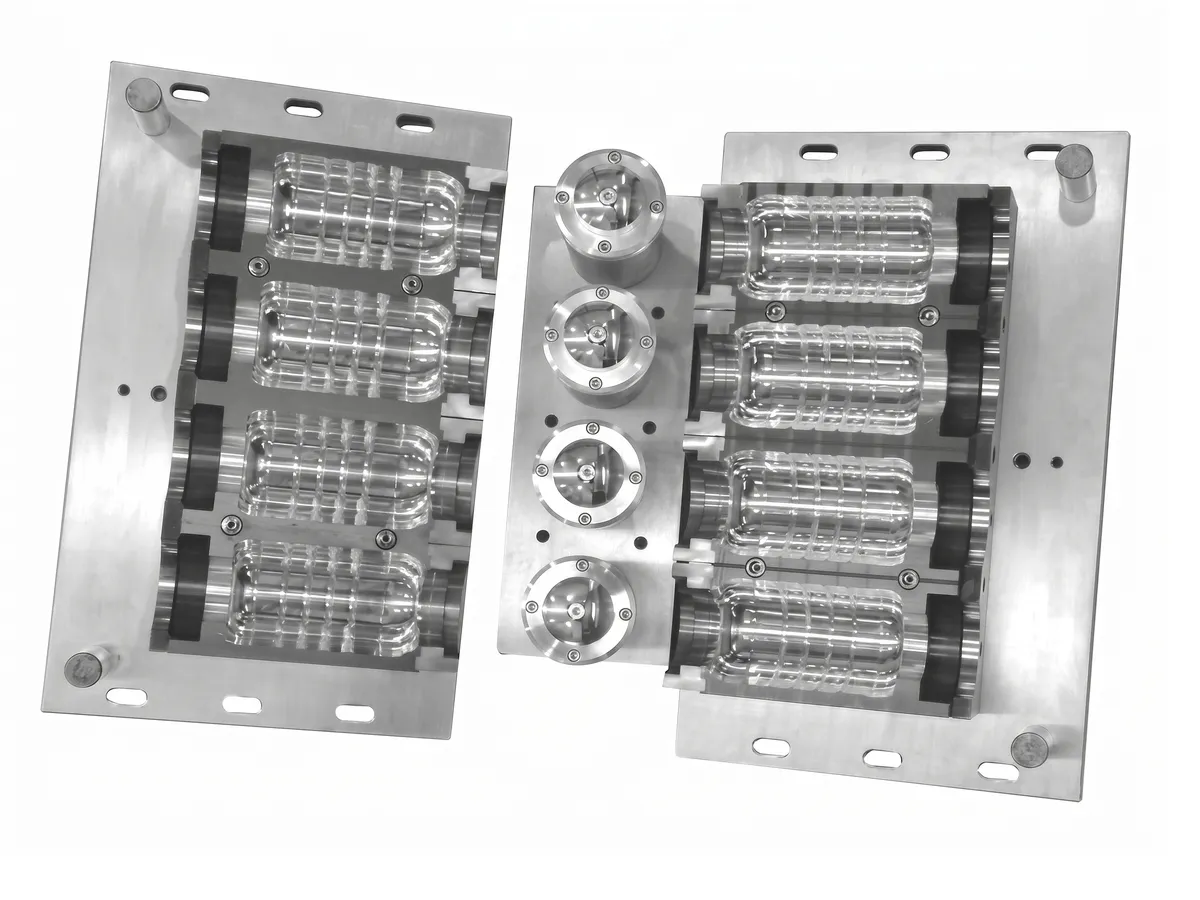
Blowing Mould
- High-Quality Aluminium Alloy Construction: Blow mould bodies are CNC-machined from premium aerospace-grade aluminium alloy, delivering the ideal balance of thermal conductivity for rapid mould cooling, low weight for fast clamping cycle response and sufficient hardness to maintain cavity surface finish quality over millions of production cycles on the fully automatic blow molding machine.
- Advanced 3D Design Software: Every bottle cavity geometry is designed using professional three-dimensional CAD software with mould flow simulation, allowing the design team to optimise material distribution, locate parting lines away from visible surfaces and predict any potential short-fill or wall-thinning issues before any metal is machined, eliminating costly trial-and-error mould modifications.
- Versatile Bottle Design Portfolio: The mould design team can offer a wide selection of standard cosmetic bottle profiles for reference as starting points, or develop fully custom moulds from customer-supplied 3D files. Flat, oval, round, rectangular and complex asymmetric bottle profiles have all been successfully produced on this platform.
- Optimised Water Cooling Channel Layout: Internal cooling channels are positioned as close to the cavity surface as the structural integrity of the mould allows, maximising heat transfer rate and ensuring that every area of the bottle wall cools at an equal rate. Balanced mould temperature shortens hold time and reduces dimensional variation between cavities in multi-cavity configurations.
- Full CNC Machining of All Metal Parts: Every structural and forming component in the blowing mould is machined on multi-axis CNC machining centres, achieving tight dimensional tolerances and excellent surface finish on the parting line faces. CNC machining eliminates hand-fitting errors and ensures that replacement mould components are dimensionally interchangeable without bench adjustment, supporting fast swap-out during blow molding machine maintenance procedures.
 |
 |
Common Troubleshooting of Blow Molding Machine
Bottle Wall Uneven Thickness or Thin Spots
Causes: Incorrect preform temperature profile, asymmetric heating zone output, excessive or insufficient stretch-rod speed, or preform position offset in the blow mould.
Actions: Verify each heating zone temperature reading against the recipe setpoint and replace any failed lamp. Check preform centring in the mould cavity by inspecting the transfer gripper alignment. Review stretch-rod speed profile parameters and compare with the validated production recipe for that bottle SKU. If the issue persists after process correction, check preform weight consistency from the injection supplier as underweight preforms produce unpredictable wall distribution during blow moulding.
Bottle Haze or Loss of Optical Clarity
Causes: Crystallisation due to incorrect preform temperature (usually too cold), moisture in the preform from inadequate pre-drying, or contamination in the PET resin batch.
Actions: Verify drying hopper temperature and residence time; PET should be dried to below 0.02% moisture at 160 to 170 degrees Celsius for a minimum of four hours. Check the heating zone temperature profile and raise the body zone temperatures incrementally by 2 to 3 degrees until transparency is restored. Inspect incoming preform lots for moisture with a moisture analyser if sporadic haze occurs without process change, as supplier resin variation is a frequent hidden cause of clarity defects on a fully automatic blow molding machine.
Preform Bursting or Tearing During Blowing
Causes: Preform overheated beyond material glass transition limit, blowing pressure too high relative to preform wall temperature and thickness, stretch-rod contact force excessive, or preform gate scar forming a stress concentration point.
Actions: Reduce the body heating zone temperature setpoints by 3 to 5 degrees and observe whether bursting frequency decreases. Check blowing pressure setpoint against the product recipe and ensure the high-pressure valve opens on the correct timing delay. Inspect the stretch-rod tip for wear or damage that could puncture the preform base. Review preform gate quality with the preform supplier if base-area bursting is the consistent failure location, as gate voids dramatically reduce local burst strength.
Bottle Deformation or Pearlescence at the Neck
Causes: Neck area overheating due to insufficient neck cooling shield, extended transfer time between oven exit and mould entry, or high ambient temperature in the production hall.
Actions: Check that the neck protection shield is correctly positioned and that the cooling air jets are operational and aimed at the neck zone. Verify that the transfer timing between heating oven exit and blow mould closure is within the validated window specified in the production recipe. If the production hall temperature is high, consider adding chiller capacity to the mould cooling circuit to compensate for the elevated ambient baseline temperature affecting mould cooling efficiency during blow molding machine maintenance-free running periods.
Machine Stops Mid-Cycle with Alarm
Causes: Servo motor fault, low compressed air supply pressure falling below the 7 kg/cm² minimum, blocked or leaking pneumatic circuit, preform jam in the transfer system, or safety interlock triggered by an open guard door.
Actions: Read the PLC alarm code on the touchscreen display and refer to the fault code reference list in the machine manual for the specific sub-system indicated. Check compressed air supply pressure at the inlet gauge and verify that the compressor is operating correctly. Inspect the preform transfer path for jammed or misfed preforms. Reset all safety interlocks by confirming all guard doors are properly closed before attempting a restart sequence on the blow molding machine. For recurring servo alarms, record the error code and contact the Ever-Power technical support team with the code and axis number for remote diagnosis.
Output Rate Below Rated Capacity
Causes: Extended mould cooling time due to insufficient chilled water flow or high cooling water temperature, preform feeding bottleneck at the hopper/unscrambler stage, heating oven throughput set below rated speed in PLC, or frequent single-bottle rejection triggering reduced-speed safety mode.
Actions: Verify cooling water inlet temperature (target 8 to 10 degrees Celsius) and flow rate (target 30 litres per minute minimum) at the mould manifold. Check the PLC production speed setpoint and confirm it matches the validated recipe value for the current bottle type. Inspect the preform unscrambler for jams or worn guides that restrict feeding cadence. Review the bottle rejection log for systematic defects that may be causing the automatic speed reduction. Addressing the root defect cause is nearly always more productive than attempting to force higher output on a machine producing rejects.
Why Choose Ever-Power Blow Molding Machine?
Mexico Ever-Power ISBM Machinery Co., Ltd is a dedicated manufacturer and global supplier of automatic injection blow molding machines and injection stretch blow molding machines. Our product portfolio spans the full spectrum of plastic blow molding machine technology, including injection blow molding machines, extrusion blow molding machines, injection stretch blow molding machines and a comprehensive range of auxiliary equipment including preform dryers, chillers, air compressors and conveyor systems. We serve packaging producers across pharmaceutical, food, health care and cosmetic industries in more than 40 countries, combining manufacturing depth with export trade experience built across two decades of international business.
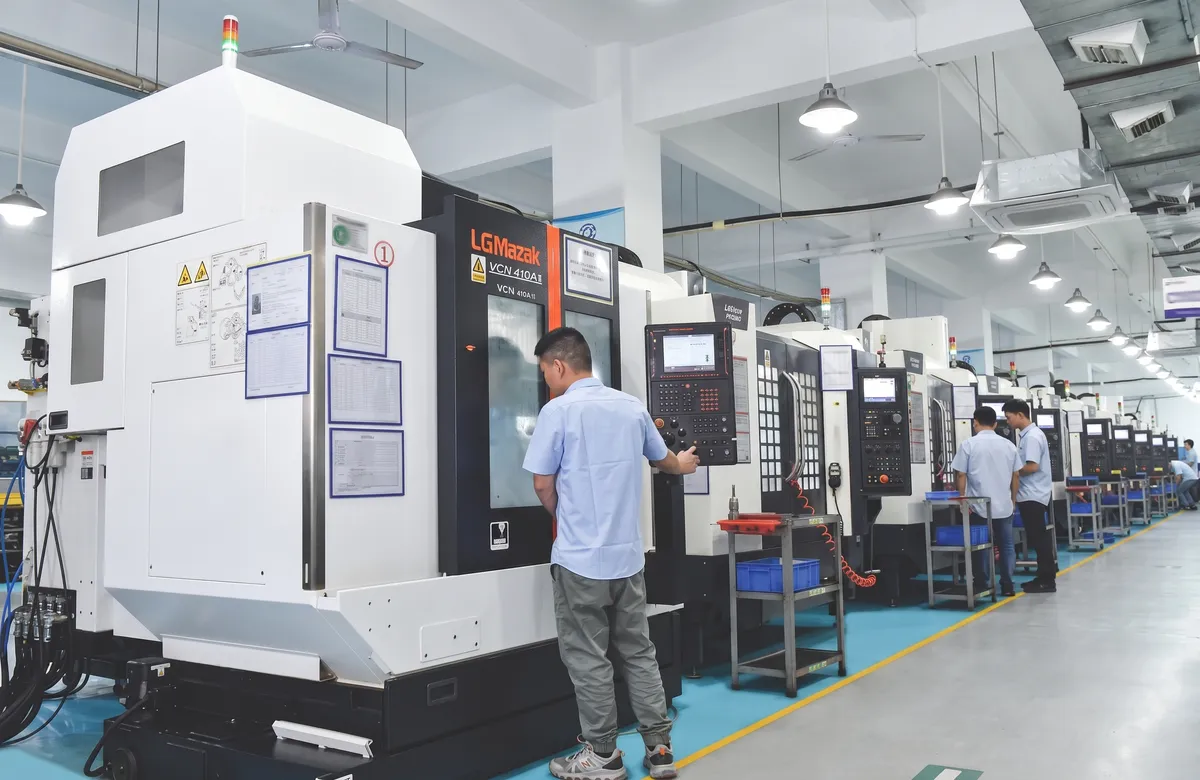
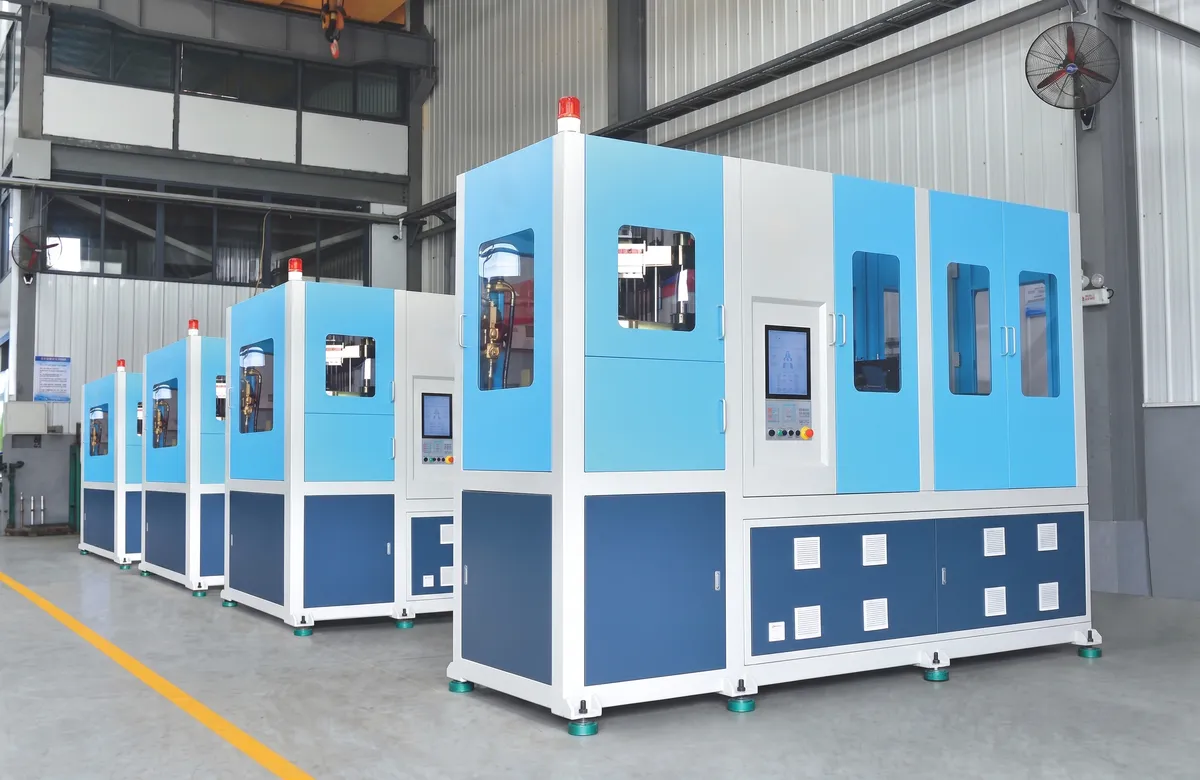
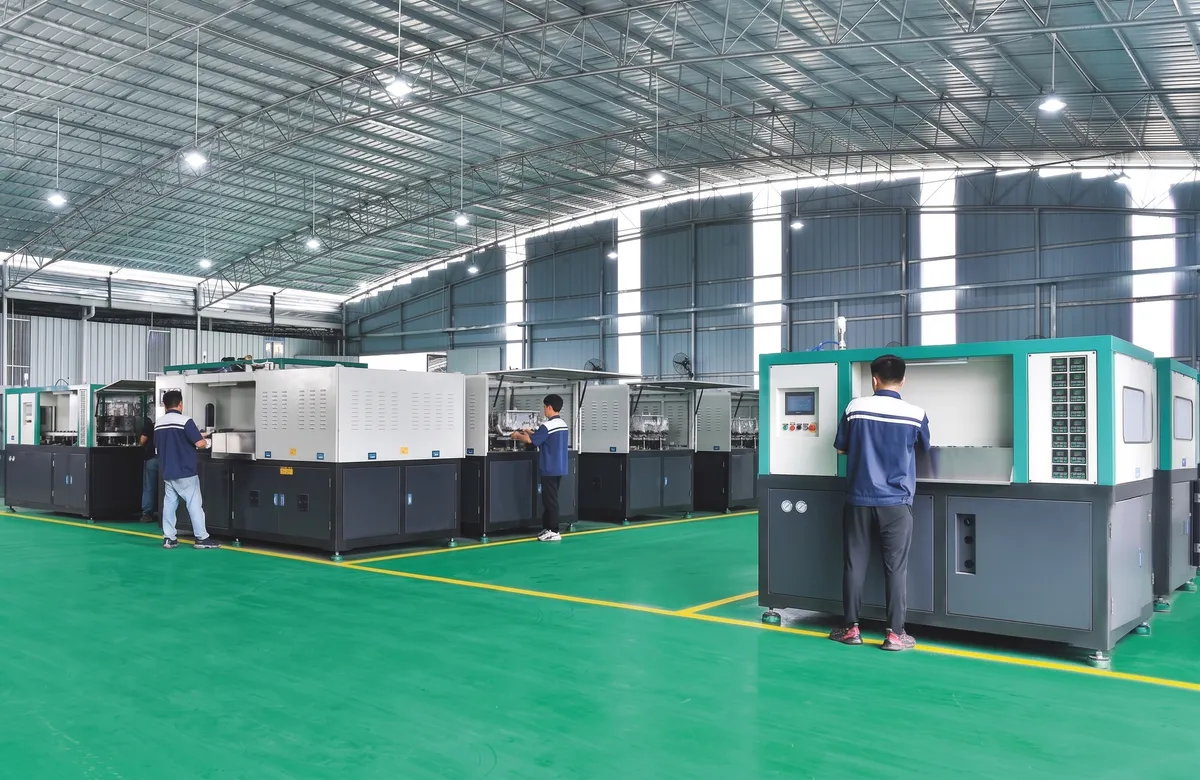
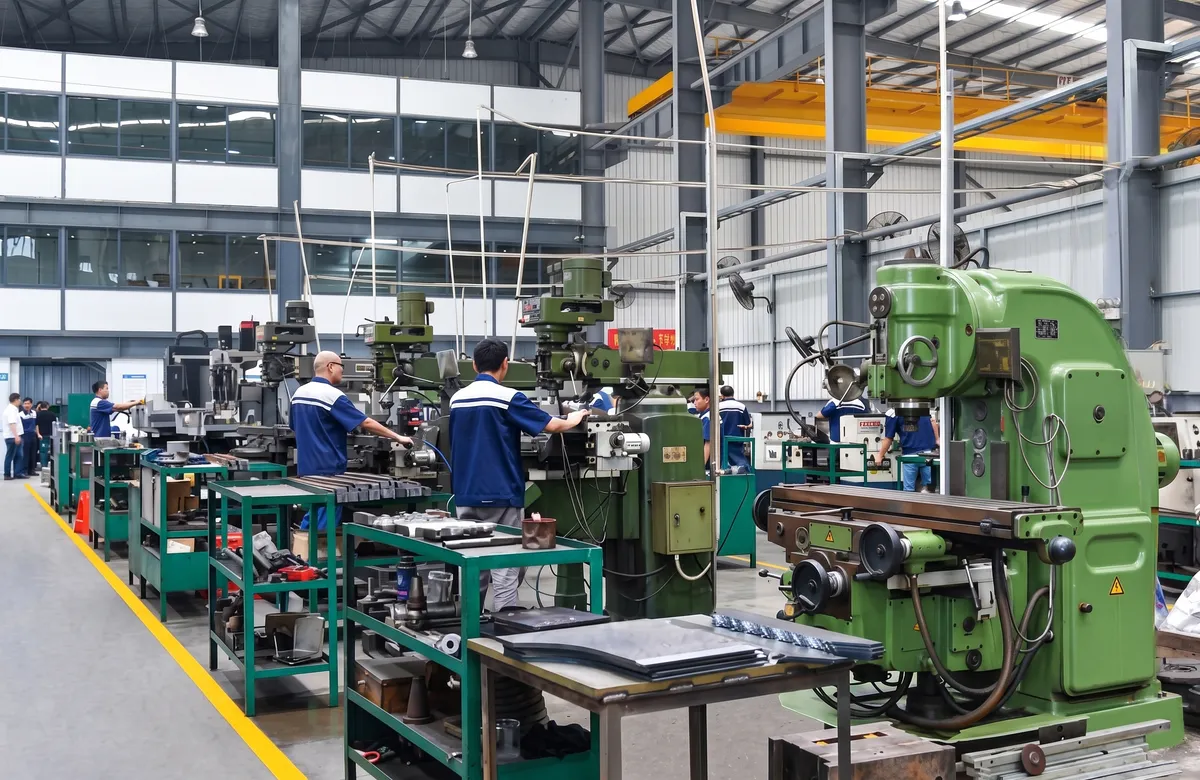
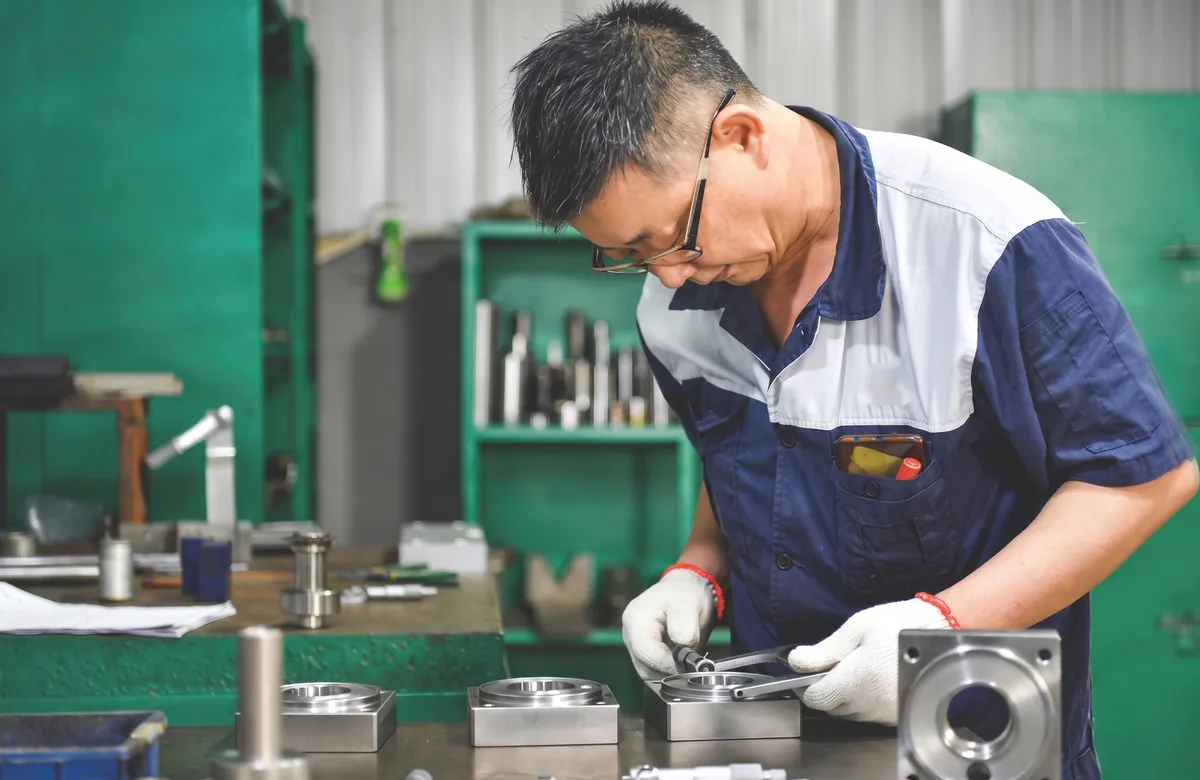
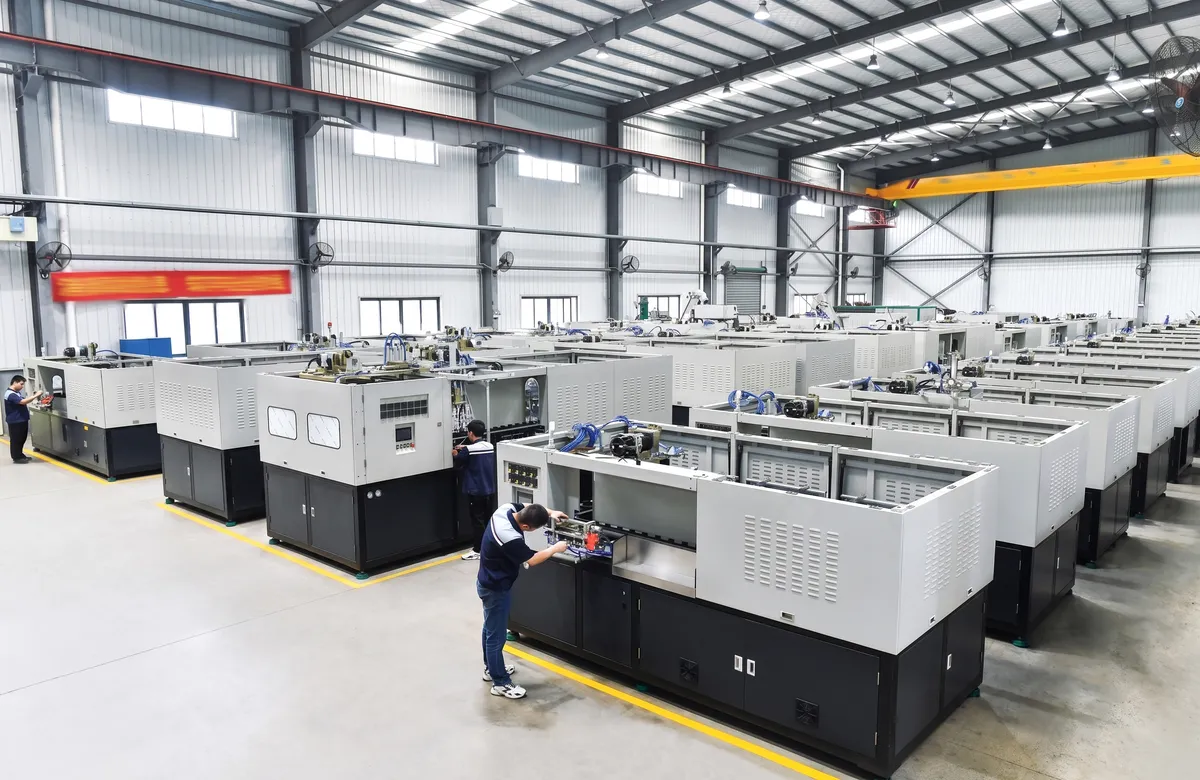
Ever-Power's manufacturing partner Henggang Machinery maintains a 20,000 square metre production base equipped with multi-axis CNC machining centres, precision grinding machines, coordinate measuring systems and a dedicated assembly and testing hall. All machines undergo full load testing before shipment, with documented output data, temperature curve records and dimensional sample reports provided to the customer as part of the factory acceptance package. Our R&D team, comprising engineers with deep specialisation in injection-blow process technology and mould design, continuously refines machine architecture to deliver measurable improvements in energy efficiency, cycle time and bottle quality consistency with each new machine generation.
Our machines process a wide range of packaging resins including HDPE, LDPE, PET, PETG, PP, PS, PPSU, PC, Tritan, ABS, PLA, corn-based environmental resins, EVA and PCTG, supporting production of containers from 1 ml to 1,000 ml across pharmaceutical, food, health care and cosmetic packaging segments. This breadth of material and size capability means a single Ever-Power blow molding machine platform can serve multiple packaging lines within the same facility, reducing capital expenditure and simplifying operator training across the production floor.
Ever-Power adheres to the enterprise development values of self-reliance, integrity, pragmatism, innovation and responsibility, building one-stop turnkey project solutions that take customers from initial bottle concept through preform specification, machine selection, mould design and manufacture, installation, training and ongoing technical support. This integrated approach reduces project risk for buyers who are establishing new production lines or upgrading existing blow molding machine capacity, and has earned Ever-Power a strong repeat purchase rate among established cosmetic and daily chemical packaging manufacturers globally.
 |
 |
 |
 |
 |
 |
Frequently Asked Questions
Q: What is the maximum bottle size the EPA.ES-2C100 can produce?
A: The EPA.ES-2C100 fully automatic blow molding machine can produce containers up to 500 ml in volume, with a maximum container diameter of 80 mm, maximum neck diameter of 68 mm and maximum container height of 200 mm. These dimensions make it well suited for a wide range of daily chemical and cosmetic bottle formats including shampoo, conditioner, body lotion, toner and serum packaging up to 500 ml. If your requirement exceeds these dimensions, Ever-Power has other models in the HGA series covering volumes up to 15,000 ml.
Q: What plastic materials can this blow molding machine process?
A: The EPA.ES-2C100 is primarily designed as a PET blow molding machine and PETG blow molding machine, which are the most commonly specified materials for cosmetic and daily chemical bottles. With appropriate preform specification and heating profile adjustment, the machine can also process PP and certain other transparent packaging resins. For materials outside PET and PETG, please consult the Ever-Power technical team with your specific resin datasheet before ordering, as processing window and preform design requirements vary significantly by material type.
Q: How does a blow molding machine work in the two-stage process?
A: In the two-stage (two-step) blow molding machine working principle, the process is split into two separate operations. First, PET or PETG resin is injection moulded into a solid preform, which is an intermediate product resembling a test tube with the finished bottle neck already formed. The preform is then fed into the blow molding machine, reheated to the correct orientation temperature in the infrared heating oven, stretched axially by the stretch rod and inflated by high-pressure air against the blow mould cavity to form the final bottle shape. This two-stage approach separates preform production from bottle blowing, allowing each step to be optimised independently and enabling preforms to be purchased from external suppliers if preferred.
Q: How long does mould changeover take on the EPA.ES-2C100?
A: Mould changeover time on the EPA.ES-2C100 depends on the complexity of the bottle switch and the operator's experience with the machine. Experienced operators typically complete a full mould swap and recipe change in 45 to 60 minutes, including removing the blow mould, fitting the new mould, reconnecting cooling water hoses, recalling the stored recipe on the PLC touchscreen and running a short qualification batch to verify bottle dimensions. If the neck diameter also changes, the preform transfer grippers may also need adjustment, adding approximately 15 to 20 additional minutes. Training sessions provided by Ever-Power during machine commissioning cover mould changeover procedures in detail.
Q: What utilities does the EPA.ES-2C100 require for installation?
A: The EPA.ES-2C100 requires three-phase electrical power with a max installed heating power of 34 kW (working heating power 8 to 12 kW under normal production), compressed air supply at 7 kg/cm² operating pressure for pneumatic functions plus a separate high-pressure blowing air supply at 26 to 35 kg/cm² consuming 1,000 to 1,400 litres per minute, and cooling water at 5 to 6 kg/cm² operating pressure, 8 to 10 degrees Celsius inlet temperature and 30 litres per minute flow rate. An industrial chiller unit is typically required to maintain the specified cooling water temperature, particularly in regions with high ambient temperatures. A dryer for PET preforms is also strongly recommended as part of the auxiliary equipment package.
Q: Can the machine produce special-shaped cosmetic bottles?
A: Yes, producing special-shaped cosmetic bottles is one of the design strengths of the EPA.ES-2C100. The machine's servo-driven stretch-rod system provides programmable axial speed and force control, which is critical for achieving uniform wall distribution in non-round container profiles such as flat, oval, square-shoulder, triangular and complex ergonomic shapes. The blow mould itself is designed using 3D CAD software with mould flow analysis, allowing the Henggang mould engineering team to optimise cavity geometry for challenging shapes before any metal is machined. Customers are encouraged to share their bottle drawings or 3D files early in the quotation process so the technical team can assess feasibility and recommend preform design modifications if needed.
Q: What regular blow molding machine maintenance is required?
A: Regular blow molding machine maintenance for the EPA.ES-2C100 includes daily checks of cooling water temperature and flow rate, compressed air filter draining, infrared heating lamp output verification and preform transfer component inspection for wear. Weekly tasks include lubrication of the mould clamping toggle links, inspection of pneumatic cylinder seals for leaks and cleaning of the oven reflector surfaces. Monthly checks should cover servo motor drive parameter logging, electrical connection tightness inspection and calibration verification of the PLC temperature sensors. Ever-Power provides a detailed maintenance schedule in the machine manual and can supply a preventive maintenance checklist tailored to the customer's specific production hours and shift pattern on request.
Q: What is the difference between injection blow molding and stretch blow molding?
A: Injection blow molding (IBM) produces the preform by injection moulding and then blows it without significant axial stretching, relying primarily on radial inflation to form the bottle. This is suitable for small bottles with thick walls and complex neck geometries where biaxial orientation is not the primary goal. Injection stretch blow molding (ISBM), which is the process used by the EPA.ES-2C100, adds a mechanical stretch rod that extends the preform axially before and during blowing, inducing biaxial molecular orientation. This orientation is what gives PET and PETG bottles their characteristic combination of high optical clarity, excellent barrier properties, good drop impact resistance and lightweight wall construction. ISBM is the preferred process for virtually all PET cosmetic and beverage bottle production today.
Q: What after-sales service and spare parts support does Ever-Power provide?
A: Ever-Power provides comprehensive after-sales support including remote video-call technical assistance for blow molding machine troubleshooting, on-site installation and commissioning by trained engineers, operator training sessions delivered at the customer facility and a documented preventive maintenance programme. A stocked range of recommended wearing parts, including infrared heating lamps, pneumatic seals, preform transfer spindle components and filtration elements, is maintained for fast dispatch to customers globally. For major mechanical issues, Ever-Power can dispatch field engineers to customer sites in most regions within a commercially agreed response time. Spare parts orders can be placed directly with the Ever-Power parts desk using the part numbers listed in the machine documentation.
Customer Reviews
Elif Yilmaz, Cosmetic Packaging, Turkey
"We have been running the EPA.ES-2C100 for about eight months at our cosmetics facility near Istanbul. We produce 200ml PETG toner bottles with a 28mm neck finish and the dimensional consistency has been excellent. Neck thread accuracy is within 0.1mm and we have had zero cap-fitment complaints from our filling line since installation. The machine is genuinely simple to operate once the recipe is stored and the PLC touchscreen is intuitive for our operators. Production speed is consistently hitting 2,380 bottles per hour. Very satisfied with the choice."
Budi Santoso, Personal Care Packaging, Indonesia
"Ordered the EPA.ES-2C100 for producing 150ml shampoo bottles and 250ml conditioner containers. We were nervous about the lead time and shipping to our facility in Jakarta but the Ever-Power logistics team kept us updated throughout the process. The machine arrived in good condition, was installed by the technical team in two days and was running production by day three. Energy consumption is noticeably lower than our old hydraulic machine. We are saving roughly 30% on electricity per 1,000 bottles compared with the previous setup. That was a surprise bonus on top of the better bottle quality."
Nguyen Thi Lan, Beauty Packaging, Vietnam
"I was initially hesitant about sourcing a blow molding machine from a new supplier but a colleague in the industry recommended Ever-Power and I am glad I listened. We run the EPA.ES-2C100 for cosmetic serum flacons in special-shaped asymmetric profiles that caused problems on our old machine. The stretch-rod speed control on the EPA.ES-2C100 handles the shape really well. We have been in production for six months, the machine has not had a single unplanned stop and the after-sales support line responds within a few hours when we have questions. Definitely a professional operation."
Raj Mehta, Household Products, India
"We purchased the EPA.ES-2C100 primarily for 500ml PET daily chemical bottles. The output at 2,400 bottles per hour is exactly what was specified. What impressed me more was how quickly one of our technicians was able to become self-sufficient on the machine. The blow molding machine working principle is clearly explained in the manual and the PLC fault messages are straightforward enough that he resolved the first two minor issues without calling support. The mould changeover from our 200ml line to the 500ml line takes about 50 minutes. That efficiency is really important to us because we do small production runs."
Carlos Reyes, Cosmetic Bottles, Mexico
"Honest review after 10 months of daily production. The machine is solid and reliable. We produce three different bottle SKUs on it by switching recipes and moulds. The energy saving versus our old hydraulic blow molding machine is real. One early issue was slight haze in our PETG bottles which Ever-Power support diagnosed remotely as a preform drying temperature problem. They sent us a corrected drying protocol by email and the issue was completely resolved. That level of responsive technical support after purchase is what I look for and they delivered it. Would recommend to any cosmetic packaging manufacturer."
Hassan Amrani, Packaging Factory, Morocco
"We operate two blow molding machine units from Ever-Power in our Casablanca facility. The EPA.ES-2C100 was our first purchase and after 14 months of operation we ordered a second machine without hesitation. Build quality is noticeably above what we had seen from other suppliers at this price point. The servo drive system is quiet, the machine footprint is compact and the operator interface is user-friendly even for our less experienced line workers. Spare parts ordering is straightforward and delivery has been fast every time. Ever-Power has earned our long-term business."
Fatima Al-Rashidi, Beauty Products, Saudi Arabia
"We had a tight budget and evaluated three suppliers before settling on Ever-Power. The EPA.ES-2C100 was the best value for what we needed which is a reliable cosmetic blow molding machine for our medium-volume production. We are making 300ml flat-shoulder lotion bottles and 100ml serum flacons. The machine handles both without any issues. The preform heating profile adjustment for switching between bottle types is quick once your technician understands the system. Packaging looks premium and our customers are happy with the clarity and consistency. Ship time from order to delivery was about 45 days which was within the agreed schedule."
Ahmed Okonkwo, Packaging Division, Nigeria
"The EPA.ES-2C100 replaced an older two-stage blow molding machine that was giving us constant heating lamp failures and inconsistent preform temperature distribution. The improvement since the switch is very clear. Our reject rate dropped from around 3.5% to under 0.8% in the first month. The modular heating zone design makes lamp replacement fast and straightforward. We produce about 18,000 bottles per shift in an 8-hour run, close to the maximum rated output, and the machine runs the full shift without issues. Technical documentation is thorough. Good machine, good company."
Maria del Carmen Flores, Contract Packaging, Peru
"We are a contract packaging company in Lima and bought the EPA.ES-2C100 to serve our cosmetic and personal care brand clients. The machine's ability to run both PET and PETG preforms is a big advantage because different clients specify different materials. Switching is straightforward once you have the right preform and recipe set up. The blowing pressure up to 35 kg/cm² is more than enough for the special-shaped bottles some of our clients specify. We have had the machine for about 11 months and it has been running without major issues. Support from Ever-Power has been responsive on the few occasions we needed technical advice. Reliable investment."
Additional information
| Edited by | Yjx |
|---|
Related products
-
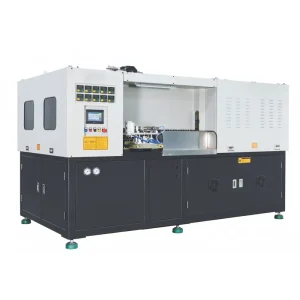
EPA.ES-3C76 Fully Automatic Blow Molding Machine for Daily Chemicals & Cosmetic Bottles
-
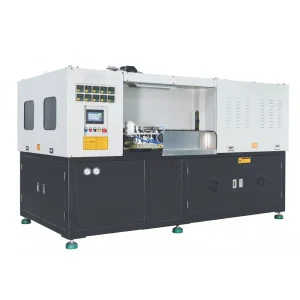
EPA.AS-2C114.3 Fully Automatic Blow Molding Machine for Daily Chemicals & Cosmetic Bottles
-
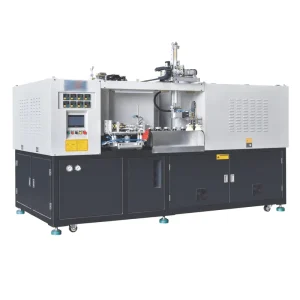
EPA.ES-1C130 Fully Automatic Blow Molding Machine for Food Wide-Mouth Jars and Cans
-
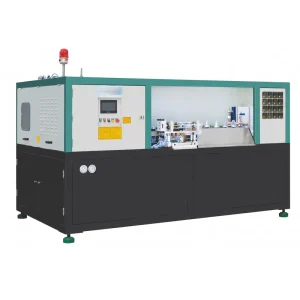
EPA.FS-1CG130 Fully Automatic Blow Molding Machine for Baby Bottles and PP Bottles