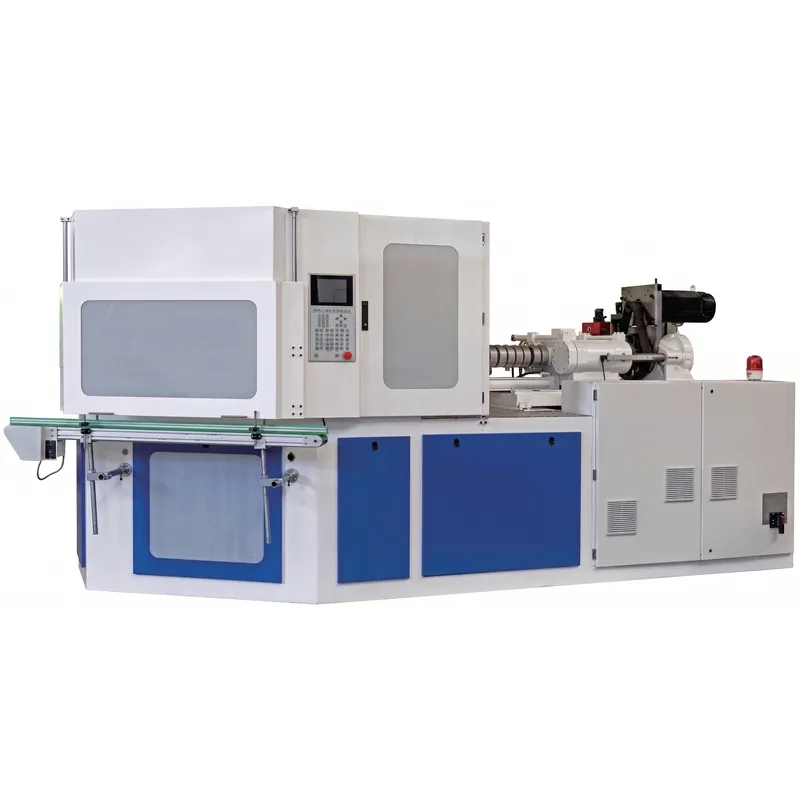
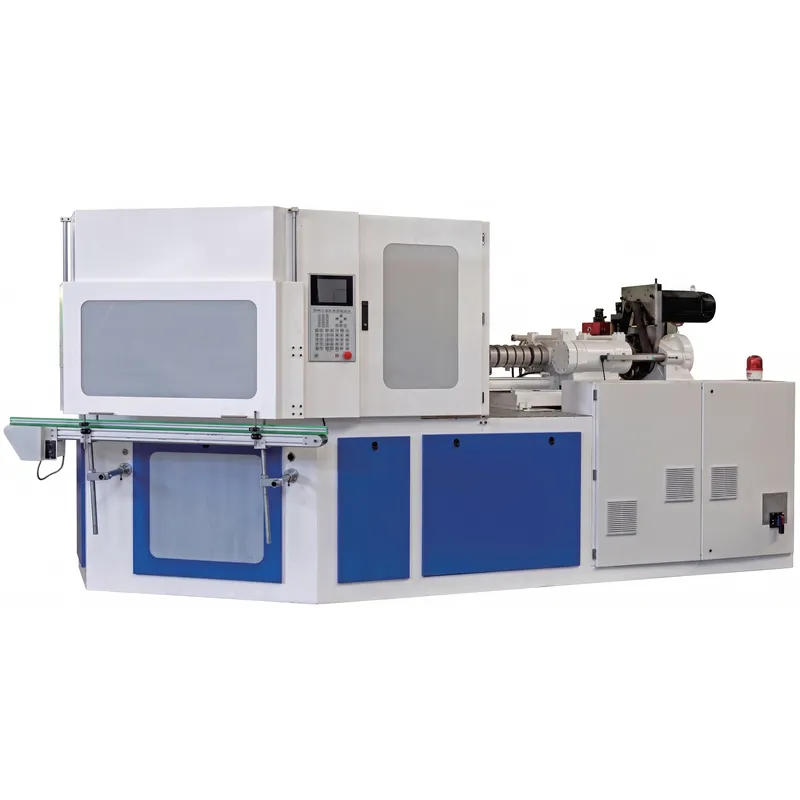
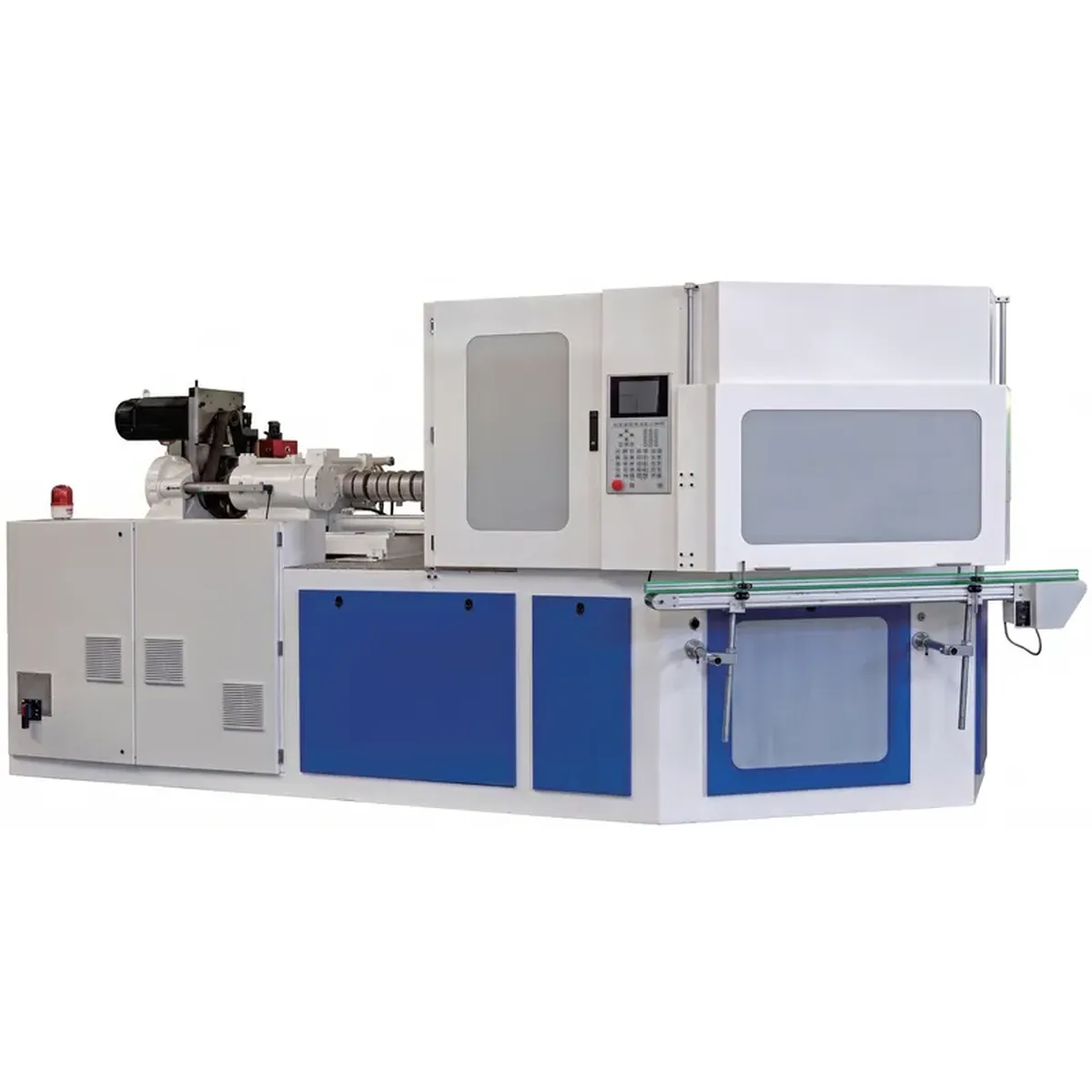
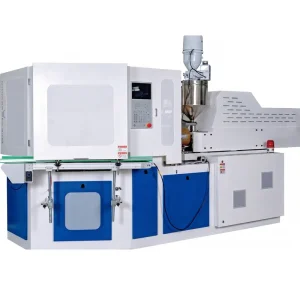
ZQ80 Injection Blow Molding Machine Replacement for SUMA 85iB Model
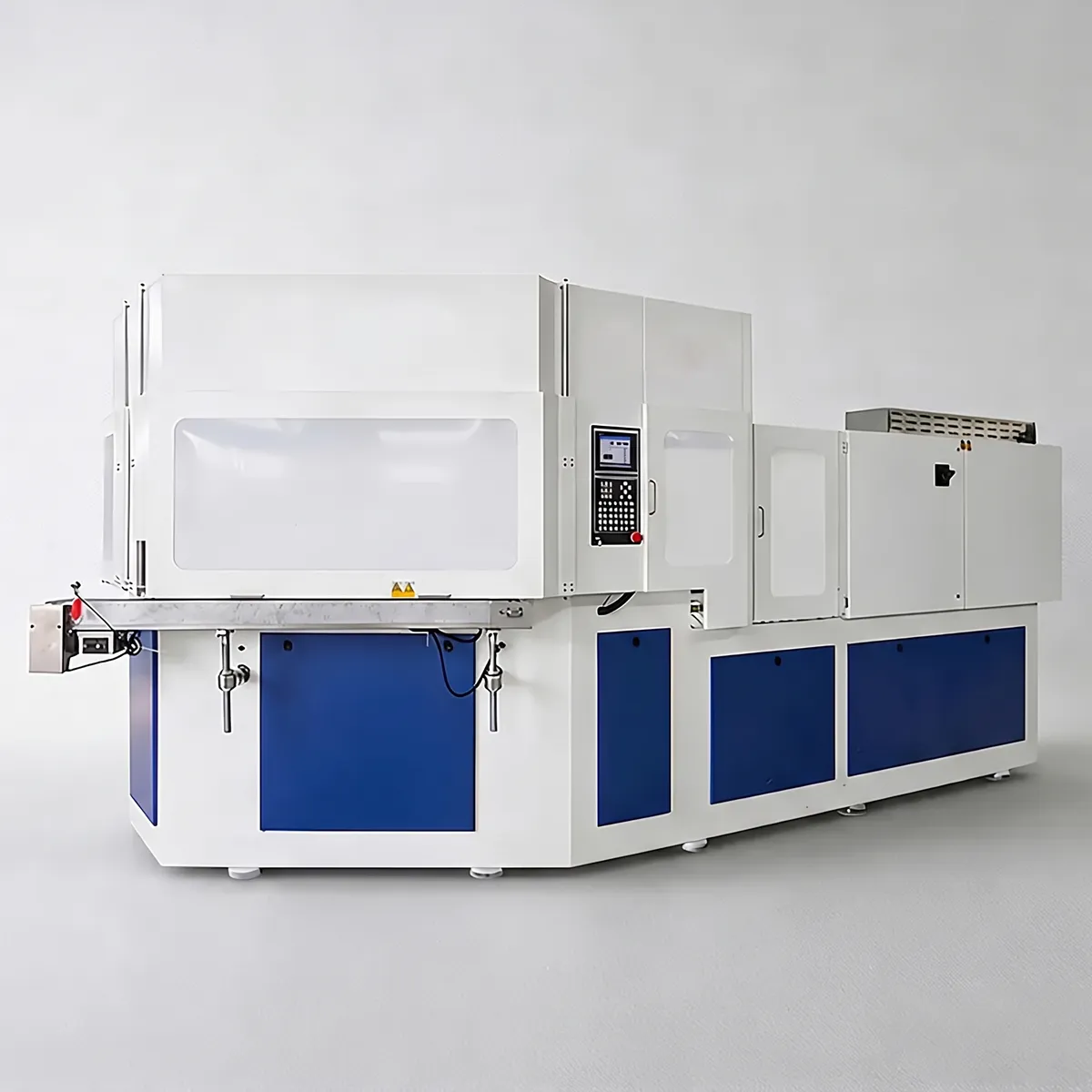
A Ever-Power oferece a máquina de moldagem por injeção e sopro ZQ80, de alta eficiência e economia de energia, como substituta direta do modelo SUMA 85iB, projetada especificamente para a produção em massa de garrafas plásticas de pequeno e médio porte. Equipada com sistemas precisos de controle de temperatura e pressão, esta máquina de moldagem por injeção e sopro garante espessura de parede uniforme, acabamento superficial liso e precisão dimensional estável em cada lote de produção. Como uma máquina de moldagem por injeção e sopro totalmente servocontrolada, ela opera sem óleo hidráulico, com todos os movimentos mecânicos acionados por servomotores.
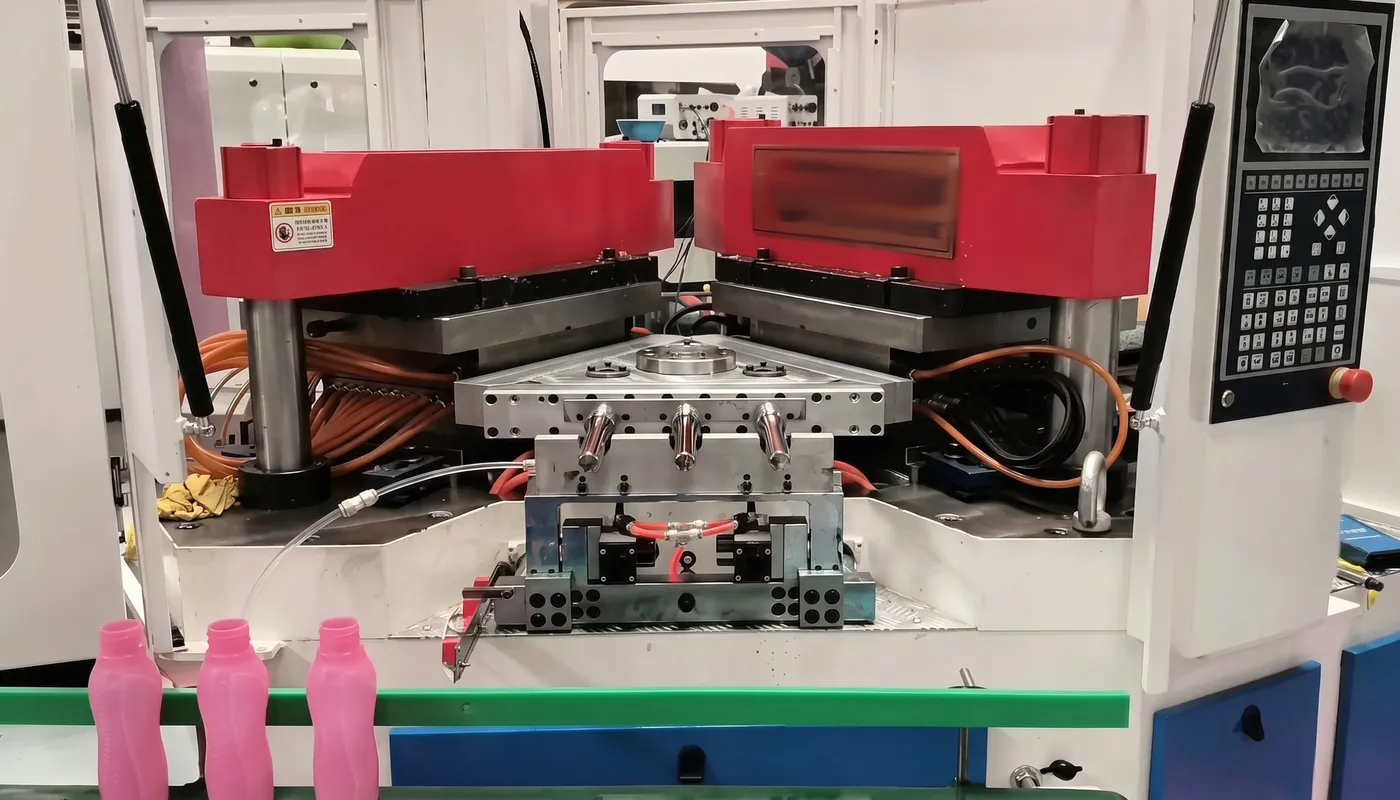
Ever-Power provides a high-efficiency and energy-saving ZQ80 Injection Blow Molding Machine as a direct replacement for the SUMA 85iB model, purpose-built for mass production of small and medium-sized plastic bottles. Equipped with precise temperature and pressure control systems, this blow injection moulding machine ensures uniform wall thickness, a smooth surface finish, and stable dimensional accuracy across every production run. As a fully servo-controlled injection blow molding machine, it operates without hydraulic oil, with all mechanical movements powered by servo motors. The result is a 20% shorter cycle time compared to traditional IBM machines, achieving 8.2 seconds per cycle for 30ml bottles and translating into a standard daily output of 105,000 bottles with a maximum ceiling of 115,000 bottles per day. Energy consumption is reduced by approximately 30%, running at roughly 12 kWh per hour during 30ml bottle production. The integrated servo system with absolute position sensors delivers silent, high-precision, and fully repeatable operation, making this one of the best injection blow molding machine options in its class for demanding production environments including pharmaceutical packaging, cosmetic bottling, and high-volume beverage container manufacturing.
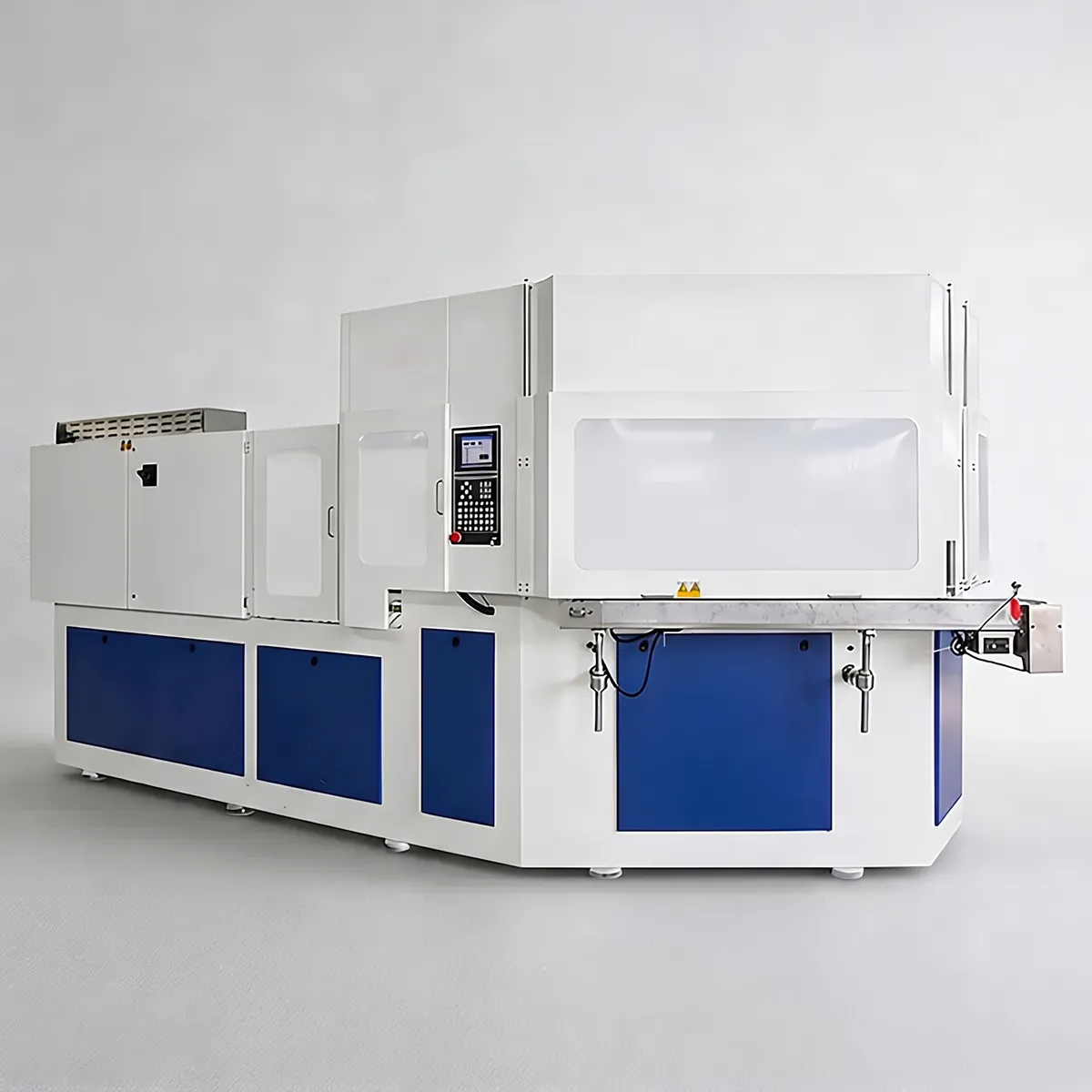
The ZQ80 features a specialised clamping structure with an adjustable clamping force range of 40 to 80 tons, giving production managers flexibility to adapt to diverse mold and bottle specifications. Its bottom-up architectural design keeps lubricating oil entirely clear of the mold cavity area, satisfying the most stringent hygiene standards for pharmaceutical and premium cosmetic plastic bottle packaging. Tailored to customer-specific requirements, the machine employs an electric cylinder-driven injection unit that enhances injection stability while significantly minimising long-term maintenance costs compared with hydraulic competitors such as the SUMA 85iB. For full lights-out automation, the conveyor rear of this plastic injection blow molding machine integrates seamlessly with vision inspection systems that check bottle bodies for foreign particles, insufficient material at the mouth, and uneven bottoms, as well as side-leak testers, labeling machines, and automatic packaging lines, enabling fully unattended around-the-clock operation.
Cavitação em moldes (para referência)
| Volume aproximado | 10ml | 30ml | 60ml | 100ml | 250ml | 500ml | 1000ml |
| Cavitação máxima | 20 | 18 | 14 | 12 | 8 | 5-6 | 3-4 |
Especificações técnicas
| Item | Unidade | ZQ80 |
| Sistema de Injeção | ||
| Diâmetro do parafuso | mm | 55 |
| Parafuso L/D | % | 22:1 |
| Peso da injeção! | g | 466 |
| Potência de aquecimento | KW | 11 |
| Number of barrel zones | 4+N | |
| acidente vascular cerebral por injeção | mm | 180 |
| Sistema de fixação | ||
| Força de fechamento da injeção | KN | 800 |
| Golpe inicial para injeção | mm | 140 |
| Clamping force of blowing | KN | 120 |
| Golpe inicial para soprar | mm | 140 |
| Lifing height of rotary table | mm | 70 |
| Mofo | ||
| Tamanho máximo do prato (C x L) | mm | 800x400 |
| Espessura do molde | mm | 280 |
| Dia. of bottle | mm | 120 |
| Altura da garrafa | mm | 220 |
| Altura adequada da garrafa | mm | 1-2000 |
| Golpe de despojamento | mm | 230 |
| Sistema hidráulico | ||
| Pressão hidráulica | Mapa | 14 |
| Potência do motor | KW | 18.5+18.5 |
| Ciclo de secagem | S | 4 |
| Potência Total | KW | 55 |
| Potência operacional | % | 52-70 |
| Outros | ||
| Min. Air pressure of compressed air | MPa | 0.8-1.2 |
| Capacidade de ar comprimido | M³/min | 0.8 |
| Fluxo de água | M³/h | 4 |
| Pressão da água de refrigeração | MPa | 0.3-0.4 |
| Dimensions (Lx W x H ) | M | 4,5 x 1,6 x 2 |
| Peso líquido | Tonelada | 10 |
Marca e modelo substituíveis
| Ever-Power | Força de aperto | Jomar | SUMA | Uniloy | Bloma |
| ZQ40 | 40T | IBM40 | 40iB | UIB70 | IBM45 |
| ZQ60 | 60T | IBM65 | 65iB | UIB90 | IBM50 |
| ZQ80 | 80T | IBM85S | 85iB | UIB120 | IBM85 |
| ZQ110 | 110T | IBM135 | 135iB | UIB150 | IBM135 |
| ZQ135 | 135T | IBM175 | 175iB | UIB180 |
Diâmetro do parafuso da máquina IBM
| Ever-Power | Diâmetro do parafuso | Jomar | SUMA | Bloma |
| ZQ40 | 40/45 | 35/40 | 40 | 45 |
| ZQ60 | 45/50 | 45 | 40/50 | 50 |
| ZQ80 | 55 | 55 | 50/60 | 50 |
| ZQ110 | 65 | 65 | 65/76 | 70 |
| ZQ135 | 70 | 70 | 65/76 |
Peso de injeção da máquina IBM
| Ever-Power | Peso da Injeção | Jomar | SUMA | Bloma |
| ZQ40 | 190/260 | 180 | 169 | 180 |
| ZQ60 | 260/383 | 205 | 169/264 | 240 |
| ZQ80 | 466 | 300 | 333/480 | 310/280 |
| ZQ110 | 540 | 450/550 | 580/770 | 560 |
| ZQ135 | 650 | 450/550 | 580/770 |
Força de fechamento da injeção da máquina IBM
| Ever-Power | Força de fechamento da injeção | Jomar | SUMA | Bloma |
| ZQ40 | 400 kN | 340 kN | 386 kN | 350 kN |
| ZQ60 | 600 kN | 460 kN | 580 kN | 500 kN |
| ZQ80 | 800 kN | 680 kN | 720 kN | 700 kN |
| ZQ110 | 1100 kN | 1210 kN | 1200 kN | 1250 kN |
| ZQ135 | 1350 kN | 1560 kN | 1600 kN |
Tamanho do molde da máquina IBM
| Ever-Power | Tamanho do molde | Jomar | SUMA | Bloma |
| ZQ40 | 480 × 340 | 394 × 508 | 470 × 350 | 450 × 390 |
| ZQ60 | 600 × 390 | 432 × 660 | 620 × 400 | 620 × 430 |
| ZQ80 | 800 × 400 | 464 × 749 | 700 × 400 | 620 × 430 |
| ZQ110 | 1100 × 460 | 559 × 1118 | 1000 × 500 | 900 × 480 |
| ZQ135 | 1300 × 500 | 635 × 1372 | 1200 × 600 |
Tamanho da máquina IBM
| Ever-Power | Tamanho do molde (M) | Jomar | SUMA | Bloma |
| ZQ40 | 3,8 × 1,3 × 1,7 | 2,72 × 1,9 × 2,75 | 3,8 × 1,5 × 2,3 | 4,05 × 1,52 × 2,55 |
| ZQ60 | 3,8 × 1,4 × 1,8 | 2,92 × 1,98 × 3,41 | 4 × 1,7 × 2,3 | 620 × 430 × 2,55 |
| ZQ80 | 4,5 × 1,6 × 2 | 3,33 × 1,94 × 3,41 | 4,5 × 2 × 2,6 | 620 × 430 × 2,55 |
| ZQ110 | 5 × 1,8 × 2,2 | 3,79 × 2,4 × 3,41 | 5 × 2,4 × 2,7 | 900 × 480 × 2,55 |
| ZQ135 | 5,5 × 2 × 2,4 | 4,22 × 2,67 × 3,58 | 6 × 2,6 × 2,7 |
Nota: As marcas são mencionadas apenas para ajudar os clientes a escolher os produtos, não para vender os produtos dessas marcas.
Features of the ZQ80 All Electric Injection Blow Molding Machine
1. High Production Capacity
The ZQ80 injection blow molding machine is engineered for demanding, high-volume environments. Operating at 8.2 seconds per cycle for 30ml bottles, it consistently achieves 105,000 bottles per day under standard conditions, with a peak ceiling of 115,000 bottles daily. Multi-cavity tooling support, a 4-second dry cycle, and compatibility with 18-cavity 30ml molds allow manufacturers to fulfill even the largest orders on schedule, delivering a decisive competitive advantage in fast-moving pharmaceutical, cosmetic, and beverage markets.
2. Customizable Molding Options
As a fully customized injection blow molding machine for sale, the ZQ80 accommodates bottles from 1 ml to 2,000 ml in volume, with a maximum bottle diameter of 120 mm and height of 220 mm. Adjustable clamping force from 40 to 80 tons and a platen size of 800 x 400 mm support an extensive range of bottle geometries and cavity counts. Whether producing single-dosage pharmaceutical vials, cosmetic lotion bottles, or large-format shampoo containers, the mold system adapts precisely and quickly to each specification.
3. Energy Efficiency
Compared with conventional hydraulic IBM machines, the ZQ80 full electric máquina de moldagem por injeção e sopro cuts energy consumption by approximately 30%, operating at roughly 12 kWh per hour during 30ml bottle production. The servo-driven architecture eliminates the energy losses inherent in constant-pressure hydraulic pump systems, so the machine only draws power proportional to actual load. Over a three-shift production day, these savings translate into measurable reductions in utility costs and carbon footprint, making this all electric injection blow molding machine a genuinely sustainable choice for environmentally responsible manufacturers.
4. Easy Operation and Maintenance
Despite its advanced technology, the ZQ80 injection blow moulding machine is designed for straightforward operation. The intuitive HMI control panel enables technicians to configure all temperature, pressure, and cycle parameters quickly without specialist programming knowledge. Because all movements are servo-electric rather than hydraulic, there is no oil system to service, no hydraulic hoses to inspect for leaks, and no pump overhaul schedules to manage. This dramatically simplifies the maintenance routine and reduces spare-parts inventory, lowering the total cost of ownership substantially over the machine operational lifespan.
5. Quality Control and Consistency
The ZQ80 servo system incorporates absolute position sensors on all axes, delivering repeatable positioning accuracy to within fractions of a millimetre on every cycle. Precise temperature regulation across the 4+N barrel zones ensures consistent melt quality, while closed-loop pressure feedback prevents shot-weight variation. The result is uniform wall thickness, a flawless surface, and stable dimensional accuracy across every bottle in a production run of hundreds of thousands. Downstream integration with automatic vision inspection further guarantees that only conforming bottles proceed to packaging, protecting brand quality and reducing customer rejection rates.
6. Compatible with SUMA 85iB IBM Machine
The ZQ80 is purpose-engineered as a direct plug-in replacement for the SUMA 85iB model injection blow molding machine. Its 800 kN injection clamping force, 55 mm screw diameter, 800 x 400 mm platen size, and 466 g injection weight closely match or exceed the SUMA 85iB reference specifications, enabling existing SUMA tooling to be trialled with minimal adaption. Customers upgrading from a SUMA 85iB will benefit from improved throughput, a lower energy bill, an oil-free working environment, and full access to Ever-Power global after-sales service network without needing to redesign their production line from scratch.
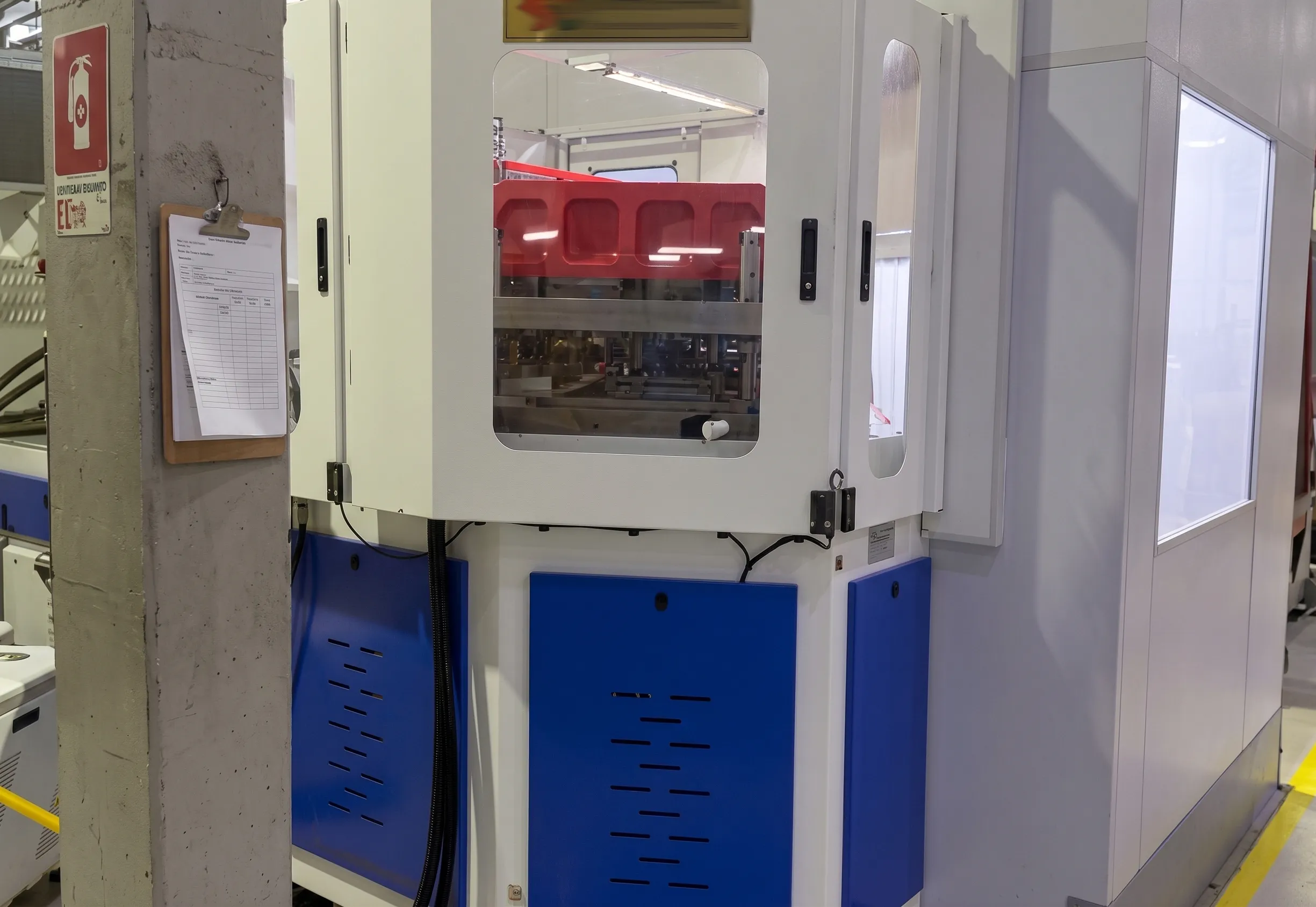
Operating Principle
1. Preform Injection
Molten plastic resin is injected under controlled temperature and pressure into the injection cavity, forming a precise preform around the core rod. The bottle neck geometry, including thread form and sealing surfaces, is moulded to final dimensions at this stage, ensuring 100% dimensional accuracy of the critical closure interface. Once the preform has reached the correct temperature profile, the mold opens and the core rod, together with the shaped preform, rotates to the blow station on the turret.
2. Blow Molding
At the blow station, high-pressure compressed air (0.8 to 1.2 MPa) is introduced through the core rod mandrel, expanding the preform outward against the cooled blow mold cavity wall. The number of cavities in the blow mold is determined by the target bottle volume and the machine rated clamping force of 120 kN at this station. The bottle shape is fully formed as the material contacts and conforms to every contour of the mold. After a controlled cooling period, the blow mold opens and the turret indexes to the stripping station, transferring the formed bottles.
3. Stripping and Ejection
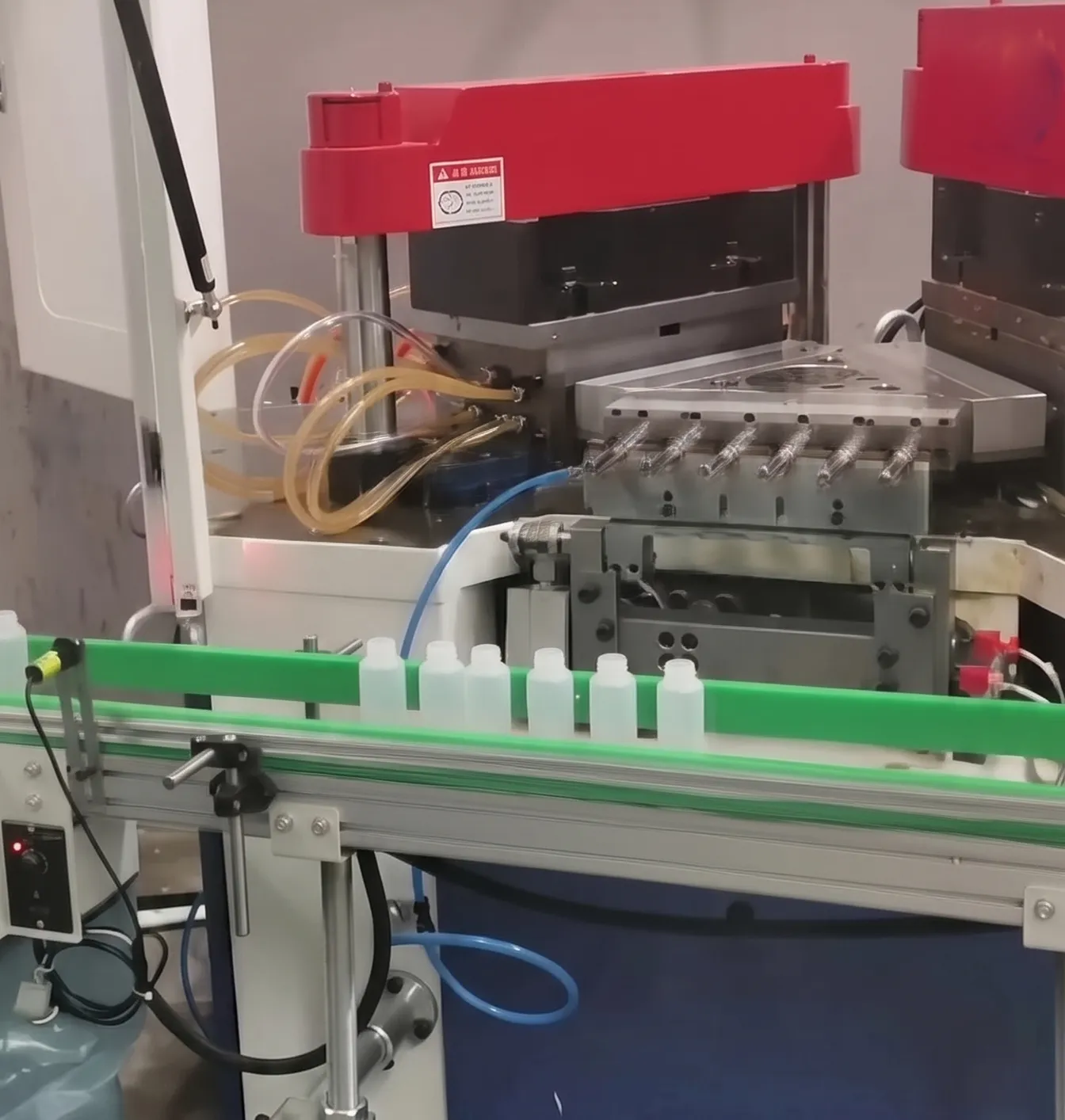
At the stripping station, the finished bottles are automatically ejected from the core rods using a 230 mm stripping stroke mechanism and guided onto the outfeed conveyor. Because the three process stages, injection, blowing, and ejection, operate simultaneously on different stations of the same rotating turret, the ZQ80 IBM machine maintains maximum throughput with zero dead time between cycles. There is no flash or waste generated at the bottle mouth or base, and no secondary trimming operations are required, reducing labour costs and scrap material to near zero across the entire production run.
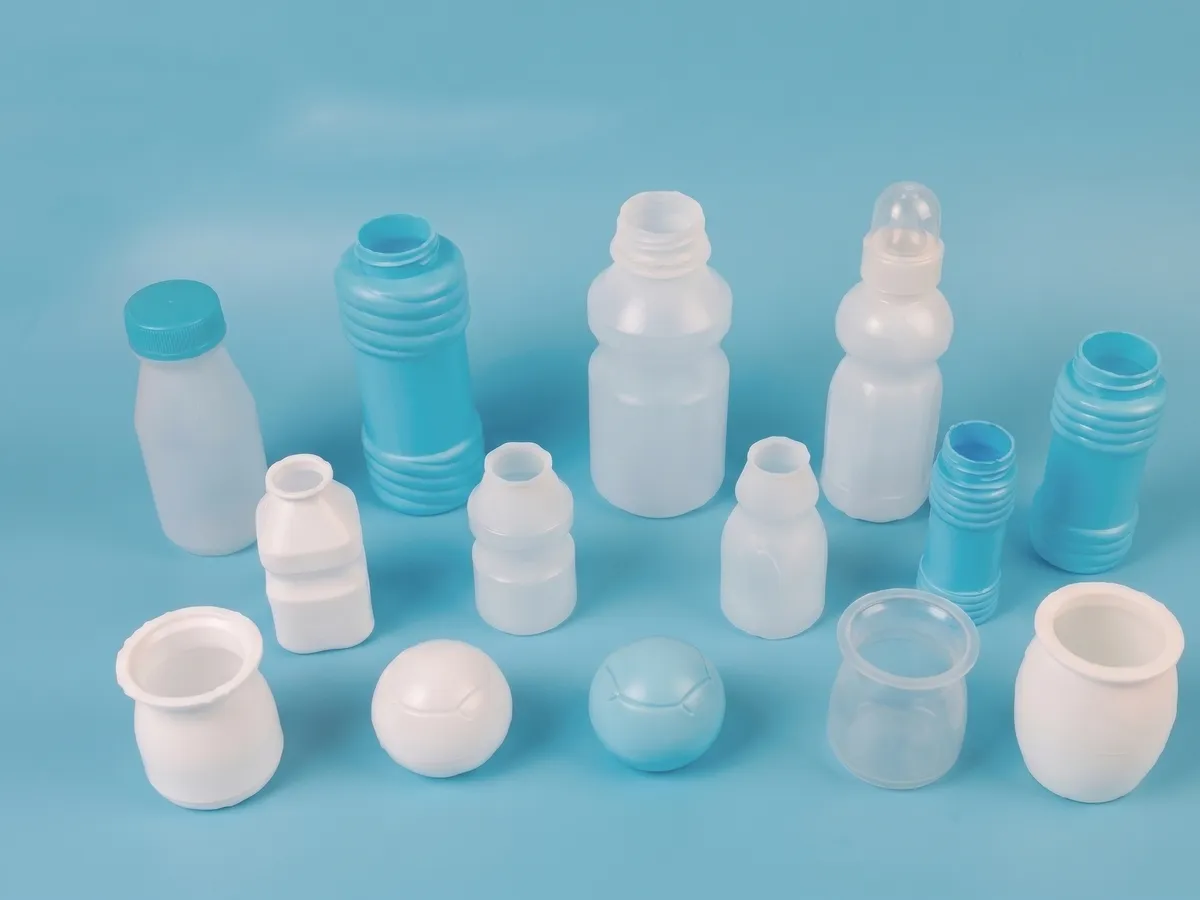
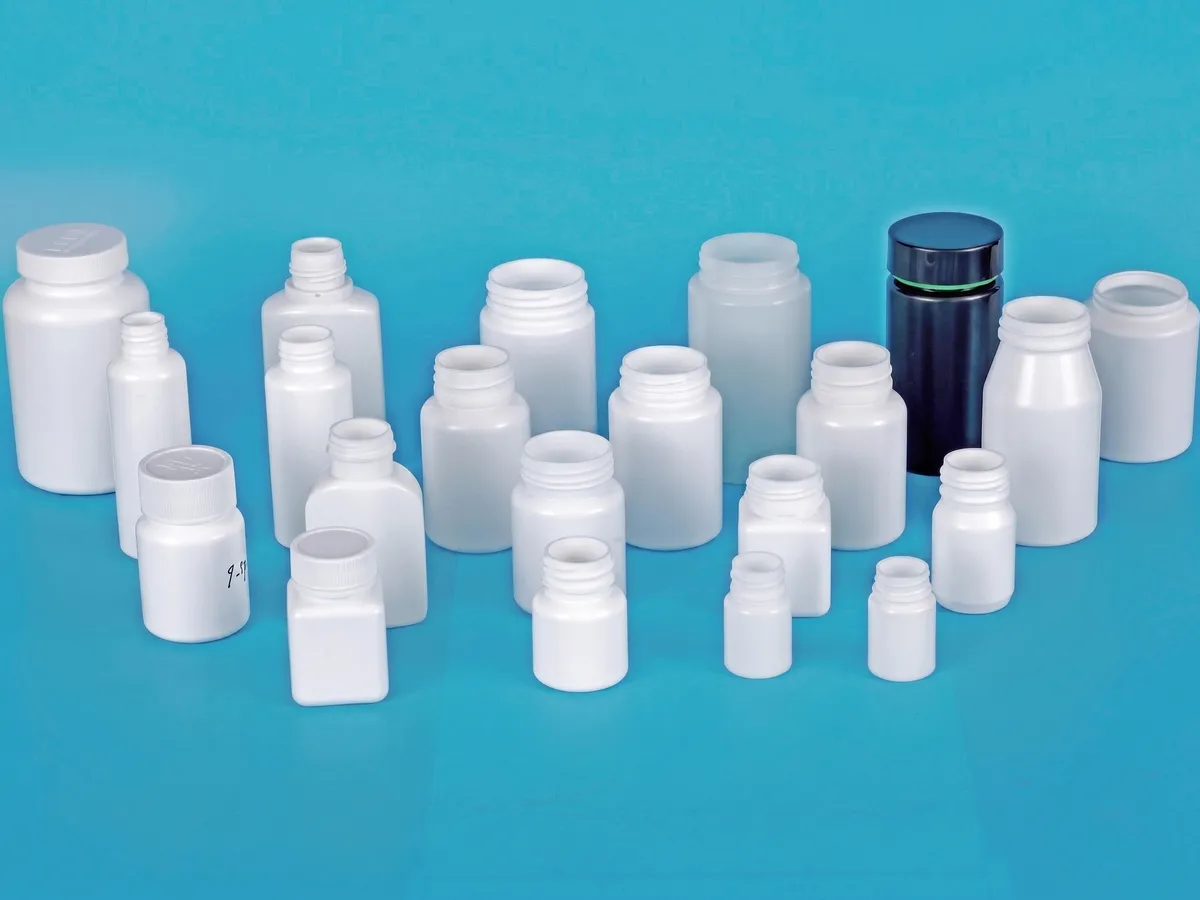
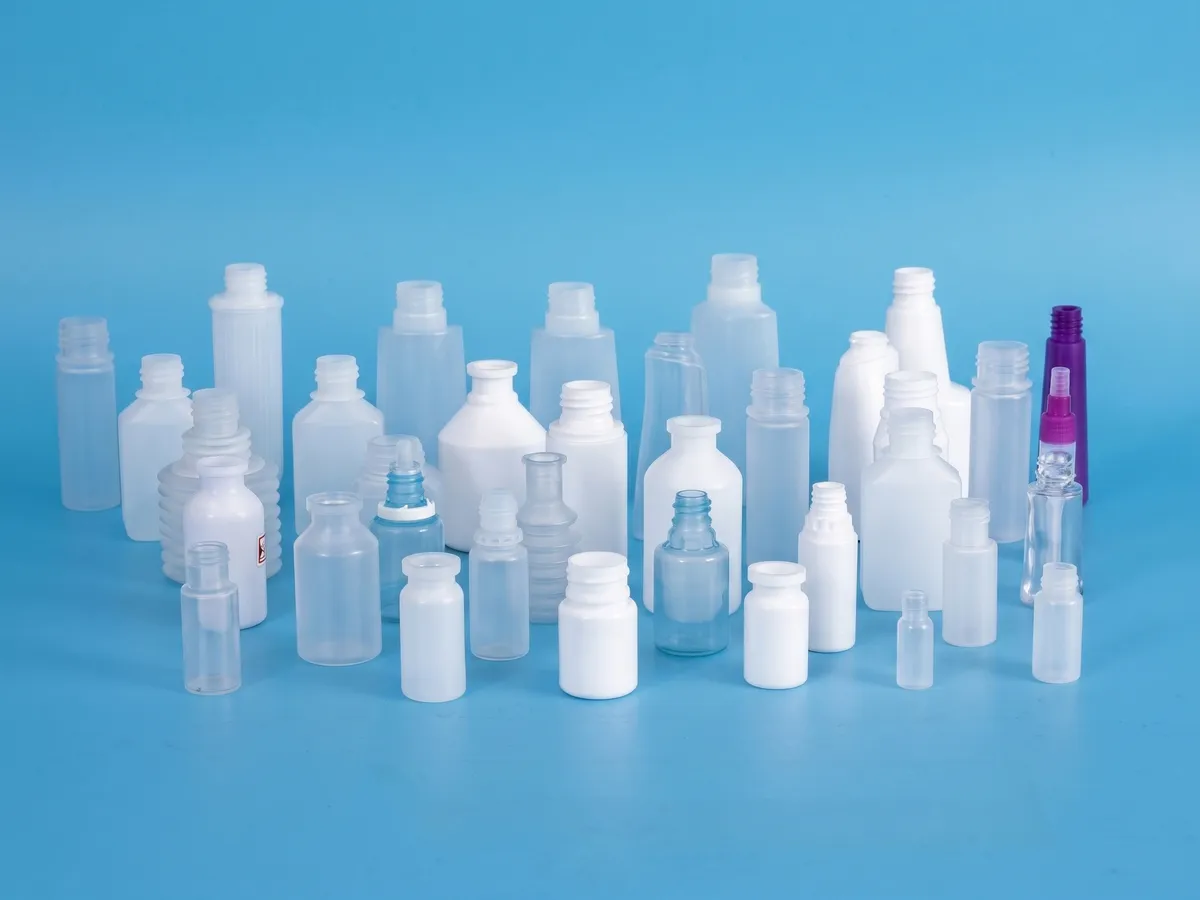
ZQ80 IBM Machine Applications
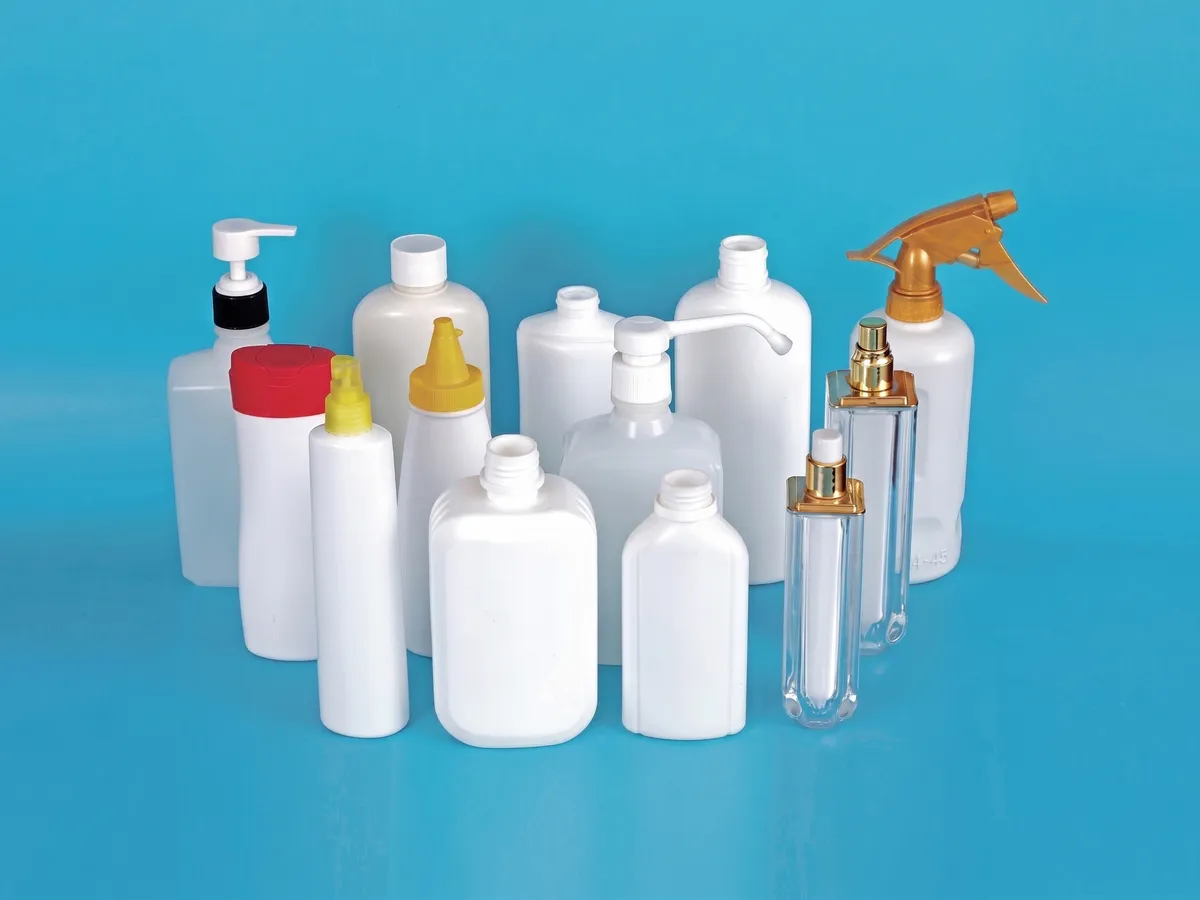
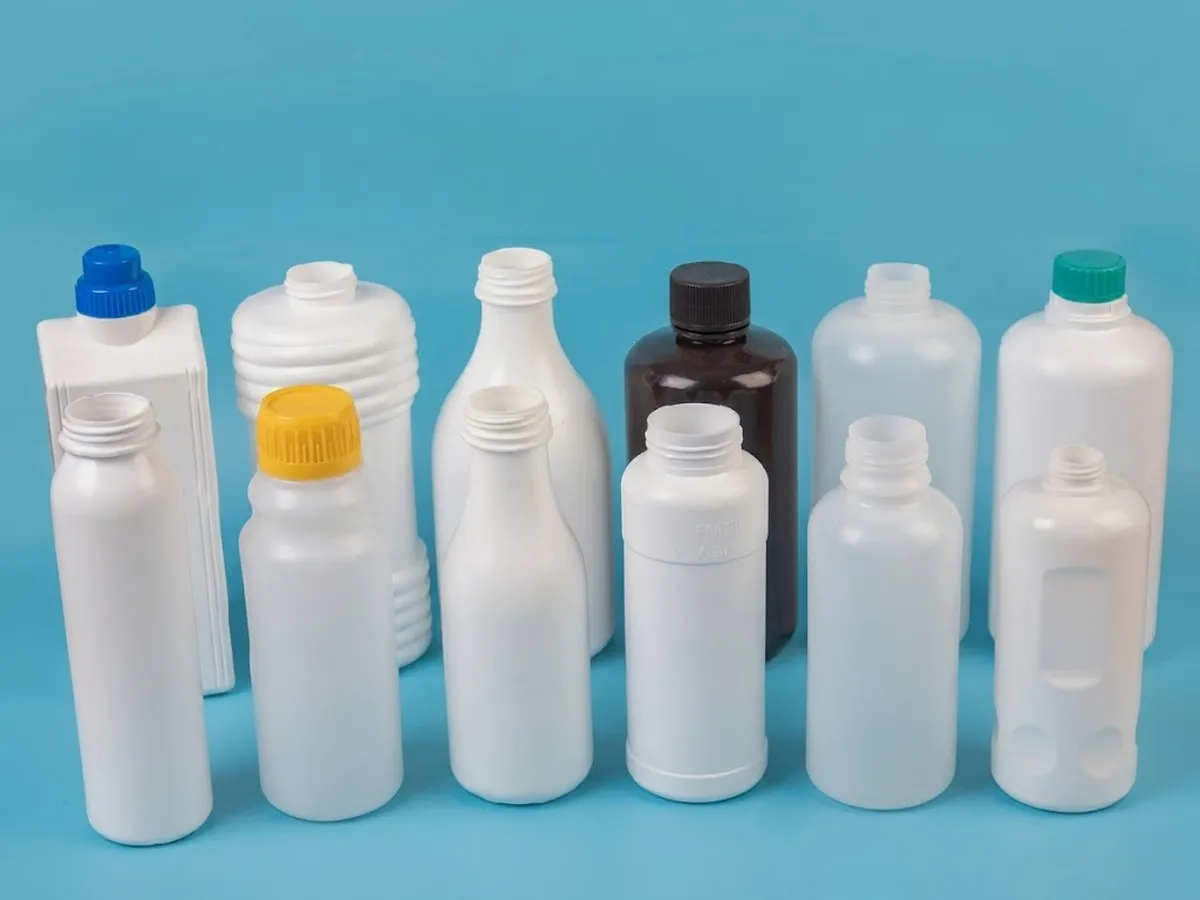
Frascos farmacêuticos
The bottom-up structural design of this injection blow moulding machine keeps the mold cavity entirely free of lubricating oil, satisfying GMP and FDA hygiene requirements for pharmaceutical packaging. It produces syrup bottles, tablet containers, and eyedrop vials in HDPE and PP with accurate neck thread dimensions and a hermetic seal performance that safeguards product integrity throughout the supply chain.
Garrafas de bebidas
For food-grade beverage packaging, the ZQ80 PET injection blow molding machine variant produces high-clarity bottles for juice, water, dairy, and sports drink applications. The tight cycle time and high cavity count maximise throughput while the oil-free mold zone and food-safe material handling guarantee compliance with international food contact regulations, making this machine a preferred choice among beverage bottling operations.
Frascos de produtos químicos
The ZQ80 injection blow molding machine processes HDPE and PP resins with excellent chemical resistance, making it ideal for producing containers for detergents, lubricants, solvents, and agrochemical formulations. The oil-free mold environment and precise wall-thickness control eliminate contamination risk and ensure structural integrity under chemical exposure.
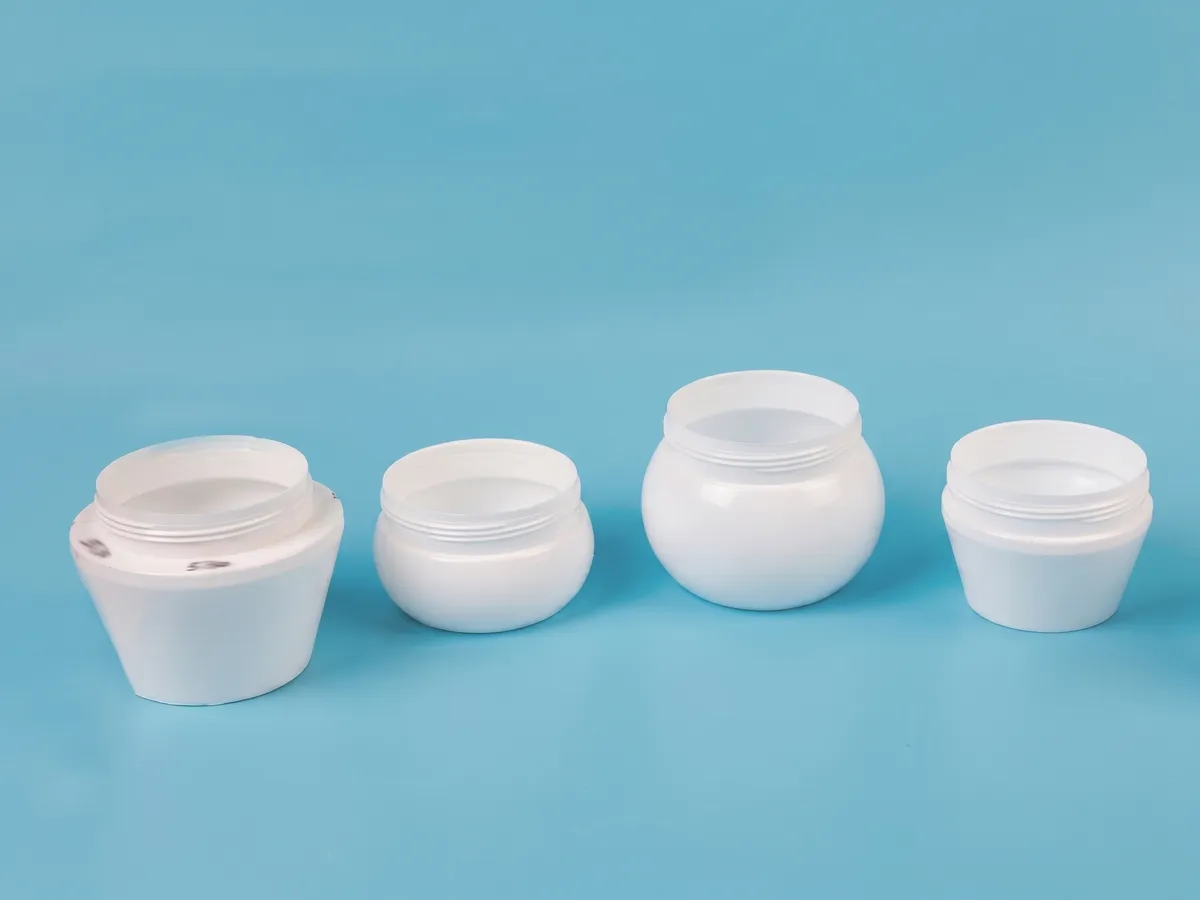
Frascos de cosméticos
With support for high-clarity PP and ABS materials, the ZQ80 produces cosmetic bottles with a premium surface finish and tight dimensional tolerances required by the beauty and personal care sector. Smooth, gloss surfaces and flash-free necks ensure that packaging meets luxury aesthetic standards for serums, toners, lotions, and nail care products.
Hand Wash Bottles
Hand wash and liquid soap containers require precise pump-neck dimensions and a container body strong enough to withstand repeated squeezing without deforming. The ZQ80 injection stretch blow molding machine capability ensures tight neck thread tolerances and excellent side-wall rigidity, making it ideal for producing HDPE and LDPE hand wash bottles across a wide range of sizes from 100 ml to 1,000 ml.
Mamadeiras
Baby feeding bottle manufacturing demands the highest standards of material safety, precision, and hygiene. The ZQ80 IBM machine processes BPA-free PP and PCTG resins in a completely oil-free mold environment, producing bottles with perfectly uniform walls, transparent clarity, and a sterile interior surface. High repeatability ensures that every bottle in each batch meets the tight dimensional tolerances required for teat and nipple compatibility.
Eyedropper Bottles
Precision eyedropper bottles for ophthalmic and nasal pharmaceutical applications require extremely tight neck tolerances and a perfectly formed dropper seat. The ZQ80 servo-controlled injection unit and absolute position sensor positioning deliver the micron-level accuracy needed for these small, high-value containers, with a maximum cavitation of 20 for 10ml bottles, enabling efficient production of large-volume orders for the medical and OTC health sectors.
Frascos de sabonete líquido
Body wash and shower gel packaging demands both visual appeal and structural reliability. The ZQ80 one step injection blow molding machine produces HDPE and PP body wash containers with clean, flash-free surfaces, consistent gloss levels, and smooth contoured profiles that stand out on retail shelves. The 800 x 400 mm platen accommodates multi-cavity tooling for larger 250 ml to 500 ml body wash bottle formats, balancing per-unit cost with quality.
 |
 |
 |
 |
 |
 |
ZQ80 vs SUMA 85iB: Why Choose Ever-Power?
1. Stronger Injection Clamping Force
The ZQ80 delivers 800 kN injection clamping force versus the SUMA 85iB rated 720 kN, an advantage of more than 11%. This higher force permits heavier-walled preforms and reduces the risk of flash or parting-line defects when running thin-wall, high-cavitation molds at maximum output rates, improving both product quality and mold longevity.
2. Oil-Free Servo Architecture
Unlike the hydraulic SUMA 85iB, the ZQ80 eliminates all hydraulic oil from its drive system. This removes the risk of oil contamination in the mold cavity, a critical requirement for pharmaceutical and food-grade bottle production. Operators no longer need to schedule hydraulic fluid changes, oil filter replacements, or pump overhauls, significantly reducing maintenance costs and unplanned downtime across a calendar year.
3. 30% Lower Energy Consumption
The servo-electric drive of this full electric injection blow molding machine consumes energy only in proportion to actual production load, compared with the constant-pressure hydraulic pump of the SUMA 85iB which runs continuously regardless of demand. In practice this translates to approximately 30% lower electricity costs, which at typical industrial tariffs amounts to a substantial annual saving that contributes directly to improved factory profitability and a faster payback period on capital investment.
4. Larger Platen for Greater Tooling Flexibility
The ZQ80 offers a 800 x 400 mm maximum platen size, notably wider than the SUMA 85iB 700 x 400 mm envelope. This extra platen footprint opens up additional mold layout options, supports higher-cavitation tooling for small bottles, and provides more space for integrating hot-runner manifolds and multi-zone temperature control components directly within the mold assembly.
5. Higher Injection Weight Capacity
With a maximum injection weight of 466 g, the ZQ80 outperforms the SUMA 85iB 333 g to 480 g range (depending on screw configuration) while using a 55 mm diameter screw. This capacity advantage enables production of larger or heavier preform designs without changing the plasticising system, offering greater flexibility for product range expansion within a single machine platform and reducing the need to invest in a larger machine category.
6. Faster Cycle with Shorter Machine Footprint
The ZQ80 achieves an 8.2-second cycle for 30ml bottles with a compact footprint of 4.5 x 1.6 x 2 metres, versus the SUMA 85iB 4.5 x 2.0 x 2.6 metre frame. The narrower width and lower height make the ZQ80 easier to install in constrained factory layouts, while the 20% shorter cycle versus traditional hydraulic IBM machines directly increases annual bottle output from the same floor space, maximising return per square metre of production area.
Matérias-primas compatíveis
PEAD (Polietileno de Alta Densidade)
HDPE is the most widely used resin in injection blow molding machine production for industrial and consumer bottles. Its exceptional tensile strength, moisture barrier properties, and resistance to a broad range of chemicals make it the preferred material for pharmaceutical bottles, milk containers, detergent bottles, and agrochemical packaging. The ZQ80 processes HDPE efficiently across the screw temperature zones with minimal degradation.
PEBD (Polietileno de Baixa Densidade)
LDPE delivers flexibility and softness that HDPE cannot match, making it ideal for squeezable tubes, nasal spray bottles, and flexible packaging requiring soft tactile properties. The ZQ80 IBM injection blow molding machine handles LDPE lower melt viscosity effectively, producing thin-walled flexible containers with uniform wall distribution and consistent bottle weight across the full multi-cavity tool.
Polipropileno (PP)
PP combines heat resistance with clarity, chemical inertness, and a wide processing window, making it the dominant resin for pharmaceutical syrup bottles, cosmetic jars, food-grade containers, and BPA-free baby bottles. The ZQ80 multi-zone barrel heating system maintains precise melt temperature throughout the screw, preventing degradation while achieving the high output speeds demanded by hot-fill and aseptic packaging lines.
PVC (Polyvinyl Chloride)
PVC is used in pharmaceutical packaging, medical device containers, and industrial chemical bottles where its outstanding chemical resistance, barrier properties, and rigidity are required. The ZQ80 handles PVC formulations through its servo-controlled injection unit, allowing precise melt management to avoid thermal decomposition. Operators can produce clear, rigid PVC bottles with accurate thread profiles and a clean mouth seal for screw-cap closure systems.
PS (Polystyrene)
Both general-purpose PS and high-impact PS are processable on the ZQ80 injection blow molding machine. Standard PS offers excellent optical clarity and stiffness at low cost, while high-impact grade PS provides enhanced toughness for containers that must resist impact in transit. The machine stable injection pressure and 4+N zone barrel control prevents PS from undergoing unwanted thermal degradation, consistently delivering transparent, bubble-free containers for dairy, cosmetic, and food product packaging.
ABS (Acrilonitrila Butadieno Estireno)
ABS offers a superior balance of surface hardness, impact resistance, and processability that makes it valuable for premium cosmetic packaging, electronic device housings, and speciality industrial containers. The ZQ80 servo-precision injection control manages ABS relatively narrow processing window with consistency, producing containers with a high-gloss exterior, dimensionally accurate threads, and excellent structural integrity for demanding closure and assembly requirements.
PU (Polyurethane)
Thermoplastic polyurethane resins can be processed on the ZQ80 IBM injection blow molding machine for specialised container applications requiring exceptional flexibility, tear resistance, and elastic recovery. PU bottles and containers are valued in the medical devices sector, personal care lines, and industrial applications where the container must retain its shape and seal integrity under repeated deformation. The servo drive precise control enables stable processing of PU sensitive melt rheology.
 |
 |
ZQ Series Automatic Mould Features
Interchangeable Cavity and Neck Inserts
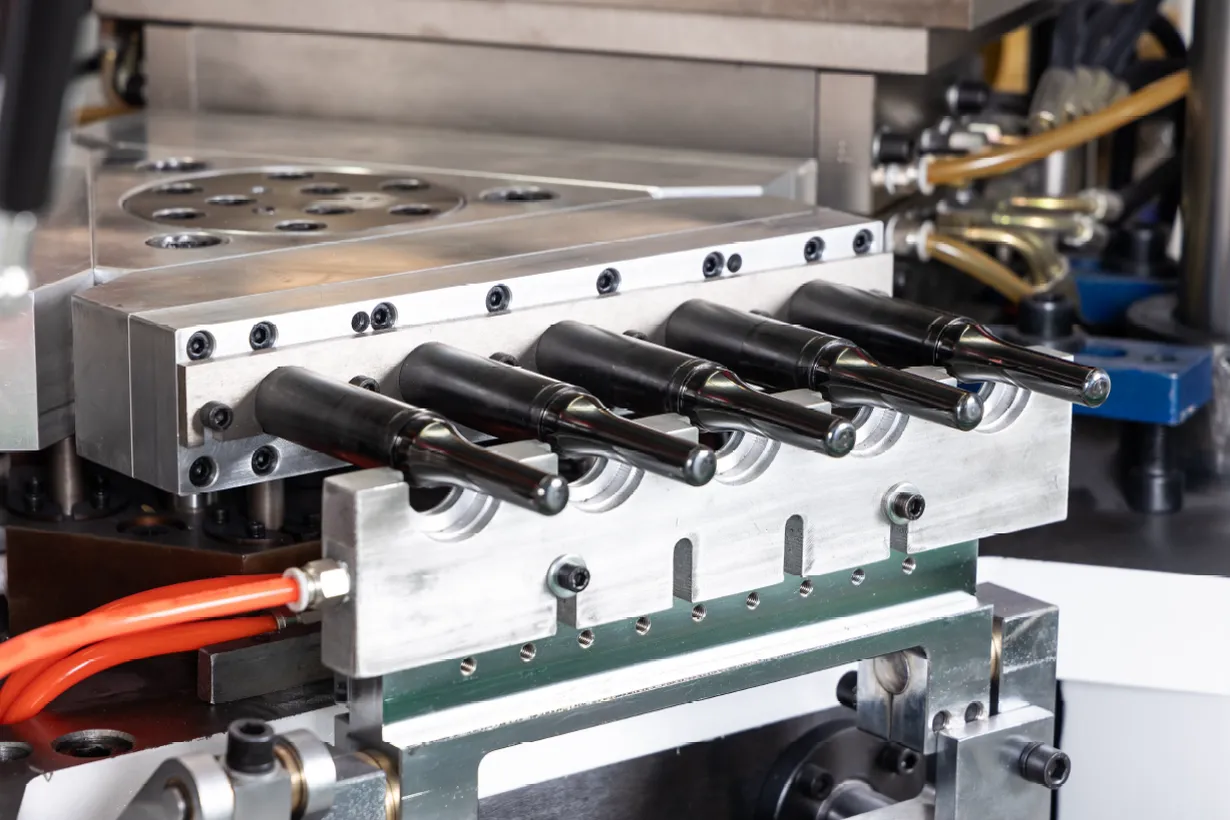
The injection mold uses an activity-designed cavity-and-neck interchangeable system combined with a specially designed oil channel layout, allowing cavity and neck components to be exchanged conveniently between product changeovers. This design ensures stable preform sizing and consistent melt temperature across all cavities, reducing the time and cost required to switch between bottle specifications and supporting rapid response to new customer packaging briefs.
Premium S136 and 4Cr13 Steel Construction
ZQ mold tooling is fabricated from imported S136 stainless tool steel or 4Cr13 high-chromium stainless steel, both chosen for their superior corrosion resistance, high polish retention, and dimensional stability under prolonged thermal cycling. The high-strength alloy construction significantly extends mold service life compared with conventional mold steels, reducing the frequency and cost of tooling replacement and maintaining dimensional accuracy over millions of production cycles.
Optimised Hot Runner and Preform Wall-Thickness Control
The optimised hot runner system, combined with the ZQ core rod cooling architecture, minimises gram-weight deviation between cavities and reduces wall-thickness variation in the preform to the lowest possible level. The mandrel special internal structure maintains a fast blow cycle while providing efficient core-rod cooling between stations, preventing heat soak that would otherwise cause dimensional instability in the blown bottle body and shoulder regions.
100% Neck Thread Accuracy and Hermetic Sealing
Because the bottle neck is injection-moulded rather than blow-formed, the ZQ80 IBM machine guarantees that every thread pitch, minor diameter, and sealing surface dimension is held to the design specification on each and every bottle produced. This 100% neck accuracy, combined with hermetic sealing capability, is critical for pharmaceutical closure validation and for the performance of child-resistant and tamper-evident cap systems used in consumer and regulatory-regulated packaging.
Zero Flash, Zero Scrap at Bottle Mouth and Base
The single-stage injection blow process of the ZQ80 is inherently scrap-free: there is no excess flash at the bottle base, no waste gate on the neck, and no secondary trimming operation needed. The mold design and clamping precision ensure clean shut-offs at all parting lines, producing finished bottles that are ready for filling and labeling immediately upon ejection, which substantially lowers material waste costs and eliminates a downstream trimming labour task compared with extrusion blow molding alternatives.
Consistent Dimensions, Weight, and Wall Thickness
Throughout the production run, the ZQ80 mould system delivers exceptional consistency in bottle dimensions, shot weight, mould parting-line position, and wall thickness distribution. The servo-controlled injection pressure and closed-loop position feedback prevent drift in these parameters as the machine heats up and production volumes accumulate. Consistent output means fewer quality control rejections, reduced line-stoppages for weight checks, and a more stable downstream filling process that reduces giveaway and packaging material cost.
Injection Blow Molding Machine Preparation Steps
1. Safety Checks
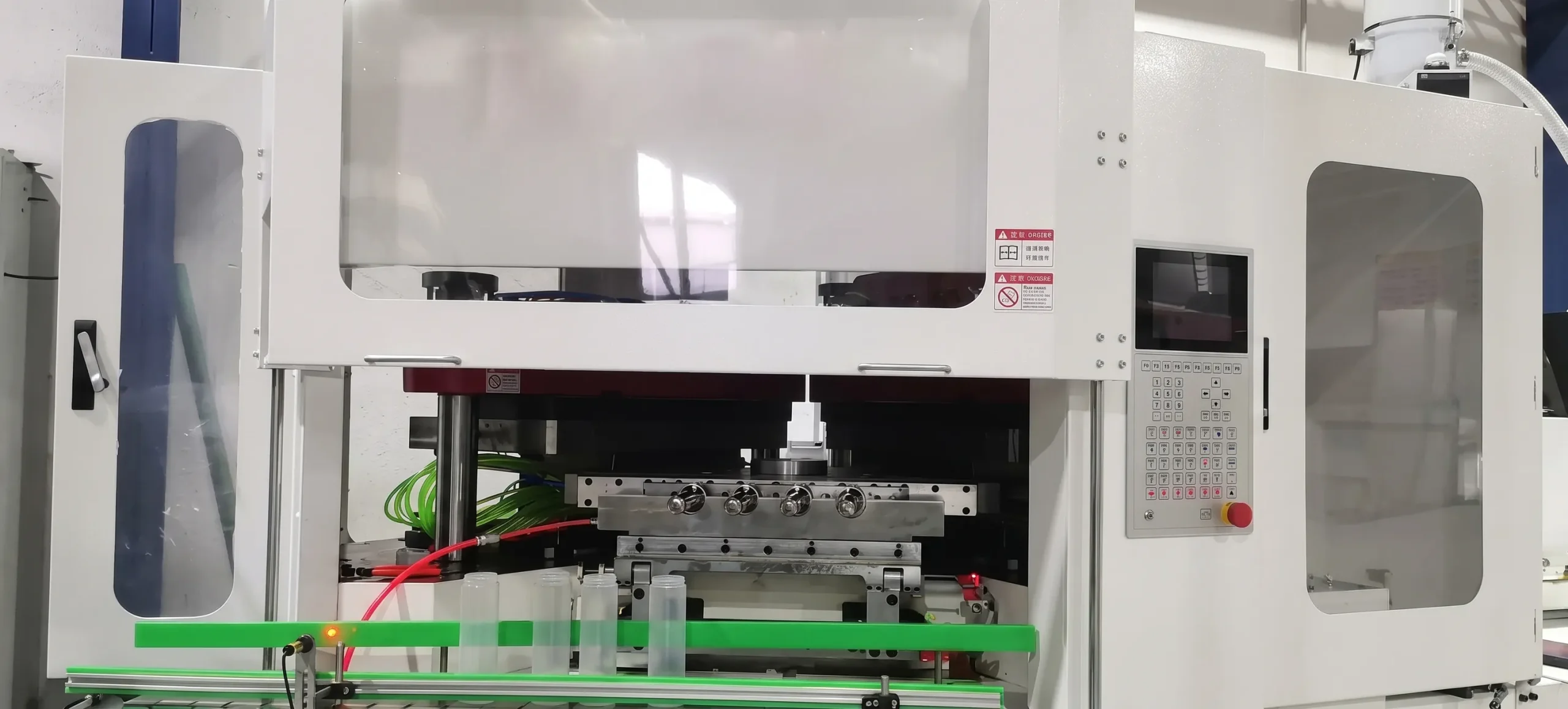
Before operating the ZQ80 IBM machine, all operators must complete a structured pre-shift safety inspection. Remove any debris, oil spillage, or water from the machine platform and surrounding floor area. Verify that fire extinguishers, first aid kits, and all personal protective equipment, including safety glasses, heat-resistant gloves, and steel-capped footwear, are present and serviceable. Confirm that all mechanical guards, hydraulic safety covers, electrical enclosures, and safety gate switches are correctly installed and operational. Inspect all hoses, cables, and tooling connections for signs of wear or damage. Test all emergency stop buttons to confirm they interrupt machine motion correctly. Ensure every operator working with the machine has completed relevant training covering normal operation, lockout/tagout procedures, and emergency response protocols. Never modify, bypass, or disable any safety device for any reason.
2. Machine Setup
Clean the injection unit barrel by purging any residual plastic material from the previous production run before starting a new resin or colour. Lubricate all guide rails, moving platens, and linkage joints according to the maintenance schedule. Install and correctly align the injection mold and blow mold for the target product, verifying nozzle contact and platen parallelism. Power on the machine in sequence, starting with the cooling water supply, compressed air (0.8 to 1.2 MPa), then barrel heaters. Input the required temperature and pressure parameters for the chosen resin grade. Connect and prime all auxiliary equipment including water-cooling circuits and compressed air supply lines. Run a short trial cycle before commencing full production to confirm all parameters are stable and the first-off samples meet dimensional and visual acceptance criteria.
3. Loading Plastic Resin
Choose the appropriate resin grade for the target product, considering the required mechanical properties, clarity, chemical resistance, and regulatory compliance. Most thermoplastic resins including HDPE, LDPE, PP, PS, ABS, PVC, and PU process well on the ZQ80 IBM injection blow molding machine. Pre-dry moisture-sensitive resins such as PET or nylon to achieve moisture content below 0.1% before loading. Inspect the hopper for cleanliness and any residual contamination from prior runs. Pour the pre-dried resin pellets into the hopper, avoiding dust or cross-contamination. Monitor hopper level during production and refill proactively to prevent interruptions. Consistent hopper feeding helps maintain stable melt quality and prevents screw speed variation that can introduce shot weight inconsistency.
4. Setting Parameters: Temperature and Pressure
Configure barrel zone temperatures from rear feed zone to nozzle to maintain the resin above its melt point but below its thermal degradation threshold throughout the screw. For most PP and HDPE grades, barrel zones are set between 160 degrees Celsius and 240 degrees Celsius, progressing from lower rear temperatures to higher front-zone temperatures. Set the injection pressure between 20 MPa and 90 MPa depending on the mold cavity volume and resin viscosity. Begin with lower pressures and increase incrementally until cavity fill is complete without jetting, short shots, or blistering. Set holding pressure at 50 to 70 percent of injection pressure to maintain product density during gate freeze-off. Configure screw back-pressure and rotation speed to maintain uniform melt homogeneity across the full 466 g shot weight capacity.
5. Mold Calibration
Verify mold alignment and clamping force before and after each mold change on the ZQ80 IBM machine. Check all mold contact surfaces for wear, damage, or contamination that could compromise the seal between mold halves. Set the injection clamping force to the required level within the 40 to 80 ton operational range for the mold and resin combination in use. Conduct test shots and measure the sample bottles for neck diameter, wall thickness, height, and weight against the approved drawing. Adjust platen parallelism, core rod positioning, or blow pressure as necessary to bring all measurements within specification. Document all calibrated settings on a job card to enable rapid setup repeatability on future production runs of the same product.
Safety and Maintenance of the ZQ80 IBM Machine
Cuidados diários
Begin every shift with a walk-around inspection, using a standardised checklist to identify faults, leaks, or abnormal conditions before production starts. Purge the barrel to clear any residual plastic from the previous run and prevent colour contamination. Drain condensate from the compressed air system and cool-water circuits using the air compressor blowdown valves to prevent internal corrosion. Lubricate all moving components including linkages, turret bearings, guide rails, and drive shafts according to the recommended daily lubrication schedule.
Monitor inlet and return oil filters on the hydraulic cooling circuits, cleaning or replacing filter cartridges when differential pressure indicators signal restriction. Clean the motor fan covers and electrical enclosures to prevent dust accumulation that can cause overheating. Keep the machine table and outfeed conveyor free from plastic flash and debris. Verify that all emergency stop buttons and safety interlocks are functioning correctly at the start of each shift. Never reach into the mold area or hopper while the ZQ80 injection blow moulding machine is in production mode.
Manutenção de longo prazo
Establish a formal preventive maintenance programme with monthly, quarterly, and annual intervals aligned to the ZQ80 IBM machine operating hours. On a weekly basis, check hydraulic circuit oil levels and inspect servo drive cables for chafing or connector corrosion. Every four months, collect oil samples from hydraulic circuits for laboratory analysis to detect metal particle contamination that indicates early-stage component wear before failure occurs. Annually, remove and inspect the plasticising screw for flight wear and the barrel bore for dimensional increase. Check all barrel heater bands using a calibrated temperature probe to identify failing elements before they cause cold spots in the melt.
Service the heat exchanger with a mild acid flush and inspect all coolant coils for scaling or corrosion. Clean the electrical cabinet thoroughly, tighten all terminal connections, and test all control card functions. Inspect hydraulic pump performance, valve actuation speeds, and hose condition for signs of deterioration. Stone all platen surfaces between mold changes to remove burrs that could compromise clamping seal integrity. Document all maintenance actions, part replacements, and inspection findings to build a service history that supports troubleshooting and spare-parts planning for the injection blow molding machines in your facility.
Como escolher a máquina de moldagem por injeção e sopro adequada
1. Production Volume
Choosing an IBM machine that precisely matches your projected daily output is the most critical factor in achieving efficient operations. The ZQ80 injection blow molding machine is rated at a standard output of 105,000 bottles per day for 30ml bottles, with a peak capacity of 115,000. Machines that are consistently over-utilised suffer from accelerated wear and reduced product quality, while machines running far below capacity deliver a poor return on capital investment. When assessing which size and series of plastic injection blow molding machine to acquire, calculate your three-year demand projections, include planned efficiency losses for mold changeovers, and specify a machine rated to approximately 80 to 90 percent of your peak demand target, rather than 100 percent, to allow a comfortable safety margin for demand fluctuations and unplanned stoppages.
For operations requiring significantly higher volumes, the larger ZQ110 and ZQ135 series offer proportionally increased capacity. For lower-volume speciality production, the ZQ40 and ZQ60 series provide compact, cost-effective options with the same servo-electric architecture and oil-free mold environment as the ZQ80.
2. Bottle Size Range
The complete spectrum of bottle dimensions your product portfolio requires, from the smallest vial to the largest container format, must be within the mechanical envelope of your chosen single stage injection stretch blow molding machine. The ZQ80 accommodates bottles from 1 ml to 2,000 ml, a diameter up to 120 mm, and a height up to 220 mm with a stripping stroke of 230 mm, making it suitable for the majority of pharmaceutical, cosmetic, and consumer goods bottle sizes. Critically, the platen size of 800 x 400 mm determines how many cavities can be run simultaneously: up to 20 cavities for 10 ml bottles, 18 for 30 ml, and down to 3 to 4 for 1,000 ml.
If your product range spans both very small and very large formats, verify that the same mold tooling system can serve multiple bottle sizes without requiring a complete machine change, which would significantly increase tooling investment and changeover complexity. Compatibility with the full range of neck finishes, thread standards (such as PCO, 410, and 415), and closure types relevant to your target markets should also be confirmed with the injection blow molding machine manufacturer before placing a tooling order.
3. Material Compatibility
Each resin type processed in an IBM injection blow molding machine imposes specific requirements on barrel temperatures, screw geometry, injection pressure, and mold material compatibility. The ZQ80 is validated for HDPE, LDPE, PP, PVC, PS, ABS, and PU resin families. If your product roadmap requires PET for its superior clarity and barrier properties, verify whether the screw and barrel configuration of your candidate IBM machine is optimised for PET demanding drying and melt temperature requirements. Similarly, if your products must comply with food contact or pharmaceutical material regulations, confirm that the machine processed resins are covered by the relevant FDA 21 CFR or EU 10/2011 certifications.
Material choice also affects tooling design: resins with high processing temperatures may require stainless steel mold materials to prevent corrosion, as provided by the S136 and 4Cr13 steels standard in ZQ series mold tooling. Working with an experienced injection blow molding machine manufacturer to choose the right screw configuration for each target resin minimises commissioning delays and material waste during start-up.
4. Automation Level
The degree of automation integrated into your injection blow molding machine line directly determines labour cost per unit, production consistency, and achievable output rates. The ZQ80 servo-driven architecture eliminates manual adjustment of hydraulic pressures and reduces operator intervention during normal production to monitoring and replenishment tasks only. For fully automated lines, the machine interfaces with downstream vision inspection systems that verify bottle-body clarity, mouth fill, and base flatness, as well as side-leak testers, automatic labeling machines, and robotic packaging cells. This end-to-end automation enables unattended 24-hour production with a minimal operator headcount.
When assessing automation investment, calculate the labour cost saved over a three-year period against the capital cost of automation peripherals, including conveyors, vision systems, and palletising robots. In most high-volume pharmaceutical and beverage applications, the payback period for full automation of an IBM machine line is shorter than 18 months, making it a financially compelling upgrade even for operations currently running semi-manually.
5. After-Sales Support
When assessing injection blow molding machine suppliers, the depth and responsiveness of after-sales support is as important as the machine technical specification. Production stoppages due to component failure or process instability can cost tens of thousands of dollars per day in lost output and customer penalties. Ever-Power global after-sales network provides remote diagnostic support via PLC data logging, on-site field service technician dispatch, and guaranteed critical spare-parts availability from regional warehouses. Comprehensive machine commissioning and operator training programmes at the customer site are included in the supply package, covering normal operation, mold changeover, parameter optimisation, and preventive maintenance procedures.
Long-term warranty coverage and a documented escalation path for technical issues provide the risk protection that procurement managers require when justifying capital investment in a new IBM injection blow molding machine. Demand detailed references from the manufacturer for comparable installations in your target market before committing to a purchase, and confirm that local language technical documentation and spare-parts catalogues are available for your region.
Por que escolher as máquinas de moldagem por injeção e sopro da Ever-Power?
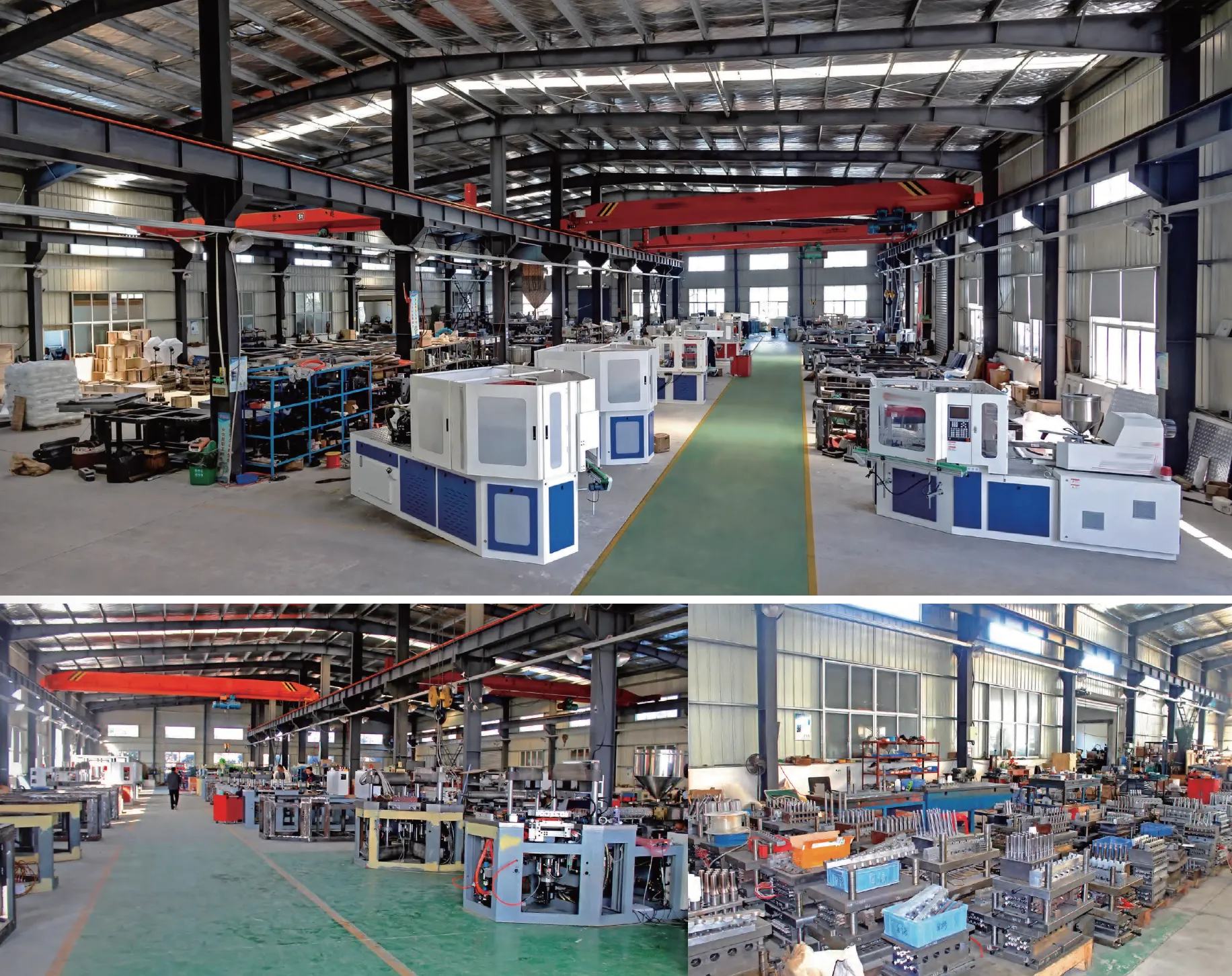
Mexico Ever-Power ISBM Machinery Co., Ltd. is a specialist manufacturer primarily engaged in the research, development, production, and international trade of automatic one-step injection blow molding machines and the injection-blow molds that serve them. Our product portfolio covers injection blow molding machine, extrusion blow molding machine, injection stretch blow molding machine, and a full range of auxiliary equipment including material handling systems, vision inspection units, and downstream automation. Our manufacturing facility benefits from an advantageous geographic location with direct access to major logistics corridors serving North America, South America, Europe, and Asia, enabling reliable and competitive shipping to all major import markets.
Ever-Power maintains a strong in-house R&D team comprising mechanical, electrical, and process engineers with deep practical experience in injection blow molding machine design and injection-blow mold development. This team brings together decades of cumulative experience in the IBM machine industry, supported by rigorous application testing on our own production floor before delivery. We provide detailed and responsive pre-sales consultation to help customers specify the correct machine model, cavity configuration, and resin compatibility for their target products, as well as comprehensive on-site commissioning and operator training at the customer facility, and ongoing remote and field after-sales technical support throughout the operating life of the machine.
Our injection blow molding machines are deployed across pharmaceutical packaging, food and beverage packaging, healthcare product packaging, cosmetic and personal care packaging, and a broad range of speciality plastic container applications. The ZQ series IBM machines process HDPE, LDPE, PP, PS (including lactic acid bacteria grade), high-transparency PS, ABS, EVA, PCTG, environmental corn-based materials, and PVC, covering virtually the full range of thermoplastic resins used in global bottle and container production from 1 ml to 1,000 ml. Customised injection blow molding machine configurations for sale can be designed to customer specification, including non-standard cavity counts, extended platen configurations, and specialised mold tooling systems for complex bottle geometries.
Ever-Power adheres to the enterprise development principles of self-reliance, integrity, pragmatism, innovation, and responsibility. We build each machine and each customer relationship on those foundations, offering a one-stop turnkey project service that covers machine supply, mold design and manufacture, on-site commissioning, operator training, and long-term technical partnership, so that our customers can achieve first-class product quality with the confidence of first-class injection blow molding machine manufacturer support behind them at every stage of their production journey.
Perguntas frequentes
Q: What is the difference between an injection blow molding machine and a standard blow molding machine?
A: A standard extrusion blow molding machine forms a hollow tube (parison) by extruding material downward, then clamping a mold around it and blowing air to form the bottle. An injection blow molding machine, or IBM machine, first injection-moulds a precise preform around a core rod, then transfers the preform to a blow station where compressed air expands it against the blow mold. The IBM process produces flash-free, waste-free bottles with far more precise neck thread dimensions than extrusion blow, making it the preferred process for pharmaceutical, cosmetic, and food-grade packaging where neck accuracy, hygiene, and surface quality are paramount.
Q: Is the ZQ80 a true plug-in replacement for the SUMA 85iB model?
A: The ZQ80 is engineered as a functional replacement for the SUMA 85iB in terms of clamping force class, screw diameter, injection weight, and mold size envelope. Its 800 kN injection clamping force, 55 mm screw, 466 g injection weight, and 800 x 400 mm platen correspond to or exceed the SUMA 85iB specifications. Existing SUMA 85iB tooling may be trialled on the ZQ80 with minimal adaptation, although Ever-Power recommends a compatibility review of mold locating rings and water circuit connections with our applications team before committing to a tooling transfer to ensure a smooth production start.
Q: What is the injection blow molding machine price range for the ZQ80?
A: The price for injection blow molding machine configurations in the ZQ80 class varies depending on tooling specifications, cavity count, automation peripherals, and destination market. Ever-Power offers the ZQ80 at a significantly lower price point than comparable European or Japanese injection blow molding machine manufacturers in the 80-ton clamping class, while matching or exceeding their core technical parameters. Contact our sales team via the website or by phone with your target bottle specifications and production volume requirements for a detailed quotation including CFR or DDP incoterms for your port of destination.
Q: Can the ZQ80 process PET resin for a PET injection blow molding machine application?
A: The ZQ80 in its standard configuration is optimised for HDPE, PP, LDPE, PS, PVC, and ABS resins. PET processing requires a dedicated screw profile, barrel with venting capability, and a pre-drying system due to PET hygroscopic nature and narrow processing window. For PET injection blow molding machine applications, Ever-Power offers a specifically configured PET-optimised variant of the ZQ80 platform. If your production requires PET for beverage, cosmetic, or pharmaceutical bottles, please discuss this with our sales team at the enquiry stage so the correct plasticising unit and drying system can be specified from the outset.
Q: How does the all electric injection blow molding machine design reduce maintenance compared with hydraulic IBM machines?
A: In a conventional hydraulic IBM machine, the hydraulic system requires regular oil sampling and replacement, filter cartridge changes, pump seal inspections, valve function checks, and hose replacement on a lifecycle basis. All of these tasks involve scheduling, consumable costs, and downtime risk. The ZQ80 all electric injection blow molding machine eliminates the entire hydraulic circuit, replacing it with servo motors and ball-screw actuators that require only periodic lubrication. This removes the largest single source of unplanned downtime and consumable cost from the IBM machine maintenance schedule, while also eliminating the risk of hydraulic oil contamination in the mold area that affects pharmaceutical and food-grade production compliance.
Q: What is the minimum and maximum bottle size the ZQ80 injection blowing molding machine can produce?
A: The ZQ80 injection blowing molding machine is rated for bottles with an approximate volume range from 1 ml to 2,000 ml, with a maximum bottle diameter of 120 mm and a maximum bottle height of 220 mm using the standard mold tooling configuration. The stripping stroke of 230 mm accommodates the ejection geometry of bottles up to this height. For production of very small volumes (under 5 ml) or very tall bottles requiring a longer stripping stroke, please consult Ever-Power mold engineering team to verify compatibility with a custom tooling design before placing your order.
Q: What downstream automation can be integrated with the ZQ80 one step injection blow molding machine?
A: The ZQ80 one step injection blow molding machine is designed with an integrated conveyor outfeed that serves as the foundation for fully automated downstream processing. Optional peripherals that connect directly to the outfeed system include machine vision inspection units that check bottle body clarity, mouth fill level, and base flatness; side-leak air-pressure testers; label application systems; cap insertion and torquing machines; and robotic palletisers or automatic carton-packing systems. When the full automation package is installed, the line can operate continuously without operator intervention across three shifts, with quality rejection handled automatically by the vision system before defective bottles reach filling. Contact Ever-Power for a customised automation line layout drawing based on your factory floor plan and production requirements.
Q: How does the ZQ80 compare with a single stage injection stretch blow molding machine (ISBM machine)?
A: The ZQ80 is a three-station injection blow molding machine (IBM machine) as opposed to a single stage injection stretch blow molding machine (ISBM machine). An ISBM machine adds a mechanical stretch rod that simultaneously stretches the preform axially as air is blown radially, producing biaxially oriented containers with higher crystallinity, clarity, and gas barrier properties, primarily for PET bottles in the beverage market. An IBM machine does not use mechanical stretching and is optimised for HDPE, PP, and other polyolefin resins in pharmaceutical, cosmetic, and consumer product applications where the stretch-blow orientation step is not required. If your product is a PET beverage bottle, an ISBM machine is the appropriate choice. If your product is a pharmaceutical, cosmetic, or household product bottle in HDPE or PP, the ZQ80 IBM machine is the correct platform. Ever-Power manufactures both IBM and ISBM machine variants; our technical sales team can advise on the correct process for your specific resin and product combination.
Q: What does the ZQ80 injection blow molding machine warranty cover and how long does it last?
A: The ZQ80 is supplied with a standard manufacturer warranty covering main structural components and servo drive systems against manufacturing defects for a period of 12 months from the date of commissioning at the customer facility. Wear parts including screw flights, barrel liner, heater bands, and sealing elements are not covered under warranty as they are consumable items subject to normal processing wear. Extended warranty and service contract options are available and should be discussed during the pre-order negotiation phase. Ever-Power after-sales team maintains a regional spare-parts inventory to support warranty claims and post-warranty part supply with a target dispatch time of 48 hours for critical components.
Q: What training and commissioning support is provided with the ZQ80 IBM injection blow molding machine?
A: Every ZQ80 IBM injection blow molding machine is supplied with on-site commissioning support by an Ever-Power applications engineer who installs the machine, conducts initial parameter set-up for the first product in the customer range, and carries out a formal operator training programme covering machine start-up and shutdown, parameter optimisation, mold changeover procedure, daily maintenance routine, and basic troubleshooting of common production faults. Comprehensive technical documentation in English, including an operator manual, parameter guide, electrical schematics, and spare-parts catalogue, is supplied with the machine. Video-based training materials and remote technical support via the machine PLC data connection are available throughout the machine operational life as part of the standard after-sales service package.
Avaliações de clientes
Park Ji-hoon, Pharmaceutical Packaging, Korea
"We installed the ZQ80 about eight months ago to replace our old SUMA 85iB in our pharmaceutical division. Output jumped immediately, we went from roughly 90,000 bottles a day to consistently hitting 105,000 on the 30ml line. The oil-free design is a huge deal for us because GMP inspections used to flag our old machine for lubricant migration risk. Not anymore. The energy bill also came down noticeably, I would estimate 25 to 30 percent based on our monthly meter readings. Very satisfied."
Priya Anand, Cosmetic Manufacturer, India
"Honestly I was sceptical about switching from a brand I had used for 12 years, but the price for injection blow molding machine from Ever-Power was significantly lower and the specs looked better on paper. We ordered the ZQ80 for our 60ml shampoo bottle line in November. Installation crew was professional, got us running in under three days. Product quality is excellent, zero rejected batches in the first four months, and the noise level on the factory floor went down too. Customer service answers WhatsApp within a few hours even with the time difference."
Mehmet Aydin, Fábrica de Produtos de Limpeza, Turquia
"Fabricamos frascos de sabonete líquido em HDPE, principalmente de 250 ml e 500 ml. A ZQ80 processa ambos os tamanhos na mesma máquina, com uma troca de molde rápida, algo que nosso equipamento anterior não conseguia fazer com tanta eficiência. A troca de moldes de 250 ml para 500 ml leva cerca de 90 minutos para nossa equipe. Operamos em três turnos e a máquina tem se mostrado muito confiável; tivemos apenas um pequeno problema com um sensor em sete meses, que foi resolvido remotamente pelo técnico através da conexão PLC no mesmo dia. Recomendo a máquina a qualquer fabricante turco que esteja buscando uma substituta para a SUMA 85iB."
Alexei Voronov, Produção de Bebidas, Rússia
"Encomendei duas unidades ZQ80 para nossa nova fábrica de engarrafamento de bebidas em Novosibirsk. A logística demorou mais do que as encomendas nacionais, claro, mas as máquinas chegaram no prazo prometido e a documentação para o desembaraço aduaneiro foi completa. Uma das nossas maiores preocupações era o suporte técnico pós-venda, dada a distância, mas a Ever-Power possui um protocolo de suporte remoto que utiliza o sistema de registro de dados integrado à máquina. Tivemos uma dúvida sobre a calibração da temperatura do barril durante a primeira semana e o engenheiro deles conectou-se ao CLP e resolveu o problema em uma hora. A produção e a qualidade da máquina correspondem ao que foi especificado. Estamos satisfeitos com a compra."
Nomvula Dlamini, Embalagens para Produtos de Higiene Pessoal, África do Sul
"Utilizamos a ZQ80 principalmente para a produção de frascos de produtos de higiene pessoal, sabonete líquido e álcool em gel. O custo da energia na África do Sul é um problema sério para nossa empresa, então a redução de consumo de energia da 30% foi o principal motivo da nossa escolha. Nos primeiros seis meses de operação, monitoramos nosso consumo de eletricidade e ele é realmente menor em comparação com a antiga IBM hidráulica que substituímos. O sistema servo também é muito mais silencioso no chão de fábrica. Meus operadores dizem que é mais fácil monitorar a máquina porque é possível perceber se algo está diferente no som. A qualidade de construção parece sólida, sem reclamações até o momento."
Carlos Ferreira, Embalagens Farmacêuticas, Brasil
"Nossa empresa produz frascos conta-gotas farmacêuticos em HDPE e PP, e a precisão na rosca do gargalo é absolutamente crucial para a compatibilidade com nosso sistema de dosagem. Testamos a ZQ80 contra outras duas máquinas de moldagem por injeção e sopro de diferentes fabricantes antes de tomar uma decisão. A máquina da Ever-Power foi a única que produziu consistentemente frascos dentro da nossa tolerância de diâmetro do gargalo de mais ou menos 0,05 mm em todo o molde de 20 cavidades durante um teste de validação de 4 horas. Já estamos em produção há mais de um ano e a qualidade não apresentou nenhuma alteração. A máquina se paga apenas com a redução de refugo em comparação com o que descartávamos na linha anterior."
David Kowalski, Embalagem por Contrato, Estados Unidos
"Somos uma empresa de embalagens terceirizadas e precisávamos de uma máquina de moldagem por injeção e sopro personalizada que pudesse se adaptar a diversas especificações de garrafas de clientes sem grandes custos de reestruturação. A ZQ80, com o sistema de moldes de cavidades intercambiáveis, era exatamente o que precisávamos. Produzimos quatro SKUs de garrafas diferentes em três turnos, e a troca de ferramentas é rápida o suficiente para que possamos atender a quantidades mínimas de pedido menores para os clientes sem comprometer nossas margens. O engenheiro de aplicações da Ever-Power passou dois dias conosco durante o comissionamento, ajudando a otimizar as configurações do processo para cada produto. Esse tipo de suporte prático faz toda a diferença. O envio da China para nossa unidade em Ohio levou cinco semanas, dentro do prazo de entrega previsto."
Laura Reyes, Embalagens de Cosméticos, México
"Produzimos frascos cosméticos de 100 ml e 250 ml para diversas marcas de beleza mexicanas e alguns clientes de exportação dos EUA. Começamos com uma ZQ80 há dezoito meses e encomendamos uma segunda unidade no mês passado, o que diz muito. A qualidade da máquina é consistente, os frascos atendem às especificações visuais de nossos clientes sempre e, como não há risco de contaminação por óleo, passamos na auditoria de Boas Práticas de Fabricação (BPF) para cosméticos ISO 22716 sem nenhuma constatação relacionada ao equipamento de moldagem por sopro. Em nossa experiência, é a melhor opção de máquina de moldagem por injeção e sopro nessa faixa de preço. A entrega foi feita dentro do prazo e a documentação técnica veio em inglês e espanhol, o que nossa equipe apreciou."
Rustam Nazarov, Embalagens de Produtos para Bebês, Rússia
"Comprei a ZQ80 para produzir mamadeiras de PP para exportação para a Europa. A conformidade com a norma BPA era imprescindível para nossos compradores, e o design da máquina de moldagem por injeção e sopro sem óleo facilitou o atendimento a esse requisito. O sistema servo com sensor de posição absoluta é visivelmente mais preciso do que as máquinas hidráulicas com as quais trabalhei anteriormente; é possível observar nos registros de peso da injeção que praticamente não há variação de ciclo para ciclo. O custo de manutenção no primeiro ano foi mínimo, apenas lubrificação de rotina e uma troca de filtro. Os números de produção que obtivemos, consistentemente 105.000 unidades por dia para o equivalente a 30 ml, corresponderam ao anunciado. Máquina robusta, bom suporte e preço justo."
Informação adicional
| Editado por | Yjx |
|---|
Produtos relacionados
-
Máquina de moldagem por injeção e sopro ZQ60 - Substituta do modelo Uniloy UIB90
-
Máquina de moldagem por injeção e sopro ZQ80 - Substituta do modelo Uniloy UIB120
-
Máquina de moldagem por injeção e sopro ZQ80 (Europeia)
-
Máquina de moldagem por injeção e sopro ZQ40 - Substituta para o modelo Jomar IBM40