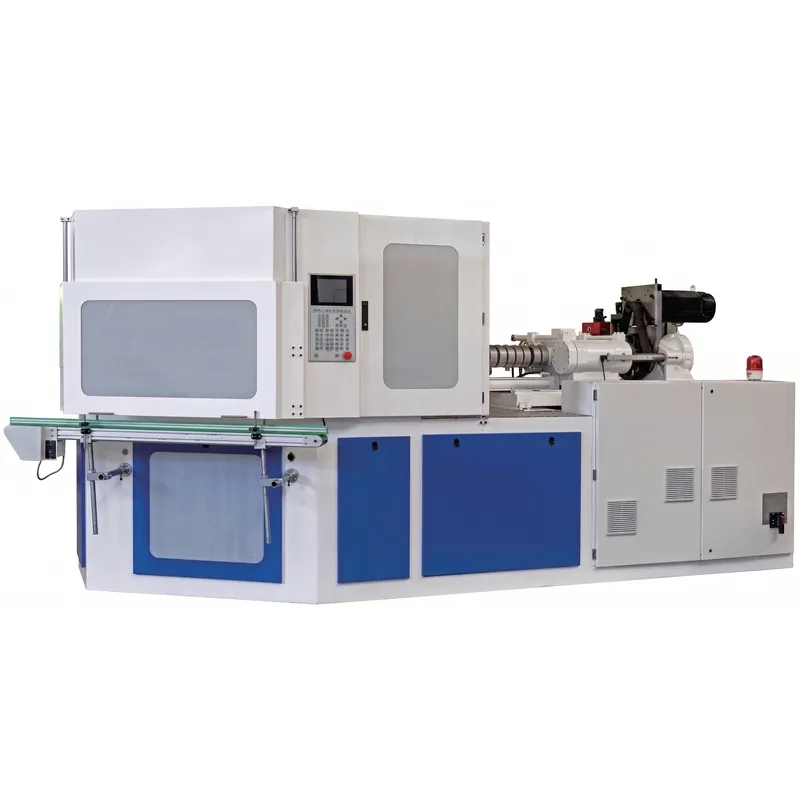
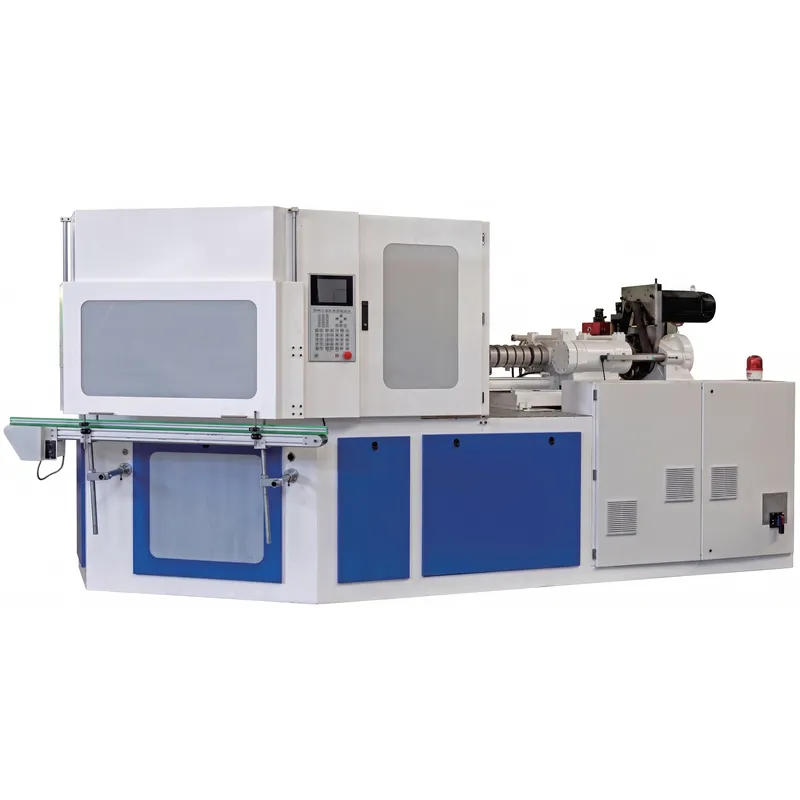
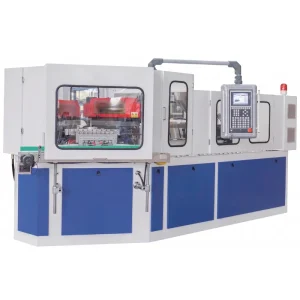
Máquina de moldagem por injeção e sopro ZQ80 - Substituta do modelo Jomar IBM85S
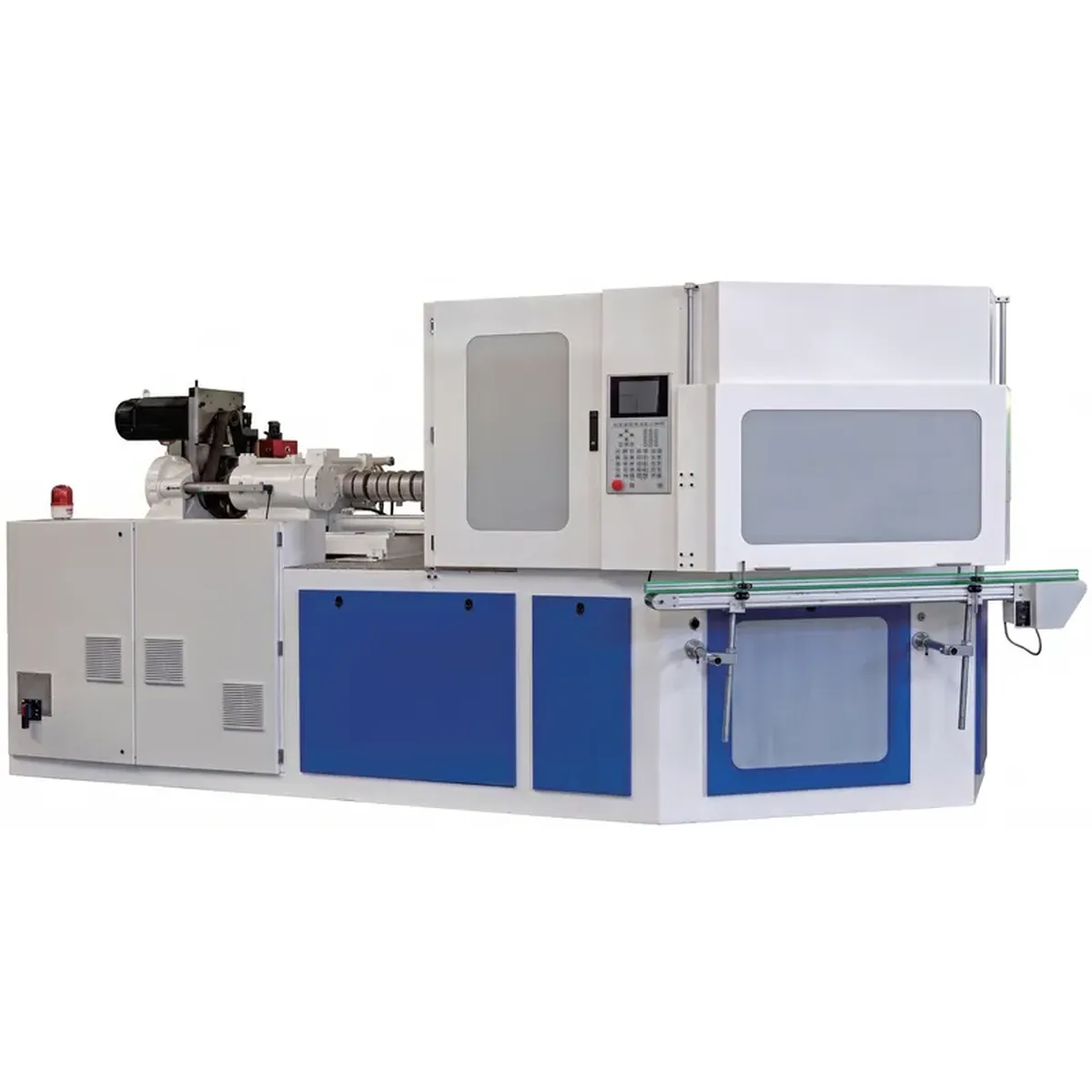
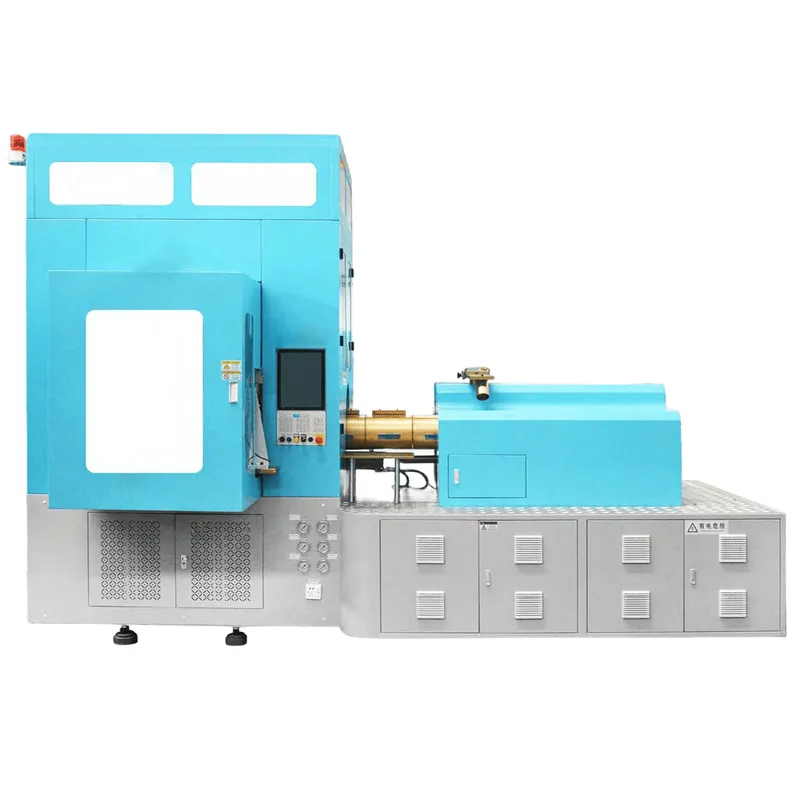
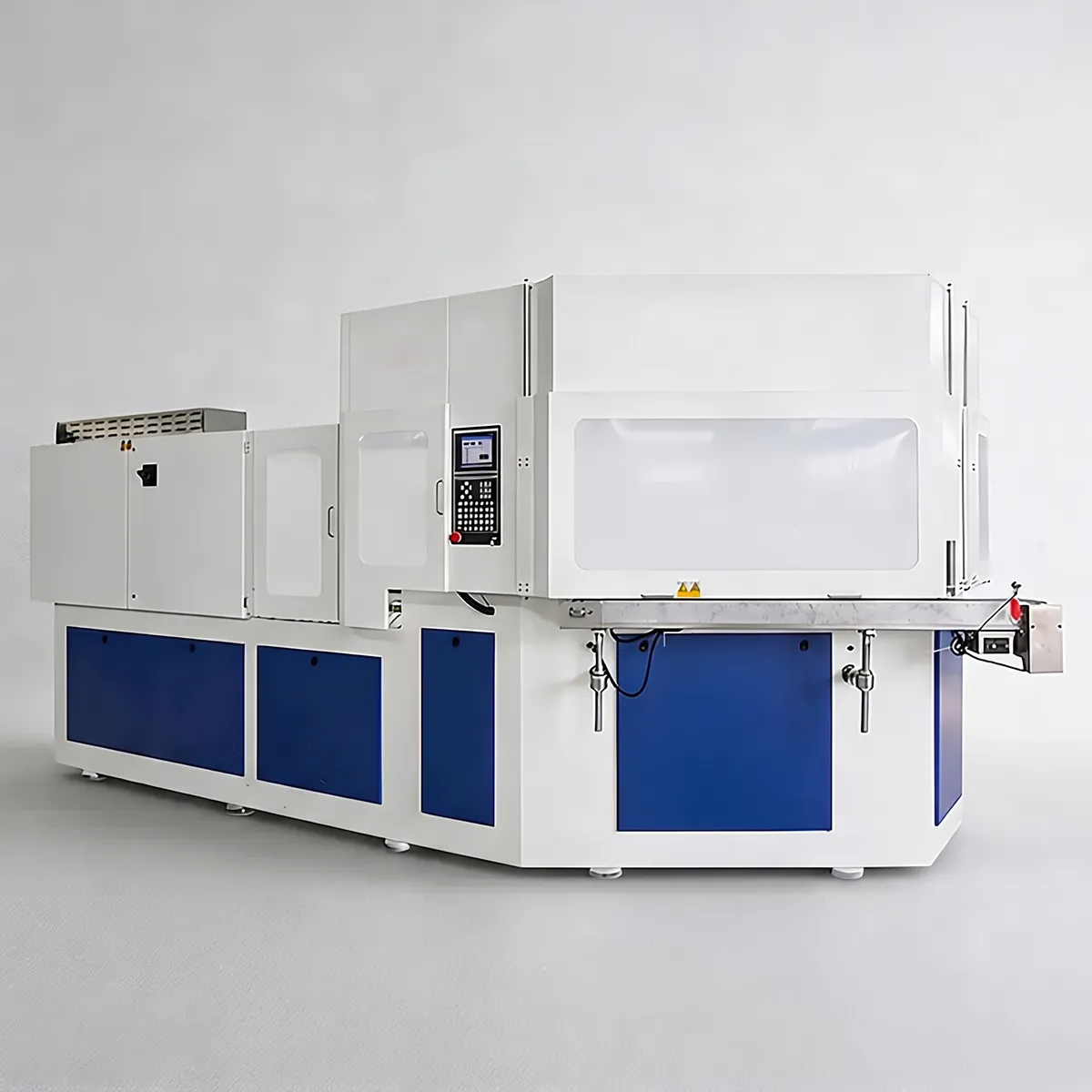
Nossa empresa fornece uma máquina IBM ZQ80 de alta eficiência e baixo consumo de energia, substituta da Jomar IBM85S, projetada especificamente para a produção em massa de garrafas plásticas de pequeno e médio porte. Equipada com sistemas precisos de controle de temperatura e pressão, esta máquina de moldagem por injeção e sopro garante espessura de parede uniforme, acabamento superficial liso e precisão dimensional estável em cada lote de produção. Esta máquina de moldagem por injeção e sopro servocontrolada opera sem óleo hidráulico, com todos os movimentos acionados por servomotores.
Nossa empresa oferece uma máquina de moldagem por injeção e sopro ZQ80 IBM de alta eficiência e baixo consumo de energia, substituta do modelo Jomar IBM85S, projetada especificamente para a produção em massa de garrafas plásticas de pequeno e médio porte. Equipada com sistemas precisos de controle de temperatura e pressão, esta máquina garante espessura de parede uniforme, acabamento superficial liso e precisão dimensional estável em cada lote de produção. Esta máquina servocontrolada opera sem óleo hidráulico, com todos os movimentos acionados por servomotores. Ela atinge um tempo de ciclo 20% menor em comparação com os modelos tradicionais, com 8,2 segundos por ciclo para garrafas de 30ml, o que se traduz em 105.000 garrafas por dia e uma produção diária máxima de 115.000 garrafas. O consumo de energia é reduzido em 30%, para aproximadamente 12 kWh por hora para a produção de garrafas de 30ml.
O funcionamento silencioso é garantido por um sistema servo com encoders absolutos para alta precisão e repetibilidade. A máquina é ideal para embalagens farmacêuticas, frascos cosméticos, recipientes para alimentos e embalagens de produtos de higiene pessoal que exigem rigorosos padrões de higiene. Uma estrutura de fechamento especial com força ajustável de 40 a 80 toneladas atende a diversas necessidades de produção, enquanto o design de baixo para cima evita o óleo lubrificante na área do molde, atendendo aos padrões de higiene para aplicações farmacêuticas e de embalagens de alta qualidade.
Cavitação em moldes (para referência)
| Volume aproximado | 10ml | 30ml | 60ml | 100ml | 250ml | 500ml | 1000ml |
| Cavitação máxima | 20 | 18 | 14 | 12 | 8 | 5-6 | 3-4 |
Especificações técnicas
| Item | Unidade | ZQ80 |
| Sistema de Injeção | ||
| Diâmetro do parafuso | mm | 55 |
| Parafuso L/D | % | 22:1 |
| Peso da injeção! | g | 466 |
| Potência de aquecimento | KW | 11 |
| Number of barrel zones | 4+N | |
| acidente vascular cerebral por injeção | mm | 180 |
| Sistema de fixação | ||
| Força de fechamento da injeção | KN | 800 |
| Golpe inicial para injeção | mm | 140 |
| Clamping force of blowing | KN | 120 |
| Golpe inicial para soprar | mm | 140 |
| Lifing height of rotary table | mm | 70 |
| Mofo | ||
| Tamanho máximo do prato (C x L) | mm | 800x400 |
| Espessura do molde | mm | 280 |
| Dia. of bottle | mm | 120 |
| Altura da garrafa | mm | 220 |
| Altura adequada da garrafa | mm | 1-2000 |
| Golpe de despojamento | mm | 230 |
| Sistema hidráulico | ||
| Pressão hidráulica | Mapa | 14 |
| Potência do motor | KW | 18.5+18.5 |
| Ciclo de secagem | S | 4 |
| Potência Total | KW | 55 |
| Potência operacional | % | 52-70 |
| Outros | ||
| Min. Air pressure of compressed air | MPa | 0.8-1.2 |
| Capacidade de ar comprimido | M³/min | 0.8 |
| Fluxo de água | M³/h | 4 |
| Pressão da água de refrigeração | MPa | 0.3-0.4 |
| Dimensions (Lx W x H ) | M | 4,5 x 1,6 x 2 |
| Peso líquido | Tonelada | 10 |
Marca e modelo substituíveis
| Ever-Power | Força de aperto | Jomar | SUMA | Uniloy | Bloma |
| ZQ40 | 40T | IBM40 | 40iB | UIB70 | IBM45 |
| ZQ60 | 60T | IBM65 | 65iB | UIB90 | IBM50 |
| ZQ80 | 80T | IBM85S | 85iB | UIB120 | IBM85 |
| ZQ110 | 110T | IBM135 | 135iB | UIB150 | IBM135 |
| ZQ135 | 135T | IBM175 | 175iB | UIB180 |
Diâmetro do parafuso da máquina IBM
| Ever-Power | Diâmetro do parafuso | Jomar | SUMA | Bloma |
| ZQ40 | 40/45 | 35/40 | 40 | 45 |
| ZQ60 | 45/50 | 45 | 40/50 | 50 |
| ZQ80 | 55 | 55 | 50/60 | 50 |
| ZQ110 | 65 | 65 | 65/76 | 70 |
| ZQ135 | 70 | 70 | 65/76 |
Peso de injeção da máquina IBM
| Ever-Power | Peso da Injeção | Jomar | SUMA | Bloma |
| ZQ40 | 190/260 | 180 | 169 | 180 |
| ZQ60 | 260/383 | 205 | 169/264 | 240 |
| ZQ80 | 466 | 300 | 333/480 | 310/280 |
| ZQ110 | 540 | 450/550 | 580/770 | 560 |
| ZQ135 | 650 | 450/550 | 580/770 |
Força de fechamento da injeção da máquina IBM
| Ever-Power | Força de fechamento da injeção | Jomar | SUMA | Bloma |
| ZQ40 | 400 kN | 340 kN | 386 kN | 350 kN |
| ZQ60 | 600 kN | 460 kN | 580 kN | 500 kN |
| ZQ80 | 800 kN | 680 kN | 720 kN | 700 kN |
| ZQ110 | 1100 kN | 1210 kN | 1200 kN | 1250 kN |
| ZQ135 | 1350 kN | 1560 kN | 1600 kN |
Tamanho do molde da máquina IBM
| Ever-Power | Tamanho do molde | Jomar | SUMA | Bloma |
| ZQ40 | 480 × 340 | 394 × 508 | 470 × 350 | 450 × 390 |
| ZQ60 | 600 × 390 | 432 × 660 | 620 × 400 | 620 × 430 |
| ZQ80 | 800 × 400 | 464 × 749 | 700 × 400 | 620 × 430 |
| ZQ110 | 1100 × 460 | 559 × 1118 | 1000 × 500 | 900 × 480 |
| ZQ135 | 1300 × 500 | 635 × 1372 | 1200 × 600 |
Tamanho da máquina IBM
| Ever-Power | Tamanho do molde (M) | Jomar | SUMA | Bloma |
| ZQ40 | 3,8 × 1,3 × 1,7 | 2,72 × 1,9 × 2,75 | 3,8 × 1,5 × 2,3 | 4,05 × 1,52 × 2,55 |
| ZQ60 | 3,8 × 1,4 × 1,8 | 2,92 × 1,98 × 3,41 | 4 × 1,7 × 2,3 | 620 × 430 × 2,55 |
| ZQ80 | 4,5 × 1,6 × 2 | 3,33 × 1,94 × 3,41 | 4,5 × 2 × 2,6 | 620 × 430 × 2,55 |
| ZQ110 | 5 × 1,8 × 2,2 | 3,79 × 2,4 × 3,41 | 5 × 2,4 × 2,7 | 900 × 480 × 2,55 |
| ZQ135 | 5,5 × 2 × 2,4 | 4,22 × 2,67 × 3,58 | 6 × 2,6 × 2,7 |
Nota: As marcas são mencionadas apenas para ajudar os clientes a escolher os produtos, não para vender os produtos dessas marcas.
Principais características da máquina de moldagem por injeção e sopro ZQ80
1. High Production Capacity
A máquina de moldagem por injeção e sopro ZQ80 produz até 115.000 garrafas por dia, com um tempo de ciclo de apenas 8,2 segundos por garrafa de 30 ml. A automação avançada com servomotores minimiza a intervenção manual, permitindo a produção contínua em alto volume. O design multicavidades, com até 18 cavidades para garrafas de 30 ml, permite que as empresas atendam grandes pedidos rapidamente e mantenham uma forte posição competitiva no mercado. Isso faz da ZQ80 uma das melhores máquinas de moldagem por injeção e sopro para linhas de embalagem de alta produtividade.
2. Customizable Molding Options
Como uma máquina IBM verdadeiramente personalizada para venda, a ZQ80 suporta volumes de frascos que variam de 10 ml a 1.000 ml e acomoda alturas de frascos de até 2.000 mm. A força de fechamento ajustável entre 40 e 80 toneladas e uma área de prensagem de 800 x 400 mm proporcionam uma versatilidade excepcional. Seja para produzir recipientes redondos, ovais ou assimétricos para aplicações farmacêuticas, cosméticas ou de embalagens de alimentos, a máquina pode ser configurada para atender aos requisitos precisos do cliente, desde o projeto do molde até a quantidade de cavidades e a seleção de materiais.
3. Energy Efficiency
A arquitetura totalmente elétrica da ZQ80 resulta em um consumo de energia aproximadamente 30% menor em comparação com as máquinas hidráulicas convencionais da IBM. Operando com apenas cerca de 12 kWh por hora para a produção de garrafas de 30 ml, a ZQ80 proporciona uma economia significativa nas contas de energia elétrica ao longo da vida útil da máquina. O sistema servoacionado recicla energia durante as fases de desaceleração, e o sistema hidráulico duplo reduz ainda mais o consumo desnecessário de energia, tornando-a uma opção sustentável e econômica para operadores de máquinas de moldagem por injeção e sopro de plástico de alto volume.
4. Easy Operation and Maintenance
Apesar de sua tecnologia avançada, a máquina de moldagem por injeção e sopro ZQ80 foi projetada para uma operação intuitiva. A interface HMI amigável permite que os operadores ajustem parâmetros rapidamente, configurem ciclos de produção e monitorem o status da máquina em tempo real. A unidade de injeção acionada por cilindro elétrico elimina a necessidade de trocas de óleo hidráulico e reduz o risco de vazamentos, diminuindo substancialmente o tempo de manutenção de rotina. O design de baixo para cima mantém o óleo lubrificante longe da área do molde, reduzindo ainda mais os riscos de contaminação e tornando a limpeza entre os ciclos de produção mais rápida e simples.
5. Quality Control and Consistency
Equipada com um sistema servo que utiliza encoders absolutos, a ZQ80 mantém uma repetibilidade excepcionalmente precisa em todos os ciclos. A máquina monitora automaticamente a temperatura, a pressão e o tempo do ciclo, produzindo frascos com espessura de parede uniforme, dimensões de boca precisas e superfícies lisas, seladas de acordo com a norma 100%. A integração opcional de inspeção visual na saída da esteira permite a verificação automatizada de partículas estranhas, deficiência de material na boca do frasco e fundos irregulares, garantindo que apenas produtos em conformidade saiam da linha de produção e atendendo aos requisitos de qualidade da indústria farmacêutica.
6. Compatível com a máquina IBM Jomar IBM85S.
A ZQ80 foi projetada como uma substituta direta e de alto desempenho para a máquina Jomar IBM85S. Com uma força de fechamento por injeção de 800 kN, em comparação com os 680 kN da IBM85S, e uma placa de molde maior, de 800 x 400 mm, contra 464 x 749 mm, a ZQ80 oferece capacidade de produção ampliada. Os operadores de máquinas de moldagem por injeção e sopro existentes, que utilizam linhas Jomar IBM85S, podem migrar para a ZQ80 com treinamento e adaptação de moldes mínimos, desfrutando de maior produtividade, custos de energia reduzidos e desempenho servoelétrico moderno, sem a necessidade de uma revisão completa da produção.
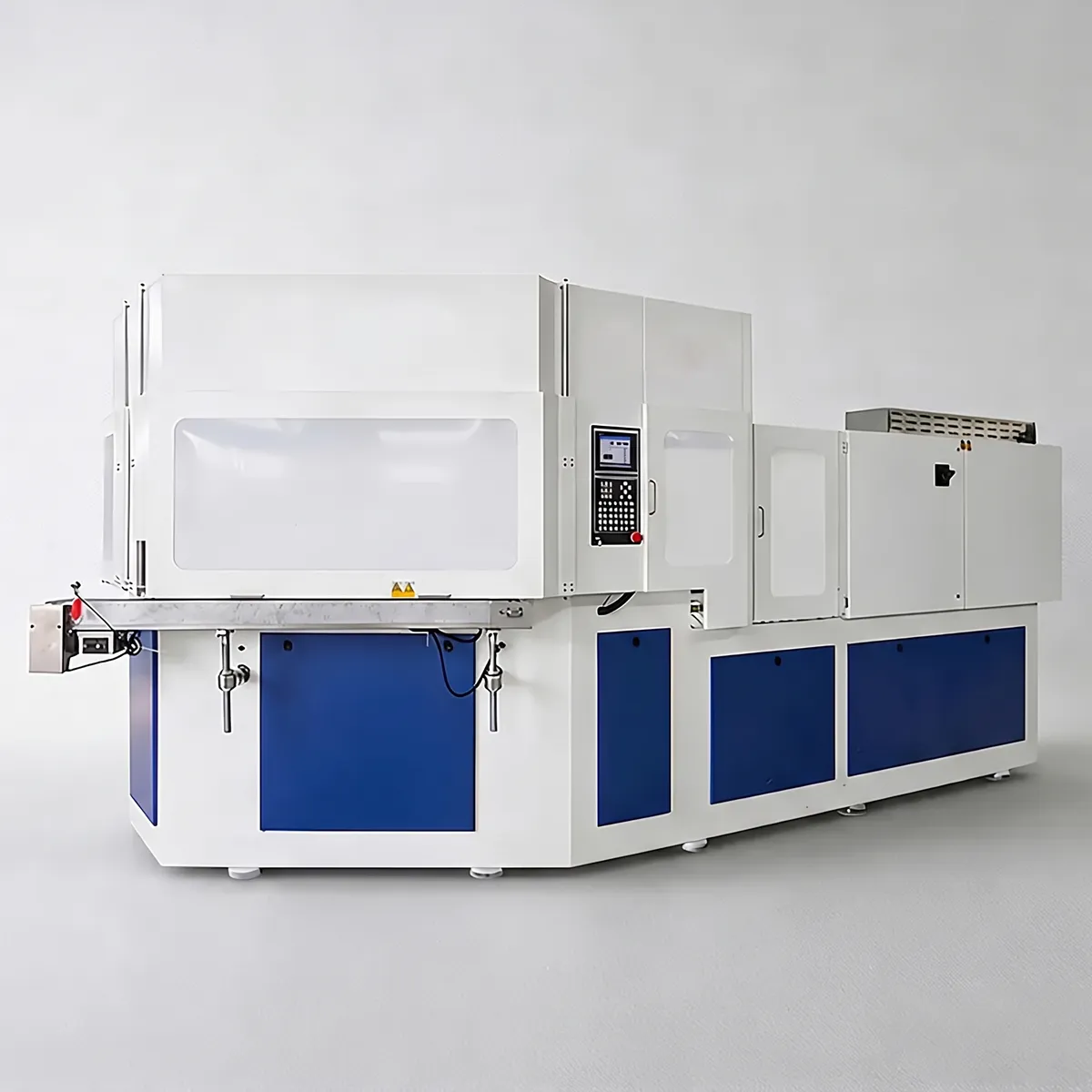
Processo de Moldagem por Injeção e Sopro
A máquina de moldagem por injeção e sopro da IBM utiliza um processo de múltiplas etapas para produzir garrafas plásticas de alta qualidade. O design da máquina de moldagem por injeção e sopro ZQ80, em uma única etapa, garante que cada fase ofereça máxima precisão e consistência, eliminando operações secundárias.
Injeção
A máquina funde a resina plástica e a injeta sob alta pressão em uma cavidade de molde de aço bipartida, formando uma pré-forma (parison). A rosca de 55 mm com relação L/D de 22:1 e peso de injeção de 466 g garante o preenchimento completo e uniforme da cavidade. Esta etapa estabelece a distribuição do material que determina a integridade estrutural final da garrafa e a precisão dimensional em todas as cavidades simultaneamente.
Transferir
Após a injeção, o divisor angular de alta precisão gira a mesa giratória para transferir a pré-forma para a estação de sopro. A altura de elevação de 70 mm e o movimento sincronizado de abertura e fechamento garantem que a pré-forma seja reposicionada com precisão, sem perda de temperatura, mantendo o perfil térmico ideal para a etapa de sopro. Essa transferência rápida é um fator crítico para alcançar o tempo de ciclo de 8,2 segundos da ZQ80 para frascos de 30 ml.
Moldagem por sopro
O molde de sopro fecha-se em torno da pré-forma com uma força de fechamento de 120 kN e ar comprimido a 0,8 a 1,2 MPa é introduzido, expandindo a pré-forma contra as paredes do molde. Isso confere à garrafa sua forma final. A estrutura de fechamento pressurizado exclusiva garante que o cilindro de reforço não interfira na abertura e no fechamento do molde, reduzindo o consumo de energia em 20 a 30% em comparação com modelos de máquinas IBM similares. A uniformidade da espessura da parede e o acabamento da superfície são rigorosamente controlados durante toda esta etapa.
Resfriamento
A garrafa soprada é resfriada dentro da cavidade do molde por meio de um sistema dedicado de canais de água, com pressão de 0,3 a 0,4 MPa e vazão de 4 m³/h. O resfriamento eficiente garante a estabilidade dimensional antes da ejeção e evita deformações ou encolhimentos. A cavidade fria do molde de sopro de alumínio proporciona uma rápida extração de calor, permitindo que a máquina mantenha seus ciclos de produção ágeis e, ao mesmo tempo, produza garrafas com espessura de parede consistente e dimensões precisas em cada lote.
Ejeção
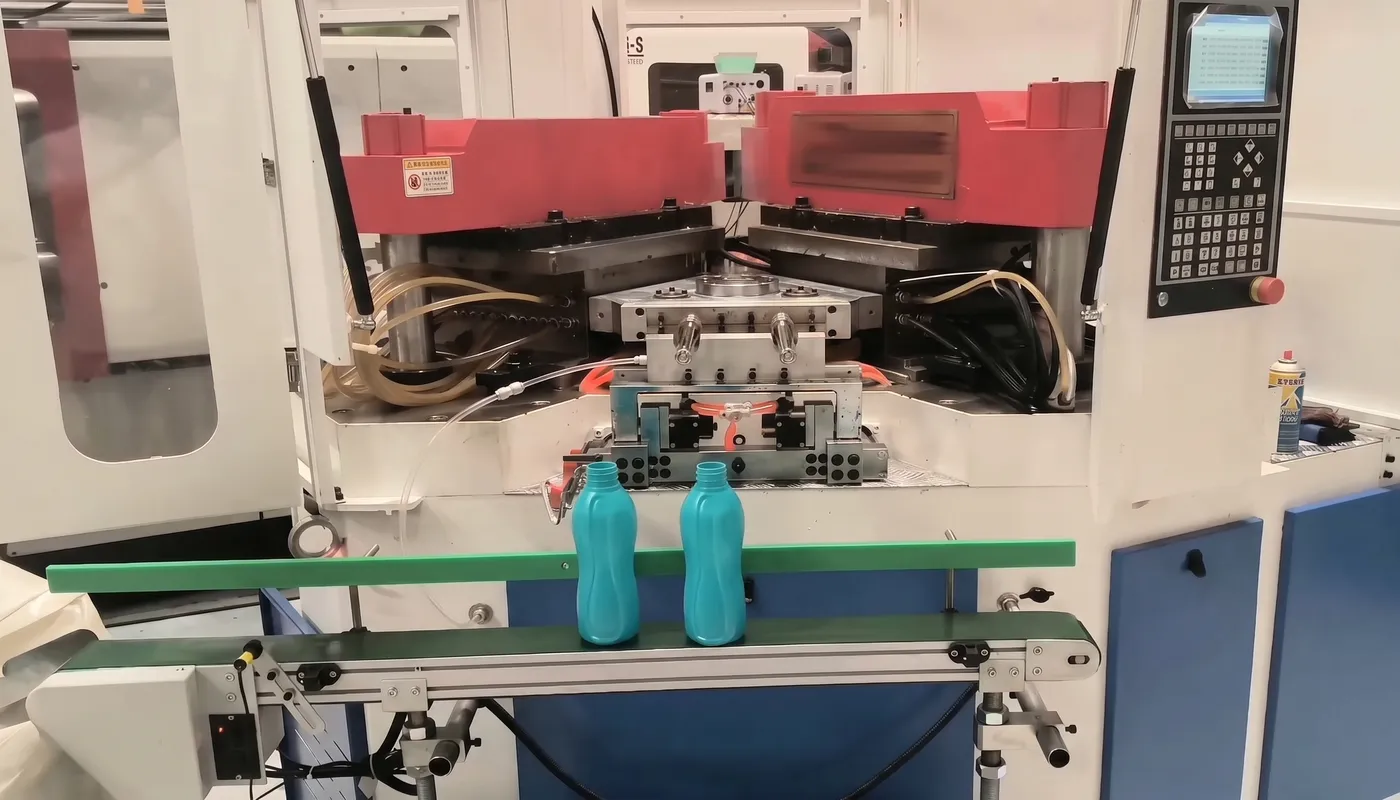
A garrafa finalizada é ejetada com facilidade da estação de extração com um curso de 230 mm. O design de baixo para cima elimina qualquer contaminação por óleo lubrificante na área do molde, preservando a higiene para aplicações farmacêuticas e alimentícias. As garrafas são transportadas automaticamente para os equipamentos subsequentes. A integração opcional com sistemas de inspeção visual, testadores de vazamento lateral, máquinas de rotulagem e equipamentos de embalagem automática permite a operação totalmente autônoma, para máxima eficiência de produção.
Indústrias de aplicação
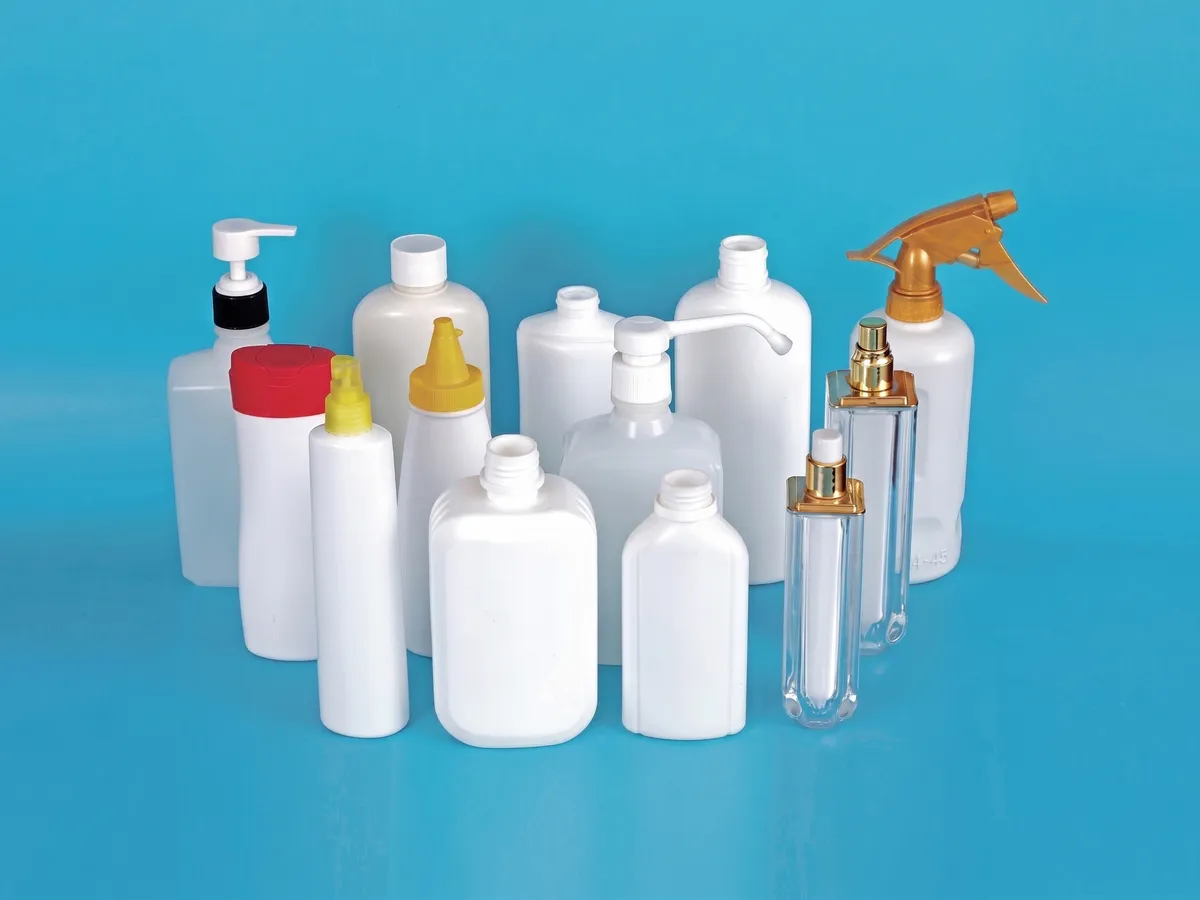
Esta máquina da IBM atende a uma ampla gama de indústrias que exigem produção de garrafas plásticas ocas de alta precisão, higiênicas e consistentes em grandes volumes.
1. Chemical Bottles
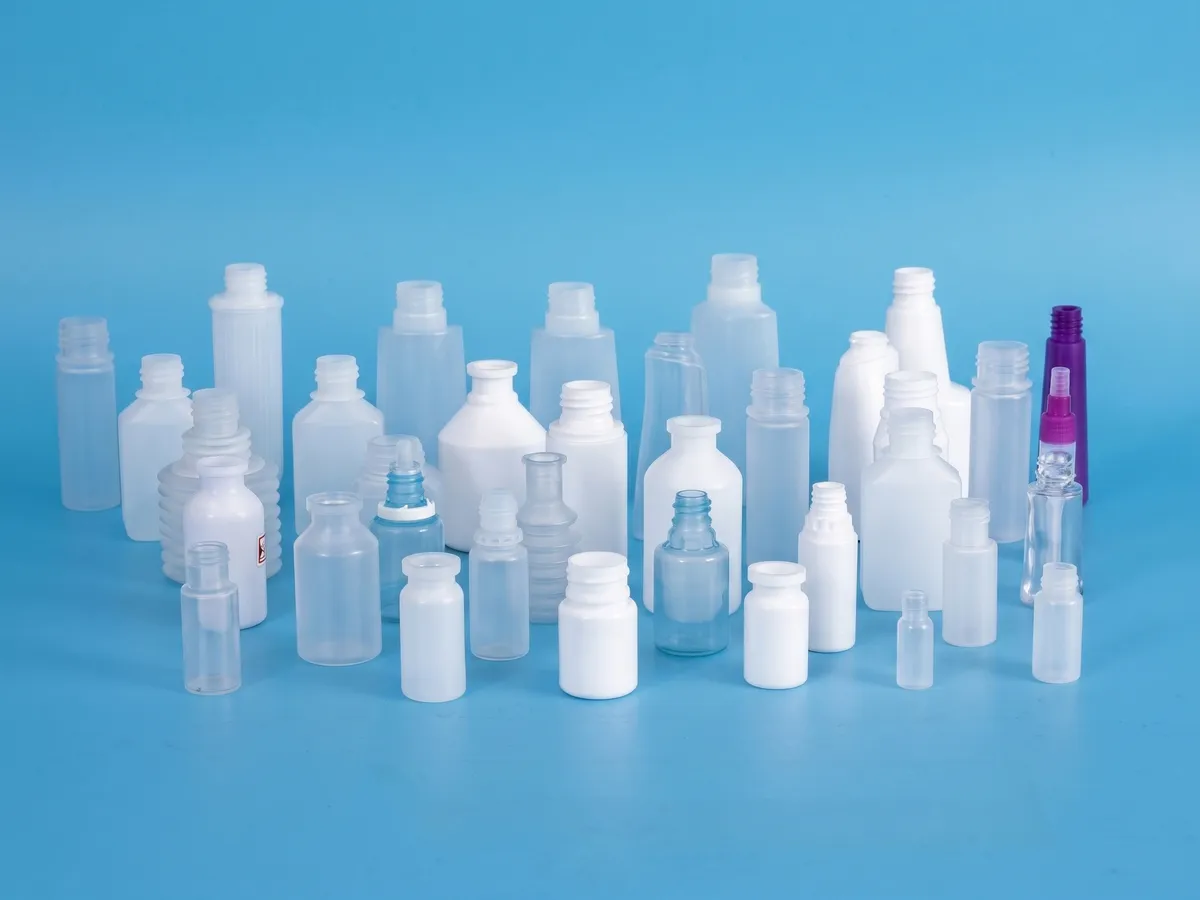
Esta máquina de moldagem por sopro produz frascos químicos duráveis em HDPE e PP com excelente resistência química e uniformidade precisa na espessura da parede. Os recipientes para agentes de limpeza, solventes, lubrificantes e reagentes de laboratório se beneficiam da precisão dimensional consistente da máquina. O ambiente de moldagem livre de óleo e a boca do frasco sem rebarbas garantem que os recipientes químicos atendam aos rigorosos requisitos de vedação e segurança para os mercados de distribuição industrial e embalagens de exportação.
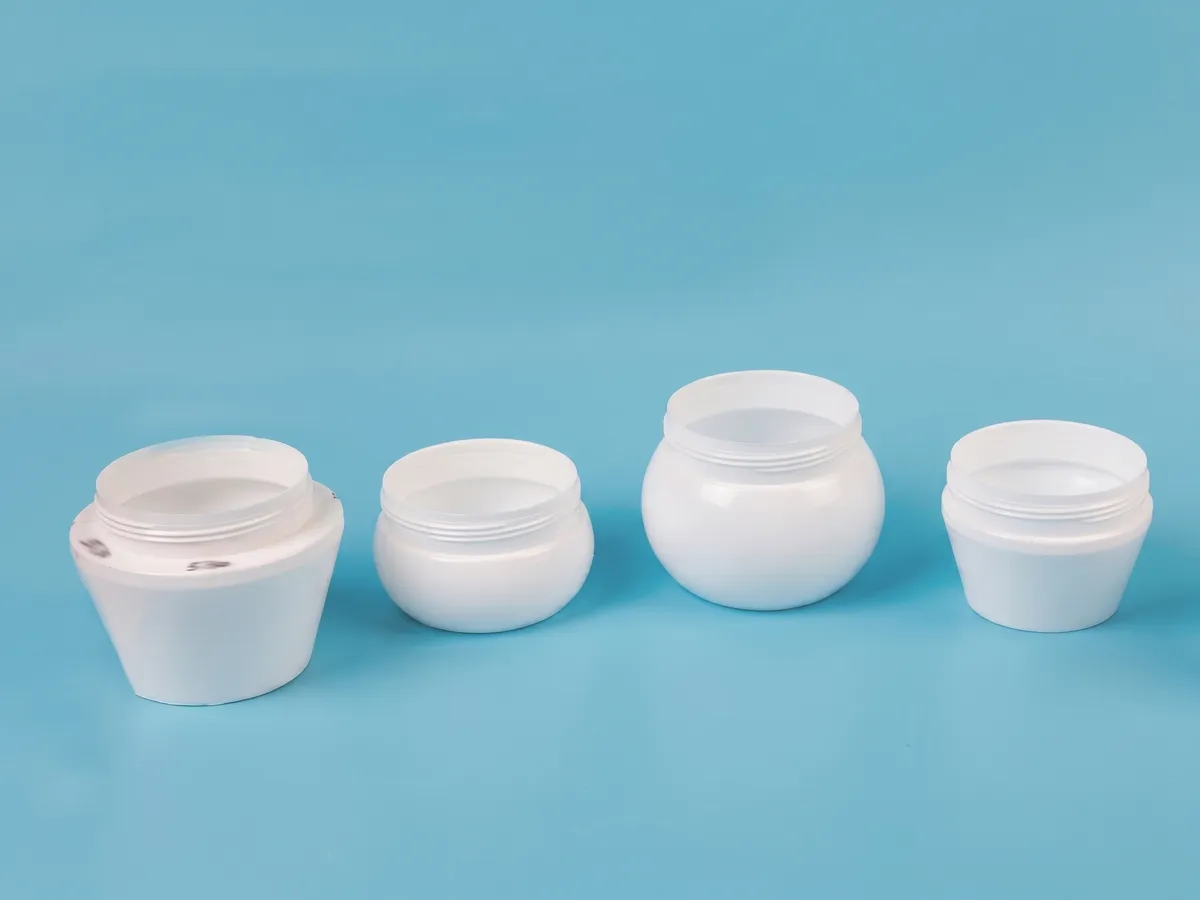
2. Frascos de cosméticos
O acabamento de superfície de alto brilho e a precisão dimensional fazem desta máquina IBM uma escolha excepcional para a produção de frascos cosméticos. Recipientes para loções, séruns, tônicos, bases e embalagens de fragrâncias exigem qualidade estética e confiabilidade funcional. A máquina suporta materiais como HDPE, PP, ABS e PCTG, permitindo a produção de frascos transparentes ou opacos com formatos complexos. Até 18 cavidades de 30 ml permitem que os fabricantes de máquinas de moldagem por injeção e sopro para cosméticos alcancem a economia de escala necessária para preços competitivos de exportação.
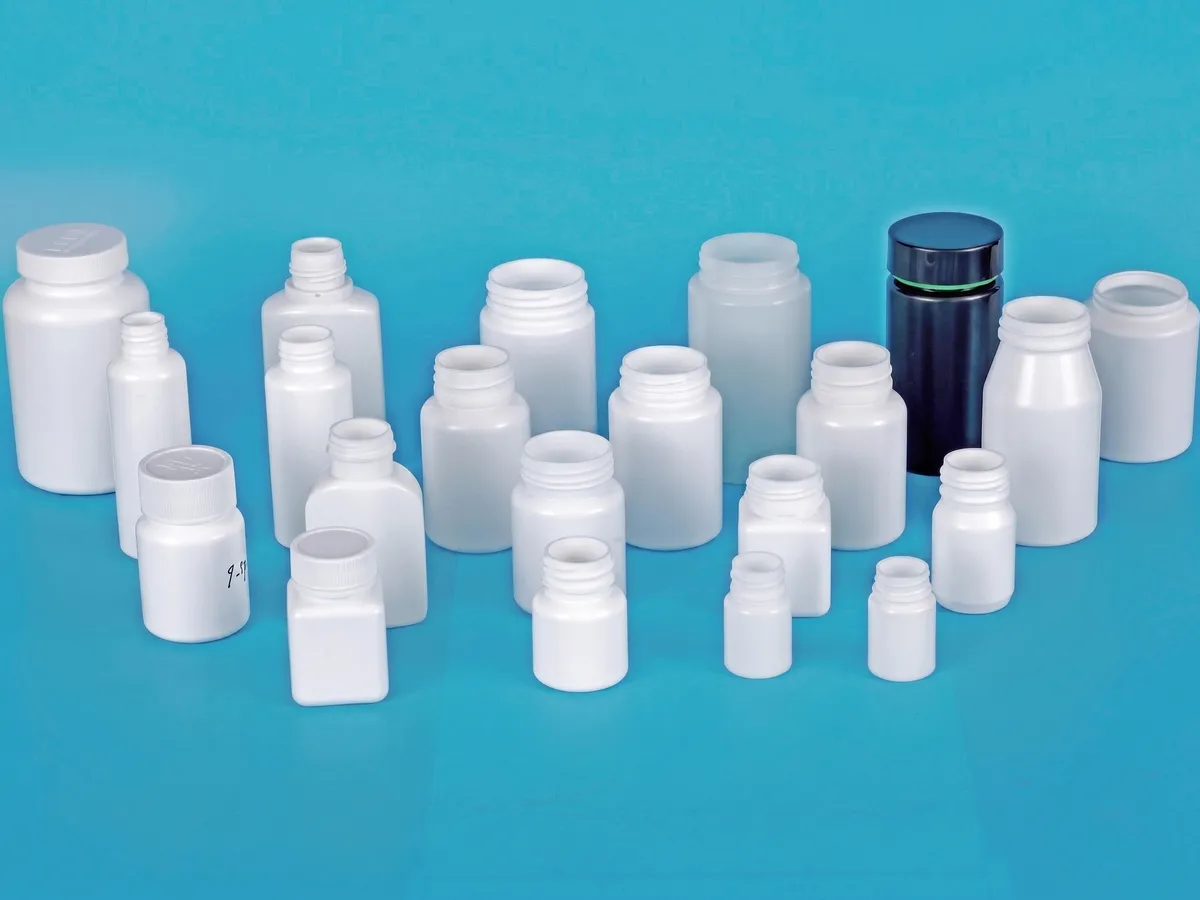
3. Frascos Farmacêuticos
Esta máquina foi projetada com a conformidade com as normas de embalagens farmacêuticas como prioridade fundamental. O design de baixo para cima elimina a contaminação por óleo lubrificante na área do molde, e a boca do frasco sem rebarbas, com roscas seladas 100%, atende aos padrões de higiene das Boas Práticas de Fabricação (BPF). A máquina produz frascos farmacêuticos de PP e PEAD para comprimidos, cápsulas, xaropes, colírios e sprays nasais. Os operadores de máquinas de moldagem por injeção e sopro farmacêuticas se beneficiam da opção de inspeção de qualidade automatizada, que verifica cada frasco antes do envase.
4. Garrafas de bebidas
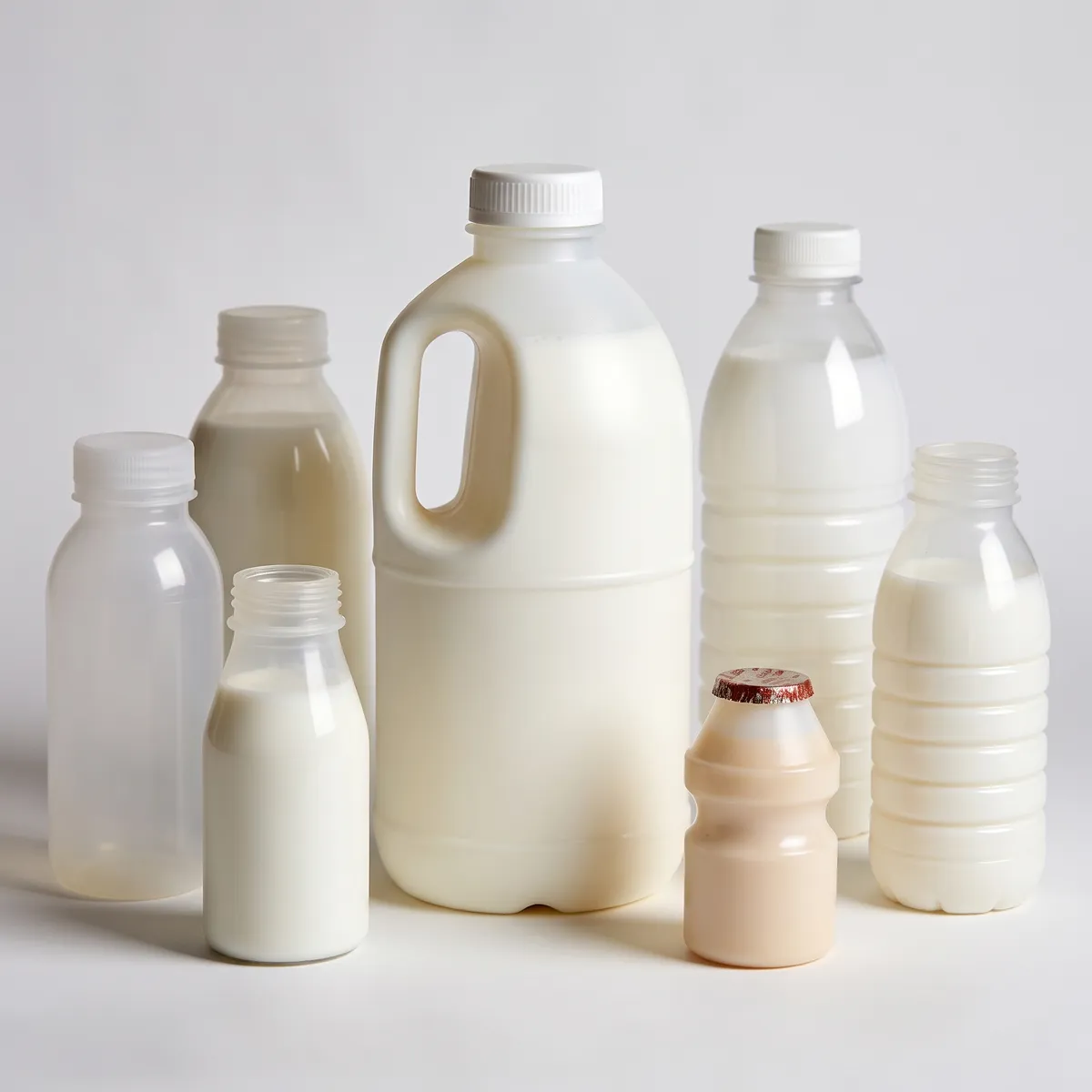
Para aplicações em bebidas de grau alimentício que exigem recipientes transparentes, leves e higiênicos, a ZQ80 suporta materiais PET e PS de alta transparência. Sucos, água potável, bebidas aromatizadas e produtos lácteos, como bebidas com bactérias lácticas, se beneficiam da espessura uniforme das paredes e da superfície interna lisa da máquina. O ambiente de produção livre de óleo garante a conformidade com as normas de segurança alimentar, enquanto o alto número de cavidades proporciona a produtividade necessária para cadeias de suprimentos de embalagens de bebidas competitivas.
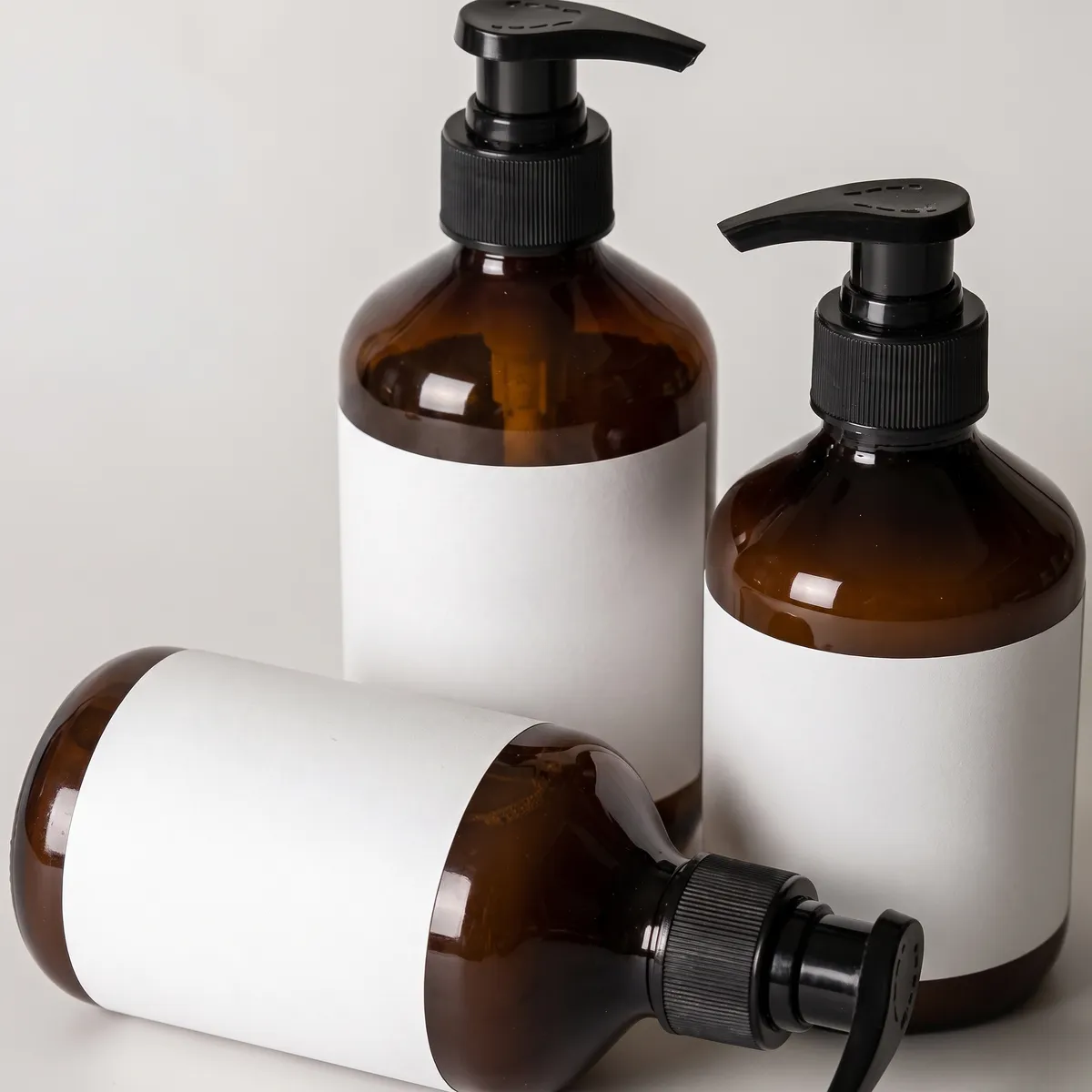
5. Frascos de sabonete líquido para as mãos
As embalagens de produtos de higiene pessoal, como frascos de sabonete líquido e álcool em gel para as mãos, exigem dimensões consistentes do gargalo da bomba, corpos de frasco limpos e sem linhas de junção, além de espessura de parede adequada. A ZQ80 produz frascos de sabonete líquido em HDPE e PP com volumes de 100 ml a 500 ml, com alta eficiência de aproveitamento de cavidades. Sua capacidade de integração com máquinas de rotulagem e equipamentos de embalagem automática permite que os fabricantes operem linhas de produção totalmente autônomas para o segmento de cuidados com as mãos e higiene pessoal.
6. Mamadeiras
As mamadeiras representam uma das aplicações mais exigentes para qualquer fabricante de máquinas de moldagem por injeção e sopro, requerendo materiais livres de BPA, transparência excepcional, dimensões precisas do gargalo e ambientes de produção higiênicos. Esta máquina produz mamadeiras a partir de materiais de grau alimentício como PP, PCTG e EVA. O ambiente de moldagem livre de óleo, a ausência de rebarbas e os padrões de higiene de nível farmacêutico fazem desta máquina uma escolha confiável para a produção de mamadeiras em mercados globais.
7. Frascos de pesticidas
As embalagens para pesticidas agrícolas e domésticos exigem recipientes de HDPE e PP resistentes a produtos químicos, com roscas de gargalo precisas que garantam vedação à prova de vazamentos e tampas de segurança. A força de injeção de 800 kN da ZQ80 e o dimensionamento preciso da boca do frasco produzem embalagens para pesticidas que atendem às normas da ONU para o transporte de mercadorias perigosas. A alta capacidade de produção diária da máquina, de até 115.000 frascos, permite que os fornecedores de embalagens para agroquímicos atendam a grandes pedidos sazonais dentro de prazos de produção apertados.
8. Shampoo Bottles
O mercado de cuidados pessoais exige frascos de xampu e condicionador com acabamento superficial atraente, peso consistente e gargalos robustos compatíveis com tampas dosadoras padrão. O design da máquina de moldagem por injeção e sopro ZQ80, com bordas de sobra, produz frascos sem rebarbas ou excesso de material na boca e no fundo, eliminando operações manuais de acabamento. Compatível com materiais HDPE, LDPE e PP em volumes de 200 ml a 1.000 ml, a ZQ80 atende com eficiência à produção de frascos para produtos de cuidados pessoais, tanto para marcas próprias quanto para marcas renomadas.
 |
 |
 |
 |
Componentes de máquina IBM ZQ80
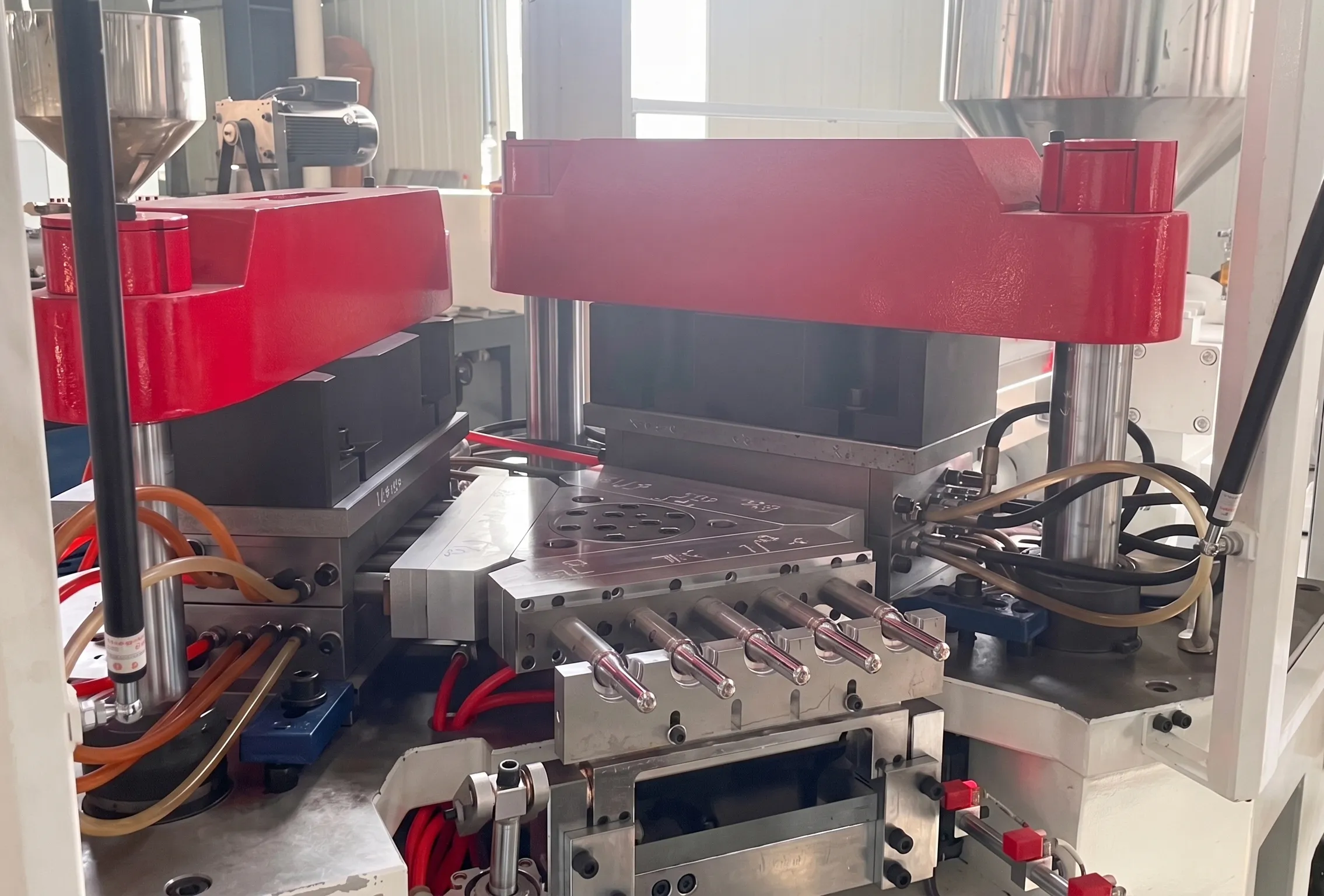
Uma máquina IBM de um passo contém diversos subsistemas essenciais. Cada componente da máquina IBM ZQ80 é projetado para precisão, longa vida útil e integração perfeita em todo o ciclo de produção.
Dispositivo para Preparação e Injeção de Estoque
A rosca de 55 mm com relação L/D de 22:1 e 4+N zonas de aquecimento no cilindro garantem uma plastificação completa e uniforme da resina. A unidade de injeção com acionamento por cilindro elétrico proporciona dosagens precisas de até 466 g com repetibilidade consistente. O controle de temperatura multizona ao longo do cilindro permite o processamento de uma ampla gama de materiais, desde HDPE e PP até ABS e PCTG, garantindo a qualidade ideal da massa fundida em cada lote de produção nesta máquina de moldagem por injeção e sopro.
Sistema de canais quentes
O sistema de canais quentes otimizado distribui o plástico fundido uniformemente por todos os pontos de injeção, minimizando a variação de peso e a espessura da parede entre as cavidades. O controle preciso da temperatura no canal quente evita a degradação do material e elimina os canais frios, reduzindo o desperdício. Este componente é essencial para manter a qualidade consistente das pré-formas em todas as cavidades simultaneamente e é um diferencial da ZQ80 em comparação com os projetos de máquinas IBM legadas.
Core Rod (Mandrel)
A haste central de estrutura especial (mandril) forma simultaneamente o perfil interno da pré-forma e atua como pino de sopro. Seus canais de resfriamento integrados mantêm ciclos de moldagem rápidos, garantindo ao mesmo tempo um resfriamento eficaz do núcleo, o que evita a distorção da pré-forma antes da etapa de sopro. O acabamento superficial de precisão do mandril determina diretamente a suavidade interna do frasco acabado, o que é particularmente crítico para a indústria farmacêutica. máquina de moldagem por injeção e sopro Aplicações que exigem paredes internas de garrafa limpas.
Moldagem por Injeção e Moldagem por Sopro
O molde de injeção é fabricado com liga de aço S136 importada ou aço inoxidável 4Cr13 para máxima dureza e resistência à corrosão. As zonas da cavidade e do gargalo, projetadas para otimizar a atividade e com um circuito de óleo especialmente projetado, permitem a estabilização da temperatura e o ajuste das dimensões de forma conveniente. O molde de sopro utiliza uma construção em liga de alumínio a frio que proporciona rápida extração de calor. Juntos, esses sistemas de moldagem garantem que as dimensões, o peso, a posição da linha de partição e a espessura da parede das garrafas sejam consistentes em todas as cavidades e em todos os turnos de produção.
Mesa rotativa e estrutura de fixação
O divisor de ângulo padrão de alta precisão sincroniza a abertura e o fechamento das estações de moldagem por injeção e sopro com a elevação da mesa rotativa (altura de elevação de 70 mm). A estrutura de fechamento pressurizado exclusiva utiliza um cilindro auxiliar isolado da ação de abertura e fechamento do molde, permitindo reduções no consumo de energia de 20 a 30 toneladas. Com 800 kN de força de fechamento por injeção e 120 kN por sopro, o sistema processa uma ampla gama de tamanhos de garrafas com configurações de força ajustáveis entre 40 e 80 toneladas.
Estação de strip-tease
A estação de desmoldagem, com um curso de 230 mm, remove suavemente as garrafas acabadas dos núcleos, sem deixar marcas ou deformações na superfície. A estação está posicionada para transferir as garrafas diretamente para a esteira de descarga, onde seguem para os sistemas opcionais de inspeção visual, teste de vazamento lateral, rotulagem e embalagem. O conceito de design de baixo para cima mantém a estação de desmoldagem completamente livre de óleo lubrificante, preservando as condições de produção higiênicas para as operações de máquinas de moldagem por injeção e sopro de plásticos de grau farmacêutico e alimentício.
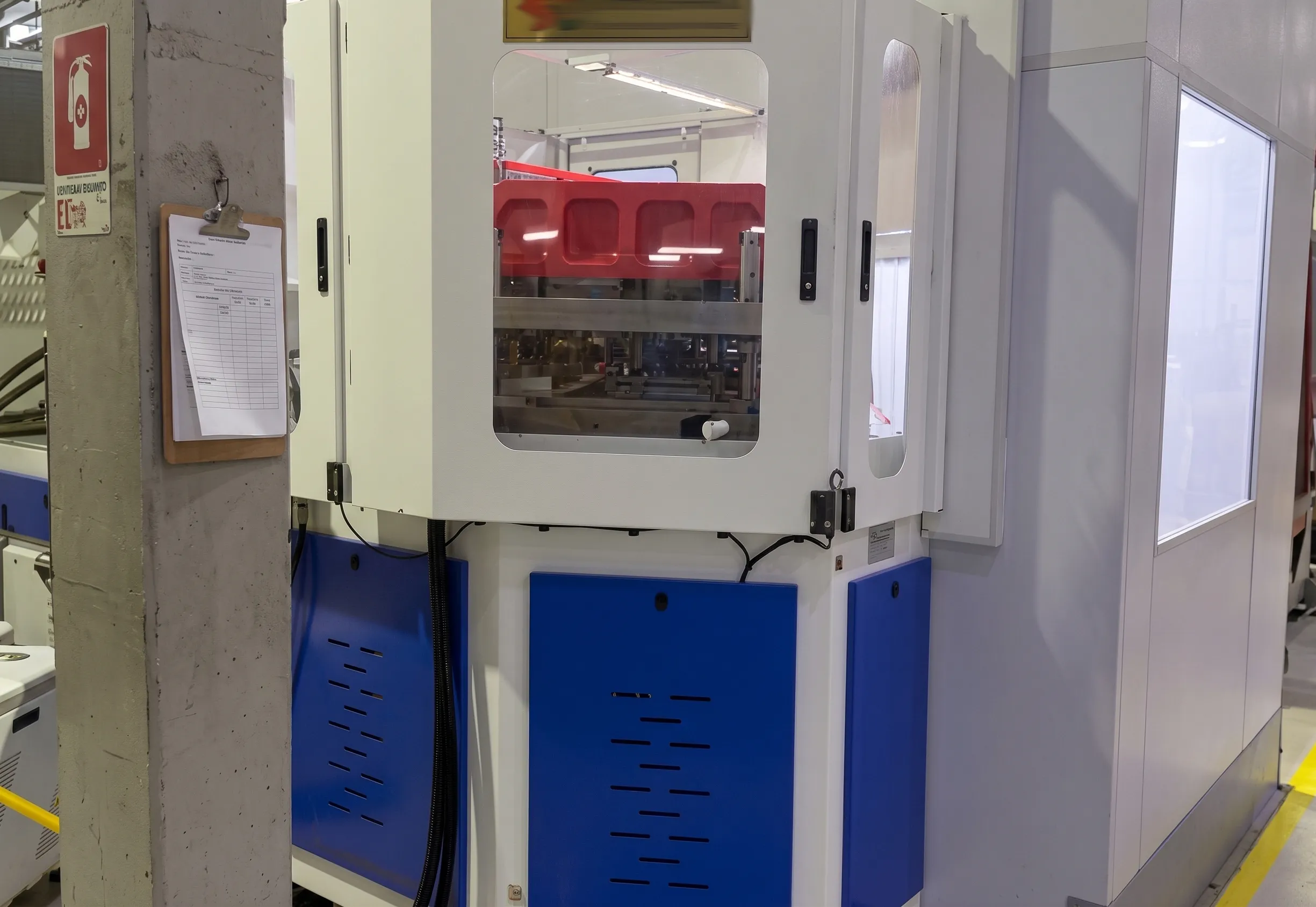
ZQ80 vs Jomar IBM85S: Por que nos escolher?
1. Higher Injection Clamping Force
A ZQ80 oferece uma força de fechamento por injeção de 800 kN, em comparação com os 680 kN da Jomar IBM85S. Esse aumento de 17,61 TP3T na força de fechamento permite que a ZQ80 processe garrafas com paredes mais espessas, maior número de cavidades e materiais mais exigentes sem o risco de rebarbas ou preenchimento incompleto. Ela também prolonga a vida útil do molde, reduzindo a tensão na linha de partição, o que resulta em custos de substituição de ferramentas consideravelmente menores ao longo da vida útil da máquina.
2. Peso de injeção significativamente maior
Com um peso máximo de injeção de 466 g, em comparação com os 300 g da Jomar IBM85S, a ZQ80 oferece maior capacidade de injeção. Isso permite que os fabricantes produzam frascos maiores ou utilizem um número maior de cavidades por injeção sem comprometer a distribuição do material. O maior peso de injeção também abre novas oportunidades de desenvolvimento de produtos para clientes que buscam expandir sua linha de produção de máquinas IBM além das limitações de capacidade da plataforma Jomar IBM85S.
3. Placa de molde maior para ferramentas flexíveis
A ZQ80 oferece uma área máxima de placa de 800 x 400 mm, em contraste com o formato de 464 x 749 mm da Jomar IBM85S. A placa horizontal mais larga da ZQ80 acomoda mais posições de cavidades na face do molde, suportando até 20 cavidades de 10 ml. Isso se traduz diretamente em maior produção por lote e maior flexibilidade no projeto do molde, reduzindo o investimento necessário em ferramentas dedicadas quando as linhas de produtos mudam ou se expandem.
4. Arquitetura de Servoacionamento Totalmente Elétrico
Ao contrário das máquinas hidráulicas convencionais da IBM, o acionamento totalmente elétrico ZQ80 utiliza servomotores para todos os movimentos principais, eliminando o óleo hidráulico do sistema de acionamento. Isso resulta em menor consumo de energia (modelo 30%), menores necessidades de manutenção, ausência de risco de vazamentos de óleo próximo à área do molde, menor ruído ambiente e tempos de resposta mais rápidos dos encoders absolutos do sistema servo. Os operadores que substituem uma Jomar IBM85S por uma ZQ80 normalmente recuperam a economia de energia nos primeiros 12 a 18 meses de operação.
5. Capacidade de produção diária superior
A ZQ80 atinge uma produção diária máxima de 115.000 garrafas, em comparação com a capacidade de produção significativamente menor da Jomar IBM85S para garrafas de tamanhos equivalentes. Um tempo de ciclo 20% mais curto do que o de modelos tradicionais comparáveis da IBM é obtido graças à operação sincronizada da torre com divisor de ângulo de alta precisão e ao fechamento rápido por servomotor. Para fabricantes de máquinas de moldagem por injeção e sopro de alto volume que atendem aos mercados de bens de consumo, farmacêutico ou de embalagens de alimentos, essa vantagem de produção impacta diretamente as margens de lucro e a capacidade de entrega.
6. Tamanho compacto, preço competitivo
Com dimensões de 4,5 x 1,6 x 2,0 metros, a ZQ80 possui uma área de ocupação significativamente mais compacta do que a Jomar IBM85S, que mede 3,33 x 1,94 x 3,41 metros de altura, facilitando sua instalação em layouts de fábrica padrão, sem a necessidade de grandes alturas. Aliada a um preço competitivo em comparação com modelos equivalentes da Jomar, SUMA, Uniloy ou Bloma, a ZQ80 oferece um custo total de propriedade menor, considerando preço de compra, instalação, energia, manutenção e peças de reposição ao longo de toda a sua vida útil.
Matérias-primas compatíveis com a máquina IBM ZQ80
A máquina de moldagem por injeção e sopro ZQ80 para PET e a máquina IBM para todos os materiais processam uma gama completa de termoplásticos de engenharia e de uso geral, permitindo a produção nos setores farmacêutico, alimentício, cosmético e de embalagens industriais.
HDPE
O polietileno de alta densidade (PEAD) é o material mais utilizado nas máquinas IBM para a fabricação de frascos para produtos farmacêuticos, químicos e de higiene pessoal. O PEAD oferece excelente resistência química, alta resistência à tração e conformidade com as normas de segurança alimentar. A ZQ80 processa PEAD de forma eficiente com sua relação L/D da rosca de 22:1, produzindo recipientes com excelente rigidez e propriedades de barreira para frascos de água sanitária, xampu, sabonete líquido e comprimidos farmacêuticos, com capacidades de 10 ml a 1.000 ml.
LDPE
O polietileno de baixa densidade (PEBD) produz frascos macios e flexíveis, com alta resistência química. O PEBD é amplamente utilizado em frascos oftálmicos, recipientes para sprays nasais e embalagens flexíveis para produtos de higiene pessoal. A máquina de moldagem por injeção e sopro ZQ80 possui controle preciso de temperatura em quatro ou mais zonas do cilindro, garantindo a consistência da qualidade do PEBD fundido, enquanto a unidade de injeção com cilindro elétrico proporciona injeção controlada de baixa pressão, essencial para a produção de recipientes de PEBD de paredes finas.
BICHO DE ESTIMAÇÃO
O tereftalato de polietileno oferece excepcional transparência óptica, excelentes propriedades de barreira ao oxigênio e notável estabilidade dimensional. A ZQ80 produz frascos farmacêuticos transparentes, frascos para amostras de bebidas e potes cosméticos de alta transparência. O processamento de PET exige controle preciso da temperatura de fusão e aquecimento uniforme da pré-forma, ambos proporcionados pelo cilindro multizona e pelo sistema de injeção servo de alta precisão da ZQ80, com repetibilidade que garante espessura de parede consistente em todas as cavidades.
PP (Polipropileno)
O polipropileno é o material de escolha para embalagens farmacêuticas devido à sua excelente autoclavabilidade, resistência química a ácidos e bases e conformidade com as normas da farmacopeia internacional. A ZQ80 produz frascos de PP para comprimidos, cápsulas, medicamentos líquidos orais e reagentes de laboratório. O PP possui uma temperatura de fusão mais elevada e requer um controle preciso da temperatura do cilindro nas quatro zonas de aquecimento da ZQ80, que os controladores de temperatura avançados da máquina gerenciam com precisão para garantir uma qualidade consistente das pré-formas.
ABS
O acrilonitrilo butadieno estireno (ABS) combina excelente resistência ao impacto com um bom acabamento superficial, tornando-o ideal para recipientes duráveis de produtos de consumo, embalagens cosméticas premium e carcaças de componentes industriais. Na máquina de moldagem por injeção e sopro ZQ80, o ABS produz frascos com exteriores de alto brilho e precisão dimensional. As boas características de fluidez do material são adequadas para moldes multicavidades, permitindo que os fabricantes de máquinas de moldagem por injeção e sopro para cosméticos produzam embalagens premium com detalhes de superfície complexos em ciclos de produção competitivos.
PC (Policarbonato)
O policarbonato oferece uma transparência óptica excepcional, comparável à do vidro, alta resistência ao impacto e ao calor, tornando-o ideal para mamadeiras reutilizáveis, bebedouros e recipientes de laboratório. A máquina ZQ80 da IBM processa o PC nas altas temperaturas necessárias para este polímero de engenharia, com um controle térmico preciso que previne a degradação do material. Policarbonatos livres de BPA também podem ser processados na ZQ80 para aplicações em mamadeiras que exigem conformidade com as normas internacionais de segurança para brinquedos e contato com alimentos.
PVC
O policloreto de vinila (PVC) produz frascos com excelente transparência, resistência química e baixa permeabilidade ao oxigênio e dióxido de carbono, tornando-o adequado para componentes de embalagens blister farmacêuticas, embalagens cosméticas e recipientes para produtos químicos industriais. A máquina de moldagem por injeção e sopro ZQ80 processa o PVC com controle preciso de temperatura para evitar a degradação térmica, utilizando materiais resistentes à corrosão para o cilindro e a rosca, apropriados para polímeros halogenados. Os frascos de PVC produzidos na ZQ80 apresentam excelente precisão dimensional e espessura de parede consistente.
 |
 |
Como usar corretamente uma máquina de moldagem por injeção e sopro
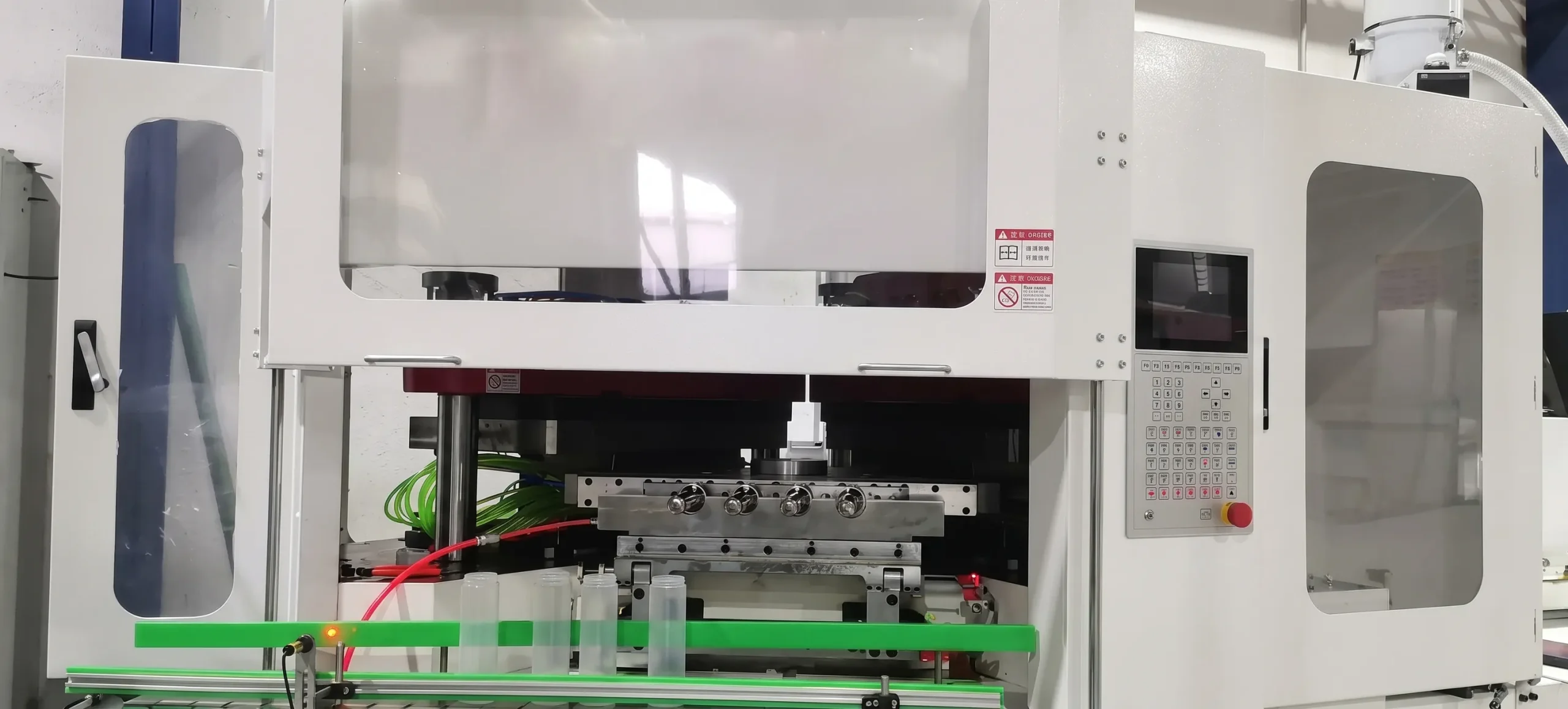
Operar uma máquina IBM de um passo envolve uma sequência precisa de ações. O guia passo a passo a seguir abrange cada etapa, desde a alimentação da resina até a ejeção do frasco finalizado, com atenção aos parâmetros críticos que determinam a qualidade do produto final.
Etapa 1. Alimentação e Derretimento
Comece carregando a resina pré-seca na tremonha. Verifique se a temperatura da garganta de alimentação está dentro da faixa recomendada, normalmente não inferior a 54 °C (130 °F), para evitar a formação de pontes de resina ou o derretimento prematuro. Para materiais higroscópicos, como PET e PC, a secagem deve ser concluída na temperatura correta antes do carregamento. O sistema de aquecimento por zonas do cilindro ZQ80 4+N leva a resina à temperatura de fusão precisa exigida para o material escolhido, com a rosca L/D 22:1 garantindo uma plastificação homogênea completa antes da injeção. A alimentação consistente e o controle preciso da temperatura da garganta de alimentação são a base para a qualidade uniforme da pré-forma.
Etapa 2. Injeção e Criação da Pré-forma
Assim que o molde fecha e se fixa com a força de fechamento de injeção predefinida de 800 kN, a unidade de injeção acionada por cilindro elétrico injeta a quantidade medida de plástico fundido na cavidade do molde de injeção a uma velocidade e pressão controladas, formando a pré-forma. Parâmetros-chave, incluindo pressão de injeção, velocidade da rosca, curso de injeção (máximo de 180 mm) e pressão de recalque, devem ser definidos dentro da faixa de processamento do material. A pressão e a duração da compactação são especialmente importantes para PET e PP, minimizando a contração e mantendo a precisão dimensional da pré-forma. O sistema de canais quentes garante um fluxo uniforme de material em todas as cavidades simultaneamente, estabelecendo uma gramatura consistente desde o primeiro ciclo.
Etapa 3. Transferência da Torre
O divisor de ângulo de alta precisão gira a mesa giratória para transferir a pré-forma moldada da estação de injeção para a estação de sopro, mantendo seu perfil térmico. A altura de elevação sincronizada de 70 mm e a rotação da mesa giratória devem ocorrer de forma suave e rápida para manter a pré-forma na temperatura ideal para a moldagem por sopro. Os operadores devem verificar se o sincronismo da mesa giratória está calibrado corretamente para a sequência total do ciclo, pois qualquer atraso nesta etapa de transferência afetará a uniformidade térmica da pré-forma e poderá introduzir inconsistências na espessura da parede durante a etapa subsequente de sopro.
Etapa 4. Processo de Moldagem por Sopro
O molde de sopro fecha com uma força de fechamento de 120 kN, e ar comprimido a 0,8 a 1,2 MPa é introduzido através da haste central para expandir a pré-forma contra as paredes do molde. Durante esta etapa, os operadores devem monitorar a estabilidade da pressão do ar, a duração do sopro e a temperatura do molde (mantida pelo sistema de refrigeração a água de 4 m³/h). Pressão de ar insuficiente pode causar paredes finas ou formação incompleta da garrafa, enquanto pressão excessiva pode causar estouros. A estrutura de fechamento pressurizado exclusiva do ZQ80 mantém o cilindro de reforço independente da ação de abertura do molde, garantindo a aplicação de pressão de sopro consistente durante toda a produção.
Etapa 5. Resfriamento e Ejeção
Após a moldagem por sopro, a garrafa esfria dentro do molde utilizando o sistema de resfriamento por canal de água. O tempo de resfriamento deve ser suficiente para permitir que a camada externa solidifique completamente antes da ejeção, evitando deformações, principalmente em garrafas de paredes espessas. A torre avança então para a estação de desmoldagem, onde um curso de 230 mm remove suavemente a garrafa acabada, depositando-a na esteira de descarga. Os operadores devem inspecionar amostras de garrafas de cada cavidade no início da produção e em intervalos regulares, verificando as dimensões da boca, a espessura da parede, a integridade do fundo e o peso, comparando-os com a ficha técnica, para garantir que o processo de moldagem por sopro esteja estável e consistente antes de operá-lo sem supervisão.
Resolução de problemas e controle de qualidade
O ZQ80 foi projetado para ser confiável, mas os operadores se beneficiam ao compreender os problemas comuns e os protocolos de inspeção para manter a qualidade consistente do produto e maximizar o tempo de atividade.
Problemas comuns e ações corretivas
A máquina não liga.
Verifique a conexão da fonte de alimentação e inspecione todos os cabos de controle quanto a danos. Certifique-se de que as temperaturas do cilindro atingiram os valores definidos em todas as zonas de aquecimento antes de iniciar a sequência de injeção. Verifique se as configurações do pressostato estão dentro da faixa correta e se o circuito de parada de emergência foi reiniciado. Inspecione as chaves de intertravamento de segurança para garantir o engate correto antes de tentar reiniciar.
Espessura de parede irregular
A espessura irregular da parede geralmente resulta de temperaturas de fusão inconsistentes nas diferentes zonas do cilindro, perfis de velocidade de injeção incorretos ou superfícies desgastadas da haste do núcleo. Verifique as temperaturas de todas as zonas de aquecimento e a calibração do controlador PID. Inspecione a superfície do mandril em busca de marcas de desgaste e verifique se o sistema de canais quentes está fornecendo fluxo equilibrado para todas as cavidades. Ajuste a velocidade de injeção e a pressão de compactação para a faixa de processamento recomendada para o material.
A máquina não consegue manter a pressão.
Verifique se há vazamentos em todas as conexões do circuito hidráulico, prestando atenção especial às conexões das mangueiras e às vedações das válvulas. Inspecione os reguladores de pressão de ar e verifique se o compressor mantém a pressão de alimentação necessária de 0,8 a 1,2 MPa. Substitua quaisquer filtros obstruídos nos circuitos hidráulico e pneumático. Verifique se as bobinas das válvulas solenoides estão energizando corretamente e se os pontos de ajuste do pressostato estão dentro da faixa de operação especificada.
Defeitos superficiais em garrafas
Marcas superficiais, marcas de afundamento ou descoloração resultam de temperaturas incorretas do molde, resina contaminada ou tempo de resfriamento insuficiente. Verifique a temperatura e a vazão da água de resfriamento (ideal: 4 m³/h a 0,3 a 0,4 MPa). Limpe bem as superfícies da cavidade do molde e evite usar agentes desmoldantes que não sejam especificamente projetados para moldagem por injeção e sopro. Verifique o teor de umidade da resina e certifique-se de que o material esteja completamente seco antes de ser carregado na tremonha para eliminar bolhas ou marcas de rebarba.
Protocolo de Inspeção de Qualidade
- Qualificação de Instalação (QI): Verifique se o ZQ80 e todos os seus componentes conectados estão instalados de acordo com as especificações, incluindo as conexões de energia elétrica, ar comprimido e água de refrigeração, antes de iniciar quaisquer testes de produção.
- Qualificação Operacional (OQ): Verifique se a máquina de moldagem por injeção e sopro opera dentro das faixas especificadas de temperatura, pressão, força de fechamento e tempo de ciclo, utilizando instrumentos de referência calibrados.
- Qualificação de Desempenho (PQ): Demonstrar que o processo de produção fornece consistentemente garrafas que atendem a todas as especificações dimensionais, de peso e funcionais durante um período prolongado de produção em condições normais de operação.
- Monitoramento de variáveis críticas: Monitore em tempo real as temperaturas da zona do cilindro, a pressão de injeção, a força de fechamento, o tempo de ciclo e a temperatura da água de resfriamento. Desvios fora da faixa de processo devem acionar uma parada na produção para investigação.
- Cronograma de manutenção de rotina: Siga o programa de manutenção preventiva, que inclui limpeza do molde, inspeção da rosca e do cilindro, lavagem do canal de refrigeração, verificação da calibração do servomotor e verificação da bateria do encoder absoluto, nos intervalos de serviço prescritos.
- Treinamento de operadores: Certifique-se de que todos os operadores recebam treinamento completo sobre a interface HMI, procedimentos de configuração de parâmetros, requisitos de manuseio de materiais, protocolos de segurança e solução de problemas de primeiro nível antes de operar a máquina em modo de produção.
IBM vs. ISBM Machine: Qual tecnologia atende melhor às suas necessidades?
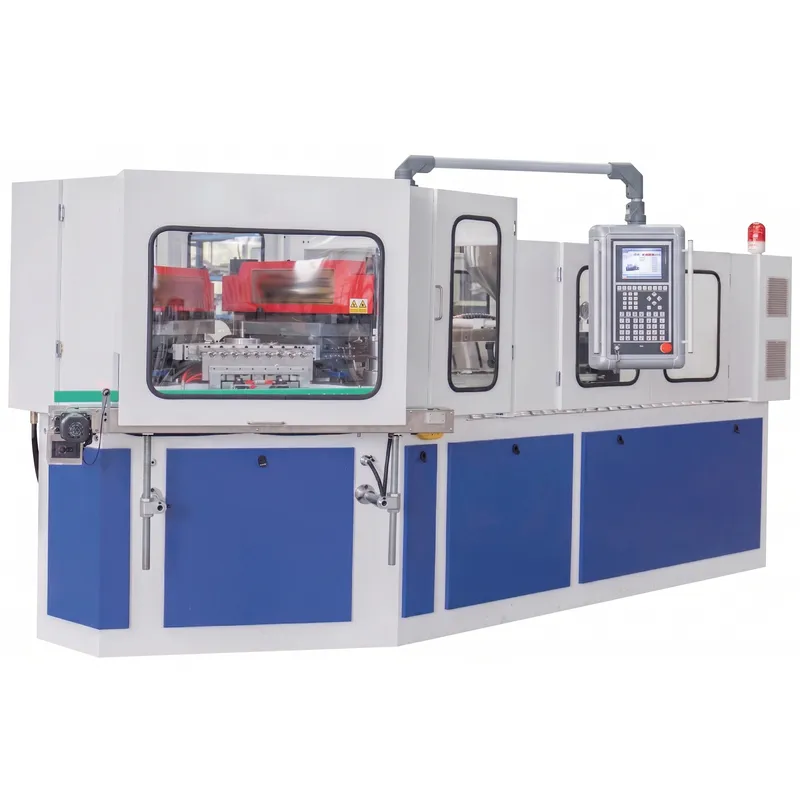
Na indústria de embalagens plásticas, selecionar a tecnologia de moldagem correta é essencial. A moldagem por injeção e sopro (IBM) e a moldagem por injeção e estiramento e sopro (ISBM) são amplamente utilizadas, mas diferem significativamente em processo, materiais e características do produto. Compreender essa distinção ajuda você a escolher a máquina de moldagem por injeção e sopro ou a máquina de moldagem por injeção e estiramento e sopro mais adequada para sua aplicação específica.
Moldagem por Injeção e Sopro (IBM)
O processo IBM consiste em três etapas: injeção, sopro e ejeção. É um processo de três estágios que combina a moldagem por injeção e a moldagem por sopro para produzir peças plásticas ocas em um único ciclo da máquina. É utilizado principalmente para a produção de recipientes de pequeno a médio porte e alta precisão, como frascos farmacêuticos, frascos oftálmicos, potes cosméticos e recipientes especiais para alimentos. As máquinas IBM oferecem excepcional precisão dimensional, bocas seladas com perfis de rosca precisos e produção livre de contaminação, sem rebarbas na linha de junção. O processo é ideal para materiais como HDPE, LDPE, PP, ABS, PC e PVC em volumes de 1 ml a aproximadamente 1.000 ml.
Ideal para: Frascos farmacêuticos, potes cosméticos, ampolas oftálmicas, frascos para bactérias do ácido lático, mamadeiras e qualquer aplicação que exija tolerâncias dimensionais rigorosas e condições de produção higiênicas.
Moldagem por Injeção e Estiramento por Sopro (ISBM)
A máquina de moldagem por injeção e sopro de estágio único amplia o conceito IBM (Inject-Stiring and Blowing Molding) ao introduzir uma haste de estiramento mecânica que alonga a pré-forma axialmente durante a fase de sopro. Essa orientação biaxial melhora drasticamente a transparência, a resistência mecânica e as propriedades de barreira da embalagem final. A tecnologia ISBM é a escolha ideal para garrafas PET utilizadas em bebidas carbonatadas, água sem gás, sucos e outros produtos de consumo que exigem paredes finas, transparência superior e leveza. Uma máquina de moldagem por injeção e sopro de estágio único combina a injeção da pré-forma e o sopro da garrafa em uma única máquina, eliminando a etapa de reaquecimento da pré-forma necessária nos sistemas ISBM de dois estágios.
Ideal para: Garrafas PET para água, refrigerantes, sucos, óleos comestíveis e outras aplicações que exigem alta transparência óptica e leveza em grandes volumes de produção.
| Recurso | Máquina IBM | Máquina ISBM |
|---|---|---|
| Produtos comuns | Frascos oftálmicos, potes cosméticos, ampolas | Garrafas de água, garrafas de refrigerante, suco |
| Faixa de tamanho de garrafa | Pequeno a médio (1 ml a 1.000 ml) | Médio a grande (200ml a 5.000ml ou mais) |
| Materiais primários | PP, HDPE, LDPE, ABS, PC, PVC | PET, PP |
| Espessura da parede | Espessura uniforme e moderada. | Paredes muito finas com resistência biaxial |
| Acabamento da superfície | Muito suave, alta precisão | Excelente clareza óptica |
| Complexidade da Máquina | Mais simples, mais barato | Mais complexo, exige maior investimento. |
| Flash / Desperdício | Sem rebarbas ou bordas irregulares | Mínimo em sistemas de estágio único |
| Adequação farmacêutica | Excelentes designs, em conformidade com as Boas Práticas de Fabricação (GMP). | Limitado a aplicações compatíveis com PET |
Qual você deve escolher?
Escolha uma máquina de moldagem por injeção e sopro IBM se sua empresa produz frascos de pequeno a médio porte com precisão e requisitos de resistência moderados, especialmente nos setores farmacêutico, de saúde, cosmético ou de suplementos alimentares. A ZQ80 é uma excelente opção para essas aplicações. Opte por uma máquina de moldagem por injeção e sopro de estágio único (ISBM) se precisar de frascos transparentes, leves e resistentes para aplicações em alimentos e bebidas em alto volume, utilizando material PET. Sua escolha dependerá dos requisitos de material, volume de produção, complexidade do design do frasco e exigências regulatórias do mercado de uso final. A Ever-Power oferece linhas de máquinas IBM e ISBM. Entre em contato conosco para discutir suas necessidades específicas de produção com nossa equipe técnica.
 |
 |
| Máquina IBM | Máquina ISBM |
|---|
Por que escolher as máquinas de moldagem por injeção e sopro da Ever-Power?
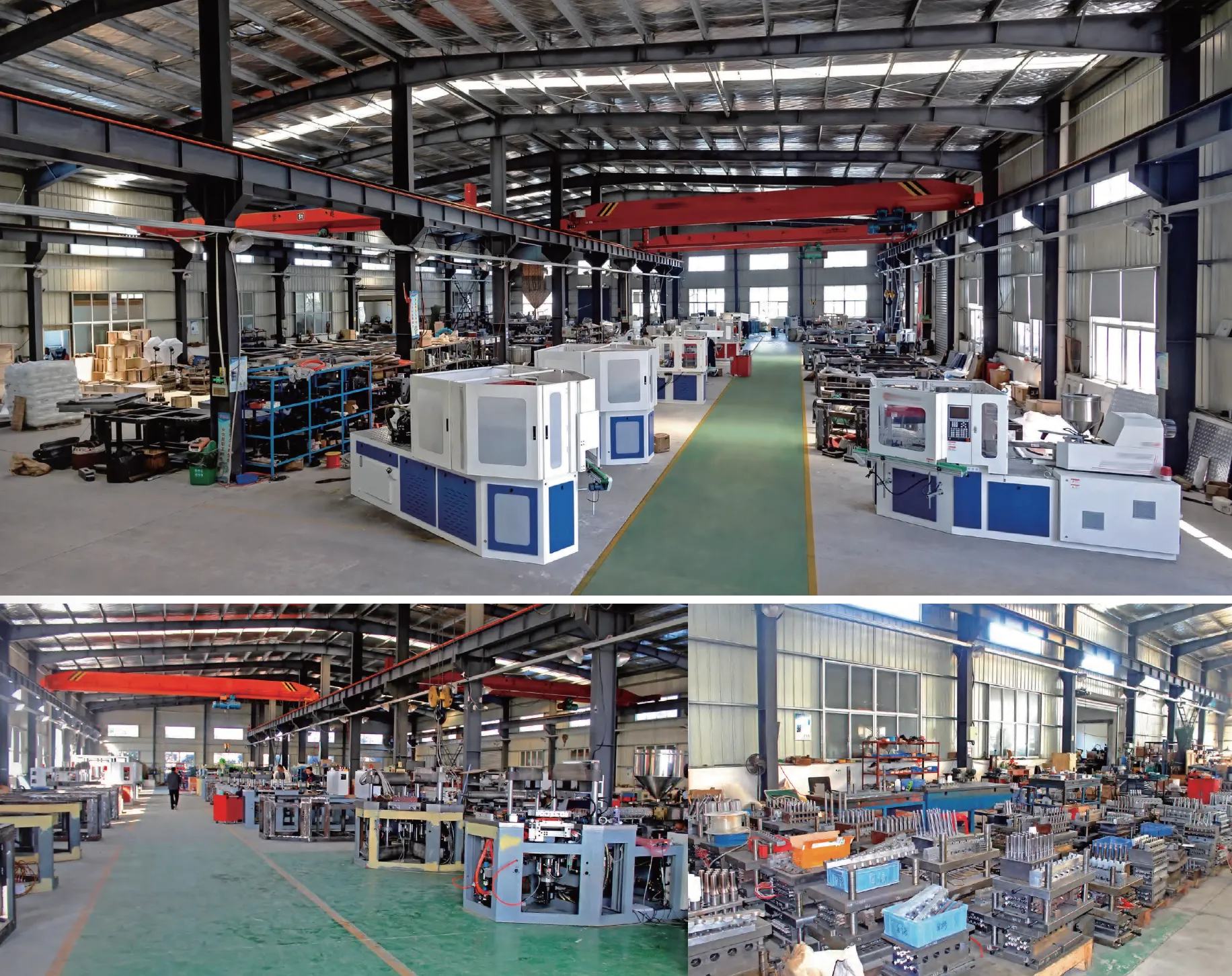
A Ever-Power ISBM Machinery Co., Ltd., do México, é uma fabricante especializada e fornecedora global de máquinas automáticas de moldagem por injeção e sopro em uma única etapa, dedicada a oferecer vantagens de produção mensuráveis para fabricantes de embalagens em todo o mundo. Toda a capacidade de engenharia e P&D da Ever-Power é dedicada exclusivamente a máquinas de moldagem por injeção e sopro e seus moldes de suporte. Nossa equipe de engenheiros experientes possui profundo conhecimento teórico e prático em projeto de máquinas IBM e ISBM, otimização de processos e engenharia de moldes. Essa especialização focada significa que, ao investir em uma máquina de moldagem por injeção e sopro da Ever-Power, você se beneficia de um conhecimento específico do produto que fabricantes de máquinas generalistas não conseguem igualar.
A linha de produtos Ever-Power abrange máquinas de moldagem por injeção e sopro, máquinas de moldagem por extrusão e sopro, máquinas de moldagem por injeção e estiramento e sopro, além de todos os equipamentos auxiliares associados, oferecendo aos clientes uma solução completa para todas as suas necessidades de linha de embalagem. Do modelo ZQ40 (40T, para pequenos frascos farmacêuticos) ao ZQ135 (135T, para grandes recipientes industriais), a Série ZQ completa atende praticamente todas as aplicações de máquinas IBM na faixa de 1 ml a 1.000 ml. Os modelos ZQ80 e toda a Série ZQ processam materiais como HDPE, LDPE, PP, ABS, PC, PVC, PET, EVA, PCTG, PS e bioplásticos ecológicos à base de milho. As aplicações incluem embalagens farmacêuticas, embalagens de alimentos, embalagens para a área da saúde, embalagens cosméticas, produtos de higiene pessoal, recipientes para bebidas, frascos para produtos químicos e embalagens agrícolas. Essa ampla compatibilidade de materiais e aplicações torna as máquinas de moldagem por injeção e sopro Ever-Power um investimento versátil e de longo prazo para empresas de embalagens em crescimento.
A Ever-Power mantém uma rede consolidada de agentes internacionais na Coreia do Sul, Índia, Turquia, Rússia, África do Sul, Brasil, Estados Unidos e México, com casos de aplicação comprovados em cada mercado. Nosso compromisso com o serviço pós-venda abrange suporte técnico remoto, instalação e comissionamento no local, treinamento de operadores, programas de manutenção preventiva e fornecimento confiável de peças de reposição por meio de nossa rede global de agentes. A filosofia de desenvolvimento da empresa, baseada em autossuficiência, integridade, pragmatismo, inovação e responsabilidade, sustenta cada relacionamento com o cliente. A Ever-Power desenvolve projetos completos de máquinas de moldagem por injeção e sopro para clientes que necessitam de uma solução totalmente integrada, desde o projeto do molde e fornecimento da máquina até a automação subsequente, consultoria de layout de fábrica, planejamento de utilidades e suporte ao início da produção. Nossa capacidade de oferecer projetos completos elimina a complexidade de adquirir componentes de máquinas de moldagem por injeção e sopro de vários fornecedores e garante que cada elemento da linha de produção seja projetado e testado para funcionar perfeitamente desde o primeiro dia.
As máquinas de moldagem por injeção e sopro da série ZQ da Ever-Power estão operando com sucesso em clientes como a A-IL Plastic na Coreia (ZQ110, garrafas de 300 ml), a JMPL na Índia (ZQ40, 50 ml), a Formosa na África do Sul (ZQ60, 300 ml e 1 L) e a Zandei no Brasil (ZQ80, 120 ml), além de instalações na Turquia, Rússia, Estados Unidos e México. Essa base global de instalações demonstra a confiabilidade e a versatilidade das máquinas Ever-Power IBM em diversos ambientes regulatórios, climas, padrões de turnos de produção e aplicações de embalagem.
Perguntas frequentes
P: Qual é o preço da máquina de moldagem por injeção e sopro ZQ80 em comparação com a Jomar IBM85S?
R: O preço dos modelos de máquinas de moldagem por injeção e sopro varia de acordo com a configuração, as especificações do molde e os equipamentos de automação opcionais incluídos. A ZQ80 tem um preço competitivo em relação aos modelos equivalentes Jomar IBM85S, SUMA 85iB e Uniloy UIB120, com um custo total de propriedade significativamente menor quando se consideram a economia de energia (redução de 30%), os custos reduzidos de manutenção (sem óleo hidráulico) e a maior capacidade de produção no cálculo do investimento total. Entre em contato com nossa equipe de vendas para obter um orçamento formal com base em suas necessidades específicas.
P: A ZQ80 é uma máquina de moldagem por injeção e sopro totalmente elétrica ou utiliza sistema hidráulico?
A: A ZQ80 utiliza acionamento servoelétrico, onde todos os movimentos primários, incluindo injeção, fechamento e rotação da torre, são acionados por servomotores com encoders absolutos. A máquina opera sem óleo hidráulico no sistema de acionamento, eliminando riscos de vazamento de óleo e reduzindo o consumo de energia em aproximadamente 30%. A especificação do sistema hidráulico listada nos parâmetros técnicos refere-se ao circuito de moldagem por sopro, que utiliza um sistema hidráulico duplo compacto para fechamento do molde. Essa arquitetura híbrida oferece a precisão de uma máquina de moldagem por injeção e sopro totalmente elétrica com a robustez de fechamento necessária para operações de moldagem por sopro de alta força.
P: Quais tamanhos de garrafa e materiais a máquina de moldagem por injeção e sopro ZQ80 consegue processar?
A: Esta máquina IBM processa frascos de 10 ml a 1.000 ml, com alturas de até 2.000 mm e diâmetro máximo de 120 mm. O número de cavidades varia de 20 para frascos de 10 ml a 3 ou 4 para frascos de 1.000 ml. Os materiais compatíveis incluem HDPE, LDPE, PP, ABS, PC, PVC, PET, PS de alta transparência, EVA, PCTG e bioplásticos à base de milho de grau alimentício. Essa ampla compatibilidade de materiais torna a ZQ80 uma das máquinas de moldagem por injeção e sopro de plástico mais versáteis disponíveis, atendendo a aplicações farmacêuticas, cosméticas, de embalagens de alimentos, de cuidados pessoais e químicas industriais a partir de uma única plataforma.
P: O ZQ80 pode usar os moldes existentes do Jomar IBM85S?
R: Os modelos ZQ80 e Jomar IBM85S utilizam placas de molde com dimensões diferentes (800 x 400 mm vs. 464 x 749 mm) e configurações de montagem distintas. Portanto, os moldes Jomar IBM85S existentes geralmente não são diretamente intercambiáveis com o ZQ80 sem adaptações. No entanto, o design da haste do núcleo e do núcleo da cavidade pode ser adaptado pela nossa equipe de engenharia de moldes. Ao encomendar um ZQ80 como substituto de um Jomar IBM85S, recomendamos a compra do conjunto completo de moldes da Ever-Power para garantir total compatibilidade e aproveitar nossos padrões de ferramentas em aço S136. Entre em contato com nossa equipe técnica para discutir as opções de adaptação de moldes para as especificações de suas garrafas.
P: Qual a diferença entre IBM e ISBM em uma máquina de moldagem por injeção e sopro em uma única etapa?
A: Em uma máquina de moldagem por injeção e sopro em uma única etapa (IBM), a pré-forma plástica é moldada por injeção e, em seguida, soprada para adquirir o formato final da garrafa na mesma máquina, sem a necessidade de hastes de estiramento ou reaquecimento da pré-forma. Em uma máquina de moldagem por injeção e sopro com estiramento em um único estágio (ISBM), uma haste de estiramento mecânica é adicionada ao estágio de sopro para alongar a pré-forma axialmente, criando uma orientação molecular biaxial que melhora a transparência e a resistência mecânica. A IBM é preferida para recipientes pequenos e de alta precisão, utilizando PP, HDPE e ABS. A ISBM é preferida para garrafas PET maiores e transparentes para bebidas. A ZQ80 é uma máquina IBM projetada para aplicações de embalagens farmacêuticas, cosméticas e de alimentos especiais.
P: Como o ZQ80 consegue eliminar o excesso de líquido e o desperdício na boca e no fundo da garrafa?
A: O processo de moldagem por injeção e sopro em uma única etapa, utilizado pela ZQ80, elimina fundamentalmente rebarbas e bordas de sobra, pois a garrafa é formada em uma sequência de molde fechado, sem linha de solda de fechamento. Ao contrário da moldagem por extrusão e sopro, que comprime um tubo oco entre as metades do molde, deixando uma linha de junção na parte inferior que requer aparamento, o processo IBM na ZQ80 injeta a pré-forma em uma cavidade fechada e a sopra dentro de um molde de sopro selado. Nenhum material fica preso ou comprimido fora da cavidade, portanto, nenhuma rebarba é gerada na boca ou no fundo. Esta é uma vantagem fundamental do processo de moldagem por injeção e sopro com eliminação de rebarbas para embalagens farmacêuticas e alimentícias.
P: Quais equipamentos de automação e processamento subsequente podem ser integrados à máquina IBM ZQ80?
A: A descarga por esteira ZQ80 pode ser integrada a um conjunto completo de equipamentos de automação downstream para permitir a produção sem supervisão. As integrações disponíveis incluem sistemas de inspeção por visão computacional que verificam cada garrafa quanto à presença de partículas estranhas no corpo, quantidade insuficiente de material na boca e fundos irregulares ou amassados. Testadores de vazamento lateral verificam a integridade da vedação de cada garrafa. As máquinas de rotulagem podem aplicar rótulos autoadesivos em linha antes do envase. Sistemas de envase automático completam a linha com encaixotamento e paletização. Entre em contato com a Ever-Power para discutir suas necessidades específicas de automação e receber uma proposta completa de linha de produção "chave na mão".
P: Qual é o prazo de entrega típico para uma máquina de moldagem por injeção e sopro personalizada da Ever-Power?
A: O prazo de entrega padrão da máquina ZQ80 é de aproximadamente 45 a 60 dias a partir da confirmação do pedido e aprovação das especificações técnicas. Quando um conjunto de moldes personalizado é necessário para novos designs de garrafas, o prazo de entrega total, incluindo a fabricação do molde, a montagem da máquina e os testes de fábrica pré-embarque, é normalmente de 75 a 90 dias. Os prazos de entrega para substituições urgentes de linhas Jomar IBM85S existentes podem ser reduzidos, dependendo da programação de produção atual. Entre em contato com nossa equipe de vendas informando seus requisitos de cronograma de produção e forneceremos um cronograma de entrega confirmado como parte de sua cotação formal.
P: O ZQ80 atende aos padrões de Boas Práticas de Fabricação (BPF) da indústria farmacêutica e às normas de higiene para segurança alimentar?
R: Sim. A ZQ80 foi projetada especificamente para atender aos requisitos de embalagens farmacêuticas e alimentícias. O design da máquina com construção de baixo para cima garante que todos os pontos de lubrificação estejam localizados abaixo da área do molde, com risco zero de contaminação por óleo lubrificante na zona de produção de frascos. As superfícies de contato com o molde são fabricadas em aço inoxidável S136 ou 4Cr13. Os frascos são produzidos sem rebarbas ou bordas que possam introduzir contaminação. A integração opcional de inspeção visual e teste de vazamento lateral adiciona uma etapa de inspeção de frascos 100% antes do envase. O suporte para documentação de validação IQ/OQ/PQ está disponível através da equipe técnica da Ever-Power para clientes farmacêuticos que necessitam de documentação de conformidade regulatória.
P: Que suporte pós-venda e serviço de peças de reposição a Ever-Power oferece para o ZQ80?
A: A Ever-Power oferece suporte pós-venda completo para a ZQ80 por meio de uma rede global de agentes que abrange Coreia, Índia, Turquia, Rússia, África do Sul, Brasil, Estados Unidos, México e outros mercados importantes. O suporte técnico remoto está disponível via videochamada para solução de problemas e otimização de parâmetros. Um pacote de peças de reposição recomendado para o primeiro ano de operação está incluído em cada pedido da máquina. Peças de reposição críticas, incluindo elementos de aquecimento, componentes do servoacionador, peças de desgaste da rosca e do cilindro e componentes do molde, estão disponíveis com prazos de entrega curtos. Suporte para instalação e comissionamento no local, programas de treinamento para operadores e visitas periódicas de manutenção preventiva estão disponíveis mediante agendamento.
Avaliações de clientes
Jin-Ho Park, Embalagens Farmacêuticas, Coreia
"Substituímos nossa Jomar IBM85S pela ZQ80 há cerca de oito meses, e a diferença foi drástica. Nossos frascos farmacêuticos de 60 ml em polipropileno agora saem da linha em 9,5 segundos por ciclo, em vez de mais de 11, o que adicionou cerca de 18.000 frascos por dia à nossa capacidade, sem nenhum custo adicional de mão de obra. As dimensões da boca são tão consistentes que não tivemos nenhuma falha de selagem em nossa primeira produção de 400.000 unidades, o que é praticamente inédito em nossa linha antiga. A equipe de pós-venda foi muito prestativa quando tivemos um alarme de zona de aquecimento durante o primeiro mês e resolveu o problema remotamente em poucas horas. Estamos muito satisfeitos com a decisão."
Rajesh Sharma, Frascos de Cosméticos, Índia
"Comprei a ZQ80 para produzir frascos de xampu e loção em HDPE de 100 ml a 500 ml para nossos pedidos de exportação para o Oriente Médio e Europa. O acabamento da superfície é realmente impressionante, especialmente nas versões de alto brilho. Sem rebarbas, sem operações de corte, os frascos vão direto da esteira para a rotuladora. Usamos 14 cavidades de 100 ml e a produção diária é muito superior à da nossa máquina antiga. O preço da Ever-Power é justo em comparação com outros fornecedores de máquinas IBM com os quais entramos em contato. O envio e o desembaraço aduaneiro foram tranquilos e a equipe de instalação chegou no horário previsto."
Mehmet Aydin, Frascos para Cuidados Pessoais, Turquia
"Operamos a ZQ80 em dois turnos, produzindo frascos de sabonete líquido e álcool em gel em PP. Honestamente, a redução no consumo de energia é o maior benefício para nós no momento, considerando os custos de eletricidade na Turquia. Nossa conta de energia para a linha de máquinas de moldagem por injeção e sopro caiu consideravelmente desde que trocamos nossa antiga máquina hidráulica IBM. O sistema de servoacionamento também é silencioso, o que nossos operadores apreciam. Tínhamos uma dúvida sobre o ajuste da pressão de sopro durante a inicialização e a equipe de suporte técnico respondeu em poucas horas com uma explicação em vídeo. Esse tipo de serviço pós-venda é o que nos faz voltar a comprar do mesmo fabricante de máquinas de moldagem por injeção e sopro."
Alexei Volkov, Embalagens Químicas, Rússia
"A ZQ80 está em operação na nossa linha de envase de pesticidas há 14 meses, em frascos de HDPE de 250 ml e 500 ml, e não apresentou nenhuma falha. A precisão da rosca é crucial para nossas tampas de segurança infantil, e a ZQ80 não apresentou nenhum vazamento relacionado à rosca em mais de dois milhões de frascos. Inicialmente, estávamos preocupados com a transição do sistema Jomar IBM85S que nossos operadores já conheciam, mas o treinamento oferecido foi completo e, em uma semana, a equipe já estava operando a máquina com confiança. A interface homem-máquina (IHM) é intuitiva e a função de memória de parâmetros de processo torna as trocas de produto muito mais rápidas do que na nossa máquina IBM anterior."
Sipho Nkosi, Frascos Farmacêuticos, África do Sul
"Produzimos frascos de comprimidos farmacêuticos de PP de 30 ml e 60 ml na ZQ80, com 18 e 14 cavidades respectivamente, para empresas farmacêuticas locais que exigem documentação GMP. A Ever-Power forneceu toda a documentação IQ/OQ necessária para atender às auditorias de nossos clientes, o que foi um grande alívio. A área do molde isenta de óleo é uma vantagem real para a conformidade com as normas GMP e simplificou muito nosso processo de validação. A máquina está funcionando cerca de 22 horas por dia há aproximadamente dez meses, com apenas paradas programadas para manutenção. A disponibilidade de peças de reposição do agente na África do Sul tem sido confiável, o que era uma preocupação antes da compra, mas não se mostrou um problema na prática."
Zandei Santos, Embalagens para Bebidas e Alimentos, Brasil
"Nossa empresa utiliza a ZQ80 para produzir garrafas de 120 ml em PS e PP de qualidade alimentar para bebidas com bactérias láticas, uma aplicação bastante exigente em termos de transparência e padrões de higiene. As garrafas produzidas pela ZQ80 são transparentes, uniformes e o índice de rejeitos na nossa linha de envase é inferior a 0,1%, o que representa uma melhoria significativa. Integramos a máquina com um sistema de inspeção visual e um detector de vazamentos laterais recomendados pela Ever-Power, e agora a linha opera de forma totalmente autônoma durante a noite. O prazo de entrega, do pedido à produção, foi de aproximadamente 90 dias, incluindo o molde personalizado, o que é razoável. No geral, este foi um excelente investimento para nossa linha de produção."
David Thompson, Embalagens para o Setor de Saúde, Estados Unidos
"Analisamos três fabricantes de máquinas de moldagem por injeção e sopro antes de escolher a Ever-Power ZQ80, principalmente devido à vantagem de peso de injeção de 466g em comparação com concorrentes na mesma classe de força de fechamento. Produzimos mamadeiras de policarbonato e frascos de suplementos de polietileno de alta densidade na mesma máquina, usando moldes diferentes, e a troca leva cerca de 45 minutos depois que você se familiariza com o processo. A qualidade é excepcional e os requisitos de documentação da FDA que temos para nossos clientes nos EUA foram bem atendidos pela equipe técnica da Ever-Power. O preço da máquina IBM não é o mais baixo do mercado, mas o cálculo do custo total de propriedade foi favorável em comparação com as alternativas que consideramos."
Maria Gonzalez, Embalagem Cosmética, México
"Estamos utilizando a máquina de moldagem por injeção e sopro ZQ80 em nossa linha de embalagens cosméticas há mais de seis meses, produzindo frascos de 250 ml de HDPE para shampoo e condicionador com 8 cavidades. A força de fechamento de 800 kN suporta o molde sem problemas e a qualidade da superfície é consistentemente excelente. A equipe de instalação da Ever-Power do México chegou no horário previsto e a máquina estava em produção dois dias após a chegada. Nossa taxa de rejeição nesta linha é inferior a 0,3% e não tivemos nenhuma parada não planejada nos primeiros seis meses de operação. Para este tipo de máquina IBM personalizada para aplicações cosméticas, eu recomendaria a ZQ80 aos meus colegas sem hesitação."
Pierre Dubois, Garrafas para Produtos Químicos Industriais, França
"Utilizamos a ZQ80 para produzir frascos de HDPE de 500 ml e 1.000 ml para produtos químicos de limpeza industrial distribuídos por toda a UE. A documentação de conformidade fornecida pela Ever-Power, incluindo as especificações da máquina compatíveis com a marcação CE e o suporte para certificação de materiais, foi mais abrangente do que esperávamos de um fabricante chinês de máquinas IBM. A entrega foi feita dentro do prazo e a documentação técnica estava em inglês claro. A máquina produz frascos com uma variação de peso extremamente consistente (menos de 1 g em uma série de 8 cavidades), o que é importante para nossas linhas de envase automatizadas. Do ponto de vista logístico, as dimensões compactas da máquina também contribuíram significativamente para a instalação em nossas instalações."
Informação adicional
| Editado por | Yjx |
|---|
Produtos relacionados
-
Máquina de moldagem por injeção e sopro ZQ40 - Substituta do modelo SUMA 40iB
-
Máquina de moldagem por injeção e sopro ZQ60, substituta do modelo SUMA 65iB
-
Máquina de moldagem por injeção e sopro ZQ40 - Substituta para o modelo Jomar IBM40
-
Máquina de moldagem por injeção e sopro ZQ40 - Substituta do modelo Uniloy UIB70