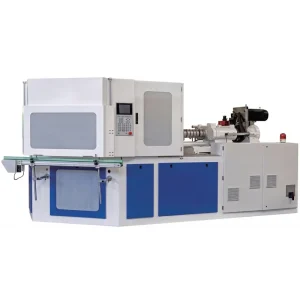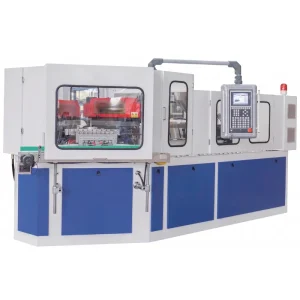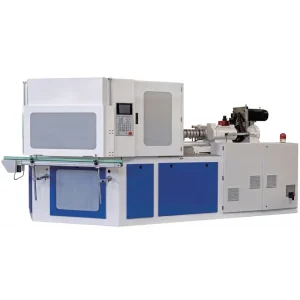
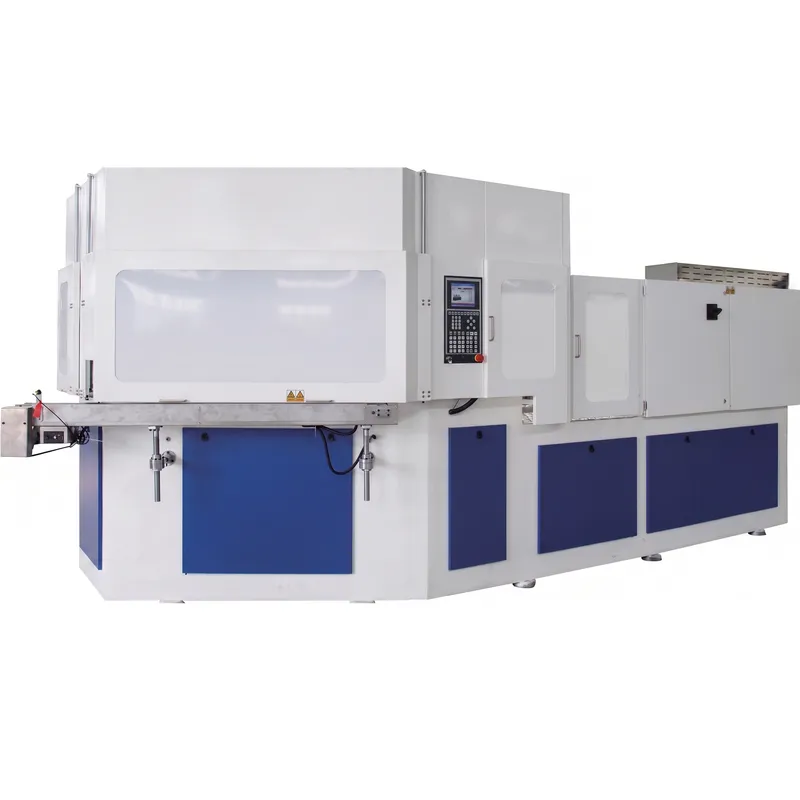
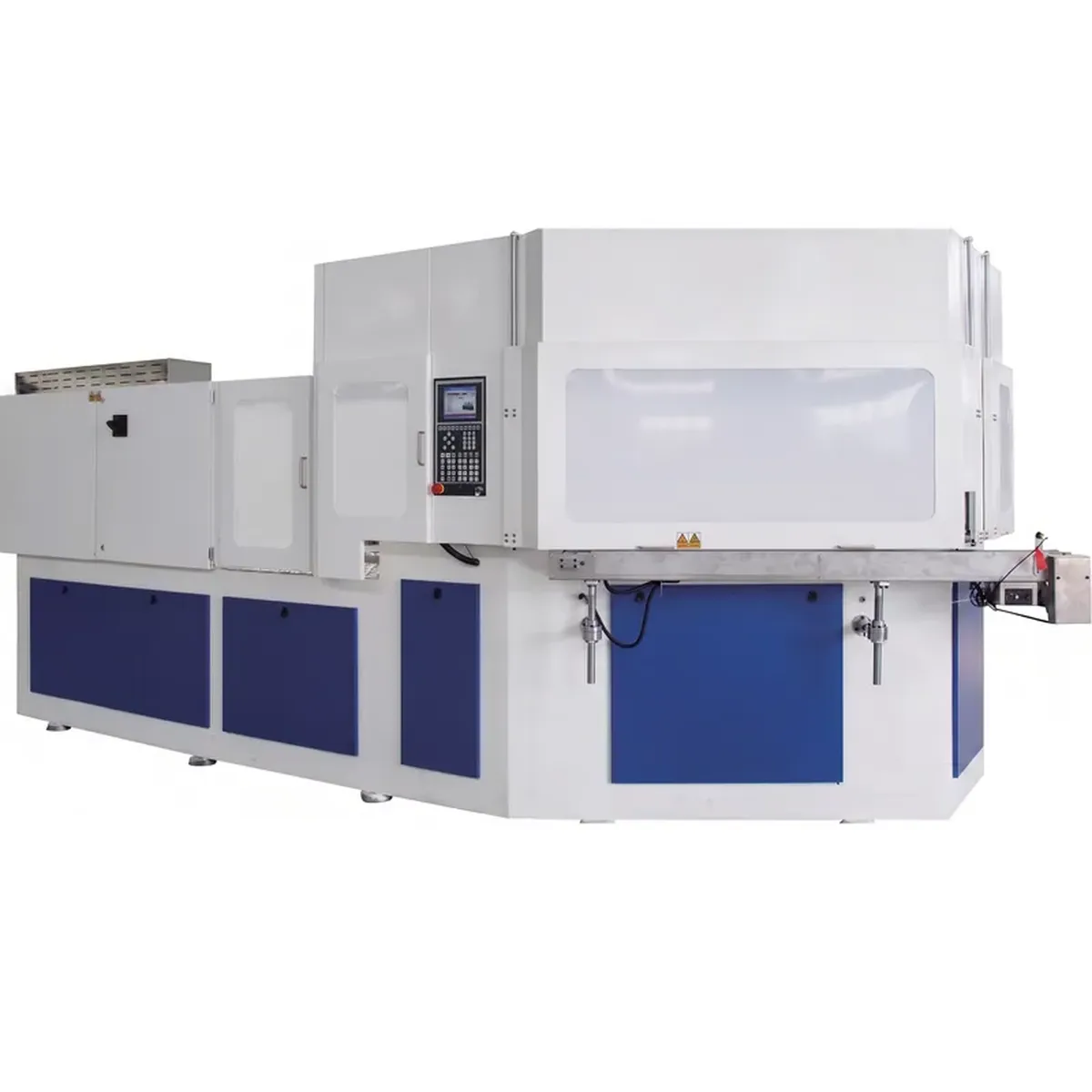
Wtryskarka rozdmuchowa ZQ110 zamienna do modelu Bloma IBM135
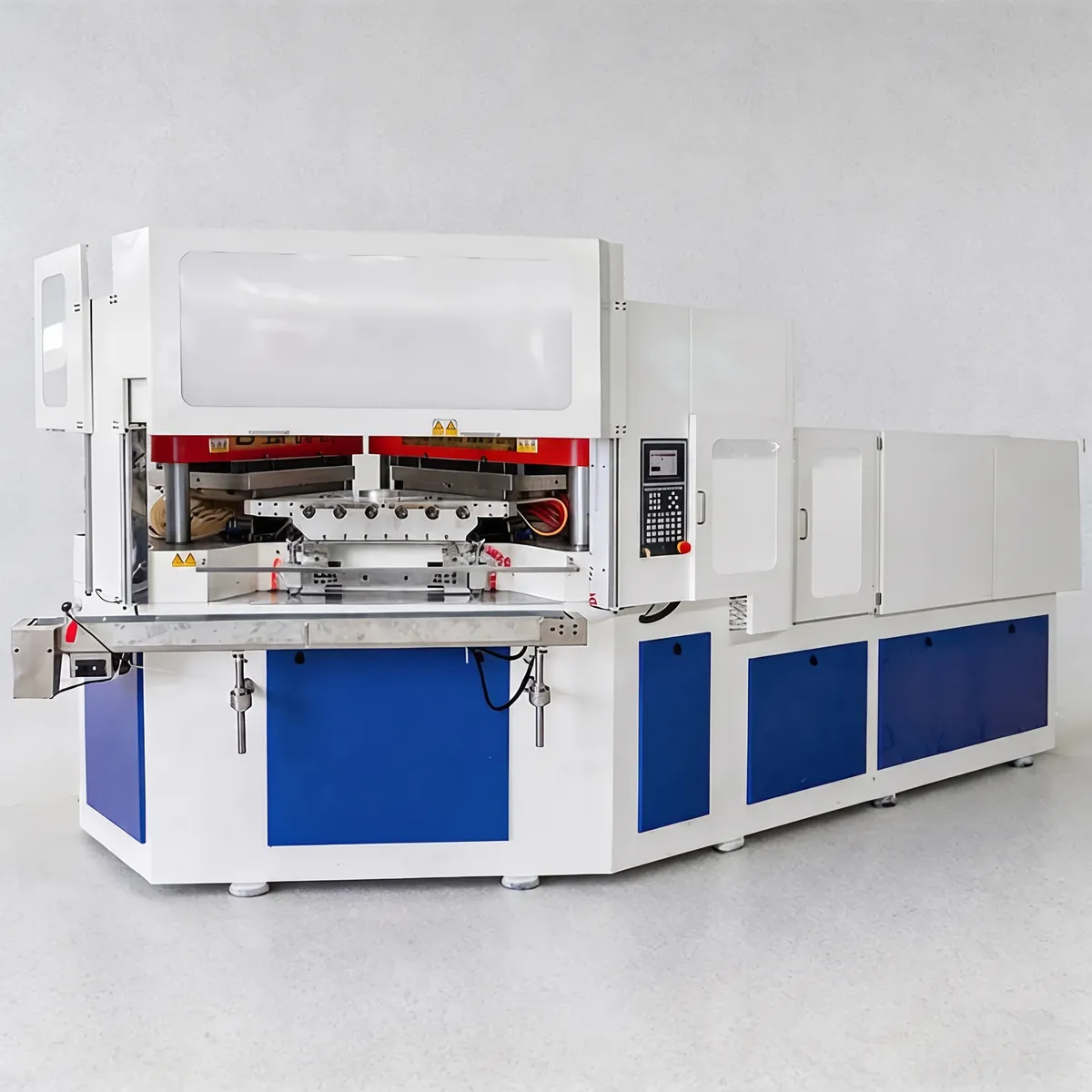
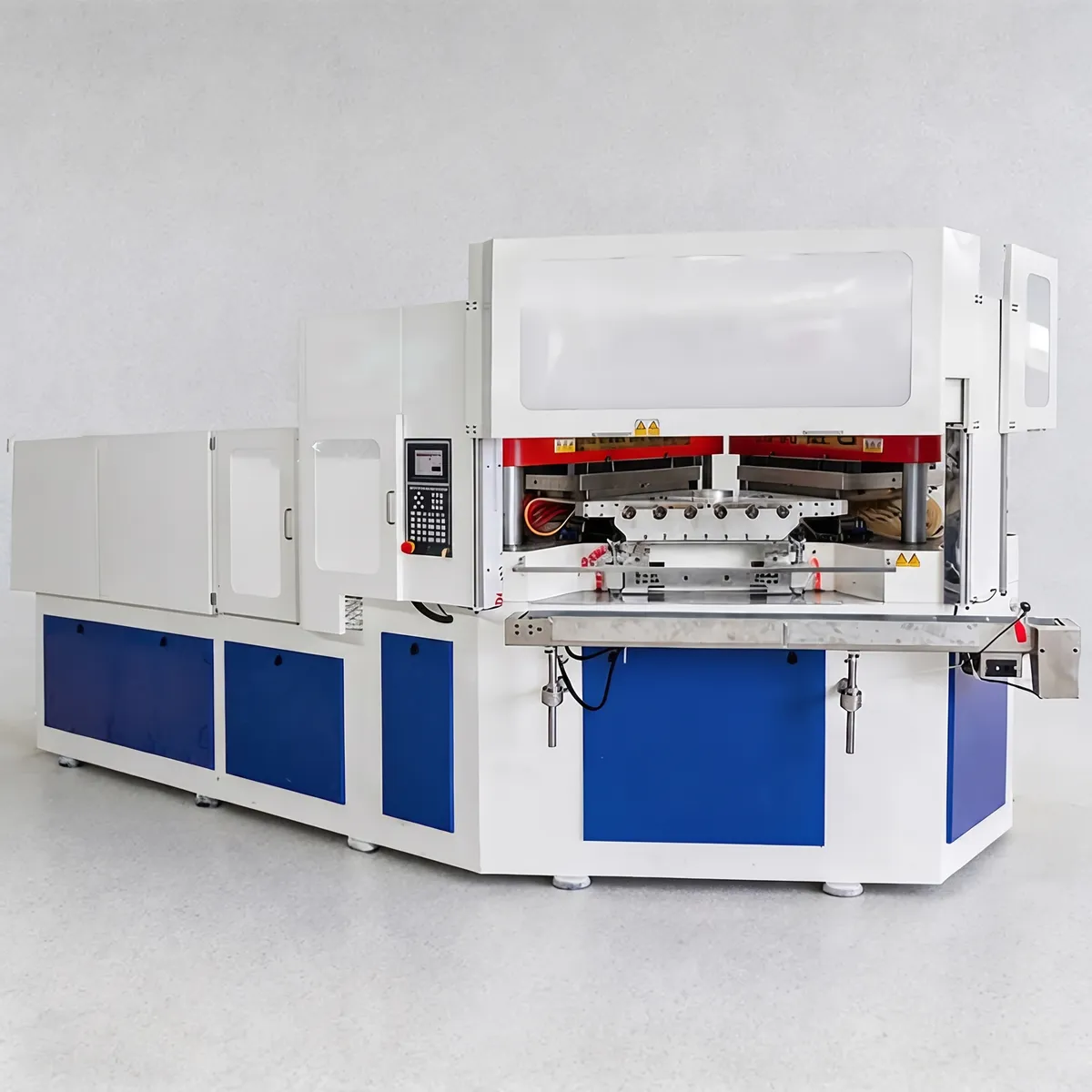
Zaprojektowana jako zamiennik precyzyjnej maszyny do formowania wtryskowego z rozdmuchem (WDM) dla modelu Bloma IBM135, maszyna ZQ110 jest wyposażona w pełny napęd serwomotorowy dla wszystkich ruchów i działa całkowicie bez oleju hydraulicznego, zapewniając czystsze i bezpieczniejsze środowisko produkcyjne. System serwomotorowy zawiera enkodery absolutne, które gwarantują wyjątkową powtarzalność i spójność wymiarową w każdym cyklu produkcyjnym. Czas cyklu jest krótszy o 20% w porównaniu z maszynami konwencjonalnymi, osiągając 8,2 sekundy na cykl dla butelek o pojemności 30 ml przy standardowej dziennej wydajności 105 000 butelek i maksymalnej 115 000 butelek dziennie.
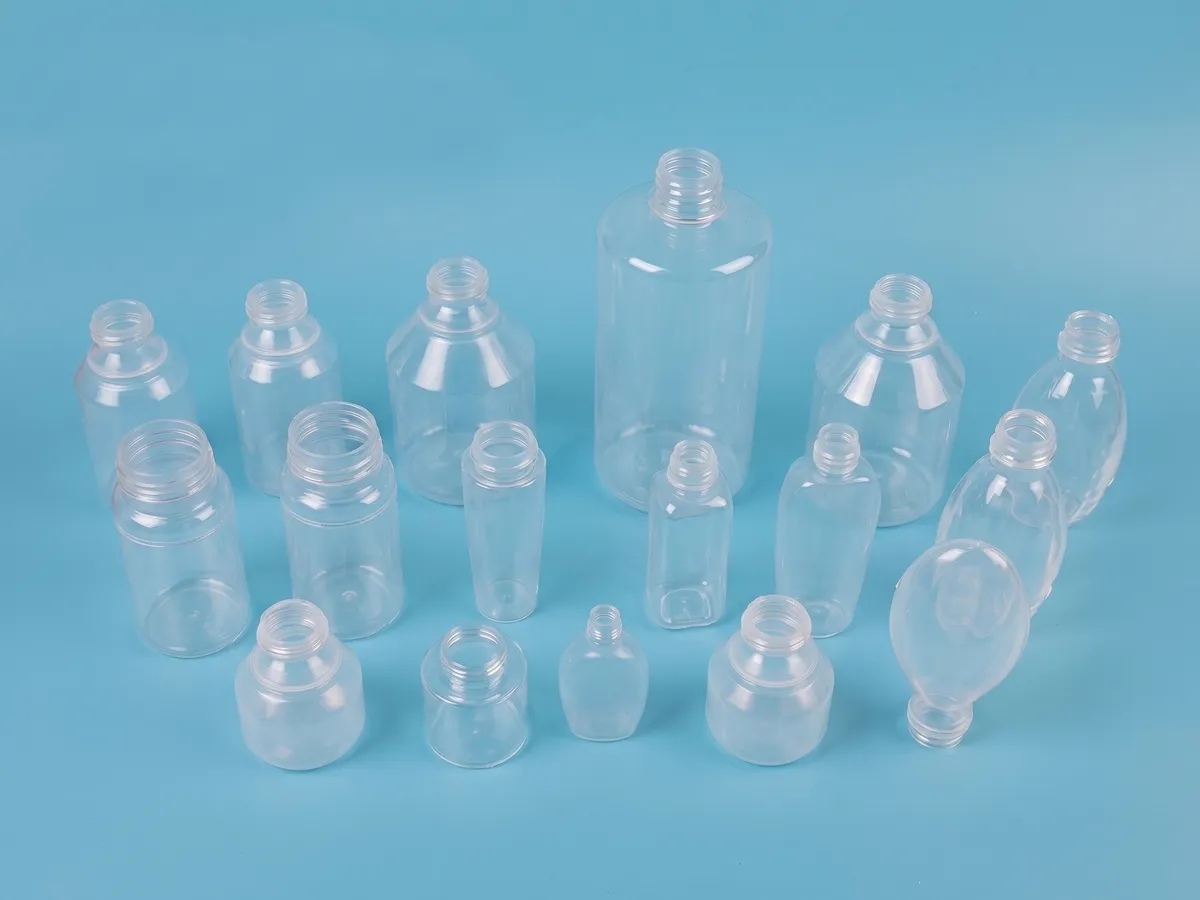
Zaprojektowana jako zamiennik precyzyjnej maszyny do formowania wtryskowego z rozdmuchem modelu Bloma IBM135, maszyna ZQ110 jest wyposażona w pełny napęd serwomotorowy dla wszystkich ruchów i działa całkowicie bez oleju hydraulicznego, zapewniając czystsze i bezpieczniejsze środowisko produkcyjne. System serwomotorowy zawiera enkodery absolutne, które gwarantują wyjątkową powtarzalność i spójność wymiarową w każdym cyklu produkcyjnym. Czas cyklu jest krótszy o 20% w porównaniu z maszynami konwencjonalnymi, osiągając 8,2 sekundy na cykl dla butelek o pojemności 30 ml przy standardowej dziennej wydajności 105 000 butelek i maksymalnej 115 000 butelek dziennie. Zużycie energii spada o około 30%, do zaledwie 12 kWh na godzinę wymaganej do produkcji butelek o pojemności 30 ml, co czyni tę maszynę IBM jedną z najbardziej ekonomicznych opcji dostępnych na rynku. Niższy poziom hałasu dodatkowo poprawia warunki pracy, a opatentowana konstrukcja zacisku zapewnia regulowaną siłę zacisku od 40 do 80 ton, co pozwala na obsługę szerokiej gamy pojemników, od fiolek farmaceutycznych i butelek z kroplami do oczu po słoiki na kosmetyki, pojemniki na przyprawy spożywcze i butelki na środki chemiczne stosowane w rolnictwie.
Filozofia projektowania od dołu do góry sprawia, że cała powierzchnia formy jest całkowicie wolna od oleju smarowego, spełniając rygorystyczne standardy higieniczne wymagane w przypadku opakowań farmaceutycznych, opakowań nutraceutyków i butelek kosmetycznych o wysokiej przejrzystości. Jako w pełni spersonalizowana wtryskarka z rozdmuchem, dostępna na sprzedaż, ZQ110 jest w pełni konfigurowalna, aby spełnić indywidualne wymagania klienta dotyczące kawitacji, geometrii butelki i rodzaju materiału. Elektryczny cylindryczny zespół wtryskowy zapewnia doskonałą stabilność wtrysku i znacznie obniża długoterminowe koszty konserwacji w porównaniu z alternatywnymi rozwiązaniami hydraulicznymi. Z tyłu przenośnika, punkty integracji systemów kontroli wizualnej, testerów szczelności bocznej, etykieciarek i automatycznych urządzeń pakujących umożliwiają całkowicie bezobsługową pracę, z inteligentnym wykrywaniem cząstek obcych, niewystarczającego materiału szyjki i nierównych den butelek, co umożliwia całodobową produkcję bezobsługową. Ta wtryskarka z rozdmuchem tworzyw sztucznych wyznacza nowy standard dla producentów, którzy chcą zastąpić lub ulepszyć model Bloma IBM135, zachowując jednocześnie pełną kompatybilność z formą.
Kawitacja pleśni (dla porównania)
| Przybliżona objętość | 10 ml | 30 ml | 60 ml | 100 ml | 250 ml | 500 ml | 1000 ml |
| Maksymalna kawitacja | 20 | 18 | 14 | 12 | 8 | 5-6 | 3-4 |
Dane techniczne
| Przedmiot | Jednostka | ZQ110 |
| Wsystem wtryskowy | ||
| Średnica śruby | mm | 65 |
| Śruba L/D | % | 22:1 |
| Waga wtrysku | G | 540 |
| Moc grzewcza | KW | 20 |
| Liczba stref lufowych | 5+N | |
| Skok wtrysku | mm | 200 |
| System zaciskowy | ||
| Siła docisku wtrysku | KN | 1100 |
| Skok otwarcia do wstrzyknięcia | mm | 140 |
| Siła docisku dmuchawy | KN | 150 |
| Otwarcie skoku do dmuchania | mm | 140 |
| Wysokość podnoszenia stołu obrotowego | mm | 70 |
| Pleśń | ||
| Maksymalny rozmiar płyty (dł. x szer.) | mm | 1100x460 |
| Grubość formy | mm | 280 |
| Średnica butelki | mm | 120 |
| Wysokość butelki | mm | 220 |
| Odpowiednia wysokość butelki | mm | 1-2000 |
| Uderzenie striptizerskie | mm | 260 |
| Układ hydrauliczny | ||
| Ciśnienie hydrauliczne | Mapa | 14 |
| Moc silnika | KW | 22+22 |
| Cykl suszenia | S | 4 |
| Całkowita moc | KW | 80 |
| Moc operacyjna | % | 52-70 |
| Inni | ||
| Min. ciśnienie powietrza sprężonego | MPa | 0.7-1.2 |
| Wydajność sprężonego powietrza | m³/min | 0.7 |
| Przepływ wody | m³/godz. | 4 |
| Ciśnienie wody chłodzącej | MPa | 0.3-0.4 |
| Wymiary (dł. x szer. x wys.) | M | 5x1,8x2,2 |
| Waga netto | Tona | 15 |
Wymienna marka i model
| Zawsze-Moc | Siła zacisku | Jomar | SUMA | Uniloy | Bloma |
| ZQ40 | 40T | IBM40 | 40iB | UIB70 | IBM45 |
| ZQ60 | 60T | IBM65 | 65iB | UIB90 | IBM50 |
| ZQ80 | 80T | IBM85S | 85iB | UIB120 | IBM85 |
| ZQ110 | 110T | IBM135 | 135iB | UIB150 | IBM135 |
| ZQ135 | 135T | IBM175 | 175iB | UIB180 |
Średnica śruby maszynowej IBM
| Zawsze-Moc | Średnica śruby | Jomar | SUMA | Bloma |
| ZQ40 | 40/45 | 35/40 | 40 | 45 |
| ZQ60 | 45/50 | 45 | 40/50 | 50 |
| ZQ80 | 55 | 55 | 50/60 | 50 |
| ZQ110 | 65 | 65 | 65/76 | 70 |
| ZQ135 | 70 | 70 | 65/76 |
Waga wtrysku IBM Machine
| Zawsze-Moc | Waga wtrysku | Jomar | SUMA | Bloma |
| ZQ40 | 190/260 | 180 | 169 | 180 |
| ZQ60 | 260/383 | 205 | 169/264 | 240 |
| ZQ80 | 466 | 300 | 333/480 | 310/280 |
| ZQ110 | 540 | 450/550 | 580/770 | 560 |
| ZQ135 | 650 | 450/550 | 580/770 |
Siła zacisku wtryskarki IBM Machine
| Zawsze-Moc | Siła zacisku wtrysku | Jomar | SUMA | Bloma |
| ZQ40 | 400 kN | 340 kN | 386 kN | 350 kN |
| ZQ60 | 600 kN | 460 kN | 580 kN | 500 kN |
| ZQ80 | 800 kN | 680 kN | 720 kN | 700 kN |
| ZQ110 | 1100 kN | 1210 kN | 1200 kN | 1250 kN |
| ZQ135 | 1350 kN | 1560 kN | 1600 kN |
Rozmiar formy maszyny IBM
| Zawsze-Moc | Rozmiar formy | Jomar | SUMA | Bloma |
| ZQ40 | 480 × 340 | 394 × 508 | 470 × 350 | 450 × 390 |
| ZQ60 | 600 × 390 | 432 × 660 | 620 × 400 | 620 × 430 |
| ZQ80 | 800 × 400 | 464 × 749 | 700 × 400 | 620 × 430 |
| ZQ110 | 1100 × 460 | 559 × 1118 | 1000 × 500 | 900 × 480 |
| ZQ135 | 1300 × 500 | 635 × 1372 | 1200 × 600 |
Rozmiar maszyny IBM
| Zawsze-Moc | Rozmiar formy (M) | Jomar | SUMA | Bloma |
| ZQ40 | 3,8 × 1,3 × 1,7 | 2,72 × 1,9 × 2,75 | 3,8 × 1,5 × 2,3 | 4,05 × 1,52 × 2,55 |
| ZQ60 | 3,8 × 1,4 × 1,8 | 2,92 × 1,98 × 3,41 | 4 × 1,7 × 2,3 | 620 × 430 × 2,55 |
| ZQ80 | 4,5 × 1,6 × 2 | 3,33 × 1,94 × 3,41 | 4,5 × 2 × 2,6 | 620 × 430 × 2,55 |
| ZQ110 | 5 × 1,8 × 2,2 | 3,79 × 2,4 × 3,41 | 5 × 2,4 × 2,7 | 900 × 480 × 2,55 |
| ZQ135 | 5,5 × 2 × 2,4 | 4,22 × 2,67 × 3,58 | 6 × 2,6 × 2,7 |
Uwaga: marki są wymieniane wyłącznie po to, aby ułatwić klientom wybór produktów, a nie w celu sprzedaży produktów tych marek.
Główne cechy wtryskarki rozdmuchowej ZQ110
1. Projektowanie form wtryskowych o wysokiej precyzji
Maszyna ZQ110 wykorzystuje precyzyjny system formowania wtryskowego, który gwarantuje dokładne wymiary szyjki butelki i profile gwintów w każdym cyklu. Doskonała współosiowość i szczelność są wbudowane w geometrię narzędzi, spełniając rygorystyczne tolerancje wymiarowe wymagane przez przepisy dotyczące opakowań farmaceutycznych. Precyzyjne wykończenie szyjki eliminuje konieczność obróbki końcowej i zapewnia szczelne zamknięcia we wszystkich formatach opakowań, od fiolek z kroplami do oczu po butelki z nutraceutykami, co czyni ją najwyższej klasy wtryskarką z rozdmuchem dla branż regulowanych.
2. Struktura stołu obrotowego
Standardowy, precyzyjny dzielnik kątowy umożliwia jednoczesną synchronizację otwierania, zamykania i podnoszenia stołu obrotowego. Zaawansowany układ sterowania PLC koordynuje każdą stację z dokładnością do milisekundy, eliminując opóźnienia między fazami wtrysku, rozdmuchu i odbarwiania. Ta zsynchronizowana operacja poprawia wydajność automatyzacji i spójność produktu, partia po partii. Precyzyjna konstrukcja dzielnika kątowego to cecha charakterystyczna, która odróżnia tę jednoetapową wtryskarkę z rozdmuchem od starszych platform z napędem hydraulicznym.
3. Inteligentny system sterowania PLC
Maszyna ZQ110 jest wyposażona w zaawansowany system sterowania PLC, który zapewnia precyzyjne, cyfrowe zarządzanie ciśnieniem wtrysku, prędkością, położeniem i temperaturą na wszystkich etapach procesu. Enkodery absolutne na każdej osi serwo przesyłają dane o położeniu w czasie rzeczywistym do sterownika, umożliwiając korektę w pętli zamkniętej, minimalizującą odchylenia i maksymalizującą powtarzalność. Pamięć receptur umożliwia szybką zmianę formatów produktu, znacznie skracając przestoje. Ta inteligentna architektura sterowania leży u podstaw reputacji maszyny jako jednej z najlepszych. maszyny do formowania wtryskowego z rozdmuchem dla środowisk produkcyjnych o wysokim stopniu zróżnicowania.
4. System oszczędzania energii
Architektura pełnego serwonapędu eliminuje stały pobór mocy tradycyjnych silników pomp hydraulicznych, zmniejszając zużycie energii elektrycznej o około 30% w porównaniu z konwencjonalnymi maszynami IBM. System zarządzania temperaturą utrzymuje równomierną temperaturę cylindra we wszystkich pięciu strefach, przyspieszając cykl formowania i eliminując zimne punkty, które powodują degradację materiału. Niższe straty ciepła zmniejszają obciążenie układu chłodzenia i przyczyniają się do cichszej i bardziej ekologicznej pracy hali produkcyjnej. To plasuje ZQ110 wśród w pełni elektrycznych wtryskarek z rozdmuchem pod względem efektywności energetycznej.
5. Automatyczne urządzenie do wyjmowania form
Zautomatyzowana stacja do zdejmowania opakowań charakteryzuje się skokiem roboczym 260 mm, zaprojektowanym do delikatnego i szybkiego wyjmowania gotowych opakowań z formy bez uszkodzeń powierzchni, nadlewów czy zniekształceń. Bezolejowa konstrukcja z odpływem gwarantuje, że podczas wysuwania produktu nie będzie miał kontaktu z zanieczyszczeniami smaru, co jest kluczowym wymogiem w zastosowaniach farmaceutycznych i spożywczych. Zmniejszona liczba czynności ręcznych obniża koszty pracy, minimalizuje wady spowodowane przez człowieka i umożliwia ciągłą pracę maszyny na liniach zautomatyzowanych. To urządzenie jest niezbędne do osiągnięcia przez ZQ110 wydajności referencyjnej do 115 000 butelek dziennie.
6. Kompatybilny z maszyną IBM Bloma IBM135
Maszyna ZQ110 została zaprojektowana jako bezpośredni następca modelu Bloma IBM135, dzieląc tę samą powierzchnię płyty formy, interfejs oprzyrządowania szyjkowego i klasę wydajności produkcyjnej. Istniejące formy Bloma IBM135 można zazwyczaj przenieść do ZQ110 z minimalną lub zerową adaptacją, co chroni dotychczasowe inwestycje w oprzyrządowanie. Maszyna jest również kompatybilna z Jomar IBM135 i SUMA 135iB, co zapewnia kupującym maksymalną elastyczność w zakresie zakupów. Producenci, którzy obecnie korzystają z maszyn do formowania wtryskowego z rozdmuchem tych marek, mogą bez obaw przejść na Ever-Power, korzystając z zaawansowanej technologii serwo i lokalnego wsparcia.
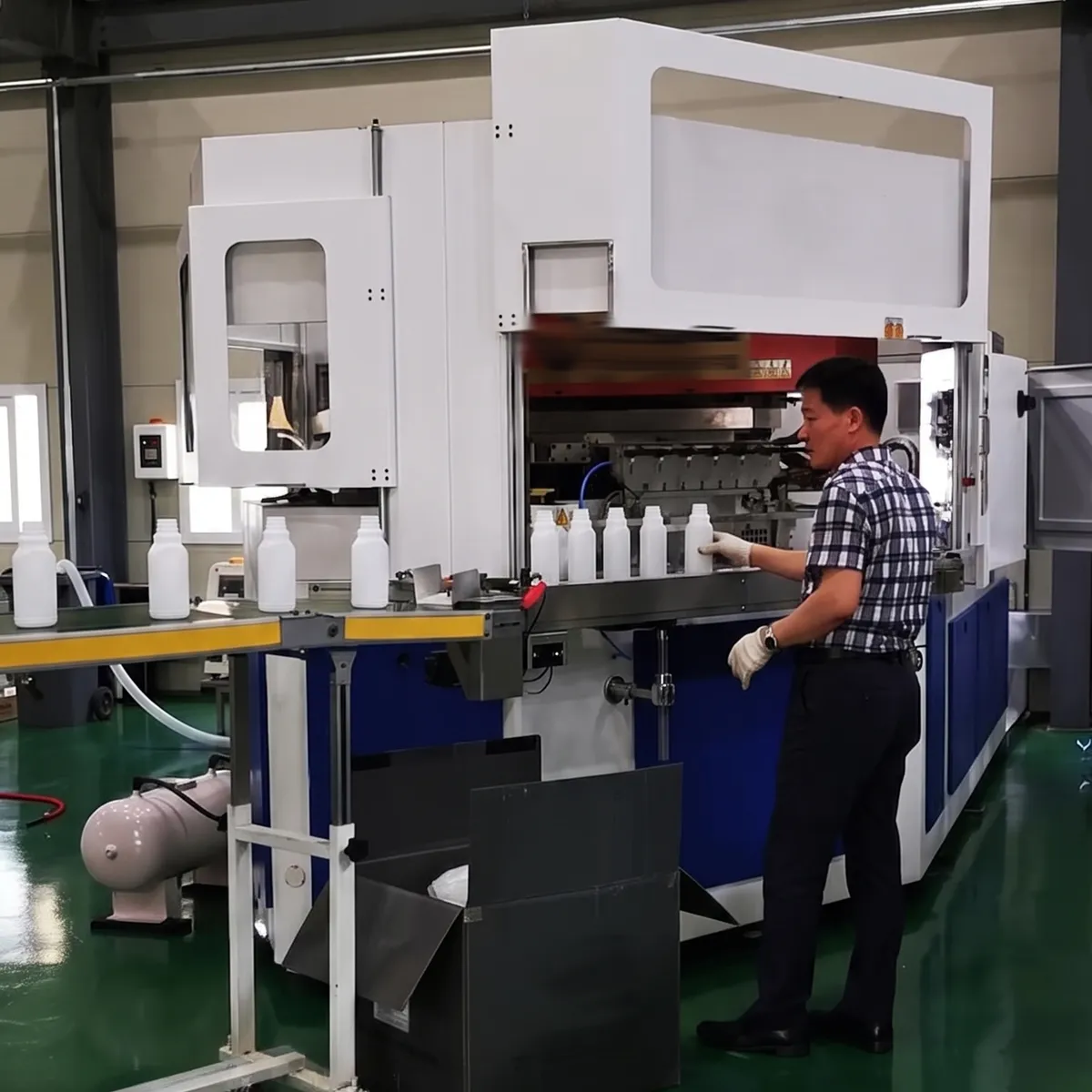
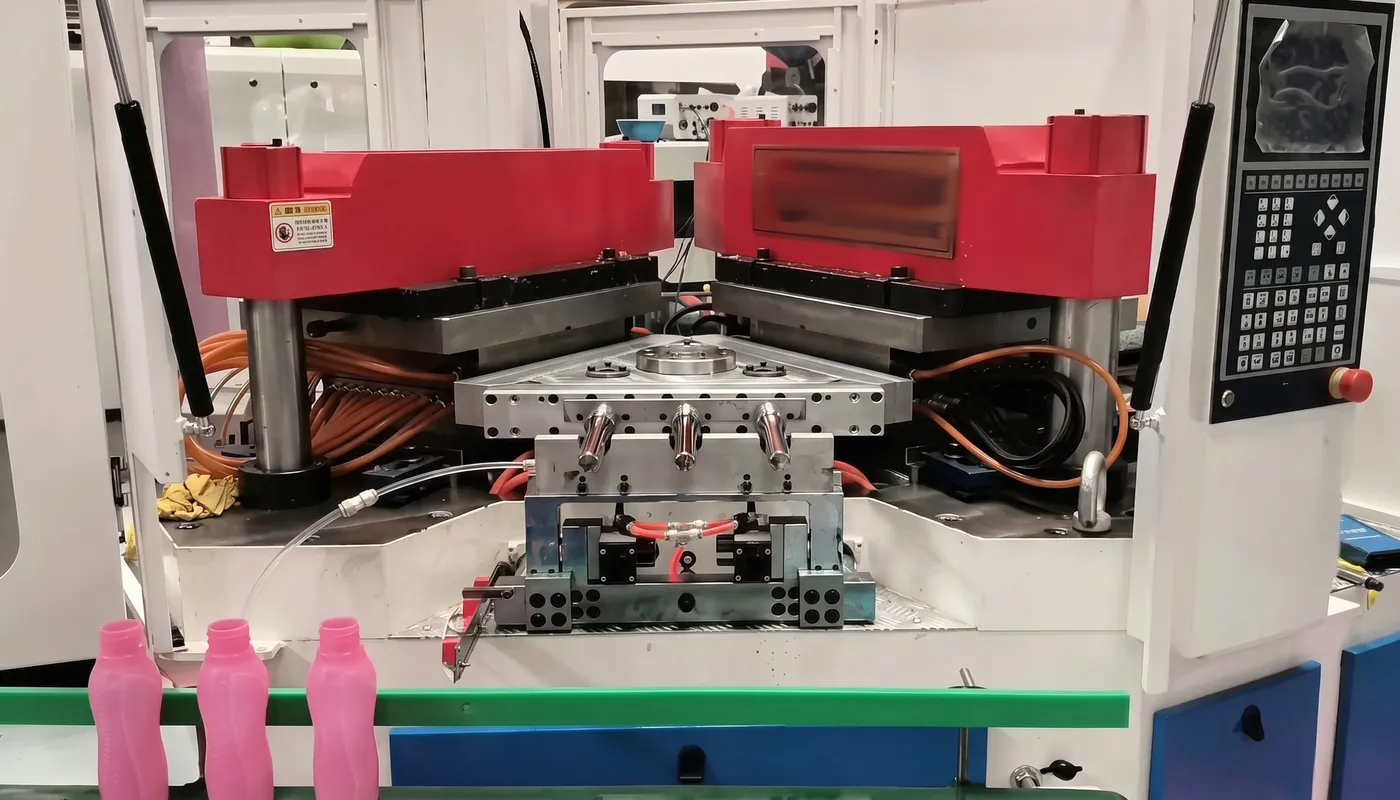
Zasada działania maszyny IBM
1. Wstrzyknięcie
Na etapie wtrysku maszyna topi granulki żywicy i wtryskuje je do podzielonej stalowej wnęki formy pod precyzyjnie kontrolowanym ciśnieniem i prędkością. W ten sposób powstaje preforma, zwana również parisonem, o takim samym rozkładzie grubości ścianek jak w gotowej butelce. Stała jakość preformy jest podstawą każdego precyzyjnego pojemnika produkowanego przez tę wtryskarkę do rozdmuchu tworzyw sztucznych.
2. Przelew
Po uformowaniu preformy, stół obrotowy przenosi ją na pręcie rdzeniowym do stanowiska rozdmuchowego, precyzyjnie ustawiając kąt. Przenoszenie musi odbywać się w ściśle kontrolowanym oknie termicznym, aby utrzymać preformę w optymalnej temperaturze rozdmuchu. Precyzyjne ustawienie zapewnia utrzymanie prawidłowej grubości ścianek i symetryczne rozprężanie preformy przez powietrze rozdmuchowe względem ścianek formy rozdmuchowej.
3. Formowanie rozdmuchowe
Podczas formowania rozdmuchowego, do preformy wtryskiwane jest sprężone powietrze o ciśnieniu od 0,7 do 1,2 MPa, które rozpręża ją w kierunku zimnych, aluminiowych ścianek formy rozdmuchowej. Ten etap nadaje pojemnikowi ostateczną geometrię zewnętrzną i zapewnia równomierne rozłożenie materiału na ściankach. Proces pozwala na ścisłą kontrolę kluczowych parametrów, takich jak grubość ścianek i rozkład materiału, umożliwiając produkcję złożonych kształtów butelek o doskonałej integralności strukturalnej, odpowiednich zarówno do formowania rozdmuchowego PET, jak i do zastosowań PP/HDPE.
4. Wyrzut
W ostatnim etapie stacja rozformowująca wyrzuca gotowy pojemnik z rdzenia za pomocą automatycznego urządzenia do wyjmowania z formy, działającego na odcinku 260 mm. Bezolejowa konstrukcja od dołu do góry zapobiega zanieczyszczeniu podczas wyrzutu. Płynny wyrzut zapobiega powstawaniu śladów na powierzchni i zniekształceniom wymiarowym. Wyrzucone pojemniki trafiają bezpośrednio na przenośnik, gdzie można je opcjonalnie zintegrować z systemami kontroli wizualnej, testerami szczelności bocznej i urządzeniami do etykietowania, co umożliwia w pełni zautomatyzowane przetwarzanie w dół.
Branże aplikacji
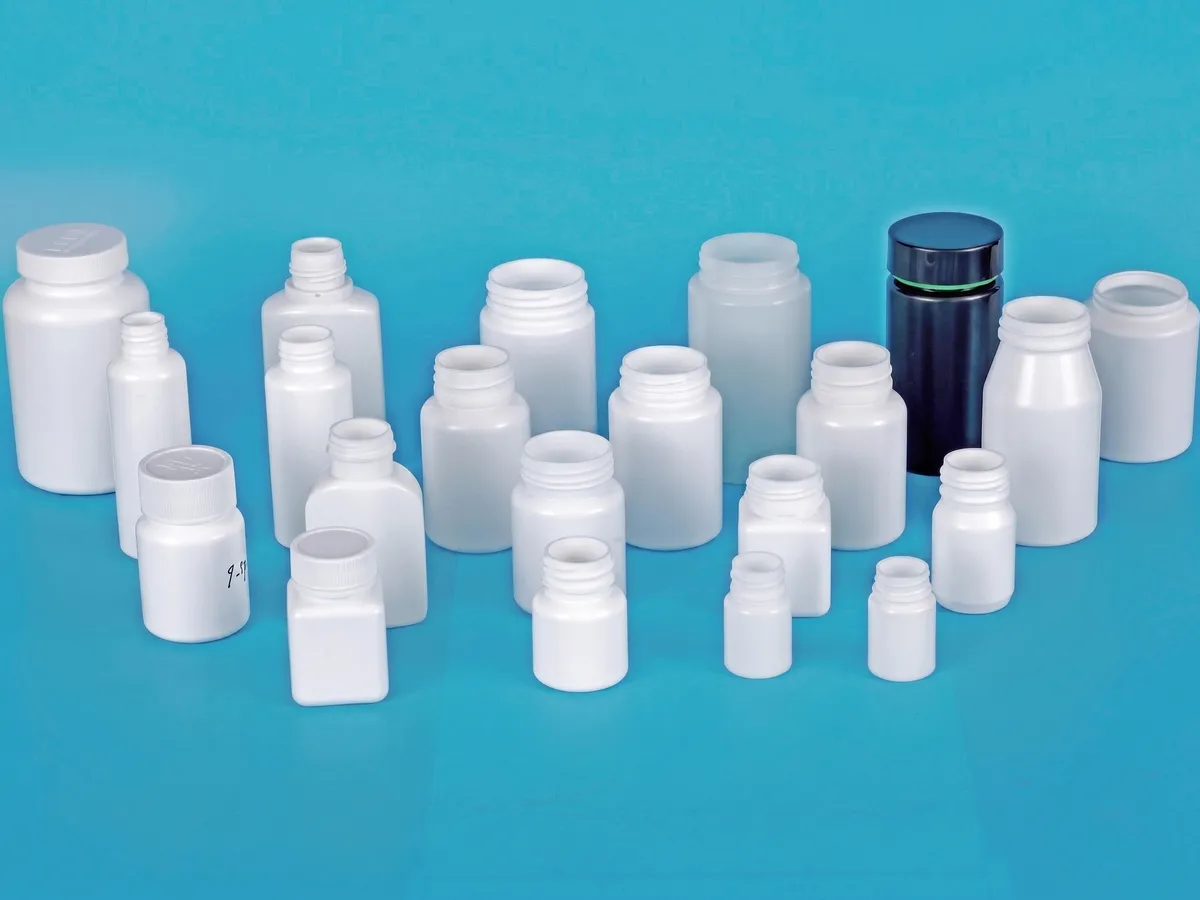
1. Przemysł farmaceutyczny
Maszyna ZQ110 spełnia najsurowsze standardy pakowania produktów farmaceutycznych, łącząc bezolejową konstrukcję od dołu do góry z precyzyjnym oprzyrządowaniem szyjki. Produkuje butelki na krople do oczu, butelki na syropy, pojemniki na tabletki, fiolki na aerozol do nosa oraz opakowania na płyny doustne z PP i HDPE o potwierdzonej spójności wymiarowej, szczelnych zamknięciach i powierzchniach bez cząstek stałych, zgodnych z wytycznymi GMP i FDA dotyczącymi pakowania.
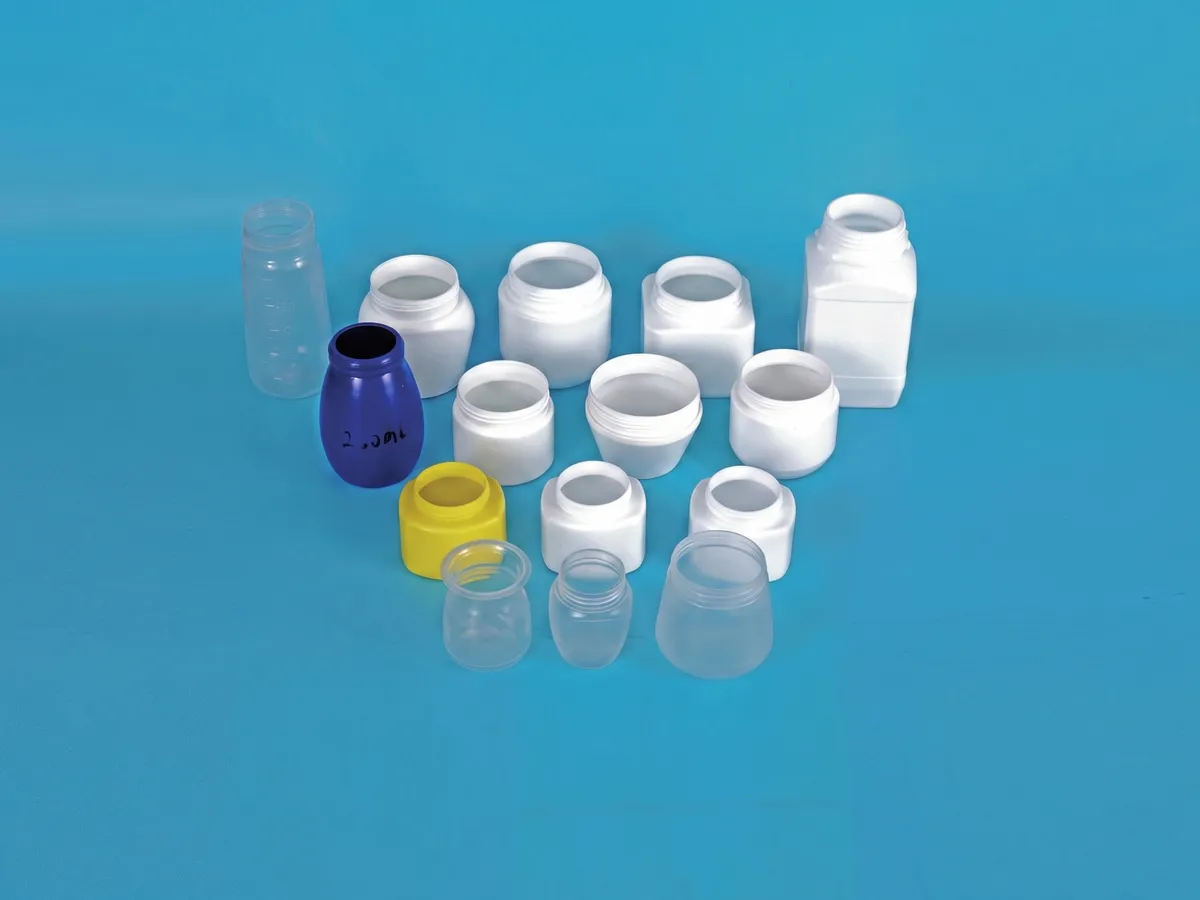
2. Przemysł kosmetyczny
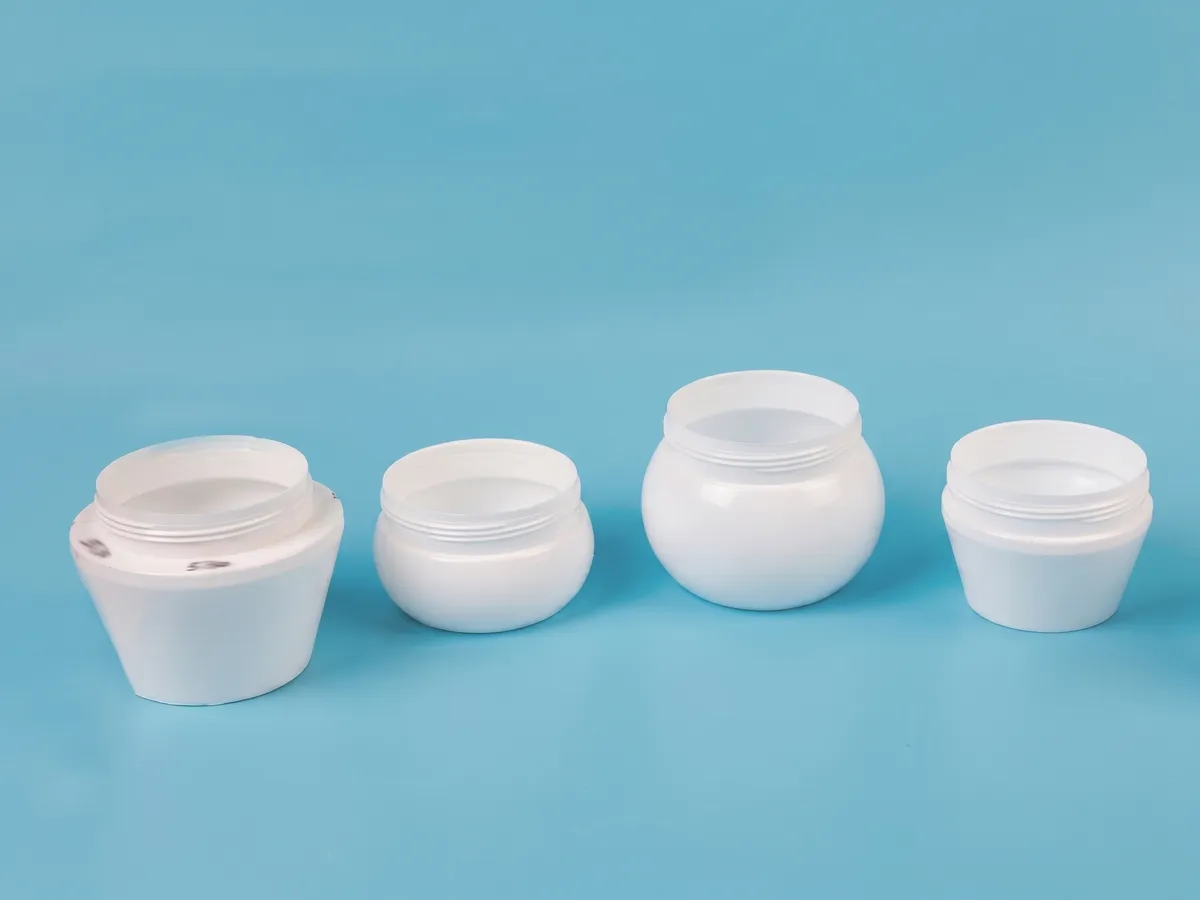
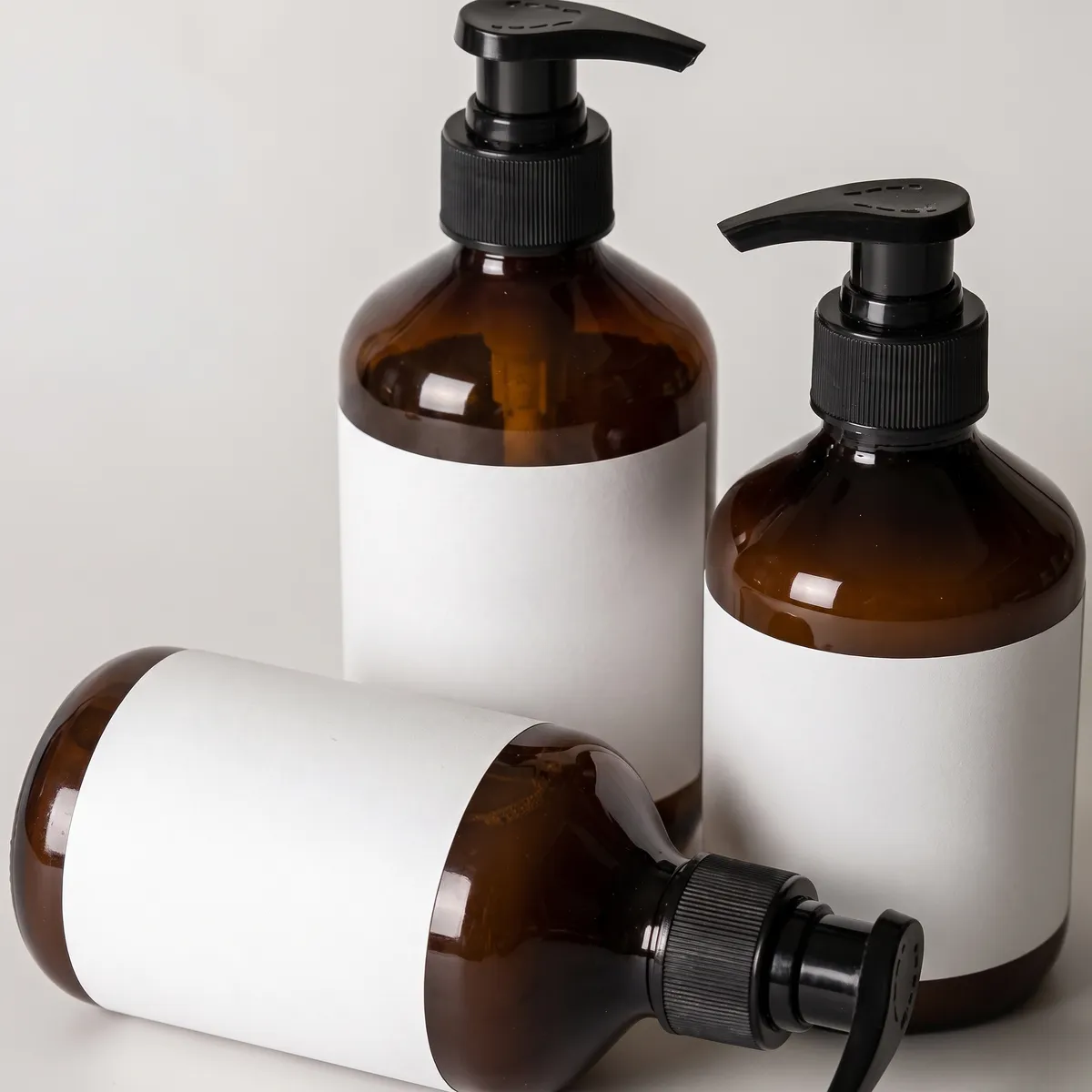
Butelki na szampony, pojemniki na balsamy, nakrętki do perfum, fiolki na serum i słoiczki na krem wymagają nieskazitelnego wykończenia powierzchni i precyzyjnych tolerancji szyjki dla dopasowania pompki i zamknięcia. Elektryczny cylinder wtryskowy i sterowanie serwo enkoderem absolutnym w ZQ110 zapewniają powtarzalność wymiarów i jakość powierzchni, jakiej wymagają ekskluzywne marki kosmetyczne, obsługując pojemniki o pojemności od 10 ml do standardowych formatów 250 ml.
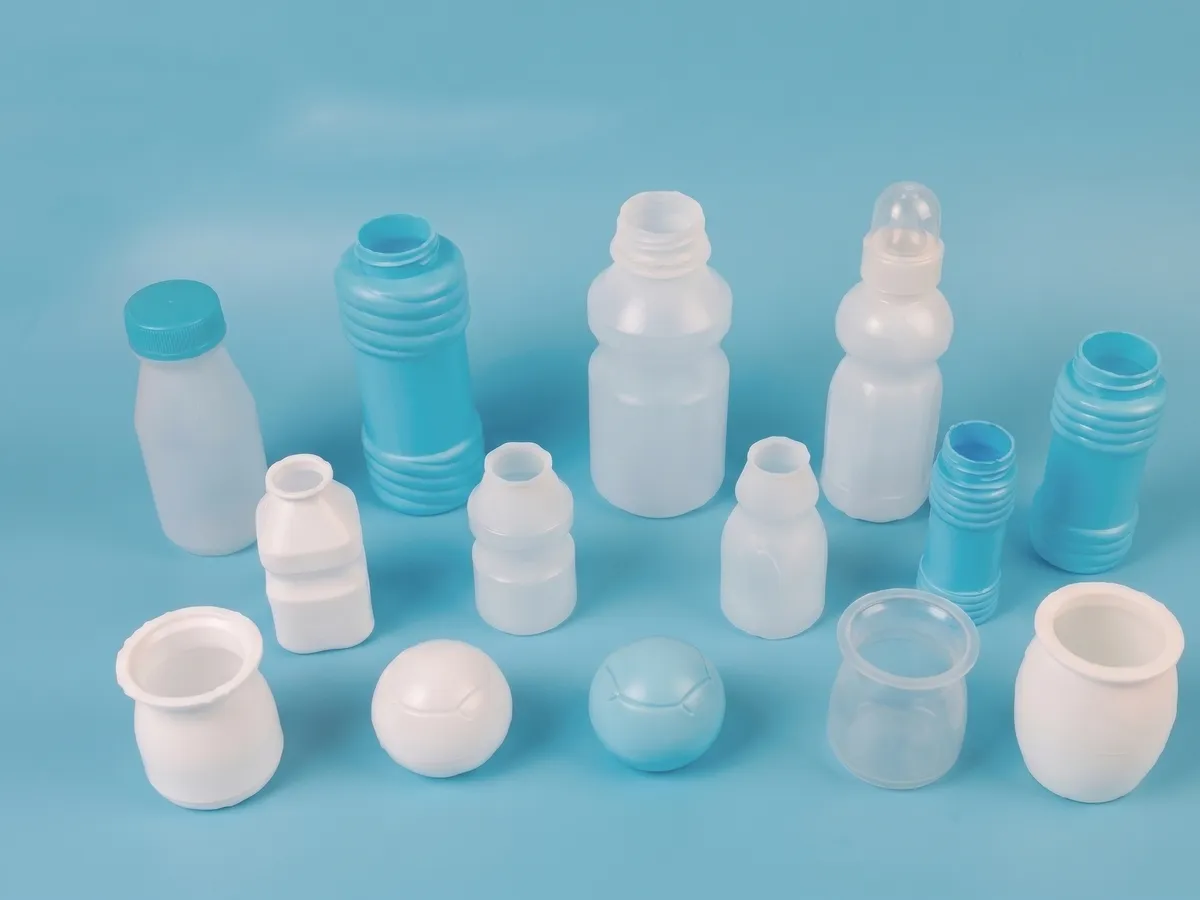
3. Przemysł spożywczy i napojowy
Butelki na przyprawy, pojemniki na sosy, słoiki na miód, opakowania na nabiał i dozowniki do przypraw są produkowane na maszynie ZQ110 z polipropylenu (PP) i HDPE dopuszczonego do kontaktu z żywnością. Konstrukcja bezolejowa zapobiega zanieczyszczeniu węglowodorami, spełniając wymogi dotyczące materiałów przeznaczonych do kontaktu z żywnością. Wysoka dzienna wydajność, do 115 000 butelek, zapewnia konkurencyjną ekonomikę jednostkową dla producentów żywności wymagających zarówno zgodności z wymogami higienicznymi, jak i wysokiej wydajności w jednej wtryskarce z rozdmuchem.
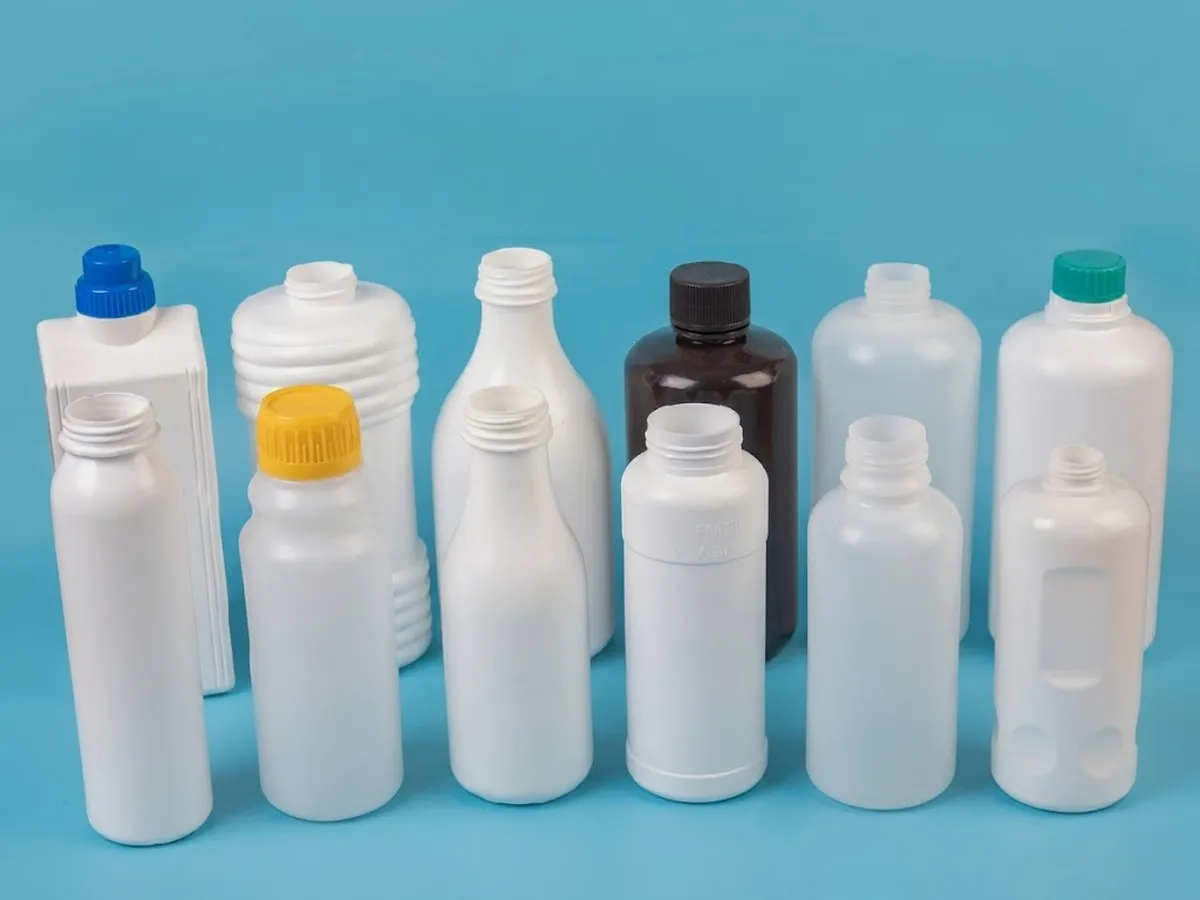
4. Przemysł chemiczny
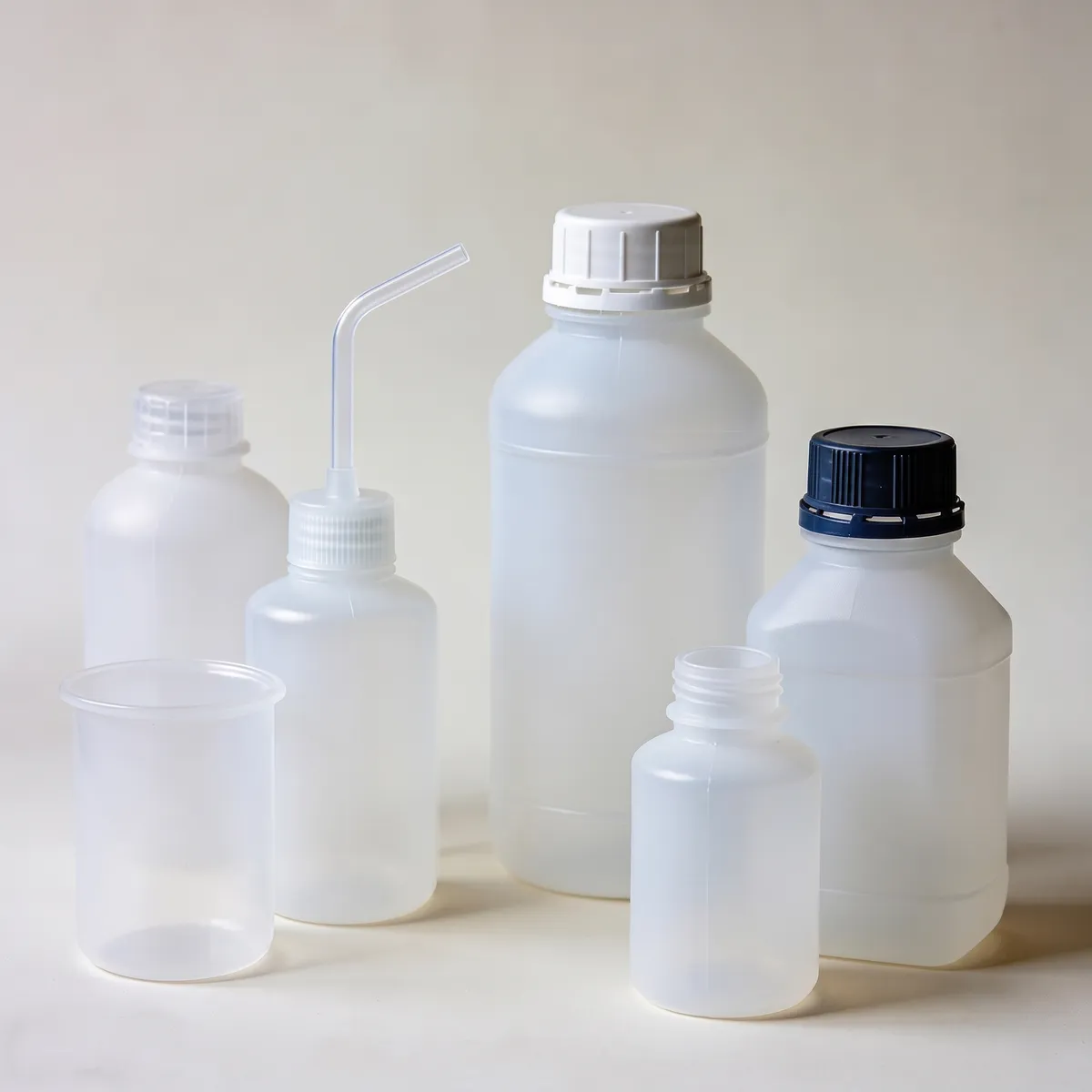
Przemysłowe butelki na środki smarne, pojemniki na rozpuszczalniki, opakowania na środki czyszczące i butelki na chemikalia laboratoryjne wymagają solidnej odporności chemicznej i integralności strukturalnej. Maszyna ZQ110 przetwarza HDPE i PP, wytwarzając pojemniki o doskonałych właściwościach barierowych, odporne na działanie kwasów, rozpuszczalników i zasad. Regulowana siła zacisku od 40 do 80 ton umożliwia produkcję butelek o grubych ściankach, dostosowanych do wymagających warunków przechowywania i transportu chemikaliów.
5. Przemysł artykułów gospodarstwa domowego
Butelki na detergenty, pojemniki na płyn do mycia naczyń, opakowania płynów do płukania tkanin i dozowniki do artykułów higienicznych są produkowane wydajnie na ZQ110. Wysoka zdolność maszyny do kawitacji, nawet do 18 komór na butelki o pojemności 30 ml, umożliwia produkcję wielkoseryjną dla marek artykułów gospodarstwa domowego. Kompatybilność z systemami kontroli wizualnej i automatycznego etykietowania umożliwia całkowicie bezobsługową pracę, minimalizując koszty pracy na jednostkę w przypadku linii produktów gospodarstwa domowego o wysokiej wartości SKU.
6. Przemysł rolny
Butelki na pestycydy, pojemniki na herbicydy, dozowniki nawozów i opakowania leków weterynaryjnych wymagają materiałów odpornych na chemikalia i bezpiecznych uszczelnień szyjkowych, aby zapobiec rozlaniu i zanieczyszczeniu. Maszyna ZQ110 przetwarza HDPE i PP, aby produkować grubościenne pojemniki na środki chemiczne do zastosowań rolniczych, odporne na promieniowanie UV, zmiany temperatury i nieostrożne obchodzenie się podczas dystrybucji. Precyzyjne profile gwintów zapewniają kompatybilność z zamknięciami zabezpieczającymi przed dziećmi i plombą zabezpieczającą, zgodnie z przepisami dotyczącymi środków chemicznych do zastosowań rolniczych.
 |
 |
 |
 |
 |
 |
ZQ110 kontra Bloma IBM135: nasze zalety
Pełny napęd serwo kontra napęd hydrauliczny
Model ZQ110 zastępuje konwencjonalny układ hydrauliczny maszyny Bloma IBM135 pełnym napędem serwosilnikowym dla wszystkich osi. To całkowicie eliminuje olej hydrauliczny z układu, zmniejszając wymagania konserwacyjne, eliminując ryzyko zanieczyszczenia oleju i zmniejszając zużycie energii o około 30%. Układ serwo zapewnia również szybszą i bardziej precyzyjną kontrolę ruchu, co bezpośrednio skraca czas cyklu i poprawia powtarzalność wymiarową w porównaniu z zaworami hydraulicznymi.
20% Krótszy czas cyklu
Z czasem cyklu 8,2 sekundy dla butelek 30 ml, ZQ110 zapewnia 20% krótszy czas cyklu niż konwencjonalne maszyny IBM tej samej klasy co Bloma IBM135. Przekłada się to na standardową dzienną wydajność 105 000 butelek, a maksymalnie 115 000 butelek dziennie, dając producentom znaczną przewagę konkurencyjną bez uszczerbku dla jakości produktu i spójności wymiarowej.
Czystość farmaceutyczna bez oleju
Konstrukcja maszyny ZQ110 typu bottom-up gwarantuje, że w obszarze formy na żadnym etapie procesu nie ma oleju smarowego. Dzięki temu maszyna spełnia farmaceutyczne standardy GMP i bezpieczeństwa żywności, czego konwencjonalny system smarowania maszyny Bloma IBM135 nie jest w stanie osiągnąć bez dodatkowych środków ochronnych. Dzięki temu ZQ110 jest preferowanym wyborem do pakowania leków, opakowań nutraceutyków i butelek kosmetycznych o wysokiej przejrzystości.
Precyzja enkodera absolutnego
Każda oś serwo w ZQ110 jest wyposażona w enkoder absolutny, który w czasie rzeczywistym przekazuje informację zwrotną o położeniu do sterownika PLC. W przeciwieństwie do konfiguracji z enkoderem w pętli otwartej lub podstawowym, typowych dla starszych instalacji Bloma IBM135, system ten eliminuje dryft położenia i eliminuje konieczność ponownego ustawiania maszyny w położeniu bazowym po przerwach w zasilaniu. Rezultatem jest stale wyższa dokładność wymiarowa i niższy wskaźnik braków w przypadku długich serii produkcyjnych.
Elektryczna jednostka wtryskowa cylindra
W modelu ZQ110 zastosowano siłownik elektryczny zamiast siłownika hydraulicznego w układzie wtryskowym, co zapewnia doskonałą powtarzalność ciśnienia wtrysku, szybszą reakcję i znacznie niższe koszty konserwacji w całym okresie eksploatacji maszyny. Spójność gramatury wtrysku jest znacznie lepsza niż w przypadku wtrysku hydraulicznego, co zmniejsza potrzebę częstego dostrajania procesu i obniża wskaźnik braków związanych z niedotryskiem lub przetryskiem, powszechnymi w starzejących się hydraulicznych maszynach IBM, takich jak Bloma IBM135.
Pełna integracja automatyzacji
Tylny przenośnik ZQ110 jest fabrycznie wyposażony w porty integracyjne dla systemów kontroli wizualnej, testerów szczelności bocznej, etykieciarek i automatycznych urządzeń pakujących, co umożliwia produkcję bezobsługową, do której osiągnięcia w przypadku Bloma IBM135 zazwyczaj potrzebna jest znaczna modernizacja. Funkcja wykrywania ciał obcych, niewystarczającego materiału szyjki i nierównych den butelek w linii automatycznie usuwa wadliwe pojemniki, zmniejszając ryzyko reklamacji klientów i spełniając wymagania systemów jakości ISO i GMP.
Zgodne surowce
Maszyna do formowania wtryskowego z rozdmuchem ZQ110 przetwarza szeroką gamę żywic termoplastycznych, obejmującą wszystkie główne kategorie materiałów stosowanych w przemyśle farmaceutycznym, spożywczym, kosmetycznym i produkcji opakowań przemysłowych.
HDPE i LDPE
Polietylen wysokiej gęstości (HDPE) i polietylen niskiej gęstości (LDPE) to najczęściej stosowane żywice w tej klasie wtryskarek do rozdmuchu. HDPE oferuje wysoką wytrzymałość na rozciąganie, odporność na kwasy i rozpuszczalniki oraz odporność na temperaturę powyżej 100 stopni Celsjusza, dzięki czemu idealnie nadaje się do pojemników na chemikalia, produktów gospodarstwa domowego i butelek farmaceutycznych. LDPE zapewnia większą elastyczność i odporność na uderzenia w niskich temperaturach, co czyni go idealnym do butelek wyciskanych i opakowań elastycznych. Oba materiały charakteryzują się doskonałą odpornością chemiczną i niezawodnie przetwarzają się w systemie ślimakowo-cylindrowym maszyny ZQ110.
| Nieruchomość | LDPE | HDPE |
|---|---|---|
| Elastyczność | Wysoka (niska gęstość) | Sztywny (o dużej gęstości) |
| Odporność na ciepło | Spadki powyżej 60C | Powyżej 100C |
| Odporność chemiczna | Alkohole i kwasy | Wybitny |
Polipropylen (PP)
PP to najpopularniejsza żywica do pakowania produktów farmaceutycznych w maszynach IBM. Zapewnia wysoką sztywność, doskonałą stabilność wymiarową i wyjątkową odporność chemiczną. PP wytrzymuje wyższe temperatury przetwarzania niż HDPE i dobrze sprawdza się w aplikacjach napełniania na gorąco. Jego odporność na wilgoć i zmęczenie sprawiają, że idealnie nadaje się do pojemników, które są wielokrotnie otwierane i ponownie zamykane. Pięciostrefowy cylinder ZQ110 zapewnia precyzyjną kontrolę temperatury niezbędną do przetwarzania PP bez degradacji lub zmiany koloru w formach o dużej wnęce, do 18 gniazd, dla butelek o pojemności 30 ml.
| Korzyść | Ograniczenie |
|---|---|
| Bardzo przystępna cena | Wrażliwy na promieniowanie UV |
| Odporność chemiczna | Wysoka łatwopalność |
| Wysoka odporność na zmęczenie | Wrażliwy na aromaty |
PVC i PS
Na ZQ110 można również przetwarzać polichlorek winylu (PCW) i polistyren (PS). PCW jest ceniony za swoją trwałość, stabilność wymiarową oraz odporność na ogień, chemikalia i ścieranie, dzięki czemu nadaje się do zastosowań w budownictwie, urządzeniach medycznych i opakowaniach o długim okresie użytkowania. PS jest sztywny, ekonomiczny i transparentny w formie krystalicznej, co czyni go żywicą pierwszego wyboru do produkcji pojemników na bakterie kwasu mlekowego i opakowań do żywności o wysokiej przejrzystości, gdzie HDPE nie jest w stanie zapewnić wymaganej przejrzystości. Pięciostrefowa regulacja temperatury i elektryczny układ wtryskowy w ZQ110 niezawodnie radzą sobie z wąskimi oknami przetwarzania obu materiałów.
ABS, PU, Santoprene
Termoplastyczne tworzywa konstrukcyjne, takie jak ABS, PU i Santoprene, rozszerzają zakres zastosowań żywicy ZQ110 w artykułach konsumpcyjnych, komponentach przemysłowych i opakowaniach gumopodobnych. ABS zapewnia umiarkowaną elastyczność i odporność na uderzenia w przypadku opakowań produktów konsumenckich. PU oferuje doskonałą trwałość i odporność na temperaturę w zastosowaniach przemysłowych. Elastomer termoplastyczny Santoprene łączy elastyczność gumopodobną z przetwarzalnością tworzyw termoplastycznych, dzięki czemu nadaje się do dozowników dozujących i urządzeń medycznych wymagających wielokrotnego zginania. Regulowane parametry procesu żywicy ZQ110 uwzględniają odmienne właściwości reologiczne każdej żywicy konstrukcyjnej.
Nylon (PA)
Nylon (PA) to żywica o wysokiej wydajności, znana ze swojej wytrzymałości mechanicznej, odporności na zmęczenie i stabilności termicznej powyżej 150 stopni Celsjusza. Wzmocnione gatunki nylonu wytrzymują temperatury przekraczające 250 stopni Celsjusza, co umożliwia maszynie ZQ110 produkcję pojemników do przechowywania chemikaliów lub płynów samochodowych w wysokich temperaturach. Samosmarująca powierzchnia i doskonałe właściwości izolacyjne pozwalają na zastosowanie jej w specjalistycznych opakowaniach przemysłowych. Niska lepkość stopu PA zwiększa wydajność produkcji na maszynie ZQ110, jednak wymagana jest staranna kontrola wilgotności przed przetwarzaniem, aby zachować stabilność wymiarową i jakość powierzchni gotowych pojemników.
Żywice biopochodne i specjalistyczne
Maszyna ZQ110 przetwarza również materiały specjalistyczne, takie jak EVA, PCTG, polistyren o wysokiej przezroczystości oraz ekologiczne biotworzywa na bazie kukurydzy. PCTG zapewnia doskonałą przejrzystość porównywalną ze szkłem, co jest idealne do wysokiej jakości opakowań kosmetycznych i farmaceutycznych, gdzie wymagana jest zarówno przezroczystość, jak i odporność na uderzenia. EVA zapewnia elastyczność i wydajność w niskich temperaturach w zastosowaniach wymagających ściskania. Biomateriał kukurydziany wspiera zobowiązania producentów do zrównoważonego rozwoju, którzy koncentrują się na rynkach opakowań przyjaznych dla środowiska. W pełni konfigurowalne parametry procesu tej spersonalizowanej wtryskarki z rozdmuchem, dostępnej na sprzedaż, umożliwiają obsługę wszystkich tych specjalistycznych żywic bez konieczności zmiany sprzętu.
 |
 |
 |
 |
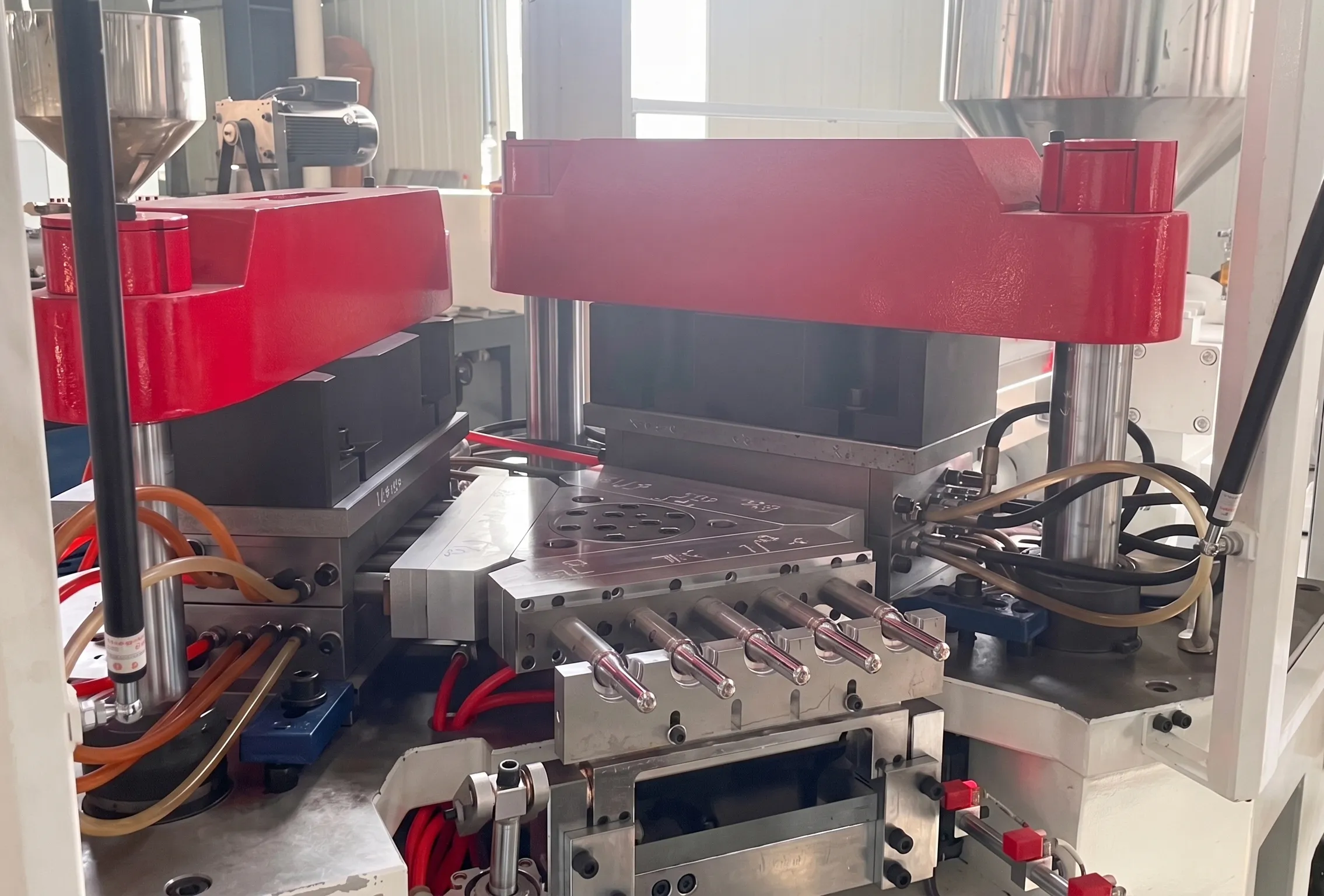
Characteristics of ZQ Series Automatic Mould
1. Interchangeable Cavity and Neck Design
Forma wtryskowa posiada specjalnie zaprojektowane wkładki wnękowe i szyjkowe ze specjalnie zaprojektowanym wewnętrznym kanałem olejowym. Poszczególne wkładki można wymieniać bez wymiany całej podstawy formy, co umożliwia szybką zmianę formatu między wykończeniem szyjki butelki a geometrią korpusu. Taka konstrukcja zapewnia również stabilny rozkład temperatury na powierzchni wkładki, zachowując spójność wymiarową preformy w trakcie długich serii produkcyjnych i redukując wady termiczne, takie jak zapadnięcia i różnice w grubości ścianek.
2. Konstrukcja ze stali premium
Wszystkie gniazda form wtryskowych i elementy rdzenia są produkowane z importowanego stopu stali S136 lub stali nierdzewnej 4Cr13, które oferują doskonałą polerowalność, odporność na korozję i wytrzymałość na ściskanie. Wysoka twardość tych stopów wydłuża żywotność gniazd do kilku milionów cykli bez degradacji wymiarowej. Konstrukcja ze stali nierdzewnej jest szczególnie ceniona w zastosowaniach farmaceutycznych i spożywczych, gdzie korozja powierzchni gniazd może zanieczyścić powierzchnie mające kontakt z produktem i zagrozić zgodności z przepisami.
3. Zoptymalizowane chłodzenie kanałów gorących i rdzenia
Zoptymalizowany system gorących kanałów równoważy przepływ stopu do wszystkich gniazd jednocześnie, minimalizując odchylenia gramatury i różnice grubości ścianek między gniazdami. Specjalna konstrukcja rdzenia trzpienia zawiera szybki wewnętrzny kanał chłodzący, który przyspiesza krzepnięcie wewnętrznej powierzchni preformy, zapewniając krótszy czas cyklu bez utraty dokładności wymiarowej. Zrównoważony system gorących kanałów i ulepszone chłodzenie rdzenia zmniejszają straty materiału i zwiększają wydajność godzinową w porównaniu z konwencjonalnymi konstrukcjami form IBM.
4. 100% Uszczelnione otwory i dokładność gwintu
Wymiary szyjki butelki i gwintu są kontrolowane z zachowaniem tolerancji gwarantujących kompatybilność uszczelnienia zamknięcia 100% ze standardowymi nakrętkami i elementami pompki. Precyzyjne oprzyrządowanie szyjki zapewnia jednolitą wysokość, skok i średnicę gwintu we wszystkich gniazdach, eliminując zmienność dopasowania zamknięcia, która powoduje wycieki i skargi konsumentów. Ten poziom dokładności szyjki jest podstawowym wymogiem dla butelek farmaceutycznych, które muszą przejść testy szczelności USP i ISO, co czyni te formy kluczowym wyróżnikiem oferty tego producenta maszyn do formowania wtryskowego z rozdmuchem.
5. Usta i podstawa bez błysków
Jednoetapowy proces IBM eliminuje linię podziału występującą w procesie formowania z rozdmuchem, pozwalając uzyskać butelki bez zadziorów i odpadów przy wlocie i dnie. Ta nieodłączna cecha procesu wtrysku z rozdmuchem, zachowana i wzmocniona dzięki precyzyjnej kontroli siły zacisku i uszczelnieniu linii podziału w urządzeniu ZQ110, eliminuje konieczność przycinania po formowaniu. Rezultatem są niższe koszty pracy, zerowe ryzyko przedostania się zanieczyszczeń do butelki oraz czystszy i bardziej jednolity wygląd gotowego pojemnika, odpowiedni do wysokiej klasy opakowań farmaceutycznych i kosmetycznych.
6. Spójny rozmiar, waga i grubość ścianki
Połączenie zrównoważonego napełniania gorących kanałów, kontrolowanej prędkości wtrysku, pozycjonowania serwo enkodera absolutnego oraz zoptymalizowanego chłodzenia rdzenia gwarantuje, że wymiary pojemnika, masa netto, położenie linii podziału i grubość ścianek pozostają niezmienne od wnęki do wnęki i od wtrysku do wtrysku. Wartości statystycznej zdolności procesowej (Cpk) osiągane przez ZQ110 spełniają wymagania walidacji farmaceutycznej, umożliwiając producentom wykazanie kontroli procesu przed organami regulacyjnymi i utrzymanie specyfikacji produktu w wieloletnich kampaniach produkcyjnych bez konieczności częstej ponownej kwalifikacji.
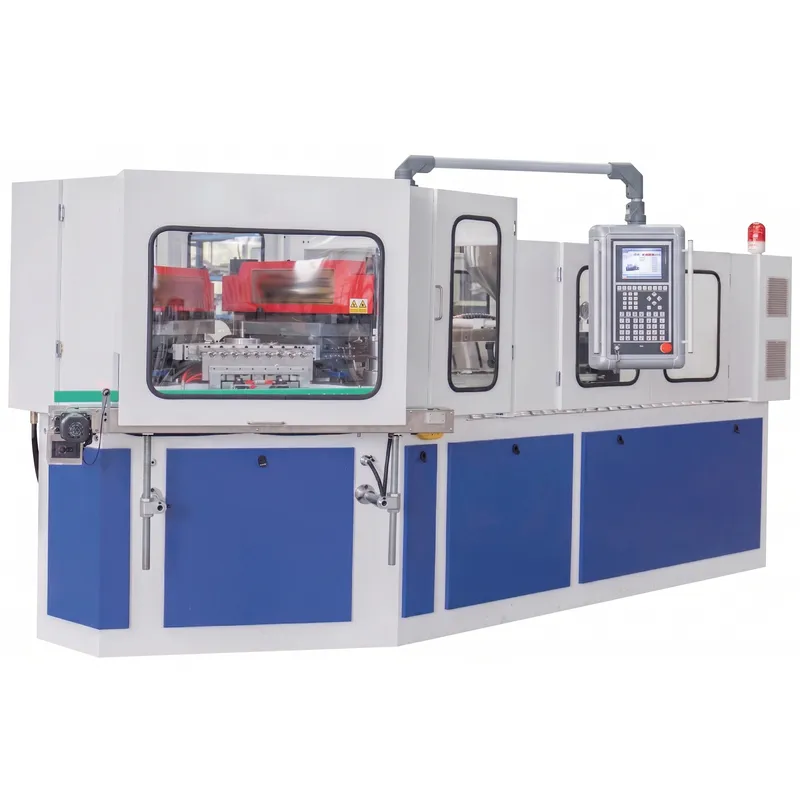
Wskazówki dotyczące konserwacji maszyny ZQ110
1. Codzienna kontrola lufy i ślimaka
Przed każdą zmianą sprawdź temperaturę strefy cylindra i obroty ślimaka. Przed rozpoczęciem produkcji upewnij się, że temperatura we wszystkich pięciu strefach cylindra mieści się w granicach 2 stopni Celsjusza od wartości zadanej. Po każdej zmianie, podczas wymiany żywic, przepłucz cylindra odpowiednim środkiem czyszczącym, aby zapobiec gromadzeniu się zdegradowanego materiału, który może powodować przebarwienia, czarne plamki i niespójność wymiarową w kolejnych cyklach produkcyjnych.
2. Weryfikacja systemu serwomechanizmu i enkodera
Co tydzień sprawdzaj wskaźniki stanu serwonapędu i wartości sprzężenia zwrotnego enkodera absolutnego. Upewnij się, że każda oś precyzyjnie osiąga swoją mechaniczną pozycję startową podczas rozruchu. Wszelkie odchylenia odczytu położenia enkodera od wartości bazowych należy natychmiast sprawdzić, ponieważ awaria enkodera lub uszkodzenie kabla może prowadzić do błędów pozycjonowania, awarii formy i przesunięcia wymiarowego produktu. Utrzymuj filtry wentylacyjne serwonapędu w czystości, aby zapobiec przegrzaniu podczas produkcji.
3. Konserwacja układu wody chłodzącej
Utrzymuj przepływ wody chłodzącej na poziomie 4 m³/h i ciśnienie w zakresie od 0,3 do 0,4 MPa. Codziennie sprawdzaj temperaturę wody na wlocie, natężenie przepływu i różnicę ciśnień w obwodach chłodzenia formy. Uzdatniaj wodę chłodzącą, aby zapobiec osadzaniu się kamienia i rozwojowi mikroorganizmów, które mogą zmniejszyć wydajność wymiany ciepła i wydłużyć czas cyklu. Płucz i czyść układ chłodzenia co kwartał oraz sprawdzaj połączenia kanałów chłodzących formę pod kątem nieszczelności, które mogłyby spowodować zanieczyszczenie wodą jej obszaru.
4. Czyszczenie i kontrola pleśni
Podczas każdego planowanego przestoju należy czyścić wszystkie powierzchnie wnęki formy wtryskowej i rdzenia nieściernymi ściereczkami nasączonymi rozpuszczalnikiem. Należy sprawdzić stan polerowania wnęki, powierzchnie uszczelniające linii podziału oraz pasowania wkładek szyjkowych pod kątem zużycia lub korozji. Wszelkie nierówności na powierzchniach wnęki przeniosą się na zewnętrzną część butelki. W przypadku przekroczenia limitu określonego w specyfikacji, należy ponownie wypolerować wnęki do lustrzanego połysku za pomocą diamentowego materiału ściernego, aby utrzymać wysokie standardy jakości, wymagane przez klientów z branży farmaceutycznej i kosmetycznej.
5. Kontrola układu sprężonego powietrza
Sprawdź, czy ciśnienie sprężonego powietrza dopływającego do maszyny utrzymuje się w zakresie od 0,7 do 1,2 MPa przy przepustowości co najmniej 0,7 m³/min. Sprawdź działanie osuszacza powietrza, aby upewnić się, że zawartość wilgoci w powietrzu nadmuchowym utrzymuje się poniżej wartości granicznej punktu rosy. Wilgoć w powietrzu nadmuchowym może powodować powstawanie zacieków na wewnętrznych powierzchniach pojemnika i zmniejszać przejrzystość. Codziennie opróżniaj separatory filtrów sprężonego powietrza i wymieniaj wkłady filtracyjne zgodnie z harmonogramem określonym w instrukcji konserwacji.
6. Kopia zapasowa PLC i systemu sterowania
Co miesiąc twórz kopie zapasowe wszystkich programów PLC, parametrów receptur i konfiguracji osi serwo na zabezpieczonym zewnętrznym urządzeniu pamięci masowej. Dokumentuj wszystkie zmiany parametrów procesu, podając datę, operatora i przyczynę. W przypadku utraty pamięci PLC lub wymiany płyty sterującej, aktualna kopia zapasowa zapobiega długotrwałym ponownym kwalifikacjom procesu. Aktualizuj oprogramowanie układowe maszyny zgodnie z biuletynami serwisowymi Ever-Power, aby zachować bezpieczeństwo systemu sterowania i uzyskać dostęp do najnowszych funkcji optymalizacji procesu dla tej wtryskarki.
Maszyna IBM kontra maszyna ISBM: kompletne porównanie
Przegląd IBM i ISBM
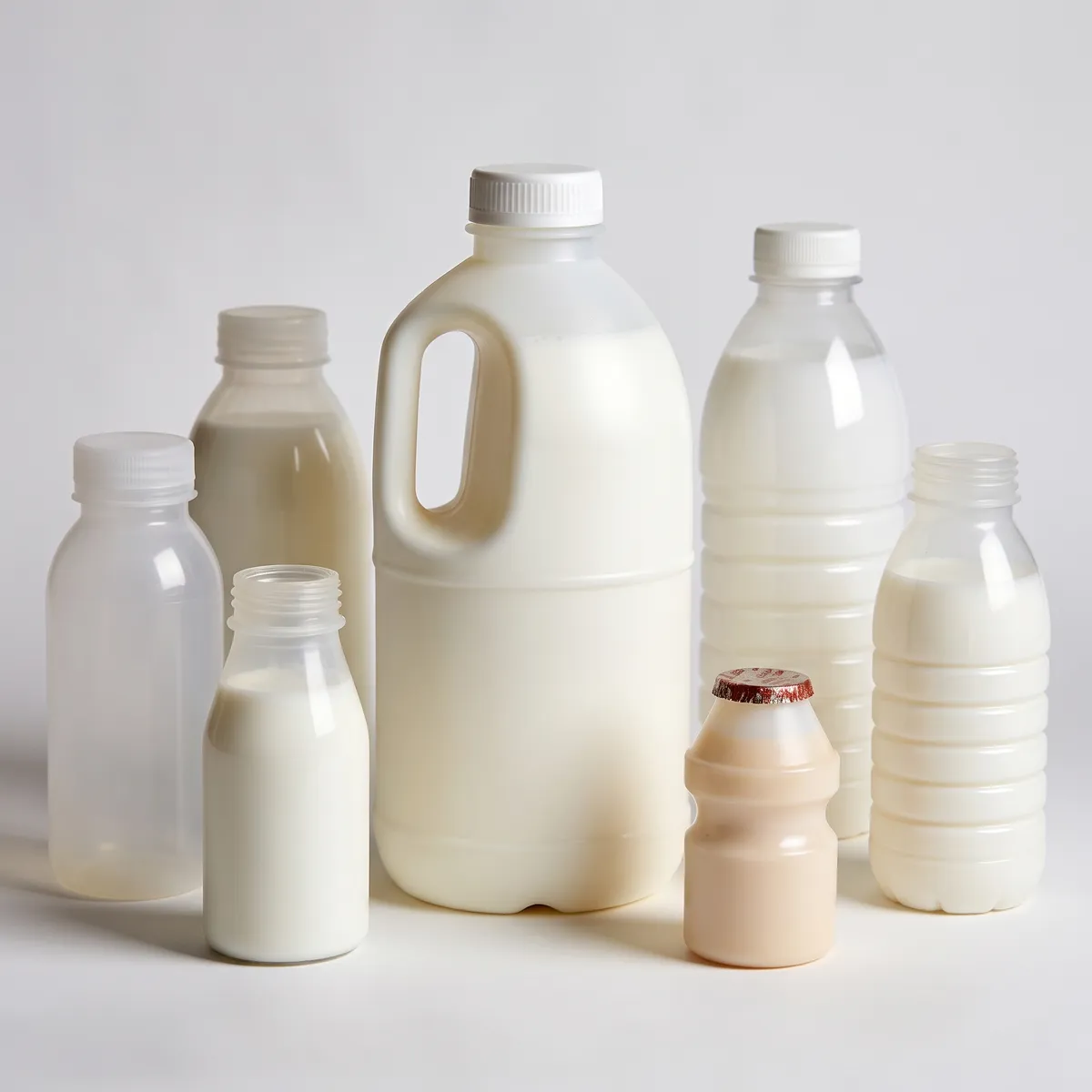
Formowanie wtryskowe z rozdmuchem (IBM) to trzyetapowy proces łączący formowanie wtryskowe i rozdmuchowe w celu produkcji pustych pojemników z tworzywa sztucznego: wtrysk, rozdmuch i wypychanie. Jest to podstawowa technologia produkcji małych, precyzyjnych pojemników, takich jak fiolki farmaceutyczne, butelki do kropli do oczu i słoiczki kosmetyczne, gdzie dokładność wymiarowa i czystość są priorytetem. Maszyna do formowania wtryskowego z rozdmuchem IBM ZQ110 to definitywna platforma dla tej kategorii.
Formowanie wtryskowe z rozciąganiem i rozdmuchiwaniem (ISBM) z kolei, w fazie rozdmuchiwania, wymaga mechanicznego rozciągania. Pręt rozciągający wydłuża preformę osiowo, a sprężone powietrze rozszerza ją promieniowo, tworząc dwuosiową orientację, która znacząco poprawia przejrzystość, właściwości barierowe dla gazów i wytrzymałość mechaniczną gotowego pojemnika. ISBM to dominująca technologia w produkcji butelek PET na napoje, butelek na wodę i pojemników na napoje gazowane, produkowanych w dużych ilościach. Platforma maszyn do formowania wtryskowego z rozciąganiem i rozdmuchiwaniem obsługuje zasadniczo inny segment rynku niż IBM.
Porównanie procesów
Kroki procesu IBM
- Tworzywo sztuczne jest wtryskiwane do podzielonej stalowej wnęki formy w celu uformowania preformy (parisonu) z już uformowanym ostatecznym wykończeniem szyjki.
- Preforma jest przenoszona na pręcie rdzeniowym do stanowiska formowania rozdmuchowego.
- Sprężone powietrze rozpręża preformę w komorze formy rozdmuchowej, tworząc ostateczny korpus pojemnika.
- Gotowy pojemnik jest chłodzony i wyrzucany na stanowisku strippingowym.
Etapy procesu ISBM
- Preforma powstaje w procesie formowania wtryskowego, zwykle na odrębnym etapie od rozdmuchiwania.
- Preformę podgrzewa się w piecu do temperatury rozdmuchiwania (systemy jednoetapowe nagrzewają się wewnątrz maszyny).
- Pręt rozciągający wydłuża preformę osiowo w formie rozdmuchowej.
- Sprężone powietrze jednocześnie rozszerza preformę promieniowo, tworząc pojemnik zorientowany dwuosiowo.
Przydatność materiału
IBM zazwyczaj używa żywic PP i HDPE, które zapewniają odporność chemiczną i czystość farmaceutyczną wymaganą w przypadku opakowań leków i kosmetyków. Technologia ISBM jest zoptymalizowana pod kątem PET, materiału, którego struktura molekularna silnie reaguje na orientację dwuosiową, co znacząco poprawia przejrzystość, barierę dla CO2 i wytrzymałość na rozciąganie. Wybór między maszyną IBM a maszyną ISBM rozpoczyna się zatem od specyfikacji żywicy i wymagań dotyczących zastosowania.
Porównanie zastosowań produktu
| Funkcja | Maszyna IBM | Maszyna ISBM |
|---|---|---|
| Produkty popularne | Krople do oczu, słoiczki kosmetyczne, fiolki farmaceutyczne | Butelki na wodę, butelki na napoje gazowane, sok |
| Rozmiar butelki | Mały do średniego (1-1000 ml) | Średnie do dużych |
| Grubość ścianki | Jednolite, grubsze ścianki | Cienkie ścianki, mocna konstrukcja |
| Wykończenie powierzchni | Bardzo płynna, wysoka precyzja | Doskonała przejrzystość |
Zalety i ograniczenia
Zalety IBM
- Wysoka dokładność wymiarowa dla precyzyjnych pojemników
- Nadaje się do produkcji małoseryjnej i o złożonej geometrii
- Wydajny w przypadku opakowań farmaceutycznych i kosmetycznych
- Praca bez oleju zapewnia zgodność z GMP
Ograniczenia IBM
- Opcje materiałowe bardziej ograniczone niż w przypadku EBM lub ISBM
- Nie nadaje się do bardzo dużych pojemników powyżej 1000 ml
- Wyższy koszt narzędzi na gniazdo niż w przypadku formowania metodą wytłaczania z rozdmuchem
Zalety ISBM
- Doskonała wytrzymałość mechaniczna dzięki dwuosiowej orientacji
- Doskonała przejrzystość dla opakowań PET i opakowań przezroczystych
- Idealny do masowej produkcji butelek na napoje
- Lekki pojemnik o mocnej konstrukcji
Ograniczenia ISBM
- Bardziej złożone maszyny i wyższe koszty kapitałowe
- Większe zużycie energii z powodu ponownego podgrzewania preform
- Ograniczone do PET i podobnych żywic reagujących na rozciąganie
Rozważania dotyczące kosztów i produkcji
Maszyny IBM, takie jak ZQ110, charakteryzują się zazwyczaj niższym kapitałem początkowym i są prostsze w obsłudze, a także charakteryzują się niższym zużyciem energii na butelkę. Są preferowanym wyborem dla producentów farmaceutycznych i kosmetycznych, produkujących precyzyjne, małoformatowe pojemniki w umiarkowanych ilościach. Systemy ISBM, choć bardziej złożone i kapitałochłonne, oferują większą wydajność w masowej produkcji lekkich butelek PET na napoje. Dla firm działających na rynkach regulowanych, takich jak opakowania farmaceutyczne, platforma IBM ZQ110 zapewnia lepszą kontrolę wymiarów i zgodność z GMP w bardziej przystępnej cenie wtryskarki z rozdmuchem.
 |
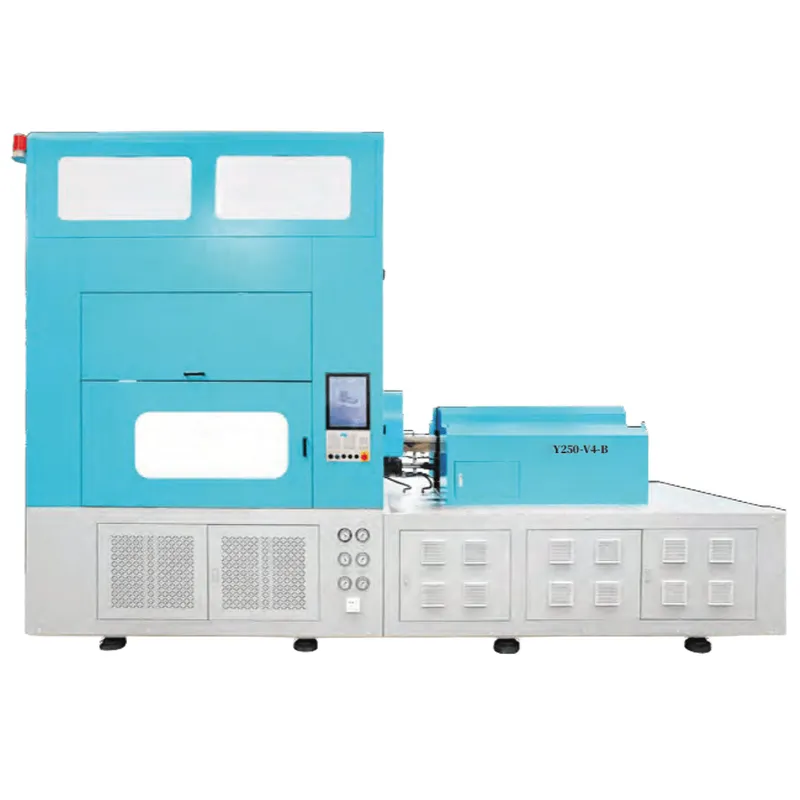 |
| Maszyna IBM | Maszyna ISBM |
|---|
Dlaczego warto wybrać wtryskarki Ever-Power?
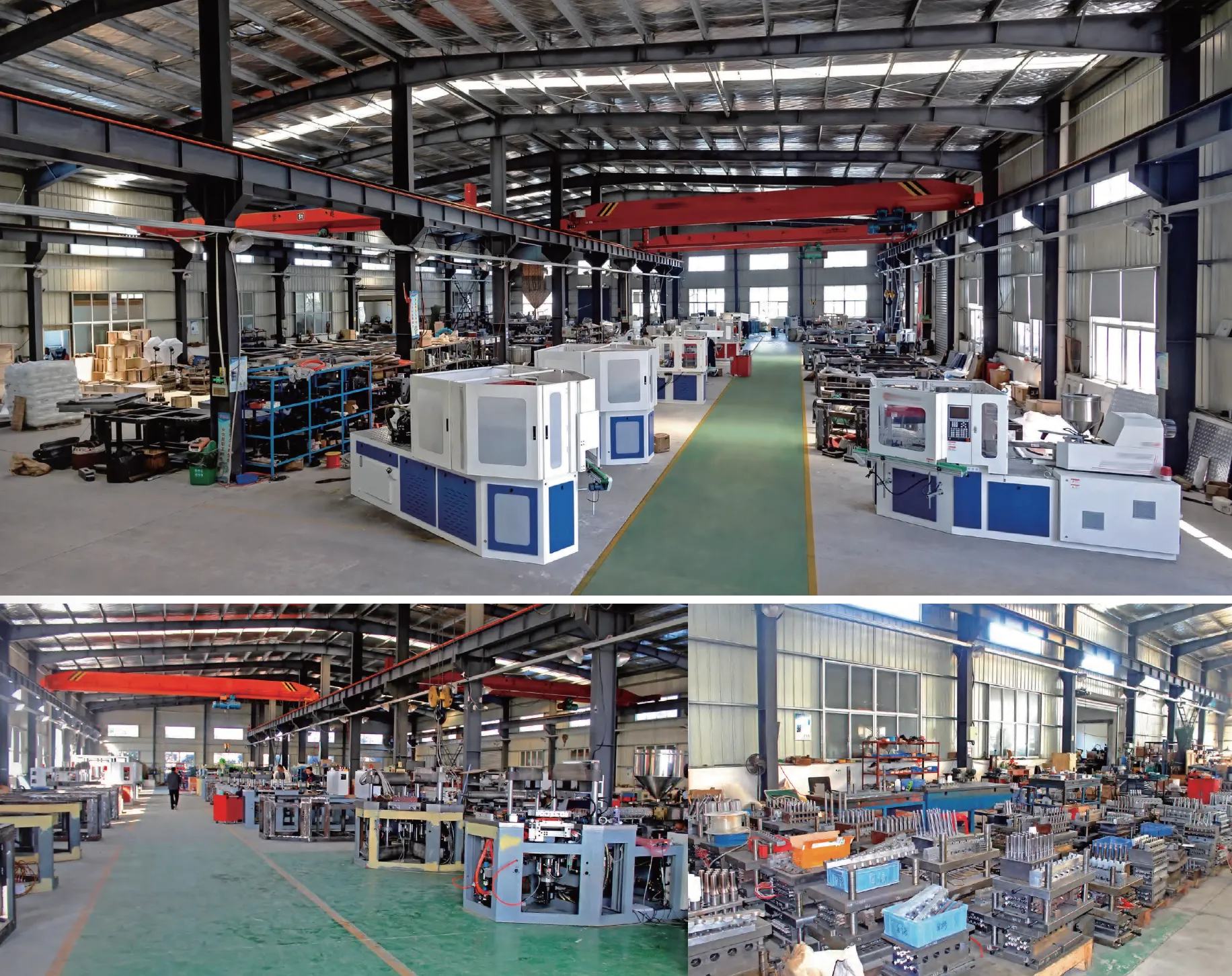
Mexico Ever-Power ISBM Machinery Co., Ltd. to firma specjalizująca się w badaniach, rozwoju, produkcji i globalnym handlu automatycznymi, jednoetapowymi maszynami do formowania wtryskowego z rozdmuchem oraz formami pomocniczymi do formowania wtryskowego z rozdmuchem. Oferta firmy obejmuje maszyny do formowania wtryskowego z rozdmuchem, maszyny do wytłaczania z rozdmuchem, maszyny do formowania wtryskowego z rozciąganiem i rozdmuchem oraz pełną gamę urządzeń pomocniczych, co czyni ją kompleksowym dostawcą inwestycji w formowanie rozdmuchowe wszystkich typów pojemników.
Firma korzysta ze strategicznie korzystnej lokalizacji i sprawnej, międzynarodowej logistyki, co umożliwia niezawodne dostawy do klientów w Azji, Europie, obu Amerykach, Afryce i Oceanii. Doskonały wewnętrzny zespół badawczo-rozwojowy składa się z inżynierów i specjalistów technicznych posiadających bogate doświadczenie w projektowaniu wtryskarek i inżynierii form wtryskowych z rozdmuchem, łącząc bogatą wiedzę teoretyczną z praktycznym doświadczeniem zdobytym podczas tysięcy udanych instalacji maszyn na całym świecie.
Zakres zastosowań obejmuje opakowania farmaceutyczne, opakowania do żywności, opakowania dla sektora opieki zdrowotnej, opakowania kosmetyczne oraz opakowania przemysłowe. Możliwości produkcyjne obejmują produkty z tworzyw sztucznych o pojemności od 1 ml do 1000 ml z HDPE, LDPE, PP, PS (w tym z bakteriami kwasu mlekowego), PS o wysokiej przezroczystości, ABS, EVA, PCTG oraz biomateriałów kukurydzianych, spełniając praktycznie wszystkie wymagania dotyczące formowania wtryskowego z rozdmuchem na regulowanych i komercyjnych rynkach opakowań.
Nasze atuty
- Wsparcie inżynieryjne przed sprzedażą
Szczegółowe konsultacje techniczne obejmujące specyfikacje butelek, wykonalność projektu formy, optymalizację kawitacji, dobór materiałów i analizę całkowitego kosztu posiadania przed podjęciem jakiegokolwiek zobowiązania.
- Precyzyjna integracja form i maszyn
Pakiety form i maszyn dopasowane fabrycznie dostarczane są jako sprawdzone systemy, z wykonanymi próbami form i udokumentowanymi parametrami procesu przed wysyłką, co skraca czas uruchomienia u klienta.
- Responsywna globalna sieć obsługi posprzedażowej
Agenci zagraniczni w Korei, Indiach, Turcji, Rosji, Republice Południowej Afryki, Brazylii, USA i Meksyku zapewniają pomoc techniczną w języku lokalnym, zapas części zamiennych i pomoc serwisową na miejscu, aby zminimalizować przestoje, niezależnie od tego, gdzie prowadzisz działalność.
- Kompleksowe projekty pod klucz
Kompleksowe rozwiązania w zakresie linii do formowania wtryskowego z rozdmuchem, obejmujące dostawę maszyny, projektowanie i produkcję form, integrację automatyki, instalację, uruchomienie i szkolenie operatorów w ramach jednego projektu.
- Wartości przedsiębiorstwa: uczciwość, innowacyjność, odpowiedzialność
Ever-Power kieruje się zasadami samodzielności, uczciwości, pragmatyzmu, innowacyjności i odpowiedzialności, dostarczając rozwiązania w zakresie wtryskarek do formowania rozdmuchowego, które spełniają oczekiwania jakościowe właścicieli marek farmaceutycznych, spożywczych i kosmetycznych na całym świecie.
Często zadawane pytania
P: Czy urządzenie ZQ110 może bezpośrednio zastąpić wtryskarkę Bloma IBM135 bez konieczności większych modyfikacji formy?
Odp.: Tak. ZQ110 została zaprojektowana jako bezpośredni zamiennik Bloma IBM135, z płytą formy o wymiarach 1100 x 460 mm, która jest ściśle dopasowana do platformy IBM135. W większości przypadków istniejące formy Bloma IBM135 można przenieść do ZQ110 z minimalną lub żadną modyfikacją bloku gniazd. Interfejs narzędzia szyjkowego i podziałka pręta rdzeniowego zostały zaprojektowane zgodnie ze standardami IBM135. Zalecamy udostępnienie istniejących rysunków formy naszemu zespołowi inżynierów przed sfinalizowaniem zamówienia, abyśmy mogli potwierdzić kompatybilność i doradzić w kwestii ewentualnych płyt adapterowych.
P: Jaka jest cena wtryskarki ZQ110 i jakie czynniki wpływają na całkowity koszt?
A: Cena modeli wtryskarek z rozdmuchem w klasie 110 ton różni się w zależności od konfiguracji, kawitacji, specyfikacji formy i opcji automatyzacji. Cena maszyny bazowej ZQ110 jest konkurencyjna na rynku maszyn IBM z pełnym serwomechanizmem i znacznie niższa niż w przypadku porównywalnych, w pełni elektrycznych wtryskarek z rozdmuchem europejskich marek. Kluczowe czynniki kosztowe obejmują liczbę wymaganych gniazd formy, ewentualne zamówienie nowej formy wraz z maszyną, integrację automatyki w dół linii produkcyjnej oraz miejsce wysyłki. Skontaktuj się z naszym zespołem sprzedaży, aby otrzymać formalną wycenę opartą na konkretnych specyfikacjach butelek i docelowych wielkościach produkcji.
P: Jakie rozmiary i objętości butelek może wytwarzać wtryskarka ZQ110?
A: Maszyna ZQ110 przetwarza pojemniki o pojemności od 1 ml do 1000 ml. Maksymalna średnica butelki wynosi 120 mm, a zakres wysokości butelki wynosi od 1 do 2000 mm. Referencyjna kawitacja formy: od 10 ml do 20 gniazd, od 30 ml do 18 gniazd, od 60 ml do 14 gniazd, od 100 ml do 12 gniazd, od 250 ml do 8 gniazd, od 5 do 6 gniazd dla 500 ml, od 3 do 4 gniazd dla 1000 ml. Rzeczywista kawitacja zależy od geometrii butelki i jest potwierdzana na etapie projektowania formy. Maszyna doskonale nadaje się do produkcji podstawowych pojemników farmaceutycznych i kosmetycznych o różnych rozmiarach, od fiolek do kropli do oczu po butelki do pielęgnacji ciała o pojemności 500 ml.
P: Jakie materiały można przetwarzać na całkowicie elektrycznej wtryskarce do formowania rozdmuchowego ZQ110?
A: Maszyna ZQ110 przetwarza HDPE, LDPE, PP, PVC, PS (w tym PS o wysokiej przezroczystości do pojemników na bakterie kwasu mlekowego), ABS, PU, Santoprene, EVA, PCTG, nylon (PA) oraz biomateriały kukurydziane. Pięciostrefowy cylinder o mocy grzewczej 20 kW obsługuje pełen zakres temperatur przetwarzania tych żywic. Elektrocylindryczna jednostka wtryskowa zapewnia precyzyjną kontrolę wtrysku, niezbędną w przypadku żywic technicznych o wąskim oknie przetwarzania. W celu potwierdzenia właściwości dowolnej żywicy specjalistycznej, nasi inżynierowie procesowi mogą na życzenie przeprowadzić próby materiałowe.
P: Czy maszyna ZQ110 nadaje się do stosowania w środowiskach pakowania produktów farmaceutycznych zgodnych z GMP?
Odp.: Tak. Konstrukcja ZQ110 typu bottom-up całkowicie eliminuje olej hydrauliczny z obszaru formy, dzięki czemu nadaje się ona do stosowania w czystych środowiskach farmaceutycznych zgodnych z GMP. Praca bezolejowa zapobiega zanieczyszczeniu węglowodorami wewnętrznych powierzchni pojemników. Gniazda formy są wykonane ze stali S136 lub stali nierdzewnej 4Cr13, które są odpowiednie do specyfikacji narzędzi farmaceutycznych. Precyzyjne szyjki i uszczelnione gwinty 100% spełniają wymagania wymiarowe systemów zamknięć farmaceutycznych. Klienci działający zgodnie z przepisami FDA, EU GMP lub lokalnymi przepisami dotyczącymi opakowań farmaceutycznych pomyślnie zatwierdzili ZQ110 jako zgodną platformę produkcyjną.
P: Ile energii zużywa maszyna IBM ZQ110 w porównaniu do hydraulicznej maszyny IBM?
A: Maszyna ZQ110 zużywa około 12 kWh na godzinę podczas produkcji butelek o pojemności 30 ml, co stanowi około 30% mniej energii niż równoważna konwencjonalna hydrauliczna maszyna IBM. Całkowita moc zainstalowana wynosi 80 kW, ale pobór mocy podczas pracy stanowi od 52 do 70% tej wartości, średnio od 42 do 56 kW w normalnych warunkach produkcyjnych. Architektura pełnego serwonapędu osiąga to dzięki pobieraniu energii tylko wtedy, gdy osie są w ruchu, a nie dzięki stałemu poborowi mocy pompy maszyny hydraulicznej. W przypadku pracy na trzy zmiany, oszczędność energii przekłada się na znaczną redukcję rocznych wydatków na energię elektryczną.
P: Jaką automatyzację dalszego etapu można zintegrować z wtryskarką do formowania rozdmuchowego ZQ110?
A: Tylny przenośnik ZQ110 jest wstępnie zaprojektowany do integracji z systemami kontroli wizualnej (wykrywającymi cząstki obce, niewystarczający materiał szyjki i nierówne dna butelek), testerami szczelności bocznej, etykieciarkami i automatycznymi urządzeniami pakującymi. System sterowania PLC zapewnia standardowe połączenia interfejsów I/O do uruchamiania urządzeń zewnętrznych w synchronizacji z cyklami maszyny. Integracja ze standardowymi w branży systemami wizyjnymi i przenośnikami odrzutowymi umożliwia w pełni bezobsługową produkcję bez nadzoru. Nasz zespół aplikacyjny może opracować niestandardowe konfiguracje automatyzacji dla konkretnych układów linii klienta.
P: Jaka jest różnica pomiędzy jednostopniową maszyną do formowania wtryskowego z rozciąganiem i rozdmuchiwaniem a maszyną IBM ZQ110?
A: Jednostopniowa maszyna do formowania wtryskowego z rozciąganiem i rozdmuchiwaniem (ISBM) dodaje mechaniczny pręt rozciągający podczas fazy rozdmuchiwania, aby dwuosiowo zorientować materiał pojemnika, głównie PET, w celu zwiększenia przejrzystości i właściwości barierowych dla gazów. ZQ110 to maszyna IBM, która nie zawiera pręta rozciągającego; wykorzystuje wyłącznie sprężone powietrze do rozprężania preformy w gnieździe formy rozdmuchowej. Technologia IBM jest zoptymalizowana pod kątem produkcji pojemników farmaceutycznych i kosmetycznych z żywic PP i HDPE, gdzie precyzja wymiarowa i czystość są ważniejsze niż przejrzystość i barierowość. Technologia ISBM jest zoptymalizowana pod kątem produkcji butelek na napoje z PET w dużych ilościach. Te dwa procesy obsługują różne segmenty rynku.
P: Jaki jest czas realizacji zamówienia i jaki serwis posprzedażowy oferuje firma Ever-Power dostawcom maszyn do formowania wtryskowego?
A: Standardowy czas realizacji zamówienia maszyny ZQ110 z istniejącą formą dostarczoną przez klienta wynosi zazwyczaj od 45 do 60 dni od potwierdzenia zamówienia. W przypadku zamówienia nowej formy wraz z maszyną, czas realizacji zamówienia wydłuża się do 75 do 90 dni, w zależności od stopnia skomplikowania formy i kawitacji. Serwis posprzedażowy obejmuje zdalną diagnostykę PLC, wsparcie przy uruchomieniu z wykorzystaniem kamer wideo, pomoc w instalacji i uruchomieniu na miejscu, szkolenie operatorów, dostawę części zamiennych oraz konsultacje dotyczące planowej konserwacji. Ever-Power utrzymuje sieć agentów zagranicznych na kluczowych rynkach, aby zapewnić lokalne wsparcie techniczne w Korei, Indiach, Turcji, Rosji, RPA, Brazylii, USA i Meksyku.
P: Czy maszyna ZQ110 może zastąpić wtryskarkę do rozdmuchu Jomar IBM135?
O: Tak. Model ZQ110 jest porównywany jako bezpośredni zamiennik Jomar IBM135, oprócz modelu Bloma IBM135. Masa wtrysku ZQ110 wynosząca 540 g pokrywa zakres nominalny wtryskarki Jomar IBM135 od 450 do 550 g, a siła zwarcia wtrysku 1100 kN jest zbliżona do specyfikacji Jomar IBM135, która wynosi 1210 kN. Średnica ślimaka 65 mm jest zgodna ze standardem Jomar IBM135. Wymiary płyty formy wynoszące 1100 x 460 mm są porównywalne z wymiarami Jomar 559 x 1118 mm (Jomar stosuje transpozycję zapisu długości x szerokości). Przed złożeniem zamówienia prosimy o kontakt z naszym zespołem inżynierów i przekazanie rysunków formy Jomar w celu potwierdzenia wymagań dotyczących adaptera.
Opinie klientów
Murat Yildirim, Przemysł kosmetyczny, Turcja
„Produkujemy opakowania kosmetyczne, głównie butelki na szampony i balsamy o pojemności od 100 ml do 500 ml. Jakość powierzchni ZQ110 jest doskonała, bardzo gładkie wykończenie, bez zacieków. Trochę obawialiśmy się zmiany marki, której używaliśmy od lat, ale transfer formy ze starej maszyny przebiegł pomyślnie. Wsparcie posprzedażowe Ever-Power było responsywne i profesjonalne. Jedna drobna uwaga – instrukcja obsługi mogłaby być przetłumaczona na turecki, ale filmy instruktażowe obejmują większość sytuacji.”
Andrei Volkov, Artykuły gospodarstwa domowego, Rosja
Zamówiliśmy dwa urządzenia ZQ110 do naszej linii produktów do czyszczenia gospodarstwa domowego. Oszczędność energii w porównaniu z naszymi poprzednimi urządzeniami jest zauważalna – koszt energii elektrycznej na tysiąc butelek spadł o około 281 TP3T. Produkcja utrzymuje się na stabilnym poziomie, zbliżonym do maksymalnej wydajności znamionowej. Integracja automatycznej kontroli wizualnej dobrze współpracowała z systemem, który już posiadaliśmy. Termin dostawy mieścił się w uzgodnionym harmonogramie, co ma duże znaczenie dla naszego planowania produkcji. Poleciłbym tę maszynę innym producentom poszukującym niezawodnej maszyny IBM.
Thabo Nkosi, Przemysł farmaceutyczny, Republika Południowej Afryki
„Nasza firma używa maszyny ZQ110 do produkcji butelek farmaceutycznych z PP na rynek południowoafrykański. Używamy jej od około dziesięciu miesięcy. Precyzja wykończenia szyjki jest dokładnie taka, jakiej potrzebujemy do nakrętek zabezpieczających przed otwarciem przez dzieci, o których mówią nasi klienci. Podczas dwóch ostatnich audytów jakości nie stwierdziliśmy żadnych usterek związanych z przeciekami, co stanowi znaczną poprawę w porównaniu z poprzednią maszyną. Maszyna jest czysta w obsłudze, a poziom hałasu na hali produkcyjnej jest znacznie niższy. Zamawianie części zamiennych za pośrednictwem portalu internetowego jest proste.”
Camila Ferreira, Opakowania Żywności, Brazylia
Prowadzimy działalność w zakresie pakowania żywności, produkując butelki HDPE na przyprawy i sosy. Maszyna ZQ110 zastąpiła maszynę Bloma IBM135, która była w użyciu przez wiele lat. Przenoszenie form było łatwiejsze niż oczekiwano, a jakość produkcji natychmiast się poprawiła. Wydajność jest zauważalnie wyższa niż w przypadku starej maszyny. Nasz kierownik ds. konserwacji jest zadowolony z braku konieczności dbania o układ hydrauliczny. Prawdopodobnie zamówimy drugą maszynę w przyszłym roku. Wsparcie techniczne lokalnego agenta jest dobre i szybko odpowiada na pytania.
David Morrison, Opakowania Żywności i Nabiału, USA
„Oceniliśmy wielu producentów wtryskarek do formowania z rozdmuchem, a model ZQ110 oferował najlepsze połączenie wydajności, efektywności energetycznej i ceny wśród wtryskarek do formowania z rozdmuchem w tej klasie tonażowej. Maszyna jest solidnie zbudowana, a serwomechanizmy pracują płynnie i cicho. Produkujemy butelki z bakteriami kwasu mlekowego PS w 14 gniazdach od około pięciu miesięcy. Spójność gramatury butelek jest doskonała, a wskaźnik odrzutów na naszej linii napełniającej znacznie spadł. Obsługa klienta przez zespół Ever-Power była profesjonalna i kompetentna technicznie.”
Marco Antonio Reyes, Kosmetyki i Pielęgnacja Osobista, Meksyk
„Zakupiliśmy maszynę ZQ110 do naszej linii pakującej kosmetyki w butelki PP o pojemności 60 ml i 100 ml. Maszyna dotarła w obiecanym terminie, a instalacja przebiegła szybko. Wydajność energetyczna jest znacznie lepsza niż w przypadku naszej poprzedniej maszyny. Działamy od siedmiu miesięcy bez poważnych awarii. Jakość wąskich gardeł jest bardzo precyzyjna i nie mieliśmy żadnych odrzutów z powodu awarii uszczelnienia w całej produkcji. Poleciłbym tego producenta każdej firmie poszukującej konkurencyjnej ceny wtryskarki z rozdmuchem.”
Lucia Hernandez, Nutraceutical Packaging, Meksyk
„Produkujemy butelki na suplementy diety i nutraceutyki z HDPE, które dystrybuujemy w Meksyku i Ameryce Środkowej. Czystość ZQ110 o jakości farmaceutycznej spełnia wymagania naszych klientów. Automatyczne urządzenie do wyjmowania butelek z formy działa płynnie, nie uszkadzając butelek, nawet przy maksymalnej prędkości. Najbardziej zaimponowała nam integracja etykieciarki z końcem przenośnika. Jej konfiguracja zajęła około pół dnia i od tego czasu działa niezawodnie. Dostawa była nieznacznie opóźniona z powodu problemów logistycznych, ale Ever-Power na bieżąco nas informował.”
Kim Soo-jin, Opakowania Farmaceutyczne, Korea
„Używamy maszyny ZQ110 od prawie ośmiu miesięcy, zastępując nią naszą starą maszynę Bloma IBM135. Szczerze mówiąc, różnica jest dość duża. Czas cyklu znacząco się skrócił, a wskaźnik braków spowodowanych problemami z uszczelnieniem szyjki pralki jest teraz praktycznie zerowy. Nasz zespół ds. jakości jest bardzo zadowolony z powtarzalności. Ekipa instalacyjna z Ever-Power przybyła zgodnie z planem i ukończyła rozruch w ciągu trzech dni. Obecnie używamy 30 ml butelek do mycia strzykawek farmaceutycznych z PP w 18 gniazdach.”
Rajesh Mehta, Opakowania w Pojemnikach Chemicznych, Indie
„Produkujemy pojemniki HDPE do pakowania pestycydów i środków agrochemicznych. Używaliśmy konwencjonalnej hydraulicznej maszyny IBM, a koszty konserwacji znacząco nadwyrężały naszą marżę. Po przejściu na ZQ110 rachunki za energię elektryczną znacznie spadły i od sześciu miesięcy nie mieliśmy ani jednej awarii uszczelnienia hydraulicznego. Elektryczna jednostka wtryskowa zapewnia również znacznie lepszą spójność wtrysku. Siła zacisku 1100 kN obsługuje nasze grubościenne butelki chemiczne o pojemności 250 ml bez żadnych odprysków.”
Informacje dodatkowe
| Edytowane przez | Yjx |
|---|