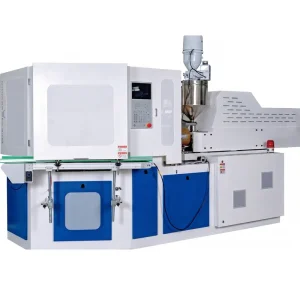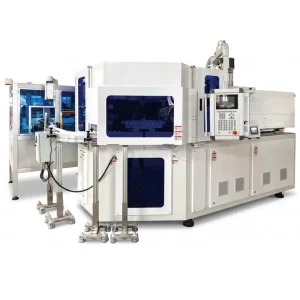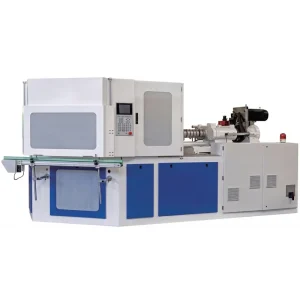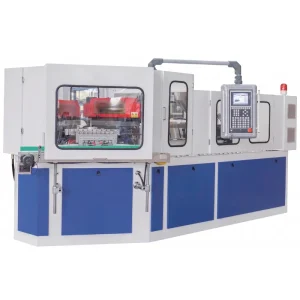
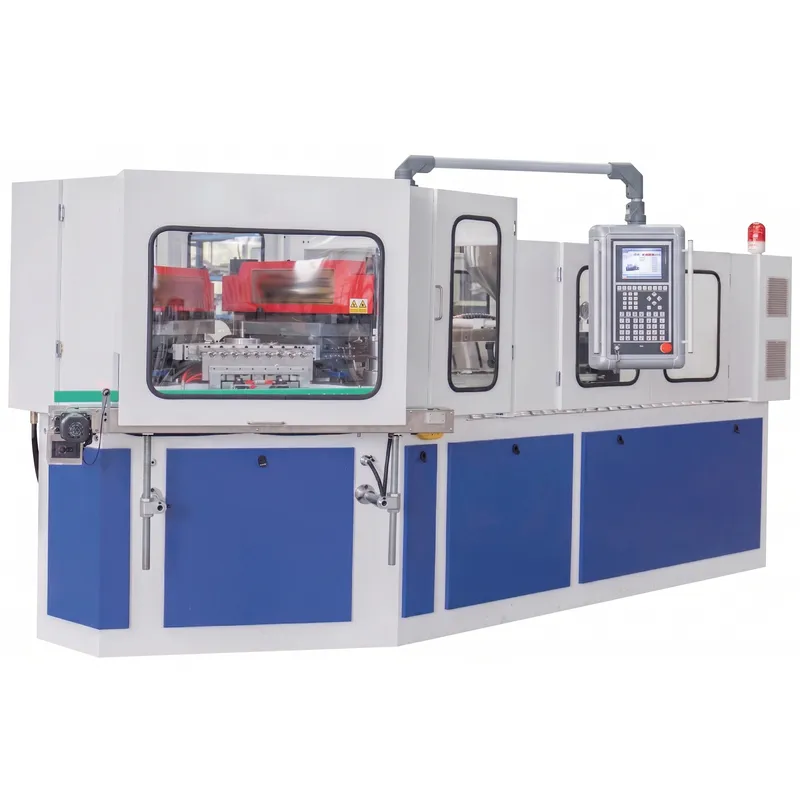
Wtryskarka rozdmuchowa ZQ60 zamienna do modelu Uniloy UIB90
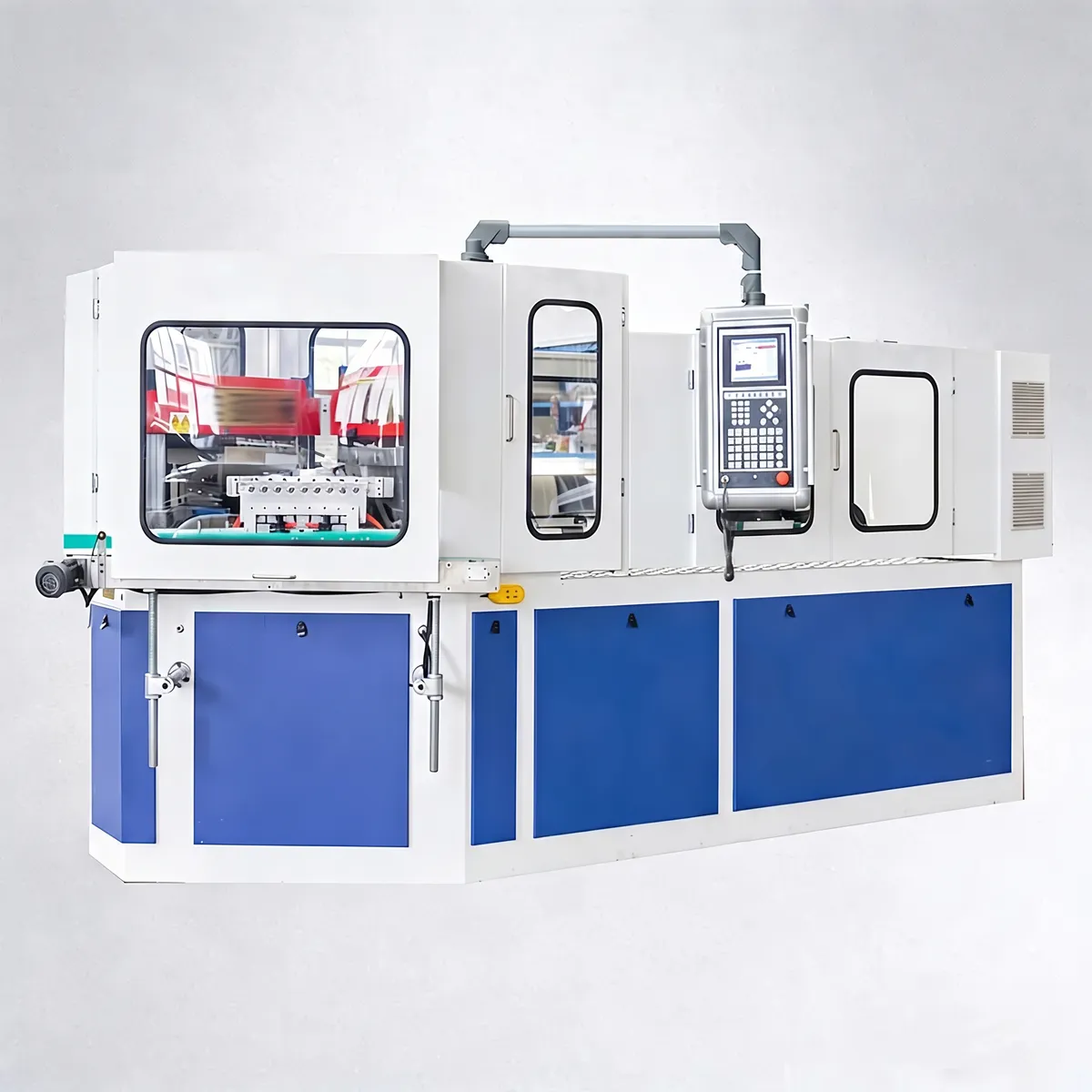
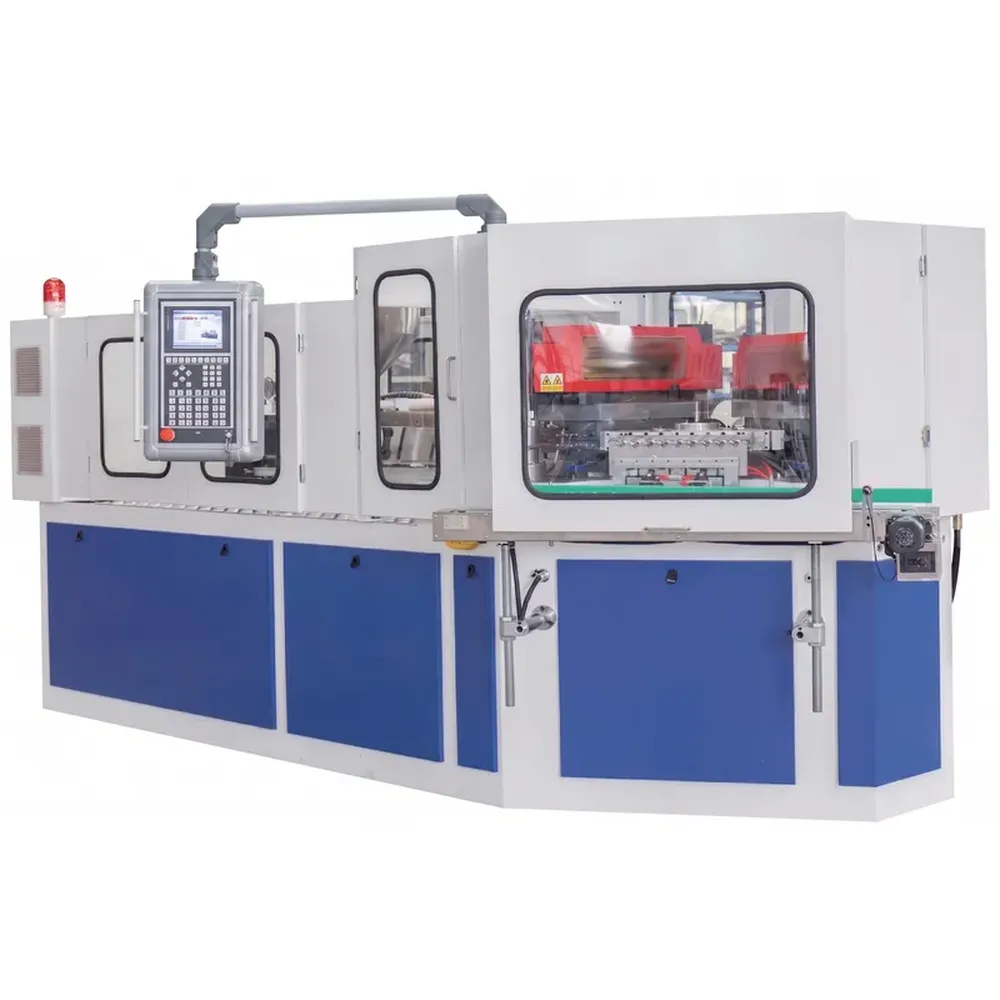
Wtryskarka z rozdmuchem ZQ60 to w pełni serwonapędowa, bezhydrauliczna maszyna IBM, zaprojektowana jako bezpośredni zamiennik modelu Uniloy UIB90. Wszystkie ruchy są napędzane serwomotorami, co eliminuje zużycie oleju hydraulicznego i związane z tym ryzyko zanieczyszczenia. Ta w pełni elektryczna wtryskarka z rozdmuchem zapewnia cykl produkcyjny o 20% krótszy niż konwencjonalne hydrauliczne maszyny IBM: w przypadku butelek o pojemności 30 ml każdy cykl trwa 8,2 sekundy, co pozwala na dzienną produkcję 105 000 butelek i maksymalną przepustowość 115 000 butelek na 24 godziny.
Wtryskarka z rozdmuchem ZQ60 to w pełni serwonapędowa, bezhydrauliczna maszyna IBM, zaprojektowana jako bezpośredni zamiennik modelu Uniloy UIB90. Wszystkie ruchy są napędzane przez serwosilniki, co eliminuje zużycie oleju hydraulicznego i związane z tym ryzyko zanieczyszczenia. Ta w pełni elektryczna wtryskarka z rozdmuchem zapewnia cykl produkcyjny o 20% krótszy niż konwencjonalne hydrauliczne maszyny IBM: w przypadku butelek o pojemności 30 ml każdy cykl trwa 8,2 sekundy, co pozwala na dzienną produkcję 105 000 butelek i maksymalną przepustowość 115 000 butelek na 24 godziny. Zużycie energii jest mniejsze w przypadku 30%, zużywając zaledwie 12 kWh na godzinę podczas produkcji butelek o pojemności 30 ml. System serwo wyposażony jest w enkodery absolutne, które gwarantują wyjątkową powtarzalność i precyzję obróbki na każdej zmianie, a znacznie niższy poziom hałasu poprawia warunki pracy na hali produkcyjnej. Innowacyjny, regulowany mechanizm zaciskowy zapewnia siłę zacisku od 40 do 80 ton, dzięki czemu tę wtryskarkę do tworzyw sztucznych można dostosować do szerokiego zakresu specyfikacji pojemników bez konieczności rozległego przezbrajania.
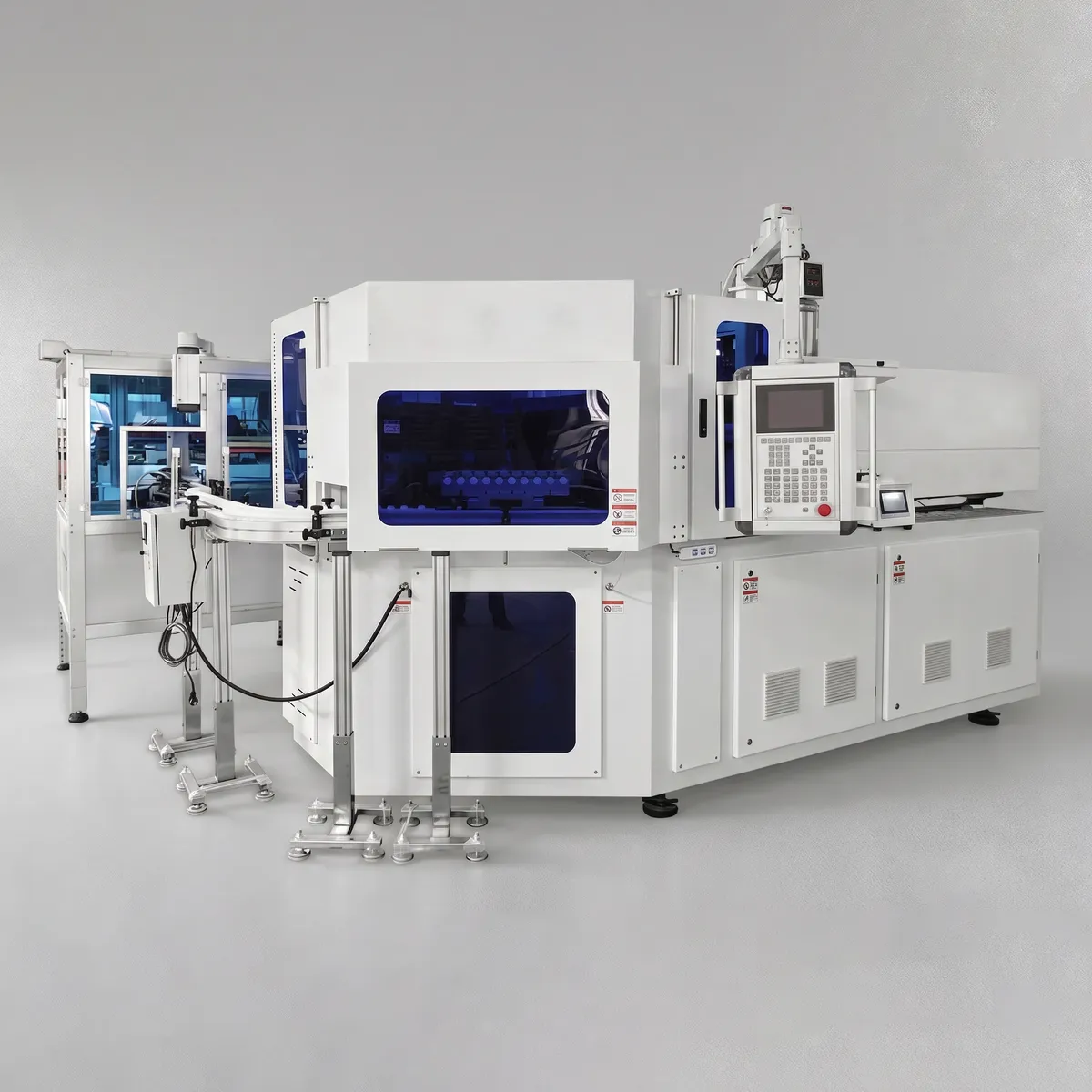
W pełni elektryczna wtryskarka z rozdmuchem ZQ60 charakteryzuje się konstrukcją od dołu do góry, która fizycznie zapobiega przedostawaniu się oleju smarowego do obszaru formy, spełniając tym samym najsurowsze standardy higieny wymagane w produkcji opakowań farmaceutycznych i butelek na kosmetyki premium. Maszyna jest w pełni konfigurowalna i wyposażona w elektryczny cylindryczny układ wtryskowy, co zapewnia doskonałą stabilność wtrysku i znacznie niższe długoterminowe koszty konserwacji. Integracja z linią produkcyjną jest bezproblemowa: przenośnik wyjściowy obsługuje automatyczne systemy kontroli wizyjnej, które wykrywają cząstki obce, niedobór materiału w obszarze szyjki i nierówne dna butelek, a także testery szczelności bocznej, etykieciarki i automatyczne urządzenia pakujące. Taka architektura umożliwia całkowicie bezobsługową produkcję bez oświetlenia.
Kawitacja pleśni (dla porównania)
| Przybliżona objętość | 10 ml | 30 ml | 60 ml | 100 ml | 250 ml | 500 ml | 1000 ml |
| Maksymalna kawitacja | 14 | 10 | 10 | 8 | 5 | 3 | 2 |
Dane techniczne
| Przedmiot | Jednostka | ZQ60 |
| Układ wtryskowy | ||
| Średnica śruby | mm | 45/50 |
| Śruba L/D | % | 22:1 |
| Waga wtrysku! | G | 260/383 |
| Moc grzewcza | KW | 14 |
| Liczba stref lufowych | 3+N | |
| Skok wtrysku | mm | 160 |
| System zaciskowy | ||
| Siła docisku wtrysku | KN | 600 |
| Skok otwarcia do wstrzyknięcia | mm | 140 |
| Siła docisku dmuchawy | KN | 100 |
| Otwarcie skoku do dmuchania | mm | 140 |
| Wysokość podnoszenia stołu obrotowego | mm | 70 |
| Pleśń | ||
| Maksymalny rozmiar płyty (dł. x szer.) | mm | 600x390 |
| Grubość formy | mm | 240 |
| Średnica butelki | mm | 120 |
| Wysokość butelki | mm | 220 |
| Odpowiednia wysokość butelki | mm | 15-200 |
| Uderzenie striptizerskie | mm | 230 |
| Układ hydrauliczny | ||
| Ciśnienie hydrauliczne | Mapa | 14 |
| Moc silnika | KW | 18.5/22 |
| Cykl suszenia | S | 4 |
| Całkowita moc | KW | 37 |
| Moc operacyjna | % | 52-70 |
| Inni | ||
| Min. ciśnienie powietrza sprężonego | MPa | 0.7-1.2 |
| Wydajność sprężonego powietrza | m³/min | 0.7 |
| Przepływ wody | m³/godz. | 4 |
| Ciśnienie wody chłodzącej | MPa | 0.3-0.4 |
| Wymiary (dł. x szer. x wys.) | M | 3.8x1.4x2.18 |
| Waga netto | Tona | 5 |
Wymienna marka i model
| Zawsze-Moc | Siła zacisku | Jomar | SUMA | Uniloy | Bloma |
| ZQ40 | 40T | IBM40 | 40iB | UIB70 | IBM45 |
| ZQ60 | 60T | IBM65 | 65iB | UIB90 | IBM50 |
| ZQ80 | 80T | IBM85S | 85iB | UIB120 | IBM85 |
| ZQ110 | 110T | IBM135 | 135iB | UIB150 | IBM135 |
| ZQ135 | 135T | IBM175 | 175iB | UIB180 |
Średnica śruby maszynowej IBM
| Zawsze-Moc | Średnica śruby | Jomar | SUMA | Bloma |
| ZQ40 | 40/45 | 35/40 | 40 | 45 |
| ZQ60 | 45/50 | 45 | 40/50 | 50 |
| ZQ80 | 55 | 55 | 50/60 | 50 |
| ZQ110 | 65 | 65 | 65/76 | 70 |
| ZQ135 | 70 | 70 | 65/76 |
Waga wtrysku IBM Machine
| Zawsze-Moc | Waga wtrysku | Jomar | SUMA | Bloma |
| ZQ40 | 190/260 | 180 | 169 | 180 |
| ZQ60 | 260/383 | 205 | 169/264 | 240 |
| ZQ80 | 466 | 300 | 333/480 | 310/280 |
| ZQ110 | 540 | 450/550 | 580/770 | 560 |
| ZQ135 | 650 | 450/550 | 580/770 |
Siła zacisku wtryskarki IBM Machine
| Zawsze-Moc | Siła zacisku wtrysku | Jomar | SUMA | Bloma |
| ZQ40 | 400 kN | 340 kN | 386 kN | 350 kN |
| ZQ60 | 600 kN | 460 kN | 580 kN | 500 kN |
| ZQ80 | 800 kN | 680 kN | 720 kN | 700 kN |
| ZQ110 | 1100 kN | 1210 kN | 1200 kN | 1250 kN |
| ZQ135 | 1350 kN | 1560 kN | 1600 kN |
Rozmiar formy maszyny IBM
| Zawsze-Moc | Rozmiar formy | Jomar | SUMA | Bloma |
| ZQ40 | 480 × 340 | 394 × 508 | 470 × 350 | 450 × 390 |
| ZQ60 | 600 × 390 | 432 × 660 | 620 × 400 | 620 × 430 |
| ZQ80 | 800 × 400 | 464 × 749 | 700 × 400 | 620 × 430 |
| ZQ110 | 1100 × 460 | 559 × 1118 | 1000 × 500 | 900 × 480 |
| ZQ135 | 1300 × 500 | 635 × 1372 | 1200 × 600 |
Rozmiar maszyny IBM
| Zawsze-Moc | Rozmiar formy (M) | Jomar | SUMA | Bloma |
| ZQ40 | 3,8 × 1,3 × 1,7 | 2,72 × 1,9 × 2,75 | 3,8 × 1,5 × 2,3 | 4,05 × 1,52 × 2,55 |
| ZQ60 | 3,8 × 1,4 × 1,8 | 2,92 × 1,98 × 3,41 | 4 × 1,7 × 2,3 | 620 × 430 × 2,55 |
| ZQ80 | 4,5 × 1,6 × 2 | 3,33 × 1,94 × 3,41 | 4,5 × 2 × 2,6 | 620 × 430 × 2,55 |
| ZQ110 | 5 × 1,8 × 2,2 | 3,79 × 2,4 × 3,41 | 5 × 2,4 × 2,7 | 900 × 480 × 2,55 |
| ZQ135 | 5,5 × 2 × 2,4 | 4,22 × 2,67 × 3,58 | 6 × 2,6 × 2,7 |
Uwaga: marki są wymieniane wyłącznie po to, aby ułatwić klientom wybór produktów, a nie w celu sprzedaży produktów tych marek.
Główne cechy wtryskarki rozdmuchowej ZQ60
1. Wysoka wydajność produkcyjna
Jednoetapowa maszyna do formowania wtryskowego z rozdmuchem ZQ60 osiąga czas cyklu wynoszący zaledwie 8,2 sekundy na butelkę o pojemności 30 ml, zapewniając dzienną wydajność 105 000 butelek w standardowych warunkach pracy i maksymalną wydajność 115 000 butelek na zmianę 24-godzinną. Dzięki maksymalnie 14 gniazdom dla pojemników o pojemności 10 ml i 10 gniazdom dla pojemników o pojemności od 30 ml do 60 ml, wolumeny produkcji dorównują lub przewyższają importowane maszyny IBM, a koszt ich zakupu jest znacznie niższy. Ciągła, bezobsługowa praca dodatkowo maksymalizuje ogólną efektywność urządzeń w wielozmianowych harmonogramach produkcji.
2. Opcje formowania na zamówienie
Jako w pełni spersonalizowana wtryskarka z rozdmuchem, dostępna na sprzedaż, ZQ60 obsługuje pojemniki o pojemności od 10 ml do 1000 ml i wysokości butelek od 15 mm do 200 mm. Regulowany zakres siły zwarcia od 40 do 80 ton pozwala na przełączanie się między rodzinami produktów na tej samej platformie maszyny bez konieczności gruntownego przezbrajania. Inżynierowie mogą skonfigurować średnicę ślimaka na 45 mm lub 50 mm i masę wtrysku od 260 g do 383 g, aby dopasować ją do różnorodnych formulacji polimerów i wymagań dotyczących grubości ścianek w zastosowaniach farmaceutycznych, kosmetycznych, spożywczych i chemii gospodarczej.
3. 30% Poprawa efektywności energetycznej
Ta w pełni elektryczna wtryskarka z rozdmuchem zużywa zaledwie 12 kWh na godzinę podczas produkcji butelek o pojemności 30 ml, co oznacza redukcję zużycia energii o 30% w porównaniu z konwencjonalnymi hydraulicznymi maszynami IBM. Architektura oparta na serwonapędach eliminuje stałe zużycie energii przez silniki pomp hydraulicznych, a unikalny system zacisku ciśnieniowego utrzymuje cylinder wspomagający poza cyklem otwierania i zamykania, zmniejszając zużycie energii o kolejne 10% do 20% w porównaniu z typowymi maszynami konkurencyjnymi w branży. Niższe koszty użytkowania przekładają się bezpośrednio na niższe koszty produkcji jednostkowej w całym okresie eksploatacji maszyny.
4. Łatwa obsługa i niskie koszty utrzymania
Wtryskarka do tworzyw sztucznych ZQ60 jest wyposażona w intuicyjny interfejs człowiek-maszyna, który upraszcza ustawianie parametrów, wymianę formy i uruchomienie produkcji. Elektryczny zespół wtryskowy zastępuje obwody hydrauliczne siłownikami śrubowo-tocznymi z serwomechanizmem, co znacznie zmniejsza liczbę elementów ulegających zużyciu i częstotliwość planowych przeglądów. Enkodery absolutne w każdej osi serwomechanizmu zapewniają sprzężenie zwrotne położenia w czasie rzeczywistym bez konieczności kalibracji, co oznacza, że operatorzy mogą szybko wznowić produkcję po przerwie w zasilaniu lub planowym przeglądzie. Rutynowe smarowanie, kontrola uszczelnień i czyszczenie filtrów to główne, powtarzalne czynności.
5. Kontrola jakości i spójność wymiarowa
Zintegrowane z systemem serwomechanizmu enkodery absolutne zapewniają, że każdy skok wtrysku, ruch zacisku i przesunięcie stołu obrotowego są powtarzane z dokładnością na poziomie mikronów w milionach cykli. Proces formowania wtryskowego z rozdmuchem z natury eliminuje nadlewki i odpady z przycinania, ponieważ szyjka butelki jest formowana wtryskowo, co zapewnia precyzyjne wykończenie gwintu w każdym elemencie. Zintegrowana kontrola wizyjna wykrywa w czasie rzeczywistym zanieczyszczenia cząstkami obcymi, niedobór materiału szyjki i nierówne uformowanie podstawy, gwarantując, że do pakowania trafiają wyłącznie butelki zgodne z wymaganiami. Ten poziom wbudowanej kontroli jakości ma kluczowe znaczenie dla nabywców opakowań farmaceutycznych i medycznych.
6. Higieniczna struktura od dołu do góry dla czystych środowisk
Konstrukcja typu bottom-up, w stylu europejskim, fizycznie oddziela wszystkie smarowane elementy mechaniczne od obszaru gniazda formy. Olej smarowy nie może przedostać się do strefy formowania butelek, co jest podstawowym wymogiem zgodności z przepisami GMP dla przemysłu farmaceutycznego i przepisami dotyczącymi opakowań do kontaktu z żywnością. Taka konstrukcja wyróżnia wtryskarkę z rozdmuchem IBM ZQ60 spośród wielu konwencjonalnych maszyn z poziomą osią obrotu, w których smary mogą kapać lub rozpryskiwać się na powierzchnie formy podczas pracy ciągłej z dużą prędkością. W połączeniu z brakiem oleju hydraulicznego, maszyna zapewnia czystsze środowisko produkcyjne, co zmniejsza ryzyko zanieczyszczenia i upraszcza czyszczenie zakładu oraz audyty kwalifikacyjne.
Zasada działania
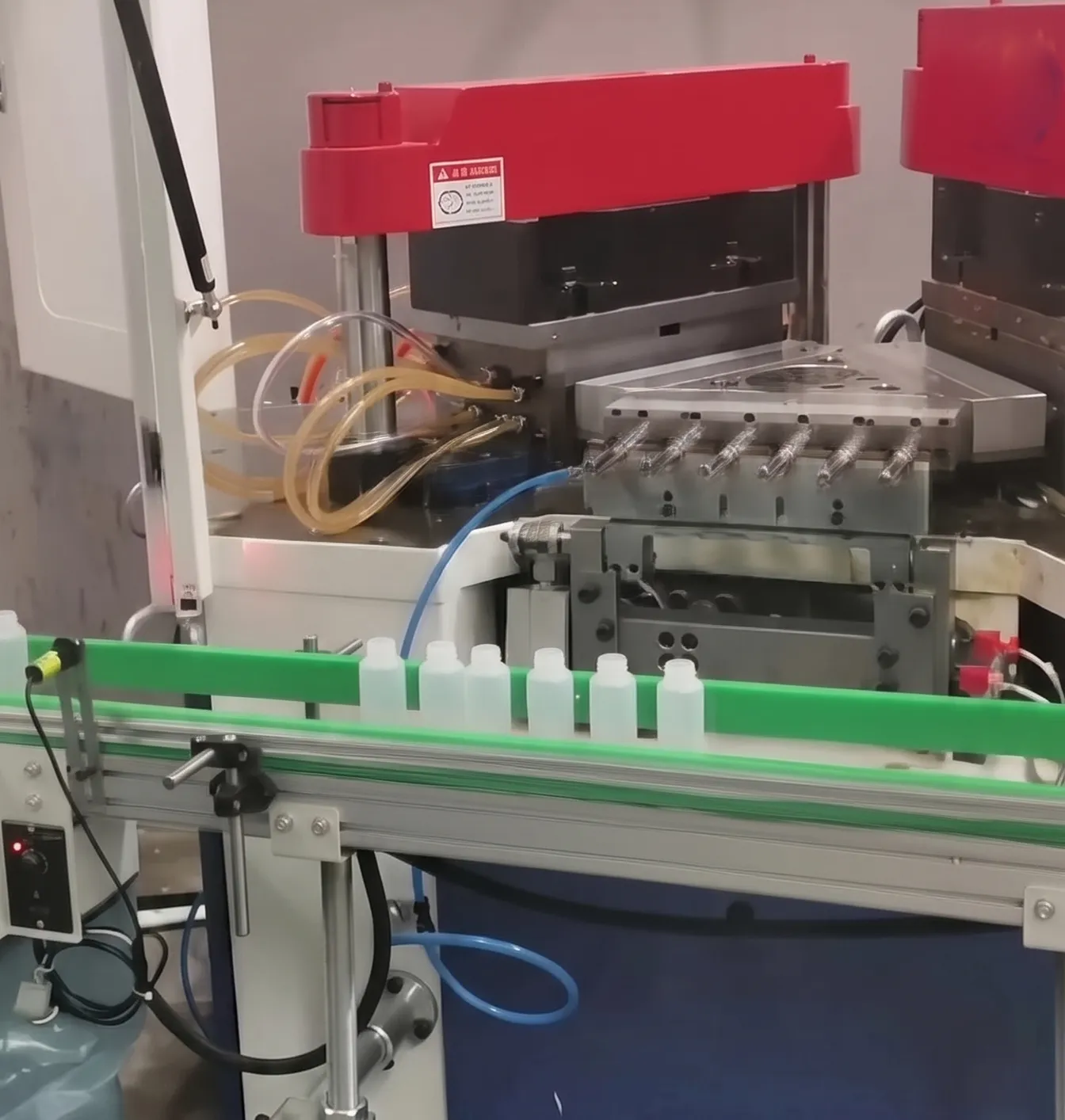
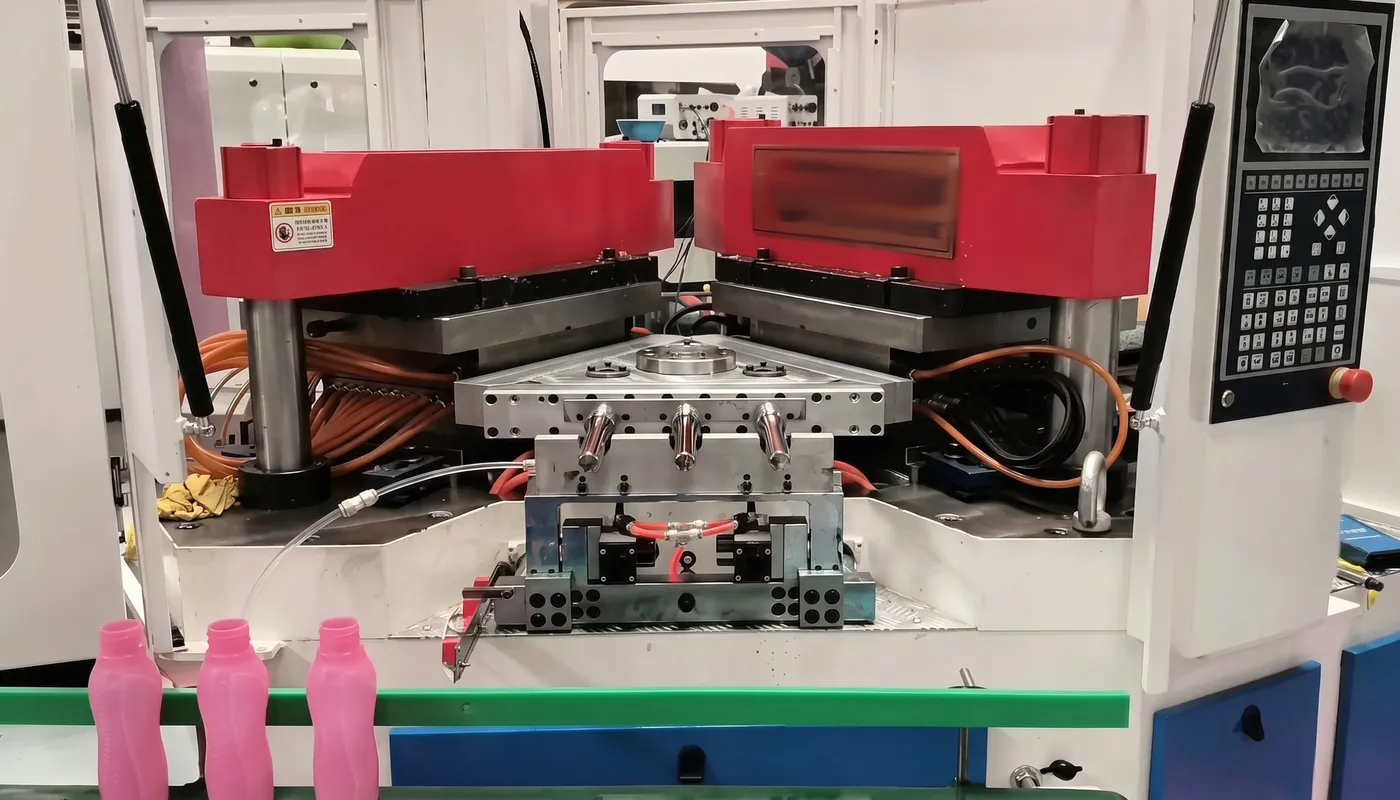
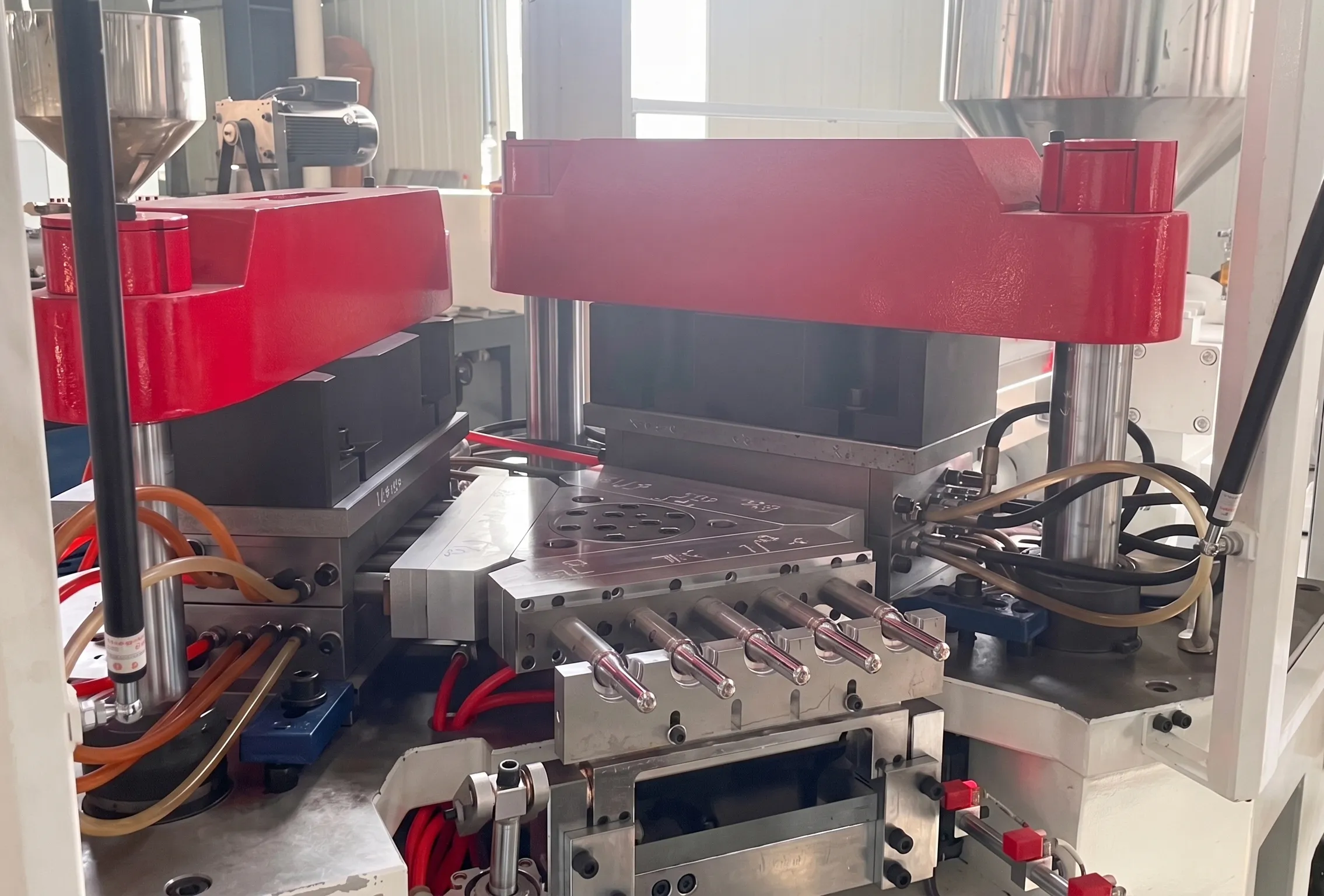
Maszyna ZQ60 IBM integruje trzy stanowiska jednocześnie na jednej platformie stołu obrotowego, umożliwiając równoległe wtryskiwanie, rozdmuchiwanie i usuwanie folii w każdym cyklu maszyny. Ta trzystanowiskowa, współbieżna architektura jest cechą charakterystyczną procesu formowania wtryskowego z rozdmuchem i głównym powodem, dla którego osiąga on zerową ilość odpadów i lepszą spójność wymiarową w porównaniu z formowaniem ekstruzyjnym z rozdmuchem.
Stacja wtrysku preform
Stopiona żywica jest wtryskiwana pod kontrolowanym ciśnieniem i temperaturą wokół rdzenia (trzpienia) wewnątrz gniazda formy wtryskowej. Szyjka butelki i geometria gwintu są precyzyjnie formowane na tym stanowisku, ponieważ szyjka jest kształtowana w całości przez formę wtryskową, a nie przez wtórne rozdmuchiwanie lub przycinanie. Po odpowiednim schłodzeniu, zacisk wtryskowy otwiera się, a stół obrotowy przesuwa rdzenie i przymocowaną preformę do stanowiska rozdmuchiwania. Precyzyjne dozowanie przez elektryczny cylindryczny układ wtryskowy zapewnia stałą grubość ścianki preformy od pierwszego wtrysku.
Stacja formowania rozdmuchowego
Preforma, wciąż ciepła i niesiona na pręcie rdzeniowym, trafia do gniazda formy rozdmuchowej. Sprężone powietrze o ciśnieniu od 0,7 do 1,2 MPa jest wprowadzane przez trzpień, rozdmuchując preformę na zewnątrz, aby dokładnie dopasować ją do wewnętrznej powierzchni formy rozdmuchowej. Na tym stanowisku określany jest kształt korpusu butelki, w tym krzywizna ścianek bocznych, kształt barku i profil podstawy. Po kontrolowanym czasie chłodzenia, zacisk rozdmuchowy otwiera się, a stół obrotowy przenosi gotową butelkę na pręcie rdzeniowym do stanowiska strippingu. Liczba gniazd na tym stanowisku bezpośrednio określa objętość wyjściową w cyklu.
Stacja rozbiórkowa (wyrzutowa)
Na stanowisku strippingu, gotowe, w pełni schłodzone butelki są automatycznie wysuwane z prętów rdzeniowych i przenoszone na przenośnik wyjściowy. Nie jest wymagane przycinanie, usuwanie wypływek ani wtórne wykańczanie, ponieważ proces IBM wytwarza czystą, kompletną butelkę w jednym, zintegrowanym cyklu. Trzy stanowiska pracują jednocześnie w każdym cyklu, co oznacza, że wtrysk, rozdmuch i wypychanie odbywają się równolegle. Ta równoczesna praca na trzech stanowiskach pozwala wtryskarce z rozdmuchem ZQ60 osiągnąć krótki czas cyklu wynoszący 8,2 sekundy dla pojemników o pojemności 30 ml, jednocześnie eliminując odpady na krawędziach.
Obszary zastosowań
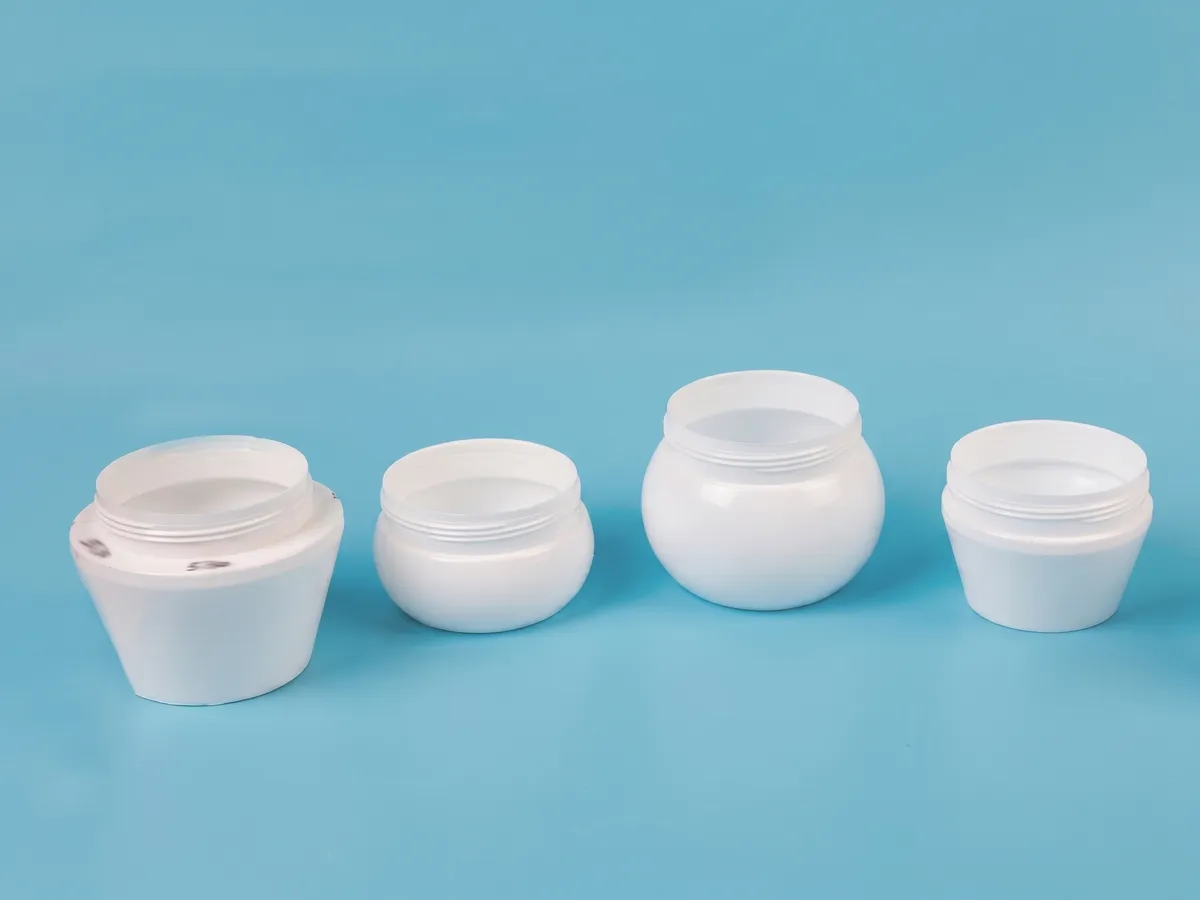
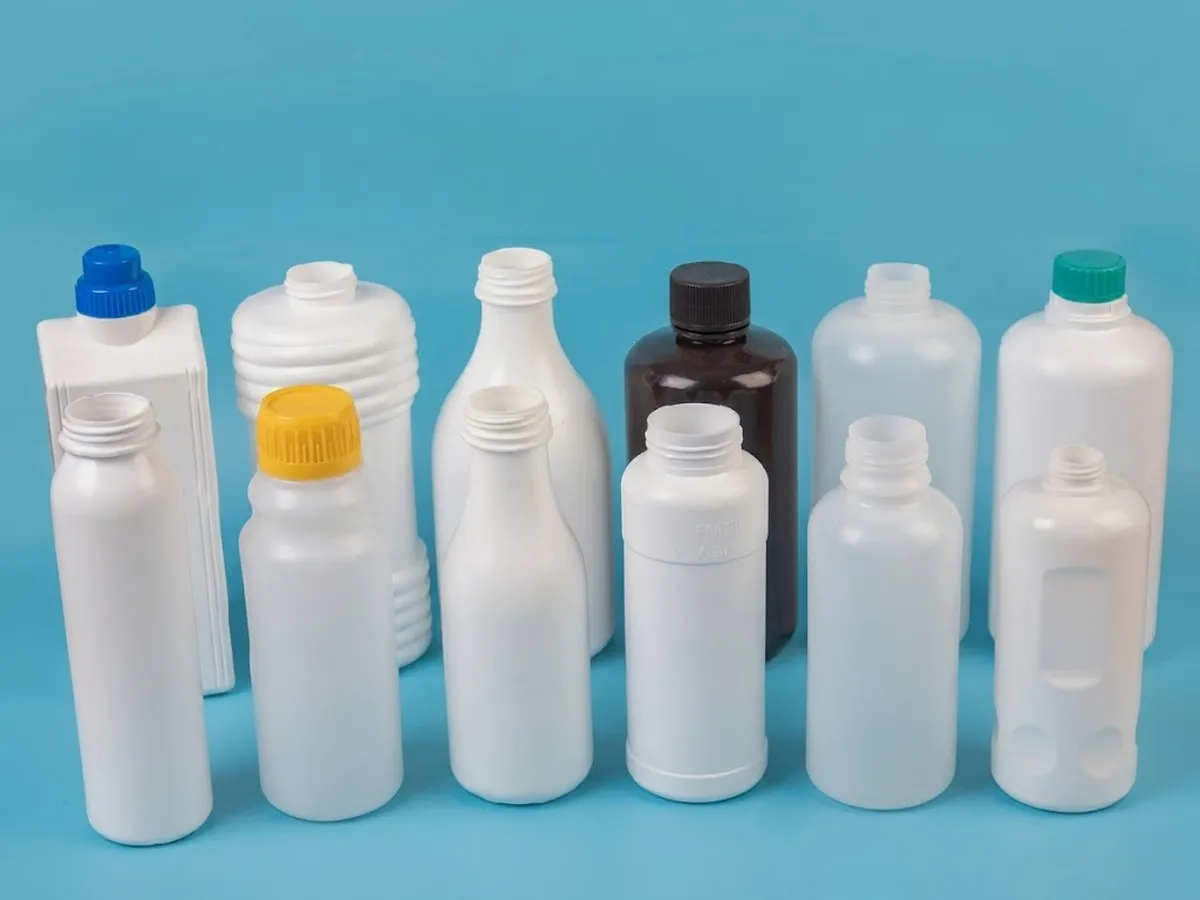
1. Butelki kosmetyczne
Błyszczące, precyzyjne wymiarowo opakowania kosmetyczne wymagają ścisłej kontroli grubości ścianek i nieskazitelnego wykończenia powierzchni. Możliwości wtryskarki z rozdmuchem PET ZQ60 obejmują również przezroczyste materiały PCTG i PS, produkując butelki na serum, pojemniki na podkłady, słoiczki na kremy i elementy opakowań perfum o spójnym wyglądzie i niezawodnym uszczelnieniu, których właściciele marek oczekują, aby produkty prezentowały się na półkach sklepowych najwyższej jakości.
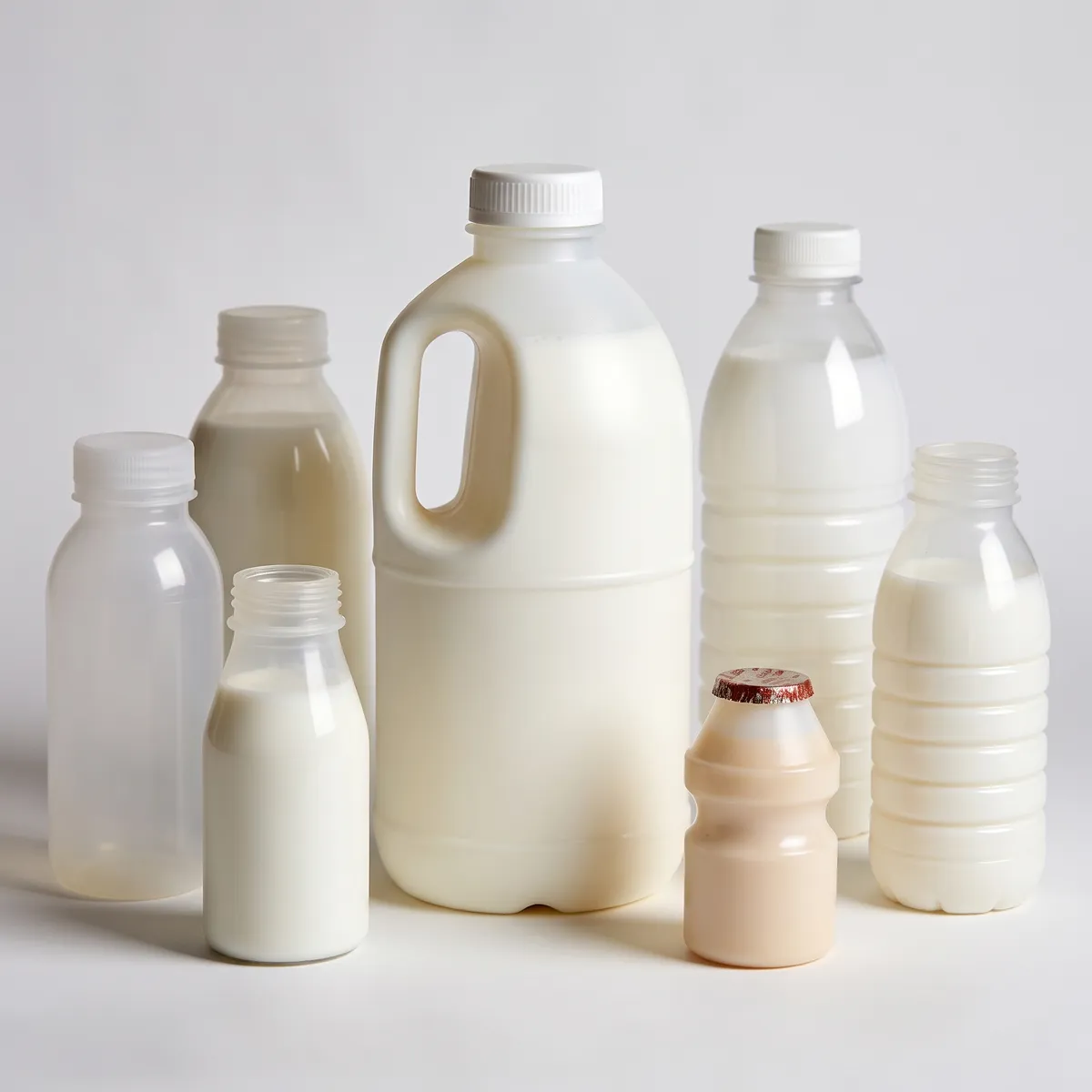
2. Butelki na napoje
Butelki z HDPE, PP i PS dopuszczone do kontaktu z żywnością, przeznaczone do wody, soków, napojów mlecznych i napojów funkcjonalnych, są produkowane w sposób czysty, bez ryzyka zanieczyszczenia oleju hydraulicznego. Wysoka dzienna wydajność maszyny, do 115 000 butelek na dobę, czyni ją opłacalnym wyborem dla firm pakujących napoje, które potrzebują zarówno dużej wielkości produkcji, jak i jakości wykonania, która spełnia wymagania dotyczące pomieszczeń czystych, wymagane przez certyfikaty bezpieczeństwa żywności.
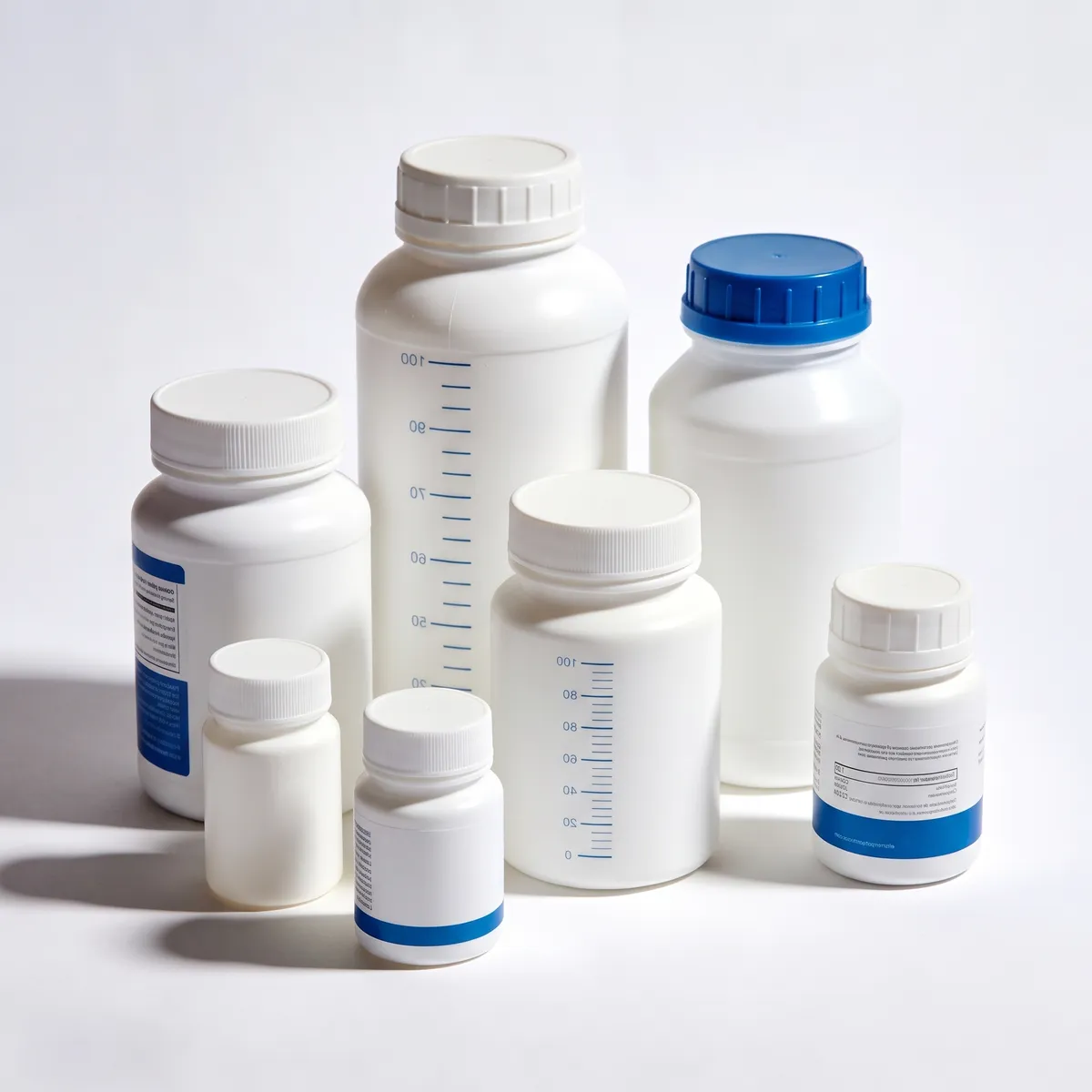
3. Butelki farmaceutyczne
Wtryskarka z rozdmuchem ZQ60 spełnia wymogi higieniczne GMP dzięki bezolejowej strefie formy i konstrukcji od dołu do góry. Produkuje butelki na tabletki, fiolki na kapsułki, pojemniki na płyny doustne oraz butelki z kroplomierzem z HDPE, PP i PET, z precyzyjnie uformowanymi zamknięciami zabezpieczającymi przed otwarciem przez dzieci i szyjkami z zabezpieczeniem przed otwarciem, spełniając wymagania dotyczące tolerancji wymiarowej zautomatyzowanych linii napełniających stosowanych przez producentów farmaceutycznych na całym świecie.
4. Butelki z kroplomierzem
Butelki z aerozolem do oczu i nosa wymagają dokładności wymiarowej na poziomie mikro w obszarze otworu i kołnierza. Wtryskarka ZQ60 osiąga to dzięki formowanej wtryskowo geometrii szyjki i sterowaniu serwomechanizmem enkodera absolutnego, co gwarantuje, że każda wyprodukowana butelka z kroplomierzem ma spójną średnicę otworu i gwint dopasowany do zamknięcia dozującego. Materiały nadające się do pomieszczeń czystych, takie jak LDPE i HDPE, mogą być bezpiecznie przetwarzane bez zanieczyszczeń z układów hydraulicznych.
5. Butelki na płyny do mycia ciała i szampony
Opakowania produktów do pielęgnacji ciała o pojemności od 100 ml do 500 ml, w tym butelki z płynem do mycia ciała, szamponem, odżywką i mydłem w płynie, stanowią kluczowy segment zastosowań maszyny ZQ60. Maszyna sprawnie przetwarza HDPE i PP przy dużej liczbie kawitacji, co czyni ją idealnym rozwiązaniem dla właścicieli marek produktów do pielęgnacji ciała i firm zajmujących się napełnianiem opakowań na zlecenie, które wymagają dużych dziennych wolumenów przy zachowaniu spójnej geometrii panelu etykietowego, co umożliwia integrację zautomatyzowanego systemu etykietowania.
6. Butelki na płyn do mycia naczyń
Butelki na płyn do mycia naczyń, mydło do rąk i wielofunkcyjne środki czyszczące do użytku domowego są zazwyczaj produkowane z HDPE na maszynie ZQ60 z oprzyrządowaniem 5-10-gniazdowym, o pojemności od 250 ml do 500 ml. Serwomotorowy system zaciskowy utrzymuje stałą siłę ściskania w każdym cyklu, zapobiegając powstawaniu zadziorów na linii podziału butelek i redukując nakład pracy związany z kontrolą wtórną. Cicha praca maszyny jest również zaletą w zakładach produkcyjnych o mieszanym przeznaczeniu, w których obowiązują przepisy dotyczące hałasu.
7. Butelki po chemikaliach
Opakowania chemikaliów przemysłowych i rolniczych wymagają solidnych, grubych ścianek, żywic odpornych na działanie chemikaliów i niezawodnego zamknięcia. ZQ60 IBM maszyna do formowania wtryskowego z rozdmuchem Przetwarza HDPE przy masie wtrysku do 383 g, umożliwiając produkcję butelek o grubych ściankach na agrochemikalia, dodatki smarowe, koncentraty czyszczące i odczynniki laboratoryjne. Precyzyjna geometria gwintu szyjki, formowana wtryskowo, zapewnia niezawodne wartości momentu obrotowego nakrętki, co jest kluczowe dla szczelnego transportu regulowanych produktów chemicznych.
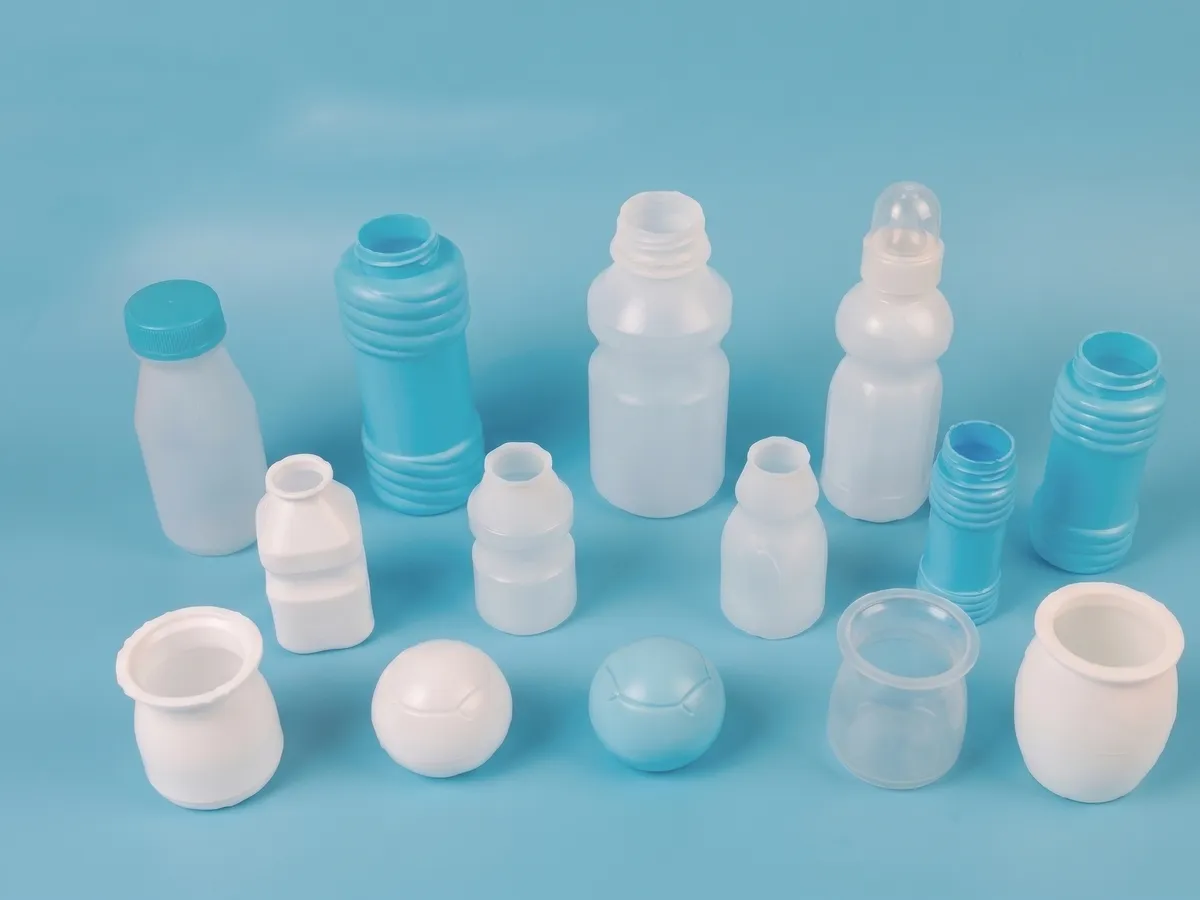
8. Butelki na jedzenie
Pojemniki na olej jadalny, sosy, przyprawy, miód i suplementy diety są produkowane na maszynie ZQ60 z żywic HDPE i PP zgodnych z wymogami FDA. Konstrukcja bezolejowa eliminuje jeden z głównych wektorów zanieczyszczeń zidentyfikowanych podczas audytów bezpieczeństwa żywności w zakładach formowania rozdmuchowego. Wysoka przezroczystość PS i PCTG pozwala na przejrzyste pakowanie produktów spożywczych klasy premium, w których widoczność zawartości jest kluczowym wymogiem w handlu detalicznym, a spójny kształt dna zapobiega deformacji dna podczas układania w stosy i transportu.
 |
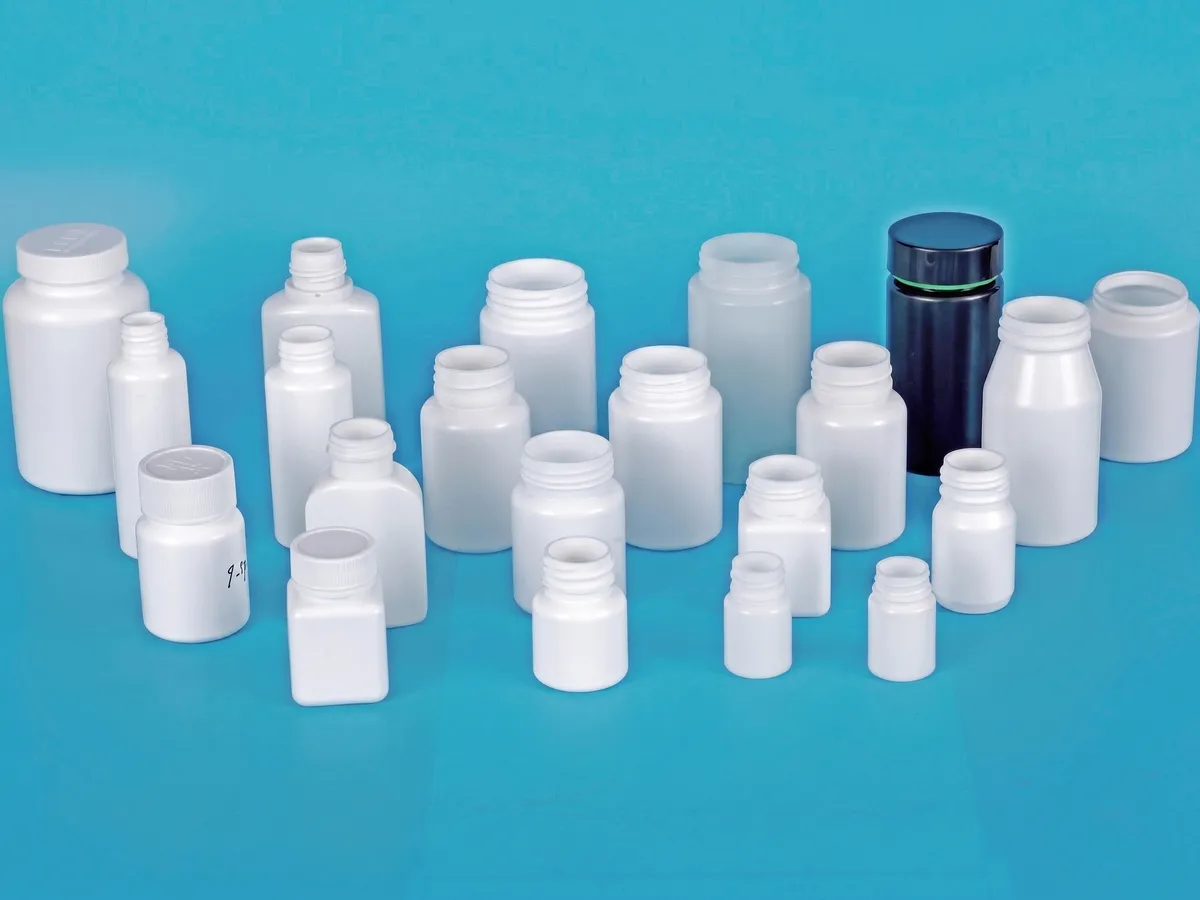 |
| Butelki kosmetyczne | Butelki farmaceutyczne |
 |
 |
| Butelki do karmienia | Butelki na żywność |
ZQ60 kontra Uniloy UIB90: Zalety wydajnościowe
Architektura napędu całkowicie serwo a architektura napędu hydraulicznego
Maszyna Uniloy UIB90 wykorzystuje obwody hydrauliczne do zaciskania i wtrysku, co oznacza, że olej hydrauliczny, uszczelnienia, węże i pompy stanowią punkty konserwacji i kontroli zanieczyszczeń. W modelu ZQ60 wszystkie siłowniki hydrauliczne zastąpiono serwomotorami i napędami śrubowo-tocznymi, całkowicie eliminując konieczność stosowania oleju hydraulicznego. Zapewnia to czystsze środowisko pracy, zmniejsza ryzyko pożaru i eliminuje koszty konserwacji związane z wymianą oleju, filtrów i kontrolą uszczelnień hydraulicznych, które zwiększają całkowity koszt posiadania maszyny w całym okresie jej eksploatacji.
20% Krótszy czas cyklu dla wyższej wydajności
Serwonapędy reagują szybciej i precyzyjniej niż zawory hydrauliczne, umożliwiając maszynie ZQ60 wykonanie cyklu w 8,2 sekundy dla butelek o pojemności 30 ml, w porównaniu z dłuższymi cyklami typowymi dla hydraulicznych maszyn IBM o podobnej klasie zacisku. To ulepszenie czasu cyklu w modelu 20% zwiększa dzienną wydajność porównywalnej maszyny o dziesiątki tysięcy butelek dziennie, co bezpośrednio obniża jednostkowy koszt produkcji i poprawia zwrot z inwestycji w maszynę ZQ60 w porównaniu z urządzeniami hydraulicznymi klasy UIB90 w środowiskach produkcji wielkoseryjnej.
30% Niższe zużycie energii
Serwomotory zużywają energię proporcjonalnie do obciążenia w każdym momencie cyklu, podczas gdy silniki pomp hydraulicznych pracują z pełną mocą w sposób ciągły, niezależnie od zapotrzebowania. Przy zużyciu 12 kWh na godzinę przy produkcji butelek 30 ml, ZQ60 zużywa około 30% mniej energii elektrycznej niż porównywalna hydrauliczna maszyna IBM. W ciągu trzyzmianowego, 365-dniowego roku produkcyjnego, ta oszczędność energii przekłada się na znaczną redukcję kosztów, która rekompensuje znaczną część różnicy w cenie zakupu maszyny w porównaniu z używanym lub regenerowanym sprzętem Uniloy.
Regulowana siła zacisku zapewniająca większą elastyczność
Maszyna ZQ60 oferuje regulowany zakres siły zwarcia wtryskowego od 400 do 600 kN (40 do 80 ton jako parametr systemowy), co pozwala tej samej maszynie na produkcję pojemników cienkościennych wymagających niższych sił zwarcia oraz pojemników grubościennych wymagających większych sił. Ta elastyczność zmniejsza potrzebę stosowania wielu maszyn w ramach jednego asortymentu produktów i obniża całkowite nakłady inwestycyjne dla producentów produkujących butelki o różnych rozmiarach i grubościach ścianek w ramach wspólnego harmonogramu produkcji.
Wyższa powtarzalność enkodera absolutnego
Enkodery absolutne w systemie serwomechanizmów ZQ60 zachowują swoją pozycję odniesienia bez konieczności cyklu powrotu do pozycji wyjściowej po zaniku zasilania, w przeciwieństwie do enkoderów inkrementalnych lub hydraulicznych zaworów proporcjonalnych w starszych maszynach IBM. Oznacza to, że produkcja może zostać wznowiona natychmiast po zaniku zasilania, bez dryftu pozycji wtrysku, położenia zacisku ani kąta indeksowania stołu obrotowego. Rezultatem jest większa spójność wymiarowa w wielodniowych cyklach produkcyjnych oraz mniejsza liczba butelek niezgodnych ze specyfikacją podczas sekwencji rozruchu i ponownego uruchomienia w porównaniu z maszynami hydraulicznymi klasy UIB90.
Niższy całkowity koszt posiadania i globalne wsparcie
Jako wiodący producent maszyn do formowania wtryskowego z rozdmuchem, z klientami w Korei, Indiach, Turcji, Rosji, RPA, Brazylii, Stanach Zjednoczonych i Meksyku, Mexico Ever-Power oferuje kompleksowe doradztwo przedsprzedażowe, instalację na miejscu, szkolenie operatorów oraz posprzedażowe wsparcie techniczne. Części zamienne, oprzyrządowanie do form i zasoby inżynierii aplikacji są dostępne na całym świecie, co zapewnia niższy całkowity koszt posiadania i bardziej przystępne wsparcie techniczne niż w przypadku wielu importowanych maszyn klasy UIB90, których producenci mogą nie utrzymywać lokalnej infrastruktury serwisowej na rynkach rozwijających się.
Surowce kompatybilne z maszyną IBM ZQ60
HDPE (polietylen o wysokiej gęstości)
HDPE to najczęściej przetwarzana żywica w tej maszynie IBM. Jej doskonała odporność chemiczna, zgodność z wymogami FDA dotyczącymi kontaktu z żywnością oraz wysoki stosunek sztywności do masy sprawiają, że jest to standardowy wybór do produkcji butelek na tabletki farmaceutyczne, pojemników na chemikalia domowe, butelek na nabiał oraz opakowań przemysłowych. Maszyna ZQ60 przetwarza HDPE w szerokim zakresie gatunków, od cienkościennych butelek na kosmetyki, po grubościenne pojemniki na agrochemikalia, z masą wtryskową do 383 g.
LDPE (polietylen o niskiej gęstości)
Naturalna elastyczność LDPE sprawia, że jest to preferowany materiał do produkcji butelek z kroplomierzem, butelek z kroplomierzem i elastycznych pojemników opakowaniowych, w których użytkownik musi docisnąć zawartość ręcznie. Wtryskarka z rozdmuchem ZQ60 przetwarza LDPE z tą samą precyzyjną kontrolą wtrysku, co HDPE, zapewniając spójne pozostałości wlewu i równomierny rozkład ścianek w ściskanych sekcjach ścianek bocznych, które są kluczowe dla prawidłowego działania butelek z kroplomierzem i butelek okulistycznych.
PP (polipropylen)
Polipropylen łączy w sobie dobrą odporność chemiczną, kompatybilność ze sterylizacją i wyższą temperaturę topnienia niż polietylen, co czyni go standardową żywicą do autoklawowalnych opakowań farmaceutycznych, pojemników laboratoryjnych oraz wysokotemperaturowych opakowań do żywności, takich jak butelki napełniane na gorąco. Maszyna ZQ60 przetwarza zarówno homopolimery, jak i kopolimery PP, a strefy temperaturowe w cylindrze są odpowiednio dostosowywane. Żywotność zawiasów PP sprawia, że nadaje się on również do produkcji butelek z zamknięciem zintegrowanym, produkowanych na tej platformie wtryskarki do formowania z rozdmuchem w jednym kroku.
PS (polistyren, w tym polistyren o wysokiej przezroczystości)
Na maszynie ZQ60 przetwarzane są polistyren ogólnego przeznaczenia i polistyren o wysokiej przezroczystości (GPPS), przeznaczony do butelek na napoje z bakteriami kwasu mlekowego, przezroczystych fiolek farmaceutycznych oraz opakowań kosmetycznych, gdzie wymagana jest przejrzystość porównywalna ze szkłem przy niższych kosztach materiału niż w przypadku PCTG. Precyzyjnie kontrolowana temperatura stopu i prędkość wtrysku zapobiegają rozchlapywaniu i powstawaniu srebrnych smug, powszechnych podczas przetwarzania PS na mniej precyzyjnie kontrolowanych maszynach IBM, zapewniając jakość optyczną wymaganą przez nabywców opakowań premium.
PCTG (policykloheksylenodimetylenowy tereftalan glikolu)
PCTG zapewnia wyjątkową przejrzystość, odporność na uderzenia i chemikalia w jednym materiale, co czyni go doskonałym wyborem do produkcji serum kosmetycznych, butelek do pielęgnacji skóry i opakowań produktów do pielęgnacji ciała o wysokiej wartości, gdzie wymagana jest odporność na stłuczenie w połączeniu z estetyką przypominającą szkło. Maszyna wtryskowo-rozdmuchowa ZQ60 IBM przetwarza PCTG, stosując precyzyjne protokoły suszenia i zoptymalizowane profile temperatur wtrysku, aby uzyskać pozbawione pęcherzyków powietrza, krystalicznie czyste ścianki, wymagane przez standardy luksusowych marek kosmetycznych.
ABS i ekologiczny materiał kukurydziany / EVA
ABS jest przetwarzany na sztywne, odporne na uderzenia pojemniki specjalistyczne, w których priorytetem jest twardość powierzchni i stabilność wymiarowa. Na ZQ60 można również przetwarzać ekologiczne, biodegradowalne żywice na bazie kukurydzy oraz EVA (etylen-octan winylu), odpowiadając na rosnące zapotrzebowanie rynku na zrównoważone rozwiązania opakowaniowe. Te materiały biopochodne i specjalistyczne korzystają z precyzyjnej kontroli termicznej maszyny i stabilności wtrysku serwo, co kompensuje węższe okna przetwarzania typowe dla żywic niestandardowych w porównaniu z masowym HDPE i PP.
 |
 |
Formowanie wtryskowe z rozdmuchem a formowanie ekstruzyjne z rozdmuchem
Kupujący porównujący maszyny do formowania wtryskowego z rozdmuchem i wytłaczania z rozdmuchem często wybierają między precyzją procesu a elastycznością w zakresie rozmiarów pojemników. To samo porównanie jest często publikowane w brytyjskiej odmianie języka angielskiego jako „formowanie wtryskowe z rozdmuchem” a „formowanie z rozdmuchem z rozdmuchem”, a leżące u jego podstaw kompromisy techniczne są identyczne, niezależnie od pisowni. Zrozumienie różnic w procesach pomaga kupującym określić, czy maszyna IBM, czy EBM jest lepszą inwestycją w ich konkretnym zastosowaniu.
Porównanie procesów: IBM kontra EBM
Formowanie wtryskowe z rozdmuchem rozpoczyna się od wtłoczenia stopionego tworzywa sztucznego wokół pręta rdzeniowego w celu uformowania precyzyjnej preformy i wykończenia szyjki. Następnie preforma jest przenoszona na stanowisko rozdmuchowe, gdzie sprężone powietrze rozdmuchuje ją do ostatecznego kształtu butelki, a na koniec zdejmuje gotową butelkę z trzpienia bez konieczności przycinania. Formowanie wtryskowe z rozdmuchem polega na wytłaczaniu w dół pustej rurki ze stopionego tworzywa sztucznego w formie kształtki wstępnej, a następnie zaciskaniu formy wokół kształtki wstępnej i rozdmuchiwaniu jej powietrzem. Powstaje wówczas wypływka na linii podziału formy oraz odprysk w dnie, który należy przyciąć po schłodzeniu.
Szybkie porównanie: wtryskarka z rozdmuchem a wytłaczarka z rozdmuchem
| Cecha / Czynnik | Formowanie wtryskowe z rozdmuchem (IBM) | Wytłaczanie z rozdmuchem (EBM) |
|---|---|---|
| Formularz początkowy | Formowany wtryskowo preform na pręcie rdzeniowym | Wytłaczana pusta rura parisonowa |
| Precyzja gryfu | Bardzo wysoka; szyjka formowana wtryskowo | Standardowy; wymaga przycinania i kalibracji szyi |
| Złom i odpady błyskawiczne | Zero błysków; bardzo niskie straty procesowe | Generuje błysk wymagający przycinania i recyklingu |
| Najlepszy rozmiar pojemnika | Butelki precyzyjne małej i średniej wielkości (od 1 ml do 1000 ml) | Średnie i duże pojemniki puste |
| Początkowy koszt formy | Wyższe; wymagane są precyzyjne narzędzia i pręty rdzeniowe | Niższy dla wielu dużych form pojemników pustych |
| Najlepsze aplikacje | Farmaceutyka, kosmetyki, żywność, laboratorium, pielęgnacja osobista | Beczki, kanistry, pojemniki na detergenty, duże zbiorniki |
| Priorytet jakości | Spójność wymiarowa, czysta produkcja, niezawodność uszczelnień | Elastyczność rozmiaru, objętość wyjściowa, ekonomika kontenerów |
| Operacje wtórne | Nie jest wymagane; wyjścia z butelek są kompletne | Po formowaniu wymagane jest przycięcie i usunięcie obróbek |
Dopasowanie aplikacji: IBM kontra EBM według typu kontenera
| Aplikacja | Lepsze dopasowanie | Dlaczego to ma znaczenie |
|---|---|---|
| Butelki na tabletki i pigułki farmaceutyczne | IBM | Precyzyjne wykończenie szyjki, czysta produkcja i stabilne uszczelnienie są priorytetem, a nie niskie koszty narzędzi |
| Butelki z kroplomierzem i sprayem do nosa | IBM | Opakowania o małej dawce wymagają dokładnej geometrii szyjki i spójnych wymiarów otworu |
| Małe butelki kosmetyków i artykułów do pielęgnacji ciała | IBM | Wykończenie powierzchni, kontrola wymiarów i zmniejszona ilość odpadów poprawiają jakość produktu i wartość marki |
| Kanistry, beczki i duże pojemniki | EBM | Duża objętość i elastyczne, puste kształty lepiej pasują do sprzętu EBM |
| Duże przemysłowe części puste | EBM | EBM obsługuje większe kształty i szersze kształty produktów, nawet jeśli wymagane jest przycinanie |
W przypadku projektów farmaceutycznych i medycznych, gdzie precyzja szyjki, czysta produkcja i niezawodność uszczelnień mają kluczowe znaczenie, proces z wykorzystaniem maszyn IBM zazwyczaj redukuje straty i ryzyko jakościowe w dalszej części procesu, nawet jeśli inwestycja w maszyny i formy jest wyższa niż w przypadku równoważnego sprzętu EBM. W przypadku dużych pojemników przemysłowych EBM może być bardziej ekonomicznym wyborem.
Jak wybrać odpowiednią maszynę do formowania wtryskowego z rozdmuchem
Oceniając opcje cenowe wtryskarek z rozdmuchem i wybierając model najlepiej odpowiadający Państwa potrzebom produkcyjnym, należy dokładnie rozważyć poniższe czynniki. ZQ60 plasuje się w klasie maszyn o sile zwarcia 60 ton, co odpowiada modelom Uniloy UIB90 i Jomar IBM65, co czyni ją właściwym wyborem do produkcji wielogniazdowej o średniej wydajności, w pojemnikach o pojemności od 10 ml do 250 ml.
1. Wymagana zdolność produkcyjna
Oblicz wymaganą dzienną lub godzinową wydajność w butelkach na godzinę i podziel ją przez oczekiwaną liczbę gniazd w formie, aby określić wymagany czas cyklu. ZQ60 dostarcza od 105 000 do 115 000 butelek na 24 godziny dla pojemników o pojemności 30 ml, z 10-gniazdową formą i cyklem 8,2 sekundy. W przypadku znacznie większych wolumenów, rozważ modele ZQ80 lub ZQ110 o wyższej liczbie kawitacji. W przypadku mniejszych wolumenów i butelek o mniejszych rozmiarach, model ZQ40 może oferować niższą cenę początkową przy odpowiedniej wydajności.
2. Zakres rozmiarów i kształtów butelek
Sprawdź, czy wymiary płyty formy maszyny (600 mm x 390 mm w przypadku ZQ60), maksymalna średnica butelki (120 mm) i zakres wysokości butelki (od 15 mm do 200 mm) są dostosowane do pełnego zakresu geometrii pojemników w Twoim portfolio produktów. Klienci, którzy produkują na tej samej maszynie zarówno fiolki z kroplomierzem o pojemności 10 ml, jak i butelki na szampon o pojemności 250 ml, powinni sprawdzić, czy oprzyrządowanie formy dla obu produktów mieści się w obudowie płyty ZQ60 bez konieczności stosowania przekładek lub płyt adapterowych, które mogłyby zmniejszyć jednorodność siły zacisku.
3. Zgodność preform i żywic
Upewnij się, że średnica ślimaka maszyny (45 mm lub 50 mm), zakres masy wtrysku (od 260 g do 383 g) oraz temperatura cylindra są dopasowane do gatunków żywic, które zamierzasz przetwarzać. Różne żywice wymagają różnych temperatur stopu, ciśnień wstecznych i profili prędkości wtrysku. Inżynierowie aplikacyjni Ever-Power mogą zalecić odpowiednią geometrię ślimaka i konfigurację cylindra dla konkretnych gatunków żywic podczas konsultacji przedsprzedażowych, gwarantując, że maszyna zostanie dostarczona skonfigurowana do Twoich materiałów.
4. Budżet i całkowity koszt posiadania
Porównania cen wtryskarek do formowania z rozdmuchem powinny wykraczać poza początkowy koszt zakupu maszyny, uwzględniając zużycie energii w przewidywanym okresie użytkowania, koszty konserwacji i części zamiennych, inwestycje w oprzyrządowanie form, koszty instalacji i uruchomienia oraz koszty przestojów produkcyjnych związanych z konserwacją. Architektura całkowicie serwomotorowa ZQ60 znacznie obniża koszty energii i konserwacji w porównaniu z alternatywnymi rozwiązaniami hydraulicznymi, co oznacza, że wyższy początkowy koszt maszyny może się zrekompensować w ciągu dwóch do trzech lat eksploatacji przy typowych wolumenach produkcji przemysłowej.
5. Poziom automatyzacji i integracja downstream
Oceń, czy Twoje środowisko produkcyjne wymaga w pełni zautomatyzowanej, bezobsługowej pracy, czy też dopuszczalne jest ręczne przenoszenie butelek po ich wyrzuceniu. ZQ60 obsługuje połączenie z automatycznymi systemami kontroli wizyjnej, testowania szczelności bocznej, etykietowania i pakowania poprzez zintegrowany przenośnik wyjściowy. Kupujący planujący w pełni zautomatyzowaną linię produkcyjną powinni omówić z Ever-Power wymagania dotyczące integracji urządzeń w dalszej części procesu produkcyjnego na etapie specyfikacji, aby upewnić się, że projekt linii uwzględnia kompatybilne prędkości przenośników, systemy orientacji butelek i mechanizmy odrzutu.
6. Jakość obsługi posprzedażowej i wsparcia technicznego
Jakość i dostępność serwisu posprzedażowego dostawcy jest równie ważna, jak specyfikacja techniczna maszyny. Jako producent wtryskarek z rozdmuchem, z ugruntowaną reputacją w ośmiu krajach, Mexico Ever-Power zapewnia udokumentowane konsultacje przedsprzedażowe, fabryczne testy odbiorcze, nadzór nad montażem na miejscu, szkolenia operatorów i konserwatorów oraz długoterminową dostawę części zamiennych. Przed podjęciem decyzji o zakupie poproś o referencje od obecnych klientów z Twojego regionu i dowiedz się o typowy czas reakcji na zgłoszenia dotyczące wsparcia technicznego.
Dlaczego warto wybrać wtryskarki Ever-Power?
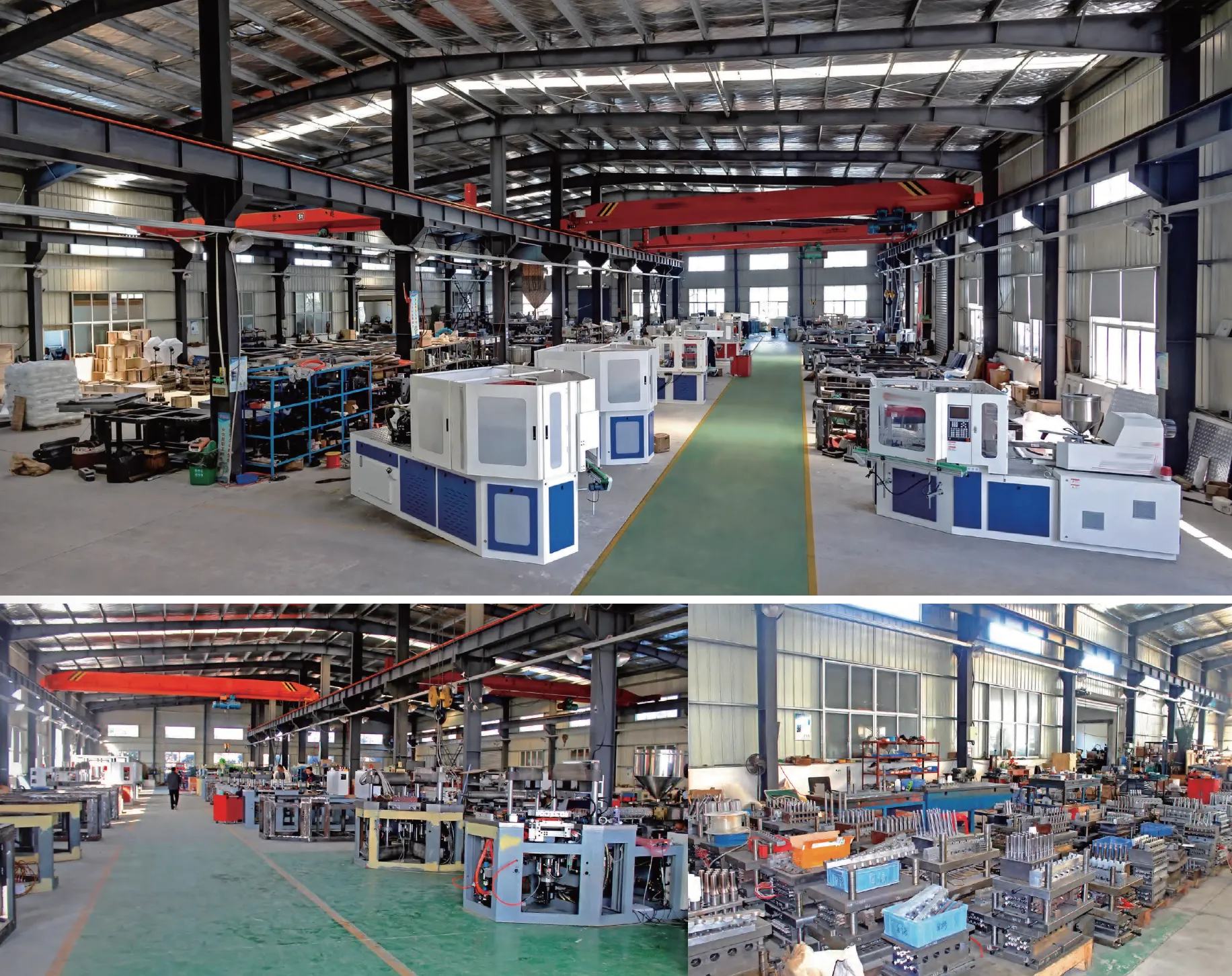
Mexico Ever-Power ISBM Machinery Co., Ltd. zajmuje się głównie badaniami i rozwojem, produkcją, sprzedażą i handlem automatycznymi jednoetapowymi maszynami do formowania wtryskowego z rozdmuchem oraz wsparciem form wtryskowych z rozdmuchem. Firma cieszy się korzystnym położeniem geograficznym z dogodnym dostępem do transportu i zbudowała globalną sieć agentów zagranicznych w Korei, Indiach, Turcji, Rosji, Republice Południowej Afryki, Brazylii, Stanach Zjednoczonych i Meksyku.
- Zespół ekspertów ds. badań i rozwoju
Nasza firma zatrudnia doświadczony personel inżynieryjno-techniczny specjalizujący się w maszynach do wtrysku i rozdmuchiwania oraz rozwoju form. Dzięki bogatemu doświadczeniu teoretycznemu i praktycznemu, zgromadzonemu przez lata produkcji i rozwoju aplikacji, oferujemy klientom szczegółowe i przemyślane konsultacje przedsprzedażowe, wsparcie w trakcie sprzedaży oraz posprzedażowy serwis techniczny, które pomagają zminimalizować ryzyko projektu i przyspieszyć uruchomienie produkcji. - Globalny zasięg aplikacji
Zastosowania produktów Ever-Power obejmują opakowania farmaceutyczne, opakowania do żywności, opakowania do produktów medycznych, opakowania kosmetyczne i inne opakowania z tworzyw sztucznych na całym świecie. Nasze maszyny produkują pojemniki o pojemności od 1 ml do 1000 ml z HDPE, LDPE, PP, PS, ABS, EVA, PCTG oraz ekologicznych materiałów kukurydzianych, obsługując różnorodne branże, zarówno w rozwiniętych, jak i rozwijających się rynkach produkcyjnych, gdzie niezawodność i dostępność wsparcia posprzedażowego są kluczowymi czynnikami przy wyborze maszyny. - Kompleksowe projekty pod klucz
Ever-Power realizuje kompleksowe projekty pod klucz, obejmujące dostawę maszyn, projektowanie i produkcję form, inżynierię aplikacji, fabryczne testy odbiorcze, instalację i uruchomienie na miejscu, szkolenie operatorów oraz długoterminowe dostawy części zamiennych. To zintegrowane podejście eliminuje złożoność i ryzyko związane z koordynacją wielu niezależnych dostawców maszyn, oprzyrządowania i wsparcia posprzedażowego, a także zapewnia pełną kompatybilność wszystkich komponentów linii produkcyjnej formowania wtryskowego z rozdmuchem od pierwszego dnia. - Wartości podstawowe: uczciwość i innowacyjność
Ever-Power kieruje się zasadami rozwoju przedsiębiorstwa, takimi jak samodzielność, uczciwość, pragmatyzm, innowacyjność i odpowiedzialność. Wartości te napędzają ciągły rozwój produktów w zakresie technologii maszyn serwonapędowych, inżynierii form i optymalizacji procesów produkcyjnych. Budujemy długoterminowe relacje z dostawcami maszyn do formowania wtryskowego z rozdmuchem, partnerami w zakresie komponentów oraz klientami, aby dostarczać im stale wysokiej jakości urządzenia, które spełniają, a nawet przewyższają oczekiwania przemysłowych nabywców B2B na wymagających, regulowanych rynkach opakowań.
Często zadawane pytania
P1: Czym jest wtryskarka ZQ60 i którą maszynę zastępuje?
A: ZQ60 to w pełni napędzana serwonapędem, jednoetapowa wtryskarka z rozdmuchem, produkowana przez Mexico Ever-Power ISBM Machinery Co., Ltd. Jest ona pozycjonowana jako funkcjonalny następca modeli Uniloy UIB90, Jomar IBM65, SUMA 65iB i Bloma IBM50 – wszystkich maszyn IBM o klasie zacisku 60 ton. ZQ60 dorównuje lub przewyższa możliwości produkcyjne tych modeli, oferując jednocześnie niższe zużycie energii, wyższą prędkość cyklu i czystsze, bezolejowe środowisko produkcyjne, odpowiednie dla zakładów farmaceutycznych i pakowania żywności.
P2: Ile butelek dziennie może wyprodukować wtryskarka ZQ60?
A: W przypadku butelek o pojemności 30 ml z 10-gniazdową formą i czasem cyklu 8,2 sekundy, ZQ60 osiąga standardową dzienną wydajność 105 000 butelek i maksymalną wydajność 115 000 butelek na 24 godziny. W przypadku pojemników o innych rozmiarach dzienna wydajność różni się w zależności od liczby kawitacji i czasu cyklu. Większe pojemniki zmniejszają kawitację i wydłużają cykle, natomiast mniejsze pojemniki, takie jak fiolki 10 ml, umożliwiają zastosowanie do 14 gniazd i krótsze cykle. Zespół inżynierów aplikacji w Ever-Power może obliczyć oczekiwaną wydajność dla konkretnego rozmiaru butelki i liczby kawitacji na etapie specyfikacji przedsprzedażowej.
P3: Jakie żywice syntetyczne może przetwarzać maszyna IBM ZQ60?
A: Maszyna ZQ60 przetwarza HDPE, LDPE, PP, PS (w tym gatunki o wysokiej przezroczystości), ABS, PCTG, EVA oraz biodegradowalne żywice na bazie kukurydzy. Materiały te obejmują pełną gamę pojemników o pojemności od 1 ml do 1000 ml, stosowanych w opakowaniach farmaceutycznych, butelkach na żywność i napoje, opakowaniach kosmetycznych, produktach do higieny osobistej oraz pojemnikach na chemikalia domowe. Ślimak, strefowanie temperatury w cylindrze oraz parametry wtrysku są konfigurowalne dla każdego rodzaju materiału, a inżynierowie Ever-Power mogą doradzić optymalną konfigurację dla konkretnego gatunku żywicy i geometrii butelki przed dostawą maszyny.
P4: Jaka jest cena wtryskarki ZQ60 i jak wypada ona w porównaniu z używanym sprzętem Uniloy?
A: Cena wtryskarki z rozdmuchem różni się w zależności od specyfikacji, konfiguracji formy i regionalnych wymagań dotyczących dostawy. Skontaktuj się z Mexico Ever-Power, aby uzyskać szczegółową wycenę obejmującą cenę maszyny, oprzyrządowanie formy, uruchomienie i pakiety wsparcia posprzedażowego. Porównując cenę z używanymi opcjami wtryskarek z rozdmuchem PET lub odnowionymi maszynami Uniloy UIB90, weź pod uwagę niższe zużycie energii (30%) modelu ZQ60, niższe koszty konserwacji dzięki architekturze opartej wyłącznie na serwomotorach oraz pełną gwarancję producenta i serwis posprzedażowy, których zazwyczaj nie oferują maszyny używane. Całkowity koszt posiadania w pięcioletnim okresie produkcji często przemawia za nową maszyną ZQ60 w porównaniu z regenerowanymi alternatywami hydraulicznymi.
P5: Czy maszyna ZQ60 nadaje się do pakowania produktów farmaceutycznych zgodnie z zasadami GMP?
Odp.: Tak. Konstrukcja ZQ60 typu „od dołu do góry” zapobiega przedostawaniu się oleju smarowego do obszaru formy, co jest kluczowym wymogiem dla formowania rozdmuchowego zgodnego z GMP w przemyśle farmaceutycznym. Całkowite wyeliminowanie oleju hydraulicznego eliminuje główne źródło zanieczyszczeń. System z serwonapędem generuje znacznie niższy poziom hałasu w porównaniu z maszynami hydraulicznymi, a system enkoderów absolutnych zapewnia spójność parametrów procesu na każdej zmianie. Ever-Power może dostarczyć dokumentację procesową, certyfikaty materiałowe dla stali formujących oraz dane dotyczące wydajności maszyny, aby wesprzeć kwalifikacje zakładów pakujących produkty farmaceutyczne i spełnić wymogi audytów regulacyjnych.
P6: Czy wtryskarkę ZQ60 można podłączyć do zautomatyzowanego sprzętu pakującego?
Odp.: Tak. Przenośnik wyjściowy ZQ60 jest przeznaczony do podłączenia do automatycznych systemów kontroli wizyjnej, testerów szczelności bocznej, etykieciarek i automatycznych urządzeń pakujących. Systemy kontroli wizyjnej można skonfigurować tak, aby wykrywały obce cząstki wewnątrz butelek, niedobór materiału w szyjce butelki oraz nierówne ułożenie dna. Prędkość przenośnika i orientację butelki na wyjściu można określić tak, aby odpowiadały wymaganiom wejściowym urządzeń znajdujących się dalej w procesie. Ever-Power może omówić wymagania dotyczące integracji na etapie specyfikacji, a w niektórych przypadkach dostarczyć dopasowane urządzenia pomocnicze jako część kompletnego pakietu linii produkcyjnej pod klucz.
P7: Jaka jest różnica pomiędzy maszyną do formowania wtryskowego i maszyną do formowania wtryskowego z rozciąganiem i rozdmuchiwaniem?
A: Wtryskarka z rozdmuchem (maszyna IBM) formuje preformę metodą wtrysku, a następnie nadmuchuje ją wyłącznie za pomocą ciśnienia powietrza bez rozciągania osiowego, co czyni ją idealną do pojemników z HDPE, LDPE, PP i PS o pojemności od 1 ml do 1000 ml. Wtryskarka z rozdmuchem i rozciąganiem (maszyna ISBM) dodaje mechaniczny pręt rozciągający, który osiowo wydłuża preformę jednocześnie z rozdmuchiwaniem, co powoduje dwuosiową orientację PET i innych żywic krystalizujących w celu uzyskania wyższej przejrzystości, wytrzymałości i właściwości barierowych niezbędnych w przypadku butelek na napoje gazowane i wodę. ZQ60 to maszyna IBM zoptymalizowana pod kątem opakowań farmaceutycznych, kosmetycznych i do pielęgnacji ciała, a nie butelek na napoje z PET, które lepiej sprawdzają się w przypadku dedykowanej jednostopniowej wtryskarki z rozdmuchem i rozciąganiem lub platformy ISBM.
P8: Jak długo trwa instalacja i uruchomienie ZQ60?
A: Standardowa instalacja i uruchomienie ZQ60 zazwyczaj zajmuje od dwóch do czterech dni roboczych na miejscu, w zależności od gotowości zakładu, podłączeń mediów oraz złożoności instalowanych narzędzi formy. Zespół techniczny Ever-Power lub autoryzowany regionalny partner serwisowy przeprowadza instalację maszyny, instalację formy, rozruch, optymalizację parametrów procesu dla konkretnej geometrii żywicy i butelki oraz szkolenie operatorów podczas wizyty uruchomieniowej. Przed wysyłką możliwe jest przeprowadzenie testów odbiorczych w zakładzie produkcyjnym Ever-Power, co zmniejsza ryzyko opóźnień na miejscu. Zachęcamy klientów do pełnego przygotowania i weryfikacji mediów, takich jak sprężone powietrze, woda chłodząca i zasilanie elektryczne, przed przybyciem zespołu uruchomieniowego.
P9: Jakich czynności konserwacyjnych wymaga wtryskarka elektryczna ZQ60?
A: Architektura serwomotoru ZQ60 eliminuje konieczność wymiany oleju hydraulicznego, wymiany filtrów hydraulicznych i kontroli uszczelnień hydraulicznych, które są standardowymi czynnościami konserwacyjnymi w hydraulicznych maszynach IBM. Podstawowe czynności konserwacyjne obejmują codzienne smarowanie prowadnic liniowych i zespołów śrub kulowych, cotygodniową kontrolę jakości i natężenia przepływu wody chłodzącej, comiesięczną kontrolę serwonapędów i połączeń elektrycznych, okresowe czyszczenie formy i kontrolę gniazda, coroczny pomiar zużycia ślimaka i cylindra oraz terminową wymianę baterii zapasowych enkodera absolutnego. Ever-Power dostarcza z każdą maszyną kompleksową instrukcję konserwacji i listę części zamiennych, aby wspierać wewnętrzne programy konserwacji.
P10: Czy Ever-Power dostarcza narzędzia formujące do wtryskarki ZQ60?
Odp.: Tak. Mexico Ever-Power ISBM Machinery Co., Ltd. to producent zarówno maszyn do formowania wtryskowego, jak i form wtryskowych. Oprzyrządowanie form, dopasowane do platformy maszyny ZQ60, jest dostępne dla wszystkich standardowych geometrii pojemników. Gniazda formy są obrabiane maszynowo z importowanego stopu stali S136 lub stali nierdzewnej 4Cr13, co zapewnia długą żywotność i wysoką jakość polerowania na wysoki połysk. Zespół inżynierów form Ever-Power może opracować niestandardowe projekty form dla konkretnych kształtów butelek, wykończeń szyjek i systemów zamknięć na podstawie dostarczonych przez klienta rysunków lub próbek. Zakup maszyny i oprzyrządowania formy od jednego dostawcy upraszcza zarządzanie projektem i gwarantuje zgodność wymiarową między płytą maszyny, podstawą formy i zespołem trzpienia.
P11: Jaki zakres wysokości i średnicy butelek obsługuje ZQ60?
A: Model ZQ60 obsługuje butelki o wysokości od 15 mm do 200 mm i średnicy korpusu do 120 mm, z maksymalnym rozmiarem płyty 600 mm x 390 mm i grubością formy do 240 mm. Skok roboczy wynoszący 230 mm umożliwia obsługę wyższych butelek w tym zakresie wysokości. Klienci posiadający linie produktów obejmujące zarówno bardzo krótkie fiolki, jak i wysokie butelki, powinni zweryfikować, czy cała gama produktów mieści się w tych parametrach na etapie specyfikacji przedsprzedażowej. W przypadku butelek o wysokości przekraczającej 200 mm lub średnicy przekraczającej 120 mm, bardziej odpowiednim wyborem może być model ZQ80 lub większy model z serii ZQ.
Opinie klientów
Jae-won Park, Opakowania farmaceutyczne, Korea
Około osiem miesięcy temu w naszym zakładzie pakowania produktów farmaceutycznych wymieniliśmy maszynę Uniloy UIB90 na ZQ60. Szczerze mówiąc, różnica jest kolosalna. Brak oleju hydraulicznego sprawił, że audyt pomieszczenia czystego w ostatnim kwartale przebiegł znacznie sprawniej. Czas cyklu 8,2 sekundy dla naszych 30-mililitrowych butelek z HDPE utrzymuje się na stałym poziomie, a my produkujemy około 105 000 butelek dziennie, zgodnie z obietnicą. Zespół instalacyjny z meksykańskiej firmy Ever-Power wykazał się profesjonalizmem i uruchomił nas w ciągu trzech dni.
Priya Mehta, Opakowania Kosmetyczne, Indie
„Produkujemy butelki kosmetyczne o pojemności 100 ml w technologii PCTG dla europejskiej marki. Wypróbowaliśmy kilku dostawców, ale spójność grubości ścianek z zestawu form ZQ60 jest najlepsza, jaką widzieliśmy. Pracujemy na dwie zmiany dziennie od sześciu miesięcy, a butelki automatycznie przechodzą każdą kontrolę wizualną. System serwo jest również cichy, co doceniają nasi pracownicy. Czas reakcji działu wsparcia jest szybki, nawet z naszej lokalizacji w Indiach.”
Mehmet Yildirim, Chemical Packaging, Turcja
Kupiliśmy ZQ60 do naszej linii produkcyjnej butelek HDPE o pojemności 250 ml dziewięć miesięcy temu. Już same oszczędności energii były warte przejścia z naszej starej maszyny hydraulicznej. Rachunki za prąd spadły zauważalnie już w pierwszym miesiącu. Mamy formę 5-gniazdową i produkujemy około 64 000 butelek dziennie. Maszyna jest niezawodna, jak dotąd nie mieliśmy problemów z przestojami. Jakość form Ever-Power jest doskonała, a dokładność gwintu na każdej butelce jest idealna, co gwarantuje nasze nakrętki zabezpieczające przed otwarciem przez dzieci.
Siergiej Wołkow, Opakowania Farmaceutyczne, Rosja
Przetwarzamy PP do fiolek farmaceutycznych, a ZQ60 radzi sobie z tym bez problemu. Szczerze mówiąc, początkowo byliśmy sceptyczni co do chińskiego producenta wtryskarek do formowania z rozdmuchem, ale wizyta w fabryce nas przekonała. Jakość wykonania jest solidna, a dostarczone przez nich formy ze stali S136 nie wykazują śladów zużycia po prawie roku trzyzmianowej produkcji. Poleciłbym każdemu w sektorze farmaceutycznym, kto szuka odpowiednika UIB90 w lepszej cenie i przy niższych kosztach energii.
Naledi Dlamini, Opakowania do Pielęgnacji Ciała, Republika Południowej Afryki
„Zainstalowaliśmy ZQ60 w naszym zakładzie około pięć miesięcy temu, do butelek HDPE do mycia ciała o pojemności 60 ml, w 10-gniazdowej formie. Wydajność utrzymuje się na stałym poziomie około 110 000 butelek dziennie. W drugim miesiącu mieliśmy problem z zaworem elektromagnetycznym, a zespół obsługi posprzedażowej wysłał nam część zamienną i przeprowadził naprawę za pośrednictwem wideorozmowy jeszcze w tym samym tygodniu. Jestem pod wrażeniem reakcji wsparcia. Dna butelek są idealnie płaskie, co ma duże znaczenie dla naszej zautomatyzowanej linii pakującej”.
Carlos Andrade, Opakowania Napojów, Brazylia
„Do produkcji naszego jogurtu z bakteriami kwasu mlekowego używamy butelek z polistyrenu (PS) i obawialiśmy się przetwarzania PS na maszynie IBM, ale kontrola temperatury w cylindrze w ZQ60 jest doskonała. Żadnych wad rozchylania, butelki są bardzo przejrzyste, klienci komentują ich wygląd. Maszyna działa od siedmiu miesięcy. Logistyka z Ever-Power do Brazylii zajęła trochę więcej czasu niż oczekiwano, ale wszystko dotarło w idealnym stanie, a skrzynie były bardzo dobre.”
Amanda Foster, Pharmaceutical Packaging, Stany Zjednoczone
„Obsługujemy butelki z kroplomierzem LDPE o pojemności 30 ml do produktów okulistycznych w USA. ZQ60 utrzymuje tolerancję średnicy otworu, potrzebną dla naszej sterylnej linii napełniającej, z dokładnością plus/minus 0,05 mm na wszystkich 10 gniazdach. Oceniliśmy kilku dostawców maszyn do formowania wtryskowego z rozdmuchem, a Ever-Power wygrał pod względem precyzji wymiarowej i ceny. Ich inżynierowie ds. aplikacji rozumieli wymagania farmaceutyczne od pierwszego kontaktu, co pozwoliło nam zaoszczędzić dużo czasu na dyskusjach dotyczących specyfikacji.”
Alejandro Ruiz, Opakowania Żywności, Meksyk
Jesteśmy kontraktową firmą zajmującą się formowaniem rozdmuchowym w Meksyku, produkującą butelki dla marek spożywczych i kosmetycznych. Zakupiliśmy maszynę ZQ60 jedenaście miesięcy temu i od tamtej pory jest to nasza maszyna o najwyższej wydajności. Produkuje ona butelki HDPE o pojemności 100 ml z sosem spożywczym, panele etykiet są idealnie płaskie, a nasza etykieciarka nie ma żadnych problemów z zacięciami dzięki powtarzalnym wymiarom butelek. Hiszpańskojęzyczne wsparcie posprzedażowe, które Ever-Power zapewnił nam w Meksyku, było miłym zaskoczeniem i znacznie ułatwiło naszym operatorom wdrożenie się.
Anil Sharma, Opakowania Medyczne, Indie
„Produkujemy butelki farmaceutyczne HDPE o pojemności 50 ml dla klienta z branży zaopatrzenia szpitali. Wymagania jakościowe są bardzo rygorystyczne. Maszyna ZQ60 spełnia wszystkie nasze wymagania wymiarowe i wizualne od czterech miesięcy. Najbardziej cenię sobie szczegółową dokumentację serwisową i dostarczoną listę części zamiennych, która obejmuje wszystko, czego możemy potrzebować w ciągu pierwszych dwóch lat. Dostarczona przez nich forma nie ma nadlewek na każdej butelce, co wyeliminowało cały etap ręcznej kontroli z naszej linii produkcyjnej”.
Informacje dodatkowe
| Edytowane przez | Yjx |
|---|